Nutritional Deficiencies After Bariatric Surgery: What You Need to Know Before Body Contouring Surgery

Nutritional Deficiencies After Bariatric Surgery: What You Need to Know Before Body Contouring Surgery

REFERENCE SUMMARY The issue is that patients who have lost significant weight, whether through bariatric surgery, GLP-1 receptor agonist medications, or structured dietary changes, frequently present for body-contouring procedures with subclinical or clinical nutritional deficiencies. These deficiencies directly affect wound healing, immune function, and the risk of post-operative complications, including DVT.

Vitamin A (Retinoid) Before and After Body Contouring Surgery: A Guide for Post Weight Loss Patients

Vitamin A (Retinoid) Before and After Body Contouring Surgery: A Guide for Post Weight Loss Patients

Quick Reference Summary What vitamin A does: Vitamin A is a fat-soluble vitamin essential for wound healing, immune function, and skin integrity. It activates fibroblasts to produce collagen, supports keratinocyte turnover for surface wound repair, promotes new blood vessel formation at the wound site, and regulates immune cell activity during

How Long Does Abdominoplasty (tummy tuck) Take After Major Weight Loss? A Detailed Surgical Timeline

How Long Does Abdominoplasty (tummy tuck) Take After Major Weight Loss? A Detailed Surgical Timeline

Abdominoplasty (tummy tuck) surgery after major weight loss is more variable than post‑pregnancy abdominoplasty. In patients following significant or massive weight loss, the primary issue is excess skin rather than muscle tightening. After substantial weight loss, reduced skin elasticity and stretched abdominal skin mean the tummy tuck (abdominoplasty) is primarily

Medicare Coverage for Post Weight Loss Abdominoplasty (Tummy Tuck) in Australia

Medicare Coverage for Post Weight Loss Abdominoplasty (Tummy Tuck) in Australia

Significant weight loss can result in excess abdominal skin, changes to the abdominal wall, and ongoing skin conditions that may interfere with daily activities and work. For some patients, a tummy tuck (abdominoplasty) performed after major weight loss may be assessed as medically necessary rather than a cosmetic procedure. Many

Complications from Dual-Vector Abdominoplasty

Complications from Dual-Vector Abdominoplasty

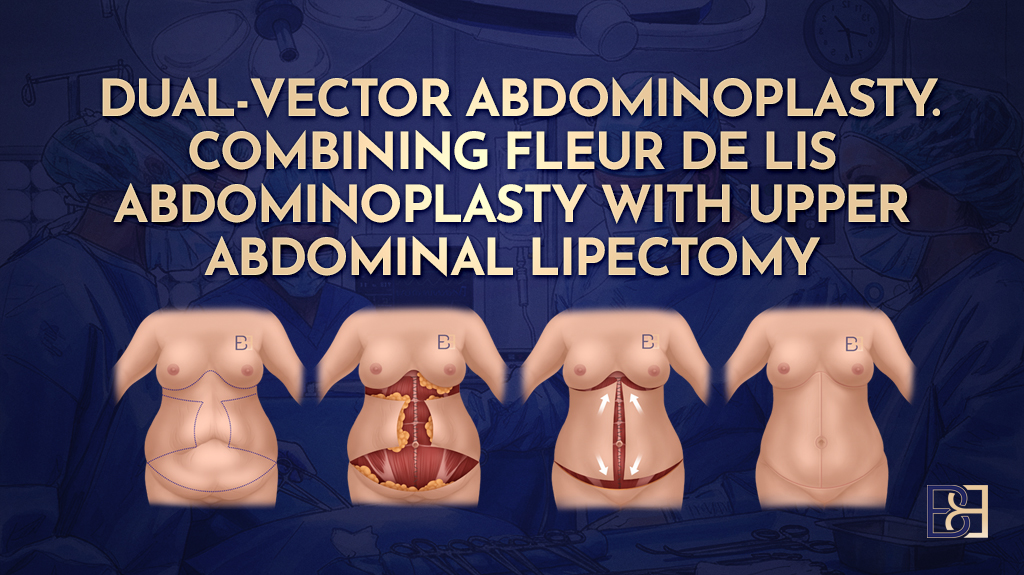
Dual vector abdominoplasty is an advanced form of abdominoplasty surgery designed for patients who have experienced significant weight loss. It combines principles of the Fleur-de-Lis abdominoplasty with an additional upper abdominal skin excision, allowing excess skin to be addressed in multiple directions, including the upper abdomen and lower chest region.

Recovering from Dual-Vector Abdominoplasty

Recovering from Dual-Vector Abdominoplasty

Recovery after a dual vector abdominoplasty is a structured and closely supervised process. While it shares many similarities with recovery after a Fleur-de-Lis abdominoplasty, there are additional considerations due to the upper abdominal incision that forms part of this operation. In my practice, recovery is approached in a practical, step‑by‑step

Location

30 Belmore Rd
Lorn NSW 2320

Connect