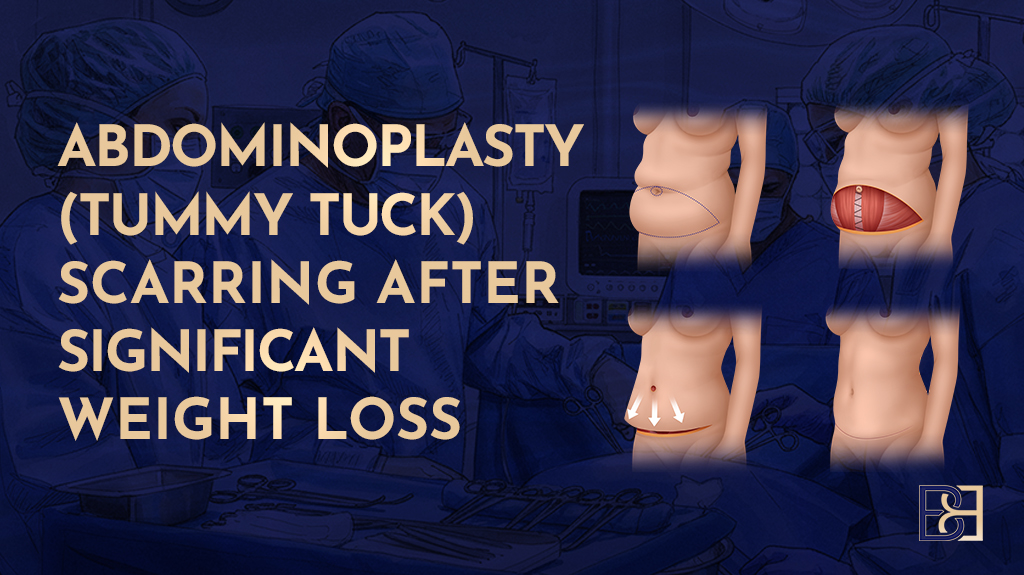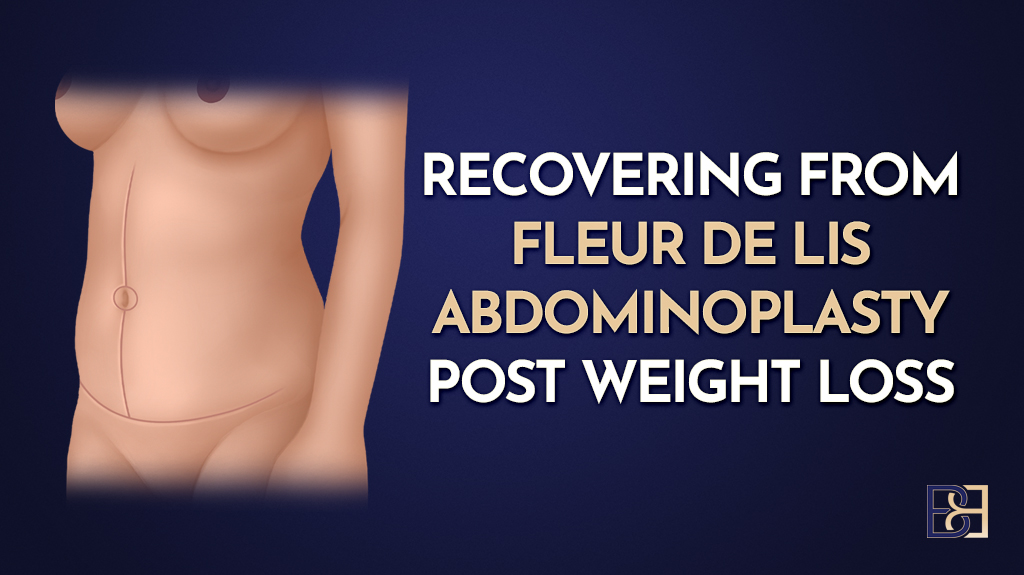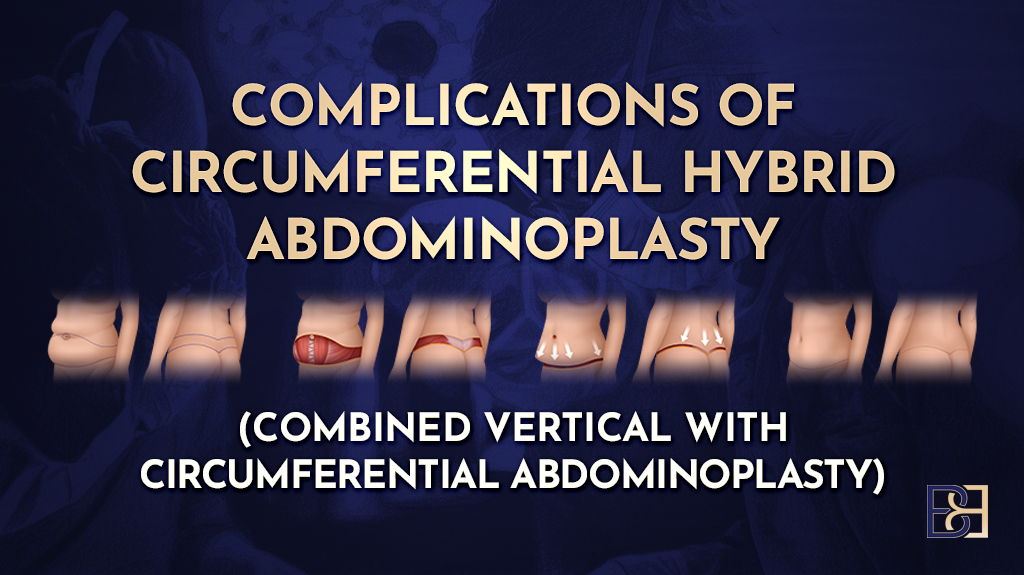
Dual vector abdominoplasty is an operation I developed for post weight loss patients whose excess abdominal skin runs in more than one direction and extends into the upper abdomen and lower chest. It combines a Fleur de Lis abdominoplasty with an upper abdominal lipectomy in a single operation, removing skin along two distinct directions. That is where the name comes from. Each direction of skin excision is a vector, and this operation uses two.
Most abdominal contouring operations treat the lower and central abdomen. In my practice, I see a group of patients after major weight loss who still carry loose, redundant skin high on the abdomen, just below the rib cage and chest crease. A standard abdominoplasty (tummy tuck) does not reach this area. A Fleur de Lis abdominoplasty treats the central abdomen but leaves the uppermost skin largely untouched. The dual vector approach was designed for exactly this pattern.
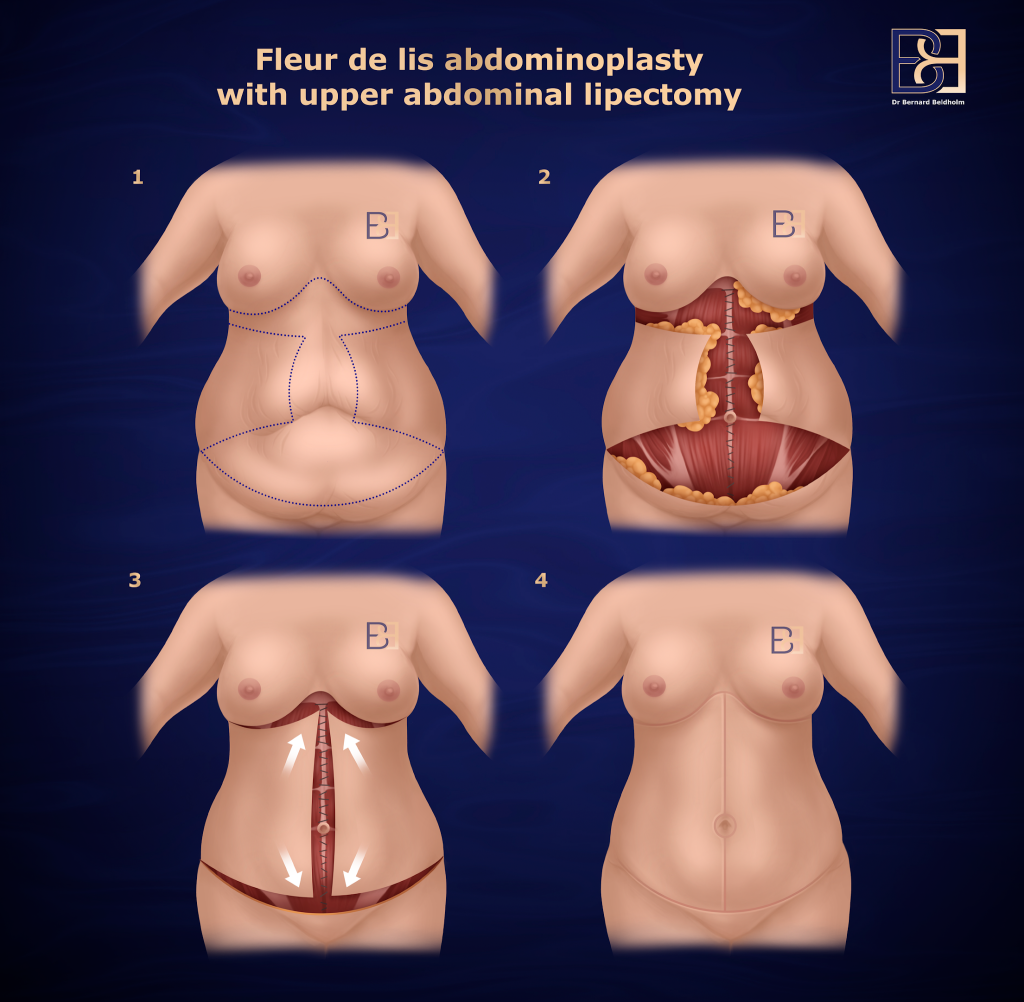
This article explains how abdominal skin behaves after significant weight loss, why some patterns of skin excess need two excision directions, who may be suitable, and how I perform the operation at Maitland Private Hospital. It is a companion to my Fleur de Lis abdominoplasty article, which covers the Fleur de Lis component in detail.
Table of Contents
Why Skin Excess Develops in More Than One Direction After Significant Weight Loss
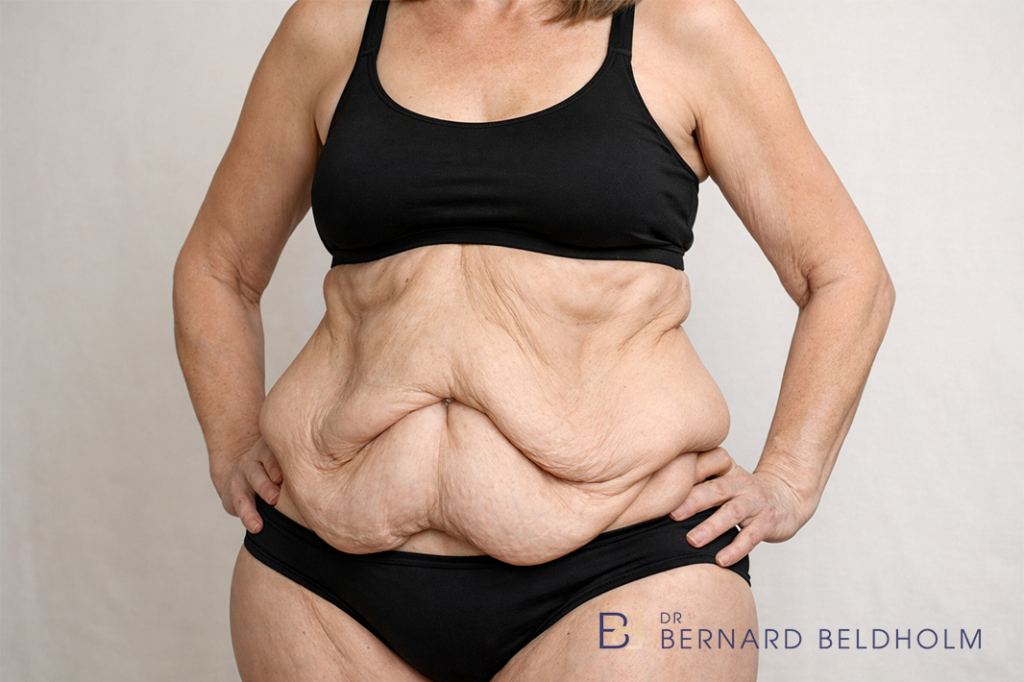
Skin stretches to accommodate weight gain in every direction at once. It expands around the circumference of the trunk, from side to side, and it lengthens from top to bottom as weight pulls the tissues downward. When a person has experienced significant weight loss, whether through bariatric surgery, medication assisted weight loss, or lifestyle change, the skin rarely retracts evenly, and many people develop excess abdominal skin in more than one direction.
How much the skin recovers depends on factors including age, genetics, how long the skin was stretched, the amount of weight lost, smoking history, and sun exposure. Published research on body contouring after massive weight loss consistently describes skin excess as a three dimensional problem rather than a single fold (1). Skin elasticity depends on elastic fibres in the dermis, which are damaged by prolonged stretching, and once damaged they do not rebuild.
The result is skin redundancy, a pattern of laxity that runs in the vertical and horizontal directions at once:
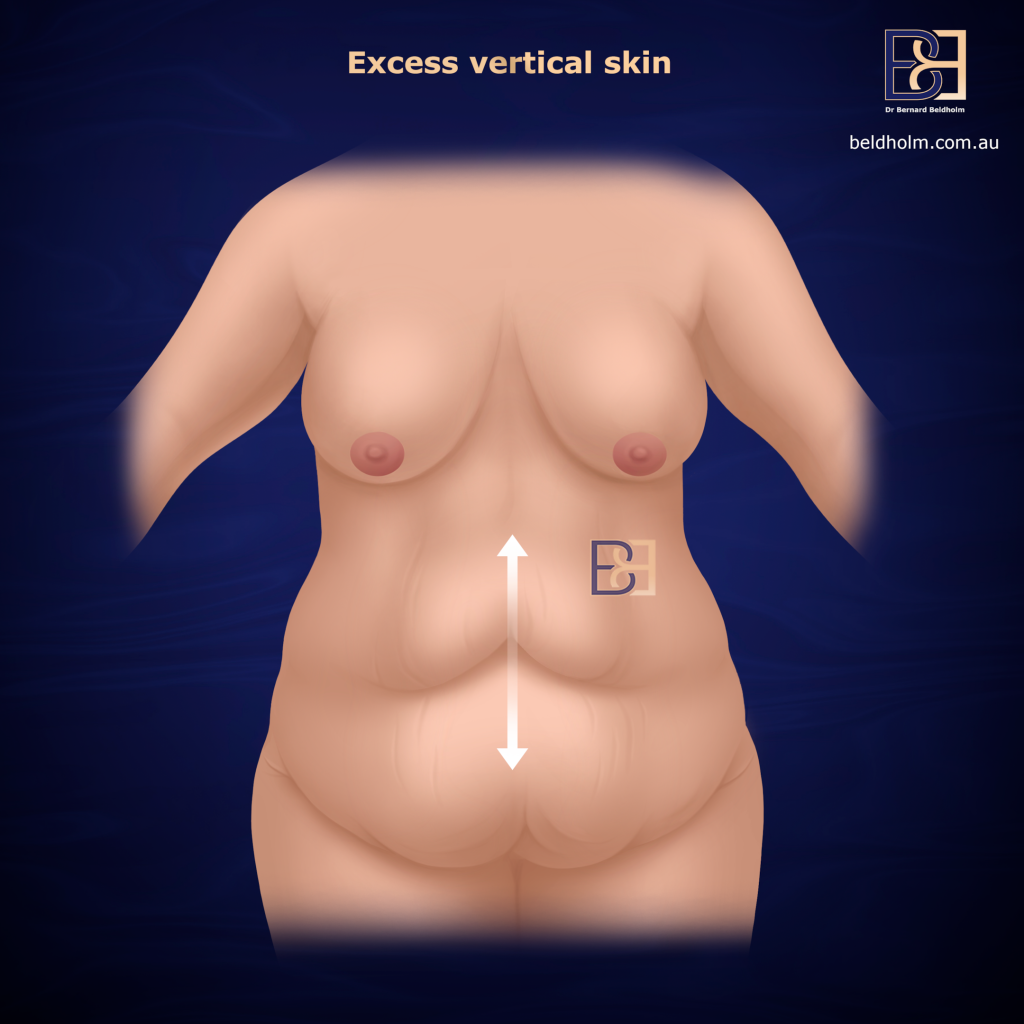
- Vertical excess. Skin that is too long from top to bottom. It hangs downward, often as an apron over the lower abdomen. This is the pattern most people picture when they think of loose skin.
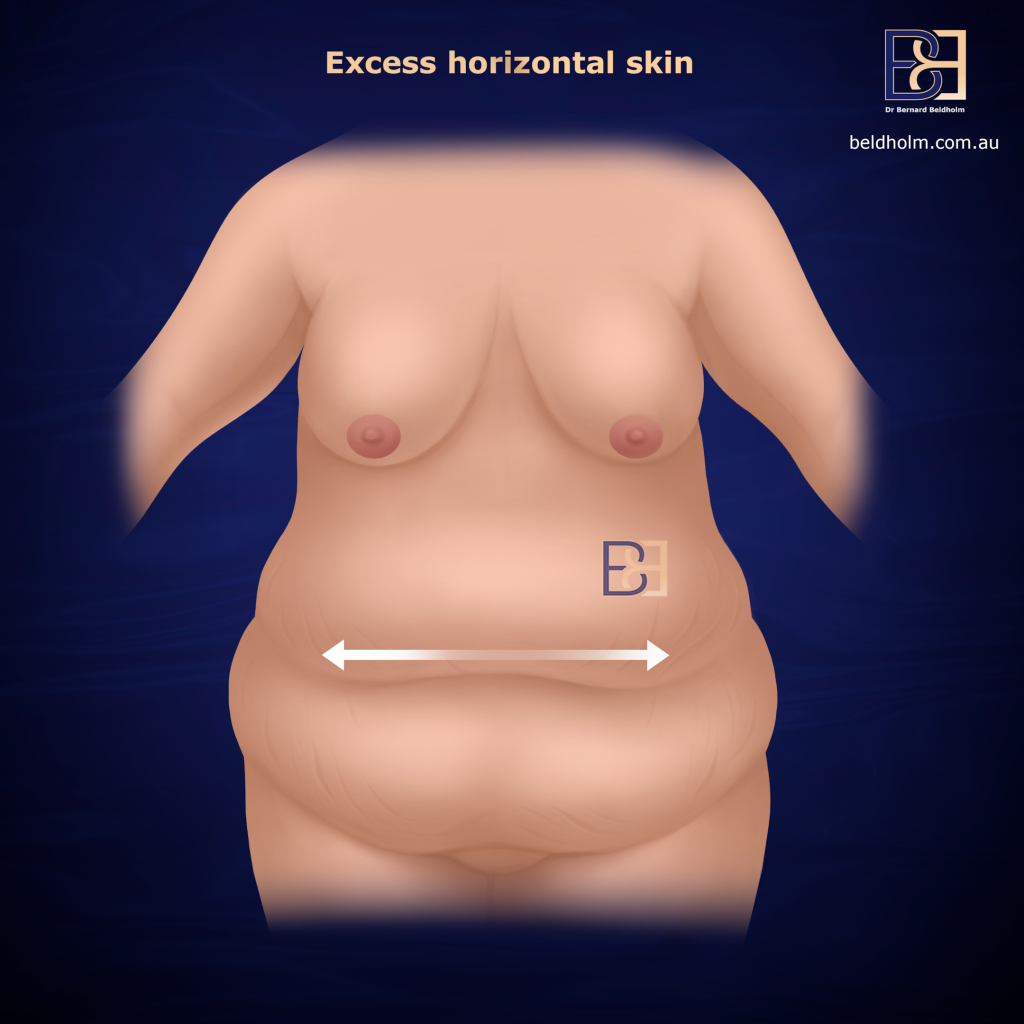
- Horizontal excess. Skin that is too wide from side to side. It gathers as slack around the waist and central abdomen. You can often see this pattern when a patient pinches the skin at the level of the belly button (umbilicus) and draws it toward the midline.
In post pregnancy patients, the excess is usually vertical and confined to the lower abdomen. After major weight loss, the picture is different. The skin envelope has been expanded everywhere, so both directions are involved, and the excess skin frequently extends above the belly button (umbilicus) to the upper abdomen and lower chest.
This matters because the direction of the skin excess determines the direction of the excision that treats it, and no single excision direction can treat both. That principle sits at the centre of this operation, and the next sections work through it step by step.
Who May Be Suitable for a Dual Vector Abdominoplasty
This operation was designed for a specific pattern of skin excess, so suitability starts with the pattern rather than with a measurement or a number on the scales.
The pattern I look for
At consultation, I examine the abdomen for three features together:
- Vertical excess in the lower abdomen. Skin that hangs downward, often as a fold or apron over the lower abdomen and pubic area, sometimes with skin irritation beneath the fold.
- Horizontal excess across the central abdomen. Slack that gathers side to side, which I assess by drawing the skin toward the midline. This is the excess a Fleur de Lis abdominoplasty is built to treat.
- Laxity extending into the upper abdomen and lower chest. Loose skin just below the chest crease and rib cage that would sit above the reach of the lower abdominal excisions.
When all three are present, removing skin along a single direction leaves visible laxity behind. That is the patient the dual vector approach was developed for. In my practice, this pattern is almost always the result of major weight loss rather than pregnancy.
Weight stability
I ask patients to be at a stable weight for at least 6 months before surgery. Ongoing weight loss after the operation loosens the result, and weight regain stretches it. Stability of body weight matters more than reaching a particular target. Patients who have lost weight through medication should discuss their longer term plans with me at consultation, because what happens with the medication after surgery affects the durability of the outcome.
General health and BMI
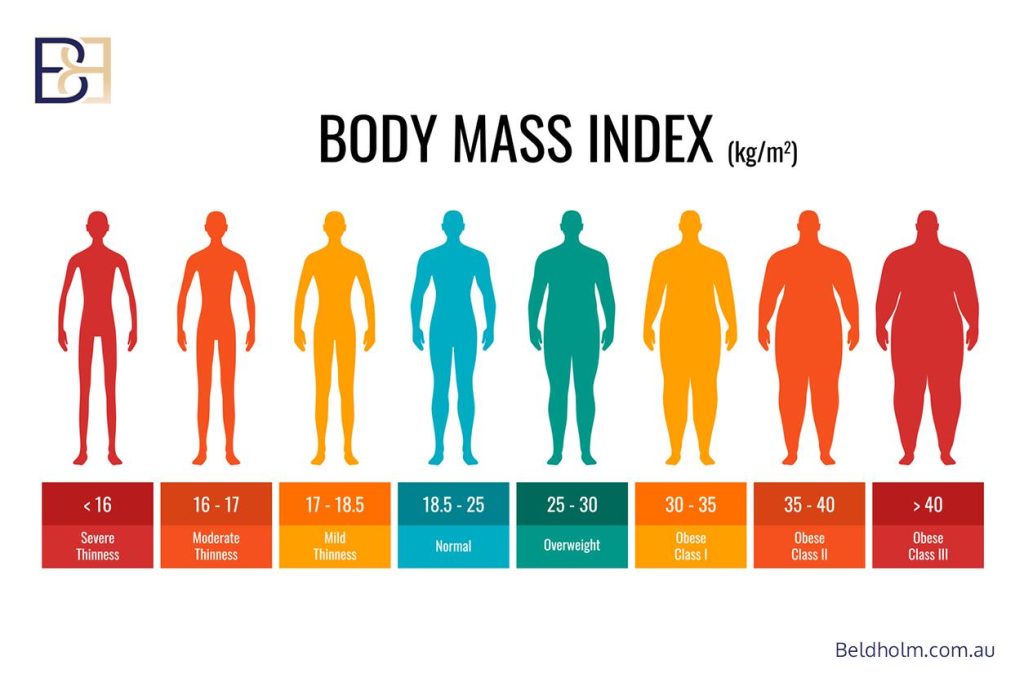
A dual vector abdominoplasty is a longer operation than a standard abdominoplasty (tummy tuck), so your general health has to support it. I review medical history, current medications, smoking status, and nutritional state for every patient. BMI is part of that assessment, but I treat it as a rough guide rather than a hard cut off. Clinical context decides, not the number alone.
Patients better suited to a different operation
Not everyone with loose abdominal skin needs two excision directions. If there is moderate skin laxity, mainly vertical and confined to the lower abdomen, a standard or extended abdominoplasty treats it with a single transverse excision. If there is significant horizontal excess but the upper abdomen has retracted well, a Fleur de Lis abdominoplasty is usually the right operation. And where the laxity wraps around the flanks and lower back, a circumferential approach may serve better. These alternative body contouring procedures each treat a different pattern, and part of my job at consultation is matching the operation to the pattern, not fitting the pattern to an operation.
What a Standard Abdominoplasty (Tummy Tuck) Can and Cannot Treat
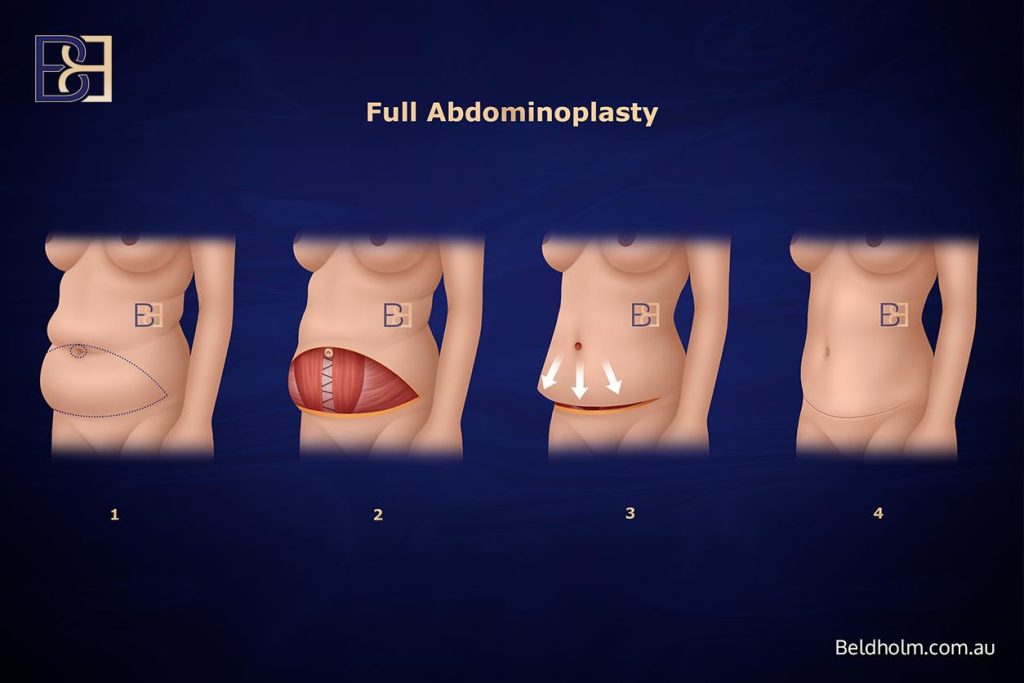
A standard abdominoplasty (tummy tuck) is the operation most people know. A traditional abdominoplasty involves a single horizontal incision low on the abdomen, running from hip to hip. The skin above the incision is lifted, drawn downward, and the excess is removed before the wound is closed.
Notice the geometry. The excision runs horizontally, and the skin moves vertically, from top to bottom. A horizontal excision treats vertical excess. This is the founding principle of excisional body contouring: the direction of the skin excess is perpendicular to the excision that treats it.
What it does well
For the right pattern, a standard or extended abdominoplasty is a very effective operation. It:
- Removes the vertical skin excess of the lower abdomen, including an overhanging fold or apron
- Allows repair of muscle separation (diastasis recti) where present, through the same access
- Flattens the lower and central abdominal contour
- Places the scar low, where underwear or swimwear usually covers it
In post pregnancy patients, where the excess is mostly vertical and sits below the belly button (umbilicus), this operation is the standard approach. I cover it in detail in my abdominoplasty after weight loss article.
Where it falls short after major weight loss
The limitation follows from the same geometry. A horizontal excision cannot remove horizontal excess skin. Skin that is too wide from side to side stays too wide after a standard abdominoplasty (tummy tuck), because pulling skin downward does nothing to reduce its width. In post weight loss patients with laxity in both directions, the operation treats the vertical component and leaves the horizontal component behind. Patients notice this as persistent excess abdominal skin around the waist and midline despite a flat lower abdomen.
The reach of the operation is also limited. The downward pull weakens the further you move up the abdomen, so skin high under the ribs and chest crease barely moves. For a patient whose laxity extends into the upper abdomen, the highest zone remains essentially untreated.
Two limitations, then: direction and reach. The Fleur de Lis abdominoplasty was developed to solve the first.
The Fleur de Lis Abdominoplasty and Where It Stops

The Fleur de Lis abdominoplasty adds a second excision to the standard operation, using both a horizontal incision low on the abdomen and a vertical incision running up the midline toward the lower chest. The combined incision forms an inverted T, a shape first described in the reconstructive surgery literature in the 1980s and now well established among abdominoplasty procedures after massive weight loss (2).
The vertical limb is the key addition. Following the perpendicular principle from the previous section, a vertical excision treats horizontal excess. Skin is drawn in from both sides toward the midline, the surplus width is removed, and the waist and central abdomen are narrowed in a way no horizontal excision can achieve. Published series show the technique treats central abdominal laxity compared with a standard abdominoplasty (tummy tuck) alone in massive weight loss patients (3).
For many post weight loss patients, this is the complete answer. Both directions of excess are treated: the horizontal limb removes the vertical excess, and the vertical limb removes the horizontal excess. I have written a full article on the Fleur de Lis abdominoplasty covering the operation, its planning, and who suits it.
The zone it cannot reach
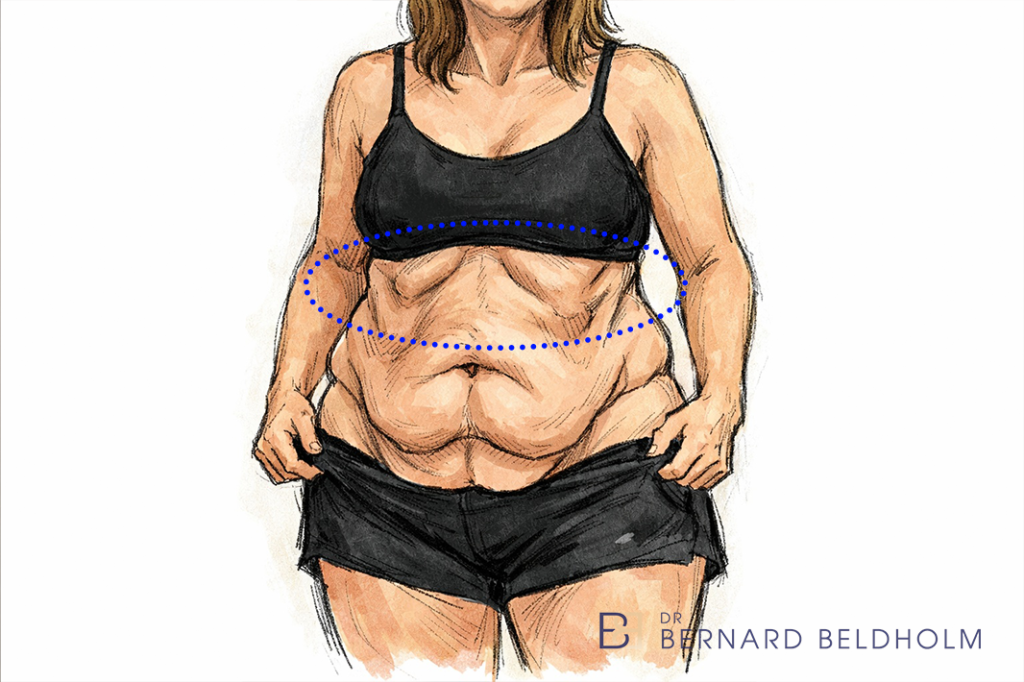
The Fleur de Lis has its own boundary, and it is the same one that limits the standard operation: the upper abdomen.
The vertical limb ends below the chest. Its narrowing effect is strongest around the belly button (umbilicus) and the central abdomen, and it fades toward the top of the incision. Skin sitting high on the abdomen, tucked under the rib cage and along the lower chest crease, is above the working range of both limbs. If that skin is loose before surgery, it is still loose afterwards.
Extending the vertical limb higher is not a good solution. Carrying the midline scar up onto the chest trades one problem for a more visible one, and the pull still weakens with distance. In patients with genuine upper abdominal laxity, the Fleur de Lis, on its own, leaves part of the problem untreated.
That untreated zone needs its own excision, designed for that territory. That is the upper abdominal lipectomy, and it is the subject of the next two sections.
The Upper Abdomen and Lower Chest: The Overlooked Zone
Between the reach of the lower abdominal excisions and the chest itself sits an abdominal region that body contouring procedures have historically left alone. It runs from roughly the level of the lower ribs up to the crease beneath the chest. Patients who carry significant weight for years accumulate loose skin here as they do everywhere else, and after major weight loss, excess abdominal skin affecting this zone can hang in skin folds that no lower abdominal operation will touch.
Why this zone is so often left untreated
There are a few reasons this area gets missed.
- It sits above the working range of the standard operations. As covered in the previous sections, both the standard abdominoplasty (tummy tuck) and the Fleur de Lis lose their effect well below this level.
- It is less visible at first assessment. The lower abdominal apron dominates the picture. Patients and surgeons both focus on the largest fold, and the upper laxity only becomes obvious once the lower abdomen has been treated.
- Treating it means a scar in a new location. Removing skin from this zone requires an excision near the chest crease. Some surgeons are reluctant to add that scar, and some patients are never offered the option.
I see the consequence of this in consultation with some regularity: a patient who has already had an abdominoplasty elsewhere, with a good result below the belly button (umbilicus), who remains troubled by persistent loose skin sitting high on the abdomen. The operation they had was not wrong. It was not designed for that zone.
How the laxity behaves here
Skin excess in the upper abdomen is predominantly vertical. The loose skin hangs downward from the chest crease, sometimes as a distinct roll along the lower chest and upper abdomen. Applying the perpendicular principle once more: vertical excess needs a horizontal excision, and that excision has to sit high, where the excess actually is.
In women, this laxity often merges with changes in the breast and inframammary fold after weight loss, which is why I sometimes plan this operation alongside procedures such as mastopexy (breast lift). In men, the roll along the lower chest is often continuous with laxity toward the bra line area of the back.
The surgical answer to this zone is the upper abdominal lipectomy. The next section explains what it involves.
Upper Abdominal Lipectomy Explained
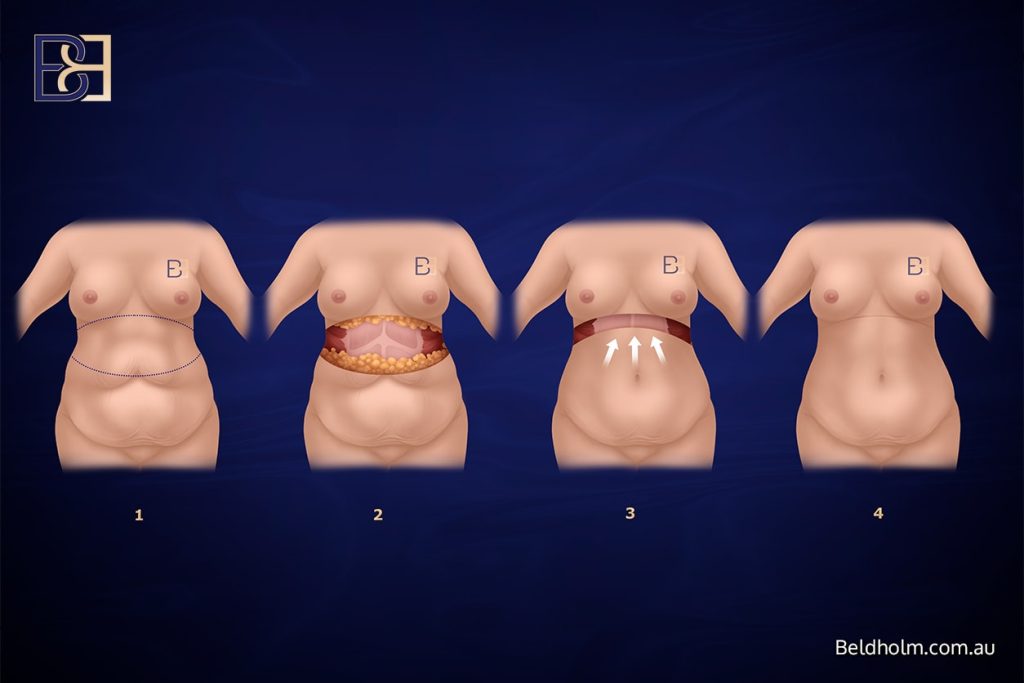
An upper abdominal lipectomy removes the loose skin of the upper abdomen through a horizontal excision placed high, at or near the crease beneath the chest. Where a standard abdominoplasty (tummy tuck) pulls skin downward toward a low incision, this operation does the opposite: the loose upper abdominal skin is drawn upward, the excess is removed, and the scar settles along the chest crease.
The reverse abdominoplasty term
You may have come across the term reverse abdominoplasty while researching this operation. It describes the same core idea, an excision at the chest crease with the skin advanced upward, and it appears in the surgical literature under that name (4). I use the term upper abdominal lipectomy because it describes what the operation actually does: it is a lipectomy, an excision of skin and fat, taken from the upper abdomen. Whichever name you have seen, the territory treated is the same.
What an upper abdominal lipectomy involves
- Incision placement. The incision follows the crease beneath the chest on each side. In women this is the inframammary fold. Depending on the pattern of excess, the incisions on each side may remain separate or meet across the midline of the lower chest.
- Direction of pull. The upper abdominal skin is lifted and advanced upward toward the incision. This is the reverse of every lower abdominal operation, which is where the alternative name comes from.
- What is removed. A horizontal strip of skin and its underlying fat volume from the upper abdomen, sized to the excess present. The vertical excess of this zone is treated by this horizontal excision, consistent with the perpendicular principle running through this article.
- Scar position. Along the chest crease. In women the scar generally sits within or close to the inframammary fold. In men it sits along the lower chest region, and planning is more individual because there is no fold to conceal it, which I discuss at consultation.
On its own, it treats one zone only
Performed alone, an upper abdominal lipectomy treats the upper abdomen and nothing below it. For the occasional patient whose laxity is confined to that zone, often someone who has already had lower abdominal surgery, it can be a standalone operation. I offer it in that setting, and I cover it on my upper abdominal lipectomy page.
For the post weight loss patient with excess in every direction, though, treating the upper zone alone makes no more sense than treating the lower zone alone. The full pattern needs the excisions combined, and that combination is the dual vector abdominoplasty.
The Dual Vector Concept: Two Excision Directions in One Operation
The dual vector abdominoplasty brings the two operations together. The Fleur de Lis component treats the lower and central abdomen. The upper abdominal lipectomy treats the zone beneath the chest. Performed together, they treat the entire anterior abdomen, covering the upper and lower abdomen and the full pattern of abdominal skin excess from the pubic area to the chest crease.
Why the name
Every excision in body contouring pulls skin in a direction. That direction is a vector. In this operation there are two principal vectors working at once:
- Downward and inward. The Fleur de Lis component draws the lower and central abdominal skin down toward the low horizontal incision and in toward the midline vertical incision.
- Upward. The upper abdominal lipectomy draws the uppermost skin up toward the chest crease incision.
The two vectors work toward each other from opposite ends of the abdomen. Between them, every zone of the abdominal skin is under the influence of at least one excision. No single-direction operation can achieve that coverage, which is the entire reason this combination exists.
The incision pattern
Seen together on the abdomen, the incisions form a pattern I describe to patients as a sideways H:
- A lower abdominal horizontal incision, from hip to hip, as in a standard abdominoplasty (tummy tuck)
- A vertical incision up the midline, connecting the lower incision toward the upper abdomen, as in a Fleur de Lis
- An upper abdominal horizontal incision at the chest crease, from the upper abdominal lipectomy
The two horizontal incisions form the uprights of the H lying on its side, and the vertical midline incision is the crossbar joining them. Each limb of the pattern earns its place because it can directly target excess skin running in one direction: the low horizontal limb removes vertical excess of the lower abdomen, the vertical limb removes horizontal excess of the central abdomen, and the high horizontal limb removes the vertical excess of the upper abdomen.
What the combination achieves
Treated as one operation, the combination:
- Achieves skin removal in both directions rather than one
- Reaches the upper abdominal zone that lower abdominal operations leave behind
- Allows the skin between the incisions to be redraped under controlled tension across the whole abdomen
- Consolidates the work into one anaesthetic, one admission, and one recovery, where the patient is suited to a single larger operation
That last point needs unpacking, because a combined operation is a bigger physiological event than either component alone. I cover how I weigh that decision later in this article. First, the next section walks through how I actually perform the operation.
How I Perform a Dual Vector Abdominoplasty
Every dual vector abdominoplasty is planned individually, but the structure of the operation follows a consistent sequence.
Planning and markings
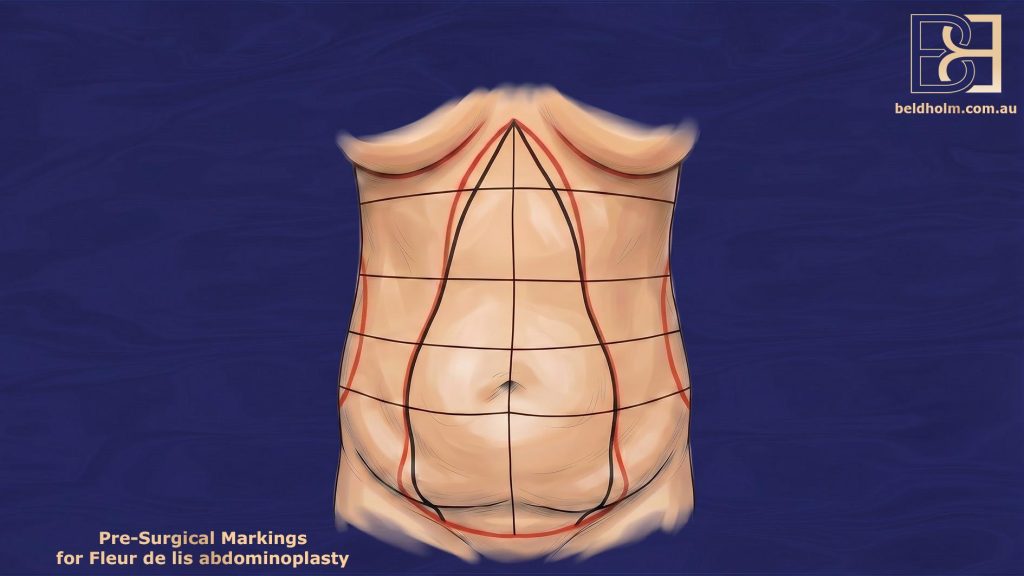
I mark the incision pattern with you standing, before surgery. Skin excess only shows its true extent upright, so marking on the operating table is not an option I use. These markings are made carefully and followed throughout the operation. They set the position of the low horizontal incision, the width of the vertical midline excision, and the line of the chest crease incision. I check the markings with you in front of a mirror so you know where each scar will sit before you go to sleep.
Anaesthetic and hospital
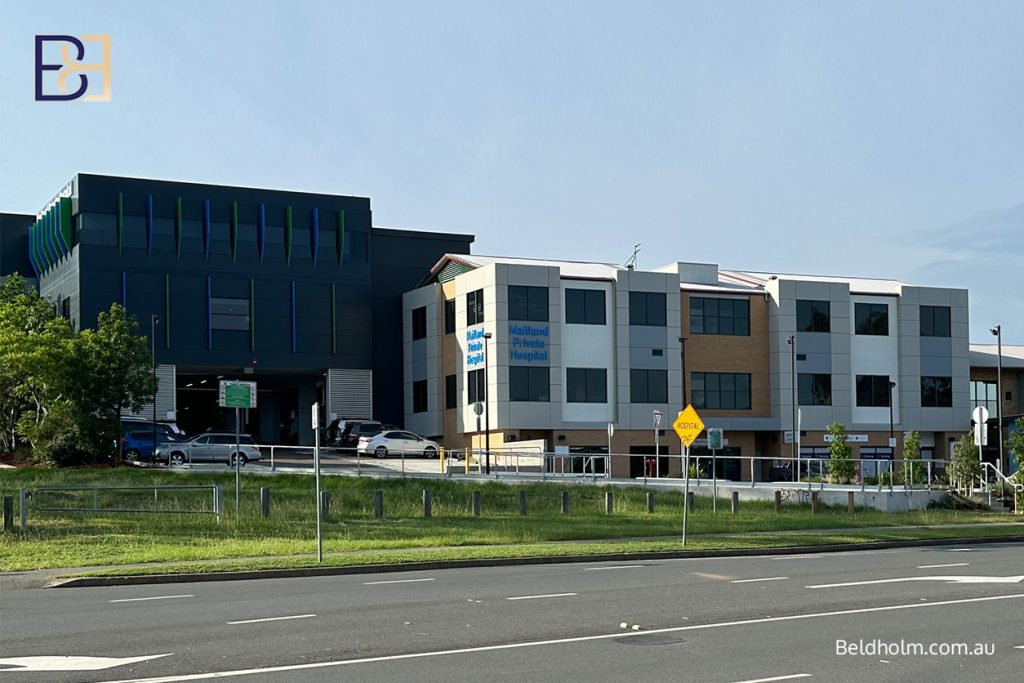
The operation is performed under general anaesthetic at Maitland Private Hospital. Operating time is typically 4 to 5 hours depending on the extent of skin excess and whether muscle repair or other work is needed. Maitland Private has 24 hour nursing cover and an on-site ICU, and I do my own ward rounds daily. Most patients stay 2 to 3 nights.
Your anaesthetist reviews you before surgery. For most patients this consultation happens by phone, with the physical assessment, including your airway, completed on the day of surgery.
The sequence of the operation
The markings made before surgery are followed carefully throughout the operation. The sequence runs from the top of the abdomen downward.
- Upper abdominal excision first. The operation begins at the chest crease incisions. The excess upper abdominal skin is removed, including the initial central excess at the top of the midline, and the upper wounds are closed.
- Central excision. With the upper part closed, the operation proceeds much like a Fleur de Lis abdominoplasty. The central vertical strip of excess skin is removed down the midline.
- Muscle repair where needed. Abdominal muscle considerations come next. With the abdominal wall exposed, I assess the abdominal muscles for muscle separation (diastasis recti) and for hernias. Muscle separation is less common in post weight loss patients than after pregnancy, so not all patients require muscle repair. It is conditional on what I find, not routine. Hernias, particularly around the belly button (umbilicus), are repaired at the same time where present.
- Midline closure, then the lower abdomen. The central wound is closed, and the operation moves to the low horizontal incision, where it proceeds like a standard abdominoplasty (tummy tuck). The remaining lower abdominal excess is drawn down and removed.
- Belly button (umbilicus). The belly button (umbilicus) is preserved on its stalk and brought out through a new opening in the redraped skin, positioned to sit at the correct level on the finished abdomen.
- Liposuction where planned. Liposuction (suction assisted lipectomy) or VASER liposuction (ultrasound assisted lipectomy) of the flanks or surrounding zones can be added where it improves the contour. This is decided in planning, not on the day.
- Closure and drains. All wounds are closed in layers with dissolving sutures. I place temporary surgical drains, which usually stay in for the first days after surgery, and fit a compression garment before you wake.
After the operation

You wake in recovery and return to the ward, where nursing staff and the on-ward team look after your first days. I see you each day during your stay, and the follow-up structure after discharge is set out in the recovery section later in this article.
One Operation or Staged Surgery
A dual vector abdominoplasty consolidates work that could otherwise be spread across two operations: a Fleur de Lis abdominoplasty at one sitting and an upper abdominal lipectomy at another. Where a patient is medically suited to it, my preference is the single comprehensive operation. One operation means one general anaesthetic, one hospital admission, and one recovery period to work through, rather than repeating each of those steps.
That is a preference, not a rule, and it comes with a trade-off that needs stating directly. A dual vector abdominoplasty is a major surgical procedure, and a larger single operation is a bigger physiological event than a smaller one. Operating time is longer, the total wound area is greater, and the demand on your body during healing is higher. The benefit of consolidating the work is weighed against that demand, patient by patient.
When a single operation may be appropriate
A combined operation may suit you when:
- The full pattern of skin excess can be properly treated in one operating time
- Your general health and nutritional status support a longer procedure
- Consolidating the work genuinely reduces your total burden of anaesthesia, admission, and recovery
When staging may be the better path
Staging the work across separate operations is a legitimate clinical choice, not a fallback. It may be the more appropriate path when:
- The combined operation would place more demand on your body than is sensible for your medical circumstances
- Medical factors require the work to be spread out
- The extent of the work cannot be completed well in a single operating time
For some patients, two well-planned smaller operations are the right answer, and I say so when that is my assessment.
How the decision is made
The single-versus-staged decision is a clinical judgement made for you as an individual. It follows assessment of your medical history, nutritional status, the pattern and extent of your skin laxity, and operative factors. It is discussed and decided at consultation, after examination, never in advance of meeting you.
Because a larger single operation asks more of your body, preparation before surgery carries more weight, not less. That is the subject of the next section.
Book your appointment online now
Preparing for a Larger Operation
Preparation matters for every operation, but a dual vector abdominoplasty asks more of your body than a single-direction procedure, so preparation carries proportionally more weight. Three areas dominate.
Nutritional preparation

Most post weight loss patients have nutritional gaps that developed during their weight loss, whether it came through bariatric surgery, medication, or lifestyle change. Reduced food intake over months or years commonly leaves protein, iron, vitamin B12, vitamin D, and zinc below the levels healing tissue needs. An operation with the wound area of a dual vector abdominoplasty draws heavily on those reserves.
Every post weight loss patient in my practice has a comprehensive pre-operative blood panel before surgery, covering blood count, iron studies, protein status, and a full vitamin and micronutrient screen. Deficiencies found on testing are corrected before surgery, not after. I have written separately about nutritional deficiencies after weight loss and protein and surgical healing, and I would rather you read those than have me compress the topic here. The short version: healing is a construction project, and it needs materials.
Weight loss medication and surgery

If your weight loss came through medication, this does not exclude you from surgery. Current Australian perioperative guidance does not call for routinely stopping modern weight loss medications before an operation, and I follow that guidance. What matters is that your weight is stable and your protein intake is adequate. If protein targets cannot be met on your current dose, a temporary adjustment may be discussed as part of perioperative planning. That is a decision made with me, planned in advance. Do not adjust or stop any medication on your own before surgery.
Smoking, medications, and practical planning

Smoking and nicotine in any form impair wound healing and must stop well before surgery. I will tell you the required timeframe at consultation, and I hold to it.
Blood thinning medications, including aspirin, are typically stopped 1 week before surgery, but only on my instruction. Some patients need to continue them through surgery, planned well in advance with their physician. Never stop these on your own.
Plan your home support before admission. You will need help for the first days after discharge, and your first 2 weeks involve intense follow-up with my rooms, so staying within reach matters. For regional patients, telehealth covers part of this, and we plan the practical details before surgery, not after.
Recovery: What to Expect

I have written a dedicated article on dual vector abdominoplasty recovery, which covers the timeline week by week. Here is the shape of it.
After your 2 to 3 nights in hospital, you go home with drains out or nearly out, a compression garment fitted, and clear instructions. The first 2 weeks involve intense follow-up with my rooms, with wound checks and early problem-solving handled directly rather than left to chance. After that, I review you at 4 weeks, 3, 6 and 12 months, all included in the fee.
Early recovery typically involves walking from day one, slightly bent at the waist for the first week or two while the lower abdominal closure settles. Most patients take 2 to 3 weeks off work for desk-based roles and longer for physical work. Driving resumes once you can brake firmly without hesitation, usually around the 2 to 3 week mark. Lifting and exercise restrictions run for 6 weeks.
Because this operation involves three incision lines rather than one, there is more wound to look after than a standard abdominoplasty (tummy tuck), and swelling takes longer to settle across the larger treated area. Recovery from a dual vector abdominoplasty should not be underestimated, and the recovery article sets out what each stage feels like.
Risks and Complications
A dual vector abdominoplasty carries the risks of any major abdominoplasty surgery, and the combined nature of the operation shapes the risk profile. I have written a dedicated article on dual vector abdominoplasty risks and complications, which works through each risk, how often it occurs, and how it is managed. Here is the outline.
General surgical risks include bleeding, infection, seroma (fluid collection under the skin), delayed wound healing, blood clots (deep vein thrombosis and pulmonary embolism), and risks associated with general anaesthesia. Post weight loss patients as a group have higher wound complication rates than patients having other body contouring procedures, largely driven by nutritional state and skin quality, which is part of why pre-operative preparation gets the attention it does in my practice (5).
Risks specific to this operation follow from its geometry. Three incision lines meet at junction points, and junctions are where wound tension concentrates. The T junction of the Fleur de Lis component is the best documented example, with published series reporting wound healing problems at this point as the most common complication of vertical excision patterns (3). Sensation changes across the treated skin, scarring concerns, and asymmetry are also covered in the complications article.
Blood clot risk rises with operating time, so deep vein thrombosis gets specific attention in a longer operation like this one. I stratify DVT risk for every patient and determine the thromboprophylaxis plan myself as part of operative planning. It is managed, not ignored.
A decision about major surgery is only informed if the risks are in front of you. Most complications, picked up early, are manageable, and the complications article explains what to watch for and when to contact us.
Scars and What to Expect Long Term
This operation trades skin excess for scars, and the trade should be understood clearly before you decide anything. The sideways H pattern leaves three scar lines:
- A lower abdominal scar, horizontal from hip to hip, positioned to sit within the underwear line
- A vertical midline abdominal scar running from the low scar up the centre of the abdomen
- A high horizontal scar at or near the chest crease on each side
The chest crease scar sits within or close to the fold in women and along the lower chest in men. The vertical midline scar is the visible one, and there is no way around that. It runs up the front of the abdomen and it will be seen whenever the abdomen is uncovered. Patients who choose this operation accept a visible midline scar in exchange for treating skin excess that no single-direction operation can reach. That exchange is the core of the decision, and I put it in exactly those terms at consultation.
How scars mature
All three scars follow the same biological course. They are red or dark and raised in the early months, then flatten and fade over 12 to 18 months. Final scar quality varies between patients and depends on genetics, skin type, tension, and how the wounds healed. Scars never disappear. A well-healed scar becomes a pale line, and that is the end point to expect.
I review your scars at each follow-up visit through the first 12 months and guide scar care through the stages, including silicone-based therapy where appropriate. Where a scar heals poorly, revision options exist and are discussed once the scar has fully matured.
The result over time
The skin removed does not come back, and the contour achieved is long lasting provided your weight remains stable. Weight regain stretches the result and further significant weight loss loosens it, which is why weight stability before surgery matters so much. Skin also continues to age, so some laxity gradually returns over the years, as it does in anyone.
Cost and Medicare

The cost of a dual vector abdominoplasty depends on the extent of surgery planned, operating time, hospital and anaesthetic fees, and whether additional work such as muscle repair or liposuction (suction assisted lipectomy) is included. Where the Medicare criteria for surgery after significant weight loss are met, MBS item 30176 may apply, which can also affect your private health insurance contribution.
You receive a written quote after your consultation, once the operation has been planned for you, with all components itemised. I have covered how pricing, Medicare eligibility, and health fund involvement work in a separate article on dual vector abdominoplasty cost, which is the place to start if cost questions are front of mind.
Frequently Asked Questions

Is a dual vector abdominoplasty the same as a reverse tummy tuck (abdominoplasty)?
No, though they share a component. A reverse abdominoplasty, sometimes called a reverse tummy tuck, treats the upper abdomen alone through a chest crease incision. The dual vector abdominoplasty includes that upper excision but combines it with a Fleur de Lis abdominoplasty, so the whole abdomen is treated in one operation rather than one zone.
How is it different from a Fleur de Lis abdominoplasty?
A Fleur de Lis abdominoplasty uses two excisions, one horizontal and one vertical, and treats the lower and central abdomen. The dual vector abdominoplasty adds a third excision at the chest crease to treat the upper abdomen, the zone the Fleur de Lis cannot reach. If your upper abdominal skin has retracted well, a Fleur de Lis abdominoplasty alone is usually the right operation.
I have already had an abdominoplasty (tummy tuck) but still have loose skin higher up. Can this be fixed?
This is a pattern I see regularly. Where the lower abdomen has been treated and the residual skin laxity sits in the upper abdomen, an upper abdominal lipectomy on its own may be all that is needed, rather than the full dual vector operation. Assessment of your skin pattern at consultation determines which applies.
Can it be combined with breast surgery?
In some patients, particularly women whose upper abdominal laxity merges with breast changes after weight loss, the chest crease incision can be planned alongside procedures such as mastopexy (breast lift). Whether combining is appropriate depends on the total operating time and demand involved, and it is weighed the same way as the single-versus-staged decision discussed earlier in this article.
Do I need to be at my goal weight first?
You need to be at a stable weight, held for at least 6 months, rather than at any particular number. Operating during ongoing weight loss risks new laxity developing after surgery, and weight regain stretches the result. Stability is the requirement I hold to.
Does the vertical scar fade?
It matures like any surgical scar, from red and raised in the early months to a paler, flatter line over 12 to 18 months. It does not disappear, and it sits on the front of the abdomen where it will be visible when the abdomen is uncovered. Accepting that scar is part of choosing this operation, and I make sure that trade is understood at consultation.
References
- Song AY, Jean RD, Hurwitz DJ, Fernstrom MH, Scott JA, Rubin JP. A classification of contour deformities after bariatric weight loss: the Pittsburgh Rating Scale. Plast Reconstr Surg. 2005;116(5):1535-44.
- Dellon AL. Fleur-de-lis abdominoplasty. Aesthetic Plast Surg. 1985;9(1):27-32.
- Friedman T, O’Brien Coon D, Michaels J 5th, Purnell C, Hur S, Harris DN, et al. Fleur-de-Lis abdominoplasty: a s*fe alternative to traditional abdominoplasty for the massive weight loss patient. Plast Reconstr Surg. 2010;125(5):1525-35.
- Agha-Mohammadi S, Hurwitz DJ. Management of upper abdominal laxity after massive weight loss: reverse abdominoplasty and inframammary fold reconstruction. Aesthetic Plast Surg. 2010;34(2):226-31.
- Makarawung DJS, Al Nawas M, Smelt HJM, Monpellier VM, Wehmeijer LM, van den Berg WB, et al. Complications in post-bariatric body contouring surgery using a practical treatment regime to optimise the nutritional state. JPRAS Open. 2022;34:91-102.