A pubic lift, also known as monsplasty or mons pubis reduction surgery, is a surgical procedure performed to reduce excess fat and excess skin in the mons pubis. The mons pubis is the fatty pad of tissue that sits over the pubic bone and forms part of the lower abdomen and pubic region. Changes in the mons pubis are commonly seen after significant weight loss, pregnancy, or previous abdominal surgery such as a tummy tuck (abdominoplasty).
In Dr Bernard Beldholm’s practice, monsplasty is most commonly performed for patients who experience functional concerns related to bulk or descent of the mons pubis, including discomfort in clothing, hygiene difficulties, or disproportion relative to the lower abdomen. Although often categorised as cosmetic surgery, monsplasty is a formal medical surgical procedure and carries recognised risks and potential complications.
A core component of Dr Beldholm’s approach is ensuring patients understand these potential complications, how frequently they occur, and how they are managed in real-world clinical practice. This article provides a detailed, educational overview of the potential complications associated with mons pubis reduction, the contributing risk factors, and the usual treatment options discussed during consultation.
This information supports patient education and does not replace an individual assessment and consultation with Dr Bernard Beldholm FRACS, Specialist General Surgeon.
What Does the Term “Complications” Mean in Surgery?
In medical terms, complications are unintended problems that arise during or after a medical or surgical procedure. They differ from expected postoperative effects. For example, temporary swelling, bruising, and discomfort are anticipated after most surgeries, whereas infection, wound breakdown, or abnormal scarring are considered complications.
Complications after mons pubis reduction surgery may include fluid collections, delayed wound healing, infection, or changes in sensation. The severity of complications can range from mild issues that require only observation to problems that require medication or further surgery.
Overview of Mons Pubis Reduction Surgery
Mons pubis reduction surgery may involve one or both of the following approaches:
- Mons pubis liposuction (suction-assisted lipectomy) to remove excess fatty tissue
- Excision of excess skin using a low horizontal incision, often positioned close to the lower abdomen or existing abdominoplasty scars
The chosen surgical technique depends on the amount of fatty tissue present, skin quality, prior surgery, and whether the pubic lift (lipectomy) is performed alone or with other procedures. In some patients, monsplasty is combined with abdominoplasty or liposuction (suction-assisted lipectomy) of adjacent areas as part of broader body contouring.
The goal of mons pubis reduction is to reduce bulk in the mons pubis area and adjust the position of the pubic area relative to the pubic bone, and treat the balance between the lower abdomen and pubic region.
Risk Factors That Increase the Chance of Complications
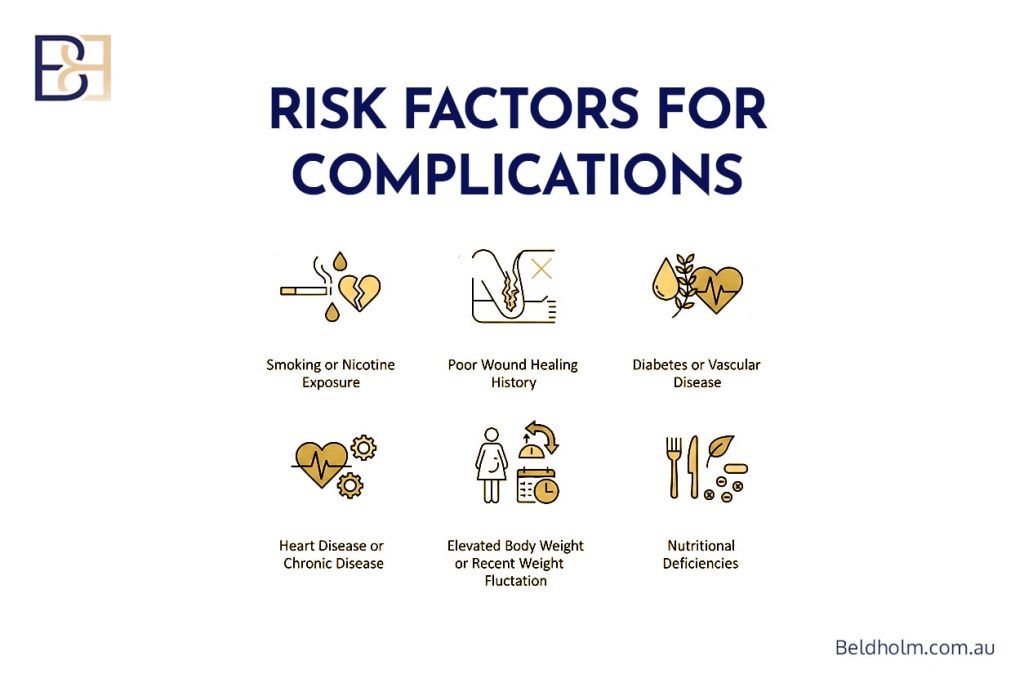
In Dr Beldholm’s consultation process, identifying individual risk factors is a critical step before recommending mons pubis reduction surgery. These factors are reviewed in detail during the initial consultation, alongside a full medical history, examination, and discussion of expectations.
Risk factors known to increase the likelihood of complications after a pubic lift (monsplasty) include:
- Smoking or nicotine exposure
- Poor wound healing history
- Diabetes or vascular disease
- Heart disease or other chronic disease
- Elevated body weight or recent weight fluctuation
- Planned or recent pregnancy
- Nutritional deficiencies
- Previous surgery involving the mons pubis region or lower abdomen
Dr Beldholm routinely discusses optimisation strategies, including achieving a stable weight, nutrition, and the importance of quitting smoking prior to surgery. While these measures reduce risk, they cannot eliminate the possibility of complications entirely.
Common Complications After Pubic Lift (monsplasty) Surgery
Dr Beldholm emphasises during consultation that complications exist on a spectrum. Many issues are mild and self-limiting, while others require medical treatment or, less commonly, further surgery. Early recognition and structured follow-up are important parts of postoperative care.
Swelling (Oedema)
Swelling is one of the most frequently encountered postoperative concerns following mons pubis reductin (monsplasty). The mons pubis contains loose connective tissue and lymphatic channels, making it prone to prolonged swelling, particularly when combined with mons pubis liposuction.
Patients may notice puffiness, firmness, or temporary asymmetry within the treatment area. In Dr Beldholm’s experience, swelling often fluctuates throughout the day and may persist for several weeks, gradually settling over several months.
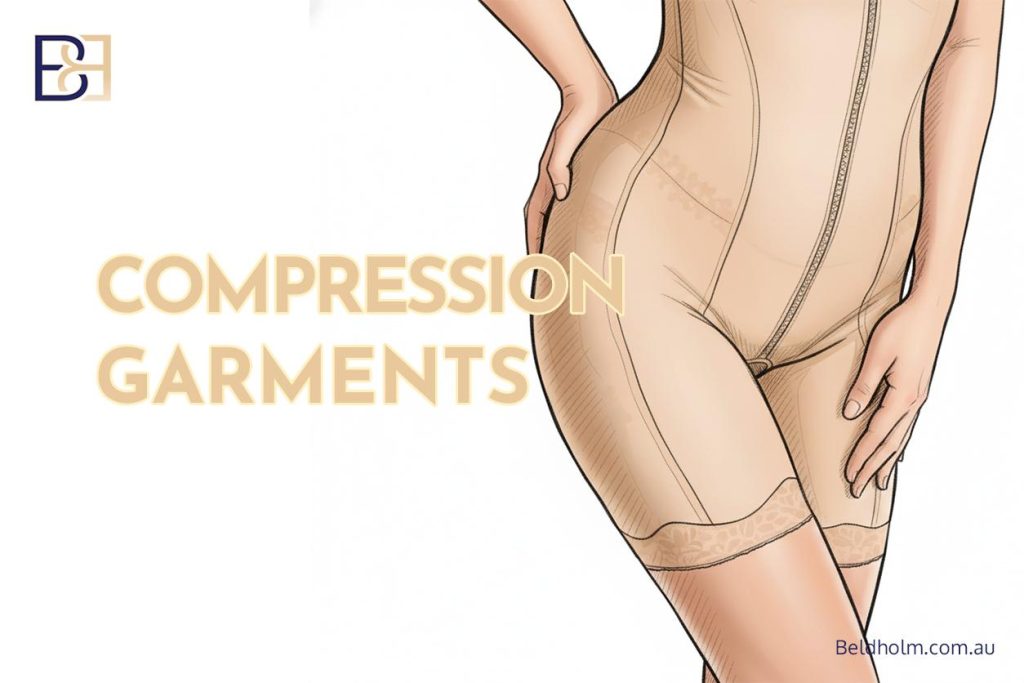
Management strategies typically include:
- Use of a supportive compression garment as directed
- Activity restriction during the early recovery period
- Regular clinical review to monitor progress
- Time, as lymphatic drainage resolves
These measures aim to reduce swelling and support predictable healing without unnecessary intervention.
Bruising and Blood Collection (Haematoma)
Book your appointment online now
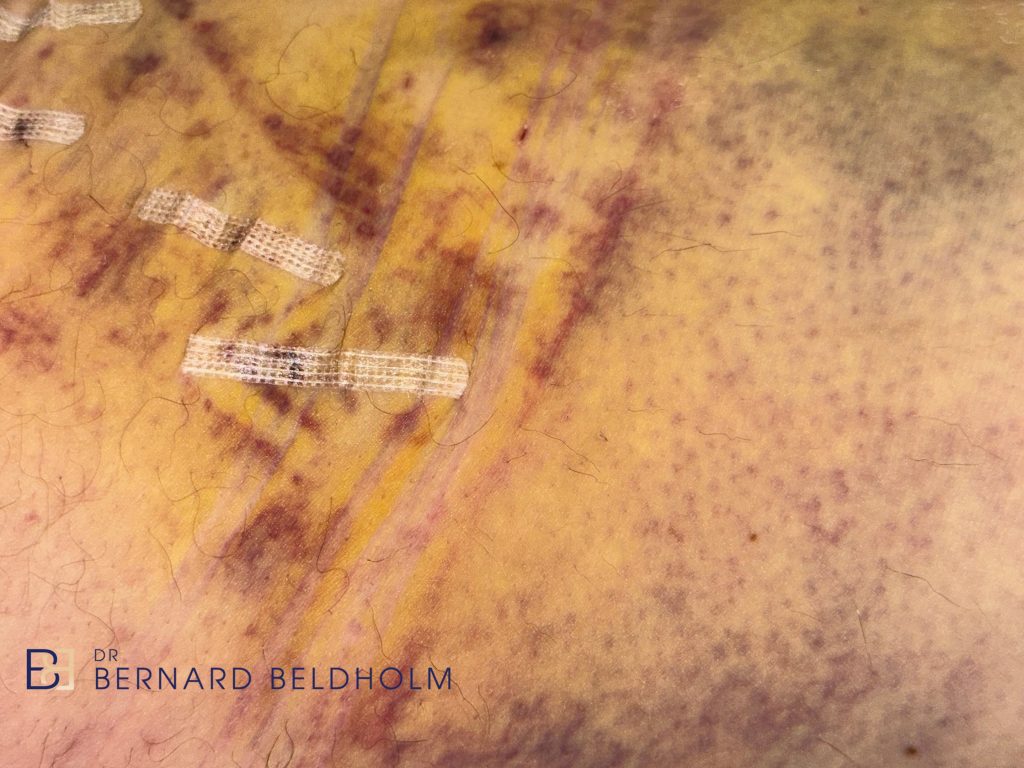
Bruising is expected following liposuction and tissue dissection. In some cases, bleeding can lead to a collection of blood known as a haematoma.
Symptoms may include increasing pain, firmness, or expanding bruising in the pubic area.
Treatment options depend on severity and may include:
- Observation for small, stable haematomas
- Needle aspiration or surgical drainage for larger collections
Untreated blood collections can increase discomfort and the risk of infection.
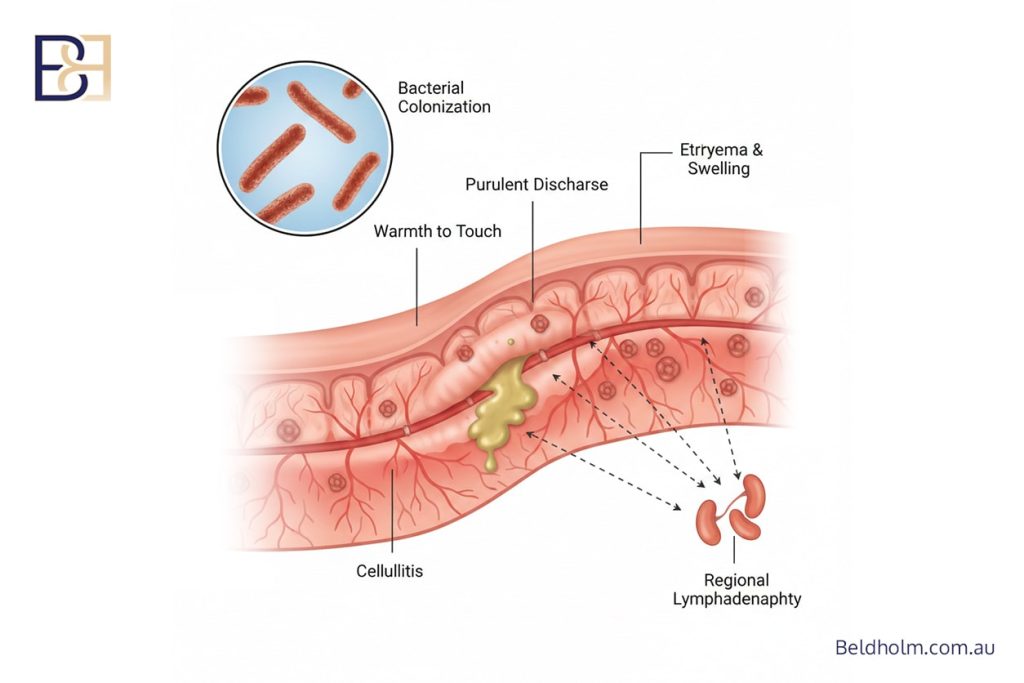
Infection is an uncommon but recognised complication of monsplasty. The mons pubis and surrounding skin are exposed to moisture and bacteria, which may increase infection risk.
Signs of infection may include redness, warmth, increasing pain, fever, or discharge from the incision.
Treatment usually involves:
- Oral or intravenous antibiotics
- Local wound care
- Surgical washout in severe cases
Early diagnosis and treatment reduce the severity of infection-related complications.
Delayed Wound Healing and Wound Breakdown
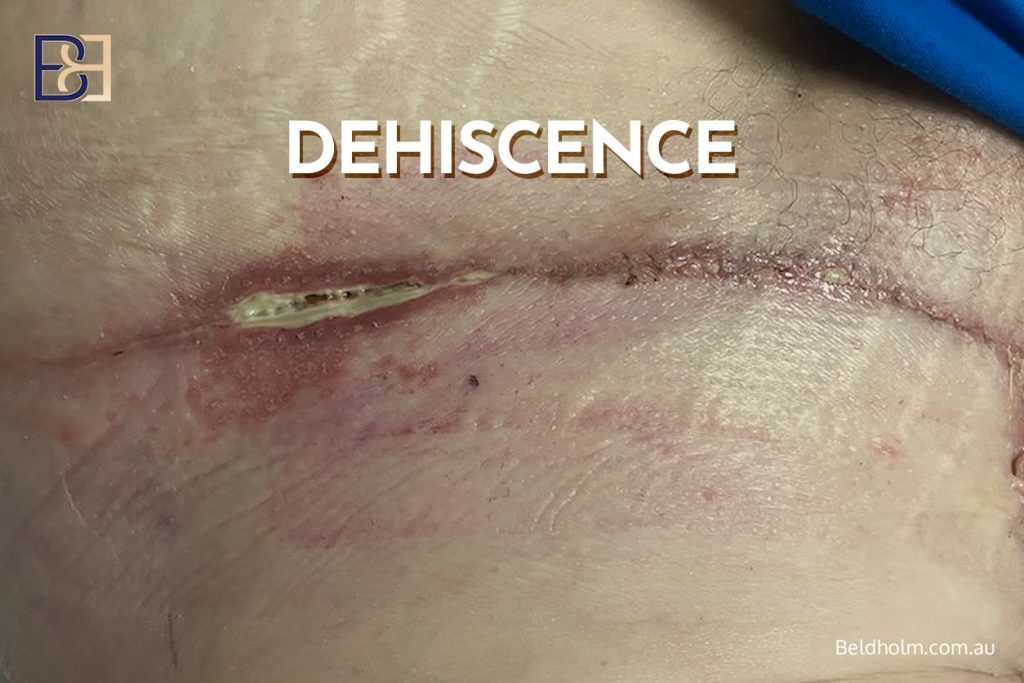
Delayed healing or partial wound separation may occur due to tension, reduced blood supply, or excess fatty tissue in the mons pubis.
Contributing factors include:
- Smoking
- Poor circulation
- Excess fat or excess skin
- Movement in the pubic region
Management options may include:
- Activity modification
- Advanced dressings
- Close clinical follow-up
- Negative pressure wound therapy in selected cases
Although healing may take additional weeks, most wounds recover without long-term problems.
Scarring Concerns
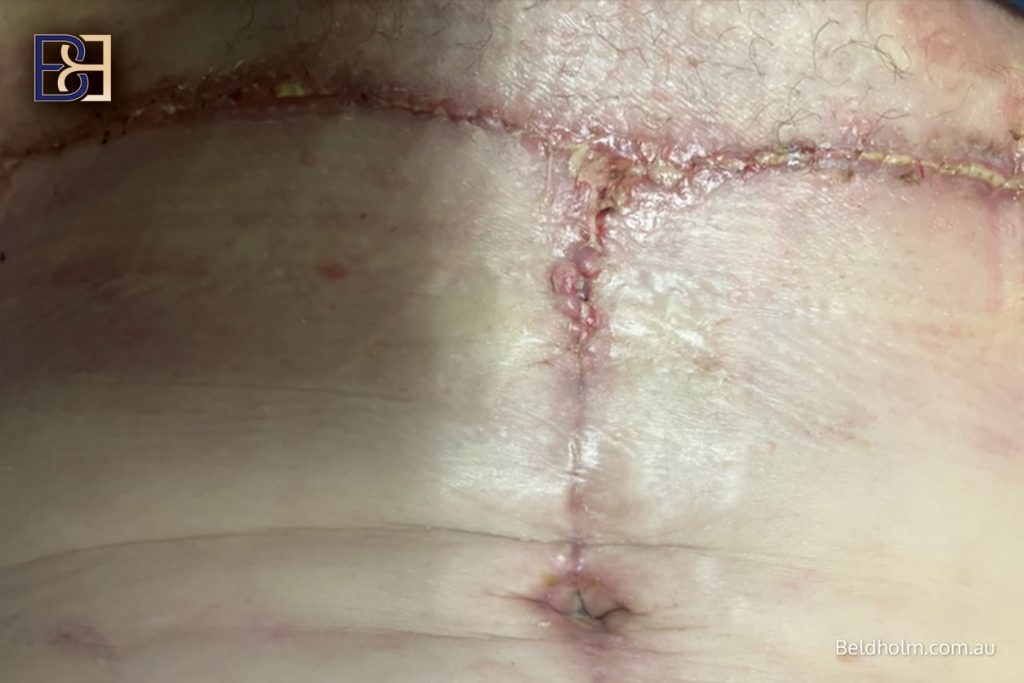
All surgery results in a scar, and mons pubis reduction (monsplasty) is no exception. While scars are usually placed low and concealed, scar quality can vary between patients.
Potential scar-related concerns include raised scars, widened scars, or pigment changes.
Treatment options include:
- Silicone scar therapy
- Scar massage
- Steroid injections
- Laser therapy in selected cases
Scar maturation often continues for 12 months or longer before final results are apparent.
Changes in Sensation

Temporary or permanent sensory changes may occur due to nerve disturbance during liposuction (suction-assisted lipectomy) or skin excision.
Patients may experience numbness, tingling, or altered sensitivity in the mons pubis area. These changes commonly resolve over time but may persist in some cases.
Pain and Discomfort
Postoperative pain and discomfort are expected after a pubic lift (monsplasty). The severity varies depending on the extent of surgery and whether it was combined with other procedures.
Pain is usually managed with prescribed medication, activity modification, and compression garments. Persistent or worsening pain should be reviewed by the surgeon.
Seroma (Fluid Collection)
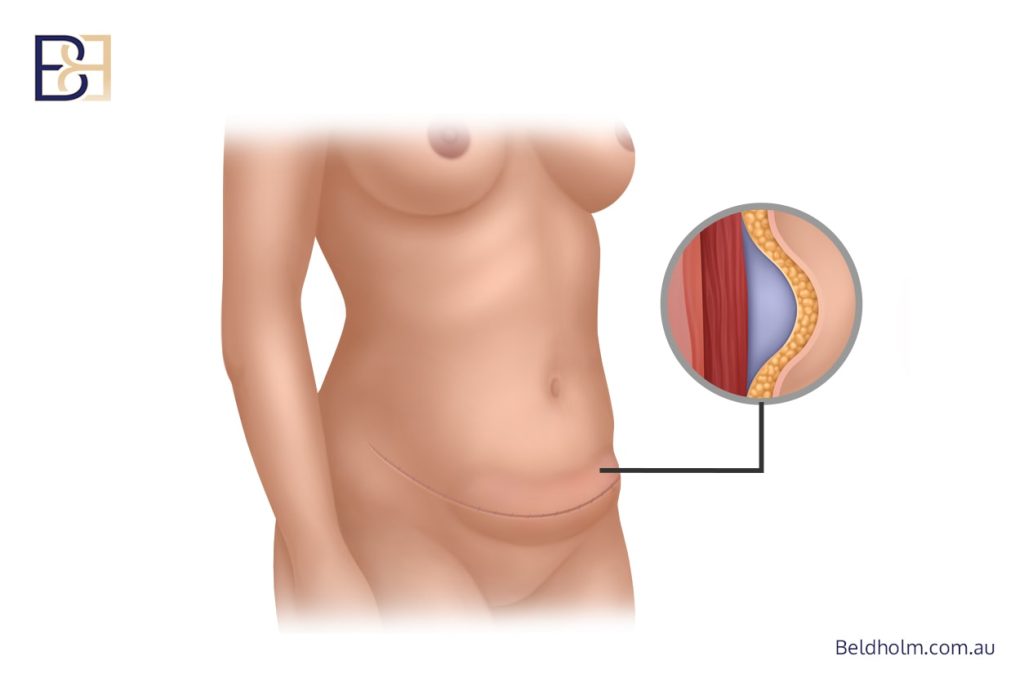
A seroma is a collection of clear fluid beneath the skin. It may develop after extensive tissue dissection or combined surgery.
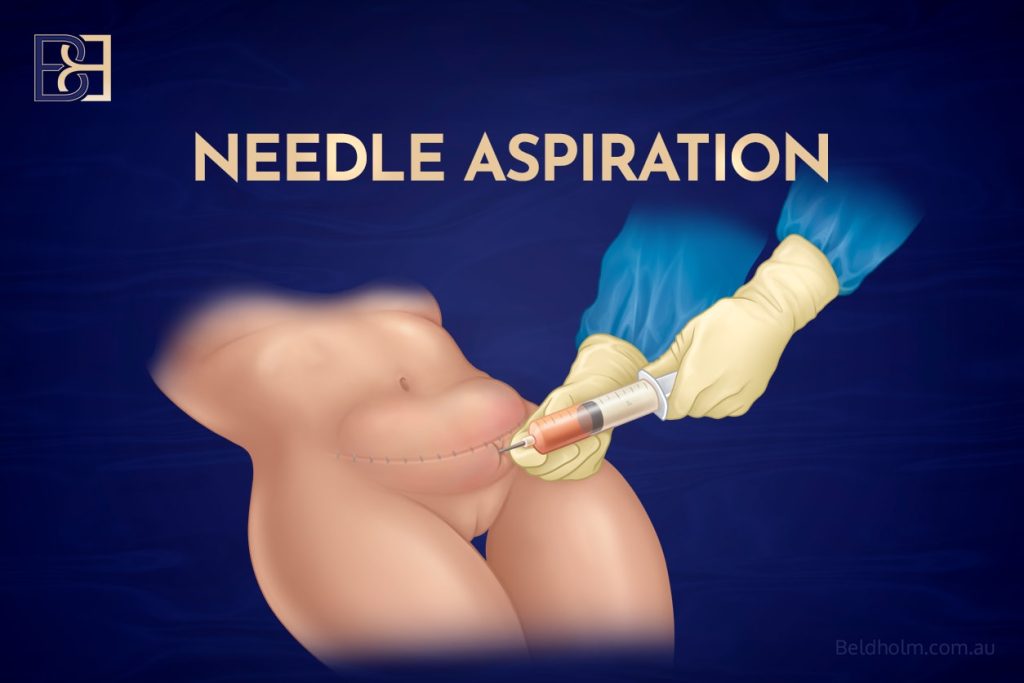
Management options include:
- Observation
- Needle aspiration
- Temporary drainage if recurrent
Less Common but Significant Complications
Asymmetry and Contour Irregularities
Despite careful surgical planning, asymmetry or contour irregularities may occur due to uneven swelling or fat distribution. Observation is often recommended initially, as appearance may resolve during the recovery period. Revision surgery may be considered once healing is complete.
Over-Reduction or Under-Reduction
Removing too much or too little fat or skin can affect both appearance and function. Revision surgery, if required, is usually delayed until tissues have stabilised.
Blood Clots and Anaesthetic Risks
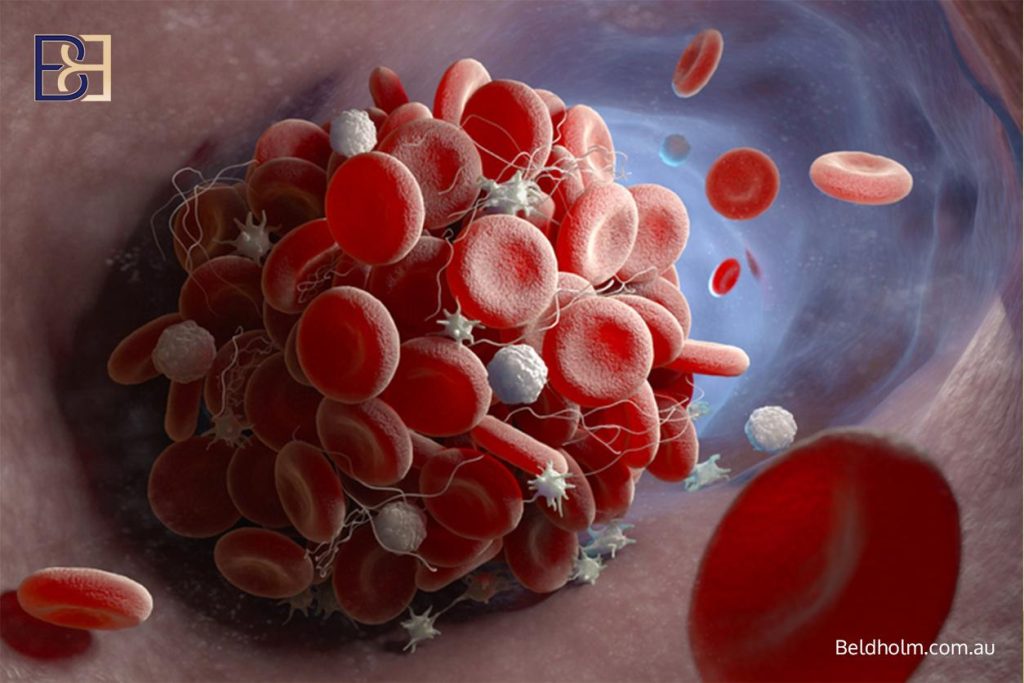
Blood clots are rare but serious risks associated with surgery and general anaesthesia. Preventative strategies include early mobilisation, the use of compression devices, and careful preoperative assessment.
Complications When Monsplasty Is Combined With Other Procedures
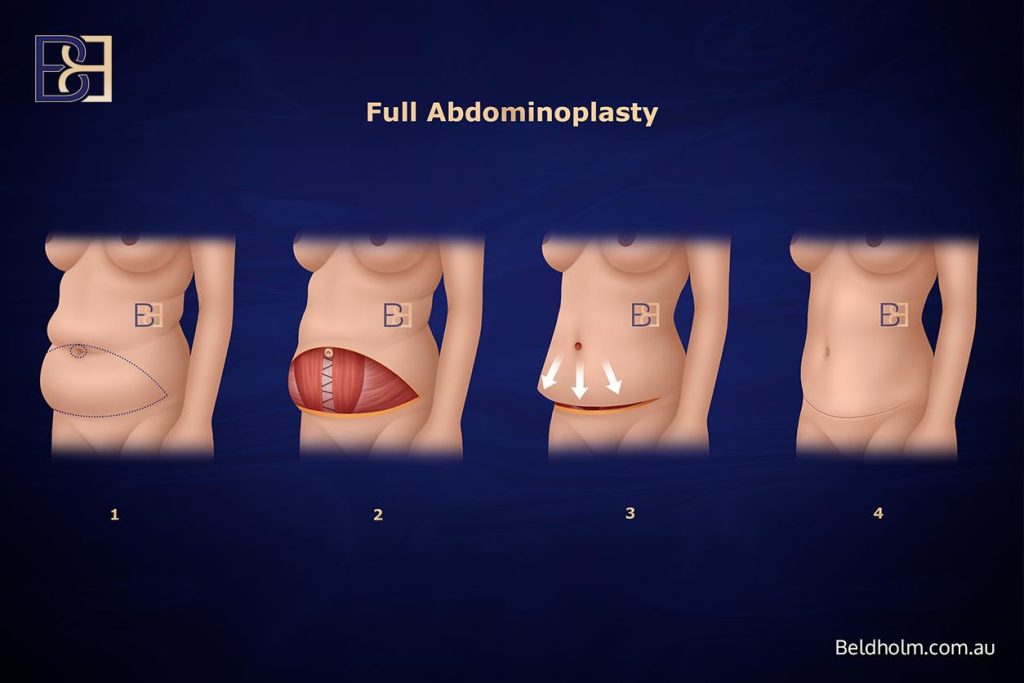
Monsplasty is often performed alongside other procedures such as a tummy tuck (abdominoplasty) or liposuction (suction-assisted lipectomy). Combining procedures may increase swelling, discomfort, and the length of the recovery period.
In higher-risk patients, staging procedures may reduce overall complication rates.
Psychological and Emotional Considerations
Although monsplasty is a cosmetic procedure, recovery can involve emotional fluctuations. Temporary dissatisfaction due to swelling or delayed healing is common. Patients with existing mental health concerns may benefit from additional support during recovery.
How Complications Are treated
In Dr Beldholm’s practice, discussion of complications begins at the first consultation and continues through subsequent consultation appointments. Patients are encouraged to take time to consider information, ask questions, and, where appropriate, attend with a family member or support person.
During consultation, Dr Beldholm will review:
- Detailed medical history and overall health
- Previous abdominal or pubic area surgery
- Suitability as a good candidate for monsplasty
- Whether mons pubis reduction should be performed alone or with other procedures
- Expected recovery period, activity restrictions, and follow-up schedule
- Potential risks and potential complications, including how they are typically managed
This structured approach is designed to support informed consent and realistic expectations before proceeding with surgery.
Final Thoughts on Mons Pubis Reduction Complications


In appropriately selected patients, mons pubis reduction surgery can treat functional and physical concerns related to excess fat and excess skin in the pubic region. However, as with all surgery, there are inherent risks and potential complications that must be carefully considered.
Dr Bernard Beldholm’s approach to monsplasty focuses on thorough preoperative assessment, clear communication, and structured postoperative follow-up. Understanding the possible complications, recognising early warning signs, and adhering to postoperative instructions all play an important role in recovery and long-term outcomes.