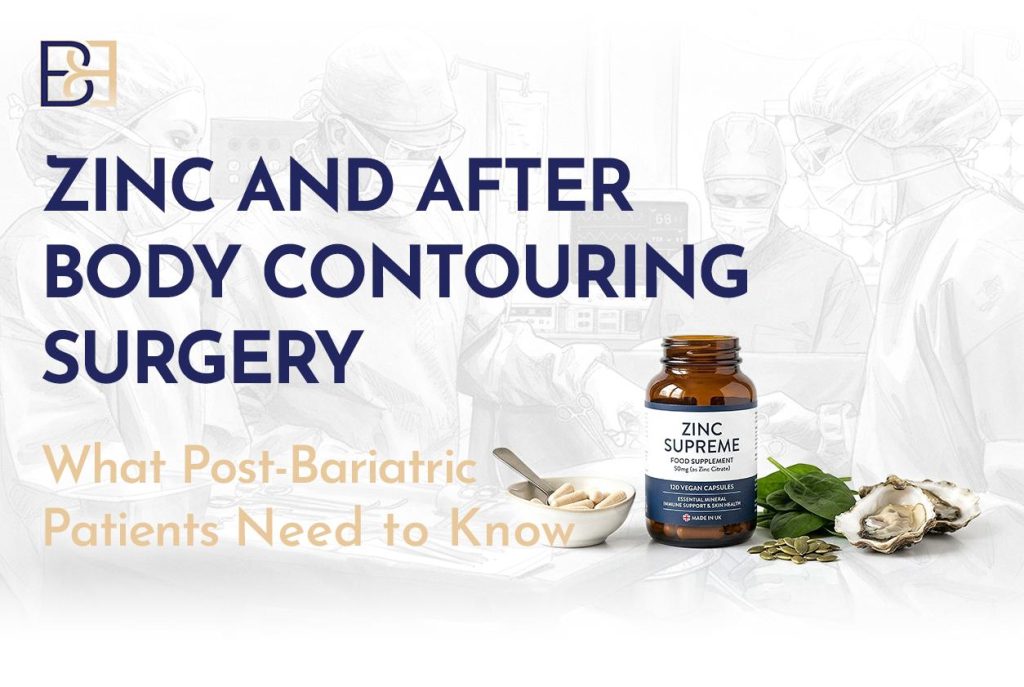
Zinc is one of the five supplements every post-weight-loss patient in my practice starts at their first consultation, before we even have blood results back. It is essential for wound healing, collagen production and immune function. After significant weight loss, most patients have nutritional gaps in zinc that developed during their weight loss journey, whether that was through bariatric surgery or prolonged dietary restriction.
My approach is tiered. Every post-weight-loss patient I see starts a maintenance dose of 8 to 11 mg per day at the first consultation. If the pre-operative blood panel confirms deficiency, I escalate to a repletion dose of 40 to 60 mg per day. I then reassess.
For the maintenance dose, I recommend Blackmores Zinc 25 mg, Swisse Ultiboost Zinc, or Cenovis Zinc Plus. All three are widely available from Chemist Warehouse and Priceline. I prefer the glycinate or gluconate forms over sulphate. Both are gentler on the stomach and generally better tolerated.
Two practical points. Zinc should be taken with food to reduce the chance of nausea. It should be separated from iron supplements by at least two hours, because the two minerals compete for absorption.
One thing to keep in mind. A normal serum zinc result on your blood test does not reliably exclude deficiency. Serum zinc is an unreliable marker on its own. It is affected by inflammation, time of day and albumin levels. This is why I treat clinically, based on history and symptoms alongside blood results, rather than relying on a single number.
Why zinc matters for wound healing after body contouring surgery
After significant weight loss, patients come to me seeking surgery to remove excess skin. Depending on where the loose skin is located, this might mean an abdominoplasty (tummy tuck), a circumferential hybrid abdominoplasty, a dual-vector abdominoplasty, a body lift (belt lipectomy), thighplasty (thigh lift), brachioplasty, or mastopexy. These are major surgical procedures. They create long incisions, involve excess skin removal, and require the body to heal large wound surfaces over weeks and months.
Body contouring surgery that removes excess skin is the point at which the previous weight loss work is finalised. Skin health after excess skin removal depends on how well the body heals the resulting incisions. Every surgical procedure that removes excess skin creates a wound that must then go through the full sequence of healing phases.
Wound healing is not passive. It is an active process that depends on building new tissue, controlling inflammation, and laying down collagen. All of that demands specific nutrients in adequate amounts. Zinc is one of them.
Why post-weight-loss patients are vulnerable
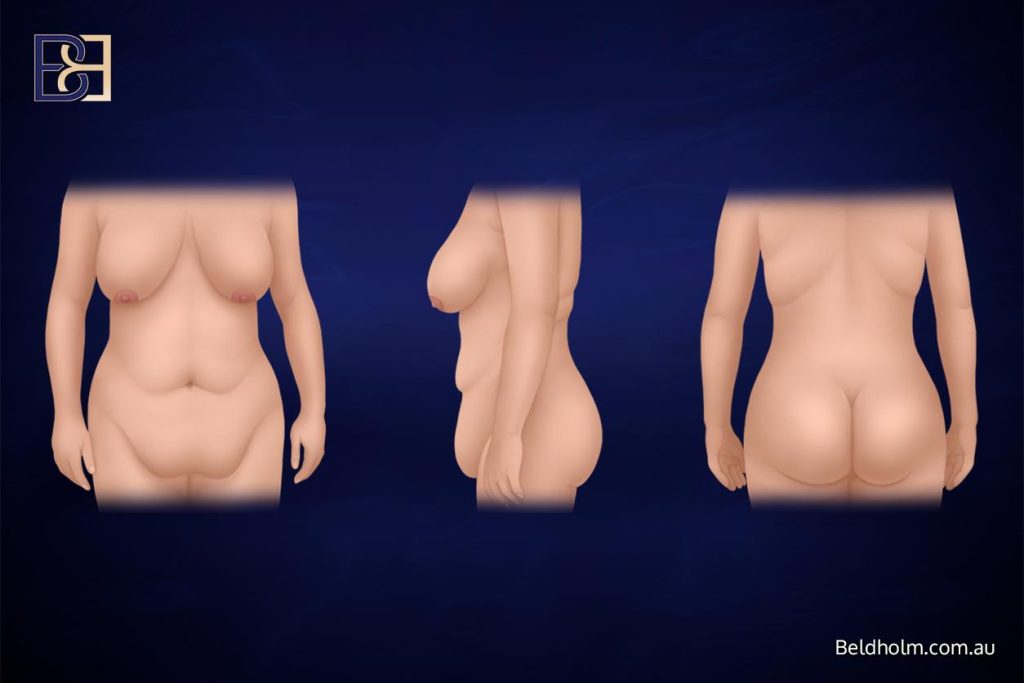
The patients I see have usually lost a significant amount of weight through one of three pathways. Some have had bariatric surgery, commonly gastric sleeve or gastric bypass. Some have lost weight with the help of modern weight loss medications, often alongside diet and regular exercise. Others have chosen to lose weight through sustained dietary change alone. Every one of these pathways can produce nutritional gaps, and zinc deficiency is one of the most common.
When patients lose a large amount of excess weight, the skin that was stretched to accommodate it often does not retract. The result is excess skin across the abdomen, arms, thighs, breasts and lower body. For many patients, this excess skin is the reason they come to see me. Surgical treatment with one of the body contouring procedures I perform removes excess skin that cannot be treated by further weight loss alone. It also treats the skin laxity and functional issues (such as rashes, chafing and difficulty fitting clothes) that excess skin causes.
But the nutritional deficits that developed during the weight loss journey do not disappear just because a patient has reached their goal weight. The same conditions that made it hard to take in enough zinc while losing weight are often still present. The surgical removal of excess skin also requires more zinc to heal the resulting wound. So patients finish their weight loss phase with lower zinc stores and then immediately need more zinc to recover from the surgery that removes excess skin.
The reasons are several. Bariatric surgery reduces the amount of food eaten and, in the case of gastric bypass, bypasses parts of the small intestine where zinc is absorbed. Weight-loss medications reduce appetite, which can lead to lower intake of zinc-rich animal foods. Prolonged dietary restriction, regardless of method, can leave patients with subclinical deficiencies that only become clinically important under the stress of surgery. Weight gain followed by repeated significant weight loss, sustained over years, compounds the problem. Over the long term, repeated dieting cycles can leave patients chronically depleted.
Why I take zinc seriously as a surgeon
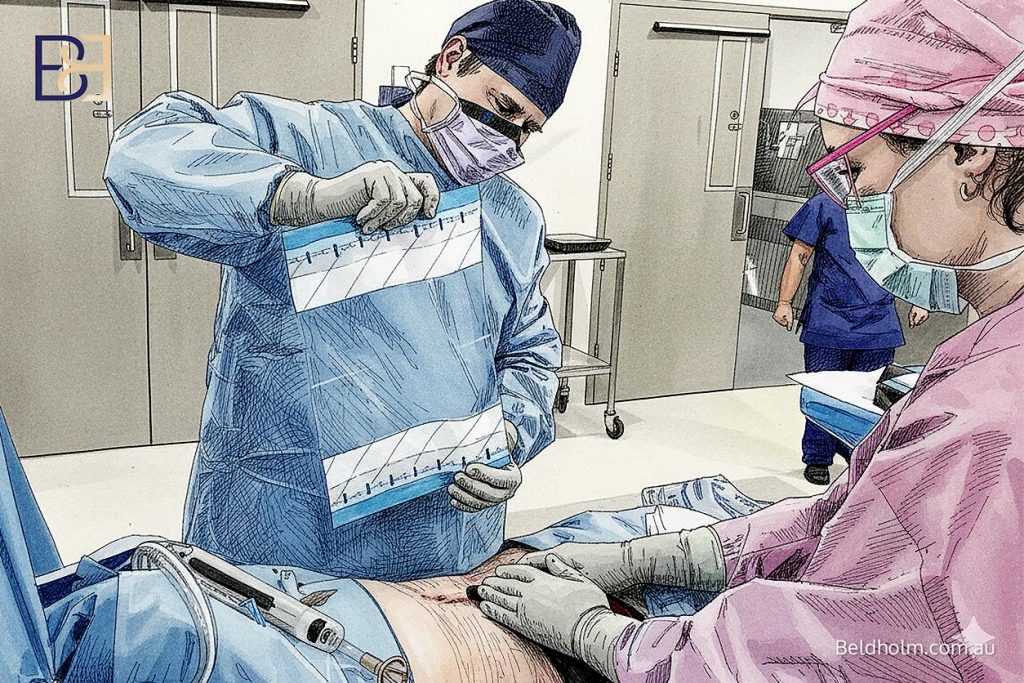
A normal serum zinc level on a blood test does not mean a patient has enough zinc to heal a large wound well. Deficiency in this patient group is common, often subclinical, and has direct consequences for wound healing. Impaired collagen synthesis, delayed epithelialisation, and reduced immune function all trace back to inadequate zinc.
This article is for patients preparing for body contouring surgery with me, or considering it. My goal is to explain what zinc does, why it matters for this patient group specifically, and how I manage it in my practice. The approach I describe is what I actually use in the clinic. It reflects what the evidence supports, adjusted for the realities of Australian supplement availability, MBS-rebatable testing, and my own surgical experience.
The scope of this article
Body contouring after weight loss covers a range of procedures. The specifics of each procedure, including incision design, operative time, recovery timelines, and wound care, are covered in my dedicated procedure articles. This article stays focused on nutrition. The zinc approach I describe here is uniform across the procedures I perform. A body lift has a larger wound surface than a brachioplasty, which has clinical implications covered later in this article, but the underlying nutritional principles are the same.
Table of Contents
How zinc works in the body
Before we get to wound healing specifically, it helps to understand what zinc does in the body more broadly. Patients are often surprised to learn how many processes depend on this essential mineral.
What zinc is and where it comes from
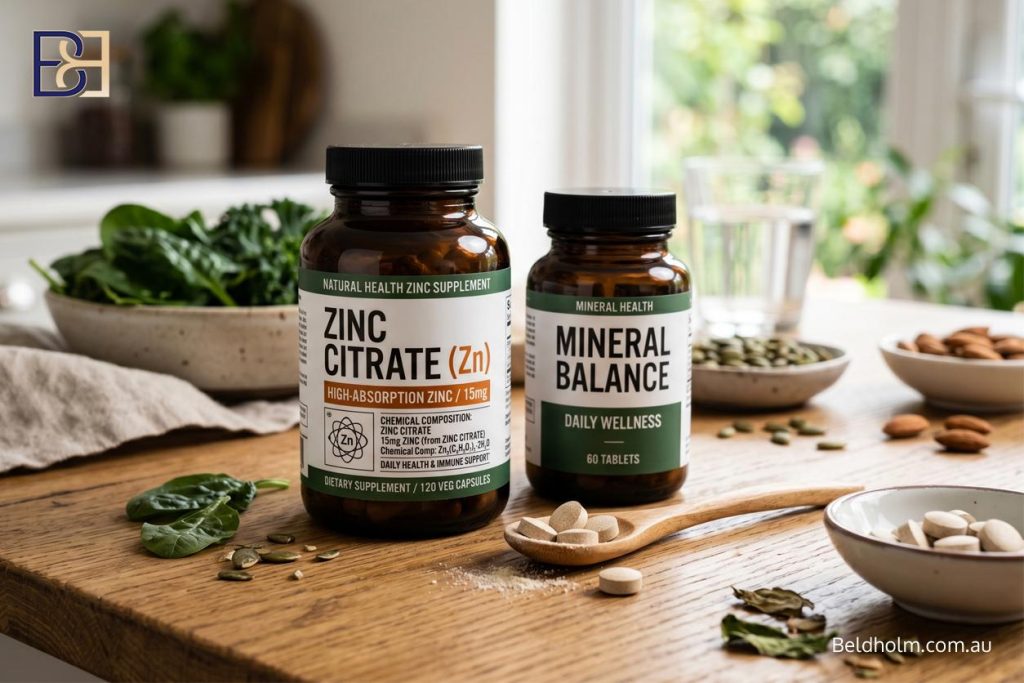
Zinc is an essential trace mineral. The body cannot make it. Every microgram must come from the diet or from supplements. The total body pool in an adult is small, around 2 grams, stored mainly in muscle and bone (1). Only a small fraction circulates in the blood at any one time, which is part of why serum zinc is a poor marker of status, something covered in more detail later in this article.
Dietary zinc is absorbed in the small intestine, with about 30% of what you eat actually making it into the body (1, 2). The rest is lost in the stool. Absorption varies based on the form of zinc in the food, what else is being eaten at the same time, and the general state of the gut. Phytates in plant-based foods bind zinc and reduce how much is absorbed. This is one reason patients on largely plant-based foods can struggle to meet their requirements.
Zinc as a cofactor for enzymes
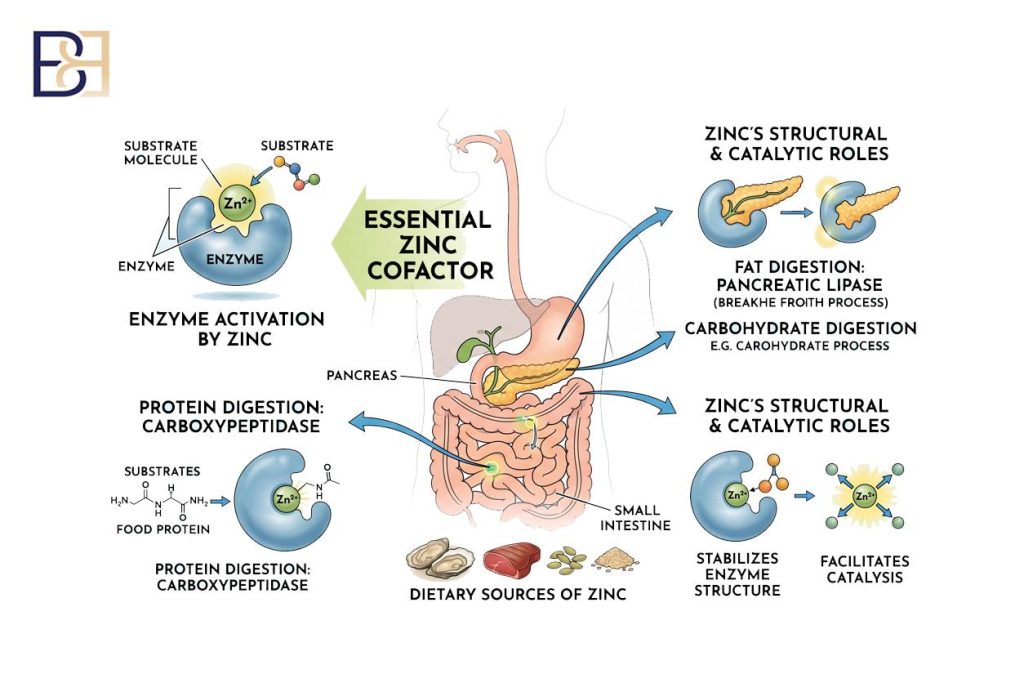
The body contains more than 300 enzymes that need zinc to function (3). Published research indicates zinc is a structural component of over 200 metalloproteins, including carbonic anhydrase, alkaline phosphatase, alcohol dehydrogenase and steroid hormone receptors (1). Without enough zinc, these enzymes do not work properly.
What does this mean in practice? Zinc is involved in:
- Metabolism of carbohydrates, fats and proteins
- Digestion of food
- Normal nerve function
- Cell signalling and communication between cells
- The breakdown and rebuilding of tissues
This breadth is why zinc deficiency can cause such a wide range of symptoms. It is not acting in one place. It is acting in hundreds of places at once.
Zinc in DNA synthesis and cell division
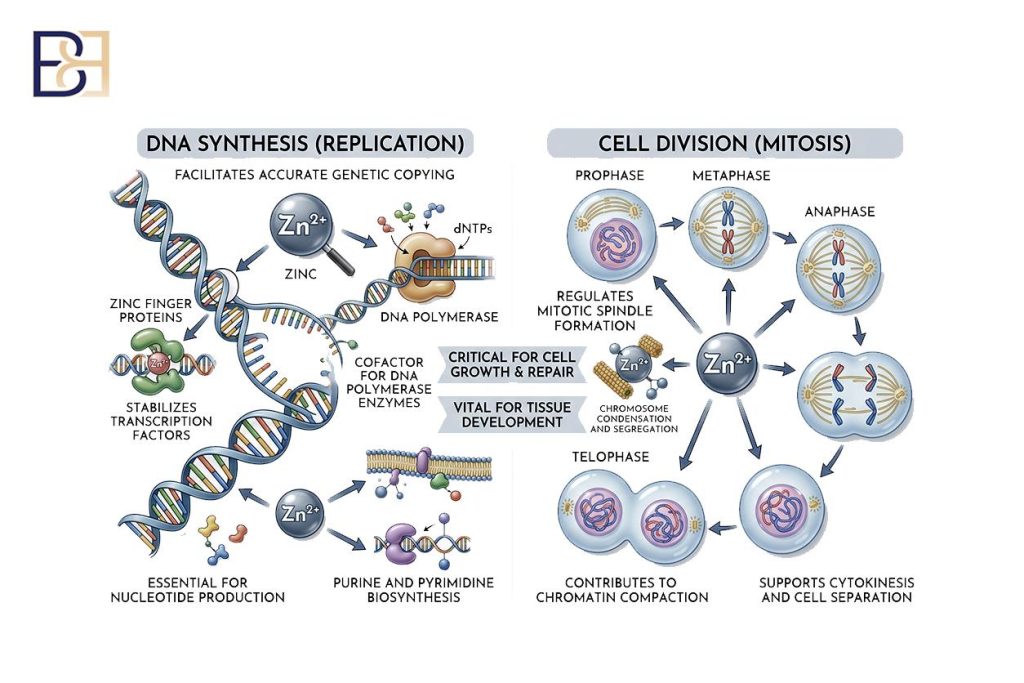
Zinc is required for DNA synthesis and cell replication (1, 3). Every time a cell divides, zinc is involved. That matters enormously for tissues that turn over, including:
- The lining of the gut
- Skin and hair
- Immune cells
- Healing tissue at a surgical wound
These are exactly the tissues that struggle first when zinc runs low. Patients with mild zinc deficiency often notice thinning hair, changes to taste or smell, dry skin, or slow healing of minor cuts before they have any other symptoms.
Zinc and the immune system
Zinc plays a central role in immune function. It is essential for the development and function of immune cells, including T-cells and natural killer cells, which help protect the body from infection (4). Without adequate zinc, the immune response is blunted. Research has shown that zinc helps reduce oxidative stress and supports the immune response, which helps the body deal with bacterial infections and other threats (4, 5).
For a surgical patient, this is directly relevant. The immune system is what clears surgical site contamination, prevents wound infections, and manages the inflammatory response that initiates healing. Adequate zinc supports all of that.
Zinc in protein synthesis and hormone regulation

Zinc is involved in protein synthesis across the body. It also plays a role in hormone regulation, including reproductive hormones and growth hormone activity. Zinc supports sperm production in men and contributes to healthy growth and development at every life stage, from pregnancy and infancy through childhood and adolescence (1, 3).
Adequate zinc is relevant to general health across the lifespan. In children, severe zinc deficiency can cause impaired growth, delayed sexual maturation, skin changes, and reduced resistance to infection. In adults, the consequences are usually more subtle but still significant, particularly for skin health, immune function, and tissue repair.
In the context of body contouring surgery, the protein synthesis role is the most directly relevant. Building new tissue at a wound site requires continuous protein synthesis, and zinc is a necessary part of that process.
How zinc leaves the body
Zinc is excreted mainly through the bile and pancreatic secretions, with smaller amounts lost in urine and sweat (1). Day-to-day losses are modest in a healthy person. Under surgical stress, that changes. Trauma, inflammation and catabolism all increase zinc turnover. Urinary zinc losses increase with high protein intake, which is relevant for my patients given the protein targets we aim for before and after surgery.
The practical point is this. Zinc requirements are not static. They rise when the body is under demand, as it is during the perioperative period. This is part of why a maintenance intake that is fine under normal conditions may fall short when the body is healing a large surgical wound.
Why this matters before we get to surgical recovery
Understanding the breadth of zinc’s role helps explain why deficiency has such wide effects and why it matters so much around surgery. Zinc is not doing one thing. It is participating in hundreds of processes at once, and many of those processes are directly relevant to how well and how quickly a body recovers from a major operation.
With that foundation in place, the next part of this article examines the specific phases of healing and how zinc fits into each.
The three phases of wound healing and where zinc fits
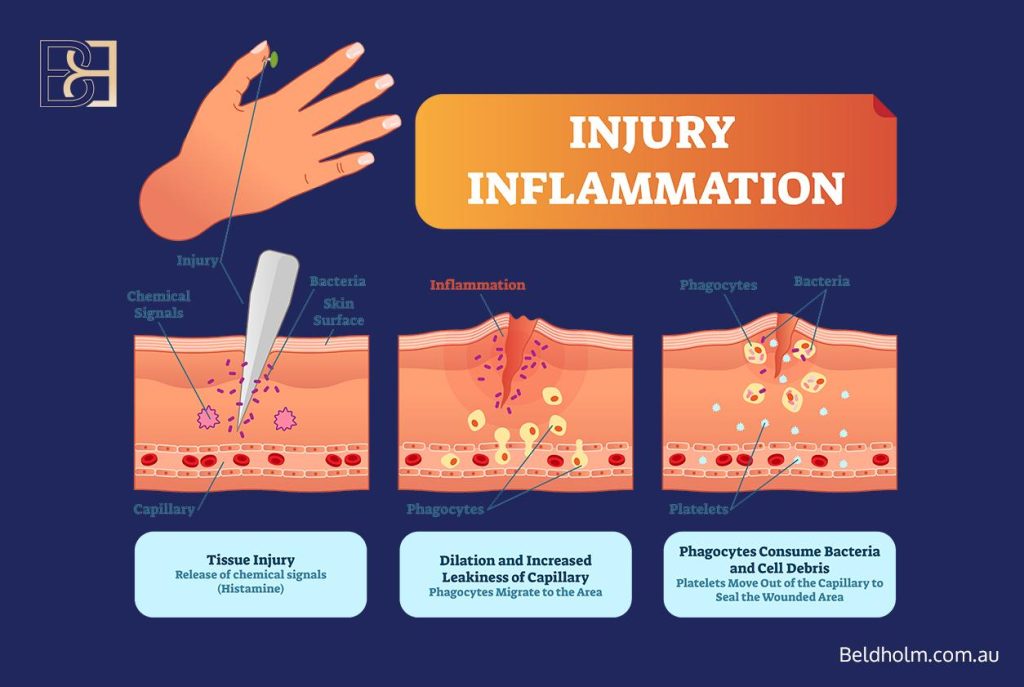
Wound healing is not a single event. It is a sequence of overlapping phases, each with its own biological tasks. For a surgical wound to heal well, every phase needs to proceed in order, at the right pace, with adequate resources. Zinc contributes to all three.
Understanding the phases helps patients appreciate why nutritional status before surgery matters as much as what happens in the operating room. The incision itself is a defined event. The healing that follows takes weeks and months.
The inflammatory phase
The first phase begins the moment tissue is cut. Bleeding stops within minutes through clot formation. Immune cells migrate to the wound within hours, clearing bacteria, debris and damaged cells. This phase typically peaks within the first few days after surgery, which is why wounds look red, feel warm, and appear slightly swollen early on. That is normal inflammation doing its job.
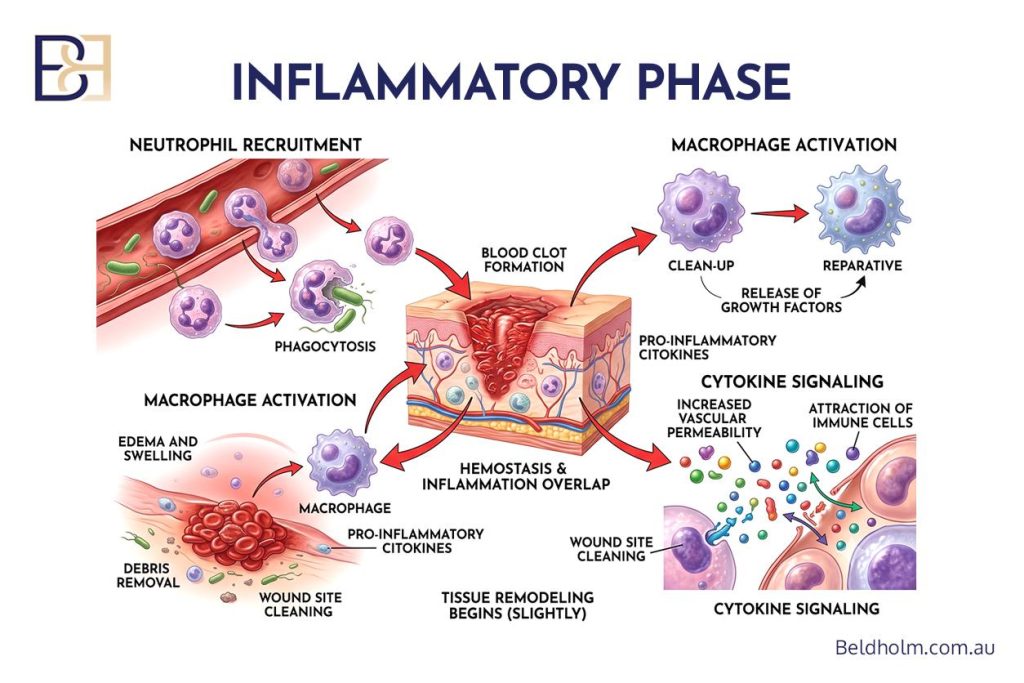
Zinc contributes to this phase in several ways:
- It supports the function of immune cells, particularly neutrophils and macrophages, which are the early responders to a surgical wound
- It helps regulate the cytokine signalling that coordinates the inflammatory response
- It supports reduction of oxidative stress, which is generated in large amounts during tissue injury
Research has shown that zinc supplementation can support immune response and reduce infection risk, particularly in older adults and in patients with significantly reduced zinc levels (4, 5). For a post-weight-loss patient undergoing a large operation, a well-functioning inflammatory phase is what clears the surgical site and sets up everything that follows.
A blunted or prolonged inflammatory phase, which is what happens when immune function is impaired, is associated with higher infection rates and delayed progression to the next phase of healing.
The proliferative phase
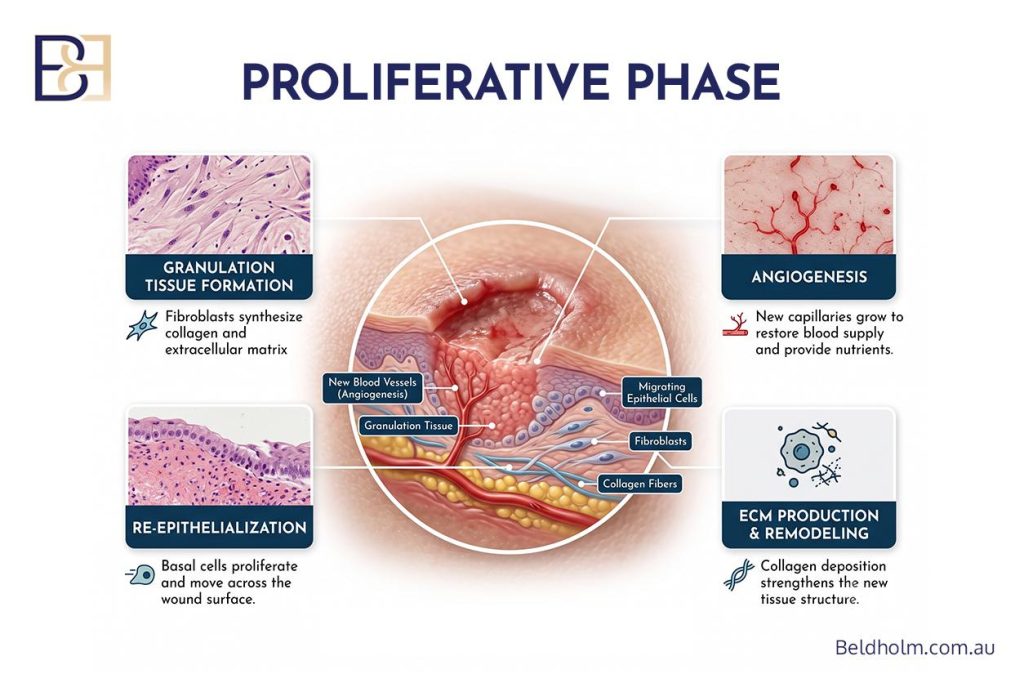
The proliferative phase starts within days of surgery and continues for several weeks. This is where the real rebuilding happens. Fibroblasts, the cells that make connective tissue, migrate into the wound and start producing collagen. New blood vessels form to supply the area. The wound edges contract inward as the skin closes over the defect. The surface epithelium regrows across the wound.
This phase depends heavily on cell division, and cell division depends on zinc. Published research indicates that zinc is required for DNA replication, fibroblast proliferation, collagen synthesis and skin epithelisation (6). Every one of these steps is happening at once in a healing wound.
Research has shown that zinc deficiency impairs collagen production and reduces wound tensile strength. In a classic animal study, wound-breaking strength was reduced by around 75% in zinc-deficient subjects compared with controls (7). While animal data does not translate directly to humans, the mechanism is well established and consistent across species. Patients with adequate zinc status produce more collagen, more reliably, than patients who are deficient.
For a patient healing a large surgical incision, the proliferative phase is when wound strength is actually being built. An incision that looks closed on day 10 is structurally very weak. It is the collagen laid down over the following weeks that gives the scar its eventual strength. Zinc deficiency at this point means less collagen, weaker scars, and higher risk of wound breakdown. Skin health during this phase is directly tied to nutritional status.
The remodelling phase
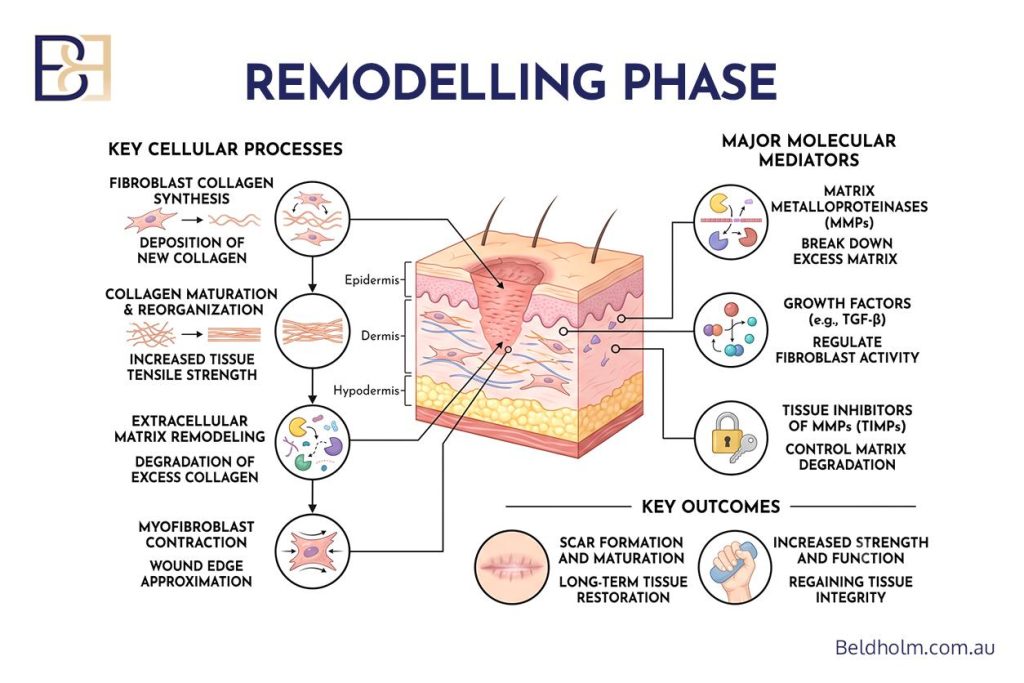
The third phase is the longest. Collagen that was laid down during the proliferative phase gets reorganised. The initial collagen is Type III, which is laid down fast but is relatively weak. Over weeks and months, the body replaces it with Type I collagen, which is stronger and better organised. This process is what gradually matures a fresh pink scar into a paler, flatter, more stable scar over 12 to 18 months.
Zinc is involved in this remodelling. It acts as a cofactor for enzymes called matrix metalloproteinases, which break down old collagen so new collagen can take its place. It is also needed for the cross-linking that gives mature collagen its strength.
Published research indicates that zinc is an essential trace element in the early remodelling of scar tissue (7). The scar that results from a surgical incision is never as strong as the surrounding uninjured skin. Published evidence indicates that a well-healed scar reaches around 70 to 80% of the tensile strength of normal skin, and only at full maturity. Nutritional status during this phase affects both the strength of the final scar and how it looks.
Why all three phases matter for this patient group
Post-weight-loss body contouring often results in some of the longest incisions in body contouring surgery. A body lift (belt lipectomy) creates a continuous wound that encircles the body. An abdominoplasty involves a long hip-to-hip incision. Every centimetre of that incision goes through the same three phases of healing at the same time.
A patient with good nutritional status moves through all three phases efficiently. A patient with significant zinc deficiency may get:
- A prolonged inflammatory phase with higher infection risk
- Impaired collagen production during the proliferative phase, which increases the risk of wound breakdown
- Weaker, more visible scars after remodelling
None of this is inevitable. It is also not always predictable. But the pattern is clear enough in the published evidence that I consider pre-operative zinc optimisation a core part of how I prepare patients for surgery.
How common is zinc deficiency in post-bariatric patients
One of the questions patients ask me most often when I raise zinc is whether they actually need to worry about it. The answer, for this patient group, is yes. Zinc deficiency is common after significant weight loss, more common than most patients expect, and more common than a single blood test often suggests.
Prevalence in the published evidence
Before bariatric surgery, around one in three people with obesity already have low zinc levels. Published research indicates zinc deficiency in approximately 30% of patients assessed before bariatric surgery, and that figure actually rises after the operation despite routine multivitamin use (8). In one prospectively evaluated cohort, the post-operative rate was 36%, even with supplementation in place (8). Low zinc levels in this patient group are common enough that I assume the risk is real until proven otherwise.
More recent analysis of procedure-specific rates indicates (15):
- Roux-en-Y gastric bypass: zinc deficiency rates around 20% or higher
- Sleeve gastrectomy: rates in the 10 to 30% range
- Modern weight loss medications: no zinc deficiency reported in published studies of these medications used alone, although patients who have also had bariatric surgery carry the same risk from that surgery
Published evidence from a systematic review of zinc deficiency after gastric bypass confirms that this is a persistent issue, not a short-term one (9). Patients who had their bariatric surgery years ago can still present with low zinc levels when they come to me for body contouring, particularly if they have been inconsistent with taking supplements over the years since.
Globally, zinc deficiency is estimated to affect around 17% of the world’s population, particularly in low-income and middle-income countries where poor dietary intake is often the underlying cause (3). The post-bariatric population sits well above that baseline, which is why I treat this group as categorically different from the general population when it comes to pre-operative nutritional assessment.
Why zinc deficiency is so common in this patient group
Several factors converge to make zinc deficiency common after significant weight loss. Patients who lose weight, whether through bariatric surgery or other pathways, often do not replace what they have lost in zinc terms. Patients who lose weight more slowly through sustained dietary change can still end up depleted, because many reduced-calorie diets are also reduced-zinc diets. The specific way a patient chooses to lose weight matters less than the fact that the process itself often leaves them with lower zinc reserves.
Reduced overall intake. Most of my patients are eating substantially smaller portions than before their weight loss. Even with high-quality food choices, the total amount of zinc consumed each day drops. Animal-based foods are the richest source, and many patients reduce their meat intake after bariatric surgery due to tolerance issues.
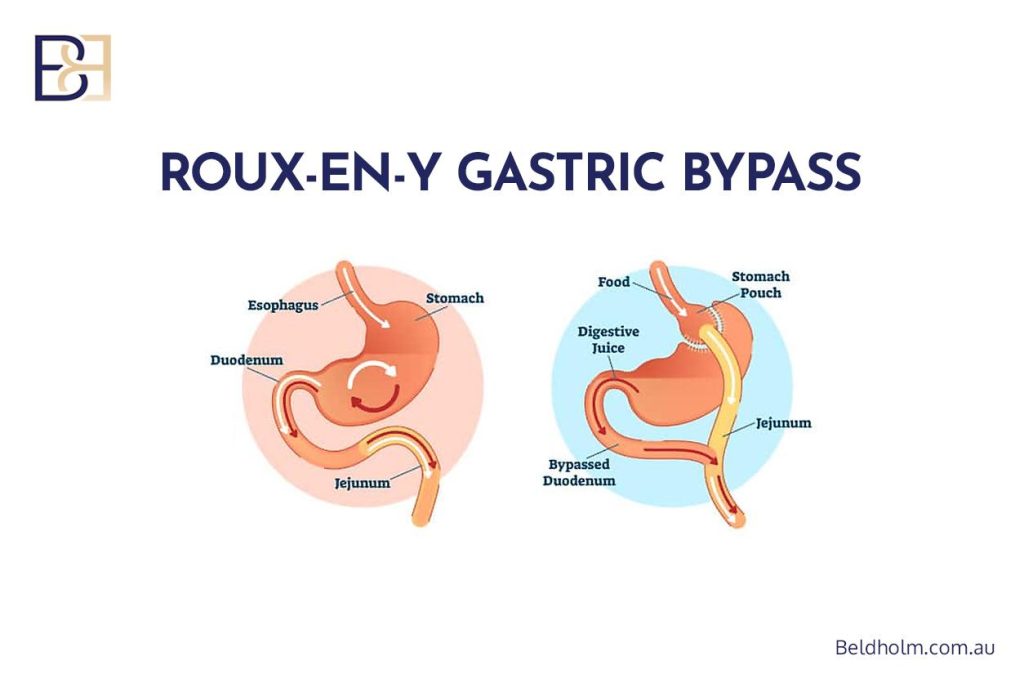
Altered absorption. Gastric bypass surgery bypasses the duodenum and upper jejunum, which are important sites for zinc absorption. Sleeve gastrectomy reduces stomach acid production, which is needed to release zinc from food. Either procedure can reduce how much of the zinc you eat actually gets absorbed.
Competition with other supplements. Patients after bariatric surgery are often on iron and calcium supplements. Both compete with zinc for absorption. Without attention to timing, this can worsen a marginal intake.
Protein intake pattern. Protein-rich animal foods are the best dietary source of zinc. Patients who cannot tolerate red meat or who rely heavily on plant-based foods may have lower intake. Plant sources of zinc are available, but bioavailability is lower due to phytates.
Compliance with long-term supplementation. Published data suggests compliance with daily multivitamin intake after bariatric surgery is around 60% (8). That means a significant minority of patients are not taking the supplements they were prescribed. Over years, this accumulates.
Subclinical versus clinical deficiency
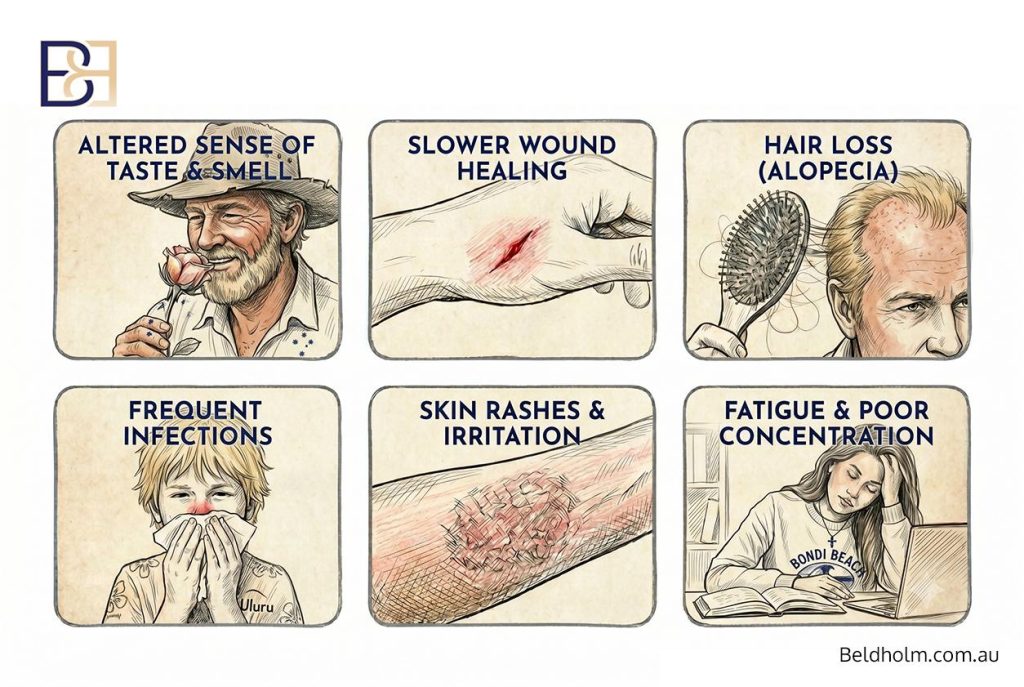
One reason patients are often unaware of low zinc status is that the early signs are subtle. In post-bariatric patients, zinc deficiency is often subclinical, meaning it shows no obvious symptoms in day-to-day life (8). Patients feel well, are eating a diet they consider reasonable, and have no specific complaints that point to zinc. Many have been taking supplements of some kind, but not always the right ones at the right doses.
When symptoms do appear, they tend to be:
- Thinning hair or hair loss
- Changes to taste or smell
- Dry skin or other visible skin changes
- Slow healing of minor cuts or scratches
- Recurrent minor infections
- Changes to nails
Hair thinning is a common reason patients first raise nutritional concerns with me, and it is often associated with low zinc, low iron, or both. These symptoms are non-specific. They can reflect other nutrient deficiencies, hormonal changes, or other medical conditions. This is why I test rather than treat on symptoms alone.
Why do I not wait for a deficiency to develop?
The pattern in the published evidence is consistent. Zinc deficiency is common pre-operatively, often persists or worsens post-operatively, and has direct implications for recovery. Correcting it after a deficiency becomes clinically evident means chasing a problem that has already affected the patient’s reserves.
The reality is that many patients do not get enough zinc from their usual diet, even when they believe their diet is reasonable. Post-weight-loss patients rarely eat enough of these mineral-rich foods to meet the increased demands of the pre-operative period. Enough zinc for ordinary daily needs is not the same as enough zinc for healing a large surgical wound. And at this life stage, where patients have often been dieting for years, their stores are often lower than they realise.
This is why I start every post-weight-loss patient on a maintenance dose of zinc at the first consultation, before I even have their blood results back. It is a low dose, well within the safe range, and it covers the patients who already have subclinical deficiency while we wait for bloods to come back. Patients who are already taking supplements are asked to bring them in so we can account for what they are already taking.
For patients whose blood panel confirms a more significant deficiency, I add a higher repletion dose on top of the maintenance for a bounded period and then reassess. The details of that approach are covered in the Tier 1 and Tier 2 framework later in this article.
Why a normal serum zinc does not mean your zinc status is fine
One of the practical challenges of managing zinc in post-weight-loss patients is that the blood test most commonly used, serum zinc, is not very reliable. Patients often expect a blood test to give a definitive answer. For most nutrients, it does. For zinc, it does not.
This is important enough that I discuss it with every patient. A normal serum zinc does not reliably exclude deficiency. An abnormal result can sometimes reflect something other than zinc status. Either way, the clinical picture matters alongside the number.
What the blood test actually measures
Serum zinc is a measurement of zinc circulating in the blood at a single point in time. In Australia, the reference range is typically 10 to 18 µmol/L. The MBS item number is 66720, which is rebatable with clinical criteria including post-bariatric surgery, malabsorption, or suspected deficiency. Most pathology providers bulk bill when these criteria are met.
The problem is that serum zinc reflects only a tiny fraction of total body zinc. About 90% of the zinc in plasma is bound to albumin, with the remaining 10% bound to another protein called alpha-2-macroglobulin (1). Total body zinc sits in muscle, bone and other tissues. The circulating fraction is a poor proxy for those stores.
Why serum zinc fluctuates
Several factors shift serum zinc independently of actual zinc status:
Inflammation. During the acute-phase response to injury, infection, or inflammation, serum zinc falls. Published evidence indicates that when C-reactive protein (CRP) is elevated above 20 mg/L, plasma zinc becomes an unreliable indicator of zinc status (1). This matters in post-bariatric patients, who may have low-grade inflammation from other causes, and in anyone with a recent illness at the time of testing.
Time of day. Serum zinc varies across a 24-hour cycle, with higher levels in the morning after fasting and lower levels in the afternoon.
Recent food intake. A meal before the test can transiently alter the result. Pathology collection ideally happens fasting, although this is not always practical.
Albumin levels. Because most circulating zinc is bound to albumin, low albumin gives a lower serum zinc reading without necessarily reflecting true deficiency. Post-bariatric patients can have low albumin from protein intake issues, which can confound interpretation further.
Medications. Some medications, including certain diuretics and oral contraceptives, can affect serum zinc levels.
What this means in practice
The practical consequence is that I cannot order a serum zinc, wait for the result, and make a clean decision. A result of 12 µmol/L does not confirm a patient is zinc-sufficient. A result of 8 µmol/L does not automatically mean a large repletion dose is needed without considering the context, particularly whether there was any recent inflammation or acute illness around the time of testing.
This is why my protocol is structured around universal Tier 1 maintenance dosing rather than waiting for a blood result to guide initial treatment. The maintenance dose is low enough to be safe for patients who are already zinc-sufficient, and it starts to close the gap for patients who are subclinically deficient while we wait for the full pre-operative blood panel to come back.
The blood result does still matter. I use it to identify patients who need Tier 2 repletion dosing in addition to maintenance and to guide ongoing monitoring. But I treat it as one piece of information alongside the patient’s history, weight-loss trajectory, dietary pattern, symptoms, and examination findings.
When I retest and how I interpret it
I check serum zinc as part of the pre-operative blood panel for all post-weight-loss body contouring patients. If the result is low and the clinical picture supports it, I escalate to Tier 2 repletion dosing. If the result is in the normal range but the clinical picture suggests significant nutritional vulnerability, I stay on maintenance dosing and reassess during recovery.
A repeated finding of serum zinc below 5 µmol/L is more clearly suggestive of clinically significant deficiency and warrants more aggressive investigation and treatment (1). This is less common in the patients I see, because most present with marginal or subclinical deficiency rather than severe deficiency.
For patients on higher-dose repletion therapy, I monitor both zinc and copper levels, because long-term high-dose zinc can induce copper deficiency. That interaction is covered in a dedicated section later in this article.
The bigger point
I mention this unreliability early in the article because it shapes how the rest of my approach to zinc management works. If the blood test were definitive, I would simply test everyone, treat the ones with low results, and leave the rest alone. That is not how this nutrient works in this patient group.
The result is an approach built on universal maintenance dosing, blood-guided escalation where clinically supported, and ongoing clinical judgement throughout the perioperative period (14). Details of that two-tier approach are covered later in this article.
The high-protein diet and zinc paradox
One of the more interesting interactions I have to work around in this patient group involves zinc and protein. The two are linked in ways that can both help and hinder a patient’s zinc status, depending on how it is managed.
Why my patients need high protein intake
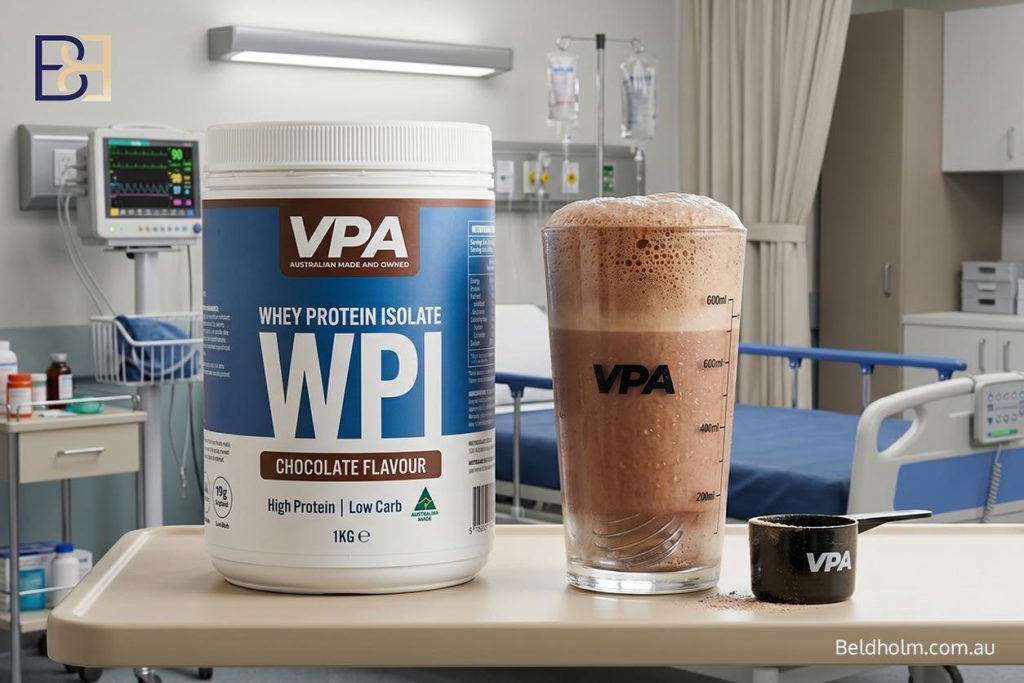
Every post-weight-loss patient I see is on a protein-focused nutrition plan before surgery. The target is 80 to 100 g of protein per day, aiming for around 1.2 to 1.5 g per kg of body weight per day in the pre-operative phase, and titrated higher in the post-operative period (up to 1.6 to 3.0 g per kg per day). This is based on published evidence that protein supplementation reduces wound-related complications after body contouring in post-bariatric patients (10, 11).
Protein is the building block of collagen, and collagen is what heals a surgical wound. A patient with inadequate protein intake cannot produce enough collagen, regardless of how well every other nutrient is optimised. This is why protein is the foundation of my pre-operative nutritional protocol.
The zinc excretion effect
Here is where the paradox starts. Higher protein intake increases urinary zinc excretion. This is well established in the physiology literature. As protein is broken down and the amino acids are metabolised, zinc losses through the kidneys rise. A patient eating 60 g of protein per day excretes less zinc than a patient eating 120 g of protein per day, all else being equal.
For my patients, this means that the dietary strategy essential for wound healing also increases their zinc requirements. Maintenance intake, which might be adequate for the general population, is inadequate when protein intake is raised to the levels I aim for pre-operatively.
The zinc supply effect
The other half of the paradox is that animal protein is the richest dietary source of zinc. There is a direct correlation between dietary protein and zinc intake, because the same foods that provide high-quality protein, such as red meat, poultry, fish, seafood, eggs and dairy, also provide the most bioavailable zinc (1, 8).
In theory, a patient eating 100 g of protein per day from animal sources should be getting substantially more zinc than a patient eating 60 g from the same sources. In practice, several things interfere with this:
- Post-bariatric patients often struggle to tolerate red meat, which is one of the best zinc sources
- Patients using modern weight loss medications may have reduced appetite, particularly for meat
- Patients who rely more on plant-based foods for protein get less zinc per gram of protein, because plant sources are less bioavailable
- Dairy is a moderate source but not a particularly rich one
- Whey protein isolate, which is the protein supplement I recommend, contains some zinc but less than an equivalent weight of red meat
The net result is that many patients do not automatically get more zinc just because they are eating more protein. Some do. Many do not.
How I manage this in practice
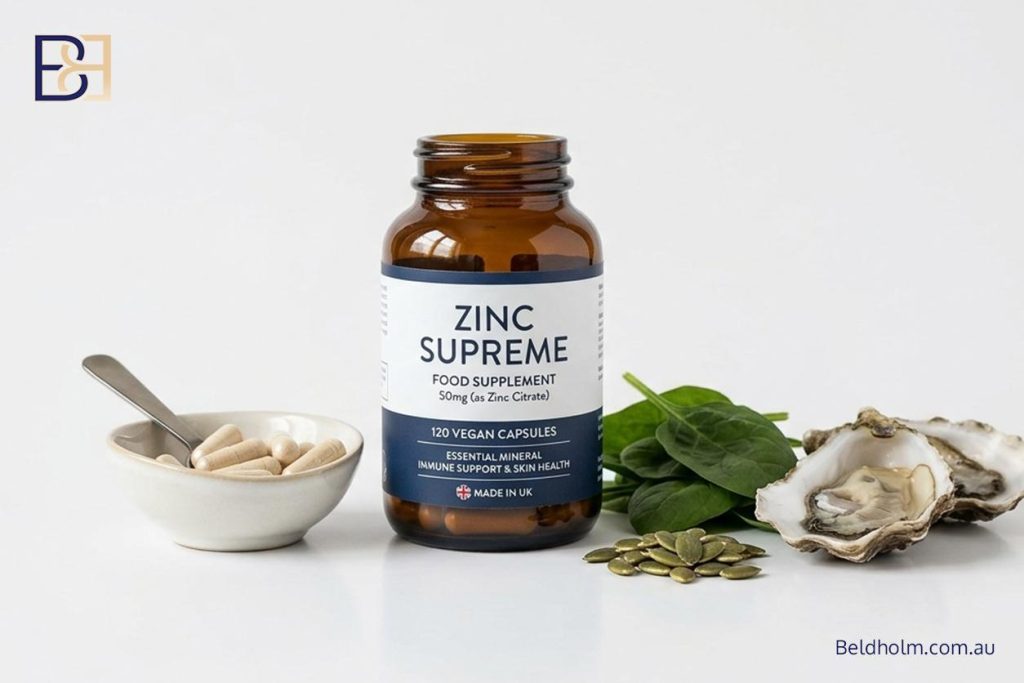
The practical answer to the protein-zinc paradox is straightforward. Every post-weight-loss patient in my practice is on Tier 1 zinc supplementation at 8-11 mg per day, starting at the first consultation. This dose is low enough to be safe, high enough to meet the increased requirements of the high-protein pre-operative diet, and enough that compliance is usually good.
For patients whose blood panel confirms deficiency on top of this, I add Tier 2 repletion dosing for a bounded period.
Food still matters. I encourage patients to include zinc-rich animal foods where tolerated, to vary their protein sources, and to include whole grains, legumes, nuts and seeds in a normal, varied diet. Supplementation fills the gap. It does not replace food.
The takeaway
The high-protein diet essential for wound healing also increases zinc requirements. Relying on food alone to meet those requirements is unreliable in this patient group, because of tolerance issues, absorption issues, and variable intake. Tier 1 zinc supplementation at a maintenance dose treats this cleanly and consistently.
The zinc-copper ratio and why it matters
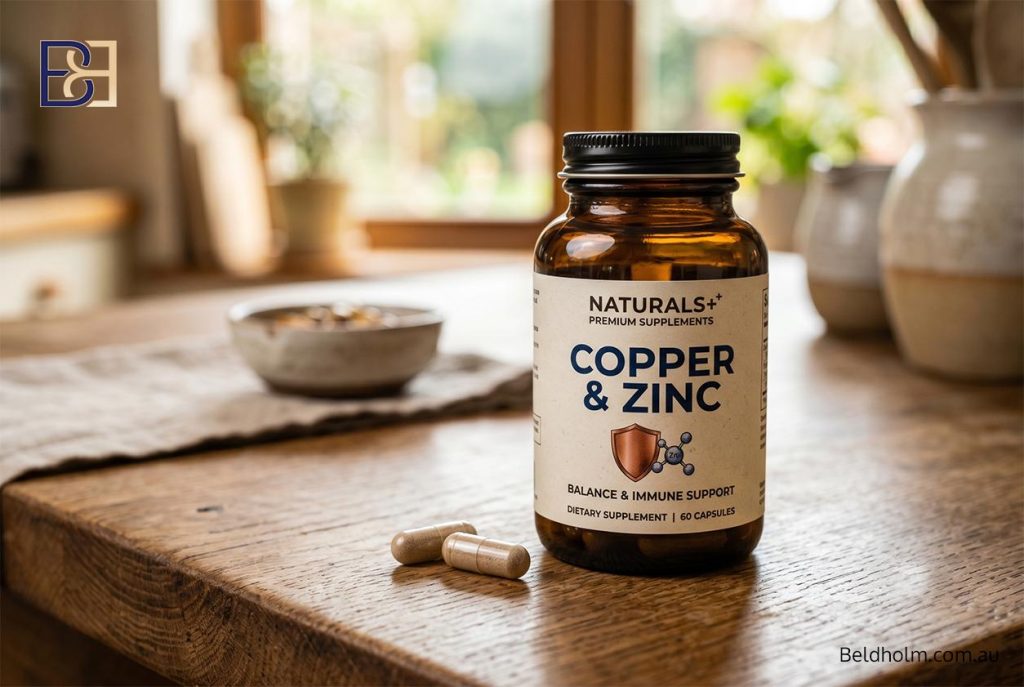
Zinc does not act in isolation. Its absorption is tightly linked to copper, another essential trace mineral. Pushing zinc up without thinking about copper is one of the mistakes I see most often when patients have been self-supplementing before they come to me. This section explains why I monitor the ratio between the two, and why Tier 2 repletion dosing is bounded rather than continued indefinitely.
How zinc and copper interact
Zinc and copper compete for absorption in the small intestine. High zinc intake induces the expression of a protein called metallothionein in the cells lining the gut. Metallothionein binds both zinc and copper, but it has a higher affinity for copper. Once bound, the copper remains in the enterocyte and is eventually shed into the stool. The net effect is that too much zinc in the diet reduces copper absorption and increases copper losses (1, 2).
This is not a theoretical concern. Zinc toxicity from chronic high intake is well described. Supplemental zinc at doses of 50 mg or more per day, taken over a period of weeks, has been shown to inhibit copper absorption, reduce immune function and weaken the immune system’s response to infection, and lower high-density lipoprotein cholesterol levels (1).
In the short term, these effects are usually not clinically apparent. Over the long term, they can become significant health problems. Published case reports describe patients who developed anaemia, neutropenia, and neurological physical effects from zinc-induced copper deficiency, typically after prolonged self-directed high-dose supplementation (1). The doses in those cases ranged from 50 mg to 300 mg per day, sustained for months or years.
Why this matters for my patients
Patients come to me sometimes taking high-dose zinc supplements that they started on their own, often for reasons unrelated to surgery. Common triggers include hair thinning, recurrent colds, acne, or advice from non-medical sources. Doses of 50 mg or higher, taken daily for many months, are not unusual in this group.
My job is to reset that. Long-term zinc supplementation above the safe upper limit is unnecessary, usually unhelpful, and carries a real risk of copper depletion. Zinc toxicity at these doses is a real concern. I ask patients about all supplements at their first consultation for exactly this reason.
Checking zinc levels on the pre-operative blood panel gives me objective data on whether a patient has too much, too little, or normal levels. Too much zinc for too long causes its own health problems, not just copper depletion but also weakened immune function and altered lipid profiles. Patients are often surprised to learn that more is not always better, and that overdoing zinc supplements can actually reduce their body’s ability to recover from surgery.
The target ratio
In my protocol, I aim for a zinc-to-copper ratio of 8:1 to 15:1. That means for every 8 to 15 mg of zinc, there should be around 1 mg of copper, either from the diet or accounted for in supplementation.
At the maintenance dose of 8 to 11 mg per day, most patients will get adequate copper from a normal mixed diet, without needing a copper supplement. Copper is present in foods including whole grains, nuts, seeds, legumes, organ meats and dark chocolate. A typical Australian diet provides around 1 to 1.5 mg of copper per day, which keeps the ratio in range when zinc is kept at a maintenance dose.
At Tier 2 repletion dosing of 40 to 60 mg per day, the maths changes. Dietary copper at 1 to 1.5 mg per day gives a ratio of around 30 to 60 to 1, well outside the target range. This is why Tier 2 dosing is time-bound, not continued indefinitely, and why I monitor copper levels in patients on higher doses long-term.
The Tolerable Upper Intake Level
The Tolerable Upper Intake Level for zinc is set at 40 mg per day for adults (3). For infants, children and adolescents, the range is 4 to 34 mg per day depending on age. This is the level above which chronic intake is associated with adverse effects in the general population.
My Tier 2 replacement dose of 40 to 60 mg per day sits at or slightly above this upper limit. That is intentional. A patient with confirmed deficiency needs more zinc than a patient with adequate stores, and repletion dosing reflects that need. The key point is that this dose is:
- Bounded in time, typically weeks rather than months
- Reassessed with repeat blood testing
- Accompanied by copper monitoring if sustained for more than a few weeks
- Stepped down to maintenance once zinc status is restored
This is a very different pattern from a patient taking 50 mg of zinc daily for years on their own initiative.
Signs that zinc excess may be affecting copper status

If a patient has been on high-dose zinc supplementation for months and develops new symptoms, I consider copper depletion as a possible contributor. Features can include:
- Unexplained anaemia, particularly if it does not respond to iron
- Low white blood cell count, especially neutrophils
- New neurological symptoms including numbness, weakness or balance problems
- Bone pain or osteopenia on imaging
These are uncommon in patients managed within a structured protocol. They are well documented in the literature for patients on unsupervised high-dose zinc, particularly over many years.
The practical point for patients
Zinc is essential. More is not always better. The dose that helps heal a surgical wound is not the dose that should be continued for life. My protocol is designed to give patients the zinc support they need around surgery, at the right dose, for the right duration, with attention to the wider balance of trace minerals.
Patients sometimes ask whether they should just keep taking their supplements after surgery. The answer depends on blood results, dietary pattern, and whether they remain in a high-need group (for example, ongoing post-bariatric status). For most patients, maintenance zinc at 8 to 11 mg per day is enough zinc to support ongoing needs long-term. Repletion doses are temporary. Taking 40 to 60 mg per day indefinitely as supplemental zinc is neither necessary nor safe, and over the long term, it can cause too much zinc to accumulate relative to copper.
Forms of zinc, what I recommend and why
Walk into any Australian pharmacy and you will see zinc supplements on the shelf in several different forms. Glycinate, gluconate, citrate, sulphate, picolinate, acetate and oxide all appear on labels. Patients often ask whether the form matters. It does, both for tolerance and for how much elemental zinc actually gets delivered.
Understanding elemental zinc versus compound weight
Before the form itself, one important concept. The amount on a supplement label can mean two different things. Some labels show the total weight of the zinc compound, which includes both the mineral and whatever it is bound to. Others show the elemental content, which is the amount of actual zinc the body can use.
When I refer to doses of 8 to 11 mg for maintenance or 40 to 60 mg for repletion, I am referring to elemental zinc. Most reputable Australian supplements list this clearly on the label. If the label says “zinc 25 mg (from a zinc compound such as gluconate or glycinate)”, the 25 mg is what matters clinically.
Zinc glycinate

Zinc glycinate is zinc bound to the amino acid glycine. This is one of my preferred forms. It is generally well tolerated, with less gastric irritation than some other forms. Absorption is good. The amino acid binding may help with bioavailability, although the evidence on this is more modest than manufacturer marketing sometimes suggests.
For patients with sensitive stomachs or a history of nausea with supplements, zinc glycinate is often the form that works best.
Zinc gluconate
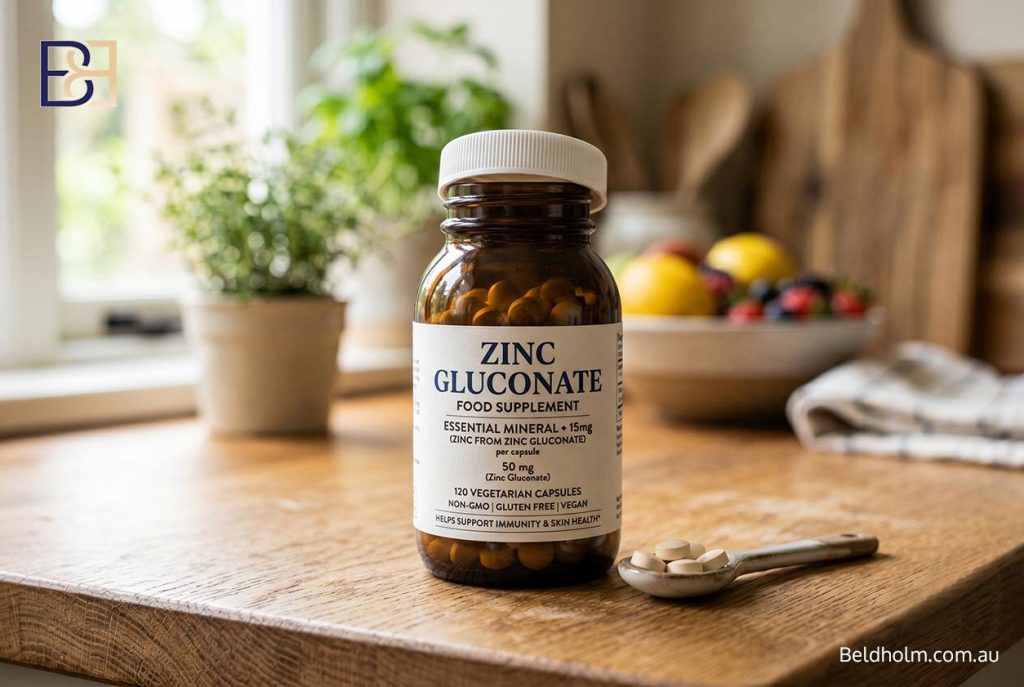
Zinc gluconate is zinc bound to gluconic acid. This is the form most commonly available in Australian supplement brands, including the ones I recommend to my patients. It is well tolerated, widely studied, and readily absorbed. Research has shown this form is effective for supporting immune function, with evidence that zinc supplementation can reduce the duration of the common cold by up to 33% when taken early (12).
This is my default recommendation for most patients. It is the form used in Blackmores Zinc, Swisse Ultiboost Zinc, and Cenovis Zinc Plus, which are the brands I direct patients to.
Zinc sulphate

Zinc sulphate is effective and inexpensive, but it has a well-documented tendency to cause gastric irritation. Zinc sulphate is water-soluble, and on an empty stomach, gastric acid can convert it to zinc chloride, which is a powerful gastric irritant (1). Common side effects include nausea, vomiting, stomach cramps and diarrhoea.
In high-dose therapeutic use, zinc sulphate has historically been used in dermatology and other fields, sometimes at the equivalent of 45 mg three times a day (1). Those doses are not something I would prescribe for supplementation, and the tolerance issues at those doses are well recognised.
For maintenance dosing in post-weight-loss patients, I prefer glycinate or gluconate over sulphate for tolerance reasons. Patients who have already had GI tract surgery do not need additional stomach upset from their supplements.
Zinc citrate

Zinc citrate is zinc bound to citric acid. It is well absorbed, comparable to gluconate, and reasonably well tolerated. It is a acceptable form. I do not specifically prescribe it because the brands I direct patients to use glycinate or gluconate, but a patient who already has this form at home does not need to change.
Zinc picolinate

Zinc picolinate is zinc bound to picolinic acid. Absorption is reportedly good, and some studies suggest it may be marginally better absorbed than gluconate or citrate. In clinical practice, the difference is small enough that I do not consider it clinically important. Patients who take zinc picolinate do fine on it. I do not go out of my way to recommend it over glycinate or gluconate, because the Australian brands I recommend use the latter forms.
Zinc acetate
Zinc acetate is used in medicine to treat Wilson’s disease, a rare inherited disorder of copper metabolism (13). In that setting, doses of around 150 mg per day are used to induce metallothionein and block copper absorption. This is not a supplement form I would recommend for general zinc support. It has a specific therapeutic role in a specific condition.
Zinc oxide
Zinc oxide is the form used in topical preparations, including nappy rash creams, sunscreens and some wound care products. It is not well absorbed orally and is not a form I would recommend for supplementation. When patients ask whether the zinc in their sunscreen counts toward their daily intake, the answer is no. It stays on the skin surface.
What I recommend in practice
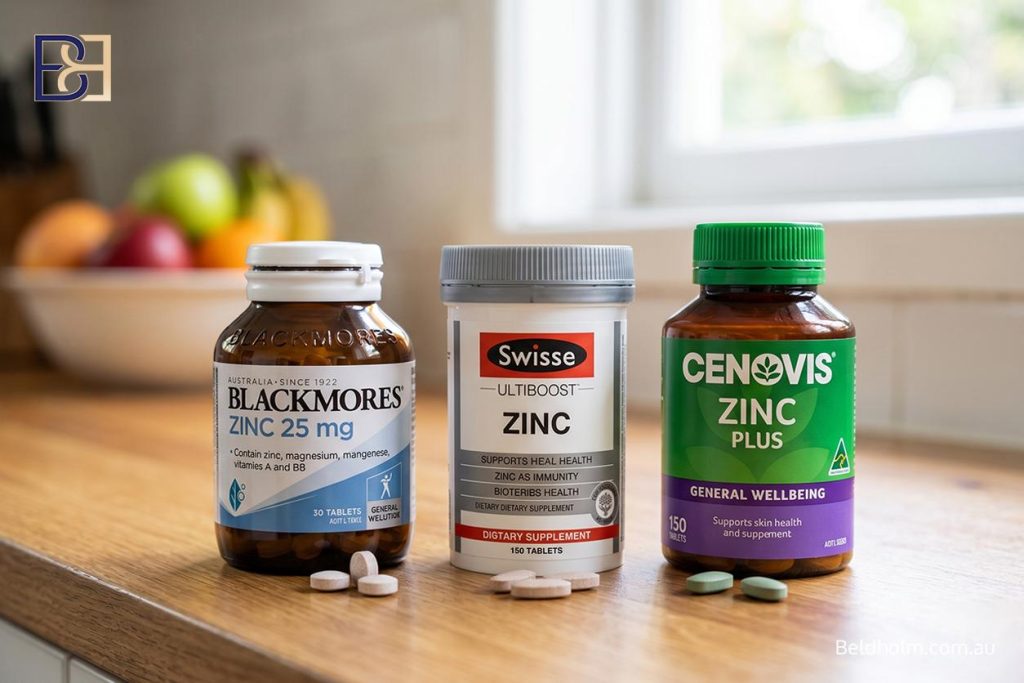
For Tier 1 maintenance dosing at 8 to 11 mg per day, I recommend:
- Blackmores Zinc 25 mg, half a tablet daily for maintenance, available at Chemist Warehouse, Priceline and most Australian pharmacies
- Swisse Ultiboost Zinc, widely available
- Cenovis Zinc Plus, widely available
All three use the gluconate form of zinc as the active ingredient and are well tolerated. Patients can choose based on price and availability. There is no clinically important difference between them at the maintenance dose.
For Tier 2 repletion dosing at 40 to 60 mg per day, a higher-strength single preparation may be easier for compliance, or a patient can take two or three tablets of a standard preparation. I discuss this with patients individually at their blood results consultation.
Timing matters more than form
For practical purposes, the form of zinc is a secondary question. Getting it into the patient consistently is the first order of business. Whether it is glycinate, gluconate or citrate, what matters most is that the patient is actually taking it every day.
Two practical points to finish this section:
- Take zinc with food to reduce the chance of nausea
- Separate zinc from iron supplements by at least two hours, because the two minerals compete for absorption
Relevance for large wound surface area procedures
Not all body contouring procedures are the same size. A brachioplasty involves an incision along the inner upper arm. A body lift (belt lipectomy) involves a continuous incision running around the full circumference of the body. The total wound surface area between these two procedures differs by an order of magnitude, and the nutritional demand differs accordingly.
This section is not a recovery guide for specific procedures. Each procedure has its own dedicated article covering incision design, operative time, recovery timeline and wound care. Here I want to explain why zinc thinking is particularly important for procedures that create very large wounds.
Why does wound surface area matter?
Every centimetre of incision goes through the three phases of healing covered earlier in this article. The inflammatory response, the proliferative phase of collagen production, and the remodelling phase of scar maturation all happen along the full length of the wound. A longer wound means more tissue healing simultaneously.
At the biological level, the body is producing collagen, building new blood vessels, coordinating immune cell activity, and epithelializing the skin surface across the entire wound area at once. All of these processes need zinc. The total zinc demand is therefore proportional to the wound surface area, not just to the fact that surgery has occurred.
For a procedure like a brachioplasty, the additional nutritional demand on top of baseline requirements is modest. For a body lift (belt lipectomy), which can involve an incision of 70 to 100 cm or more that passes through relatively thick tissue, the demand is substantial.
Procedures where large wound surface area is particularly relevant
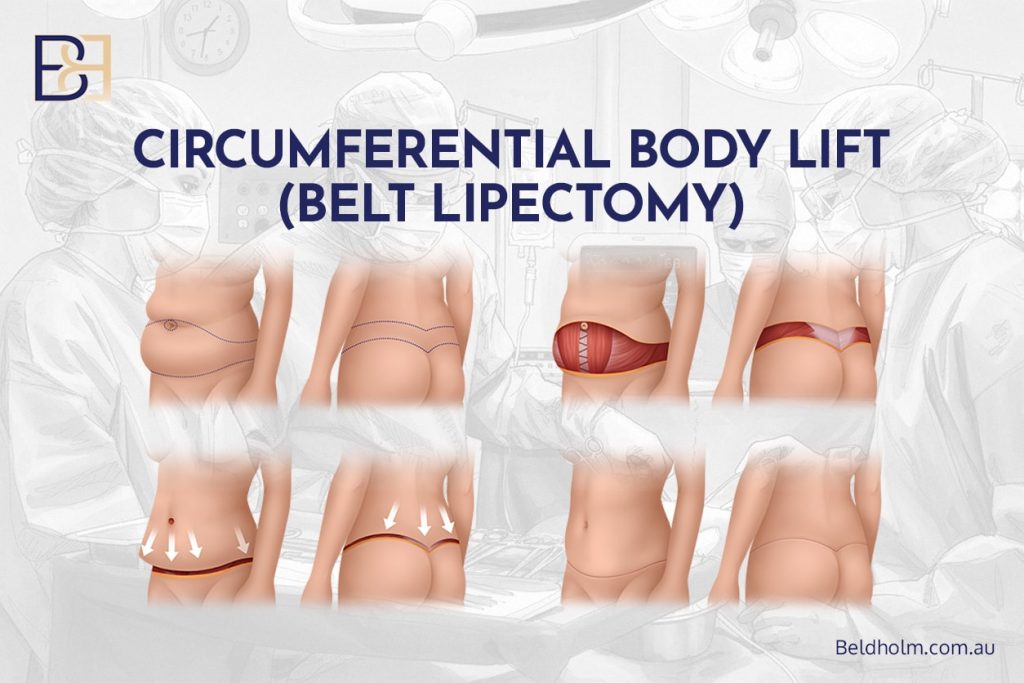
Among the procedures I perform, the ones with the largest total wound surface (and therefore the largest area of excess skin being treated) include:
- Body lift (belt lipectomy), which some patients call a lower body lift, is a circumferential procedure that treats loose skin and excess skin around the abdomen, hips, flanks and back
- Circumferential hybrid abdominoplasty, which extends the standard abdominoplasty incision further around the trunk to remove excess skin from a wider area
- Dual vector abdominoplasty, which also involves extended incisions to treat multi-directional skin laxity and excess skin
- Combined procedures, where more than one body contouring operation is performed in a single anaesthetic
All of these procedures remove excess skin across a large area. The skin is removed, the underlying tissue is redraped, and the resulting incision is closed in layers. Every closed layer is a wound that needs to heal, and every healing tissue area depends on adequate blood flow, oxygen delivery and nutrient supply to do its work.
How this changes my approach to zinc
The zinc approach itself does not change based on procedure. Every post-weight-loss patient starts Tier 1 maintenance at first consultation, regardless of which procedure they are planned for. Tier 2 repletion is guided by blood results, not by procedure type.
What does change is the clinical attention I pay to nutritional status. For patients planned for procedures that remove large amounts of excess skin, I am more likely to:
- Delay surgery if zinc deficiency is confirmed and not yet corrected
- Extend the pre-operative optimisation period
- Monitor zinc supplements compliance more closely
- Arrange dietitian review during the inpatient admission at Maitland Private Hospital to support early nutrition
The principle is that a larger wound creates less margin for error. A patient with borderline zinc status might heal a brachioplasty without any obvious delay. The same patient healing from a body lift might run into problems along the lower back, where incision tension is highest and wound breakdown is most likely. This is particularly true when the procedure removes significant excess skin from an area that is already under skin tension.
Not the same as procedure-specific recovery
It is worth distinguishing nutritional demand from procedure-specific recovery factors. The length of an incision matters nutritionally. It also matters mechanically, as longer incisions under tension are more likely to experience delayed healing in certain zones. Those mechanical factors, along with operative time, surgical technique, DVT risk stratification, drain management, and compression garment use, are covered in my dedicated procedure articles.
The nutrition piece is what I want to emphasise here. A patient preparing for a body lift (belt lipectomy) or a circumferential procedure is preparing to heal a much larger wound than a patient preparing for a more localised operation. Zinc, like protein, is one of the resources that needs to be in place before surgery, not optimised afterwards.
Patient selection and BMI
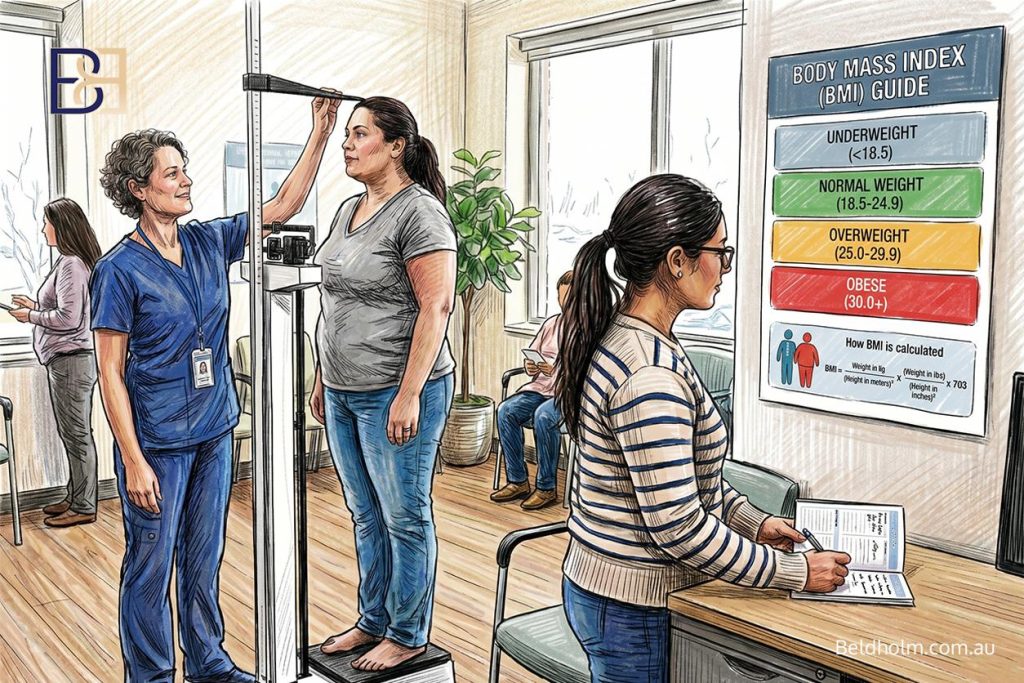
Large wound surface area procedures also tend to be performed in patients with higher baseline BMI and more extensive weight loss, both of which are associated with higher rates of nutritional deficiency. This is not a hard rule, but it is a pattern I see in the clinic. BMI is a rough measure and should be interpreted in a clinical context, not treated as a fixed cut-off. Not all patients are suitable for every procedure, and patient selection is a detailed consultation-level conversation.
What I can say is that patients with the greatest weight loss often benefit most from careful pre-operative nutritional optimisation, because they are most likely to have persistent subclinical deficiencies from their weight-loss journey.
The bigger picture
Zinc is one of several nutrients that matter for wound healing after body contouring. Protein is the largest lever. Other vitamins and minerals, including vitamin A, vitamin D, iron, folate and B12, all contribute. For patients planned for larger procedures, optimising the full nutritional picture before surgery is not optional. It is part of preparing the patient for the operation.
My clinical approach, two tiers
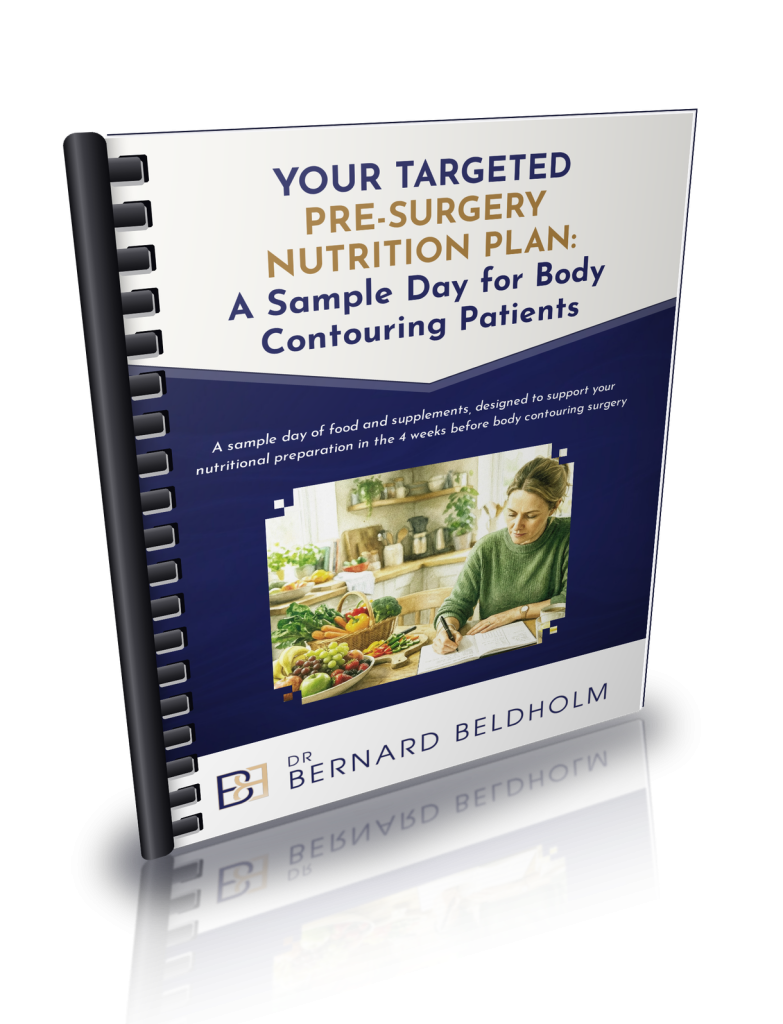
Everything in this article up to this point has been about understanding zinc, the evidence for its role, and why it matters for post-weight-loss patients. This section is about what I actually do in clinic, week to week, with every patient who comes through my rooms.
The approach is built on two tiers. The first is universal and starts immediately. The second is blood-guided and selective. Together, they provide every patient with consistent baseline support while targeting higher-dose treatment only where clinically indicated.
Tier 1, universal maintenance
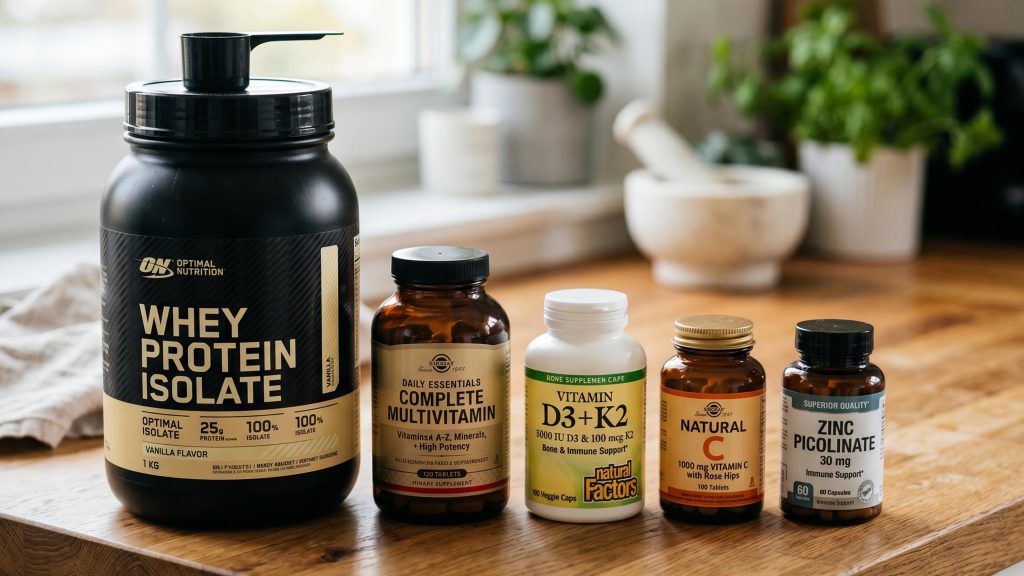
Every post-weight-loss body contouring patient I see starts zinc at their first consultation, before any blood results are back. The dose is 8-11 mg per day. This is a maintenance dose, designed to:
- Cover patients with pre-existing subclinical deficiency
- Support the increased zinc demand associated with pre-operative protein loading
- Keep zinc stores topped up through the pre-operative period
- Provide a safe starting point regardless of baseline status
This dose falls within the recommended daily intake for adults: 8 mg per day for women and 11 mg per day for men (3). It is well below the Tolerable Upper Intake Level of 40 mg per day.
I prescribe this as part of a five-supplement Tier 1 package. The others are whey protein isolate, a complete multivitamin, vitamin D3 with vitamin K2, and ascorbic acid. All five start at the first consultation.
The patient leaves their first consultation with:
- An information guide
- A blood test request form
- A list of Tier 1 supplements to start immediately, with specific Australian brand recommendations
- Directions to the nearest pathology collection centre
Patients are advised to have their bloods done the same day or the next morning, so results are back in time for the second consultation two to four weeks later.
Tier 2, blood-guided repletion
At the second consultation, I review the full pre-operative blood panel. This includes serum zinc (MBS 66720, reference range 10 to 18 µmol/L in Australian units). If the result is low and the clinical picture supports deficiency, I add Tier 2 repletion dosing on top of the existing Tier 1 maintenance.
Tier 2 zinc dosing is 40 to 60 mg per day. This is a therapeutic dose, not a maintenance dose. It is intended to restore zinc stores in a patient who has a confirmed deficiency. It is bounded in time, typically weeks, not months, and reassessed with repeat blood testing as needed.
Tier 2 is selective. Not every patient needs it. A patient with a normal pre-operative serum zinc and no clinical features of deficiency stays on Tier 1 maintenance. A patient with low serum zinc and features consistent with deficiency moves to Tier 2 for a defined period.
Because Tier 2 dosing sits at or above the Tolerable Upper Intake Level, it warrants specific precautions:
- Taken with food to minimise GI side effects
- Separated from iron supplements by at least two hours
- Reassessed after 4 to 6 weeks
- Copper levels are monitored if continued beyond a few weeks
- Stepped down to Tier 1 maintenance once zinc status is restored
The structure of consultations

My consultation pattern for post-weight-loss body contouring patients looks like this:
First consultation. In-person or telehealth as appropriate. I take a detailed weight-loss history, assess the skin and soft tissues, discuss procedural options, and start Tier 1 supplements. Patient leaves with an information guide, a blood test request, and a list of supplements. Blood tests are ordered the same day or the next morning.
Blood results consultation (2 to 4 weeks later). I review the full pre-operative panel, add Tier 2 supplements where indicated, and discuss the planned procedure in detail. The patient’s GP is copied in on initial pre-op blood results when they come back from pathology.
Anaesthetic consultation. A separate consultation with the anaesthetist, most commonly by phone. Physical examination happens on the day of surgery. Medication management, including a discussion of modern weight-loss medications, is addressed during this consultation.
Day of surgery. Admission to Maitland Private Hospital. All post-weight-loss patients are admitted as inpatients for a planned recovery period, with on-ward dietitian service available.
Post-operative follow-up. Scheduled appointments through recovery, with post-operative blood tests including vitamin D, iron studies, B12 and folate.
Six to eight weeks post-op. Full handover package sent to the patient’s GP. This includes a formal letter, pre-op and post-op blood results, operation report, complete supplement record, and monitoring recommendations. The GP takes over long-term management from this point.
Role split, who does what

Nutritional management is shared across three clinicians:
- Me, as the surgeon. Pre-operative optimisation. I assess nutritional status, order bloods, start Tier 1 supplements, and correct any confirmed deficiencies before surgery.
- The dietitian. Peri-operative management, particularly during the inpatient admission and early recovery. Maitland Private Hospital has an on-ward dietitian service, and I frequently arrange a dietitian review during admission if needed.
- The patient’s GP. Long-term management. After the six-to eight-week post-op handover, the GP takes over ongoing monitoring, including any continued supplementation for post-bariatric patients.
This three-way split means patients have structured support at every stage, not just around the operation itself.
What to do during the hospital stay

Nutrition in hospitals is sometimes limited by the inpatient menu. Hospital meals are designed for a general inpatient population and may not meet the specific protein and nutrient targets I aim for during body-contouring recovery. Maitland Private Hospital has an on-ward dietitian service and a range of protein supplements available for inpatients who need additional support. Patients may also bring their own whey protein isolate if they prefer.
Zinc supplementation continues through the admission without interruption, at the dose the patient was on before surgery.
After hours contact
Outside business hours, patients with concerns should call Maitland Private Hospital directly. An experienced nurse answers and provides advice for less urgent concerns, or contacts me directly if the matter needs my input. Maitland Private is not an emergency department. For anything requiring physical assessment, patients go to their local ED. For life-threatening issues, call 000.
When zinc is not the right answer
Zinc is important. That does not mean more is always better, or that every problem that looks like a zinc issue actually is one. This section covers situations where I either do not recommend zinc supplementation, recommend caution, or need to look beyond zinc to explain what is going on.
A low serum zinc level during acute illness

The most common reason a patient presents to me with a low serum zinc is not actual zinc deficiency. It is the acute-phase response to a recent illness or inflammation. When a patient has a cold, a recent infection, a flare of an inflammatory condition, or even routine postoperative inflammation from an earlier procedure, their serum zinc levels drop. This is a normal physiological response, not a sign that they need more zinc.
Supplementing based on a low serum zinc during active inflammation can be misleading. I always look at whether a result was drawn during or close to an episode of illness. If it was, I will either repeat the test once the inflammation has settled, or treat it as indicative rather than definitive. If CRP is elevated (above about 20 mg/L), the serum zinc result should not be relied on to confirm deficiency (1).
Concurrent iron supplementation without attention to timing
Zinc and iron compete for absorption. A patient who takes both supplements at the same time absorbs less of each. This is not a reason to avoid iron when it is needed. It is a reason to pay attention to timing.
My recommendation is to separate zinc and iron supplements by at least two hours. If a patient takes iron in the morning with breakfast, zinc can go with lunch or dinner. This simple spacing eliminates most of the absorption interference.
Calcium also interferes with zinc and iron absorption. Patients on multiple supplements can end up with complicated routines, which is why I keep Tier 1 deliberately simple and discuss timing individually at the blood results consultation.
Patients already taking multivitamins with zinc
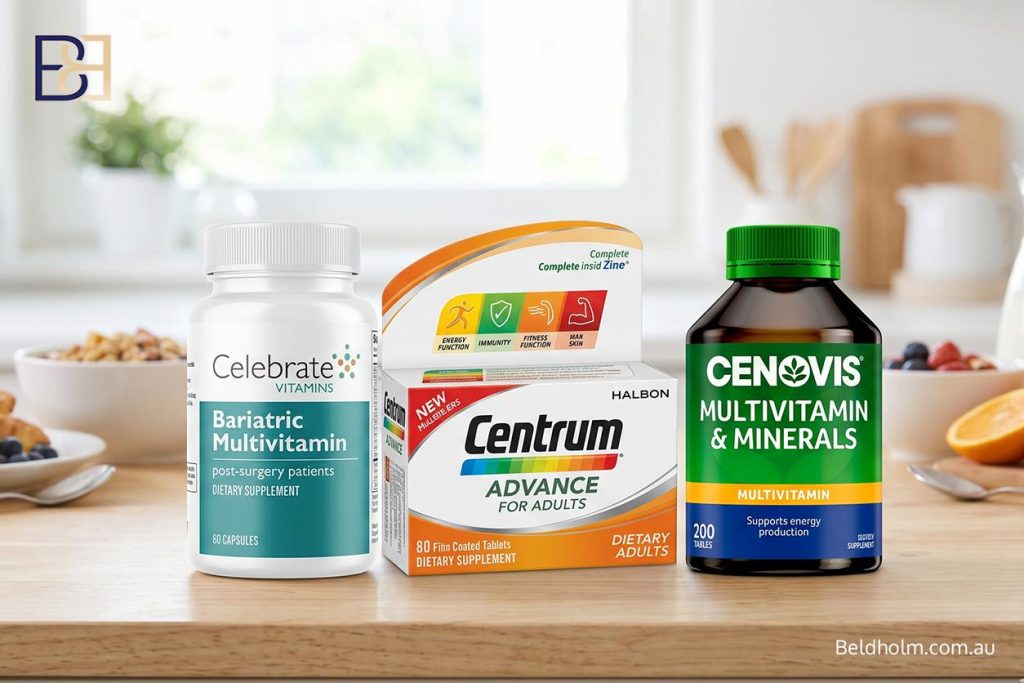
Many bariatric-specific multivitamins already contain zinc, often in the range of 8 to 15 mg per dose. A patient already on one of these does not need to add another 10 mg of zinc on top. Doing so can push daily intake close to or above the Tolerable Upper Intake Level of 40 mg per day (3).
At first consultation, I ask every patient to bring all their current supplements with them, or to write down exact doses. This lets me add up their total daily intake of zinc (and of copper, iron, calcium, vitamin A, and vitamin D) rather than assuming. If their multivitamin already covers Tier 1 zinc at an adequate dose, I do not add more.
High-dose self-directed zinc for non-medical reasons
As covered in the zinc-copper section earlier, some patients arrive at first consultation already on high-dose zinc they started themselves. For these patients, my approach is to:
- Reset their zinc intake to Tier 1 maintenance dose (8 to 11 mg per day)
- Review their reasons for starting the higher dose and treat those separately
- Check copper status if they have been on high-dose zinc for months
- Discuss why the safer, lower dose is sufficient for their surgical needs
Zinc for non-surgical indications
There is published research on zinc in age related macular degeneration, pneumonia, and other age-related medical conditions. This is background context but largely outside the scope of my practice. I am not a geriatrician, ophthalmologist, or general practitioner. If patients are interested in zinc for these indications, I direct them back to their GP.
One point worth noting. Clinical trials in this area have examined whether high-dose zinc can significantly reduce the risk of specific diseases. In the AREDS clinical trials, participants who took a supplement containing 80 mg of zinc daily had a reduced risk of advanced age-related macular degeneration, approximately 25% lower than placebo (5). This is a specific high-dose protocol used in a specific clinical context, not a general recommendation, and not something I would apply off-label in body contouring patients.
Other clinical trials have shown that zinc supplementation can support immune response in older adults, potentially reducing the incidence of infections (4). Again, this is relevant information for a GP managing an older patient’s general health, not a reason to escalate zinc doses in a body-contouring setting.
Denture adhesives with zinc
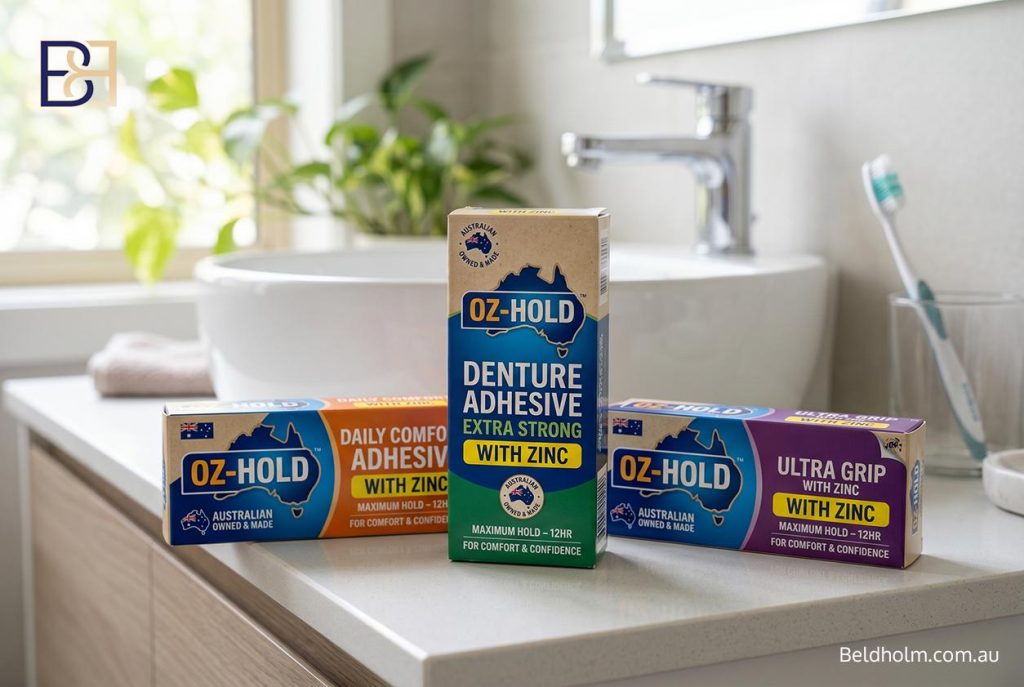
This is unusual in my patient group but worth a brief mention. Some denture adhesive creams contain zinc, and chronic overuse over years has been reported to cause zinc excess and secondary copper deficiency, sometimes with neurological consequences (1). If a patient wears dentures and uses adhesive regularly, I check which product they are using.
Zinc during a confirmed copper deficiency
Patients who already have low copper should not be on zinc supplementation without copper repletion first. Adding zinc will worsen the copper picture. This is an uncommon scenario, but it can happen in patients transferred from other practices who have been on long-term high-dose zinc.
Patients who cannot tolerate it
A small number of patients develop nausea or GI upset on zinc even at Tier 1 maintenance doses, even when taken with food, even with the glycinate or gluconate form. For these patients, I do what I can to optimise intake through food, accept that supplementation is not practical, and monitor more closely during recovery.
The honest limits of zinc supplementation
Zinc is one nutrient. It is not a fix for every wound healing problem. A patient with poorly controlled diabetes, significant smoking history, ongoing very low calorie dieting, or unmanaged comorbidities will not have those problems solved by taking zinc. Nutrition is one layer of optimisation among many. The full picture matters.
Results vary, and I discuss this with every patient during consultation. Even with optimal nutrition, wound healing after large body contouring procedures is sometimes imperfect. Scar quality varies between individuals. Some patients get areas of delayed healing despite everything being optimised. The goal of pre-operative nutrition is to give the body the best chance of healing well. It is not a guarantee.
Getting zinc from food
Supplements are the backbone of my pre-operative zinc protocol, but food still matters. Patients who eat well in the weeks before surgery give themselves an advantage beyond what any supplement can do alone. This section covers where zinc comes from in an Australian diet, what the best sources are, and how to think about food intake alongside supplementation. Many foods available in Australian supermarkets contain useful amounts of zinc. Many foods that are low in zinc, including most refined grains and sweetened drinks, contribute calories without contributing much to zinc stores.
Getting adequate zinc from food before surgical procedures is not always straightforward for post-weight-loss patients. The same patients who most need zinc for healing after surgical procedures are often the ones whose food intake is most restricted. This is why supplementation is the reliable part of the strategy.
Animal based foods, the richest sources

Zinc is abundant in animal based foods. These are the best sources, both for total zinc content and for bioavailability:
- Oysters are the richest food source of zinc, containing more of this mineral per serving than any other food. A single medium oyster provides more than the daily requirement for most adults. For patients who enjoy seafood, oysters are a reasonable occasional contribution to intake. For patients who do not, they are not something to force.
- Red meat including beef and lamb is a significant source. Beef in particular is a major contributor to zinc intake in Western diets, providing around 3 to 5 mg per 100 g cooked serve.
- Poultry including chicken and turkey contains moderate amounts, with dark meat containing more than light meat. Around 1 to 2 mg per 100 g cooked serve.
- Fish and seafood including crab, lobster and prawns provide meaningful amounts, although at lower levels than oysters.
- Eggs contain around 0.5 to 1 mg per egg.
- Dairy products including milk, cheese and yoghurt provide smaller amounts, typically around 0.5 to 1 mg per serve.
For patients who tolerate red meat, a serve of beef two or three times a week goes a long way toward meeting dietary zinc needs. For patients who cannot tolerate red meat after bariatric surgery, a common pattern, the diet must come from other sources, and supplementation becomes more important.
Plant-based foods

Zinc is present in many plant based foods, but with lower bioavailability. The challenge is that plant based foods rich in zinc also tend to be high in phytates, which bind zinc in the gut and reduce absorption (2).
Useful plant sources include:
- Whole grains including oats, brown rice, quinoa, wheat and barley. Whole grains also provide B vitamins and fibre.
- Legumes including chickpeas, lentils, kidney beans and black beans. A cup of cooked legumes provides around 1 to 2 mg of zinc.
- Nuts and seeds including pumpkin seeds, cashews, almonds and hemp seeds. Pumpkin seeds are particularly good, with around 2 mg of zinc per 30 g serve.
- Tofu and tempeh for patients who eat soy products.
Phytate content can be reduced by soaking, sprouting or fermenting. This is why sourdough bread has lower phytate than standard bread, and why soaked and rinsed legumes are better absorbed than canned unrinsed legumes.
For patients who rely largely on plant based foods, supplementation becomes essential rather than optional in the pre-operative period.
Fortified foods
Many Australian breakfast cereals are fortified with zinc. These breakfast cereals can contribute a useful amount to daily zinc intake, particularly at breakfast. The zinc in fortified foods is usually added in a well-absorbed form, so bioavailability is reasonable.
This is a convenient source for patients who eat breakfast cereal regularly. It is not a solution on its own. A bowl of fortified cereal provides maybe 2 to 4 mg of zinc, depending on the product, which is helpful but not sufficient to meet the requirements of a post-weight-loss patient preparing for surgery. Zinc is also present in many foods that patients may not think of as zinc sources, including eggs, yoghurt, fortified plant milks and certain varieties of cheese.
What a zinc-supporting meal plan looks like
For a typical day during the pre-operative period, zinc intake from food might look something like:
- Breakfast: Two eggs on sourdough, or a bowl of fortified cereal with yoghurt
- Mid-morning snack: A small handful of pumpkin seeds or cashews
- Lunch: A serve of chicken or fish with vegetables and a whole grain
- Afternoon snack: Greek yoghurt or a protein shake
- Dinner: A serve of red meat with vegetables, or a legume-based meal with rice
This kind of pattern provides adequate dietary zinc for most healthy adults. For post-weight-loss patients with tighter calorie restriction or food tolerance issues, supplementation fills the gap that food cannot.
Foods that interfere with zinc absorption

A few dietary components reduce zinc absorption. This is worth knowing, not to avoid those foods, but to understand why food-alone zinc intake is sometimes inadequate:
- Phytates in bran, seeds and unsoaked legumes
- Calcium in large doses, which is why calcium supplements should be separated from zinc by at least an hour or two
- Excessive fibre particularly from supplements rather than whole foods
- Coffee and tea with meals, which can marginally reduce mineral absorption
For most patients, this is background information rather than a reason to change their diet. A varied diet with a mix of sources handles these interactions adequately. Supplementation covers the rest.
What patients often ask about
Can I just eat oysters every day instead of taking a supplement? In theory, yes. In practice, no. Daily oyster intake is expensive, impractical, and carries its own food safety and heavy metal considerations. A supplement is simpler.
Does zinc in my multivitamin count? Yes. That is why I ask every patient to show me what they are already taking. A bariatric-specific multivitamin may already cover Tier 1 zinc, in which case no additional supplement is needed.
I’m vegetarian, am I deficient? Not necessarily. A well-planned vegetarian diet can provide adequate zinc, particularly if it includes dairy, eggs, legumes, nuts and seeds. Vegetarians and vegans do tend to have slightly higher zinc requirements because of lower bioavailability from plant based foods, which is reflected in some dietary guidelines. Blood testing resolves any uncertainty.
What about alcohol? Alcohol impairs tissue repair, increases bleeding risk, and depletes B vitamins and zinc. In the pre-operative period, I ask patients to avoid alcohol for this reason, among others.
The practical take
Food matters. Supplementation matters more in this patient group. Patients who eat well and supplement consistently have the best combination. Patients who rely on food alone usually do not meet their needs. Patients who take supplements without paying attention to food miss the broader nutritional picture, because zinc works alongside protein and other vitamins and minerals like vitamin A, vitamin D and iron, all of which are found in varied real food.
How zinc fits with the rest of the nutrition plan
Zinc matters. It is not the whole story. Patients who focus on a single nutrient sometimes miss that the body needs a broad range of nutrients working together to heal a surgical wound well. This section is a brief overview of how zinc fits with the other nutrients I optimise before body contouring surgery.
The core pre-operative nutrients

The nutrients I pay most attention to in the pre-operative period, in addition to zinc, are:
- Protein is the largest single lever for healing after body contouring. Collagen is a protein. Without enough protein, nothing else matters. My target is 80 to 100 g of protein per day pre-operatively, titrated higher post-operatively. I have a dedicated article covering protein in detail for post-weight-loss body contouring patients.
- Vitamin C is essential for collagen formation. It is a cofactor for the enzymes that cross-link collagen, giving scars their strength. Vitamin C is one of my Tier 1 supplements for all patients. GLP-1 patients in particular tend to have lower intake of this vitamin, which is reflected in published data.
- Vitamin D affects immune function, recovery and bone health. Vitamin D deficiency is near-universal in patients with obesity, affecting 60 to 90% of this population. I supplement vitamin D3 with K2 for all patients.
- Vitamin A supports epithelialisation, fibroblast activity and collagen production. It is part of Tier 2 if a deficiency is confirmed on bloods.
- B vitamins, particularly B12, folate and B6, affect DNA synthesis, red cell production and methylation pathways. Deficiencies are associated with raised homocysteine, which is a thromboembolic risk marker.
- Iron affects oxygen delivery to healing tissues and collagen formation. Iron deficiency is common in this patient group, particularly in menstruating women.
- Copper is often overlooked but is essential for collagen cross-linking and matrix stability. The zinc-copper balance covered above is central to how I approach both minerals.
Each of these has its own dedicated article in my content series, covering the detail for interested patients.
Why no single nutrient works in isolation
Wound healing is a team effort. A patient with adequate zinc but inadequate protein will not heal well, because collagen production is protein-limited. A patient with adequate protein but inadequate ascorbic acid will produce collagen that lacks proper cross-linking. A patient with adequate zinc and protein but low iron will have slower delivery of oxygen to healing tissue, which affects every step of the process.
This is why my Tier 1 package is five supplements, not one. It reflects the biological reality that multiple nutrients have to be adequate simultaneously for healing to proceed efficiently.
Post-operative considerations

Zinc supplementation continues through the immediate post-operative period at the dose the patient was on before surgery. I also check a post-operative blood panel including vitamin D, iron studies, B12 and folate, which are the nutrients most likely to shift around the operation itself.
Post-operative assessment at six to eight weeks includes:
- Review of how the patient has been feeling and eating
- Physical examination of the healing wounds
- Post-operative blood panel
- Full handover letter to the patient’s GP
By this point, the acute phase of healing is largely complete. Tier 2 supplements started pre-operatively are reassessed. Most patients step down to maintenance-level supplementation, sometimes including zinc, often including vitamin D, depending on results.
Long-term supplementation for post-bariatric patients
Patients who have had bariatric surgery are usually on lifelong supplementation for multiple reasons beyond body contouring. Zinc maintenance is often part of that ongoing plan, managed by the patient’s GP after my involvement ends.
I mention this because patients sometimes ask whether they can stop everything after their body contouring recovery. For patients who had bariatric surgery, the answer is usually no, at least not completely. For patients who lost weight through other pathways, ongoing supplementation may not be needed long-term. This is a conversation between the patient and their GP, informed by post-operative blood results.
What this article covers and does not cover
This article is about zinc specifically. Procedure-specific content, including incision design, operative time, recovery timelines, DVT risk stratification, drain management, garment use, and per-procedure wound healing, is covered in my dedicated procedure articles. Nutrition-focused articles on protein, vitamin D, vitamin A, B12, folate and other nutrients are also available in my content series.
If you have specific questions about how your own nutritional status fits into your planned procedure, those are consultation-level conversations, not article-level ones.
Key points
A summary of what I want post-weight-loss patients to take from this article, written plainly.
The core points
Zinc matters for healing. It is involved in all three phases of recovery: the inflammatory phase, the proliferative phase when collagen is laid down, and the remodelling phase when scars mature. A deficiency at any stage affects how well a surgical wound heals. Adequate zinc is linked to a reduced risk of infection, a reduced risk of wound breakdown, and generally smoother recovery. Maintaining a well-supported immune system is part of how zinc contributes to healing.
Post-weight-loss patients are vulnerable. Around 30% of patients are zinc-deficient before bariatric surgery, and that figure rises after surgery despite routine multivitamin use. Patients who have lost significant weight through any pathway are at elevated risk. Skin condition changes, hair thinning and slow minor wound healing are common early signs.
Serum zinc is unreliable. A normal blood result does not exclude deficiency. I treat clinically, using the blood test as one piece of information alongside history, symptoms, and dietary pattern.
I start zinc at the first consultation. Every post-weight-loss patient in my practice starts Tier 1 maintenance zinc at 8 to 11 mg per day at the first consultation, before blood results are back. This is a small, safe dose that covers patients with subclinical deficiency and supports the increased zinc requirements of the pre-operative period.
Higher doses are used only if needed. Tier 2 repletion dosing at 40 to 60 mg per day is reserved for patients with confirmed deficiency on blood testing. It is bounded in time, reassessed, and stepped down to maintenance once zinc status is restored.
Form matters for tolerance. Zinc glycinate and zinc gluconate are my preferred forms. Both are well tolerated. Zinc sulphate can cause gastric irritation and is a form I avoid where alternatives are available.
Zinc and copper are linked. High-dose zinc over months can cause copper deficiency. This is why I monitor copper in patients on Tier 2 for extended periods, and why the long-term target is maintenance dosing rather than therapeutic dosing.
Timing matters. Take zinc with food. Separate zinc from iron supplements by at least two hours.
Food still matters. Supplementation fills the gap that food alone cannot close in this patient group. It does not replace food. A varied diet including animal based foods where tolerated, whole grains, legumes, nuts and seeds provides a useful baseline.
What I expect of patients

Consistency. The supplement routine only works if patients actually take their zinc supplements every day, for the full pre-operative period, and for as long after surgery as I recommend. A patient who takes zinc supplements once a week is not getting the benefit.
Honesty about what they are already taking. I can only help optimise nutrition if I know what is going into the patient’s body. This includes zinc supplements bought online, products recommended by friends, and anything else that might contain zinc or other vitamins and minerals. Patients sometimes come in taking too much zinc from multiple sources without realising the doses add up.
Patience with the blood results conversation. The pre-operative blood panel is extensive, and the results sometimes show deficiencies the patient was not aware of. This is expected and correctable. The goal is to have everything in a reasonable place before surgery.
What I cannot promise
I cannot promise that optimal zinc status will prevent every healing complication. Surgery is surgery, and complications can occur even in well-optimised patients. What I can say is that treating zinc, along with the other nutrients I monitor, gives every patient the best starting point I can provide.
Results vary. Scar quality, healing time, and recovery experience differ between individuals. Nutrition is one layer of optimisation among many. Surgical technique, patient compliance with post-operative instructions, and individual biological factors all play a role.
Risks and recovery realities
Body contouring after weight loss is major surgery. Risks include healing complications, infection, bleeding, seroma or haematoma formation, asymmetry, unfavourable scarring, numbness that may be temporary or permanent, and thromboembolic events. Recovery takes weeks of downtime and months to fully heal. The final scar takes 12 to 18 months to fully mature.
I discuss these risks in detail at the consultation. No article can replace that conversation. If you are considering body contouring surgery after significant weight loss, a face-to-face or telehealth consultation is how we work through which procedure is right for you, your nutritional status, and what your realistic recovery might look like.
A final word

Wound healing is a biological process that takes time. The weeks before surgery are not a time to be on a restrictive diet trying to lose more weight. They are a time to eat well, take the right supplements consistently, and give the body what it needs to heal well afterwards.
Zinc is a small part of that picture, but it is one I pay close attention to. The published evidence supports its role in healing; the patient population I operate on is at elevated risk of deficiency, and correcting that risk is straightforward when it is done systematically.
If you have questions about your nutritional status or are preparing for body-contouring surgery, please get in touch with my clinic. These are the conversations best had in person or over a scheduled consultation, not through a website.
References
- Aronson JK. Zinc. In: Meyler’s Side Effects of Drugs. 16th ed. Elsevier; 2016. p. 568-572.
- Murphy M, Srivastava R, Deans K. Zinc and copper. In: Clinical Biochemistry: An Illustrated Colour Text. 6th ed. Elsevier; 2022. p. 118-119.
- Institute of Medicine, Food and Nutrition Board. Dietary Reference Intakes for Vitamin A, Vitamin K, Arsenic, Boron, Chromium, Copper, Iodine, Iron, Manganese, Molybdenum, Nickel, Silicon, Vanadium, and Zinc. Washington, DC: National Academies Press; 2001.
- Prasad AS. Zinc in human health: effect of zinc on immune cells. Mol Med. 2008;14(5-6):353-357.
- Age-Related Eye Disease Study Research Group. A randomized, placebo-controlled, clinical trial of high-dose supplementation with vitamins C and E, beta carotene, and zinc for age-related macular degeneration and vision loss: AREDS report no. 8. Arch Ophthalmol. 2001;119(10):1417-1436.
- Lansdown ABG, Mirastschijski U, Stubbs N, Scanlon E, Ågren MS. Zinc in wound healing: theoretical, experimental, and clinical aspects. Wound Repair Regen. 2007;15(1):2-16.
- Ågren MS, Franzén L. Influence of zinc deficiency on breaking strength of 3-week-old skin incisions in the rat. Acta Chir Scand. 1990;156(9):667-670.
- Agha-Mohammadi S, Hurwitz DJ. Nutritional deficiency of post-bariatric surgery body contouring patients: what every plastic surgeon should know. Plast Reconstr Surg. 2008;122(2):604-613.
- Mahawar KK, Bhasker AG, Bindal V, Graham Y, Dudeja U, Lakdawala M, et al. Zinc deficiency after gastric bypass for morbid obesity: a systematic review. Obes Surg. 2017;27(2):522-529.
- Austin RE, Lista F, Khan A, Ahmad J. The impact of protein nutritional supplementation for massive weight loss patients undergoing abdominoplasty. Aesthet Surg J. 2016;36(2):204-210.
- van Zanten R, Makarawung DJS, Klaassen AD, Weijs PJM, Mink van der Molen AB, van Veen RN. Complications in post-bariatric body contouring surgery using a practical treatment regime to optimise the nutritional state. JPRAS Open. 2022;34:91-102.
- Hemilä H. Zinc lozenges and the common cold: a meta-analysis comparing zinc acetate and zinc gluconate, and the role of zinc dosage. JRSM Open. 2017;8(5):2054270417694291.
- Brewer GJ. Zinc acetate for the treatment of Wilson’s disease. Expert Opin Pharmacother. 2001;2(9):1473-1477.
- Vitagliano T, Garieri P, Lascala L, Ferro Y, Doldo P, Pujia R, et al. Preparing patients for cosmetic surgery and aesthetic procedures: ensuring an optimal nutritional status for successful results. Nutrients. 2023;15(2):352.
- Humar P, Robinson T. Nutritional challenges in post-massive weight loss body contouring: guidance for plastic surgeons on GLP-1 agonists and sleeve gastrectomy. Plast Reconstr Surg. 2025.