


Apronectomy Post Weight Loss in Newcastle NSW
An apronectomy removes the hanging apron of loose skin from the lower abdomen. It is a more limited operation than an abdominoplasty (tummy tuck), with minimal undermining, no muscle repair and no repositioning of the belly button (umbilicus), and for most post weight loss patients I recommend a more comprehensive procedure instead. Where an apronectomy does have a genuine place is as a staging operation before you reach goal weight, or where medical issues make a longer operation unwise. I explain the full detail in my complete guide to apronectomy post weight loss.

Is an Apronectomy Right for Your Skin Pattern?
An apronectomy suits a specific situation: a hanging apron of lower abdominal skin that causes practical problems such as intertrigo, recurrent rashes under the fold, or interference with walking, hygiene and daily activities.
It is important to understand what this operation does not do. It does not treat upper abdominal laxity or skin excess running side to side. It does not include repair of muscle separation (diastasis recti), and the belly button (umbilicus) is not repositioned. If you have laxity beyond the lower apron, an extended abdominoplasty or Fleur de Lis abdominoplasty will treat your skin pattern more completely.
In my practice, an apronectomy has 2 genuine roles:
- A staging operation. If you are still losing weight, removing the apron now can relieve the functional problems, with the definitive operation planned once your weight is stable. Staging is a legitimate path, not a compromise.
- Patients with significant medical issues. Where a longer operation places more demand on the body than is appropriate, this shorter procedure can deal with the apron while keeping operating time down.
Which path suits you is assessed at your consultation.
Disclaimer: General information only. This is not medical advice. Discuss your result and any health questions with your GP. The calculation happens in your browser. Nothing you enter is stored or sent anywhere.
BMI is a screening measure, not a diagnosis. It does not distinguish muscle from fat. It can be less accurate for people with a very muscular build, some ethnic groups and older adults. The classification shown is the World Health Organization (WHO) classification for adults aged 18 and over. It does not apply during pregnancy.
What the Operation Involves
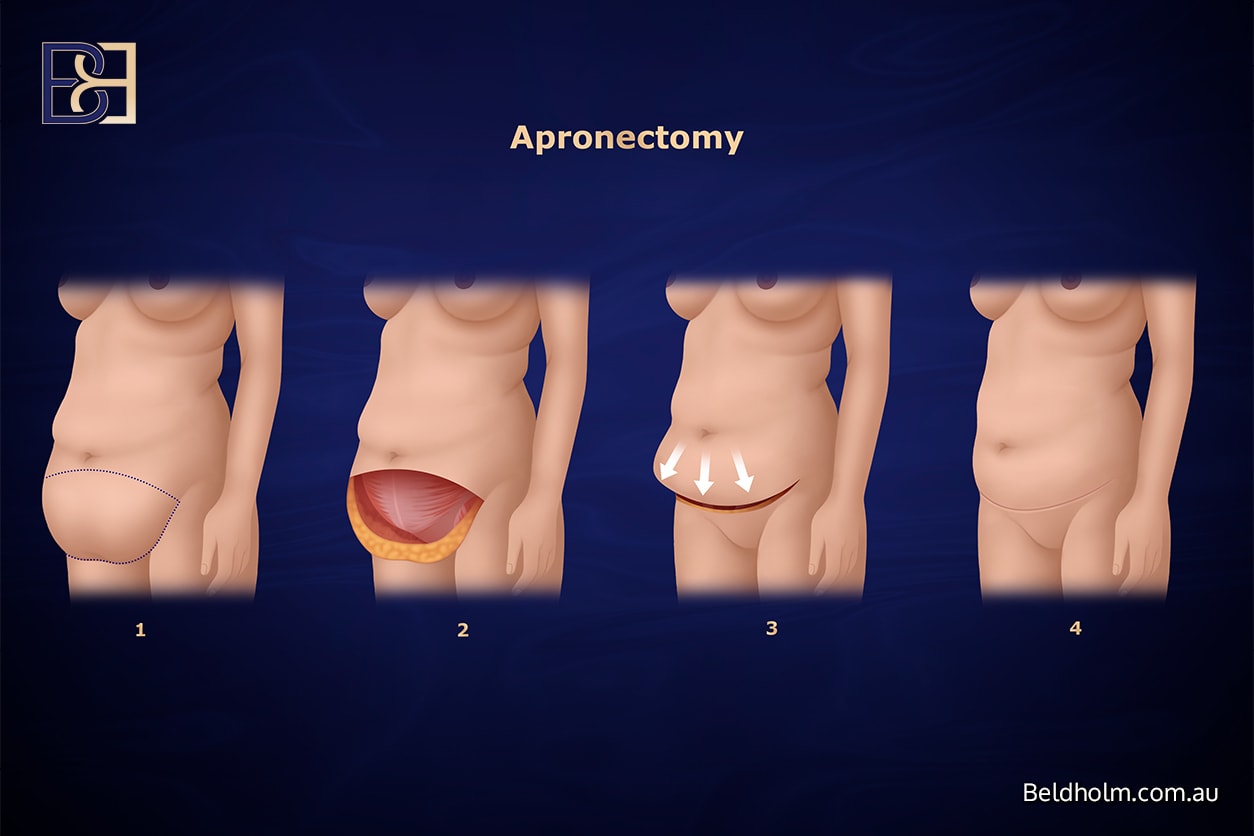
- A transverse incision across the lower abdomen, positioned so the scar sits low and within the underwear line where possible
- The hanging apron of skin and fat is removed as a wedge, with minimal undermining of the surrounding tissue
- No muscle repair, and the belly button (umbilicus) stays in its existing position
- Lower abdominal hernias, such as incisional or inguinal hernias, can be repaired at the same time where present
- General anaesthetic
- Operating time around 2 to 3 hours
- Performed at Maitland Private Hospital with an overnight stay, sometimes longer if your medical situation calls for it
- Drains are used, and a PICO dressing is applied at the end of the operation, changed at day 7
Why Come and See Me

I am a Specialist Surgeon (FRACS) with more than 15 years of experience, and my practice is focused on body contouring surgery after significant weight loss. I operate at Maitland Private Hospital, which has 24 hour nursing cover and an on-site ICU, and I do my own ward rounds each day you are admitted.
Your first consultation runs for around 1 hour, and a second consultation is included at no cost. Telehealth is available if you are travelling from regional NSW or interstate. All post-operative follow-up is included in the surgical fee: 2 weeks of intense follow-up straight after surgery, then reviews at 4 weeks, 3 months, 6 months and 12 months.
If your apronectomy is the first stage of a larger plan, I plan it with the definitive procedure in mind, whether that is an extended abdominoplasty or a Fleur de Lis abdominoplasty.

Risks and Recovery
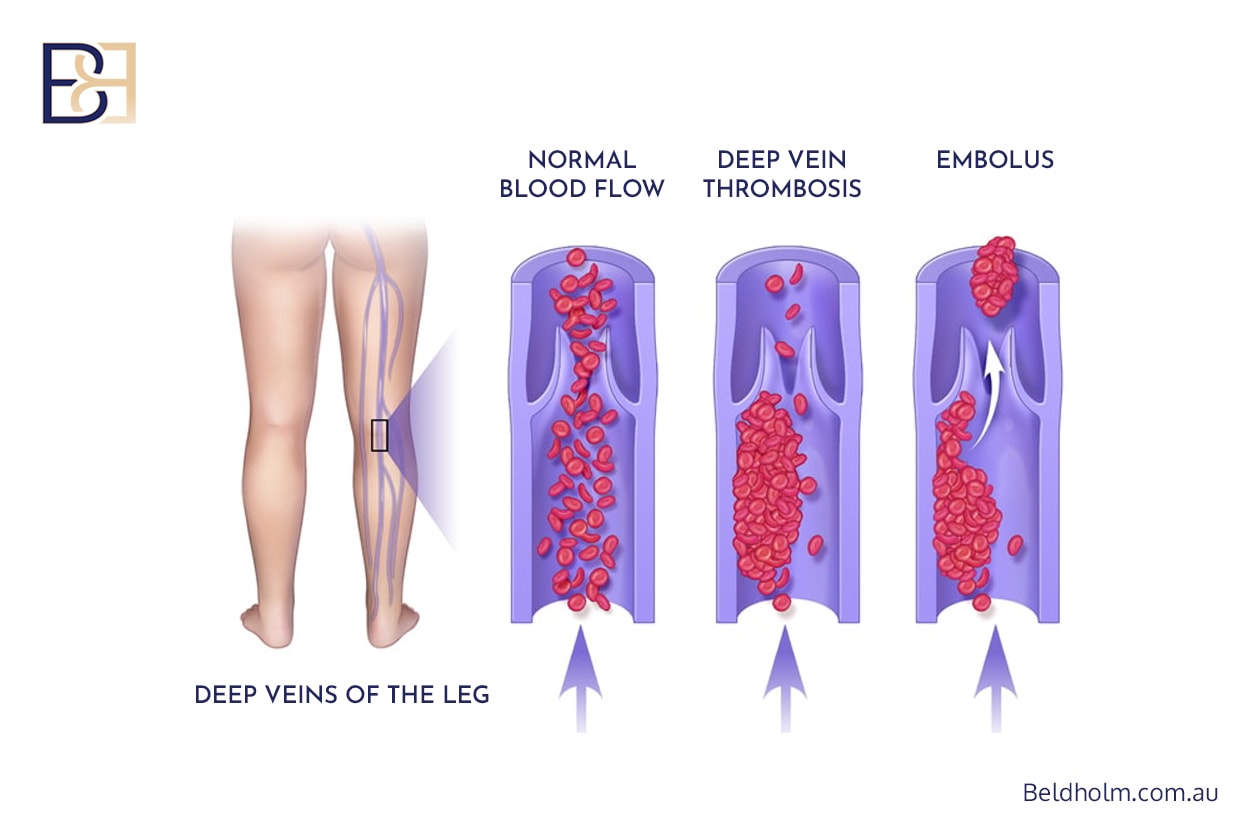
An apronectomy is major surgery and carries real risks, including infection, bleeding, seroma (fluid collection), wound healing problems along the incision, deep vein thrombosis and pulmonary embolism, and a permanent scar across the lower abdomen. Because many patients having this operation have health problems or are still losing weight, wound healing complications are more common than after surgery in fully optimised patients, and I am upfront about that at consultation. Most patients take 2 to 4 weeks off work depending on how physical their job is, and recovery should not be underestimated even though this is a shorter operation than a full abdominoplasty (tummy tuck). Results vary between patients. I cover the details in my articles on apronectomy recovery and apronectomy complications.
Cost and Medicare

An apronectomy may attract a Medicare rebate under MBS item 30166 if you meet the criteria, which include significant weight loss, a stable weight for at least 6 months and documented skin problems that have not responded to conservative treatment. I explain what is involved, what the criteria mean for you and how the costs break down in my article on apronectomy cost.
Your Steps to Surgery
1. GP referral
Ask your GP for a referral. This is required before your consultation and is needed for any Medicare rebate.
2. Consultation
We spend around 1 hour going through your history, weight loss, general health and skin pattern, and decide together whether an apronectomy or a staged plan is the right path.
3. Written quote
You receive a written quote with no hidden costs, and a second consultation at no charge if you want to go over anything again.
4. Prepare for surgery
Blood tests, nutritional preparation and any medical optimisation, so your body is ready for the operation.
5. Surgery at Maitland Private Hospital
Your operation with an overnight stay, with 24 hour nursing cover and daily rounds from me while you are admitted.
6. Recover with structured follow-up
2 weeks of intense follow-up straight after surgery, then reviews at 4 weeks, 3 months, 6 months and 12 months, all included in the surgical fee.