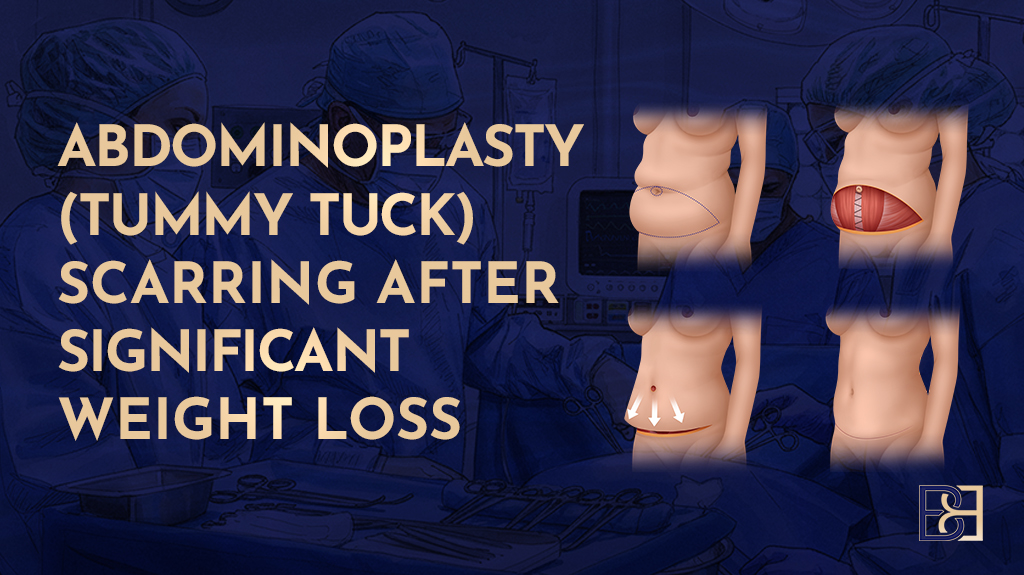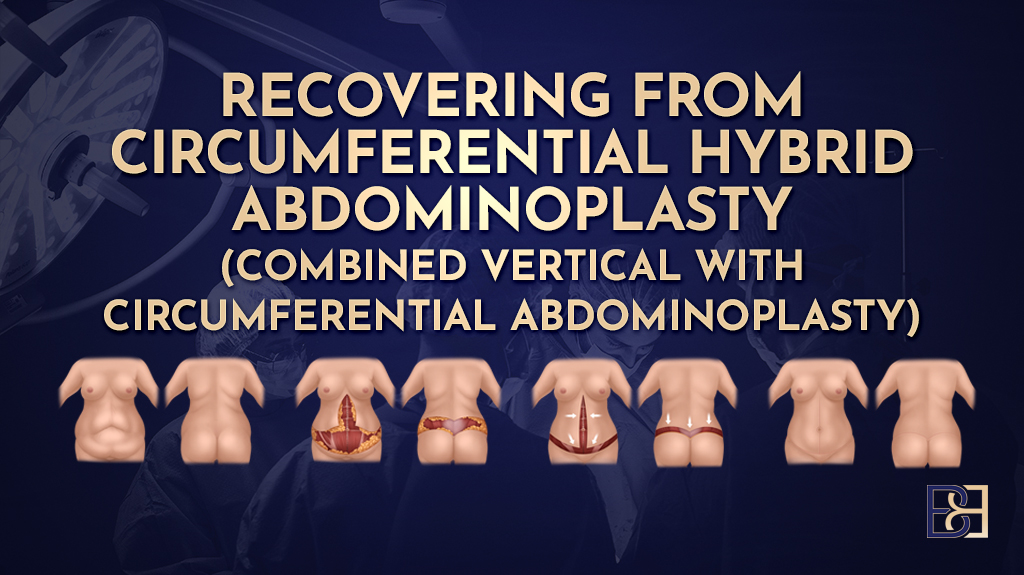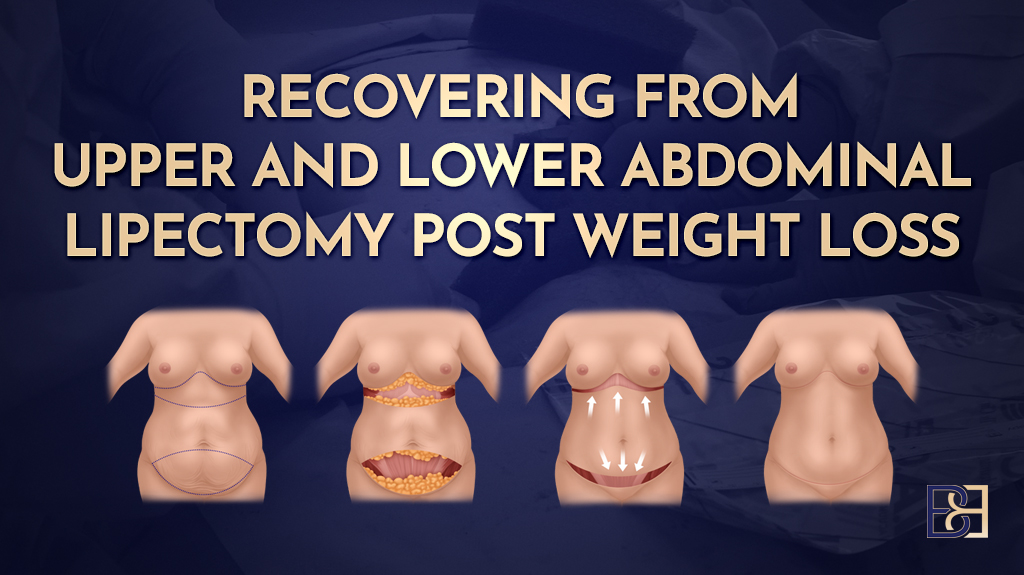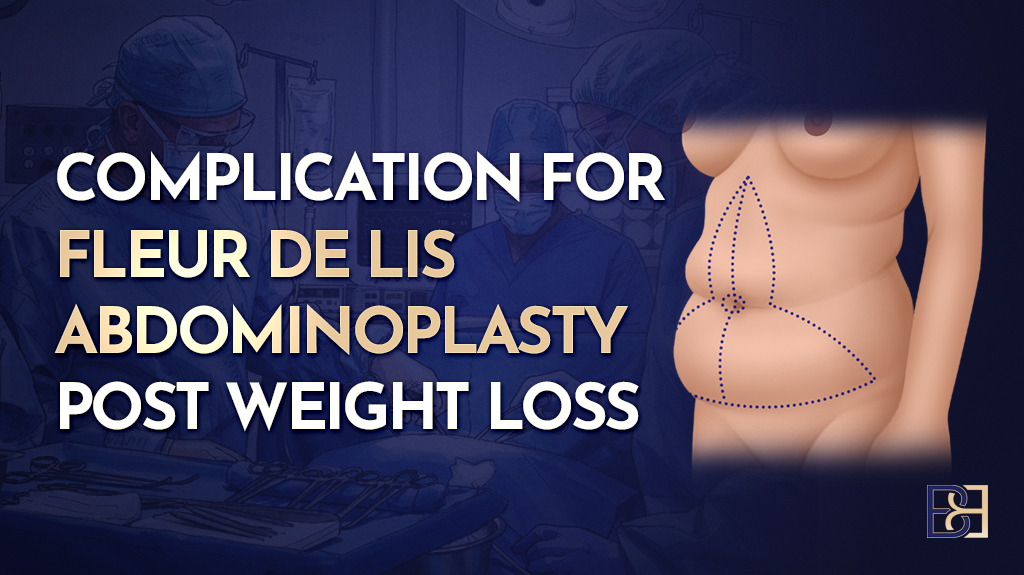
Most of my apronectomy (panniculectomy) patients stay 1 night in hospital, spend the first 2 weeks in a structured follow-up program with me and my nurse, and return to light activities from around 4 weeks. Swelling continues to settle over 3 to 6 months, and the scar keeps maturing for 12 months or more. Recovery times vary between patients, and this guide covers recovery from apronectomy panniculectomy surgery stage by stage, based on what I see in my practice.
Apronectomy removes the apron of loose skin and excess fat that hangs over the lower abdomen after significant weight loss. Because the operation involves minimal undermining and no muscle repair, recovery follows a different course to a tummy tuck abdominoplasty. It is still major surgery, and the first 2 weeks matter just as much.
If you are still deciding whether this operation suits you, start with my main guide to apronectomy (panniculectomy) after weight loss or the apronectomy service page. This article covers what happens after the operation.
What the Operation Involved and Why It Shapes Your Recovery
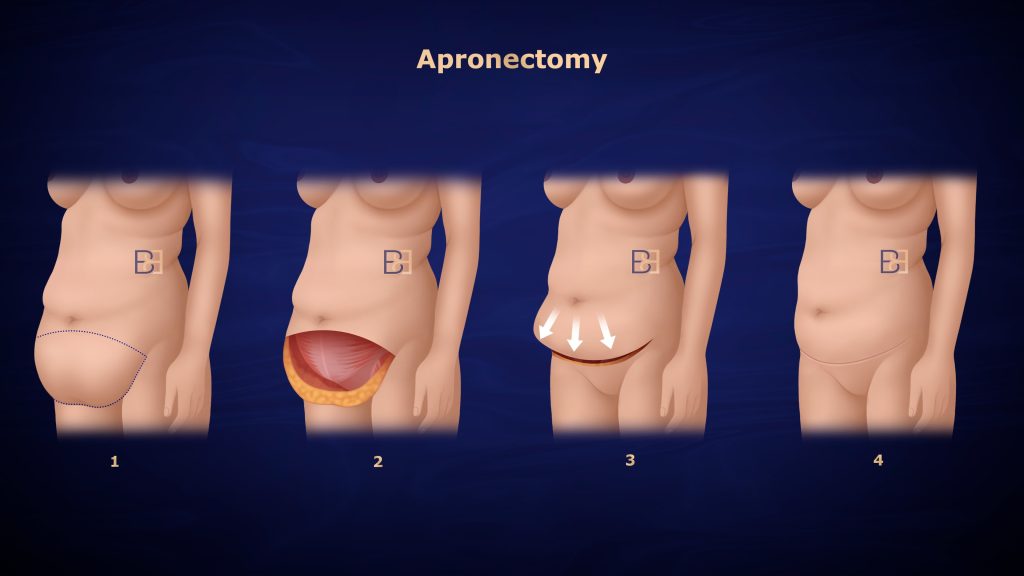
Understanding what happens during an apronectomy (panniculectomy) explains why the recovery course looks the way it does.
During the operation I remove excess abdominal skin and fat from the lower abdomen, taking the hanging apron through a horizontal incision just above the pubic region. The key technical points that shape recovery are:
- Minimal undermining. I excise the apron of hanging skin directly without lifting large areas of the surrounding lower abdominal skin or undermining up to the upper abdomen. Less tissue disruption generally means less drainage, less bruising and a smaller area that needs to heal.
- No muscle repair. Apronectomy does not include repair of the abdominal muscles where muscle separation (diastasis recti) is present in the abdominal wall. This is one of the main reasons the early recovery feels different to abdominoplasty (tummy tuck), where the repair is often the most painful part of the first 2 weeks.
- The belly button (umbilicus) is not repositioned. There is no second healing site around the umbilicus to look after.
- Drains are generally used. Even with minimal undermining, fluid can collect in the space left behind, and surgical drains reduce that risk in the first days.
- Operating time is around 2 to 3 hours under general anaesthetic at Maitland Private Hospital.
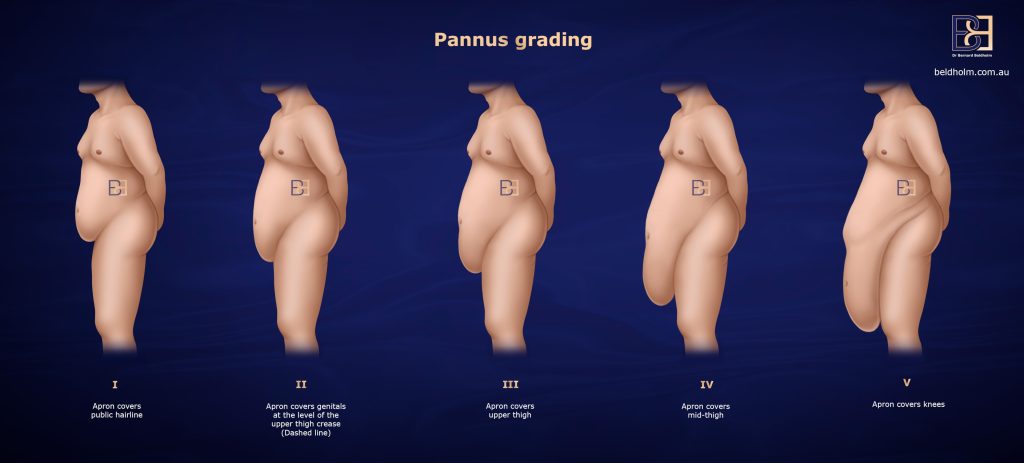
If you are comparing operations: a full abdominoplasty (full tummy tuck) or extended abdominoplasty (extended tummy tuck) treats the entire abdomen, including the upper abdomen, and usually includes muscle tightening. Apronectomy treats the lower abdominal apron only, which is why its recovery process is more contained.
None of this makes apronectomy a minor surgical procedure. It is still invasive surgery. A long lower abdominal incision needs to heal, and the general risks of surgery still apply. What it does mean is that most patients are moving more comfortably in the first week than they would after an operation that includes muscle repair, and the overall demand on the body is lower. For some patients, particularly those with significant medical conditions or those planning a staged approach, that is exactly why I recommend it.
Your Hospital Stay and the First 48 Hours
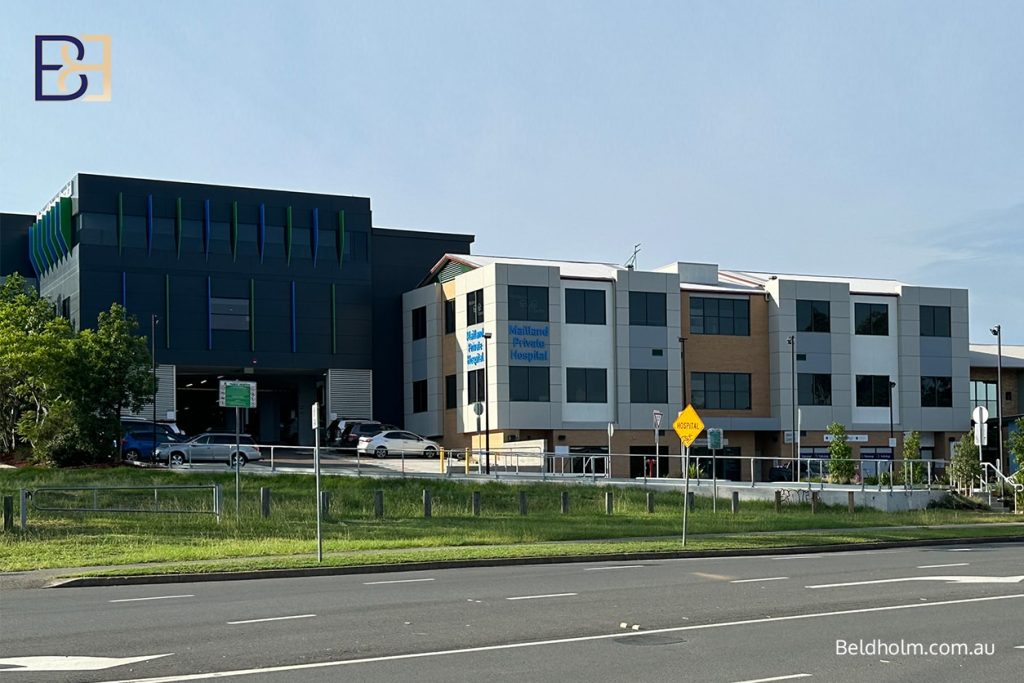
Most apronectomy patients stay 1 night at Maitland Private Hospital. If you have significant medical conditions, I may plan a longer stay from the outset so you can be monitored properly. I do a ward round every day you are admitted, so any concerns are reviewed early.
Waking up after the operation
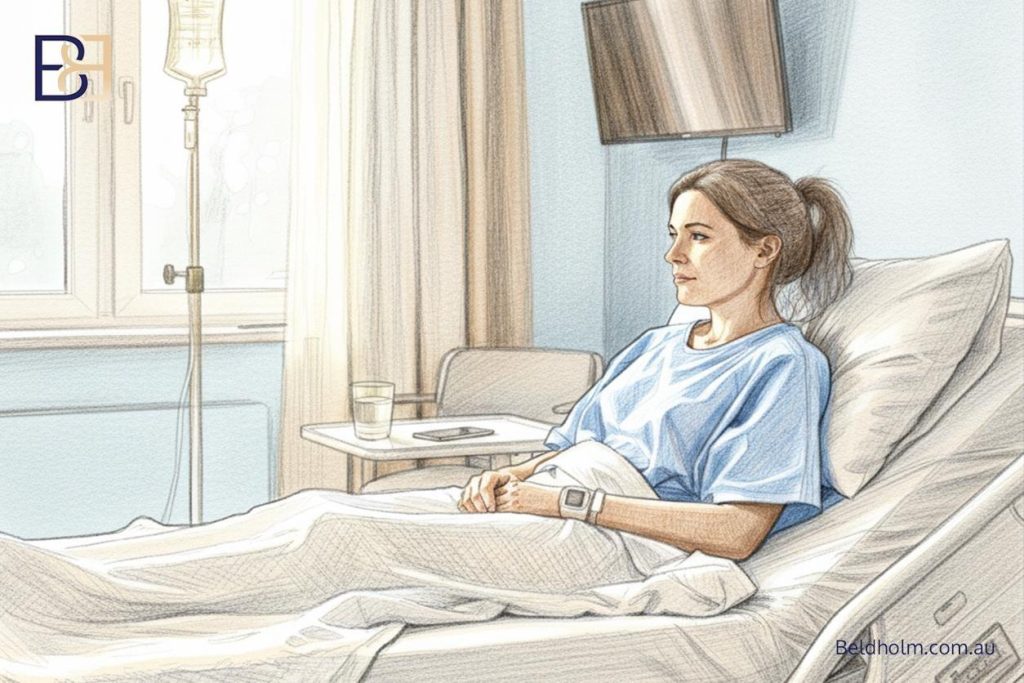
When you wake in recovery you will have:
- A PICO dressing over the incision. This is a small negative pressure dressing that stays on for the first week.
- 1 or 2 drains, depending on what I found during surgery.
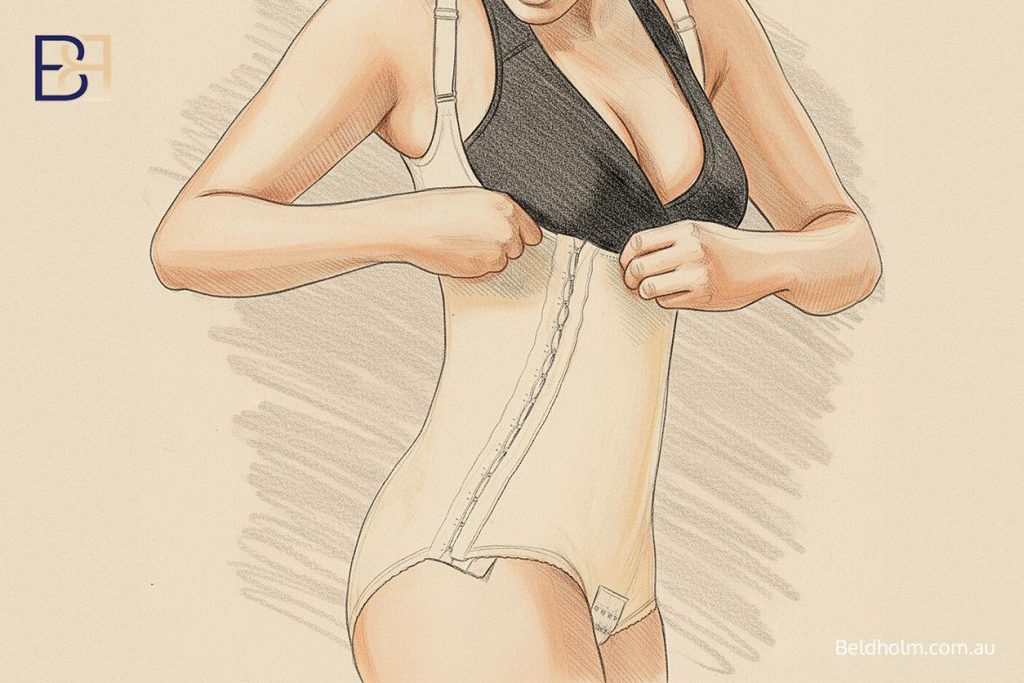
- A compression garment fitted in theatre.
- Pain medication already running, with regular doses charted for the ward.
Discomfort after apronectomy is generally centred on the incision line rather than deep muscle pain, because no muscle repair has been done. Most patients describe tightness, a pulling sensation along the incision, and soreness rather than severe pain, and taking pain medication by mouth usually manages it well after the first day. Pain thresholds differ, so tell the nursing staff early if you are not comfortable.
Getting moving
You will be helped out of bed on the evening of surgery or the following morning. Early walking matters more than anything else you do in the first 48 hours. It keeps blood moving in your legs and lowers the risk of blood clots such as deep vein thrombosis (DVT), it helps your lungs re-expand after the anaesthetic, and it gets your bowels working again. Short, frequent walks are the goal, not distance.
You can walk upright after apronectomy. Because there is no muscle repair pulling the abdomen tight, most patients do not need the bent-over posture that abdominoplasty patients adopt in the first week.
Eating, drinking and the ward dietitian
You can usually eat and drink normally within hours of surgery. Protein intake supports wound healing from day 1, and the on-ward dietitian service at Maitland Private is available if you have specific requirements or a history of bariatric surgery. You are welcome to bring your own whey protein isolate if you use one.
Going home
Before discharge, the surgical team and I confirm that your pain is controlled on oral medication, you are walking independently, your drains are behaving as expected, and you understand your wound care and follow-up plan. You will go home with written instructions, your prescribed medication plan, contact details for after-hours concerns, and your first follow-up appointments booked. You will need someone to drive you home and stay with you for the first few days.
The First 2 Weeks: The Critical Window
The first 2 weeks after apronectomy (panniculectomy) are the most important stretch of the early recovery period. This is when the incision is at its most vulnerable, when drains are managed and removed, and when most early problems declare themselves. It is also when you are seen most often. My practice runs an intense follow-up program during this fortnight, with regular reviews by me and my surgical nurse, so problems are picked up early rather than found at a distant appointment.
Drains
Your surgical drains come out once the output from the drainage tubes falls below the threshold I set, usually within the first week. Removal takes a few seconds in the rooms and most patients describe it as a strange sensation rather than a painful one. Keeping the drains until output settles is one of the main defences against seroma, which published research shows occurs more often after body contouring in patients with a history of weight loss surgery (1).
Dressings
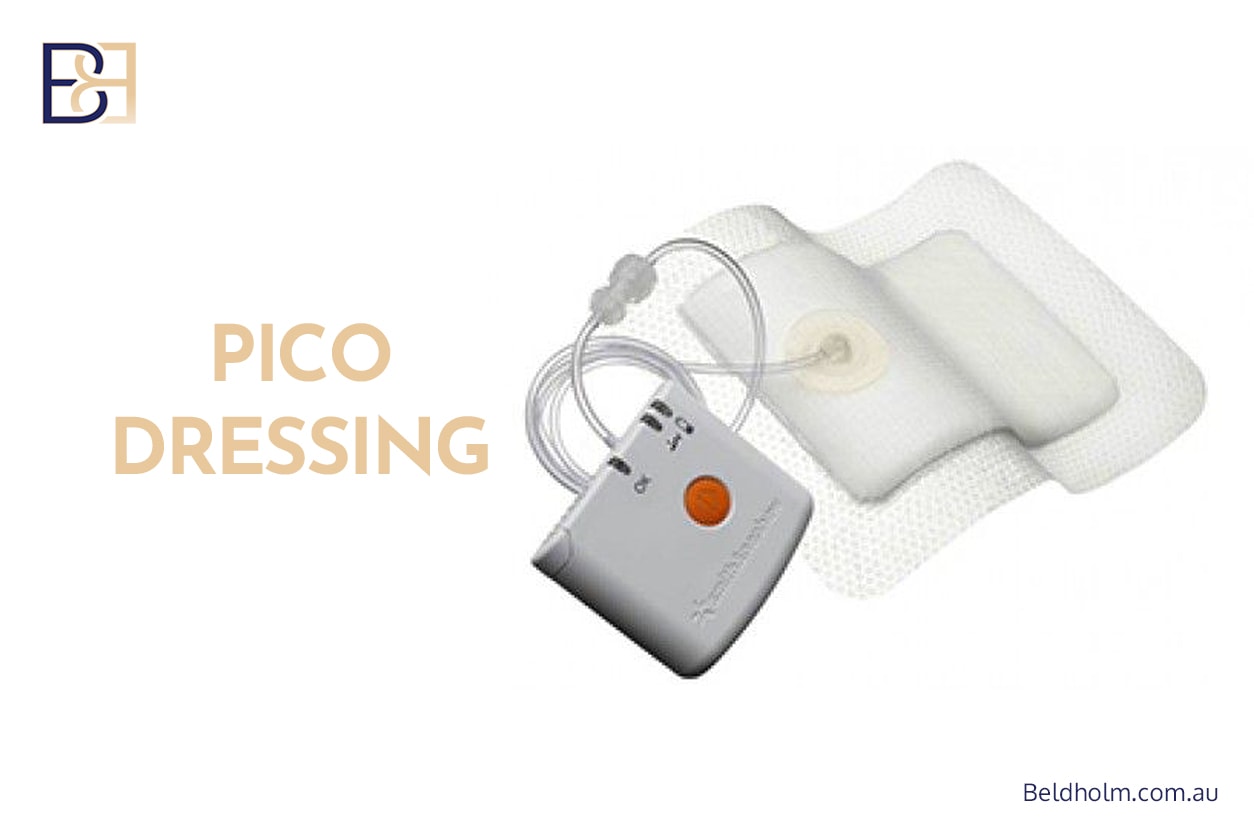
The PICO negative pressure surgical dressing stays on for the first 7 days and is changed at your day 7 review. Published research suggests negative pressure dressings can lower the rate of wound breakdown in higher risk abdominal incisions (2). After the PICO comes off, the incision site is covered with Hypafix tape, which stays on between reviews and supports the scar while it gains strength.
LED light therapy
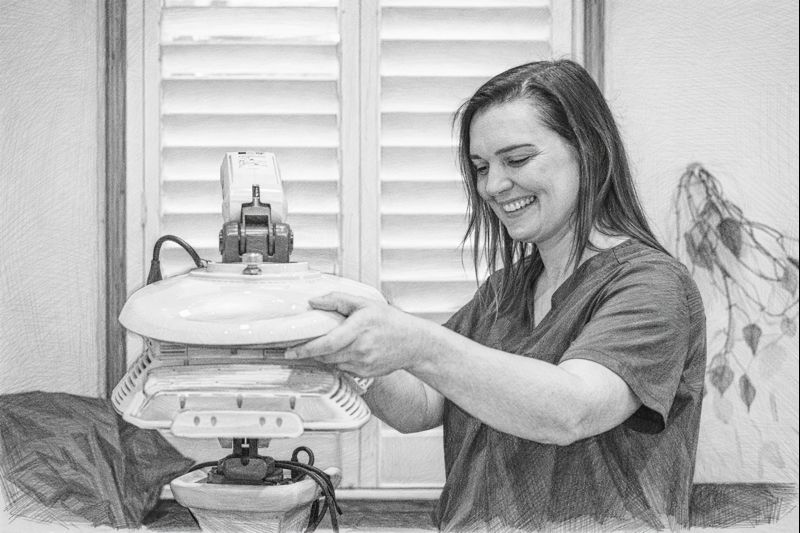
LED light therapy is part of my routine follow-up during this period. Sessions are done in the rooms at your review visits as an adjunct to wound healing.
Showering and wound care
You can shower with the PICO in place, as it is designed to tolerate brief water exposure. Once the Hypafix is on, shower normally and pat the tape dry. Do not soak in a bath, pool or spa until I clear you, as prolonged soaking disrupts the healing process and raises the infection risk.
Activity in the first fortnight
Your job in these 2 weeks is deliberately modest:
- Walk several times a day, increasing gradually.
- Avoid lifting anything heavier than a few kilograms.
- Avoid driving until you are off strong pain relief and can brake hard without hesitation. For most patients this is around the 2 week mark.
- Rest when your body tells you to. Fatigue after a general anaesthetic is normal.
What I am watching for
At each review I check the incision for signs of infection or delayed healing, track your healing progress, feel for fluid collections, and review your drain sites. Between visits, you monitor for increasing redness, new swelling, discharge, fever, or calf pain. The warning signs section later in this guide covers exactly when and how to contact us.
By the end of week 2, initial recovery is largely behind you. Most patients are walking comfortably, off regular pain relief and managing normal light routines at home. That is the platform for the weeks that follow.
Week by Week: From Week 2 to Full Recovery
Individual recovery varies, and the timeline below reflects the typical course I see in my practice. Your own progression is reviewed at each follow-up visit and adjusted to how your wound is healing, your general health and other factors specific to you.
Weeks 2 to 4: rebuilding your routine

- Light walking builds steadily into longer sessions. Many patients are back to 30 to 45 minutes of comfortable walking by week 4.
- Desk-based and light duties work is usually manageable from around 2 to 3 weeks, depending on how you are feeling and whether you can avoid lifting. My guide to returning to work after body contouring surgery covers this in more detail.
- Driving generally resumes around the 2 week mark once you are off strong pain relief and can perform an emergency stop without guarding. See my article on driving after abdominal surgery.
- Swelling and firmness along the incision are normal and fluctuate through the day, typically worse by evening.
- Numbness above the scar line is expected. Sensation recovers gradually over months, although small patches can remain long term.
Weeks 4 to 6: light exercise returns
- From 4 weeks I generally clear patients for light exercise: brisk walking, stationary cycling and low load lower limb strength work.
- Keep avoiding heavy lifting, strenuous exercise, high impact exercise and direct abdominal loading. The incision is gaining strength but is nowhere near its final durability at this stage.
- Physically demanding jobs usually require 4 to 6 weeks away, sometimes longer for heavy manual roles. I provide workplace certificates tailored to your duties.
- Your 4 week review is a milestone visit. I check healing, confirm your progress, and this is also when formal handover to your GP occurs if everything is on track.
Weeks 6 to 12: progressive return to full activity

- Most patients return to their usual gym program, swimming and higher impact physical activity between 6 and 8 weeks, reintroduced progressively rather than in one jump. My article on exercise after abdominal surgery sets out a staged approach.
- Heavy lifting is reintroduced last, usually from 6 to 8 weeks, building load gradually.
- The scar is often at its most red and firm somewhere in this window. This is a normal phase of scar maturation, not a sign of a problem.
3 to 12 months: the long tail
- Residual swelling settles over 3 to 6 months. The contour of the abdominal area at 6 weeks is not your final result.
- The incision is fully healed on the surface well before the scar finishes maturing underneath. The scar softens and fades progressively over 12 months and beyond. My article on scarring after body contouring surgery covers what influences scar quality and how I manage it.
- Holding a stable weight protects your result. Significant weight gain stretches the treated skin, and significant further loss can leave new laxity.
- If a section of the scar heals poorly, revision surgery is discussed once the scar has matured.
- Reviews at 3, 6 and 12 months track your progress through this period.
In my practice, most patients have resumed their normal activities by 6 weeks, with wound-related issues concentrated in the first month. That pattern is why the review schedule is front-loaded.
Compression Garments
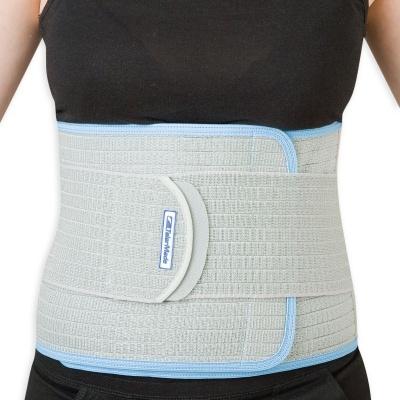
You wake from surgery with a compression garment already fitted, and it becomes part of daily life for the next few weeks. The garment supports the healing tissues, reduces swelling, and keeps the skin settled against the underlying layer while everything heals in place.
My standard approach after apronectomy is continuous wear for the first 6 weeks, removed only for showering and washing the garment. Most patients find it uncomfortable for the first few days and then barely notice it. If your garment feels too tight, rolls at the edges, or rubs on the incision and causes skin irritation, tell us at your next review rather than modifying it yourself, as fit problems are usually solved with a size change or a different style.
For garment types, fitting, washing routines and troubleshooting, see my full guide to compression garments after body contouring surgery.
Nutrition While You Heal

Wound healing is a demand on the body, and what you eat in the weeks after surgery directly supports it. After apronectomy I ask patients to keep their protein intake high, in the range of 1.6 to 3.0 g per kg of body weight per day depending on your situation, because protein is the raw material for tissue repair. Most post weight loss patients also continue their Tier 1 supplements, including a complete multivitamin, vitamin D3 with K2, vitamin C and zinc, for at least 4 to 6 weeks after surgery while the wound gains strength.
This builds on the pre-operative work we did together. Nutritional gaps are common after significant weight loss, whether it came through surgery, medication or lifestyle change, and correcting them before the operation supports both healing and your overall health through recovery. If your pre-op bloods showed deficiencies, we continue correcting those through recovery as well.
I have written about this in detail elsewhere, so I will not repeat the protocols here. Start with my guide to protein for surgery recovery and the overview of nutritional deficiencies after weight loss.
Warning Signs: When to Contact Us
Most recoveries proceed without drama, but you need to know what matters and what to do about it. Do not sit on a concern until your next appointment.
Contact my rooms or the after-hours line if you notice:
- Increasing redness, warmth or spreading discolouration around the surgical site
- New or increasing discharge from the wound, particularly if it is thick or has an odour
- A fever above 38°C or feeling generally unwell
- New swelling in the lower abdomen, or a fluid collection forming under the skin, which can indicate a seroma
- A wound edge that opens or looks like it is breaking down
- Pain that is increasing rather than settling after the first days
Seek urgent assessment for:
- Calf pain, calf swelling or tenderness in one leg, which can indicate a deep vein thrombosis (DVT)
- Sudden breathlessness, chest pain or coughing up blood, which can indicate a pulmonary embolism. Call 000 immediately for these symptoms
- Excessive bleeding from the wound
- Rapidly expanding, tense swelling of the abdomen
How after-hours contact works
Outside rooms hours, call Maitland Private Hospital and ask for the nurse-led triage line. The nursing staff will assess your concern over the phone and contact me if needed. Maitland Private is not an emergency department, so anything requiring physical assessment after hours goes to your local ED, and anything life-threatening is a 000 call first.
For a full discussion of what can go wrong after this operation, how often it happens and how each problem is managed, see my article on complications after apronectomy (panniculectomy).
Recovering as a Travelling Patient

A good portion of my patients travel to Maitland from regional NSW and interstate. Recovery works well for travelling patients provided we plan it properly, and that planning starts before surgery, not after it.
My guidance is:
- Stay in the Maitland or Hunter Valley area for 2 weeks after surgery if you can. This keeps you inside the intense follow-up window, covers drain removal and the day 7 dressing change, and means any early problem is managed by the team that operated on you.
- 1 week is the minimum. If 2 weeks is genuinely not possible, I need you local for at least the first 7 days so the PICO change and early reviews happen in person.
- Later reviews can be done by telehealth. Once the critical fortnight is behind you, follow-up appointments can run over Zoom, with photographs of the wound as needed. Your 4 week, 3, 6 and 12 month reviews do not all require travel.
- Your GP is part of the plan. Your GP receives your pre-operative bloods, a formal handover at the 4 week visit, and can examine the wound locally if anything needs eyes on it between telehealth reviews.
- Do not fly in the early period. Long haul travel soon after surgery raises DVT risk. I will tell you when flying is reasonable for your situation, and short flights are generally cleared before long ones.
If you are planning surgery from a distance, raise it at your consultation and we will map out your accommodation window and follow-up schedule before your date is booked.
Your Follow-Up Schedule
Follow-up after apronectomy is structured, front-loaded and included in your surgical fee. You are never left to work out on your own whether something is healing properly.
The schedule looks like this:
- Weeks 1 and 2: intense follow-up. Regular reviews with me and my surgical nurse, covering drain removal, the day 7 PICO change to Hypafix, LED light therapy sessions and wound checks.
- 4 weeks: milestone review. I assess healing, clear you for light exercise where appropriate, and complete a formal handover to your GP so your long-term care is coordinated.
- 3 months. Progress review as swelling settles and the scar moves through its most active phase.
- 6 months. Contour and scar review.
- 12 months. Final scheduled review, by which point the scar has largely matured and your result has settled.
Telehealth is available for the later reviews if you live at a distance.
If anything concerns you between scheduled visits, contact the rooms. An extra review costs you nothing and is always the right call over waiting.
My Final Thoughts

Apronectomy sits at the more contained end of post weight loss body contouring, and its recovery reflects that. No muscle repair, minimal undermining and a single healing zone mean most patients are moving comfortably sooner than they expect. But surgery to remove excess skin from the abdomen remains major surgery, with a long incision, drains, a structured dressing protocol and a genuine recovery period to work through. Respect the first 2 weeks, keep your protein up, wear the garment, and come to your reviews.
Recovery timelines vary between patients, and the schedule in this guide describes the typical course rather than a promise. Your own recovery is assessed and adjusted at each follow-up visit.
If you have not yet read them, my main guide to apronectomy (panniculectomy) covers the operation itself and who it suits, and my article on complications after apronectomy covers what can go wrong and how it is managed. Costs, including what Medicare and health funds may contribute, are covered in my guide to apronectomy costs.
Medical References
- Esparham A, Safieddine M, Ahmadyar S, Parmar C, Saber A, Wafa A, et al. The association of metabolic and bariatric surgery and postabdominoplasty complications: a systematic review and meta-analysis. Surg Obes Relat Dis. 2026;22(8):930-941.
- Brewer CF, Manan Z, Miranda BH. Incisional negative pressure wound therapy following abdominoplasty and abdominal free flap surgery: a meta-analysis of outcomes and review of costs. J Wound Care. 2025;34(4):286-293.