REFERENCE SUMMARY
The issue is that patients who have lost significant weight, whether through bariatric surgery, GLP-1 receptor agonist medications, or structured dietary changes, frequently present for body-contouring procedures with subclinical or clinical nutritional deficiencies. These deficiencies directly affect wound healing, immune function, and the risk of post-operative complications, including DVT. Identifying and correcting them before surgery is one of the most important parts of the preparation process.
Who is at risk: Every post-weight-loss patient in my practice has a pre-operative nutritional assessment. The groups most consistently affected are patients who have had Roux-en-Y gastric bypass, sleeve gastrectomy, biliopancreatic diversion, or gastric banding, patients currently taking or recently on GLP-1 receptor agonist medications, and patients who have lost a substantial amount of weight through dietary change alone.
Blood tests I order: A comprehensive pre-operative blood panel including FBC, coagulation screen, LFTs (including albumin), EUC, glucose, HbA1c, iron studies, Hepatitis B, Hepatitis C, HIV, thyroid function, pregnancy test where relevant, and a full micronutrient panel covering vitamins A, B1, B6 (PLP), B12, folate, red cell folate, 25-OH vitamin D, vitamin E, zinc, and selenium. Most tests are Medicare reimbursable with an appropriate clinical indication.
Tier 1 supplements (all post-weight-loss patients, regardless of blood results):
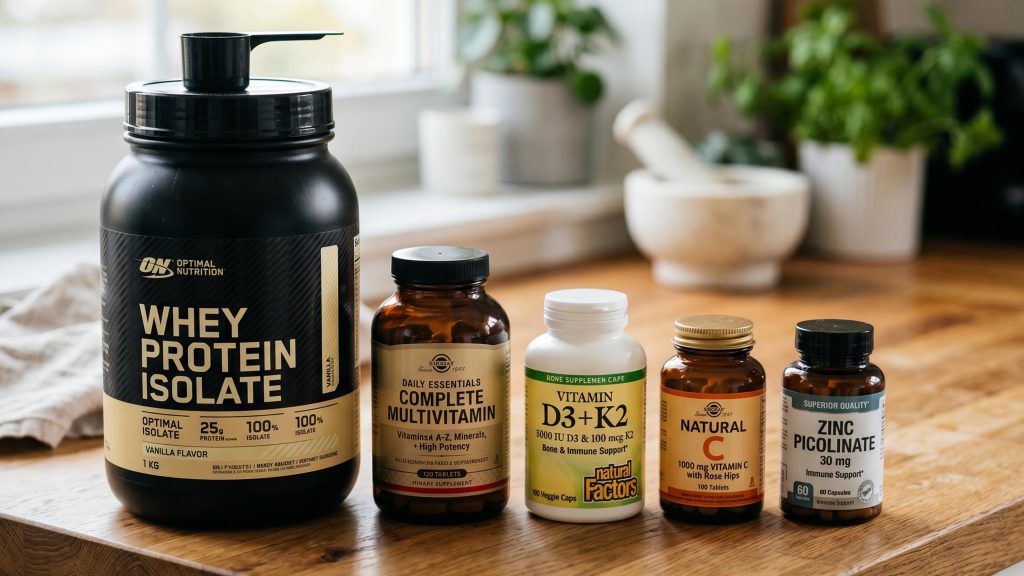
- Whey protein isolate, 80 to 100 g/day pre-op
- Complete multivitamin, once daily with food
- Vitamin D3 (3,000 to 6,000 IU/day) plus vitamin K2 MK-7 (100 µg/day)
- Vitamin C, 1 to 2 g/day perioperatively
- Zinc, 8 to 11 mg/day maintenance
Tier 2 supplements (added only after blood results confirm deficiency):

- Iron (oral or IV depending on severity)
- Vitamin B12 (oral, sublingual, or IM)
- Folate (methylfolate form preferred)
- Vitamin A (high-dose, contraindicated in pregnancy)
- Thiamine (B1)
- Calcium citrate
- Selenium
- Magnesium (particularly relevant for patients on GLP-1 medications)
Key clinical thresholds:
- Weight stability: minimum 6 months for MBS eligibility; my personal recommendation is 6 to 12 months
- Albumin: 35 to 50 g/L (Australian reference). Low albumin means delaying surgery and optimising protein
- Haemoglobin: below 100 g/L means defer surgery
- Vitamin D target for surgical patients: 75 to 150 nmol/L
- Homocysteine: ordered only if B12, folate, or B6 returns low
Australian supplement brands: A dedicated section later in this article covers specific brand suggestions for each supplement, along with where to buy them. True Protein WPI90 is my personal recommendation for whey protein isolate, based on my own use. I have no financial relationship with any supplement brand.
Clinical disclaimer: This article is educational and reflects my clinical approach to post-weight-loss body-contouring patients. It does not replace individual medical advice. Individual results vary. Patients should discuss their specific situation with their GP and surgical team before starting or stopping any supplements or medications.
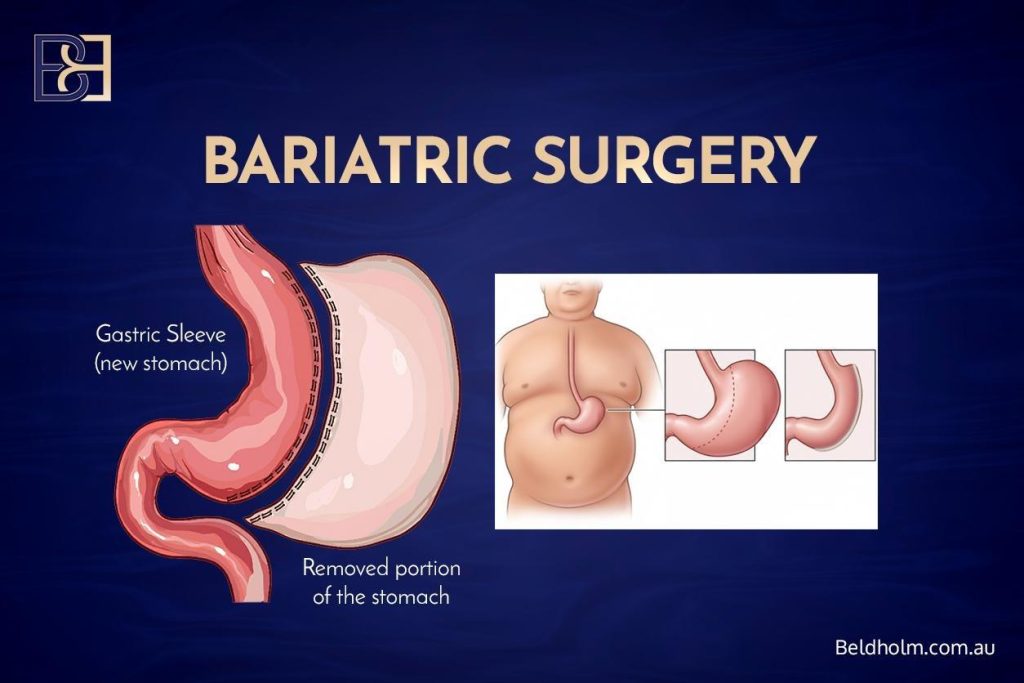
Table of Contents
Introduction
Most patients who come to see me for body contouring procedures after significant weight loss are unaware of how much their nutritional picture has changed.
They have done the hard work. They have completed their weight loss journey. They have kept it off. But the years spent reshaping their body have also reshaped their internal chemistry in ways that matter for surgery.
This applies to three main patient groups:
- Patients after bariatric procedures (Roux-en-Y gastric bypass, sleeve gastrectomy, gastric banding, biliopancreatic diversion)
- Patients currently on or recently off GLP-1 receptor agonist medications
- Patients who have lost a significant amount of weight through structured dietary change
In every one of these groups, nutritional deficiencies are common, often subclinical, and almost always worth correcting before body contouring procedures goes ahead.
Why Nutrition Matters for Surgery

Wound healing, immune function, and the risk of post-operative complications all depend on adequate nutrition.
The published data make this clear. Those who have had bariatric surgery have consistently higher wound complication rates than non-bariatric patients undergoing the same body contouring procedures, and these differences are largely driven by modifiable nutritional factors. The specific numbers, and what they mean in practice, are covered later in this article.
My Approach in Practice
In my practice, comprehensive assessment and correction is a non-negotiable part of the pre-operative process. I apply this to every post-weight-loss patient, across every procedure I offer for patients with excess skin after significant weight loss:
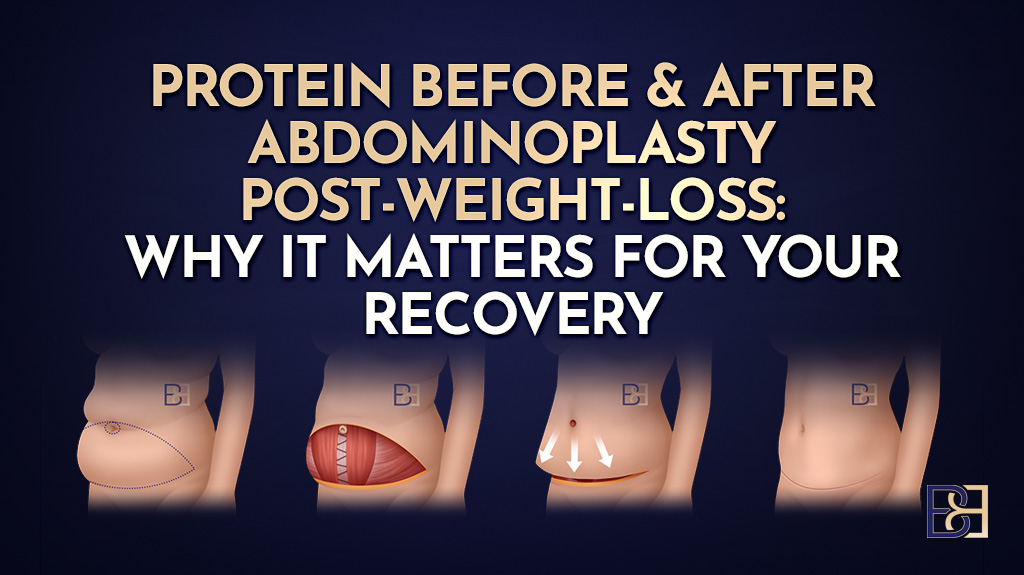
- Abdominoplasty (tummy tuck)
- Body lift (belt lipectomy)
- Thighplasty (thigh lift)
- Brachioplasty (arm lift)
- Mastopexy (Breast Lift)
The protocol is structured. The blood panel is comprehensive. The supplement framework is tiered so that universal deficiencies are treated immediately, and confirmed vitamin and mineral deficiencies are treated specifically.
The focus of this article is specifically the post-weight-loss patient group. For patients preparing for abdominoplasty (tummy tuck) who have not had significant weight loss, the nutritional framework is simpler. I cover that in my pre- and post-operative nutrition guide for abdominoplasty.
What This Article Covers
This article walks through the full picture:
- Why post-weight-loss patients are nutritionally different
- Which deficiencies I specifically look for
- Why they matter for surgery
- How I assess nutrient levels with blood testing
- The two-tier supplement framework I use
It is written for patients preparing for body contouring procedures who want to understand what their surgeon is looking at, and why.
Results vary from patient to patient. The importance of getting the nutritional foundations right before surgery does not.
Why Post-Weight-Loss Patients Have a Different Nutritional Picture
Body contouring surgery after significant weight loss is not the same operation as body contouring in a patient who has not lost weight. The anatomy is different. The tissue quality is different. And the nutritional starting point is almost always different.
Understanding why requires a look at how weight loss was achieved, as the method substantially changes the nutritional picture.
Roux-en-Y Gastric Bypass
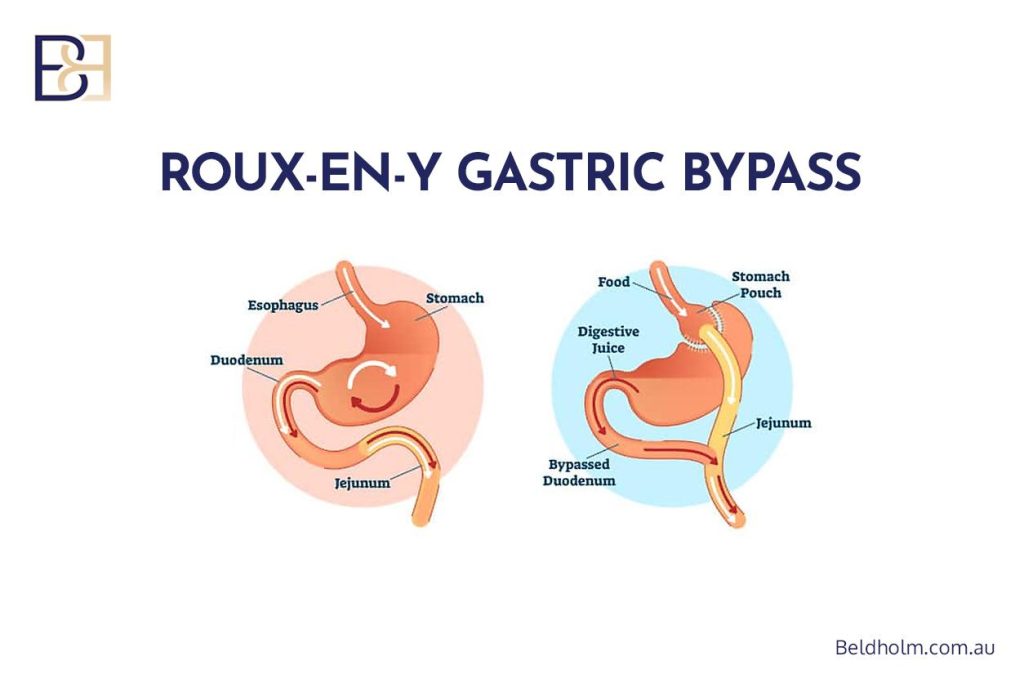
Roux-en-Y gastric bypass surgery is both restrictive and malabsorptive.
The stomach is reduced to a small pouch, usually less than 30 ml. A loop of small intestine is then connected directly to that pouch, bypassing the duodenum and the proximal jejunum, which are primary sites of nutrient absorption (1). This is where much of the important nutrient absorption normally occurs.
The consequences are significant:
- Iron is primarily absorbed in the duodenum, which is now bypassed
- Calcium absorption is reduced for the same reason
- Vitamin B12 absorption depends on intrinsic factor, which requires gastric acid and a functional stomach body, both of which are reduced
- Fat-soluble vitamins (A, D, E, K) are harder to absorb because fat digestion is impaired
- Folate absorption is reduced
On top of that, the small stomach pouch limits how much food can be eaten in one sitting, further reducing total nutrient intake.
Sleeve Gastrectomy
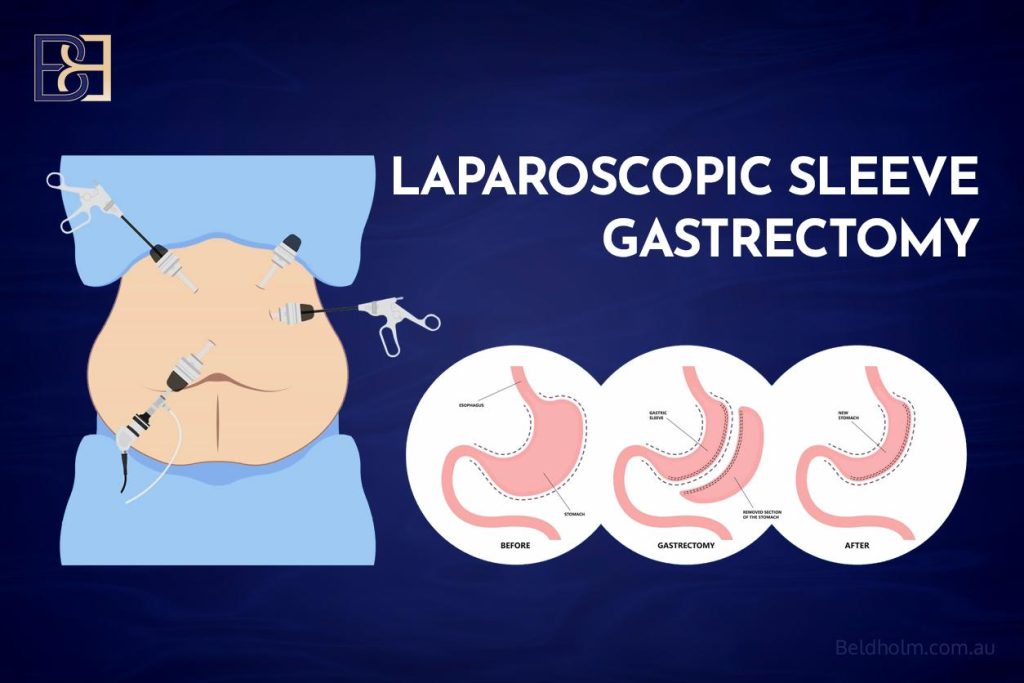
Laparoscopic sleeve gastrectomy is now the most commonly performed bariatric procedure in many parts of the world (2).
It is primarily restrictive. Around 80% of the stomach is removed, leaving a narrow sleeve with substantially reduced stomach capacity. Unlike gastric bypass surgery, the intestinal anatomy is preserved, so malabsorption is not the main issue.
The nutritional impact is still real:
- Reduced stomach volume means smaller meals and lower total intake
- Reduced gastric acid production affects iron and B12 absorption. Dumping syndrome can also occur after bariatric procedures, particularly after gastric bypass.
- Food intolerances and dumping syndrome are common in the first year, particularly with red meat and dense protein sources
- Deficiencies in iron, folate, vitamin B12, and vitamin B6 are all well-documented after this procedure (3)
One point that is often missed: these patients are not immune to nutritional deficiencies because the procedure is less invasive than gastric bypass. The prevalence is lower but not zero.
Gastric Banding
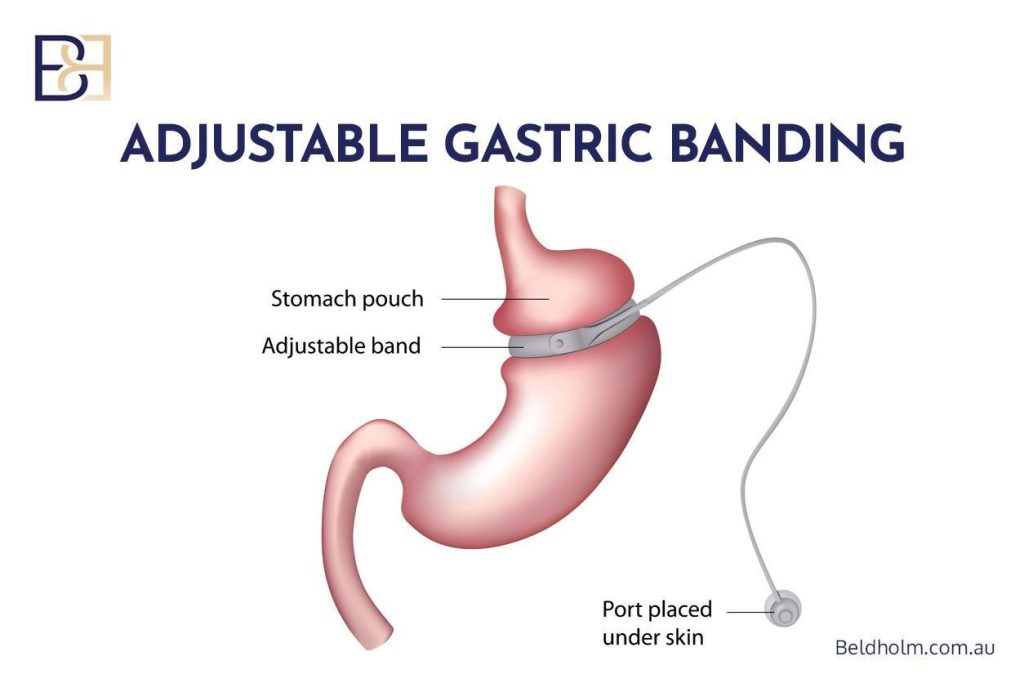
Gastric banding, also known as adjustable gastric banding, is a restrictive procedure with no change to the intestinal anatomy.
Nutritional deficiencies are less frequent than after these bariatric procedures, but patients with a tight band often develop food aversions, reduced protein intake, and reflux that can affect nutrition over time. Deficiencies do occur.
Biliopancreatic Diversion
Biliopancreatic diversion, with or without duodenal switch, is the most malabsorptive of the mainstream bariatric procedures. It is less commonly performed today, but I still see patients who had it done years ago.
The nutritional impact is substantial. Vitamin A deficiency has been reported in up to 69% of patients four years after the procedure (4). Protein malabsorption is also well documented.
GLP-1 Receptor Agonist Medications
GLP-1 receptor agonist medications have changed the weight-loss landscape over the past few years. A significant number of my body contouring patients have now lost weight this way, either instead of bariatric surgery or in addition to it.
These medications are not malabsorptive. The gastrointestinal anatomy is intact. But they cause nutritional problems for a different reason:
- Appetite suppression reduces total food intake
- Delayed gastric emptying promotes early satiety and makes patients feel full for longer, further reducing intake
- Nausea is common and often limits food choices to tolerated items that may be nutritionally inadequate
The published data on this is specific:
- Energy intake reductions of approximately 1,200 kcal (5,020 kJ) per day have been reported (2)
- Protein intake can fall by around 17% on these medications (2)
- 15% to 49% of weight lost on GLP-1 medications can come from lean mass rather than fat (5)
- Over 20% of patients develop one or more nutrient deficiencies within a year of starting treatment (6)
That last point matters. Weight loss through GLP-1 receptor agonists is not nutritionally neutral. These patients need the same assessment and supplementation framework as those who have previously had bariatric procedures, even without recent surgery. Excess skin is a common reason these patients present for body contouring procedures.
Significant Dietary Weight Loss
Patients who have lost significant weight through dietary change alone are often assumed to be nutritionally intact. Sometimes they are. Often they are not.
Very low energy diets and prolonged calorie restriction reduce intake of multiple micronutrients, and patients who have maintained their weight loss journey through restrictive eating patterns for several years can present with subclinical nutrient deficiencies that mirror those seen after bariatric surgery.
Loss of lean mass is a particular concern with prolonged very low energy diets, and this affects both surgical risk and cosmetic outcome (7).
The Concept of High-Calorie Malnutrition
High-calorie malnutrition is a useful term for what I see in this patient group.
It describes patients whose total calorie intake looks adequate on paper but whose intake of specific nutrients, particularly protein and micronutrients, is critically low. It is common in patients with obesity, and it often persists after weight loss.
A patient can be overweight by BMI and nutritionally depleted at the same time. In my post-weight-loss patient group, this is the norm.
The Common Thread
Three things are consistent across these groups:
- Nutrient intake is reduced, either by restriction, malabsorption, or appetite suppression
- The resulting nutritional deficiencies are often subclinical: the patient feels well but blood testing tells a different story
- These deficiencies affect surgical outcomes, particularly wound healing, immune function, and DVT risk
This is why I do not rely on a patient’s feelings or overall health to assess nutritional readiness for body-contouring procedures. I rely on blood tests. And I apply the results to a structured protocol designed specifically for this patient group.
The Specific Deficiencies I Check For
The nutritional picture in post-weight-loss patients is not one problem. It is a cluster of nutritional deficiencies that tend to co-occur, reinforce one another, and affect various aspects of surgical risk and recovery.
This section walks through what I look for and why. It is grouped by nutrient category rather than by severity, because each deficiency has its own clinical logic.
Protein: The Single Most Important Nutrient
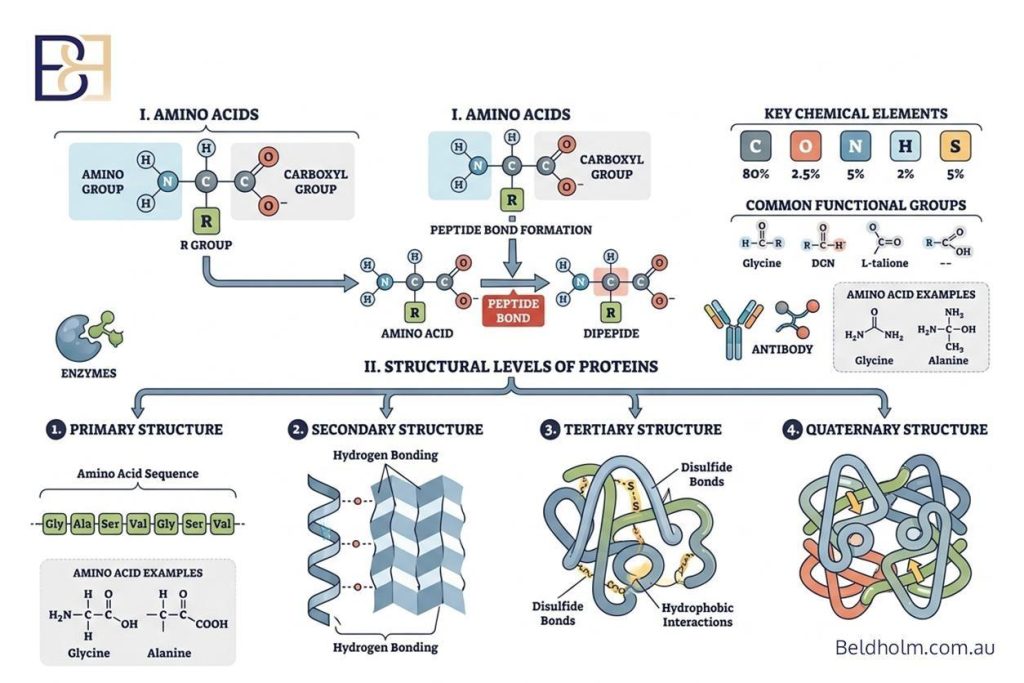
Protein is the foundation of wound healing. Without adequate protein, fibroblast activity slows, collagen production falls, angiogenesis is impaired, and the immune system weakens.
The main blood marker I use is albumin. The Australian reference range is 35 to 50 g/L.
- Low albumin means I delay surgery and optimise protein consumption before proceeding
- I do not measure prealbumin in my practice. Albumin gives me the information I need over the two to three week window that matters for surgical planning
Severely low albumin is a clear signal to postpone. Moderately low albumin is a signal to add or increase protein supplementation, commence a four-week optimisation window, and recheck.
Protein gets its own dedicated section later in this article because it is the nutrient where the evidence is strongest and the clinical return is largest.
Iron and Anaemia

Iron deficiency is one of the most common problems I see in post-weight-loss patients.
Iron is primarily absorbed in the duodenum, which is bypassed in this procedure. Absorption is also reduced when gastric acid production falls, as it does after sleeve gastrectomy. Dietary intake of iron is often low in patients whose food tolerance is limited.
The published prevalence figures are substantial:
- 38.8% of obese children and 14% of obese adults have iron deficiency before any weight loss intervention (8)
- Up to 100% of patients after certain bariatric procedures develop iron deficiency at some point (1)
- Around 50% of post bariatric patients may require IV iron at some stage in their care (1)
The consequences for surgery are direct. Anaemia reduces oxygen delivery to healing tissues, impairs immune function, and makes surgical blood loss more dangerous.
Haemoglobin below 100 g/L means I defer surgery. This is a firm threshold. If iron studies confirm iron deficiency anaemia, I work with the patient’s GP to correct it, which often requires IV iron infusion, depending on the procedure performed because oral iron is poorly tolerated or insufficient in this group.
Vitamin D
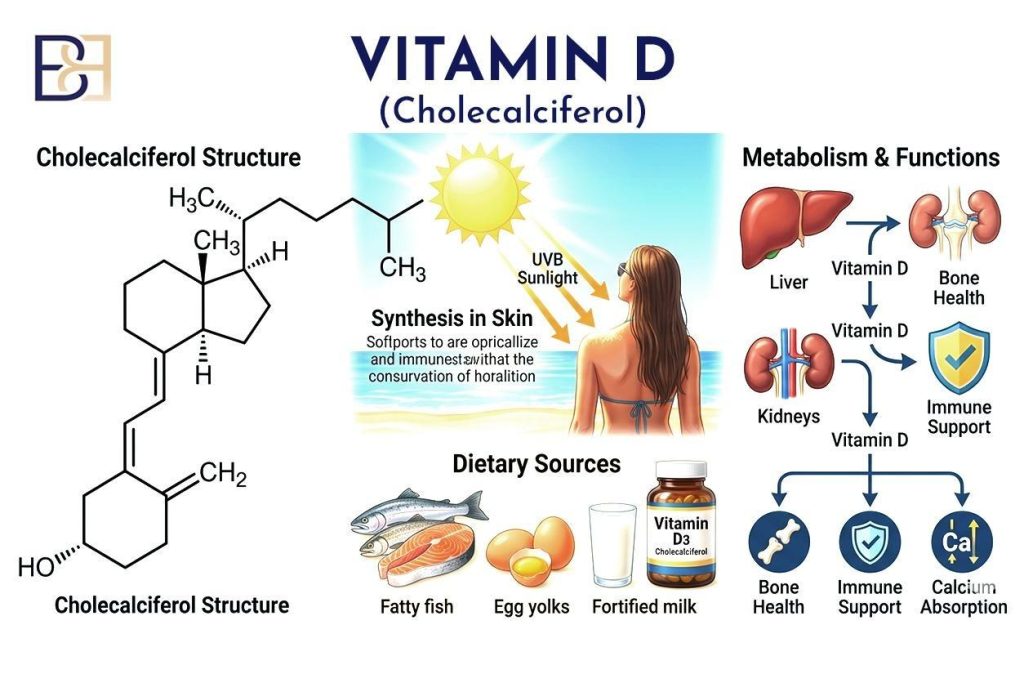
Vitamin D deficiency is near-universal in patients with obesity, including morbid obesity, affecting 60% to 90% of this population even before any bariatric procedure or weight loss (9).
After bariatric surgery, the prevalence rises further because fat malabsorption reduces the uptake of this fat-soluble vitamin. Deficiency rates of around 40% have been reported post surgery in this group, and the figure is higher in more malabsorptive procedures (2).
For post-weight-loss body contouring patients, my target is 75 to 150 nmol/L. This is higher than the general population reference because optimal levels for wound healing, immune function, and bone health sit in this range.
Vitamin D supports immune function (bacterial killing and phagocytosis), wound healing (modulation of the inflammatory phase), calcium metabolism, parathyroid hormone regulation, and muscle strength for early post-operative mobilisation. It is included in Tier 1 supplementation paired with vitamin K2 in the MK-7 form.
For a more detailed discussion of vitamin D supplementation before body contouring procedures, including dose ranges, product recommendations, and toxicity thresholds, see my dedicated article on the topic.
Vitamin B12, Folate, and Vitamin B6
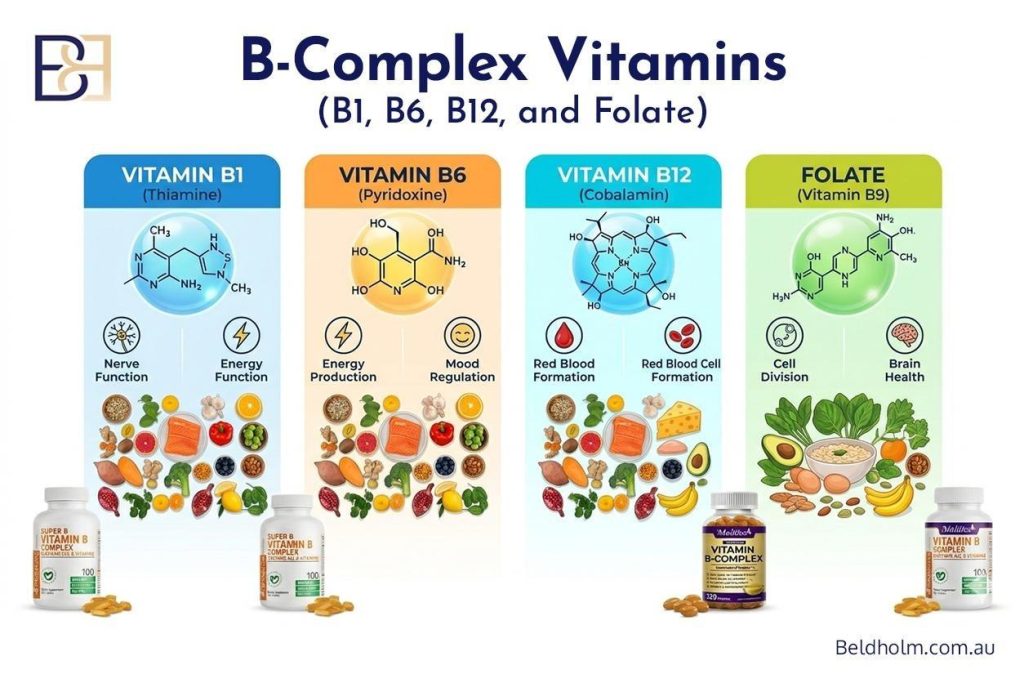
These three B vitamins sit in the same metabolic cycle. When any one of them is low, the others are often affected, and homocysteine rises. Elevated homocysteine is a DVT risk factor, covered in detail later in this article.
Vitamin B12 absorption depends on intrinsic factor, which is produced in the stomach. Roux-en-Y procedures reduce intrinsic factor availability. This procedure reduces gastric acid, which is required for the first step of B12 absorption. Deficiency rates have been reported at up to 37% after bariatric surgery (10).
Folate deficiency rates of around 9% to 35% have been reported post-bariatric (1). Folate absorption is reduced when the proximal jejunum is bypassed, and dietary intake is often low.
Vitamin B6 (measured as PLP, pyridoxal-5-phosphate) is part of the routine blood panel I order for every post-weight-loss patient. It has historically been under-tested, but the evidence base supports routine checking, particularly in patients with reduced intake or malabsorption.
In my practice, homocysteine is not ordered as a routine test. I order it only as a reflex if B12, folate, or B6 returns low on the main panel.
Thiamine (Vitamin B1)
Thiamine deficiency is less commonly discussed than other micronutrient issues, but it can be serious.
Thiamine stores in the body are small. Depletion can happen quickly with rapid weight loss, poor intake, or certain bariatric procedures. Deficiency rates of 15% to 29% have been reported in obese patients even before any weight loss surgery (11).
Clinically, thiamine deficiency affects:
- Cardiovascular function (wet beriberi)
- Neurological function (peripheral neuropathy, Wernicke’s encephalopathy in severe cases)
- Wound healing
- Energy metabolism
In post-weight-loss patients, I check thiamine as part of the routine micronutrient panel. If it is low, I supplement orally, or with IV thiamine if neurological symptoms are present.
Vitamin A
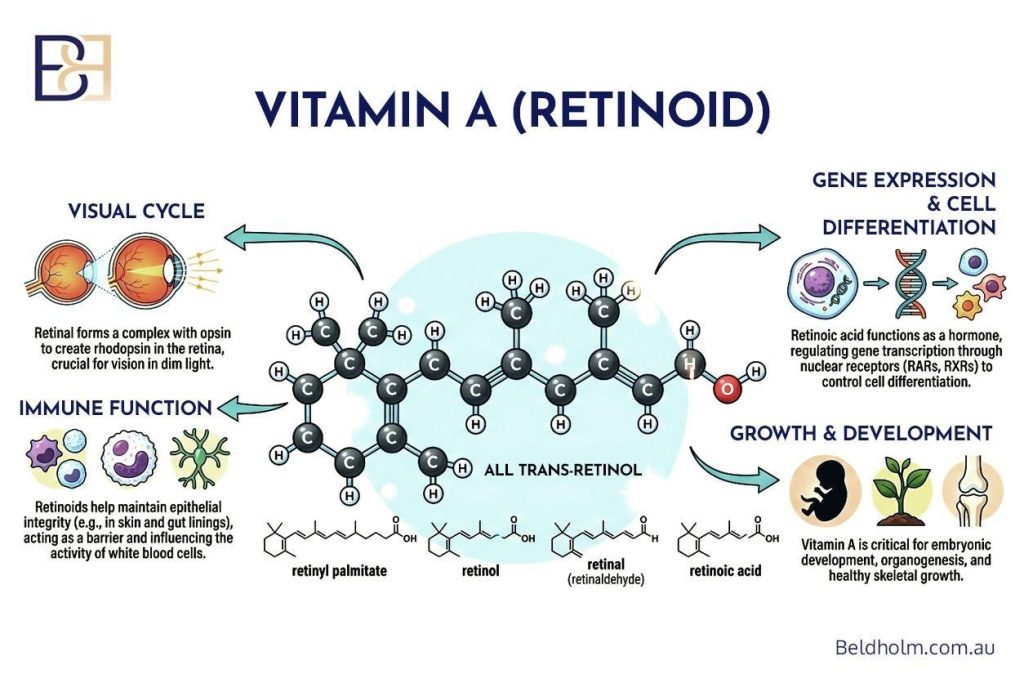
Vitamin A is a fat-soluble vitamin with direct relevance to wound healing.
It activates fibroblasts, supports collagen production, promotes new blood vessel formation at wound sites, and regulates immune cell activity. It is also essential for normal skin integrity.
Deficiency rates vary substantially by procedure:
- 11% to 30% after Roux-en-Y gastric bypass and sleeve gastrectomy (1, 10)
- Up to 69% after biliopancreatic diversion at four years (1)
Clinical deficiency can present with visual disturbance in low light, dry skin, and impaired immune function. Subclinical deficiency is common and often picked up only on blood testing.
I do not initiate high-dose vitamin A routinely. It is added as a Tier 2 supplement only when blood testing confirms deficiency. High-dose vitamin A is contraindicated in pregnancy, so for women of reproductive age, pregnancy status must be clarified before any therapeutic dose is started.
I cover vitamin A supplementation before body contouring procedures in more detail, including the retinyl palmitate dosing protocol I use, in a dedicated article on the topic.
Vitamin C

Vitamin C is essential for collagen hydroxylation, which is a required step in collagen synthesis. Without adequate vitamin C, collagen cannot be laid down properly, and wounds do not close properly.
Deficiency prevalence in post-bariatric patients has been reported at around 35% (1). For patients on GLP-1 medications, dietary intake data suggests consumption drops by approximately 43% compared with before starting treatment.
Vitamin C is included in Tier 1 supplementation for all post-weight-loss patients. Dose details are covered in the supplement framework section.
Zinc
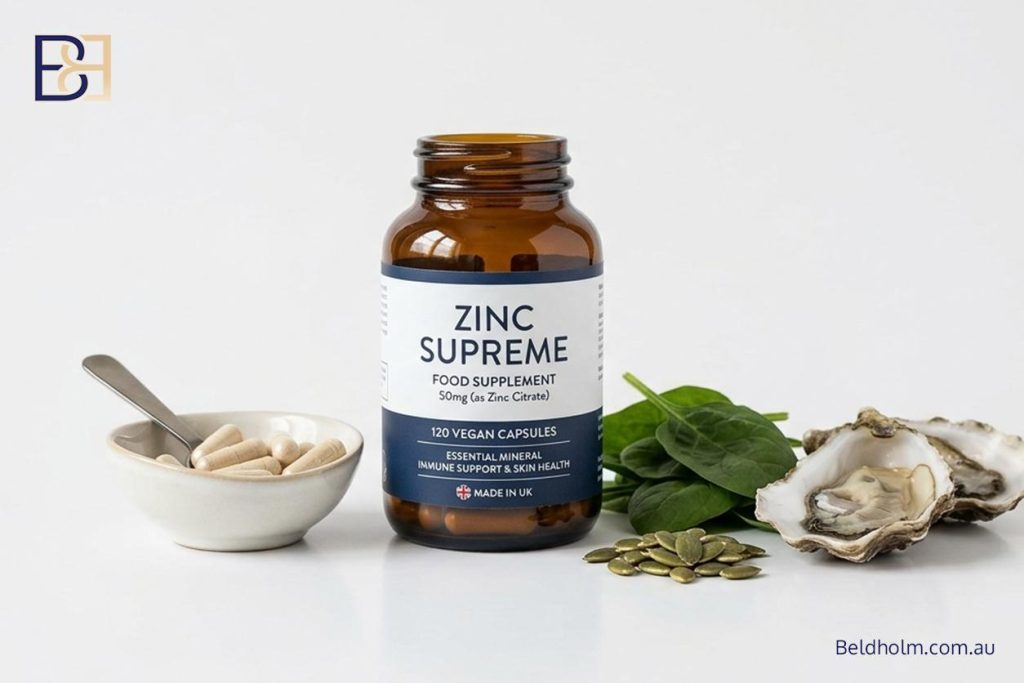
Zinc is a cofactor for more than 300 enzymes, many of which are involved in wound healing, collagen synthesis, and immune function.
Despite multivitamin use, zinc deficiency has been reported in 28% to 36% in this patient group (1, 8). Serum zinc readings are not a reliable marker because zinc is tightly homeostatically controlled. I interpret the result alongside clinical context, dietary history, and symptoms.
Zinc is a Tier 1 supplement at a maintenance dose. Higher therapeutic doses are used only if blood testing confirms a deficiency, and even then, with caution, because excess zinc can cause copper deficiency. The zinc-to-copper ratio should stay in the 8:1 to 15:1 range. Zinc should be separated from iron by two hours if both are being taken, because they compete for absorption.
Selenium

Selenium is a trace element with roles in antioxidant defence, immune function, and thyroid hormone metabolism. Selenium deficiency rates of around 3% have been reported after bariatric surgery, which is lower than zinc but still clinically meaningful. Deficiency is most commonly seen in patients with more restrictive diets or with the more malabsorptive procedures.
Selenium is added as a Tier 2 supplement only after blood testing confirms deficiency, because selenium has a narrow therapeutic window and excess is toxic.
Magnesium

Magnesium deficiency is particularly common in patients on GLP-1 medications, where reduced dietary intake and gastrointestinal side effects can deplete magnesium levels over time. Clinically, magnesium deficiency can cause muscle cramps, fatigue, and, in severe cases, cardiac arrhythmia. Magnesium is added as a Tier 2 supplement where blood testing confirms deficiency.
Calcium
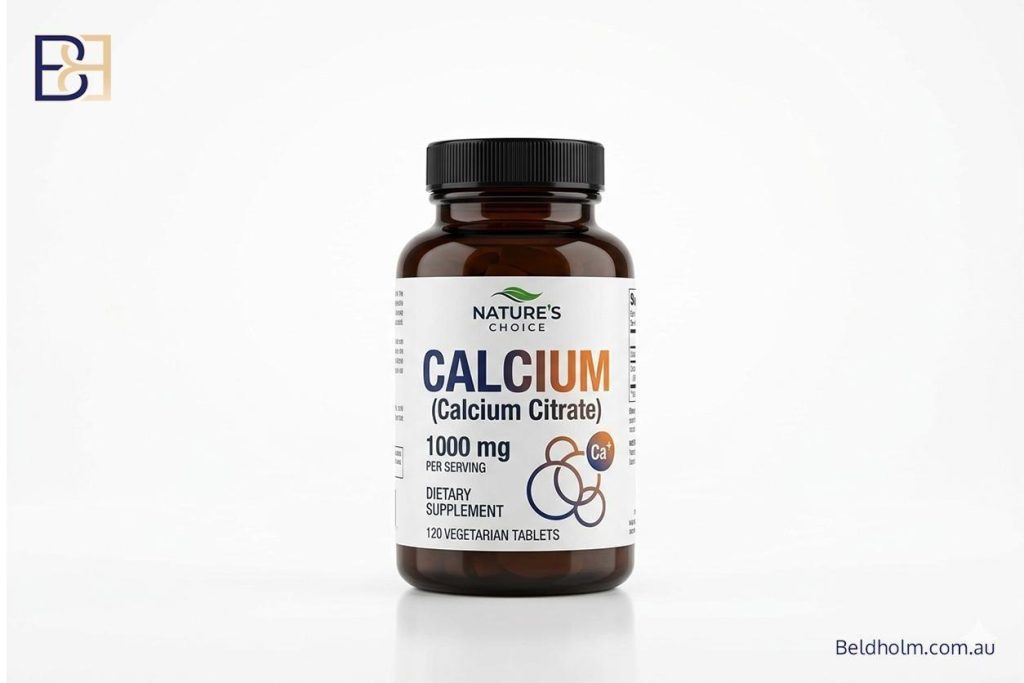
Calcium is relevant for bone health long-term, and for soft tissue calcium handling peri-operatively. Calcium absorption is impaired after bariatric surgery, particularly after procedures with a malabsorptive component. Intake is often reduced because dairy foods are poorly tolerated in the early months after bariatric procedures.
For patients who need supplementation, I recommend calcium citrate rather than calcium carbonate. Citrate is better absorbed in the low-acid environment of a post-bariatric stomach. Calcium is added as a Tier 2 supplement based on blood testing and dietary assessment.
Two Points to Take Away
Two things stand out from this list.
No single deficiency explains the full picture. These nutrients work together in overlapping systems. Patients rarely have just one deficiency. They usually have several that reinforce each other.
Most of these deficiencies are subclinical. A patient can feel completely well and still have a blood profile that raises surgical risk.
That is why the blood panel I order is comprehensive rather than targeted, and why the supplement framework starts with a universal tier before layering in blood-guided corrections.
Why These Deficiencies Matter for Surgery
It is one thing to know a patient has a nutritional deficiency. It is another to understand why that deficiency affects the operation I am about to perform and the recovery that follows.
This section breaks down the four main ways the nutritional picture influences surgical outcomes.
Wound Healing
Wound healing is the single biggest reason I care about pre-operative nutritional picture.
Healing happens in overlapping phases: inflammation, proliferation, and remodelling. Every one of these phases depends on specific nutrients, and every one of them is impaired when those nutrients are low.
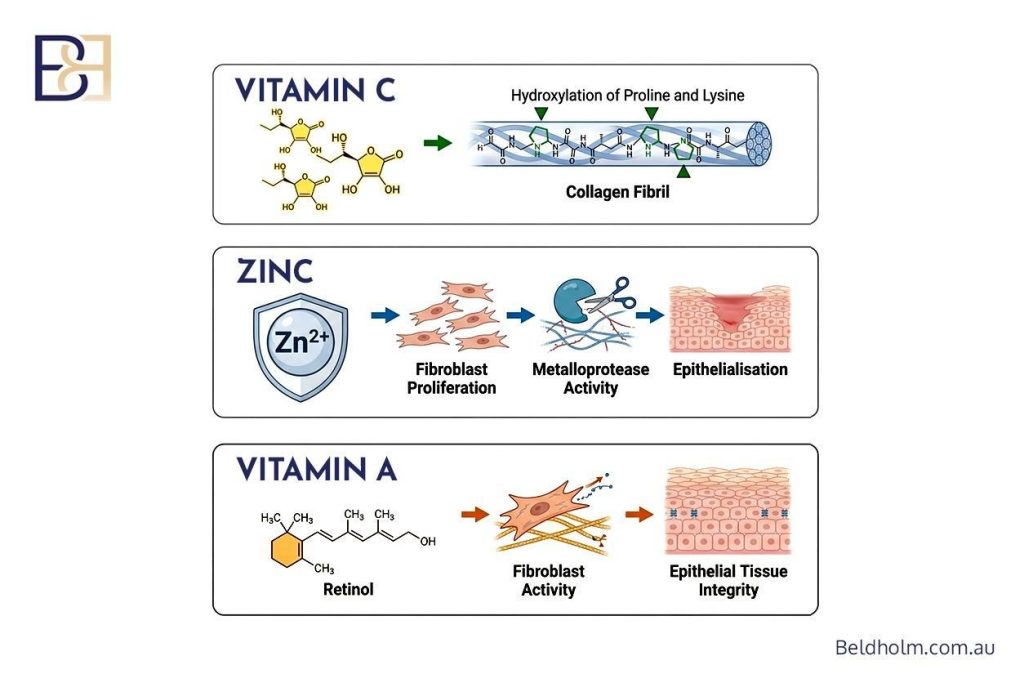
The key nutrients for wound healing are:

- Protein supports fibroblast maturation, collagen production, and angiogenesis
- Vitamin A activates fibroblasts and regulates immune cell activity at wound sites
- Vitamin C is required for collagen hydroxylation, which allows new collagen to be laid down
- Zinc is a cofactor for enzymes involved in collagen synthesis and skin repair
- Iron supports oxygen delivery to healing tissue and enzymatic reactions in collagen formation
- Vitamin D modulates the inflammatory phase of healing
Published research has shown that even modest protein-calorie malnutrition can impair fibroblast activity and reduce collagen deposition, directly increasing the risk of wound-related complications (1, 12).
This is not abstract. Wound-related complications after post-bariatric body contouring are more common than after the same procedures in non-bariatric patients:
- 48% wound-related complications in post bariatric abdominoplasty versus 29% in non-bariatric patients (13)
- 41% wound complications in one large comparative series (14)
- 0% complications in patients who received structured pre-operative protein supplementation, versus 21.7% in the control group (12)
The last figure is the one that should stop a reader. Protein supplementation alone, done properly in the weeks before surgery, was linked to a large drop in wound healing problems. That is a modifiable intervention with a direct clinical return.
Immune Function
Surgery is an immune challenge. The body has to clear bacteria at the wound site, manage inflammation, and prevent infection during a period when tissue is vulnerable and immune cells are working overtime.
Several nutrients are essential for a competent immune response:
- Protein is required for antibody production and immune cell proliferation
- Vitamin A supports mucosal barrier integrity and immune cell function
- Vitamin C is concentrated in immune cells and supports their function
- Vitamin D is involved in bacterial killing and phagocytosis
- Zinc is required for normal T-cell and B-cell function
- Selenium supports antioxidant defences in immune cells
- Iron is required for neutrophil function and oxygen delivery
When any of these nutrients is low, the immune response is less efficient. In the surgical context, this translates to a higher risk of wound infection, delayed healing, and occasionally deeper infection requiring readmission or reoperation.
For patients with multiple concurrent deficiencies, as is common in this group, the effects on immune function are additive.
DVT Risk: The Homocysteine Connection
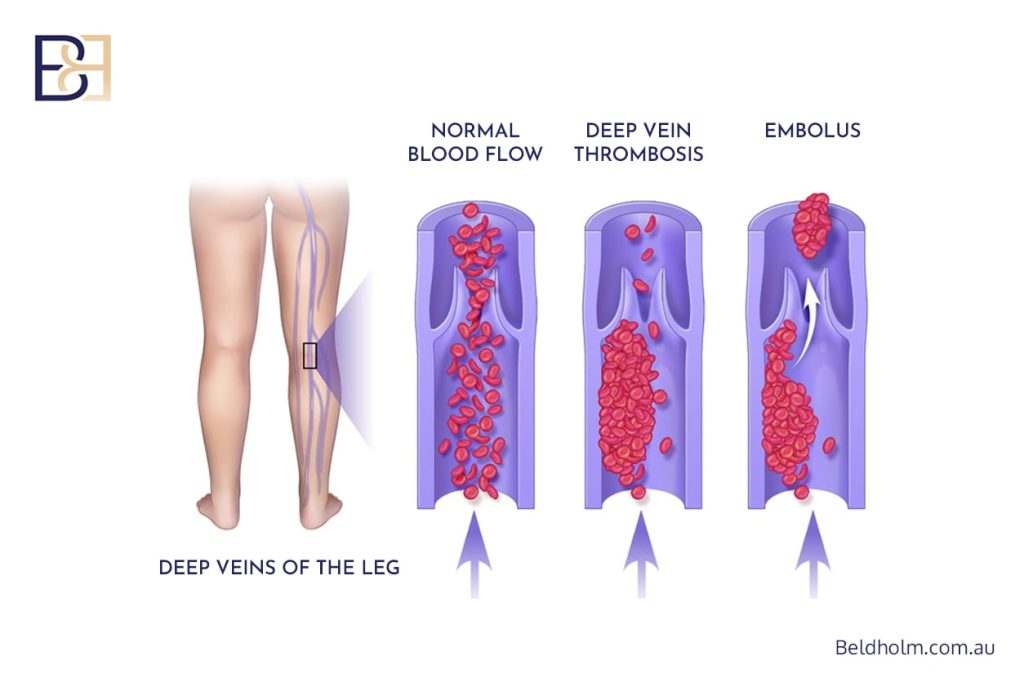
Deep vein thrombosis is one of the most serious potential complications of any major surgical procedure. Body contouring patients are at elevated risk because of the nature of the surgery, the extended operating time, and the reduced mobility in the first few days of recovery.
Most of the DVT risk factors I manage are well known: procedure duration, obesity, smoking history, hormone therapy, previous clot history, and inherited thrombophilia. Nutritional status is rarely mentioned in patient discussions about DVT, but it should be.
The connection runs through homocysteine.
Homocysteine is an amino acid that the body produces as part of normal protein metabolism. It is cleared through two pathways, both of which require specific B vitamins:
- The remethylation pathway requires vitamin B12 and folate
- The transsulfuration pathway requires vitamin B6
When any of these three B vitamins is low, homocysteine accumulates.
Elevated homocysteine above 15 µmol/L is associated with a 2 to 3 times increased risk of thromboembolic events, including DVT (4).
The mechanism is thought to involve endothelial damage and pro-coagulant effects on the vascular wall. Whatever the precise biology, the statistical association is well established.
In my practice, the sequence is:
- Every post-weight-loss patient has B12, folate, and B6 (PLP) checked routinely
- If any of these three is low, homocysteine is ordered as a reflex test
- If homocysteine is elevated, B vitamin repletion is started and DVT risk is reassessed
- Homocysteine is rechecked after four to six weeks of B vitamin supplementation before proceeding with surgery
This is why I do not order homocysteine routinely. The reflex approach is more efficient, and it ties testing directly to actionable findings.
Physiological Reserve

The fourth consideration is how well the patient tolerates the metabolic demands of the operation itself.
A patient with adequate protein stores, normal haemoglobin, stable electrolytes, and adequate B vitamin levels has more reserve than a depleted patient. The factors that matter:
- Anaemia reduces oxygen-carrying capacity. A patient with haemoglobin below 100 g/L is more vulnerable to surgical blood loss
- Low albumin reflects protein status. Severely low albumin increases the risk of perioperative oedema and wound complications
- Electrolyte disturbances, particularly after weight loss or with GLP-1 side effects, can affect cardiac stability
- Thiamine deficiency affects cardiac and neurological function
- Muscle mass is often reduced in this patient group, which affects recovery and early mobilisation. Published research has indicated that 15% to 49% of weight lost on GLP-1 receptor agonist medications can come from lean mass rather than fat (5). A patient with substantial lean mass loss has less functional reserve
Correcting nutritional deficiencies before surgery is not only about wound healing and immune function. It is also about how well the patient handles the operation.
Pulling It Together
Body contouring surgery in a post-weight-loss patient is a high-demand operation performed on a patient population with measurable nutritional vulnerability. The published complication rates reflect this. Most nutritional issues are modifiable through structured pre-operative assessment and correction.
Failing to assess and correct nutritional deficiencies is one of the most common preventable reasons for poor outcomes in this patient group. That is why I do not operate on post-weight-loss patients without a full nutritional work-up first. The time spent in the pre-operative phase is consistently one of the highest-value parts of the whole process.
Weight Stability Before Body Contouring Surgery
Weight stability matters because it is directly tied to nutritional status. A patient who is still actively losing weight is in a catabolic state. Nutritional deficits are worse, tissue perfusion is compromised, and blood test results taken today may look quite different in six months.
For patients using Medicare item numbers for body contouring, the Medicare Benefits Schedule (MBS) requires at least 6 months of stable weight before the procedure. This is a hard eligibility requirement.
My personal recommendation is longer. For most post-weight-loss patients, I look for 6 to 12 months of weight stability before proceeding. For those who have undergone bariatric surgery, I prefer 12 to 18 months from the date of the bariatric procedure. For patients on GLP-1 receptor agonist medications, 6 to 12 months of stable weight on or after the medication is my preference.
Ongoing weight loss is a contraindication to body contouring surgery. It is not a delay or an inconvenience. The reasons are nutritional and structural: nutrient levels are fluctuating, tissue perfusion is compromised post surgery, wound healing capacity is reduced, and cosmetic outcomes for excess skin correction are unpredictable when tissue is still contracting.
Stability does not mean weight has not changed at all. It means the pattern has flattened. Practical indicator: weight has not varied by more than 2 to 3 kg over the past six months, the patient is maintaining without restrictive effort, and no further weight loss is planned. Patients approaching their ideal body weight typically meet this stability marker within 6 to 12 months.
These timelines correlate with better outcomes. They are also the window in which nutritional optimisation work can be done effectively. Operating on a patient whose weight is still changing, regardless of how well their supplements are going, does not produce the same result.
BMI in Context: Not a Hard Cut-Off
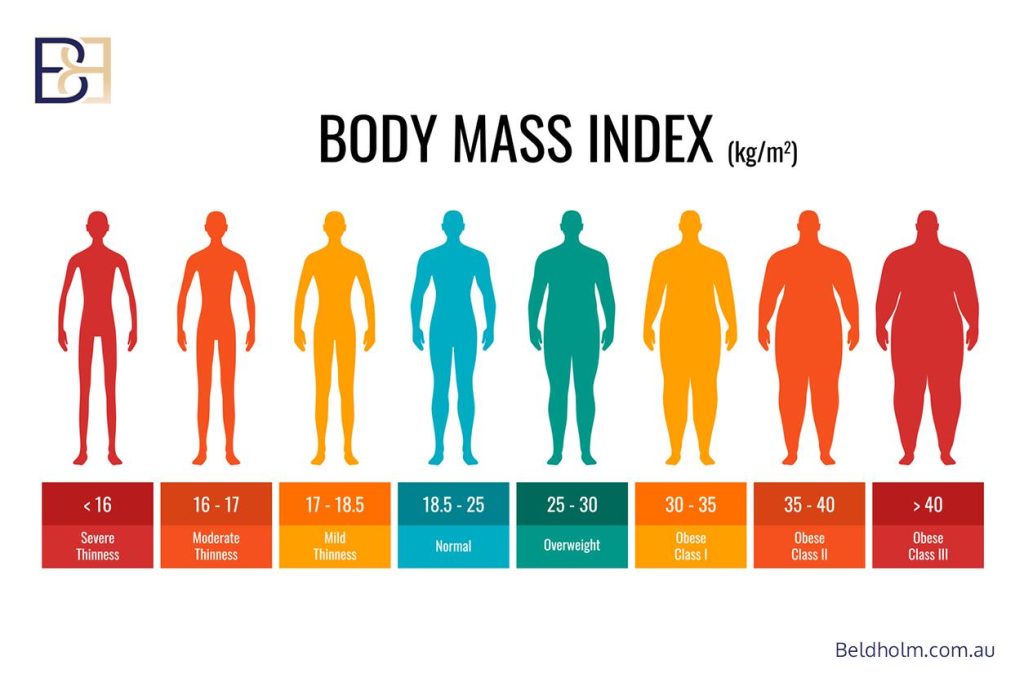
Body mass index (BMI) is one of the most commonly referenced numbers in body contouring consultations. For post-weight-loss patients, it is one piece of information among several, not a verdict.
The published guidance often cited in body contouring literature recommends a BMI of 20 to 30 kg/m² as an ideal range before surgery. I use this range as guidance, not a fixed rule.
The reason: two patients with the same BMI can have very different body compositions, nutritional profiles, and surgical risk. A muscular, nutritionally optimised, weight-stable patient with a BMI of 32 may be an excellent candidate. A patient with a BMI of 30 who has lost weight rapidly on a GLP-1 receptor agonist medication, with low albumin and reduced muscle mass, may not be surgically ready despite being within the “ideal” range.
What matters is the full clinical picture: body composition, nutritional picture from the blood panel, weight stability, tissue quality, medical comorbidities, smoking status, and the specific procedure planned.
In selected cases where BMI is borderline or body composition is genuinely unclear, a DEXA body composition scan can be useful. DEXA measures lean mass, fat mass, and bone density separately. It is not routine in my practice, but I use it where the clinical question warrants it, particularly in patients who have lost significant lean mass on GLP-1 medications.
BMI is a starting point, not a verdict. The decision on whether to proceed with surgery is based on the complete clinical picture. Results vary from patient to patient, and candidacy is assessed individually at consultation.
My Pre-Operative Blood Panel
The blood panel I order is the backbone of the nutritional assessment process. It is comprehensive by design. Missing a deficiency that later contributes to a complication costs far more than running the full panel at the start.
This section covers what I order, why each test matters, and how the results drive the supplement framework.
When the Bloods Are Ordered
Pre-operative blood tests are ordered at the first consultation. This gives enough time for results to come back, for a second consultation to discuss them, and for any identified deficiencies to be treated for at least 4 weeks before surgery. Earlier is better. Eight weeks of correction is more effective than four, particularly for vitamin D, iron, and B vitamin deficiencies.
Results are reviewed at the second consultation, typically two to four weeks after the first. At this visit I go through each result with the patient, add or adjust supplements, and confirm the next steps.
The Core Panel (Ordered for Every Post-Weight-Loss Patient)
The following tests are ordered for every post-weight-loss body contouring patient, regardless of which weight loss method was used.
Full blood count (FBC) with differential
- MBS item 65070
- Australian reference: Haemoglobin 120 to 160 g/L (female), 130 to 170 g/L (male); WBC 4.0 to 11.0 × 10⁹/L; Platelets 150 to 400 × 10⁹/L
- Haemoglobin below 100 g/L means surgery is deferred.
Coagulation screen (PT, APTT, INR)
- MBS items 65120 and 65110
- Australian reference: PT 10 to 13 seconds; INR 0.8 to 1.2; APTT 25 to 35 seconds
- Relevant to bleeding risk and DVT prophylaxis planning.
Liver function tests (LFTs) including albumin
- MBS item 66500-series
- Australian reference: ALT 7 to 56 U/L; ALP 44 to 147 U/L; bilirubin below 21 µmol/L; albumin 35 to 50 g/L
- Albumin is my primary marker of longer-term protein status.
Electrolytes, urea, creatinine (EUC)
- MBS item 66500-series
- Australian reference: Sodium 136 to 145 mmol/L; potassium 3.5 to 5.0 mmol/L; creatinine 45 to 90 µmol/L (female), 60 to 110 µmol/L (male)
- Electrolyte disturbances are common after weight loss or with GLP-1 side effects.
Fasting glucose and HbA1c
- MBS items 66503 and 66551
- Australian reference: Fasting glucose 3.9 to 5.5 mmol/L; HbA1c below 48 mmol/mol (below 6.5%)
- Many post-weight-loss patients have a history of type 2 diabetes or insulin resistance.
Iron studies (ferritin, serum iron, transferrin saturation, TIBC)
- MBS item 66596
- Ferritin reference range varies by lab; low ferritin with low transferrin saturation indicates iron deficiency.
- Iron status affects haemoglobin, wound healing, and operative blood loss tolerance.
Hepatitis B, Hepatitis C, and HIV serology
- Ordered as part of surgical safety screening for any elective procedure of this scale.
Thyroid function tests (TSH, free T4)
- Undiagnosed or inadequately treated thyroid disease affects metabolism, wound healing, and recovery.
Beta-hCG (serum pregnancy test)
- MBS item 66700
- Ordered for all women of reproductive age. General anaesthesia is contraindicated in pregnancy.
The Extended Micronutrient Panel
This is what distinguishes the post-weight-loss panel from a general pre-operative work-up. The extended panel covers the nutrients most commonly affected in this patient group.
Vitamin D (25-OH vitamin D)
- MBS item 66833 (rebatable with qualifying risk factor such as obesity or bariatric history)
- Australian units: nmol/L
- Target for surgical patients: 75 to 150 nmol/L
Vitamin A (serum retinol)
- MBS item 66608
- Australian reference: 1.05 to 2.80 µmol/L
- Interpret alongside albumin. Low albumin artificially depresses the retinol reading.
Vitamin B1 (thiamine)
- MBS item 66605
- Australian units: nmol/L
- Low thiamine presents rarely but seriously when it does.
Vitamin B6 (PLP, pyridoxal-5-phosphate)
- MBS item 66605
- Part of the routine panel for all post-weight-loss patients in my practice. This has been updated from historical practice where B6 was checked only on clinical suspicion.
B12 (total serum B12)
- MBS item 66838 (rebatable once per 11 months with clinical criteria)
- Australian units: pmol/L
- Reference ranges vary by lab. Values in the low-normal range are interpreted with clinical context in this patient group.
Folate (serum folate and red cell folate)
- MBS item 66542
- Australian units: nmol/L
- Red cell folate reflects longer-term folate status than serum folate.
Vitamin E
- Ordered as part of the fat-soluble vitamins screen in this patient group.
Zinc (serum)
- MBS item 66720
- Australian units: µmol/L
- Serum zinc is not a perfectly reliable marker. I interpret alongside clinical context and dietary history.
Selenium
- MBS item 66725
- Less commonly deficient than zinc, but checked routinely in this group.
What I Do Not Order Routinely

A few things worth noting because they are commonly asked about:
- Prealbumin is not ordered in my practice. There is no dedicated MBS item, and albumin gives me the information I need for the time window that matters
- Homocysteine is not ordered routinely. It is ordered as a reflex test only if B12, folate, or B6 returns low on the main panel
- Vitamin K is not ordered as a standalone test. Coagulation screen and liver function provide indirect information, and vitamin K status is rarely the limiting factor
Interpreting the Results
Blood tests are not read in isolation. A low-normal result in one patient may be clinically significant. A formally low result in another patient may not be urgent. Context always matters.
Patterns I pay particular attention to:
- Low albumin combined with low haemoglobin suggests broader nutritional depletion
- Low B12, folate, or B6: triggers reflex homocysteine testing
- Low vitamin D below 50 nmol/L: aggressive supplementation before surgery
- Low ferritin with low haemoglobin: iron deficiency anaemia often requires IV iron
- Albumin below 30 g/L: delay surgery, refer to an accredited practising dietitian
These thresholds are drawn from published guidance and from my own clinical experience in this patient group. Individual results are always discussed with the patient at the blood results consultation.
Post-Operative Blood Retest
Pre-operative blood testing is only half the picture. Postoperative nutritional deficiencies can persist or emerge even in patients who were optimised before surgery. For most post-weight-loss patients, I arrange a follow-up blood panel at 6 to 8 weeks post-operatively to guide ongoing supplementation.
The post-operative panel typically covers:
- Vitamin D, to confirm therapeutic dosing has brought levels into the target range
- Iron studies, particularly if iron deficiency was identified pre-operatively
- Vitamin B12 and folate
- Zinc
Results guide the next phase. Tier 2 supplements may be continued, adjusted, or stepped down based on the numbers. From this point, ongoing nutritional follow-up transitions back to the patient’s GP with regular follow ups. For bariatric surgery patients, this is a lifelong commitment.
Medicare Rebatability

Most of the blood tests I order are Medicare-reimbursable with an appropriate clinical indication. Post-weight-loss status, bariatric history, and specific clinical concerns generally meet the criteria.
A small number of tests may carry a private cost, and these are discussed with patients in advance. The pathology request form is issued at the first consultation, and patients typically have their blood collected at a local Australian pathology collection centre (Sullivan Nicolaides, Laverty, Australian Clinical Labs, or similar).
The Bottom Line
The comprehensive panel moves the supplement decision from assumption to information. Identifying deficits early helps prevent nutritional deficiencies from progressing to clinical problems that compromise surgical outcomes. Without it, the framework is guesswork. With it, I can deliver Tier 1 supplementation to every post-weight-loss patient, add Tier 2 where specific deficiencies are confirmed, and avoid over-supplementation where it is not needed.
That framework is next.
The Two-Tier Supplement Framework
Once the blood results are back and interpreted, the next step is the supplement plan. I use a two-tier approach. Some nutritional vulnerabilities are near-universal in post-weight-loss patients. Others only appear in specific patients, and only when confirmed on blood testing. The framework matches this reality.
Blanket high-dose supplementation of every nutrient is neither safe nor necessary. Under-supplementation of universal vulnerabilities is also unacceptable. The tiered approach keeps both errors out of the protocol.
The Logic Behind the Tiers
Tier 1 (universal supplements). These are initiated in every post-weight-loss patient during surgical planning, regardless of the blood results. The evidence base supports near-universal deficiency or vulnerability for these nutrients in this patient group. Starting them early, before results are back, means no time is wasted.
Tier 2 (blood-guided supplements). These are added only when the extended blood panel confirms a specific deficiency. Therapeutic doses are substantially higher than standard maintenance, and clinical oversight is required. Starting them without a confirmed indication carries its own risk, particularly for fat-soluble vitamins and trace elements.
The two tiers work together. Tier 1 treats the baseline. Tier 2 corrects the specific issues.
Tier 1: The Five Universal Supplements
Every post-weight-loss patient in my practice starts these five supplements at the time of surgical planning, which is typically at the first consultation. Tier 1 is commenced a minimum of four weeks before surgery. Earlier is better, and eight weeks total (four weeks pre-op and four weeks post-op) is the ideal window.
For bariatric surgery patients, many of these are lifelong requirements rather than perioperative only.
1. Whey Protein Isolate
Dose: 80 – 100 g of protein per day pre-operatively; 1.6 to 3.0 g/kg/day post-operatively until wound closure is confirmed.
Whey protein isolate (WPI) is the form I recommend because of its high biological value and rapid absorption. A dedicated section later in this article covers protein in detail, including why the form matters, how to practically meet the daily target, and what to do if patients cannot hit it.
2. Complete Multivitamin
Dose: one to two tablets per day with food.
A good multivitamin covers baseline requirements for a range of micronutrients. It does not replace targeted supplementation for confirmed deficiencies, but it is a useful foundation. For patients who have undergone bariatric surgery, a dedicated bariatric multivitamin (higher dose of commonly deficient nutrients) is preferable to a standard over-the-counter product.
3. Vitamin D3 plus Vitamin K2
Dose: vitamin D3 3,000-6,000 IU/day plus vitamin K2 MK-7 100 µg/day.
Vitamin D3 (cholecalciferol) is the form I use. Vitamin D2 (ergocalciferol) is less effective and is avoided.
At therapeutic doses, vitamin D3 must be paired with vitamin K2 in the MK-7 form. K2 directs calcium to the bones rather than soft tissues and reduces the risk of vascular calcification over time. This pairing becomes more important as the vitamin D dose rises.
4. Vitamin C
Dose: 1-2 g/day perioperatively, then stepped down to 60 mg/day for maintenance after the surgical window.
Vitamin C supports collagen synthesis during wound healing. High-dose vitamin C (above 2 g/day) is discontinued 1 week before surgery and resumed immediately afterwards.
5. Zinc (Maintenance)
Dose: 8-11 mg/day.
Zinc supports collagen synthesis, immune function, and tissue repair. Higher therapeutic doses are reserved for Tier 2 when blood testing confirms deficiency. Zinc should be separated from iron by two hours because they compete for absorption.
Tier 2: Blood-Guided Supplements

Tier 2 supplements are added only after the blood results confirm a specific deficiency. The list below covers the most common Tier 2 additions in post-weight-loss patients.
Iron (for confirmed iron deficiency)
Indication: ferritin below the reference range, transferrin saturation below 20%, or iron-deficiency anaemia on FBC and iron studies.
Oral iron dose: 45 to 60 mg/day of elemental iron for maintenance in menstruating women and after bariatric procedures. 150 to 300 mg/day for active deficiency.
Oral iron forms I use: iron polymaltose (Maltofer), slow-release iron (Ferro-Gradumet), or liquid iron (Spatone) for patients with gut intolerance.
Intravenous iron is frequently required because oral absorption is poor in this group. Around 50% of post bariatric patients with iron deficiency may need IV iron at some point. IV iron is arranged through the patient’s GP.
Take oral iron with vitamin C to enhance absorption. Separate from calcium and zinc by two hours.
B12 (for confirmed deficiency)

Indication: low serum B12, or symptoms of deficiency, including fatigue, neuropathy, or glossitis.
Dose: 350 to 1,000 µg/day oral (sublingual preferred after gastric bypass due to reduced intrinsic factor). 1,000 to 2,000 µg/day for repletion.
For patients with confirmed malabsorption or persistent deficiency despite oral supplementation, intramuscular injection is arranged through the GP.
Methylcobalamin is the form I prefer for oral and sublingual supplementation, as it is better absorbed than cyanocobalamin.
Folate (for confirmed deficiency)
Indication: low serum folate, low red cell folate, or elevated homocysteine with low B12 or B6 on reflex testing.
Dose: 400 to 800 µg/day for standard repletion. Women of reproductive age or childbearing age: 800 to 1,000 µg/day. For confirmed deficiency or elevated homocysteine: 1 to 5 mg/day.
Methylfolate (5-MTHF) is the form I recommend, particularly for patients with the MTHFR gene variant.
If folate is low, homocysteine is checked as a reflex test. If homocysteine is elevated, folate supplementation is combined with B12 and B6 repletion.
Vitamin A (for confirmed deficiency)
Indication: low serum retinol on blood testing.
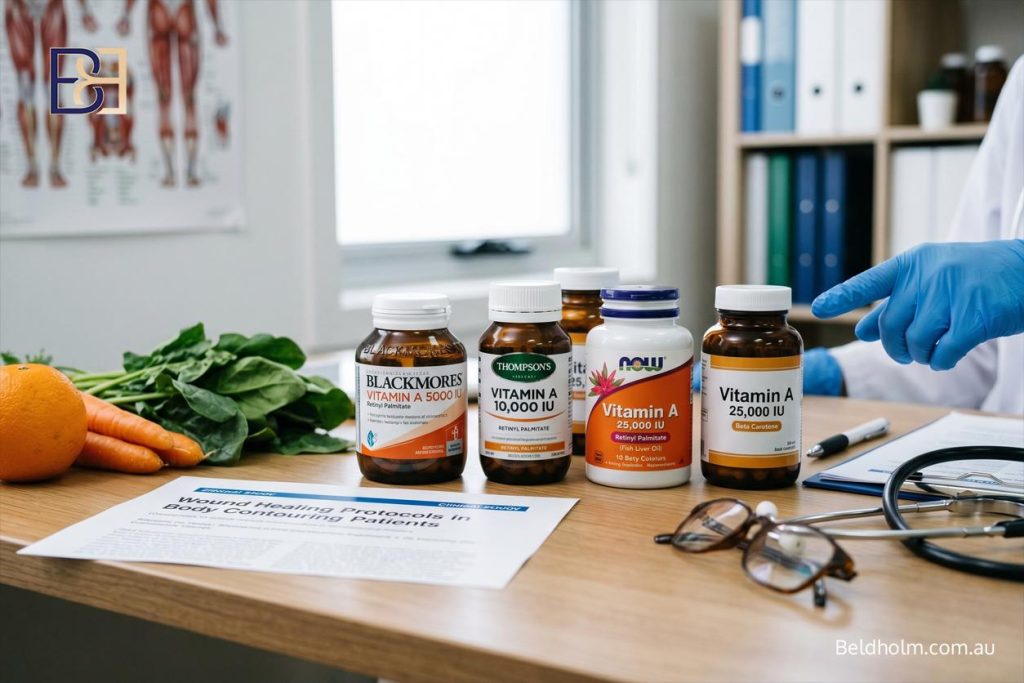
Standard therapeutic dose: 5,000 to 10,000 IU/day of retinyl palmitate. Higher peri-operative doses (25,000 to 50,000 IU/day) may be used in selected bariatric surgery patients for a defined time window, under supervision.
High-dose vitamin A is contraindicated in pregnancy. Women of reproductive age must have pregnancy status confirmed before starting therapeutic doses.
Thiamine (for confirmed deficiency)
Indication: low serum thiamine on blood testing, or clinical suspicion of deficiency.
Oral thiamine is first-line for mild to moderate deficiency. Intravenous thiamine is used if neurological symptoms are present. Thiamine deficiency with neurological features is managed in partnership with the GP or, if severe, in a hospital setting.
Calcium Citrate (for confirmed deficiency or reduced intake)
Indication: low serum calcium, or inadequate dietary calcium intake combined with bariatric surgery.
Dose: 1,200 to 1,500 mg/day in divided doses with meals.
Calcium citrate is preferred over calcium carbonate after bariatric procedures, because it is better absorbed in a low-acid environment. Separate from iron supplementation by two hours.
Selenium (for confirmed deficiency)
Dose: 100 µg/day, with careful monitoring. Selenium has a narrow therapeutic window and excess selenium is toxic.
Magnesium (for confirmed deficiency or GLP-1 patients with low magnesium)
Magnesium is flagged particularly in patients on GLP-1 receptor agonist medications. Gastrointestinal side effects combined with reduced dietary intake can deplete magnesium.
Dose is individualised based on the blood result.
Who Manages What
The management of supplementation is shared across the healthcare team:
- Dr Beldholm (me): pre-operative nutritional assessment, ordering of bloods, starting Tier 1 supplements, correcting confirmed deficiencies before surgery
- Dietitian (Accredited Practising Dietitian): perioperative management, in-hospital nutrition support where applicable, and complex cases
- GP (or the patient’s bariatric or endocrinology team): long-term follow-up, lifelong supplementation management for this patient group, IV iron arrangements, B12 injections
My direct management of supplementation runs from surgical planning through approximately four weeks post-op. After that window, management and follow-up appointments transition back to the GP.
The Principle
The tiered framework treats universal vulnerabilities immediately and treats specific deficiencies specifically. It is not a one-size-fits-all approach, and it is not a guess. Blood results drive the decisions.
For most patients, the Tier 1 supplements plus one or two Tier 2 additions cover everything. For some, Tier 2 includes several nutrients and more involved management. For a few, the pre-operative period becomes a four to eight week optimisation process before surgery is booked.
Patients who come into theatre nutritionally prepared have better health outcomes and a recovery that reflects that preparation.
Protein: The Nutrient That Deserves Its Own Section

Protein sits in the Tier 1 list alongside four other universal supplements, but it earns a dedicated section. It drives outcomes in post-weight-loss body contouring more consistently than any other single nutrient. The evidence is strongest, the intervention is simplest, and the clinical return is largest.
Why Protein Matters So Much for Wound Healing
Wound healing is protein-dependent at every stage.
During the inflammatory phase, immune cells migrate to the wound. These cells are made of protein and release protein-based signalling molecules.
During the proliferative phase, fibroblasts multiply and produce collagen, which is the structural framework of new tissue. Collagen itself is a protein, and the enzymes that build and cross-link it are proteins.
During the remodelling phase, collagen is reorganised and strengthened. This process can continue for months after the wound looks closed on the surface.
Without adequate protein, every one of these phases is slower, less efficient, and more vulnerable to complications. Clinically that shows up as wound breakdown, delayed healing, seroma formation, and infection.
The Numbers
The published research on protein supplementation in this patient group is specific:
Pre-operative protein requirement: 1.2 to 1.5 g/kg/day, starting at least four weeks before surgery.
Post-operative protein requirement: 1.6 to 3.0 g/kg/day for four to six weeks, or until wound closure is confirmed.
Minimum daily target: 75 to 100 g of protein per day for any post-weight-loss patient approaching body contouring procedures.
Post-surgical metabolic demand: protein requirements rise by approximately 25% after major elective surgery (12).
The headline figure: one well-designed study reported wound healing complication rates of 0% in post-bariatric abdominoplasty patients who received structured protein supplementation pre-operatively, compared to 21.7% in the control group (12).
That drop is substantial, and it reflects a modifiable intervention delivered during a defined window.
Why Protein Is Often the Most Severe Deficit
Protein-calorie malnutrition has been documented in up to 25% of these patients for months to years post surgery (1). Protein intake reductions of approximately 17% have been reported on GLP-1 receptor agonist medications (2). Patients who have reduced weight through significant dietary restriction are also vulnerable.
The common picture across all three groups is the same: a patient who looks healthy, whose weight has stabilised, and whose protein stores are chronically depleted. This matters because protein is not a micronutrient. It is the bulk building material for tissue repair, and the reserves built up by adequate dietary protein in the weeks before surgery directly determine what the body has to work with in the weeks after.
Whey Protein Isolate: Why the Form Matters
Of the protein supplements available on the Australian market, whey protein isolate (WPI) is the form I recommend for this patient group.
The reasons:
- High biological value. WPI contains the complete essential amino acid profile the body needs for muscle and tissue synthesis
- Rapid absorption. WPI is digested and absorbed quickly, which suits patients with limited food tolerance
- High leucine content. Leucine is the amino acid that most strongly triggers muscle protein synthesis
- Low lactose. WPI is suitable for most patients with mild lactose intolerance, which is common after bariatric surgery
- Practical convenience. A single 30 g scoop delivers 25 to 27 g of high-quality protein in a form that can be mixed with water and consumed quickly
Whey protein concentrate is a reasonable alternative but contains more lactose and slightly less protein per serving. Plant-based protein blends can work for patients with genuine lactose intolerance or dairy avoidance, though achieving the same amino acid profile requires combining sources.
True Protein WPI90 is my personal recommendation, based on personal use. It is a high-grade whey protein isolate with minimal additives.
Other reasonable options on the Australian market include Optimum Nutrition Gold Standard whey. I have no financial relationship with any protein supplement brand.
How to Actually Meet the Target
Getting to 80-100 g of protein per day sounds easier than it is, particularly for patients with limited food tolerance.
The practical approach I discuss with patients:
Distribute across the day. Aim for 20 to 40 g of protein per meal or snack, spread evenly across waking hours. Single large protein boluses are used less efficiently than distributed intake.
Track the first week. A food-tracking app (free apps like MyFitnessPal, Cronometer, or the Fitbit app work well) for the first week helps patients see where their current intake actually sits. Most are surprised how far short they are.
Build around nutrient-dense foods and whole food protein first. Eggs, Greek yoghurt, lean meat, fish, legumes, tofu, and whole grains with added protein. Whole food protein comes with a range of other nutrients and fibre that supplements do not provide.
Supplement to close the gap. WPI is used to cover the difference between whole-food intake and the daily target. For most patients, this means one to two 30 g scoops per day.
Protein with every meal and snack. This anchors the daily pattern and makes it easier to hit the target without trying to consume large amounts at one sitting.
Liquid protein for difficult days. For patients with nausea, GLP-1 side effects, or low appetite, liquid protein (a WPI shake) is far easier to consume than dense solid protein.
The Post-Operative Period
In the first few days after surgery, appetite is often poor. Patients are tired, uncomfortable, and recovering from anaesthesia. Hospital meals are designed for a general inpatient population and may not provide the protein intake a post-weight-loss body-contouring patient needs.
The practical workaround:
- Bring your own whey protein isolate to the hospital. Patients at Maitland Private Hospital may bring their own WPI if they prefer
- Protein shakes during admission. These are easier to consume than solid food in the first 24 to 48 hours
- Dietitian support. Maitland Private has an on-ward dietitian service and a range of protein supplements and dietary aids available. I frequently arrange dietitian review during admission to optimise recovery
In the first four to six weeks after surgery, the protein target rises to 1.6 to 3.0 g/kg/day. This is higher than the pre-operative target because the body is actively healing wounds, rebuilding tissue, and mounting an immune response. The increased requirement reflects the increased metabolic demand.
For a broader discussion of recovery after abdominoplasty (tummy tuck) and the full post-operative care protocol, see my abdominoplasty aftercare guide.
When Protein Alone Is Not Enough
A small number of patients, despite best efforts, cannot meet the protein target through combined food intake and supplementation. The reasons are usually:
- Severe appetite suppression on GLP-1 medications
- Marked food intolerance after bariatric surgery
- Persistent nausea or reflux
- Complex medical comorbidities affecting intake
For these patients, the next step is referral to an Accredited Practising Dietitian (APD) for intensive nutritional support. In some cases, a temporary GLP-1 dose reduction may be considered in partnership with the treating doctor and healthcare team, though patients should never initiate it independently.
If the protein target genuinely cannot be met, surgery is deferred. Proceeding with surgery in a protein-depleted patient increases the risk of wound complications to a level I am not willing to accept.
The Key Message
Protein is the most modifiable nutritional factor in this patient group. It is also the most important one for wound healing.
Hitting 80 to 100 g of protein a day takes concerted effort. In the four weeks before surgery, and 1.6 to 3.0 g/kg/day for four to six weeks after, is one of the highest-return things a patient can do for their surgical outcome.
Results vary, and individual protein targets are adjusted based on body weight, blood results, and clinical context. The framework above is the starting point.
Australian Supplement Brand Suggestions
Patients frequently ask which specific brands to buy. The list below covers the brands I most commonly recommend. It is a practical reference, not exhaustive. Other products meeting the same clinical quality criteria are equally acceptable.
Clinical Quality Criteria
Not all supplements are equal. The brands listed below were chosen on the following criteria:
- Bioavailable forms: vitamin D3 rather than D2, methylfolate rather than folic acid, calcium citrate rather than carbonate, iron polymaltose or bisglycinate rather than sulfate
- Minimal additives: fewer fillers, binders, artificial colours, and sweeteners
- Independent testing where possible: third-party tested for content accuracy and contamination
- Australian availability: stocked locally without complex importation
I have no financial relationship with any of the supplement brands mentioned below. True Protein WPI90 is my personal recommendation for whey protein isolate, based on my own use.
Tier 1 Supplements: Brand Options
Whey Protein Isolate
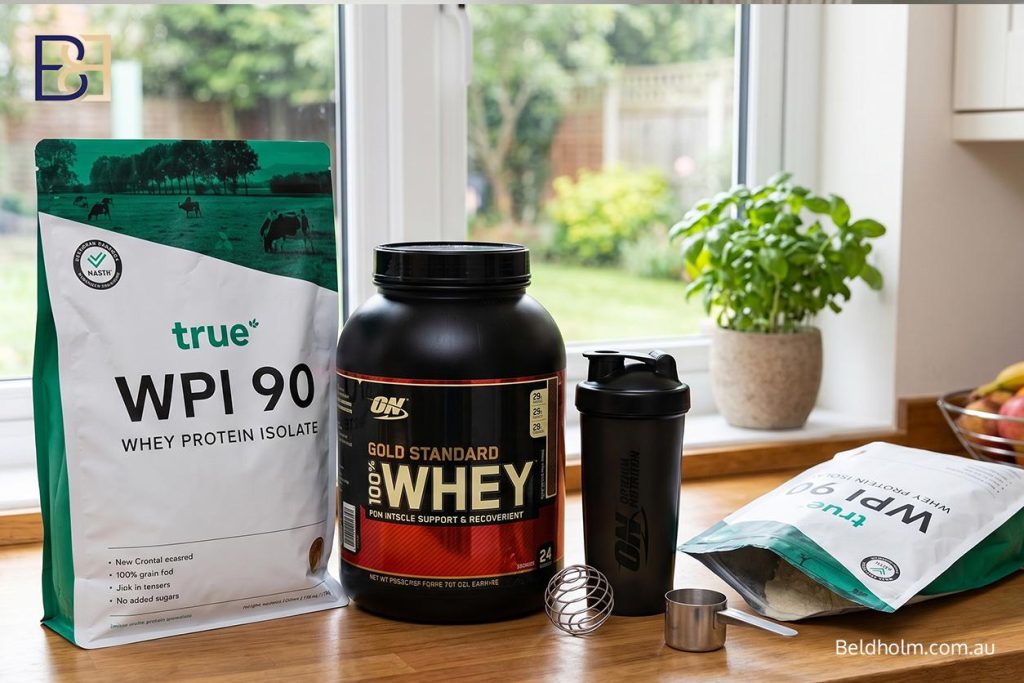
- True Protein WPI90 (my personal preference). Available from trueprotein.com.au
- Optimum Nutrition Gold Standard (widely stocked alternative). Available from Chemist Warehouse, Amazon AU
Complete Multivitamin

- Celebrate Vitamins Bariatric Multivitamin (specifically formulated for this patient group). Available online
- Centrum Advance (widely available, good general coverage). Available from Chemist Warehouse, Pharmacy Direct, Amazon AU
- Cenovis Multivitamin. Available from Chemist Warehouse, Priceline
Vitamin D3 plus Vitamin K2
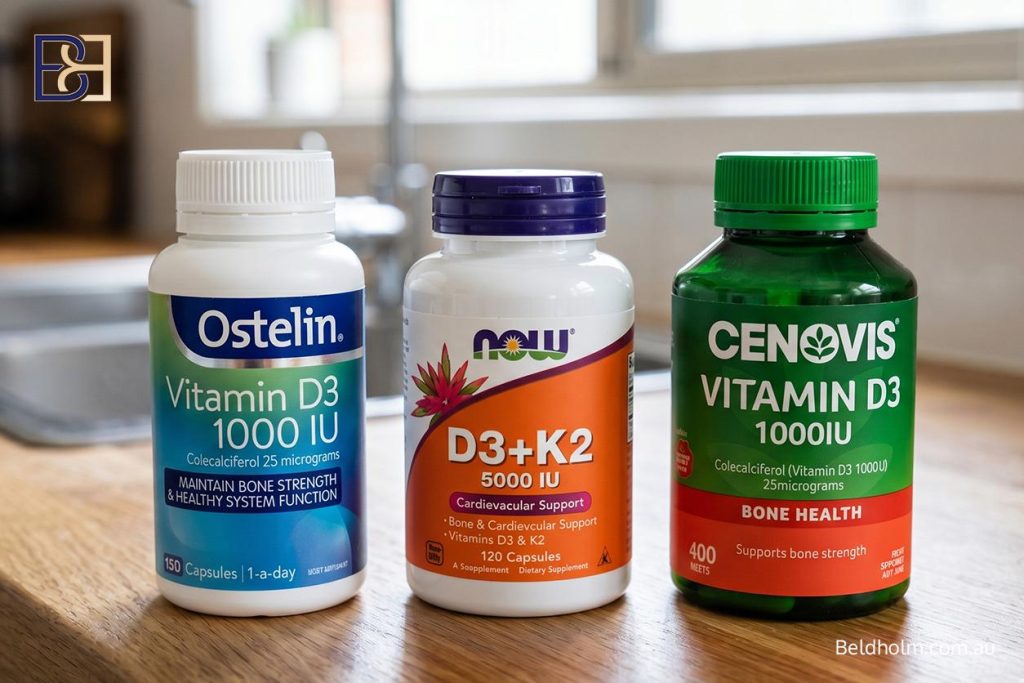
- Ostelin Vitamin D3 1000 IU (combined with K2 available). Available from Chemist Warehouse, Pharmacy Direct
- NOW D3+K2 5000 IU (for patients on higher therapeutic doses). Available from iHerb, Amazon AU
- Cenovis Vitamin D3. Available from Chemist Warehouse
For patients on 3,000 to 6,000 IU daily, I recommend a combined D3 + K2 MK-7 product, or separate D3 plus a dedicated K2 MK-7 supplement at 100 µg/day.
Vitamin C

- Cenovis Mega C 1000 mg. Available from Chemist Warehouse
- Blackmores Bio C 1000 mg. Available from Chemist Warehouse, Priceline
- Swisse Vitamin C 1000 mg. Available from Chemist Warehouse, Priceline, Amazon AU
Two 1000 mg tablets per day meets the 2 g perioperative target.
Zinc (Maintenance Dose)
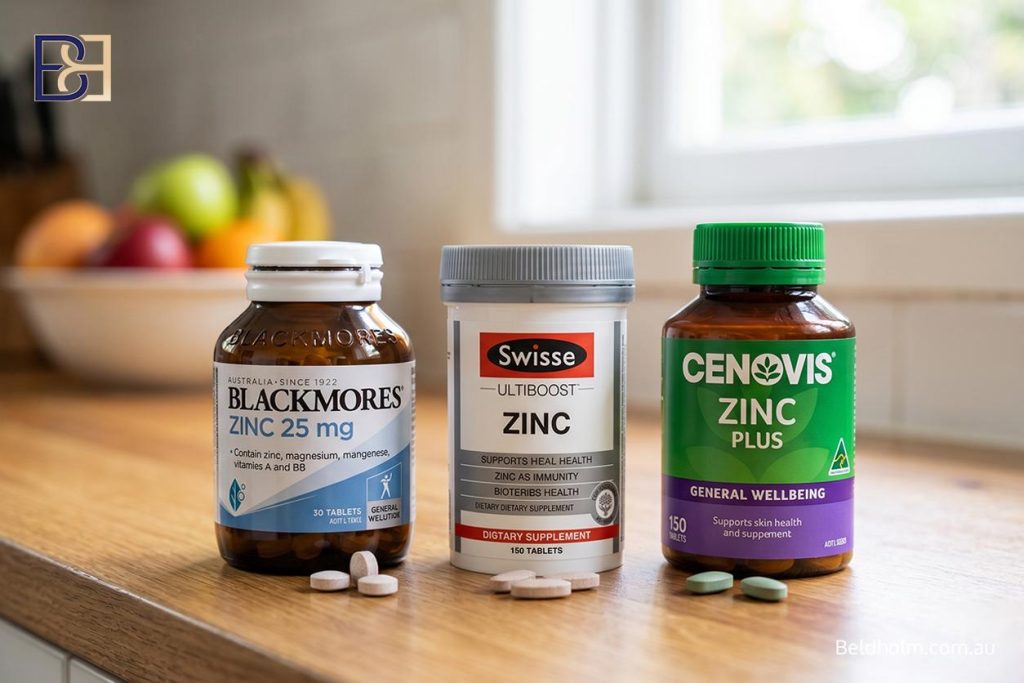
- Blackmores Zinc 25 mg. Available from Chemist Warehouse, Priceline
- Swisse Ultiboost Zinc. Available from Chemist Warehouse, Priceline
- Cenovis Zinc Plus. Available from Chemist Warehouse
For the 8 to 11 mg/day maintenance target, these products are typically taken as half a tablet or every second day rather than the full labelled dose.
Tier 2 Supplements: Brand Options
Iron (for confirmed deficiency)
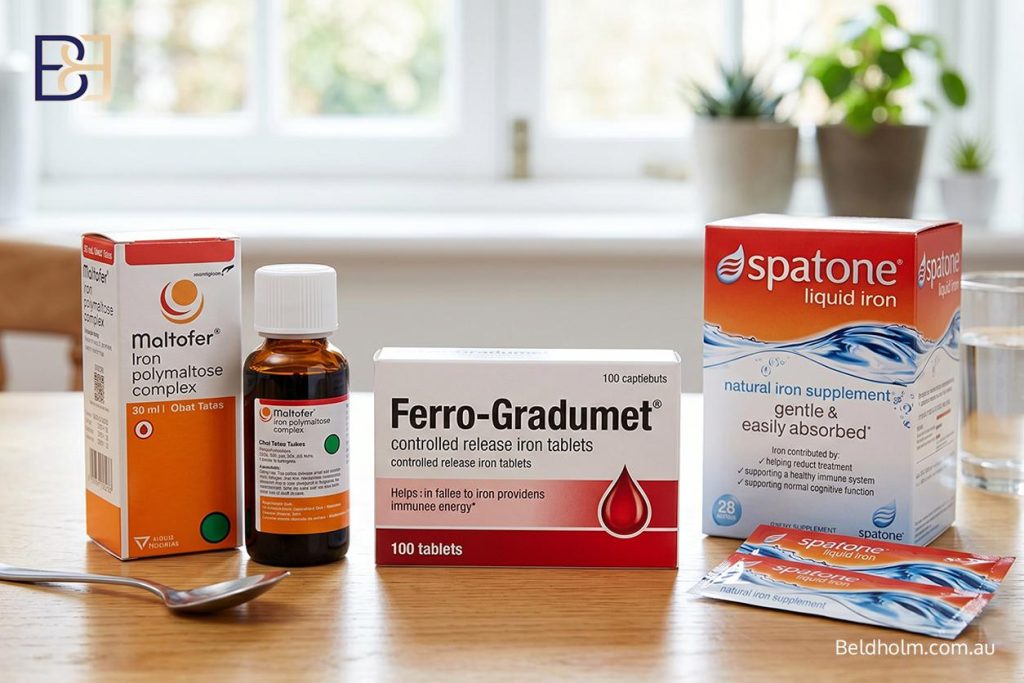
- Maltofer (iron polymaltose, gentler on the gut than iron sulfate). Available from Chemist Warehouse, pharmacy prescription for higher doses
- Ferro-Gradumet (slow-release iron). Available from Chemist Warehouse, Priceline
- Spatone (liquid iron, particularly gentle for sensitive stomachs). Available from Chemist Warehouse, Priceline
Iron bisglycinate is another well-tolerated form available in various Australian brands. IV iron is arranged through the patient’s GP.
Vitamin B12

- Nature’s Own Activated Methyl B12 (methylcobalamin form, sublingual). Available from Chemist Warehouse, Priceline
- Blackmores Vitamin B12 1000 mcg. Available from Chemist Warehouse
- Ethical Nutrients Mega B (B-complex with activated forms). Available from Chemist Warehouse
For patients who need intramuscular B12 (malabsorption or persistent deficiency despite oral supplementation), this is arranged through the GP.
Folate (Methylfolate)

- Blackmores Folate 500 mcg. Available from Chemist Warehouse
- Ethical Nutrients Mega B (contains methylfolate). Available from Chemist Warehouse
- Methylfolate form (5-MTHF) in activated B-complex products
For women of reproductive age or patients with confirmed deficiency, doses above standard multivitamin content are typically required. Specific dosing is worked out at the blood results consultation.
Vitamin A (High-Dose)
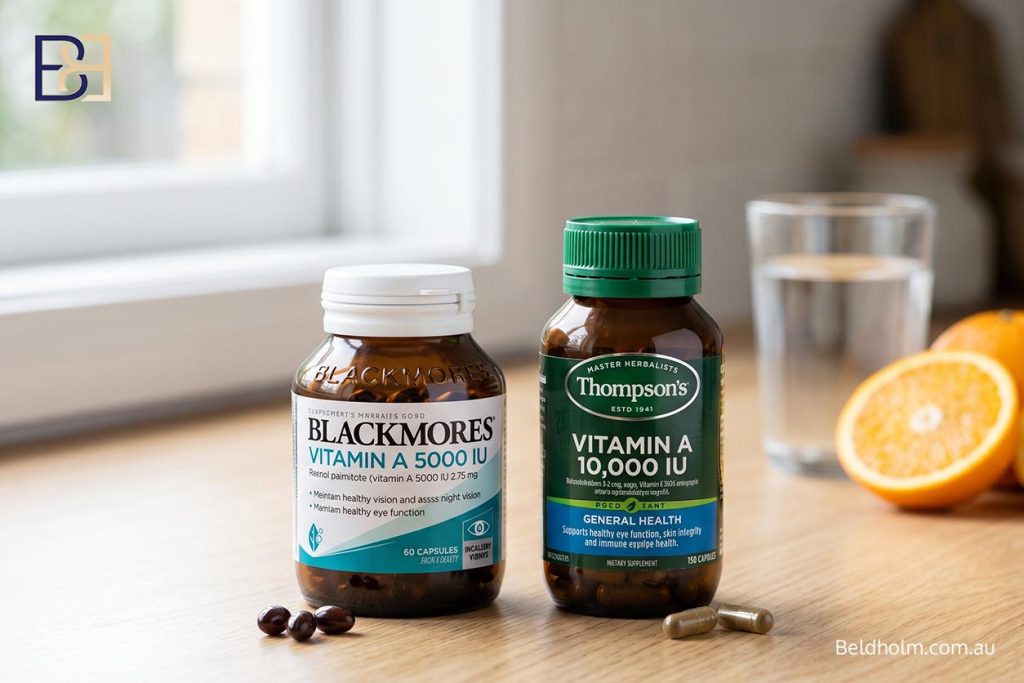
- Blackmores Vitamin A 5000 IU (retinyl palmitate). Available from Chemist Warehouse, Priceline
- Thompson’s Vitamin A 10,000 IU. Available from Chemist Warehouse
For therapeutic high-dose vitamin A in confirmed deficiency, a compounding pharmacy may be used. High-dose vitamin A is contraindicated in pregnancy.
Thiamine (B1)
Widely available as part of B-complex products or standalone thiamine. For patients with confirmed low thiamine and neurological symptoms, IV thiamine is arranged through the GP or, if severe, in a hospital setting.
Calcium Citrate

- Citracal (calcium citrate). Available from Chemist Warehouse
- Caltrate Plus (check form, some formulations contain calcium carbonate). Available from Chemist Warehouse, Priceline
- Swisse Calcium + Vitamin D. Available from Chemist Warehouse, Priceline
Calcium citrate is preferred over calcium carbonate after bariatric procedures because it is better absorbed in a low-acid environment. Separate from iron by two hours.
Selenium and Magnesium
Widely available from Blackmores, Swisse, Ethical Nutrients, and other Australian brands. Doses are individualised based on blood results.
Where to Buy
Most of the products above are available through:
- Chemist Warehouse (in-store and online)
- Priceline (in-store and online)
- Pharmacy Direct (online)
- Amazon AU (online)
- iHerb (online, imports primarily from the US, useful for specific products not stocked locally)
For prescription-strength supplements, for compounded formulations, or for IV therapies (such as IV iron or IV thiamine), the GP is the appropriate referral point.
The Bottom Line
What matters most is that the supplements in the Tier 1 framework are commenced at surgical planning, taken consistently, and paired with any Tier 2 additions indicated by blood results. Consistency of use outweighs the specific choice of brand, provided the form and dose are right.
Supplements and Medications to Stop Before Surgery
Beyond the supplement framework itself, there is a specific list of over-the-counter supplements and herbal products that I ask patients to stop before surgery. These carry bleeding risk, interact with anaesthetic agents, or affect wound healing in ways that matter perioperatively.
Supplements to Cease Before Surgery
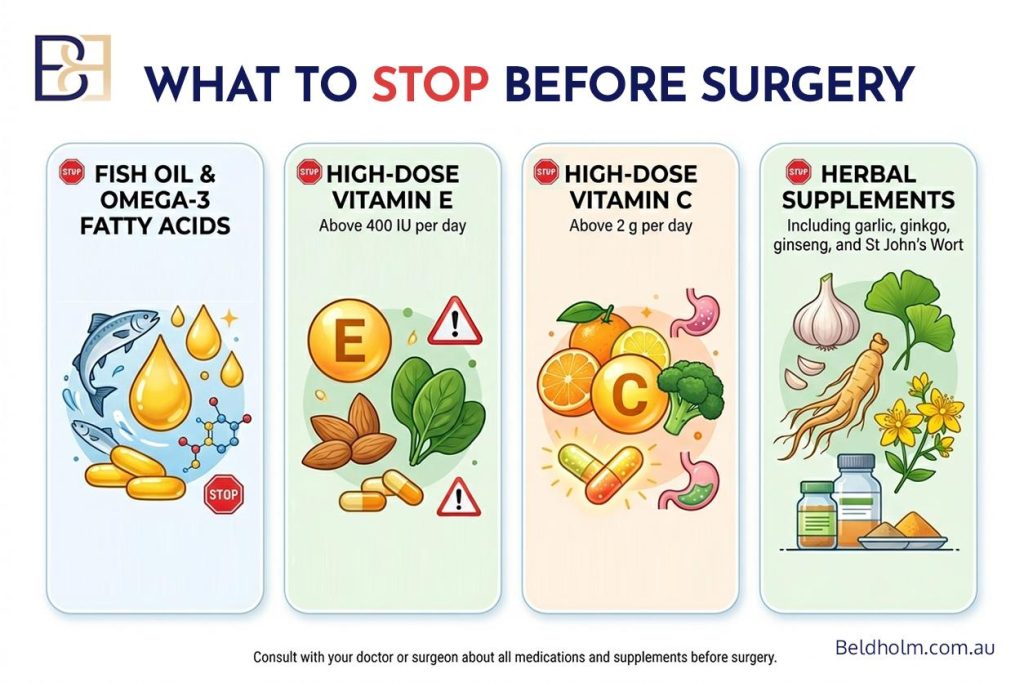
Cease approximately one to four weeks before surgery:
- Fish oil and omega-3 supplements (stop one week before surgery)
- High-dose vitamin E above 400 IU/day (stop one week before surgery)
- Ginkgo biloba (stop two weeks before surgery)
- St John’s Wort (stop two weeks before surgery; can interact with anaesthetic agents)
- Garlic supplements, high dose (stop one week before surgery; dietary garlic is fine)
- High-dose vitamin C above 2 g/day (stop one week before surgery)
- Turmeric or curcumin supplements, high dose (stop one week before surgery)
- Ginseng (stop one to two weeks before surgery)
Continue unchanged:
- Tier 1 supplements, except those flagged above
- Tier 2 supplements commenced for specific deficiencies
Resume post-operatively:
- Fish oil and omega-3: resume at 4 to 6 weeks post-op
- High-dose vitamin C: resume immediately after surgery if relevant
- Other stopped items: resume as clinically indicated, usually 1 to 2 weeks post-op
GLP-1 Receptor Agonist Medications

GLP-1 receptor agonist medication management around surgery is one of the most frequent questions in my consulting room.
Current Australian and New Zealand College of Anaesthetists (ANZCA) guidance does not recommend routine cessation of GLP-1 receptor agonist medications before surgery. I follow this guidance. Perioperative management is determined by the anaesthetist at the pre-operative consultation.
The bigger nutritional concern with GLP-1 medications is protein consumption. Appetite suppression can make the 80 to 100 g daily pre-operative target hard to meet. My focus is on maintaining adequate protein intake and optimised micronutrient status, not on stopping the medication.
If a patient on GLP-1 medications cannot meet their protein target, I may discuss a temporary dose reduction with the treating doctor as a perioperative clinical judgement. This is not patient-initiated. Unsupervised cessation can worsen food quality and the overall nutritional outcome.
Aspirin, Anticoagulants, and Other Prescription Medications
A separate category of medications sits outside the nutritional scope of this article: aspirin, anticoagulants, diabetic medications, hormonal therapy, and NSAIDs. All require careful perioperative management, which is a standard part of pre-operative planning at my consultations.
In brief, aspirin and most anticoagulants are typically stopped approximately one week before surgery, in partnership with the patient’s GP. This is managed case-by-case. Patients must not stop these medications without first discussing the plan with me or their GP. Diabetes, hormonal therapy, hormonal changes from contraception or HRT, and other prescription medications are discussed individually at consultation and at the pre-operative anaesthetic consultation.
Conclusion

Nutritional deficiencies in post-weight-loss patients are common, often subclinical, and consistently undervalued in pre-operative planning. This article has set out the framework I use to identify and treat them before body contouring procedures go ahead.
A few principles hold across every patient I see in this group:
- Nutritional status matters more than most patients expect, and more than their weight or general health suggests
- Comprehensive blood testing turns assumptions into information
- The two-tier supplement framework treat universal vulnerabilities immediately and specific deficiencies based on confirmed results
- Protein is the single most modifiable factor, and the one where the clinical return is largest
- Weight stability, BMI context, and medication management all feed into the same goal: a patient who comes into the theatre nutritionally prepared
The work begins at the first consultation and continues through to post-operative follow-up. For most patients, four weeks of pre-operative optimisation is the minimum. Eight weeks total (four before and four after surgery) is the ideal window. For bariatric surgery patients, nutritional follow-up continues for life and is led by the GP after the surgical period closes.
Results vary from patient to patient, and individual circumstances shape the specific plan. The clinical value of getting the nutritional foundations right before surgery does not change.
If you are considering body contouring procedures after significant weight loss, the nutritional preparation window is real, and it starts earlier than most patients expect.
References
- Agha-Mohammadi S, Hurwitz DJ. Nutritional deficiency of post-bariatric surgery body contouring patients: what every plastic surgeon should know. Plast Reconstr Surg. 2008;122(2):604-613.
- Mehta M, Rometo D, Gusenoff J, Rubin JP. Nutritional challenges in post-massive weight loss body contouring: guidance for plastic surgeons on GLP-1 agonists and sleeve gastrectomy. Plast Reconstr Surg. 2025 (advance online article). DOI: 10.1097/PRS.0000000000012672.
- Bal BS, Finelli FC, Shope TR, Koch TR. Nutritional deficiencies after bariatric surgery. Nat Rev Endocrinol. 2012;8(9):544-556.
- Agha-Mohammadi S, Hurwitz DJ. Potential impacts of nutritional deficiency of postbariatric patients on body-contouring surgery. Plast Reconstr Surg. 2008;122(6):1901-1914.
- Neeland IJ, Linge J, Birkenfeld AL. Changes in lean body mass with glucagon-like peptide-1-based therapies and mitigation strategies. Diabetes Obes Metab. 2024;26 Suppl 4:16-27.
- Memel Z, Gold SL, Pearlman M, Muratore A, Martindale R. Impact of GLP-1 receptor agonist therapy in patients high risk for sarcopenia. Curr Nutr Rep. 2025 Feb 11;14(1):29.
- Ardavani A, Aziz H, Phillips BE, Doleman B, Ramzan I, Mozaffar B, Atherton PJ, Idris I. Indicators, effects, and intervention strategies for nutritional deficiencies in obesity and very low energy diets. Nutrients. 2021;13(10):3471.
- Agha-Mohammadi S, Hurwitz DJ. Enhanced recovery after body-contouring surgery: reducing surgical complication rates by optimizing nutrition. Aesthetic Plast Surg. 2010;34(5):617-625.
- Vitagliano T, Garieri P, Lascala L, Ferro Y, Doldo P, Castagna A, et al. Preoperative nutritional status in patients undergoing body contouring surgery following massive weight loss: a scoping review. Nutrients. 2023;15(21):4641.
- Lupoli R, Lembo E, Saldalamacchia G, Avola CK, Angrisani L, Capaldo B. Bariatric surgery and long-term nutritional issues. World J Diabetes. 2017;8(11):464-474.
- Carrodeguas L, Kaidar-Person O, Szomstein S, Antozzi P, Rosenthal R. Preoperative thiamine deficiency in obese population undergoing laparoscopic bariatric surgery. Surg Obes Relat Dis. 2005;1(6):517-522.
- Austin RE, Lista F, Khan A, Ahmad J. The impact of protein nutritional supplementation for massive weight loss patients undergoing abdominoplasty. Aesthet Surg J. 2016;36(2):204-210.
- Griffin M, Akhavani MA, Muirhead N, Fleming ANM, Soldin M. Risk of thromboembolism following body-contouring surgery after massive weight loss. Eplasty. 2015;15:e16.
- Greco JA, Castaldo ET, Nanney LB, Wendel JJ, Summitt JB, Kelly KJ, et al. The effect of weight loss surgery and body mass index on wound complications after abdominal contouring operations. Ann Plast Surg. 2008;61(3):235-242.