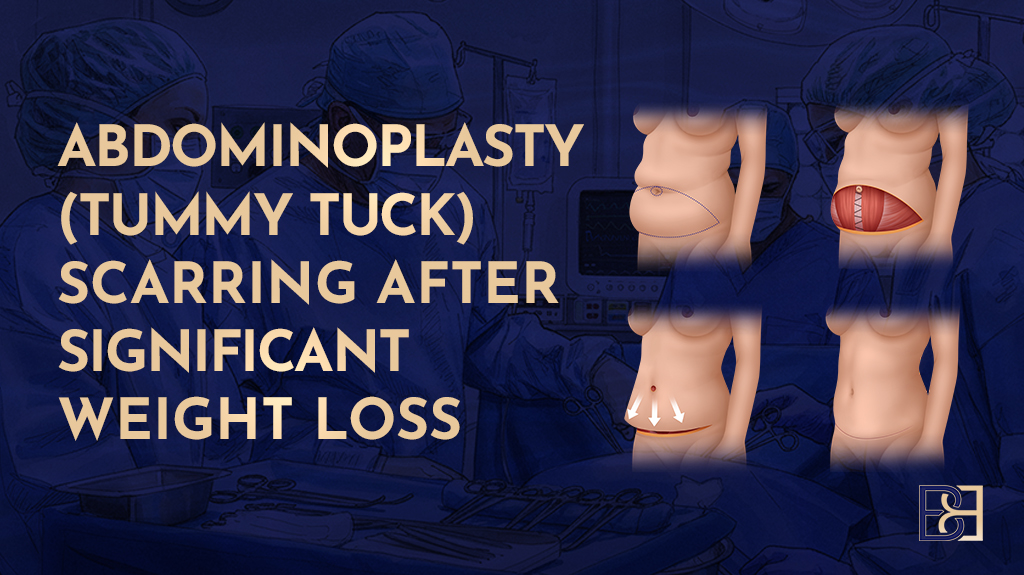
After major weight loss, an abdominoplasty (tummy tuck) is rarely a small operation.
The skin envelope is larger. The flap dissection is more extensive. Many of my post-weight-loss patients also need flank work or a circumferential approach. All of that affects how long you will be away from work.
In my practice, most post-weight-loss patients return to sedentary office work around four weeks after surgery.
That figure shifts up or down depending on a few factors:
- The type of procedure and the extent of skin removal.
- Your occupation and the physical demands of your role.
- Your nutritional status going into surgery.
- How well you heal afterwards.
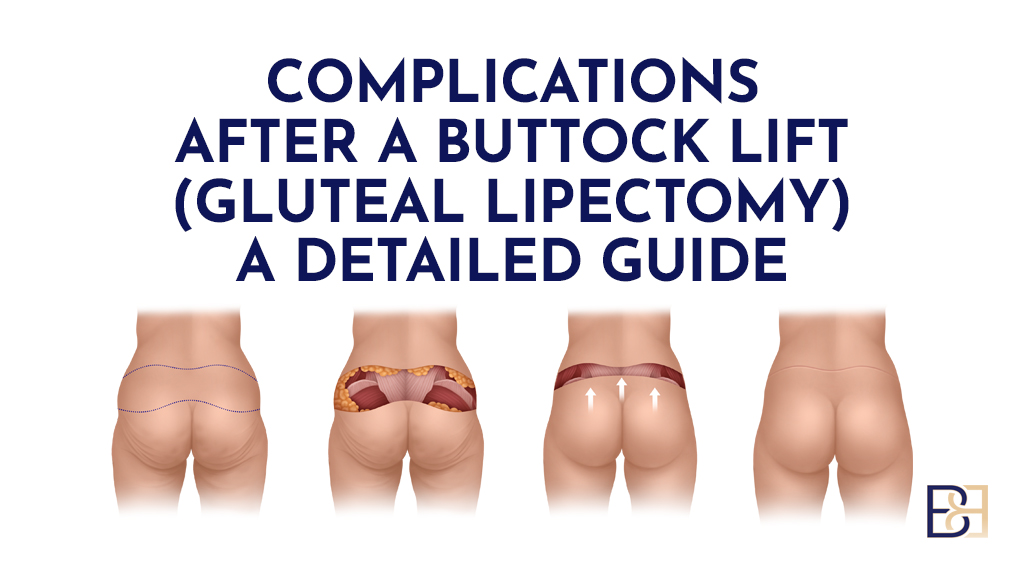
A note on muscle repair (diastasis recti) before we go on. Rectus muscle separation is mainly a post-pregnancy issue. Most of my post-weight-loss patients do not need formal muscle plication. Where the muscles are still separated from a prior pregnancy or for other reasons, I will discuss the implications at consultation. The recovery timeline shifts when muscle repair (diastasis recti) is part of the operation, but it is not the default in this group.
This article walks through how I think about the return-to-work conversation with my post-weight-loss patients. It covers each abdominoplasty (tummy tuck) technique I offer, what the recovery looks like week by week, and the realities that catch people off guard when planning their leave.
The timelines below are based on my experience with post-weight-loss patients at Maitland Private Hospital over the last 20 years. They are general guidance only, and the only way to get an accurate estimate for your situation is at consultation.
Table of Contents
Why Post-Weight-Loss Recovery Sits Apart From a Standard Tummy Tuck (Abdominoplasty)
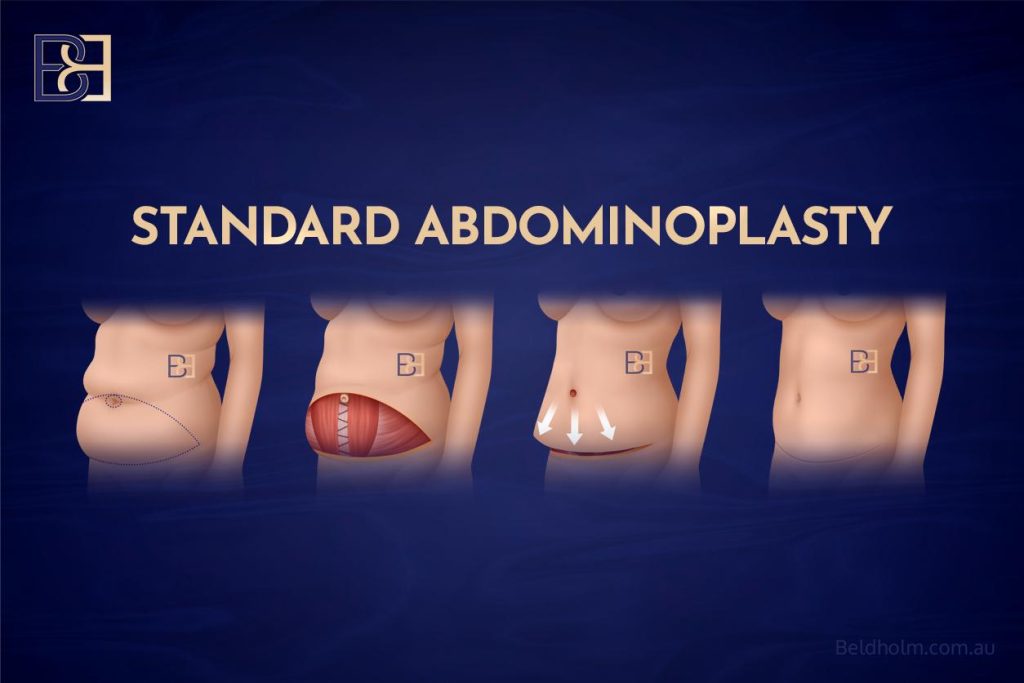
A generic tummy tuck (abdominoplasty) recovery timeline does not transfer well to post-weight-loss patients. The reasons matter before you book leave.
Larger flaps and longer operative time
After significant weight loss, the redundant skin envelope is much larger than in a post-pregnancy patient or someone with mild laxity.
The surgical flap is bigger. The dissection extends further. The operation usually takes longer.
Longer operative time on its own increases the post-operative recovery period and the risk of complications such as blood clots and delayed wound healing (1).
More complex incision patterns
Post-weight-loss patients often need more than a standard hip-to-hip incision. Fleur-de-Lis, dual vector, circumferential, hybrid circumferential and body lift (belt lipectomy) procedures all involve longer or additional incisions.
Each additional incision increases the healing demand and lengthens the time before you can return to work.
Nutritional vulnerability is the silent factor
Patients who have lost a significant amount of weight, whether after bariatric surgery, weight loss medications, or sustained dietary change, almost always have some degree of nutritional depletion.
Protein stores, vitamin D, iron, B12 and folate are commonly low. These nutrients drive wound healing, collagen synthesis and tissue repair (2).
A patient with low albumin and low vitamin D will heal more slowly than a patient with optimised reserves.
This is why I order a comprehensive pre-operative blood panel for every post-weight-loss patient at first consultation, and why I start supplementation before the optimisation window even begins. Nutritional preparation directly affects your recovery timeline and, therefore, when you can return to work.
You can read more about this in my articles on protein and wound healing and vitamin D for post-weight-loss surgery.
DVT risk is higher in this group
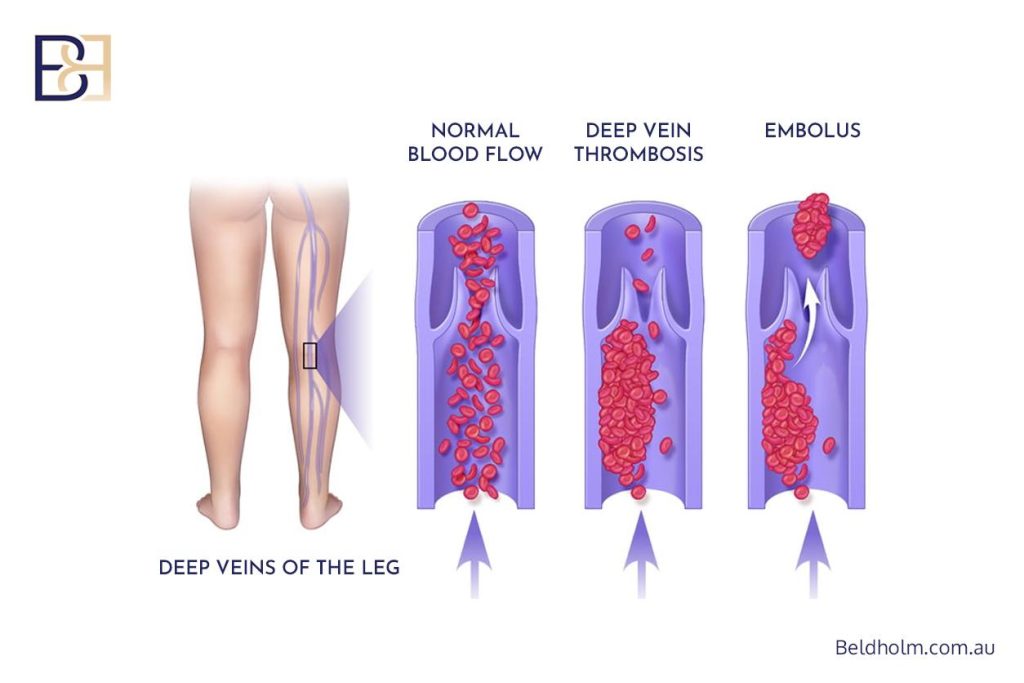
Post-weight-loss body contouring patients sit in an elevated risk category for deep vein thrombosis (DVT) and venous thromboembolism. The risk is higher again when the procedure is long or combined with other operations (3).
Mobilisation is part of the prevention strategy from day one. The risk window extends for several weeks after surgery, which affects how I think about returning to seated work, long-distance travel, and resuming activity.
Muscle repair (diastasis recti) when it is needed
Rectus muscle separation is mainly a post-pregnancy issue. Most of my post-weight-loss patients do not need formal muscle plication.
When muscle repair (diastasis recti) is part of the operation, the recovery picture changes. The muscle layer needs around six weeks to gain meaningful strength and up to three months to fully heal. Pain takes longer to settle, and physical work must be deferred longer than for a skin-only procedure.
If you have residual diastasis from a prior pregnancy and we plan to treat it alongside your post-weight-loss abdominoplasty (tummy tuck), I will tell you up front that this extends the timeline for any lifting, bending or core engagement.
Combined or staged procedures are common
Many of my post-weight-loss patients treat more than one area in the same operation, or stage two procedures across a few months.
A combined abdominoplasty (tummy tuck) with thighplasty (thigh lift) or brachioplasty (arm lift) will lengthen the recovery period compared to either operation alone. We discuss the staging strategy during consultation, and it directly informs the leave plan.
How I Estimate Your Time Off Work
I can usually give you a general estimate of time off work at your first consultation. The number gets firmed up after surgery, but you do not leave the first appointment without a working figure.
What I work through at the first consultation

By the end of the first consultation, I have a good sense of:
- Your skin laxity and the extent of excess skin and fat.
- The weight loss pathway you took.
- Whether there is any muscle separation (diastasis recti) to treat.
- Your overall health, fitness level and comorbidities.
- Your occupation, hours, and the physical demands of your role.
- Your family situation and the support you have at home.
That is enough to give you a general return-to-work estimate. It is a working range, not a fixed date, but most patients leave the first consultation with a realistic idea of how much leave to plan for.
The second and subsequent consultations focus on optimisation
The second consultation and any further pre-operative visits are about getting you fully optimised before surgery.
I review your pre-operative blood panel, start or escalate supplementation as needed, treat any deficiencies, and confirm we are ready to proceed. The aim is for every patient to arrive at surgery in the best possible nutritional and clinical condition.
A patient who arrives at surgery fully optimised heals better. That usually translates to a smoother return to work, not a slower one. If we need to delay surgery to correct low albumin or severe anaemia, your operation date is pushed back, but the recovery time after surgery is not necessarily longer.
The decision happens when you are ready, not on a fixed date
I see post-weight-loss patients at multiple points after surgery. There are reviews in the first two weeks, at four weeks, and then at three, six and twelve months.
The return-to-work decision can be made at any of those early visits. It depends on you, not the calendar.
Some patients work from home and are off pain medication for 1 to 2 weeks. They can often return to a laptop earlier than office-based patients, provided they take breaks and avoid prolonged sitting.
Office workers usually return to work in about 4 weeks once incisions have settled, swelling has improved, and they are sitting comfortably.
Patients with physical roles wait longer, sometimes well beyond the four-week review, depending on the procedure and how the recovery is tracking.
If you are ready earlier, that is fine. If you need more time, we’ll take it. The priority is healing well, not hitting a particular week.
Where most patients land

Most of my post-weight-loss abdominoplasty (tummy tuck) patients return to sedentary office work around 4 weeks after surgery (2 weeks is possible if recovery goes very well).
Patients with more complex procedures, such as Fleur-de-Lis, circumferential, hybrid circumferential or body lift (belt lipectomy), often need closer to six weeks.
Manual labourers and patients in physically demanding occupations are typically off for six to eight weeks, depending on the procedure.
If your work is sedentary and the procedure is on the simpler end of what we do in this population, you may be back earlier than four weeks. If your work is physical and the procedure is extensive, plan for the upper end and build in a buffer.
Recovery Timeline by Procedure
The abdominoplasty (tummy tuck) variant I recommend depends on your pattern of skin redundancy after weight loss. Each technique has a different recovery profile.
A note on muscle repair (diastasis recti) before we go through each procedure. Where formal muscle plication is part of the operation, the recovery period for any physical work extends by around two weeks beyond the ranges below. This applies mainly to patients with prior pregnancy diastasis. It is not the default in this group.
A note on working from home
Working from home has become common since the pandemic, and many of my patients can return to a laptop earlier than they could to an office.
Home-based work depends mainly on the amount of pain you have. Pain levels are higher after bigger operations such as Fleur-de-Lis, body lift (belt lipectomy) and circumferential hybrid procedures. Smaller operations involve less pain.
While you are still requiring significant opioid pain relief, you should not be working. Opioid medications interfere with concentration, decision-making, and driving.
Once you are off the opioid medications and managing on simple analgesia such as paracetamol and an anti-inflammatory, most patients can manage home-based work in short blocks. Some get back to a laptop in the first one to two weeks. Others need longer.
Take regular breaks to walk and move. Sitting still for prolonged periods in the first few weeks raises the risk of blood clots.
Full Abdominoplasty (Tummy Tuck)
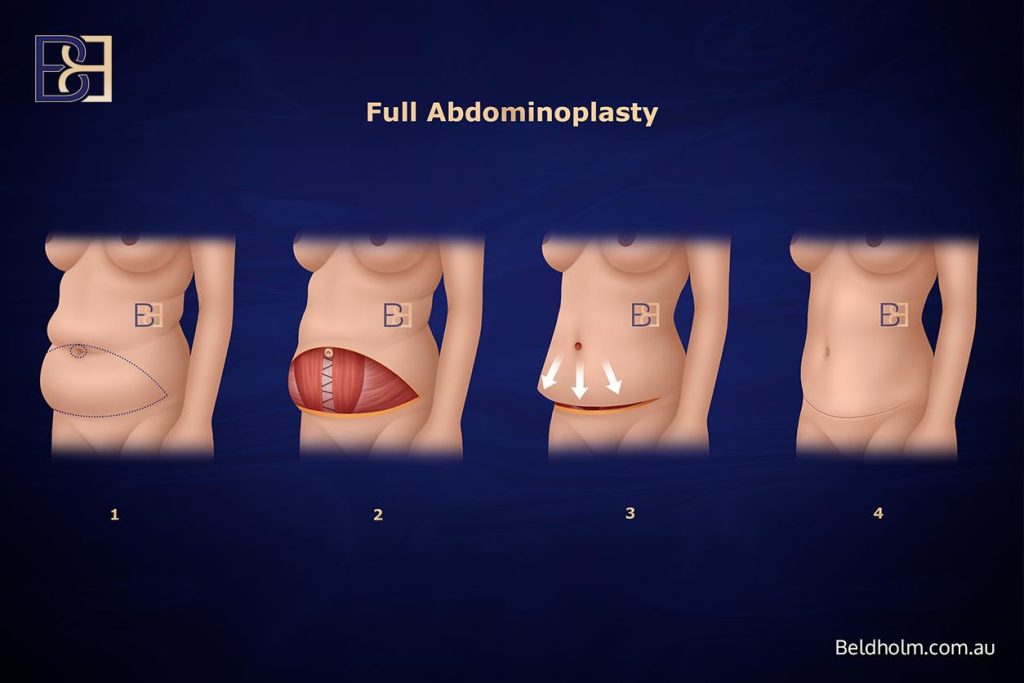
A full abdominoplasty (tummy tuck) uses a horizontal incision from hip to hip with an umbilical reposition. It treats the lower and upper abdomen.
Most post-weight-loss patients return to sedentary office work around 2-4 weeks post surgery.
Patients in physical roles need 4 weeks. If muscle repair (diastasis recti) is part of the operation, allow longer.
Extended Abdominoplasty (Tummy Tuck)
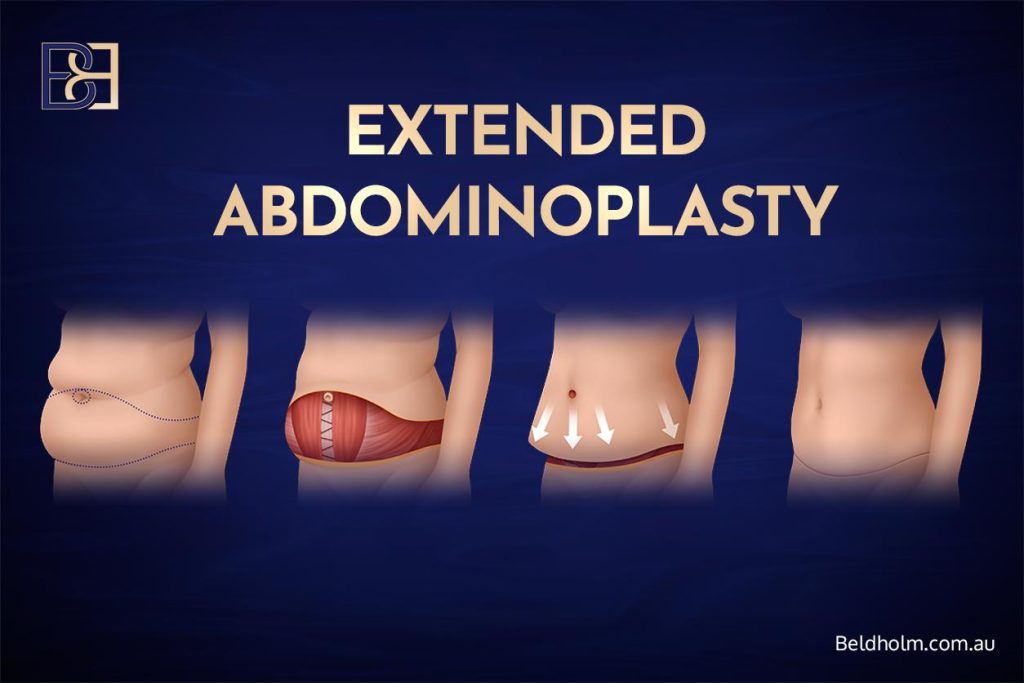
The extended abdominoplasty (tummy tuck) takes the incision further around to treat the flanks in addition to the abdomen.
Office workers typically need four to five weeks. Physical roles require six to eight weeks.
Drains often stay in longer than for a standard abdominoplasty (tummy tuck). The lateral flap dissection produces more bruising and swelling in the first two weeks.
Fleur-de-Lis Abdominoplasty (Tummy Tuck)

The Fleur-de-Lis abdominoplasty (tummy tuck) uses both a horizontal incision and a vertical midline incision running from the pubis up towards the lower chest.
It is indicated when there is significant skin redundancy in both horizontal and vertical directions, which is common after very large weight loss.
Published research describes this approach as effective for correcting abdominal contour abnormalities in patients with excess soft tissue in both orientations (4).
Most patients return to office work in four to six weeks. Physical roles require 4 to 8 weeks.
Dual Vector Abdominoplasty
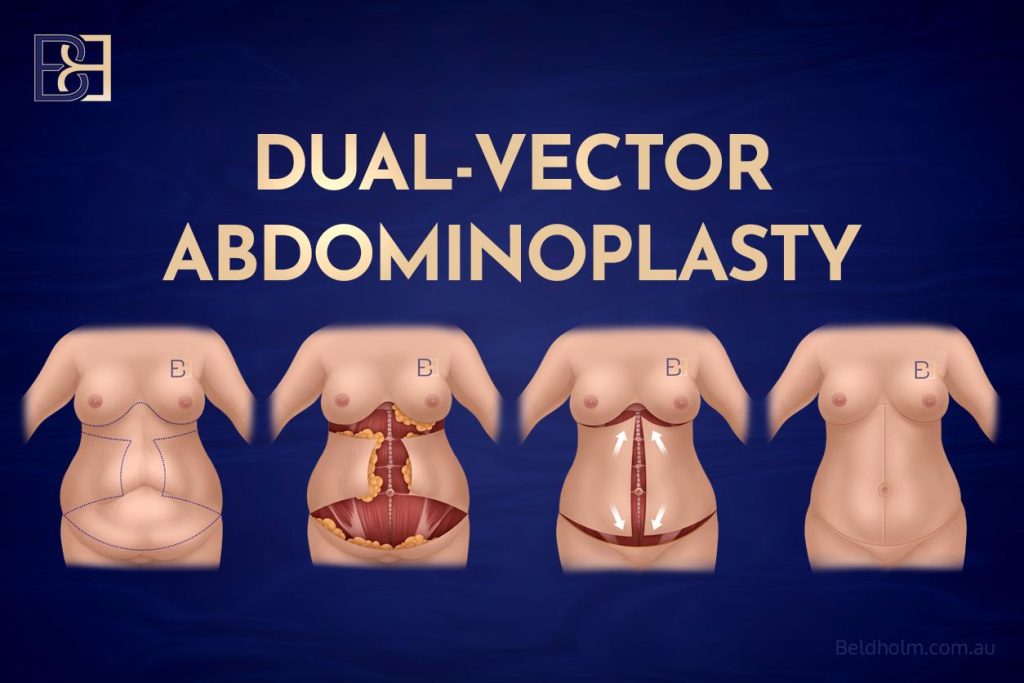
The dual vector abdominoplasty is an approach I use for post-weight-loss patients with significant loose skin in both the upper and lower abdomen, as well as excess horizontal skin.
It combines a Fleur-de-Lis abdominoplasty (tummy tuck) with an additional excision of upper abdominal skin. The result treat skin redundancy along both a vertical and horizontal vector more completely than a standard Fleur-de-Lis procedure alone.
It is a more extensive operation than a Fleur-de-Lis abdominoplasty (tummy tuck), and the recovery reflects that.
Most patients return to office work in 4 to 6 weeks. Physical roles require 6 to 8 weeks.
The upper abdominal excision adds to the wound burden, so the first two weeks involve a little more discomfort with movement above the waistline. Drains usually stay in longer.
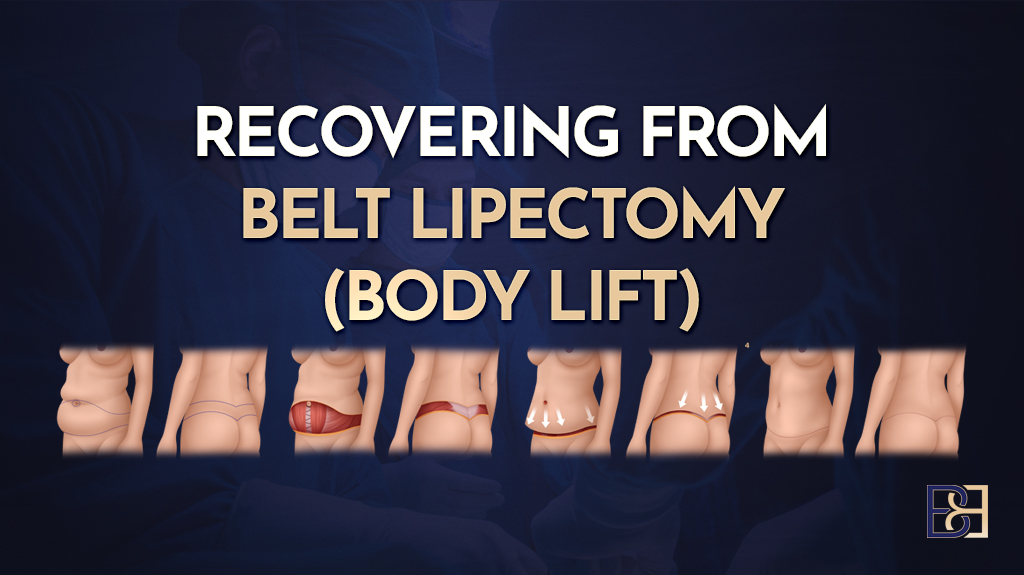
Body Lift (Belt Lipectomy)

The body lift (belt lipectomy) is also known as circumferential abdominoplasty. The three terms describe the same operation.
It takes the incision all the way around the body and treats the abdomen, flanks, lower back, and buttocks in a single procedure. It is the most extensive abdominoplasty (tummy tuck) variant and the procedure I most commonly recommend to patients with very large weight loss and circumferential skin redundancy.
Most sedentary workers return to office work at 4 to 6 weeks. Patients with physically demanding jobs require 6 to 8 weeks, sometimes longer.
The operative time is longer in this group. The DVT risk is higher. Sitting tolerance is more limited in the first two weeks because of the back incision. Drains usually stay in longer than for a non-circumferential procedure.
Circumferential Hybrid Abdominoplasty

The circumferential hybrid abdominoplasty is an approach I use for post-weight-loss patients who need both circumferential skin removal and a significant vertical skin reduction in the anterior abdomen in a single operation.
It combines a body lift (belt lipectomy) with an anterior vertical incision similar to the vertical component of a Fleur-de-Lis abdominoplasty (tummy tuck).
The result treats horizontal skin laxity around the trunk and vertical skin redundancy in the anterior midline in a single procedure.
Most patients return to sedentary work at 5 to 6 weeks. Physical roles require 6 to 8 weeks, sometimes longer.
The added anterior vertical wound increases early discomfort and drain duration compared with a standard body lift (belt lipectomy).
Revision Abdominoplasty (Tummy Tuck)
A revision abdominoplasty (tummy tuck) corrects an issue from a previous operation. This may be scar revision, additional skin removal, or correction of asymmetry.
The complexity varies. Scar revision allows a return to sedentary work within one to two weeks.
More involved revisions can require four to six weeks for office workers and longer for physical roles.
The timeline is determined at consultation once I know what the revision involves.
Adjunct VASER Liposuction
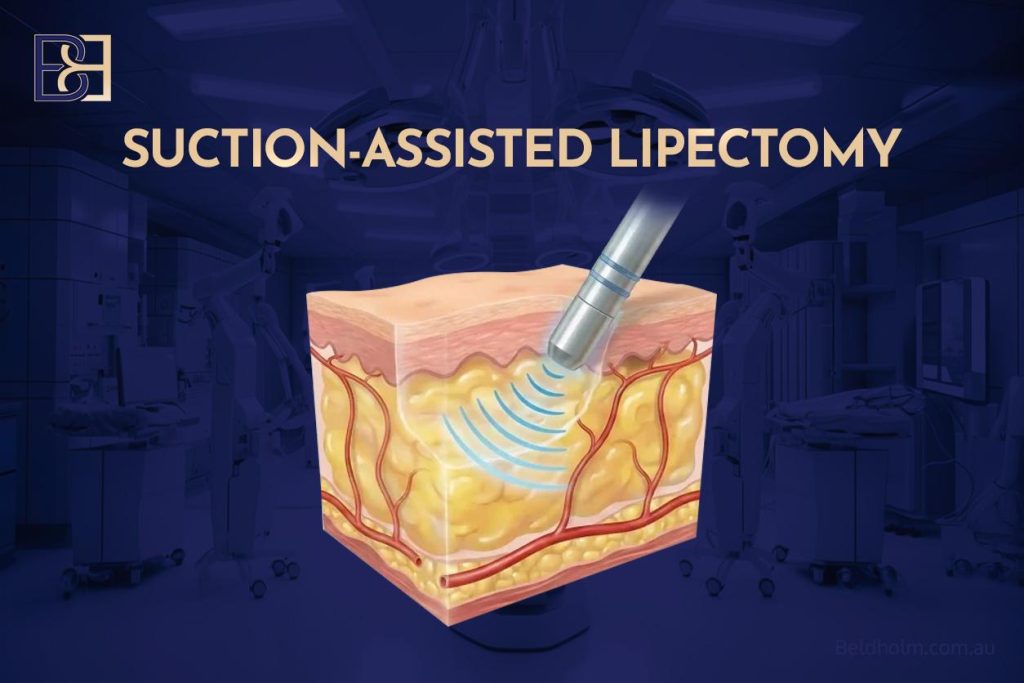
Where ultrasound-assisted liposuction (VASER) is performed alongside an abdominoplasty (tummy tuck), expect more bruising in the first two to three weeks.
Add an extra one to two weeks before strenuous physical activity resumes comfortably. It does not usually change the office work return date.
Time Off by Occupation
Your job determines almost as much as the procedure when it comes to when you can return. The categories below are how I think about it in the clinic.
Remote and Work-From-Home Roles

Working from home is the most flexible category. Some patients are back at a laptop within the first 1 to 2 weeks.
The limiting factor is pain medication, not physical recovery. While you are still requiring significant opioid pain relief, you should not be working. Once you are managing on paracetamol and an anti-inflammatory only, short blocks of laptop work are usually feasible.
Conditions:
- An ergonomic setup at home that allows comfortable sitting.
- Off opioid medications.
- Short blocks of work, not full days from day one.
- Regular breaks to walk and move every thirty to sixty minutes.
Sitting still for hours in the first few weeks raises the risk of blood clots and slows wound healing. Many of my post-weight-loss patients underestimate how much fatigue continues into the second and third week. Light cognitive work in short blocks is one thing. A full eight-hour day in week 2 is another.
Sedentary Office Workers
For most post-weight-loss patients undergoing a full abdominoplasty (tummy tuck), return to sedentary office work is around 2-4 weeks.
For more complex procedures, such as Fleur-de-Lis, dual vector, body lift (belt lipectomy) or circumferential hybrid abdominoplasty, 4 to 6 weeks is more realistic.
Sedentary work still involves movement. Bending to a low drawer, reaching to a high shelf, sitting hunched over a screen, holding meetings on your feet, all add up over a working day.
Walk regularly. Stand at intervals. Do not return full-time on day one. A graduated return, starting with half days, is what I usually advise.
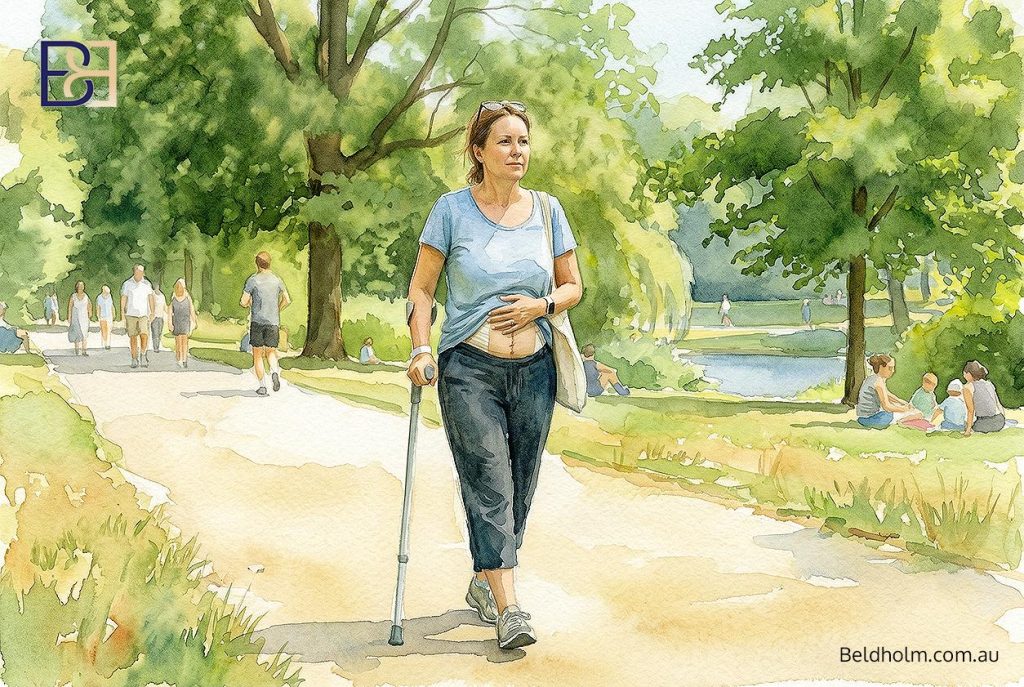
Standing or Customer-Facing Roles
Pharmacy assistants, retail staff, teachers, hospitality workers and similar roles involve prolonged standing and frequent reaching.
These patients need an extra one to two weeks compared to sedentary work, typically 5 to 6 weeks for most abdominoplasty (tummy tuck) variants, and longer for body lift (belt lipectomy) or circumferential hybrid procedures.
Standing for long periods increases lower limb swelling and abdominal discomfort while the tissues are still healing. Compression garments help but do not replace the need for rest in the early weeks.
Manual Labourers
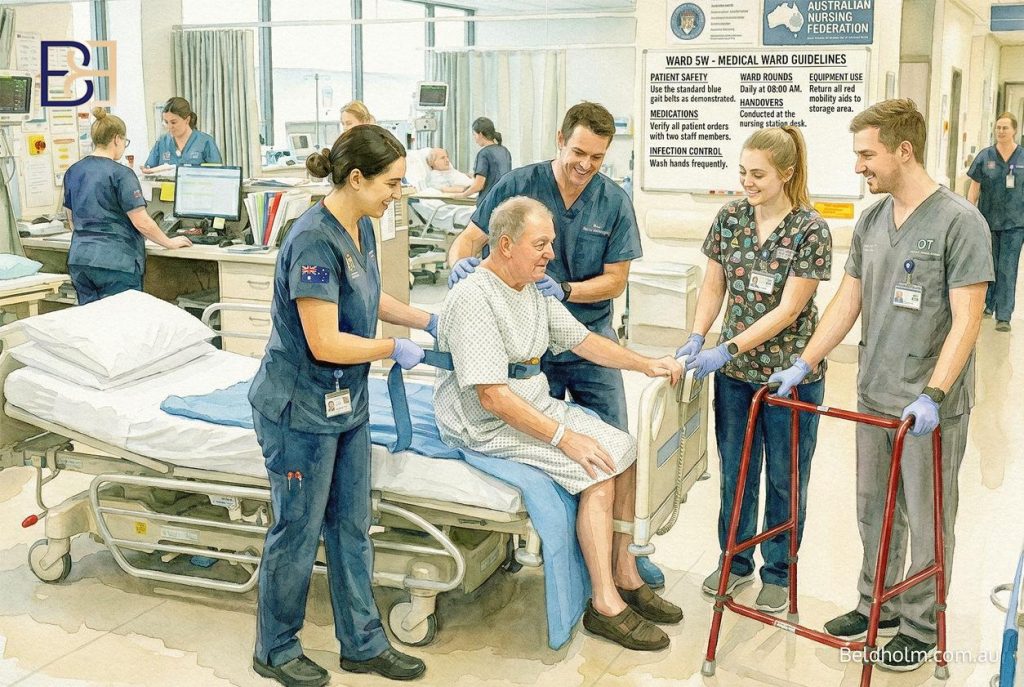
Tradespeople, warehouse staff, builders, removalists, nurses on the ward, allied health professionals doing manual handling, and anyone whose job involves lifting, bending, twisting or sustained physical effort needs a longer recovery period.
The usual range is 6 to 8 weeks, sometimes longer for body lift (belt lipectomy) or circumferential hybrid procedures.
If muscle repair (diastasis recti) has been performed alongside the abdominoplasty (tummy tuck), lifting limits are stricter. I advise against lifting more than 10 kilograms for the first 6 weeks. A return-to-work medical certificate from me will reflect this.
Stay-at-Home Parents
The physical demands of caring for young children are substantial and often forgotten in return-to-work planning. I work through it with each patient based on the children’s ages and the support available.
Children under three years
Infants and toddlers need constant lifting, carrying, bathing and feeding. I advise most patients with very young children to arrange extra help for 4 to 6 weeks.
Lifting a toddler before the abdominal tissues have healed risks similar complications to lifting at work.
Children aged four to twelve
Older children are more independent but still need support. Most patients can resume light parenting duties from 3 to 4 weeks, with help available for school runs, lifting, and physical activities.
Children aged twelve and over
Older children are largely self-sufficient. Most patients can manage normal household routines for 2 to 3 weeks, focusing on light tasks initially.
Shift Workers and Healthcare Staff
Shift work, night duty, and irregular hours all extend the practical recovery period. Sleep disruption affects wound healing and fatigue management.
I generally advise adding 1 to 2 weeks to the standard estimate for shift workers, particularly those returning to nursing or other patient-handling roles.
The First Two Weeks After Surgery
The first fortnight is the most demanding part of the recovery. Patients working from home can sometimes manage short blocks of laptop work in this window, once off opioid pain relief. For office-based, customer-facing, manual or physical roles, returning to work in this period is not realistic.
Here is what is happening in the first two weeks and why your body needs the time.
Walking flexed at the hips

Most post-weight-loss abdominoplasty (tummy tuck) patients walk with a slight forward flexion at the hips for the first 1 to 2 weeks.
This is normal. It protects the wound closure under tension. Standing fully upright in this window tugs at the suture line.
The forward-flexed posture eases over the second and third week. Most patients are standing straight by week three.
The posture is uncomfortable for prolonged periods. It is not workable for any role that requires standing, presenting, or being on the phone for hours.
Drains and dressings
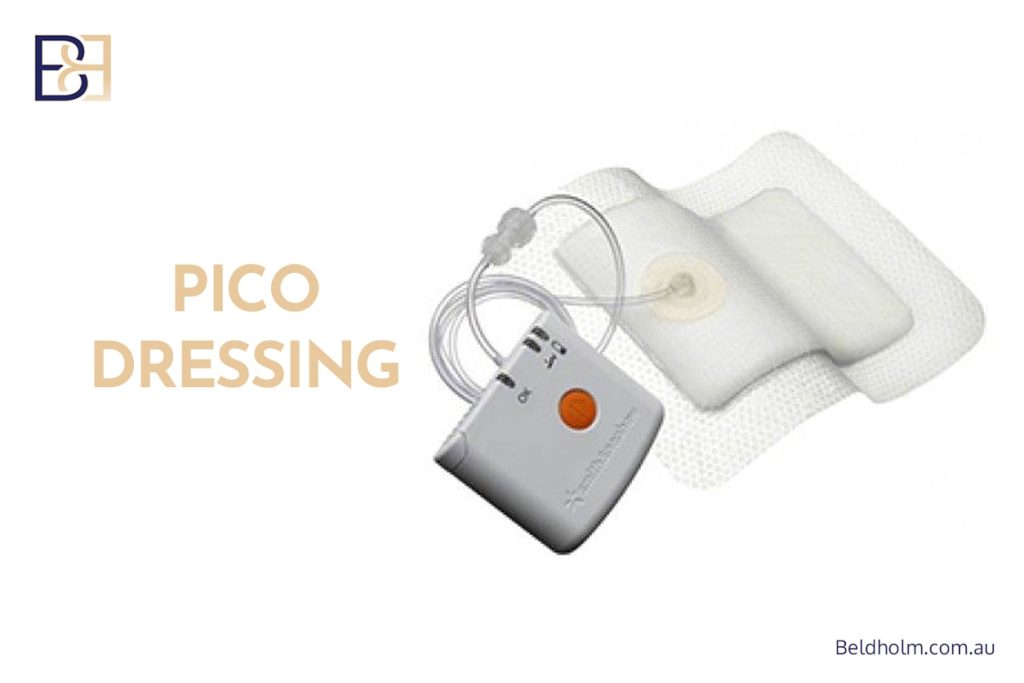
Most of my abdominoplasty (tummy tuck) procedures involve drains in the early days. These exit at the lateral hip on each side.
Drains are removed once output drops below the threshold, typically within 2-7 days, depending on the procedure.
PICO negative pressure dressings stay on for the first week. I replace these with Hypafix tape at the day seven review.
Pain medication and cognition

Most patients use stronger pain medications, including opioids, in the first few days. The transition to paracetamol and an anti-inflammatory usually happens within the first week.
Opioid pain medications affect concentration, reaction time and decision-making. You should not be driving or making work decisions while on them.
Even off opioids, the residual fatigue from surgery and the night-time discomfort of finding a comfortable sleep position affect cognitive sharpness for longer than most patients expect.
The wound is fragile
The skin closure is at its weakest in the first 10 to 14 days.
The deeper layers continue to gain strength over weeks and months. This is the period when wound dehiscence, infection and seroma are most likely.
Any activity that stretches or strains the wound is the priority to avoid.
Compression garment around the clock
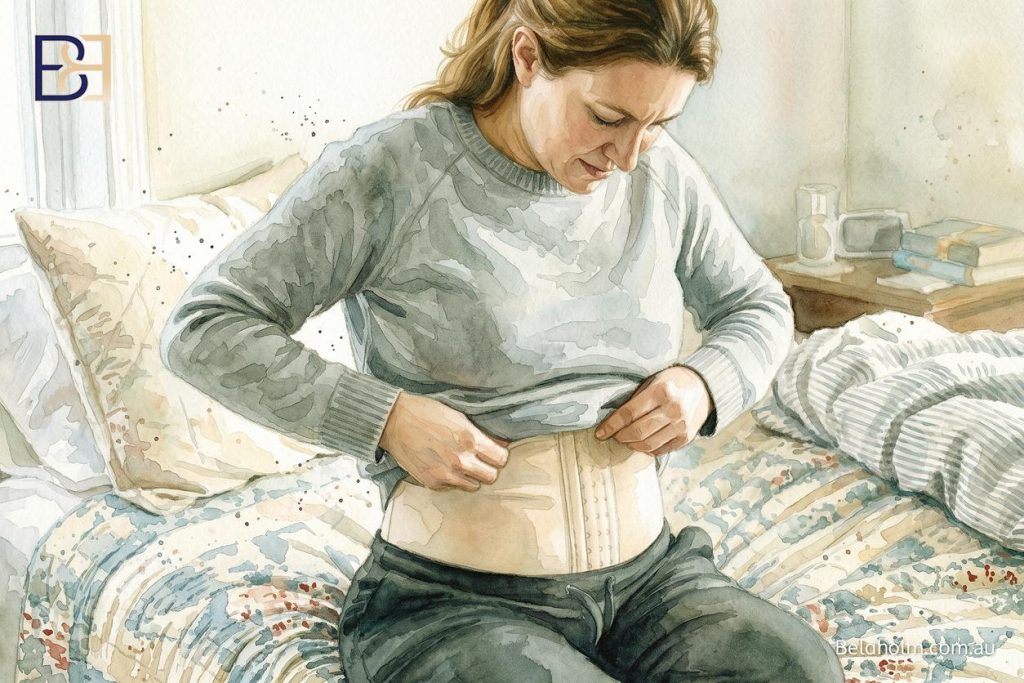
You will be wearing a compression garment around the clock for the first 4 weeks.
It reduces swelling, supports the healing tissues, and helps the skin redrape onto the contour underneath.
Wearing the compression garment under work clothes is feasible later. In the first fortnight, fitted clothing or anything restrictive over the abdomen is uncomfortable.
DVT prophylaxis and early mobilisation
Mobilisation starts on day one. Short walks every couple of hours during the day, ankle pumps, and avoiding prolonged sitting are part of the prevention strategy.
I stratify DVT risk and determine the thromboprophylaxis plan for each patient. Blood-thinning medication is part of that plan for some patients.
None of this is compatible with a normal working day in week 1 or 2.
Weeks Three to Six: The Gradual Return
This is the window when most sedentary post-weight-loss patients return to work.
Mobilisation improves, the posture straightens, drains are out, and you start to feel more like yourself. The healing process is far from finished, though, and a few realities still apply.
Compression garment continues
You will be wearing the compression garment full-time for the first 4 weeks total.
After 4 weeks, most patients transition to half-time wear, usually during the day, for another 2 weeks. The garment is worn under clothes when you go back to work and most patients find it manageable.
The garment continues to reduce swelling, support the healing tissues, and help the skin redrape over the new contour.
Sitting tolerance improves
Most office workers find that an hour of seated work at a time is manageable by week three, with breaks to stand and walk.
By weeks 4 and 5, longer stretches become tolerable.
Patients who have had a body lift (belt lipectomy) or circumferential hybrid abdominoplasty (tummy tuck) often take longer to find a comfortable seated position because of the posterior incision.
A standing desk option, even for part of the day, makes the return to office work considerably easier in this window.
DVT risk has not gone away
The risk of blood clots is highest in the first 2 weeks but does not fully resolve until weeks 4 to 6.
Long meetings, long-distance travel, and long drives remain relevant considerations within this window. Regular walks, hydration, and avoiding prolonged immobility remain part of the post-operative care plan (5).
Lifting and physical effort
For abdominoplasty (tummy tuck) procedures without muscle repair (diastasis recti), most lifting restrictions ease over weeks 4 to 6. I review this individually at the 4-week visit.
Where muscle repair (diastasis recti) has been performed, the lifting limit of ten kilograms stays in place for the first six weeks. The muscle layer continues to gain strength throughout this period and is at near-full integrity by around 3 months.
Strenuous exercise, including resistance training and core work, stays off the program until at least 6 weeks. Patients who have had muscle repair (diastasis recti) wait longer.
Light exercise restarts
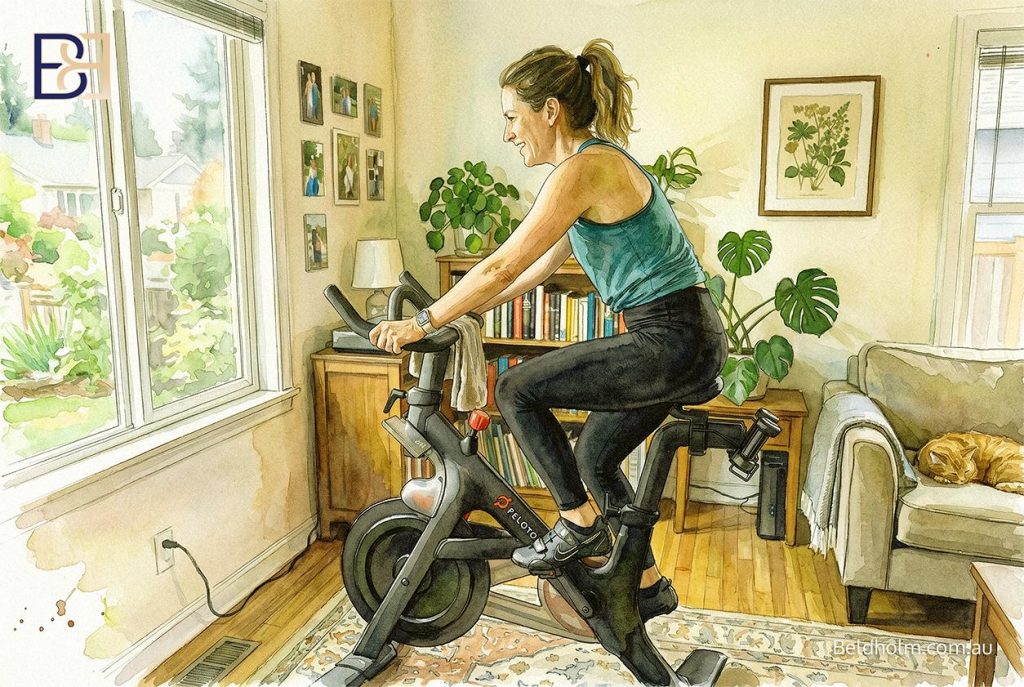
Walking is the main exercise during this period. By around 4 weeks, most patients can add stationary cycling at a light resistance and light stretching.
Treadmill walking on a flat setting is generally fine from around 4 weeks if wounds are healed and you are off pain medications.
Running, jumping, and resistance training remain off the list until later.
The 4-week post-operative review
This is the main clinical check in the gradual return window. I review your incision, swelling, scar formation, and general progress.
If everything is on track and you are ready, I will issue your return-to-work clearance with any role-specific restrictions.
The GP handover also occurs at this visit, assuming healing is on track. Your pre- and post-operative blood results, supplement record, and operation report have been sent to your GP for long-term management.
Book your appointment online now
Driving After Abdominoplasty (Tummy Tuck) Post Weight Loss
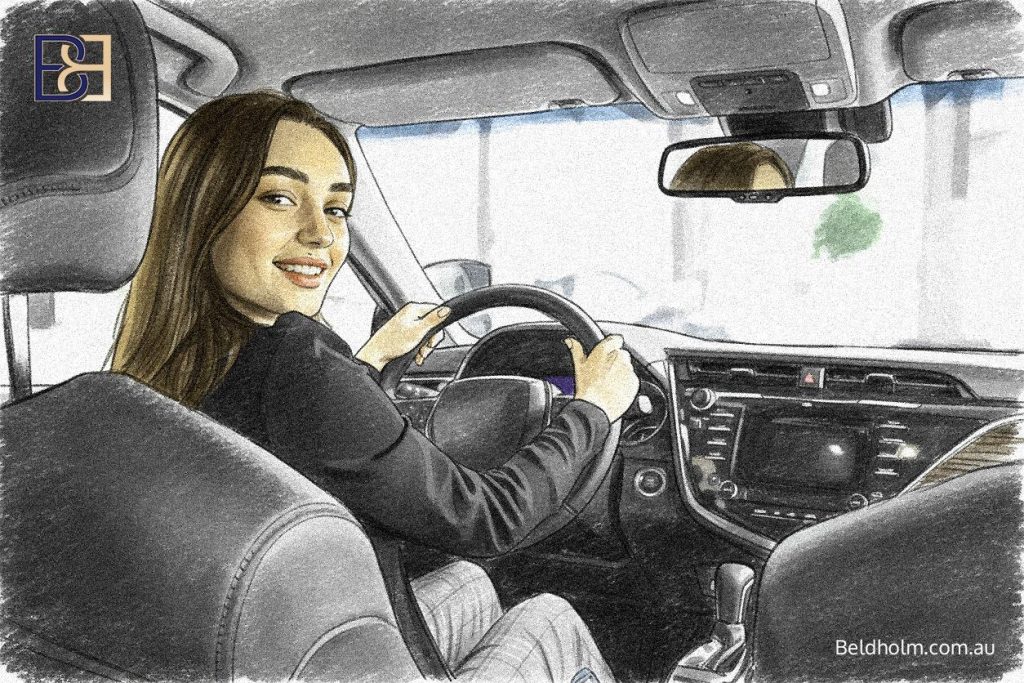
Returning to driving is one of the most underestimated parts of the recovery.
People assume that because driving is sedentary, they will be back behind the wheel sooner than they actually are. The reality is different.
Why driving requires more recovery than you think
Driving uses the abdominal muscles more than most people realise.
Sharp turns of the steering wheel, twisting to check blind spots, performing an emergency stop, shifting gears in a manual vehicle, and reaching for the seatbelt all involve abdominal engagement.
After a post-weight-loss abdominoplasty (tummy tuck), these movements are restricted in the early weeks (6).
Sudden movements in an emergency situation matter. If you cannot brake hard, swerve, or check a blind spot without significant pain, you should not be driving.
Pain medication is a hard stop
You must not drive while taking opioid pain medications. This is a non-negotiable rule and applies regardless of how much time has passed since surgery.
Paracetamol and anti-inflammatories are not driving restrictions on their own. If you are still requiring stronger pain medication, you should not drive.
General guide by procedure
Driving readiness varies between individuals. As a working guide for post-weight-loss patients:
- Full Abdominoplasty (Tummy Tuck): two to three weeks
- Extended Abdominoplasty (Tummy Tuck): three to four weeks
- Fleur-de-Lis Abdominoplasty (Tummy Tuck): three to four weeks
- Dual Vector Abdominoplasty: three to four weeks
- Body Lift (Belt Lipectomy): four weeks, sometimes longer
- Circumferential Hybrid Abdominoplasty: four weeks, sometimes longer
Discomfort and pain tolerance vary. The right time to drive is when you can do so without pain or restriction, not the calendar date.
The practical readiness test
Before you drive again, sit in the driver’s seat with the engine off and check:
- Can you put on the seatbelt comfortably without significant pain?
- Can you turn the wheel fully in both directions without discomfort?
- Can you twist your torso to check both blind spots?
- Can you press the brake pedal hard, as in an emergency stop, without pain?
- Are you off all opioid pain medications?
If any of these is a no, you are not ready.
Arrange transport in advance
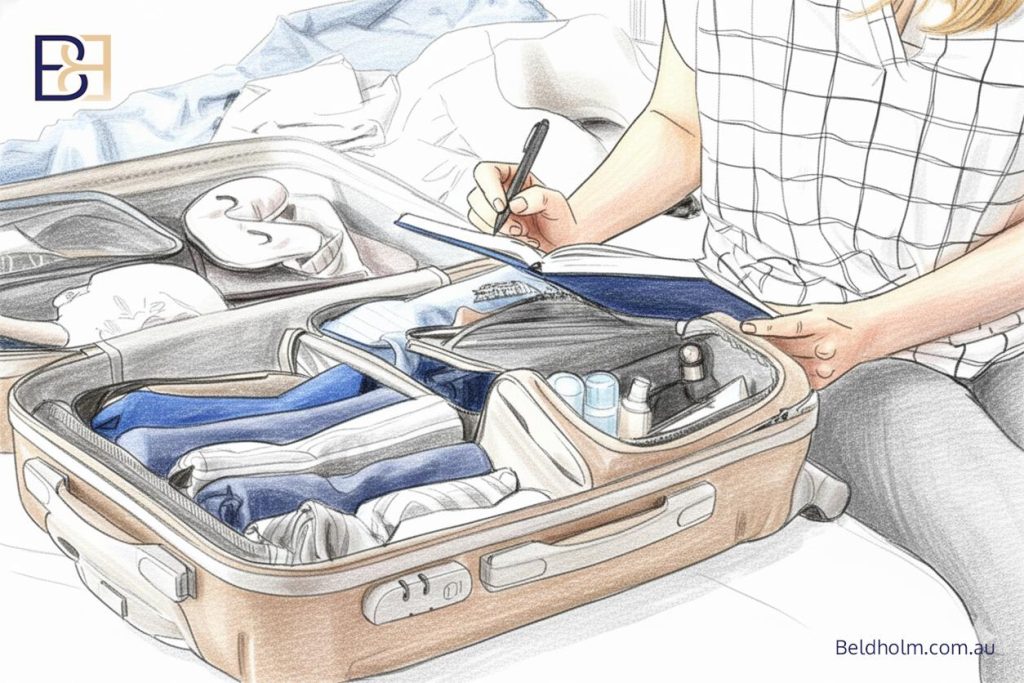
I recommend arranging transport for the first 2 to 4 weeks.
This includes the trip home from the hospital, appointments with me and with allied health, school pickups, groceries, and any other routine that involves driving.
Having a partner, family member, or friend drive you removes a major source of stress and lets you focus on the healing process.
Hidden Factors That Affect Your Return-to-Work Date
The procedure and the occupation set the framework. A handful of less obvious factors determine where your individual timeline lands on the spectrum.
Nutritional status going into surgery

This is the factor I want every post-weight-loss patient to take seriously.
Patients who have lost large amounts of weight, whether from bariatric surgery, weight loss medications, or sustained dietary change, are routinely deficient in protein and several micronutrients before they ever reach my consulting rooms.
Low albumin predicts wound dehiscence, prolonged healing, and a slower return to function (7). Low vitamin D, low iron, low B12, low folate, and low zinc all influence wound healing capacity.
This is why I order a comprehensive pre-operative blood panel at first consultation and start supplementation early. A patient who arrives at surgery with optimised nutritional status heals faster and returns to work sooner.
Detailed information is available in my articles on protein and wound healing, vitamin D for surgical recovery, and iron deficiency before body contouring.
Weight loss pathway
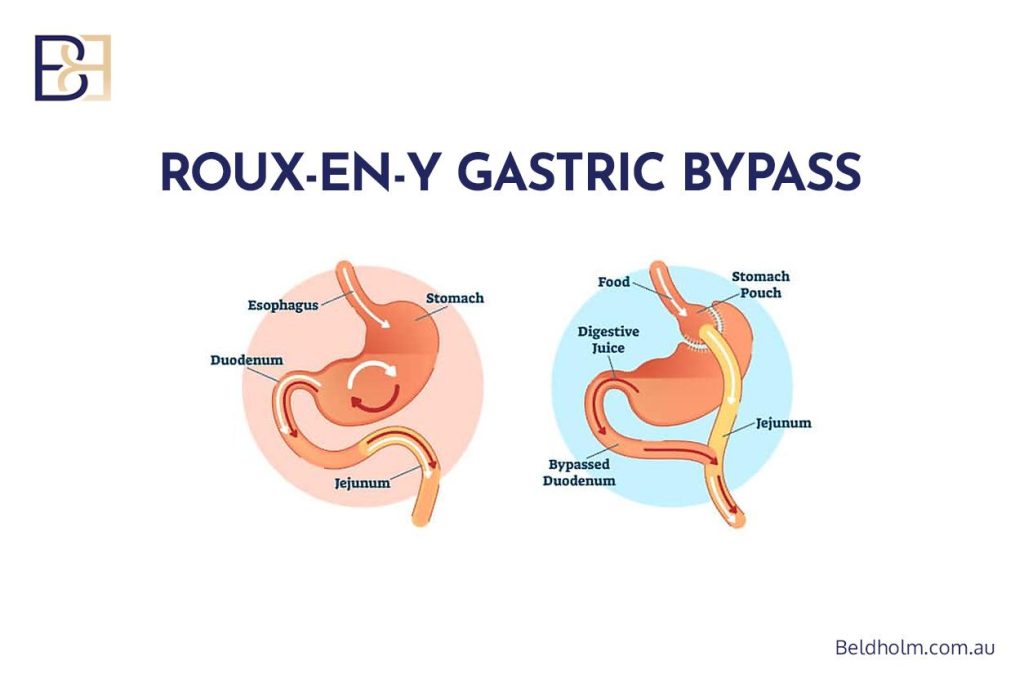
The pathway to your significant weight loss affects nutritional risk and, therefore, recovery.
Patients post-Roux-en-Y gastric bypass or duodenal switch have higher rates of vitamin A, iron, and B12 deficiency because the bypassed intestine is the primary site of absorption.
Patients using weight-loss medications have an average protein intake that is around 17% lower, which directly affects healing reserves (8).
Patients who lose weight through dietary change usually have better protein intake but still need their vitamin D and iron levels checked.
None of these is a barrier to surgery. Each affects the optimisation plan and therefore the recovery timeline.
Smoking, alcohol and other comorbidities

Smoking impairs wound healing significantly. It increases the risk of wound breakdown and skin necrosis after abdominoplasty (tummy tuck).
I require patients to be off all nicotine for at least four weeks before surgery and four weeks afterwards.
Alcohol interferes with healing and adds liver stress. Avoid alcohol for at least 3 months post surgery.
Diabetes, particularly poorly controlled diabetes, slows healing. HbA1c needs to be in an acceptable range before I proceed. Cardiovascular and respiratory conditions are managed in conjunction with your GP and the anaesthetist.
Age, BMI and body composition
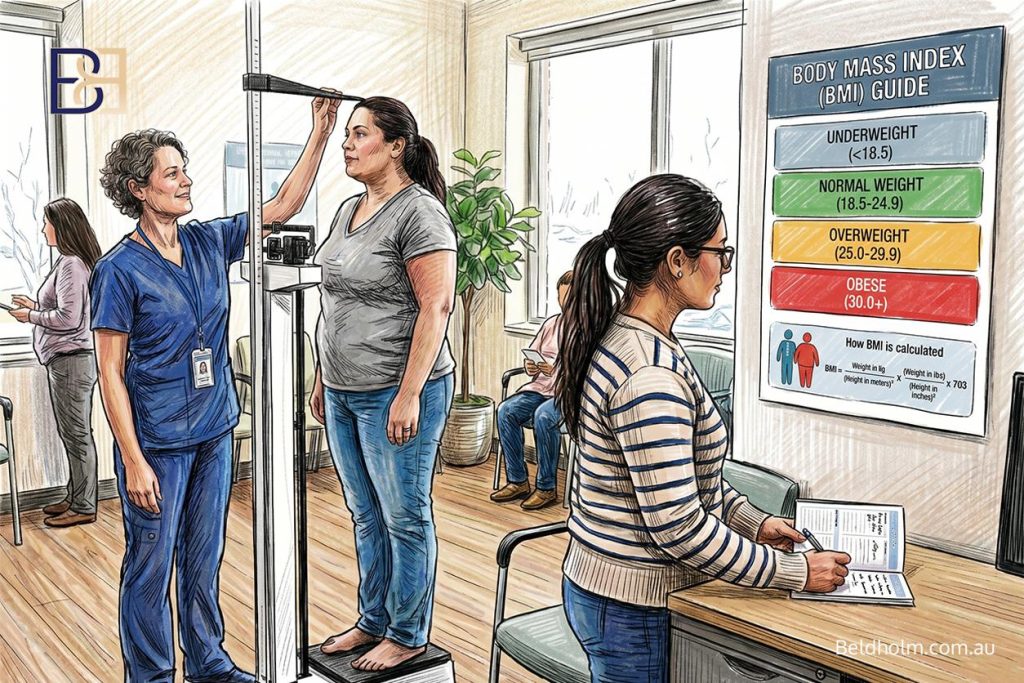
Age is a factor but not a barrier. Older patients heal more slowly on average. A well-prepared 70 year old often does better than a poorly prepared 40 year old.
BMI is a rough guide to candidacy, not a hard cut-off. Clinical context, nutritional status, weight stability and comorbidity profile determine whether you are suitable for surgery in my practice.
Mental and emotional readiness+

Recovery from an extensive body contouring operation is physically and mentally demanding.
Patients who enter with realistic expectations manage recovery better than those who underestimate it. Sleep disruption, body image adjustment as swelling settles, and the slow pace of progress all need to be expected.
Support at home
Patients with good support at home recover faster and return to work sooner.
Someone to help with meals, shopping, lifting, school runs, and household tasks is invaluable in the first two to three weeks. Patients who have to do these things themselves often overexert in the early period and slow their healing.
Planning Your Leave Realistically
Most of the difficulties I see around return to work come from under-planning. Patients book the minimum leave, assuming they will be back at work at the lower end of the estimate.
When healing takes the more realistic course, they end up either pushing through too early or scrambling to extend their leave.
Book leave at the upper end of the estimate
When I give you a range, plan around the upper end and treat the lower end as a bonus.
If I estimate 4 to 6 weeks for your procedure, book six weeks. If you are back sooner, you have a week of recovery margin you can use for a graduated return. If you need the full six weeks, you have not under-booked.
Plan a graduated return where you can
A graduated return is what I recommend for almost every patient.
A typical pattern looks like this:
- Half days for the first week back.
- Full days the following week.
- Full duties once you are ready.
Manual labour roles need modified duties on return, with no lifting initially. Most employers accommodate this if it is communicated in advance.
Discuss the timeline with your employer in advance
Plan the conversation with your employer before the surgery, not after.
You do not need to share medical details. A medical certificate from me will be generic and not give details of your operation, only the required time off.
Most employers handle this well once they have clarity.
Do not book travel or non-refundable commitments
Avoid booking flights, conferences, weddings or any non-refundable commitment within the first 4 to 6 weeks after surgery.
Recovery does not run to a fixed schedule. The stress of trying to attend an event you booked too tightly makes the recovery period worse.
Arrange your support network early
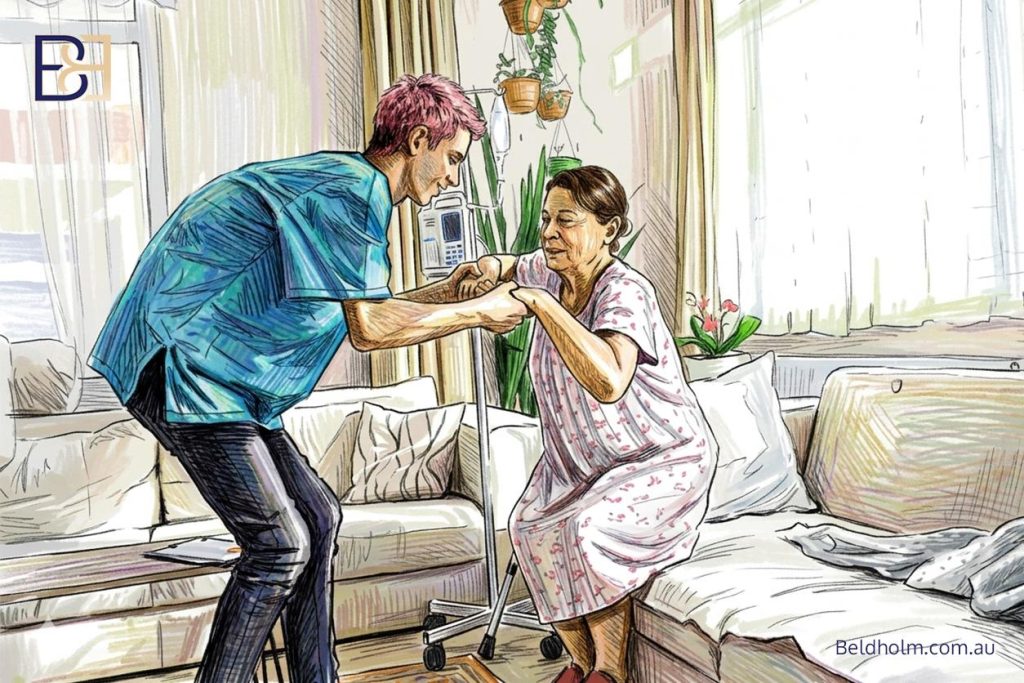
Identify before surgery who will:
- Drive you home from the hospital.
- Help in the first two weeks with meals, household tasks and personal care.
- Take the children to school and to activities.
- Manage the shopping.
Confirm these arrangements before your surgery date. Last-minute scrambling at week one is exhausting.
Have a fallback plan
Build in a plan B for the case where healing takes longer or a complication arises.
Useful fallbacks:
- Extra annual leave held in reserve.
- A conversation with HR about extending leave if needed.
- A backup childcare option.
These rarely need to be used, but the peace of mind is significant.
Warning Signs as You Return to Work
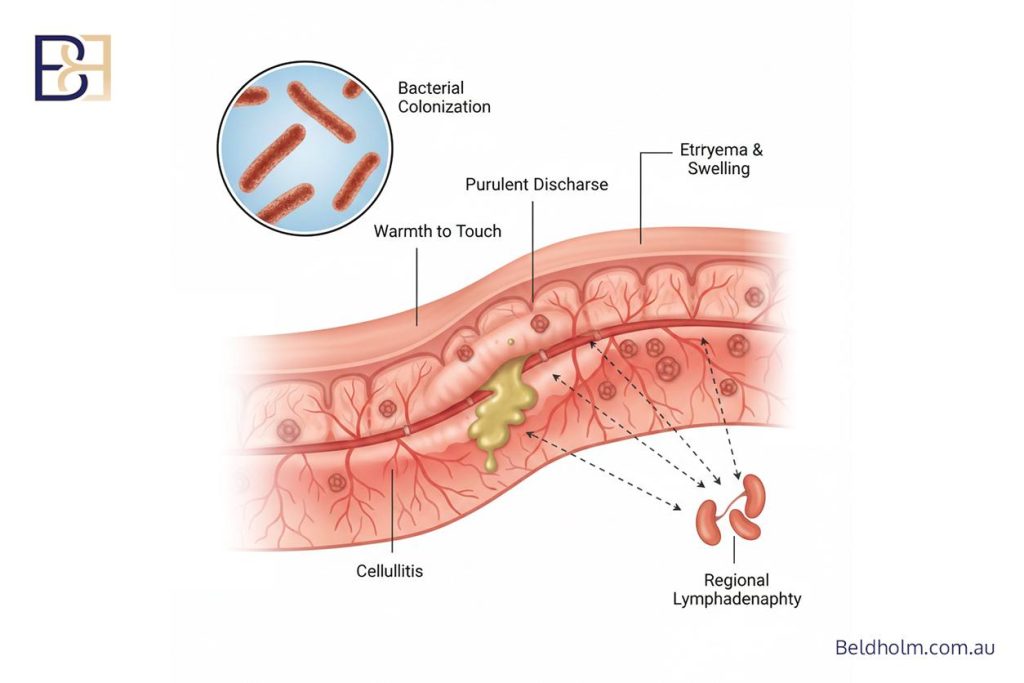
Returning to work is a transition, not a finish line. The healing process continues for months and you need to know what is normal and what is not.
The following are reasons to stop and seek review.
Wound issues
- Sudden increase in redness, warmth or swelling around the incision.
- Wound opening, separation, or discharge that is purulent or foul-smelling.
- Bleeding from the wound that does not settle with light pressure.
- Increasing pain at the wound site, particularly if asymmetric.
Signs of infection
- Fever above 38 degrees Celsius.
- Chills, sweats or general unwellness.
- Increasing redness spreading from the wound.
DVT and pulmonary embolism symptoms

These are the symptoms I want every patient to know after a post-weight-loss body contouring operation:
- New calf pain, calf swelling, calf warmth or redness, particularly on one side.
- Sudden shortness of breath.
- Chest pain, particularly pleuritic chest pain that worsens with breathing.
- Coughing up blood.
- Sudden lightheadedness or fainting.
Pulmonary embolism is a medical emergency. Call 000 or attend the nearest emergency department immediately if you have sudden shortness of breath or chest pain.
Hernia or wound integrity concerns
- A new bulge appearing on the abdomen, particularly with straining.
- A sudden tearing sensation during lifting or twisting.
- Asymmetric swelling of the abdomen.
If muscle repair (diastasis recti) was part of your operation, these symptoms also raise the possibility of disruption to the repair. Stop the activity and contact my rooms.
Bowel and bladder issues
- Inability to pass urine for more than a few hours.
- No bowel motion for more than four to five days post surgery despite laxatives.
- Severe abdominal pain or distension.
Who to contact

For non-urgent concerns, call my rooms during business hours.
After hours, patients call Maitland Private Hospital. The hospital runs nurse-led phone triage. A nurse takes the call, gives advice for less urgent concerns, or contacts me directly when my input is needed.
For anything that requires a physical assessment, attend your local emergency department. Maitland Private is not an emergency department and no on-site doctor is available to assess discharged patients.
For life-threatening issues, including suspected pulmonary embolism, severe bleeding, severe shortness of breath, chest pain, or sudden collapse, call 000 immediately.
Common Questions About Returning to Work After Abdominoplasty Post Weight Loss
A few questions come up so often in consultation that I want to discuss them directly.
How long does muscle repair (diastasis recti) take to heal after a tummy tuck (abdominoplasty)?
Most post-weight-loss patients do not need formal muscle repair (diastasis recti). The separation of the rectus abdominis muscles is mainly a post-pregnancy issue. Repair is only performed when there is true diastasis to treat.
Where muscle repair (diastasis recti) is part of the operation, the rectus muscle plication gains meaningful strength at around six weeks and is at near full integrity by three months. Some remodelling continues for six to twelve months.
The lifting limit while the repair is healing is ten kilograms for the first six weeks. Strenuous core exercise is held off until at least 3 months.
Pushing the muscle repair (diastasis recti) early risks tearing the plication and producing a worse long-term result.
When can I walk on a treadmill after a tummy tuck (abdominoplasty)?
Walking starts straight away. From Day 1, you are up and moving around as part of the post-operative care plan. It is one of the main protections against blood clots.
The question is mainly about how fast and how hard the walking is.
In the first two weeks, expect short, slow walks at a relaxed pace, repeated several times a day. The forward-flexed posture in this window limits how brisk you can go.
From around two to three weeks, most patients can pick up the pace and walk on a flat treadmill setting for short blocks, provided the wounds are settled and you are off opioid pain medications.
By four to six weeks, you can usually extend the duration and lift the pace to a comfortable brisk walk.
Running, inclined treadmill work, and higher-intensity exercise should stay off the program until at least six to eight weeks. Use the four-week post-operative review to check this with me.
How do I know if I have torn my internal stitches?
This question applies to patients who have had muscle repair (diastasis recti) as part of their abdominoplasty (tummy tuck).
The internal sutures from the muscle repair (diastasis recti) are strong but can tear if you push the limits too early.
Warning signs include:
- A sudden sharp pain in the abdomen during lifting or twisting.
- A tearing or popping sensation.
- A new bulge in the abdomen appearing after the event.
- Increasing asymmetric swelling.
If any of these happen, stop the activity, rest, and contact my rooms. Attend your local emergency department if symptoms are severe.
Can I push to pass a bowel motion after surgery?
Constipation is common after abdominoplasty (tummy tuck). This is due to pain medications, reduced mobility, and the abdominal pressure of the procedure itself.
Straining hard to pass a bowel motion is not advised in the first few weeks. It pressurises the abdominal wall and the wound closure.
I prescribe a stool softener routinely. Adequate hydration, dietary fibre, and light walking all help.
If you are still not passing a motion four to five days after surgery despite the stool softener, contact my rooms.
How long until I can lift my children again?
Lifting a young child is one of the activities patients miss most and one of the activities most likely to compromise the healing tissues if started too early.
Toddlers and small children should not be lifted before six weeks. Lifting larger children or babies in capsules is held back until at least eight to ten weeks, longer if muscle repair (diastasis recti) has been performed.
Plan for this. Have a partner, family member or paid helper available for these tasks in the early weeks.
Does the compression garment affect my return to work?
The compression garment is worn under clothing once you return to work and most patients find it manageable.
Loose-fitting clothing on top makes it less visible.
The garment is part of the healing process. It continues to reduce swelling and support healing tissues for around four to six weeks total, sometimes longer.
Dr Beldholm’s Final Word

Returning to work after an abdominoplasty (tummy tuck) post weight loss is not a single date on a calendar. It is a gradual process that depends on your procedure, your occupation, your nutritional preparation, your healing rate, and the support you have around you.
In my practice, the patients who manage this part of the journey best plan for the upper end of the estimate, get their nutrition and bloods sorted before surgery, communicate clearly with their employer, and arrange support at home.
The patients who struggle most are usually the ones who under-booked their leave and tried to push through too early.
I give you a working estimate at the first consultation. I revise it as we move through the optimisation phase and again at your post-operative reviews. The return-to-work decision can be made at any post-operative visit, depending on how you are healing and what your role requires.
Recovery times vary between individuals. The priority is healing well, not healing fast.
All surgery carries risk. The information in this article is general guidance only and is not a substitute for individual assessment at consultation. A GP referral is required before a surgical consultation can be booked.
References
- Massenburg BB, Sanati-Mehrizy P, Jablonka EM, Taub PJ. Risk factors for readmission and adverse outcomes in abdominoplasty. Plast Reconstr Surg. 2015;136(5):968-77.
- Austin RE, Lista F, Khan A, Ahmad J. The impact of protein nutritional supplementation for massive weight loss patients undergoing abdominoplasty. Aesthet Surg J. 2016;36(2):204-10.
- Griffin LL, Casas LA. Risk of thromboembolism following body contouring surgery after massive weight loss. Plast Reconstr Surg. 2015;136(6):777e-82e.
- Mitchell RT, Rubin JP. The Fleur-De-Lis abdominoplasty. Clin Plast Surg. 2014;41(4):673-80.
- Humar P, Robinson J. Preparing the post-massive weight loss patient for body contouring surgery and post-operative surveillance for deep vein thrombosis. Plast Reconstr Surg Glob Open. 2024;12(3):e5680.
- Clayton M, Verow P. Advice given to patients about return to work and driving following surgery. Occup Med (Lond). 2007;57(7):488-91.
- Agha-Mohammadi S, Hurwitz DJ. Enhanced recovery after body-contouring surgery: reducing surgical complication rates by optimising nutritional intake. Aesthetic Plast Surg. 2010;34(5):617-25.
- Mehta D, Khan S, Robinson J. Nutritional challenges in post-massive weight loss body contouring: guidance on GLP-1 agonists and sleeve gastrectomy. Aesthet Surg J. 2025;45(2):145-58.