
Recovering from Abdominoplasty Post Weight Loss (Standard & Extended Abdominoplasty)

Recovering from Abdominoplasty Post Weight Loss (Standard & Extended Abdominoplasty)

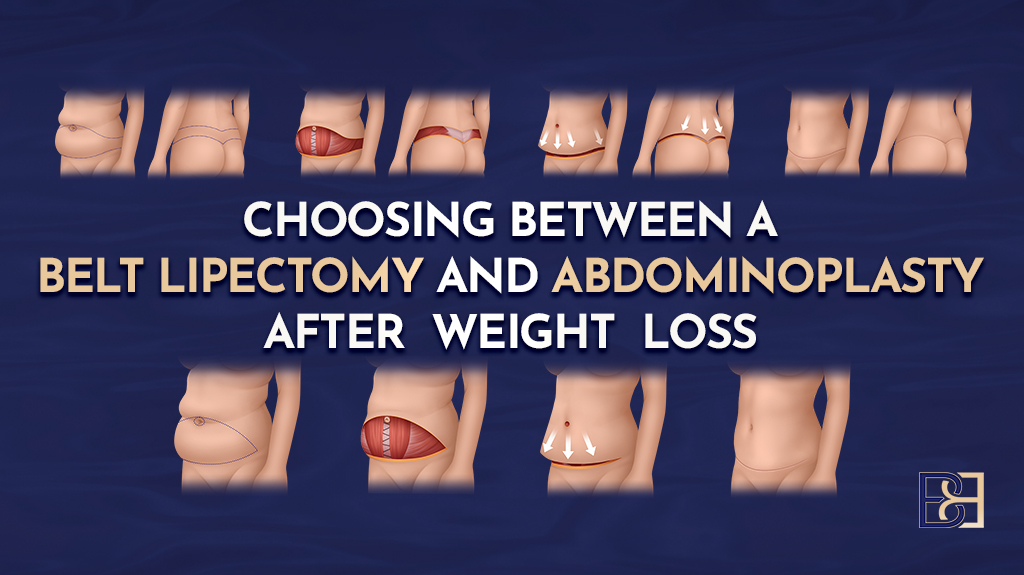
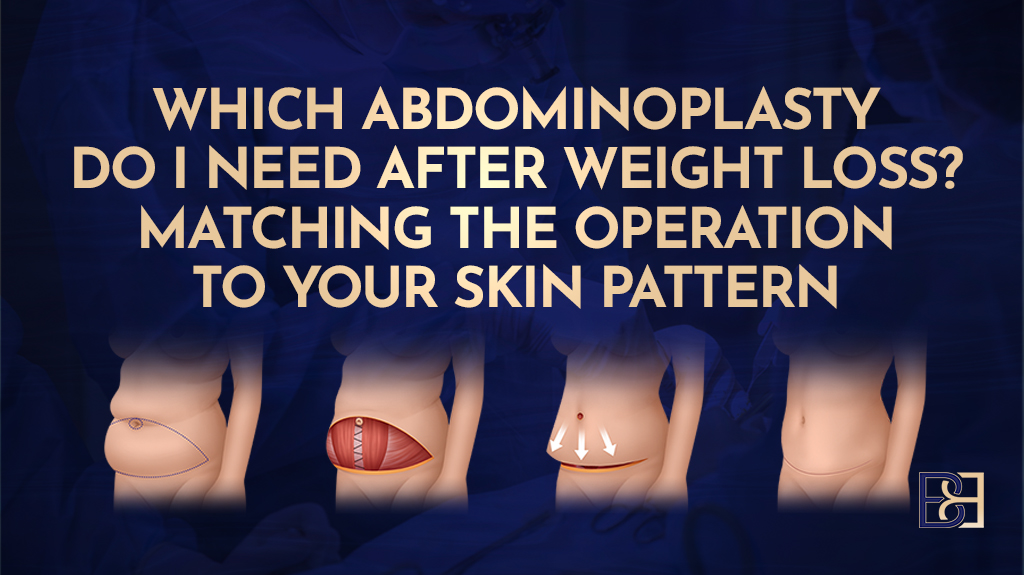
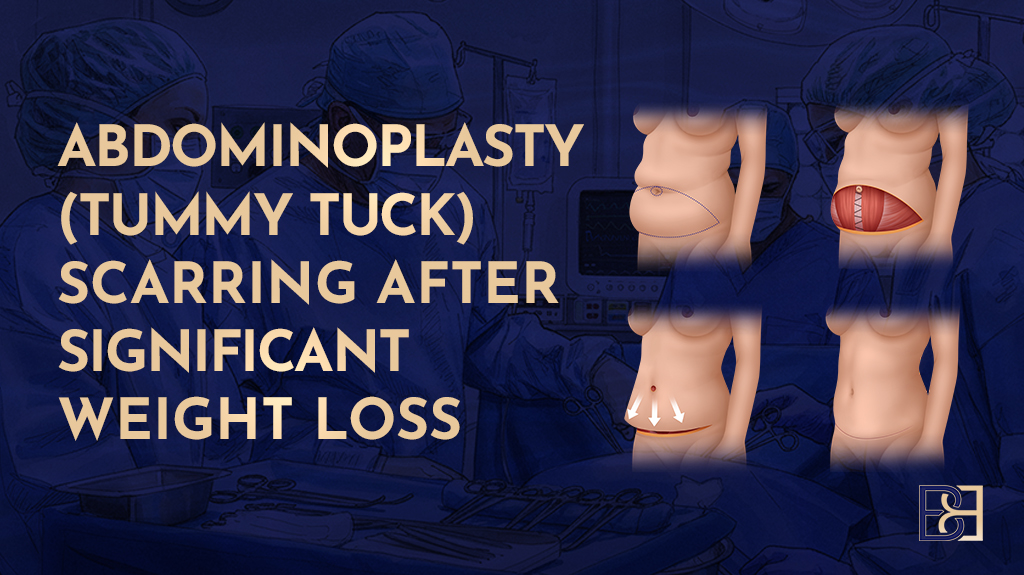
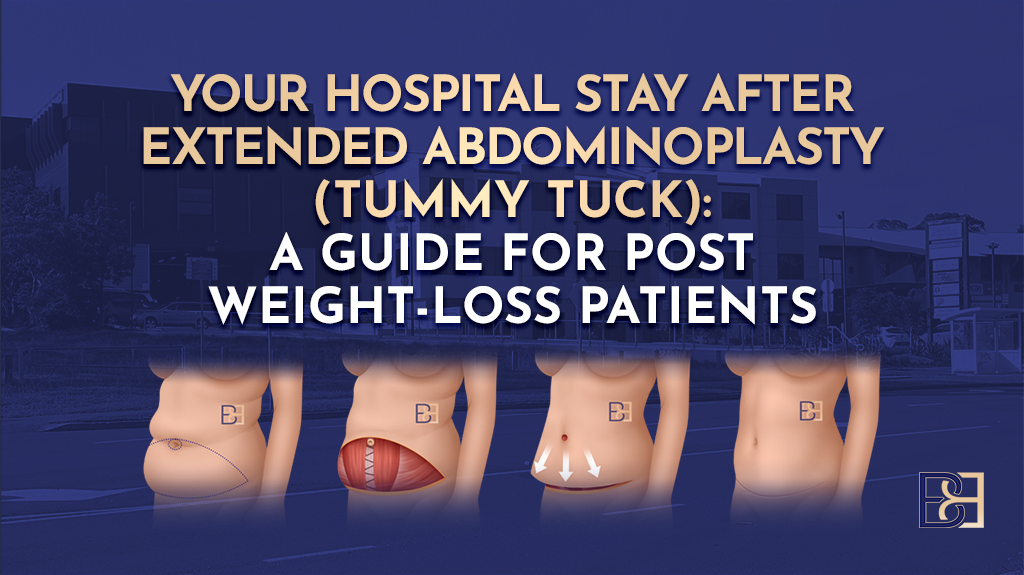
For many people who have achieved significant weight loss—whether through bariatric surgery such as a gastric bypass surgery or through consistent lifestyle change—the journey doesn’t end when the weight comes off. What remains is often excess skin and fat that doesn’t contract naturally. A full or extended abdominoplasty (tummy tuck

Complications from Lower Torso Operations Post Weight Loss

Complications from Lower Torso Operations Post Weight Loss

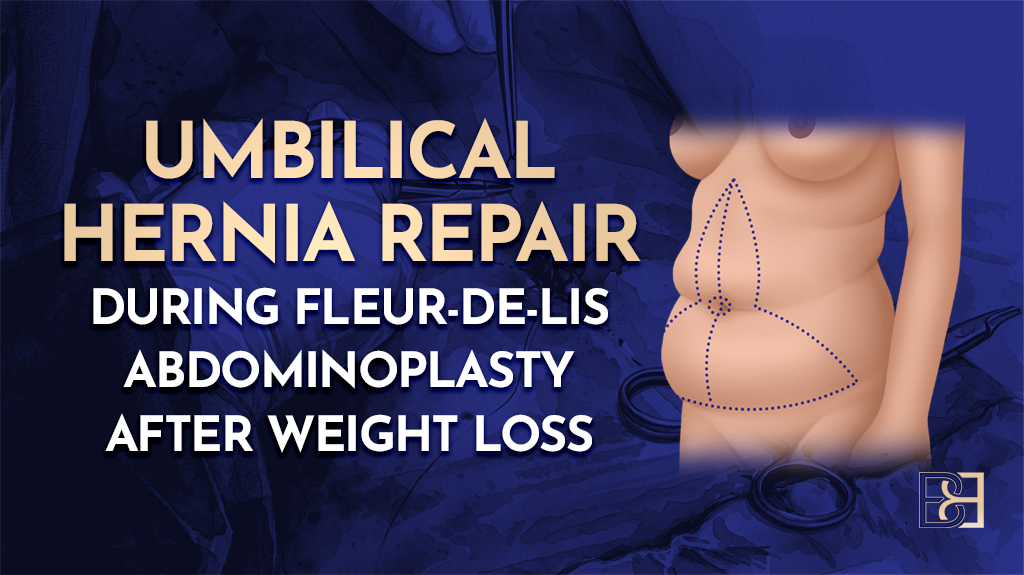
Lower torso operations after massive weight loss are a common part of body contouring surgery. These operations include abdominoplasty (tummy tuck), extended abdominoplasty, Fleur-de-Lis abdominoplasty, and circumferential lipectomy (belt lipectomy). For post bariatric patients, these operations can treat excess skin that remains after significant weight loss. This article provides an

Recovering from Lower Torso Surgery After Significant Weight Loss

Recovering from Lower Torso Surgery After Significant Weight Loss

After significant weight loss – whether through bariatric surgery, lifestyle changes, or medically supervised weight-loss medications – many patients choose lower torso operations to treat excess skin and skin laxity. Recovery is a vital stage in this journey. This page is an overview of the recovery process after different lower

Historically Significant: Mastectomy for Gynecomastia Through Semicircular Intra-Areolar Incision, Webster (1946)

Historically Significant: Mastectomy for Gynaecomastia Through Semicircular Intra-Areolar Incision, Webster (1946) 

Written in 1946 by Dr. Jerome P. Webster, Mastectomy for Gynaecomastia Through a Semicircular Intra-Areolar Incision describes a forward-thinking surgical technique for treating gynaecomastia using a minimally invasive approach.  First introduced in 1934, the Webster procedure holds particular historical significance as one of the first surgical approaches specifically designed to

Beldholm 2024 Gynaecomastia Grading System and Treatment Recommendations

Beldholm 2024 Gynaecomastia Grading System and Treatment Recommendations

More than a physical condition or aesthetic concerns, men suffering with gynaecomastia are also burdened with psychological issues and emotional distress, which can be just as, if not more, debilitating.  Developed after a decade and half of experience treating men with gynaecomastia, my goal when creating this new classification system

Rohrich Gynaecomastia Classification System (2003)

Rohrich Gynaecomastia Classification System (2003)

According to an article, Classification and Management of Gynecomastia: Defining the Role of Ultrasound-Assisted Liposuction, written by Rod J. Rohrich, M.D., et al., medical management has had limited success for the treatment of gynaecomastia, with excisional surgical techniques becoming the accepted standard. However, with such important physical and psychological impacts and an

Nydick 1961 Gynaecomastia Classification System

Nydick 1961 Gynaecomastia Classification System

Introduced in 1961, the Nydick 1961 Gynaecomastia Classification System focuses on identifying gynecomastia in its early stages, particularly in adolescents. Unique in its simplicity and practical focus on clinical assessment, Nydick is unlike later systems that categorize gynaecomastia into various stages based on the extent of breast enlargement and skin

Cohen 1987 Gynaecomastia Classification System

Cohen 1987 Gynaecomastia Classification System

The Cohen classification system is a framework for categorising the severity and presentation of gynaecomastia, a condition characterised by the enlargement of male breast tissue. Developed by J.C. Cohen in 1987, this system built upon earlier models, offering recommendations for planning the most appropriate gynaecomastia treatment. By classifying gynaecomastia into four distinct

Location

30 Belmore Rd
Lorn NSW 2320

Connect