Losing a large amount of weight is a real achievement. Whether you reached your goal through bariatric surgery, weight loss medications, or sustained changes to diet and exercise, the effort involved is considerable. Many of the patients I see in my practice have lost 30, 50, or more than 70 kilograms.
One thing often remains once the weight has gone: loose, excess skin. When skin has been stretched over a larger frame for a long time, it does not always shrink back after the underlying fat is lost. This is common, and for many people it is the point where surgery can help.
Patients come to see me for different reasons. For some, the concern is how the loose skin looks and how it sits under clothing. For others, the issue is more practical. Skin folds can rub together, trap moisture, become inflamed, and make exercise or daily movement harder. Both are reasonable reasons to ask about your options.
Over the past few years I have seen more patients reach this point. Modern weight loss medications have driven significant weight loss for many people, and the numbers coming through after major weight loss have grown. Our understanding of the nutritional picture after weight loss has also improved, and preparation before surgery now plays a bigger part in how I plan these operations than it did even a few years ago.
This article is an overview of body contouring after weight loss. It covers what the surgery involves, the procedures I perform, how I weigh up a single operation against staged surgery, who is suited to it, and what preparation and recovery look like. Each procedure has its own detailed article linked along the way.
Why loose skin develops after weight loss
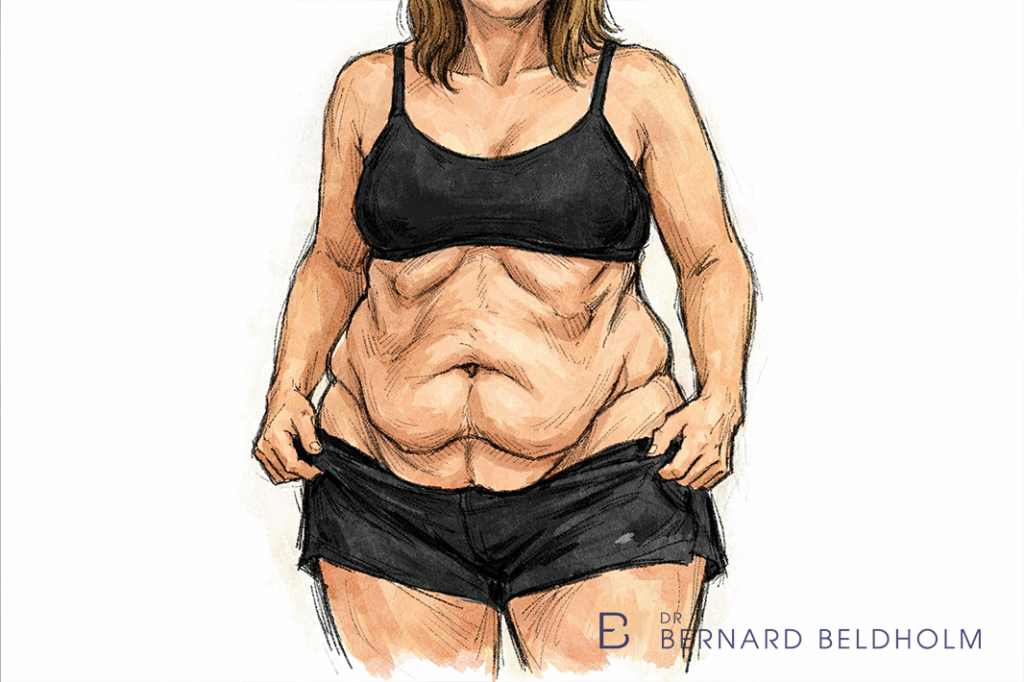
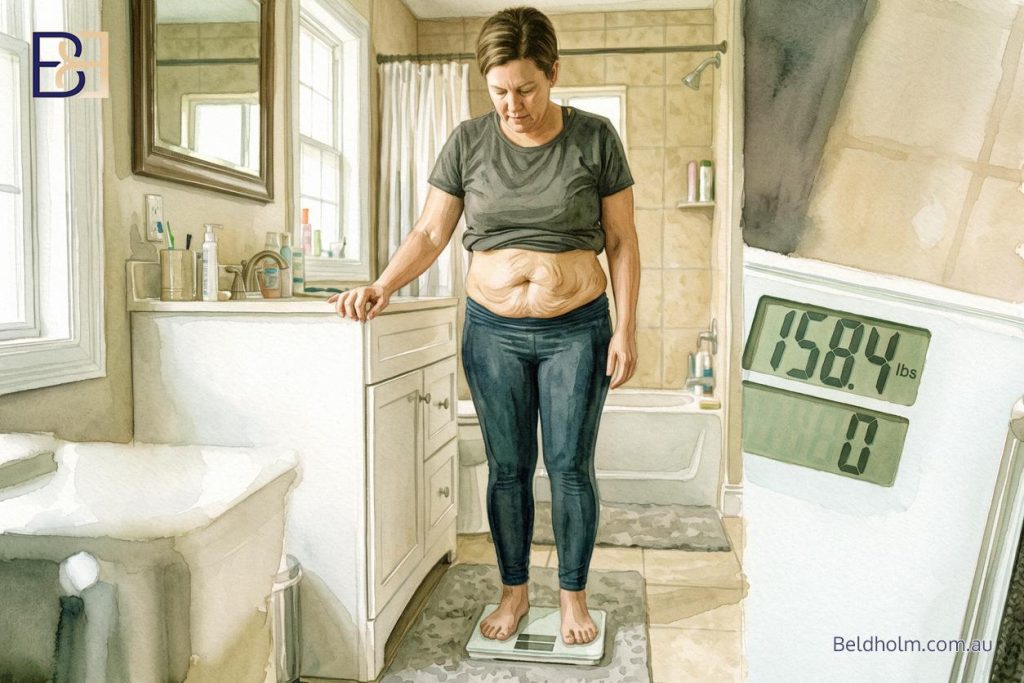
Skin is stretchy, but only up to a point. The skin stretches as the body grows larger and is meant to shrink back as the body becomes smaller. After major weight loss, that recoil is often incomplete. The skin has lost some of its elasticity, so it hangs rather than tightening to the new shape.
Two proteins in the skin drive this: collagen, which gives skin its strength, and elastin, which lets it stretch and return. When skin is stretched a long way for a long time, these fibres are damaged and do not fully recover (1). Skin elasticity is reduced as a result, and the skin no longer fits the smaller frame.
In my practice, the amount of loose skin a patient has after weight loss tends to come down to a few factors.
How much weight was lost
The larger the loss, the more excess skin there usually is. Patients who lose very large amounts, particularly after bariatric surgery, are the most likely to have significant loose skin that will not retract on its own (2).
How long the weight was carried
The longer the skin carried the excess weight over a larger frame, the more the collagen and elastin are affected, and the less the skin recoils once the weight comes off.
How rapidly the weight came off
Rapid weight loss gives the skin less time to adapt. This is one reason loose skin has become a more common reason for consultation as weight loss medications have helped people lose weight faster than diet and exercise alone often would.
Age
Skin loses collagen and elastin gradually with age. Older skin has less capacity to recoil, so the same amount of weight loss can leave more loose skin in an older patient than a younger one.
Sun exposure and smoking
Long-term sun exposure breaks down collagen and elastin in the skin. Smoking does the same, and the chemicals in tobacco smoke also reduce blood supply to the skin, which matters both for skin quality and for healing after surgery.
Genetics
Skin thickness and quality vary from person to person and are partly inherited. This is why two people who lose a similar amount of weight can end up with quite different amounts of loose skin.
None of these factors can be changed once weight loss is complete, and creams, supplements, and exercise do not remove established loose skin. Where the skin has stopped retracting, surgery is the only way to remove the excess. Whether surgery is appropriate for you is something I assess at consultation.
What body contouring is, and what it is not
Body contouring after weight loss is a group of operations that remove excess skin and excess fat and reshape the underlying tissue. The aim is to take away the skin that no longer fits your new body shape and to settle the surrounding tissue into a flatter, more even contour.
Depending on where the loose skin sits, contouring can involve the abdomen, the back, the buttocks and thighs, the arms, the chest, or the breasts. Most patients have loose skin in more than one area. I go through the procedures themselves further down.
Body contouring does not cause weight loss
This is an important distinction. Body contouring removes loose skin and the small amount of fat attached to it. It does not change your appetite, digestion, or metabolism, and it will not lead to weight loss beyond the weight of the tissue that is removed. It is not a weight loss treatment.
Weight loss surgery and body contouring are different
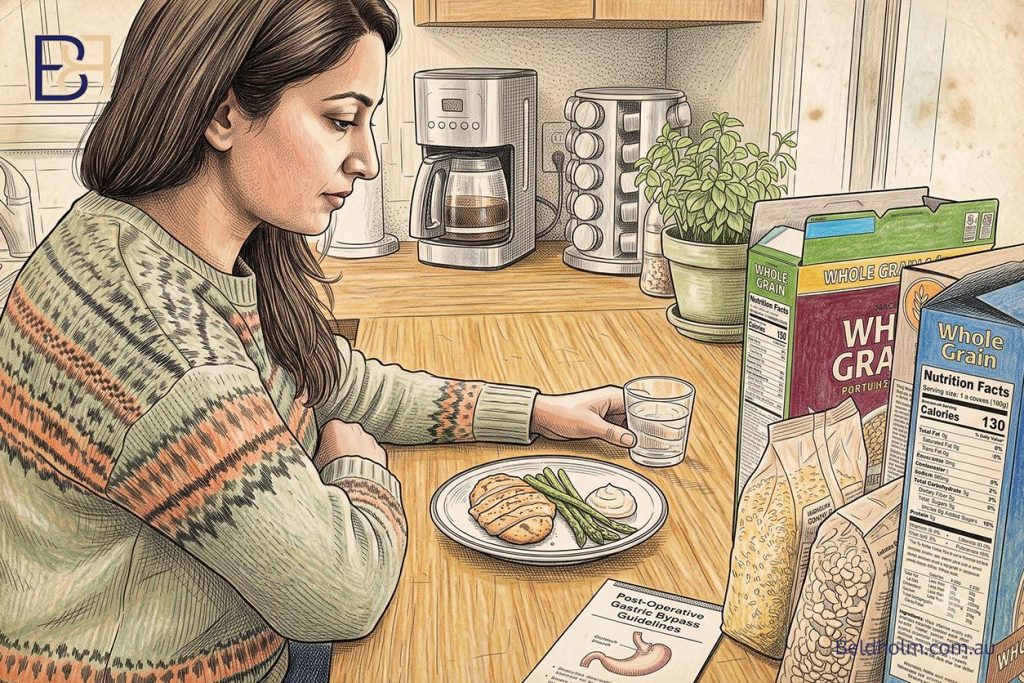
Weight loss surgery, such as a gastric sleeve or bypass, works by limiting how much you can eat and how your body absorbs food. It is the step that produces the weight loss in the first place.
Body contouring comes later. It deals with what is left behind once the weight has gone and your weight has settled. The two are separate operations, done for different reasons, usually months or years apart.
It relates to both appearance and function
Patients often ask whether body contouring is a cosmetic procedure. The answer is that it sits across both purposes. For many patients, loose skin is a concern about appearance. For others, the same skin causes practical problems: loose folds that rub and break down, recurrent skin and fungal infections, difficulty with hygiene, and trouble fitting clothing or exercising comfortably. In my practice, I see both, and often together in the same patient.
The procedures I perform after weight loss
Most post weight loss patients have loose skin in several areas, so I think of these body contouring procedures as a set rather than as single operations. The right combination depends on where your skin laxity is and what matters most to you. Each procedure below has its own detailed article, linked for you to read further.
Abdomen and trunk
Abdominoplasty (tummy tuck). Removes loose skin and fat from the lower abdomen and tightens the underlying support tissue of the abdominal wall where needed. Most post weight loss patients need an extended abdominoplasty, which carries the skin removal around towards the hips, rather than the shorter operation used after pregnancy.
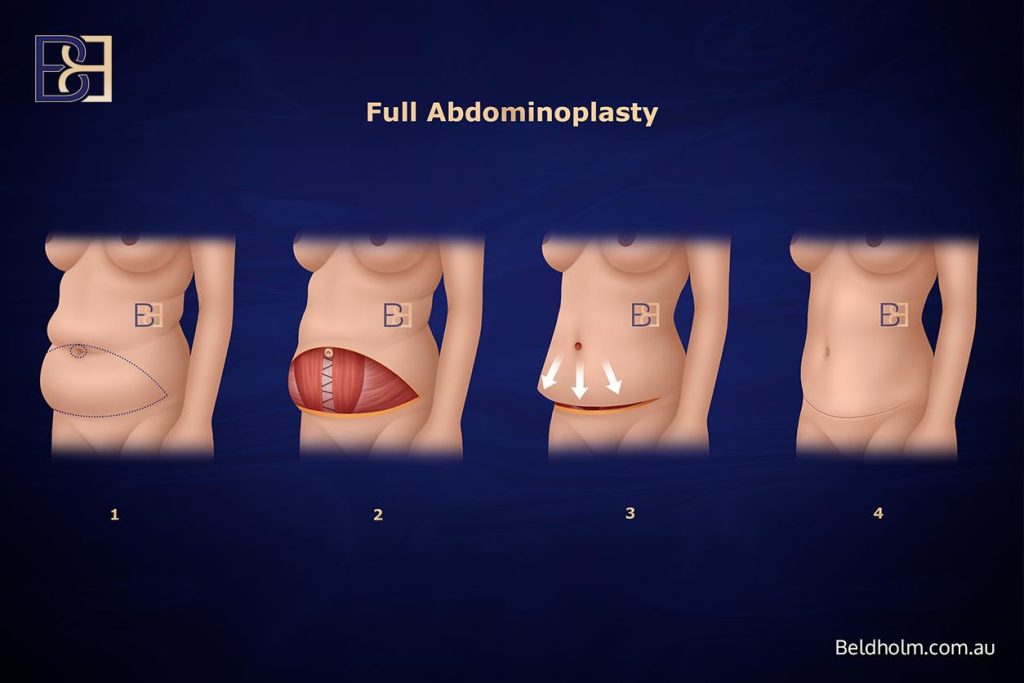
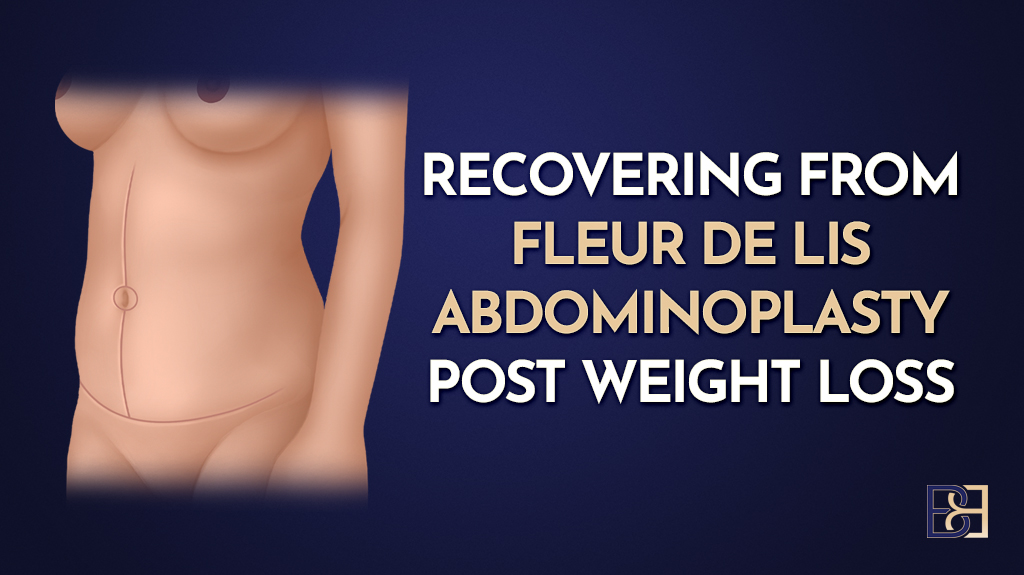
Fleur de Lis abdominoplasty. A version of abdominoplasty (tummy tuck) that removes skin both up and down and side to side, using a vertical incision in addition to the horizontal one. It suits patients with significant skin excess across the width of the abdomen, which is common after large weight loss.

Body lift (belt lipectomy). Also called a lower body lift (belt lipectomy), this removes a belt of loose skin right around the body, treating the abdomen at the front and the buttocks and outer thighs at the back in one operation.
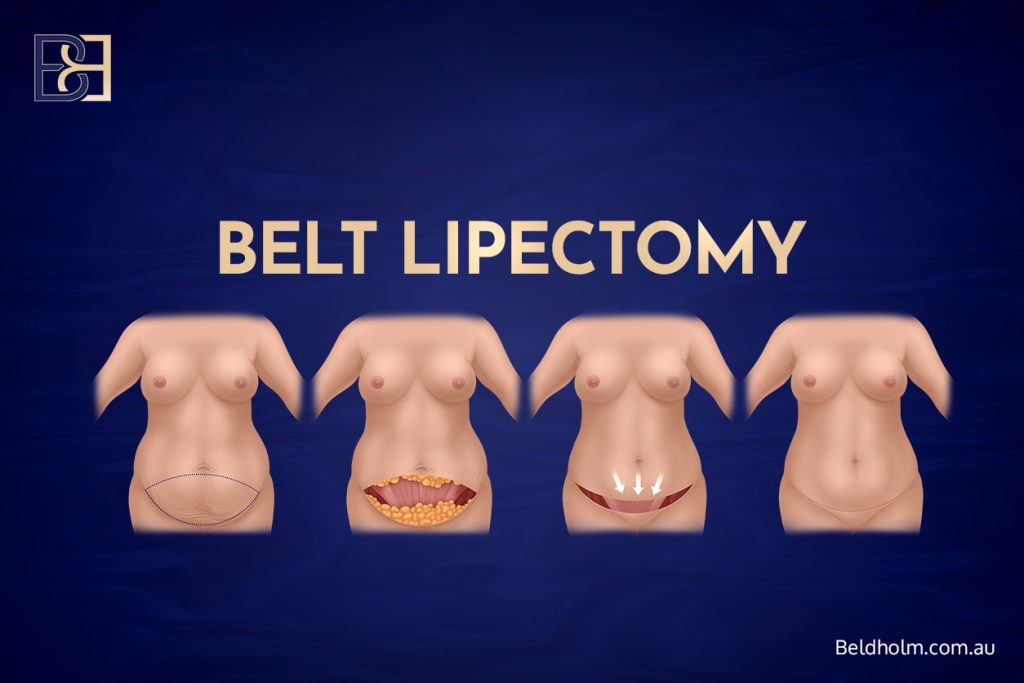
Circumferential hybrid abdominoplasty. My own approach that combines a full body lift (belt lipectomy) with a vertical anterior incision. It is for patients who need skin removed in several directions at once. It is a larger operation, not a smaller one.

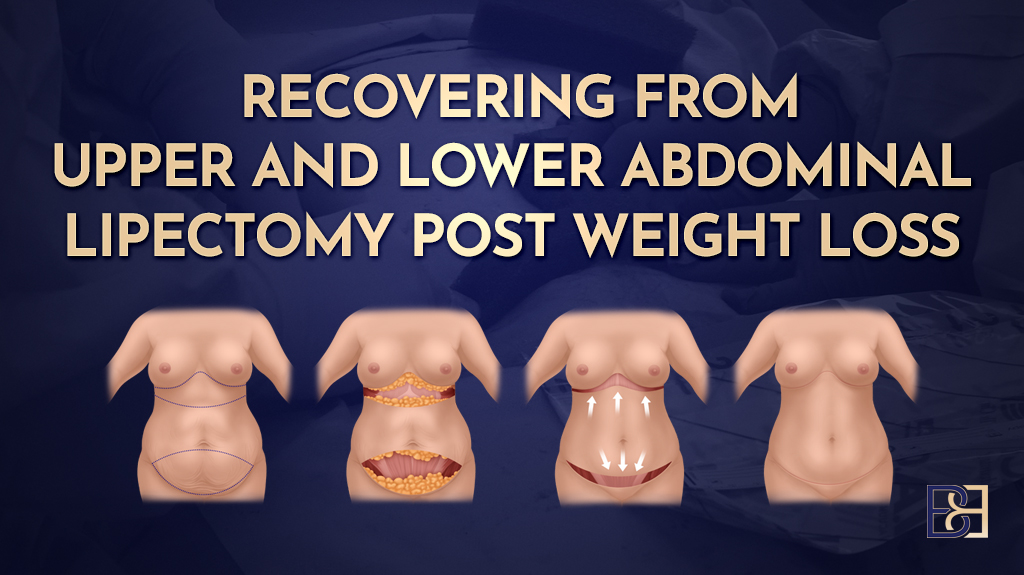
Dual vector abdominoplasty. My own approach that combines a Fleur de Lis abdominoplasty with removal of loose skin from the upper abdomen, for patients with marked laxity running in more than one direction.
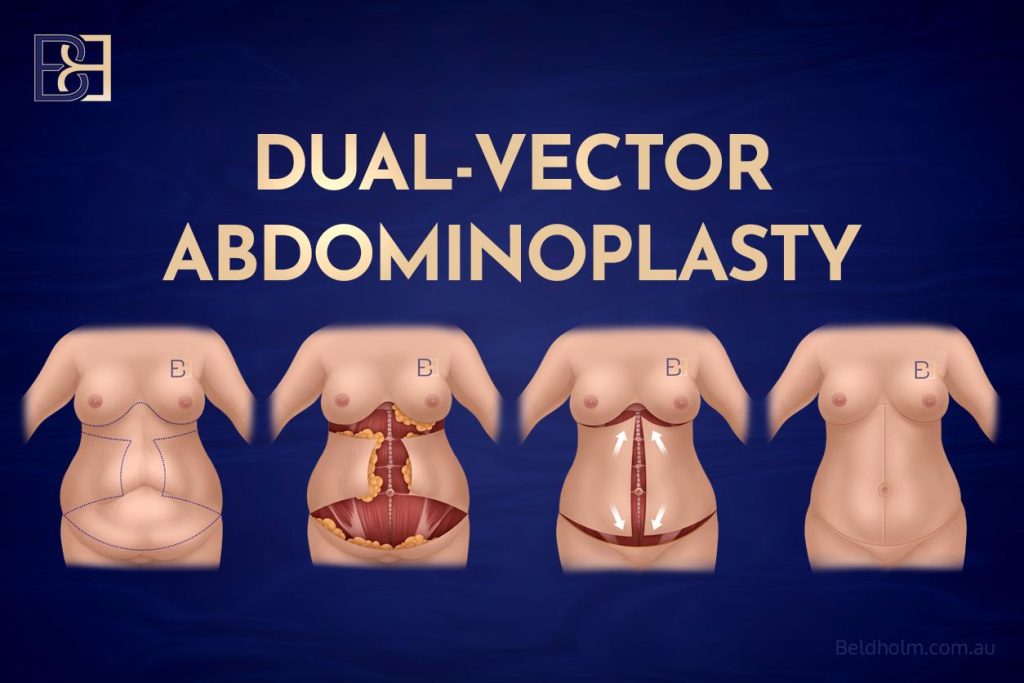
Apronectomy. Removes the overhanging apron of excess abdominal skin on its own, without the wider tightening of an abdominoplasty (tummy tuck). It can suit patients for whom a longer operation is not appropriate.
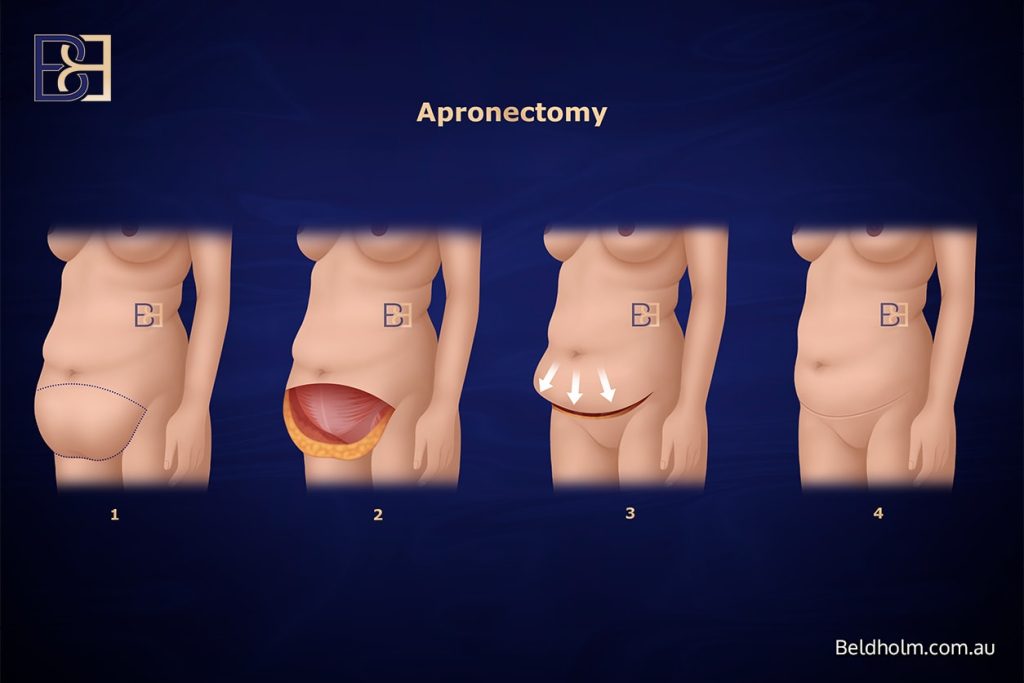
Hips, buttocks and thighs
Thighplasty (thigh lift). Removes loose skin from the inner thighs and reshapes the contour, for skin on the inner and outer thighs that hangs or chafes after weight loss.

Gluteal lipectomy (buttock lift). Lifts and reshapes loose skin over the buttocks, often as part of a body lift (belt lipectomy).
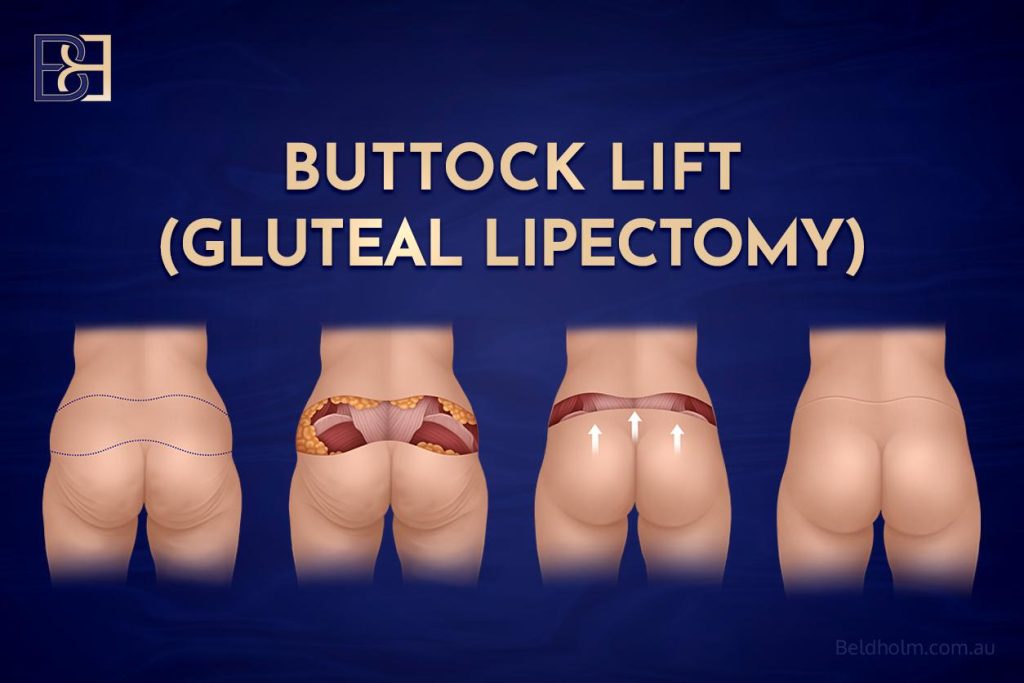
Arms, back and chest
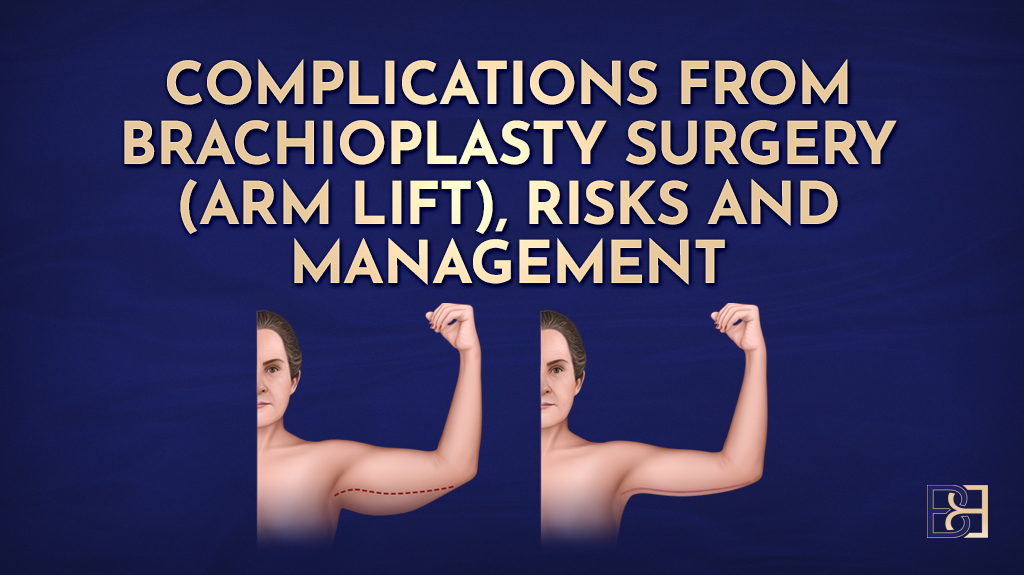
Brachioplasty (arm lift). Removes loose skin from the upper arms, which is a frequent concern after large weight loss.
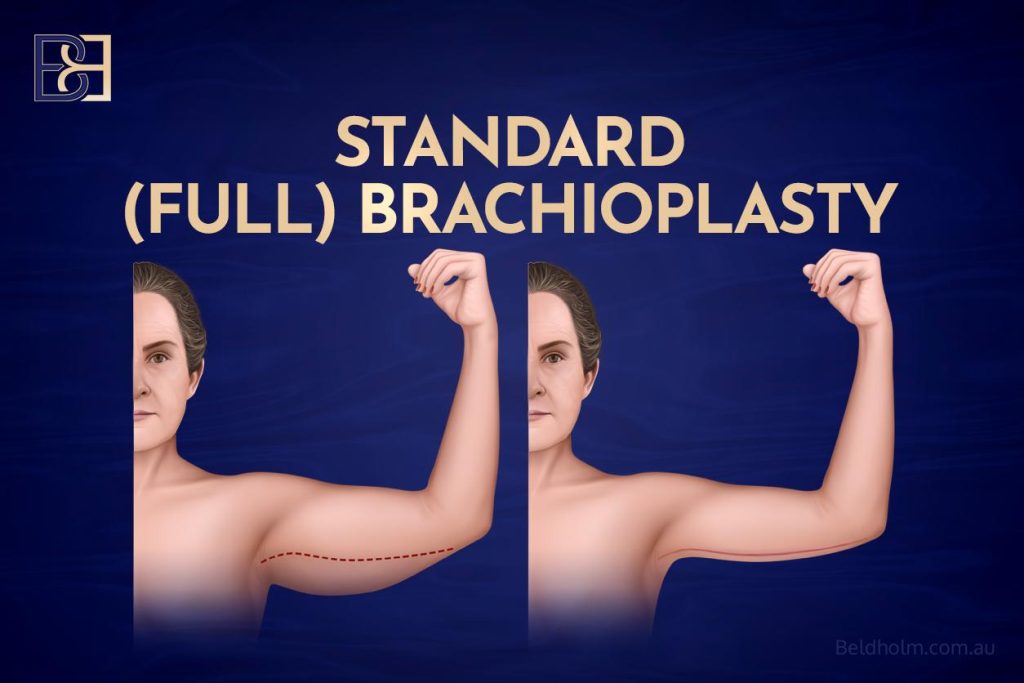
Bra line lipectomy (upper back lipectomy). Removes rolls of loose skin across the upper back.
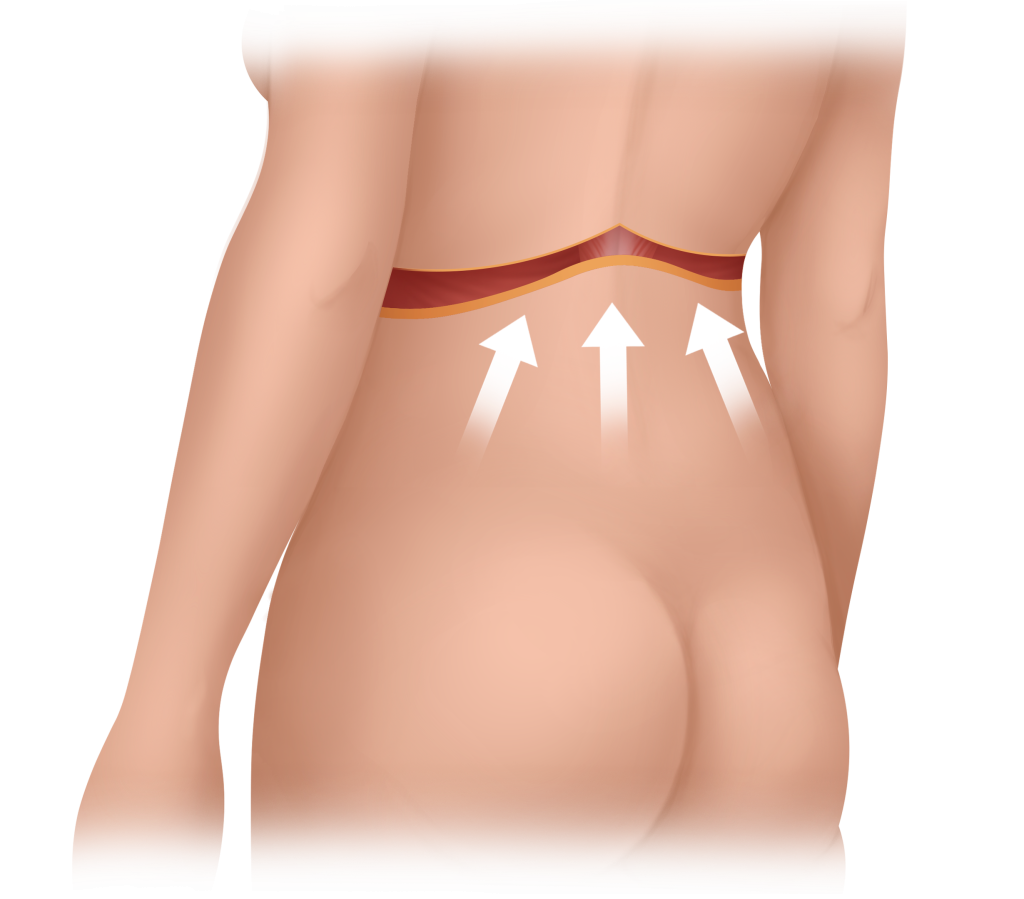
Male chest surgery (upper body lift, torsoplasty). Treats loose chest and upper trunk skin in men after weight loss.
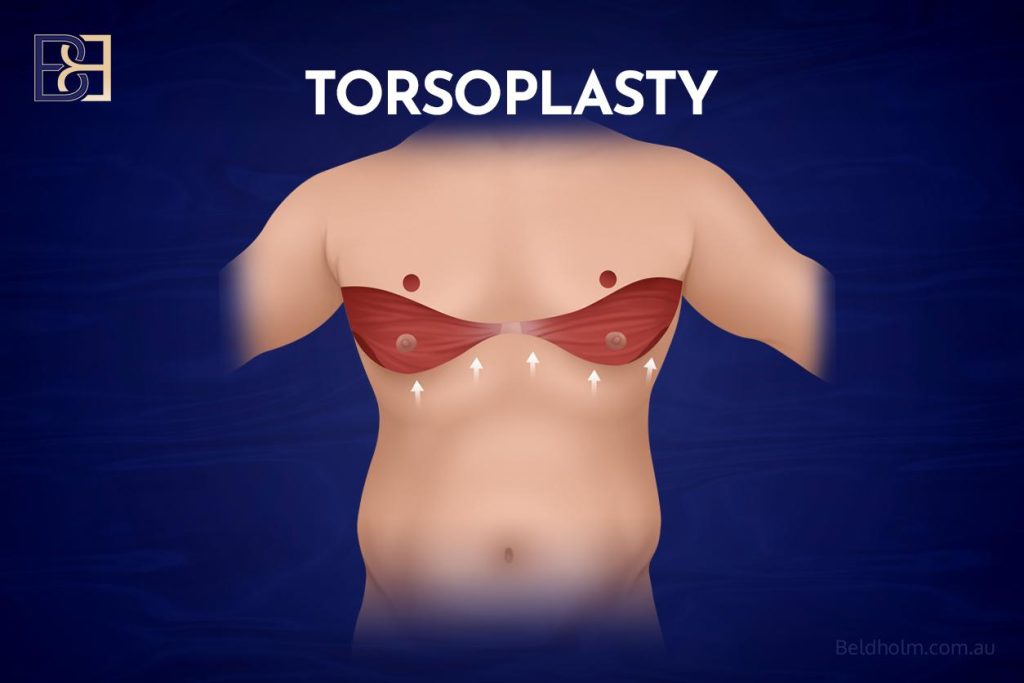
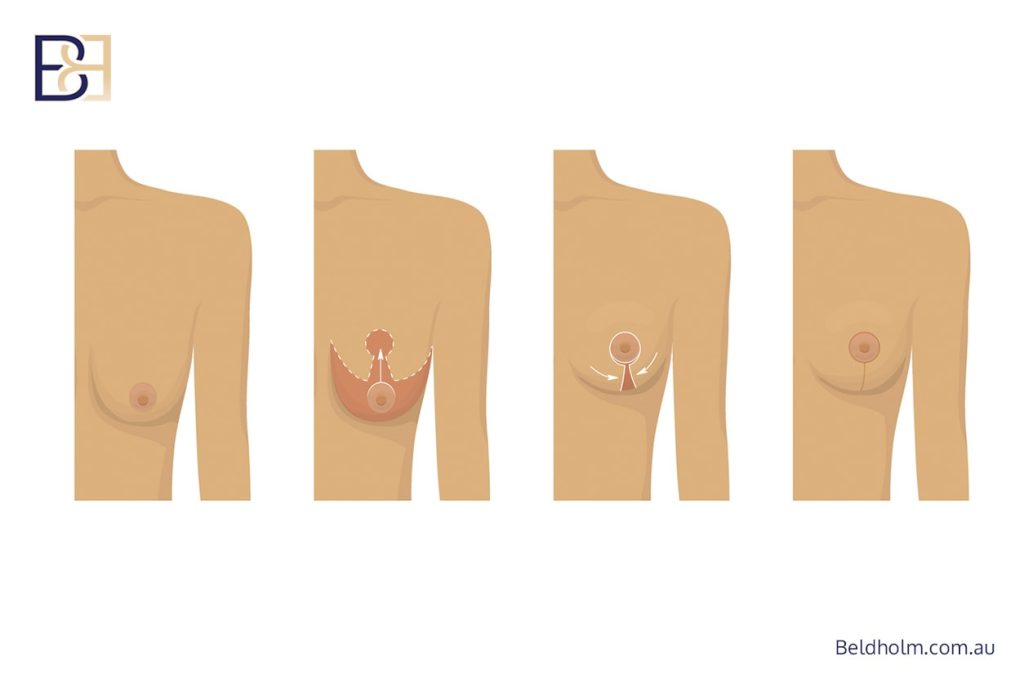
Breasts and mons
Mastopexy (breast lift). Lifts and reshapes breast tissue that has lost volume and position after weight loss.
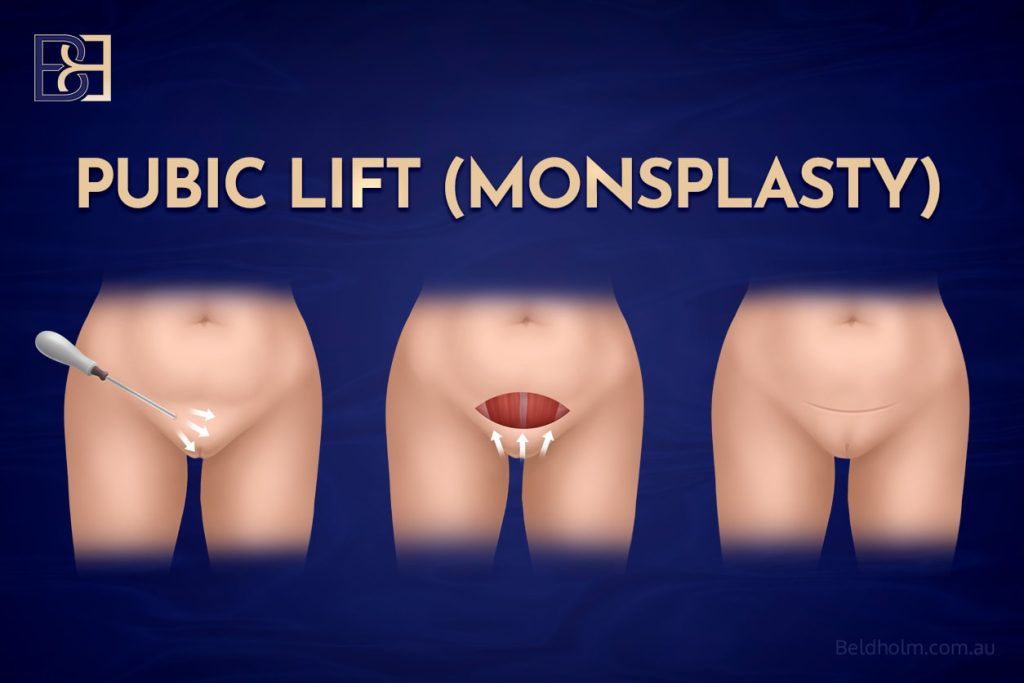
Monsplasty (pubic lift). Lifts the mons pubis, which commonly drops after large weight loss and is often treated alongside an abdominoplasty (tummy tuck).
Not every patient needs every procedure, and I never suggest more surgery than your situation calls for. Which procedures suit you, and in what order, is worked out together at consultation.
One comprehensive operation or staged surgery
Because most post weight loss patients have loose skin in more than one area, a common question is whether the work can be done in one operation or whether it should be split across two or more.
Where a patient is suited to it, my preference is to treat the loose skin in a single comprehensive operation rather than dividing it across several procedures. The reason is practical. One operation means one anaesthetic, one hospital admission, and one recovery period to work through, rather than repeating each of those steps two or three times.
This is a preference, not a rule. Suitability is decided patient by patient.
When a single operation may suit you
A single larger operation may be appropriate when the pattern of loose skin can be treated well in one operating time, when your general health and nutritional status support a longer procedure, and when combining the work genuinely reduces the total burden of anaesthesia, admission, and recovery for you as an individual. Whether these conditions are met is assessed at consultation.
When staging may be the better path
For some patients, doing everything at once places more demand on the body than is sensible. Staging the work across separate operations is then the more appropriate path. This is a legitimate clinical choice, not a fallback or a compromise. It may be the right approach when medical factors mean the work should be spread out, or when the extent of the surgery cannot be completed well in a single operating time.
The trade-off
A larger single operation is a bigger physiological event than a smaller one. That is the trade-off, and it is why I do not take the decision lightly. Combining procedures reduces the number of recoveries, but it asks more of the body in one go. This is exactly why preparation before surgery matters more when a single comprehensive operation is planned, not less.
How the decision is made

Book your appointment online now
The choice between one operation and staged surgery is a clinical judgement made for you as an individual. It follows assessment of your medical history, nutritional status, the pattern and extent of your loose skin, and what can be done well in one operating time. It is discussed and decided together at consultation. A GP referral is required before that consultation, and what suits one patient will not suit another.
Who is suitable for body contouring after weight loss
Body contouring is a considered decision, and not everyone who has lost a large amount of weight is ready for it at the time they first ask. When I assess suitability, I look at several things together rather than any single number.
A stable weight
Your weight should be stable before surgery. I usually look for a weight that has held steady for around twelve months. If you are still losing weight, the loose skin pattern will keep changing, and operating too early can compromise the result. Later weight gain has the same effect. Weight stability matters because weight fluctuations after surgery can distort the result. Holding a steady weight through a healthy diet and a healthy lifestyle gives the most reliable starting point.
Weight and BMI as a guide, not a cut-off
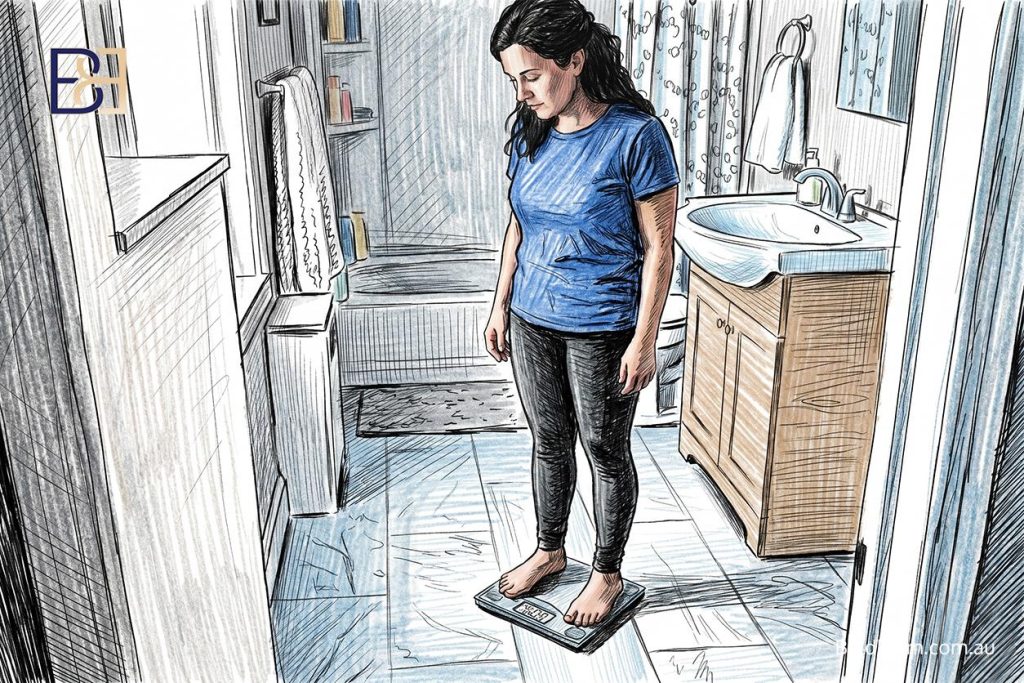
I use body mass index (BMI) as a rough guide rather than a hard line. A high BMI raises the risk of complications and affects what can sensibly be done, but I weigh it alongside your overall health and the pattern of your loose skin. There is no single BMI at which surgery is automatically on or off. I do not use routine DEXA scans to make this decision.
General health
Your overall health matters more than any one condition. Many post weight loss patients have medical issues such as diabetes, high blood pressure, or heart disease, often improved by the weight loss itself. Having a condition does not rule you out. What matters is how well it is controlled and how it affects the risk of a longer operation. I assess this for each patient, in partnership with your GP.
Not smoking

Smoking significantly increases the risk of wound healing problems after surgery, because it reduces blood supply to the skin. I ask patients to stop well before surgery. This single factor makes a real difference to healing.
Realistic expectations
Body contouring removes loose skin and reshapes the contour. It leaves permanent, visible scars, which I plan to sit where clothing usually covers them, and it does not produce an unblemished result. Going in with a clear understanding of what the surgery can and cannot do is part of being suited to it. Results vary from patient to patient.
A GP referral
A GP referral is required before your consultation. It also brings your GP into the process early, which matters for your blood tests and for your longer-term care after surgery.
None of these points is assessed in isolation, and none is decided before I have met you. Suitability for any of these procedures is determined at your initial consultation.
Preparing for surgery: nutrition and blood tests

Preparation matters more after weight loss than almost any other time I operate. Large weight loss, whether from bariatric surgery, weight loss medications, or diet, often leaves nutritional gaps that developed while the weight was coming off. Reduced food intake, changed absorption, and lower protein all take a toll. Going into a major operation with those gaps left uncorrected works against healing. Putting them right beforehand helps support healing and is a core part of how I plan these procedures.
It is also why preparation carries more weight before a larger single operation. The bigger the physiological demand, the more your nutritional reserves matter.
I do not reproduce supplement plans here, because they are individual and best read in full. My nutrition articles cover the detail.
- The role of protein before and after surgery
- Common nutritional deficiencies after weight loss
- The vitamins and supplements hub
The pre-operative blood panel
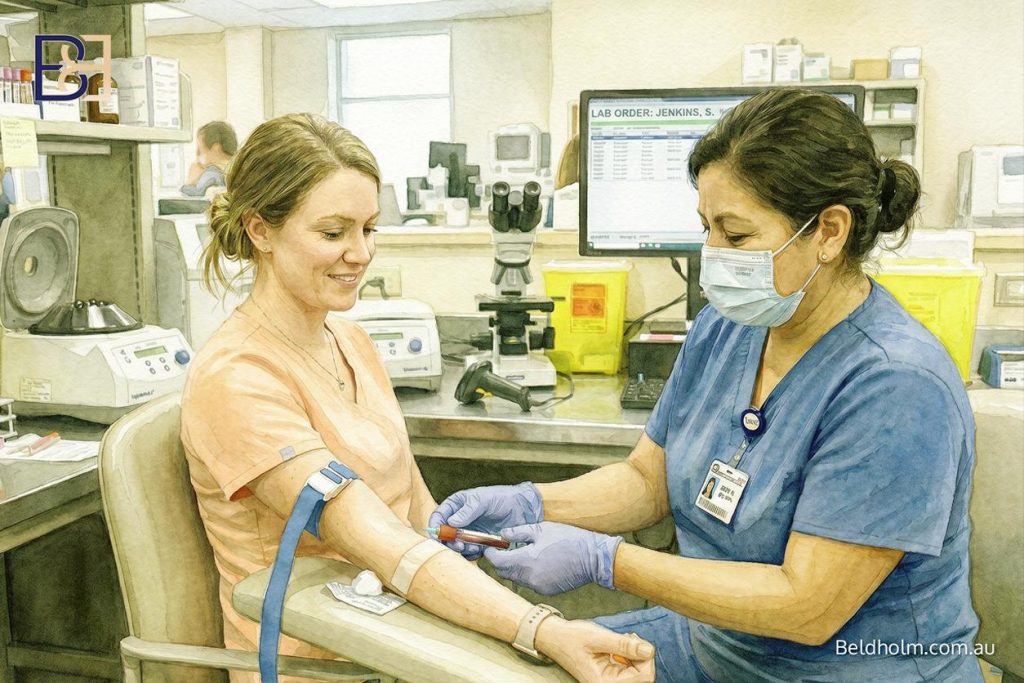
Every post weight loss body contouring patient in my practice has a standard panel of blood tests before surgery. It checks general health and screens for the deficiencies that are common in this group. The panel includes a full blood count, coagulation screen, liver function tests, electrolytes, glucose and HbA1c, iron studies, thyroid function, and viral screening for hepatitis B, hepatitis C, and HIV. It also checks albumin as the protein marker, along with vitamins A, B1, B6, B12, vitamin D, vitamin E, folate and red cell folate, zinc, and selenium. A pregnancy test is included where relevant.
Your GP is copied in on these results, and anything that needs correcting is sorted out before we set a surgical date. A full article on the blood panel is coming.
Who manages what

Preparation and recovery involve more than one person.
- I manage your pre-operative optimisation, your surgery, and your follow-up at four weeks, three months, six months, and twelve months.
- A dietitian at Maitland Private is available to review patients during their admission if the need arises. This is not a routine service for everyone. A range of protein supplements is available on the ward, and you are welcome to bring your own whey protein isolate.
- Your GP manages your longer-term health, is copied in on your pre-operative bloods, and takes over formal care at the four week post-operative visit.
Weight loss medications around the time of surgery

Many of my patients are taking weight loss medications when they come to see me. Current Australian guidelines do not recommend routinely stopping these before surgery, and I follow that position. In some cases, where protein targets are hard to meet, a temporary dose reduction may be discussed. That is a perioperative decision I make with you, based on your individual situation, and not a standing recommendation. Please do not adjust or stop any medication on your own. We plan this together, well in advance.
Risks and recovery realities
Body contouring is major surgery. The operations are longer and more involved than many people expect, and recovery takes real time.
The main risks
Every operation carries risk, and these surgical procedures are no exception. The ones I discuss with every patient include:
Bleeding and fluid collections. Blood can collect under the skin (haematoma), or fluid build up can occur (seroma), sometimes needing drainage.
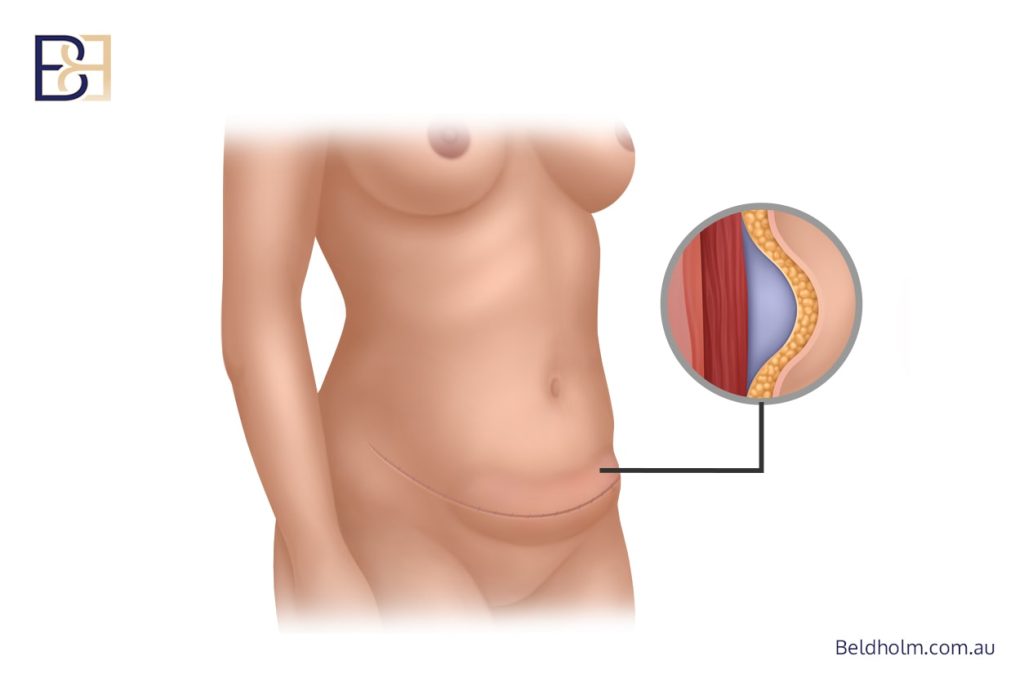
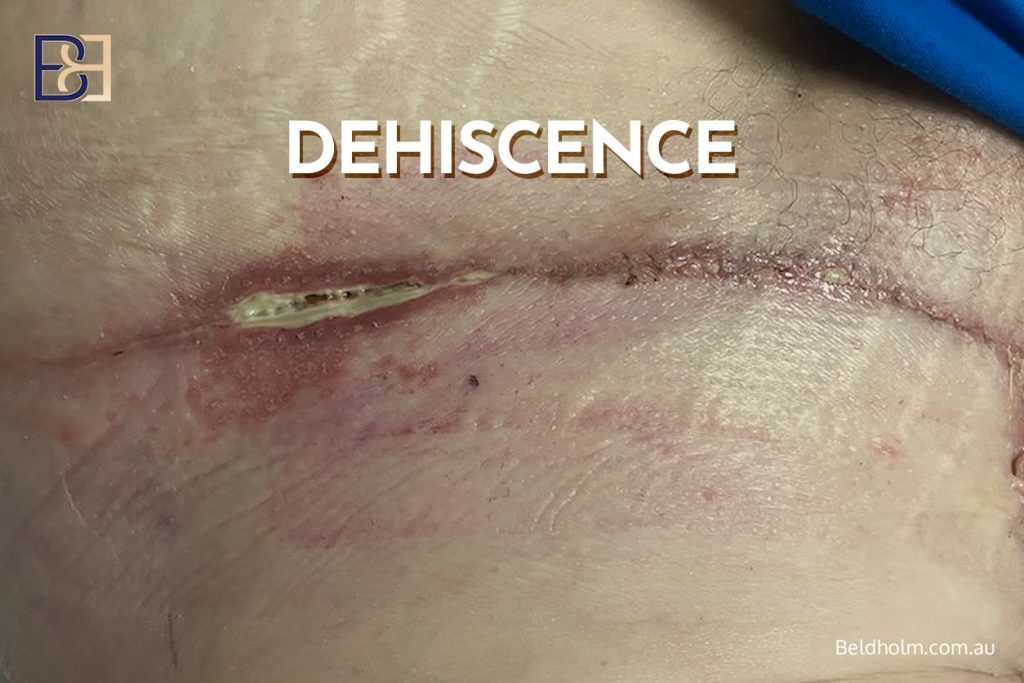
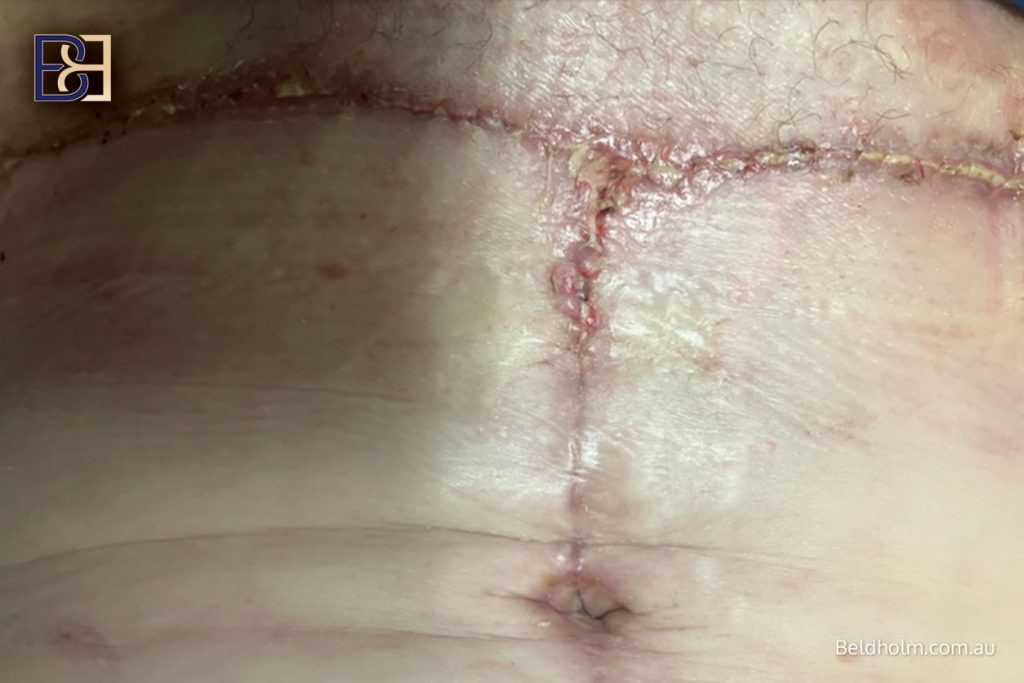
Wound healing problems. The long incisions in body contouring can be slow to heal, particularly at points of tension or in patients who smoke. Some wounds open partly and heal over weeks.
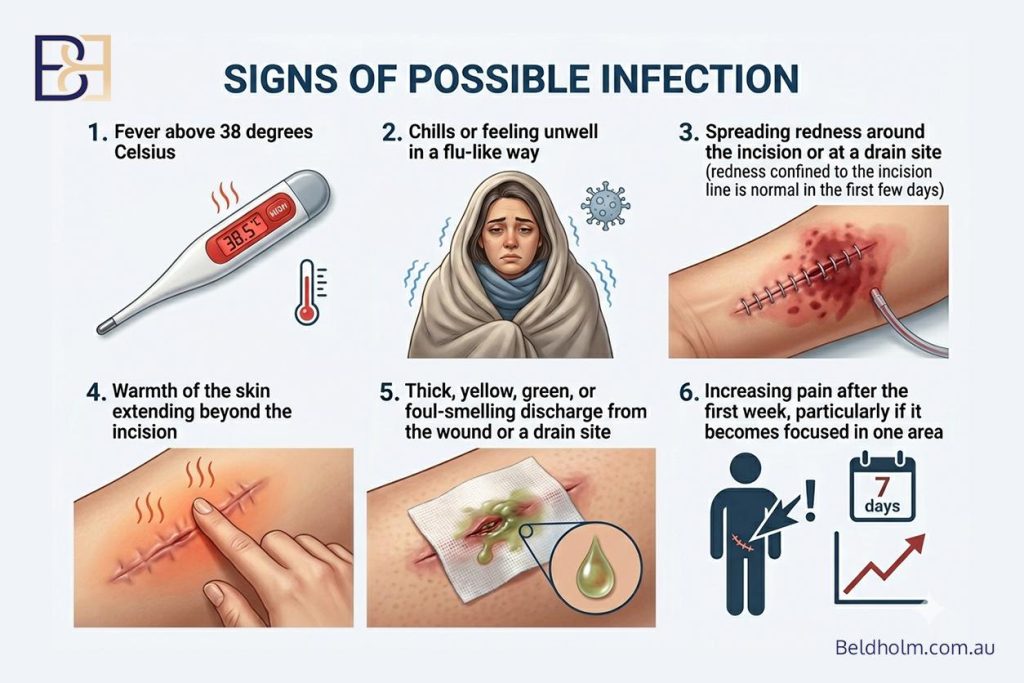
Infection. Treated with antibiotics, and occasionally needing a return to theatre.
Scarring. The scars are long and permanent. They usually fade over a year or more but never disappear, and a small number become thick or raised.
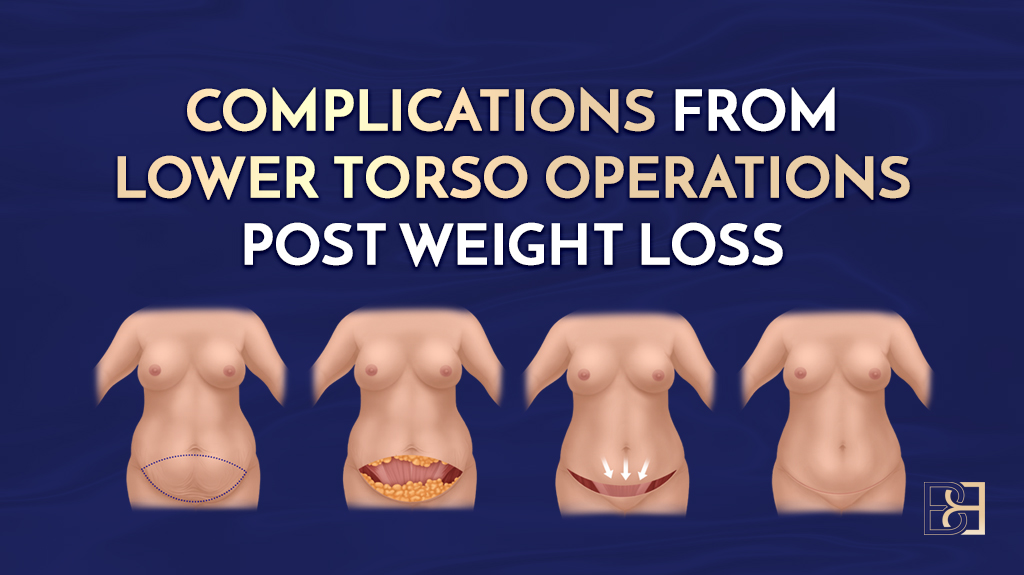
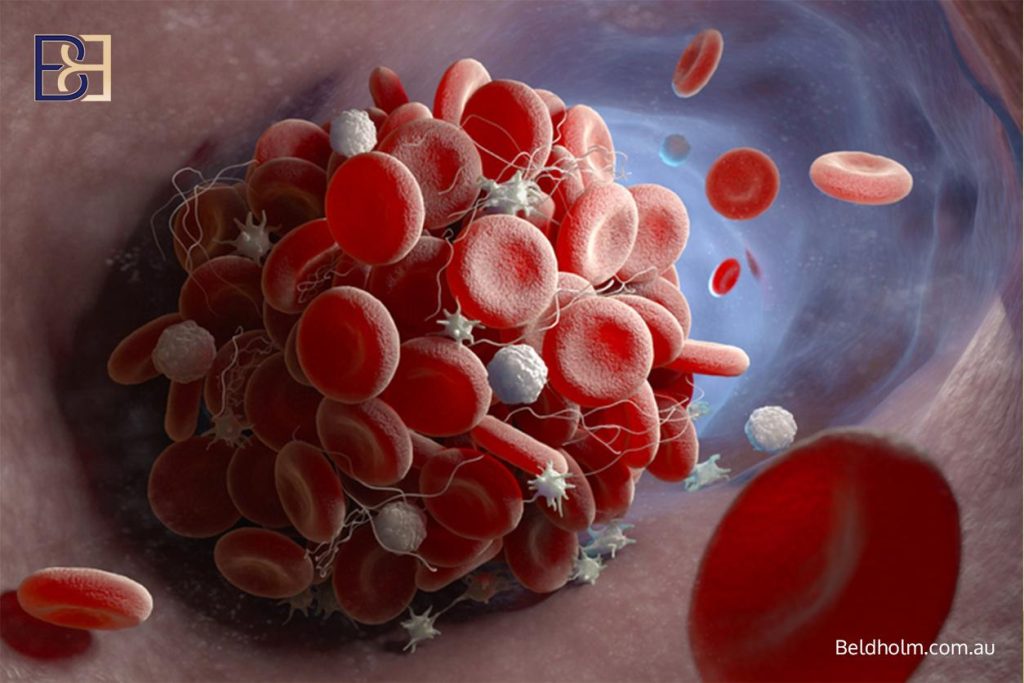
Blood clots. Clots in the legs (deep vein thrombosis) or lungs (pulmonary embolism) are uncommon but serious. The risk goes up with longer operations and when several areas are treated at once, which is one of the factors I weigh when planning single or staged surgery. I assess each patient’s clot risk myself and decide on the appropriate prevention. There is a separate article on this.
Changes in sensation. Areas of numbness around the scars are common early on and usually settle, though some can be lasting.
Need for revision surgery. Some patients need a second, smaller procedure later to adjust a scar or a contour.
This is not the full list, and I go through the risks specific to your procedures, and to your own health, at consultation.
What recovery looks like
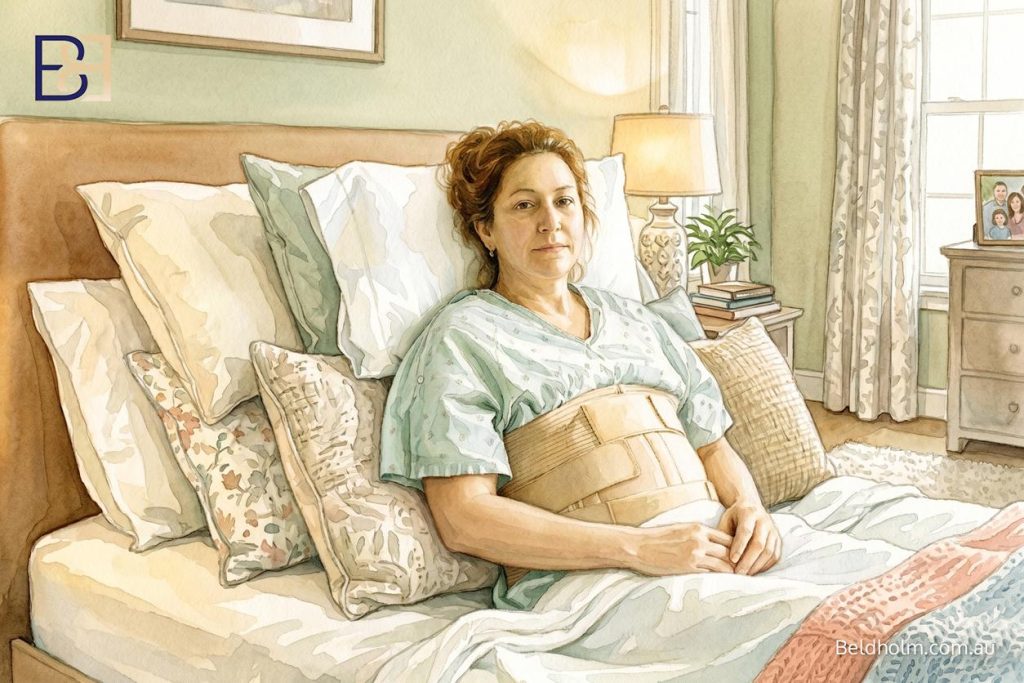
Recovery varies with how much surgery you have and how your body heals, so the timeline below is a general guide rather than a promise.
- Hospital stay. Usually a few nights, depending on the extent of surgery.
- Drains and garments. Many patients go home with drains for a short period and wear compression garments for several weeks. My nursing team manages these closely in the early weeks.
- Activity. Light activity from early on, with a lifting limit while the wounds heal. Most patients doing desk-based work return at around four weeks. Physical or manual work takes longer, often six to eight weeks.
- Follow-up. I see patients frequently in the first two weeks, then at four weeks, three months, six months, and twelve months.
Recovery is not something to rush, and it should not be underestimated. Good preparation beforehand and following the aftercare plan make a genuine difference to recovery and to surgical outcomes.
References
- Sami K, Elshahat A, Moussa M, Abbas A, Mahmoud A. Image analyzer study of the skin in patients with morbid obesity and massive weight loss. Eplasty. 2015;15:e4.
- Baillot A, Brais-Dussault E, Bastin A, Cyr C, Brunet J, Aime A, et al. What is known about the correlates and impact of excess skin after bariatric surgery: a scoping review. Obes Surg. 2017;27(9):2488-2498.