A pubic lift (monsplasty), also called mons pubis reduction surgery, treats excess fat, excess skin, or a lowered position of the mons pubis. The mons pubis is the fatty pad that sits over the pubic bone, at the junction between the lower abdomen and the genital region. After significant weight loss, this area often changes in ways that do not respond to further dieting or regular exercise. The fat pad may stay enlarged while the rest of the body shrinks, the overlying skin may become loose, and the whole structure may descend so that it hangs lower than it should.
In my practice, most patients who need mons pubis surgery are post weight loss patients. Some come in asking about the mons directly. Many more come in for a tummy tuck (abdominoplasty) or body lift (belt lipectomy) and have not considered the mons at all, even though it is part of the same aesthetic unit as the lower abdomen. If the abdomen is treated and the mons is ignored, the mismatch between the two areas becomes more obvious, not less.
My usual approach combines VASER liposuction (ultrasound assisted lipectomy) to reduce the fat pad with a supra pubic lift (lipectomy) to remove loose skin and secure the mons in a higher position. Which components are needed, and whether the surgery is done on its own or combined with abdominal surgery, depends on what is actually driving the problem in your case.
This article covers the anatomy of the mons pubis, how I work out whether fat, skin, or descent is the dominant issue, the surgical options available, and how a pubic lift (monsplasty) fits alongside the other post weight loss procedures I perform. Recovery and complications each have their own detailed articles, linked below, so they are covered only briefly here.
Table of Contents
What Is the Mons Pubis? Anatomy and What Changes After Weight Loss
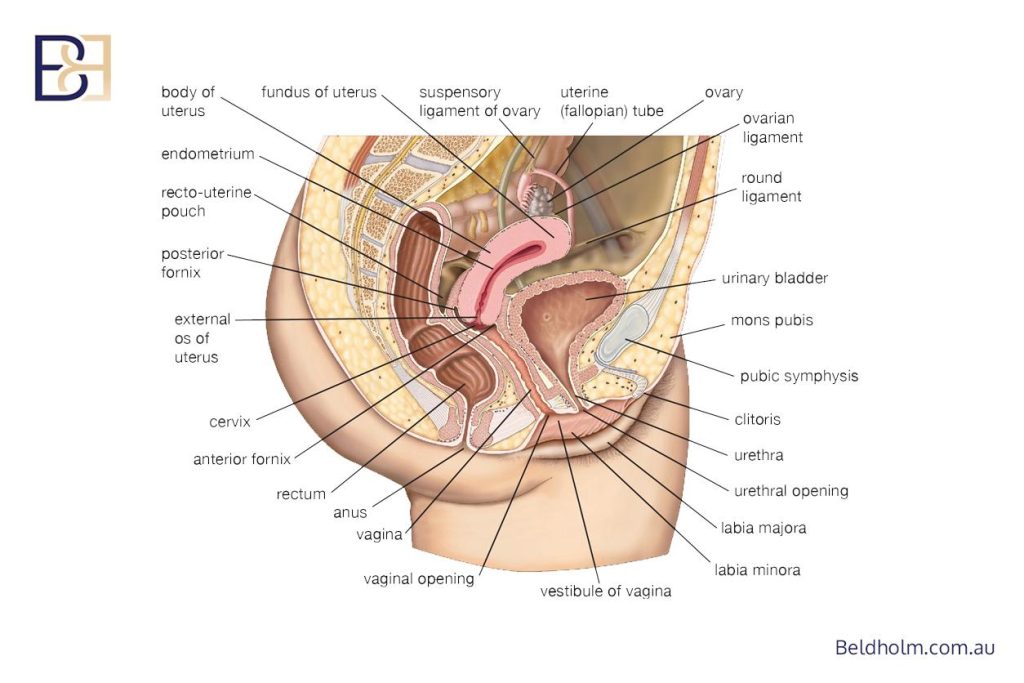
The mons pubis is the soft, hair bearing mound that sits directly over the pubic bone. It is made up of 3 layers:
- Skin
- A pad of subcutaneous fat, which can be several centimetres thick
- Connective tissue that anchors the fat pad to the underlying pubic bone and blends with the superficial fascial system of the lower abdomen
An enlarged mons pubis may involve excess fat, excess skin, or both. The thickness of the fat pad varies considerably between people. It is partly determined by genetics and hormones, which is why some people carry a prominent mons even at a healthy weight, and why the area often refuses to shrink in proportion to the rest of the body during weight loss.
Some patients use the term FUPA (fatty upper pubic area) to describe this area. I use mons pubis in this article because it is the correct anatomical term, but they refer to the same region.
What happens to the mons after significant weight loss
After major weight loss, whether through bariatric surgery, medication assisted weight loss, or diet and lifestyle change, I see 3 patterns in the mons, often in combination:
1. Persistent fat excess. The mons fat is metabolically stubborn. Patients can lose 30, 40, or 50 kilograms and find the mons has barely changed, leaving it out of proportion with a now flatter abdomen.
2. Skin excess and deflation. In other patients the fat pad does deflate, but the skin envelope that stretched during years at a higher weight does not recoil. The result is a loose, empty appearing pubic mound with poor skin tone.
3. Descent (ptosis) of the mons. The connective tissue attachments that hold the mons up against the pubic bone stretch under load. Over time the whole unit slides downward. In more advanced cases the mons hangs over the genital region, which can cause skin irritation in the fold, hygiene difficulty, friction with tight clothing and exercise, and in some cases interference with passing urine or with intimacy. Published classifications grade this descent by how far the mons has dropped relative to the pubic bone, which helps structure the surgical plan (1,2).
These 3 problems need different surgical answers, which is why working out the dominant pattern matters more than the label on the operation. I cover that assessment in the next section.
Why the mons matters functionally, not just visually
A pubic lift (monsplasty) is often described as a cosmetic procedure, but for many post weight loss patients the mons is not a cosmetic concern first. A descended, bulky mons creates a skin fold that traps moisture. Recurrent rashes and intertrigo in that fold are common in the patients I see. Others describe physical discomfort with exercise, difficulty with clothing, or urinary spraying caused by excess tissue hanging over the area. These functional problems are assessed on their own merits during consultation, separately from any aesthetic concerns.
Why the Mons Pubis Is Often Missed in Body Contouring Planning
The lower abdomen and the mons pubis form a single aesthetic unit. They share the same skin, the same fat layer, and the same fascial support system. When a surgeon plans a tummy tuck (abdominoplasty) or a body lift (belt lipectomy), the mons is part of the operative field whether it is treated deliberately or not.
Despite this, the mons is one of the most commonly overlooked areas in body contouring planning. There are a few reasons for that.
Patients rarely raise it
The mons sits in a region many patients feel awkward discussing. In consultation, patients will describe their abdominal apron in detail but not mention the mound below it, even when it bothers them. Part of my standard assessment for any lower abdominal procedure is to examine and discuss the mons directly, so the decision about whether to treat it is made consciously rather than by omission.
An untreated mons becomes more obvious after abdominal surgery
This is the point I most want post weight loss patients to understand. An abdominoplasty flattens the abdomen above the incision line. If the mons below that line is bulky or descended and is left untreated, the contrast between the flat abdomen and the full mons becomes sharper. Patients can end up more aware of the mons after abdominal surgery than they were before, because the apron that used to cover it is gone.
Removing an overhanging abdominal apron also physically uncovers the mons. Tissue that was hidden underneath the apron for years is suddenly visible, and any descent or fullness that was already there is now on show.
The abdominoplasty closure repositions the mons, planned or not
There is a technical dimension as well. In every abdominoplasty, tension from the superior flap elevates the mons during closure. This happens whether it is planned or not. The key is making sure the mons is elevated to the correct position, that excess mons skin is resected, and that significant fat in the mons is removed at the same time. When these steps are built into the plan, the closure sets the mons at the right height. When they are not, the mons is repositioned by default rather than by design, and residual fullness or excess skin remains untreated.
What this means in practice
If you are considering any post weight loss abdominal procedure, the mons should be part of the conversation at your consultation. Whether it needs treatment, and what kind, is an individual decision. Some patients need nothing done to the mons at all. But that should be a decision made after assessment, not a gap in the plan discovered after surgery.
Fat Excess, Skin Excess, or Descent: Identifying the Dominant Problem
The single most important step in mons pubis surgery happens before any incision is planned. It is working out which of the 3 problems described earlier is driving the appearance and symptoms in your case: excess fat, excess skin, or descent of the mons. Most post weight loss patients have some combination, but one usually dominates, and the dominant problem determines the operation.
How I assess the mons at consultation

My examination of the mons pubis area is systematic. I assess:
- Fat volume. I palpate the thickness of the fat pad, both standing and lying down. A thick, firm pad that keeps its volume when the patient lies flat points to true fat excess.
- Skin quality and excess. I assess how much loose skin is present, how well it recoils, and whether the skin envelope is deflated relative to the fat it contains. Skin with stretch marks and poor recoil will not tighten on its own after fat removal.
- Position of the mons. I look at where the hair bearing skin and the anterior vulval commissure sit relative to the pubic bone. A mons that has descended hangs below the level of the bone, and in more advanced cases forms a fold that overhangs the genital region.
- The lower abdomen above it. The mons cannot be assessed in isolation. An overhanging abdominal apron changes both the appearance of the mons and the surgical plan, because treating the apron will uncover and elevate the mons, as covered in the previous section.
- Symptoms. Rashes or intertrigo in the fold, friction, hygiene difficulty, and any interference with urinary function. These are documented because they matter for both the surgical plan and any Medicare assessment.
Why the dominant problem determines the operation
The logic is straightforward once the assessment is done:
- Fat excess with good skin tone points toward liposuction (suction assisted lipectomy) as the main treatment, because the skin can be expected to settle over the reduced volume.
- Skin excess or deflation points toward excision. Removing fat from a mons with a loose, poorly recoiling skin envelope makes the emptiness worse, not better. The skin has to be resected.
- Descent points toward a lift, with the mons secured back at the correct height over the pubic bone. Fat and skin work are added as needed.
Getting this wrong is the main reason mons procedures disappoint. Liposuction alone in a patient whose real problem is skin excess leaves a deflated, hanging mound. A skin excision that ignores a thick fat pad leaves a mons that is higher but still bulky. The operation has to match the problem, and that is decided at consultation, individually, after examination. Published research on monsplasty after massive weight loss reports improvement in both functional symptoms and appearance when the procedure is matched to the tissue problem (3).
Treatment Options for the Mons Pubis
Once the main driver is identified, the surgical options fall into 3 broad groups. Each matches a different pattern of fat, skin, and position.
Option 1: Liposuction (suction assisted lipectomy) alone
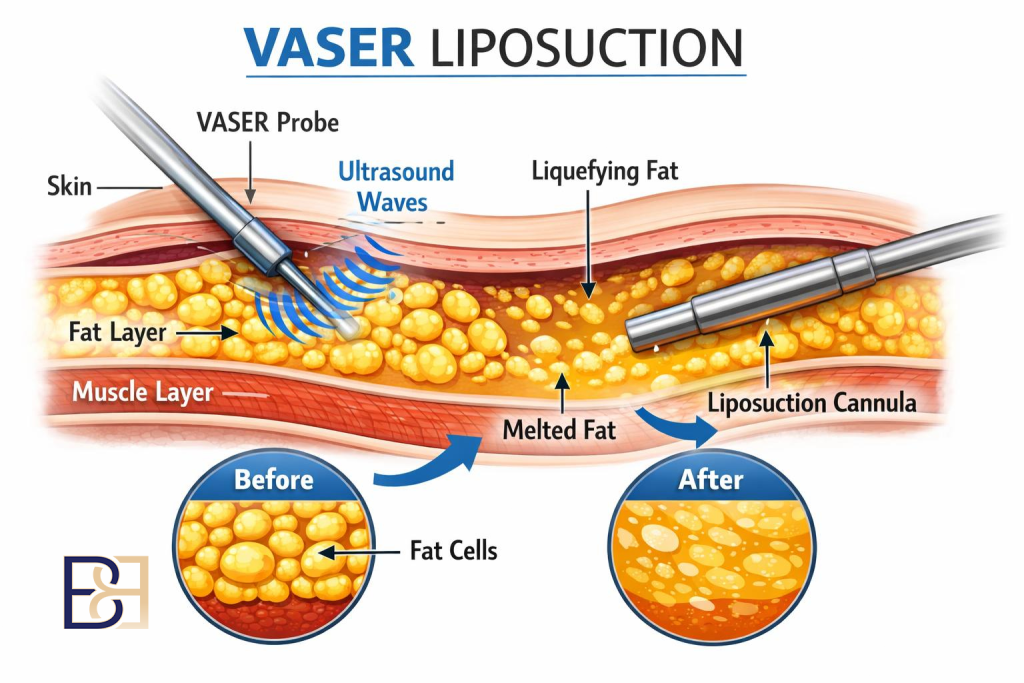
For patients whose problem is fat excess with reasonable skin tone, liposuction (suction assisted lipectomy) of the mons can be performed on its own. In my practice this is done with VASER liposuction (ultrasound assisted lipectomy), which uses ultrasound energy to break down fat before it is removed. The excess fatty tissue is reduced through small access incisions, and the skin is left to settle over the smaller volume.
The limitation is skin quality. Liposuction removes volume but does nothing for loose skin, and it does not lift a descended mons. In post weight loss patients, skin that has been stretched for years rarely has the recoil needed for liposuction alone to give a good result. This is why isolated mons liposuction is more often suited to patients with modest fat excess and intact skin elasticity, and why I use it cautiously as a standalone operation in the post weight loss group.
Option 2: Excision and lift
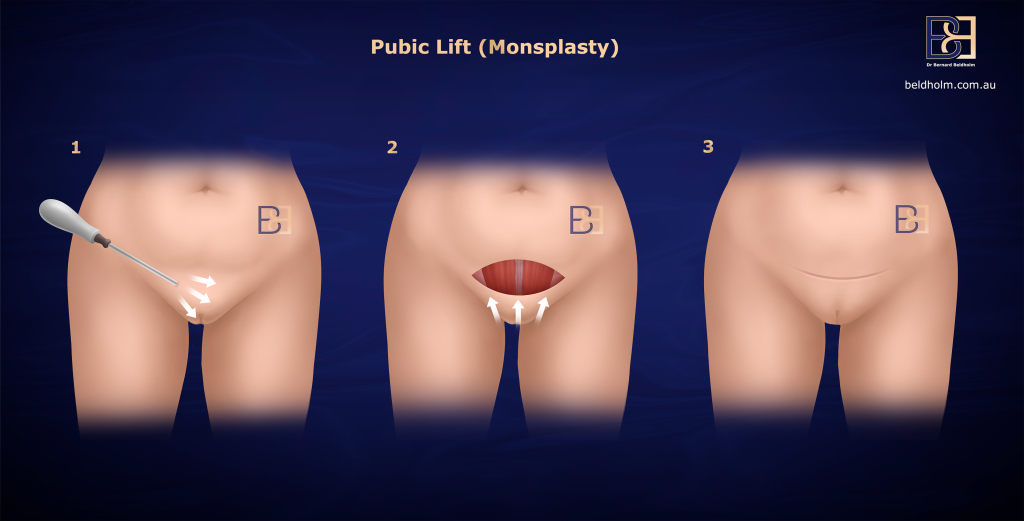
When skin excess or descent dominates, the treatment is excisional. A horizontal incision is placed low in the pubic area. Excess skin is removed, significant fat can be removed by surgical excision at the same time, and the mons is elevated and secured back over the pubic bone. Securing the deeper tissue, not just closing the skin, is what holds the mons in position as it heals.
This is the component that a pubic lift (monsplasty) is named for, and it is the only option that treats all 3 problems: fat, skin, and position. Reviews of mons pubis surgery consistently recommend combining excision with deep fixation when descent is present (4).
Option 3: Combined liposuction and lift
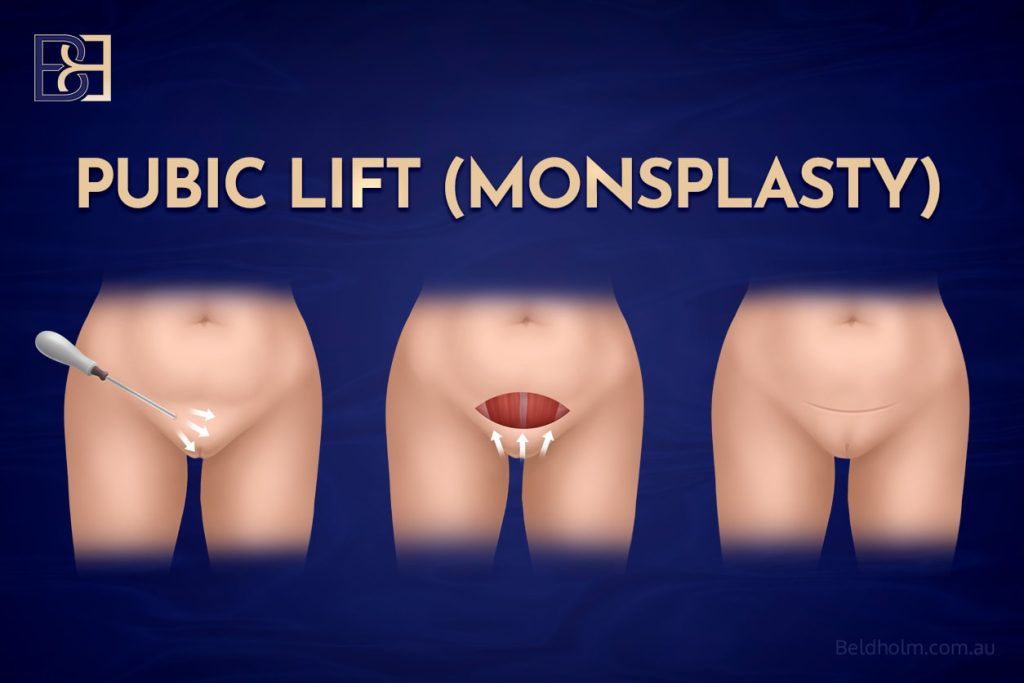
Most of my post weight loss patients have both fat excess and skin excess, so my usual operation combines the two. VASER liposuction (ultrasound assisted lipectomy) reduces and shapes the fat pad first, then the supra pubic lift (lipectomy) removes the excess skin and fixes the mons in its proper position. The liposuction component also makes the lift more accurate, because the skin resection is planned on a mons that has already been debulked.
When the mons is treated as part of abdominal surgery
As covered earlier, every tummy tuck (abdominoplasty) and body lift (belt lipectomy) elevates the mons through tension from the superior flap. For many patients, the mons work is therefore built into the abdominal procedure: the closure is planned so the mons finishes where it should, excess mons skin is included in the resection, and significant fat is removed at the same time. A separate pubic lift (monsplasty) as a standalone operation is usually reserved for patients who are not having abdominal surgery, or whose mons problem persists after previous abdominal surgery elsewhere.
Which option applies to you depends on the assessment described in the previous section.
My Surgical Approach: VASER Liposuction (Ultrasound Assisted Lipectomy) With Supra Pubic Lift
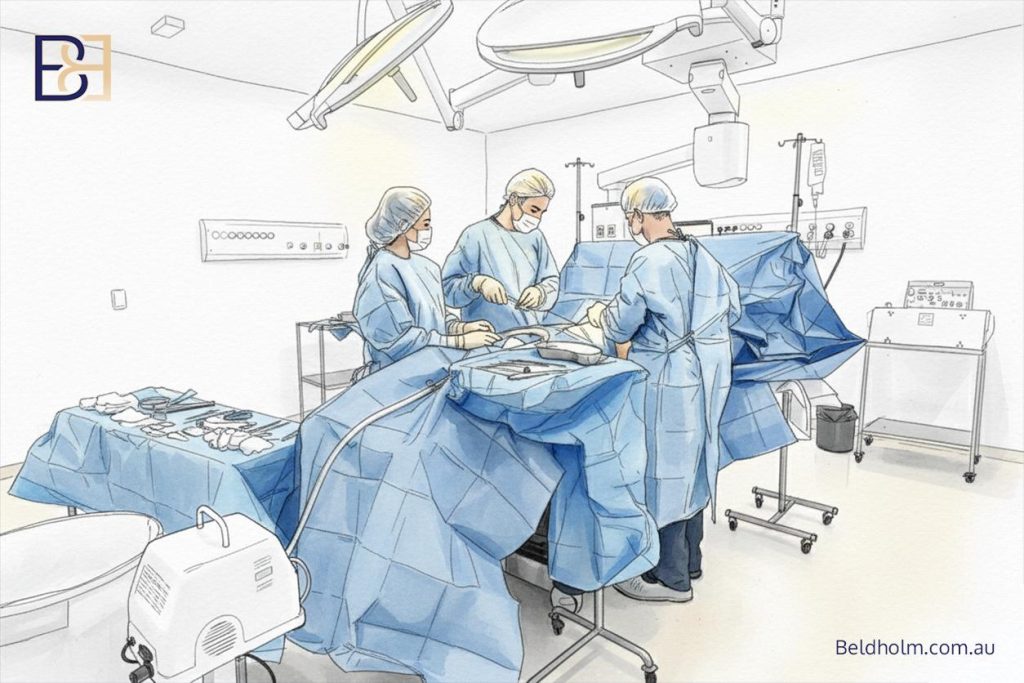
When I perform a standalone pubic lift (monsplasty), the surgical technique usually has two components performed in sequence under the same anaesthetic. It is carried out under general anaesthesia at Maitland Private Hospital, which has 24 hour medical cover and an on site ICU. Local anaesthetic is used as part of pain management during and after the procedure, but the operation itself is done under general anaesthesia.
Step 1: VASER liposuction (ultrasound assisted lipectomy) of the mons
The first stage reduces the fat pad. Through small access incisions, I infiltrate the mons pubis region with tumescent fluid, then use the VASER probe to break down the fat with ultrasound energy before removing it by suction. Two things matter here:
- How much to remove. The aim is a mons in proportion with the treated abdomen above it, not a mons stripped of all fat. The fat pad has a protective function over the pubic bone, and over resection creates its own contour problems.
- Even reduction. The mons is a curved, mobile structure. Reducing it evenly, including its lateral extent toward the groin creases, avoids leaving a central mound or step deformities at the edges.
Step 2: Supra pubic lift (lipectomy)
The second stage deals with skin and position:
- A horizontal incision is placed low in the pubic area, positioned so the final scar sits where underwear and swimwear cover it
- The excess skin between the incision and the lower abdomen is removed. Where there is significant residual fat that liposuction has not dealt with, it is directly excised at this stage
- The mons is elevated to the correct height over the pubic bone and secured there with deep sutures anchoring the tissue to the deep fascial layer of the lower abdominal wall. This deep fixation is what holds the lift, and published techniques for pubic contouring after massive weight loss describe the same principle (2). Skin closure alone, without deep support, allows the weight of the mons to pull the repair down again over time
- The wound is closed in layers with dissolving sutures
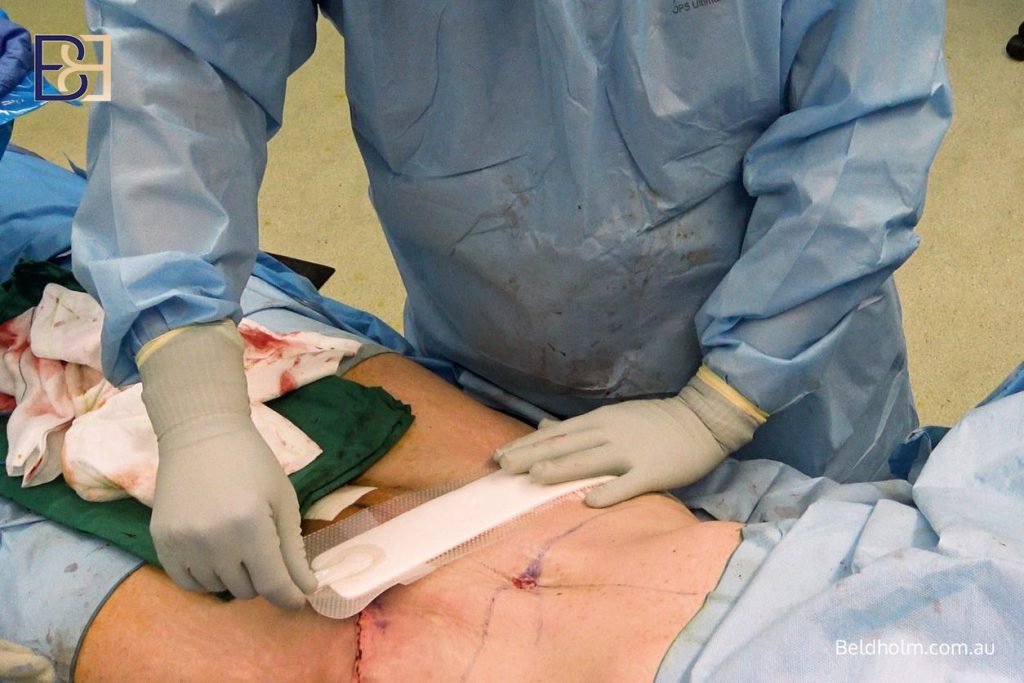
How long the operation takes
A standalone pubic lift (monsplasty) combining both components typically takes 1 to 2 hours. When the mons work is incorporated into a tummy tuck (abdominoplasty) or body lift (belt lipectomy), it adds a modest amount of time to the larger operation rather than being a separate procedure with its own anaesthetic.
Day surgery or overnight stay
An isolated pubic lift (monsplasty) can often be done as day surgery, with discharge home in the care of a responsible adult, or with a single overnight stay, depending on the extent of the surgery and individual factors. When the mons is treated as part of a larger abdominal procedure, the hospital stay is determined by that procedure. I conduct daily ward rounds while my patients are admitted.
Pubic Lift (Monsplasty) Combined With Other Procedures
In massive weight loss patients, the mons is rarely the only area needing treatment. Most of my patients have skin excess across the whole lower trunk, and the mons is one part of a larger surgical plan. How the mons work fits into that plan depends on which abdominal contouring procedure is being performed.
With a tummy tuck (abdominoplasty)
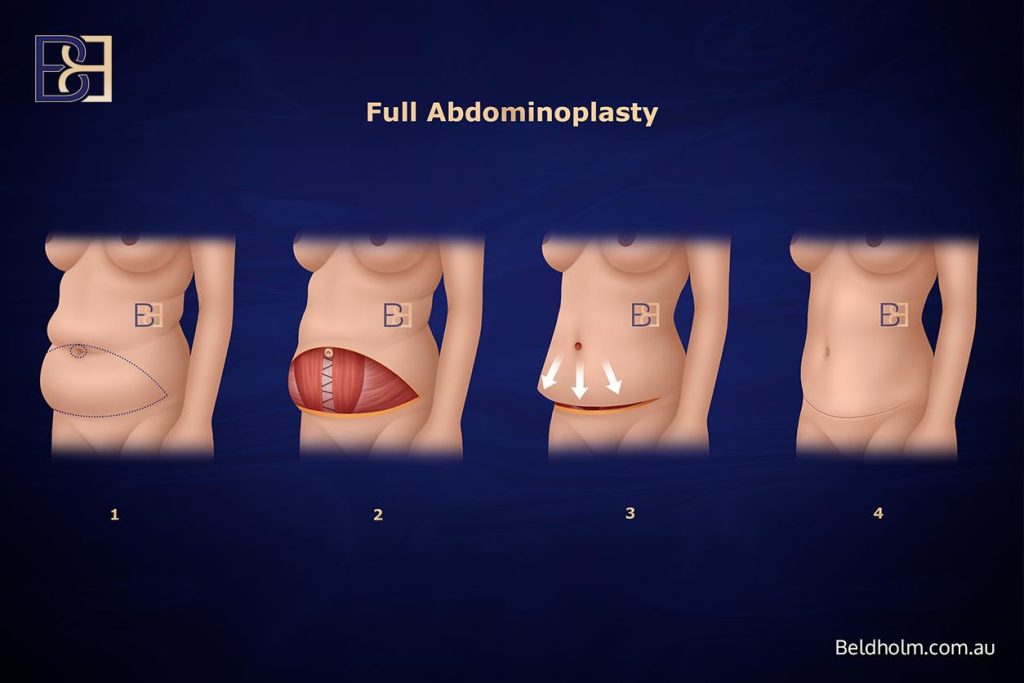
This is the most common combination. As covered earlier, the superior flap tension in every tummy tuck (abdominoplasty) elevates the mons. I plan the closure so the mons finishes at the correct height, resect the excess mons skin as part of the abdominal resection, and remove significant mons fat with VASER liposuction (ultrasound assisted lipectomy) during the same operation. For most abdominoplasty patients, this means the mons is fully treated without a separate procedure or a separate scar.
With a Fleur de Lis abdominoplasty or dual vector abdominoplasty

Patients having a Fleur de Lis abdominoplasty have both vertical and horizontal skin excess, and that excess usually extends into the mons. The horizontal limb of the Fleur de Lis manages the mons in the same way a standard abdominoplasty does, with the added benefit that the vertical limb tightens the mons from side to side as well. The same applies to my dual vector abdominoplasty, which combines the Fleur de Lis with an upper abdominal skin excision.
With a body lift (belt lipectomy)
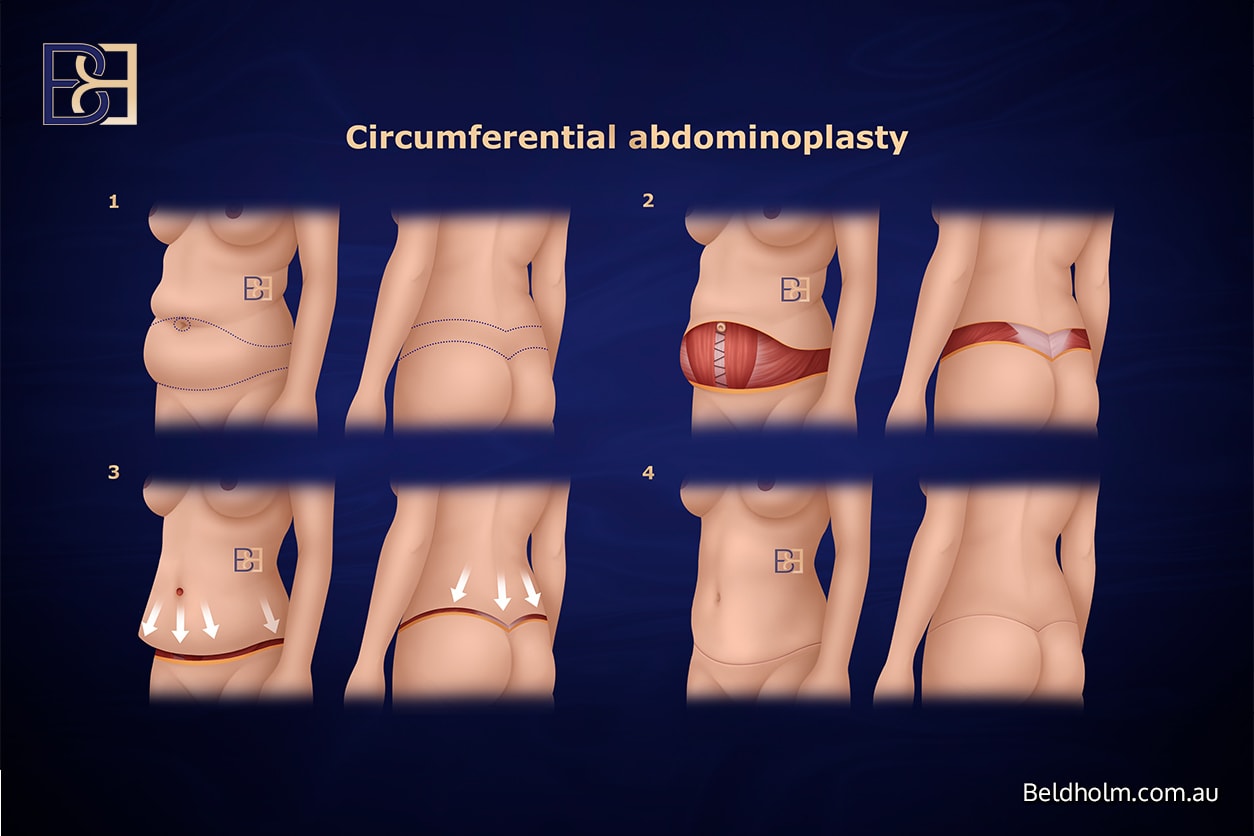
In a body lift (belt lipectomy), the anterior part of the operation is effectively an abdominoplasty, so the mons is managed the same way. Because a body lift (belt lipectomy) treats the entire circumference of the lower trunk, the elevation of the mons is part of a lift that continues around the flanks and buttocks. My circumferential hybrid abdominoplasty, which adds an anterior vertical excision to the belt lipectomy, manages the mons through the same anterior closure.
One operation where suitable
Where a patient is suited to it, my preference is to treat the abdomen and mons in a single comprehensive operation. One operation means one anaesthetic, one hospital admission, and one recovery period, rather than repeating each of those steps. A larger single operation is also a bigger physiological event, and whether it is appropriate depends on your medical history, nutritional status, and the extent of the work required. For some patients, staging the surgery across separate operations is the more appropriate path, and that is a legitimate clinical decision, not a compromise. Whether one operation or staged surgery suits you is determined at consultation.
When a standalone pubic lift (monsplasty) makes sense
A standalone pubic lift (monsplasty) is usually reserved for:
- Patients whose abdominal skin does not need surgery, where the mons is genuinely the isolated problem
- Patients who had abdominal surgery previously, here or elsewhere, and are left with a mons that was not treated at the time
Is a Pubic Lift (Monsplasty) Major Surgery?
The answer depends on which operation is actually being performed, because the term covers a range of procedures of very different scale.
Isolated liposuction (suction assisted lipectomy) of the mons, in a patient with good skin tone and modest fat excess, sits at the minor end of the spectrum. It involves small access incisions, a short operating time, and a comparatively short recovery time.
An excisional pubic lift (monsplasty), with skin resection and deep fixation of the mons, is a more involved procedure. It is still a smaller operation than a tummy tuck (abdominoplasty), but it involves a formal incision, tissue dissection, and a wound that takes weeks to heal. It should not be dismissed as a trivial procedure.
When the mons work is performed as part of a tummy tuck (abdominoplasty), body lift (belt lipectomy), or one of my combined techniques, the scale of the surgery is that of the larger operation. These are major operations, and the mons component is one part of a significant surgical undertaking.
The factors that determine where your operation sits on this spectrum are:
- The amount of excess fat to be removed
- Whether skin excision and a lift are required
- Skin quality and elasticity
- Whether the mons is treated alone or as part of abdominal surgery
- Your general health and how it affects operative and anaesthetic planning
Whichever version applies to you, this is surgery under general anaesthesia with a genuine recovery period and genuine risks, and it deserves the same preparation and consideration as any other operation.
Who May Be Suitable for a Pubic Lift (Monsplasty)?
Suitability for mons pubis surgery is assessed individually, but there are consistent factors I look for in post weight loss patients.
Weight stability
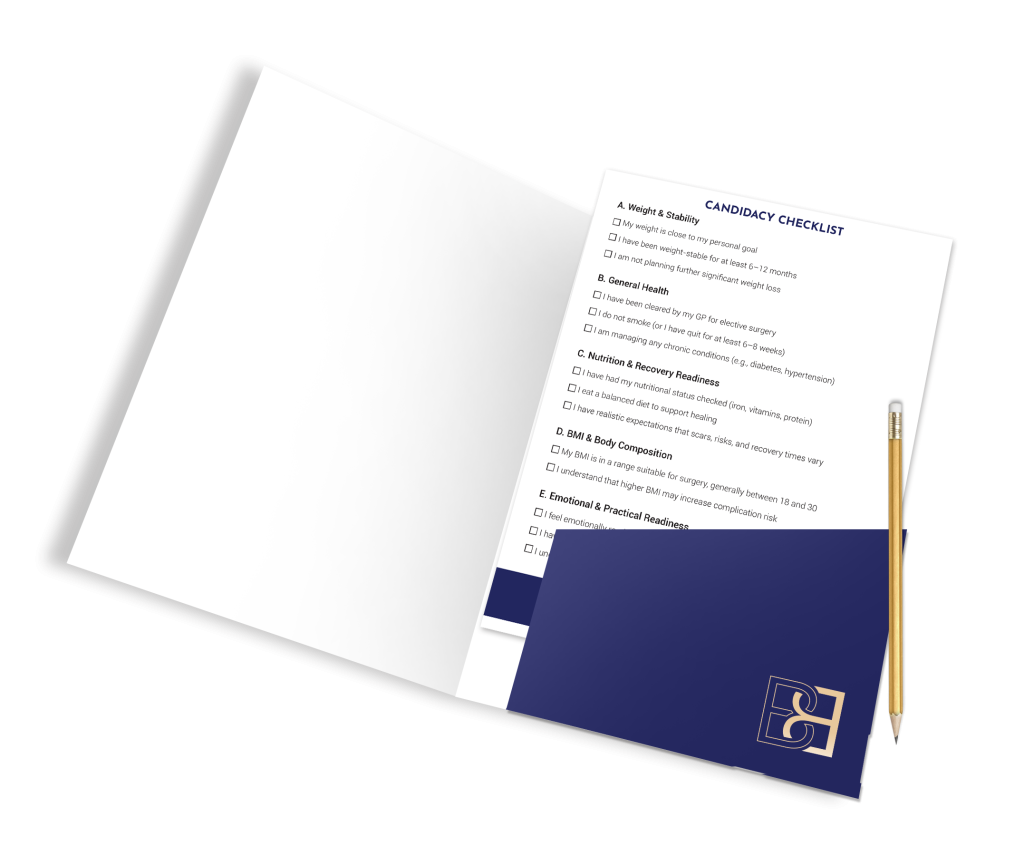
A stable weight is needed before body contouring surgery. If weight is still falling, the mons will continue to change, and surgery done too early can be undone by further loss. With weight gain, the fat pad can re enlarge and the result can be lost in the other direction. For patients whose weight loss came through bariatric surgery, medication assisted weight loss, or lifestyle change, I generally want to see that weight remains stable for at least 6 months, and 12 months is preferable. Weight stability of at least 6 months is also one of the Medicare criteria for post weight loss skin surgery, which matters if part of your procedure may qualify for an item number.
General health
A pubic lift (monsplasty) is elective surgery, and there is time to get health conditions under control first. Diabetes management, cardiovascular health, and any clotting or medication issues are reviewed before surgery is planned. Patients on aspirin or anticoagulants need a specific plan made well in advance, and must not stop these medications on their own.
Smoking
Smoking impairs wound healing and increases complication rates across all body contouring surgery. Patients need to have stopped smoking before surgery, and I discuss the required timeframe at consultation.
Nutritional status
This deserves its own section, which follows. Nutritional gaps are common after significant weight loss and directly affect healing.
Book your appointment online now
Preparing for Surgery: Nutrition and Pre Operative Optimisation

Significant weight loss changes the body’s nutritional state, and this matters directly for surgical healing. Whether weight loss came through bariatric surgery, medication, or lifestyle change, reduced food intake over a long period commonly leaves gaps in protein, iron, vitamin D, B12, zinc, and other nutrients involved in wound healing. Operating on a nutritionally depleted patient increases the risk of wound problems, so correcting these gaps is part of the surgical plan, not an optional extra.
All of my post weight loss body contouring patients have a comprehensive pre operative blood panel before surgery. This screens the nutrients and health markers relevant to healing, and the results guide any supplementation needed before the operation. Where deficiencies are found, they are corrected before surgery is scheduled, and your GP is copied into the results so long term management continues after the surgical episode ends.
I have written separately and in detail about nutrition after weight loss, including protein requirements, the vitamins and minerals most commonly depleted, and the supplement framework I use. Rather than repeat that material here, see the nutritional deficiencies after weight loss article and the vitamins and supplements hub for the full picture, and the pre operative blood panel article for what the testing involves.
Recovery After a Pubic Lift (Monsplasty): A Brief Snapshot
Recovery after a standalone pubic lift (monsplasty) is generally shorter than recovery from abdominal surgery, but it still takes weeks, not days. Most patients mobilise and resume light activities within a day or two, wear a compression garment to reduce swelling, manage discomfort with prescribed pain medication, and return to non physical work within 1 to 2 weeks. Heavy lifting and strenuous exercise are avoided in the early weeks, then reintroduced gradually from around week 3 to 4. Swelling resolves slowly in the pubic region and can persist for several months, particularly after activity. When the mons is treated as part of a tummy tuck (abdominoplasty) or body lift (belt lipectomy), recovery follows the timeline of the larger operation. My follow up structure applies either way: 2 weeks of intense follow up immediately after surgery to monitor healing, then reviews at 4 weeks, 3, 6, and 12 months, all included in the surgical fee.
I have written a full recovery guide covering the week by week timeline, dressings, wound care, scar management, garments, driving, work, and exercise. Read the recovering from pubic lift (monsplasty) article for the detail.
Risks and Complications: A Brief Snapshot
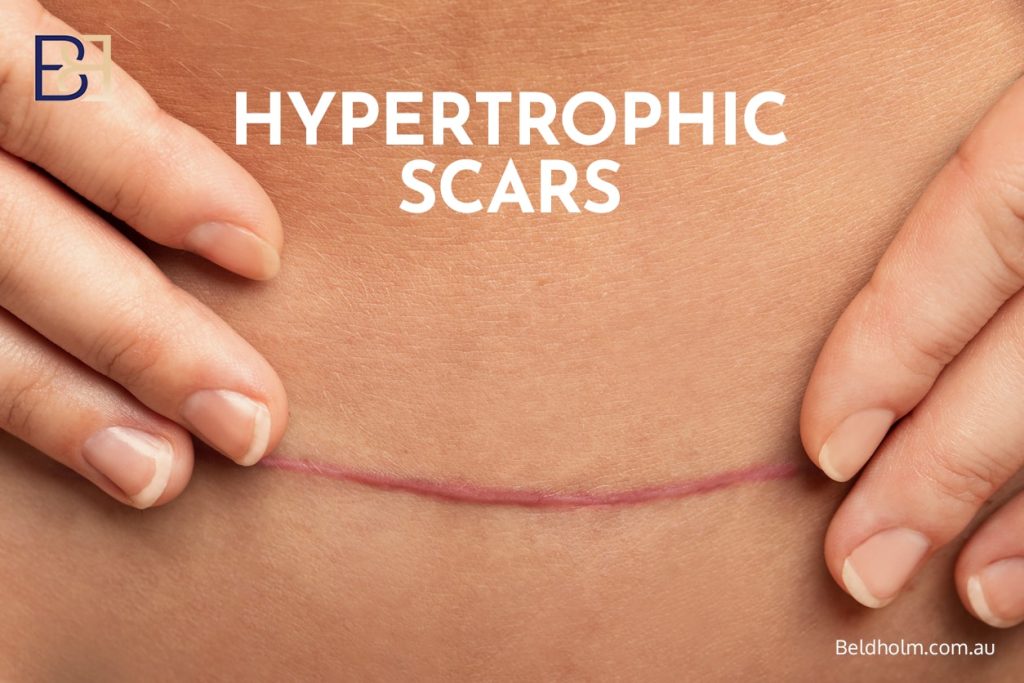
A pubic lift (monsplasty) is surgery, and it carries potential risks. The main ones are infection, bleeding or haematoma, seroma, wound healing problems, changes in sensation in the pubic area, swelling of the genital region, scarring including thickened or stretched scars, asymmetry, and recurrence of fullness or descent over time. Risks are higher in smokers, in patients with poorly controlled health conditions, and when the mons work is part of a larger combined operation. I go through the risks that apply to your specific operation with you before any decision is made.
The full complications article covers each of these in detail, including how often they occur, how they are managed, and the warning signs to watch for. Read the complications of pubic lift (monsplasty) article for the detail.
Cost and Medicare

The cost of a pubic lift (monsplasty) depends on the extent of the surgery: whether liposuction (suction assisted lipectomy) alone is needed or a full lift, and whether it is performed on its own or as part of a tummy tuck (abdominoplasty) or body lift (belt lipectomy). In some post weight loss patients, part of the procedure may meet Medicare criteria, but this is assessed individually against the relevant MBS requirements, including documented weight stability and functional symptoms. Where criteria are met, an isolated lift may fall under MBS item 30166, and when the mons is treated as part of an abdominoplasty, item 30177 applies. A personalised written quote covering surgical, hospital, and anaesthetic fees is provided after consultation.
Frequently Asked Questions

What is a pubic lift (monsplasty)?
A pubic lift (monsplasty) is a surgical procedure designed to treat excess fat, excess skin, or a lowered position of the mons pubis, the pad of fatty tissue located over the pubic bone. Depending on the problem, it may involve liposuction (suction assisted lipectomy), excision of skin with elevation of the mons, or both.
Does a tummy tuck (abdominoplasty) fix the mons pubis?
Partly, and only if it is planned that way. The tension from the superior flap in every tummy tuck (abdominoplasty) lifts the mons, but excess mons skin and significant mons fat are only treated if they are deliberately included in the operation. An abdominoplasty that ignores the mons can leave it looking more prominent, because the flatter abdomen above it sharpens the contrast.
How is an overhanging (ptotic) mons pubis treated?
An overhanging mons needs a lift, not liposuction alone. The excess skin is removed through a low horizontal incision and the mons is secured at the correct height over the pubic bone with deep sutures. Fat is reduced with liposuction (suction assisted lipectomy) or direct excision at the same time where needed.
Can a pubic lift (monsplasty) be done at the same time as other surgery?
Yes, and in my practice it usually is. Most post weight loss patients have the mons treated as part of a tummy tuck (abdominoplasty), body lift (belt lipectomy), or one of my combined techniques. Where a patient is suited to it, one comprehensive operation means one anaesthetic and one recovery. For some patients, separate operations are the more appropriate path, and this is assessed at consultation.
How long does swelling last after a pubic lift (monsplasty)?
The most noticeable swelling settles over the first few weeks, but the pubic area holds swelling longer than many other areas, and mild swelling can persist for several months, particularly after exercise. The full timeline is covered in the recovery article.
Will Medicare cover a pubic lift (monsplasty)?
In some post weight loss patients, part of the procedure may meet MBS criteria, which require documented weight stability and functional symptoms. An isolated lift may fall under item 30166, and item 30177 applies when the mons is treated as part of an abdominoplasty. Whether you meet the criteria is assessed individually at consultation.
References
- El-Khatib HA. Mons pubis ptosis: classification and strategy for treatment. Aesthetic Plast Surg. 2011 Feb;35(1):24-30.
- Alter GJ. Pubic contouring after massive weight loss in men and women: correction of hidden penis, mons ptosis, and labia majora enlargement. Plast Reconstr Surg. 2012 Oct;130(4):936-947.
- Pechevy L, Gourari A, Carloni R, Sauvaget F, Bertheuil N, Goga D. Monsplasty after massive weight loss: Assessment of its aesthetic and functional impact. Ann Chir Plast Esthet. 2016 Feb;61(1):e21-35.
- Saheb-Al-Zamani M. Mons Pubis Lift (Monsplasty). Clin Plast Surg. 2022 Oct;49(4):479-487.