After significant weight loss, the body may have nutritional gaps that most patients do not know about. These gaps build up quietly over time. They come from:
- Months or years of restricted caloric intake
- Altered absorption after weight loss surgery
- Reduced appetite from weight-loss medications
- The increased metabolic demand of losing a large amount of body weight
By the time a patient comes to see me about abdominoplasty (tummy tuck) surgery, those gaps are almost always present in some form. Most of my patients arrive with some combination of excess skin, stretch marks, and reduced skin elasticity from major weight loss. Their overall skin health is often compromised, and the skin elasticity that normally tightens after weight loss has been lost; they understandably want to know how best to prepare for surgery.
This matters because nutrition is not a side issue in body contouring surgery. It sits at the centre of how well you heal. Your nutritional status at the time of surgery directly affects:
- Wound closure and the recovery process
- Risk of wound complications, including delayed wound healing
- Bruising and bleeding
- Energy levels during recovery
- Final scar quality and minimising visible scars
I see the difference every week in my clinic.
The principles in this article apply across every procedure I perform for post-weight-loss patients. That includes abdominoplasty (tummy tuck), lower body lift (belt lipectomy), thighplasty (thigh lift), brachioplasty (upper arm lift), mastopexy (breast lift), and any body lift (belt lipectomy) variation. Many patients have multiple procedures performed, either staged or combined. The nutritional preparation does not change based on which procedure you are having. What changes is the scale of the tissue repair task ahead of you.
In my practice, every post-weight-loss-surgery patient follows the same structured approach:
- A comprehensive blood panel at the first consultation
- A two-tier supplement framework that I manage through the perioperative window
- Clear handover back to the GP for long-term follow-up
That structure is what this article is about.
This is the hub article for the full vitamin and mineral series on my website. This guide to vitamins and supplements before and after abdominoplasty covers my complete routine: what I check, what I prescribe, when I start and stop each supplement, and when I delay surgery for nutritional reasons. For a deep dive on any individual vitamin or mineral, I have written a dedicated article. I have linked each one at the relevant point below.
Table of Contents
This article is educational content to support your decision-making process before surgery. It does not constitute medical advice and does not replace an individual consultation. The surgical journey from first consultation to full recovery takes months, and the right preparation shapes everything that follows.
Why Post-Weight-Loss Patients Are Nutritionally Different
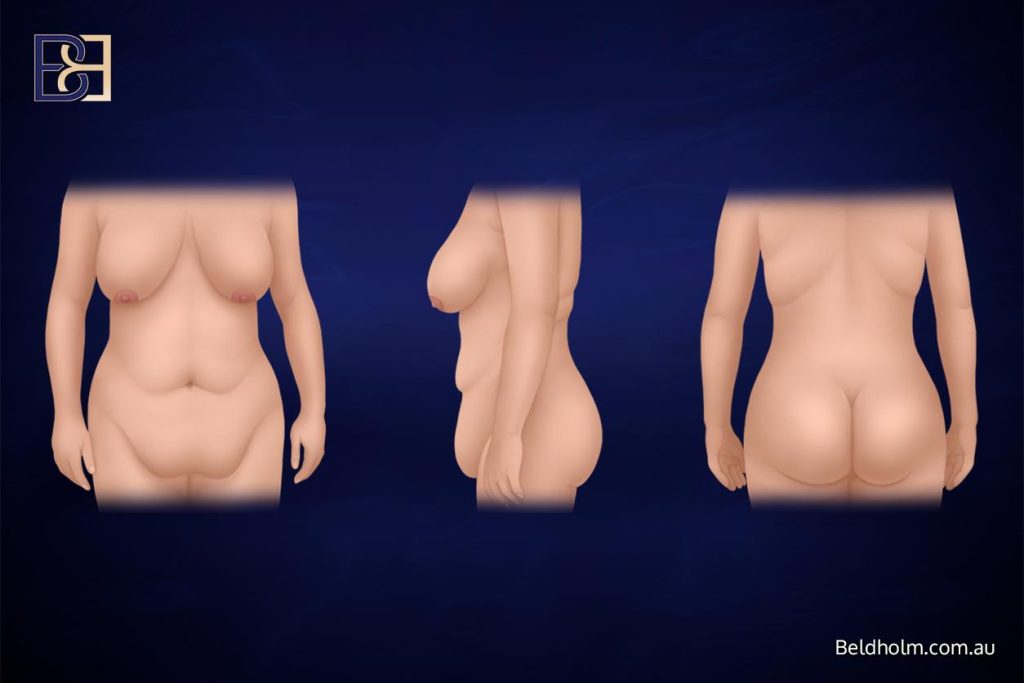
The nutritional profile of someone preparing for plastic surgery after significant weight loss is not the same as that of a patient preparing for any other surgical procedure. These patients come to my clinic primarily for treatment of excess skin, loose skin, and skin laxity that has developed during their weight loss. The differences are real, they are well documented in the surgical literature, and they change how I plan your perioperative care.
There are six reasons this patient group is different:
- Sustained dietary restriction
- Altered absorption after weight loss surgery
- Reduced intake from weight-loss medications
- Increased metabolic demand during weight loss
- Standard multivitamins are insufficient for this population
- Deficiencies are usually clinically silent
I cover each below.
Sustained dietary restriction
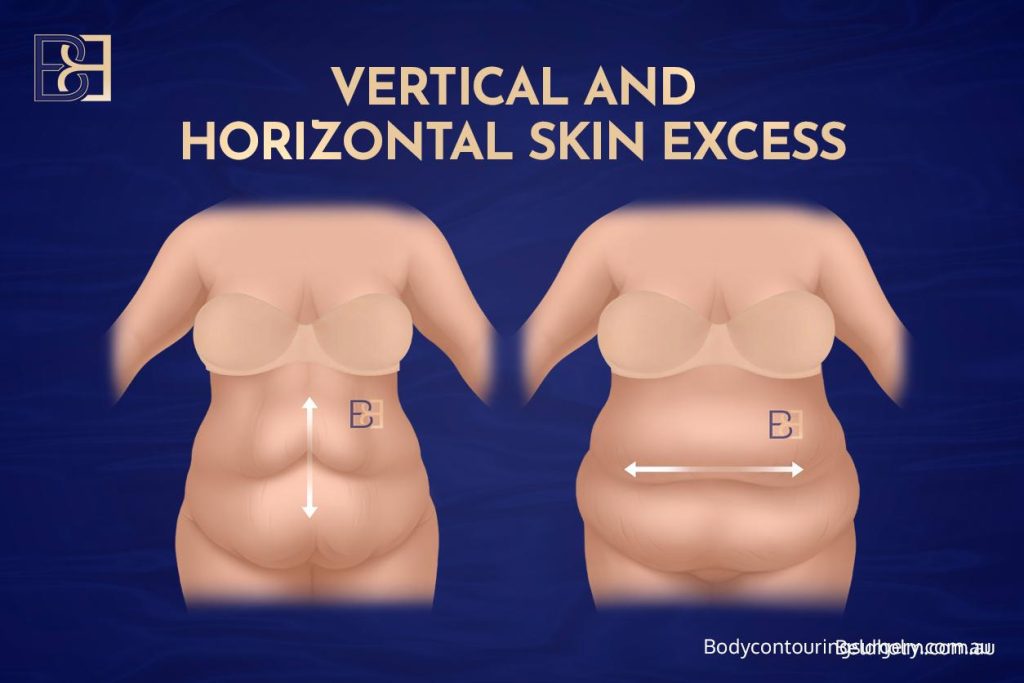
Whatever route a patient took to lose weight, the final common pathway is reduced energy intake over an extended period. Reduced energy intake almost always means reduced micronutrient intake as well.
Patients who have spent one to three years:
- Eating smaller portions
- Following a protein-focused post-bariatric diet
- Managing reduced appetite on weight-loss medications
often arrive at my clinic with multiple deficiencies that have accumulated quietly. They usually feel well. The blood tells a different story.
Altered absorption after bariatric surgery
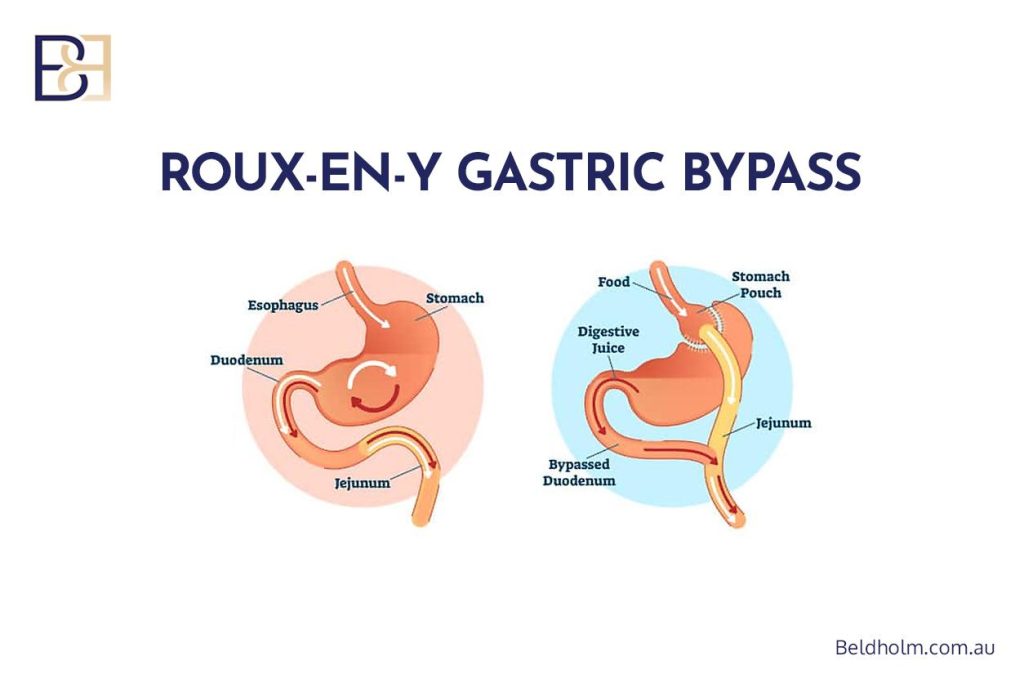
After major weight loss, patients are often left with significant excess skin alongside their nutritional issues. Weight loss surgery changes the anatomy of the gastrointestinal tract. The two most common procedures affect absorption differently:
- Sleeve gastrectomy. Reduces stomach volume and alters the hormonal environment that regulates appetite. Reduced acid production impairs the absorption of iron, vitamin B12, and calcium.
- Roux-en-Y gastric bypass. Does the same as sleeve gastrectomy, but also bypasses the duodenum and proximal jejunum. This is where much of the absorption of iron, calcium, thiamine, and fat-soluble vitamins occurs.
These changes are as much metabolic and hormonal as they are mechanical. The older “restriction and malabsorption” framing understates what is going on. What matters for surgical planning is the downstream effect: these patients are at near-universal risk of micronutrient deficiency, and the risk profile differs by procedure (1).
Roux-en-Y patients are at higher risk than sleeve gastrectomy patients, but both groups require structured monitoring and lifelong supplementation (2).
Weight-loss medications

A growing number of my patients have lost weight using a class of weight-loss medications that suppresses appetite through gut hormone pathways. These medications are effective for weight loss. They also reduce voluntary food intake, which in turn reduces intake of protein, vitamin C, magnesium, and other nutrients (5).
Published research on this patient group shows measurable reductions in specific nutrients:
- Protein intake drops by approximately 17%
- Vitamin C intake drops by approximately 43%
These are average figures across a population. Individual patients vary. But the direction of the effect is consistent and relevant to anyone planning an abdominoplasty (tummy tuck) or another body-contouring procedure in the peri-operative window.
Current guidelines do not recommend routine cessation of these medications before surgery. I cover this in detail in the timing section. The short version is that perioperative management is determined by the anaesthetist at the routine pre-operative anaesthetic consultation.
Increased metabolic demand
Weight loss itself is metabolically demanding. The body is:
- Breaking down fat stores
- Remodelling tissue
- Losing muscle mass alongside fat unless protein intake is actively maintained
Every patient who loses 20 to 30 kilograms or more goes through a period during which their micronutrient requirements exceed those of the general population, and their intake is often lower.
Why standard multivitamins alone are not enough

A general-population multivitamin is designed to cover the nutritional needs of someone eating a balanced diet. It is not designed for:
- Post-bariatric anatomy
- Recovery from sustained caloric restriction
- The additional metabolic demand of major surgery
Three specific problems with relying on standard multivitamins in this population:
- Doses are too low. Standard formulations target the general population, not someone with accumulated depletion.
- Forms are often poorly absorbed. Cyanocobalamin rather than methylcobalamin for B12. Folic acid rather than methylfolate. Vitamin D2 rather than D3.
- Key nutrients are under-represented. They do not include enough of the nutrients that matter most for tissue repair.
Standard multivitamins have a place in the Tier 1 supplement protocol I describe below, particularly when a post-bariatric-specific formulation is used. They are a foundation, not a complete solution.
What brings post-weight-loss patients to surgery

Every patient I see has their own story, but the clinical picture is usually consistent. The core reasons patients seek surgical intervention after major weight loss include:
- Excess skin removal, particularly across the abdomen, flanks, thighs, and upper arms
- Treating loose skin that does not retract after weight loss, causing significant physical discomfort, chafing, and skin infections
- Tightening underlying muscles, particularly correcting muscle separation of the abdominal muscles (diastasis recti) that commonly accompanies post-pregnancy or major weight loss
- Removing stretch marks that sit within the skin envelope being resected
- Functional problems such as hygiene difficulties, rashes, and physical limitations
The goal of the surgical procedure is to remove excess skin from the underlying tissues. An abdominoplasty (tummy tuck) removes excess skin across the abdomen and tightens the abdominal wall. This excess skin removal is the core of the operation. A lower body lift (belt lipectomy) removes excess skin across the abdomen, flanks, and buttocks. A thighplasty (thigh lift) treats the inner thighs. A brachioplasty treats the upper arm. A mastopexy (breast lift) treats the breasts. Many patients need multiple procedures to treats excess skin across different body areas.
As a specialist surgeon focused on post-weight-loss body contouring, my surgical skills and the thorough consultation process are only part of the picture. Your nutritional status going into the operation is the other half. Even the most careful technique cannot compensate for a patient whose body does not have the raw materials to heal.
The hidden deficiency problem

The most important point for patients reading this article is that you will almost certainly not be able to tell whether you are deficient in anything. Most of the deficiencies I find on pre-operative bloods are clinically silent (1, 6).
A few examples:
- Iron deficiency rarely causes noticeable fatigue until it is advanced
- Vitamin D deficiency is asymptomatic in most adults
- Low zinc and selenium cause no specific symptoms
- Thiamine deficiency can be silent until a triggering event, like vomiting.
This is why I run a comprehensive blood panel on every post-weight-loss patient before I book surgery. Relying on symptoms or how a patient feels is not clinically sound in this population. The bloods are the only reliable way to identify what needs correcting.
That is where we start.
The Pre-Operative Blood Panel I Order
Every post-weight-loss patient I book for abdominoplasty (tummy tuck) or any other body contouring procedure starts with a comprehensive blood panel. This happens at the first consultation. I hand the patient a request form on the same day, and we arrange the collection before they leave.
The panel is comprehensive because the risks in this population are comprehensive. Every post-weight-loss patient gets the same full workup.
The full panel at a glance
The panel covers four clinical areas:
- General health and surgical readiness
- Wound-healing nutrients
- Infectious disease and pregnancy screening
- Reflex testing when indicated
Here is what each area includes.
General health and surgical readiness
These tests identify any medical issues that need managing first:
- Full blood count with differential. Checks for anaemia, infection markers, and overall blood health.
- Coagulation screen (PT, APTT, INR). Checks your blood’s ability to clot.
- Liver function tests. Includes albumin, which reflects your protein stores and readiness to heal. Albumin is the protein marker I use.
- Electrolytes. Sodium, potassium, urea, creatinine, calcium, magnesium, and phosphate. Kidney function and the minerals involved in healing and muscle function. Magnesium is now part of this panel for every patient, not just those on weight-loss medications.
- Glucose (random) and HbA1c. Screens for diabetes or insulin resistance. These significantly affect surgical risk and recovery.
- Thyroid function tests (TSH, fT4). An underactive thyroid affects healing and anaesthetic risk.
Wound-healing nutrients

This is where the post-weight-loss patient group differs most from a general abdominoplasty population. The nutrients I check here are directly involved in collagen synthesis, immune function, and tissue repair:
- Iron studies. Ferritin, serum iron, TIBC, and transferrin saturation. Iron deficiency is common after weight loss surgery and sustained dietary restriction.
- Vitamin A (serum retinol). Critical for epithelial repair and fibroblast activity.
- Vitamin B1 (thiamine). Depletion risk post-bariatric, particularly with any history of vomiting.
- Vitamin B6 (PLP). Now part of my routine panel for every post-weight-loss patient. Involved in collagen cross-linking and homocysteine metabolism.
- Vitamin B12. Essential for red cell production, neurological function, and healing.
- Serum folate and red cell folate. Red cell folate reflects longer-term stores and is a more reliable marker than serum folate alone.
- 25-OH vitamin D. Deficiency is near-universal in patients who have carried significant excess weight.
- Vitamin E. Antioxidant support for healing and immune defence. Also relevant for bleeding risk at very high supplemental doses.
- Zinc and selenium. Both critical for healing and immunity. Commonly low after weight loss surgery.
Infectious disease and pregnancy screening

Standard pre-operative screening for every patient undergoing elective surgery:
- Hepatitis B (HBsAg)
- Hepatitis C (anti-HCV)
- HIV (4th generation antigen and antibody)
- Pregnancy test (hCG). Ordered for females of reproductive age. Surgery is deferred if pregnancy is detected.
Reflex testing when indicated
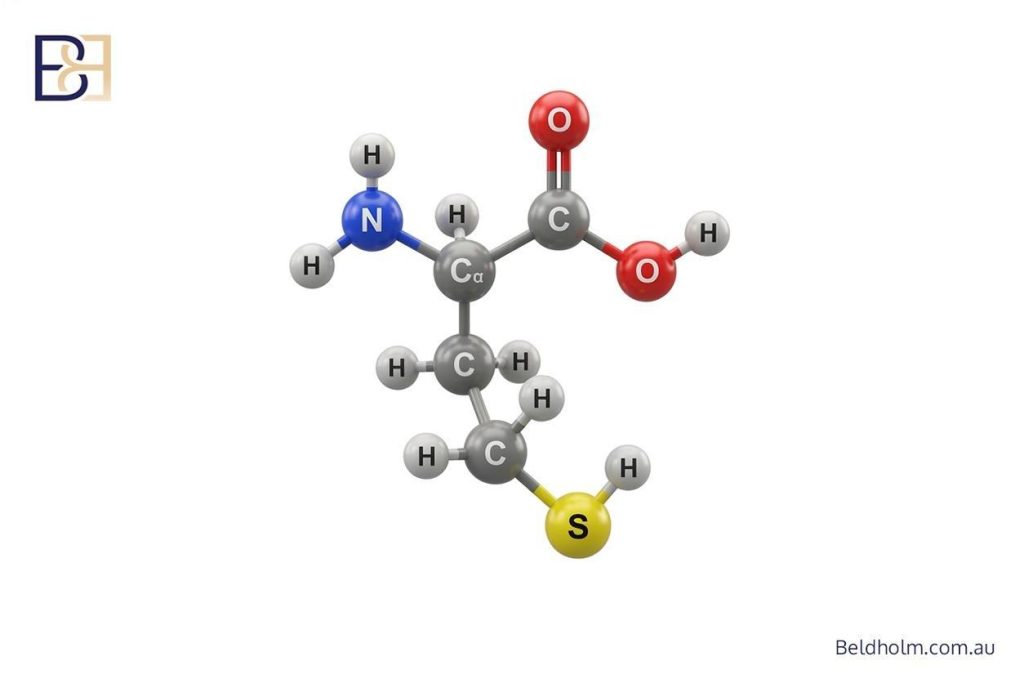
One test I do not order routinely is homocysteine. This is a specific clinical decision.
Homocysteine is a marker of B vitamin status and, at elevated levels, a risk factor for venous thromboembolism. It is ordered only as a reflex test when B12, folate, or B6 is confirmed to be low on the initial panel. This matters because:
- Ordering homocysteine routinely is not clinically indicated
- It is only Medicare rebatable as a reflex test in the same episode as a B12 order
- If the three B vitamins that drive homocysteine levels are normal, the homocysteine result adds nothing
If any of the three are low, I order homocysteine at the same time and manage the result accordingly.
Why Australian units matter
The surgical and nutritional literature is heavily US-based. American lab units are different from Australian units for many tests. Vitamin D is a good example: American literature reports in ng/mL while Australian labs report in nmol/L. The conversion factor is 2.5, which means a “normal” American result can look abnormal in Australian units if the conversion is not applied.
Every reference range I use in my practice is the Australian laboratory range. Every target I set for pre-operative optimisation uses Australian units. This avoids confusion when results come back from local pathology providers like Laverty and Douglass Hanly Moir.
Timing: when your results are reviewed
The typical timeline looks like this:
- First consultation. I hand you the blood test request form. You have the tests done as soon as possible, ideally that day or the next.
- Results returned. Usually, within a few days for most tests. Vitamin levels can take longer depending on the pathology provider.
- Second consultation. Two to four weeks after the first. I review the full panel with you, initiate any Tier 2 supplements based on confirmed deficiencies, and confirm the Tier 1 supplements you have already started.
If anything on the panel needs urgent attention before the second consultation, my team will contact you directly.
For the full clinical detail on each test, the Medicare item numbers, rebatability, and what each result means for your surgical planning, see my dedicated article: Pre-Operative Blood Tests for Post-Weight-Loss Body Contouring Surgery: What I Check and Why.
My Two-Tier Supplement Framework
Every post-weight-loss patient in my practice follows the same supplement structure. I call it the two-tier framework. It reflects a clinical reality: some nutritional vulnerabilities are nearly universal in this patient group, while others are individual and need to be confirmed before we treat them.
Rather than prescribing a long list of supplements to every patient and hoping we have covered the bases, I separate the routine from the targeted.
The two tiers
Tier 1: Universal supplements. Started at surgical planning for every post-weight-loss patient, regardless of blood results.
Tier 2: Blood-guided supplements. Added only when the blood panel confirms a specific deficiency.
The distinction matters because it protects against two common mistakes. The first is under-treating, which means assuming a patient does not need a supplement because they feel well. The second is over-treating, which means prescribing nutrients a patient does not need, some of which can cause harm in excess (vitamin A toxicity, vitamin E bleeding risk, excessive zinc driving copper deficiency).
Tier 1 in summary

Tier 1 is what I ask every post-weight-loss patient to start at the first consultation, before their blood results are back. The evidence base supports near-universal deficiency of these nutrients in this population, so waiting for bloods before starting is not clinically justified.
The five Tier 1 supplements are:
- Whey protein isolate: the foundation of surgical recovery
- Complete multivitamin: broad baseline coverage
- Vitamin D3 paired with K2: near-universal vitamin D deficiency in this group
- Vitamin C: collagen synthesis and tissue repair
- Zinc (maintenance dose): healing and immunity
I cover each of these in detail further down.
Tier 2 in summary

Tier 2 supplements are added after I review your blood results. These are confirmed-deficiency nutrients, and the repletion doses are substantially higher than the maintenance doses in Tier 1. This is why blood confirmation matters: getting the dose wrong, or treating a non-deficient patient, can do more harm than good.
Tier 2 supplements include:
- Iron: added if iron studies confirm deficiency
- Vitamin B12: added if B12 is low
- Folate: added if serum or red cell folate is low
- Vitamin A: added for significant post-bariatric deficiency
- Thiamine (B1): added if confirmed low, or pre-emptively if vomiting is a risk
- Calcium citrate: added if calcium is low or vitamin D repletion is inadequate alone
- Selenium: added if confirmed low
- Magnesium: added if serum magnesium is below the threshold
Zinc also moves into Tier 2 at a higher repletion dose if the blood result confirms deficiency. The maintenance dose in Tier 1 continues regardless.
I cover each of these in detail in the Tier 2 section below.
Who manages each tier

The management structure is deliberate:
- Tier 1. Managed by my clinical team. I prescribe the Tier 1 supplements at the first consultation and confirm they are running at every subsequent visit. These are started at least 4 weeks pre-operatively and continued for 4 to 6 weeks post-operatively, or until wound closure is confirmed. Post-bariatric patients often need Tier 1 supplements lifelong, coordinated with their GP after the peri-operative window closes.
- Tier 2. Managed by my clinical team in collaboration with your GP, an accredited practising dietitian (APD), or a specialist where required. If your blood results show severe deficiency, we may need input from haematology for iron deficiency or from an endocrinologist for complex metabolic issues.
Why this framework works
There are three reasons I use this approach rather than a flat list of supplements:
- It matches the evidence. The surgical literature consistently shows a near-universal deficiency in specific nutrients across this population. Those are the Tier 1 supplements. Others vary person to person and need individual assessment.
- It avoids over-supplementation. Prescribing vitamin A, high-dose iron, or high-dose zinc to a patient who does not need them can cause real harm. Blood confirmation means we treat what is actually there.
- It is practical for patients. Starting Tier 1 immediately means you are already four weeks into your supplement routine by the time we review your bloods. If Tier 2 supplements are needed, they layer in on top of an established routine rather than starting from scratch.
The framework also simplifies the conversation at your second consultation. We focus on what the bloods show rather than rebuilding your entire supplement plan.
A practical note on timing
Tier 1 starts at the first consultation. Tier 2 begins at the second consultation, once the results are reviewed. Both continue through the perioperative window, with specific stops and adjustments around surgery covered later in this article.
Post-bariatric patients should understand that many of these supplements are lifelong requirements. The peri-operative window is when I manage them intensively. After you have recovered from the surgical procedure, long-term management returns to your GP.
Tier 1: What Every Post-Weight-Loss Patient Starts On
Each of the five Tier 1 supplements is covered below with the clinical headline, the dose, practical notes, and a link to the dedicated deep-dive article where applicable.
The five Tier 1 supplements are:
- Whey protein isolate
- Complete multivitamin
- Vitamin D3 paired with K2
- Vitamin C
- Zinc (maintenance dose)
4.1 Whey protein isolate
Protein is the single most important nutrient for surgical recovery. It is the structural raw material your body uses to close wounds, rebuild connective tissue, and maintain muscle mass during the stress of surgery. In my post-weight-loss patients, protein status is almost never adequate at the first consultation, and correcting it is a non-negotiable part of pre-operative preparation.
Why protein is the foundation:
- Collagen synthesis, wound closure, and scar strength all depend on amino acid availability
- Post-bariatric patients and sustained-restriction patients often arrive with chronically low protein intake
- Weight-loss medications reduce protein intake by approximately 17% on average (5)
- Even a well-nourished patient needs more protein perioperatively than at baseline
Dose:
- Pre-operative target: 1.2 to 1.5 g/kg/day, equivalent to 80 to 100 g/day for most patients, in divided doses (3, 4)
- Post-operative target: 1.6 to 3.0 g/kg/day during the healing window (3)
- Minimum: 80 g/day across the 4 to 8 week pre-operative and post-operative window (4)
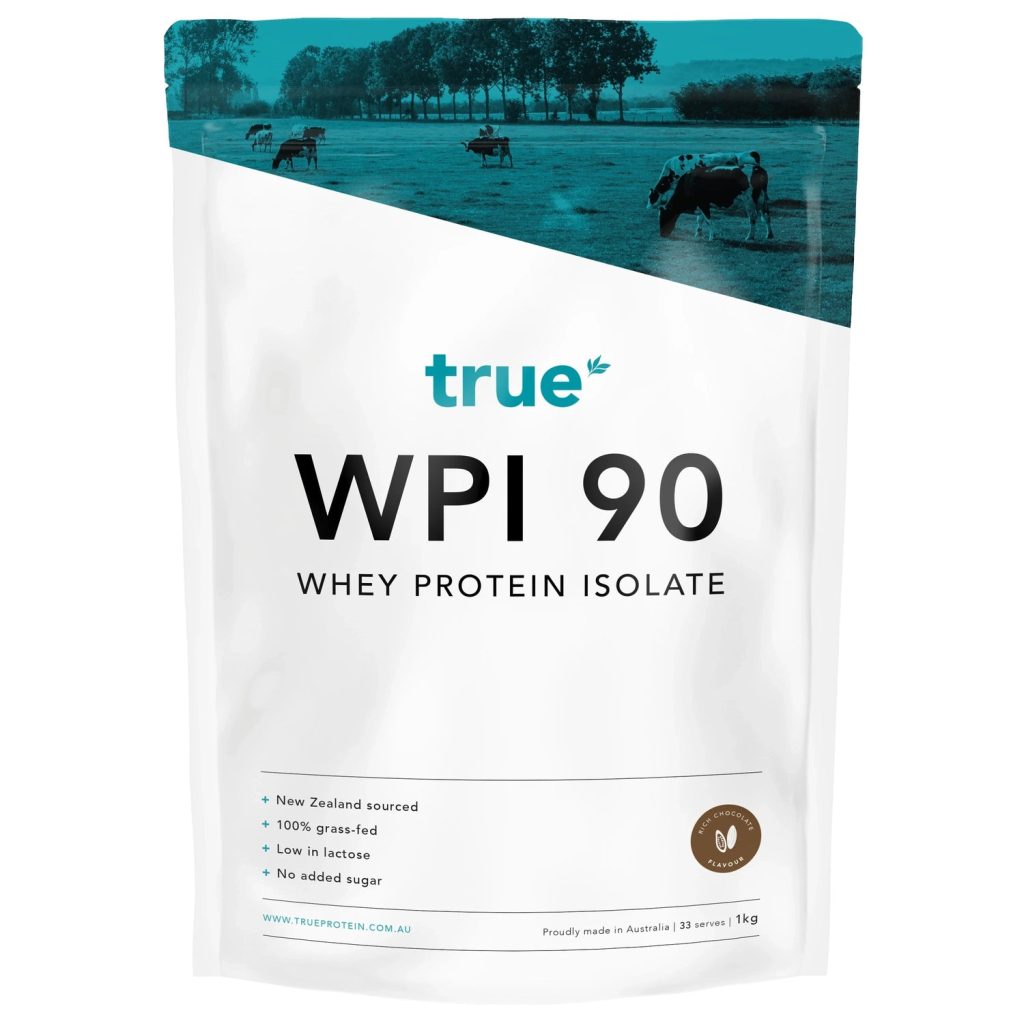
Whey protein isolate (WPI) is my preferred form. It is fast-absorbing, low in lactose, and provides complete protein with minimal added sugar. True Protein WPI90 is my personal recommendation. Optimum Nutrition Gold Standard Whey is a widely available alternative. Any whey protein isolate with 25 grams or more of protein per serve and low added sugar is acceptable.
Practical notes:
- Divide your intake across the day rather than front-loading
- Protein shakes are a practical workaround when food volume is a barrier, which is common after weight loss surgery and on weight-loss medications
- Continue protein supplementation through surgery. Resume oral intake as soon as you can tolerate it postoperatively.
For the full clinical detail on protein requirements, timing, food vs supplement comparisons, and how to structure your daily intake, see my dedicated article: Protein Before and After Abdominoplasty (Tummy Tuck): A Guide for Post-Weight-Loss Patients.
4.2 Complete multivitamin
A comprehensive multivitamin covers the broad micronutrient floor. It is not a replacement for targeted supplementation, but it reduces the risk of minor nutrient deficiencies when nutrients are not individually tested or supplemented.
Why a multivitamin is routine:
- Weight loss surgery and prolonged dietary restriction produce multifactorial micronutrient depletion
- A post-bariatric-specific formulation provides appropriate baseline coverage for this population
- Standard general-population multivitamins are not ideal but are better than nothing when a bariatric-specific option is unavailable
Dose:
- 1 to 2 tablets daily with food
- Choose activated forms where available (methylcobalamin for B12, methylfolate for folate, vitamin D3 rather than D2)
Brand options:
- Post-bariatric-specific formulations. Celebrate Vitamins Bariatric Multivitamin is the most comprehensive option for patients with a history of bariatric surgery.
- General-population alternatives. Centrum Advance, Cenovis Multivitamin and Minerals.
Practical notes:
- Take with food to improve absorption of the fat-soluble vitamins (A, D, E, K)
- The multivitamin is a foundation. It does not replace the Tier 2 supplements that target specific confirmed deficiencies at therapeutic doses.
4.3 Vitamin D3 paired with K2

Vitamin D deficiency is near-universal in patients who have carried significant excess weight. Published data show 60 to 90% of patients with obesity are vitamin D deficient at baseline, and levels commonly remain low post-bariatric surgery (1, 3). The reasons include sequestration within adipose tissue, reduced sun exposure among less active patients, and poor absorption after bariatric surgery.
Vitamin D matters for surgical recovery because it affects immune function, bacterial killing at wound sites, and calcium metabolism. A low vitamin D result at your first consultation is one of the most common findings I see, and correction before surgery is straightforward.
Why vitamin D is always paired with K2:
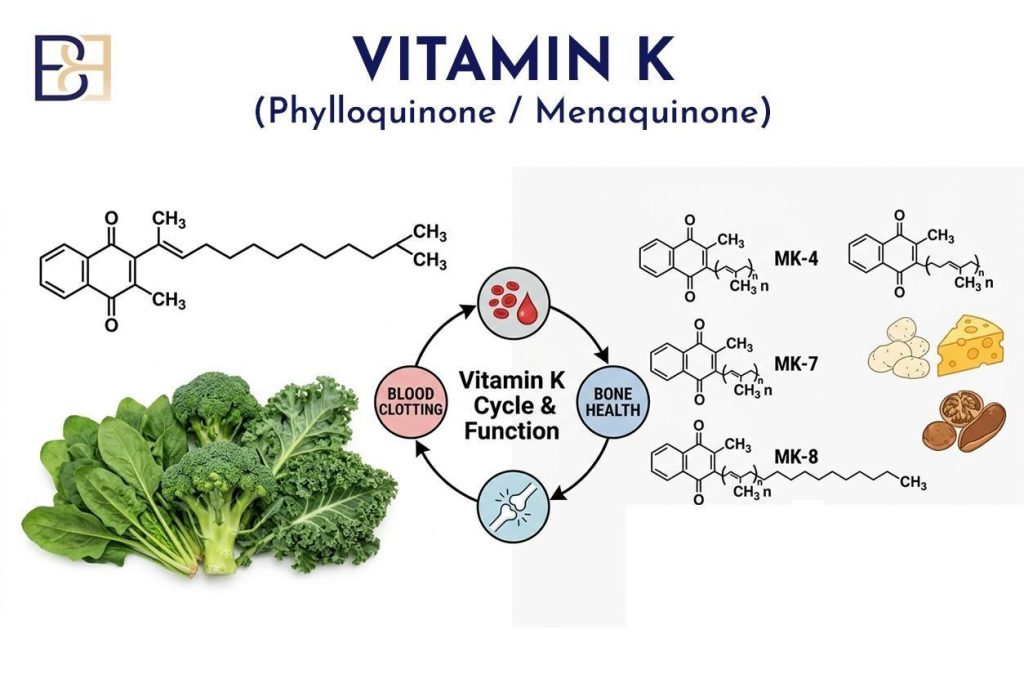
Vitamin D increases calcium absorption from the gut. Without adequate vitamin K2, calcium is deposited indiscriminately, including in arteries and soft tissue. Vitamin K2 (menaquinone, in the MK-7 form) directs calcium to bones and teeth where it belongs. Supplementing D3 without K2 creates a metabolic imbalance. I do not prescribe one without the other.
Dose:
- Vitamin D3 (cholecalciferol): 3,000 to 6,000 IU daily
- Vitamin K2 as MK-7: 100 mcg daily
- Target serum 25-OH vitamin D: 75 to 150 nmol/L (optimal surgical range in Australian units)
D2 (ergocalciferol) is less effective than D3 and I do not use it.
Brand options:
- Ostelin Vitamin D3 1000 IU (multiple tablets daily to reach target)
- NOW D3 + K2 5000 IU (pre-paired formulation available via iHerb)
- Cenovis Vitamin D3
Practical notes:
- Recheck vitamin D levels six to eight weeks after starting supplementation
- Take with a meal that contains some fat to improve absorption
- Patients with severe deficiency at baseline may need higher doses short-term; this is individualised
For the full clinical detail on vitamin D mechanisms, deficiency rates by procedure, surgical relevance, and repletion protocols, see my dedicated article: Vitamin D Deficiency After Weight Loss Surgery: Why It Matters Before Body Contouring.
For the details on vitamin K1 versus K2, the D3-K2 pairing rationale, and bleeding risk considerations, see: Vitamin K Before Body Contouring Surgery: Coagulation, Calcium, and Post-Bariatric Risk.
4.4 Vitamin C (Ascorbic Acid)

Vitamin C is essential for collagen synthesis. Without adequate vitamin C, the collagen your body produces during the healing phase is structurally weaker. This translates directly into poorer scar quality, slower wound closure, and higher complication rates across body-contouring procedures (10).
In post-weight-loss patients, vitamin C intake is often inadequate. Patients on weight-loss medication consume approximately 43% less vitamin C than at baseline (5). Post-bariatric patients with reduced appetite and smaller meals frequently under-eat citrus and fresh fruit.
Dose:
- Peri-operative: 1 to 2 g (1,000 to 2,000 mg) daily
- Maintenance: 60 mg daily
Important timing rule:
High-dose ascorbic acid must be reduced to 1 g daily or below one week before surgery, then resumed immediately after surgery. Very high doses carry a small risk of bleeding that matters perioperatively. This is one of the specific items I ask patients to adjust in the final week before their procedure.
Brand options:
- Cenovis Mega C 1000 mg
- Blackmores Bio C 1000 mg
- Swisse Vitamin C 1000 mg
Practical notes:
- Ascorbic acid enhances iron absorption. Take it together with iron supplements (Tier 2 if prescribed).
- Spread the daily dose across the day rather than a single large dose for better absorption
- Chewable and effervescent forms are often better tolerated than large tablets
For the full clinical detail on collagen synthesis, iron absorption interactions, the pre-operative reduction protocol, and Australian food sources, see my dedicated article: Vitamin C (Ascorbic Acid) Before and After Body Contouring Surgery: Collagen, Iron, and Wound Healing After Weight Loss.
4.5 Zinc (maintenance dose)

Zinc is critical to support tissue repair, immune function, and collagen synthesis. Deficiency is common after major weight loss and prolonged dietary restriction (1, 2). I commence every post-weight-loss patient on a maintenance dose of zinc at the first consultation, with the dose escalated to Tier 2 repletion if the blood result confirms deficiency.
Dose:
- Tier 1 maintenance: 8 to 11 mg daily
- Tier 2 repletion (confirmed deficiency): 40 to 60 mg daily, covered in the Tier 2 section below
Zinc glycinate or zinc gluconate is preferred because both are better tolerated and better absorbed than zinc sulphate or zinc oxide.
Brand options:
- Blackmores Zinc 25 mg
- Swisse Ultiboost Zinc
- Cenovis Zinc Plus
Important interaction rules:
- Do not take zinc at the same time as iron. Separate them by at least two hours.
- Maintain a zinc-to-copper ratio of 8 to 15 to 1. Excess zinc over an extended period drives copper deficiency, which can cause anaemia and neurological symptoms.
- Long-term high-dose zinc supplementation (above 40 mg daily) should be monitored by blood testing.
Practical notes:
- Take with food to reduce gastrointestinal upset
- Blood zinc is an imperfect marker because zinc is primarily intracellular. I interpret zinc results in context with clinical signs and other micronutrient results.
- Patients with a history of Roux-en-Y gastric bypass are at higher risk of zinc deficiency and may need Tier 2 repletion doses long-term under GP supervision
For the full clinical detail on zinc mechanisms, the zinc-copper relationship, deficiency rates by bariatric procedure, and supplementation protocols, see my dedicated article: Zinc Before and After Body Contouring Surgery: Wound Healing, Immunity, and Post-Weight-Loss Deficiency.
Tier 2: What Gets Added After Blood Results
Tier 2 supplements are prescribed only when the comprehensive blood panel confirms a specific deficiency. The doses used for repletion are substantially higher than the maintenance doses in Tier 1, which is exactly why blood confirmation matters. Prescribing therapeutic doses of nutrients a patient does not need can cause real harm.
At the second consultation, two to four weeks after your blood is drawn, I review the full panel with you and add whichever Tier 2 supplements your results indicate. I continue to manage these alongside your Tier 1 regimen through the peri-operative window, in collaboration with your GP, an accredited practising dietitian, or a specialist where the deficiency is severe.
The Tier 2 supplements I cover below are:
- Iron
- Vitamin B12
- Folate
- Vitamin A
- Thiamine (B1)
- Vitamin B6
- Calcium citrate
- Selenium
- Magnesium
- Zinc at repletion dose (escalation from Tier 1)
Each has a specific clinical role and a specific blood threshold for intervention. I cover each briefly here with a link to the deep-dive article.
5.1 Iron

Iron deficiency is one of the most common findings on the pre-operative panel in post-weight-loss patients (1, 2). It is particularly prevalent in:
- Menstruating women
- Patients with a history of Roux-en-Y gastric bypass
- Patients with any history of gastrointestinal bleeding or heavy periods
Iron-deficiency anaemia directly increases surgical risk. Low haemoglobin reduces oxygen delivery to healing tissue, increases fatigue, and raises the risk of requiring transfusion intra-operatively.
When iron is added to Tier 2:
- Low ferritin (a marker of iron stores)
- Low serum iron with reduced transferrin saturation
- Haemoglobin below the normal range
Dose:
- Maintenance in deficient patients: 45 to 60 mg elemental iron daily for women
- Therapeutic repletion: 150 to 300 mg elemental iron daily for confirmed deficiency
- Severe deficiency or intolerance: Intravenous iron may be required; arranged through the GP or haematology
Brand options:
- Maltofer (iron polymaltose). Generally well tolerated with fewer gastrointestinal side effects than traditional iron salts.
- Ferro-Gradumet. Widely available, slow-release ferrous sulphate.
- Spatone. Liquid iron from natural spring water; gentlest on the stomach but lower dose per serve.
Important interaction rules:
- Take iron with ascorbic acid to enhance absorption
- Separate iron from zinc and calcium for at least two hours
- Avoid tea, coffee, and dairy at the same time as iron (tannins and calcium inhibit absorption)
Clinical flag:
Haemoglobin below 100 g/L means I defer surgery. Investigating and correcting the cause is the first priority. Most cases respond to oral iron within four to eight weeks. Patients who cannot absorb oral iron or who have a severe deficiency may need intravenous iron arranged through the GP.
For the full clinical detail on iron deficiency patterns by bariatric procedure, oral versus intravenous iron, absorption interactions, and the haematology referral pathway, see my dedicated article: Iron Deficiency After Weight Loss Surgery: Why It Matters Before Body Contouring.
5.2 Vitamin B12

Vitamin B12 deficiency is common after bariatric surgery because B12 absorption depends on intrinsic factor, which is produced in the stomach (1, 2). Sleeve gastrectomy reduces intrinsic factor production. Roux-en-Y gastric bypass further reduces the absorption surface. Patients on acid-suppression medications also have reduced B12 absorption.
B12 matters for surgery because it is essential for red blood cell production, neurological function, and homocysteine metabolism. Low B12 contributes to anaemia, peripheral neuropathy, and elevated homocysteine, which is itself a DVT risk factor (9).
When B12 is added to Tier 2:
- Serum B12 below the lower limit of normal
- Active B12 (holotranscobalamin) is low when measured
- Macrocytic anaemia on the full blood count
Dose:
- Oral maintenance: 350 to 1,000 mcg daily
- Oral repletion: Up to 2,000 mcg daily for confirmed deficiency
- Intramuscular: 1,000 mcg B12 injection; frequency depends on severity, typically weekly for initial repletion, then monthly
Brand options:
- Nature’s Own Activated Methyl B12. Sublingual methylcobalamin.
- Blackmores Vitamin B12 1000 mcg. Oral methylcobalamin.
- Ethical Nutrients Mega B. Active B-complex including methylcobalamin.
Methylcobalamin is preferred over cyanocobalamin. It is the active form, better absorbed, and does not require the conversion step that cyanocobalamin does.
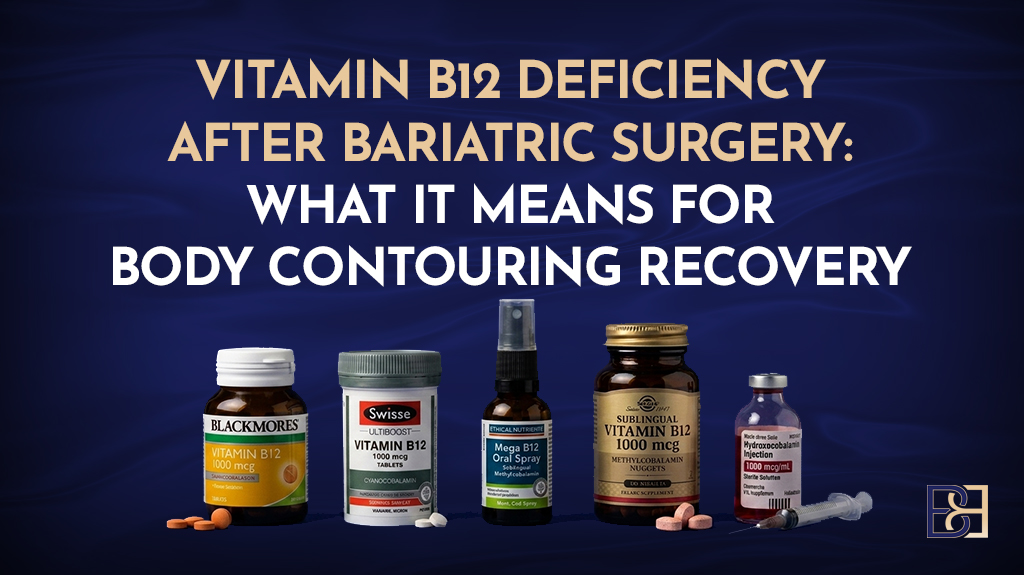
For the full clinical detail on intrinsic factor, procedure-specific risk, oral versus sublingual versus intramuscular B12, and the homocysteine connection, see my dedicated article: Vitamin B12 Deficiency After Bariatric Surgery: What It Means for Body Contouring Recovery.
5.3 Folate
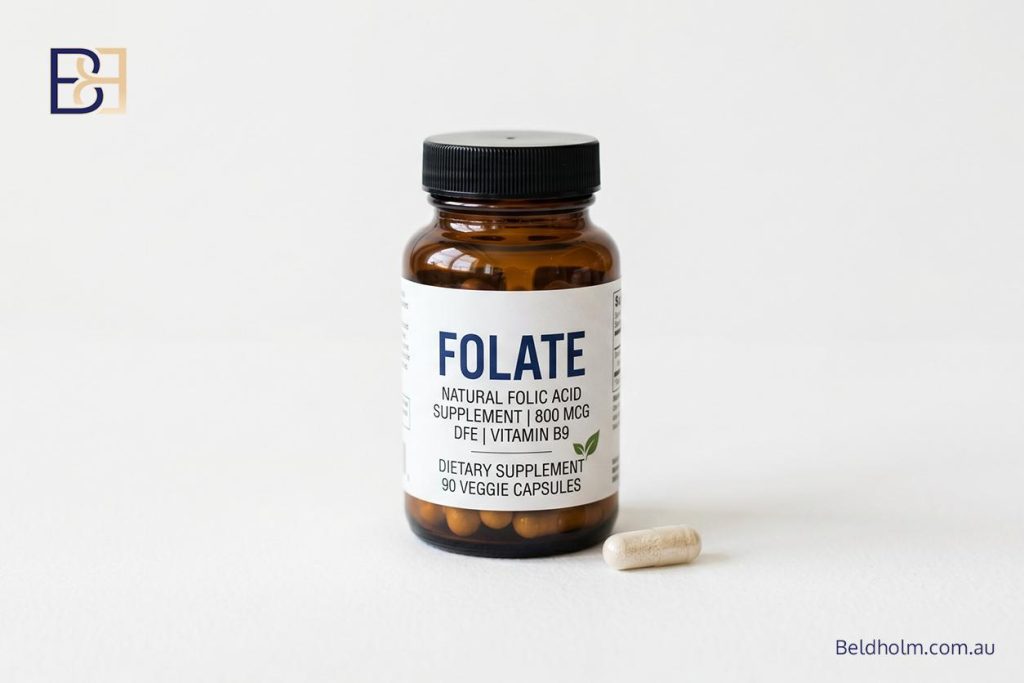
Folate works alongside B12 in red cell production and in homocysteine metabolism. Deficiency in either one causes similar clinical problems, and homocysteine levels rise when either is low. This is why I test both together on the routine panel.
When folate is added to Tier 2:
- Low serum folate
- Low red cell folate (a more reliable long-term marker)
Dose:
- Maintenance: 400 to 800 mcg daily
- Repletion for deficiency: 1 to 5 mg daily
Form matters:
Methylfolate (5-MTHF) is the active form and is preferred, particularly in patients with a known or suspected MTHFR gene variant that limits the conversion of folic acid to the active form. Patients with a family history of neural tube defects or cardiovascular disease are more likely to benefit from methylfolate.
Brand options:
- Blackmores Folate 500 mcg
- Methylfolate formulations in activated B-complex products (Nature’s Own, Thorne, Ethical Nutrients)
The homocysteine connection:
If serum or red cell folate is low, I order a homocysteine level as a reflex test. Homocysteine levels above 15 µmol/L increase venous thromboembolism risk by a factor of 2 to 3 (8, 9). This is directly relevant to post-weight loss surgery, where DVT risk is already higher than in the general surgical population (9). B12, folate, and B6 supplementation for four to six weeks typically normalises elevated homocysteine before surgery proceeds.
For the full clinical detail on folate and B12 interdependence, methylfolate versus folic acid, MTHFR gene variants, and DVT risk management, see my dedicated article: Folate, Homocysteine, and DVT Risk in Post-Weight-Loss Body Contouring Surgery.
5.4 Vitamin A
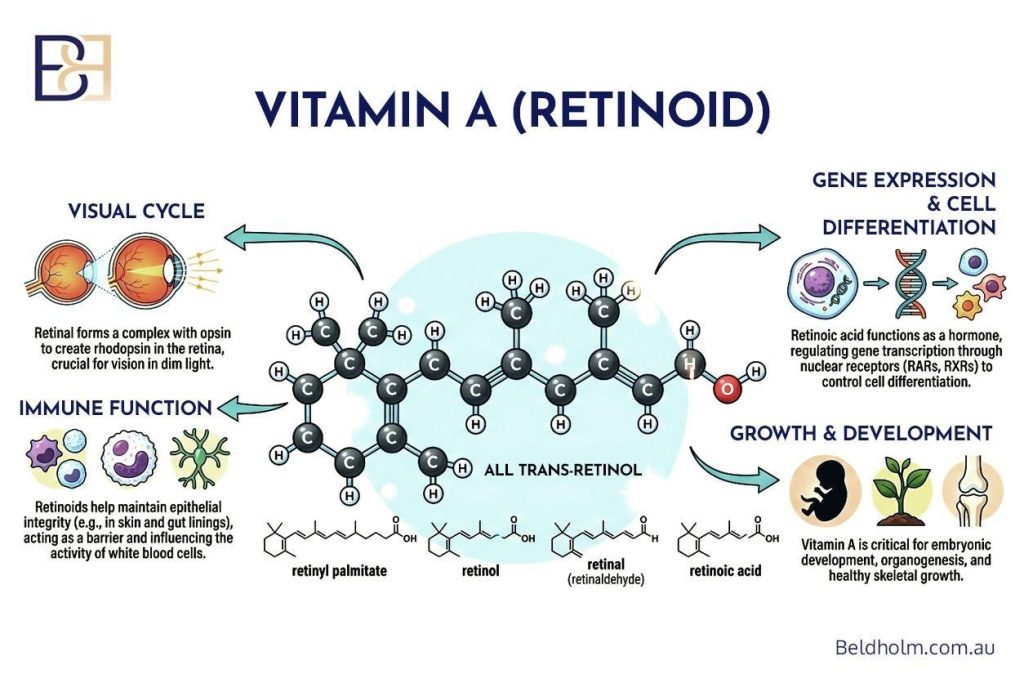
Vitamin A deficiency is common after Roux-en-Y gastric bypass because the duodenum and proximal jejunum, where most fat-soluble vitamin absorption happens, are bypassed (1,2). Patients with sleeve gastrectomy are also affected, but usually less severely.
Vitamin A is essential for epithelial repair, fibroblast activity, and immune function. All three are directly relevant to tissue repair after this type of surgical procedure (1, 3).
When vitamin A is added to Tier 2:
- Serum retinol below the lower limit of normal (1.05 µmol/L in Australian units)
- Clinical signs of deficiency (rare in current practice but occasionally seen)
Dose:
- Standard supplementation: 5,000 to 10,000 IU daily
- Perioperative protocol for post-bariatric patients with confirmed deficiency: 25,000 to 50,000 IU daily for four weeks pre-operatively and four weeks post-operatively (3)
Important safety rules:
- Vitamin A is fat-soluble and accumulates in the body
- Sustained doses above 50,000 IU daily can cause toxicity (headache, skin changes, liver effects)
- High-dose vitamin A is contraindicated in pregnancy and in women planning to conceive. Teratogenic risk is significant.
- High-dose protocols require clinical oversight
Brand options:
- Blackmores Vitamin A 5000 IU
- Compounding pharmacy preparations for high-dose protocols
For the full clinical detail on vitamin A mechanisms, deficiency rates by bariatric procedure, toxicity risk, and pregnancy considerations, see my dedicated article: Vitamin A (Retinoid) Before and After Body Contouring Surgery: A Guide for Post-Weight-Loss Patients.
5.5 Thiamine (B1)

Thiamine depletes faster than most other B vitamins. Post-bariatric patients are at particular risk because thiamine absorption is reduced due to altered anatomy and reduced gastric acid production (1, 2). Any history of vomiting, whether from bariatric stricture, dehydration, or other causes, can rapidly deplete thiamine stores.
Severe thiamine deficiency causes Wernicke encephalopathy, which is a medical emergency. Most of my patients arrive with mild deficiency rather than clinical Wernicke, but the risk profile means I test routinely and treat aggressively when deficiency is confirmed.
When thiamine is added to Tier 2:
- Whole blood thiamine below the lower limit of normal (70 nmol/L in Australian units)
- Any history of vomiting episodes
- Any neurological symptoms
Dose:
- Oral repletion: Dose determined by severity; typically 100 mg daily
- Intravenous thiamine: Required if neurological symptoms are present. Arranged through the GP or the emergency department.
Practical notes:
- Thiamine should not be waited on for results if there is any clinical suspicion; empirical supplementation is safe and cheap
- Patients with ongoing vomiting need urgent thiamine before surgery proceeds
- Glucose-containing intravenous fluids given to a thiamine-deficient patient can precipitate Wernicke encephalopathy; this is an important anaesthetic consideration
For the full clinical detail on thiamine metabolism, Wernicke encephalopathy, and the post-bariatric risk profile, see my dedicated article: Thiamine (B1) and Vitamin B6 After Bariatric Surgery: Surgical Risks and Recovery Implications.
5.6 Vitamin B6

Vitamin B6 (measured as pyridoxal-5-phosphate, or PLP) is now part of the routine blood panel for every post-weight-loss patient in my practice. It was previously tested only in post-bariatric patients, but the clinical case for universal testing is clear.
B6 has three direct relevances to the surgical recovery process:
- Collagen cross-linking to support tissue repair
- Homocysteine metabolism (alongside B12 and folate)
- Neurotransmitter synthesis, relevant to post-operative recovery
When vitamin B6 is added to Tier 2:
- PLP below the lower limit of normal
- Elevated homocysteine with normal B12 and folate (suggests B6 as the driver)
Dose:
- Repletion: Dose determined by severity, typically in the range of 25 to 100 mg daily
- Caution: Sustained high-dose B6 (above 200 mg daily for extended periods) can cause peripheral neuropathy. Doses should be reviewed after blood levels normalise.
Practical notes:
- B6 is often included in activated B-complex supplements alongside B12 and folate
- Review blood levels four to six weeks after starting repletion
For the full clinical detail on B6 and collagen, the PLP test, homocysteine metabolism, and neuropathy risk, see my dedicated article: Thiamine (B1) and Vitamin B6 After Bariatric Surgery: Surgical Risks and Recovery Implications.
5.7 Calcium citrate

Calcium deficiency is common after weight loss surgery because stomach acid is required to absorb calcium from the diet, and acid production is reduced after sleeve gastrectomy and bypassed after Roux-en-Y (1, 2). Low vitamin D further impairs calcium absorption.
When calcium is added to Tier 2:
- Low corrected serum calcium
- Low vitamin D with inadequate response to D3 repletion alone
- Post-bariatric patients with ongoing bone health concerns
Dose:
- 1,200 to 1,500 mg calcium daily in divided doses with meals
Form matters:
- Calcium citrate is preferred, not calcium carbonate
- Citrate does not require gastric acid for absorption, which is essential in post-bariatric patients
- Carbonate forms are widely available but poorly absorbed in this population
Brand options:
- Citracal (calcium citrate)
- Caltrate Plus (check form; carbonate versions should be avoided post-bariatric)
- Swisse Calcium + Vitamin D (check form)
Important interaction rules:
- Separate calcium from iron for at least two hours
- Take in divided doses (500 to 600 mg at a time) for better absorption
- Always paired with vitamin D3 and K2 for the reasons covered in the Tier 1 vitamin D section above
5.8 Selenium

Selenium supports immunity, antioxidant protection, and healing. Deficiency rates vary in post-bariatric populations but are significant enough that I test routinely and supplement when confirmed low.
When selenium is added to Tier 2:
- Serum selenium below the lower limit of normal (0.9 µmol/L in Australian units)
Dose:
- 100 mcg daily for repletion
Safety note:
Selenium has a narrow therapeutic range. Doses above 400 mcg daily can cause selenium toxicity (selenosis), presenting with hair and nail changes, gastrointestinal symptoms, and peripheral neuropathy. I monitor selenium levels four to six weeks after starting supplementation and adjust accordingly.
5.9 Magnesium

Magnesium is now part of the standard electrolyte panel for every post-weight-loss patient, not just those on weight-loss medications. This change reflects the broader understanding that magnesium depletion is common in this group and relevant to surgical outcomes (5).
When magnesium is added to Tier 2:
- Serum magnesium below 0.70 mmol/L
Dose:
- Magnesium glycinate or magnesium citrate is preferred over magnesium oxide, which is poorly absorbed
- Daily dose determined by severity, typically 200 to 400 mg elemental magnesium
Practical notes:
- Patients on weight-loss medication are at higher risk of magnesium depletion
- Magnesium supplementation is coordinated with your treating team if you are on weight-loss medication
5.10 Zinc at repletion dose
Zinc at the Tier 1 maintenance dose (8 to 11 mg daily) continues for every post-weight-loss patient. If your blood results confirm zinc deficiency, the dose is escalated to Tier 2 repletion.
When zinc repletion is added:
- Serum zinc below the lower limit of normal (10 µmol/L in Australian units), interpreted alongside the clinical picture
- Clinical signs of deficiency (delayed wound healing, recurrent infections, taste changes)
Dose:
- 40 to 60 mg daily for repletion
Important considerations:
- Zinc-to-copper ratio 8 to 15 to 1 must be maintained. Prolonged high-dose zinc supplementation can lead to copper deficiency.
- Do not take with iron. Separate by at least two hours.
- Recheck levels after four to six weeks of repletion
Serum zinc is an imperfect marker because zinc is primarily intracellular. I interpret the result in context with clinical findings and other micronutrient status.
For the full clinical detail on zinc mechanisms, the zinc-copper relationship, and supplementation protocols, see my dedicated article: Zinc Before and After Body Contouring Surgery: Wound Healing, Immunity, and Post-Weight-Loss Deficiency.
What to Stop Before Surgery
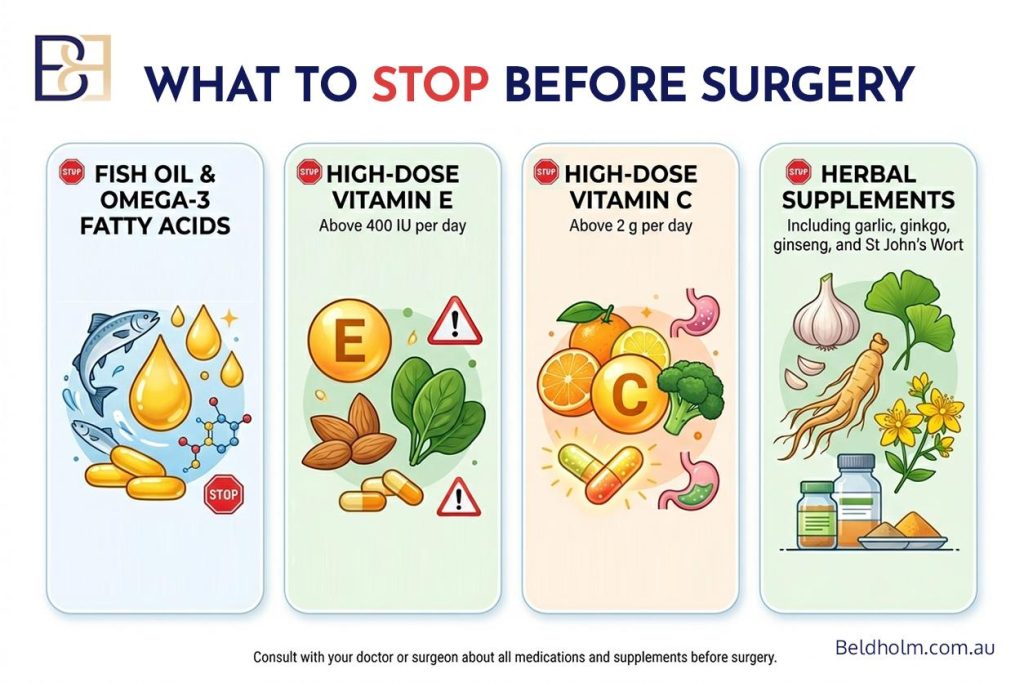
Some supplements that are helpful in the lead-up to surgery need to be reduced or stopped in the final week before your procedure. The reason in every case is the same: bleeding risk. Several common supplements affect platelet function or clotting in ways that matter for a major operation but not for day-to-day health (6, 7).
I give every patient a specific stop list at the pre-operative consultation. This section covers what is on that list and why.
The supplements should be stopped one week before surgery
The following should be ceased one week before your surgery date:
- Fish oil and omega-3 supplements. Affects platelet aggregation. Increased bleeding risk peri-operatively.
- High-dose vitamin E (above 400 IU daily). Antiplatelet effect. Bleeding and haematoma risk.
- Ginkgo biloba. Inhibits platelet-activating factor. Significant bleeding risk, including intracranial bleeding reported in case series.
- St John’s wort. Interacts with anaesthetic agents and many prescription medications. Can affect healing and drug metabolism.
- Garlic supplements (high dose). Antiplatelet effect. Normal dietary garlic is fine.
- Ginseng. Affects coagulation and interacts with anaesthetic agents.
- Turmeric and curcumin (high dose). Antiplatelet effect at supplemental doses.
- Willow bark, feverfew, and other salicylate-containing herbal supplements. Aspirin-like antiplatelet effect.
Resume these one to two weeks after surgery, once initial wound closure is confirmed, and there is no ongoing bleeding concern.
High-dose vitamin C: reduce, do not stop
Ascorbic acid is a slightly different case because it is a Tier 1 supplement that I want every patient on through the perioperative window. The rule here is to reduce the dose, not stop entirely:
- One week before surgery: Reduce ascorbic acid to 1 g (1,000 mg) daily or below
- Day of surgery: Continue at the reduced dose as tolerated
- Immediately post-operatively: Resume the full peri-operative ascorbic acid dose of 1 to 2 g daily as soon as you can tolerate oral intake
The bleeding risk from very high-dose ascorbic acid is small, but real. Reducing to 1 g preserves the healing benefit while avoiding the perioperative risk.
What to continue through surgery
Most of your supplement routine should continue without change:
- Whey protein isolate. Continue right up to and through surgery. Resume oral protein as soon as you can eat post-operatively.
- Complete multivitamin. Continue at normal dose.
- Vitamin D3 and K2. Continue at normal dose. Vitamin K2 at the standard 100 mcg dose does not cause clinically relevant bleeding risk.
- Zinc (maintenance or repletion dose). Continue.
- Iron, B12, folate, vitamin A, thiamine, B6, calcium, selenium, and magnesium. Continue at prescribed doses if part of your Tier 2 regimen.
The key principle is that perioperative recovery depends on nutritional status being maintained. Stopping supplements abruptly before surgery undermines the preparation we have done in the four weeks leading up to it.
Weight-loss medications
If you are on a class of weight-loss medication that suppresses appetite, the management of this is determined by your anaesthetist at the routine pre-operative anaesthetic consultation. All post-weight-loss patients in my practice have this consultation booked as a standard step.
Current guidelines do not recommend routine cessation of these medications before surgery. The anaesthetist will review your full medication list, your surgical plan, and any individual clinical factors and make a specific recommendation for you. Do not self-adjust or stop these medications without that discussion.
Prescription medications
Any prescription medication you are on should be reviewed before surgery. Some are continued, some are paused, and some are switched to a different agent peri-operatively.
Common examples relevant to this patient group include:
- Aspirin and anticoagulants. For most patients, these are stopped one week before surgery to reduce bleeding risk. I manage this in partnership with your GP rather than the anaesthetist, since the decision depends on your individual clinical picture. Some patients need to continue through surgery for clinical reasons, which we plan well in advance. Never stop these medications without discussing with me or your GP first.
- Diabetes medications. Doses adjusted around fasting and surgery
- Hormone replacement therapy and the oral contraceptive pill. Discussed in the context of DVT risk peri-operatively
- Antidepressants and anxiolytics. Typically continued, with the anaesthetist noting interactions to watch for
The anaesthetic consultation is where perioperative medication decisions are made. I provide the surgical context, the anaesthetist provides the medication management plan, and the plan is documented so every member of the surgical team is working from the same brief.
DVT prevention and compression garments

Post-weight loss surgery patients are at a higher risk of blood clots than the general surgical population. The risk of deep vein thrombosis after major weight-loss body-contouring procedures is well documented (9). I stratify DVT risk for each patient based on BMI, procedure type, homocysteine history, and personal risk factors, and prescribe postoperative thromboprophylaxis accordingly.
Several specific measures reduce DVT risk perioperatively:
- Compression garments. Patients wear compression garments in theatre and through the early post-operative period. These help reduce swelling and support the return of circulation to the heart, thereby reducing venous stasis.
- Early mobilisation. Walking starts within hours of surgery. This promotes circulation and helps prevent blood clots.
- Adequate hydration. Dehydration increases blood viscosity and the risk of clotting.
- Pharmacological prophylaxis is indicated. I prescribe this individually based on the patient’s risk profile.
The combination of these measures, alongside pre-operative nutritional correction of any homocysteine elevation, is how I manage DVT risk for post-weight-loss patients undergoing surgery.
Alcohol and smoking

Not supplements, but relevant to pre-operative preparation:
- Alcohol. Cease at least two weeks before surgery. Alcohol affects healing, sleep quality, and anaesthetic drug metabolism.
- Smoking. Cease as early as possible before surgery. A minimum of eight weeks is strongly recommended. Smoking dramatically increases wound complications, skin necrosis at abdominoplasty (tummy tuck) flap edges, and infection risk. For patients who cannot stop completely, nicotine replacement products are discussed with the anaesthetist.
I do not operate on current smokers for elective body contouring procedures. The increased complication risk is well-documented and clinically unacceptable in an elective setting.

The stop list at a glance
To summarise:
- Stop one week pre-op: Fish oil, high-dose vitamin E, ginkgo biloba, St John’s wort, high-dose garlic, ginseng, high-dose turmeric, salicylate herbals
- Reduce one week pre-op, resume immediately post-op: High-dose ascorbic acid (down to 1 g daily)
- Stop two weeks pre-op: Alcohol
- Stop eight weeks pre-op minimum: Smoking
- Continue through surgery: Protein, multivitamin, D3+K2, zinc, all Tier 2 supplements at prescribed doses
- Anaesthetist-determined: Weight-loss medications and prescription medications
My team provides this list in writing at your pre-operative consultation. If you are unsure whether something you take is on the stop list, ask. Better to check than to assume.
What to expect immediately after surgery

Most patients have a short hospital stay after an abdominoplasty (tummy tuck) or similar procedure. A typical hospital stay is one to three nights, depending on the scale of the surgery and how multiple procedures are combined. During this time, my clinical team manages your early postoperative care. Once you are discharged, the nutritional plan we built in the pre-operative window continues.
A few postoperative priorities matter most in the first week:
- Adequate protein intake to support tissue repair and offset the catabolic stress of surgery
- Fresh fruit, lean proteins, and healthy fats are the core of each meal
- Hydration to support circulation and reduce the risk of complications
- Wearing compression garments as instructed to reduce swelling and support the healing tissue
- Movement to support circulation and reduce blood clot risk
Your overall health and physical health in the weeks post-surgery are shaped by how well you follow the post-operative guidance my team provides. Regular follow-up appointments allow us to monitor healing, review compression garments, and adjust your plan as you progress. This structure is the same for every patient regardless of which procedure they had, because the principles of good nutritional status during recovery do not change.
Patients sometimes worry about weight gain during recovery. Mild weight gain from fluid retention and reduced activity is normal in the first two weeks post-surgery. It resolves as you recover. This is not a trigger to lose weight or restrict calories during the healing phase. Doing so undermines tissue repair and delays recovery. Focus on eating enough, not less.
Book your appointment online now
The Peri-Operative Timeline at a Glance
The sections above cover what I check, what I prescribe, and what I ask you to stop. This section pulls all of that into a single timeline so you can see how it fits together across the weeks before and after surgery.
The timeline has six phases:
- First consultation and booking
- Blood results review (second consultation)
- Four weeks before surgery
- Pre-operative anaesthetic consultation
- Day of surgery
- Post-operative recovery and handover to GP
Each phase has specific actions. Here is what happens in each one.
Phase 1: First consultation and booking

This is where everything starts. At your first consultation, I:
- Take a detailed history, including weight loss history, bariatric procedure if applicable, current medications, and supplement use
- Examine the areas relevant to your planned body contouring procedure
- Hand you a blood test request form covering the full pre-operative panel
- Prescribe the Tier 1 supplements to start immediately
- Discuss surgical options and likely timing
- Explain the pre-operative pathway, including the pre-operative anaesthetic consultation
You leave the consultation with a clear plan, a blood form, and a Tier 1 supplement list. Tier 1 supplements are started that day or the next. Bloods are collected within a day or two of the consultation.
At this stage, we are typically eight to twelve weeks from surgery. The lead time gives us enough space to correct any nutritional deficiencies and confirm weight stability.
Phase 2: Blood results review (second consultation)
Two to four weeks after the first consultation, you return for a review of the blood results.
At this consultation, I:
- Review the full blood panel with you
- Confirm that your Tier 1 supplements are running as prescribed
- Initiate any Tier 2 supplements based on confirmed deficiencies
- Identify any results that require a short surgical delay (low albumin, low haemoglobin, elevated homocysteine, high HbA1c)
- Book the pre-operative anaesthetic consultation
- Confirm the surgical date if the results are satisfactory, or schedule a recheck after nutritional correction if not
This is also where we discuss weight stability. If your weight has changed significantly in the months leading up to surgery, we may need a longer window before proceeding.
Phase 3: Four weeks before surgery
Four weeks out, your Tier 1 supplements have been running for at least two months, and any Tier 2 supplements have been running for four to six weeks. This is the point where most nutritional markers have normalised.
At four weeks pre-op:
- Confirm Tier 1 supplements remain in place at full dose
- Confirm Tier 2 supplements are running and the patient is tolerating them
- Cease herbal supplements (ginkgo biloba, St John’s wort, high-dose garlic, etc.)
- Continue high-dose ascorbic acid at full dose for another three weeks
- Review any ongoing symptoms or concerns
- Confirm you have the pre-operative instruction sheet for the final week
If any nutritional marker has not corrected adequately by this point, we may need to reschedule. In practice, this is rare when the plan is followed from the first consultation.
Phase 4: Pre-operative anaesthetic consultation
Every post-weight-loss patient in my practice has a routine pre-operative anaesthetic consultation with the anaesthetist. This is a standard step, not an optional one. It typically happens in the two to four weeks before surgery.
At this consultation, the anaesthetist:
- Reviews your full medical history and surgical plan
- Reviews your medication list
- Makes a specific recommendation on perioperative management of any weight-loss medication you are on
- Reviews anticoagulants, antiplatelet agents, and any other medications that may need adjustment
- Discusses your anaesthetic plan and answers your questions
- Confirms fasting instructions
The anaesthetist’s recommendations are documented and integrated into your surgical plan. Current ANZCA guidelines do not recommend routine cessation of weight-loss medications before surgery, but individual decisions are made on a case-by-case basis.
Phase 5: The final week before surgery
The final seven days before surgery are where the stop list is implemented. This is what happens day by day:
- Seven days before surgery. Cease fish oil, high-dose vitamin E, ginkgo biloba, St John’s wort, high-dose garlic, ginseng, high-dose turmeric, salicylate herbals. Reduce high-dose vitamin C to 1 g daily. Continue all other supplements at full dose.
- Two to seven days before surgery. Continue Tier 1 and Tier 2 supplements. Continue protein supplementation. Increase fluid intake as part of standard pre-operative hydration.
- Two weeks before surgery. Alcohol ceased (if not already stopped).
- Day before surgery. Follow ANZCA fasting guidelines as provided. Standard fasting is clear fluids up to two hours and solid food up to six hours before surgery, but follow the specific instructions from your anaesthetist.
- Day of surgery. Standard fasting maintained. Arrive at Maitland Private Hospital at the time provided. Continue protein supplementation immediately post-operatively as tolerated.
Phase 6: Post-operative recovery and GP handover
The first four weeks after surgery are the peri-operative window I manage directly with my clinical team. During this period:
- Week 1. Recovery in the hospital and at home. Tier 1 supplements continue as soon as you can tolerate oral intake. High-dose vitamin C resumes. Protein is the priority nutrient for wound healing.
- Weeks 2 to 4. Post-operative reviews at the intervals I set. Supplements continue at full dose. Wound closure is confirmed progressively. Activity is gradually increased according to your surgical instructions.
- Four weeks post-op. The peri-operative window closes. I confirm that the supplement handover to your GP is arranged. My team provides a summary letter to your GP that covers what you are on and your long-term plan.
After the four-week mark, your GP takes over nutritional management. This transition matters:
- For non-bariatric patients, the GP reviews Tier 1 and Tier 2 supplements and adjusts based on ongoing needs
- For post-bariatric patients, long-term nutritional follow-up is GP-led and typically lifelong. Your GP will arrange repeat bloods at intervals appropriate to your individual history. Most post-bariatric patients have repeat blood tests at six to eight weeks post-surgery, then at six months, and then annually.
If any concern arises after my peri-operative window closes, your GP is the first point of contact. My team remains available for anything specifically related to the surgical outcome.
A visual summary of the timeline
Here is the whole timeline from the first consultation to GP handover:
- Week 0 (first consultation): Bloods ordered, Tier 1 supplements started
- Weeks 2 to 4 (second consultation): Blood results reviewed, Tier 2 supplements added if needed, surgery booked
- Weeks 4 to 8 post-second consultation: Supplements running, weight stable, anaesthetic consultation
- Week minus 1 (final week pre-op): Stop list implemented, vitamin C reduced
- Day of surgery: Fasting, surgery, protein resumes post-operatively
- Weeks 1 to 4 post-op: Peri-operative window, supplements continue, reviews with my team
- Week 4 post-op onwards: Handover to GP, long-term follow-up
The total window from first consultation to GP handover is typically twelve to sixteen weeks, depending on how much nutritional correction is needed before we proceed.
Weight Stability Before Surgery
Nutritional preparation and weight stability before surgery are two separate requirements. Patients sometimes confuse them, so I want to be clear about the distinction.
- Nutritional preparation is about making sure your body has the micronutrients and protein it needs to heal. This is what Tier 1 and Tier 2 supplements treat.
- A stable body weight is about making sure the surgical plan we design today still matches your body on the day of surgery. This has nothing to do with supplements and everything to do with the timing of your procedure relative to your weight loss.
Both matter. Both have to be in place before I operate. But they are solved in different ways.
Why weight stability matters
A body-contouring procedure is planned for the body in front of me. If your weight changes significantly between planning and surgery, the plan no longer fits.
Three specific reasons a stable weight matters before surgery:
- Skin resection planning. The amount and pattern of loose skin change as weight changes. Operating on a body in transition means the resection pattern may not match your final contour.
- Recurrence of laxity. If you lose significant weight after surgery, the improvement is partially undone. Skin that was tightened stretches again and you end up back in a similar position.
- Healing capacity. Patients who are actively losing weight are in a catabolic state. They break down tissue to meet energy needs. This is the opposite of what you need during recovery, where the body needs to build new tissue.
The goal before surgery is a stable platform. Not necessarily a specific target weight or BMI, but a stable one.
Weight stability targets by weight-loss method
The time required for weight to stabilise depends on how you lost it. My general guidance is:
- General weight loss (dietary, lifestyle). Australian Medicare MBS item numbers for body contouring require at least 6 months of stable weight. In my practice, I recommend six to twelve months as the preferred window for optimal surgical results.
- Post-bariatric patients. Minimum twelve to eighteen months of stable weight. Most patients hit their nadir weight around twelve to eighteen months after bariatric surgery and stabilise from that point (7, 8).
- Weight-loss medication patients. Minimum six to twelve months of stable weight, discussed with your treating team. Weight changes continue for as long as the medication is active, so stability is assessed in that context.
These are minimums. In practice, many patients are stable for longer before they come to me, which is ideal.
What “stable” means in practical terms
Stable does not mean your weight has not moved at all. It means:
- Weight variation within a two to three-kilogram range over the stability period
- No consistent trend upward or downward
- No major life events are changing your eating or activity pattern currently
If your weight has been bouncing in a two-kilogram range for six months, that is stable. If it has dropped five kilograms in the last two months, that is not stable, even if the absolute number looks good.
BMI considerations

BMI is a rough measure and is not a hard cut-off in my practice. A specific BMI value on the chart does not tell me whether a patient is a good candidate. What matters is the clinical picture:
- A bodybuilder at BMI 40 with loose skin and excellent muscle mass may be an excellent candidate
- A post-weight-loss patient at BMI 30 who is in a catabolic state with reduced muscle mass may not be
I use the published 18.5 to 24.9 ideal range as a guide rather than a rule. For most post-weight-loss patients, aiming for a BMI in that range produces the best balance between surgical safety and aesthetic outcome. Above 30, the risk profile for a body lift (belt lipectomy), tummy tuck (abdominoplasty), or other procedures performed in this setting increases, often delaying the right decision.
If you are above 30, the question is not whether to lose more weight. The question is whether to pursue more weight loss before surgery, or whether weight stability is genuinely achievable at your current point, and we need to plan around it.
The role of DEXA body composition scans
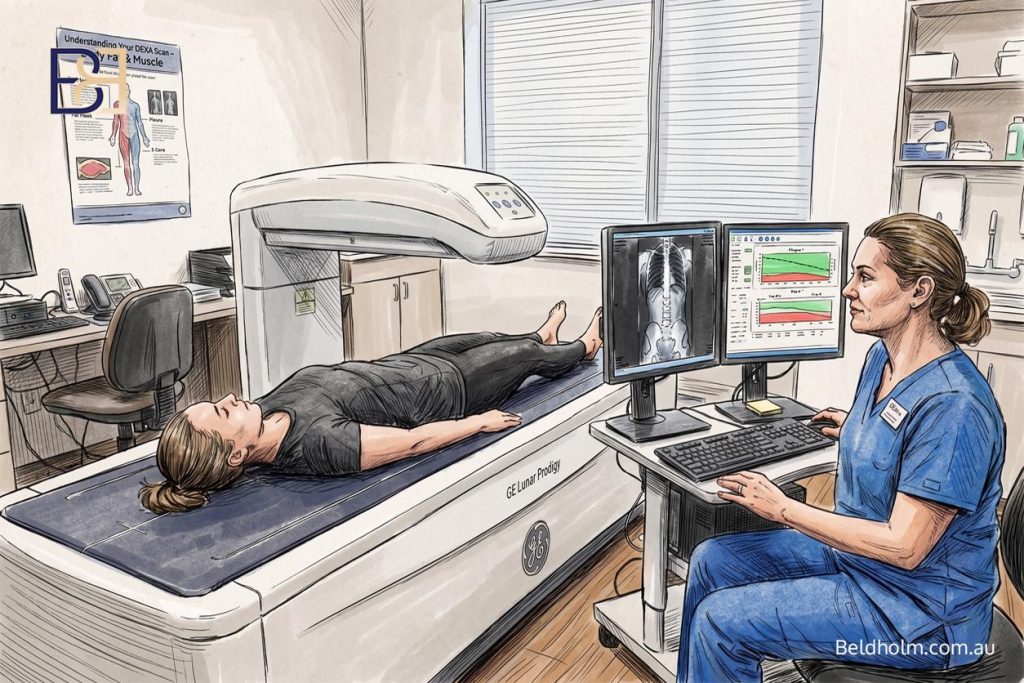
In selected cases, I find DEXA body composition scans useful. They tell us the distribution of fat, muscle, and bone rather than just total weight. This can be valuable when:
- A patient’s BMI is in an ambiguous range, and the clinical picture does not match the number
- A patient has concerns about muscle loss versus fat loss during their weight loss journey
- A patient is on a weight-loss medication and we want to track body composition changes rather than just weight
DEXA is not routine in my practice. I order it when the clinical question warrants it.
When I recommend continuing weight loss before surgery
There are specific situations where I will ask a patient to continue weight loss before I book surgery:
- BMI above 35 with ongoing weight loss that has not yet plateaued. Pushing through to a lower plateau almost always produces a better outcome.
- Recent bariatric surgery where the patient is less than twelve months post-bariatric and still actively losing. Waiting for the weight to settle is the right call.
- Weight-loss medication patients are less than six months from starting or changing their medication. Weight is likely to continue to change.
The underlying principle is the same in every case: operate on a stable platform, not a moving one.
When weight loss is not the answer
Equally serious are the situations where more weight loss is not the goal:
- A patient who has plateaued, with loose skin limiting function and comfort. Further weight loss may worsen the skin envelope rather than improve it.
- A patient who has been at the same weight for two years but is unhappy with residual skin. This is a surgical problem, not a weight problem.
- A patient who has specific areas of contour concern disproportionate to their overall weight.
In these cases, pushing for further weight loss is not clinically useful. The surgical plan is designed for the body you currently have.
The short version
Weight stability before surgery comes down to:
- Plateau at your current weight rather than a specific target weight
- Six months minimum for general weight loss (Australian MBS requirement); I recommend six to twelve months for the best result. Twelve to eighteen months for post-bariatric patients. Six to twelve months on weight-loss medications.
- BMI is used as a guide, not a hard rule, in the context of the broader clinical picture
- Stability trumps further loss once the platform is solid
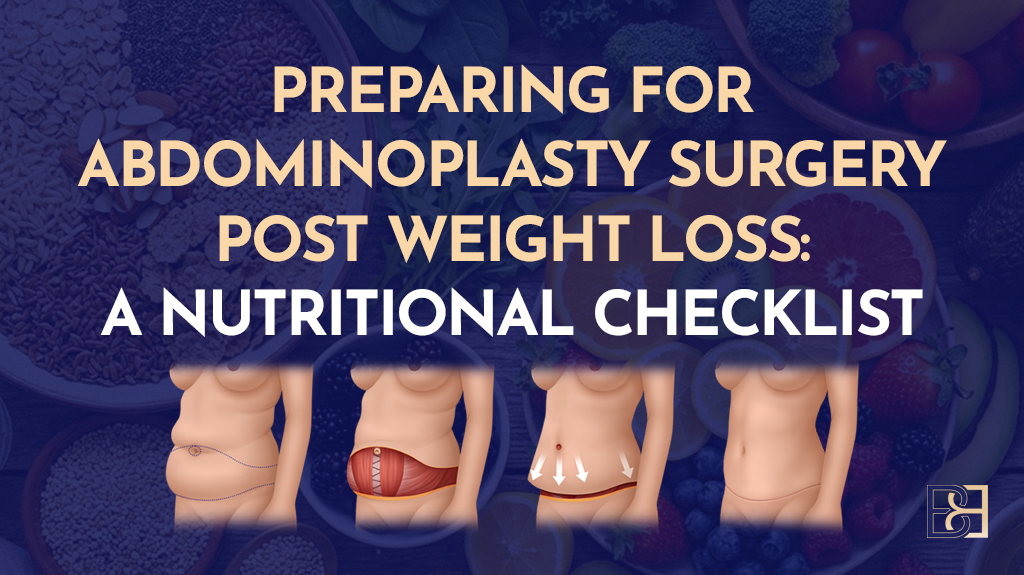
For the full clinical detail on pre-operative assessment, BMI interpretation, and how I decide when to proceed, see my dedicated article: Preparing for Abdominoplasty Surgery Post Weight Loss: A Nutritional Checklist.
When I Delay Surgery for Nutritional Reasons
Most patients come through the pre-operative process without needing a delay. The Tier 1 supplements have been running for four weeks or longer; any Tier 2 supplements have been added based on their blood results; and by the time we reach the pre-operative anaesthetic consultation, all their markers are where they need to be.
Occasionally, I need to push surgery back. When I do, it is always for a specific clinical reason that I can correct within a defined window. A short delay at this stage is almost always in the patient’s interest. Operating on a patient with uncorrected nutritional deficiencies or unstable physiology increases complication risk in ways that are avoidable.
This section covers the specific results that trigger delays and how we correct them.
The specific thresholds I use
The thresholds that trigger a delay are the same for every patient:
- Low albumin (below 35 g/L). Reflects inadequate protein stores and readiness to heal (3, 5).
- Low haemoglobin (below 100 g/L). Anaemia increases surgical risk and post-operative complications.
- Elevated homocysteine (above 15 µmol/L). Raises venous thromboembolism risk by two to three times (8, 9).
- High HbA1c (above 64 mmol/mol, equivalent to 8%). Indicates poor glycaemic control with increased infection risk.
- Severe single-nutrient deficiency. Particularly, vitamin A, thiamine, or zinc below critical thresholds (1, 2).
- Active thyroid dysfunction (abnormal TSH or fT4). Affects healing and anaesthetic risk.
Each of these has a specific correction plan and a specific recheck window.
Low albumin
Albumin reflects protein stores over the preceding two to three weeks. A low albumin result suggests that the patient’s protein intake has been inadequate or that an underlying inflammatory or medical condition is affecting albumin production (3, 5).
What I do:
- Commence whey protein isolate at 80 to 100 g daily (if not already on Tier 1 protein)
- Refer to an accredited practising dietitian if the issue is dietary
- Recheck albumin after four weeks of supplementation
- Investigate the underlying cause if the albumin does not respond
When I proceed:
Once albumin returns to above 35 g/L, the patient is considered to have adequate protein intake. Most patients correct within four weeks of starting supplementation.
Escalation:
If albumin is below 30 g/L, I refer to an accredited practising dietitian for structured nutritional optimisation. Persistent low albumin despite adequate intake warrants investigation for underlying medical causes.
Low haemoglobin
Haemoglobin below 100 g/L is a firm defer. Anaemia reduces oxygen delivery to healing tissue, increases fatigue, and raises the risk of requiring an intraoperative transfusion. All of these increase surgical risk and worsen recovery.
What I do:
- Investigate the cause (iron deficiency, B12, folate, chronic disease, gynaecological blood loss)
- Commence oral iron if iron studies confirm deficiency (typical dose 150 to 300 mg elemental iron daily for repletion)
- Arrange intravenous iron through the GP or haematology if oral iron is not tolerated or absorption is inadequate
- Correct any underlying B12 or folate deficiency alongside iron
- Recheck full blood count after four to eight weeks
When I proceed:
Once haemoglobin is above 100 g/L and trending up, or ideally back in the normal range (120 g/L for women, 130 g/L for men). Some patients need eight to twelve weeks to reach the target.
Escalation:
Severe anaemia (haemoglobin below 80 g/L) or unexplained pancytopenia needs haematology referral before surgery is considered.
Elevated homocysteine
Homocysteine is only tested when B12, folate, or B6 is confirmed low on the initial panel. When it is tested and comes back elevated (above 15 µmol/L), it triggers a specific response because of its direct relevance to DVT risk (8, 9).
What I do:
- Commence B12, folate, and B6 supplementation together (if not already on Tier 2 supplements for the deficient vitamins)
- Prefer methylcobalamin, methylfolate (5-MTHF), and pyridoxine for better absorption and activation
- Recheck homocysteine in four to six weeks
- Document the result in the pre-operative record for my DVT risk stratification
When I proceed:
Once homocysteine is below 15 µmol/L. Most patients correct within four to six weeks of B vitamin supplementation. If homocysteine remains elevated despite supplementation, referral to the GP for MTHFR genetic testing and consideration by haematology may be appropriate.
Surgical implications:
Even after correction, a history of elevated homocysteine is noted in the perioperative record. I use this information in my overall DVT risk stratification, and it may influence the duration of post-operative thromboprophylaxis I prescribe.
High HbA1c
HbA1c above 64 mmol/mol (8%) means glycaemic control is inadequate and surgery should be deferred until it is better. Uncontrolled diabetes raises the risk of wound complications, slows healing, and increases anaesthetic complications.
What I do:
- Refer to the GP for review of diabetes management
- Refer to endocrinology if GP review is inadequate or specialist input is needed
- Recheck HbA1c after three months, since HbA1c reflects the preceding three months of glucose control
When I proceed:
Once HbA1c is below 64 mmol/mol (8%), and ideally below 53 mmol/mol (7%). This usually requires three months of improved control to show up on the HbA1c result.
Escalation:
Type 1 diabetes or insulin-dependent type 2 diabetes requires endocrinology input before this type of plastic surgery, regardless of HbA1c. The anaesthetist will also want to review the perioperative insulin management plan.
Severe single-nutrient deficiency
Some individual nutrient deficiencies can be severe enough to delay surgery, even if other markers look good. The specific ones:
- Vitamin A is below the critical threshold in a post-bariatric patient. Severe deficiency directly impairs epithelial repair and immune function.
- Thiamine below the critical threshold or any history of neurological symptoms. Risk of Wernicke encephalopathy with perioperative stress is significant.
- Zinc is severely low with clinical signs (delayed healing, recurrent infections, skin changes).
What I do:
- Commence Tier 2 supplementation at repletion doses
- For thiamine with neurological symptoms, arrange intravenous thiamine through the GP or emergency department before any oral glucose administration
- Recheck levels after four to six weeks of supplementation
When I proceed:
Once the deficient nutrient is back in the normal range, and any clinical signs have resolved.
Active thyroid dysfunction
Abnormal TSH or fT4 on the pre-operative panel needs correction before surgery. Hypothyroidism slows healing and affects anaesthetic drug metabolism. Hyperthyroidism increases cardiovascular risk perioperatively.
What I do:
- Refer to the GP or endocrinologist for thyroid management
- Delay surgery until thyroid function is within normal limits and the patient is on a stable dose
When I proceed:
Once TSH and fT4 are within normal limits, and the patient has been stable on thyroid medication for at least four to six weeks.
The clinical logic behind the thresholds
These thresholds are not arbitrary. They are derived from:
- The surgical literature on body contouring complication rates in post-weight-loss patients (4, 7, 8)
- Australian anaesthetic guidelines for elective surgery
- My own clinical experience managing this patient group over the years
Patients sometimes ask whether a delay is really necessary. The answer comes back to the same clinical reality I see in practice: patients who are well optimised before surgery recover faster, have fewer complications, and finish with better outcomes (4, 7). Pushing ahead with surgery while markers are still off target rarely works out well for anyone.
A note on delay length
When I delay, it’s usually short. Typical delays look like:
- Four to six weeks for low albumin, homocysteine correction, or mild single-nutrient deficiency
- Six to eight weeks for anaemia correction
- Three months for HbA1c improvement
- Variable for thyroid dysfunction, depending on severity
A short, structured delay to get your markers right is not a setback. It is part of the preparation.
Practical Realities for Patients
Everything I have covered so far is the clinical framework. This section is about what it actually looks like when you try to run the supplement routine day-to-day. The theory is straightforward. The practice has some specific challenges that are worth naming ahead of time.
The volume of supplements can feel overwhelming
A post-weight-loss patient on the full Tier 1 regimen, plus two or three Tier 2 supplements, can be taking eight to twelve different products daily. Some multiple times a day. With specific timing rules about what not to take together.
The first time I hand a patient the full list, the reaction is often one of concern. “How am I going to remember all this?”
The honest answer is that you will. But you need a system. A handful of bottles in a drawer does not work. Patients who succeed with this routine use one of three approaches:
- A weekly pill organiser with multiple daily compartments. Fill it once a week. Take what is in each compartment at the right time.
- A phone reminder system. Alarms for morning, midday, and evening doses.
- A printed schedule on the fridge. Simple, visible, effective for patients who prefer paper to apps.
What does not work is trying to remember each supplement individually without a system.
How I structure the daily routine
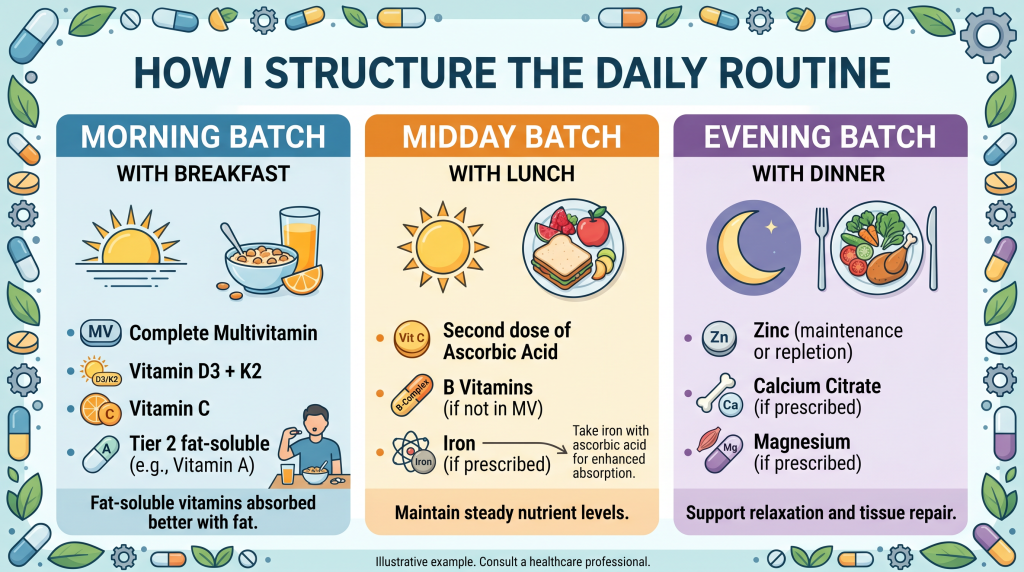
For most patients, I recommend splitting supplements into a morning batch and an evening batch. Here is the general pattern:
Morning batch (with breakfast):
- Complete multivitamin
- Vitamin D3 + K2
- Vitamin C
- Any Tier 2 fat-soluble vitamins (A if prescribed)
Midday batch (with lunch):
- A second dose of ascorbic acid
- Any B vitamins (if not in the multivitamin)
- Iron (if prescribed, Tier 2)
- Take iron with ascorbic acid for enhanced absorption
Evening batch (with dinner):
- Zinc (maintenance or repletion)
- Calcium citrate (if prescribed)
- Magnesium (if prescribed)
Protein distribution:
Protein supplementation sits across the day separately. Most patients use two to three protein shakes spread between meals rather than one large serve. Aim for 20 to 30 grams per serve, spaced three to four hours apart.
This is a general structure. The exact timing depends on your individual regimen and the applicable interaction rules.
The key interaction rules
Four interaction rules matter most for day-to-day compliance:
- Iron and zinc: separate by two hours. They compete for the same absorption pathway.
- Iron and calcium: separate by two hours. Calcium inhibits iron absorption.
- Iron and coffee/tea: separate by one hour on either side. Tannins reduce iron absorption.
- Iron and ascorbic acid: take together. Ascorbic acid enhances non-haem iron absorption.
If you only remember one rule, make it the iron rules. Iron is the supplement most affected by timing.
Protein shakes as a practical workaround

Meeting the 80 to 100 g daily protein target through whole food alone is difficult for most post-weight-loss patients. Portion sizes are often reduced after weight loss surgery. Appetite is often reduced on weight-loss medications. Both groups struggle to eat enough protein through meals.
Protein shakes are the practical workaround. A standard whey protein isolate shake delivers 25 to 30 grams per serve. Two to three shakes daily, spread between meals, covers the majority of the daily target. Remaining protein comes from whole food meals.
Practical notes on protein shakes:
- Mix with water or low-fat milk. Water is lowest in calories; milk provides additional protein and calcium.
- Temperature matters for tolerance. Many patients find cold shakes easier to tolerate than room-temperature or warm ones.
- Consistency matters for habit. Two shakes at the same times every day builds a routine. Randomly fitting them in rarely works.
- Post-bariatric patients. Sip slowly over 15 to 30 minutes rather than drinking quickly, which may cause dumping or discomfort.
Whole food priorities alongside supplements
Supplements are not a substitute for good nutritional status from food. The dietary priorities I recommend for pre-operative preparation are straightforward:
- Lean proteins. Lean proteins such as chicken breast, turkey, fish, eggs, low-fat dairy, and legumes. These provide complete amino acid profiles that support tissue repair and help maintain muscle mass during the perioperative period.
- Healthy fats. Olive oil, avocado, nuts, and oily fish. Healthy fats are essential for hormone production, fat-soluble vitamin absorption, and reducing inflammation. Extra virgin olive oil as a primary cooking fat is a simple and effective substitution.
- Colourful vegetables and fruits. These provide antioxidants, fibre, and micronutrients that supplements alone do not replace. Aim for at least five serves daily.
- Complex carbohydrates. Whole grains, sweet potato, quinoa, and oats provide sustained energy levels during the pre-operative training period.
- Adequate hydration. Two to three litres of water daily, more in warm weather or with exercise.
The goal is not a restrictive diet. The goal is consistent, nutrient-dense eating alongside your supplements to produce a good nutritional status before surgery and support healing afterwards.
Tolerance and side effects

Some supplements cause side effects that patients worry about. The common ones:
- Iron. Constipation is common at therapeutic doses. Try liquid iron (Spatone) or iron polymaltose (Maltofer) if tablets are not tolerated. Increase fibre and water. Take with vitamin C.
- Zinc. Nausea if taken on an empty stomach. Take with food. Zinc glycinate or gluconate is better tolerated than zinc sulphate.
- Multivitamin. Yellow or bright urine is normal (riboflavin). Mild nausea may occur if taken without food.
- Protein powder. Bloating, wind, or loose stools in the first week or two of use usually settle. Lactose-intolerant patients should use whey protein isolate (very low lactose) rather than whey concentrate.
If side effects persist or interfere with compliance, tell my team at your next review. We can usually adjust the dose, timing, or form without compromising the clinical benefit.
Cost considerations
The supplement routine has a genuine cost. For a typical post-weight-loss patient, the full peri-operative supplement regimen costs approximately $80 to $150 per month, depending on brands and whether Tier 2 supplements are needed.
Most patients do not incur high out-of-pocket costs for blood tests because Medicare rebates cover most of the panel. Some specialised tests may carry a private cost.
I do not recommend compromising on the supplement regimen to save money. What I do recommend:
- Buy generic or house brands where quality is equivalent. Chemist Warehouse house brands are often identical to the branded version at a lower price.
- Buy in larger pack sizes. Per-tablet cost drops significantly with larger packs.
- Order from well-known brands and reputable retailers. Online ordering is convenient and often cheaper. Stick with established brands (Blackmores, Swisse, Cenovis, Nature’s Own, Ostelin, True Protein) rather than unknown products from unfamiliar sellers.
Consistency over perfection
Perhaps the most important practical reality is that consistency matters far more than perfection.
A patient who takes 90% of their prescribed supplements reliably for eight weeks will have better nutritional markers going into surgery than a patient who takes everything perfectly for two weeks, stops for three, and restarts in a panic the week before surgery.
The goal in the pre-operative window is to build a sustainable routine. Miss a dose occasionally. Take them late on some days. Skip the protein shake on the day your workload goes haywire. What matters is the overall pattern, not individual doses.
When patients ask what to do if they miss a day, the answer is: resume tomorrow. Do not double up. Do not panic. The system has a built-in buffer for exactly these situations.
A note on children and family members
Patients occasionally ask whether other family members, particularly teenagers or children, can use the same supplements. The answer is no for anything at therapeutic doses. Tier 2 supplements, in particular, are prescribed at doses calibrated for a specific adult patient with a specific confirmed deficiency. They are not appropriate for general family use. Standard multivitamins at age-appropriate doses are a different category and widely available.
Store all supplements out of reach of children. High-dose iron in particular is dangerous in paediatric overdose.
Frequently Asked Questions
The questions below are the ones I answer most often in consultation. I have grouped the answers here so patients can find the ones relevant to them.
Do I have to take supplements forever after weight loss surgery?
The short answer depends on how you lost your weight.
- Post-bariatric patients. Most of the Tier 1 supplements are lifelong requirements. Sleeve gastrectomy and Roux-en-Y gastric bypass both create ongoing absorption challenges, and the evidence supports indefinite supplementation for protein, B12, vitamin D, iron (where relevant), and calcium. This is coordinated with your GP after my peri-operative window closes at four weeks post-op.
- Non-surgical weight loss patients. The perioperative supplement regimen spans the preoperative and postoperative periods. After you have healed, many of these supplements can be reduced or stopped. Your GP reviews this at the handover visit.
- Weight-loss medication patients. While on the medication, baseline supplementation is clinically useful because intake remains reduced. After cessation, your GP reassesses whether ongoing supplementation is needed.
The supplement regimen is not designed to be permanent for everyone. It is designed to match your individual clinical picture.
Can I just take a multivitamin instead of all these separate supplements?
No. A standard multivitamin is a foundation, not a complete solution for this patient group.
Three specific reasons:
- Doses are too low. Standard multivitamins are calibrated for the general population, not for someone with accumulated depletion from weight loss or bariatric surgery.
- Forms are often poorly absorbed. Many standard multivitamins use cyanocobalamin instead of methylcobalamin, folic acid instead of methylfolate, and vitamin D2 instead of D3.
- Key nutrients are under-represented. Vitamin D, protein, and the specific B vitamin forms needed to optimise healing are all inadequately covered by a general multivitamin alone.
A multivitamin is part of the Tier 1 regimen. It is not the regimen.
Will Medicare cover my blood tests?

Most of the tests in my pre-operative panel are Medicare rebatable, meaning the cost to you is either nothing or a small out-of-pocket gap fee, depending on your pathology provider.
The main exceptions:
- Homocysteine is only rebatable as a reflex test in the same episode as a B12 order. This is one of the reasons I do not order it routinely.
- Some specialised vitamin tests may require clinical notes to confirm reliability.
- Active B12 (holotranscobalamin) is not always rebatable and may carry a private cost.
Most patients pay nothing or a small gap fee for the full panel. For the specific per-test detail and MBS item numbers, see my dedicated article on pre-operative blood tests.
Should I stop my weight-loss medication before surgery?
Not unless your anaesthetist specifically tells you to.
Current Australian guidelines do not recommend routine cessation of weight-loss medications before surgery. Every post-weight-loss patient in my practice has a routine pre-operative anaesthetic consultation, and medication management is the anaesthetist’s domain. They will make a specific recommendation for you based on your full medication list, surgical plan, and individual clinical factors.
Do not self-adjust or stop these medications without speaking to your treating doctor first. Stopping weight-loss medication abruptly can cause weight regain and worsening of food quality, which is the opposite of what you want going into surgery.
If appetite suppression is preventing you from meeting your protein target, that is a separate discussion. In that specific situation, I may suggest a temporary dose reduction in collaboration with your treating doctor.
Do I need to lose more weight before surgery?
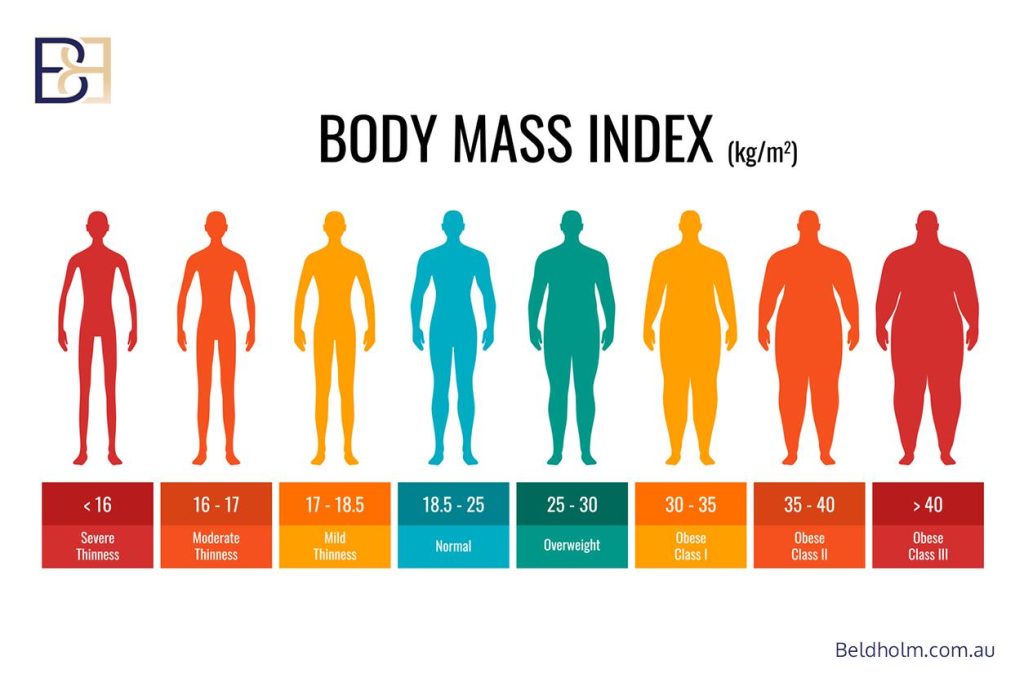
In most cases, no. The goal before undergoing surgery is a stable body weight, not to lose weight further. Additional weight loss after the operation can actually work against your result, and weight gain afterwards is equally problematic. What matters is a stable body weight going in and coming out.
A stable weight means your weight has been within a two to three kilogram range for the appropriate stability period:
- Six months minimum for general weight loss (Australian MBS requirement); six to twelve months is ideal
- Twelve to eighteen months post-bariatric
- Six to twelve months on weight-loss medications
The exceptions are patients with a BMI above 35 who are still actively losing weight. In those cases, pushing through to a lower stable weight usually produces a better surgical outcome.
If you are already stable, the surgical plan is built around your current body. Losing more weight after surgery partially undoes the result, because the tightened skin can stretch again as the body changes shape.
What happens if my blood tests show I’m deficient in something?
This is the expected outcome for most post-weight-loss patients. Some level of deficiency is near-universal in this group, which is exactly why the blood panel is comprehensive.
The process is:
- Deficiencies are identified at your blood results review (second consultation)
- Tier 2 supplements are added at therapeutic doses
- Most deficiencies correct within four to six weeks
- We recheck the relevant markers before proceeding to surgery
- If a specific deficiency is severe, surgery may be delayed briefly while correction happens
A short delay is almost always in your interest. Operating with uncorrected deficiencies increases the risk of complications without any benefit to you.
Can I take all these supplements at the same time?
Most can, but some specific interactions matter:
- Iron and zinc: Separate by two hours. They compete for absorption.
- Iron and calcium: Separate by two hours. Calcium inhibits iron.
- Iron and coffee or tea: Separate by one hour either side.
- Iron and ascorbic acid: Take together. Ascorbic acid enhances iron absorption.
- Fat-soluble vitamins (A, D, E, K): Take with a meal that contains some fat.
Iron is the supplement most affected by timing. If you only organise your routine around one rule, make it the iron rules.
The earlier part of this article covers the daily structure I recommend for fitting everything together.
What if I can’t tolerate whey protein?
Whey protein isolate is usually well-tolerated because it is very low in lactose. Patients who react to whey concentrate often tolerate WPI without any issue.
If WPI still does not work for you, the alternatives are:
- Pea protein isolate. Plant-based, hypoallergenic, decent amino acid profile.
- Rice protein isolate. Plant-based, sometimes combined with pea protein for a more complete amino acid profile.
- Egg white protein. Animal-based, no dairy, well tolerated.
- Collagen peptides as an adjunct. Not a complete protein on its own but useful alongside another source.
The target remains 80-100 grams of protein per day throughout pre-op. The source is less important than consistently hitting the target. A protein alternative you tolerate and actually drink is better than whey isolate sitting in the cupboard.
If you have a specific protein allergy or intolerance, tell my team at the first consultation. We work around it without compromising your nutritional preparation.
Summary

Nutritional preparation is one of the most important things a post-weight-loss-surgery patient can get right before abdominoplasty (tummy tuck) or another surgical procedure. The principles I follow in my practice are straightforward, evidence-based, and apply to every patient who comes through my clinic.
Here are the key points from everything covered above:
The framework in short
- Every post-weight-loss patient starts with a comprehensive blood panel at the first consultation
- Every patient is started on Tier 1 supplements immediately, regardless of blood results
- Tier 2 supplements are added after blood review, only where deficiency is confirmed
- Tier 1 runs for a minimum of four weeks pre-op and continues four to six weeks post-op
- Post-bariatric patients often need Tier 1 supplements lifelong, coordinated with their GP
The five Tier 1 supplements
Every post-weight-loss patient starts these at the first consultation:
- Whey protein isolate at 80 to 100 g daily
- Complete multivitamin (post-bariatric-specific preferred)
- Vitamin D3 paired with K2 (3,000 to 6,000 IU D3 + 100 mcg K2 MK-7)
- Ascorbic acid at 1 to 2 g daily peri-operatively
- Zinc at maintenance dose (8 to 11 mg daily)
The Tier 2 supplements, added on blood-confirmed deficiency
- Iron
- Vitamin B12
- Folate
- Vitamin A
- Thiamine (B1)
- Vitamin B6
- Calcium citrate
- Selenium
- Magnesium
- Zinc at repletion dose
What to stop before surgery
- One week pre-op: fish oil, high-dose vitamin E, ginkgo biloba, St John’s wort, high-dose garlic, ginseng, high-dose turmeric, salicylate herbals
- One week pre-op: reduce high-dose ascorbic acid to 1 g daily; resume immediately post-op
- Two weeks pre-op: cease alcohol
- Eight weeks pre-op minimum: cease smoking
- Weight-loss medication management: determined by the anaesthetist at the routine pre-operative anaesthetic consultation
The clinical triggers for delay
I delay surgery when any of the following are present until they correct:
- Albumin below 35 g/L
- Haemoglobin below 100 g/L
- Homocysteine above 15 µmol/L
- HbA1c above 64 mmol/mol (8%)
- Severe single-nutrient deficiency (vitamin A, thiamine, zinc)
- Active thyroid dysfunction
A short delay to correct any of these is almost always in the patient’s interest.
Weight stability and nutritional preparation
- Minimum six months at a stable weight for Medicare MBS item numbers (Australian requirement)
- My personal recommendation: six to twelve months stable for general weight loss
- Twelve to eighteen months stable for post-bariatric patients
- Six to twelve months stable on weight-loss medications
- BMI used as a guide, not a hard rule, in the context of the overall clinical picture
The peri-operative window
- First consultation: bloods ordered, Tier 1 started
- Two to four weeks later: blood review, Tier 2 added, surgery booked
- Anaesthetic consultation: medication review before surgery
- Final week pre-op: stop list implemented, ascorbic acid reduced
- Day of surgery: standard ANZCA fasting
- First four weeks post-op: my clinical team manages supplements and recovery
- Four weeks post-op onwards: nutritional follow-up transitions to GP
For detailed reading on specific vitamins and minerals
This article is the hub. Each vitamin and mineral has its own dedicated deep-dive article on my website covering the clinical detail, mechanisms, deficiency patterns by bariatric procedure, Australian reference ranges, dosing protocols, and practical guidance.
For the full set of deep-dive articles, explore the nutrition section of my website. The ones most relevant to pre-operative preparation are:
- Pre-Operative Blood Tests for Post-Weight-Loss Body Contouring Surgery
- Protein Before and After Abdominoplasty (Tummy Tuck)
- Vitamin D Deficiency After Weight Loss Surgery
- Vitamin K Before Body Contouring Surgery
- Vitamin C (Ascorbic Acid) Before and After Body Contouring Surgery
- Vitamin A (Retinoid) Before and After Body Contouring Surgery
- Vitamin B12 Deficiency After Bariatric Surgery
- Folate, Homocysteine, and DVT Risk in Post-Weight-Loss Body Contouring Surgery
- Thiamine (B1) and Vitamin B6 After Bariatric Surgery
- Iron Deficiency After Weight Loss Surgery
- Zinc Before and After Body Contouring Surgery
- Preparing for Abdominoplasty Surgery Post Weight Loss: A Nutritional Checklist
A closing thought

Patients who follow the framework in this article are typically well prepared for surgery. Their wounds heal well, their recovery is on track, and the surgical result reflects the work we have put in before the operation. Results do vary based on individual factors, including genetics, age, medical history, and adherence to the plan. But the preparation itself is one of the few things that is largely in the patient’s control, and it is worth doing properly.
The blood panel tells us what your body needs. The two-tier framework treats it. The peri-operative window manages it. Your GP continues it afterwards. That is the approach, and it works because it is built on the specific clinical realities of the post-weight-loss patient rather than a generic pre-operative routine.
If you are considering further surgery after significant weight loss, the first step is a consultation where we can assess your individual situation, order your blood tests, and start building your preparation plan from there.
References
- Agha-Mohammadi S, Hurwitz DJ. Nutritional deficiency of post-bariatric surgery body contouring patients: what every plastic surgeon should know. Plast Reconstr Surg. 2008;122(2):604-13.
- Agha-Mohammadi S, Hurwitz DJ. Potential impacts of nutritional deficiency of postbariatric patients on body contouring surgery. Plast Reconstr Surg. 2008;122(6):1901-14.
- Agha-Mohammadi S, Hurwitz DJ. Enhanced recovery after body-contouring surgery: reducing surgical complication rates by optimizing nutrition. Aesthetic Plast Surg. 2010;34(5):617-25.
- Austin RE, Lista F, Khan A, Ahmad J. The impact of protein nutritional supplementation for massive weight loss patients undergoing abdominoplasty. Aesthet Surg J. 2016;36(2):204-10.
- Mehta M, Rometo D, Gusenoff J, Rubin JP. Nutritional challenges in post-massive weight loss body contouring: guidance for plastic surgeons on GLP-1 agonists and sleeve gastrectomy. Plast Reconstr Surg. 2025 [Advance online article]. doi:10.1097/PRS.0000000000012672.
- Vitagliano T, Garieri P, Lascala L, Ferro Y, Doldo P, Greco F, et al. Preparing patients for cosmetic surgery and aesthetic procedures: ensuring an optimal nutritional status for successful results. Nutrients. 2023;15(2):352.
- Makarawung DJS, Al Nawas M, van Rijswijk AS, Franken J, Mink van der Molen AB. Complications in post-bariatric body contouring surgery using a practical treatment regime to optimise the nutritional state. J Plast Reconstr Aesthet Surg. 2022;75(11):4153-61.
- Humar P, Robinson KA, Rubin JP. Preparing patients for body contouring surgery and postoperative surveillance for deep venous thrombosis. Clin Plast Surg. 2024;51(1):127-34.
- Griffin M, Akhavani MA, Muirhead N, Fleming ANM, Soldin M. Risk of thromboembolism following body-contouring surgery after massive weight loss. Eplasty. 2015;15:e25.
- Doseděl M, Jirkovský E, Macáková K, Krčmová LK, Javorská L, Pourová J, et al. Vitamin C: sources, physiological role, kinetics, deficiency, use, toxicity, and determination. Nutrients. 2021;13(2):615.