


A mastopexy (breast lift) with breast implants combines two operations in one. In my practice I explain both parts, and how they interact, before anyone decides to go ahead. This article sets out the complications and risks I discuss at consultation.
What the operation does
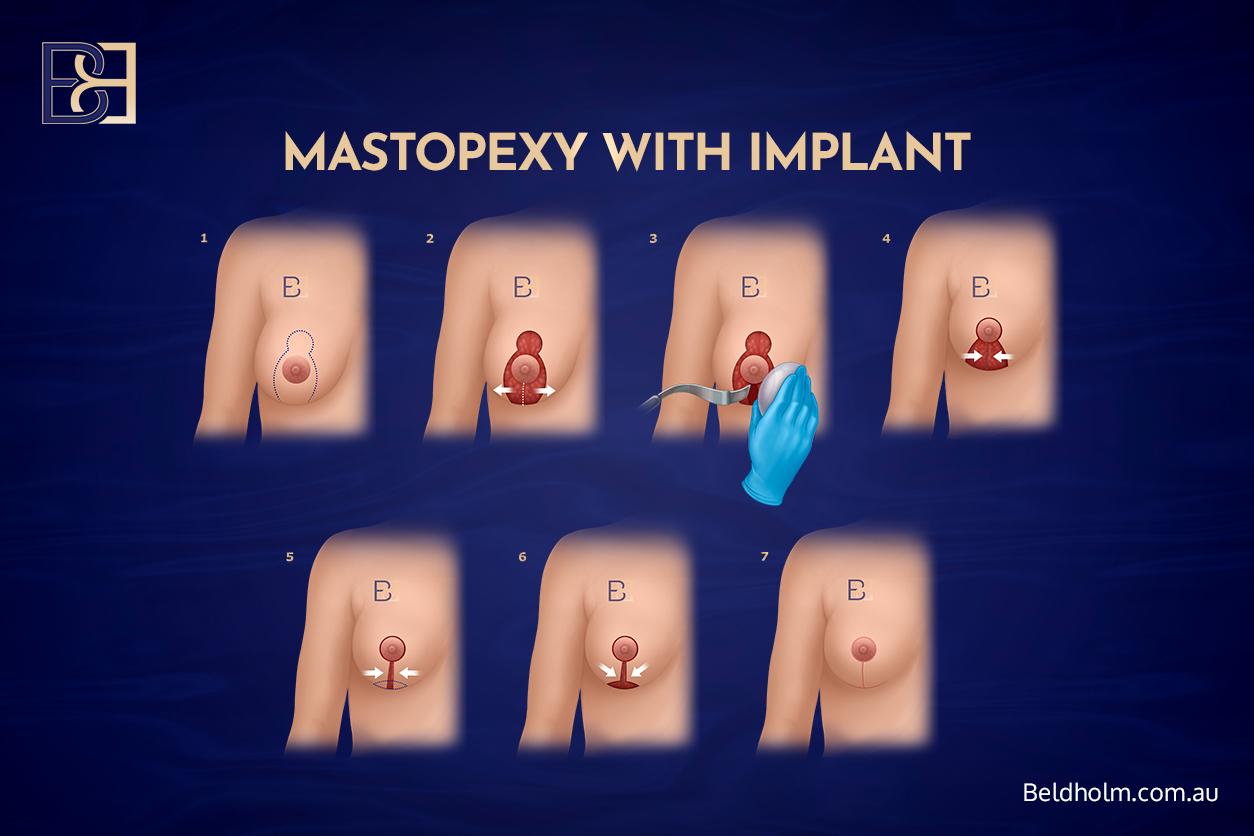
The two parts of the operation do different things.
- The mastopexy (breast lift) repositions the nipple and areola, removes excess skin, and reshapes the breast tissue to change breast position.
- The implant adds breast volume and changes breast projection and upper pole fullness.
Done together, the aim is to change breast position and increase breast volume in a single operation.
Why I consider the risks as one set

A mastopexy (breast lift) with breast implants is a larger and more complex surgical procedure than breast lift (mastopexy) surgery alone or breast implant surgery alone. It carries a different risk and revision profile from either.
I discuss the risks together, not as two separate lists, because the two parts interact. The implant adds volume and tension to the skin envelope at the same time as the lift is removing skin and moving the nipple. That interaction affects blood supply to the nipple, skin tension, where the implant sits, and how the scars settle. Those relationships are the reason the combined operation is assessed on its own terms.
What this article covers
The sections that follow work through the potential complications: blood supply to the nipple and areola, changes in sensation, scarring, wound healing, early surgical complications, implant-related problems, persistent ptosis and asymmetry, longer-term implant considerations, and clot and anaesthetic risk. The final section covers how I work to reduce these risks, including the decision between a single operation and staging the work.
A GP referral is required before any consultation, and whether this operation is appropriate for you is assessed at that consultation.
Why combining a lift and an implant creates a distinct risk profile
The reason I assess this operation on its own terms, rather than as a lift plus an augmentation, comes down to how the two parts interact.
The two parts pull in different directions
The implant and the lift place opposite demands on the same breast.
- The implant adds volume. It pushes the skin envelope outward and raises the tension in the skin and tissue.
- The mastopexy (breast lift) removes excess skin, tightens the envelope, and repositions the nipple and areola on a pedicle, which is the bridge of tissue that carries their blood supply.
So one part increases tension and volume while the other is tightening the skin and relying on the tissue to tolerate that change well. That opposition is the central reason a mastopexy (breast lift) with breast implants, known medically as augmentation mastopexy, is a different operation from either procedure done alone.
Why this is treated as a more complex operation
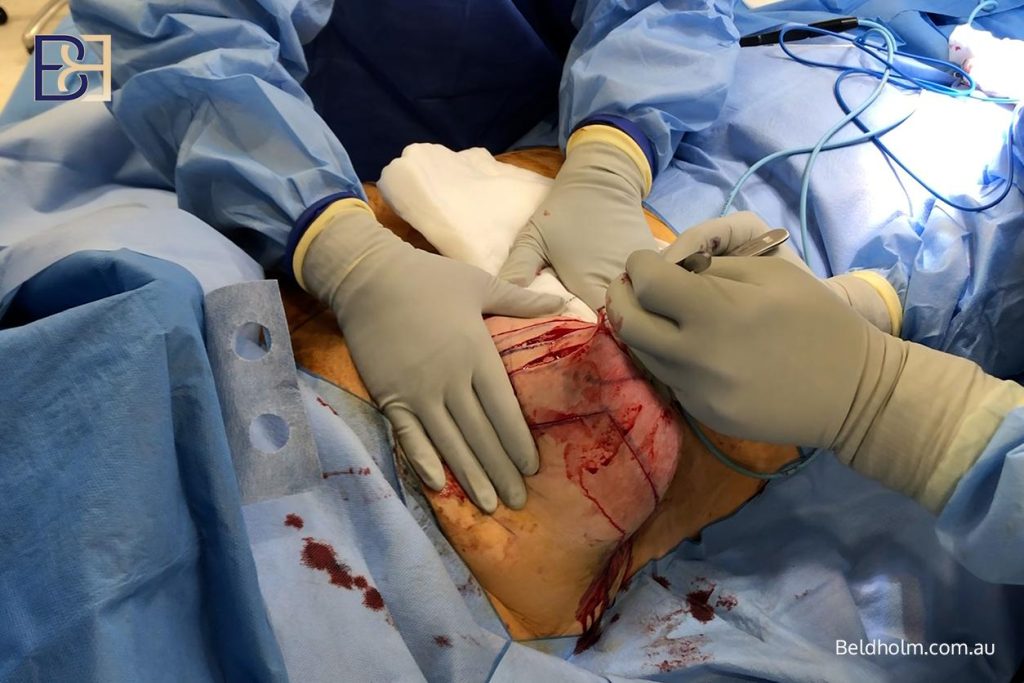
- It is a larger operation with a longer operating time than a lift alone or a breast augmentation (breast enlargement) alone.
- It carries a different risk and revision profile from either.
- Published research and long-standing surgical opinion regard the combination as compounding the complication rates of the two procedures rather than simply adding them (1).
Where the interaction shows up
The two parts affect each other in four main places, each covered in its own section below:
- Blood supply to the nipple and areola. Adding an implant can place pressure on the tissue that carries the nipple’s blood supply, at the same time as the lift has moved it.
- Skin tension and wound healing. Closing tighter skin over a larger volume puts more load on the incisions.
- Implant position. Reshaping the lower pole and placing an implant in the same operation affects where the implant finally settles.
- Scar quality. Tension across the incisions influences how the scars mature.
What this means for planning the operation
For some patients, the interaction between blood supply, skin tension, implant position and scar quality favours dividing the work into stages. Staging a lift and an implant for some patients across separate operations is the more appropriate path. For others, a single operation is suitable.
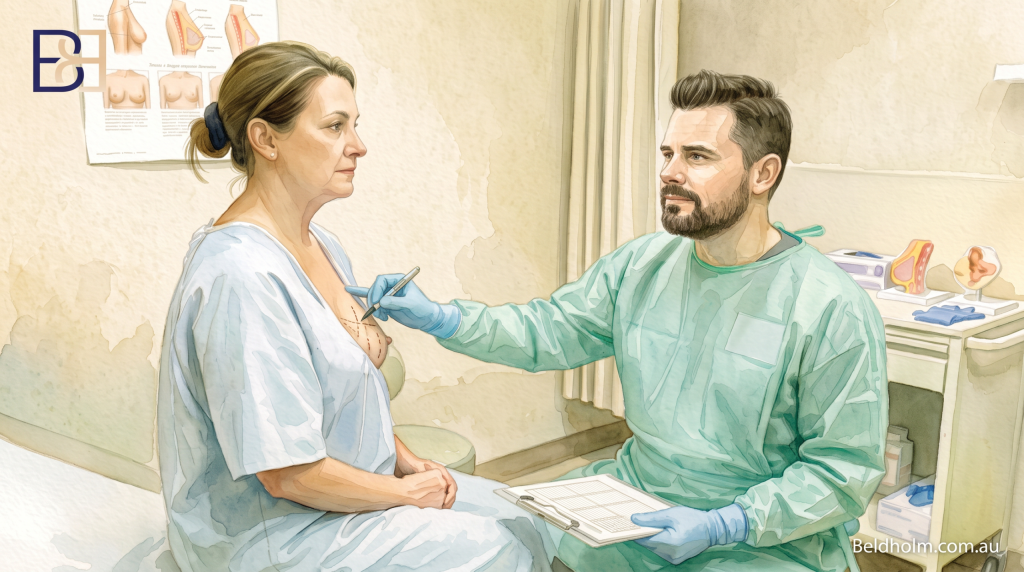
Which applies to you is a clinical judgement made at consultation, after assessment of your medical history, tissue quality, skin laxity and breast position.
Nipple and areola blood supply, and the risk of tissue loss
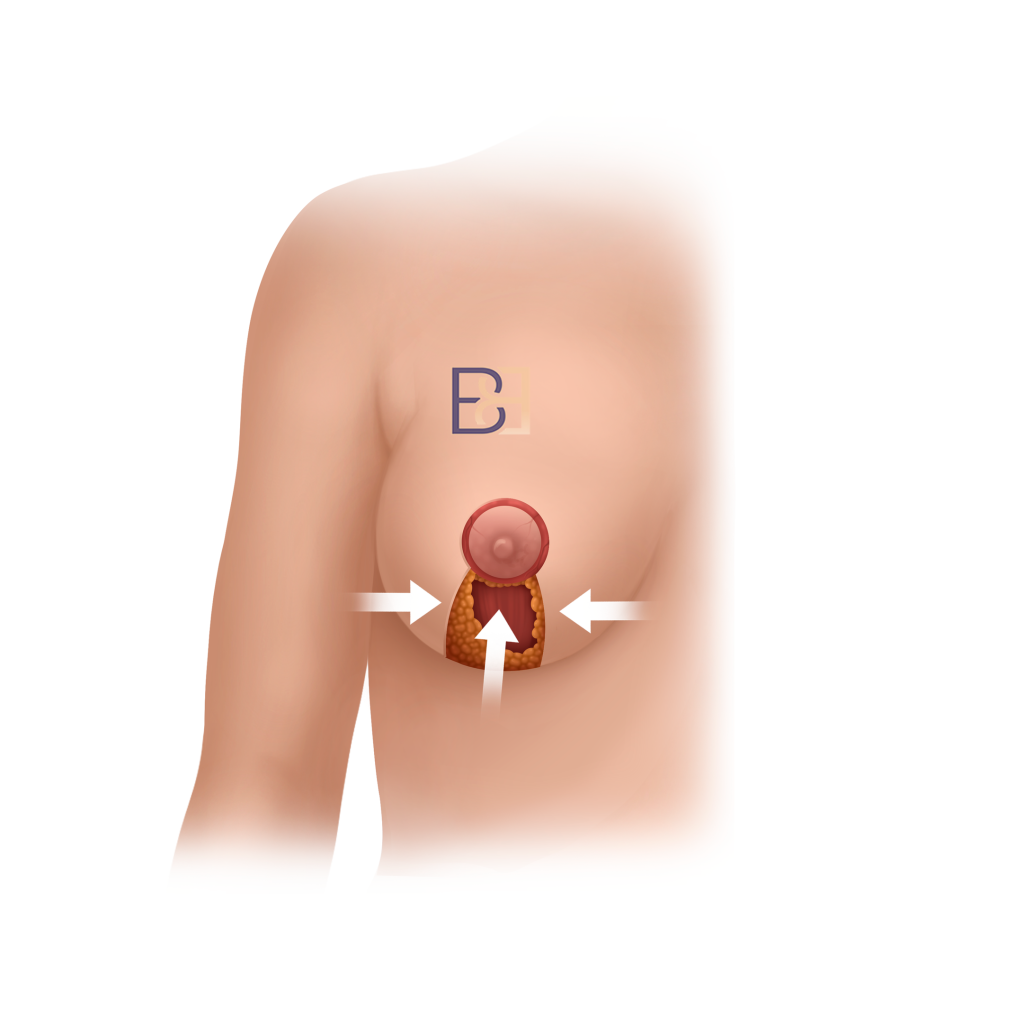
This is the risk I weigh most carefully in a mastopexy (breast lift) with breast implants, and the main reason the combined operation is planned so precisely.
How the blood supply works, and why the combination matters
During a mastopexy (breast lift), the nipple and areola are moved on a pedicle. The pedicle is a bridge of breast tissue that stays attached and carries the blood supply to the nipple and areola as they are repositioned.
An implant adds volume and pushes outward on the skin and tissue. So in the combined operation, the nipple and areola are being moved on their pedicle at the same time as an implant is increasing the tension and pressure around that tissue. Both of those affect how well blood reaches the nipple and areola. That combination is why blood supply is the issue I watch most closely in this operation.
What can happen
If the blood supply to the nipple and areola is reduced, the effects range from minor to serious:
- Delayed healing of the nipple and areola.
- Partial thickness skin loss, blistering, or a change in colour of the nipple and areola.
- Partial loss of the nipple or areola tissue (partial necrosis).
- Fat necrosis, where an area of fatty breast tissue loses its blood supply and forms a firm lump.
- Complete loss of the nipple and areola (full necrosis). This is uncommon, but it is a real and serious risk. It is permanent, changes the appearance of the breast, and can require further surgery, including reconstruction of the nipple and areola.
What raises the risk
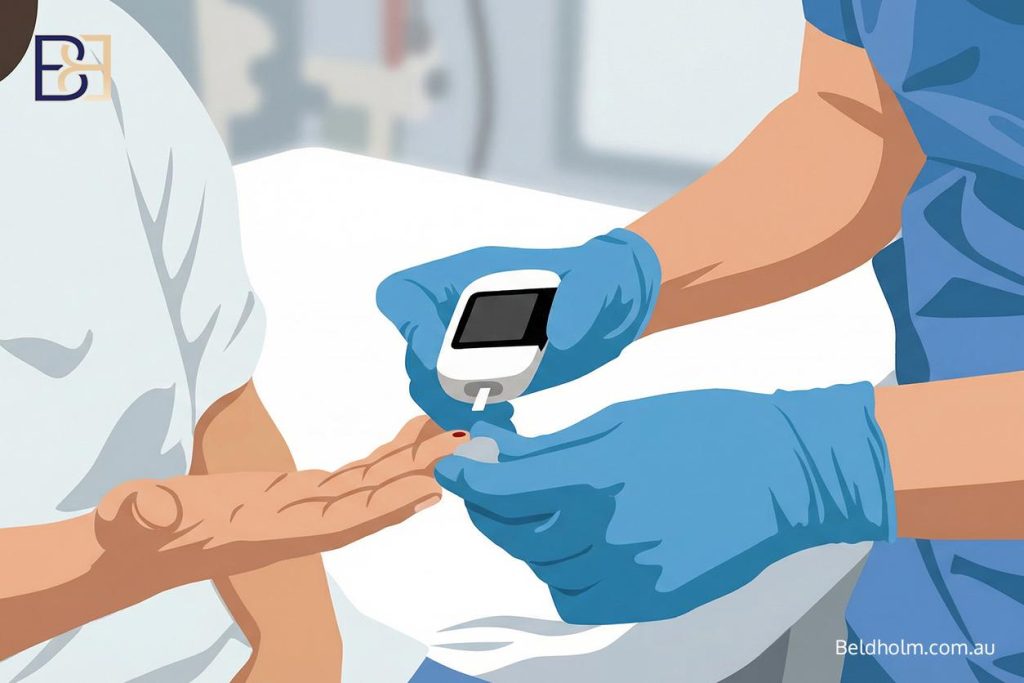
- Smoking, vaping, and any form of nicotine. Nicotine narrows blood vessels and reduces blood supply to the skin and the nipple. It is the single most important factor you can change before surgery.
- A larger lift, where the nipple and areola are moved a greater distance.
- A larger implant, which adds more tension.
- Previous breast surgery or scars that may have altered the blood supply.
- Diabetes and other conditions that affect circulation.
How this shapes the plan
Because of this risk, I choose the extent of the lift and the size of the implant with the blood supply in mind. For some patients, the balance between blood supply, implant size and skin tension favours staging the work, doing the lift first and adding the implant at a later operation once the tissue has healed. Staging protects the blood supply and is the more appropriate path for some patients.
Changes in nipple and breast sensation
Sensation change is a recognised risk of a mastopexy (breast lift) with breast implants. It is more relevant here than after an implant alone, because both parts of the operation affect the nerves that supply the nipple, areola and breast skin.
Why sensation changes
The nerves that carry sensation to the nipple and areola run through the breast tissue. Two things in this operation can affect them:
- Repositioning the nipple and areola during the lift, which moves the tissue the nerves travel through.
- Stretching the breast tissue and skin over an implant, which places those nerves under tension.
Because both happen in the same operation, a mastopexy (breast lift) with breast implants carries a real chance of altered sensation.
What patients notice
- Numbness of the nipple, areola or breast skin.
- Reduced sensation, or areas that feel different to before.
- Increased sensitivity.
- Complete loss of sensation in the nipple and areola.
Whether it recovers

For many patients, altered nipple sensation is temporary and resolves over the months after surgery as the nerves recover, and it can take up to a year or longer to settle. For some patients the change is permanent. A larger lift and a larger implant both raise the chance of a lasting change, because they involve more nipple movement and more tension on the tissue.
Sensation in the nipple also plays a part in breastfeeding.
Scarring and incision patterns
A mastopexy (breast lift) with breast implants leaves permanent scars, and more of them than a breast augmentation (breast enlargement) alone. The lift needs longer incisions to remove skin and reposition the nipple and areola, and the implant is placed through those same incision sites. Scarring is a certainty with this operation rather than a risk, so I go through the pattern and placement before surgery.
The scar patterns I use
The amount of skin to be removed and the degree of ptosis decide the pattern:
- Periareolar: a scar around the edge of the areola. Used for smaller lifts.
- Vertical, also called a lollipop pattern: a vertical incision and scar around the areola and straight down to the breast crease. Used for moderate lifts.
- Inverted-T, also called an anchor pattern: a scar around the areola, down to the crease, and along the crease. Used for larger lifts with the most skin removal, and it leaves the most scarring. This is the same pattern used in breast reduction (reduction mammoplasty).
Which pattern suits you depends on your breast position and skin laxity, and is decided at consultation.
Scar-related complications
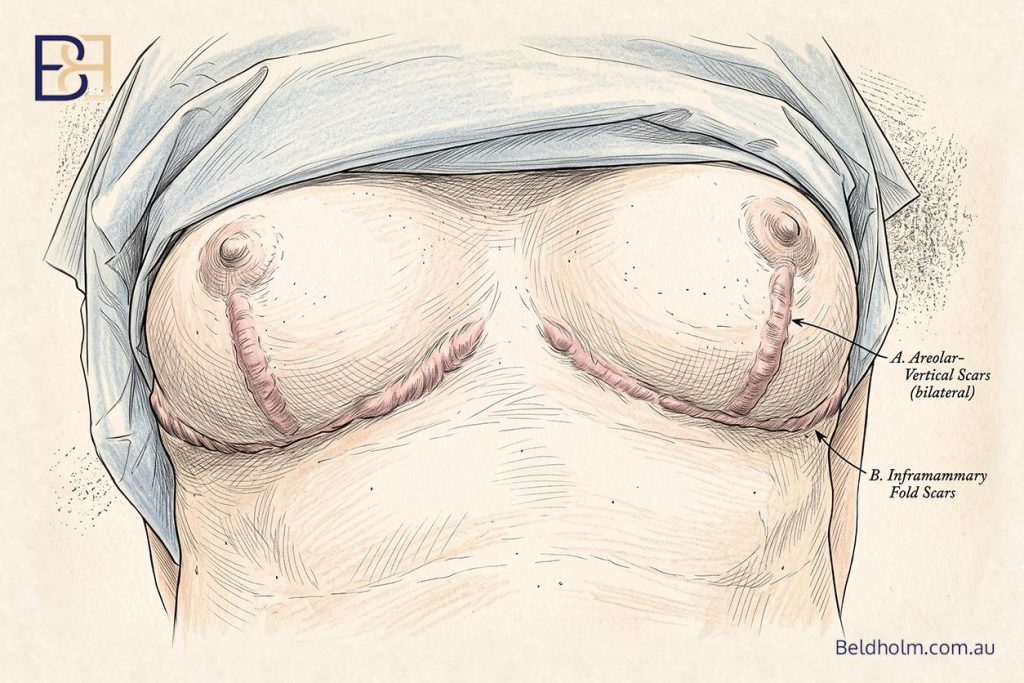
Scars are permanent, and their final appearance varies between patients. What can happen:
- Widened or stretched scars. The implant adds tension to the closure, which can pull scars wider.
- Thickened, raised scars (hypertrophic scars), or keloid scars in patients prone to them.
- Scars that heal darker or lighter than the surrounding skin.
- Changes to the areola, including a widened or stretched areola, a change in its shape, or a difference between the two sides.
The implant is relevant to scarring here because it adds tension to skin that the lift has already tightened, and that tension is one of the things that can widen a scar over time.
How scars settle
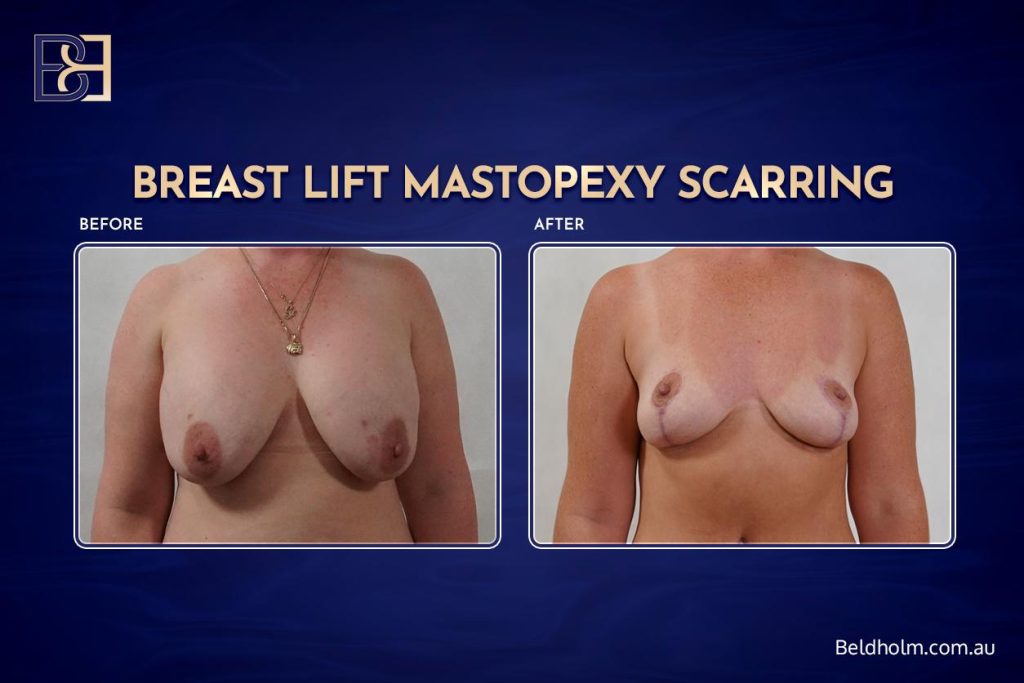
Disclaimer: Results vary, Surgery has risks, Seek second opinion. Operation performed by Dr Bernard Beldholm
Scars are usually red or raised in the early months and fade over 12 to 18 months. They soften and lighten with time, but they do not disappear. How a scar matures depends partly on your skin type and your healing process, which is individual to you.
I choose the incision pattern to remove the skin the lift requires while working to minimise scarring as far as the operation allows, and I review scars through the post-operative follow-up period.
Wound healing complications
The incisions in a mastopexy (breast lift) with breast implants are longer than in an implant alone, and they sit under more tension, because an implant is pushing outward beneath skin the lift has tightened. That combination makes wound healing problems more relevant in this operation, and there are specific points I watch.
The T-junction
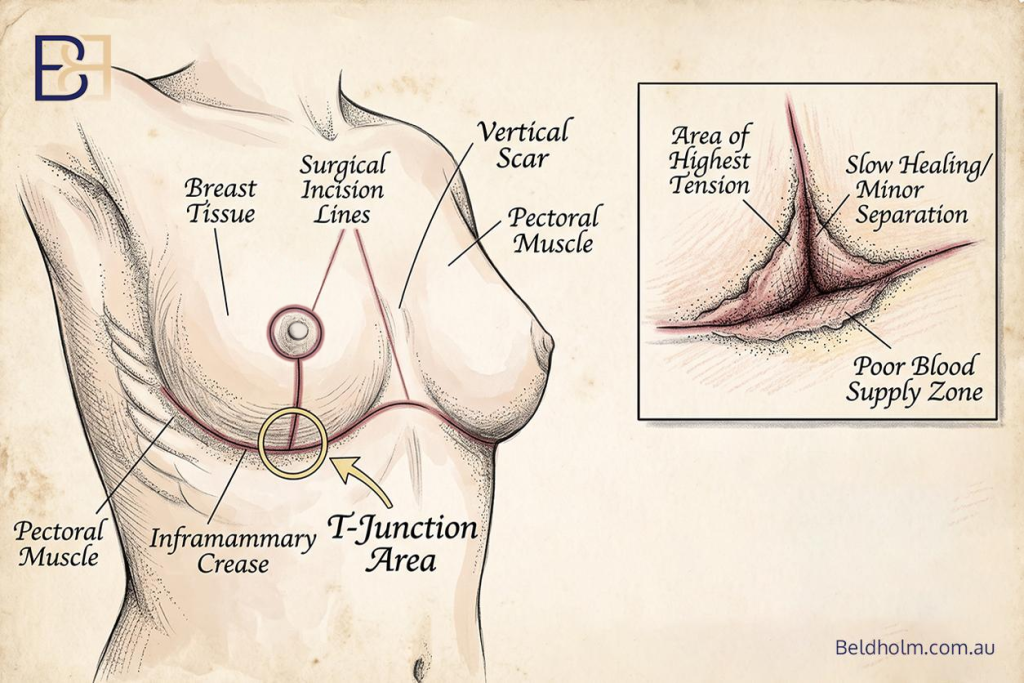
In a vertical or inverted-T lift, the scars meet at a T-junction, where the vertical scar joins the scar in the breast crease. This point sits under the most tension and has the most limited blood supply, so it is the most common site of a wound healing problem after this operation.
What can happen
- Delayed wound healing, where the wounds take longer than expected to close.
- Wound breakdown, where the edges of a healing wound separate (dehiscence). This is most common at the T-junction.
- Loss of skin at the wound edge, which can heal slowly and leave a wider scar.
- Stitch reactions, where a suture works its way to the surface (suture spitting).
- Exposure of the implant. If a wound breaks down over an implant, the implant can become exposed. This is a serious complication, and it can mean the implant has to be removed.
Why the combination raises the risk
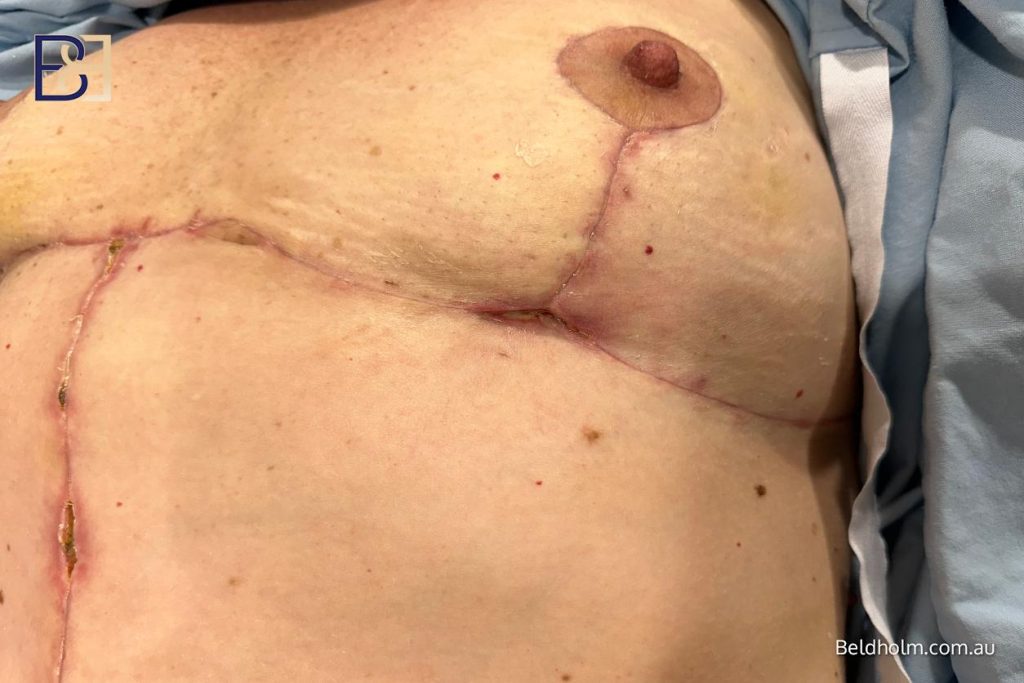
A wound heals best when its edges sit together without tension and have a good blood supply. In this operation the implant adds tension, the lift has already tightened the skin, and the junction points have a more limited blood supply. Those are the conditions that make delayed healing and breakdown more likely than after a lift or an implant on its own.
What raises the risk
- Smoking, vaping and nicotine, which reduce blood supply to the healing skin.
- Diabetes and other conditions that slow healing.
- Larger implants and greater skin tension.
- Wound infection.
How this shapes the care
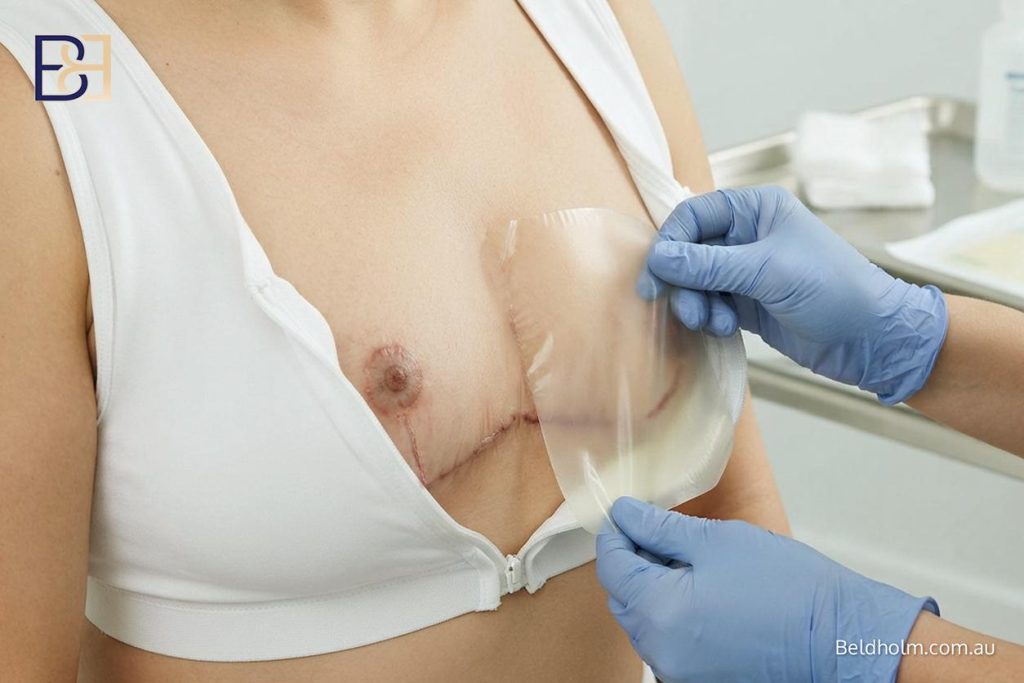
I close the wounds to keep tension off the skin edges where I can, use Comfeel dressings, and review the wounds through the follow-up period so that any delay in healing is picked up and managed early. Nicotine must be stopped before surgery for this reason among others.
Early surgical complications
Some complications show up in the first hours and days after surgery. They can happen after any breast operation, but a mastopexy (breast lift) with breast implants involves more dissection and a longer operating time than either procedure alone, which raises the chance of them. Having an implant in place also changes how some of them are managed.
Bleeding and haematoma
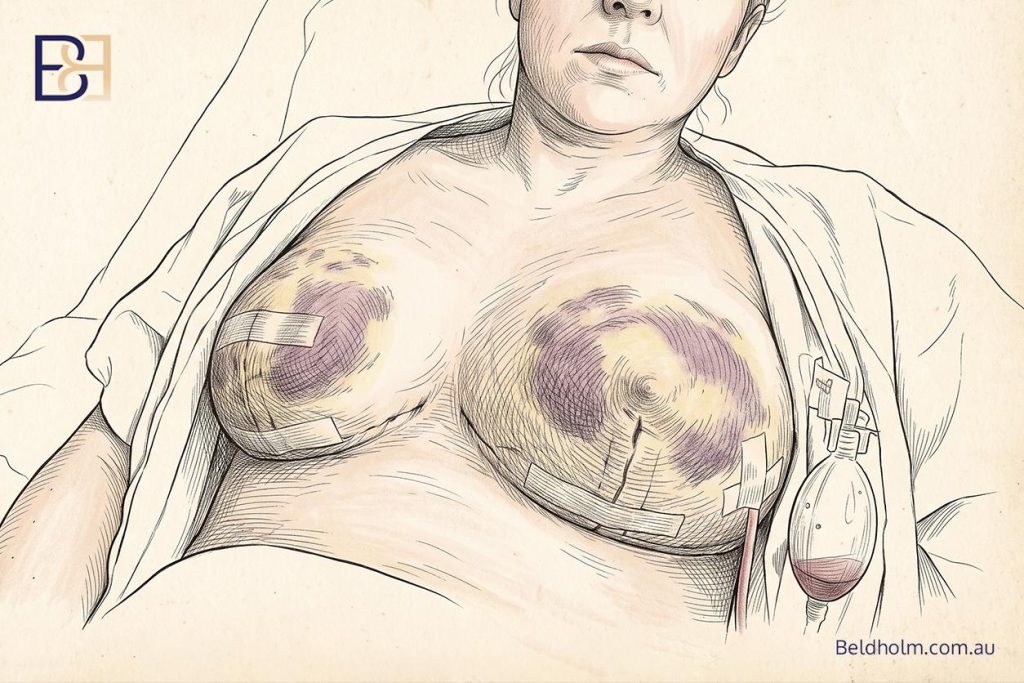
Bleeding into the breast after surgery can collect as a haematoma. This usually happens in the first day or two. A larger haematoma causes swelling, firmness, increasing pain, and one breast looking bigger than the other. A haematoma often needs a return to theatre to remove the collected blood and stop the bleeding.
Fluid collection (seroma)
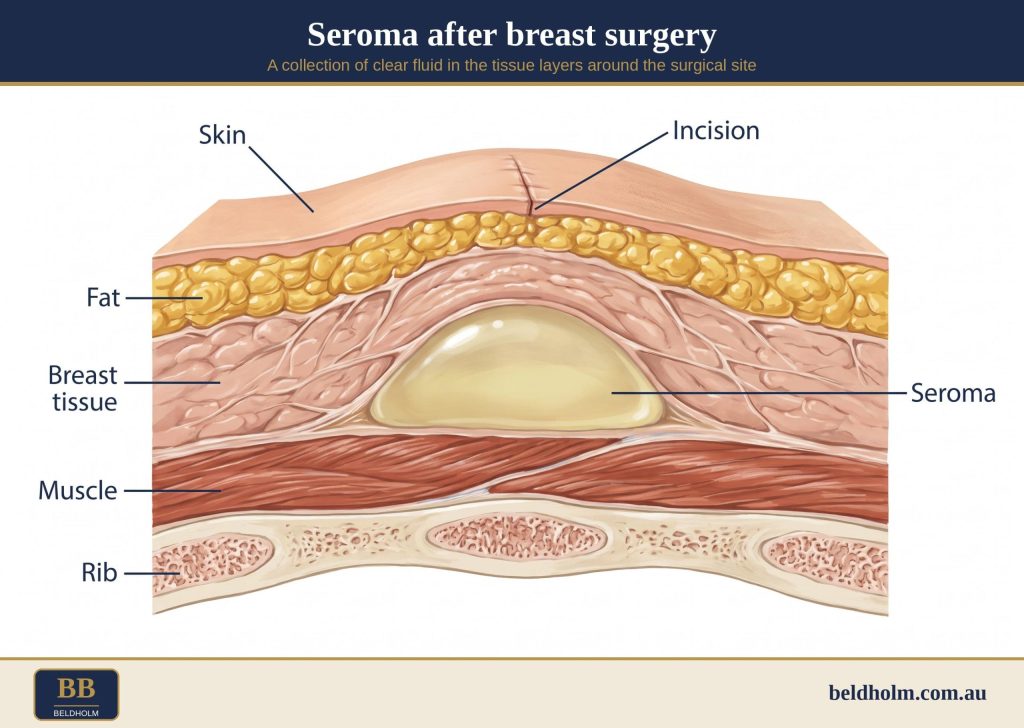
Fluid can collect around the implant or in the tissue after surgery. A small fluid collection (seroma) often settles on its own. A larger one can need draining with a needle, sometimes more than once. Seromas are more likely after a bigger operation with more dissection, which this is.
Infection
Any surgery can be complicated by infection. With a breast implant in place, infection is more serious, because the implant is an artificial device and bacteria are harder to clear from around it. An infection may be managed with antibiotics, but a serious infection around an implant can mean the implant has to be removed, and replaced later once the infection has cleared. Signs of infection include increasing redness, heat, swelling, pain, fever, or discharge from a wound.
Why the combination raises the risk
This operation combines the tissue rearrangement of a lift with the creation of an implant pocket, over a longer operating time than either procedure alone. More dissection and more operating time raise the chance of bleeding, fluid collection and infection. The presence of the implant is what makes infection, in particular, more consequential.
When to seek help

If you notice rapid swelling of one breast, increasing pain, fever, or spreading redness after surgery, contact the practice. After hours, Maitland Private Hospital provides nurse-led phone triage. For a problem that needs physical assessment, go to your local emergency department. For anything life-threatening, call 000.
Implant-related complications
An implant is a medical device, and it brings its own set of complications. These can appear at any point after surgery, not just in the early weeks. In a mastopexy (breast lift) with breast implants, these problems can also distort the result of the lift, so they matter twice over.
Capsular contracture
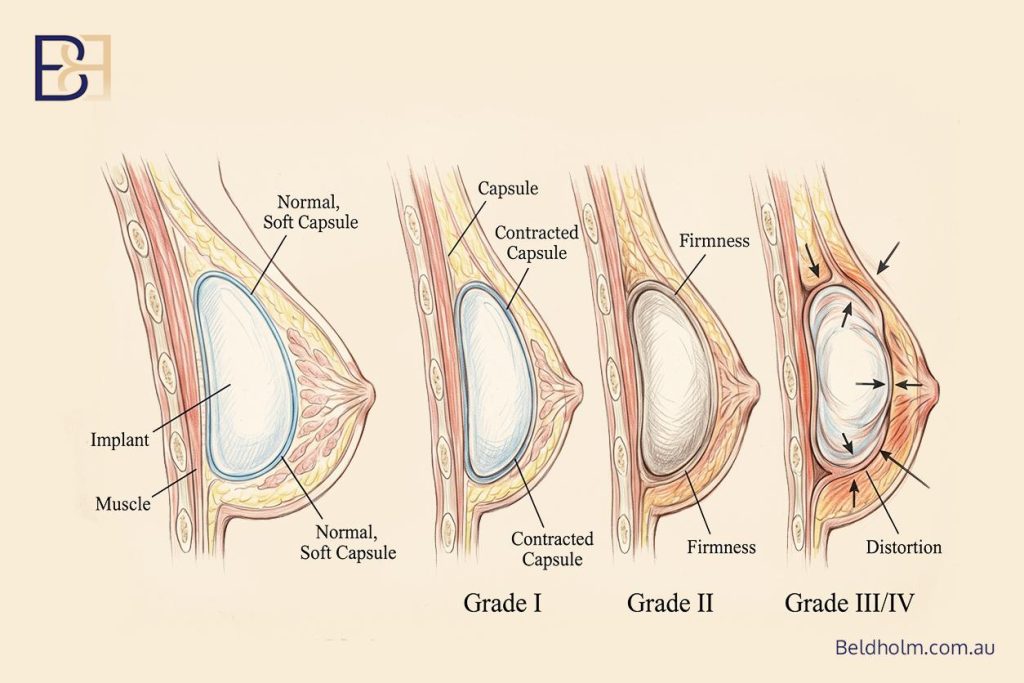
The body forms a capsule of scar tissue around any implant, and this is normal. In some patients the capsule tightens and hardens, which is capsular contracture. It can cause the breast to feel firm, change shape, ride higher on the chest, or look distorted, and in more advanced cases it can be painful. It can develop months or years after surgery.
Capsular contracture is graded from mild to severe, and the more advanced grades usually need further surgery to release or remove the capsule and exchange the implant. Because a lift (mastopexy) has shaped the breast around the implant, a contracture in this operation can pull the lift result out of shape as well.
Rupture and deflation
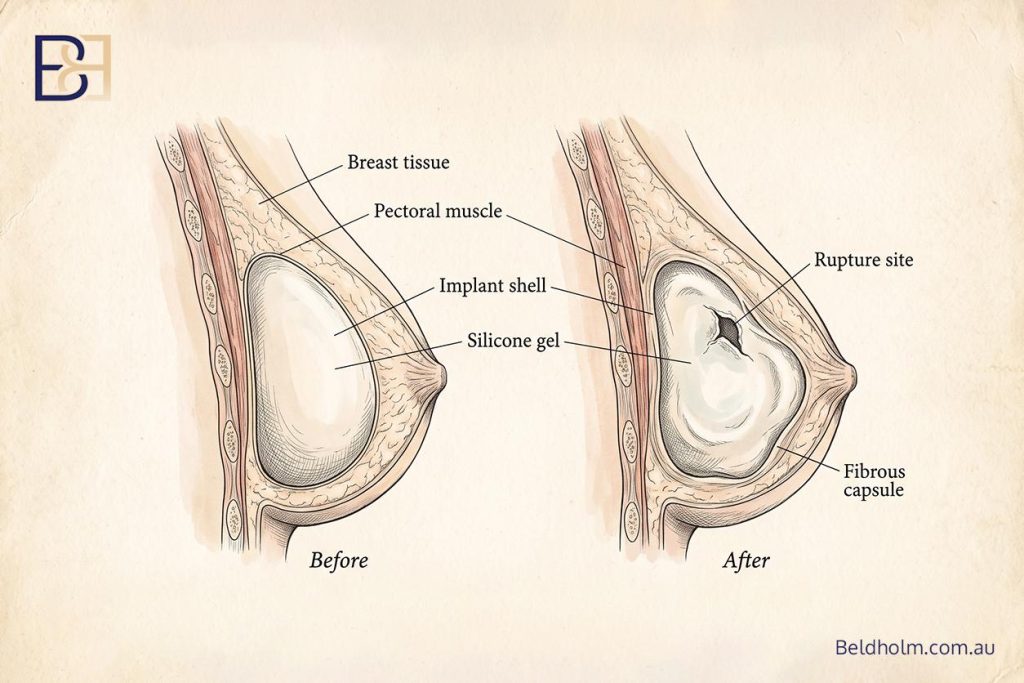
Breast implants are not lifetime devices. They can fail over time when the implant shell develops a leak or tear.
- A silicone gel implant can rupture without obvious signs, which is sometimes called a silent rupture. It is often found on imaging rather than by a change you notice.
- Saline implants deflate when they fail, and the breast visibly loses volume.
Either way, a ruptured or deflated implant is removed, and implant replacement is an option if you choose it. The chance of needing implant surgery increases the longer implants are in place (2).
Implant malposition
The implant can settle in the wrong position. This is more relevant in a combined operation, because the lift reshapes the lower pole of the breast at the same time as the implant is being placed there.
- Bottoming out, where the implant gradually settles too low, below the breast crease, which can leave the nipple pointing upward.
- Double bubble, where the implant sits below the natural crease and creates a second contour or groove across the lower breast.
- Implants sitting too far to the side, or too close together near the midline.
Malposition can need revision surgery to adjust the breast pocket and reposition the implant.
Rippling
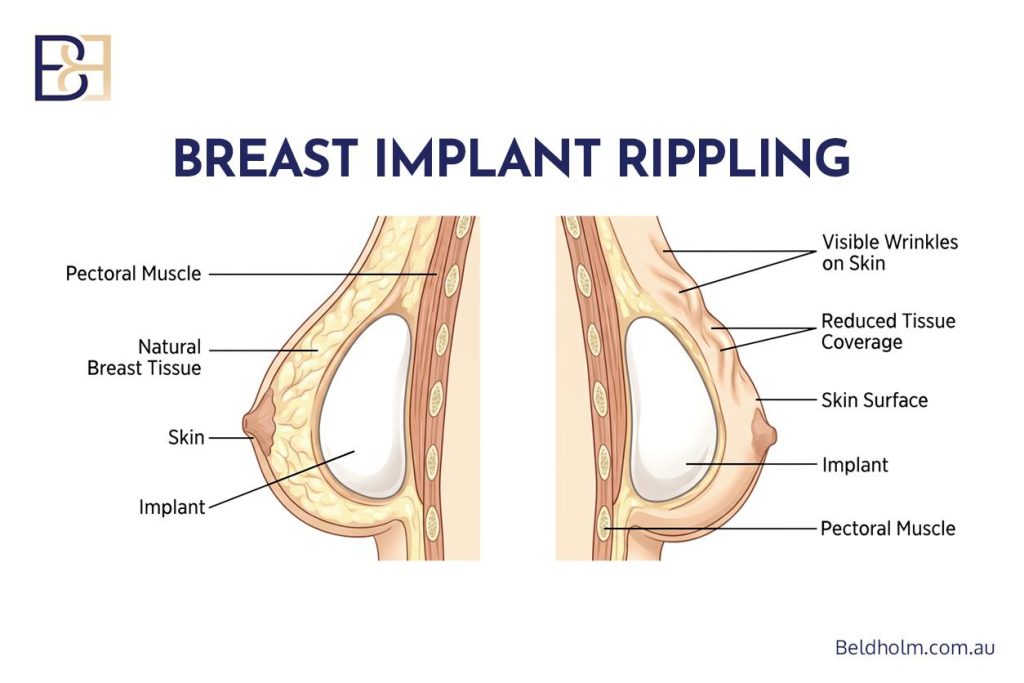
Rippling is when folds or wrinkles in the implant become visible or can be felt through the skin. It is more likely where there is less breast tissue and skin covering the implant, so it is more common in thinner patients.
Persistent ptosis, asymmetry, and revision surgery
A mastopexy (breast lift) with breast implants aims to change breast position and volume, but the result can change over time or fall short of the plan. These are among the most common reasons patients need further surgery.
Persistent or recurrent ptosis
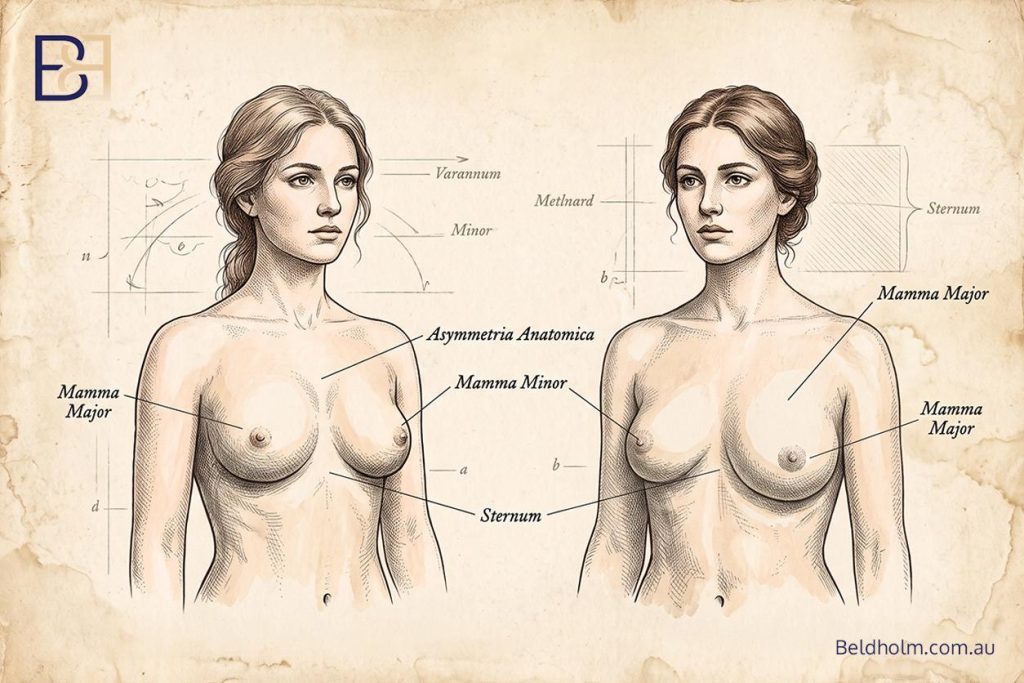
The breast can settle to a lower position again after surgery. An implant adds weight, and over time that weight, together with skin laxity and reduced skin elasticity, can draw the breast tissue down again. This is more likely with a larger implant and with thinner or more stretched skin. When it happens, it can undo part of what the lift achieved, and correcting it means further surgery.
Asymmetry
No two breasts are identical before surgery, and some difference usually remains afterward. After a mastopexy (breast lift) with breast implants, there can be a difference between the two sides in breast size, shape, position, nipple height, or the scars. Some asymmetry is expected. A difference that bothers you may be adjustable with revision surgery, but complete symmetry is not something any operation can promise.
Revision and reoperation
A mastopexy (breast lift) with breast implants has a higher revision rate than a lift alone or an implant alone (1). Combining a lift with a device means there are more things that can need adjustment over time. Common reasons for revision include:
- Capsular contracture, implant malposition, or implant rupture.
- Recurrent ptosis.
- Asymmetry, or a change in size or shape.
- Scar revision.
Revision surgery, sometimes called revisional surgery, is another operation, with its own anaesthetic, recovery, costs and risks. Some patients will need one or more revisions over the life of their implants.
Results settle over time, and vary between patients
The final result is not what you see straight after surgery. Swelling settles, the implant moves into its position, and the scars mature over 12 to 18 months. How the breasts look and feel at the end of that process varies between patients, and depends on your anatomy, skin quality and healing. Results vary, and I discuss what is realistic for you at consultation.
Longer-term implant considerations
Breast implants are medical devices that stay with you for years, so there are a few longer-term matters I go through before surgery. These apply to any breast surgery involving implants, not only to a combined lift and implant. I cover them briefly here and link to fuller articles on each.
BIA-ALCL
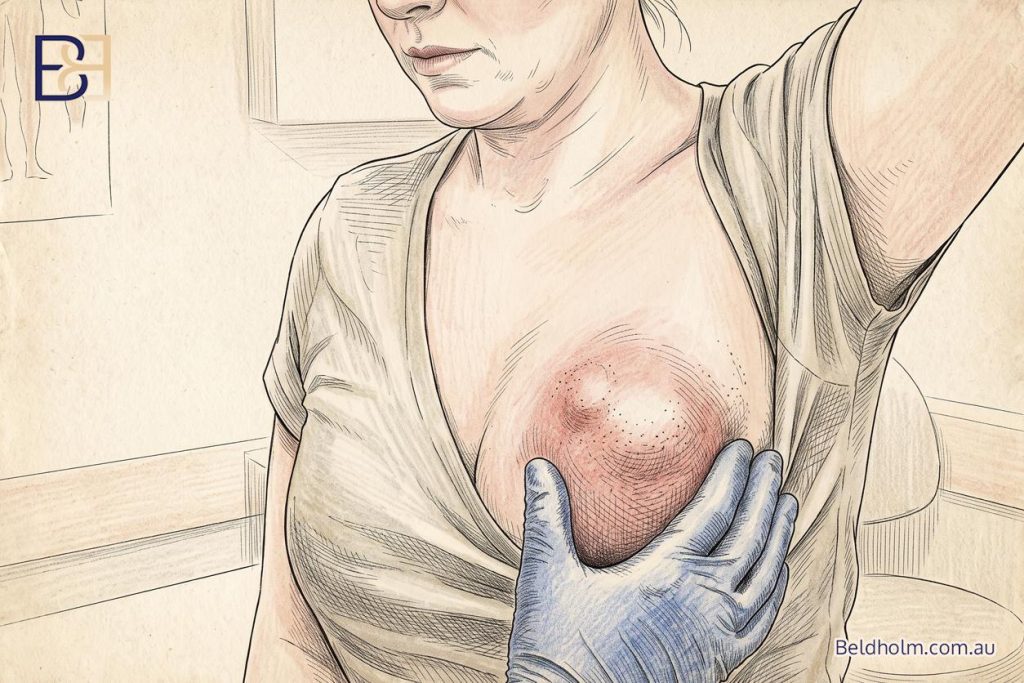
Breast implant-associated anaplastic large cell lymphoma (BIA-ALCL) is a rare cancer of the immune system that can develop in the scar capsule around a breast implant. It is not breast cancer. The risk is linked to textured-surface implants, and it is very rare with the smooth-surface implants (3). When it is found early, it is usually treated by removing the implant and the surrounding capsule.
The usual sign is swelling of the breast, often from a fluid collection, months or years after surgery. If BIA-ALCL is suspected, it is managed by a breast cancer surgeon, so I would refer you on through your GP rather than manage it myself.
Breast implant illness
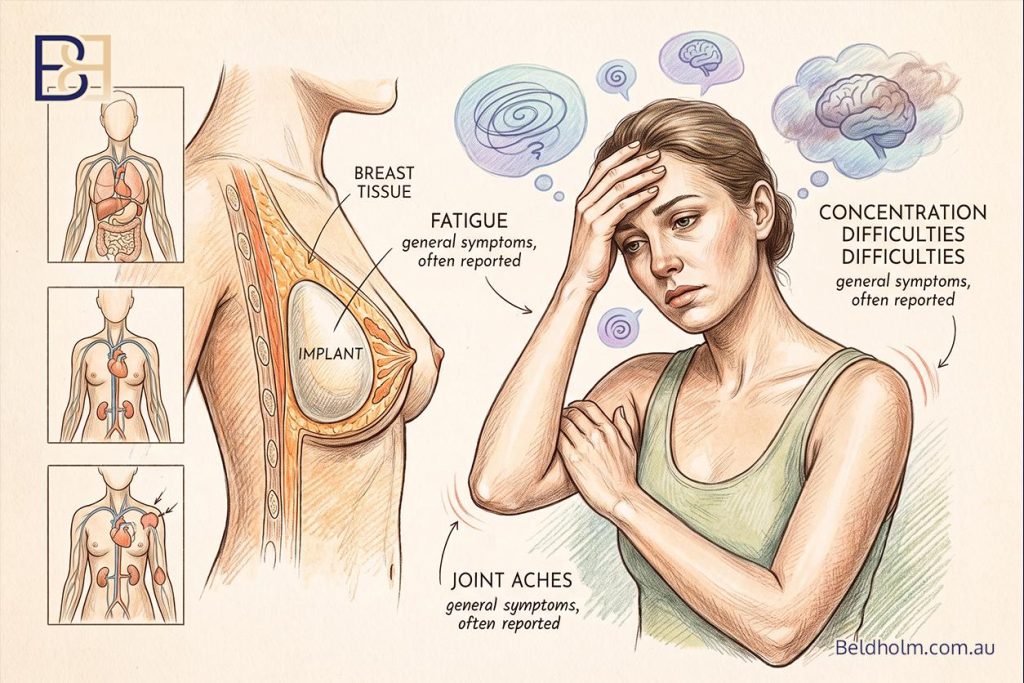
Some patients with implants report a range of general symptoms, such as fatigue, joint aches and difficulty concentrating, which they connect to their implants. This is described as breast implant illness. It is not a formally defined medical diagnosis, and research into it is ongoing. Some patients report that their symptoms improve after their implants are removed, though the evidence is still developing. I raise it so you know it is part of the picture, and I discuss it factually rather than arguing for or against it.
Implant longevity and monitoring
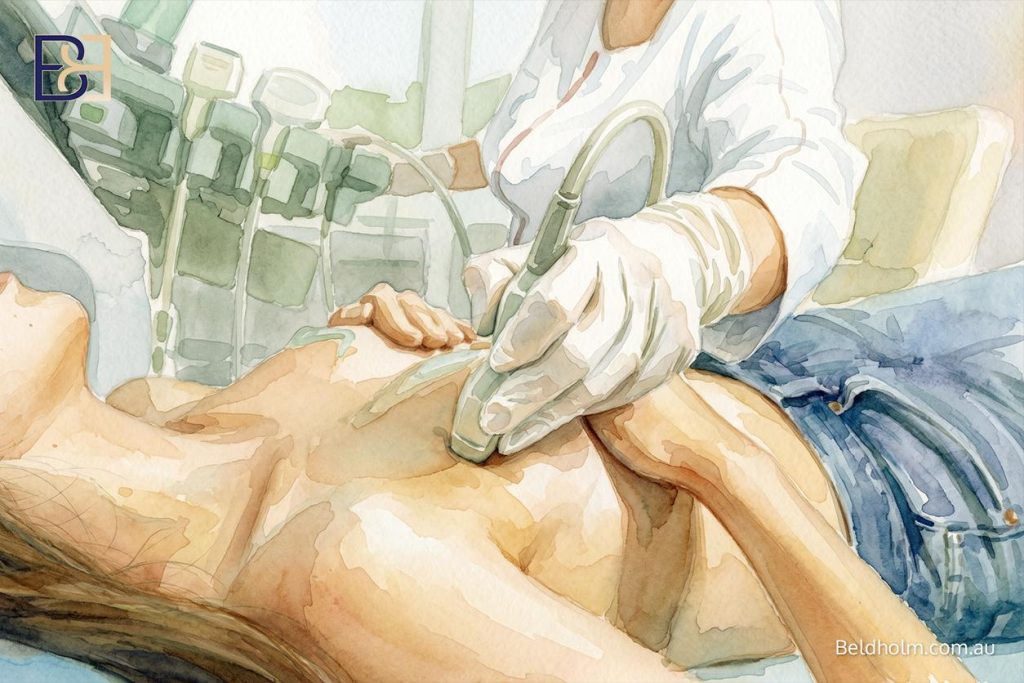
Implants are not lifetime devices, and at some point they may need to be removed or replaced. This is why some patients later have breast implant removal, with or without replacement. Because a silicone rupture can happen without obvious signs, monitoring is recommended over the years, using ultrasound or magnetic resonance imaging (MRI) where needed.
Having implants can also affect breast cancer detection on a mammogram. Mammograms are still done with implants, but extra views are used, so it is important to tell the radiographer that you have implants.
You will be given a patient implant card with the details of your specific implants. Keep it, because it records exactly what was used and is useful for your future care.
DVT, anaesthetic and general surgical risk
These are the risks that come with any operation under general anaesthetic. They are not specific to breast surgery, but a mastopexy (breast lift) with breast implants is a longer operation than either procedure alone, and a longer operation adds to some of them. I keep this section brief and link to a fuller article on clot risk.
Blood clots (DVT and VTE)
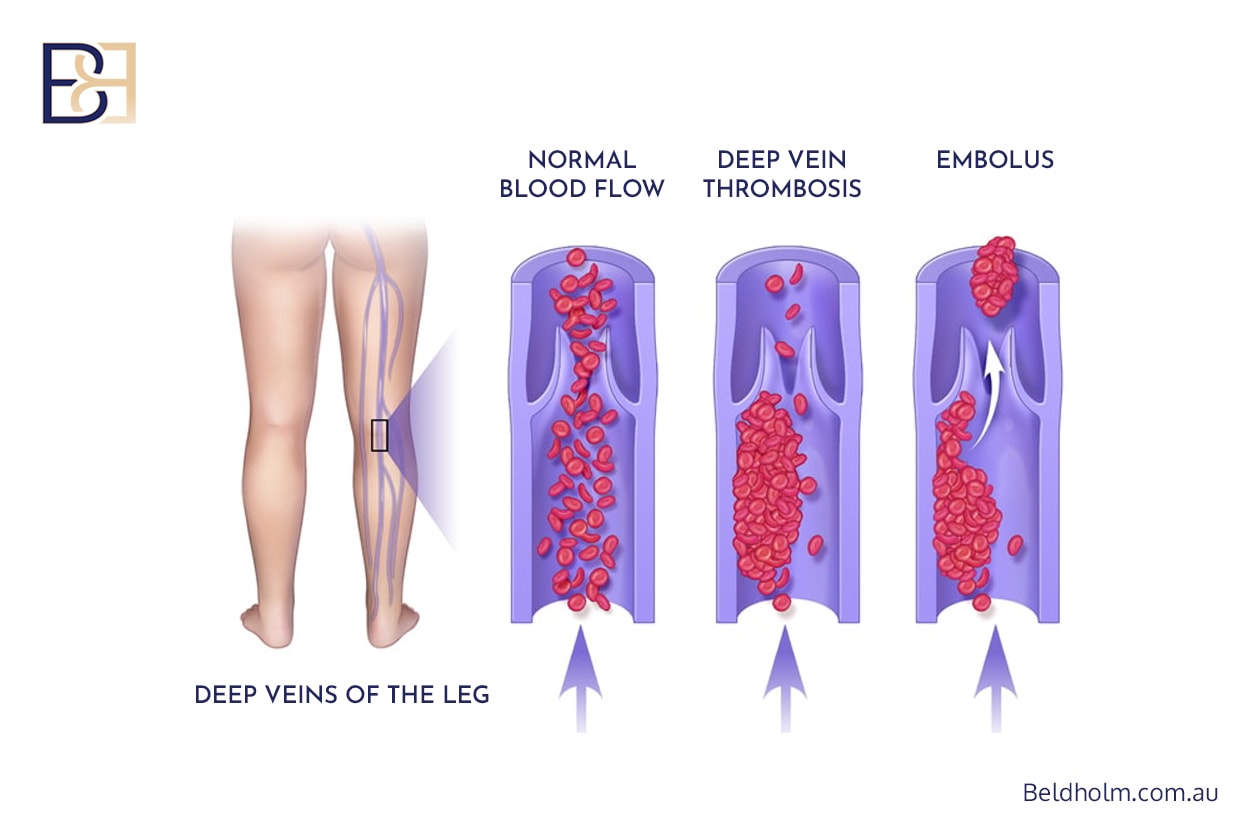
A blood clot can form in the deep veins of the leg (deep vein thrombosis, DVT) and, less often, travel to the lungs (pulmonary embolism), which is serious. Breast surgery generally carries a lower clot risk than abdominal operations, but the risk is real, and I assess it for each patient rather than leaving it to a single rule. A longer combined operation adds to that risk compared with a shorter one.
I stratify your clot risk and decide on the measures to reduce it myself, rather than leaving that to the anaesthetist. These can include getting you moving early after surgery and using calf compression during the operation. If you take aspirin or a blood thinner, it is usually stopped about a week before surgery, planned in advance. Do not stop any medication on your own.
Anaesthetic risk

This operation is done under general anaesthetic, which carries its own risks. Many are minor and short-lived, such as nausea or a sore throat, but serious reactions are possible, though uncommon. Most of the anaesthetic assessment is done by phone before surgery, and the airway examination is done on the day of surgery.
Other general surgical risks
As with any surgery, there can be pain, nausea, reactions to medications, and the general demands of recovering from an operation. A combined operation is a larger physiological event than either procedure alone, so I plan the pre-operative preparation and recovery around that.
How I work to reduce these risks
Knowing where the risks of a mastopexy (breast lift) with breast implants come from is what shapes how I plan and carry out the operation.
Assessment and patient selection
Book your appointment online now
Whether this operation is appropriate for you is decided at consultation, after assessment of your medical history, general health, breast anatomy, breast tissue quality, skin laxity, breast position and other risk factors. Surgery is not the only option for someone thinking about their breast appearance, and part of the consultation is working out whether an operation is the right choice for you at all.
Where relevant, surgery is planned once your family is complete and breastfeeding has finished, because a future pregnancy can affect the result. Timing is assessed individually.
One operation or staged surgery
Where a patient is suited to it, I prefer to do the lift and the implant in a single operation, which means one anaesthetic and one recovery rather than repeating those steps. This is a preference, not a rule.
For some patients, the trade-offs between nipple blood supply, skin tension, implant position and scar quality make staging the work across separate operations the more appropriate path.
Stopping nicotine

Because blood supply to the nipple and to the healing skin is central to this operation, stopping smoking, vaping and all nicotine before surgery is one of the most useful things you can do to reduce the risk of tissue loss and wound healing problems. Lifestyle factors like smoking have a direct effect on how the tissue heals.
Pre-operative preparation

A combined operation is a larger physiological event than either procedure alone, so preparation matters more, not less. Before surgery you have a pre-operative blood panel, and where it shows gaps that could affect healing, correcting them beforehand supports your recovery.
Surgical technique
Several parts of my surgical planning are aimed directly at the risks in this article:
- Designing the pedicle and choosing the implant size to protect blood supply to the nipple and areola.
- A no-touch technique when the implant is placed, to reduce bacterial contamination, which is linked to capsular contracture and infection.
- Internal soft-tissue support, sometimes called an internal bra, where it is clinically indicated, to support the shape over time.
- Choosing the implant placement, including the plane and the breast pocket, and whether the implant sits in front of or behind the pectoral muscle and chest muscles, to suit your anatomy.
Follow-up

Follow-up is close in the early weeks, with nurse and surgeon review in the first two weeks, then scheduled reviews at 4 weeks, 3 months, 6 months and 12 months. Your GP is kept informed for your longer-term care. Close review is how healing problems, or any of the complications in this article, are picked up and managed early.
The bottom line
A mastopexy (breast lift) with breast implants is a larger operation than a lift or an implant alone, and it carries a combined risk and revision profile that I go through in full before anyone decides to proceed. Whether it is right for you, and whether it is done in one operation or in stages, is assessed at consultation, and results vary between patients.
References
- Swanson E. Evidence-Based Cosmetic Breast Surgery. Cham: Springer International Publishing; 2017.
- Handel N, Cordray T, Gutierrez J, Jensen JA. A long-term study of outcomes, complications, and patient satisfaction with breast implants. Plast Reconstr Surg. 2006;117(3):757-767.
- Swanson E. BIA-ALCL: comparing the risk profiles of smooth and textured breast implants. Aesthetic Plast Surg. 2023;47(Suppl 1):245-250.