


Breast reduction (reduction mammoplasty) is a well-established operation, and it is one I perform regularly. It is also major surgery. It is carried out under general anaesthetic, it involves incisions on the breast, and it carries a defined set of risks and possible complications. You should understand these fully before you decide to go ahead.
A few things to keep in mind as you read
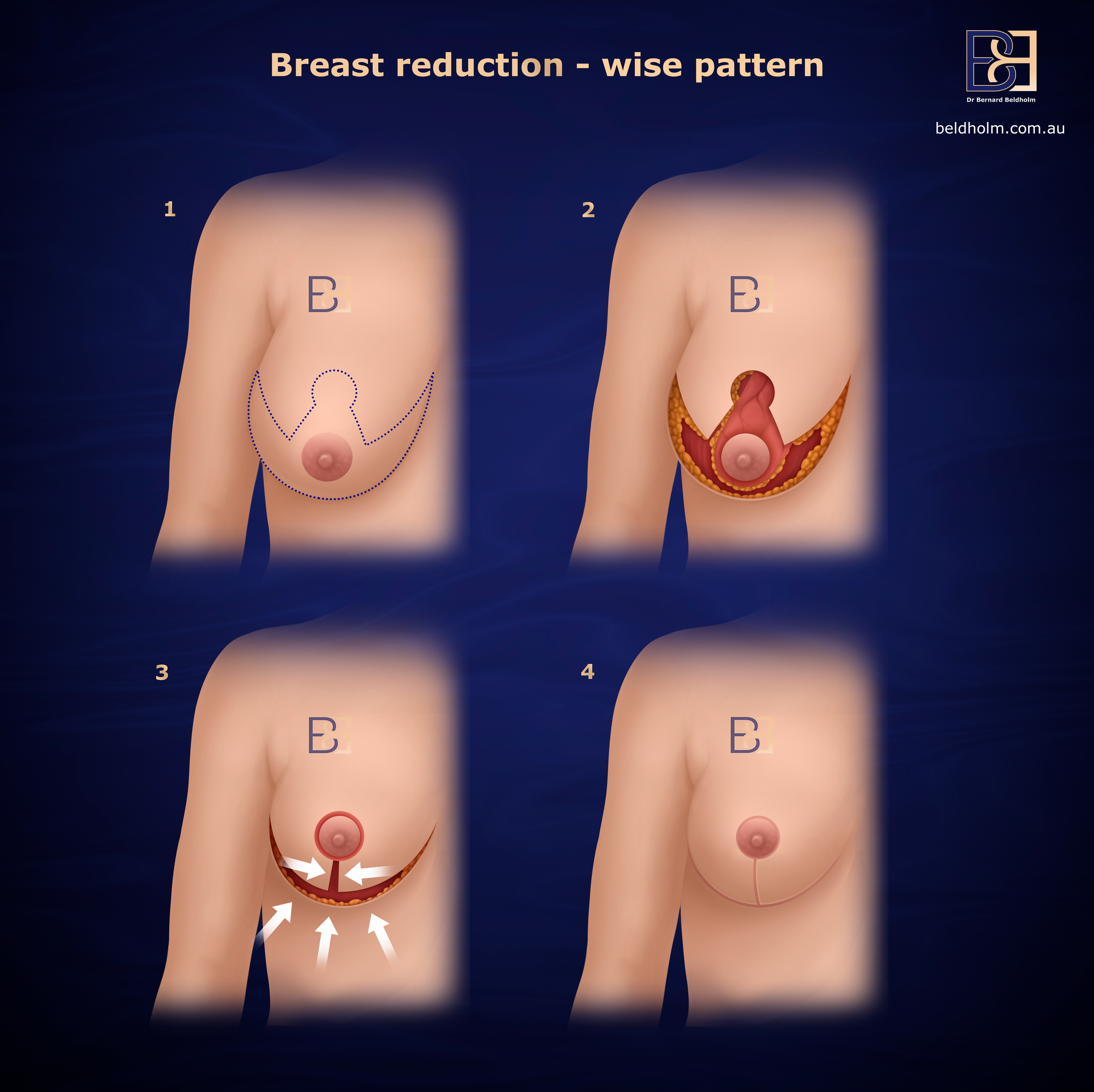
Every patient is different. The risks that matter most for you depend on your medical history, your breast tissue, your general health, and factors such as whether you smoke. Some complications below are common and settle on their own. Others are uncommon but serious.
Results vary from one person to the next. What I can do is assess you carefully, plan the operation around your anatomy, and be upfront with you about what surgery can and cannot do.
General surgical and anaesthetic risks
Some surgical risks apply to any major operation, whatever the procedure. I go through these with every patient, because they sit underneath the breast-specific risks covered further down.
Anaesthetic risk
Breast reduction (reduction mammoplasty) is carried out under general anaesthetic, so you are fully asleep for the operation. General anaesthesia today is well established, and for most healthy patients it carries low risk.
Possible anaesthetic problems include:
- Reactions to anaesthetic drugs
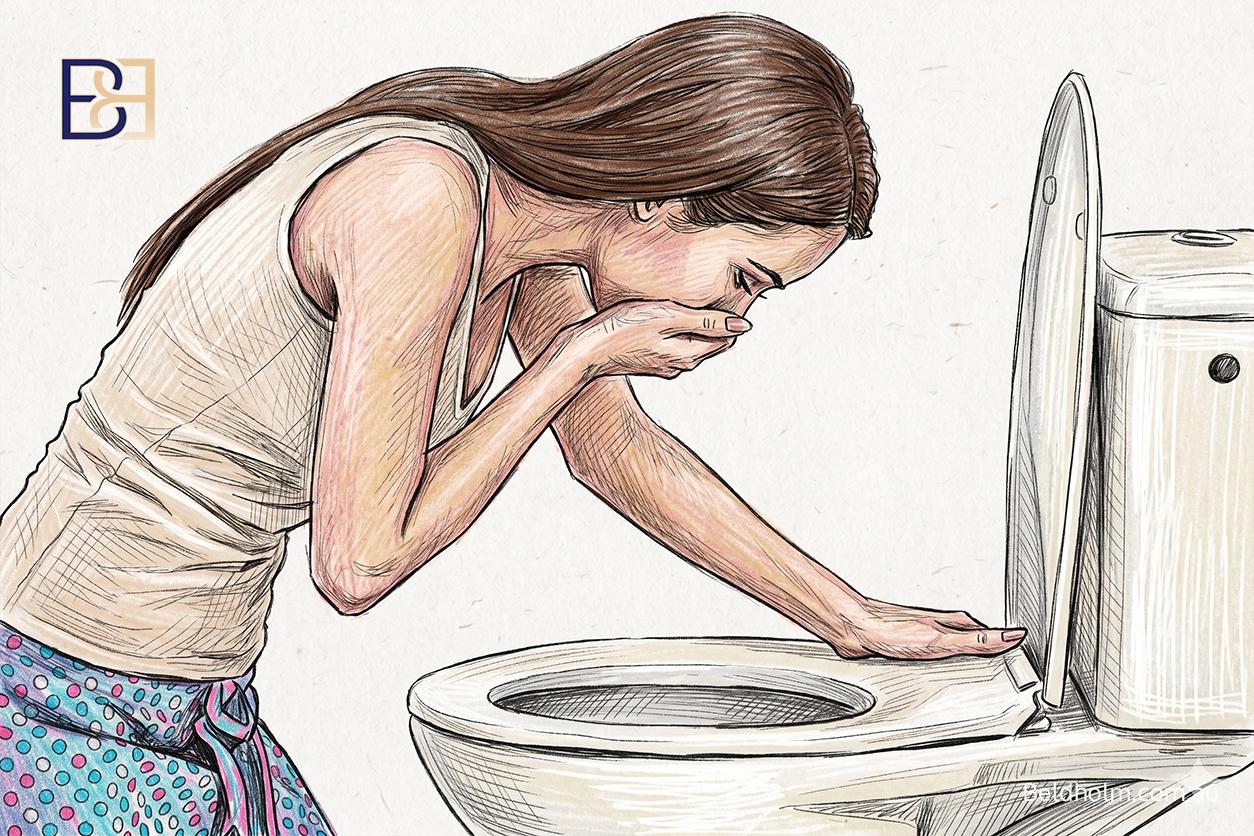
- Nausea and vomiting after surgery
- A sore throat or hoarse voice from the breathing tube
- Damage to teeth or lips, which is uncommon
- Breathing and airway difficulties
- Strain on the heart and circulation (the cardiovascular system)
Serious anaesthetic complications are uncommon, but they are more likely if you have heart or lung disease, a raised BMI, obstructive sleep apnoea, or other significant medical conditions. Your anaesthetist reviews your history before surgery and examines you around the time of your operation. If something in your health needs sorting out first, I would rather delay than push ahead before you are ready.
Chest and lung problems
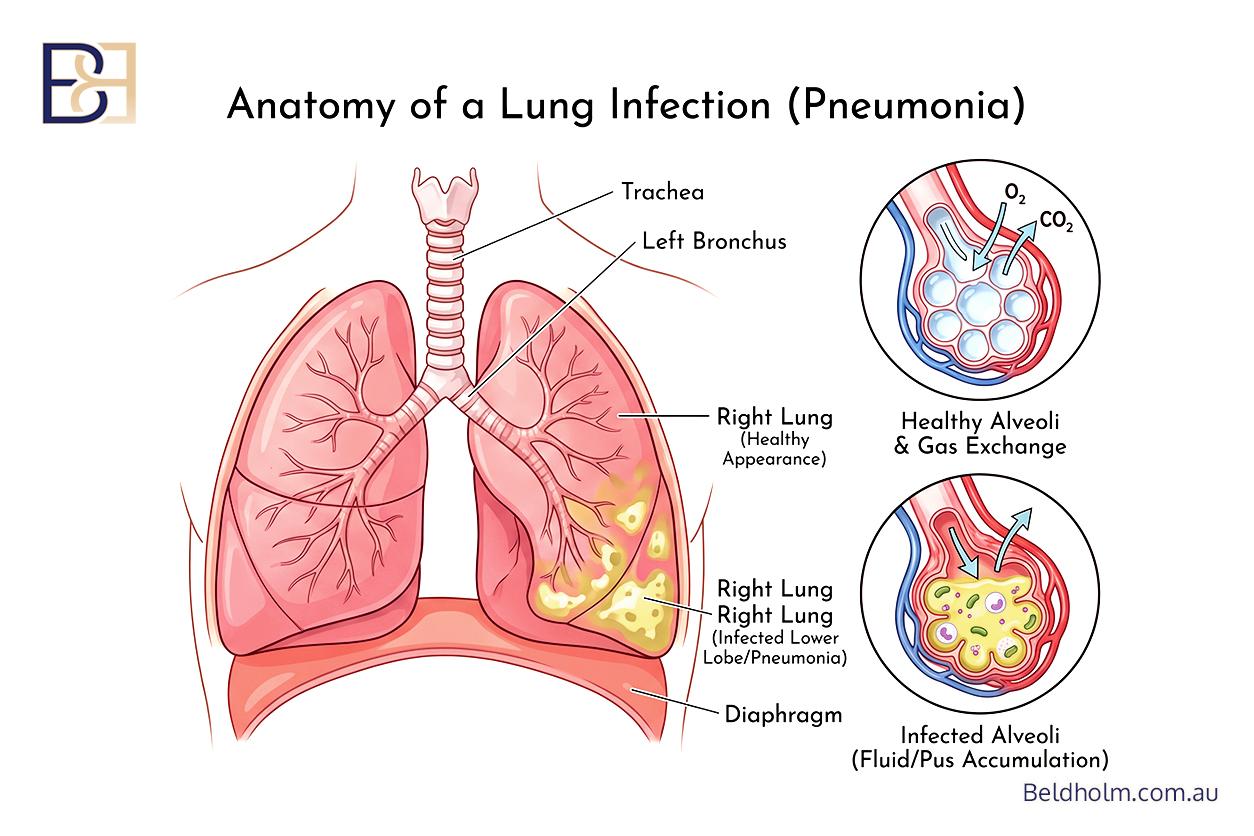
A chest infection can follow any general anaesthetic. The risk is higher if you smoke, because smoking thickens secretions and irritates the airway. Deep breathing and getting moving early after your operation both lower this risk.
Allergic reactions
You can react to any of the drugs, antiseptics, dressings, tapes, or materials used during and after surgery. Most reactions are minor, such as skin irritation from a dressing. A serious adverse reaction is rare. Tell me and the anaesthetist about any known allergies before your operation.
Injury to deeper structures
Any operation carries a small risk of unintended injury to deeper structures nearby. In breast reduction (reduction mammoplasty) this is uncommon, because the work stays on the breast itself. Pressure on nerves from how you are positioned during a longer operation can cause temporary numbness or weakness, which usually settles on its own.
Bleeding and haematoma
Every operation involves some bleeding, and breast reduction (reduction mammoplasty) is no exception. During surgery I control bleeding as I go. Most patients lose only a small amount of blood, and a transfusion is rarely needed. Some bruising and swelling afterwards is normal and settles over the following weeks.
Haematoma
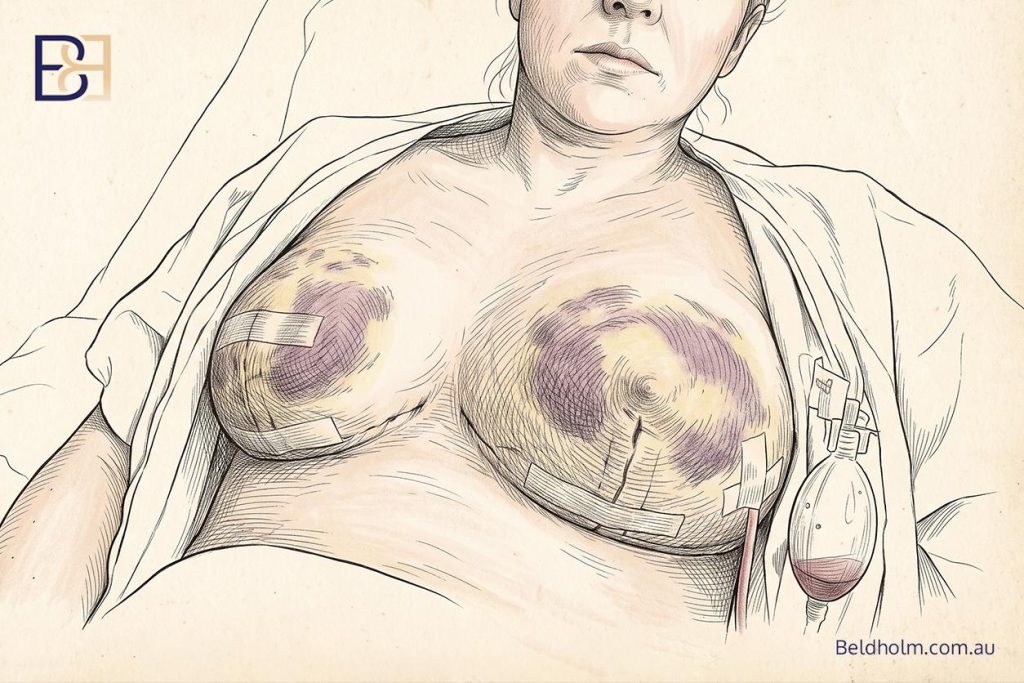
A haematoma is a collection of blood that builds up under the skin after surgery. It does not happen often, but when it does it usually shows in the first day or two, occasionally later (1). Signs include one breast becoming swollen, firm, tight, or more painful than the other.
A small haematoma may settle on its own. A larger one often needs a return to theatre so I can find the bleeding point, stop it, and clear the collected blood. That means a second anaesthetic and adds to your recovery, but dealing with it early gives the better result.
Lowering the bleeding risk
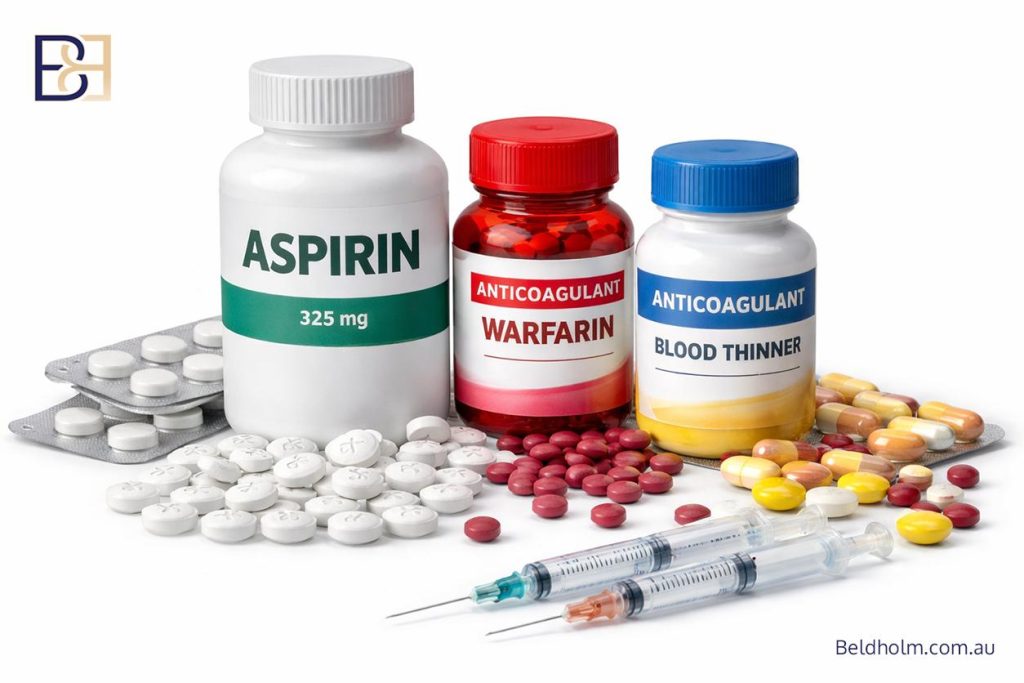
Several things raise the risk of bleeding, and some are within your control:
- Blood-thinning medications. Aspirin, anti-inflammatories, some supplements, and prescribed anticoagulants all increase bleeding. I review every medication and supplement you take, then decide which to stop and when. This is usually about a week before surgery, though some patients stay on their medication through the operation. It is planned well in advance. Do not stop any prescribed medication on your own.
- High blood pressure. Blood pressure that is not well controlled raises the risk of bleeding after surgery.
- Strenuous activity too soon. Heavy lifting and vigorous exercise in the early days can trigger bleeding, which is one reason for the activity limits I set after your operation.
I may place drains during your operation to clear fluid and blood in the first day or so. Whether you need them depends on the operation and how things look on the day.
Infection
Any surgical wound can become infected. In breast reduction (reduction mammoplasty) infection is not common, and when it happens it is usually minor and clears with antibiotics. Now and then it is more serious.
What to look out for
Infection at the surgical site tends to show in the first week or two. Signs include:
- Increasing redness or warmth around a wound
- Pain that is getting worse rather than better
- Swelling or firmness
- Fluid or pus leaking from a wound
- A fever, or feeling generally unwell
If you notice these, get in touch rather than waiting. Caught early, most wound infections settle with a course of antibiotics.
When it is more serious
A deeper infection, or a collection of infected fluid, sometimes needs more than antibiotics. That can mean draining the area, and occasionally a return to theatre. A significant infection can also delay wound healing and affect your final scar, which is one reason I take even early signs seriously.
Lowering the infection risk

Some things carry an increased risk of infection, and a few are within your control:
- Smoking, which reduces blood supply to the healing tissue
- Diabetes, particularly if blood sugar is not well controlled
- A raised BMI
- Poor nutritional status going into surgery
I give antibiotics around the time of your operation, use sterile technique, and plan your wound care. Getting your general health in good shape beforehand makes a real difference to how you heal.
Blood clots (DVT and VTE)
A deep vein thrombosis (DVT) is a blood clot that forms in deep veins, usually in the leg. The wider term for this is venous thromboembolism (VTE). It matters because a clot can break off and travel to the lungs, which is called a pulmonary embolism. That is a serious and occasionally life-threatening event.
Breast reduction (reduction mammoplasty) carries a lower clot risk than bigger operations such as abdominoplasty (5).
What raises your risk
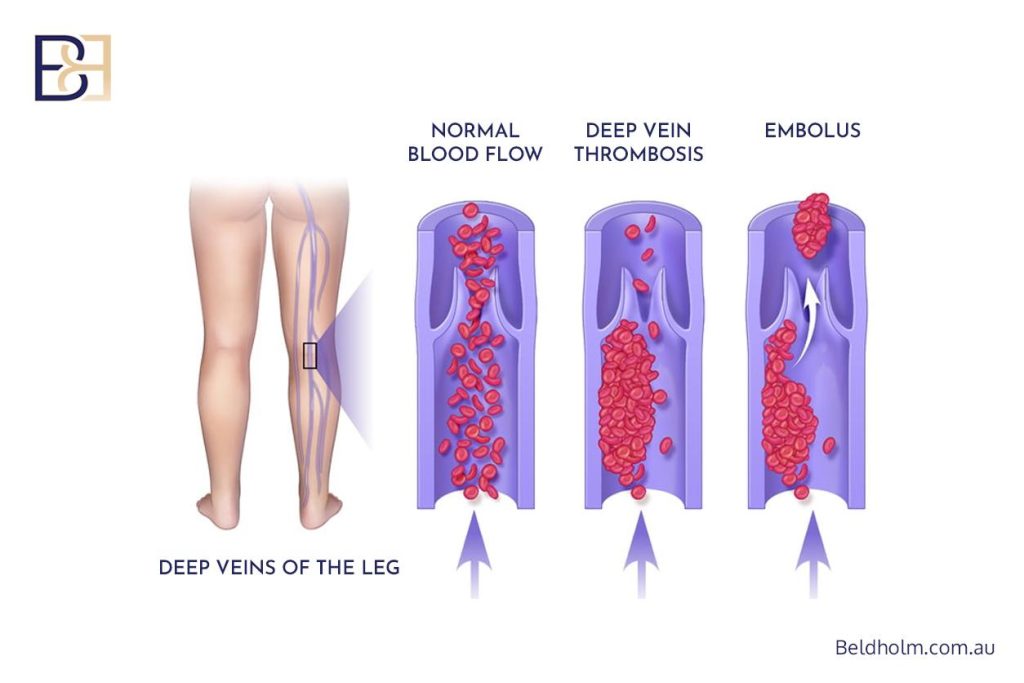
Some factors make a clot more likely:
- A previous DVT or pulmonary embolism, or a family history of clots
- A known clotting disorder
- The contraceptive pill or hormone replacement therapy
- Smoking
- A raised BMI
- Long periods of immobility, including long-haul travel around the time of surgery
- Longer operations
How I lower the risk
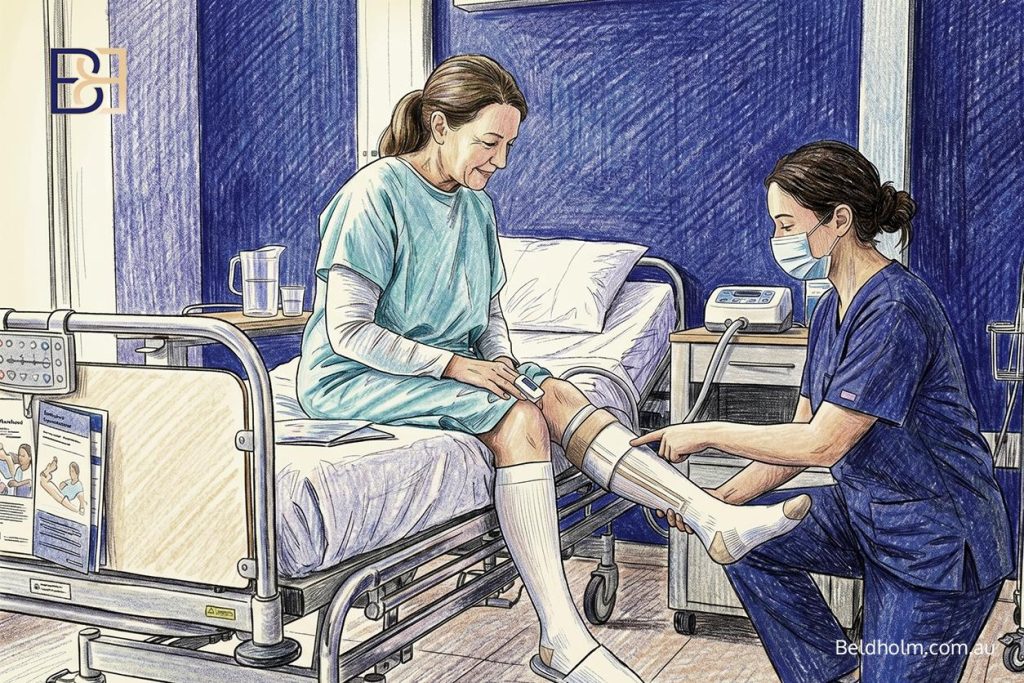
I assess your individual risk and decide what steps you need to lower it. Depending on that risk, they can include:
- Compression stockings
- Calf compression devices during your operation
- Getting you up and moving as soon as it is sensible after surgery
- Blood-thinning injections in selected patients
Early movement is one of the most useful things you can do, so I get patients mobilising early. If you are planning long-haul travel soon after surgery, tell me, because the timing matters.
Signs to act on
Contact me or seek urgent care if you notice:
- Pain, swelling, warmth, or redness in a calf or leg
- Sudden breathlessness, chest pain, or coughing up blood
Breathlessness or chest pain can signal a clot on the lung. That is an emergency, so call 000.
Scarring
Breast reduction (reduction mammoplasty) always leaves permanent scars. For most patients they are the main trade-off to weigh against the benefits.
Where the scars go
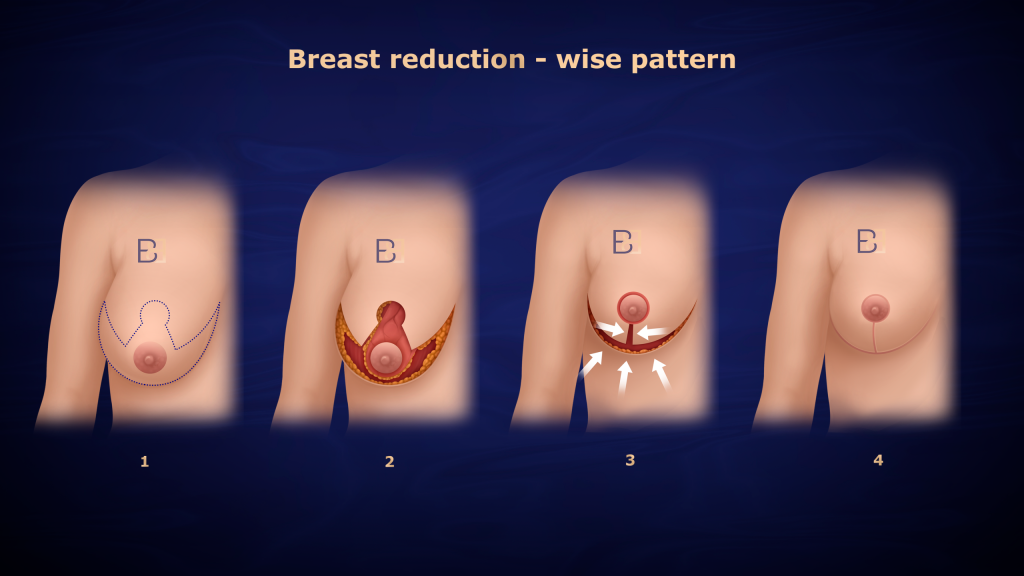
The pattern depends on your breast size, how much tissue is removed, and how much the skin and nipple position need to change. The common patterns are:
- Vertical pattern (sometimes called a lollipop scar). A scar around the edge of the areola and a single vertical line running down to the crease under the breast.
- Inverted-T pattern (sometimes called an anchor scar). The same two components plus a horizontal scar sitting in the breast crease (the breast fold). This is the most common pattern for larger reductions.
The scar in the breast crease is hidden by the breast itself in most positions. The scar around the areola and the vertical scar sit on the front of the breast.
How scars change over time
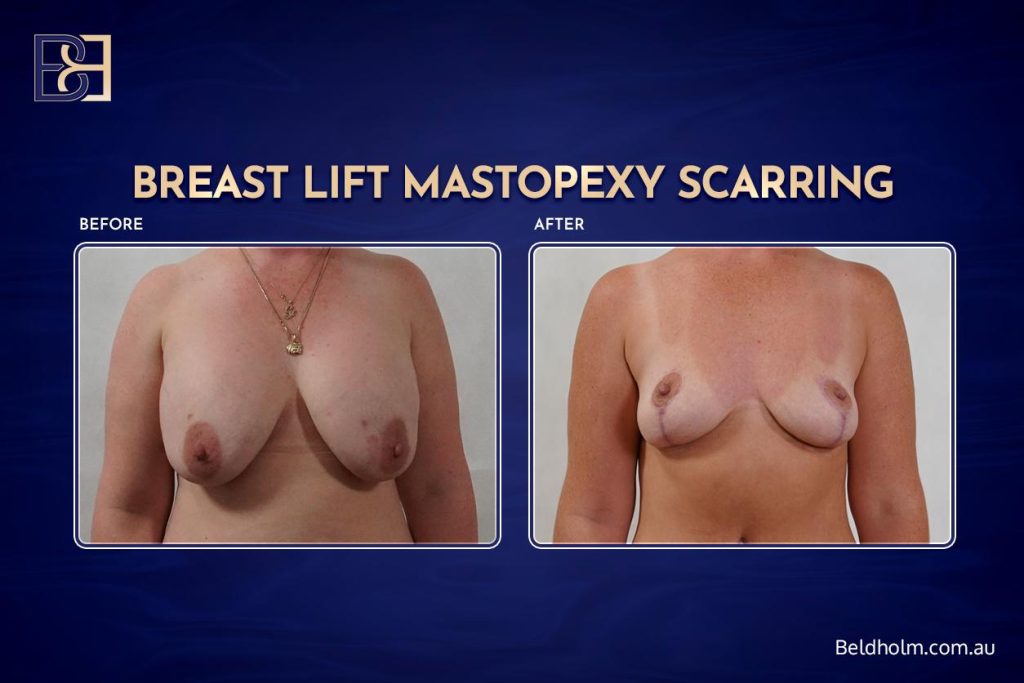
Disclaimer: Results vary, surgery has risks, seek second opinion. Operation performed by Dr Beldholm.
Scars are not finished when the wounds close. A typical scar goes through stages:
- Early on it is often red or pink, and can be raised and firm.
- Over the following months it gradually softens, flattens, and fades.
- Full maturing usually takes 12 to 18 months.
The end result is a paler, flatter line, but it is permanent. A scar never disappears altogether, and how well it settles varies from person to person. I cannot predict your exact scar quality in advance, and no surgeon can.
When scars behave differently
Some scars do not settle as expected:
- Hypertrophic scars are thickened, raised, and red, but stay within the line of the original wound.
- Keloid scars grow beyond the original wound edges. They are less common and more likely in some skin types and where there is a family history.
- Widened or stretched scars can happen where the skin is under tension, particularly at the point where the vertical and horizontal scars meet.
- Pigmentation changes. Scars can leave permanent pigmentation changes or skin discolouration, which tends to be more noticeable in darker skin.
These are more likely if you smoke, because smoking reduces blood supply to healing skin (2).
Looking after your scars
I plan your wound care and give you guidance on settling your scars. Measures that help include silicone gel or tape, light massage once the wounds have healed, and keeping the scars out of the sun. A thickened or keloid scar can sometimes be improved with steroid treatment.
If a scar settles poorly, revision surgery is an option, but it leaves a scar of its own and does not guarantee a better result.
Nipple and areola
Breast reduction (reduction mammoplasty) removes excess breast tissue, fat, and skin, then moves the nipple and areola to a higher position and usually makes the areola smaller. Removing this excess tissue, including excess fat and excess skin, is what reduces the size and weight of the breast. Because of this, changes to nipple sensation and, less often, to the nipple itself are among the more important risks to understand.
Changes in nipple sensation
Some change in nipple or breast sensation is common after this operation. It can go either way:
- Reduced sensation or numbness, which is the more common change
- Increased sensitivity, particularly in the early weeks
For many patients, altered sensation improves over the months that follow as the nerves recover. For some, the change is permanent, either in part or completely (4).
Nipple blood supply
During the operation the nipple stays attached to breast tissue that carries its blood supply, known as a pedicle. This keeps the nipple alive in its new position. Rarely, that blood supply is not enough, and part or all of the nipple and areola can be lost (3). If this happens, it is managed with wound care and, later, possible reconstruction of the nipple.
The risk of blood supply problems is higher with:
- Very large reductions, where the nipple has to move a long way
- Smoking
- Diabetes
Free nipple graft in very large reductions
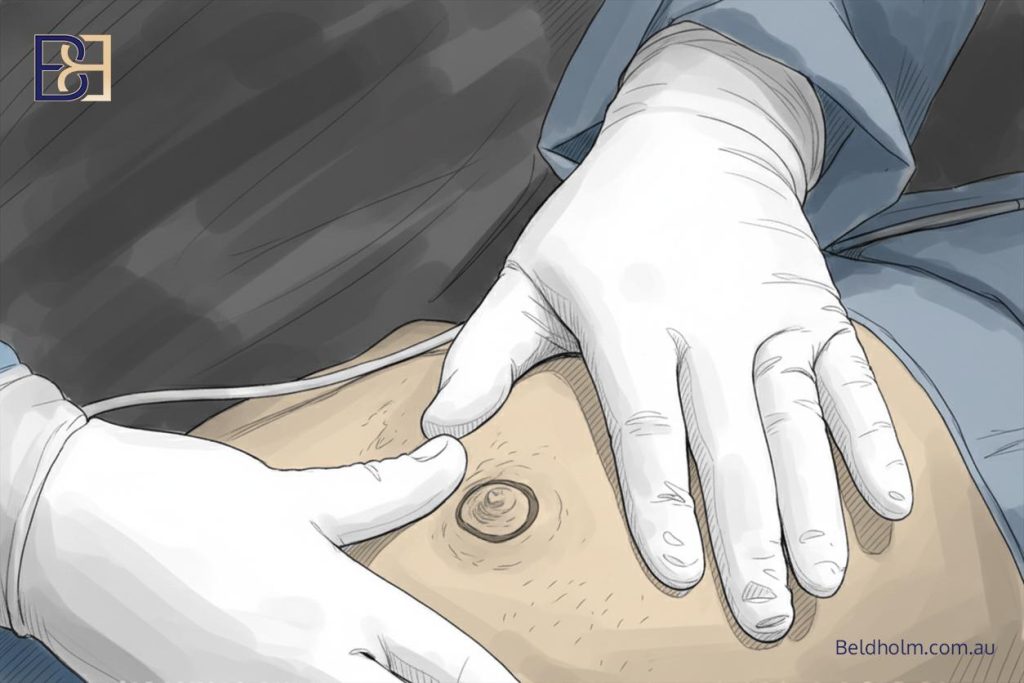
In very large breasts, a very large reduction can mean that moving the nipple on a pedicle would stretch its blood supply too far. In that situation I may remove the nipple and areola completely and replace them as a graft on the reshaped breast. This is called a free nipple graft.
A free nipple graft has trade-offs:
- The nipple loses its nerve connection, so sensation does not return
- Breastfeeding is not possible from a grafted nipple
- The colour and texture of the grafted nipple can change as it heals
I only take this route where it is the right choice for your anatomy, and I discuss it with you beforehand.
Areola changes
Reducing and repositioning the areola can also change its size, shape, and colour. Some difference between the two sides is normal. The ability of the nipple to become erect can change as well.
Wound healing problems
Most wounds heal without trouble, but breast reduction (reduction mammoplasty) creates long incisions, and some parts of them sit under more tension than others. The point where the vertical and horizontal scars meet, low on the breast, is the spot most likely to give healing problems.
Delayed wound healing and wound breakdown
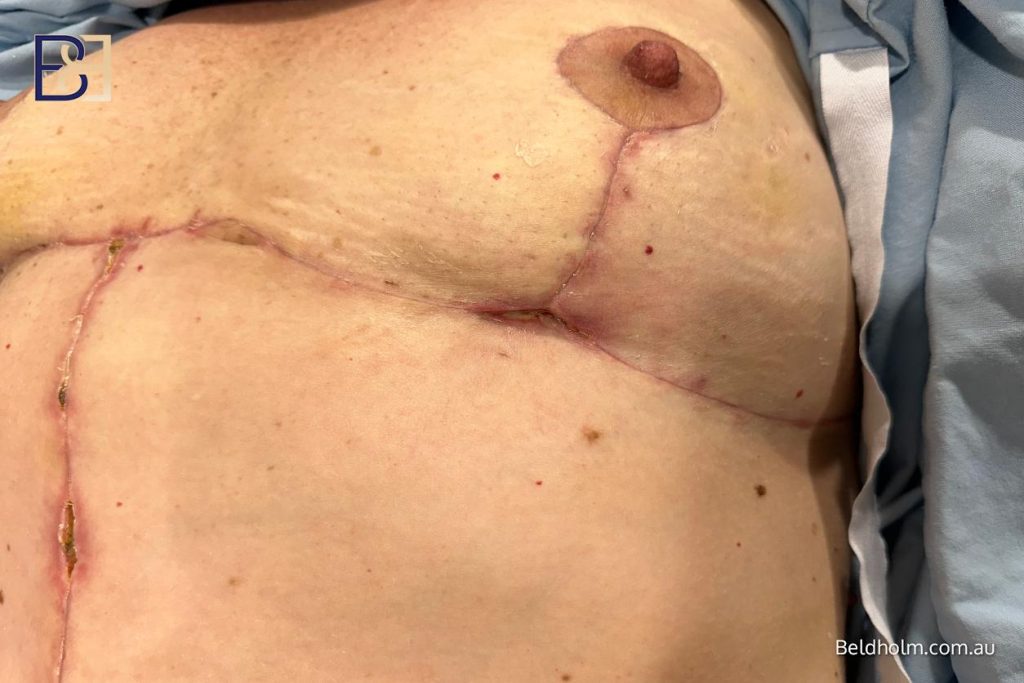
Some wounds are slow to close, or a small section of a wound opens up after it was closed. This is called wound breakdown, and it happens most often at that junction low on the breast. A small area usually heals on its own with dressings and wound care over a few weeks, though it can leave a wider scar there. Larger areas occasionally need further attention.
Fat necrosis
Fat necrosis is where an area of fatty breast tissue loses its blood supply and does not survive. It can show up as a firm lump, sometimes tender, and now and then it discharges oily fluid through the wound. Most areas of fat necrosis settle and soften over time, though a firm patch can remain (3).
A lump from fat necrosis can look like other breast lumps on a mammogram or ultrasound, which matters for your future breast screening.
Skin healing problems
The skin at the wound edges relies on a good blood supply to heal. Where that supply is poor, the edge of a wound can heal slowly or, in a small area, not survive. This delays healing and can affect the final scar.
What raises the risk, and what you can do
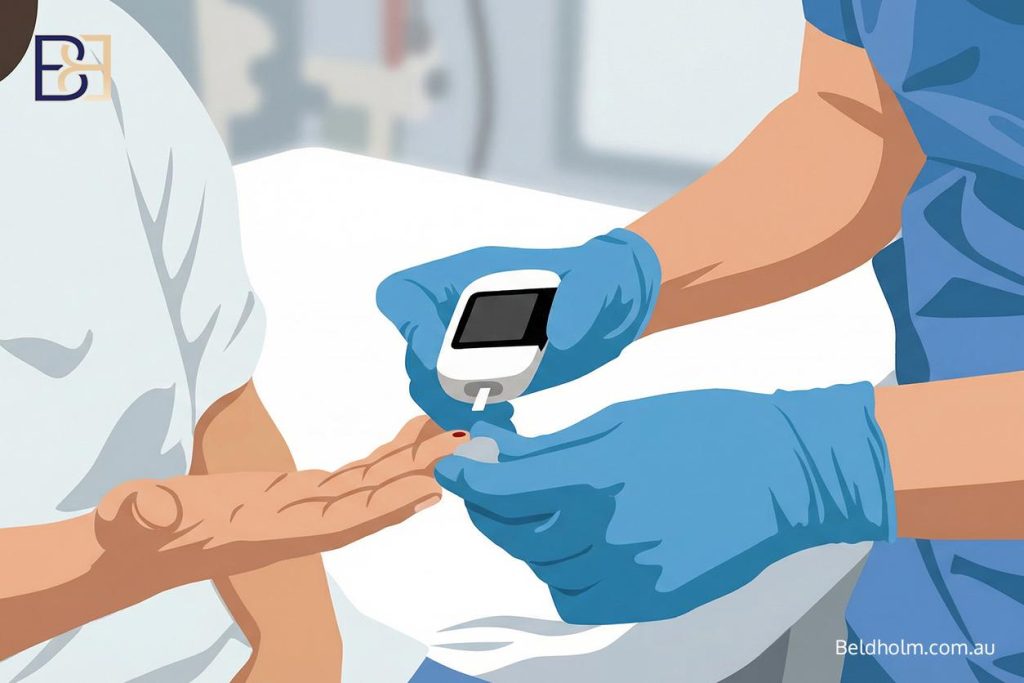
The single biggest controllable factor in all of these is smoking. Smoking narrows blood vessels and cuts the blood supply that healing skin and tissue depend on. Patients who keep smoking have far more wound healing problems (2).
Other factors include:
- Diabetes, especially with poor blood sugar control
- A raised BMI
- Poor nutritional status going into surgery
I also plan your dressings and wound care to aid healing, and review your wounds at your follow-up visits.
Altered sensation and chronic pain
Beyond the nipple, breast reduction (reduction mammoplasty) can change breast sensation across the skin more widely, and a small number of patients develop pain that lasts.
Altered breast sensation
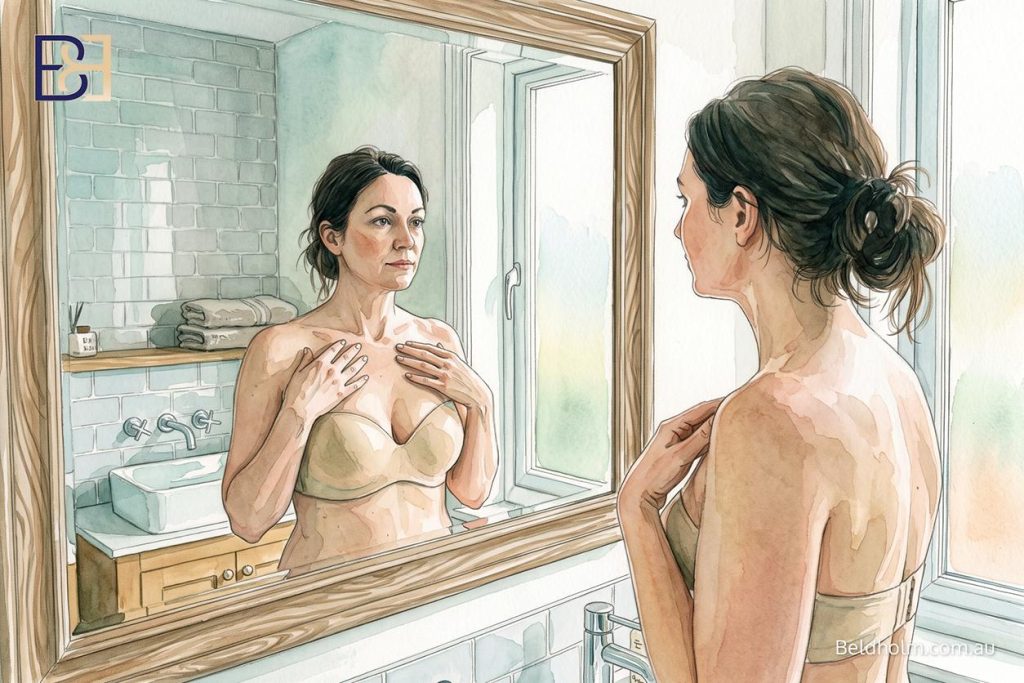
Cutting through breast tissue and skin affects some of the small nerves that supply feeling to the breast. After surgery you may notice numbness, tingling, or patches of reduced or altered feeling across the breast skin. This is common in the early weeks and months.
For most patients it settles as the nerves recover, over months rather than weeks. In some, small areas of altered or reduced sensation are permanent.
Chronic pain
Most discomfort after this operation settles as you heal. Uncommonly, some patients develop pain that persists well beyond the normal recovery period. This can be a nagging ache, or a nerve-type pain with burning, shooting, or hypersensitivity in the breast or chest wall.
Persistent pain of this kind is not common, and it can be harder to treat than the ordinary soreness of recovery. When it happens, it is managed with a stepped approach, which can include basic pain relief, nerve-type pain medication, and referral for further help if needed. For most people it eases with time.
Asymmetry, shape and the need for further surgery
Breast reduction (reduction mammoplasty) reshapes and reduces both breasts, but surgery cannot make them identical. Some difference between the two sides is normal.
Asymmetry
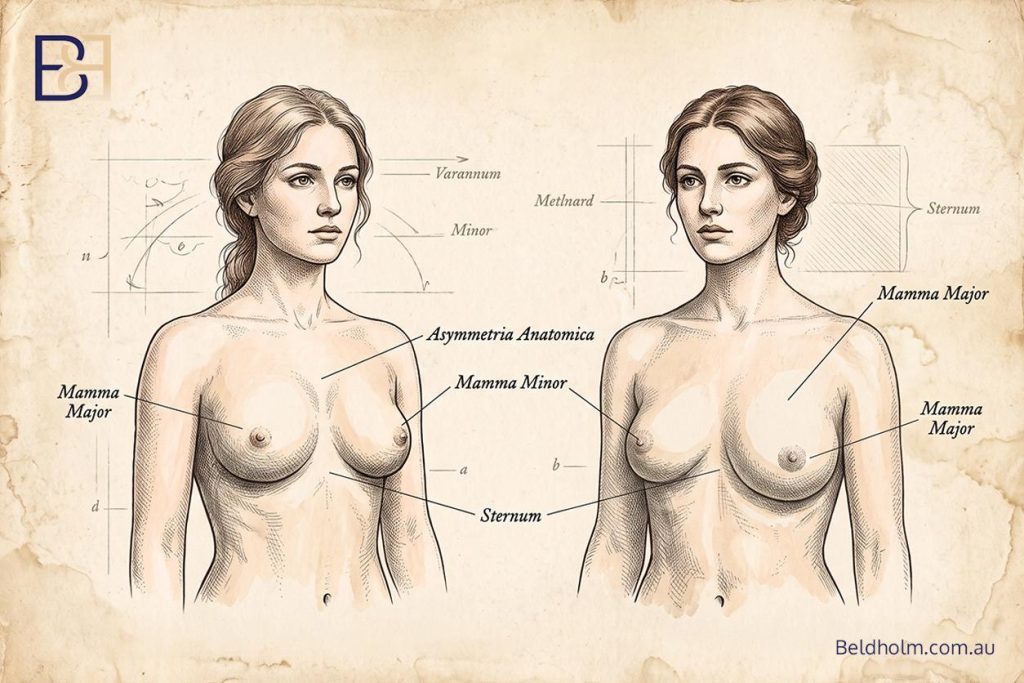
No two breasts are an exact match, before or after surgery. Most people start with some difference in size, shape, or nipple position, and I work to even that up as much as the anatomy allows. After healing, some difference in size, shape, nipple height, or scar can remain. Small differences are common and usually settle into something you would only notice on close inspection. Larger differences occasionally need revision.
Shape and contour
The shape of your breasts keeps changing for months after surgery as swelling settles and the tissues relax. A few specific issues can show up:
- Dog-ears. Small puckers of skin at the ends of the scar, most often at the outer end of the crease scar. These can settle, or they can need a minor procedure to tidy up.
- Contour irregularities. Areas of unevenness, fullness, or flatness as the breast settles.
Size and volume
We agree on a goal for your breast size before surgery, but the result is not an exact science. The final size can end up a little more or less than planned, and I cannot promise you a particular cup size. Cup sizing itself varies between bra brands.
Revision and further surgery
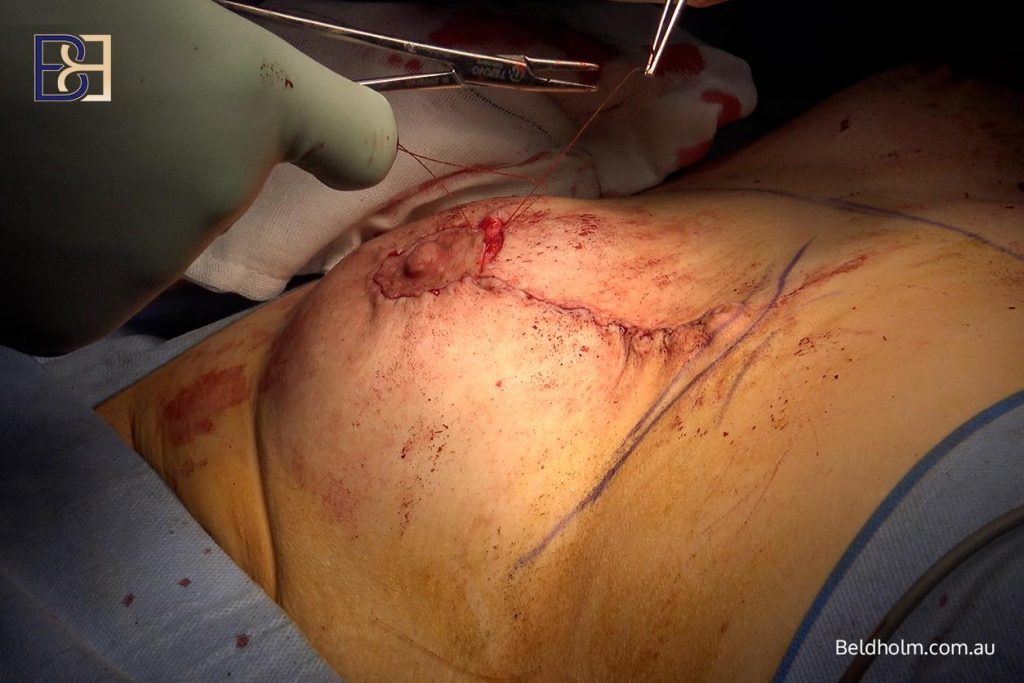
Some patients need or choose a second, smaller operation to improve symmetry, refine shape, tidy a dog-ear, or settle a scar. Sometimes it is for a healing problem, and sometimes it is fine-tuning a result. Any revision is another operation, with its own anaesthetic, risks, and scars. I go through what is realistic before you decide on surgery.
Breastfeeding after breast reduction (reduction mammoplasty)
Breast reduction (reduction mammoplasty) can affect your ability to breastfeed in future. Whether that matters to you is a personal question, and if it does, it is worth raising early.
How the operation can affect breastfeeding
The operation removes breast tissue and moves the nipple, which can interrupt some of the milk ducts and glandular tissue that breastfeeding relies on. The effect varies with the technique used and with your own anatomy.
- Where the nipple stays attached to underlying breast tissue on a pedicle, many of the duct connections are kept, and breastfeeding is often still possible (7).
- Where a free nipple graft is needed, in very large reductions, breastfeeding from that breast is not possible, because the nipple is separated from the ducts.
Even where the technique preserves ducts, some patients find their milk supply is reduced. It is not possible to predict reliably before surgery whether you will be able to breastfeed, or how much (6).
If breastfeeding matters to you

Tell me at your consultation if you are planning to breastfeed in future. It is part of how I plan the operation and its timing, and it may influence the technique. If you have recently been pregnant or breastfeeding, I generally plan surgery once breastfeeding has finished and your breasts have settled. That timing is judged for you individually, not set to a fixed number of months.
Future pregnancy and your result
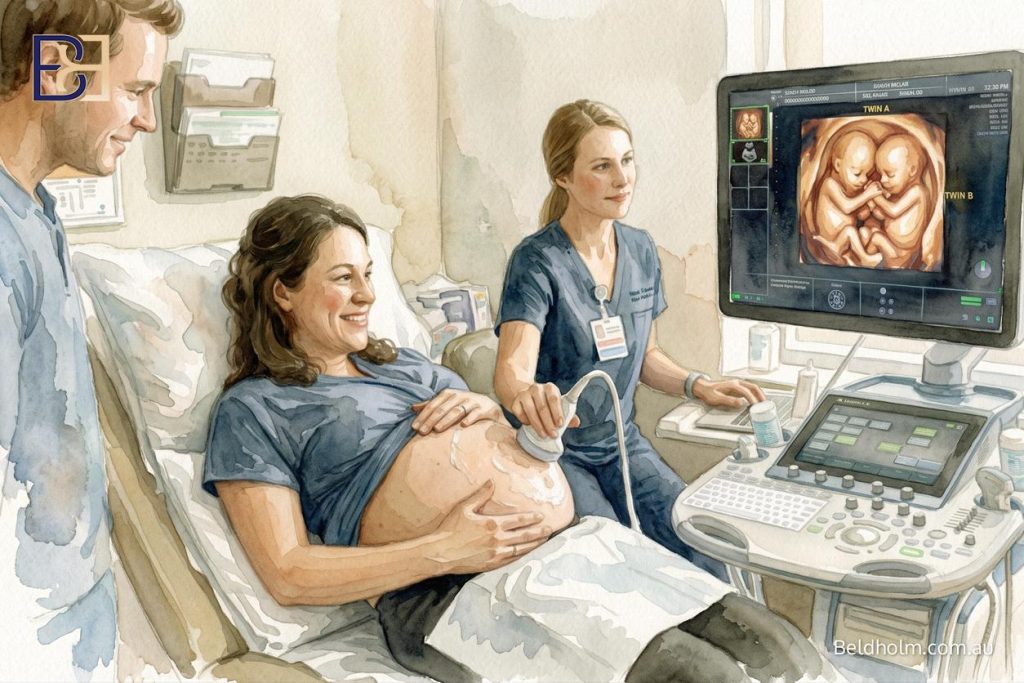
A pregnancy after your surgery can change your breasts again. They can enlarge, and their size and shape can change with the pregnancy and afterwards. This can alter the result of your operation. For that reason, where it fits your circumstances, it is often sensible to plan surgery once you have finished having children. We talk through what makes sense for you.
Breast cancer screening after breast reduction (reduction mammoplasty)
Breast reduction (reduction mammoplasty) removes and rearranges breast tissue, and that has a few implications for breast cancer screening you should know about.
Changes on future mammograms
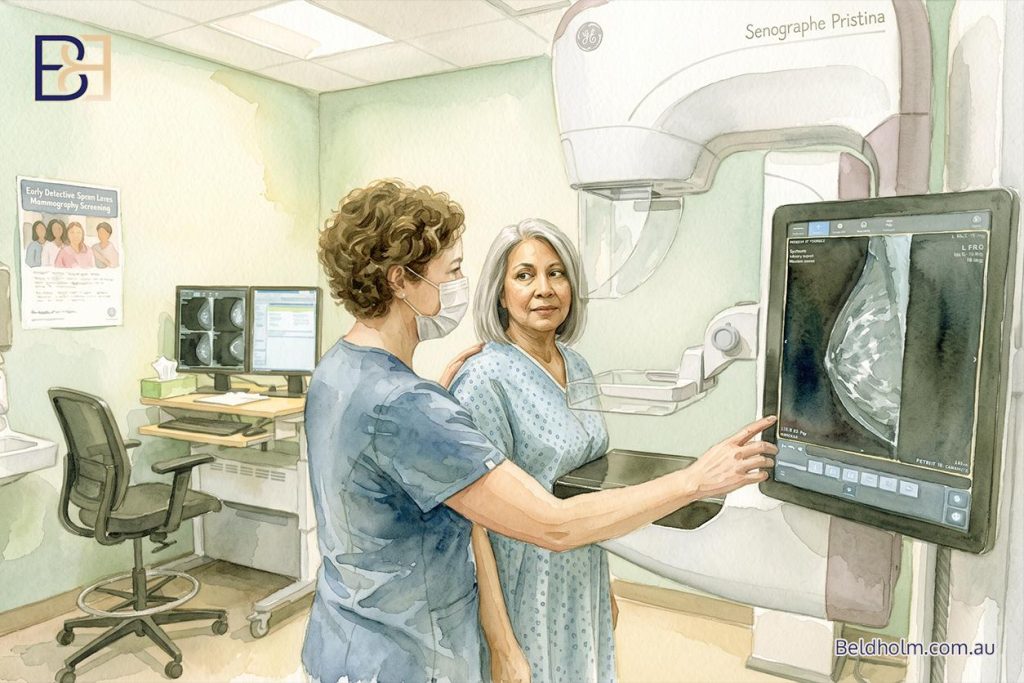
Surgery leaves its mark inside the breast as well as on the skin. Scar tissue, and areas of fat necrosis, can show up on a mammogram as changes, lumps, or calcifications. These are not cancer, but they can look similar enough that a radiologist may want extra views, an ultrasound, or occasionally a biopsy to be sure. This is more common in the first year or two after surgery, as things settle.
For this reason, I usually recommend a new baseline mammogram once your breasts have healed and settled, if you are in the age group for mammograms. That baseline gives future scans something to compare against, which makes it easier to tell surgical change from anything new.
Keep up your routine screening
Surgery does not remove the need for ongoing breast checks. Whatever screening is recommended for your age and history, through BreastScreen or your GP, still applies afterwards. If anything, having had surgery makes it more useful to stay in the screening system so your imaging stays up to date.
Tissue sent for testing
The breast tissue removed during your operation is sent to the laboratory and examined under the microscope. Occasionally this turns up an unexpected finding that needs follow-up. This is uncommon, but if it happens I talk you through it and arrange the right next steps.
Imaging before surgery
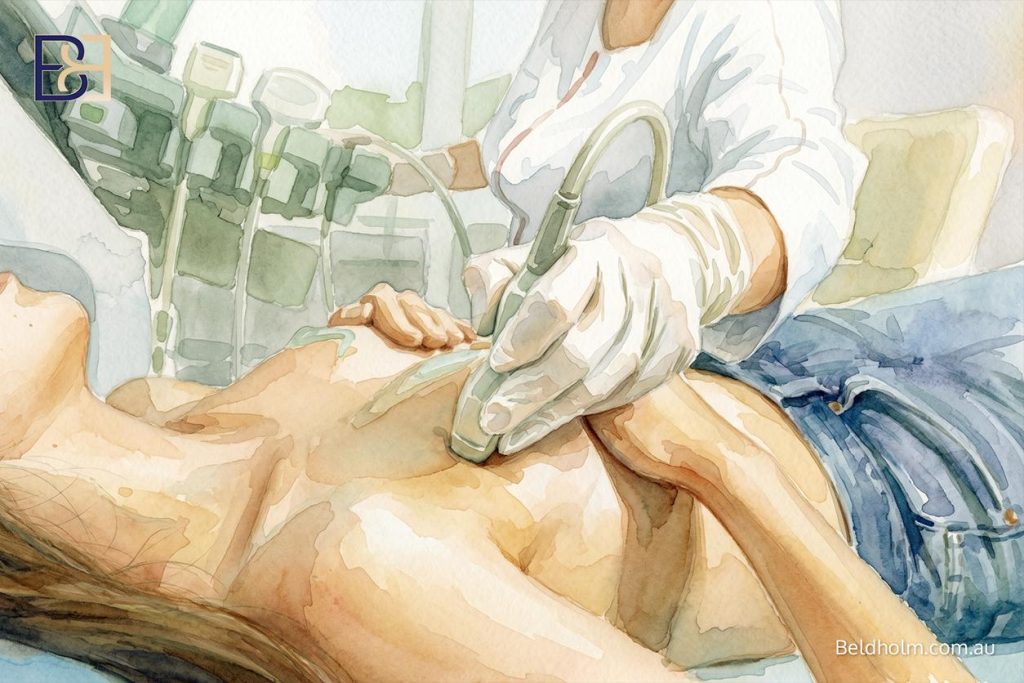
I routinely arrange breast cancer screening before surgery. In older patients this is usually a mammogram, and in younger patients an ultrasound, though the choice can depend on your breasts. This checks your breasts before anything is changed and picks up anything that should be looked into first.
Getting ready for surgery
A good result starts before the operation. Several of the risks covered above are lower when you come to surgery well prepared, and some of that preparation is in your hands.
A GP referral and consultation

A GP referral is required before I can see you. At your consultation I take a full history, examine your breasts, and assess whether breast reduction (reduction mammoplasty) is a suitable option for you. This is also where we discuss your goals, the technique I would use, and the specific risks that apply to you.
Pre-operative blood tests
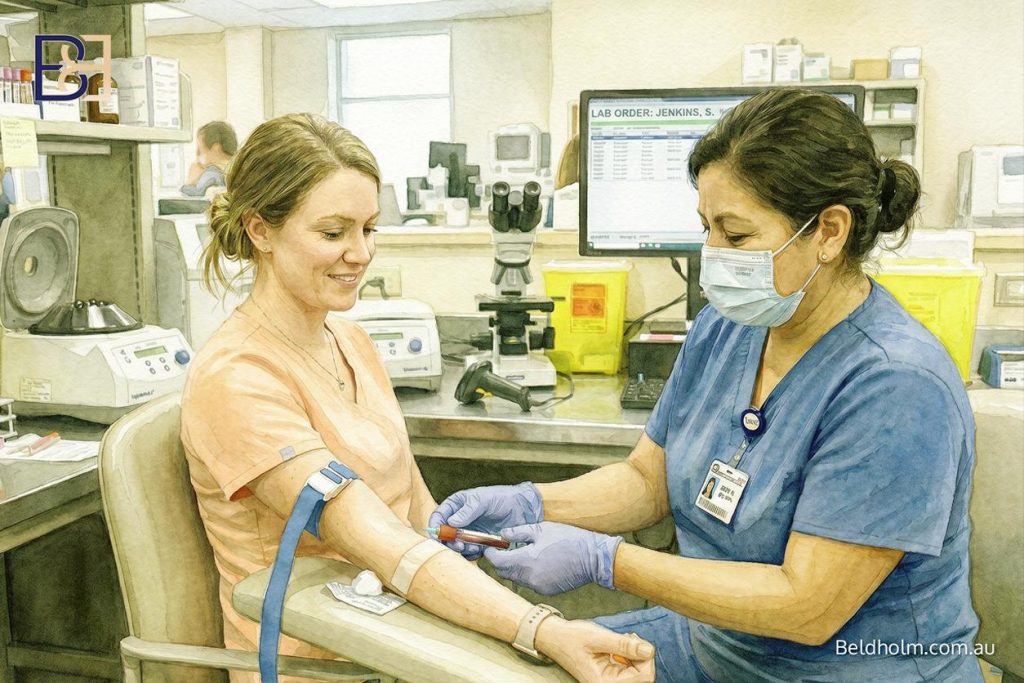
Before surgery I arrange a set of routine blood tests. These check your general health and flag anything that should be sorted out before a surgical procedure. The standard panel includes:
- Full blood count
- Kidney function (urea and electrolytes)
- Liver function
- A clotting (coagulation) screen
- Hepatitis B, hepatitis C, and HIV
- A pregnancy test where relevant
You can read more about what these tests involve in my guide to pre-operative blood tests.
Stopping smoking

If you smoke, stopping well before surgery is the single most useful thing you can do to lower your risk of complications. Smoking raises the risk of wound healing problems, infection, chest problems, and trouble with the nipple’s blood supply. I usually ask patients to stop for six weeks before surgery and six weeks after.
Medications and general health

I review every medication and supplement you take and tell you which to stop and when, including blood thinners. Do not stop any prescribed medication on your own. Getting any long-term conditions, such as diabetes or blood pressure, well controlled before surgery also helps you heal.
Help at home

Arrange some help at home for the first week or so, particularly if you have young children or a physically demanding routine. You will have lifting and activity restrictions in the early weeks, and it is easier if that is planned for in advance. It also helps to have a surgical bra ready, as you will wear this support bra for several weeks after surgery. You will also need to remove any nipple piercings before surgery.
Follow-up and getting help after surgery
Looking after you does not stop when you leave hospital. Good aftercare picks up problems early, when they are easier to deal with.
My follow-up schedule
Book your appointment online now
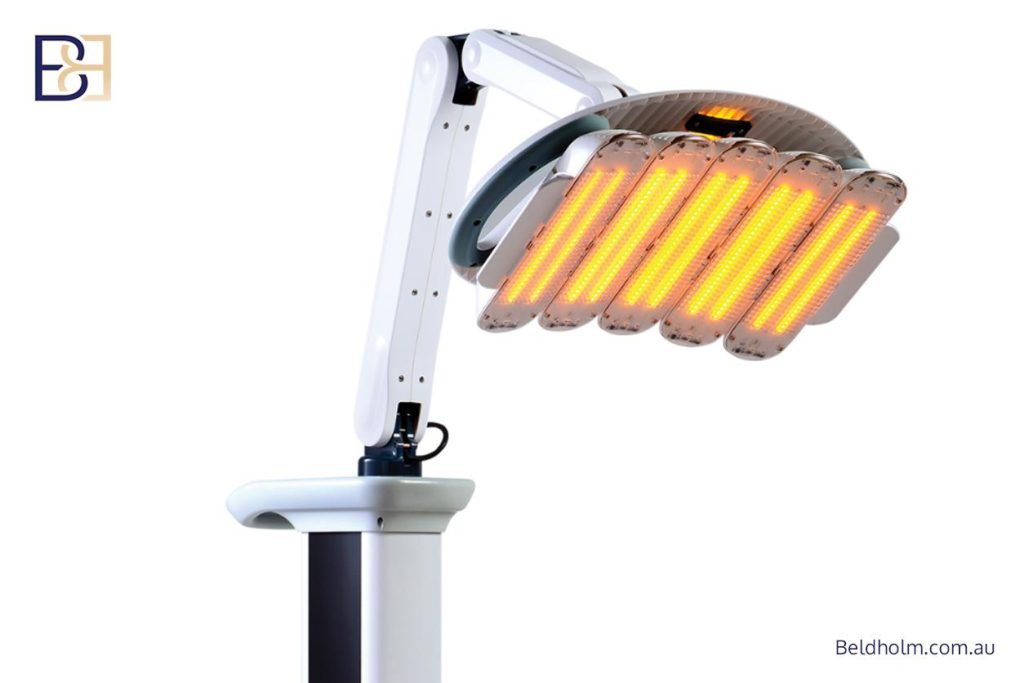
I keep a close eye on you early. In the first two weeks after surgery you are seen often, by my nurse and by me, and this includes LED light therapy to support healing. After that I review you at four weeks, three months, six months, and twelve months. At these visits I check how your wounds and scars are healing, how your breasts are settling, and how you are recovering overall. It is also your chance to raise anything you are unsure about. At the four-week visit I hand your ongoing care back to your GP, who manages your longer-term health.
If something is not right between visits
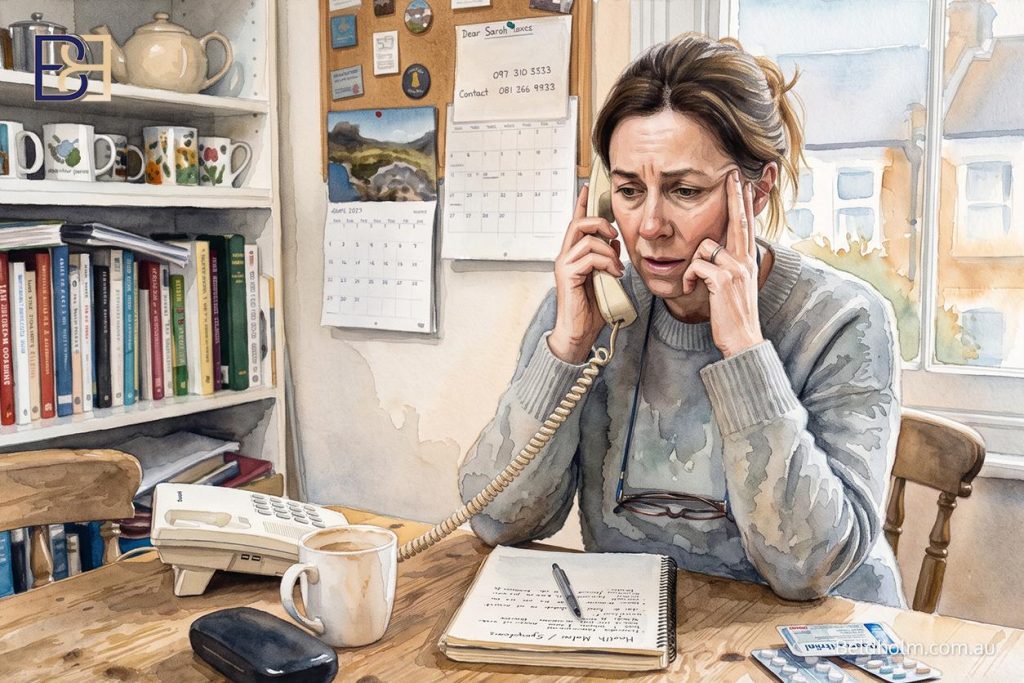
If you have a concern between appointments, you do not have to wait. During office hours, call my rooms and we will deal with it. After hours, contact Maitland Private Hospital, where the nursing staff can talk through your symptoms over the phone and advise you what to do. If you need to be seen and examined, your local emergency department is the right place. For anything that feels life-threatening, such as chest pain, severe breathlessness, or heavy bleeding, call 000. Maitland Private is not an emergency department.
A considered decision

Breast reduction (reduction mammoplasty) is major surgery that carries risks, and the results vary from person to person. Whether it is the right choice for you depends on your body, your health, and what you want, and it is not the only option worth considering. My job is to give you the full picture, including the potential complications on this page, so you can make a decision you are comfortable with. We work through all of it together at your consultation.
References
- Cang ZQ, Zhang Y, Mu SQ, Peng P, Li Y, Zhang ZX, Cao J. Complications of superomedial versus inferior pedicle reduction mammaplasty: a systematic review and meta-analysis. Aesthetic Plast Surg. 2025;49(1):184-197.
- Liu D, Wu M, Xu X, Luo L, Feng J, Ou Y, Zhang Y, Panayi AC, Cui Y. Risk factors and complications in reduction mammaplasty: a systematic review and meta-analysis. Aesthetic Plast Surg. 2023. doi:10.1007/s00266-023-03387-y.
- Suber J, Berry G, Janszen P, Haddad R, Janszen S. Postoperative complications following reduction mammaplasty in relation to patient body mass index. Eplasty. 2024;24:e41.
- Francalancia S, Lou M, McIntire D, Sobti N, Barrow B, Marquez-Garcia J, Kwan D, Sullivan R, Liu P, Breuing K. Evaluation of permanent nipple-areolar complex sensitivity loss following reduction mammaplasty. Aesthet Surg J. 2025;45(2):NP50-NP56.
- Rubio GA, Zoghbi Y, Karcutskie CA, Thaller SR. Incidence and risk factors for venous thromboembolism in bilateral breast reduction surgery: an analysis of the National Surgical Quality Impr*vement Program. J Plast Reconstr Aesthet Surg. 2017;70(11):1514-1519.
- Koussayer B, Taylor J, Warner J, Alkaelani MT, Blount T, Wainwright D, Threet A, Le NK, Whalen K, Coughlin E, Mhaskar R, Kuykendall L. Breastfeeding ability after breast reductions: what does the literature tell us in 2023? Aesthetic Plast Surg. 2024;48(6):1142-1155.
- Kraut RY, Brown E, Korownyk C, Katz LS, Vandermeer B, Babenko O, Gross MS, Campbell S, Allan GM. The impact of breast reduction surgery on breastfeeding: systematic review of observational studies. PLoS One. 2017;12(10):e0186591.