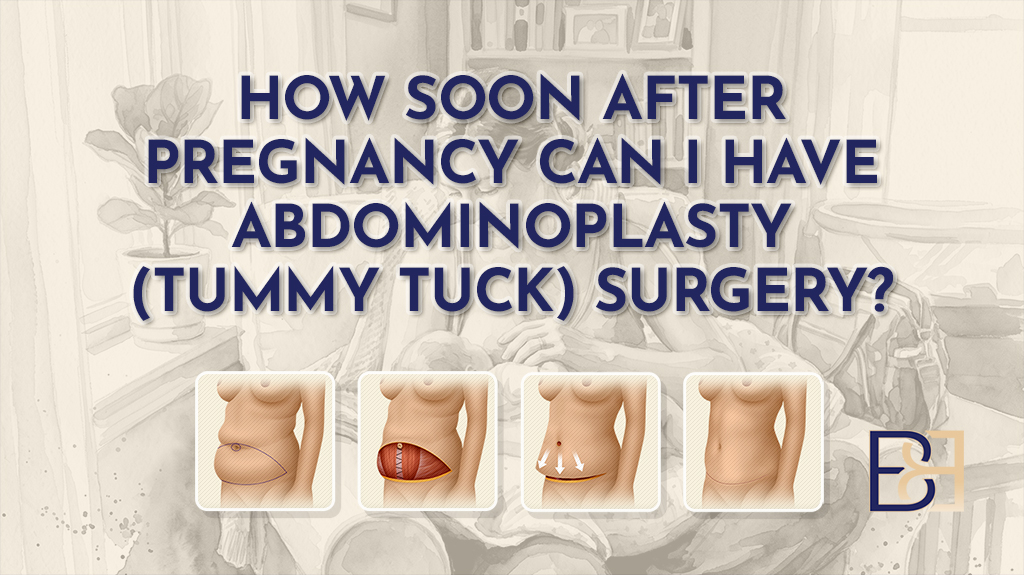
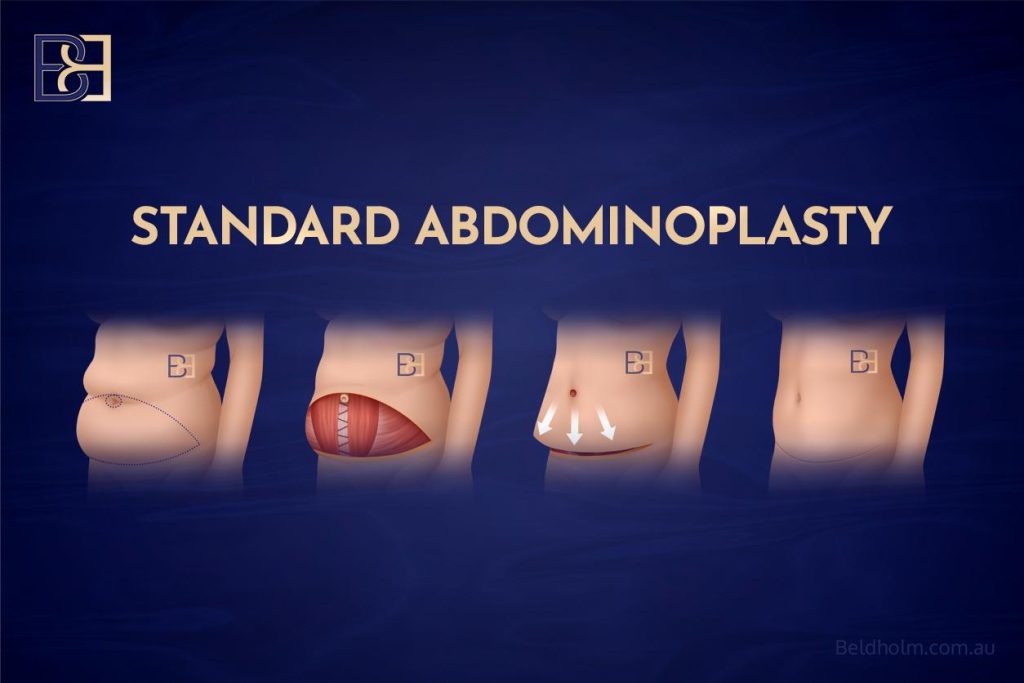
After a post pregnancy abdominoplasty (tummy tuck), the incision runs low across the lower abdomen and heals under some tension once the loose skin has been removed and the remaining skin drawn down and closed. How that closed incision is dressed and supported in the first week is part of the wound management plan I discuss with every patient.
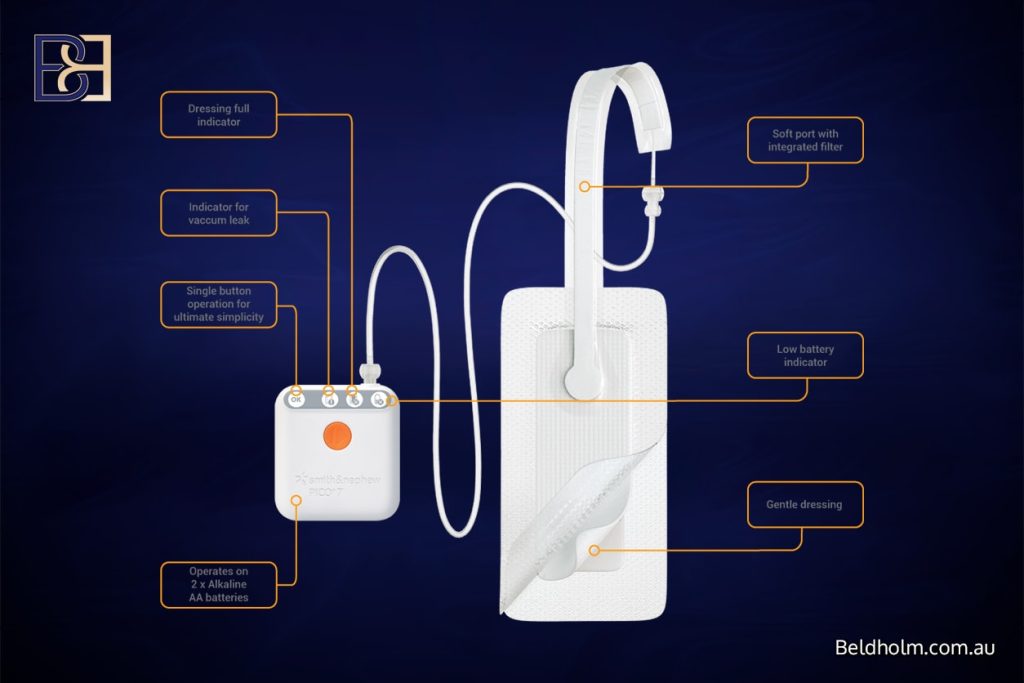
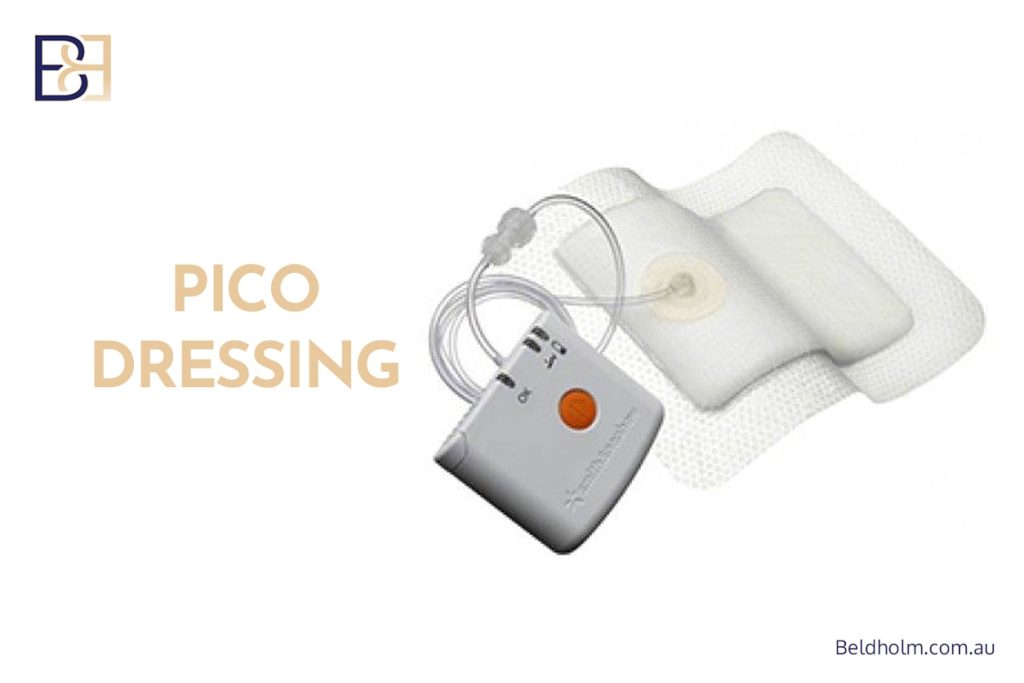
For most of my post pregnancy abdominoplasty patients, I place single-use negative pressure wound therapy (PICO) on the closed incision at the end of the operation. It is a small, canister-free unit that applies continuous negative pressure of around 80 mmHg across the length of the wound. This page explains what the therapy is, why I use it, what the published evidence does and does not show, and what to expect while you are wearing it.
One point applies throughout. Whether this therapy, or any part of your surgery, suits you is assessed individually at consultation, and healing varies from one patient to the next.
What negative pressure wound therapy is

Negative pressure wound therapy is a dressing system that applies controlled suction to a wound rather than just covering it. The version I use, PICO, is a single-use system made for closed surgical incisions, which is different from the larger canister-based machines used for open wounds.
The unit has 2 parts:
- A soft adhesive dressing that seals over the closed incision.
- A small battery-powered pump, about the size of a mobile phone, connected to the dressing by a thin tube.
Once switched on, the pump applies continuous negative pressure of around 80 mmHg across the whole length of the dressing. There is no canister to empty, which is why the unit stays compact and can be worn under clothing.
Mechanically, the therapy is intended to:
- Hold the edges of the closed incision together and reduce sideways tension on the wound.
- Support blood flow in the skin at the edges of the incision, which is one of the proposed mechanisms.
The aim is to support the incision through the early healing process.
I apply it in theatre at the end of the operation, and it is usually worn for about 7 days before it is removed at your first dressing check. The pump runs quietly and has indicator lights that show it is working, which I explain further on.
Why I use it on post pregnancy abdominoplasty incisions
A post pregnancy abdominoplasty procedure leaves a long, low incision that runs across the lower abdomen, roughly from one hip to the other. Where a patient has a caesarean scar from an earlier caesarean birth, I remove that scar with the excess skin, and the new incision always sits low, below where it was. The result is a single horizontal wound that has to heal along its full length.
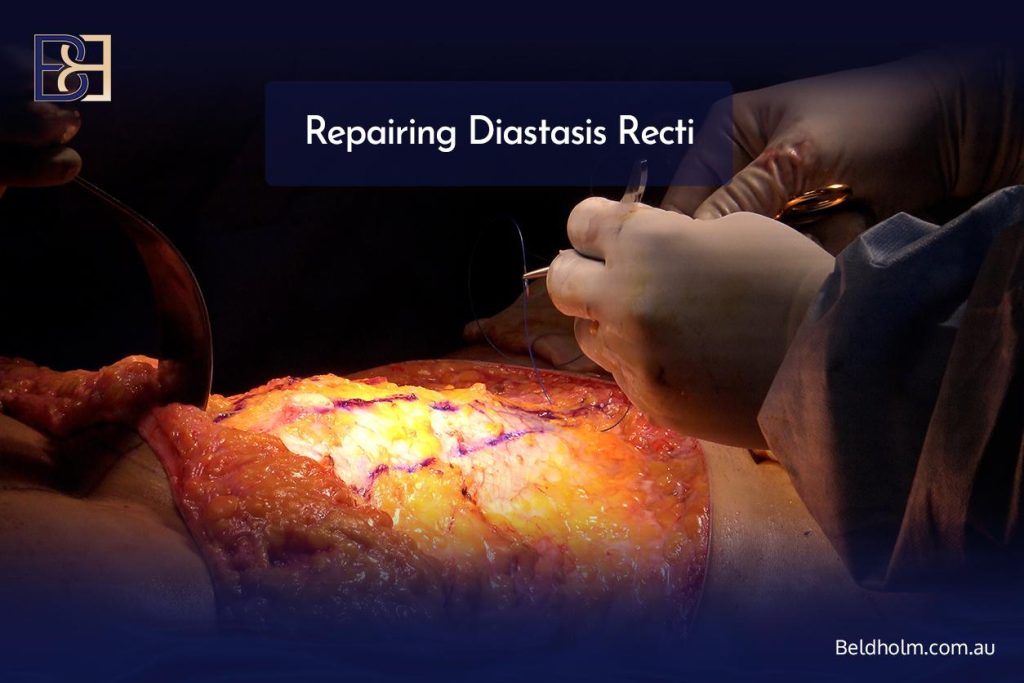
That skin closure is under some tension. Loose skin is removed and the remaining skin is drawn down and stitched along the full length of the wound. The repair of the abdominal muscle separation (diastasis recti), where the muscles are brought back towards the midline and stitched, is a separate step in the deeper layer and does not add tension to the skin wound.
This is where I use PICO. Placed over the closed incision, it is intended to:
- Take some of the sideways tension off a skin closure that is already tight after the skin removal.
- Keep a sealed barrier over the fresh incision for the first several days.
This therapy does not remove the risks of the operation, and it is not a substitute for the surgery itself or for your part in recovery. What the published evidence shows is covered next.
What the evidence does and does not show
The evidence on negative pressure wound therapy for closed surgical incisions is mixed, and most of it does not come from abdominoplasty. This is what the research does and does not support.
Where the evidence is stronger
Most of the published research on closed incision negative pressure wound therapy comes from other types of surgery, including caesarean sections, joint replacement, vascular surgery, and general abdominal procedures (1). The most consistent finding across these fields is a lower rate of surgical site infection, and some reviews also report fewer wound healing problems such as wound separation (2,3). A large review concluded with moderate certainty that the therapy reduces surgical site infection, while finding its effect on wound separation less certain (1). Even so, the certainty of this evidence is generally rated low to moderate, so the size of any benefit is not settled (1).
What the evidence shows about seroma
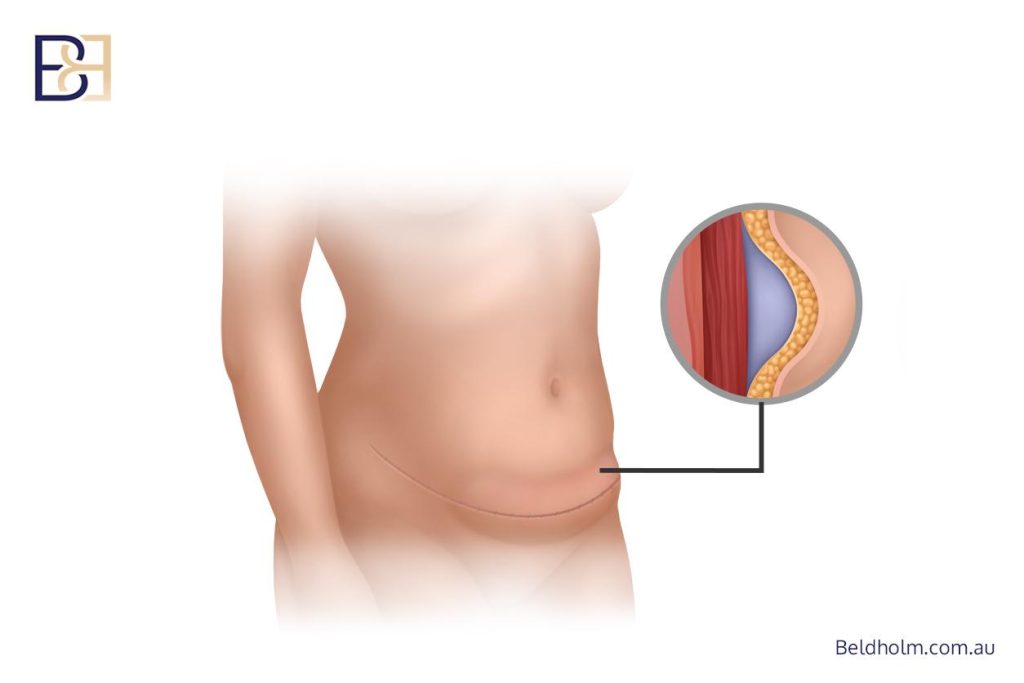
Seroma is a separate question, and here the evidence does not support a clear benefit for abdominoplasty. A seroma after abdominoplasty forms in the deep space between the lifted skin and the muscle layer beneath it. A dressing applied to the skin surface does not act on that deep space, so there is little mechanical reason to expect it to prevent this kind of fluid collection, and the research fits that logic. In the setting closest to abdominoplasty, the abdominal wound left after breast reconstruction using abdominal tissue, a 2025 review found no significant reduction in seroma, though it did find fewer wound separations (2,3). Some trials in other types of abdominal surgery have reported less seroma, but those incisions do not involve a large lifted skin flap, so the finding does not carry across (4). In abdominoplasty, the deep space that produces seroma is managed by the surgery itself, through the way the tissue layers are secured, not by the surface dressing.
Where the evidence is weaker or negative
Not every study has found a benefit, even for infection. Some trials of abdominal surgery found no reduction in wound infection compared with a standard dressing (5). Results vary with the type of surgery, the patient group, and how each study was run, so findings from one field do not automatically carry across to another.
What this means for abdominoplasty
The abdominoplasty-specific evidence is limited. The studies that exist are mostly small, and their results are mixed. In the wound most like an abdominoplasty closure, the therapy reduced wound separation but did not clearly reduce seroma or infection (2,3). There is not yet a large, high-quality trial that settles the question for post pregnancy abdominoplasty in particular.
My position
I use PICO on the closed incision for the mechanical support it gives the wound edges. In my practice its main value is holding the incision together and lowering the chance of a minor wound breakdown or a superficial skin infection, which is also where the published evidence is strongest, though that evidence is not uniform. It does not prevent seroma, though. Whether a seroma forms comes down to the operation itself, particularly how the deep layers are secured. The dressing looks after the skin incision, and that is what I rely on it for.
How it fits into your operation and recovery
You do not need to do anything to set the therapy up. I apply the PICO dressing and pump in theatre at the end of the operation, over the closed incision, before you wake up.
While you are wearing it
- The dressing usually stays on for about 7 days, until your first wound review. Please do not remove it yourself.
- The pump is small and battery-powered. You can clip it to your clothing or keep it in a pocket, and it runs continuously.
- A steady green light means it is working normally. If it starts flashing or buzzing, it is telling you something needs attention, usually a loose edge on the dressing or a low battery. If that happens and you cannot settle it, contact the practice.
- The dressing is water-resistant, not waterproof. Light showering with it on is fine if you follow the instructions you are given, but do not submerge it in a bath or pool, and keep the pump itself dry.
Moving about
Getting up and walking soon after surgery matters for your circulation, and the dressing does not stop you doing that. Normal walking around the house is encouraged from early on. What you need to avoid in the first weeks is heavy lifting, straining, and bending, and I will give you specific limits before you are discharged.
Recovering with young children at home

Most of my post pregnancy patients have small children, and the reality is that the early recovery does not fit easily around lifting toddlers. In the first weeks you should not be lifting young children or carrying anything heavy, because that pulls directly on the healing incision and the muscle repair beneath it. It is worth arranging help at home for the first week or 2 so that you are not the one doing the lifting. This applies to the operation as a whole rather than the dressing, but it is the part patients most need to plan for.
Taking it off
Dressing removal happens at your review, around 7 days after surgery, and I check the incision at the same visit. From that point, wound care continues with standard dressings or tapes, which I will explain at the time.
Limitations and when it may not be used
PICO suits most of my post pregnancy abdominoplasty patients, but not all. These are the situations where I would use something else.
The cost of the dressing

The PICO dressing and pump are single-use items, so they carry a cost. This forms part of the hospital cost. For patients with private health insurance, it is charged to the insurer. If you do not have private insurance, the hospital will provide you with a quote for the hospital charges.
The adhesive does not suit every skin
The dressing seals to the skin with an adhesive. Some people have sensitive skin or react to adhesives, and in that case the dressing can irritate the skin or lift at the edges. If you have had trouble with dressings or tapes in the past, tell me at consultation, because it may change what I use.
When I would use a conventional dressing instead
Not every surgeon uses this dressing. I would use a standard dressing rather than PICO if you have a known adhesive or dressing sensitivity, a skin condition affecting the lower abdomen, or if you would prefer not to use it after we have discussed it. The incision is then looked after in the usual way. None of this changes the operation itself, only how the closed incision is dressed.
Book your appointment online now
Risks and recovery realities
PICO is a dressing. It supports the closed incision, but it does not change the fact that a post pregnancy abdominoplasty is a major operation with real risks. Those risks belong to the surgery, not to the dressing, and they are much the same whether or not this therapy is used.
Risks to understand
I take every patient through these in detail at consultation. In brief, the main ones are:
- Bleeding, and less commonly a collection of blood under the skin (haematoma) that may need to be drained.
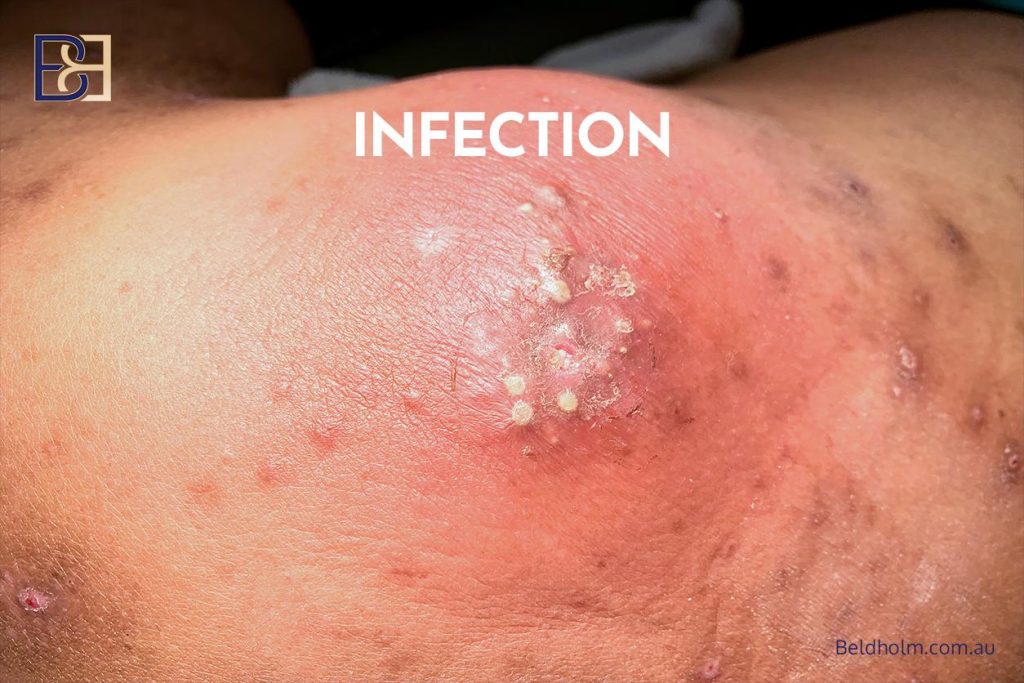
- Infection, which can involve the wound or the deeper tissue and may need antibiotics or, less often, a return to theatre.
- Seroma, a collection of fluid under the skin. This is one of the more common issues after abdominoplasty and is managed by drawing the fluid off, sometimes more than once.
- Slow healing, or a small area of the wound coming apart, particularly along the central part of the incision. This is more likely in people who smoke or who have diabetes.
- Reduced or altered sensation in the skin of the lower abdomen. This is common early on and usually settles over months, though some numbness can be lasting.
- Blood clots in the legs or lungs. This is uncommon but serious. Early walking and the clot-prevention plan I set for you both help reduce the risk.
The scar
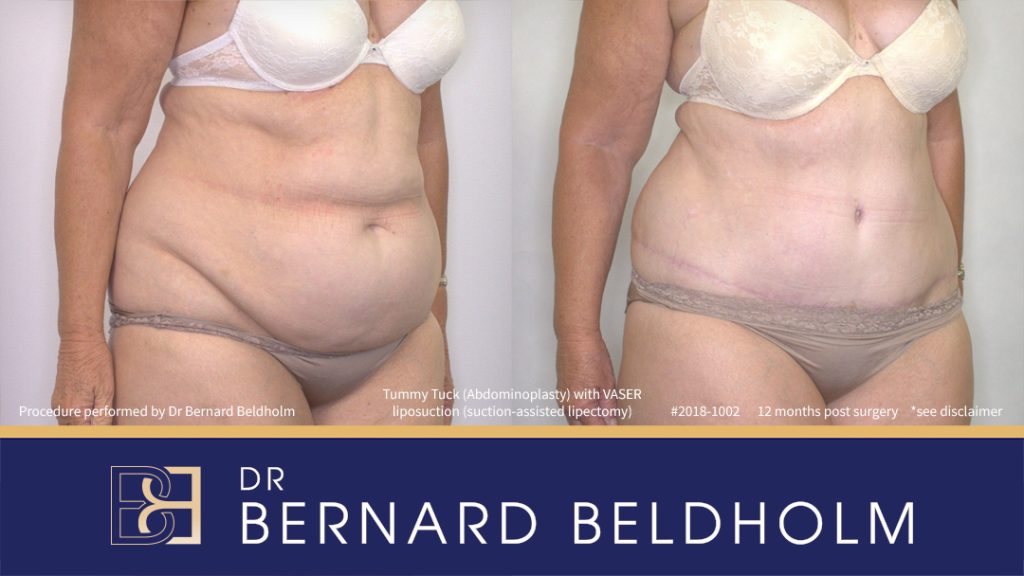
A post pregnancy abdominoplasty leaves a permanent scar across the lower abdomen. In the early months it is usually raised and pink or red, and it then flattens and fades. Scar maturation takes time, in the range of 18 months to 2 years, and the final appearance varies from person to person. Some people form thicker or more raised scars than others. The dressing looks after the incision in the first week only. The longer-term look of the scar depends on how you heal, your skin, and how the scar is cared for over that longer period.
What recovery actually asks of you
This is a bigger operation than many patients expect, and the recovery reflects that. You will need to rest in the early weeks. Swelling, tightness, and some pain across the lower abdomen are normal for weeks and can take some months to fully settle. I review you in person at 4 weeks, 3 months, 6 months, and 12 months, so the healing is followed across that whole period rather than judged early. If any part of your recovery differs from the usual pattern, we manage it as it comes.
Common questions
Is the dressing uncomfortable to wear?
Most people find the unit light and barely notice it during the day, but it is not the same for everyone. You may feel the adhesive on your skin or a mild pulling over the incision, particularly when you move. The dressing itself is not usually a source of pain. If the dressing is causing real discomfort, or the skin around it becomes itchy or sore, contact the practice rather than adjusting it yourself.
Can I sleep, dress, and move around with it on?
Yes. The pump is small enough to sit in a pocket or clip to your clothing, and you can sleep with it on. Loose clothing over the area sits better in the first week while there is swelling. The pump itself does not restrict your movement. Any limits on activity in that first week come from the operation, not the dressing.
Does PICO replace a drain?
No. A drain sits under the skin and removes fluid from the deep space, while PICO works at the skin surface over the closed incision. They do different jobs. Many of my post pregnancy abdominoplasty patients are closed without a drain, but that decision is made on how the operation goes, not on whether the dressing is used. If you do have a drain, it is managed separately.
Will it make my scar look better?
Not by acting on the scar itself, so I would not want you to expect a particular result from the dressing alone. What it does is hold the wound edges together and lower the chance of a breakdown or a superficial infection while the incision is healing. A wound that heals cleanly, without separating or becoming infected, tends to settle into a better scar than one that runs into those problems. So by helping the incision through that early phase, I do expect it can make some difference to how the scar turns out. It is one factor among several. The longer-term appearance still comes down to how you heal, your skin type, and how the scar is cared for over the 18 months to 2 years it takes to mature, and I go through scar care with you at your reviews.
References
- Norman G, Shi C, Goh EL, et al. Negative pressure wound therapy for surgical wounds healing by primary closure. Cochrane Database Syst Rev. 2022;(4):CD009261.
- Dunson B, Kogan S, Grosser JA, Davidson A, Llull R. Influence of closed-incision negative pressure wound therapy on abdominal site complications in autologous breast reconstruction. Plast Reconstr Surg Glob Open. 2023;11(10):e5326.
- Levit T, Olaiya O, Lavoie DCT, Avram R, Coroneos CJ. The use of negative pressure wound therapy for breast surgeries: a systematic review and meta-analysis. Plast Surg (Oakv). 2025. doi:10.1177/22925503251336253.
- Maharjan M, Anandhi A, Sureshkumar S, Keerthi AR, Sudharshan M, Kate V. Prophylactic negative pressure wound therapy in reducing surgical site infections in closed abdominal incision: a randomized controlled trial. Adv Wound Care (New Rochelle). 2024;13(3):123-130.
- Flynn J, Choy A, Leavy K, et al. Negative pressure dressings (PICO) on laparotomy wounds do not reduce risk of surgical site infection. Surg Infect (Larchmt). 2020;21(3):231-238.