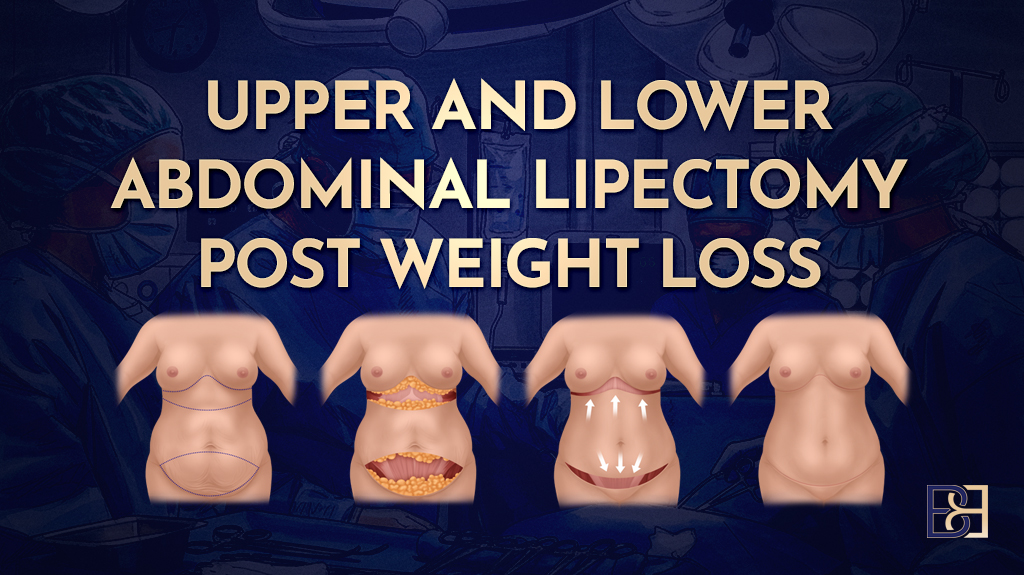
Upper torsoplasty surgery in men is a specialised surgical procedure and a form of upper body lift performed after massive or significant weight loss, including after bariatric surgery. It is considered in men who have achieved long-term weight loss but are left with persistent excess skin, loose skin, and residual excess fat across the male chest, lateral chest wall, upper back, flanks, and the transition between the chest and upper abdomen.
Disclaimer: Operation performed by Dr Bernard Beldholm. Adult content: surgery has risks; individual results vary. Seek a second opinion. Please see the full disclaimer.

Unlike smaller body contouring surgery or isolated plastic surgery procedures, an upper torsoplasty involves long incision lines that may extend across the anterior chest, around the sides of the chest near the axilla, and into the upper back. These incision patterns, combined with the quality of post–weight-loss skin, create a complication profile quite different from that of routine chest surgery or liposuction (suction-assisted lipectomy).
All patients undergoing upper torsoplasty under my care are treated within a structured perioperative framework that includes detailed preoperative assessment, surgery performed in a fully accredited hospital environment, and a defined postoperative follow-up schedule coordinated through my clinic. This information is intended to help patients understand the realities of upper torsoplasty as it is performed in my practice and to approach surgery with realistic expectations.
Why Complications Are More Common After Upper Torsoplasty
Men undergoing upper torsoplasty and broader upper body surgery after major weight loss present with a unique combination of risk factors. Years of skin stretching from excess body weight, followed by significant or sustained weight loss, significantly alter the blood supply and mechanical properties of the skin.
In upper torsoplasty, complications are more common because:
- The skin of the chest and upper back has reduced elasticity and reduced vascularity after massive weight loss
- Long incision lines are required to remove large skin folds in the upper torso
- High-tension areas exist, particularly where the chest incision transitions into the lateral chest wall and back
- The shoulder girdle and arm movement place ongoing stress on healing wounds
- Many patients have nutritional deficiencies or medical conditions following bariatric surgery
For these reasons, upper torsoplasty surgery and other forms of upper body lift and body lift carry a higher complication risk than isolated chest procedures
Early (Short-Term) Complications After Upper Torsoplasty
Bleeding and Haematoma

What this complication is
A haematoma is a collection of blood that forms beneath the skin along the upper torsoplasty incision lines. In upper torsoplasty, haematomas most commonly occur in the chest or lateral chest wall, but they can also develop along the back component of the incision.
Why it occurs
In upper torsoplasty, haematomas are most often caused by a specific blood vessel that begins to bleed after surgery has been completed. In my experience, this bleeding is frequently arterial rather than general oozing. Normal postoperative blood pressure changes, coughing, or early movement once general anaesthesia has worn off can contribute to this.
It is important to understand that haematomas cannot be prevented by compression garments or surgical drains. While these measures help manage fluid and support the tissues, they do not stop an actively bleeding vessel.
How it is managed
Small, stable haematomas may be monitored closely. An expanding haematoma, increasing pain, or tight swelling along the chest or back incision is a surgical emergency and usually requires urgent return to theatre to evacuate the blood and secure the bleeding vessel.
Prompt treatment is essential, as haematomas significantly increase the risk of wound infection and wound breakdown in upper torsoplasty patients.
Seroma Formation After Upper Body Lift (torsoplasty) Surgery
What this complication is
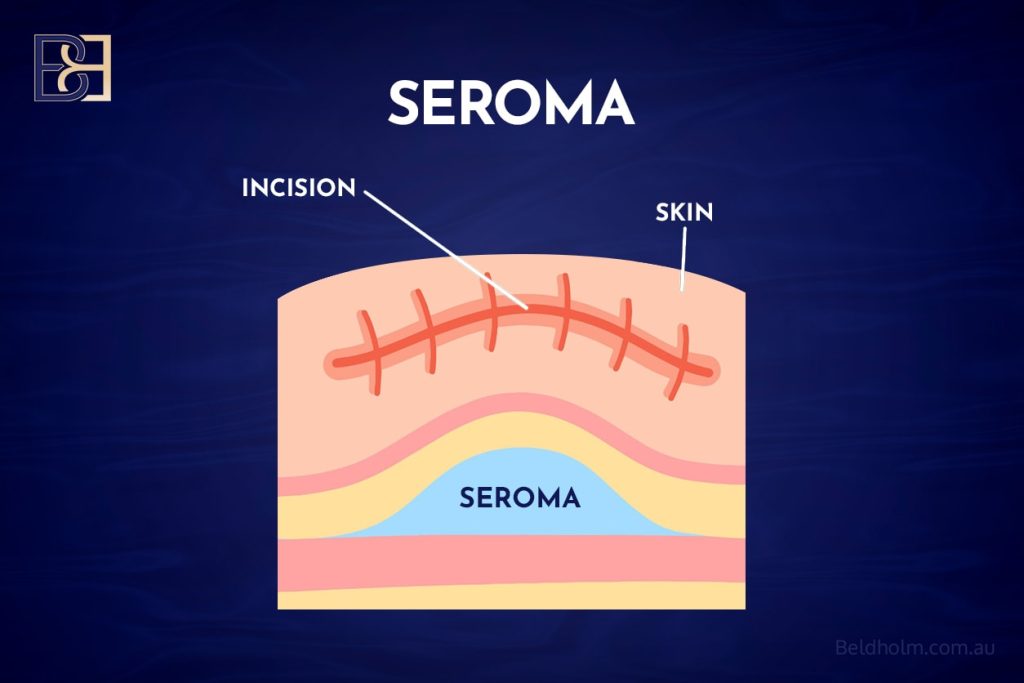
A seroma is a collection of clear fluid that forms beneath the skin after surgery. It is one of the most common complications following upper torsoplasty, particularly when a circumferential approach involving the back has been performed.
Why it occurs
Upper torsoplasty creates large potential spaces beneath the skin after the removal of excess skin from the chest and upper back. Disruption of lymphatic channels is most pronounced in the upper back, flank extension, and lateral chest wall, making these areas particularly prone to seroma formation.
How it is managed
Small seromas may resolve without intervention. Persistent seromas are typically managed by needle aspiration during follow-up visits. Some patients require repeated aspirations, particularly when seromas occur in the upper back, where fluid can reaccumulate.
Although frustrating, seromas rarely affect the final contour when managed appropriately.
Delayed or Poor Wound Healing and Wound Breakdown After Upper Torsoplasty
What this complication is
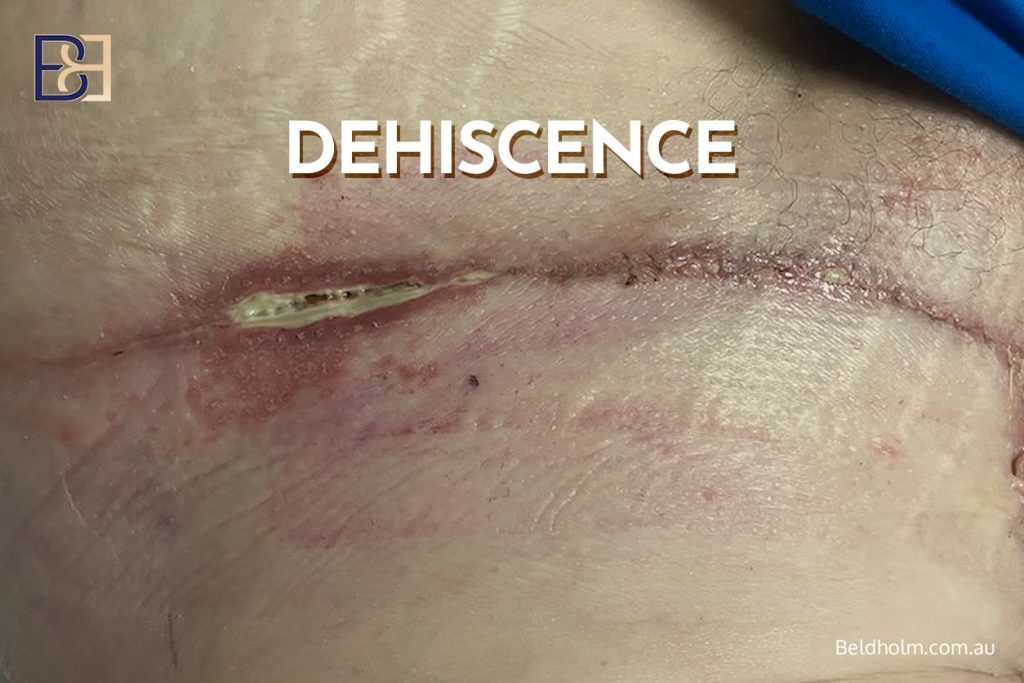
Delayed wound healing refers to incisions that take longer than expected to heal. In upper torsoplasty, this may progress to wound breakdown, where part of the incision opens. These breakdowns most commonly occur along the long incision lines of the chest and back.
Why it occurs
Wound breakdown after upper torsoplasty is usually multifactorial. Common contributing factors include poor blood supply to post–weight-loss skin, high wound tension from the removal of large skin segments, and infection.
Specific areas prone to breakdown include the lateral chest wall near the axilla, where tension is greatest as the anterior chest incision curves into the posterior back incision. The upper back is also vulnerable due to thicker tissue, movement across the shoulder blades, and reduced skin compliance. Smoking, nutritional deficiencies, and diabetes further increase risk.
How it is managed
Small wound breakdowns along the chest or lateral chest wall are usually managed conservatively with regular cleaning, appropriate dressings, and close monitoring. These wounds typically heal by secondary intention.
Larger wound breakdowns, particularly in the lateral chest or upper back, are initially managed with careful wound care and regular cleaning until the wound is clean and healthy granulation tissue is present. Once the wound bed is optimised and free of infection, formal closure in theatre is generally recommended to achieve reliable healing and optimal scar quality.
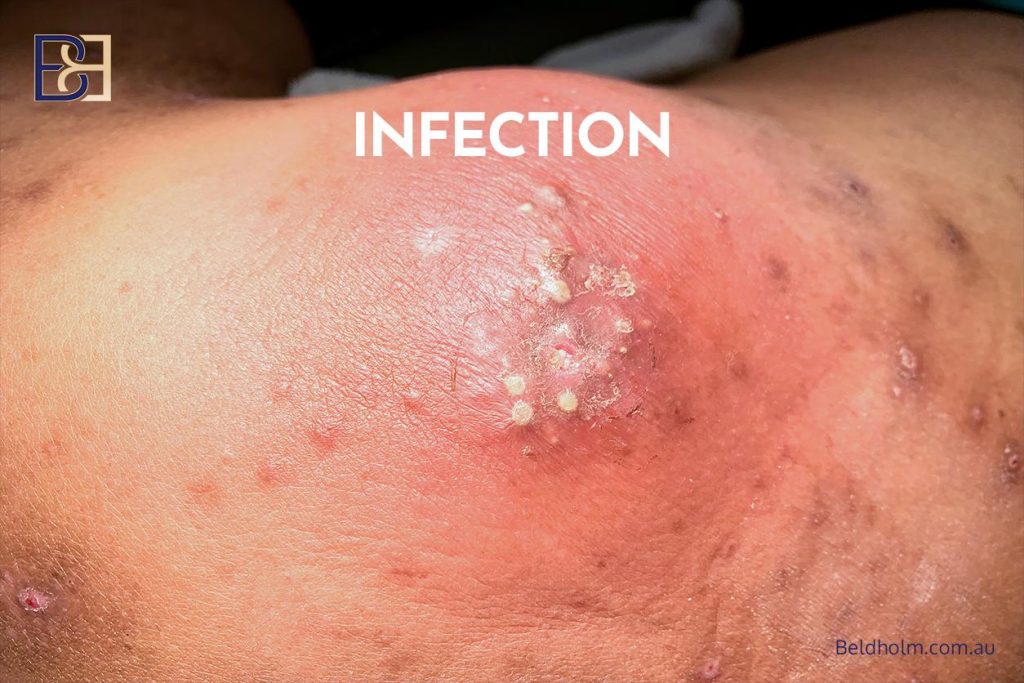
Wound Infection
What this complication is
A wound infection occurs when bacteria enter the surgical site along the chest, lateral chest wall, or back incisions.
Why it occurs
Upper torsoplasty involves long incision lines and large surgical fields. Fluid collections, such as seromas or haematomas, particularly in the upper back or lateral chest, increase the risk of infection.
How it is managed
Most wound infections are treated with early antibiotic therapy. If infected fluid collections are present, drainage is required. In more severe cases, surgical washout may be necessary.
Book your appointment online now
Intermediate Complications After Upper Torsoplasty
Skin or Flap Necrosis
What this complication is
Skin or flap necrosis refers to partial loss of skin along the upper torsoplasty incision, most commonly at the edges of the chest or back wounds.
Why it occurs
Necrosis is more likely at high-tension areas, particularly along the lateral chest wall and posterior back, where blood supply may be marginal. Smoking, aggressive skin excision, and prior surgery further increase risk.
How it is managed
Small areas of skin necrosis are usually managed with local wound care and time. Larger areas may require surgical debridement and later revision. Skin necrosis can result in wider or more noticeable scars.
Nipple–Areola Complex Complications
What this complication is
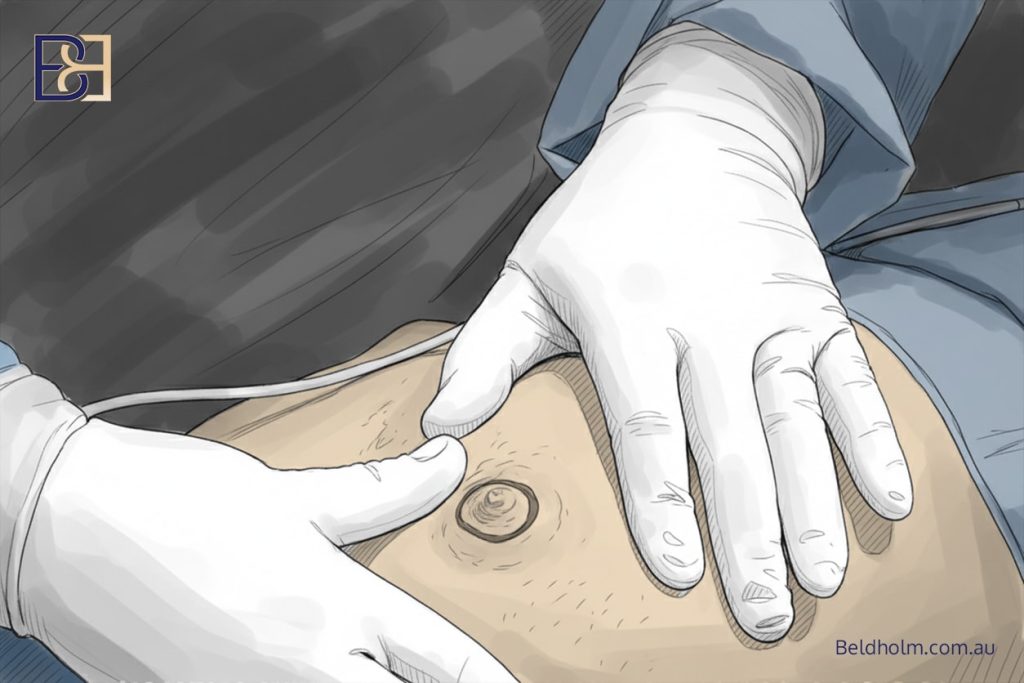
When the anterior chest is part of upper torsoplasty, complications may affect the nipple–areola complex, including delayed healing, pigment changes, contour irregularity, or altered sensation.
Why it occurs
Extensive skin excision and repositioning of the chest skin can compromise the blood supply, particularly when free nipple grafting is required in severe cases of excess skin.
How it is managed
Most issues are managed with observation, dressings, and time. Secondary revision surgery may be considered once healing and scar maturation are complete.
Sensory Changes
What this complication is
Altered sensation such as numbness, tingling, or hypersensitivity of the chest, lateral chest wall, or upper back.
Why it occurs
Sensory nerves are stretched or divided during extensive skin removal and tightening across the upper torso.
How it is managed
Most sensory changes resolve gradually over months. Some areas of altered sensation may be permanent and should be anticipated before surgery.
Late (Long-Term) Complications After Upper Torsoplasty
Scarring Concerns
What this complication is
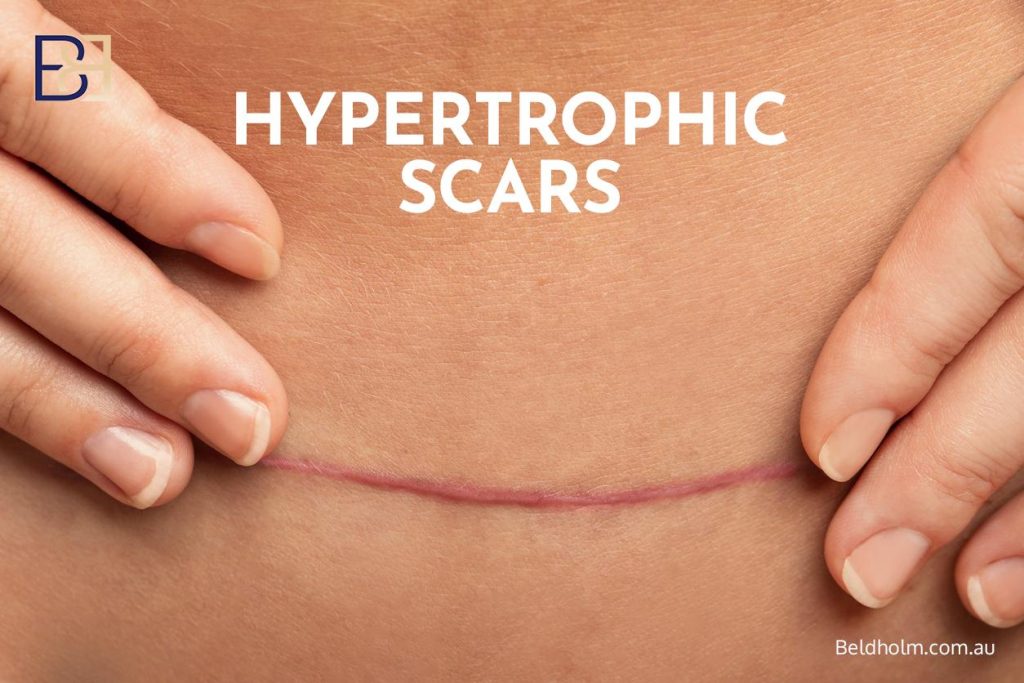
Scars that are wide, raised, thickened, or asymmetrical along the chest, lateral chest wall, or upper back incision lines.
Why it occurs
Scar quality is influenced by genetics, wound tension, delayed healing, and infection. High-tension areas such as the lateral chest are particularly prone to wider scars.
How it is managed
Scar management may include silicone therapy, steroid injections, laser treatment, or surgical scar revision. Scars continue to mature for up to 18–24 months.
Contour Irregularities and Residual Lax Skin
What this complication is
Uneven contour, residual fullness, or persistent loose skin of the chest, lateral chest, or upper back after surgery.
Why it occurs
After massive weight loss, skin recoil is often poor. Weight fluctuations and ageing further affect long-term contour.
How it is managed
Observation is recommended until healing stabilises. Revision surgery may be considered in selected patients.
Recurrent Skin Folds and Skin Irritation
What this complication is
Persistent or recurrent skin folds, most commonly near the underarm, lateral chest wall, or upper back.
Why it occurs
Limitations in skin quality after massive weight loss mean that not all laxity can be corrected in a single upper torsoplasty.
How it is managed
Skin care measures may help reduce irritation. Skin revision excision may be appropriate when large skin folds cause functional impairment.
Systemic Risks Associated With Upper Torsoplasty and Body Lift Surgery
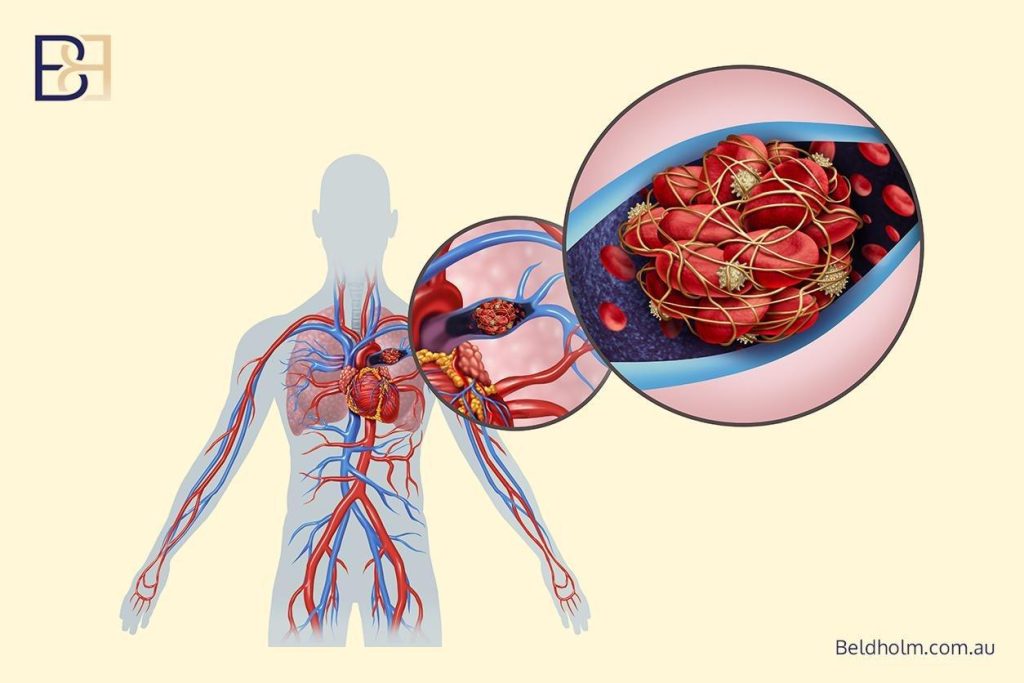
As with all major surgery, upper torsoplasty carries systemic risks, including:
- Blood clots, including deep vein thrombosis and pulmonary embolism, are recognised risks after major body lift surgery and upper body lift procedures
- Complications related to general anaesthesia
- Cardiopulmonary events
Risk reduction involves careful patient selection, early mobilisation, and close postoperative monitoring.
Reducing the Risk of Complications at Dr Beldholm’s Clinic
In my practice, reducing complications after upper torsoplasty (body lift) surgery starts well before surgery and continues through structured postoperative care. Key strategies include:
- Careful patient selection, including assessment of weight stability, medical comorbidities, and nutritional status
- Preoperative planning that individualises incision placement across the chest, lateral chest wall, and upper back to minimise tension
- Surgery performed in a fully accredited hospital with experienced anaesthetic and nursing teams
- Early inpatient monitoring following surgery to detect bleeding or other early complications
- A defined postoperative protocol coordinated through my clinic, including wound care guidance and activity restrictions
- Regularly scheduled follow-up appointments with my team to monitor healing and intervene early if problems arise
This structured approach enables most complications to be identified and managed early, often before they become more significant.
Revision Surgery at Dr Beldholm’s Clinic
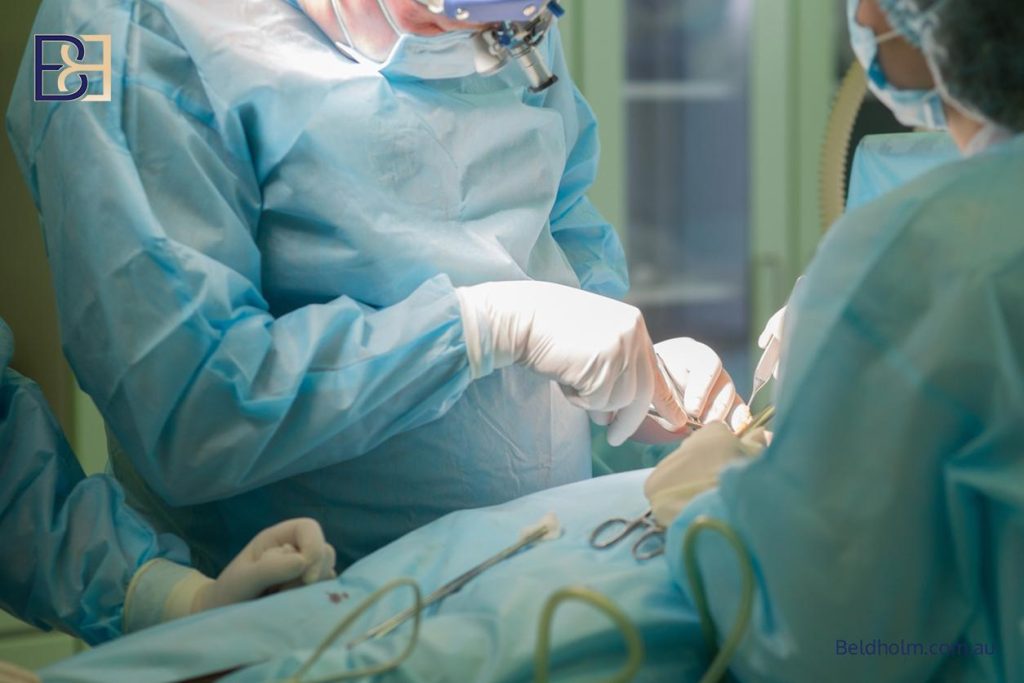
Revision surgery or further surgery is sometimes required after upper torsoplasty and other body lift (lipectomy) procedures to treat persistent seromas, scar concerns, contour asymmetry, or residual excess skin.
Where revision surgery is indicated, it is planned in a staged and targeted manner, focusing on specific problem areas such as the lateral chest wall or upper back rather than repeating the entire procedure. The goal is to optimise healing and contour while reducing additional risk.
Final Thoughts From Dr Beldholm


Upper torsoplasty (upper body lift) surgery may be considered by men after massive weight loss when excess skin of the chest, lateral chest wall, and upper back contributes to physical discomfort, hygiene difficulties, or functional limitation. At Dr Beldholm’s Clinic, this surgery is approached as a major reconstructive procedure rather than a minor cosmetic operation.
Because of the scale of surgery and the quality of post–weight loss skin, complications are sometimes unavoidable despite meticulous technique. What is critical is early recognition, structured follow-up, and appropriate management when problems arise.
By understanding where complications tend to occur in upper torsoplasty, why they happen, and how they are managed within my clinic, patients are better equipped to make informed decisions and approach surgery with realistic expectations.