After significant weight loss, the upper arms are often left with loose skin that is thin and hard to support in ordinary clothing. Brachioplasty (arm lift) involves removing excess skin and the loose tissue along the inner arm. In many post weight loss patients the incision runs from near the elbow up to the armpit, and sometimes onto the lateral chest wall.
In my practice, most patients I see for an arm lift (brachioplasty) have lost a large amount of weight through bariatric surgery, weight loss medications, or sustained diet and exercise. Their skin tends to be thinner, with less skin elasticity than skin that has only aged. This matters when we talk about compression garments, seams and fabrics, because clothing that sits fine on firmer skin can rub, dig in, or be difficult to manage over a fresh wound.
This guide covers what to wear in the weeks after your brachioplasty: the compression garment, how to choose it, how long to wear it, and the everyday clothing that takes the strain out of getting dressed while your arms are sore and swollen. I go through all of this with you at consultation as well, but having a few of the right items ready before surgery makes the early days far less frustrating.
Recovery takes time, and it varies from one person to the next. Planning what to wear is a small part of that, but it is one of the more manageable parts to sort out in advance.
Why What You Wear Matters During Recovery
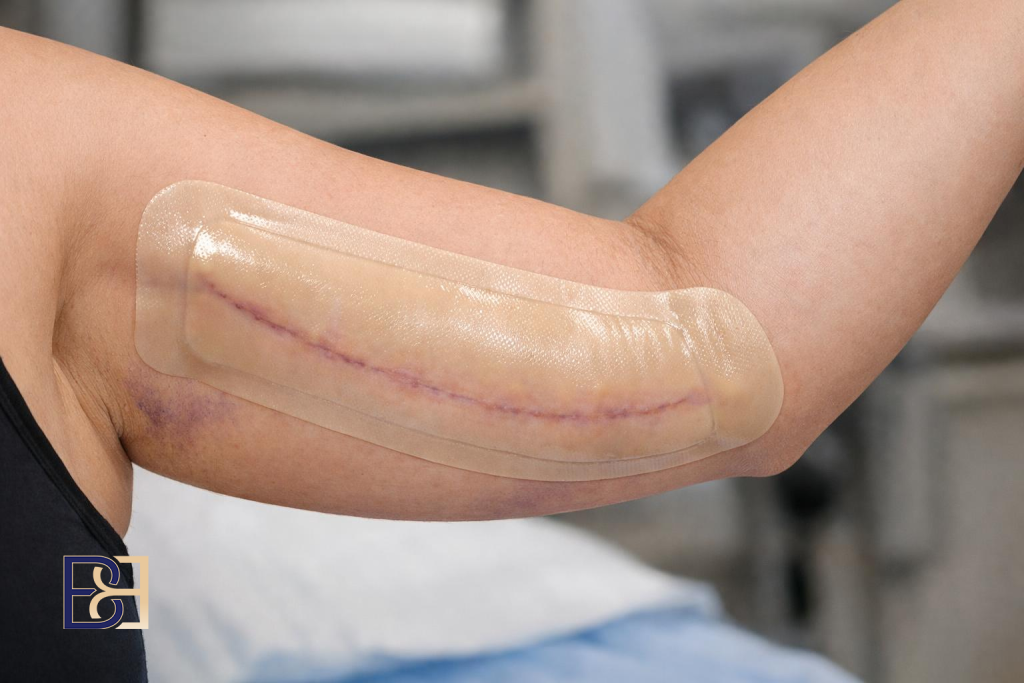
The clothing you choose in early recovery is not about appearance. It is about protecting the incision, managing swelling, and being able to dress and undress without straining your arms.
A few practical reasons clothing matters after a brachioplasty:
- Your incision is long and it is healing. In post weight loss patients the scar often runs the length of the inner upper arm. Anything that rubs, pulls or presses on that line can irritate the wound or pull on the stitches.
- Your arms are sore and weak. Lifting your arms over your head is uncomfortable in the early days, and it puts tension across the incision. Clothing you have to pull on overhead is the main thing to avoid.
- You will have swelling. Swelling is most pronounced in the first few weeks, and your arms will be a different size from normal. Clothing needs room to accommodate that, and room to fit over a compression garment.
- You will be wearing dressings and a garment. I use Comfeel dressings over the incision, with a compression garment over the top. Your clothing needs to fit comfortably over both without bunching or digging in.
The aim: pick clothing that goes on and comes off with little arm movement, sits loosely over the wound and garment, and does not catch on dressings. Getting a few of these items ready before surgery saves a lot of awkwardness in the first week home.
How long your scar is likely to be, and what that means for the clothes you choose, is something I go through with you individually. Treat the points here as general guidance rather than a fixed rule.
Compression Garments After Brachioplasty: What They Do
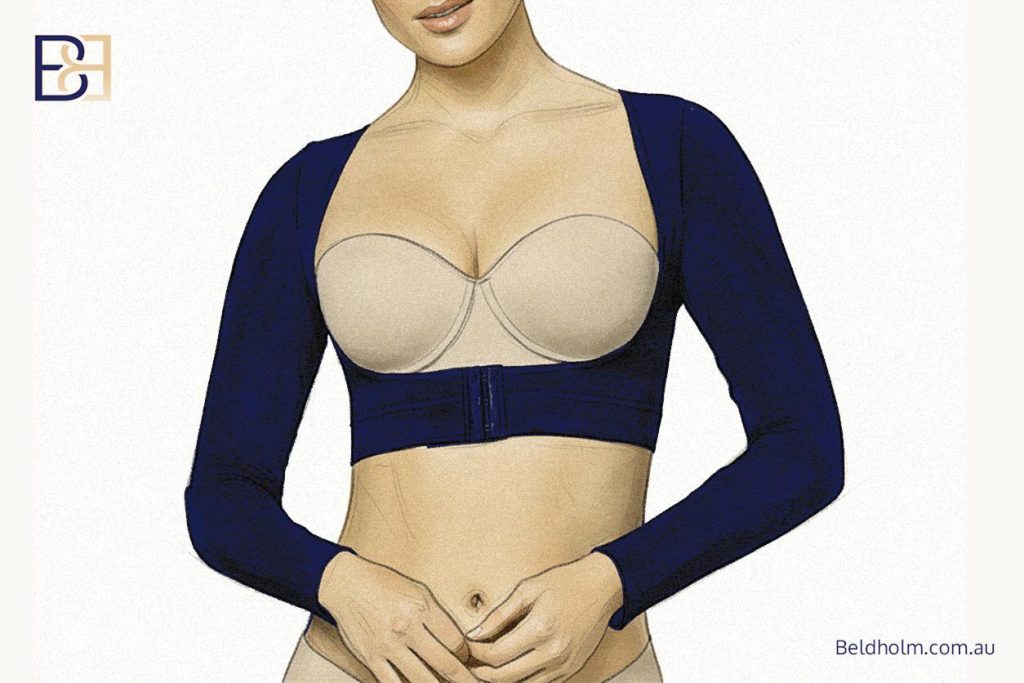
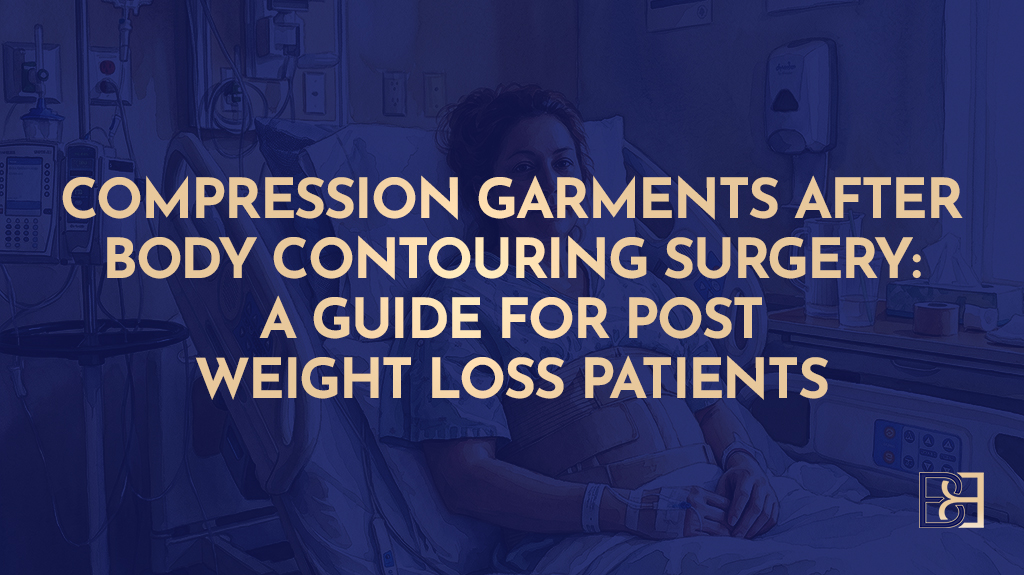
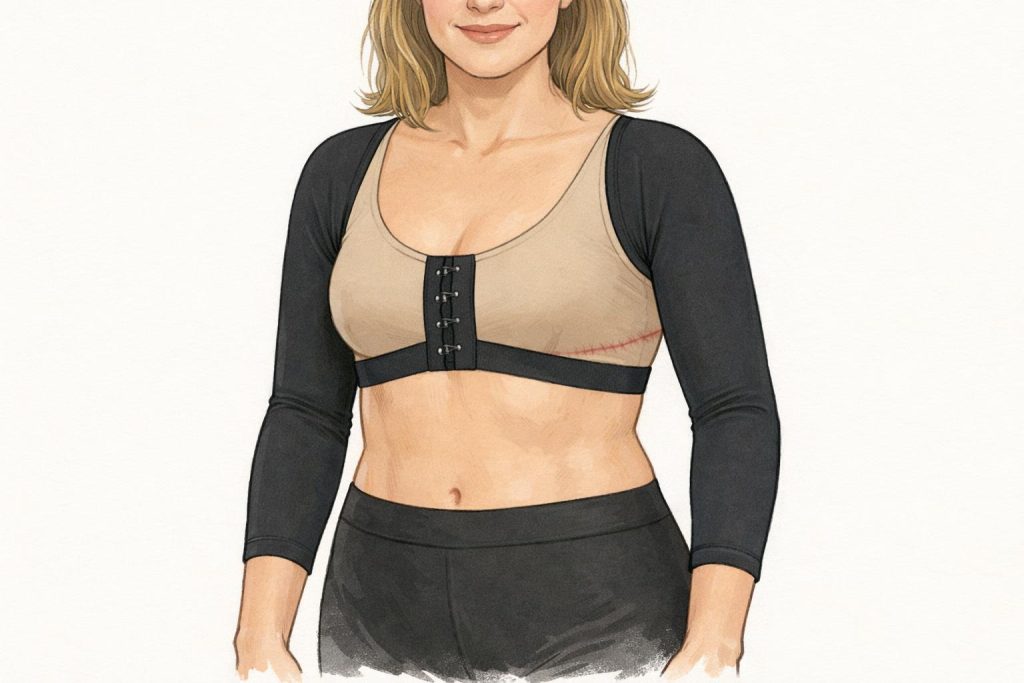
A compression garment is a close-fitting sleeve worn over the upper arms. It applies light, even pressure to the surgical area. After your brachioplasty, you will be fitted with one, and it becomes the main thing you wear on your arms for the first several weeks.
What the garment is for:
- Helping reduce swelling. Swelling is expected after this surgical procedure. Steady compression helps limit how much excess fluid builds up in the arm.
- Supporting the tissues. After massive weight loss the skin is thin and the area I have closed is large. The garment holds things in place while the deeper tissues heel together during the healing process.
- Lowering the risk of a fluid collection. Compression is also used with the aim of reducing the space where fluid accumulation can occur under the wound, though the evidence for this is limited (see below).
- Comfort. Many patients find steady support more comfortable than leaving the arm unsupported, especially when moving around.
The evidence on compression garments after body contouring surgery is mixed. It most clearly supports comfort and help with swelling in the early weeks. Evidence that garments prevent fluid collections (seromas) is limited, and a seroma can still form despite wearing one as directed (1).
A compression garment is not a substitute for rest, and it does not change the length or position of your scar. It is one part of recovery that works alongside your dressings, limited arm movement, and time.
Choosing the Right Compression Garment
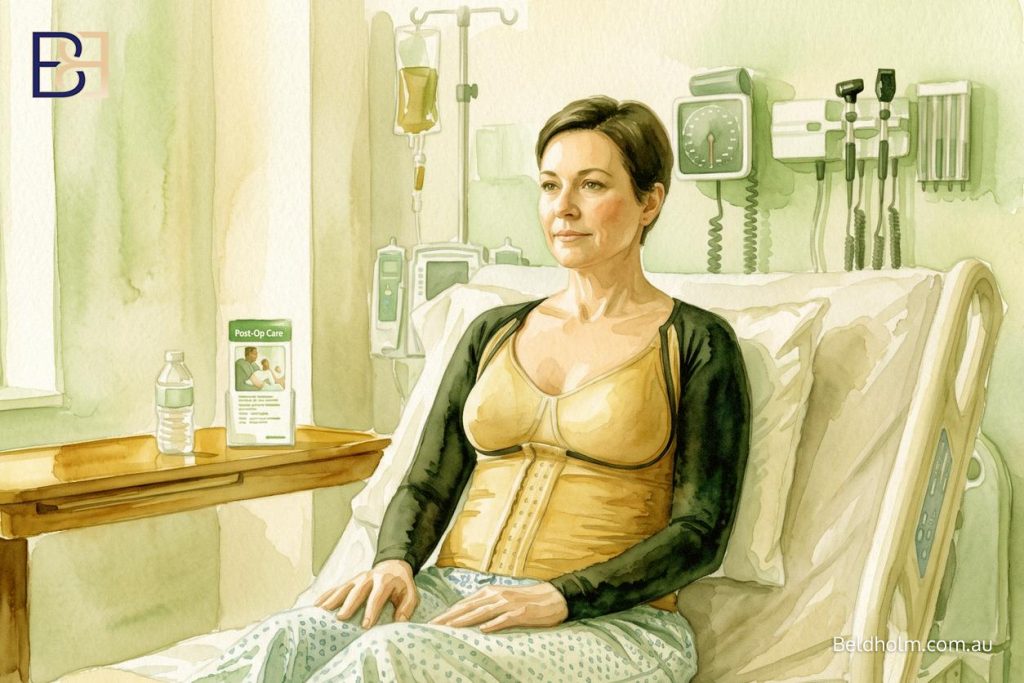
In most cases I provide your first compression garment and fit it before you leave hospital. Even so, it helps to understand what makes a garment suitable, because many patients buy a second one so they can wash and rotate them. Here is what I look for.
- Correct fit. The garment should be firm but not painful. It should not roll, bunch at the elbow, or cut into the skin at the top of the arm. Too tight and it can mark thin skin and restrict blood flow; too loose and it does little.
- Even compression. Look for medical-grade compression sleeves made for post-surgical use, not general sports or slimming sleeves. The pressure needs to be even along the whole arm.
- Flat or soft seams. This matters more for post weight loss patients than for most people. Thin, lax skin marks and blisters easily, so a raised seam sitting over a fresh incision can cause problems. Flat-seam or seamless garments sit more kindly over the wound.
- Breathable material. In the NSW climate, you will be wearing this for weeks, often in warm weather. A breathable, moisture-wicking fabric is far more bearable than a heavy synthetic one that traps heat.
- Some adjustability. Garments with built-in adjustments, such as hook closures or sleeves that extend onto the shoulder, cope better with changes in swelling as your arm settles over the weeks.
- Getting it on and off. You will have limited arm movements and sore wounds. A garment you can manage without lifting your arms overhead, ideally with a front opening, saves a lot of difficulty.
If you are buying your own, take the sizing seriously and measure as instructed rather than guessing. If a garment feels wrong, too tight, too loose, or painful over the wound, let my rooms know rather than persevering with it.
How Long You Wear the Compression Garment
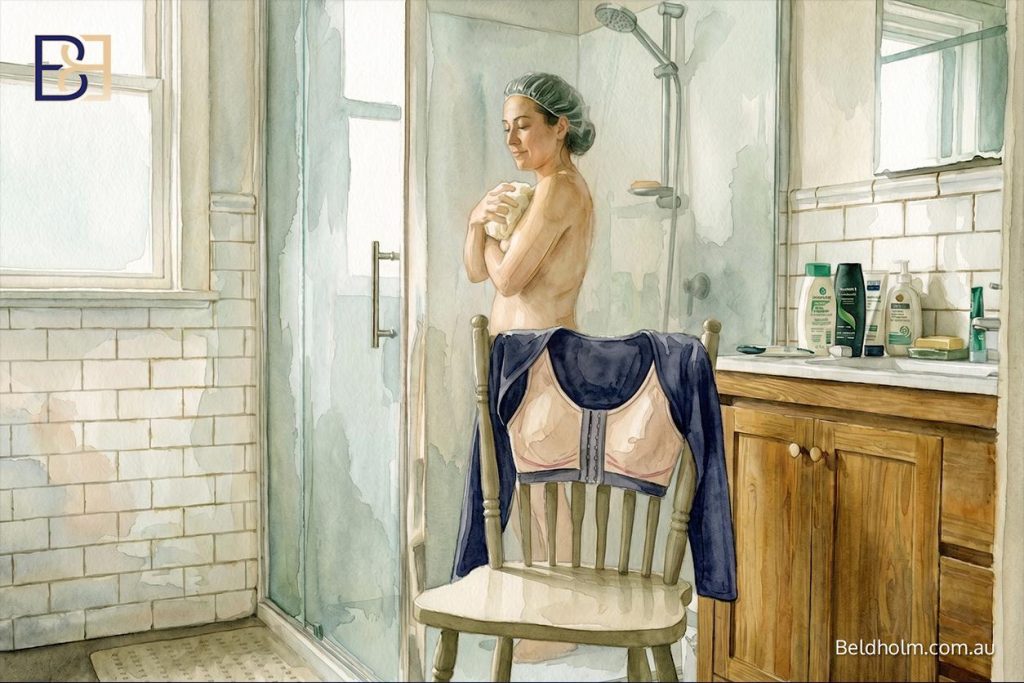
The general plan I use after a brachioplasty is:
- First 4 weeks: full-time. You wear the garment day and night, taking it off only to shower and to wash it. This is the period when swelling is greatest, and the tissues are healing.
- Following 2 weeks: part-time. You move to wearing it during the day and leaving it off at night, or, as I directed in your review, you can wear it during the day and leave it off at night.
So most patients are in a compression garment for around six weeks in total. That is a guide, not a fixed rule. I adjust it at your follow-up visits based on how your arm is healing, how much swelling remains, and how the wound is settling.
A few practical points:
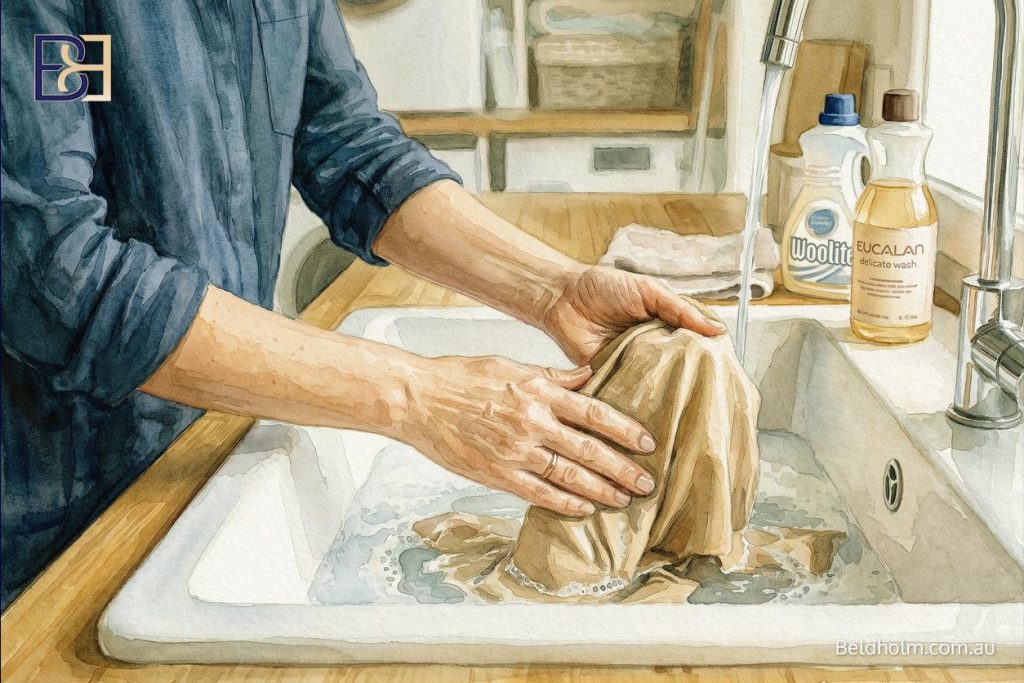
- Have a spare. Wearing it almost constantly for the first month means it needs regular washing. A second garment lets you keep one on while the other dries.
- Showering. You can take the garment off to shower once I have cleared you to, then put it straight back on afterwards. I will tell you when at your early reviews.
- Keep your arms elevated early on. Resting with your arms elevated in the first days helps reduce swelling, alongside the garment.
- Do not stop early on your own. If the garment is uncomfortable, the answer is usually a fit adjustment or a different size, not abandoning it. Let my rooms know.
Swelling in the arms can take longer to settle than people expect, and some patients notice it come and go for a few months. Wearing the garment as directed through the early weeks is the part that matters most.
Book your appointment online now
What to Wear in the Early Weeks
The single rule that drives everything here is to avoid anything you have to lift your arms over your head to put on. Overhead dressing pulls on the incision and is uncomfortable when your arms are weak and sore. Build your early wardrobe around clothing that opens at the front.
Tops and outer layers
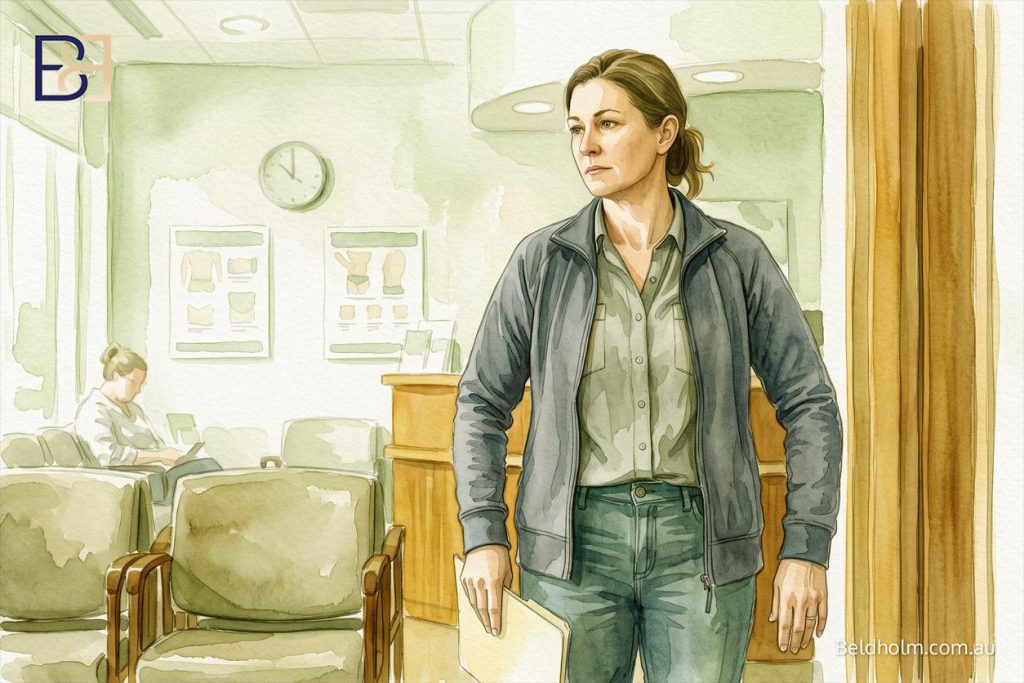
- Front-opening tops. Button-up shirts, zip-front jackets and cardigans go on one arm at a time without raising your arms. These are the most useful items to have ready before surgery.
- Loose sleeves. Choose tops with wide, loose sleeves that fit over your compression garment and any swelling. Fitted or narrow, stretchy sleeves are hard to manage and can press on the wound.
- Soft fabrics. Cotton and other soft, breathable materials sit more comfortably against healing skin than stiff or scratchy fabric, and they cope better with warm weather.
Bras and underwear

- Front-closing bras. A front-fastening bra is much more manageable than a back-fastening one in the first few weeks. Soft, wireless styles tend to be the most comfortable.
- Some patients prefer to go without a bra in the very early days, or to use a soft crop style. Do what is comfortable and does not press on the incision near the armpit or chest wall.
Getting dressed
- One arm at a time. Feed one arm carefully into the sleeve, then the other, keeping each movement small. Front-opening clothing lets you do this without raising either arm.
- Take your time. Allow more time than usual, and ask for help in the first week if you have someone at home.
- Size up. A size larger than usual in your tops can make the first couple of weeks much more manageable, given the garment and swelling underneath.
What to avoid early on
- Pull-on tops, jumpers and dresses that go over the head
- Tight or narrow sleeves
- Back-fastening bras
- Anything with seams, straps or elastic that sit directly over the incision
These are general suggestions. If you have a specific event or need in the early weeks, raise it at the consultation, and I can provide more tailored advice.
Caring for Your Garment and Dressings
Your dressings and wound care
I use Comfeel dressings over the incision site after a brachioplasty. These are part of your post operative care and are managed at your reviews, so you do not need to change them yourself.
- Leave them alone. Do not peel back or pick at the dressing edges. If a dressing lifts, leaks or bothers you, let my rooms know rather than removing it yourself.
- Keep them as directed. I will tell you when you can shower and how to keep the area clean. Follow those care instructions rather than a general rule you have read elsewhere.
- Watch for problems. Report any unusual symptoms, such as increasing redness, spreading warmth, heavy leakage, or a bad smell from the wound. After hours, that means a call to Maitland Private Hospital.
You will see me and the nursing team often in the first couple of weeks, so your dressings are checked and changed regularly during that time.
Your compression garment
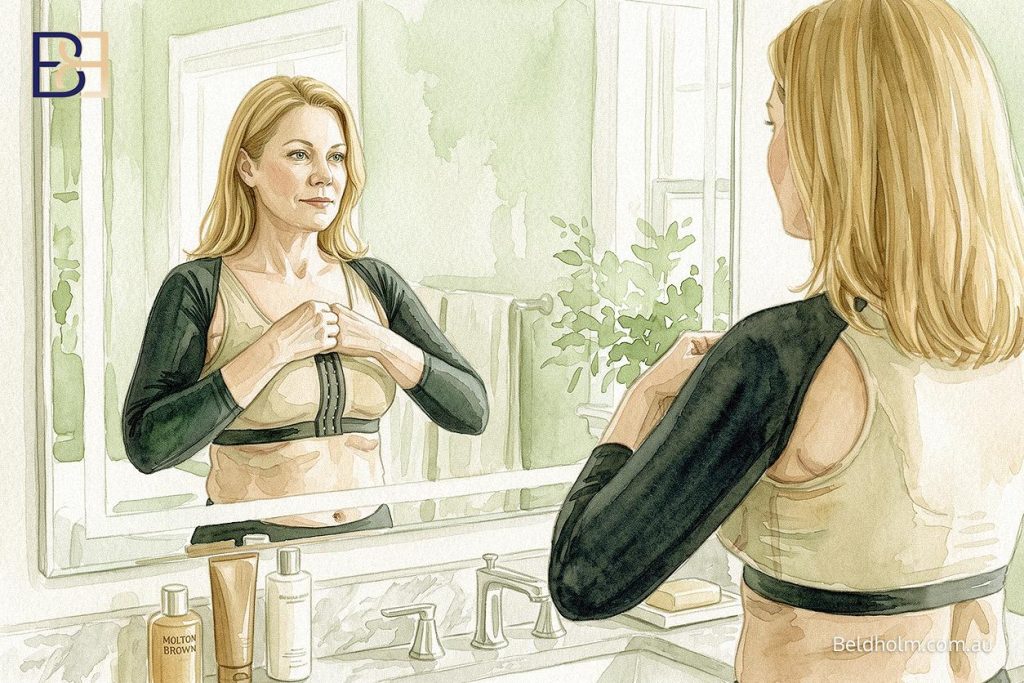
- Wash it regularly. Follow the washing instructions on the garment. Most are hand-washed or put through a delicate machine cycle in a laundry bag, then air-dried. Heat from a dryer can damage the elastic.
- Check the fit over time. As swelling settles, the garment may loosen. If it stops giving useful support, or starts to roll or bunch, mention it at your review so we can resize if needed.
- Keep it clean over the wound. A clean garment against a healing incision lowers the risk of skin irritation and infection.
If anything about the dressing or garment does not seem right, it is better to ask than to manage it yourself or leave it.
Returning to Regular Clothing

Once you are through the compression phase, the question most patients ask is when they can dress normally again. There is no single answer, because the recovery process depends on how your wound has healed and how much swelling has settled.
A rough guide:
- First 6 weeks. Compression garment, with front-opening and loose clothing as covered above.
- Around 6 weeks. Most patients have finished full-time and part-time garment wear and are moving back into regular tops, though comfort still guides what you reach for.
- Beyond 6 weeks. As swelling continues to settle, fitted sleeves and overhead clothing usually become comfortable again. Some patients get there sooner, others take longer.
What affects the timeline:
- How your wound heals, which varies between patients
- How much swelling you have and how quickly it settles
- The length and position of your scar
- Whether you had liposuction (suction assisted lipectomy) at the same time, which can add to initial swelling
When you do return to fitted clothing, a few things to keep in mind:
- Scars stay sensitive for a while. A new scar can be tender and react to rubbing for several months. Seams sitting directly on the scar may feel uncomfortable for longer than you expect.
- Sun and new scars. A fresh scar should be kept out of direct sun. Sleeves or clothing that cover the upper arm are useful through the first year, particularly in an NSW summer.
- Ease back in. There is no need to rush into tight sleeves. Let comfort lead.
How a scar settles and how an arm looks in clothing afterwards differs from person to person. I will give you a realistic picture for your own situation at consultation and at your follow up appointments.
Clothing, Scars and the Australian Climate
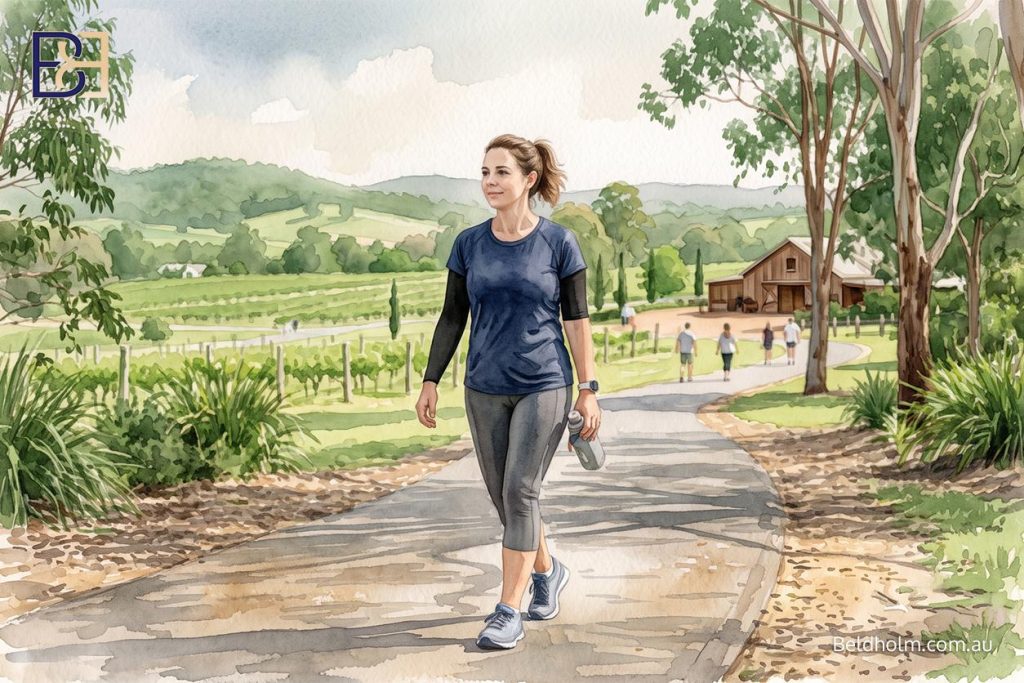
Brachioplasty recovery in the Hunter Valley often means managing a compression garment and a healing scar through warm, sometimes hot weather. A few things help.
Staying comfortable in the heat
- Breathable fabrics matter more here. Wearing a compression garment for weeks through a NSW summer is more comfortable in cotton and moisture-wicking materials than in heavy synthetics.
- Light, loose outer layers. Loose cotton tops over the garment let air move and feel better than close-fitting clothing in the heat.
- Keep the skin clean and dry. Sweat under a garment can irritate healing skin. Showering as directed and changing into a clean, dry garment helps.
Protecting the scar from the sun
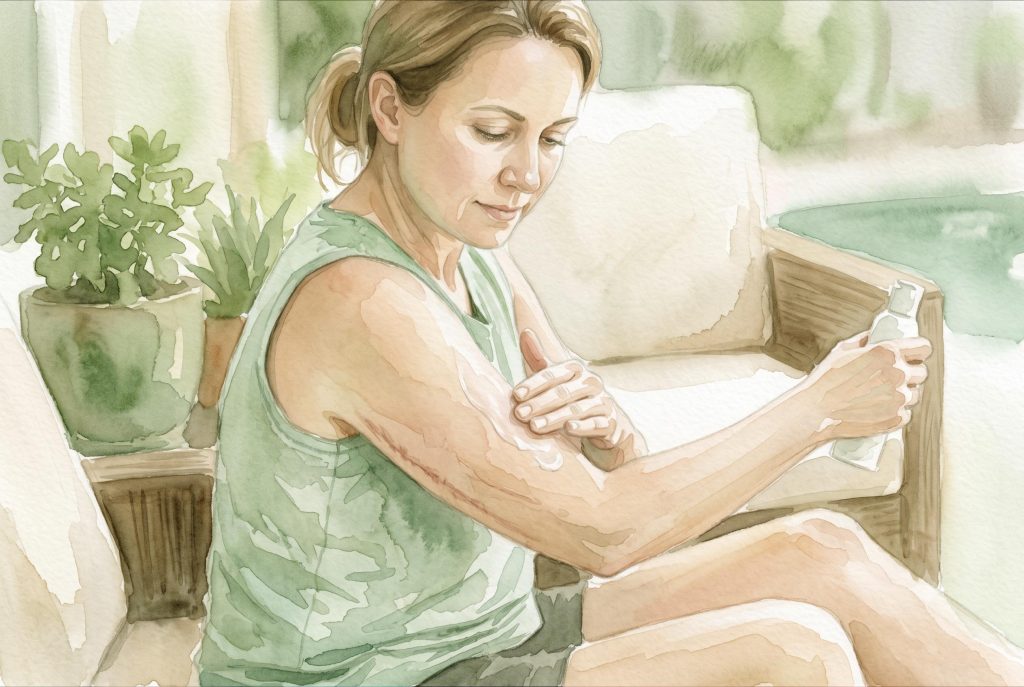
A new scar is vulnerable to sun for around the first 12 months. Sun exposure in that period can leave a scar darker and more noticeable in the long term.
- Keep the upper arm covered with clothing when you are outside, particularly in summer.
- Once the wound has fully healed and I have cleared you, sunscreen on the scar adds protection when it cannot be covered.
- Sleeves remain the most practical cover for an inner-arm scar that sits where short sleeves stop.
Clothing and the scar over time
The scar after a brachioplasty runs along the inner upper arm and is permanent. How visible it is in clothing settles over many months and differs between patients.
- Short sleeves and sleeveless tops become an option again for most patients over time, though where the scar sits means it can stay partly visible in some styles.
- There is no need to make decisions about this early. Scars change considerably over the first year, and what bothers you at six weeks often looks quite different at twelve months.
I would rather you have a realistic understanding of the scar before surgery than be surprised by it afterwards, so we go through scar position and healing in detail at consultation.
A Short Note on Healing
What you wear supports your arm from the outside. How well the wound and scar heal also depends on what is happening on the inside, and nutrition is a big part of that.
Most post weight loss patients carry nutritional gaps that built up during weight loss, and these can affect wound healing and scar quality. Before surgery I check a full blood panel and work with you to correct any deficiencies, because going into brachioplasty surgery well nourished supports wound healing. I also look for a stable weight before surgery, since active weight loss can slow wound healing. Protein in particular helps support healing of the tissues and can promote healing of the wound.
I have covered this in detail elsewhere rather than repeat it here. For the principles behind pre-operative nutrition, see my articles on protein after weight loss surgery and nutritional deficiencies after weight loss. The vitamins and supplements guide pulls the full picture together.
Common Questions About What to Wear
What should I wear home from hospital?
A loose, front-opening top such as a button shirt or zip jacket, worn over your compression garment. Bring something a size larger than usual so it fits over the garment and swelling without pulling on your arms.
Can I wear deodorant after a brachioplasty?
Not on or near the incision while it is healing. The wound often runs up into the armpit, and deodorant can irritate it or raise the infection risk. I will tell you when the area has healed enough to use it again. Until then, wash the area as directed.
When can I wear a normal bra again?
Front-fastening, wireless bras are the most manageable in the first few weeks. Most patients return to their regular bras once swelling has settled and the wounds near the armpit and chest wall are comfortable, usually over the first several weeks. Let comfort guide you.
Do I need to buy special clothes?
Not really. Most people already own front-opening shirts and loose tops. The main things worth sorting before surgery are a couple of front-opening tops, a front-fastening bra, and a second compression garment for washing.
Will the scar be visible in short sleeves?
The scar sits along the inner upper arm. Depending on where it ends and the cut of the sleeve, it can be partly visible in some short-sleeve and sleeveless styles. It fades over the first year, though it is permanent. We go through the scar position at the consultation.
What do I do if my compression garment is too tight or uncomfortable?
Tell my rooms. The usual fix is a resize or a fit adjustment, not stopping the garment. A garment that is painful, leaves deep marks, or affects circulation needs to be checked rather than pushed through.
References
- Ormseth BH, Livermore NR, Schoenbrunner AR, Janis JE. The Use of Postoperative Compression Garments in Plastic Surgery – Necessary or Not? A Practical Review. Plast Reconstr Surg Glob Open. 2023;11(9):e5293.