Recovery after monsplasty surgery (also known as mons pubis reduction surgery or pubic lift) is a gradual process that varies among individuals. This procedure focuses on reducing excess fat, excess skin, or both from the mons pubis, the fatty tissue located over the pubic bone. Recovery depends on the surgical technique used, whether liposuction is performed, and whether the procedure is combined with other surgeries, such as a tummy tuck (abdominoplasty).
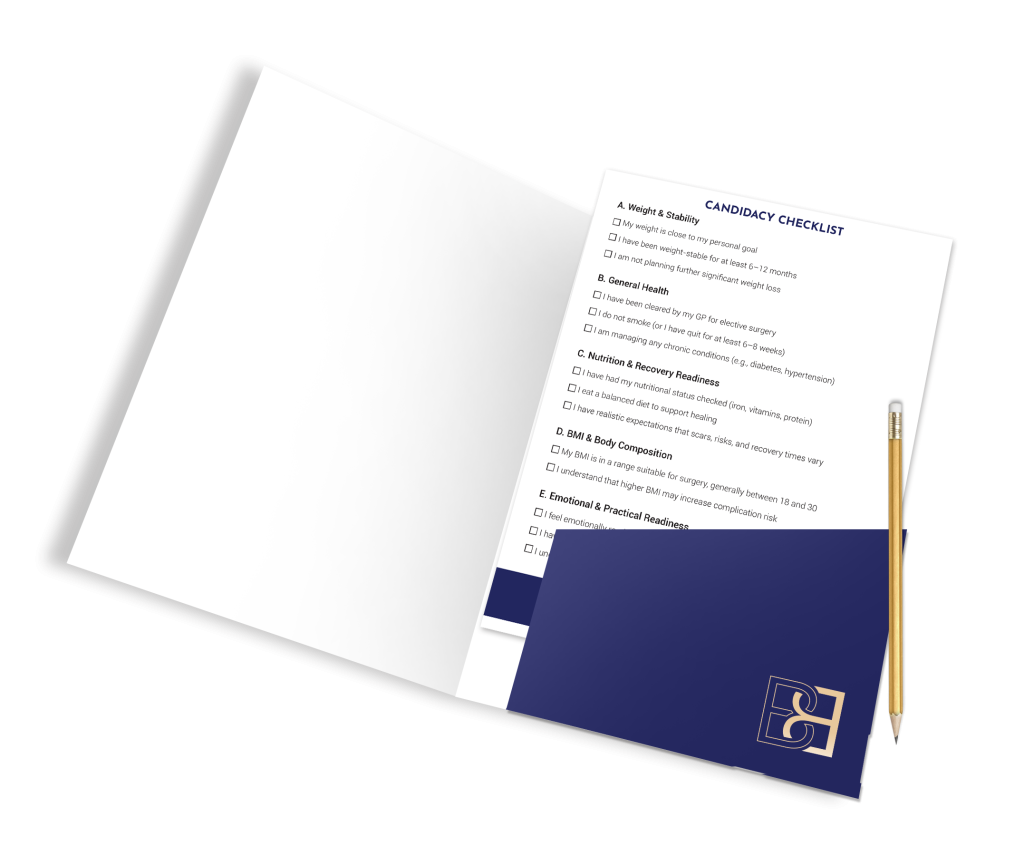
This guide outlines what patients can generally expect during recovery, how postoperative care is structured under Dr Bernard Beldholm FRACS’ routine protocols, and the typical timeline for returning to daily activities. Individual circumstances vary, and this information does not replace personalised medical advice.
What Does Recovery Mean After Surgery?
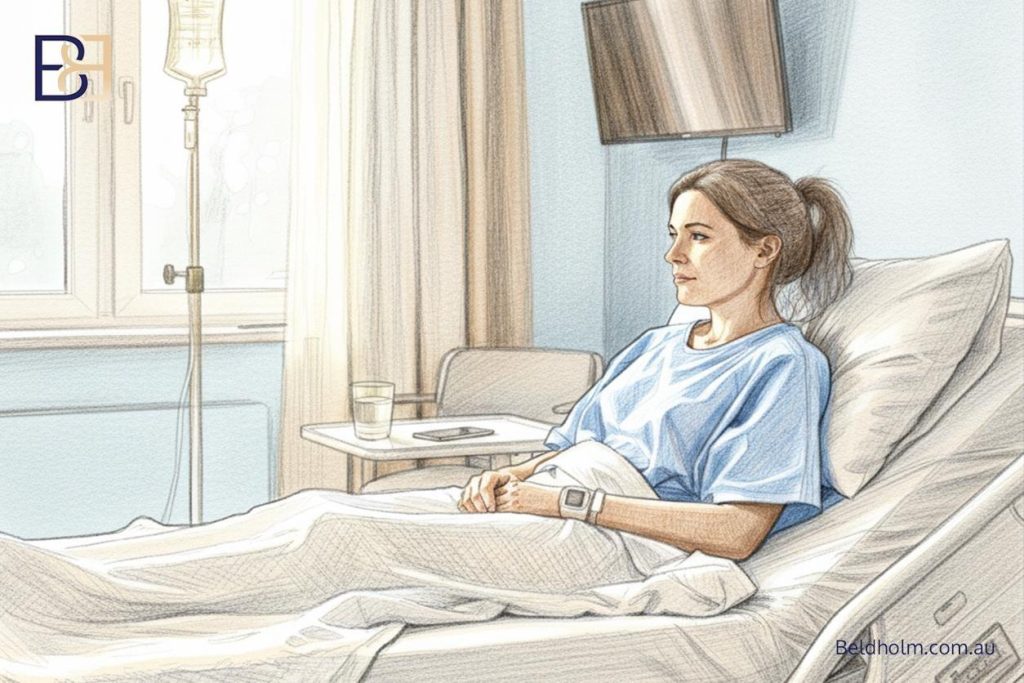
In medical terms, recovery refers to the period during which the body heals after a surgical procedure. Following monsplasty, recovery includes:
- Healing of the surgical incision
- Resolution of swelling and bruising
- Gradual return to normal movement and daily activities
- Ongoing changes in the mons pubis region as tissues settle
While the procedure is confined to the pubic region, it can still affect comfort, mobility, and energy levels during the early recovery period.
Why Recovery Is an Important Part of Mons Pubis Reduction
Recovery is not only physical. Some patients experience temporary emotional or psychological effects during healing, particularly when swelling persists or activity is limited. Understanding the recovery process helps patients form realistic expectations, reduces anxiety, and supports informed decision-making. For some individuals, recovery may also have short-term effects on mental health, especially if expectations are not aligned with normal healing timelines.
Support from a friend or family member is recommended during the first few days after surgery.
The First 48 Hours After Surgery
What to Expect in the Hospital
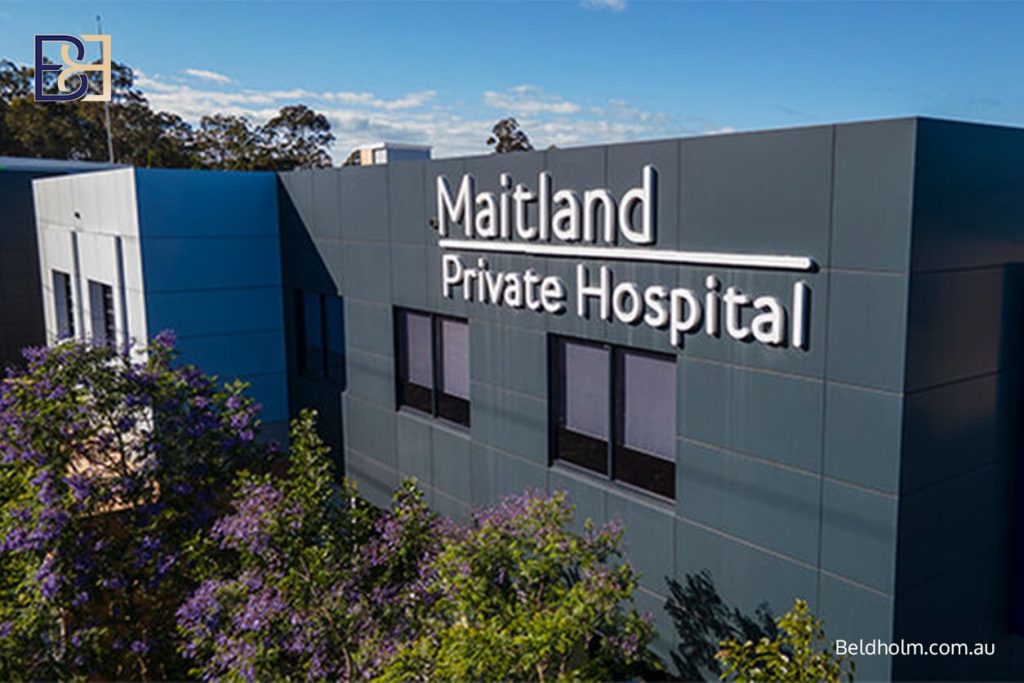
Monsplasty surgery performed by Dr Bernard Beldholm FRACS is most commonly undertaken at Maitland Private Hospital, a fully accredited private hospital with 24-hour medical cover and on-site intensive care facilities. The procedure is usually performed as a day procedure, meaning patients are admitted on the day of surgery and can return home later that day.
The procedure is typically performed under general anaesthesia by an experienced anaesthetic team familiar with body contouring surgery. After surgery, patients are transferred to the recovery unit where they are closely monitored as the effects of anaesthesia wear off.
During this hospital stay, patients can expect:
- Nursing care in the recovery unit
- Regular monitoring of blood pressure, heart rate, oxygen levels, and comfort
- Assessment of pain, nausea, and mobility
- Review of the surgical site, incision, and dressings
- Assistance with initial mobilisation
Dr Beldholm routinely reviews patients prior to discharge, ensuring the mons pubis region is stable, pain is controlled, and there are no early concerns such as bleeding or excessive swelling.
Because anaesthesia and postoperative medications can impair alertness and coordination, patients must have a responsible adult available to drive them home and remain with them overnight. Patients are not permitted to drive themselves, use rideshare services alone, or travel home unaccompanied on public transport.
The First 24–48 Hours at Home
Book your appointment online now
In the first 24–48 hours after the surgical procedure is performed, patients commonly experience:
- Swelling and bruising in the mons pubis area and the surrounding pubic region
- Tightness or pressure over the pubic bone
- Mild to moderate discomfort, particularly with movement
Fatigue is also common as the body recovers from surgery and anaesthesia. Rest is encouraged, but short, gentle walks around the home are recommended to support circulation.
Dressings may include either a PICO negative-pressure dressing or a Comfeel dressing, selected based on incision placement and length. These dressings are designed to protect the incision, manage fluid, and support early healing. Patients receive clear instructions on dressing care before leaving the hospital.
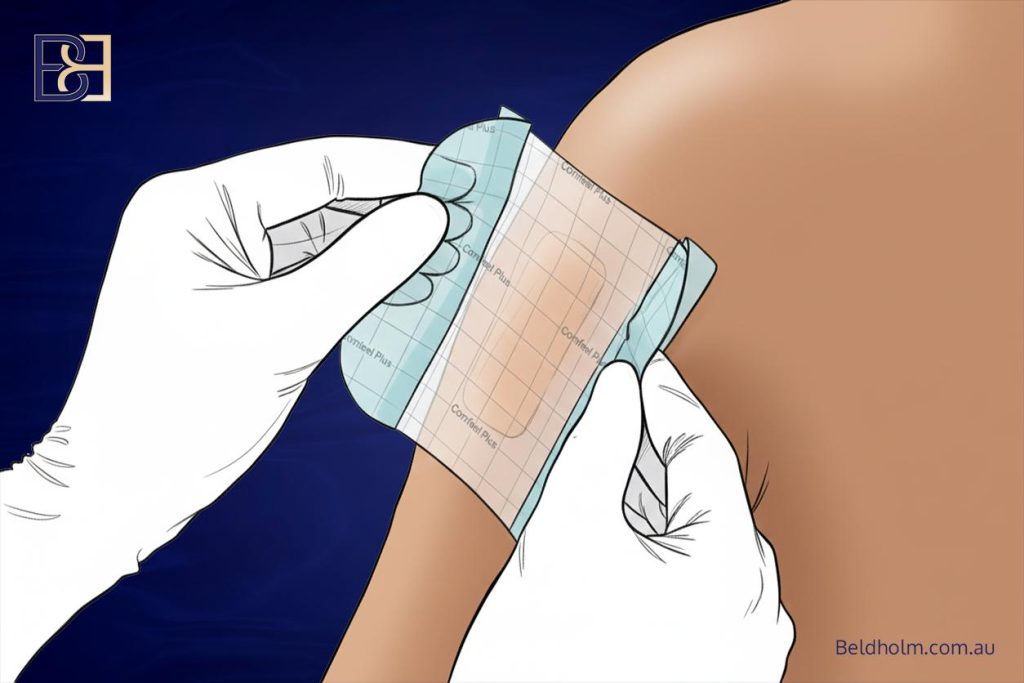
During this early period, patients are advised to:
- Avoid driving
- Avoid heavy lifting or sudden movements
- Keep the surgical area clean and dry
- Take prescribed medications as directed
Patients are closely monitored through early follow-up appointments for signs of complications, such as infection, bleeding, or increased swelling.
Managing Pain, Swelling, and Bruising
Swelling is expected after mons pubis reduction and may persist for several weeks or longer. Bruising typically resolves within two to three weeks.
Measures that may help reduce swelling include:
- Gentle walking
- Wearing supportive underwear
- Avoiding heavy lifting
- Using ice packs as directed
Pain is usually manageable with prescribed medication. Increasing pain, redness, fever, or discharge may indicate infection and should be reviewed promptly.
Early Follow-Up and Wound Care

Early recovery is closely monitored. Under Dr Beldholm’s routine protocols, patients typically attend:
- Nurse and surgeon reviews two to three times per week during the first two weeks
- Dressing changes and wound checks
- Adjunctive treatments, such as LED light therapy, to support skin healing
All follow-up appointments are included in the surgical fee.
Activity Restrictions and Recovery Timeline
Days 1–7
- Rest at home
- Short walks encouraged
- No driving
- Avoid stretching the pubic region
Week 1–2
- Driving may resume after approximately one week
- Desk-based work from home is often possible
- Ongoing swelling and discomfort
Week 2–4
- Many patients return to work
- Avoid strenuous exercise and heavy lifting
- Swelling gradually reduces
After 4 Weeks
- Most daily activities resumed
- Gradual return to exercise
- Residual swelling may persist for several months
Recovery time can vary depending on the extent of liposuction (suction-assisted lipectomy), incision length, and individual healing factors.
Returning to Work and Daily Activities
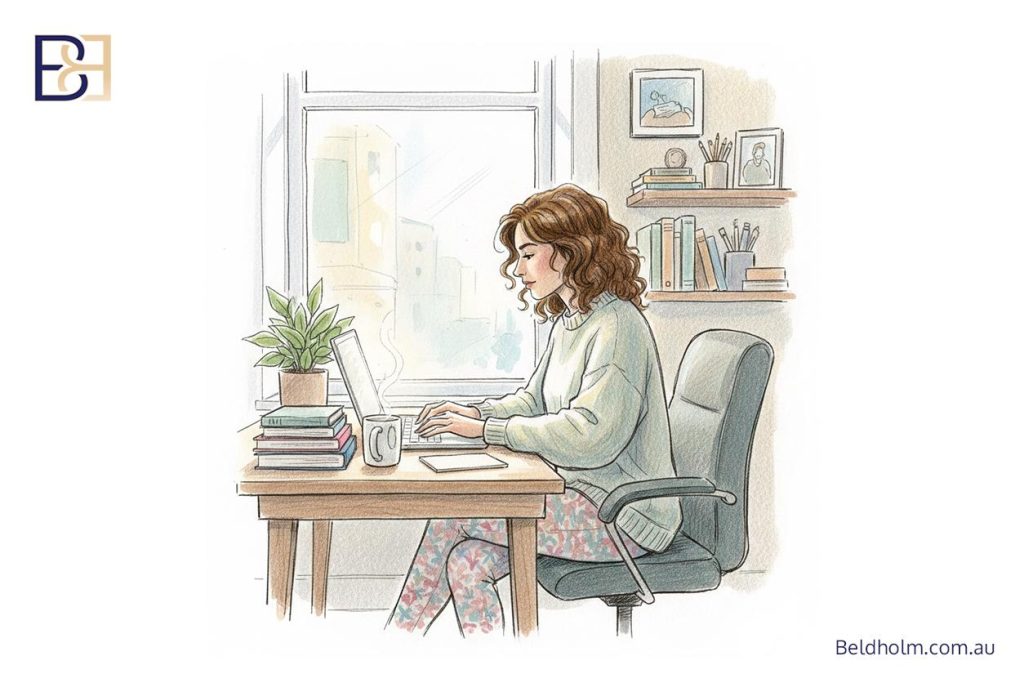
Most patients can return to light activities within one to two weeks. Jobs involving prolonged standing or physical labour may require a longer recovery period. The ability to return to normal life activities varies between individuals.
Potential Complications
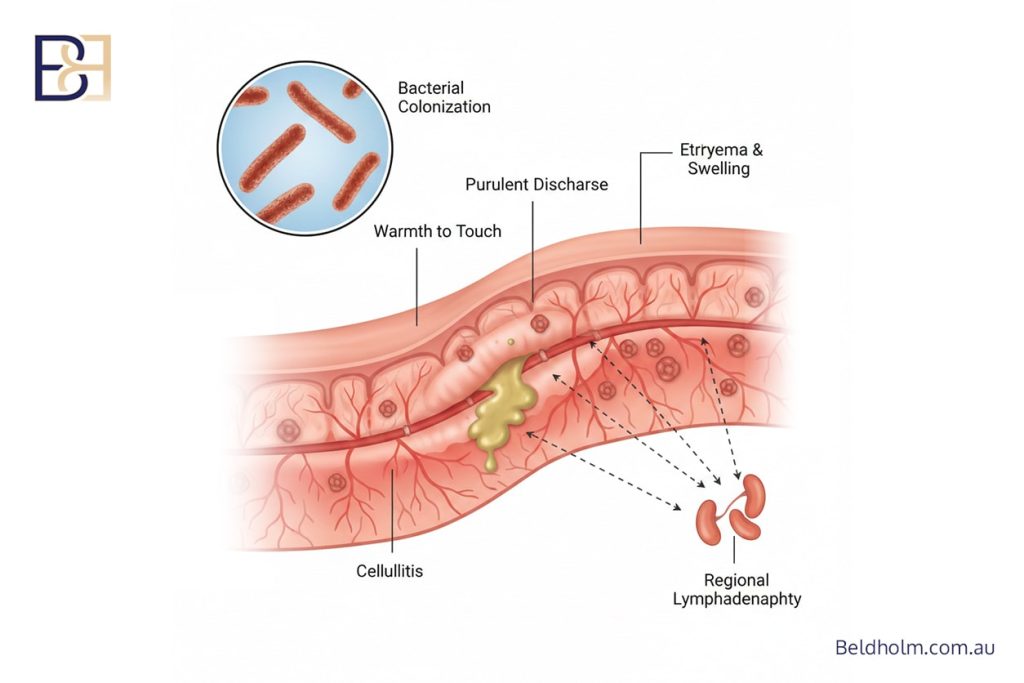
All surgery carries risks. Potential complications following monsplasty may include:
- Infection
- Fluid collection
- Delayed wound healing
- Scarring
- Changes in sensation
Prompt review reduces the likelihood of long-term issues.
Emotional and Psychological Considerations

Temporary changes in body awareness and limitations during recovery may affect mood. Support from a family member or trusted person can help patients navigate this period.
Long-Term Healing and Final Outcome
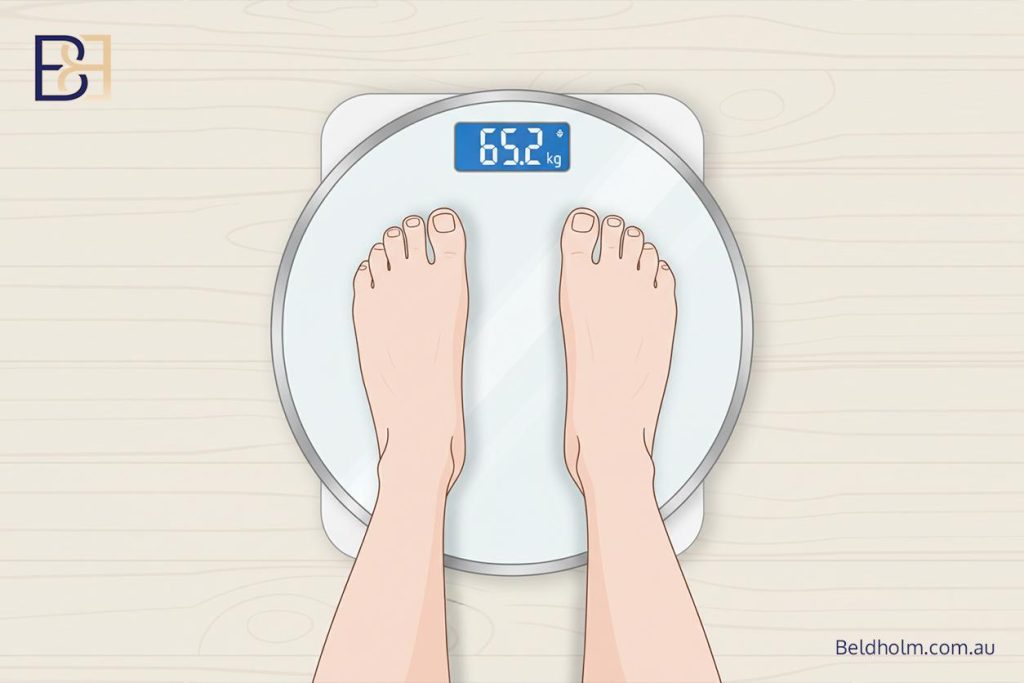
The final outcome of monsplasty continues to evolve over several months as swelling resolves and tissues soften. Weight changes, including weight gain, may influence long-term results. Maintaining a stable weight supports the durability of outcomes.
Frequently Asked Questions
What is the recovery time for a pubic lift (Monsplasty)?
Most patients resume normal activities by four weeks, although swelling may persist longer.
How do you fix a ptotic mons pubis?
Treatment may involve liposuction (suction-assisted lipectomy), skin excision, or a combination, depending on the fatty area and skin quality.
How much does monsplasty cost in Australia?
Costs vary based on the surgical approach, hospital fees, and anaesthesia. This is discussed during consultation.
Who is a good candidate for monsplasty?
A good candidate is in good general health, has a stable weight, and has realistic expectations.