What this operation asks of your body
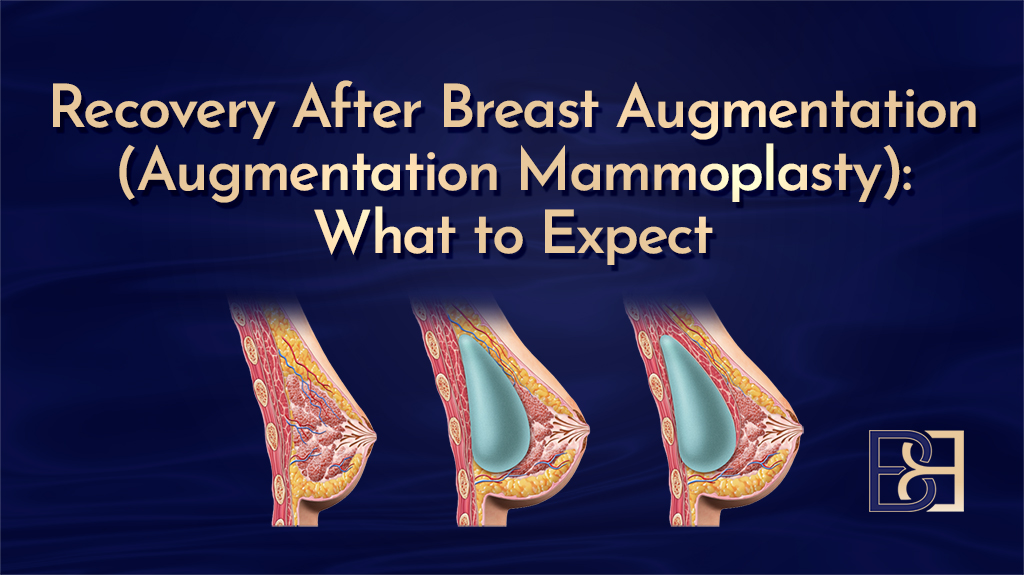
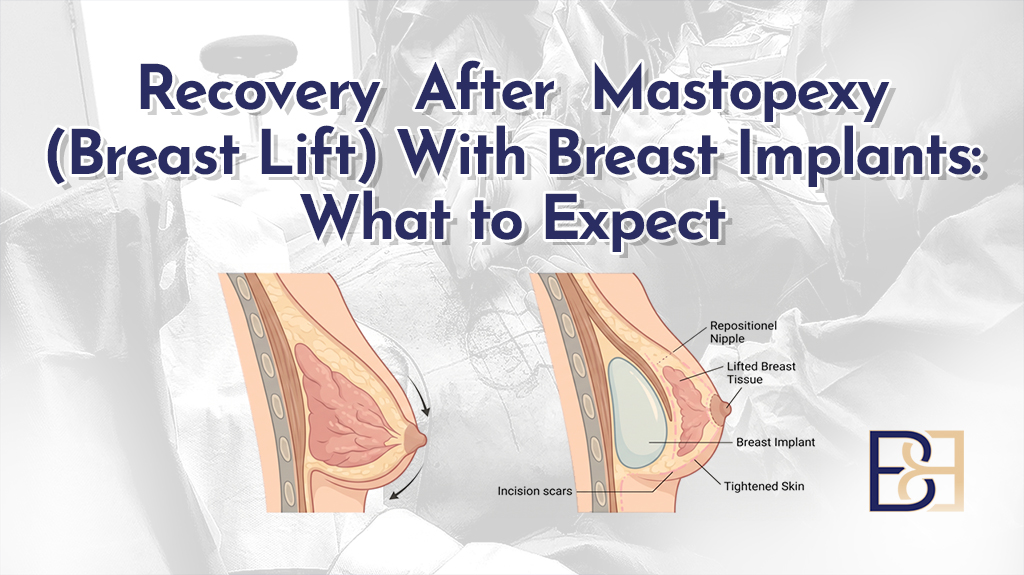
A mastopexy (breast lift) with breast implants does two things in one operation. The lift repositions the breast higher on the chest wall, reshapes the breast tissue and removes excess skin. The implant adds volume beneath that reshaped breast. Doing both together is a more involved operation than a mastopexy (breast lift) on its own or a breast augmentation (breast enlargement) on its own, and the recovery reflects that.
I want to set the expectation clearly from the outset. Combining a lift and an implant in one operation is a larger physiological event than either surgical procedure alone. It carries a different risk and revision profile, and it asks more of your tissues while they heal. Recovery is not something to underestimate, and this article walks through it week by week so you know what to plan for.
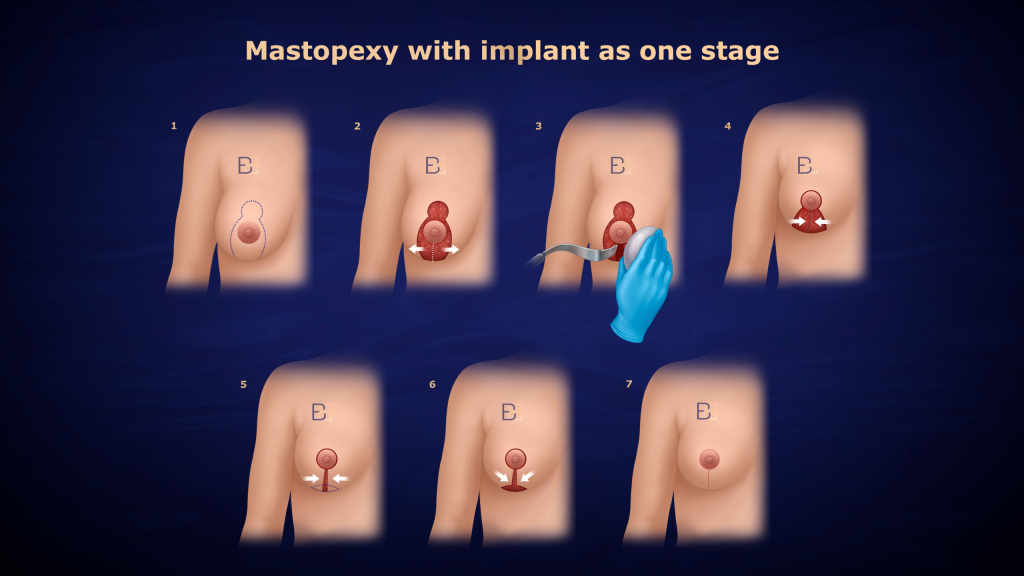
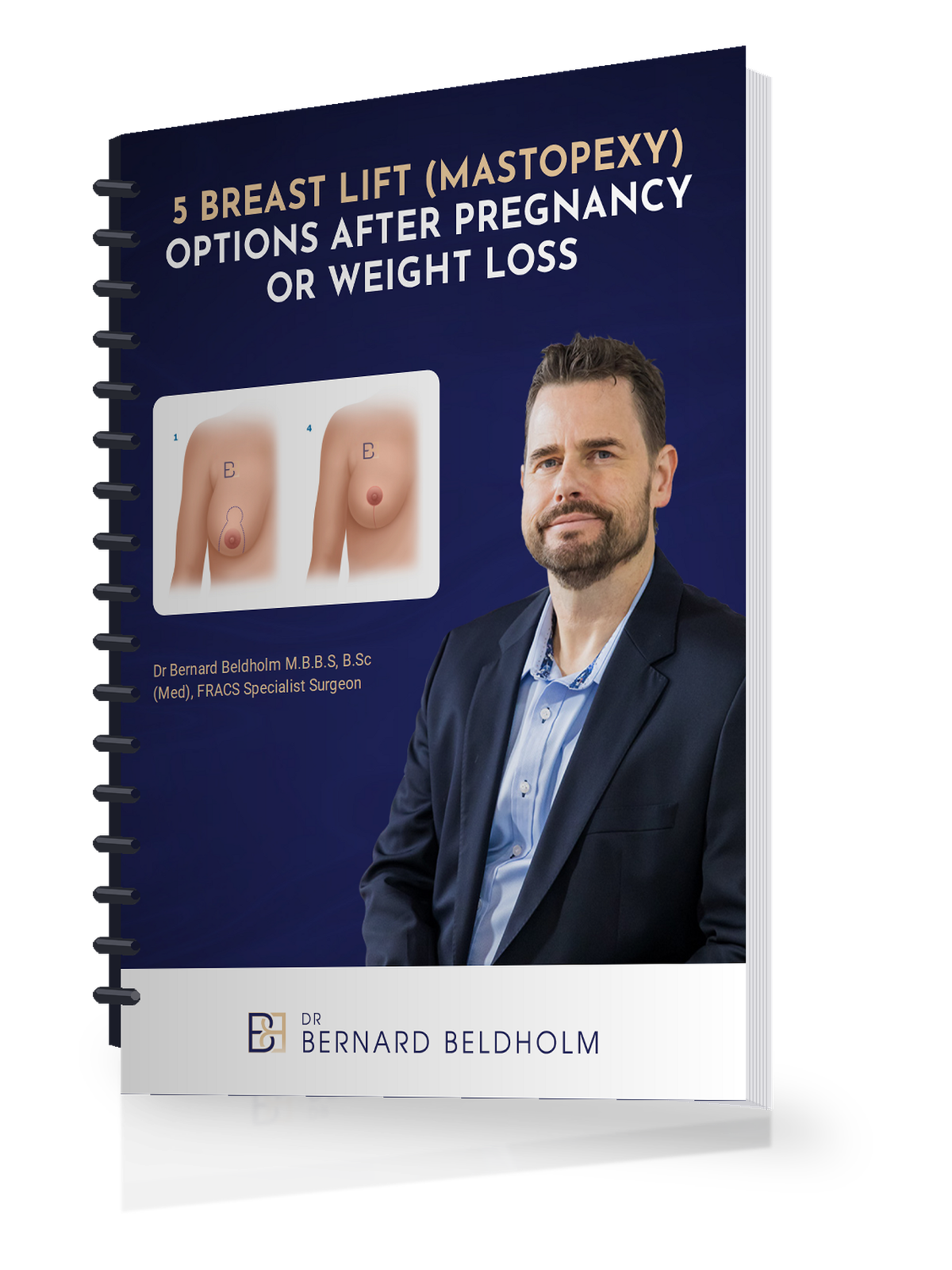
One operation, or the work spread across two
Where a patient is suited to it, my preference is to carry out the lift and the implant in a single operation. For that patient it means one anaesthetic, one hospital admission and one recovery period to work through, rather than repeating each of those steps twice.
This is a preference, not a rule. For some patients, doing both at once places more demand on the tissues than is appropriate, and staging the lift and the implant across separate operations may be safer.
Which approach suits you is a clinical decision made at consultation, after assessment of your medical history, tissue quality, and the pattern and extent of skin laxity and breast position. If your surgery is staged, your recovery will follow a different timeline from the single-operation timeline described here, and I set that out for you at consultation.
What this article covers
One note on timelines throughout. The weeks I give are a guide, not a fixed schedule. Everyone heals at their own pace, and your own recovery may run faster or slower than the averages at any given point.
The day of surgery and your time in hospital
Before you go to theatre
Your mastopexy (breast lift) with breast implants is carried out under a general anaesthetic at Maitland Private Hospital. Most patients are admitted on the morning of surgery. The anaesthetic assessment is usually done by phone beforehand, and the anaesthetist examines you, including your airway, on the day of surgery.
I mark up your breasts while you are sitting upright, before the anaesthetic. Where the skin is removed and where the nipple sits depend on how the breasts hang under gravity, so this planning has to be done with you sitting up.
Waking up
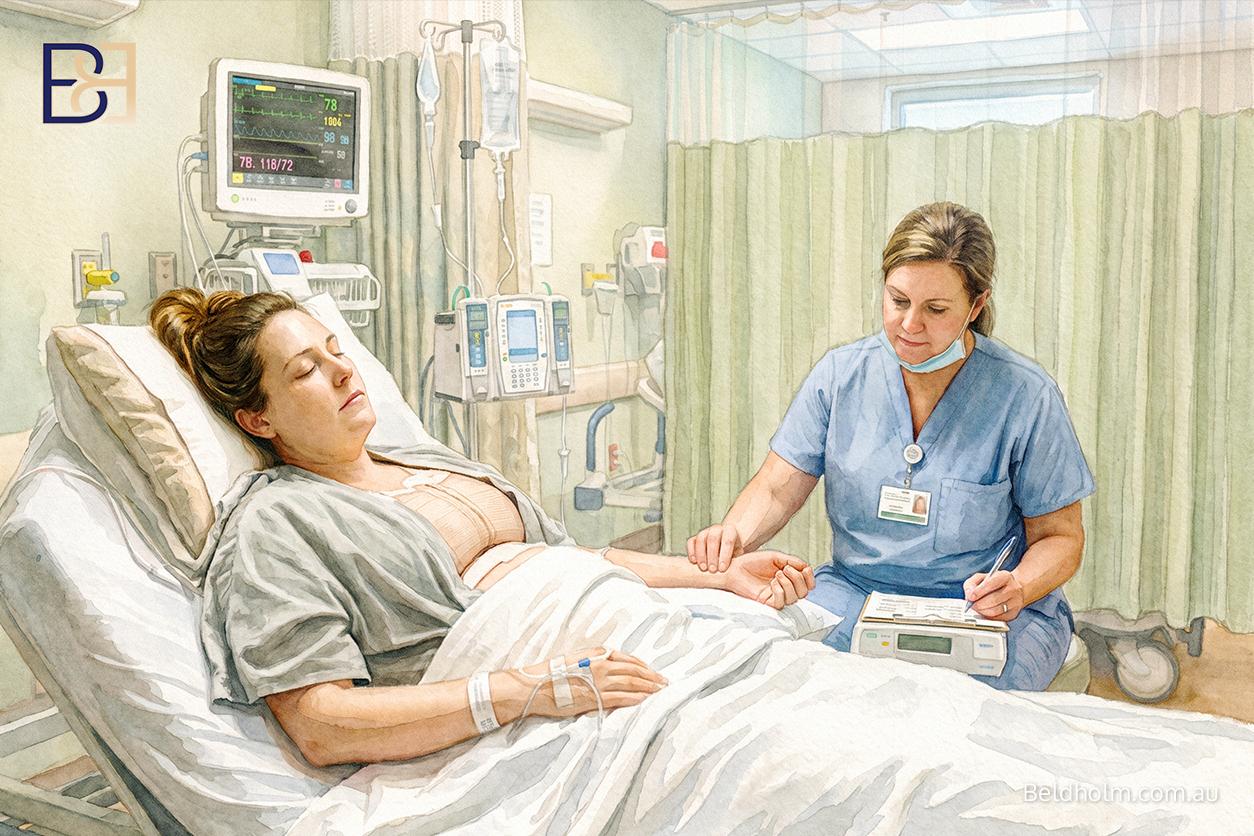
You will wake in the recovery area, looked after by the surgical team, with your chest feeling tight and sore. That tightness comes from the implant sitting under tissue that is not yet used to it, together with the reshaping done during the lift. A support bra is already on when you wake, and your dressings are in place.
Most patients describe the early sensation as pressure and heaviness across the chest rather than a sharp pain. Pain is managed with regular medication, and I talk through your pain relief plan with you. Tell the nursing staff early if the medication is not holding the pain, rather than waiting it out, so it can be adjusted.
Dressings, drains and the support bra
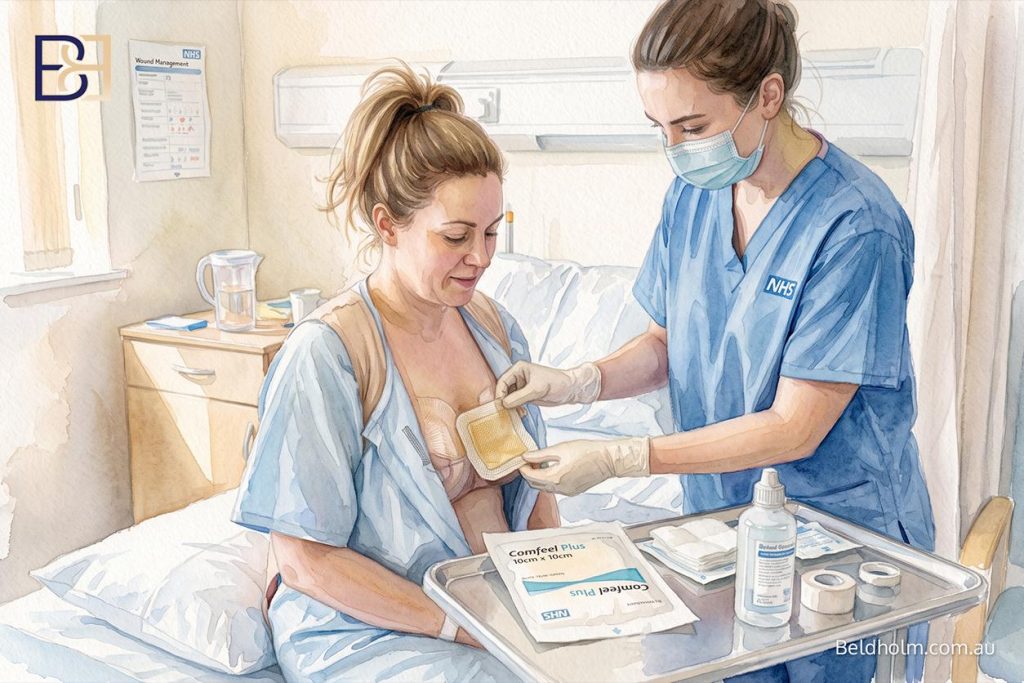
Your incisions are covered with Comfeel dressings. These stay in place and are managed at your early follow-up visits rather than being disturbed at home.
Drains are usually used with a combined lift and implant, though not always. A drain lets fluid escape from the operated area in the first days after surgery. If you have one, it usually goes home with you and is removed at one of your early follow-up visits, once the fluid output has dropped to a low level.
The support bra, sometimes called a surgical or compression bra, holds the breasts in position while the tissues begin to settle. You wear it continuously in the early weeks, and I tell you at your reviews when you can change out of it.
Your hospital stay
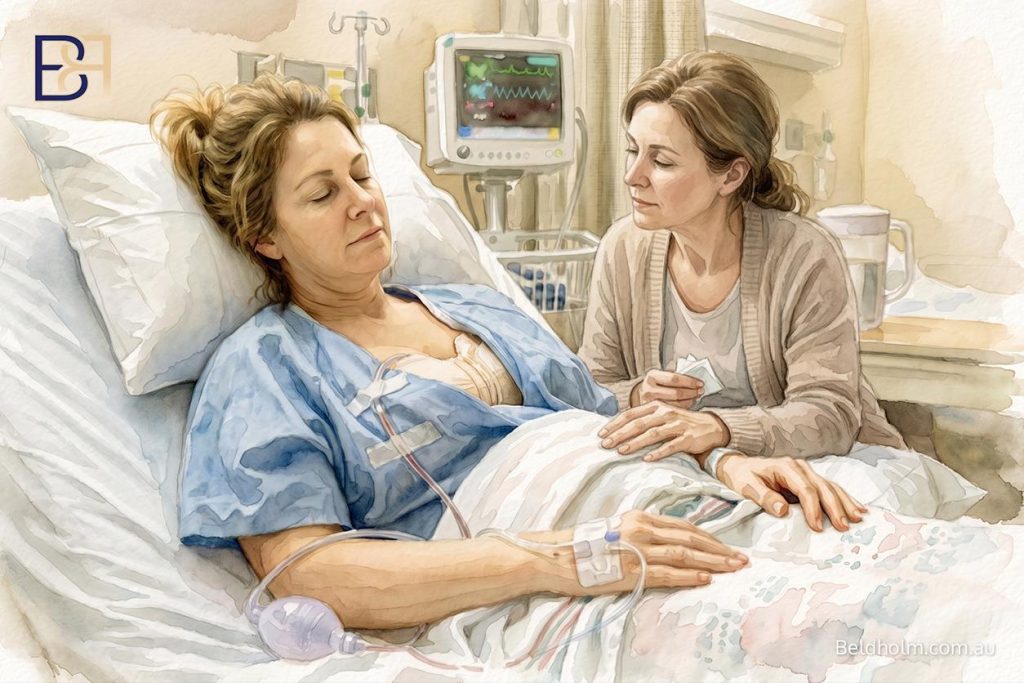
Your operation is usually done as day surgery, which means you go home the same day. Some patients stay one night, depending on the extent of the operation and how they recover from the anaesthetic. Maitland Private has 24-hour doctor cover and an on-site intensive care unit. If you stay overnight, I see you on rounds before you go home.
Getting up and moving
I want you up and walking short distances the same day or the morning after your operation. Early, light movement helps your circulation and lowers the risk of blood clots forming in the legs. You are not lifting or reaching overhead at this stage. Walking to the bathroom and around the room is enough.
Going home
Before you leave, you are given written aftercare instructions covering your medications, how to care for your dressings, what activity you can and cannot do, the symptoms that should prompt you to call, and who to contact. You will also have the dates for your early follow-up visits. Arrange for someone to drive you home and to stay with you for at least the first night.
The first week at home
The first week is the most demanding part of your recovery. You will be sore, tired and moving slowly, and that is expected after an operation that both reshapes the breast and places an implant. Plan for a quiet week with help at home.
Pain and discomfort

Pain is usually at its most noticeable in the first two to three days, then eases over the week. Most patients describe tightness, pressure and heaviness across the chest rather than a sharp pain. If the implant sits partly under the muscle, that muscle can ache, and the ache can be felt across the chest and into the shoulder. Take your pain medication as prescribed rather than waiting for the pain to build. As the days pass you step down from the stronger medication to paracetamol and anti-inflammatory medication.
Rest, and moving around the house

Rest is the priority, but you should not stay in bed all day. Get up and walk around the house regularly, even short distances, to keep your circulation moving. Keep your arms low. Do not reach overhead, lift, push or pull during this first week. Wear clothing that opens at the front so you are not raising your arms to dress.
Sleeping
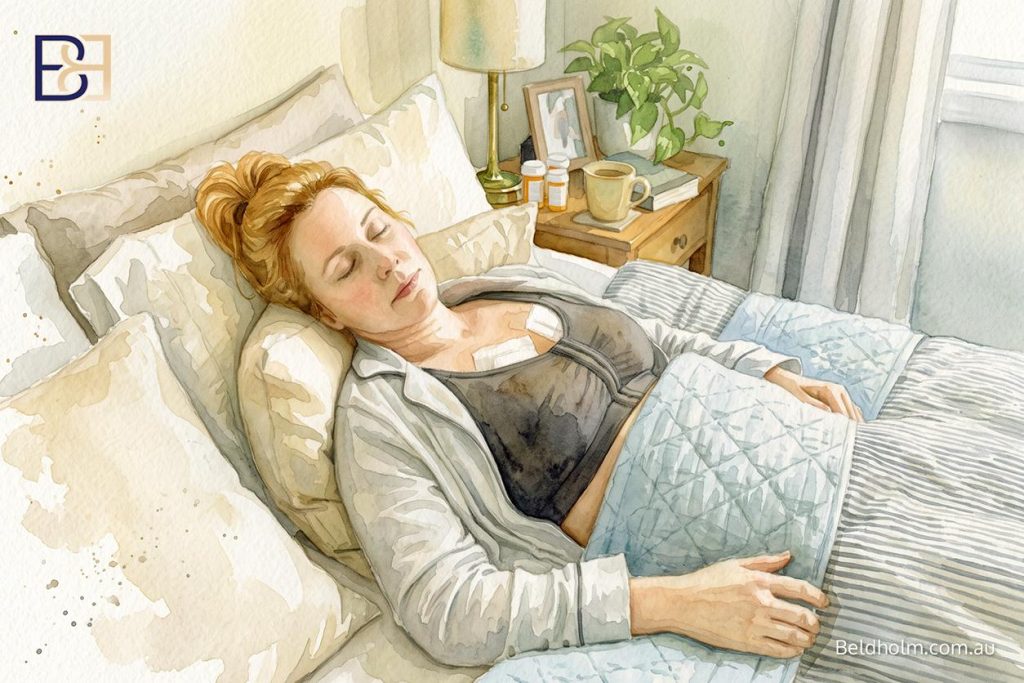
Do not sleep on your side or your front in the early weeks.
Showering and your dressings
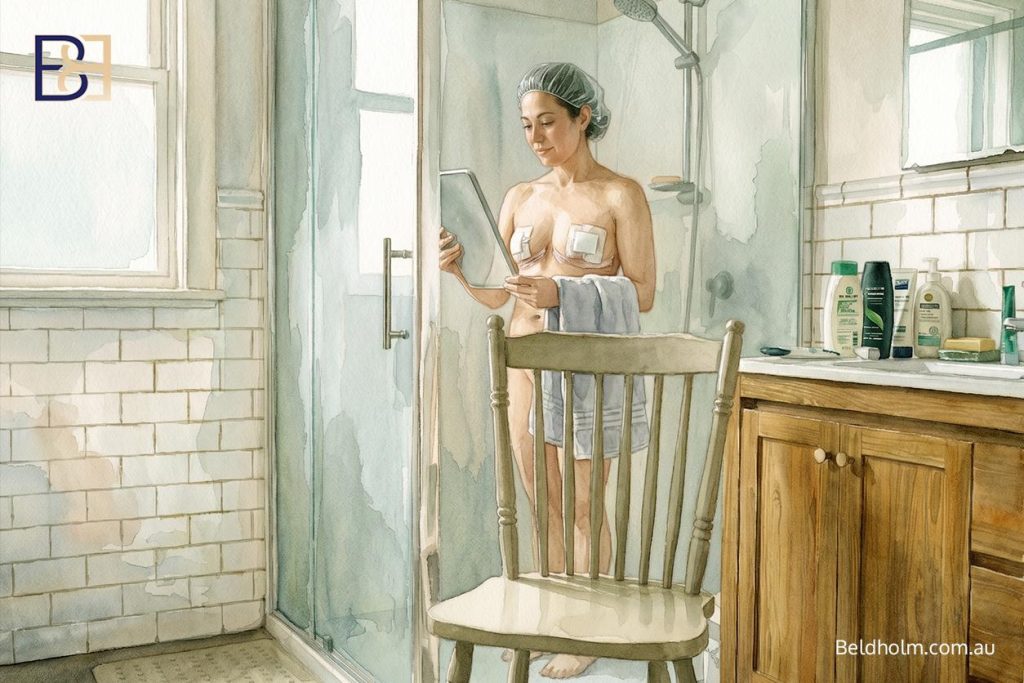
Your incisions are covered with Comfeel dressings, which stay in place and are managed at your follow-up visits. I tell you when you can shower and how to keep the area dry. Do not soak the wounds. No baths, spas or swimming until the wounds have healed and I have cleared you.
Early follow-up in the first two weeks
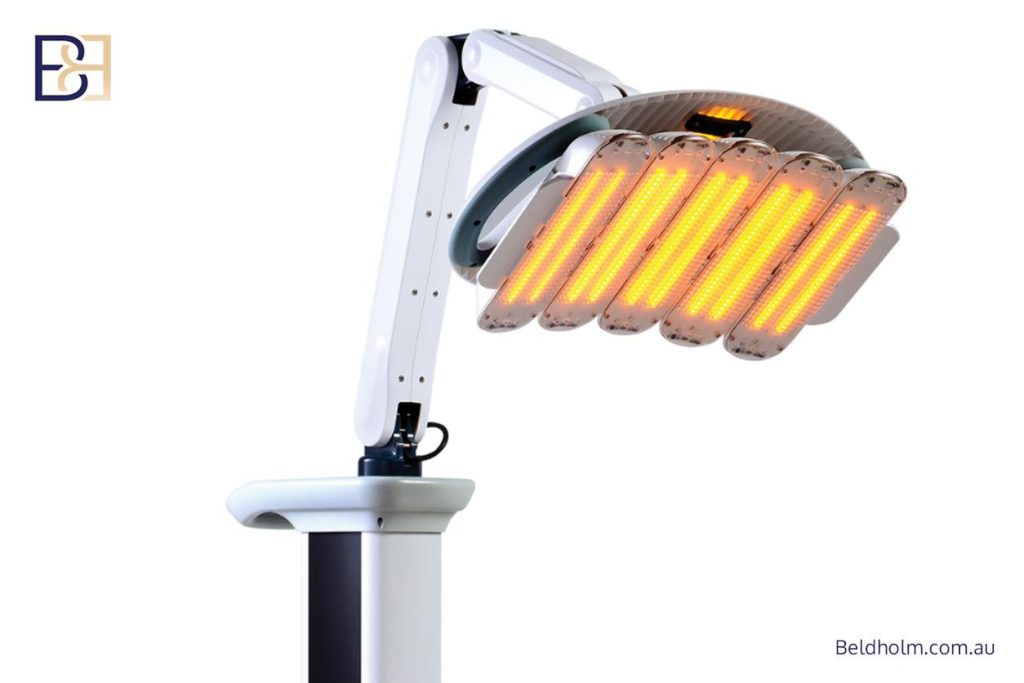
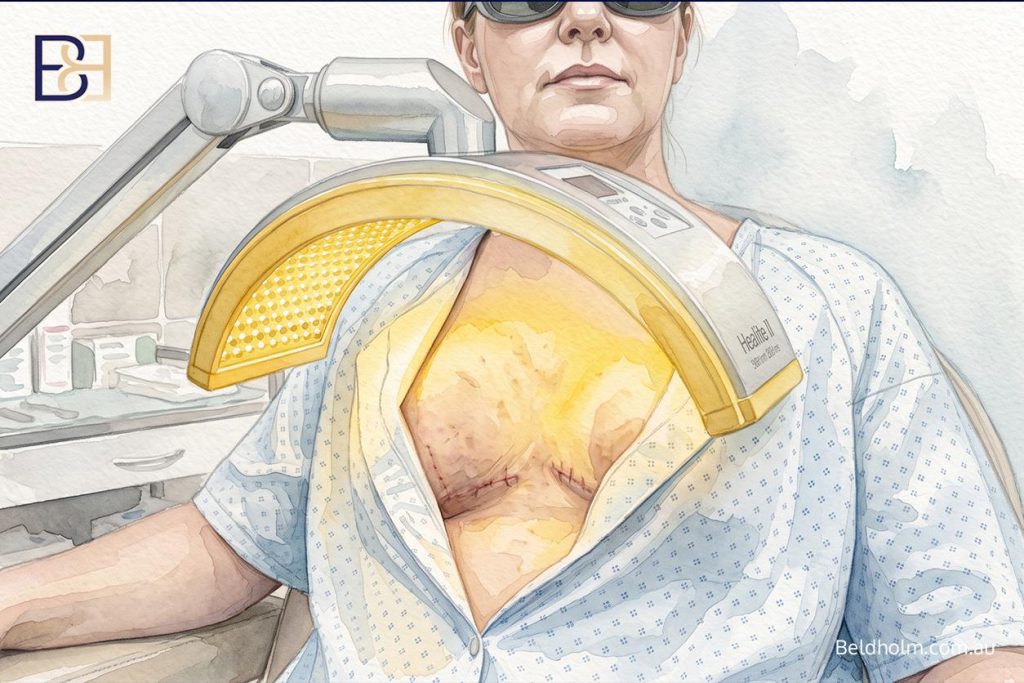
I follow patients closely in the first two weeks. You come in two to three times a week for nurse or doctor review, dressing changes and LED light therapy, which supports wound healing. These visits are also when we check that the wounds are settling, that any drain output has dropped, and that you are comfortable. Raise anything that is worrying you at these visits.
What is normal in the first week
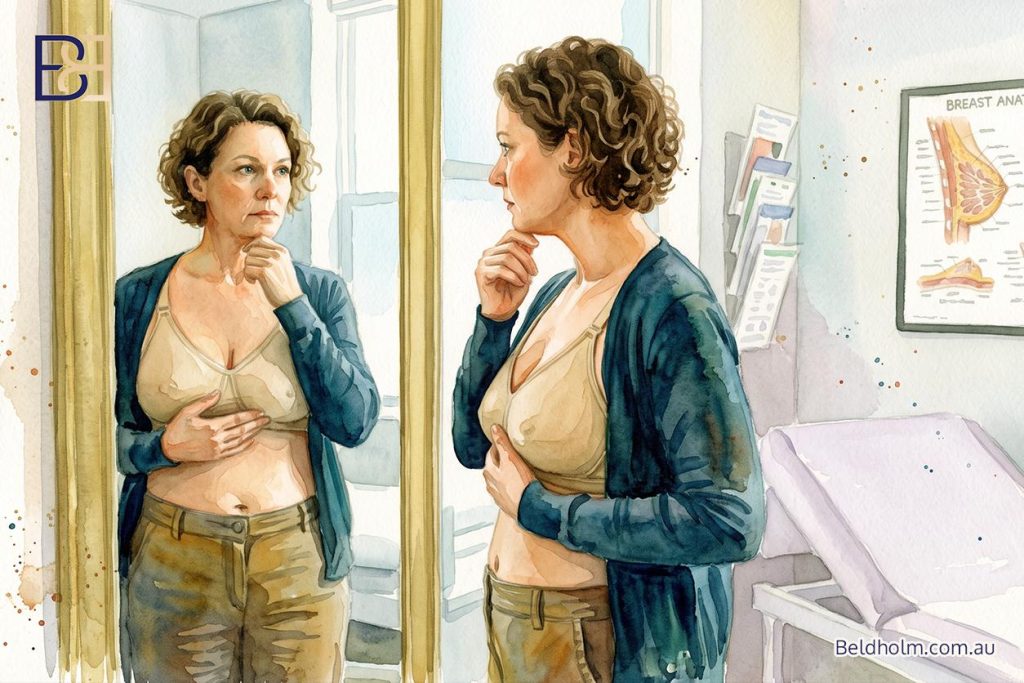
Some swelling, bruising and firmness is expected, and the breasts will sit high and feel tight to begin with. You may notice itching or burning as the skin and nerves settle. Bruising can track downwards with gravity. These settle over the weeks that follow as the healing process continues. The warning signs that are not part of normal recovery, and who to call, are covered further on.
The emotional side
It is common to feel up and down in the first week or two. Tiredness, disrupted sleep, the after-effects of the anaesthetic and waiting for the swelling to settle all play a part. This is a normal part of recovering from a larger operation, and it eases as you heal.
Weeks two to six: building back up
Recovery through this middle stretch is gradual. You will feel steadily more capable week to week, but the tissues and the implant are still settling, so the restrictions matter. Pushing too hard too early risks bleeding, fluid collection, wound problems, or shifting the implant before it has settled into its pocket.
Lifting and using your arms
- No heavy lifting, pushing or pulling for about 2 weeks. That includes shopping bags, laundry baskets and picking up young children.
- Keep overhead reaching to a minimum in the early weeks, then reintroduce it gradually as it becomes comfortable.
- Everyday light tasks are fine once you are comfortable. Let discomfort be your guide and stop if something pulls or aches.
Driving

Most patients are right to drive again around one week after surgery, provided you are off the stronger pain medication and can wear a seatbelt, turn the wheel and perform an emergency stop without hesitation. Do not drive while taking medication that makes you drowsy.
Returning to work
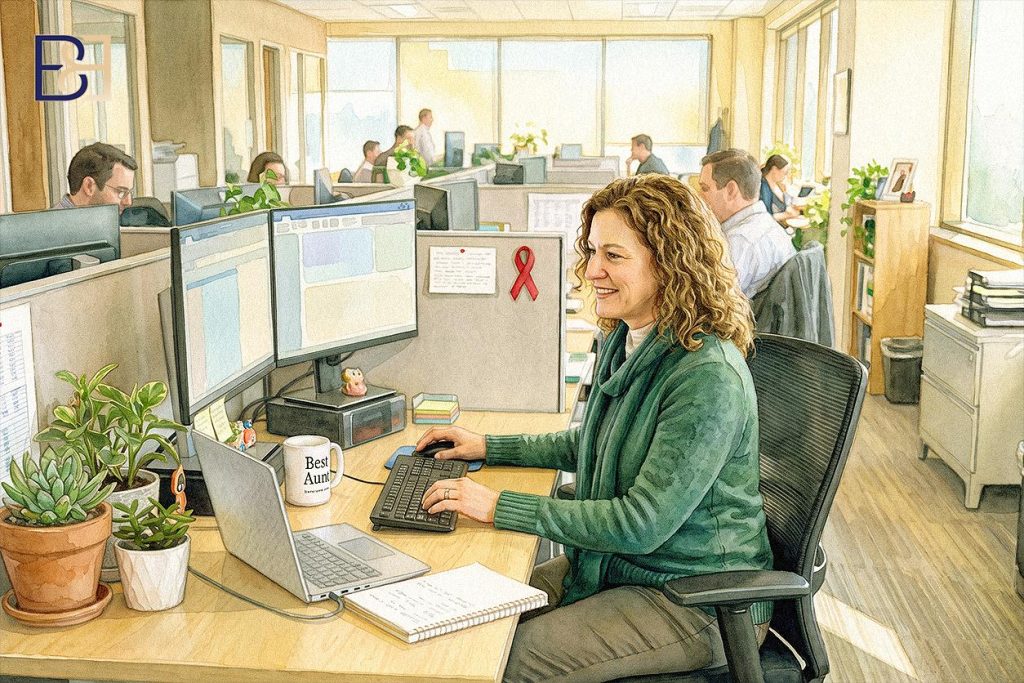
If your job is desk-based, many patients return around one week, once off the stronger pain medication and able to sit comfortably. If your work involves lifting, reaching or physical effort, you need longer, in line with the lifting restrictions above. Talk to me about your specific job at consultation and at your reviews.
Exercise

Your return to exercise is staged:
- From around two weeks, you can build up light lower-body activity such as walking.
- Hold off on anything that works the chest, shoulders or upper body, and anything with impact or bouncing, until around six weeks.
- Running, weight training, and strenuous exercise that works the chest or arms come back last, once I have cleared you.
Let the support bra and your reviews set the pace rather than a fixed date on the calendar.
Your support bra
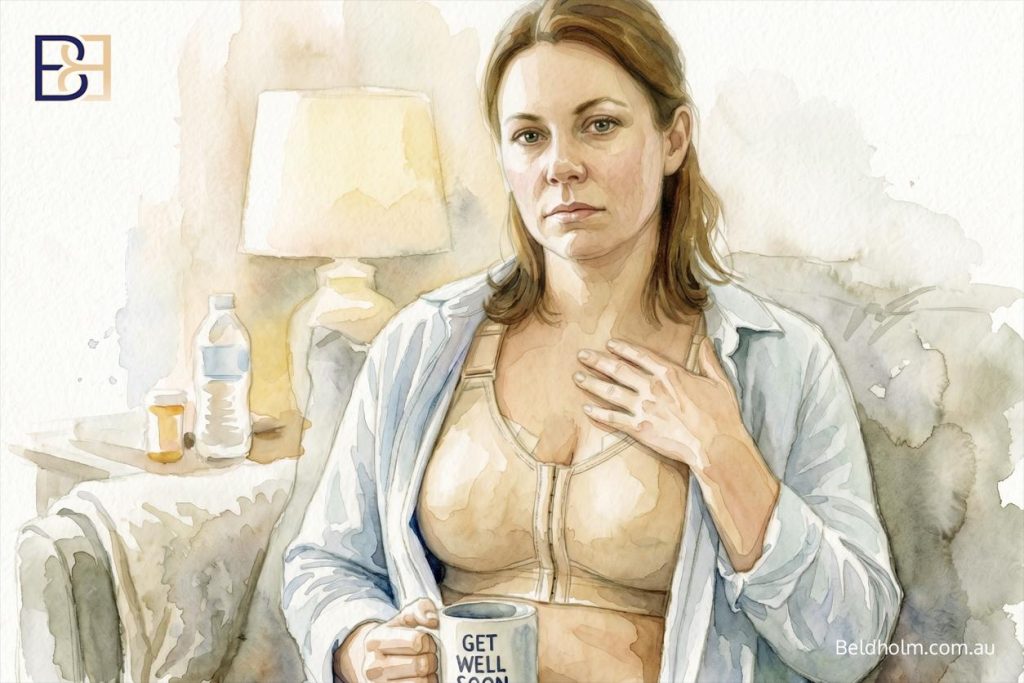
Wear the support bra full-time, day and night, for the first four weeks. After that, wear it through the day for a further two weeks. From around six weeks you can move to an underwire bra. The bra supports the breasts while the implant settles and the tissues heal, so wearing it as directed matters.
How you look through this stage
Your breasts will still be swollen and sitting high through this period, and the shape keeps changing as they settle. How the breasts settle is covered in more detail further on.
Scars, and how they mature
A mastopexy (breast lift) leaves permanent scars. This is the main trade-off of the operation, and something to be clear about before you decide. The implant is usually placed through the same incisions used for the lift, so in most cases there is no separate scar for the implant.
Where the scars sit
The lift is done through one of a few incision patterns, chosen to match how much skin needs to be removed and how far the nipple is repositioned:
- Around the areola. A scar circling the edge of the areola, where it meets the surrounding skin.
- Vertical pattern. The areolar scar plus a vertical line running from the bottom of the areola down to the crease under the breast.
- Inverted-T pattern. The areolar and vertical scars plus a horizontal line that sits along the crease under the breast.
The vertical and inverted-T scars in the fold sit where a bra or swimwear tends to cover them. Which pattern suits you depends on your skin laxity and breast position, and it is decided at consultation after assessment.
How scars change over time
Scars are not finished when the wounds close. They go through a long maturing process:
- In the first weeks and months they are usually raised, firm and pink or red.
- Over the following months they soften, flatten and fade in colour.
- Full maturing takes around twelve to eighteen months. The final scar is usually a fine, paler line, but it is permanent and does not disappear.
Your surgical incisions are closed with absorbable sutures placed under the skin, so there are no stitches to remove and nothing sitting on top of the skin.
Scar management and what supports healing
Once the wounds have healed, there are steps that support how the scars settle:
- Keep the scars out of the sun. Sun exposure and ultraviolet light can darken a healing scar, so cover them or use sun protection for at least the first twelve months.
- Silicone tape or gel, used as I direct once the wounds are healed, can support scar maturing.
- Do not smoke. Smoking impairs wound healing and worsens scarring.
- Follow the wound-care and support-bra instructions you are given.
The LED light therapy at your early visits also supports wound healing in the first weeks.
Why scarring varies
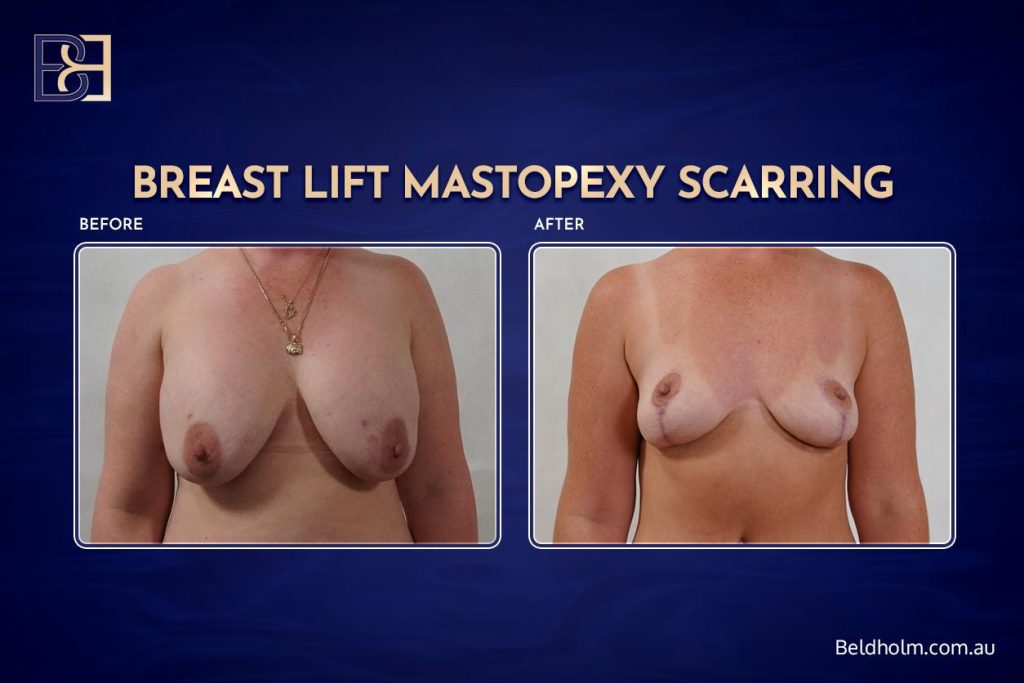
Disclaimer: Results vary, surgery has risks, seek second opinion. Operation performed by Dr Bernard Beldholm
How a scar settles depends a great deal on the individual. Skin type, genetics, age and how you heal all play a part. Some people form thicker, raised or darker scars, and some are prone to keloid or hypertrophic scarring. If you have scarred poorly before, tell me at consultation so we can factor it in. How your scars settle cannot be guaranteed, and scar appearance varies from person to person.
How the breasts change as they settle
The shape you see in the first weeks is not the shape you finish with. A mastopexy (breast lift) with breast implants takes time to settle, and the breasts change steadily over the months after surgery.
The early weeks: high and firm
To begin with, the breasts sit high on the chest and feel firm and tight. The implants look as though they are riding high, with most of the fullness towards the top. This is expected. The tissues have been reshaped and tightened by the lift, and they are holding the implant snugly while everything is still swollen. It can look and feel quite different from the shape you are working towards, and that is normal at this stage.
The following months: settling into shape
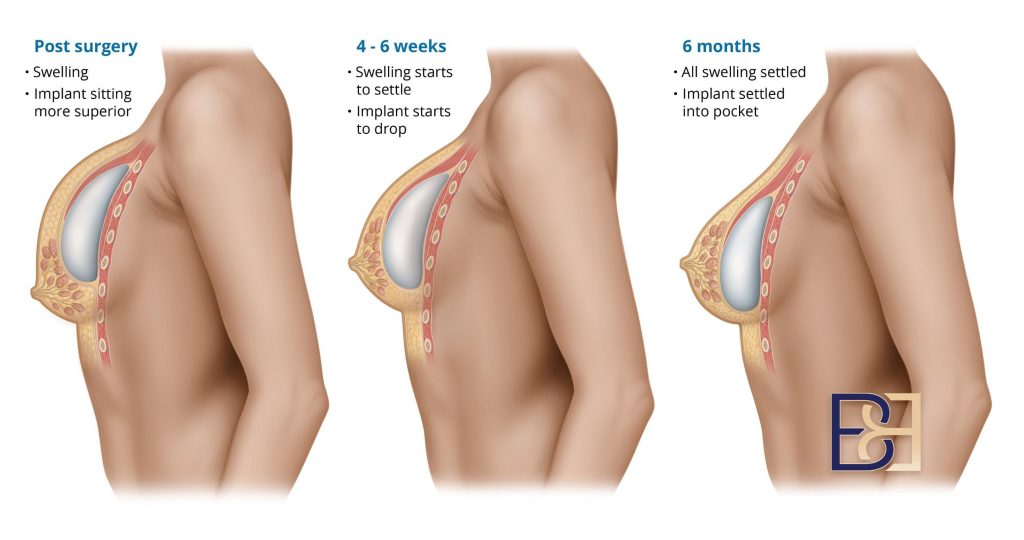
Over the following weeks and months, several things happen together:
- The swelling gradually resolves.
- The tissues relax and soften.
- The implant settles downwards and forwards into the lower part of the breast.
- The fullness redistributes from high on the chest into a more even shape.
This is usually described as the implant settling into position. It is a gradual process, and it is the reason the breasts look higher and firmer early on than they will once settled. Most of this change happens over the first three to six months.
Because your operation combines a lift and an implant, both elements settle at the same time. The lifted, tightened tissues relax while the implant finds its position. This is part of why a combined operation takes time to show its settled shape.
Some unevenness as you heal
The two sides do not always settle at exactly the same rate. It is common for one breast to look a little more swollen, firmer or higher than the other during healing, and for that difference to even out as both sides settle. Some degree of difference between the two sides is normal, both before and after surgery. No two breasts are identical.
When the shape has settled
As a general guide, the breasts have largely settled by around six months, closer to their final shape, though minor changes can continue beyond that. The scars keep maturing for longer, up to twelve to eighteen months. I assess how you are settling at your scheduled reviews.
Sensation change and breastfeeding
Changes in nipple and skin sensation
Breast sensation, in the nipple and the surrounding skin, commonly changes after a mastopexy (breast lift) with breast implants. The lift repositions the nipple and reshapes the breast, and the implant stretches the tissues. Both can affect the nerves that carry sensation.
For most patients the change is temporary. You may notice numbness, heightened sensitivity, tingling or occasional shooting sensations in the early weeks and months. This usually settles as the nerves recover, a process that can continue over six to twelve months.
For some patients, a change in nipple sensation is permanent. Sensation can be reduced, lost, or occasionally increased, and this cannot be predicted for any individual before surgery. It is a genuine risk of the operation, and I talk it through with you at consultation.
Breastfeeding after this operation

Both parts of this operation can affect your ability to breastfeed in the future. The lift can involve moving the nipple and areola and altering the ducts and glandular tissue beneath, and an implant changes the breast it sits within. Some patients are able to breastfeed after this surgery and some are not, and it is not possible to guarantee the outcome for any individual. Whether and how surgery may affect breastfeeding is assessed with you at consultation.
If you are planning a future pregnancy
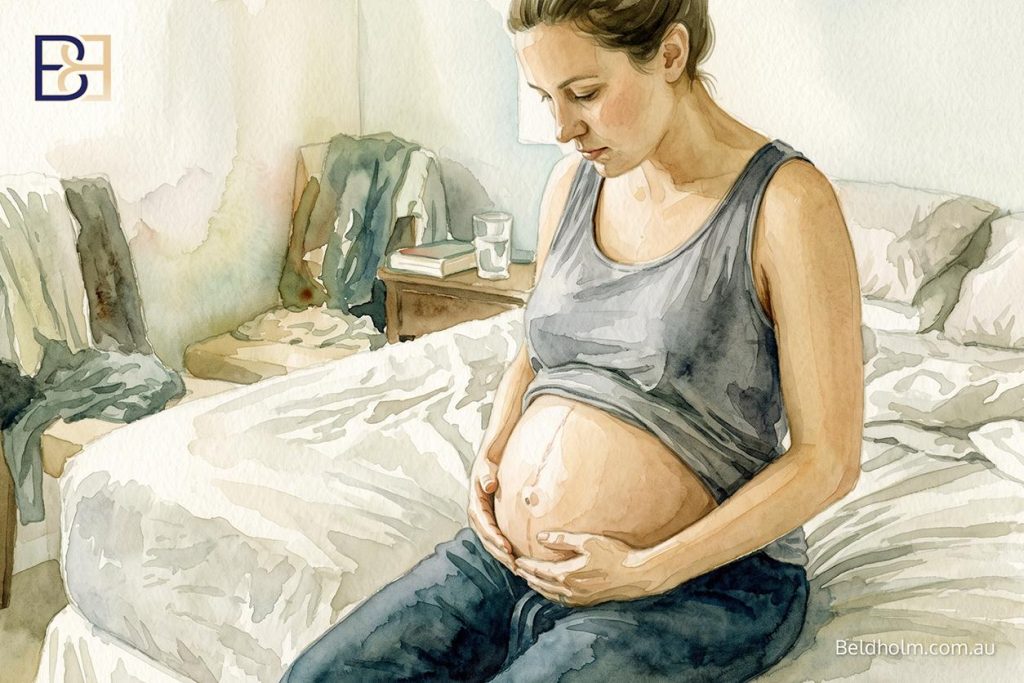
A future pregnancy and breastfeeding can change the breasts again, in volume, shape and position, and that can alter the result of your surgery. For this reason, surgery is generally planned once your family is complete and breastfeeding has finished and the breasts have settled.
Warning signs and who to call
As with any cosmetic surgery, most patients recover without a problem, but you need to know the signs that something is not right, and who to contact. The combined lift and implant has particular points to watch, because the operation places tension on the skin and relies on the blood supply to the nipple.
Signs to act on
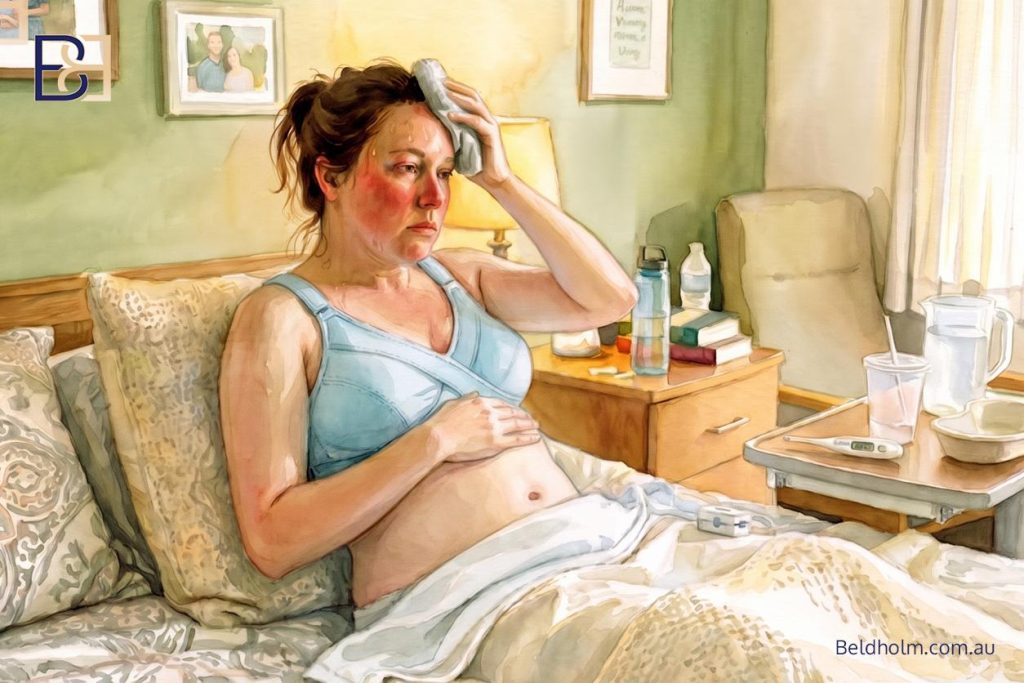
Contact us if you notice any of the following:
- Bleeding, or a rapidly swelling, tense breast. Sudden swelling on one side, often with increasing pain and tightness, can indicate a haematoma (a collection of blood). This may need prompt treatment.
- Signs of infection. A rising temperature or fever, spreading redness, warmth, increasing pain, or discharge from a wound. Infection around an implant needs early attention.
- A wound that opens or will not heal. Any separation of the wound edges, or persistent ooze, should be reviewed.
- A change in the colour of the nipple or areola. If the nipple or areola looks pale, dusky, blue or dark, contact us without delay. The blood supply to the nipple is a genuine risk point after a lift, and a change in colour needs prompt assessment.
- A collection of fluid. A soft swelling that develops after the early swelling has started to settle can be a seroma (a fluid collection), which may need draining.
- Calf pain or swelling in one leg. Pain, swelling, redness or warmth in one calf can indicate a clot in the leg, a deep vein thrombosis. This needs urgent assessment.
- Chest pain or breathlessness. Sudden shortness of breath or chest pain can indicate a clot that has travelled to the lungs. This is an emergency. Call 000.
This is not a complete list. If something does not feel right, it is better to call and ask than to wait. How I stratify and lower the risk of a clot is covered in my article on DVT after breast surgery.
Who to call, and when
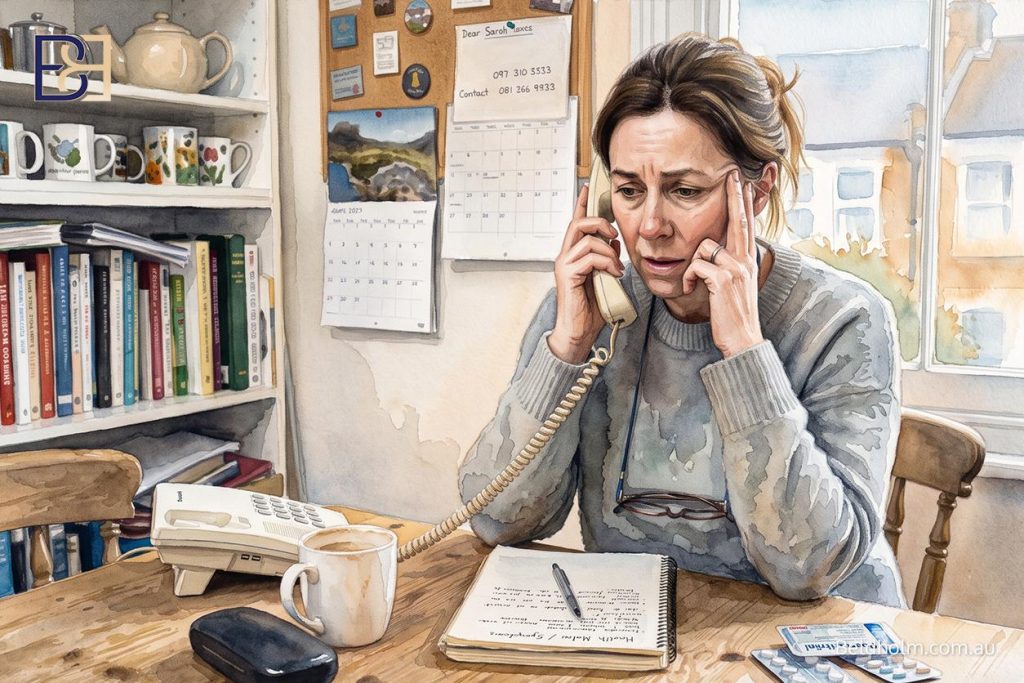
- During office hours, call my rooms. My nurse or me will advise you and arrange to see you if needed.
- After hours, call Maitland Private Hospital. They provide nurse-led phone triage and will guide you on what to do. Maitland Private is not an emergency department.
- If you need a physical assessment after hours, go to your local emergency department.
- For anything life-threatening, such as severe breathlessness, chest pain or collapse, call 000 immediately.
You are given these contact details in writing before you go home, along with your follow-up appointment dates.
Preparing for surgery, and why it matters more here
A mastopexy (breast lift) with breast implants is a larger operation than either procedure alone, and that raises the weight of good preparation rather than lowering it. The better shape you are in going into surgery, the better placed your body is to heal. Preparation is part of what makes a combined operation an appropriate choice in the first place.
The pre-operative blood tests
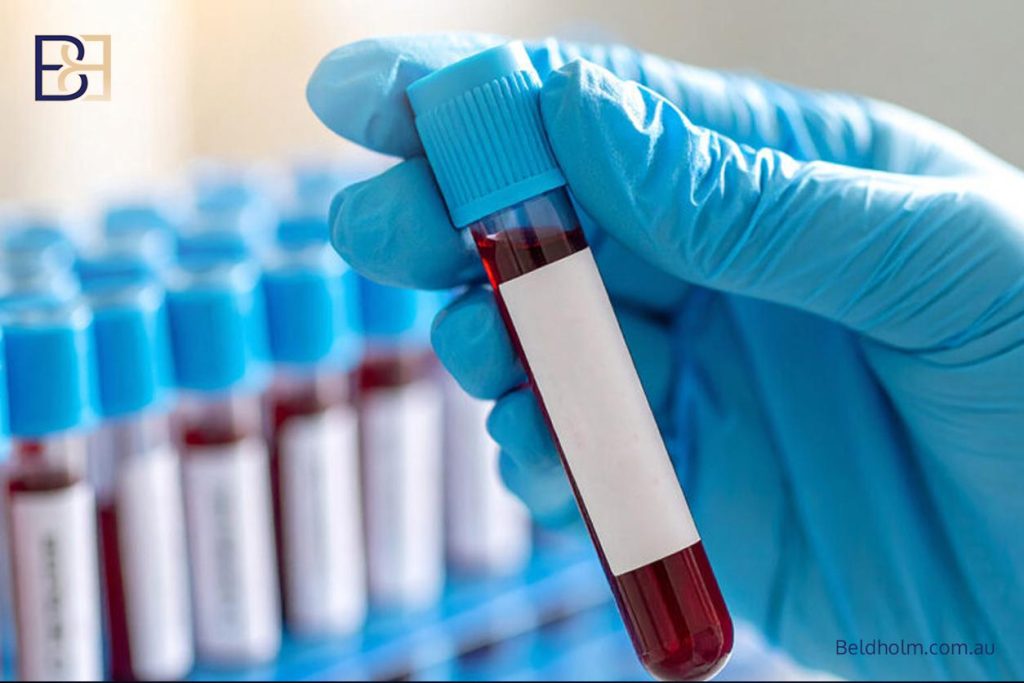
Before surgery, all of my breast surgery patients have a standard set of blood tests. These check your general health and flag anything that should be attended to before you go to theatre. They include:
- a full blood count
- kidney function and electrolytes
- liver function
- a coagulation screen
- hepatitis B, hepatitis C and HIV
- a pregnancy test (HCG) where applicable
Your GP is copied in on these results, and anything that needs attention is followed up before surgery. You can read more about what each test covers in my pre-operative blood tests article.
Medications and blood thinners

Some medications need managing before surgery. Aspirin and blood-thinning medications are usually stopped about a week beforehand, and this is planned well in advance. Do not stop any prescribed medication on your own. Tell me and your GP what you take, and I will give you clear instructions on what to stop and when.
Follow-up and the longer term
Your follow-up schedule
Book your appointment online now
I follow you closely in the first two weeks, as covered earlier, with several visits for review, dressing changes and LED light therapy. After that, your scheduled follow-up appointments are at four weeks, three months, six months and twelve months. At each visit I check how you are healing and settling, and we talk through anything on your mind.
At your four-week visit I provide a formal handover to your GP, so your longer-term care continues with them, while you remain welcome to raise anything with me.
Breast screening with implants
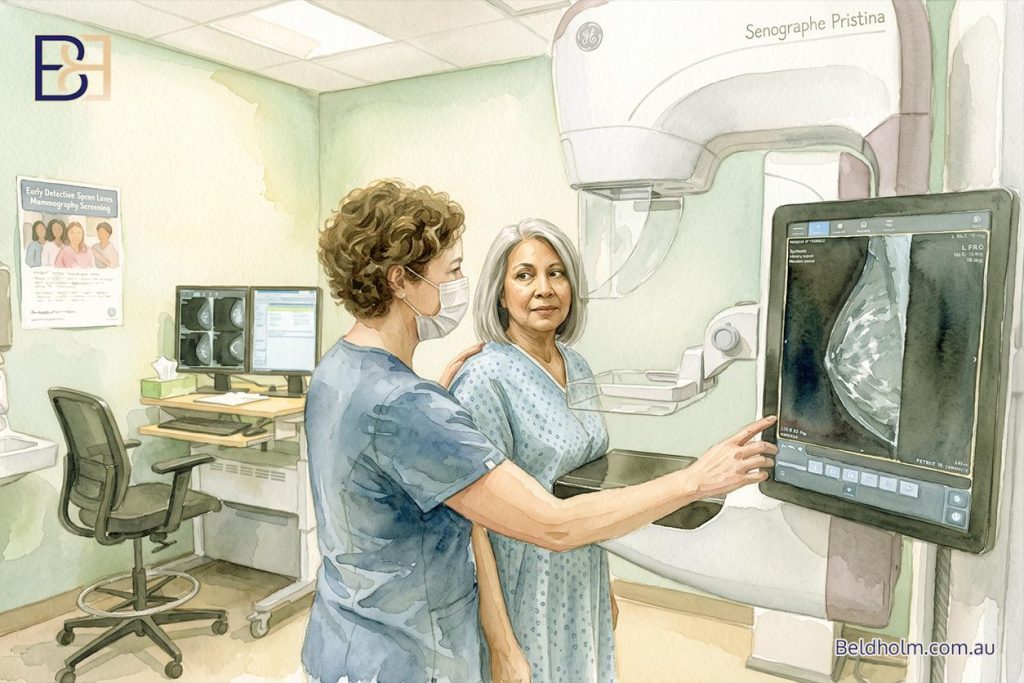
Having breast implants does not stop you having breast screening, but it does change how it is done. Let the radiographer know you have implants, as extra views are used to see as much of the breast tissue as possible around the implant. Keep up with the breast screening appropriate for your age and history, and your GP can advise on timing. You can read more in my article on breast screening with implants.
When the result is settled
What you see at the early visits is not the finished result. The breasts keep settling over the months that follow, and realistic expectations help, so try not to judge the final shape too soon.
Deciding whether this operation is right for you
A mastopexy (breast lift) with breast implants is one option among several, it is not the right choice for everyone, and results vary between patients. Whether it suits you, and whether it is better done as a single operation or staged across two, is decided with you at a consultation, which needs a GP referral, after assessment of your medical history, tissue quality, skin laxity and breast position. For some patients a single operation is appropriate.