


Breast implant removal (explant surgery) is often thought of as undoing an augmentation. It is not. It is a separate operation on tissue that has changed since the implants went in, and it carries its own set of complications that are different from the ones discussed before the original surgery.
In my practice I remove breast implants for a range of reasons. Some patients have a ruptured implant. Some have capsular contracture, where the scar tissue hardens and tightens around the implant. Some have systemic symptoms they attribute to their implants. Some have decided they no longer want implants. The reason for removal shapes the operation, and it shapes the risks.
This article sets out the risks and complications of breast implant removal (explant surgery) so you can weigh them properly before you decide.
What this article covers
Removal is its own operation, not a reversal
Book your appointment online now
Taking an implant out means opening the breast again, working around a pocket and a capsule that have formed over months or years, and closing tissue that no longer sits the way it did before augmentation. The longer an implant has been in place, the more the surrounding tissue has adapted to it.
That is why I do not describe removal as going back to how things were. The breast after removal is not the breast before augmentation. Skin, breast volume and breast position have all changed in the intervening time, and the operation works with that reality rather than erasing it.
Every point below is assessed individually. A GP referral is required before any consultation, suitability is determined at that consultation, and results vary between patients.
Why removal carries a different risk profile from the original surgery
When you had your breast augmentation, I would have been working on tissue that had never been operated on. Breast implant removal surgery is different. The field has changed, and those changes are what drive the complications specific to this operation.
Your body has formed a capsule
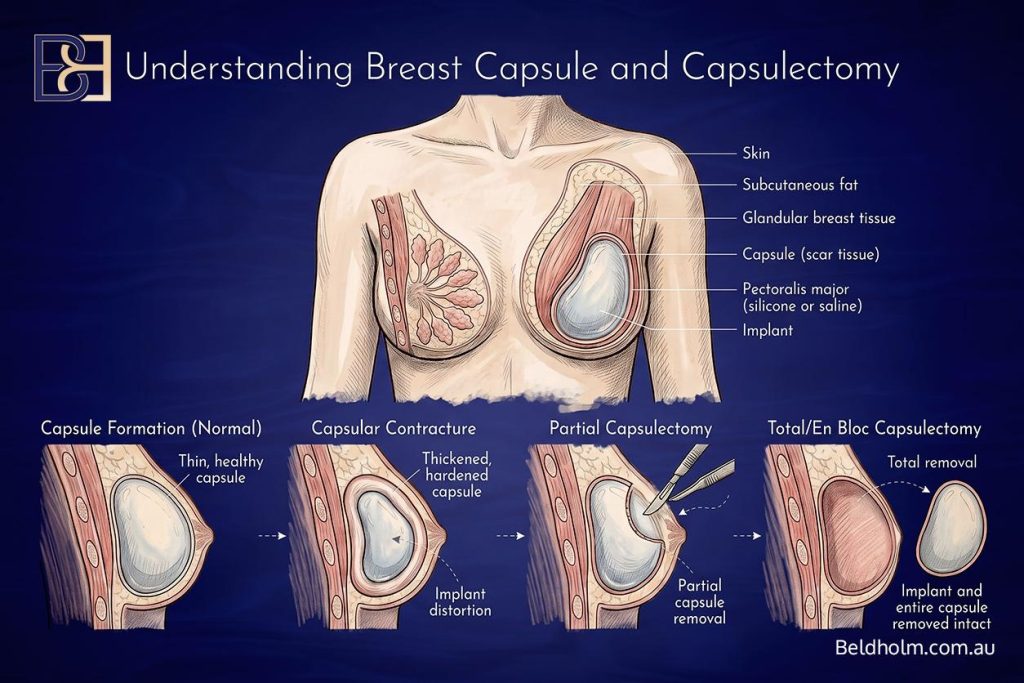
Around any breast implant, the body forms a layer of scar tissue called the capsule. This is a normal response to any implanted device, not a complication in itself. Every woman with implants has one.
The capsule varies a great deal between patients, and this matters for surgery:
- In some breasts the capsule is thin and separates from the surrounding tissue easily
- In others it is thick, hardened, or calcified, which makes it more work to remove and raises the chance of bleeding
- In a smaller number of cases the capsule is stuck firmly to the chest wall or ribs, which is where the more serious risks come in
I cannot always predict which of these I will find until I am operating. Imaging before surgery helps in some cases, but the capsule is assessed properly during the operation itself.
The tissue has adapted over time
The longer an implant has been in place, the more the breast has moulded around it. Skin stretches to accommodate the implant. Breast volume and position settle around it. When the implant comes out, the tissue does not spring back to how it was before augmentation. How much it recovers depends on your skin quality, the size of the implant, and how long it has been there.
The starting point differs for every patient
Several factors change the operation and its risks:
- Time in place. Older implants usually mean a more established capsule and more tissue change.
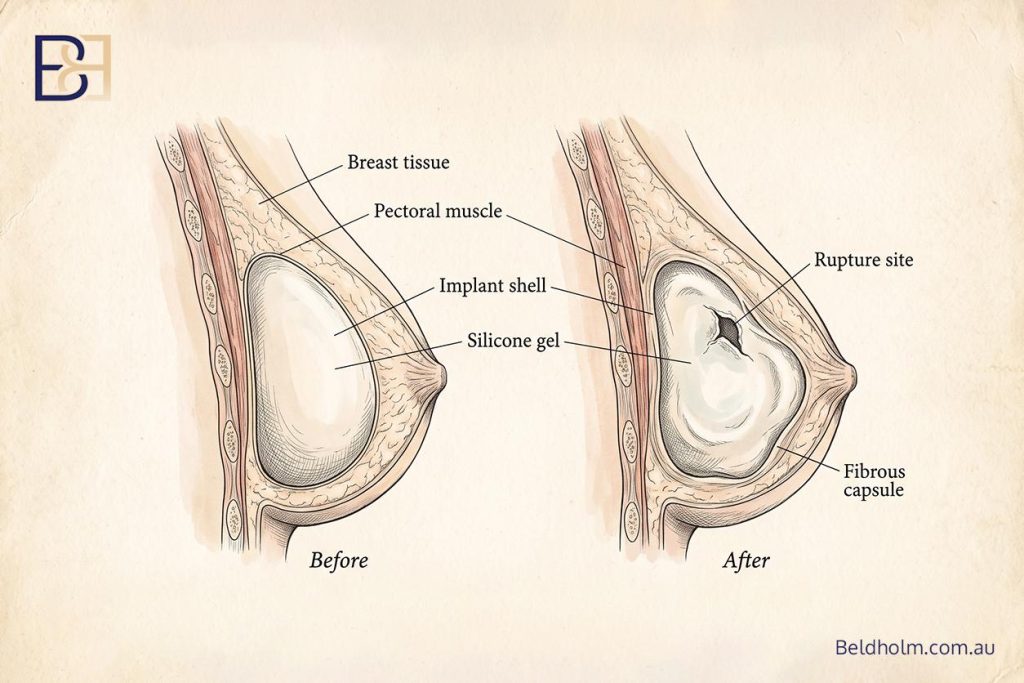
- Rupture. A ruptured implant, particularly a silicone one, alters what I find and what I need to do. I cover this later in the article.
- Previous operations. Each prior operation adds scar tissue and can affect blood supply to the skin and nipple.
- Implant size and pocket. A larger pocket leaves more space once the implant is gone, which raises the chance of fluid collecting.
- Placement. Whether the implant sits under the breast tissue or under the muscle changes the dissection.
General surgical complications
Some risks apply to any operation on the breast, whether you are having an implant put in, taken out, or exchanged. These are the implant complications I discuss with every patient before breast implant removal surgery, alongside the other complications specific to your situation. They are uncommon, but they do happen, and you should know what they are and what they would mean for you.
Bleeding and haematoma
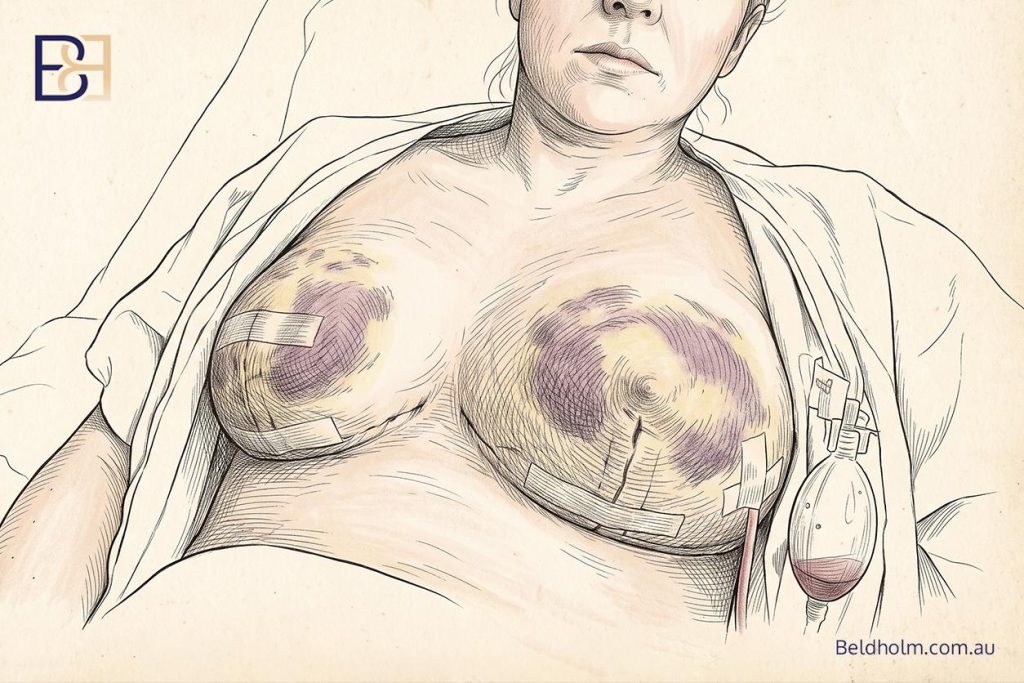
Any operation can bleed. Most bleeding is controlled during surgery, but a collection of blood can build up afterwards in the space where the implant used to sit. This is called a haematoma. With a larger haematoma you may experience pain, swelling and tightness, and it sometimes needs a return to theatre to drain it and stop the bleeding.
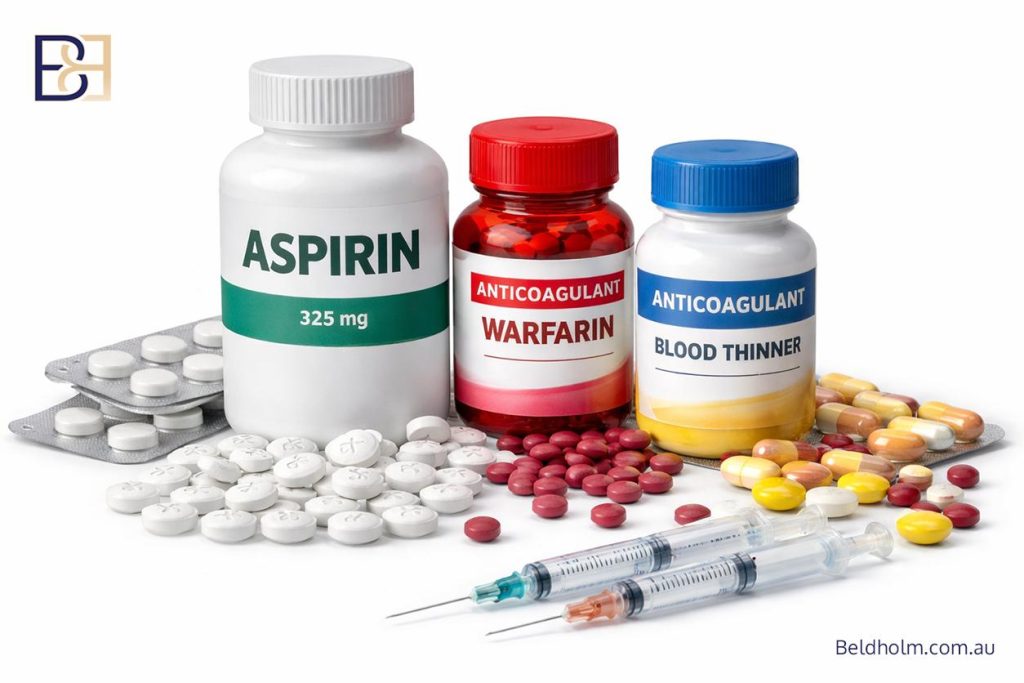
Removing a thick or calcified capsule involves more dissection than a straightforward removal, and more dissection means a higher chance of bleeding. This is one reason I ask you to stop aspirin and blood-thinning medications before surgery when your medical history allows it. You must never stop these on your own. I plan this with you in advance, and some patients are kept on their medication through surgery for good medical reasons.
Infection
Infection is uncommon after breast surgery, but it can happen. Published research reports infection in roughly 1 in 80 primary augmentations, and it is somewhat higher after revision and secondary operations, which includes removal (1). Signs at the surgical site include increasing redness, heat, swelling, pain and fever. Most infections settle with antibiotics. A deeper infection is more serious and occasionally needs a further operation.
Fluid collection (seroma)
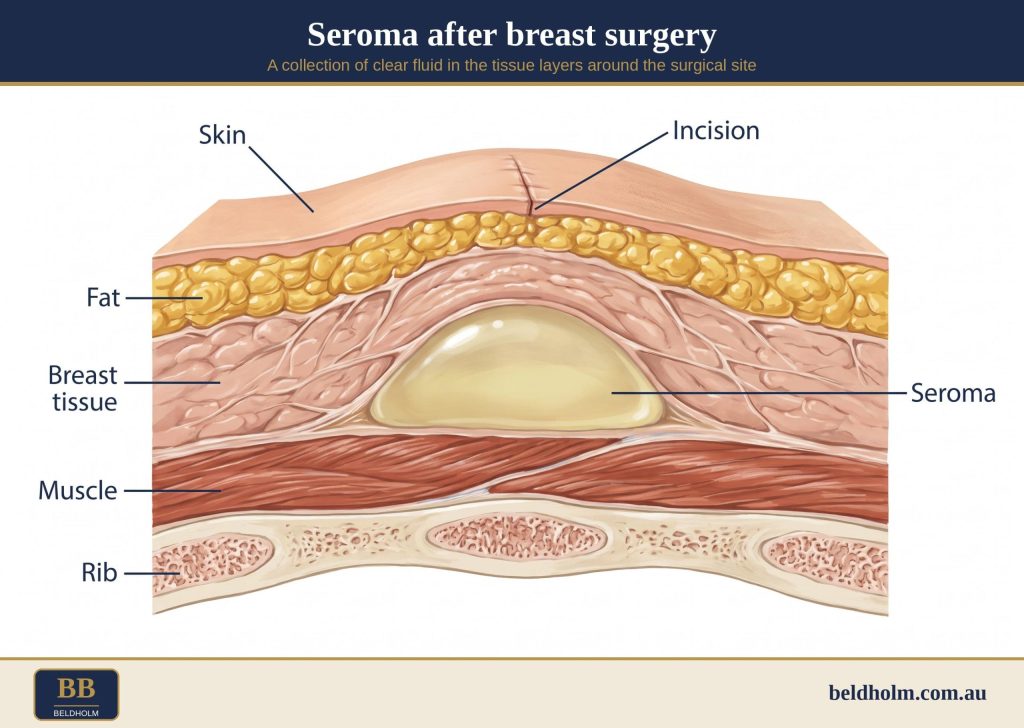
After an implant comes out, the pocket left behind can fill with excess fluid. This is called a seroma. Small collections often settle on their own. A larger or persistent one can cause persistent swelling, and a fine needle can be used to drain excess fluid, sometimes more than once. The bigger the implant that has been removed, the larger the empty space, and the more likely fluid accumulation is. I sometimes place a drain during surgery to reduce this.
Wound healing problems
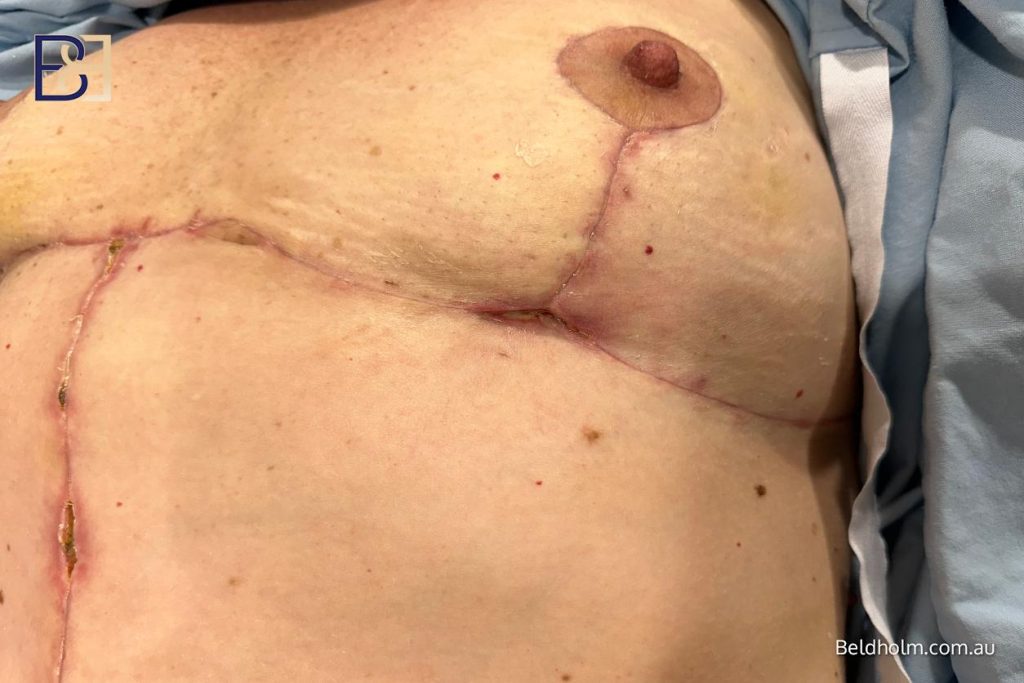
Wounds can heal slowly, separate at the edges, or heal with a thicker scar than expected. There is an increased risk if you smoke, have diabetes, or have had several previous operations on the same breast, because each of these affects blood supply to the skin. Smoking has a strong effect on the healing process, and I ask patients to stop well before surgery.
Risks of general anaesthetic
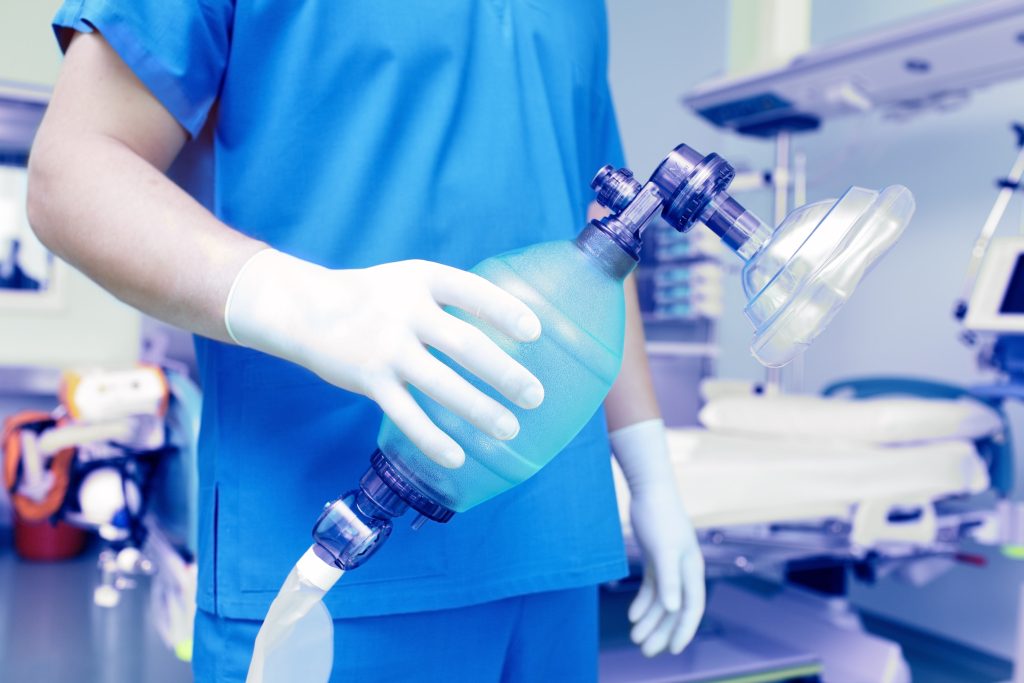
Breast implant removal (explant surgery) is done under general anaesthetic. Modern anaesthesia is well managed, but general anaesthetic carries its own small risks, which the anaesthetist discusses with you separately. Most anaesthetic assessment is done by phone before the day of surgery, with your airway and physical check completed on the day.
Blood clots (DVT and VTE)
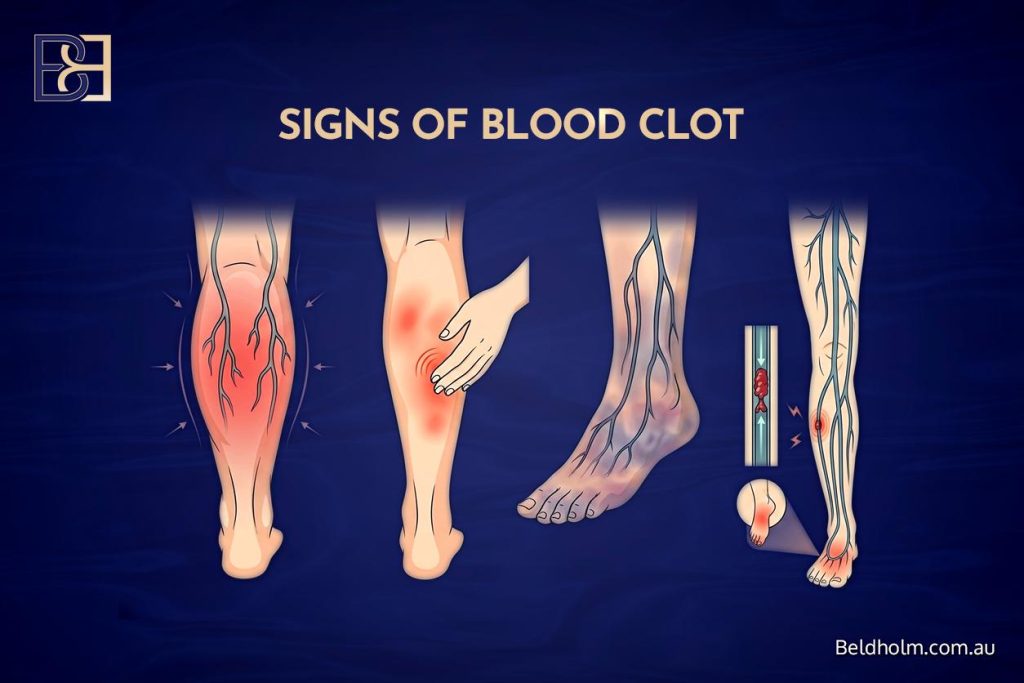
Any operation under general anaesthetic carries a risk of blood clots forming in the legs, known as deep vein thrombosis, or DVT. A clot can travel to the lungs, which is a serious event called pulmonary embolism. Breast surgery generally carries a lower clot risk than longer abdominal operations, but the risk is not zero, and I assess it for every patient rather than treating it as the same for everyone. I decide on clot-prevention measures myself, based on your individual risk.
Getting up and moving early after surgery is one of the most effective things you can do to lower this risk, and I will have you walking the same day where possible.
The capsule: how much is removed and what that means for risk
One of the biggest decisions in breast implant removal (explant surgery) is what to do with the capsule, the layer of surrounding scar tissue your body has formed around the implant. This scar capsule can be managed in several ways. How much of it I remove changes the size of the operation and the risks that come with it.
The options for the capsule
There are several ways to manage the capsule, and the right one depends on why the implant is coming out and what I find during surgery:
- Leave the capsule in place. For a thin, healthy capsule with no signs of a problem, it can be reasonable to remove the implant and leave the capsule to settle. This involves the least dissection and the lowest chance of bleeding.
- Remove part of the capsule (partial capsulectomy). I remove the sections that need to come out and leave the rest.
- Remove the whole capsule (total capsulectomy). Here I remove scar tissue completely, taking the entire surrounding capsule out along with the implant.
- Remove the implant and capsule in one piece (en-bloc, or total intact capsulectomy). The implant and the capsule around it are taken out together as a single unit without opening the capsule.
More capsule removed means more surgery
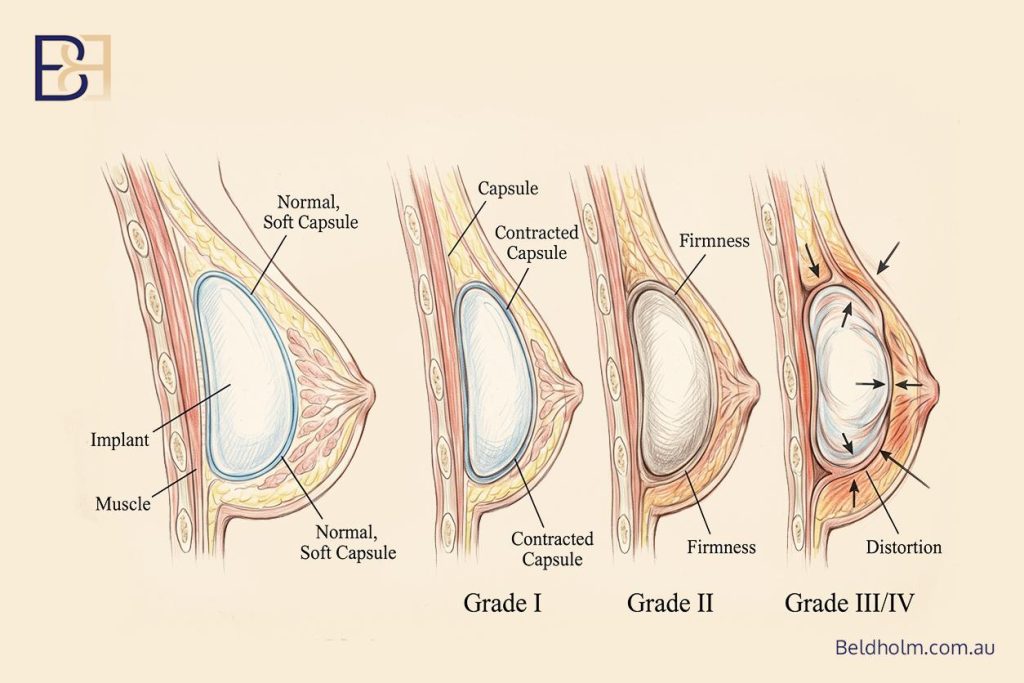
Taking out the capsule is not a minor addition to the operation. The more of it I remove, the more dissection is involved, which raises the chance of bleeding, fluid collection and a longer operating time. Removing a capsule that is thick, hardened or calcified is more demanding again. Published surgical guidance is clear that total capsulectomy carries its own morbidity and that en-bloc removal is not always achievable or necessary (2).
This matters because patients sometimes come in asking for en-bloc removal specifically, having read that it is the option to insist on. It is the right choice in some situations. It is not automatically safer, and forcing it where the anatomy does not allow can cause harm.
The chest wall is the reason for caution
This risk applies mainly when the implant was placed under the chest muscle. In that position the back of the capsule can lie against the ribs and the thin muscles between them (the intercostal muscles). When an implant sits above the muscle, under the breast tissue, the capsule does not lie against the chest wall in the same way.
Where the implant was under the muscle and the capsule is stuck firmly to the chest wall, removing every last piece would mean cutting into the muscle over the ribs. Pushing too hard in that situation risks making a hole into the chest cavity, which causes a collapsed lung (pneumothorax). This is uncommon, but it is serious, and it is the reason I will not promise complete capsule removal regardless of what I find. If taking out the last part of a capsule would mean risking the chest wall, I leave that part behind. Protecting the chest wall takes priority over removing every fragment of scar tissue.
How I decide
The plan for the capsule is based on why the implant is being removed, the state of the capsule, and where it sits. A confirmed or suspected BIA-ALCL is a different situation, because that is a cancer diagnosis and the surgery is a cancer operation. I do not perform cancer surgery, so I would refer you to an appropriate surgeon for that, and I cover it later in the article. For most other removals, I decide how much capsule to take out based on what I find during surgery, and I discuss the likely plan with you beforehand.
Ruptured implants and silicone findings
Sometimes the reason for breast implant removal (explant surgery) is a known rupture. Other times I find a rupture only once I am operating. Either way, a ruptured implant changes what the operation involves, and it is worth understanding what I look for and what I can and cannot do about it.
Saline and silicone behave differently
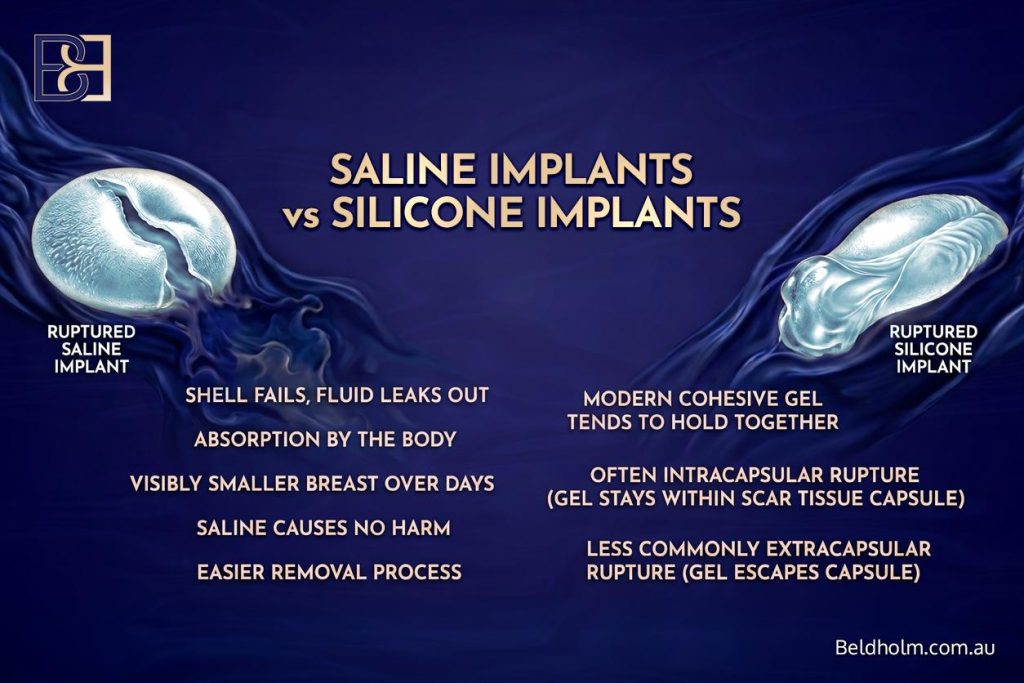
What happens with an implant rupture depends on whether you have silicone or saline implants:
- Saline implants. These are filled with salt water. When the shell fails, the fluid leaks out and is absorbed by the body, and the breast becomes visibly smaller over days. The saline itself does no harm. Removing a deflated saline implant is usually the more straightforward situation.
- Silicone implants. Modern silicone gel is cohesive and tends to hold together. When one of these ruptures, the gel often stays within the surrounding scar tissue of the capsule, which is called an intracapsular rupture. Less commonly the silicone gel escapes the capsule, which is called an extracapsular rupture.
Why a silicone rupture matters for the operation
When the gel has stayed inside the capsule, I can usually remove the implant and gel together with the capsule. When gel has escaped the capsule, it can spread into the surrounding breast tissue and occasionally travel to nearby lymph nodes. It can also form firm lumps of reaction tissue called silicone granulomas.
Removing migrated silicone means more dissection, and this is the part patients most need to understand: I cannot always retrieve every trace of gel. Where silicone has worked its way into tissue or into lymph nodes, chasing every last particle can do more harm to healthy tissue than leaving a small amount behind. I remove what can be removed sensibly and I tell you afterwards what was found.
Rupture often has no symptoms
A silicone rupture frequently causes no pain and no obvious change, which is why it is sometimes called a silent rupture. It may only be picked up on imaging or discovered during surgery (3). If you or I suspect a rupture before surgery, ultrasound or MRI can help confirm it, and MRI is the more reliable test for this purpose.
Lumps and tissue testing
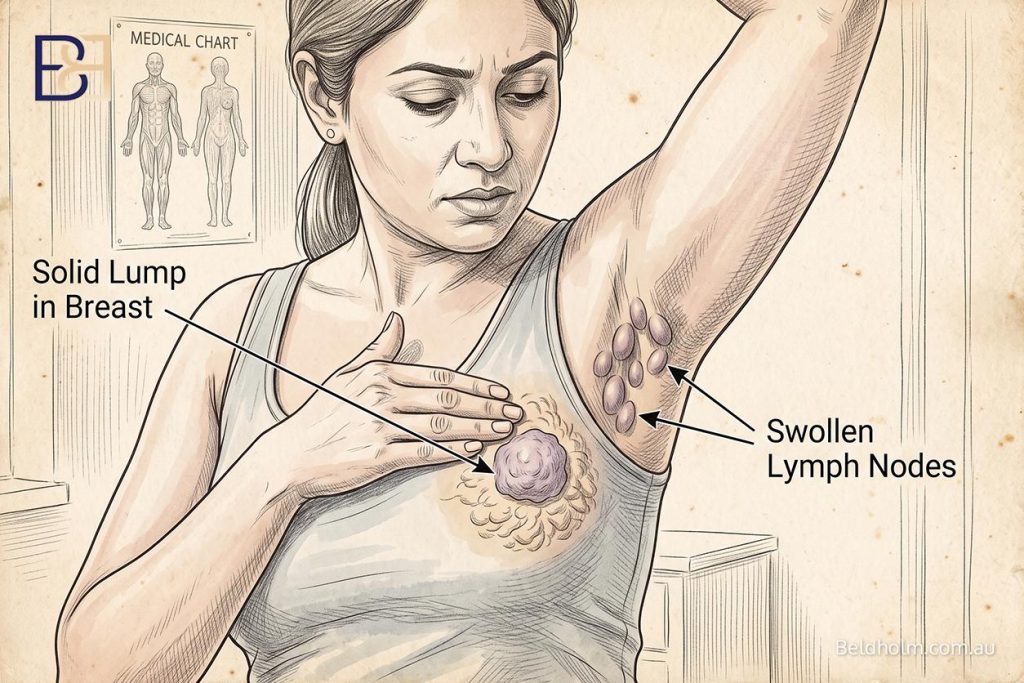
Any firm lump I remove may be sent to a laboratory to confirm what it is. A silicone granuloma is a reaction to gel, not a cancer, but lumps in the breast are checked properly rather than assumed. If a lump needs investigation before surgery, I arrange that as part of your assessment.
Finding a rupture is not usually an emergency, but current TGA and international guidance supports removing a ruptured silicone implant rather than leaving it. What that removal involves depends on whether the gel has stayed contained, and that is not always known until the operation.
Changes to breast shape, volume and skin after removal
The change in breast appearance patients think about most is how the breast will look once the implant is gone. This is not a complication in the surgical sense, but it is the outcome that surprises people most often, so I talk through it carefully before surgery. I describe what happens factually, without promising any particular result, because how a breast settles after removal varies from person to person.
The volume the implant provided is gone
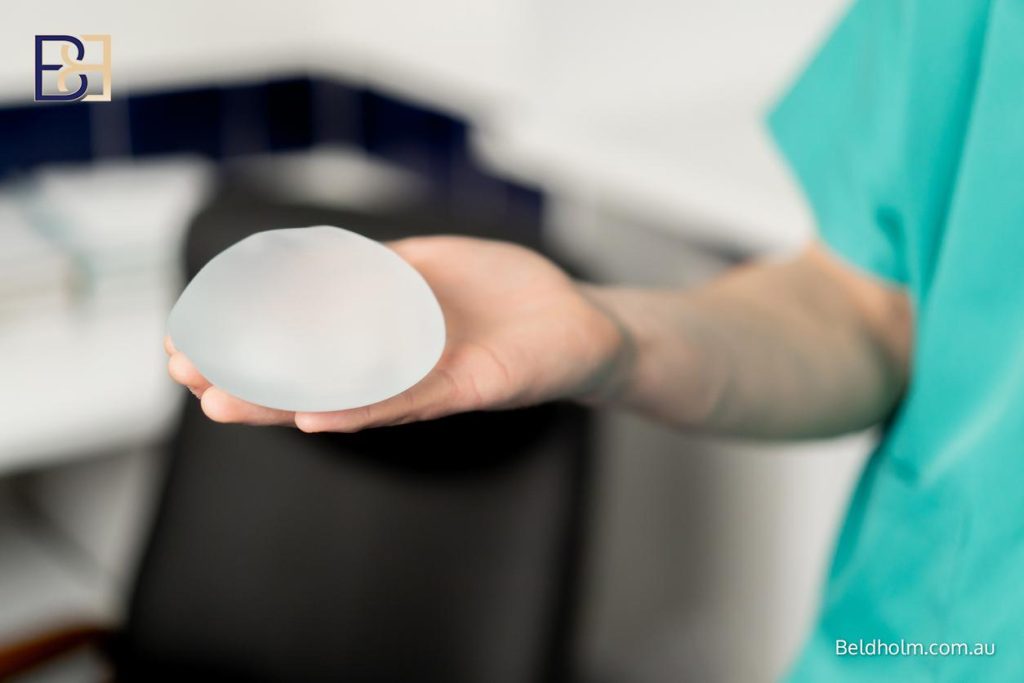
An implant adds volume. When it comes out, that volume goes with it, and the breast will be smaller in size than it was with the implant in place. For many patients the breast size is also smaller than it was before their original augmentation, because breast tissue can thin over the years an implant is in place.
The skin may not tighten fully
Skin stretches to accommodate an implant. Once the implant is removed, the skin may not draw back in completely. How much it recovers depends on many factors:
- Your skin quality and elasticity
- The size of the implant that was removed
- How long the implant was in place
- Your age, and any weight gain, weight loss or pregnancy since the augmentation
Some skin tightens noticeably over the months after surgery. Some does not. I cannot tell you in advance exactly how yours will behave, and I will not pretend to.
Shape, position and symmetry
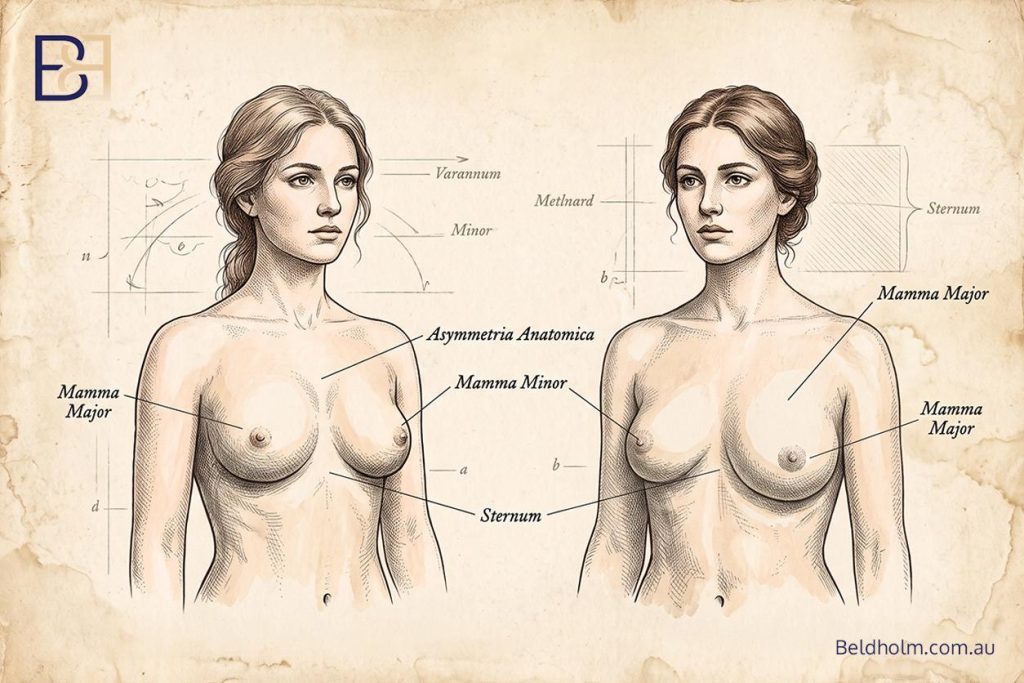
After removal the breast often sits lower on the chest than it did with the implant supporting it, a change described as ptosis. The breast may look flatter, and there can be loose skin or some wrinkling of the skin over the softened tissue. The two sides do not always settle the same way, so some difference in size or position between them is common.
These changes tend to be more noticeable when a large implant has been removed, and when the implant has been in place for many years. Occasionally an area of fat in the breast does not survive the surgery and forms a firm lump, known as fat necrosis. It can settle over time or may need checking to confirm what it is.
If the appearance concerns you
Give the breast time to settle first. Much of the early looseness and swelling improves over the first few months, and I prefer to assess the final shape once things have stabilised.
If loose skin or breast position still bothers you after that, a breast lift (mastopexy) is one option. A lift repositions the breast and removes excess skin. It can sometimes be done at the same time as the implant removal, and for other patients it is more appropriate to stage it as a separate operation later. Combining a lift with removal is a larger operation with its own risks, and staging it is a legitimate choice, not a lesser one. Which path suits you depends on your tissue, your skin laxity and your medical history, and it is decided with you at consultation rather than in advance.
Whether any additional procedures are right for you is an individual decision, made at consultation once your breast has settled.
Nipple and skin sensation changes

A change in nipple sensation, or in feeling across the breast skin and the surrounding tissues, is one of the more common things patients notice after breast implant removal (explant surgery). Some change is expected, and for most patients it settles. It is worth knowing what to expect so it does not come as a shock.
Why sensation changes
The nerves that supply feeling to the nipple, areola and breast skin run through the breast tissue. Any breast implant surgery disturbs the area around these nerves. Stretching, swelling and dissection near a nerve can interrupt the signal it carries, which changes how the skin and nipple feel. The more extensive the surgery, such as removing a thick capsule or combining removal with a lift, the more the nerves are disturbed.
What you might notice
Sensation change can go in either direction:
- Numbness or reduced feeling in the nipple or breast skin
- Heightened or unusual sensitivity
- Tingling or patches of altered sensation
It can affect the nipple, the areola, the skin, or a combination, and the two sides do not always feel the same.
Usually temporary, sometimes lasting
For most patients, sensation improves over the weeks and months after surgery as the nerves settle and swelling goes down. Full recovery can take several months. In some patients a change in nipple or skin sensation is permanent. I cannot predict who this will happen to, and I will not tell you the risk is zero, because it is a genuine possibility of this surgery.
If a lift is done at the same time
Combining a breast lift (mastopexy) with removal moves the nipple to a new position. This involves working closer to the nerves and the blood supply of the nipple, which raises the chance of a lasting sensation change and, in more extensive lifts, introduces a risk to the nipple itself. If a lift is part of your plan, I go through these specific risks with you separately, because they are different from those of removal alone.
Breastfeeding

If you might want to breastfeed in future, tell me at consultation. Any breast operation that involves the nipple or the milk ducts can affect breastfeeding, and this is assessed for you individually. Future pregnancy and breastfeeding can also change the shape and volume of the breast after surgery.
Scarring
Every operation leaves a scar. The good news with breast implant removal (explant surgery) is that in most cases I work through the scar you already have, so removal on its own often does not add a new one. What the scar looks like afterwards still varies from person to person, and it is worth setting expectations before surgery.
Where the scar goes
I use the existing scar wherever the anatomy allows. For most patients that is the scar in the crease under the breast (the inframammary fold) or the scar around the edge of the nipple (periareolar), depending on where the original augmentation was done. Reopening and closing the same scar means removal usually does not leave you with an extra mark.
If a breast lift (mastopexy) is done at the same time, that changes things. A lift needs a longer scar pattern, often running down from the nipple and sometimes along the crease as well. That is a trade-off of adding a lift, and I go through it with you if it is part of your plan.
How scars heal varies
A scar continues to change for 12 to 18 months before it settles. Most fade to a fine pale line, but not all do. Some scars thicken and become raised, which is called a hypertrophic scar. Some people form keloid scars, which extend beyond the original wound. Scars can also stretch and widen, particularly where the skin is under tension.
How your scar heals depends on your skin type, your genetics, tension across the wound, and whether healing is affected by smoking, infection or a wound that separates. I can influence some of these. Others come down to how your body heals, which I cannot change or promise.
The old scar on a changed breast
Once a large implant is removed and the breast is softer and looser, the existing scar can sit on a different contour than it did before. It is the same scar, but the shape of the breast underneath it has changed, so it may look different to you afterwards.
How I manage scars
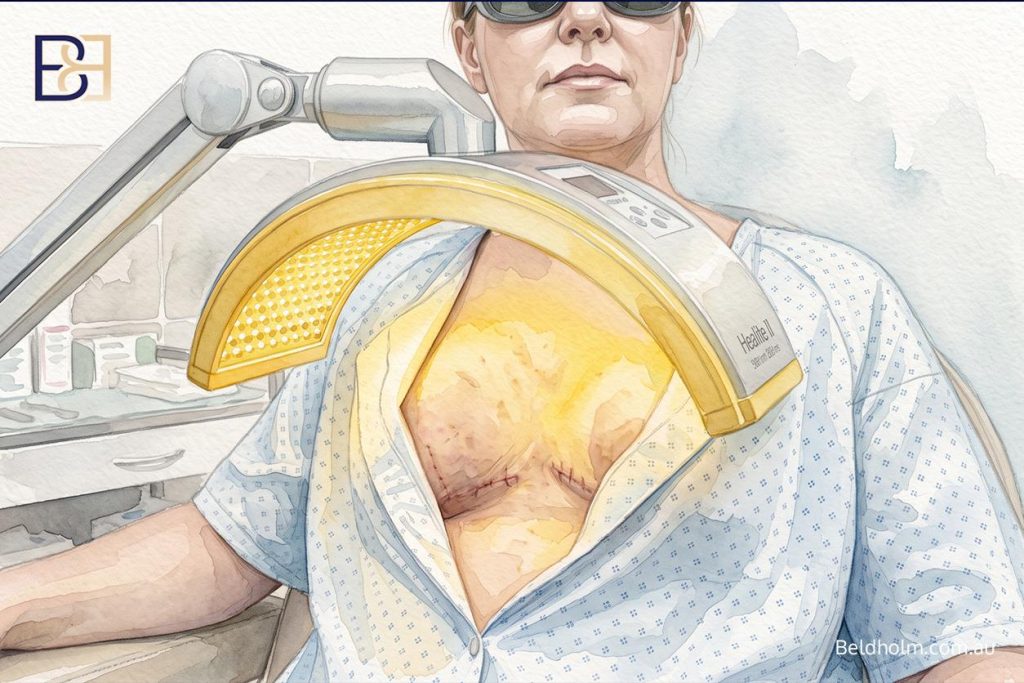
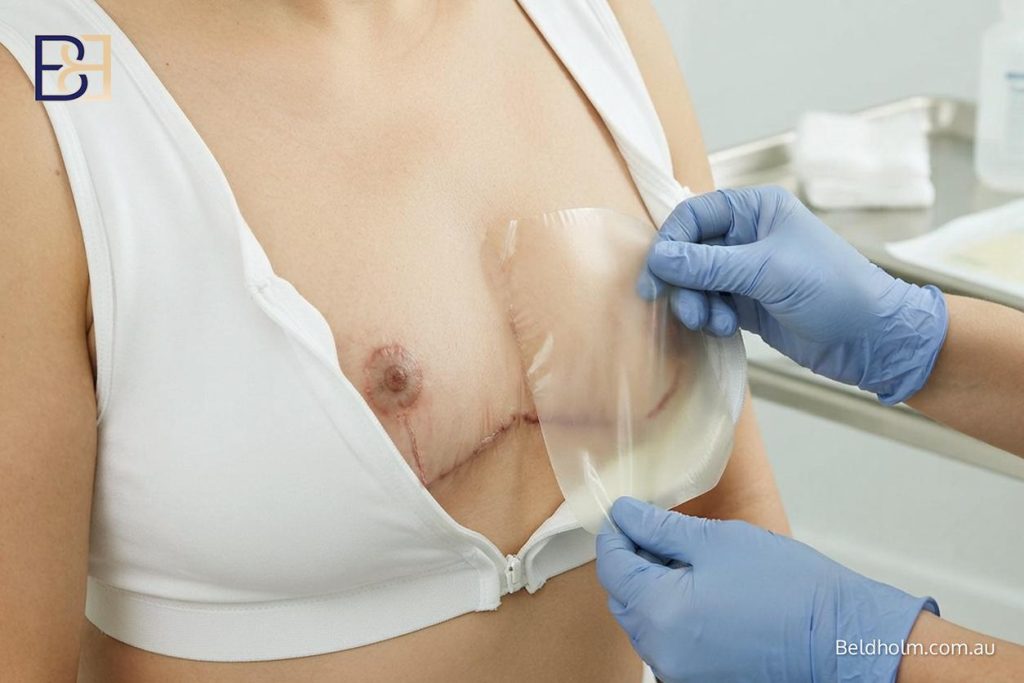
I close with absorbable sutures placed under the skin, with nothing on top that needs removing. Wounds are covered with a water-resistant Comfeel dressing, and you can shower the day after surgery. In the first couple of weeks I see you often for nurse and surgeon review, which includes Healite II LED light therapy as part of early wound care.
Once the wounds have healed, I give you scar management advice, which usually includes silicone treatment and keeping the scar out of the sun. These measures support how a scar matures, but a scar is permanent. It can fade and soften, but it does not disappear, and I will not tell you it will.
Systemic symptoms and BIA-ALCL: what removal does and does not do
Two of the reasons patients ask me about breast implant removal (explant surgery) need careful, factual handling, because there is a lot of misleading material online about both. The first is a group of general symptoms some patients link to their implants. The second is a rare cancer associated with textured implants. I treat both seriously, and I am careful not to promise more than the evidence supports.
Systemic symptoms some patients attribute to implants
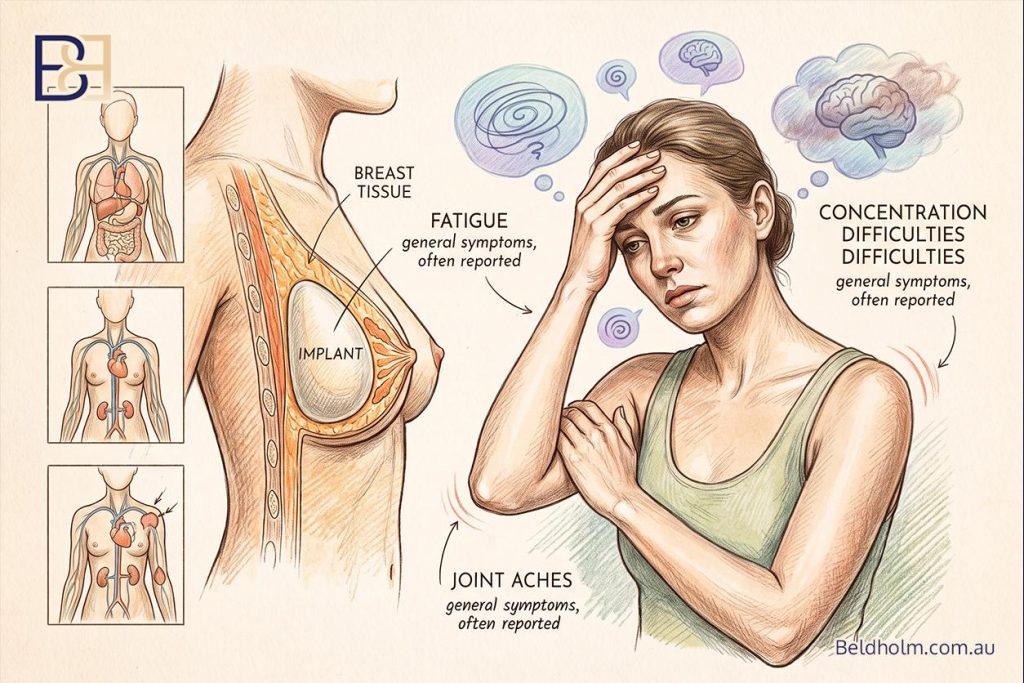
Some patients come to me with common symptoms such as fatigue, joint and muscle aches, difficulty concentrating, and rashes, and they connect these to their implants. Patients often call this breast implant illness (BII). In the medical literature it is described as systemic symptoms associated with breast implants (SSBI).
A few points matter here:
- This is not a formally defined medical diagnosis, and there is no blood test or scan that confirms it. The symptoms a patient experiences are genuine, but they overlap with many common conditions.
- Because of that overlap, part of taking these symptoms seriously is making sure other medical causes, such as thyroid conditions or autoimmune disease, are looked for. I keep your GP involved in this.
- Published research shows that a proportion of patients report their symptoms improve after their implants are removed. The evidence is limited, relies largely on patient self-report, and often has no comparison group, so it cannot prove the implants caused the symptoms (4).
What this means for surgery is straightforward. I do not promise that removal will resolve symptoms you attribute to your implants, because I cannot know that it will. I also do not offer more extensive capsule surgery on the basis that it treats these symptoms. Removing the whole capsule or taking the implant out in one piece has not been shown to change systemic symptoms compared with a standard removal. If you are considering removal for this reason, I want you to go in with realistic expectations rather than a promise I cannot stand behind.
BIA-ALCL
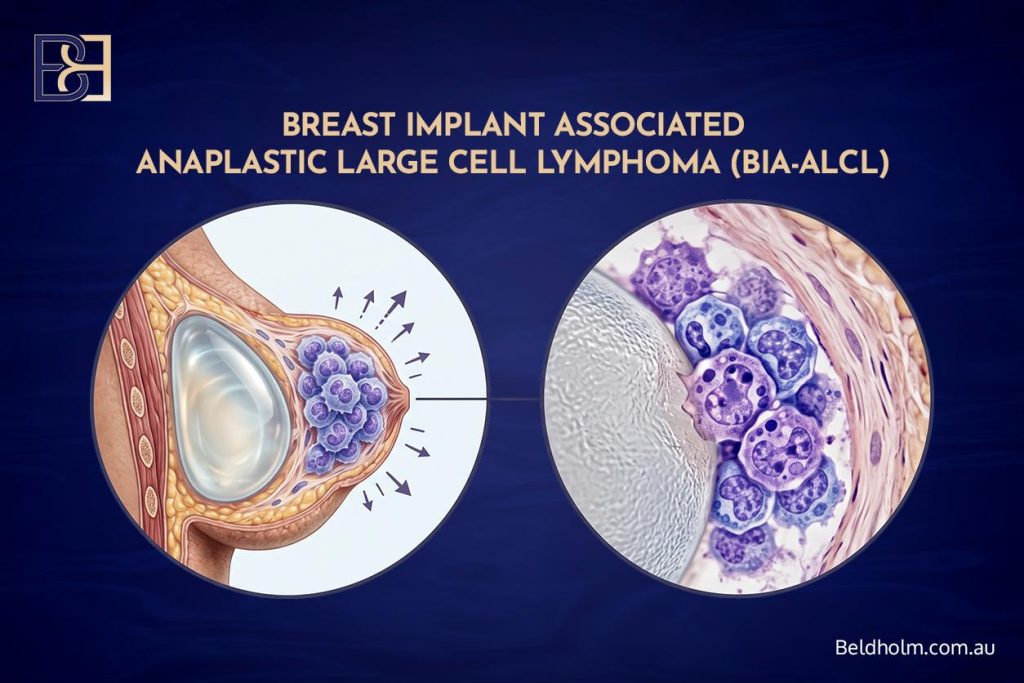
BIA-ALCL stands for breast implant-associated anaplastic large cell lymphoma. It is a rare cancer, but it is not breast cancer. It is a type of T cell lymphoma, a cancer of the immune system, that develops in the fluid and scar tissue around an implant, and it is associated with textured implants rather than smooth ones (5).
BIA-ALCL usually appears years after surgery. The most common sign is persistent swelling in one breast from a collection of fluid, sometimes a lump. If you have a textured implant and develop late swelling or a lump, it should be investigated. That means an ultrasound and, where there is fluid, drawing off a sample and testing it.
If BIA-ALCL is confirmed or suspected, the situation changes completely. It is a cancer diagnosis, and the treatment is a cancer operation. I do not perform cancer surgery, so I would refer you to an appropriate surgeon who manages this condition. You can read more in my article on BIA-ALCL.
Other rare implant-associated cancers have been reported in the tissue around implants, including a squamous cell carcinoma. They are investigated along the same lines, and anything of that nature is referred on for specialist cancer management rather than treated as part of a routine removal.
Book your appointment online now
Reducing your risk, recovery realities, and warning signs
Complications cannot be eliminated, but many of the risks in this article can be lowered by good preparation and sensible recovery. Here is what I ask of you and what I do, and the signs that mean you should get in touch.
Before surgery
Good preparation lowers your risk before you ever reach theatre:
- Assessment. A GP referral is required before your consultation. At consultation I take your history, perform a physical examination, and arrange imaging such as ultrasound or MRI where there is a question about rupture or a lump.
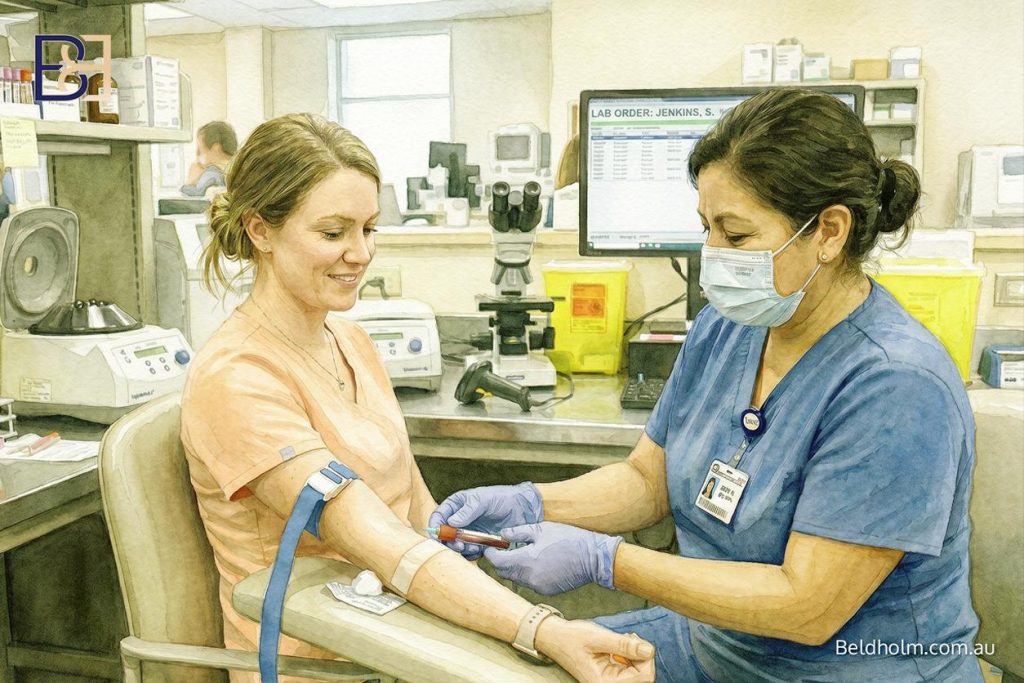
- Blood tests. I order a standard set of pre-operative blood tests, including a full blood count, coagulation screen, kidney and liver function, hepatitis B, hepatitis C and HIV, and a pregnancy test where applicable. Stop smoking. Smoking has a strong effect on wound healing and blood supply to the skin. Stopping well before surgery lowers your risk of healing problems.

- Blood-thinning medication. Aspirin and anticoagulants are usually stopped about a week before surgery, but I decide this for each patient, and some patients stay on them through surgery for good reason. Never stop these medications on your own.
- General health. Your overall health going into surgery supports healing. I go through anything that needs attention before your operation at consultation.
- Realistic expectations. Understanding how your breast is likely to look after removal, as set out earlier, is part of preparing well.
Recovery realities
Breast implant removal surgery is usually a day-stay procedure, meaning you go home the same day, though some patients stay overnight depending on the operation. As a surgical procedure done under general anaesthetic, it still needs proper preparation and recovery. What recovery looks like:
- Your wounds are covered with a water-resistant Comfeel dressing, and you can shower the day after surgery.
- I ask you to wear a surgical bra full-time for four weeks, then during the day only for a further two weeks, after which an underwire is allowed.
- Most patients are right to drive again at around one week.
- Desk-based work is usually manageable at around one week, once you are off the stronger pain medication.
- You can resume light activities early, but avoid heavy lifting and strenuous exercise in the early weeks. I give you specific limits based on your operation and whether a lift was combined with removal.
This is not a minor recovery to be brushed off. It is a significant operation, and planning some support at home for the first week is worthwhile.
Follow-up
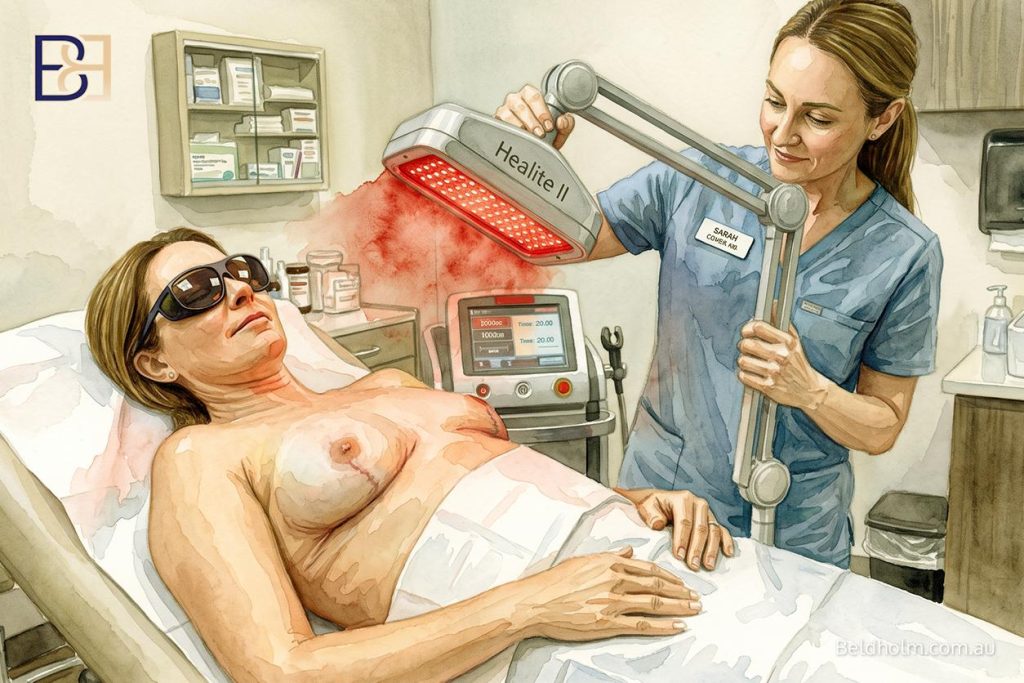
I see you often in the first two weeks, for nurse and surgeon review, which includes Healite II LED light therapy as part of wound care. After that I review you at four weeks, three months, six months and twelve months as part of your follow-up care, and I keep your GP informed for your longer-term care.
Warning signs: when to get in touch
Contact us if you notice:
- Increasing pain, redness, heat or swelling, or a fever, which can signal infection
- Sudden swelling, bruising or tightness in the breast, which can signal bleeding
- A wound that opens or starts to discharge
- Calf pain or swelling, chest pain, or shortness of breath, which need urgent attention
For how to reach us: during office hours, call my rooms. After hours, call Maitland Private Hospital, where nurse-led triage will advise you. If you need a physical assessment, go to your local emergency department. For anything life-threatening, call 000. Maitland Private Hospital is not an emergency department.

How the decision to remove is made
Deciding whether to remove your implants, and how, is a decision I make with you, not for you. Breast implant patients come to this point for different reasons, and there is no single right answer. My job is to give you an accurate picture of what the operation involves and what it is likely to leave you with, so your choice is an informed one.
It starts with a referral and a consultation
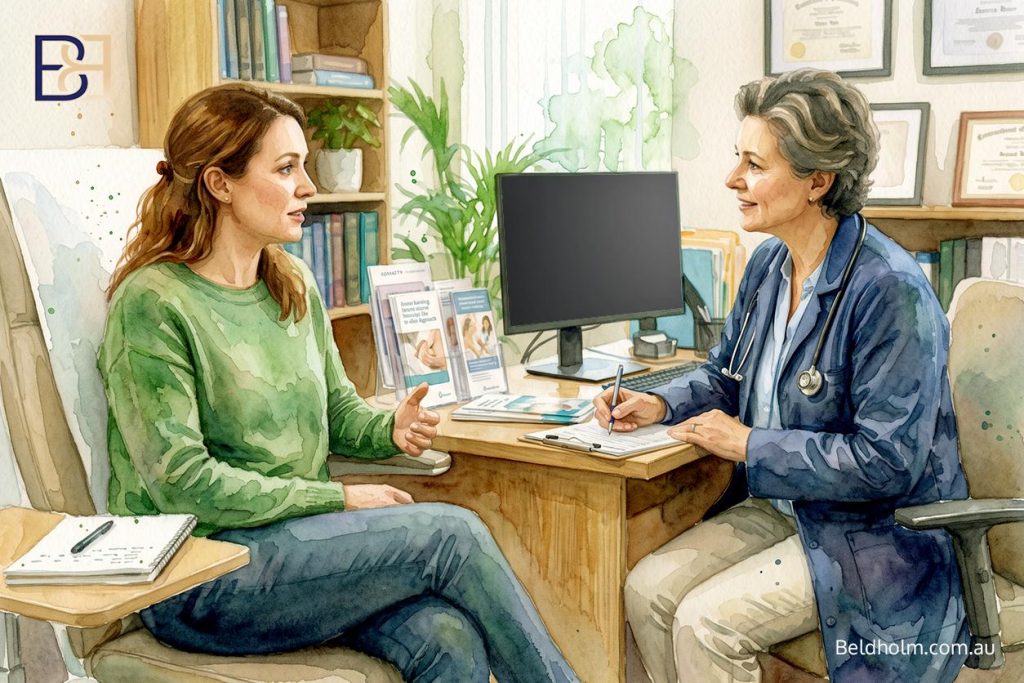
A GP referral is required before your consultation, and nothing about your operation is decided before I have assessed you in person. What I find at that assessment, rather than a fixed plan, determines what I recommend.
What we talk through
Together we go over:
- Your reason for wanting the implants out, and whether removal is likely to meet what you are hoping for
- What I expect to find, and how that shapes the plan for the capsule
- How your breast is likely to look once the implant is gone, so that is not a surprise
- Whether you want to consider a breast lift (mastopexy) for loose skin or breast position, and if so whether to do it at the same time or stage it as a separate operation later
Where a lift is combined with removal, the choice between a single operation and staging it is made on your anatomy and medical history. A single operation means one anaesthetic and one recovery, which suits some patients. For others, staging protects the nipple and the scar, and it is the more appropriate path. Neither is a lesser choice, and the decision is made with you at consultation.
Removal without replacement
Some patients choose implant replacement at the same time. Others have their breast implants removed and do not want implants again. Both are reasonable. Some choose to remove implants and stop there. I do not push you towards additional surgery, and I do not present removal as the only answer to whatever led you here. If leaving things as they are is a sensible option for you, I will say so.
Realistic expectations
I would rather you go into breast implant removal (explant surgery) with a clear picture than an optimistic one. This whole article exists to make one point: removal is its own operation, with its own risks, and it changes the breast rather than returning it to how it was. Understood properly, it is a reasonable decision for many patients. Understood poorly, it leads to disappointment.
Results vary between patients. I keep your GP informed so your longer-term care continues after you have finished seeing me.
References
- Handel N, Cordray T, Gutierrez J, Jensen JA. A long-term study of outcomes, complications, and patient satisfaction with breast implants. Plast Reconstr Surg. 2006;117(3):757-767.
- Santanelli di Pompeo F, Clemens MW, Atlan M, et al. 2022 Practice recommendation updates from the World Consensus Conference on BIA-ALCL. Aesthet Surg J. 2022;42(11):1262-1278.
- Norena-Rengifo BD, Sanin-Ramirez MP, Adrada BE, et al. MRI for evaluation of complications of breast augmentation. RadioGraphics. 2022;42(4):929-946.
- McGuire P, Glicksman C, Ferenz S, et al. Symptom improvement after explantation with no capsulectomy for systemic symptoms associated with breast implants. Aesthet Surg J. 2024;44(8):820-828.
- Swanson E. BIA-ALCL: comparing the risk profiles of smooth and textured breast implants. Aesthetic Plast Surg. 2023. doi:10.1007/s00266-023-03329-8.