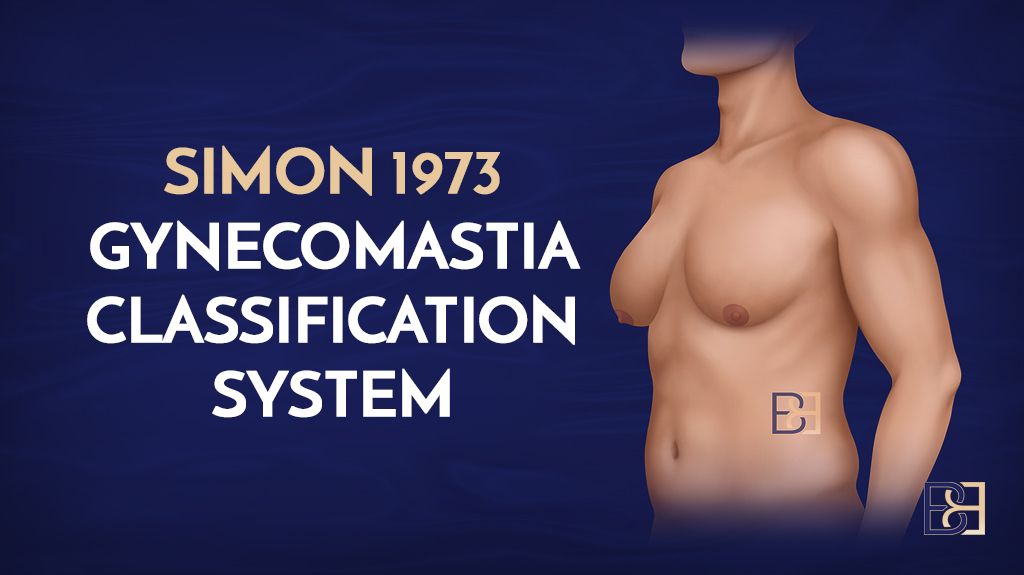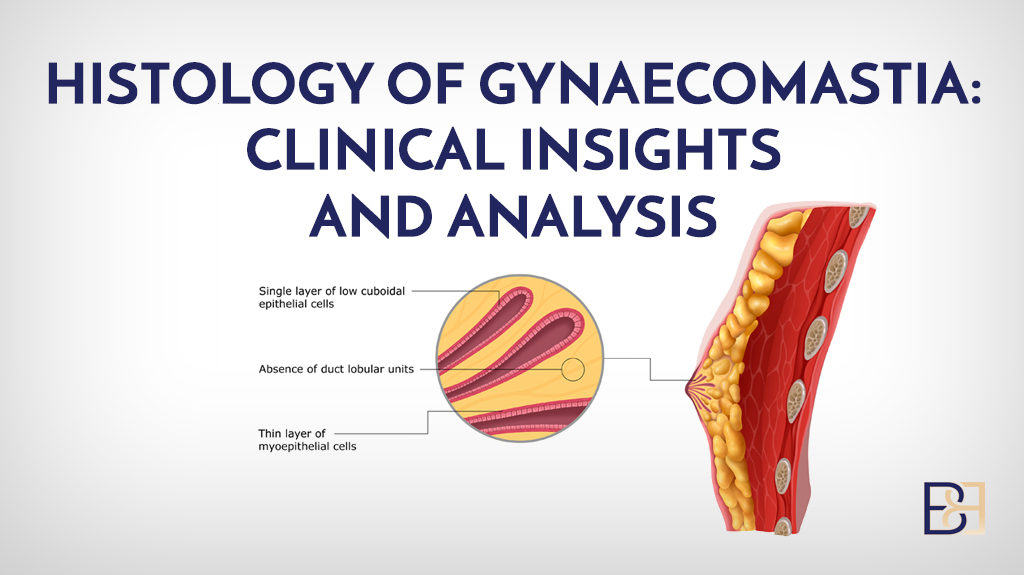
What your recovery looks like depends on the operation you have, and operations for gynaecomastia (enlarged male breast tissue) range from liposuction (suction assisted lipectomy) of the chest through to a larger procedure that removes skin and repositions the nipple. Gynaecomastia surgery, also called male breast reduction surgery, removes excess breast tissue from the chest area. Recovery also varies from one man to the next, even after the same operation, because people heal at different rates and have a different pain tolerance.
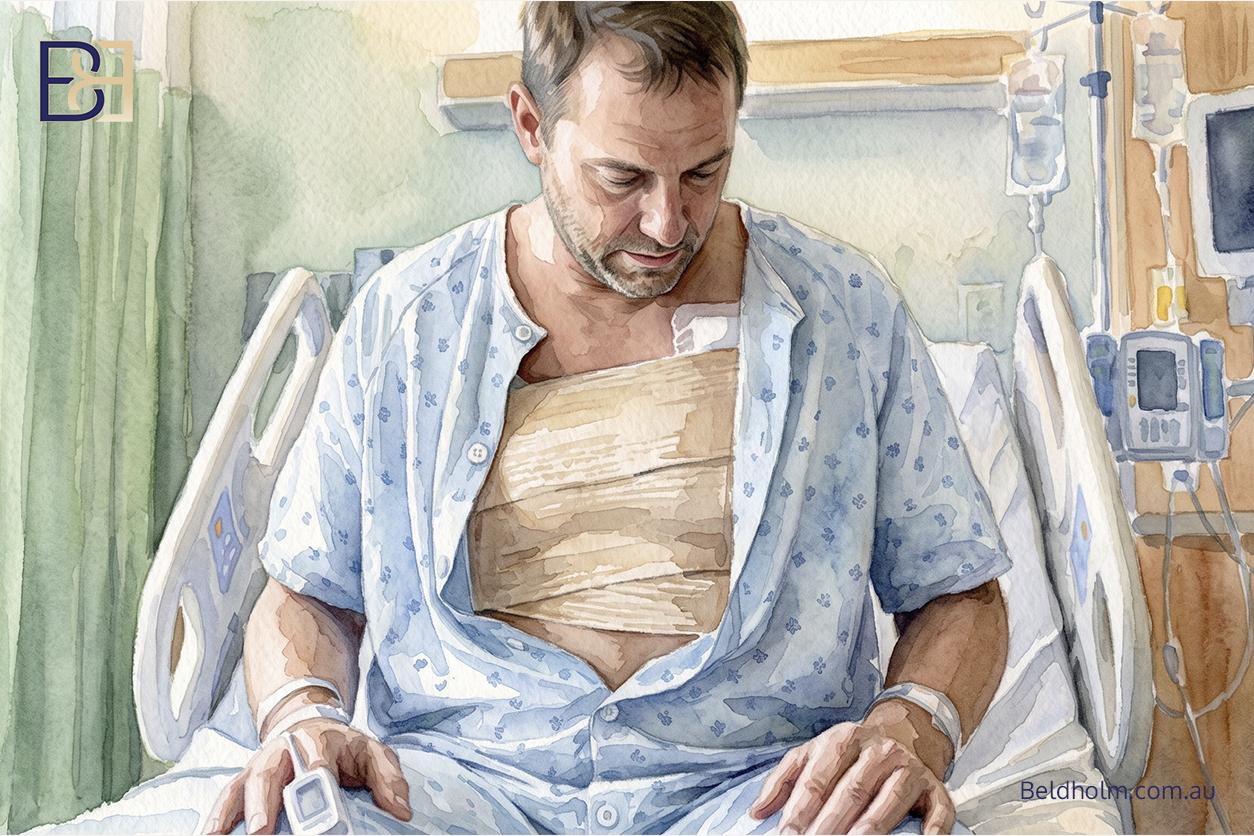

I have written this page as a general guide to what recovery involves across the different operations I perform. It covers the parts of the recovery process that are common to most patients, such as compression garments, wound care, pain management, and the staged return to work and exercise, and then explains how the recovery timeline differs depending on which operation is right for you. For the detail specific to your operation, I have linked to a dedicated recovery page for each one further down.
Whether surgery is appropriate for you, and which operation, is something I assess individually at consultation, and a GP referral is required before that consultation.
Key takeaways
- Recovery depends on the operation. Liposuction (suction assisted lipectomy) of the chest has the mildest recovery, while an operation that removes skin and grafts the nipple has the longest.
- A compression garment is part of recovery for almost everyone. How long you wear it depends on the operation.
- Return to work, driving, and the gym is staged. Desk work often comes back within days, but chest and upper body exercise waits several weeks.
- Swelling and bruising are expected, and the final chest contour settles over several months, not days. Scar tissue takes 6 to 12 months to mature, and the final results are judged at the end of that recovery period.
- Every operation carries risks. Haematoma (a collection of blood under the skin) is a notable early risk after gland excision, and I explain the risks for each operation below.
- Results vary between patients.
Recovery depends on your operation
The right operation depends on what is actually present in your chest, which is why I assess the gland, the fat, the skin, and the position of the nipple before deciding anything. As a broad guide, the more the operation involves removing skin and moving the nipple, the longer and more involved the recovery.
Here is how the operations compare, from the mildest recovery to the most involved. Each links to a dedicated recovery page with the detail for that operation.
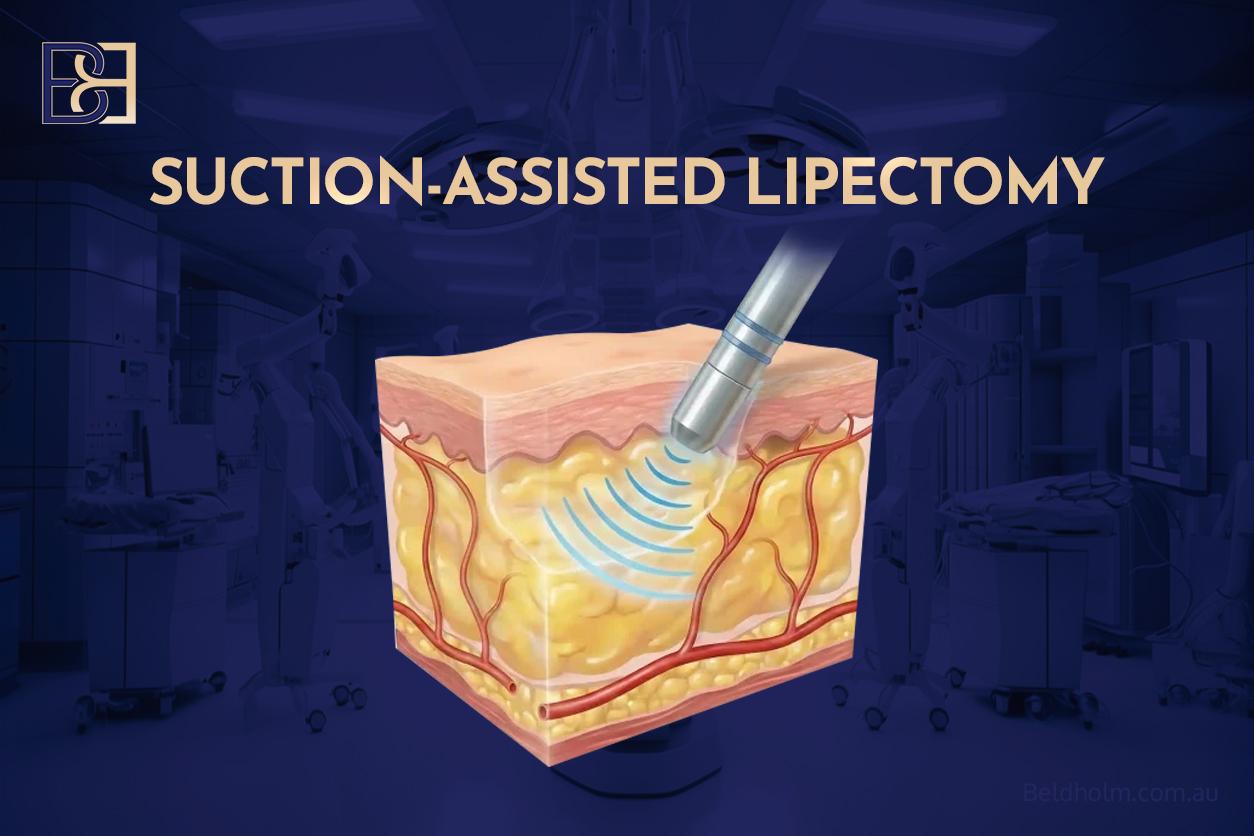
- VASER liposuction (ultrasound assisted lipectomy). The mildest recovery profile. This targets excess fat (pseudogynaecomastia, also called lipomastia) rather than a firm gland. Expect bruising and swelling and a compression garment. Read more on recovering from VASER liposuction for gynaecomastia.
- Gland excision (subcutaneous mastectomy). Surgical excision of the firm disc of glandular tissue through a small incision at the lower edge of the areola. Tissue removal here is of gland rather than fat. Because excision leaves a cavity, haematoma is the risk I watch most closely. Read more on recovering from excision of gland for gynaecomastia.
- VASER liposuction (ultrasound assisted lipectomy) with gland excision. Recovery is much like gland excision, with added bruising and swelling. Haematoma remains the risk I watch most closely. Read more on recovering from VASER liposuction with gland excision for gynaecomastia.
- Crescent lift. This adds a crescent of skin removed above the areola to lift the nipple, on top of VASER liposuction (ultrasound assisted lipectomy) and gland excision. Recovery is broadly similar to that combined operation, with the added scar along the upper areolar border. Some skin retraction continues for months, so this is where I may reassess at 6 to 12 months and, in some cases, plan a second stage. Read more on recovering from crescent lift for gynaecomastia.
- Mastectomy with free nipple graft. The major operation, used where there is a large amount of loose skin and excess tissue. It has the longest recovery, involves graft care with a dressing held in place over the nipple, and leaves chest scars that can cross the breastbone. Read more on recovering from mastectomy with free nipple graft for gynaecomastia.
The rest of this page covers the parts of recovery that most patients share, whichever operation they have.
The first 24 to 72 hours

Most gynaecomastia operations are done as day surgery, an outpatient procedure, or with a short hospital stay, and most patients go home the same day or the next morning. You will need someone to drive you home and, ideally, to stay with you the first night.
In these first few days you can expect:
- A compression garment already on. It goes on in theatre and stays on. It supports the chest, helps control swelling, and helps the tissues settle against the chest wall.
- Dressings over the wounds. Keep them clean and dry. I will tell you when they can come off or be changed.
- Discomfort and tightness. A feeling of pressure or tightness across the treatment area is completely normal in the first days after surgery. Moderate pain is usual, and it is managed with the pain medication I prescribe.
- Swelling and bruising. These build over the first day or two before they start to settle. The chest can look larger and firmer than you expect at this stage. That is the swelling, not the result.
- Some grogginess or nausea from the general anaesthetic, which passes over the first day.
- Light movement. I want you up and walking around the house from day one, because early, light movement lowers the risk of blood clots. What I do not want is stretching, reaching overhead, or lifting.
If you have had gland excision, this is the window when I am most alert to haematoma, which I cover in the risks section below.
Compression garments
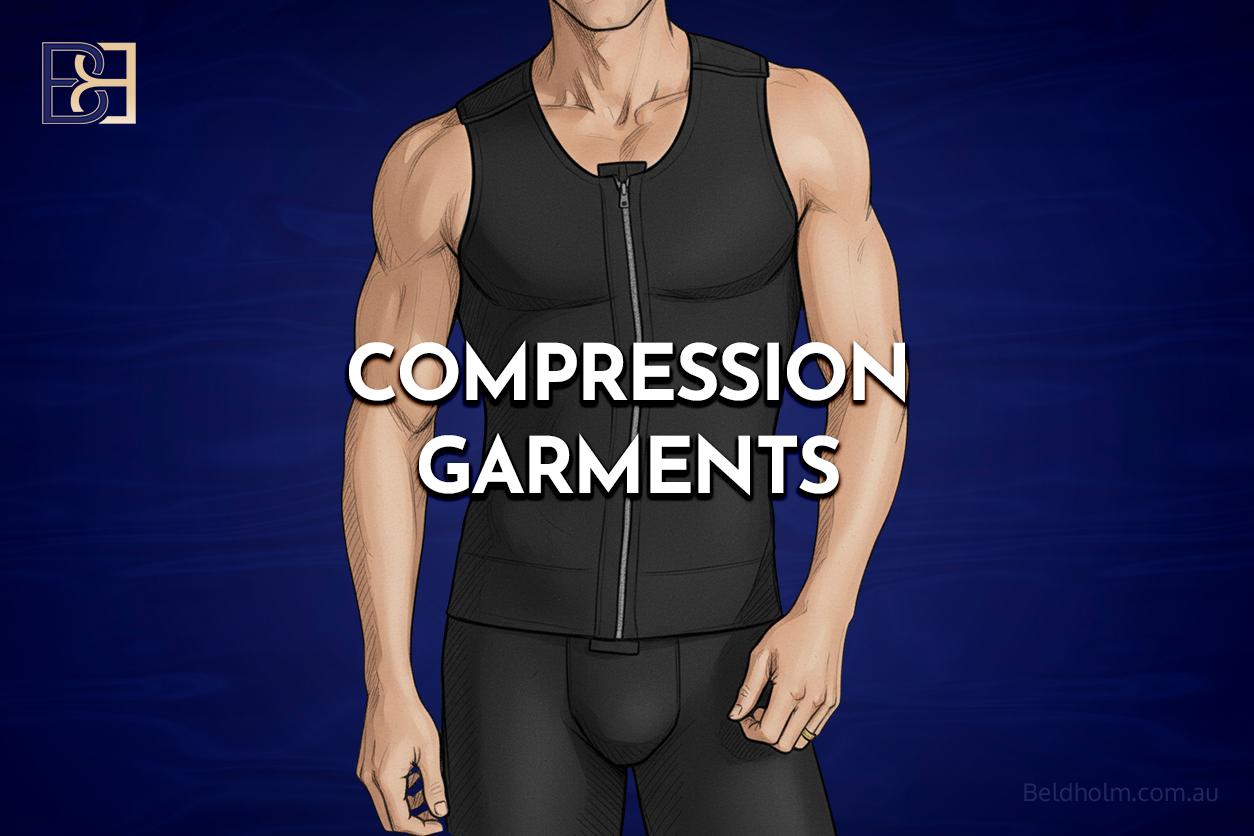
You will wear a compression garment after almost every gynaecomastia operation. It is a firm compression vest worn over the chest.
It does a few jobs. It helps reduce swelling, it supports the tissues while they settle against the chest wall, and after gland excision or VASER liposuction (ultrasound assisted lipectomy) it helps the skin redrape onto the new contour. Published guidance on gynaecomastia surgery recommends elastic compression for a period after surgery to help the chest settle evenly (2).
How long you wear a compression vest depends on the operation. As a general guide, lighter procedures need less time in a garment and larger procedures need more, often in the range of a few weeks up to at least six weeks of consistent wear (7). I will give you a specific plan for your operation and tell you when you can reduce wear. In the early phase I usually ask patients to wear it most of the day and night, coming off only to shower once I have cleared that.
A few practical points:
- Wear your compression vest as instructed, even when the chest feels settled. The garment is doing quiet work under the surface.
- Keep it clean. A second garment makes washing easier.
- If it feels too tight, digs in, or rubs a wound, tell me rather than abandoning it. It should be firm, not painful.
Drains
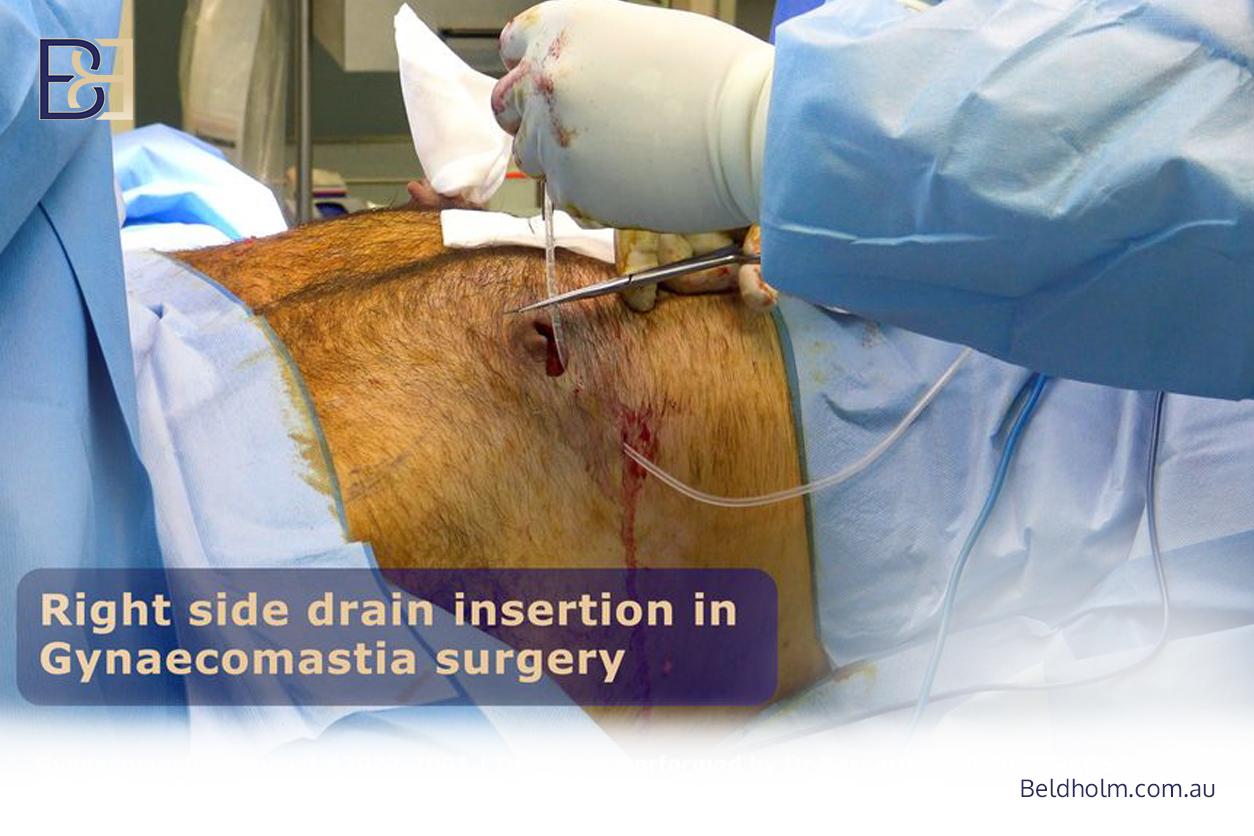
Not everyone needs a drain. Whether you have one depends on the operation and on how much tissue is removed.
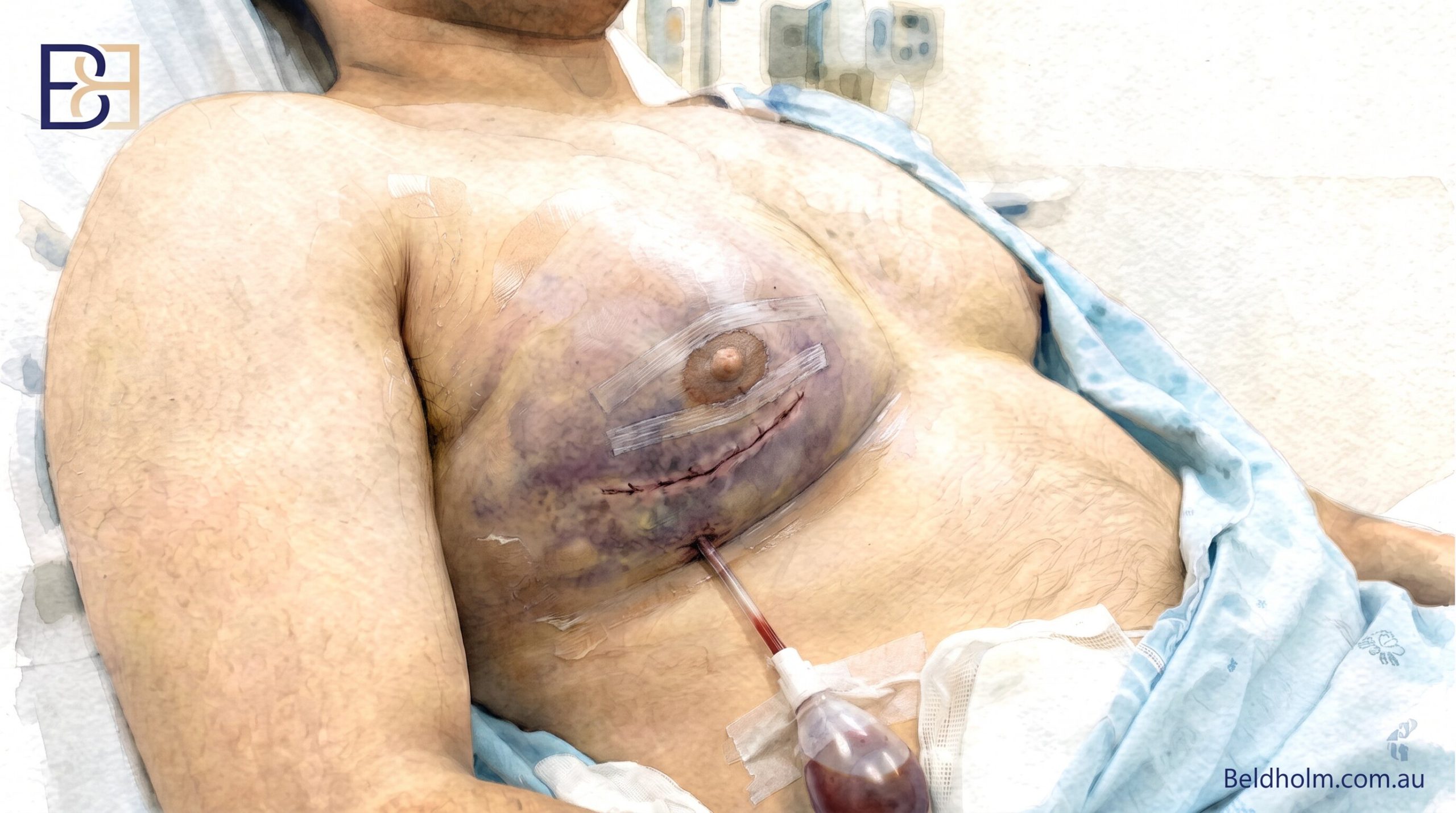
A drain is a thin tube that lets fluid and a small amount of blood escape from the space left after surgery, rather than collecting under the skin. Because gland excision leaves a cavity, drains are more likely after excision and after larger resections, and less likely after VASER liposuction (ultrasound assisted lipectomy) alone. Where a drain is used, it usually stays in for a short period and comes out once the fluid draining off has dropped to a low level (2).
If you go home with a drain, my team will show you how to look after it, how to record the output, and what the fluid should look like. You will have a follow-up to remove it. It is uncomfortable rather than painful when it comes out, and the small wound closes over on its own.
Even with a drain, some swelling and fluid can build up. A collection of fluid under the skin is called a seroma, and I cover it in the risks section.
Managing pain and discomfort

Most patients describe the early discomfort as moderate pain: tightness, soreness, and a bruised feeling across the chest rather than sharp pain. It is usually at its most noticeable in the first few days and eases from there, though pain tolerance varies from person to person.
For most patients pain management is a combination of regular paracetamol and an anti-inflammatory, with stronger prescribed painkillers for breakthrough pain in the first days if needed. Taking the regular pain medication on schedule in the early phase, rather than waiting for pain to build, tends to keep you more comfortable.
A few things that help:
- Rest with your upper body in a slightly elevated position for the first week or so. Many patients are more comfortable sleeping on their back, propped on pillows, rather than on their side or front.
- Keep moving lightly and often around the house. Staying completely still is not the goal.
- Keep your alcohol intake to nil while you are taking prescribed painkillers.
Tell me if pain is escalating rather than settling, if it is one-sided and worsening, or if it comes with increasing swelling. That pattern can point to a haematoma and I would want to see you.
Weeks one to six: returning to work and daily activity
Return to normal activity post surgery is staged. The pattern below is a general guide, and I will tailor it to your operation and your job.
Desk work and light duties. Many patients doing office or desk work feel up to returning within several days to a week, especially after the lighter procedures. You will still be in your garment and you will need to avoid lifting and reaching.
Physical and manual work. Work that involves lifting, carrying, or overhead movement needs longer, often a couple of weeks or more, and sometimes longer again after the larger operations. We plan this at consultation so you can organise time off.
Driving. Wait until you are off stronger pain relief and can brake, steer, and do an emergency stop without hesitation or guarding your chest. For most patients that is around a week, but do not rush it.
Reaching, stretching, and lifting. This is the main restriction early on. I ask patients to keep the shoulders and chest quiet for the first week or so. Movement of the chest muscle can increase bleeding in the healing tissues, which is part of why early restraint matters (8). Keeping your elbows in and avoiding overhead reaching for the first week protects the result. Wear loose fitting clothing and button-up shirts rather than pulling tops over your head, because loose fitting clothing avoids that overhead movement in the weeks post surgery (8).
Everyone heals at a different pace. If your work is physically demanding, tell me at consultation and we will build a realistic plan.
Returning to the gym and chest exercise
I know this is the question many gynaecomastia patients most want answered. Return to exercise is staged, and chest and upper body training comes back last.
A general staged approach looks like this:
- Light walking from the first days, building gradually. This is good for you and I encourage it.
- Lower body and light cardio can usually resume before upper body work, once you are comfortable and I have cleared it, often from around two to three weeks.
- Chest, shoulder, and upper body resistance training waits longer. Strenuous exercise loading the chest is the last thing to come back. In the published gynaecomastia literature a return to a regular chest exercise regimen at around four weeks is common (8). After the larger operations it is often at least six weeks, and sometimes a few more weeks again. I clear this individually.
The reason chest work waits is practical. The pectoral muscles sit directly under the treatment area, and vigorous movement of them too early can increase blood flow and bleeding, disturb the healing tissues, and affect the contour (8). Rushing back does not speed up your result. It risks it.
I will give you a specific timeline for your operation and revisit it at your follow-up visits, because how you are healing guides when you step things up.
Scars and swelling over six to twelve months
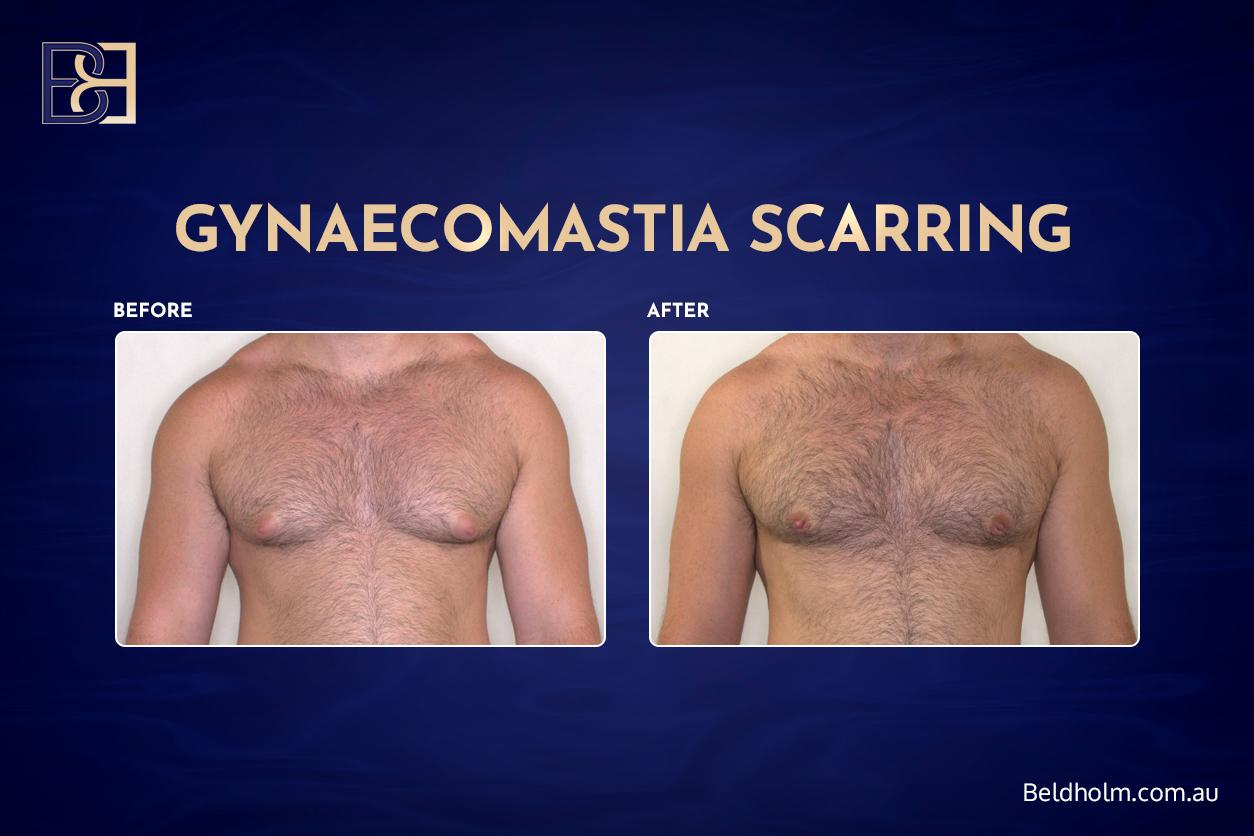
Disclaimer: Results Vary, Surgery has risks, Seek 2nd opinion. Operation performed by Dr Beldholm.
The chest you see in the first weeks is not your final result. Swelling takes time to settle and scars take time to mature, and both follow a longer timeline than most people expect.
Swelling. Swelling is greatest early and then subsides over weeks to months. The contour keeps refining as swelling subsides, which is why I judge the final results at six to twelve months rather than at a few weeks.
Scars. Where your scars are depends on the operation. VASER liposuction (ultrasound assisted lipectomy) leaves a few very small access points. Gland excision is done through an incision at the lower edge of the areola, where the scar tends to settle well because it sits at the border between areola and skin. A crescent lift adds a further scar along the upper areolar border, on top of the infra-areolar one. Mastectomy with a free nipple graft leaves longer chest scars that can cross the breastbone, and I make sure any patient having that operation understands this before we proceed (7).
Scar tissue follows a predictable course as part of the healing process. Scars are usually firm, pink or red, and at their most obvious in the first weeks to months, then they soften and fade over about six to twelve months. Early scars looking raised or red is part of normal maturation, not a sign something is wrong.
To help scars settle, I usually advise:
- Scar massage once the wounds have fully healed and I have cleared it, typically from around three weeks.
- Sun protection. Keep new scars out of the sun and covered, because sun exposure on immature scar tissue can darken it lastingly.
- Silicone gel or tape can help some scars, and I will advise if it suits yours.
Scars are permanent. They fade and settle, but they do not disappear. How a given scar matures varies from person to person.
Risks that shape recovery
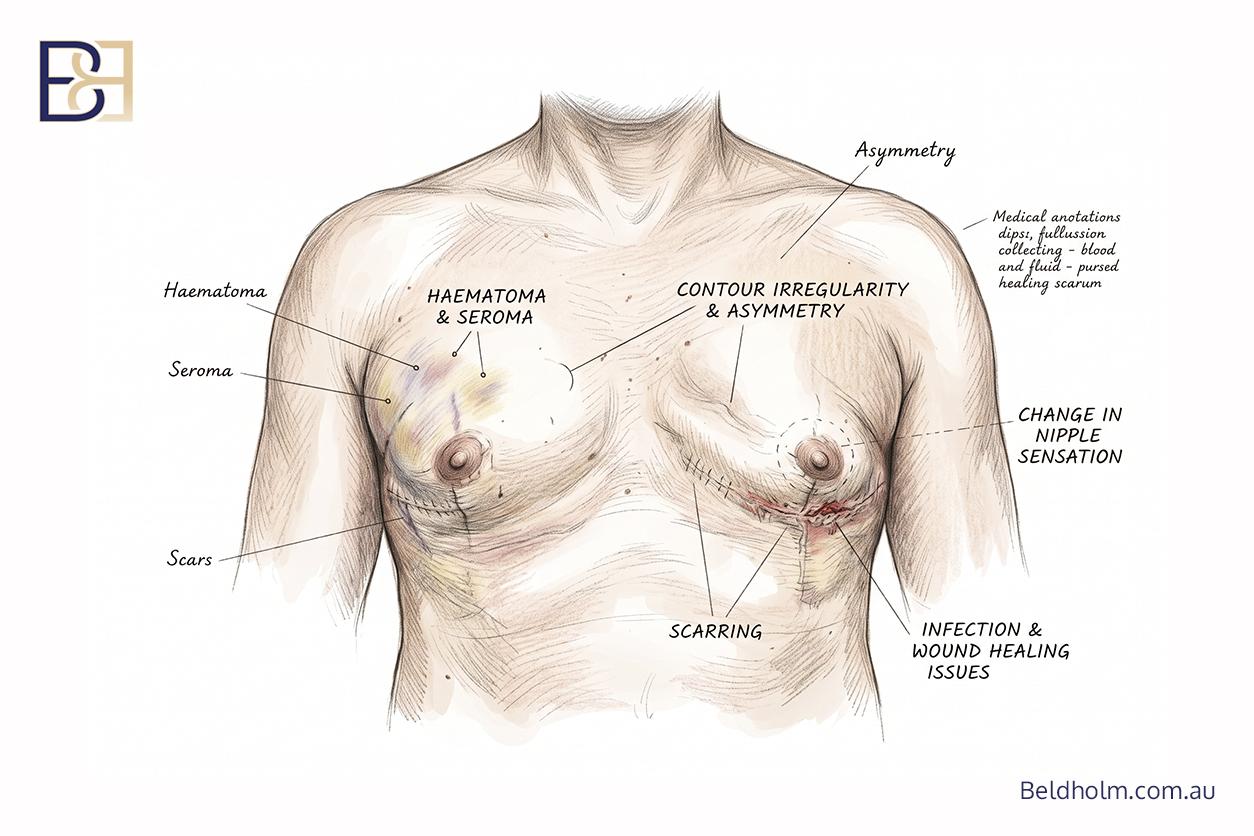
Every gynaecomastia operation carries risks, and knowing them is part of planning your recovery. Which risks matter most depends on your operation. Below are the ones most relevant to recovery. This is not the full consent discussion, which I go through with you in person.
Haematoma. A haematoma is a collection of blood under the skin. It is the complication I watch most closely after gland excision, because removing the gland leaves a cavity that can bleed, and in the published literature haematoma is the most frequent early complication after this surgery (3)(4). It usually shows up in the first days as increasing, often one-sided, swelling, firmness, and pain that is getting worse rather than better. A significant haematoma sometimes needs a return to theatre to drain it. This is one of the main reasons I limit chest movement and lifting early and ask you to watch for that pattern.
Seroma. A seroma is a collection of clear fluid in the space left after surgery. It can appear after the drain comes out or in patients who did not need one. Many settle on their own or with drainage in clinic (4).
Contour irregularity and asymmetry. The two sides may not match exactly, and the surface can be uneven, with a dip or a fullness. This is the risk profile I talk about most with VASER liposuction (ultrasound assisted lipectomy), where the concern is contour rather than haematoma, and some unevenness can show up as the swelling settles. The two sides of anyone’s chest are never identical to begin with, and I aim for balance rather than a guarantee of symmetry (5).
Changes in nipple sensation. The nipple and the skin around it can feel numb, oversensitive, or altered after surgery. This is common early on and for many patients it is temporary and settles over weeks to months, though a lasting change is possible (2)(3).
Wound healing and infection. Wounds can be slow to heal or become infected, and this risk is higher in smokers, because smoking reduces blood flow to the healing tissues. If you smoke, stopping well before and after surgery lowers this risk.
Scarring. Every operation leaves a permanent scar, and scars vary between people. Some scars stay firm or raised, and higher-grade operations that remove skin leave longer scars (3)(7).
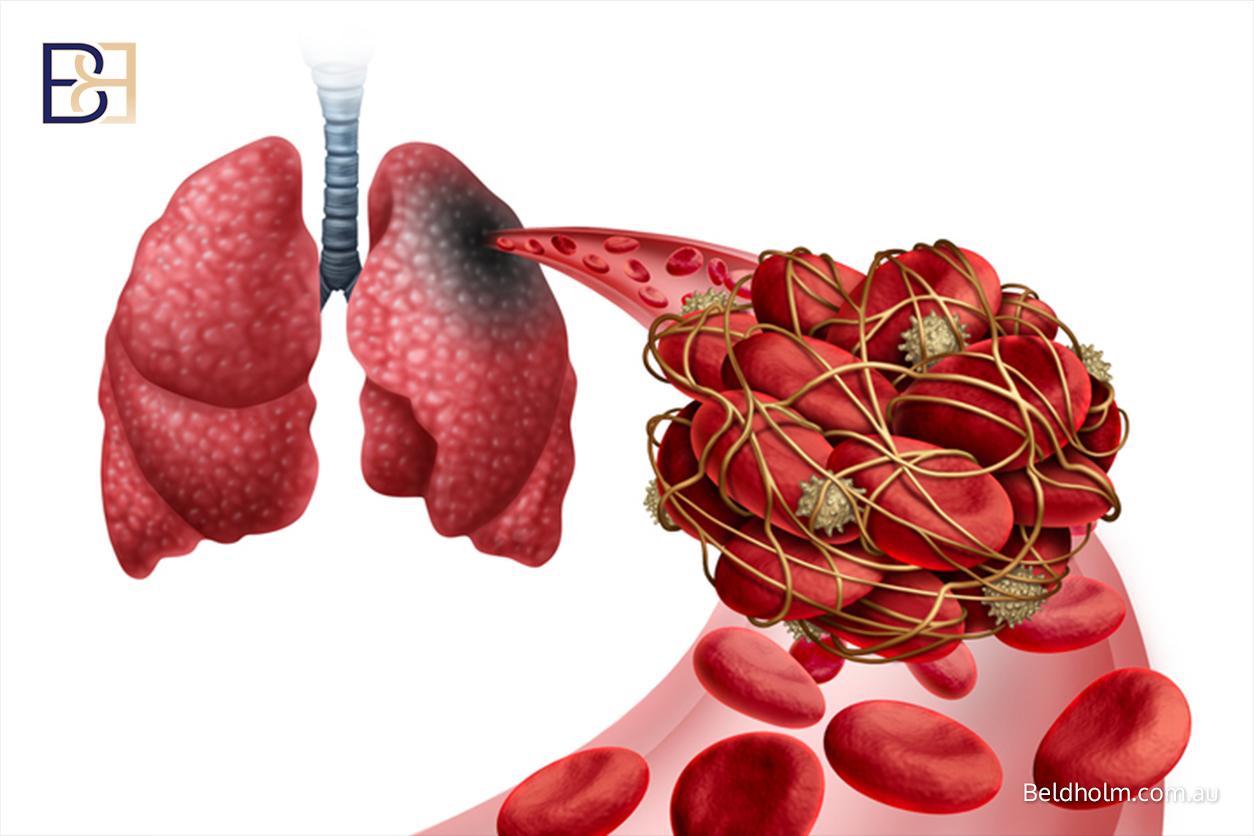
Blood clots (DVT and VTE). Any surgery carries some risk of a clot in the leg or lung. It is a lower-prominence risk in male breast surgery than in some larger body operations, but it is a genuine one, which is why I stratify your risk and why early walking matters.
Graft-specific risks (mastectomy with free nipple graft). Where the nipple is moved as a free graft, there are risks specific to that operation, including partial or complete loss of the grafted nipple, a change in its colour (depigmentation), and altered sensation. These are part of why this operation carries the frankest risk discussion, and I cover them in detail on its own pages.
Recurrence and residual tissue. Some tissue can remain or the enlargement can come back, particularly where an underlying cause is still active. I cover this below.
Across large series, serious complications after gynaecomastia surgery are uncommon (6), but “uncommon” is not “none”. Every patient heals differently, and I would rather you go in knowing the genuine risks than be surprised by them.
Staging and reassessment
For some patients, particularly where there is a lot of excess skin, the chest is not necessarily corrected in a single operation, and I plan for that from the start rather than treating it as a failure.
Skin has a capacity to retract and tighten over the months after surgery, and I want to see how much it does before deciding whether anything further is worthwhile. This is most relevant after a crescent lift and in higher-grade cases. My usual approach is to let the chest settle and then reassess at around six to twelve months, once swelling has resolved and the skin has done most of its retracting.
If, at that point, there is residual skin excess or a scar that would benefit from revision, a second-stage procedure can be considered. In the published literature, scar revision or a second, smaller stage after the initial gynaecomastia operation is a recognised part of the plan for higher-grade cases, often done later under local anaesthetic (3). It is a planned step, not a complication.
Whether a second stage is needed, and what it would involve, is something I assess with you at those follow-up visits. Many patients do not need one. The point is that I would rather set the expectation up front than promise a single-operation result I cannot guarantee.
Your follow-up schedule

Book your appointment online now
Recovery is something I follow through with you over the first year, not just in the first week. My usual schedule of review is at four weeks, three months, six months, and twelve months after surgery.
At these visits I check how your wounds and scar tissue are healing, how the contour is settling as swelling subsides, how your sensation is recovering, and how you are managing your return to activity. This is how I track the healing process over the whole recovery period. The 6 and 12 month visits are also when I judge the settled result and, where relevant, discuss whether any second stage is worth considering.
Your GP stays part of your care throughout. I copy your GP in on your pre-operative blood results, and I do a formal handover to your GP at your four-week visit so that your longer-term care and the management of any underlying cause of the gynaecomastia sits with the doctor who knows your overall health.
When to seek help during recovery
Some swelling, bruising, tightness, and soreness is expected. What I want you to act on is a change in pattern, especially something that is getting worse rather than better.
Contact us if you notice:
- Swelling or firmness on one side that is increasing, especially with worsening pain. This can be a sign of a haematoma.
- Increasing redness, heat, or discharge from a wound, or a fever, which can point to infection.
- A wound edge opening up.
- Pain that is escalating rather than settling and is not controlled by your pain relief.
Here is how to reach the right help after surgery:
- For anything you are worried about after hours, call Maitland Private Hospital. The nurses provide phone triage and will advise you on what to do next.
- If a problem needs a physical assessment, for example a wound that needs to be looked at, you may be directed to your local emergency department. Maitland Private Hospital is not an emergency department.
- For anything life-threatening, such as chest pain, difficulty breathing, or heavy bleeding, call 000 or go to your nearest emergency department straight away.
If you are ever unsure, it is better to call and ask than to sit at home worrying.
Preparation supports your recovery

A good recovery starts before the operation. How well you go into surgery affects how well you heal afterwards, so preparation is part of the plan I put together with you.
Not every gynaecomastia patient has the same starting point. Some men are otherwise well. Others come to me after significant weight loss, and where there is a weight-loss history I pay particular attention to nutritional gaps from that history, because they can affect wound healing. A healthy diet with adequate protein helps promote healing, so getting your nutrition right before surgery is worth the effort.
Before body contouring surgery I arrange a pre-operative blood panel that checks your surgical fitness and screens for nutritional gaps.
Recovery and the underlying cause
Surgery removes the excess tissue that is there. It does not change whatever caused the enlargement in the first place.
Gynaecomastia has more than one cause, including hormonal factors, some medications, weight, and the use of anabolic androgenic steroids. Some of those causes respond to medical treatment rather than surgery, which is one reason surgery is not the automatic answer. Where a cause like that is still active, the changes can come back even after a good operation and a good recovery. That is why I look into and treat any underlying or reversible cause before surgery, and why I do not present surgery as a guaranteed permanent fix.
For your recovery, the practical implication is this. If there was a driver we identified and managed, keeping it managed protects your result. Where an ongoing agent or medication is involved, that is something to manage with me and your GP, and never something to stop on your own without medical advice.
I have covered the causes of gynaecomastia and how they relate to surgery on a separate page. See causes of gynaecomastia for more.
A note on younger men
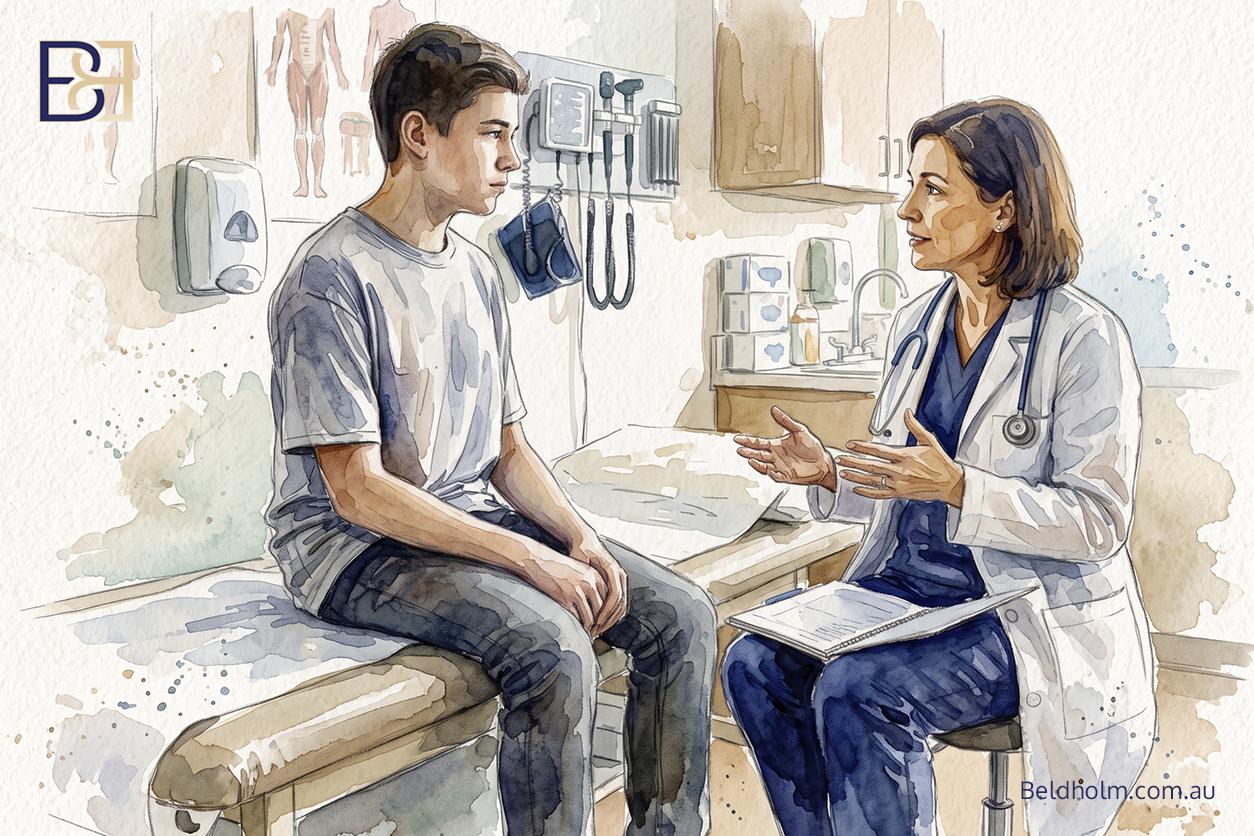
Gynaecomastia is common during puberty, and this changes the recovery conversation for younger men.
In adolescents, breast tissue enlargement often appears as part of normal development and frequently settles on its own without any surgery. The evidence for this is longstanding. In a classic study of adolescent boys, only a small minority still had gynaecomastia three years on, which is a strong argument against rushing into an operation at that age (1). For that reason, surgery is not the first consideration in an adolescent. Observation, giving it time, and reassessing is usually the right path.
Where gynaecomastia in a younger man is established, stable, and no longer likely to settle on its own, assessment is reasonable, and the same principles in this article apply. But the starting position for a young man is patience and assessment, not surgery.
This page is written for adults considering surgery and is not directed at people under 18.
Frequently asked questions
How long is gynaecomastia surgery recovery time?
Gynaecomastia surgery recovery time depends on the operation and on you. As a general guide, many patients return to desk work within a week, resume lower body and light exercise from a few weeks, and return to chest training at around four to six weeks or later (8). The larger operations take longer. Swelling and scars keep settling over six to twelve months. I give you a timeline specific to your operation.
When can I go back to the gym?
Light walking starts in the first days. Chest and upper body training waits, commonly around four to six weeks and sometimes longer, because vigorous chest movement too early can increase bleeding and disturb the healing tissues (8). I clear this individually at your follow-up visits.
How long do I wear the compression garment?
For most patients the garment is worn for a period of weeks, with the exact time depending on the operation (7). I give you a specific plan and tell you when you can reduce wear.
What are your main recovery tips?
Wear your compression garment as instructed, take the pain medication on schedule rather than waiting for pain to build, sleep on your back in an elevated position, wear loose fitting clothing, keep walking, avoid strenuous exercise until I clear it, and keep new scar tissue out of the sun.
Will I have drains?
Sometimes. Drains are more likely after gland excision and larger operations, and less likely after VASER liposuction (ultrasound assisted lipectomy) alone. If you have one, it stays in for a short period and comes out once the fluid draining off has dropped to a low level (2).
What is the main risk I should watch for?
After gland excision, the risk I watch most closely early on is haematoma, a collection of blood under the skin, which shows up as increasing one-sided swelling and pain (3)(4). After VASER liposuction (ultrasound assisted lipectomy), the concerns are more about contour and asymmetry than haematoma (5). I explain the full list of risks at consultation.
Will my scars be obvious?
Scars are permanent but they settle over about 6 to 12 months. VASER liposuction (ultrasound assisted lipectomy) leaves tiny access points, gland excision uses an incision at the lower edge of the areola, and the larger skin-removing operations leave longer scars, including scars that can cross the breastbone with a free nipple graft (7). How a scar matures varies between people.
Can the gynaecomastia come back?
Surgery removes the tissue that is present, but it does not change an ongoing cause. Where a driver such as a continued medication or agent is still active, the changes can return (4). Managing the cause is part of protecting the result.
Is this covered by Medicare or private health insurance?
Whether any rebate applies depends on your individual circumstances and is assessed case by case. I discuss this with you at consultation.
References
- Nydick M, Bustos J, Dale JH Jr, Rawson RW. Gynecomastia in adolescent boys. JAMA. 1961;178:449-54.
- Barros ACSD, Sampaio MCM. Gynecomastia: physiopathology, evaluation and treatment. Sao Paulo Med J. 2012;130(3):187-97.
- Cordova A, Moschella F. Algorithm for clinical evaluation and surgical treatment of gynaecomastia. J Plast Reconstr Aesthet Surg. 2008;61(1):41-9.
- Li CC, Fu JP, Chang SC, Chen TM, Chen SG. Surgical treatment of gynecomastia: complications and outcomes. Ann Plast Surg. 2012;69(5):510-15.
- Steele SR, Martin MJ, Place RJ. Gynecomastia: complications of the subcutaneous mastectomy. Am Surg. 2002;68(2):210-13.
- Zavlin D, Jubbal KT, Friedman JD, Echo A. Complications and outcomes after gynecomastia surgery: analysis of 204 pediatric and 1583 adult cases from a national multi-center database. Aesthetic Plast Surg. 2017;41(4):761-67.
- Gusenoff JA, Coon D, Rubin JP. Pseudogynecomastia after massive weight loss: detection of laxity and selection of treatment. Plast Reconstr Surg. 2008;122(5):1301-11.
- Blau M, Hazani R. Correction of gynecomastia in body builders and patients with good physique. Plast Reconstr Surg. 2015;135(2):425-32.