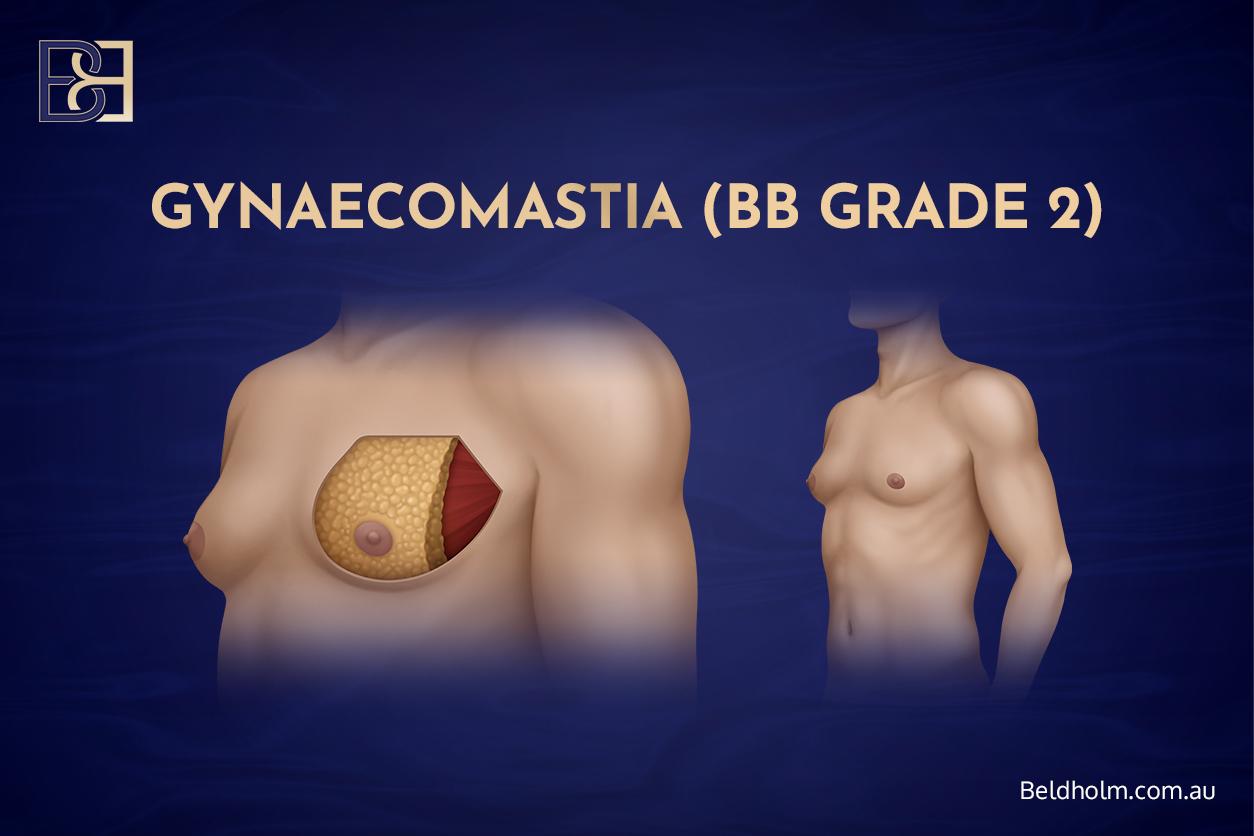
Gynaecomastia is enlarged male breast tissue. The surgical correction of enlarged breasts in men, also known as male breast reduction surgery, is a surgical procedure I perform regularly. In some men the enlarged male breasts are mostly fatty tissue rather than firm glandular tissue, and the nipple has not dropped. In my grading system this is a BB Grade 2 chest, and it is the one situation where VASER liposuction (ultrasound assisted lipectomy) on its own is usually the right operation.

This page explains what VASER liposuction (ultrasound assisted lipectomy) does for a BB Grade 2 chest, who it suits, what recovery involves, and the risks that matter most with this approach. Whether surgery is appropriate for you, and whether your chest is a BB Grade 2, is something I assess in person at consultation. A GP referral is required before that consultation, and results vary from one man to the next.
Table of Contents
Where a BB Grade 2 chest sits in my grading system
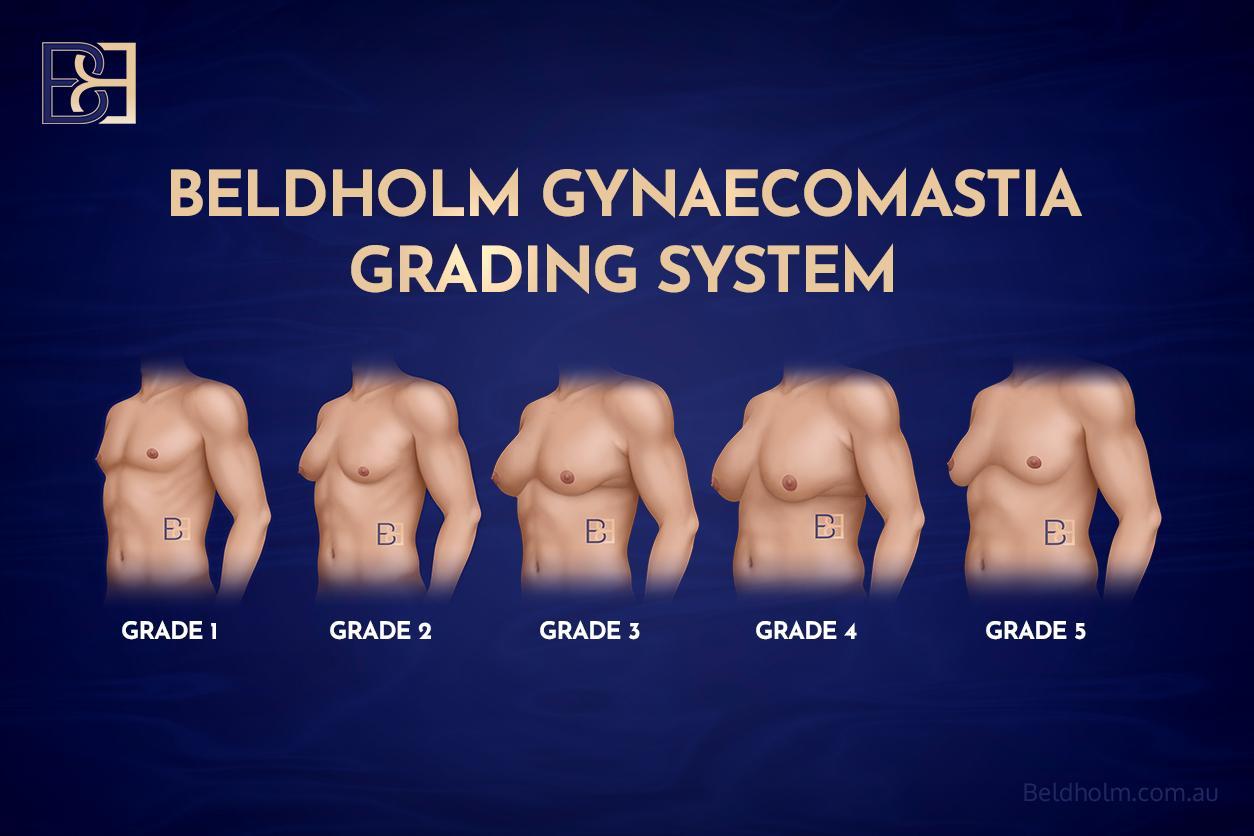
Grading gynaecomastia before operating is standard practice, and several classifications exist (1). I grade it in five steps, and each grade points to one operation. The grade describes what is in the chest and whether the nipple has dropped, and that decides the surgery.
- BB Grade 1: firm glandular tissue under the nipple, no fatty excess, and the nipple has not dropped. Treated by removing the gland.
- BB Grade 2: enlargement from fat, no firm glandular disc, and the nipple has not dropped. Treated by VASER liposuction (ultrasound assisted lipectomy) on its own. This is the page you are reading.
- BB Grade 3: both a firm gland and a fatty component, and the nipple has not dropped. Treated by VASER liposuction (ultrasound assisted lipectomy) together with gland removal.
- BB Grade 4: the nipple has dropped below the lower border of the pectoralis major muscle but within 2 cm of it, and the skin is likely to tighten. Treated with a lift added to the tissue removal.
- BB Grade 5: the nipple has dropped further, or the skin will not tighten. Treated by mastectomy with a free nipple graft, a skin excision that removes the excess skin and repositions the nipple.
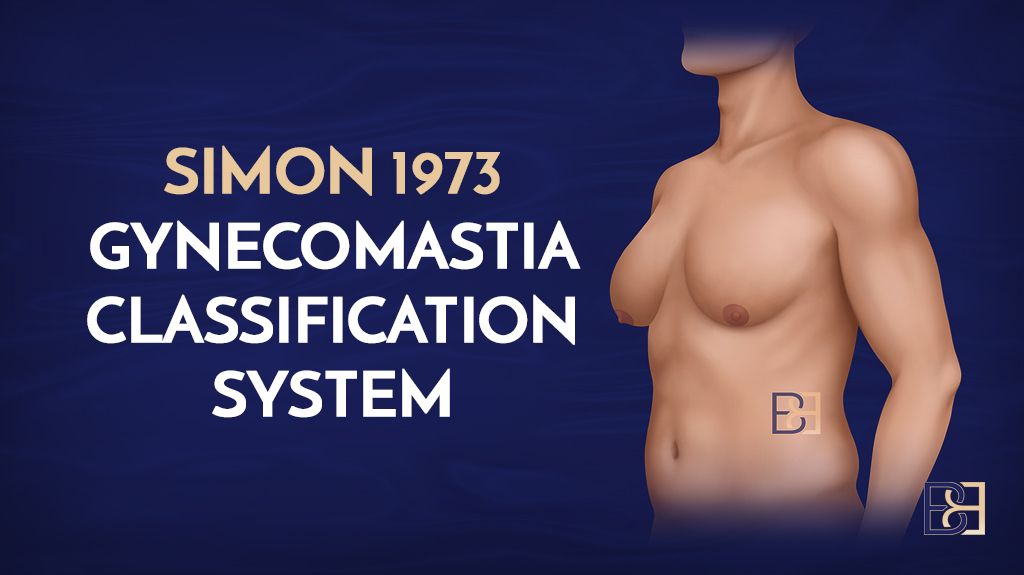
The full system, and how it compares with older classifications, is set out in gynaecomastia grading system. If your chest has a firm disc of gland tissue, or the nipple has genuinely dropped, you are not a BB Grade 2, and VASER liposuction (ultrasound assisted lipectomy) on its own is not the answer. That is the reason for grading before operating.
I measure nipple position from the lower border of the pectoralis major muscle rather than the crease under the chest, because in men that crease is an unreliable landmark (2). A BB Grade 2 chest has the nipple sitting at or above that border.
Gland versus fat, and why it decides the operation
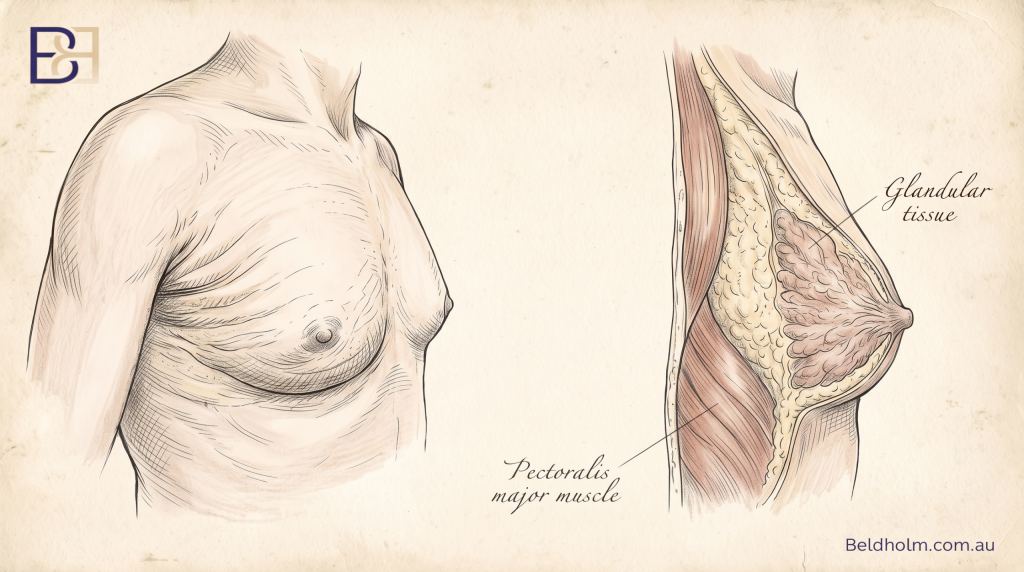
The most important thing at assessment is whether the enlargement is fat or firm glandular tissue, because the two respond very differently to VASER liposuction (ultrasound assisted lipectomy).
- Fatty tissue can be broken up and suctioned. Fat tissue is what VASER liposuction (ultrasound assisted lipectomy) is designed to remove.
- Glandular breast tissue is firm, fibrous and rubbery. VASER liposuction (ultrasound assisted lipectomy) has only a limited effect on glandular tissue, which is why a firm gland is removed rather than suctioned (3).
A BB Grade 2 chest is excess fatty tissue without a firm glandular disc. This is sometimes called pseudogynaecomastia, or lipomastia. Because there is no gland to cut out, VASER liposuction (ultrasound assisted lipectomy) on its own can do the whole job, and there is no need for an incision to remove excess breast tissue.
Where a firm gland is present as well, VASER liposuction (ultrasound assisted lipectomy) alone tends to leave a disc of tissue behind under the nipple, and gland removal is needed in addition. That is a BB Grade 3 operation, covered on the VASER liposuction with gland excision for gynaecomastia page, not this one. I work out which of the two you have from your medical history and examination, feeling for a firm disc under the areola, and where it is not clear I arrange imaging to confirm it before discussing treatment options at your initial consultation.
What VASER liposuction (ultrasound assisted lipectomy) is
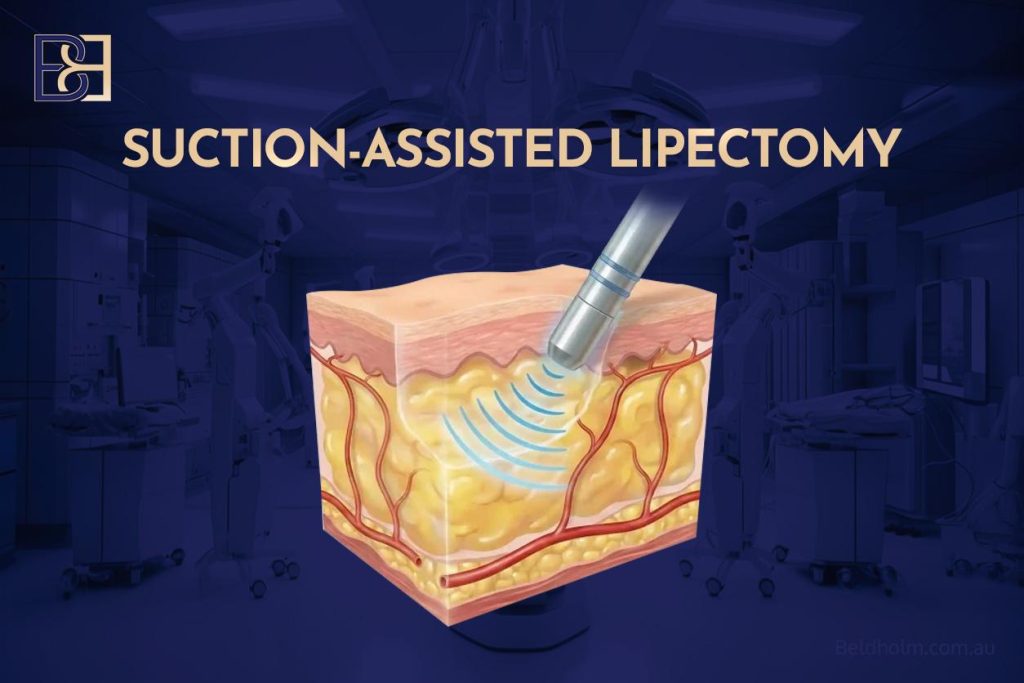
VASER liposuction (ultrasound assisted lipectomy) uses sound energy to loosen and emulsify fat before it is removed through a cannula. A fine probe delivers the ultrasound. This can be useful on the male chest, where the fat is often firmer and more fibrous than fat elsewhere on the body (3).
The ultrasound still does not remove firm glandular tissue, which does not break down under suction. VASER liposuction (ultrasound assisted lipectomy) is a fat-removal tool. It does not replace gland excision where a gland is present, which is why it is used on its own only for a BB Grade 2 chest.
I use small incisions, usually only a few millimetres. Because no excess tissue is cut out and no skin is removed in a BB Grade 2 operation, there are no long scars from this surgical procedure.
Who a BB Grade 2 approach suits
VASER liposuction (ultrasound assisted lipectomy) on its own tends to suit a man who:
- Has enlarged breast tissue that is mainly excess fat, with no firm glandular disc
- Has no true ptosis, so the nipple sits at or above the lower border of the pectoralis major
- Has good skin elasticity, so the skin can tighten once the excess fat tissue is removed
- Is at a stable weight, since the fat removed is ordinary body fat and further weight gain alters the result
These are the things I check at examination. Not every fuller chest is a BB Grade 2, and surgery is not always the right answer.
Weight comes first
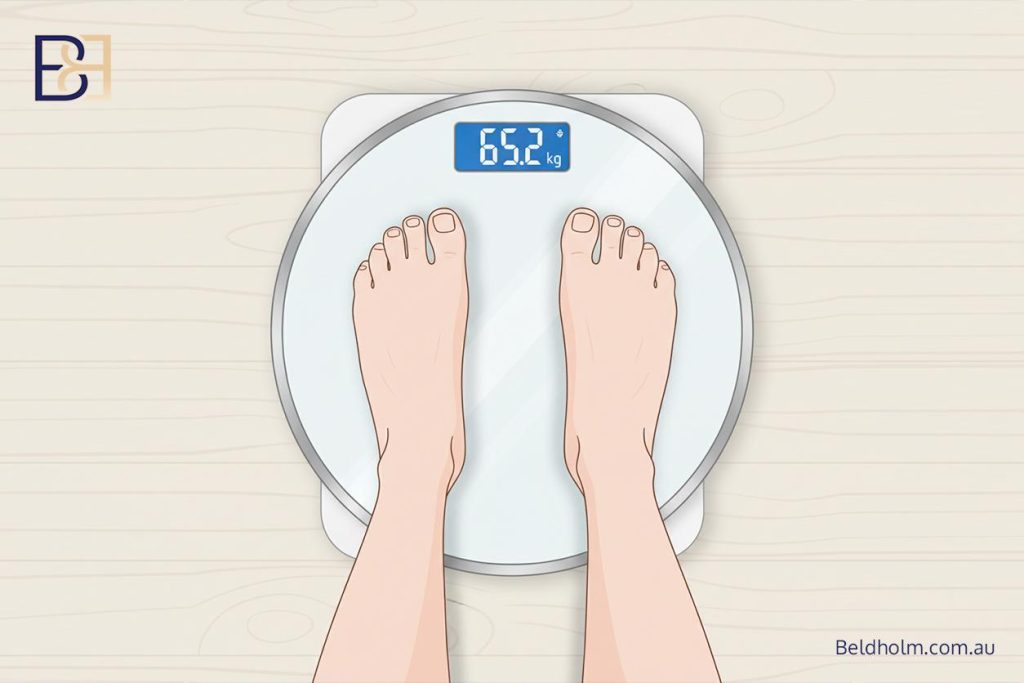
The single most useful thing before a BB Grade 2 operation is a stable weight. Fat in the chest and breast area responds to weight loss like fat elsewhere, so for some men a period of weight loss reduces the breast size enough that a surgical procedure is no longer what they want. For others the fullness stays after the weight has gone, and that is the point at which liposuction (suction assisted lipectomy) has something to offer.
Younger men and pubertal gynaecomastia

Gynaecomastia is common during puberty and frequently settles on its own without any surgery (4). It is not usually a reason for early surgery in an adolescent. Where chest changes are established and stable, assessment is reasonable, but observation is often the right course first. This page is written for adults considering surgery, and the decision is always individual.
What the operation involves
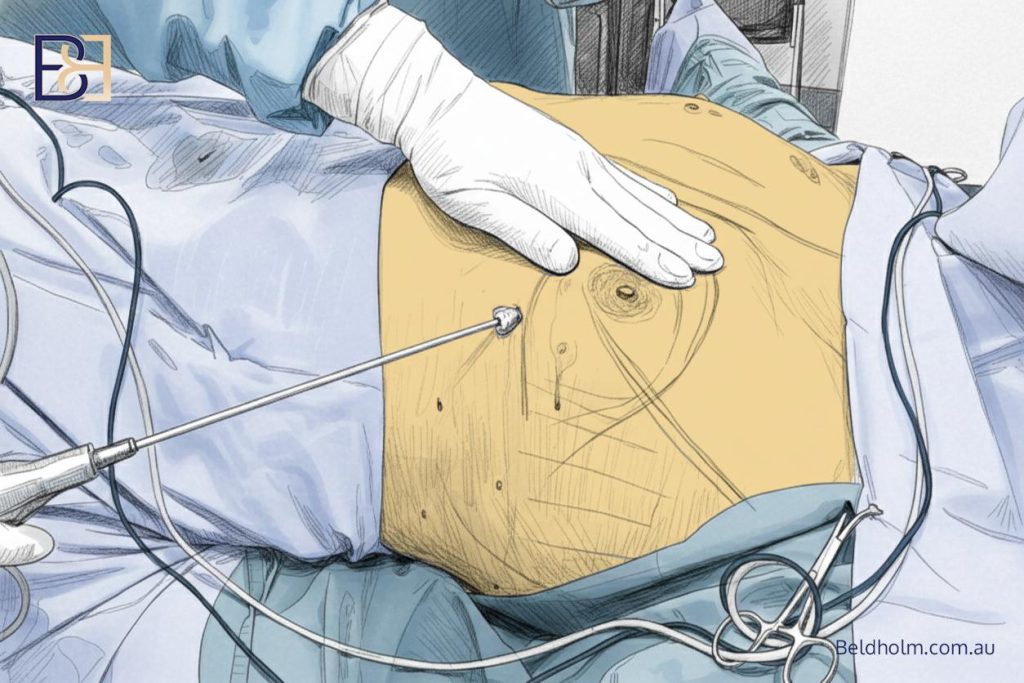
VASER liposuction (ultrasound assisted lipectomy) for a BB Grade 2 chest is done under general anaesthesia, and for most patients it is a day procedure. In broad terms:
- A wetting solution containing adrenaline and local anaesthetic is injected into the chest. It has three functions. The adrenaline constricts the blood vessels and limits bleeding, the local anaesthetic contributes to pain relief, and the fluid itself is needed for the ultrasonic probe to work properly in the tissues.
- Ultrasound energy is applied through a fine probe to loosen the fat, which is then removed through a cannula via the small incisions.
- I place a compression garment on the chest before you wake up.
- Most men go home the same day.
Your anaesthetic is managed by the anaesthetist. For most patients that consultation happens by phone, with the physical airway check on the day of surgery.
I look after your care through the procedure and see you afterwards at set follow-up points. I assess your blood clot risk myself and decide on any changes to prescribed medications. Few of the men I treat for gynaecomastia are on certain medications such as these. Where a man is, aspirin and anticoagulants are stopped one week before surgery. That decision is made ahead of time and depends on your medical history and the condition the medication is being taken for. Do not stop these on your own.
Recovery
Recovery after a BB Grade 2 operation is generally less involved than the gynaecomastia operations that also remove gland or skin, because no tissue is cut out and no skin is removed. It is still surgery, and it takes time to settle.
Bruising and swelling
Bruising and swelling are the two things most men notice first, and they are the dominant part of early recovery in this operation.
- Bruising is expected across the chest. It can be extensive, and it often tracks downwards over the first week or two before it fades.
- Swelling makes the chest feel firm and tight early on. It comes down gradually rather than all at once.
- Discomfort is usually manageable with pain relief. A tight, tender feeling across the chest is normal in the first days.
Swelling is the reason the chest does not look like its final result straight away. It keeps refining over the following months, and I usually judge the final contour at around 3 to 6 months, sometimes longer. What you see at two weeks is not the end point.
The compression garment
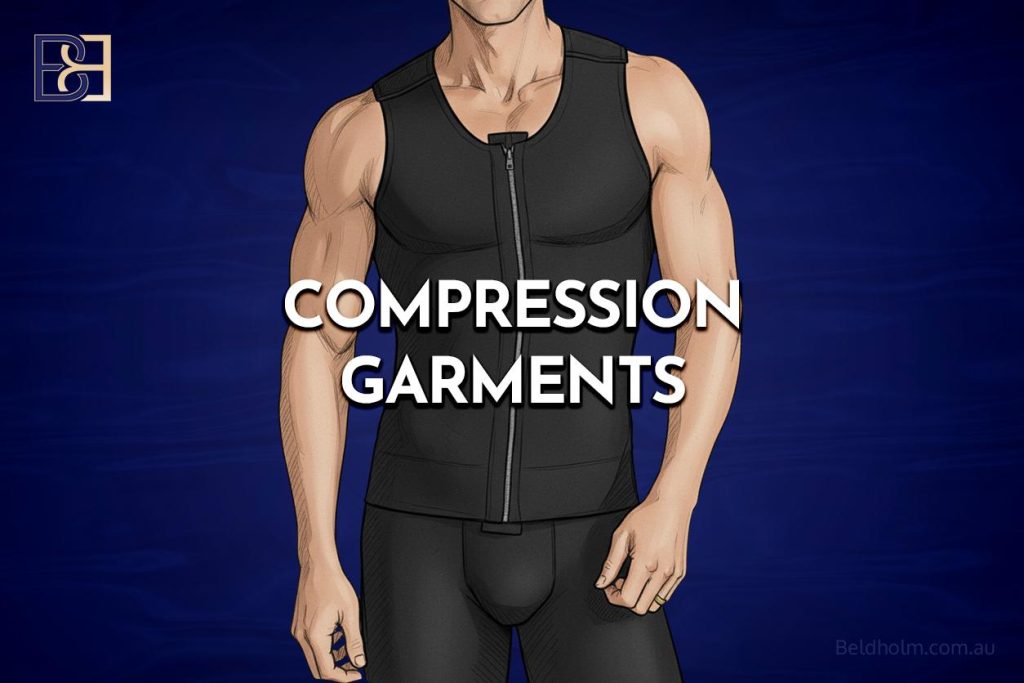
The compression garment matters in this operation. It helps control swelling, supports the tissues while they settle, and helps the skin redrape onto the new contour. Wearing it as directed through the post operative period matters for the contour you end up with.
I ask for the garment to be worn full time for the first 2 weeks, day and night, and then half time for a further 2 weeks.
Getting moving, and back to the gym
Most men are up and walking the same day, which I encourage, because early movement is part of reducing clot risk. Many are back to desk work within about a week.
Return to the gym is staged rather than all at once. Light activity comes back first, with heavier lifting and chest work added later as the healing process continues. I guide this at your reviews rather than setting a fixed date, because men heal at different rates and proper healing takes time.
Follow-up
I review you at 4 weeks, 3 months, 6 months and 12 months. At the 4-week visit I hand your longer-term care back to your GP. There is more detail on the gynaecomastia surgery recovery page.
Recovery timelines vary between men, and yours may be faster or slower than average.
Risks and complications
The risk profile for VASER liposuction (ultrasound assisted lipectomy) on its own differs from the gynaecomastia operations that cut tissue out. The complications that dominate here are not the ones that dominate there.
The risks that matter most in a BB Grade 2 operation
- Contour irregularity. The chest is shaped by removing fat, so the surface can end up uneven, with dips, lumpiness, or a hollowed area under the nipple if too much is taken. This is the most characteristic problem with liposuction (suction assisted lipectomy), and it is the one I watch hardest against. It can require revision.
- Asymmetry. The two sides may not match exactly in shape or in the volume removed. Some difference between sides exists in every chest before surgery, and a degree of it can persist afterwards.
- Under-correction or over-correction. Removing too little leaves fullness. Removing too much leaves a dished contour, which is harder to correct than leaving a little behind.
- Changes in nipple or skin sensation, usually temporary, though they can take months to settle and occasionally last longer.
- Seroma, a collection of fluid under the skin, which sometimes needs draining.
- Loose skin or excess skin where the skin does not tighten as expected once the excess fat is removed. This is more likely without good skin elasticity, which is part of why skin elasticity is assessed before choosing this operation.
Less prominent in this operation, but still possible
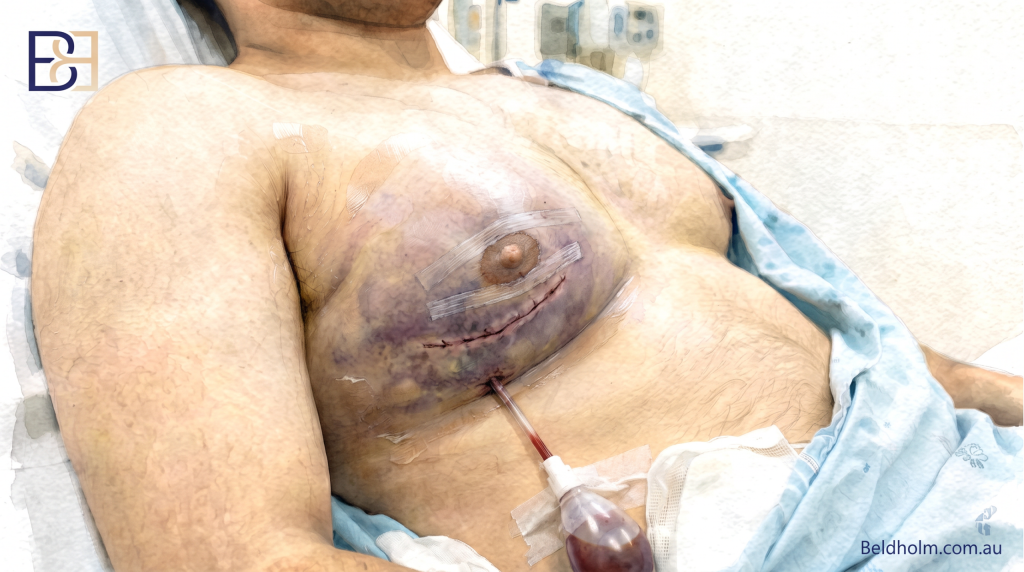
Bleeding and haematoma, a collection of blood that can need drainage, are notable risks in the gynaecomastia operations that cut tissue out. Because nothing is excised in a BB Grade 2 operation, they are less prominent here. They are not zero.
Because ultrasound energy generates heat, there is a small risk of thermal or burn injury to the skin. Infection is uncommon. The risk of a blood clot in the legs, known as deep vein thrombosis, or in the lungs, is lower for this operation than for larger surgical procedures, but it is assessed and managed rather than ignored, which is why I stratify blood clot risk before surgery and get you walking the same day.
How often complications happen
Published research on large numbers of gynaecomastia surgery cases reports low overall complication rates, with seroma, haematoma, contour irregularity, asymmetry and altered sensation among the potential complications, and most cases carried out as day surgery (5). Revision is sometimes needed to improve contour or symmetry, and I discuss that possibility before surgery rather than after.
Recurrence and the underlying cause
VASER liposuction (ultrasound assisted lipectomy) removes the fat that is there on the day.
Weight is the driver that matters here
For a BB Grade 2 chest, weight gain is the main thing that brings the fullness back. The fat removed is ordinary body fat, and the fat cells left behind can enlarge again if significant weight goes back on. The chest area is one of the places that shows it in men.
This is the most common reason a BB Grade 2 result is lost, and it is why I want weight stable before operating rather than after. Holding the result is largely about holding your weight.
Hormonal and drug causes are a different question

The causes people usually associate with enlarged male breasts, including certain medications and anabolic androgenic steroids, drive true glandular breast tissue rather than fatty tissue. They are less relevant to a chest that is fat alone, which is why they matter less in a BB Grade 2 case than in the glandular grades.
They are not irrelevant, though. Nothing glandular is removed in this operation, because there is no gland to remove. If a hormonal driver is active later on, it can stimulate true glandular tissue to develop, and that is new gland forming rather than the old problem coming back. It would need a different operation. Removing fat does not protect against it.
Preparing for surgery
Preparation for a BB Grade 2 operation is straightforward compared with the larger body contouring operations.
Blood tests
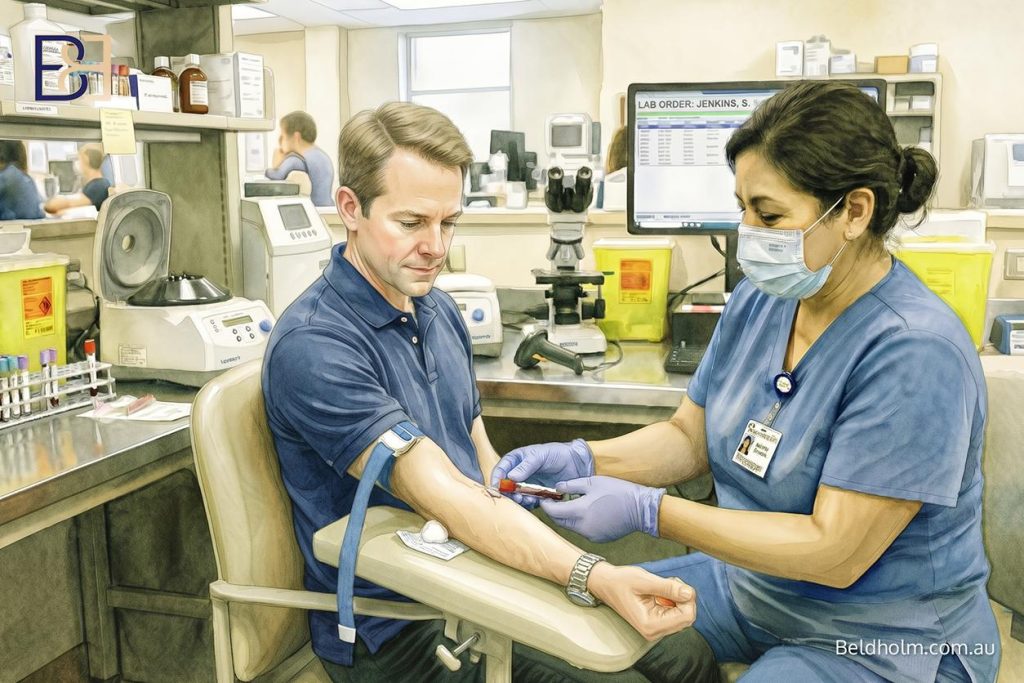
You have standard pre-operative blood tests to confirm you are fit for a general anaesthesia. This is a day case with no tissue excision, so it does not call for the extended nutritional panel I run before major body contouring surgery. Your GP is copied in on the results.
Weight
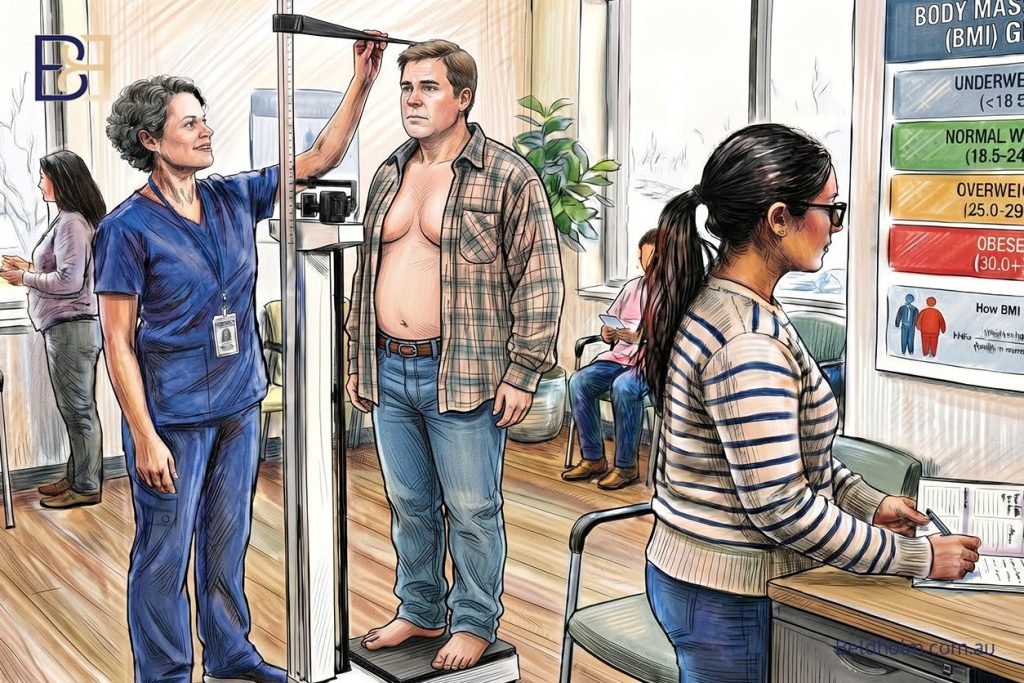
Weight should be stable before this operation rather than still moving. Chest fat responds to weight loss like fat elsewhere, so a chest that is still changing is a chest I would rather reassess than operate on. That is a judgement made at your initial consultation, not a number set in advance.
General health

The usual things apply. If you smoke, stopping before surgery supports wound healing. Where you have a medical condition that affects an anaesthetic, that is worked through with your GP and the anaesthetist beforehand.
My position on liposuction (suction assisted lipectomy) alone
Book your appointment online now
Used on the right chest, VASER liposuction (ultrasound assisted lipectomy) on its own produces a good contour, without an excision, without a long scar, and with the mildest recovery of the five grades.
Two things make it work.
- It handles the fibrous fat of the male chest. The ultrasound loosens fat that is denser and more fibrous than fat elsewhere on the body, which is where standard suction alone struggles (3).
- The skin retracts. Published research comparing ultrasound assisted lipectomy with standard suction assisted lipectomy found substantially greater skin retraction, or skin tightening, with the ultrasound technique (6). On the chest that matters, because the skin has to draw down onto the smaller contour once the excess fat tissue is gone.
Where it goes wrong
The problem is not the technique. It is putting the technique on the wrong chest.
- A firm glandular disc left behind. Where there is a gland, liposuction (suction assisted lipectomy) techniques alone leave it. The man ends up with a flatter chest and the same firm lump under the nipple, needing a second operation to remove excess breast tissue that should have come out the first time. Where there is a gland, excision techniques are added to remove it, and that is a BB Grade 3 operation.
- Skin that will not retract. The skin has to do some of the work in this operation. Without good skin elasticity the skin does not draw down, and the result is a flatter chest with excess skin sitting on it. This is the main limitation of liposuction (suction assisted lipectomy) alone, and it is not something the VASER (ultrasound assisted lipectomy) can rescue.
Both failures are avoidable, and both are avoided at assessment rather than in theatre. That is what the examination is for: feeling for the gland, and testing the skin. Get those two right and liposuction (suction assisted lipectomy) alone does the whole job. Get them wrong and no amount of technique will save it.
In summary

- A BB Grade 2 chest is enlarged male breast tissue that is excess fatty tissue rather than gland, with no firm glandular disc, and the nipple has not dropped.
- It is the one grade where VASER liposuction (ultrasound assisted lipectomy) on its own does the whole job. No tissue is excised and no skin is removed, so there are no long scars.
- The two things that decide whether this surgical procedure suits you are what is in the chest, glandular tissue or fat tissue, and whether you have good skin elasticity so the skin draws down once the excess fat is gone.
- Recovery centres on bruising, swelling and the compression garment, worn full time for 2 weeks then half time for a further 2 weeks. The final contour is judged at around 3 to 6 months.
- The complications that matter most are contour irregularity and asymmetry. Haematoma is less prominent here than in the operations that cut tissue out, though it is not zero.
- Weight gain is what brings the fullness back. The fat removed is ordinary body fat, so holding the result means holding your weight.
- If there is a firm gland, this is not the right operation. The gland comes out, and that is a BB Grade 3.
References
- Simon BE, Hoffman S, Kahn S. Classification and surgical correction of gynecomastia. Plast Reconstr Surg. 1973;51(1):48-52.
- Gusenoff JA, Coon D, Rubin JP. Pseudogynecomastia after massive weight loss: detectability of technique, patient satisfaction, and classification. Plast Reconstr Surg. 2008;122(5):1301-1311.
- Rohrich RJ, Ha RY, Kenkel JM, Adams WP Jr. Classification and management of gynecomastia: defining the role of ultrasound-assisted liposuction. Plast Reconstr Surg. 2003;111(2):909-923.
- Nydick M, Bustos J, Dale JH Jr, Rawson RW. Gynecomastia in adolescent boys. JAMA. 1961;178(5):449-454.
- Zavlin D, Jubbal KT, Friedman JD, Echo A. Complications and outcomes after gynecomastia surgery: analysis of 204 pediatric and 1583 adult cases from a national multi-center database. Aesthetic Plast Surg. 2017;41(4):761-767.
- Nagy MW, Vanek PF Jr. A multicenter, prospective, randomized, single-blind, controlled clinical trial comparing VASER-assisted lipoplasty and suction-assisted lipoplasty. Plast Reconstr Surg. 2012;129(4):681e-689e.