


Liposuction (Suction Assisted Lipectomy) in Newcastle NSW
Liposuction (suction assisted lipectomy) removes localised fat deposits that persist despite a stable weight and a reasonable diet and exercise routine. In my practice, VASER liposuction (ultrasound assisted lipectomy) is the technique I use for most body areas, performed as day surgery at Maitland Private Hospital. This page is the starting point for my liposuction (suction assisted lipectomy) services: the technique itself, each treatment area from the neck to the ankles, fat grafting (autologous fat transfer), and surgery for lipoedema. Outcomes vary between patients and depend on skin quality, fat distribution and the area treated, which is why every pathway below begins with a consultation.
Book your appointment online now
How I Perform Liposuction (Suction Assisted Lipectomy)
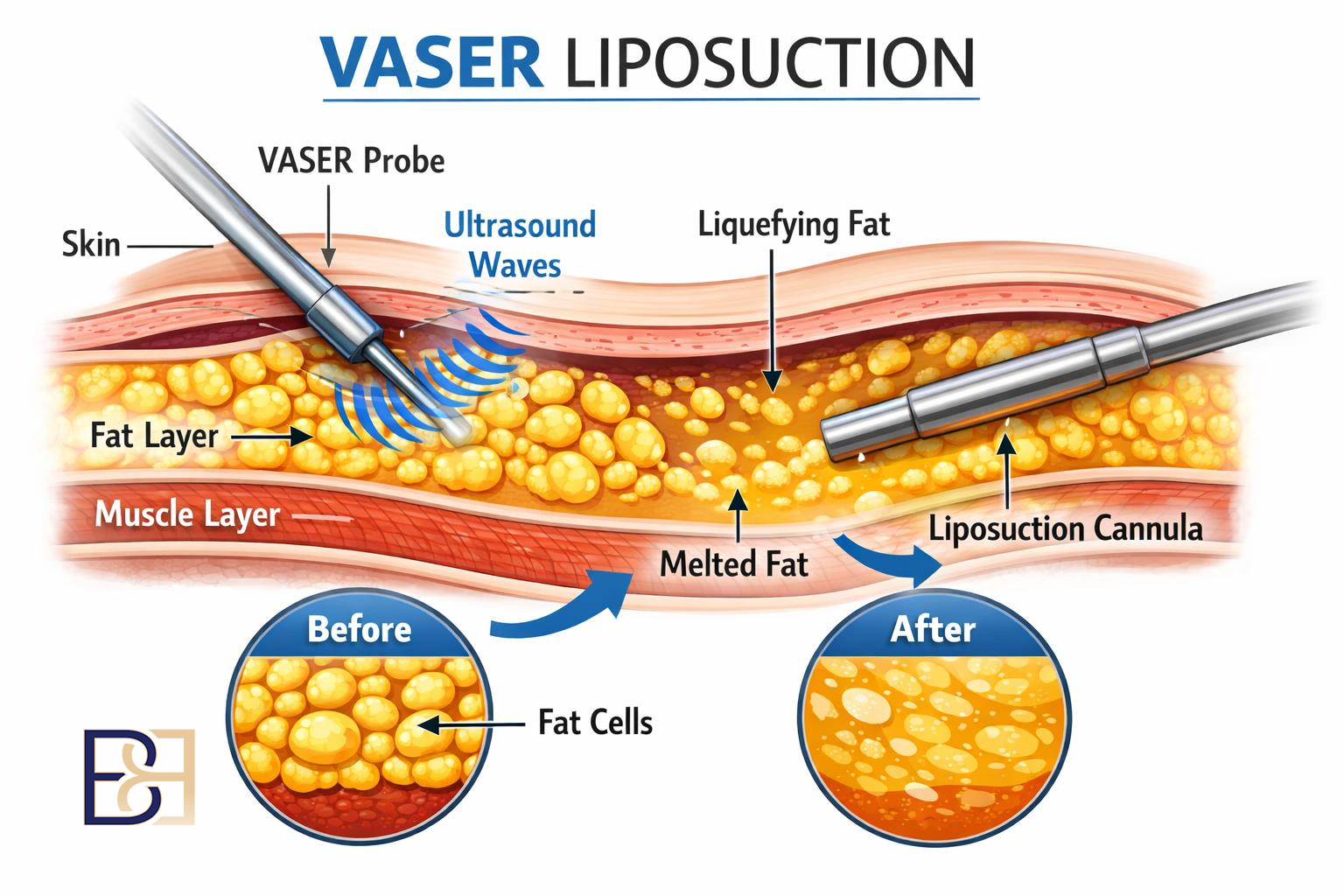
VASER (ultrasound assisted lipectomy) is my preferred technique across all body areas. After tumescent fluid is infiltrated, ultrasound energy is applied to the fat layer before suction, which loosens the fat and allows it to be removed with less mechanical force than standard liposuction (suction assisted lipectomy) alone. I have used VASER (ultrasound assisted lipectomy) for more than 10 years and liposuction (suction assisted lipectomy) for more than 15 years, both as a standalone procedure and within larger body contouring operations. The main VASER liposuction (ultrasound assisted lipectomy) page covers the procedure in full: how a session is planned, the staged approach I take to larger cases, the anaesthetic, and what recovery looks like.
Read more: VASER Liposuction in Newcastle, Maitland and the Hunter Valley
Treatment Areas
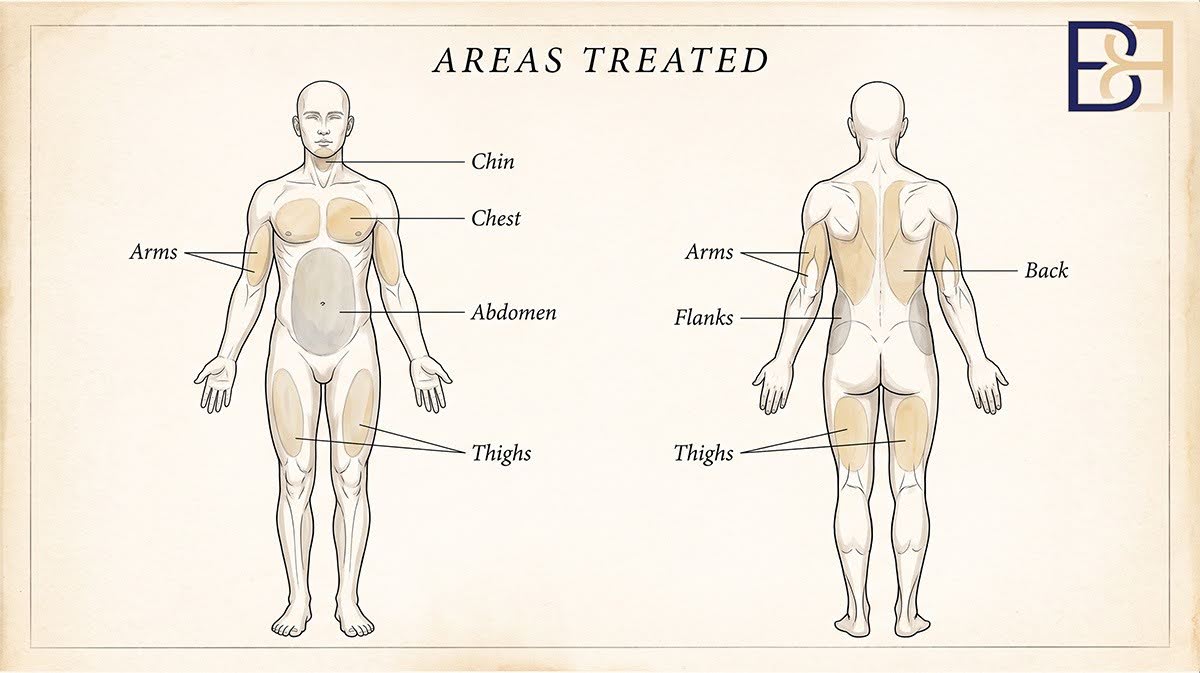
Each area has its own page covering candidacy, the procedure, compression protocol, recovery and cost. The fat layer, the skin and the recovery differ from one area to the next.
- Neck: submental and jawline fat in patients with reasonable skin tone. VASER liposuction (ultrasound assisted lipectomy) of the neck
- Abdomen: upper and lower abdominal fat where the skin has enough elasticity to retract. VASER liposuction (ultrasound assisted lipectomy) of the abdomen
- Flanks: the fat on either side of the waist, often treated together with the abdomen or back. VASER liposuction (ultrasound assisted lipectomy) of the flanks
- Back: upper back rolls, the bra line and the lower back. VASER liposuction (ultrasound assisted lipectomy) of the back
- Arms: the posterior upper arm in patients without significant skin excess. VASER liposuction (ultrasound assisted lipectomy) of the arms
- Thighs: inner, outer, anterior thigh, the fold below the buttock and the knees. VASER liposuction (ultrasound assisted lipectomy) of the thighs
- Hips and outer thighs: the lateral fat pocket below the hip that sits outside the thigh contour. VASER liposuction (ultrasound assisted lipectomy) of the hips and outer thighs
- Calves and ankles: diffuse lower leg fat, including assessment for lipoedema before any surgery is planned. VASER liposuction (ultrasound assisted lipectomy) of the calves and ankles
Fat Grafting (Autologous Fat Transfer)
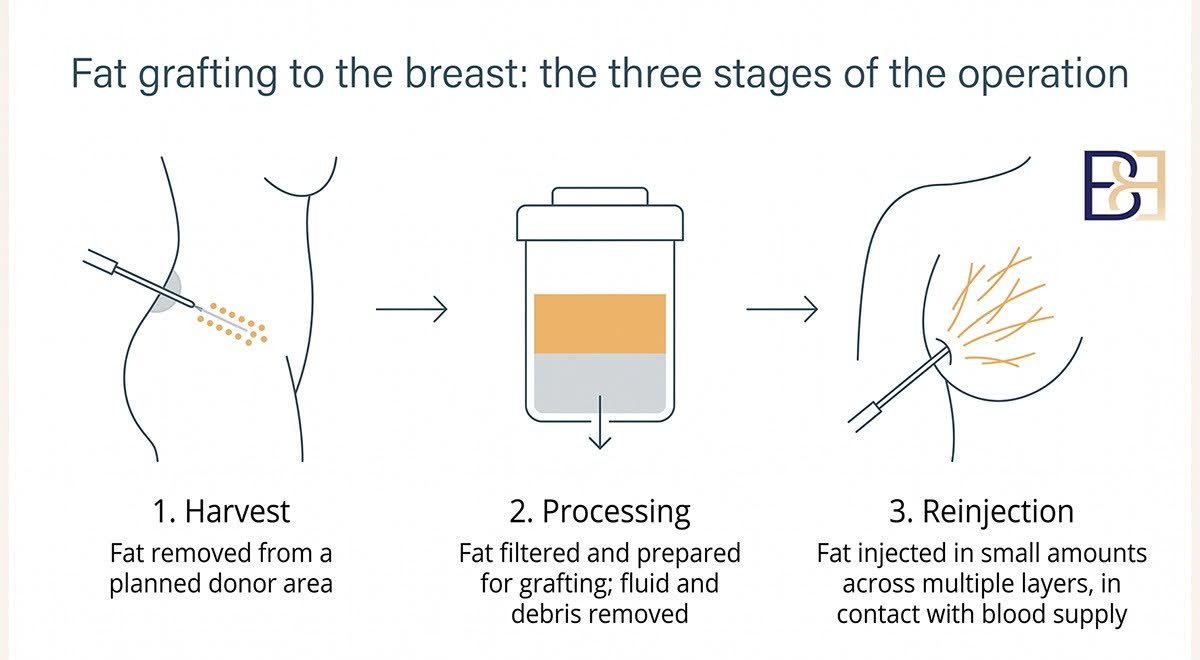
Fat removed by liposuction (suction assisted lipectomy) can be processed and returned to another part of the same patient’s body. In my practice, fat grafting (autologous fat transfer) is most commonly used for the breast and to correct contour irregularities, including those left by previous liposuction (suction assisted lipectomy) elsewhere. Not all transferred fat survives, so the volume that remains at 3 to 6 months is what counts, and some patients need more than 1 session. The fat grafting page covers harvest, processing and transfer, and links to the breast fat grafting pages for that specific application.
Read more: Fat grafting (autologous fat transfer) in the Hunter Valley
Book your appointment online now
Lipoedema Surgery
Lipoedema is a chronic condition of disproportionate, often painful fat accumulation in the legs and sometimes the arms, which does not respond to diet, exercise or weight loss in the way ordinary fat does. It is regularly mistaken for obesity or lymphoedema, and many patients reach me after years without a diagnosis. Surgery for lipoedema is liposuction (suction assisted lipectomy) applied to a medical problem: the aim is to reduce the abnormal fat load, ease pain and improve mobility, staged over more than 1 session where the volume requires it. Lipoedema cases are performed at Maitland Private Hospital, which has 24-hour medical cover and an on-site intensive care unit. There is currently no Medicare item number for lipoedema surgery, and the page covers what this means for cost.
Read more: Lipoedema surgery: VASER liposuction (ultrasound assisted lipectomy) for lipoedema
When Liposuction (Suction Assisted Lipectomy) Is Not the Right Operation
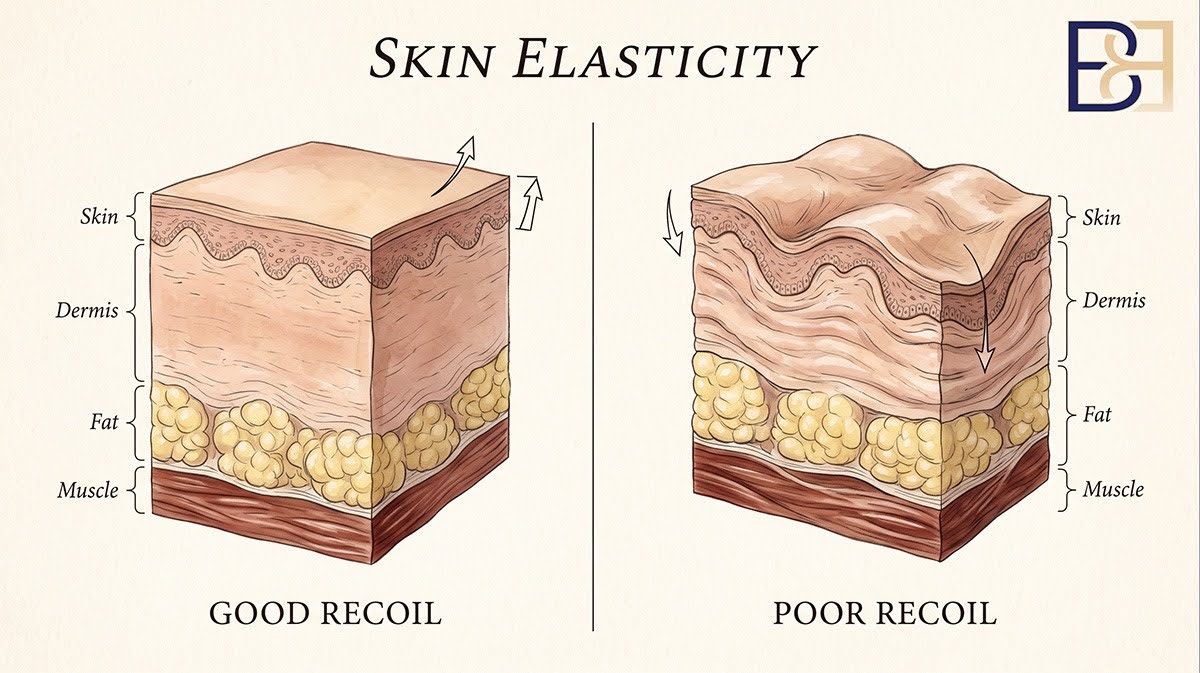
Liposuction (suction assisted lipectomy) removes fat. It does not remove loose skin, and in a patient with poor skin elasticity it can leave the skin looser than before. If you have lost a significant amount of weight, or the skin over the area you want treated is already lax, the appropriate operation is usually an excisional one: abdominoplasty for the abdomen, brachioplasty for the arms, thighplasty for the thighs, or a bra lipectomy, lower back lipectomy or belt lipectomy for the back and trunk. Liposuction (suction assisted lipectomy) is often part of those operations, but as an adjunct to the skin excision rather than the primary procedure. I will tell you at consultation which category you fall into.
Read more: Body contouring surgery after weight loss
Why Come and See Me
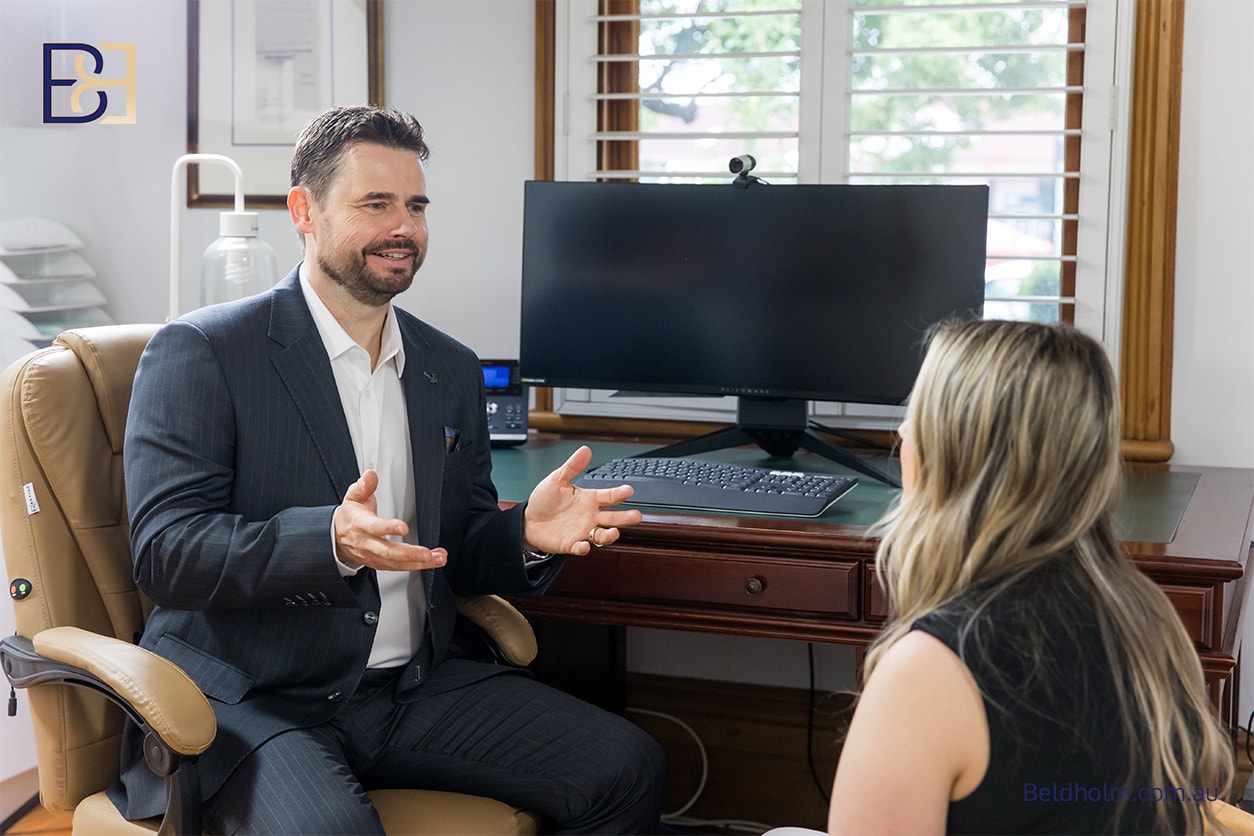
- I am a Specialist Surgeon (FRACS) and body contouring surgery is the focus of my practice.
- I have performed liposuction (suction assisted lipectomy) for more than 15 years and VASER (ultrasound assisted lipectomy) for more than 10 years, standalone and within larger body contouring operations.
- All surgery is performed at Maitland Private Hospital, with 24-hour medical cover and an on-site intensive care unit.
- Your first consultation runs for approximately 1 hour, and a second consultation is provided at no cost. Telehealth is available for patients travelling from outside the Hunter.
- Follow-up is included in the surgical fee: intensive reviews through the first 2 weeks, then at 4 weeks, 3 months, 6 months and 12 months.
Your steps to surgery
1. GP referral
A referral from your GP is needed before your first appointment.
2. Consultation
Approximately 1 hour with me to assess the area, your skin quality and your goals, and to decide whether liposuction (suction assisted lipectomy), fat grafting (autologous fat transfer) or an excisional operation fits your presentation.
3. Written quote
An itemised quote covering surgeon, anaesthetist, hospital and garment costs, with a second consultation at no cost if you have further questions.
4. Prepare for surgery
Pre-operative bloods, garment fitting and instructions on medications, smoking and the days before surgery.
5. Surgery at Maitland Private Hospital
Most liposuction (suction assisted lipectomy) is day surgery; larger and lipoedema cases may stay overnight.
6. Recover with structured follow-up
Reviews through the first 2 weeks, then at 4 weeks, 3 months, 6 months and 12 months, all included in your fee.