Full Abdominoplasty with Ultrasound-Assisted Suction Lipectomy (VASER Liposuction) After Pregnancy in Newcastle NSW
After pregnancy, many women notice that the skin across the lower abdomen no longer sits the way it once did, that the abdominal muscles feel separated, or that there is fat in this area that has not shifted with diet and exercise. These are common changes after pregnancy. They are not something you have to do anything about.
For some women, the loose skin and muscle separation do not settle over time, and surgery is the option they want to look into.
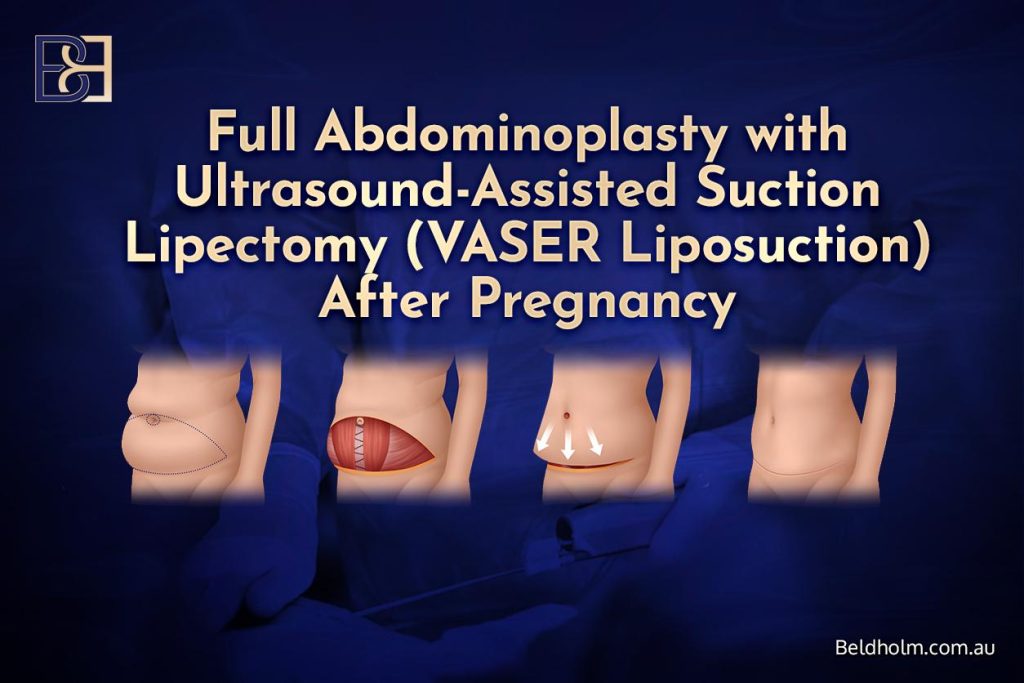
A full abdominoplasty (tummy tuck) with ultrasound-assisted suction lipectomy (VASER liposuction) is one of the operations I perform for this. It removes excess skin from the lower and upper abdomen, repairs the separation of the abdominal muscles (diastasis recti), which is common after pregnancy, and uses ultrasound-assisted suction lipectomy to contour the abdomen.
Whether this operation suits you is something I assess at consultation, and a GP referral is needed before we meet. Results vary from one person to the next. This page sets out what the operation involves, who it may suit after pregnancy, and what to expect from the first consultation through to recovery and follow-up with me.
What the operation involves
This operation combines a full abdominoplasty with ultrasound-assisted suction lipectomy (VASER liposuction). The VASER liposuction (ultrasonic assisted lipectomy) is a routine part of how I perform it, not an optional extra.
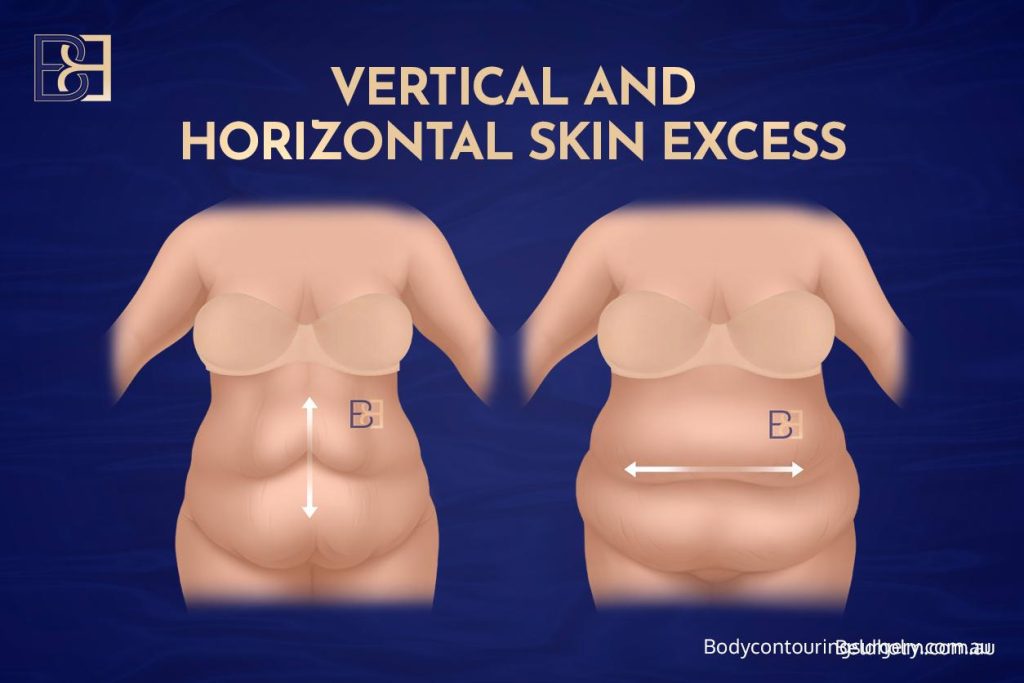
Removing the excess skin
A full abdominoplasty removes excess skin from the lower abdomen, and from the upper abdomen where needed, through an incision low across the abdomen. After pregnancy, the amount of loose skin is usually less than after major weight loss, so the operation is tailored to that.
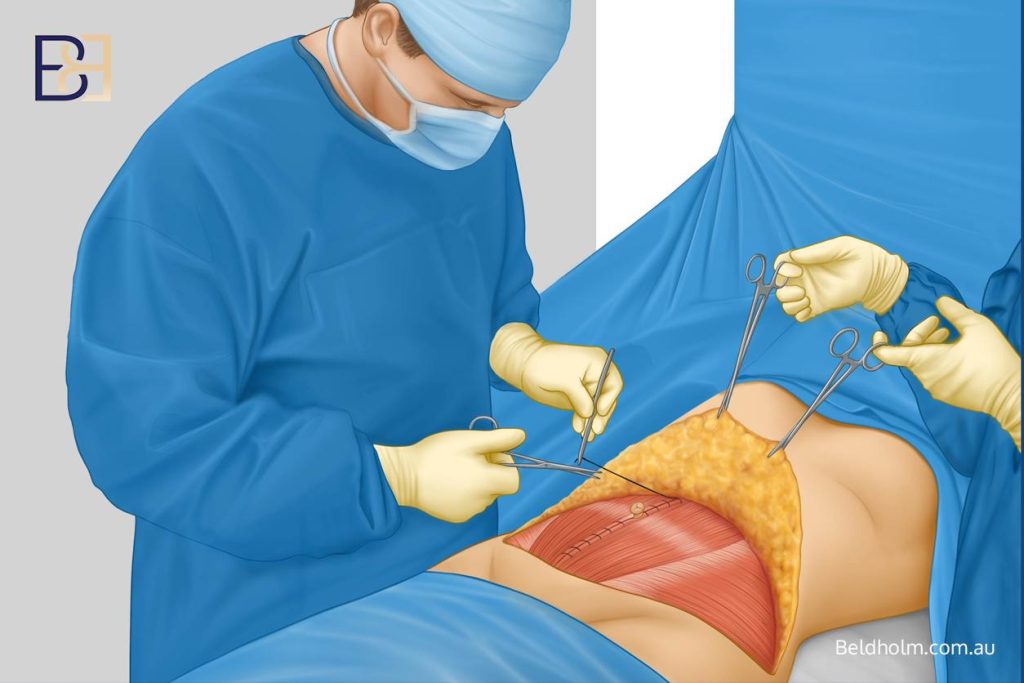
Repairing the muscle separation
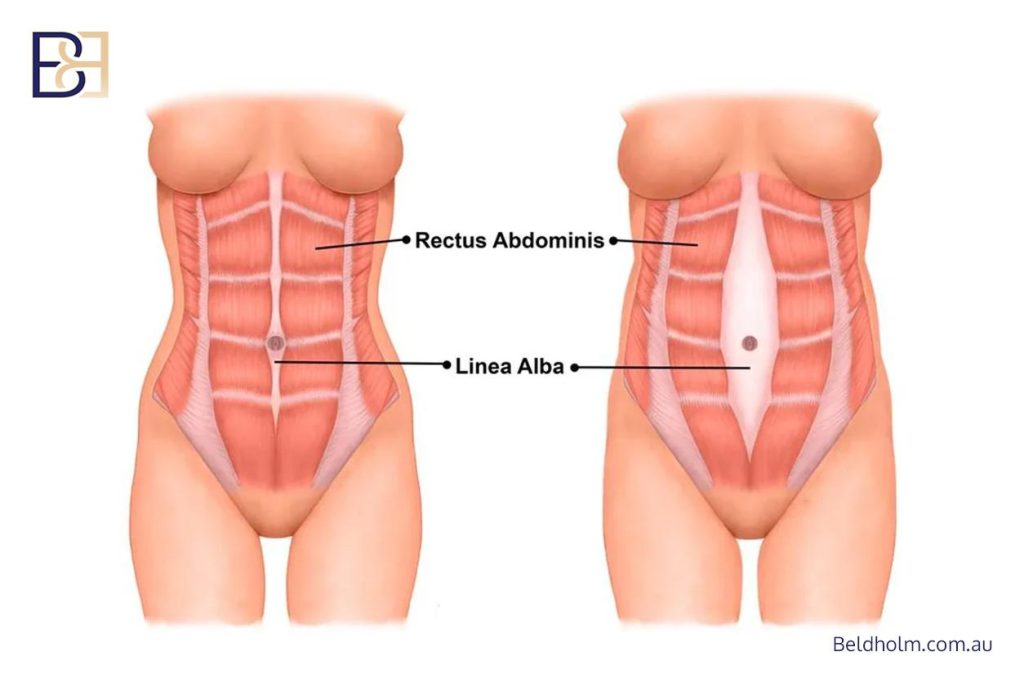
Pregnancy commonly separates the abdominal muscles down the midline. This is diastasis recti (abdominal muscle separation), and it is usually present after pregnancy. During the operation I bring the separated muscles back together with sutures, which rebuilds the support across the front of the abdomen. This repair is a core part of the operation and is one of the main reasons a post-pregnancy abdominoplasty is a different operation from one done after weight loss.
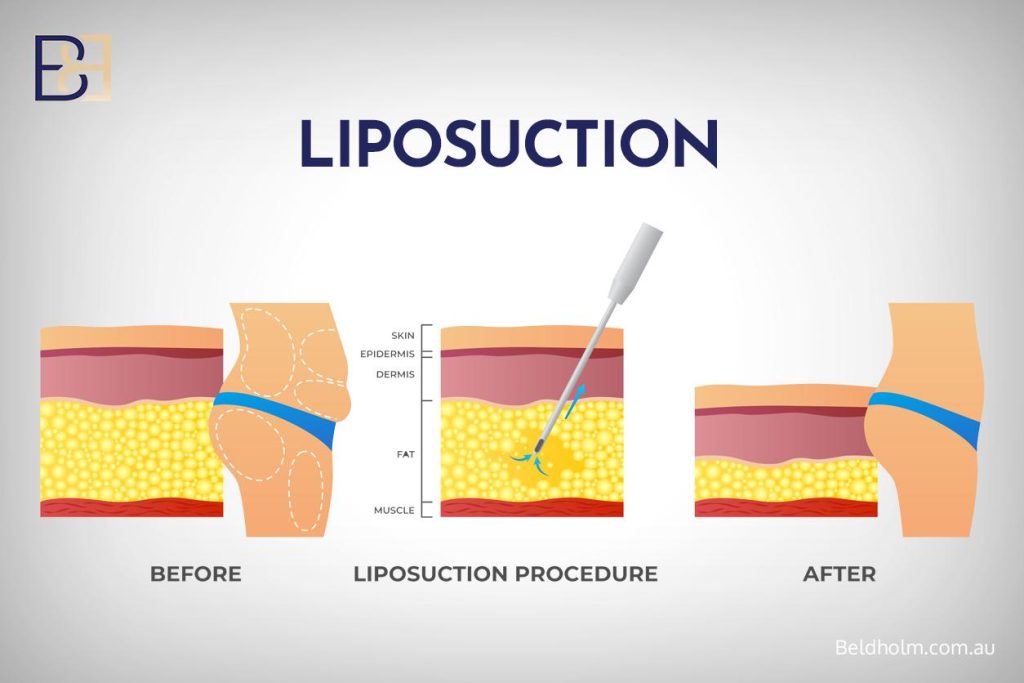
Ultrasound-assisted suction lipectomy (VASER liposuction)
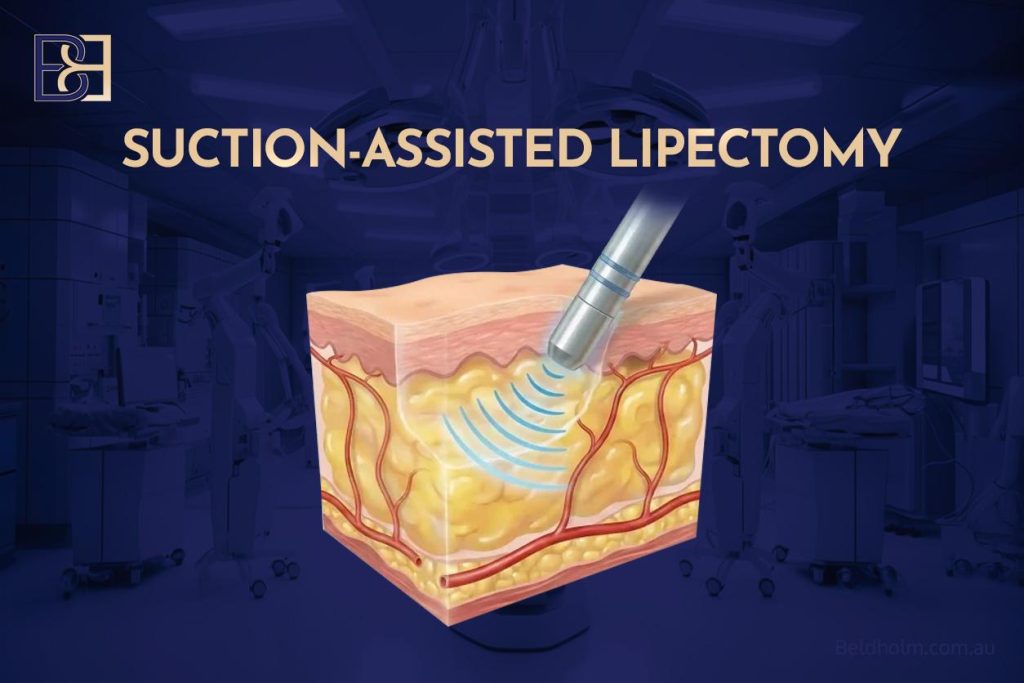
Ultrasound-assisted suction lipectomy uses ultrasound energy to loosen fat before it is removed by suction. I use it routinely as part of this operation to contour the abdomen and the surrounding areas.
Working around a caesarean scar
Most women I see for this operation have had a caesarean. I plan the abdominoplasty incision in relation to your existing caesarean scar, and the lower abdominoplasty scar usually sits in a similar low position. Any surgical scar is permanent, and I talk you through where yours will sit at consultation.
A drainless technique
I perform this as a drainless abdominoplasty, which means I do not leave drain tubes in place afterwards. Instead of drains, I use internal sutures to close the space under the skin, which lowers the chance of fluid collecting.
How this differs from a post-weight-loss abdominoplasty
A post-pregnancy abdominoplasty is a different operation from one after significant weight loss. After pregnancy, muscle separation is usually the main finding and is almost always repaired; the excess skin is usually less, and there is usually a caesarean scar to plan around. After major weight loss the skin excess is typically far greater and the surgical pattern is different.
Whether this operation may suit you after pregnancy

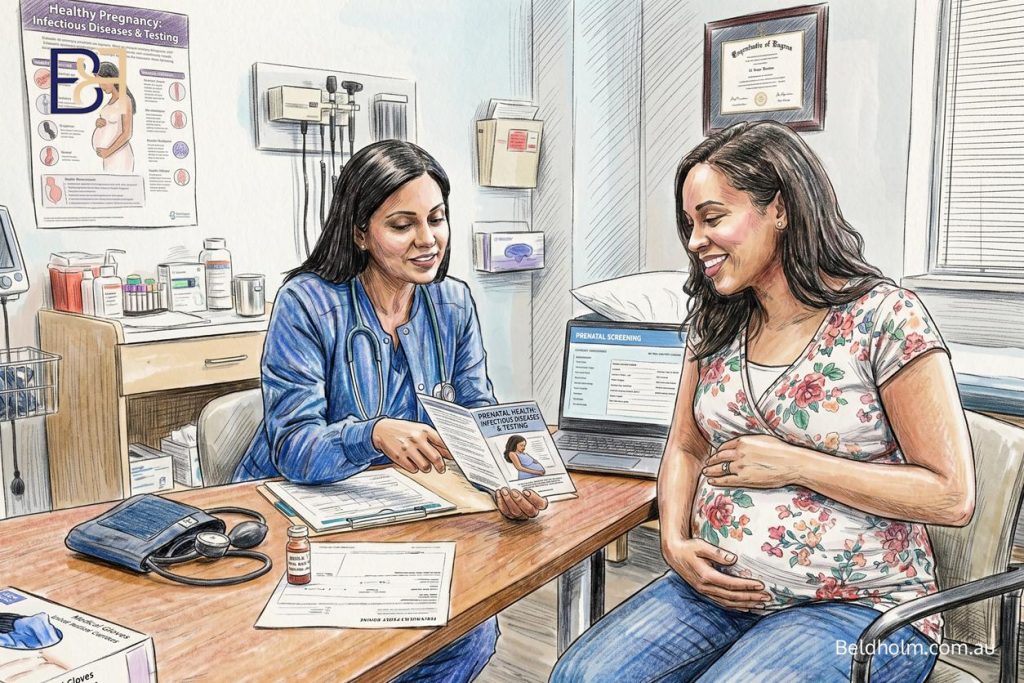
Whether a full abdominoplasty suits you is decided individually, at consultation, after a GP referral. It is not the right choice for everyone. For some women the changes after pregnancy settle on their own, or are better managed without surgery.
Who this operation tends to suit
In my practice, this operation is usually considered by women who have loose lower abdominal skin that has not settled after pregnancy, separation of the abdominal muscles (diastasis recti), or both, and who are at a stable weight. That combination of skin and muscle change is common after pregnancy, and the operation treats both.
A consultation lets me assess your abdominal skin, the degree of muscle separation, your caesarean scar if you have one, your general health and your nutritional status. I use all of this to work out whether the operation is appropriate for you, and what it would involve.
Timing after pregnancy
I plan this surgery once your family is complete and breastfeeding has finished, and once the abdominal wall and skin have settled after your most recent pregnancy. There is no fixed number of months that applies to everyone. The right timing is assessed individually.
The reason I wait until your family is complete is that a later pregnancy can stretch the skin and separate the muscles again, which can affect the result of an earlier operation. Planning surgery when you are not intending further pregnancies gives the most stable result.
Weight and general health
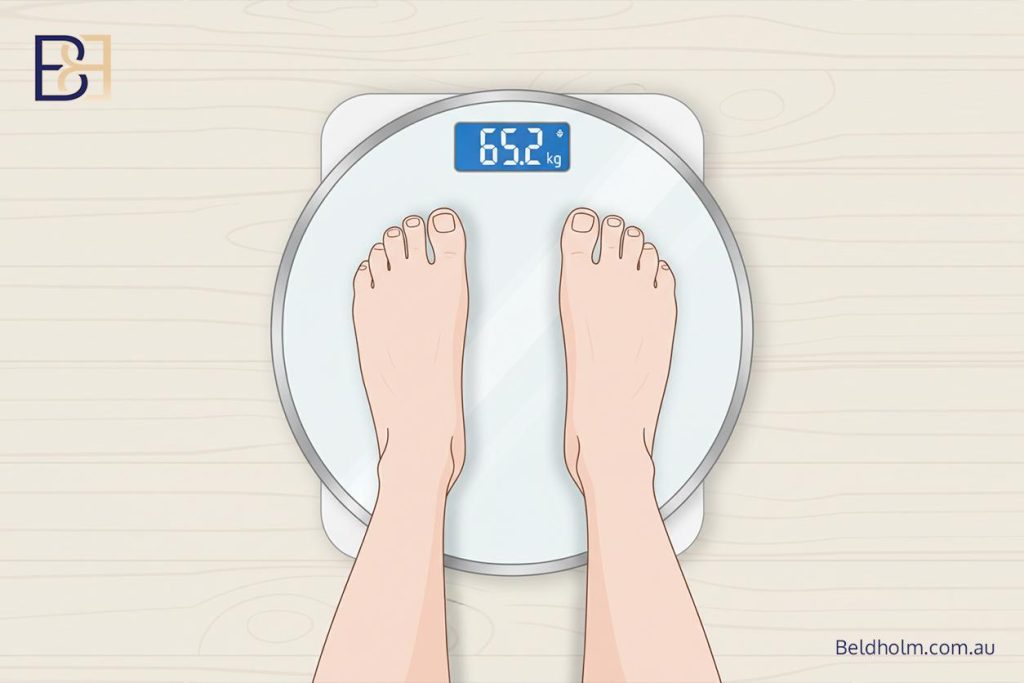
Being at a stable weight before surgery helps. I use BMI as a rough guide rather than a hard cut-off, and clinical context matters more than any single number. Your general health and any medical conditions are part of the assessment, and I go through these with you at consultation.
What happens when you come to see me
This is the part patients often want to understand most: what the process actually looks like, from the first appointment through to your last review. Here is how it works in my practice.
Before we meet: a GP referral
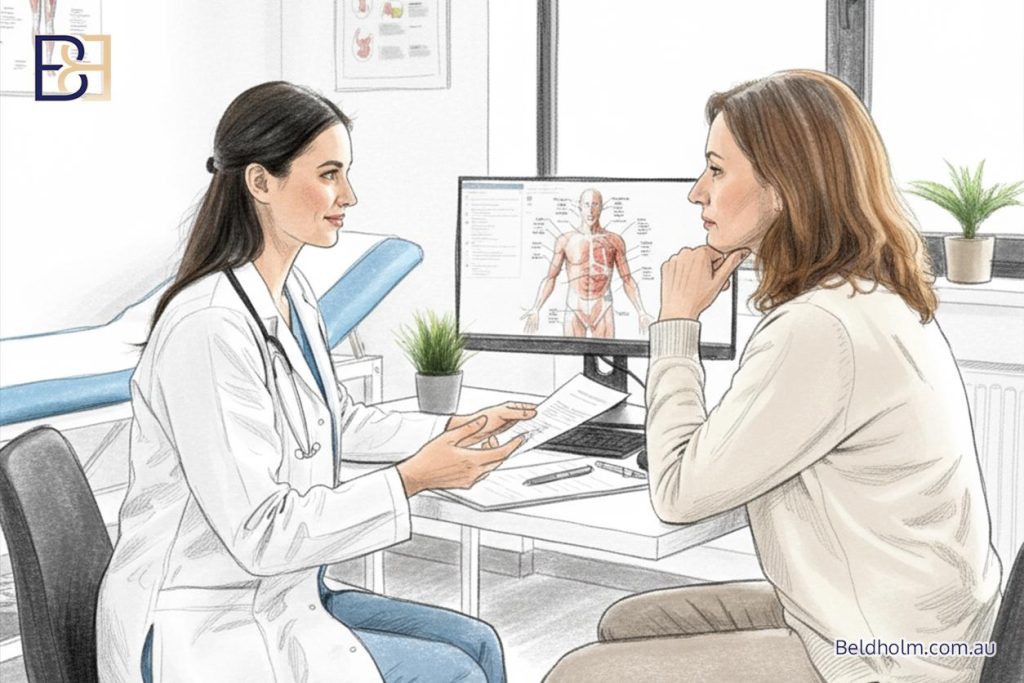
You need a referral from your GP before your consultation. This applies to all consultations. Having your GP send the referral also brings them into the loop early, which matters for your care later on.
Your first consultation
Your first consultation runs for about an hour. In that time I:
- review your health and medical history
- examine your abdomen and assess your skin and the degree of muscle separation
- look at your caesarean scar if you have one and talk through incision planning
- take standardised clinical photographs, with your consent, using disposable garments in a private changing area
- go through the risks and what recovery involves
You should leave with a clear picture of whether the operation suits you and what it would involve. There is no pressure to decide on the day.
A second consultation

A second consultation is required, in person or by telehealth, at no extra cost. Surgery is a serious decision, and most people have more questions once they have had time to think.
If you live a distance away, your first consultation can be done by telehealth, but I do need to see you in person before surgery.
Preparing for surgery
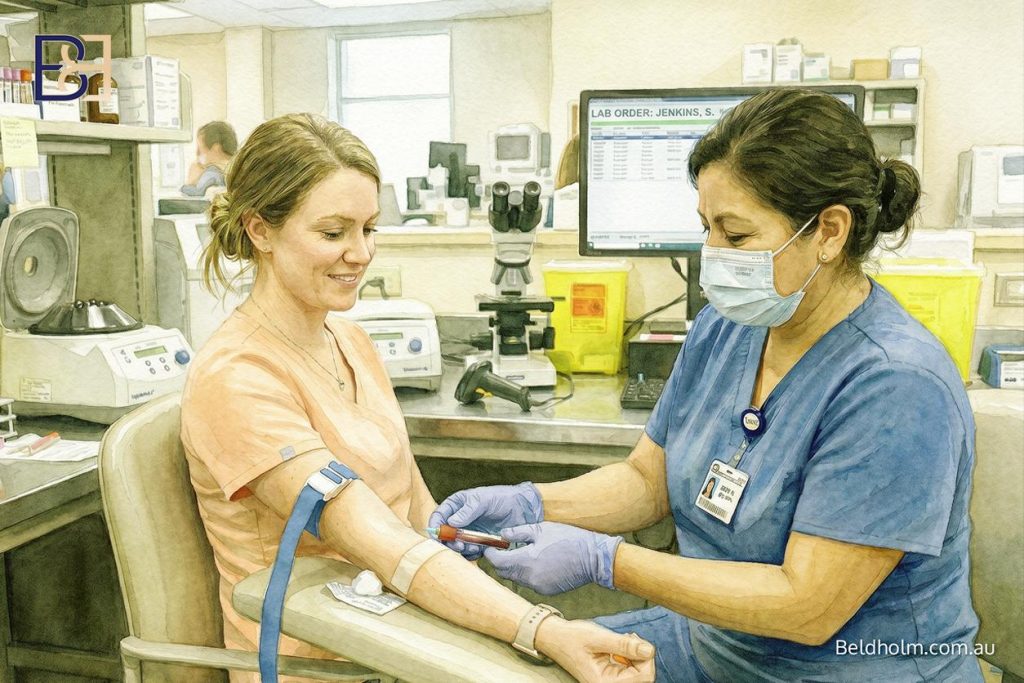
Before surgery you have a standard set of pre-operative blood tests to check you are ready for an anaesthetic and surgery.
If you take aspirin or a blood thinner, I plan with you when to stop it, usually about a week before surgery. Some patients stay on their medication through surgery when that is the safer plan, and I arrange this well in advance. Do not stop any medication on your own.
Your quote and scheduling
After your consultation you receive a written quote. It sets out:
- my surgical fees, with the relevant MBS item numbers
- GST where the procedure is a cosmetic one
- estimates for the hospital and the anaesthetist
Quotes are usually finalised within about a week. From there, the typical wait for surgery is one to three months.
Anaesthetic assessment

Most patients have their anaesthetic consultation by phone. The physical examination, including your airway, is done on the day of surgery. An in-person anaesthetic review before the day is uncommon.
The day of surgery
Your surgery is at Maitland Private Hospital, which has 24-hour doctor cover and an on-site intensive care unit. I see my patients on daily rounds while they are admitted.
During the operation I remove the excess skin, repair the muscle separation, and use ultrasound-assisted suction lipectomy to contour the abdomen. As above, I perform this as a drainless operation, so you will not have drain tubes afterwards. A PICO dressing is applied over the wound.
Your hospital stay
Most patients stay in hospital for one to two days.
The first couple of weeks
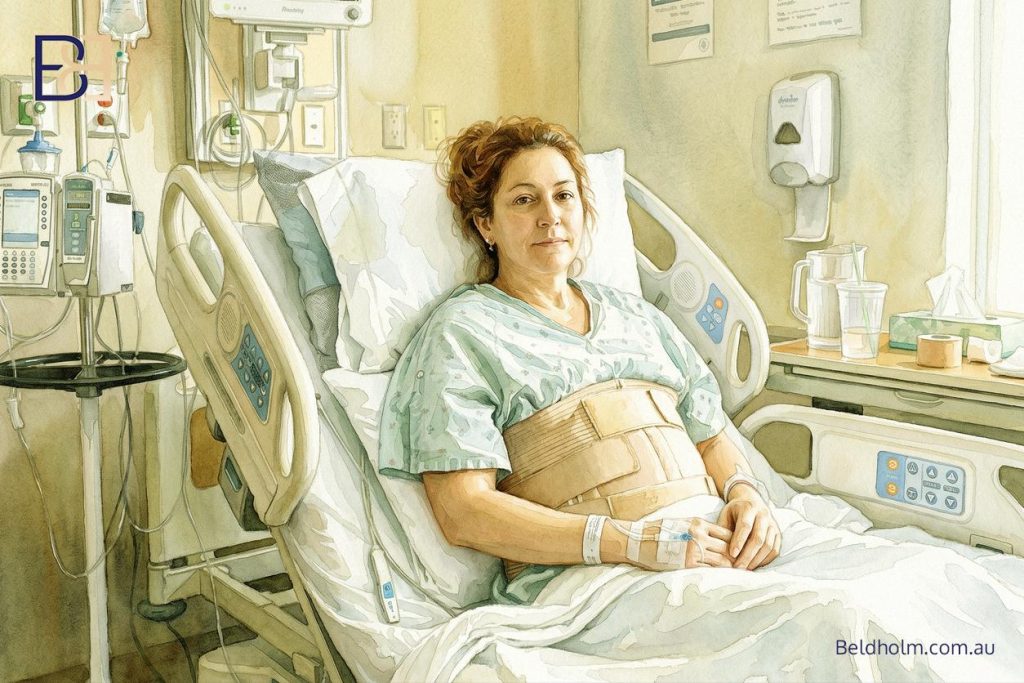
Early recovery is hands-on. In the first two weeks I see you often, usually two to three times a week, for nurse and doctor review, dressing changes and LED light therapy. Your PICO dressing stays on for about seven days and is then replaced with tape. You wear a compression garment, and I have you up and moving early, which matters for your recovery.
Recovering at home

A full abdominoplasty is a significant operation and recovery takes time. Most patients take around two to four weeks off work, and you will need to avoid heavy lifting and strenuous activity for longer than that.
If you have young children, this is worth planning for. You will not be able to lift toddlers or carry them on your hip in the early weeks, so arranging help at home makes a real difference. I give you specific advice based on your situation.
Follow-up with me
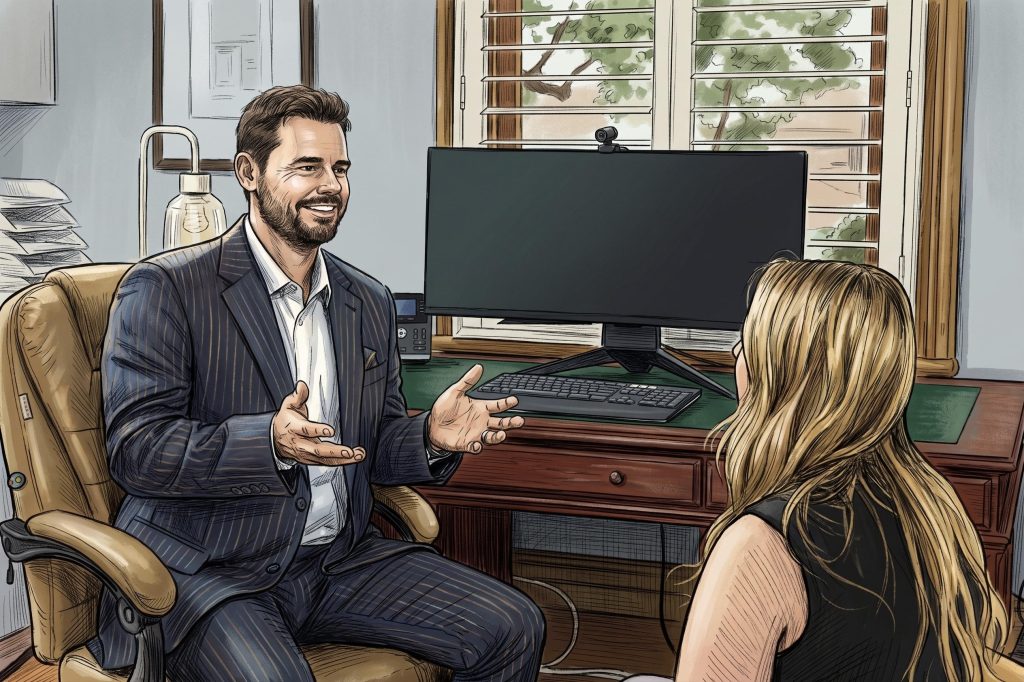
I follow up with you at around four weeks, then at three, six and twelve months. At the four-week visit I formally hand your ongoing care back to your GP, who has been across your results from the start. All of this follow-up is included in your surgical fee.
Travelling from afar
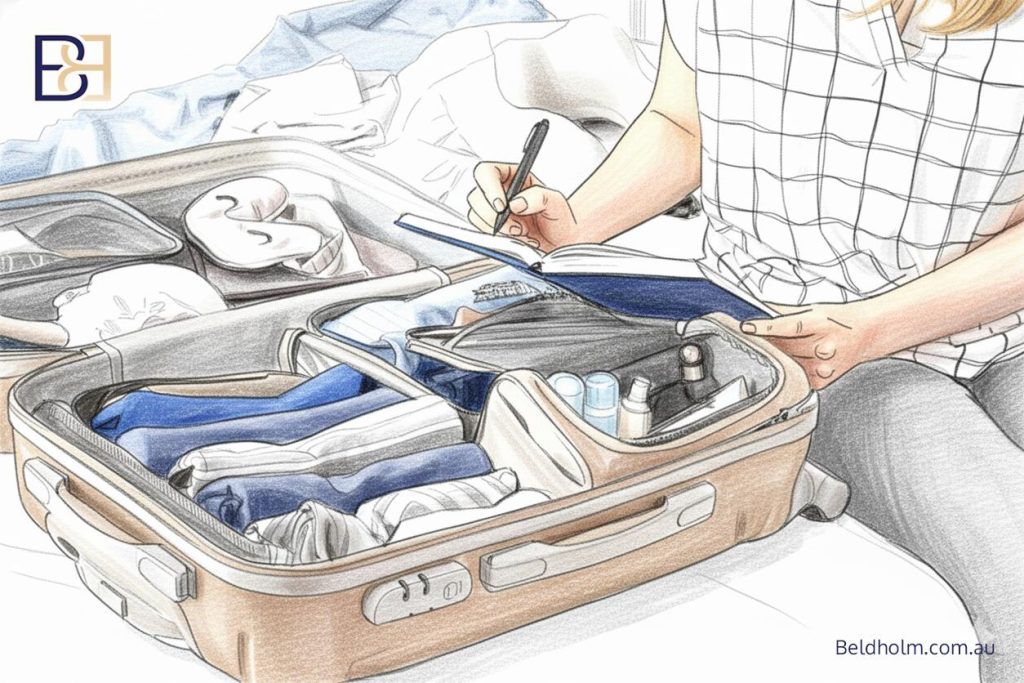
If you are coming from outside the area, I recommend staying locally for about seven to ten days after surgery so I can review you during early recovery. After that, we coordinate with your GP and use telehealth for some of the later follow-up.
If something comes up after hours
If you have a concern after hours, you call Maitland Private Hospital, where a nurse will triage your call by phone. Anything that needs a physical assessment is best seen at your local emergency department, and anything life-threatening means calling 000. Maitland Private is not an emergency department.
Risks
A full abdominoplasty with ultrasound-assisted suction lipectomy (VASER liposuction) is a major operation, and like all surgery it carries risks. I go through these with you in detail at consultation. The points below are not a complete list.
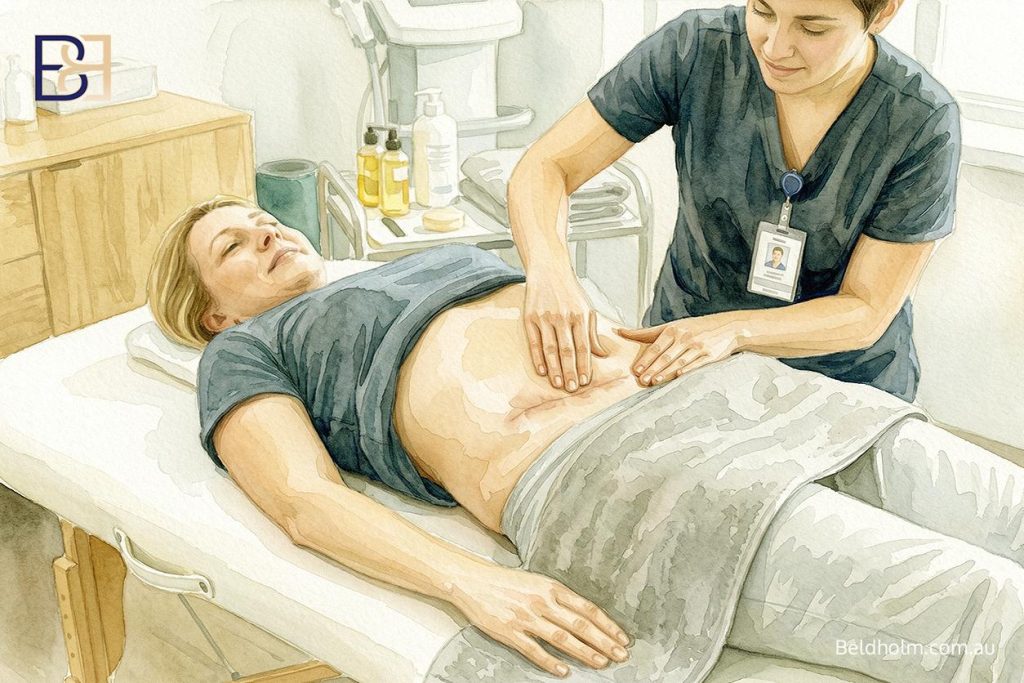
Part of normal healing
- a permanent scar low across the abdomen, which fades over time but does not disappear
- swelling and bruising that settle over weeks to months
- altered or reduced sensation in the skin of the lower abdomen, usually temporary but sometimes lasting
- a feeling of tightness across the abdomen in the early weeks
Possible complications
- bleeding, or a collection of blood under the skin (haematoma)
- a collection of fluid under the skin (seroma); the drainless technique aims to reduce this, but it can still happen
- infection
- delayed wound healing or wound breakdown, particularly along the scar
- problems with the blood supply to the skin or fat, which can cause areas of slow healing
- asymmetry, contour irregularity, or a scar that heals thicker than expected
- a result that does not fully match what you hoped for, which sometimes needs further surgery

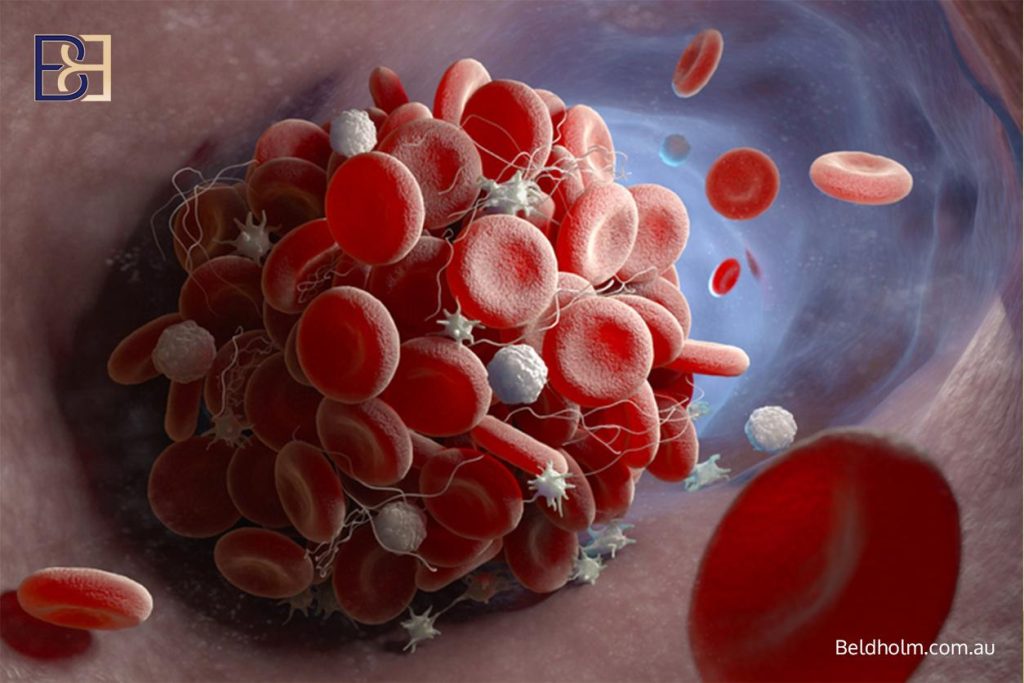
Blood clots
Any major operation carries a risk of clots forming in the legs (deep vein thrombosis) or travelling to the lungs (pulmonary embolism). I assess your individual clot risk before surgery and decide what preventative measures you need, including how any blood-thinning medication is managed around the operation. Getting you up and moving early is part of lowering this risk.
Anaesthetic
Your operation is under general anaesthetic, which carries its own risks. Your anaesthetist goes through these with you.