Quick Reference Summary
What vitamin A does: Vitamin A is a fat-soluble vitamin essential for wound healing, immune function, and skin integrity. It activates fibroblasts to produce collagen, supports keratinocyte turnover for surface wound repair, promotes new blood vessel formation at the wound site, and regulates immune cell activity during healing. It is also required for normal vision, particularly in low-light conditions.
Why post weight loss patients are at risk: Fat-soluble vitamins including vitamin A depend on intact fat absorption in the proximal small intestine. Roux-en-Y gastric bypass bypasses this absorption site entirely. Sleeve gastrectomy reduces stomach capacity and alters fat digestion. Modern weight loss medications reduce overall food intake, including dietary fat. Vitamin A deficiency affects up to 69 per cent of patients after Roux-en-Y gastric bypass and 10 to 30 per cent after sleeve gastrectomy. Deficiency is often subclinical: no symptoms, but blood levels are low.
Blood test: Serum retinol (MBS item 66608). Medicare rebatable with post-bariatric history or clinical suspicion of deficiency. Australian reference range: 1.05 to 2.80 µmol/L. Results should be interpreted alongside albumin. Low albumin lowers the retinol-binding protein that carries vitamin A, which can artificially depress the retinol reading.
Where vitamin A sits in my supplement framework: Vitamin A is a Tier 2 supplement in my practice. It is initiated based on blood results, not routinely. For post-bariatric patients with confirmed deficiency, I escalate to a perioperative high-dose protocol for 4 weeks before and 4 weeks after surgery.
Standard supplementation (maintenance): 5,000 to 10,000 IU retinyl palmitate daily, taken with a fat-containing meal.
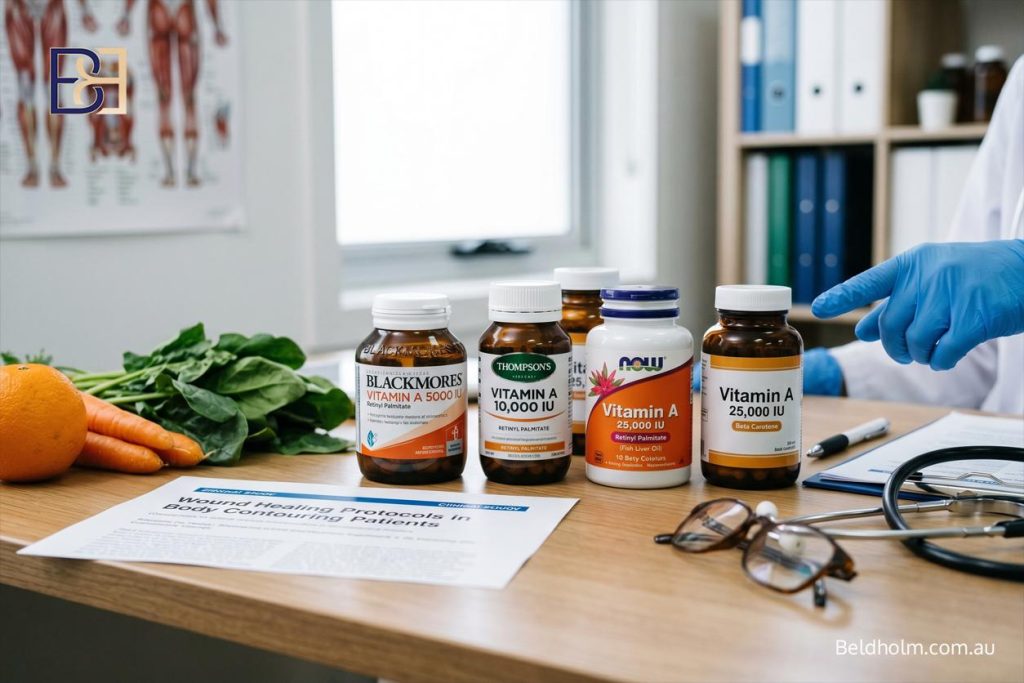
- Blackmores Vitamin A 5000 IU (retinyl palmitate). Available at Chemist Warehouse, Priceline, and Blooms the Chemist.
- Thompson’s Vitamin A 10,000 IU (retinyl palmitate). Available at Chemist Warehouse.
Perioperative high-dose supplementation (confirmed deficiency, post-bariatric): 25,000 to 50,000 IU retinyl palmitate daily for 4 weeks before and 4 weeks after surgery. Must be taken with a fat-containing meal. Requires clinical supervision. Not a self-initiated protocol.
- NOW Foods Vitamin A 25,000 IU (retinyl palmitate plus fish liver oil softgels). Available via iHerb (ships to Australia). Use only under clinical direction at this dose.
- For doses at the top of the perioperative range (50,000 IU/day), this can be achieved by taking two 25,000 IU capsules daily under clinical supervision, or arranged through a compounding pharmacy as an alternative.
Key cautions:
- High-dose vitamin A (preformed retinol or retinyl palmitate) is absolutely contraindicated in pregnancy and in women planning to conceive. Risk of serious birth defects.
- Toxicity risk begins with sustained doses above 50,000 IU/day.
- Beta carotene supplements are not a therapeutic substitute for preformed vitamin A in the perioperative protocol.
- Do not self-adjust the dose.
This information is educational. Always take vitamin A supplementation with food and only as directed by your treating clinician.
Vitamin A explained
Most post weight loss patients who come to see me about body contouring surgery have been through years of work before they reach my consulting room. They have lost a significant amount of weight, often through bariatric surgery (also called weight loss surgery) or with the help of a modern weight loss medication, and they are now dealing with excess skin that does not reflect the effort they have put in. This weight loss journey, whether surgical or medical, leaves them with loose skin and changed body proportions that diet and exercise alone cannot correct. Post weight loss surgery patients in particular face a specific nutritional picture that shapes how I prepare them for body contouring.
They want to know when they can have surgery. They want to know what the recovery looks like. They want to know what the scar will be like.
They rarely want to talk about vitamin A.
But in my practice, vitamin A sits in the top tier of nutritional considerations for this patient group, alongside protein, iron, and vitamin D. The reason is straightforward. Vitamin A is directly involved in wound healing at a cellular level. It activates fibroblasts to make collagen. It drives keratinocyte turnover so surface wounds close properly. It promotes the formation of new blood vessels at the wound edge. And it regulates the immune response that clears the area of bacteria and debris during the first week after an operation (1,6,7).
When vitamin A is low, every one of those processes slows down.
Why this matters specifically for post weight loss patients

The problem is not just that vitamin A is important. It is that post weight loss patients are at substantially higher risk of being deficient in it, and most of the time the deficiency is silent. A patient looks well, feels well, and has done everything right by their own measure. The blood test tells a different story.
The numbers from the published literature are striking. Vitamin A deficiency has been reported in up to 69 per cent of patients after Roux-en-Y gastric bypass and in 10 to 30 per cent of patients after sleeve gastrectomy (1,3,7). Patients taking modern weight loss medications can have significantly reduced food and fat intake overall, which brings its own absorption concerns even though direct deficiency rates in this group are not yet well documented (7).
Why a blood test is non-negotiable in my practice
Because vitamin A deficiency is usually subclinical, I do not rely on history or symptoms to decide whether a patient is at risk. Every post weight loss patient who comes to me for body contouring surgery has a serum retinol level checked as part of the extended blood panel at their first consultation. The test is ordered alongside the rest of the nutritional workup and is Medicare rebatable when ordered with clinical justification.
Two to four weeks later, we meet again to review the results. If vitamin A is low, it sits in the Tier 2 supplementation category of my practice protocol. That means I escalate from a standard dose to a perioperative high-dose protocol, specifically for the 4 weeks before and 4 weeks after surgery. The evidence for this approach comes from dedicated studies of post-bariatric body contouring patients, which have shown that nutritional optimisation before surgery reduces wound healing complications (3,4,5).
What this article covers
By the end, you should have a clear understanding of why vitamin A warrants its own dedicated article, why I test and supplement the way I do, and what your own role looks like in getting your nutritional status where it needs to be before I operate.
What Vitamin A Is and Why It Matters
Before we get into why post weight loss patients are at risk of running low on vitamin A, it helps to understand what vitamin A actually is. The term is used loosely in everyday language, but in clinical practice there is a real and important distinction between the different forms of vitamin A, and that distinction drives a lot of what I do in the perioperative period.
The retinoid family

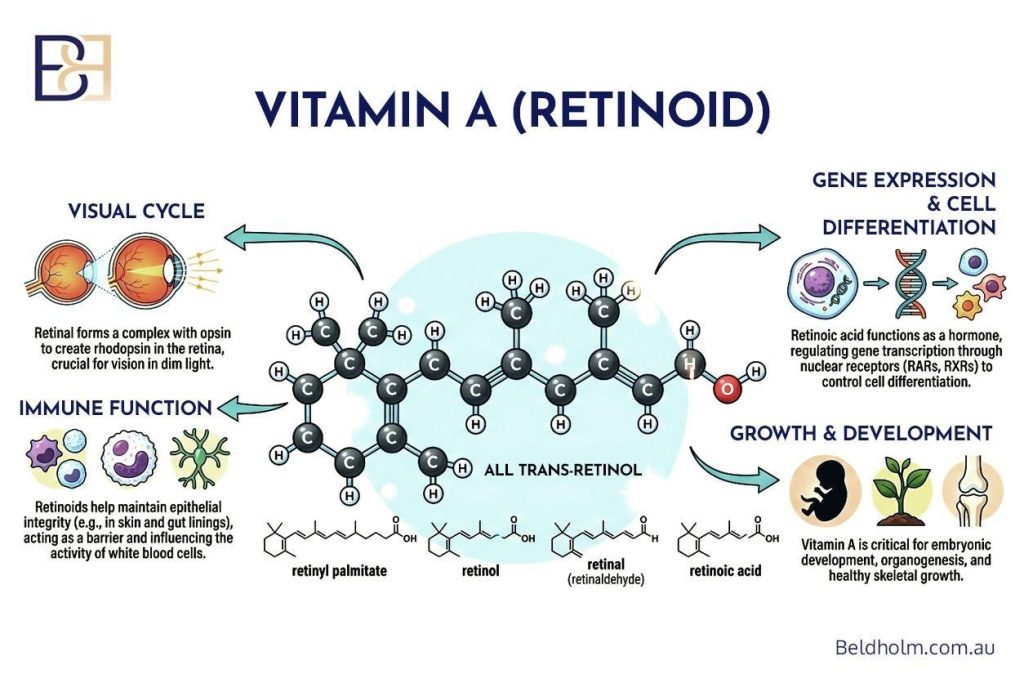
Vitamin A is not a single molecule. It is a family of fat-soluble compounds called retinoids, all built on the same core structure (8). The members of the family include:
- Retinol, the alcohol form. This is the form measured on a serum retinol blood test and the form the liver stores.
- Retinal, the aldehyde form. This is the form active in the retina for vision.
- Retinoic acid, the active metabolite. This is the form that acts on cells to regulate gene expression during wound healing, immune function, and skin turnover.
- Retinyl esters, especially retinyl palmitate. These are the storage and supplemental forms. Retinyl palmitate is what appears on the label of almost every therapeutic vitamin A supplement on the Australian market.
Inside the body, these forms convert back and forth as needed. You absorb vitamin A mostly as retinyl esters from animal-source foods or supplements. Your body converts those to retinol for transport in the bloodstream, then to retinal or retinoic acid where those forms are needed. It is a tightly regulated system.
Preformed vitamin A versus provitamin A
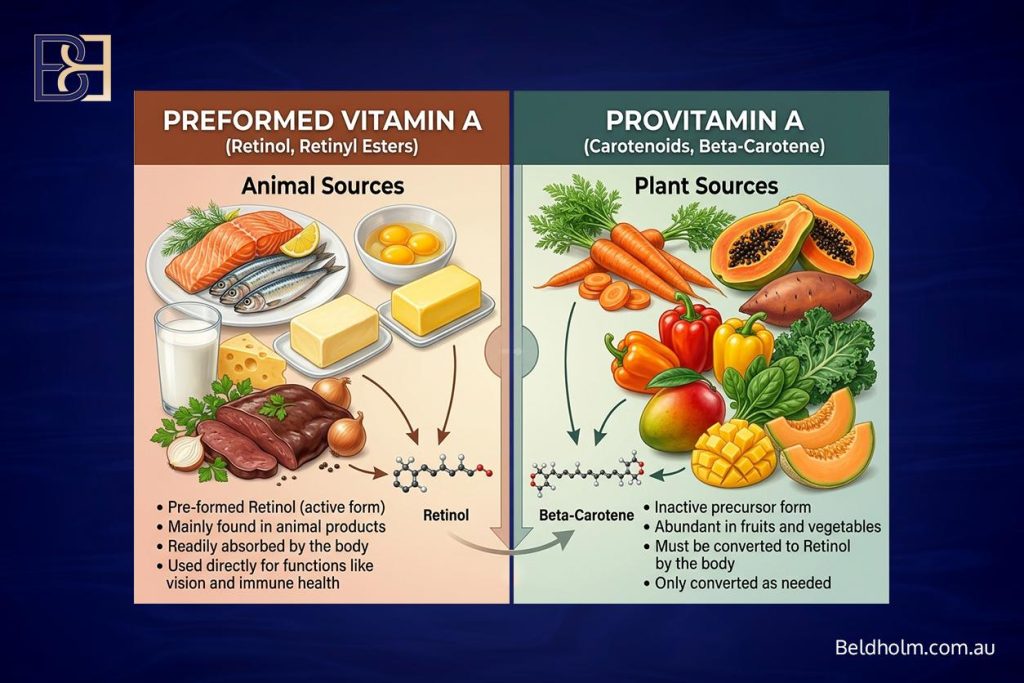
There is a second classification that matters even more for supplementation decisions: the difference between preformed vitamin A and provitamin A carotenoids.
Preformed vitamin A is the type of vitamin A found in animal-source foods such as liver, dairy, eggs, and fortified products. It is also the type used in therapeutic supplements. It acts directly. When you take 25,000 IU of retinyl palmitate as a capsule, you are receiving 25,000 IU of usable vitamin A.
Provitamin A carotenoids are plant compounds, including beta carotene, alpha carotene, and beta-cryptoxanthin. These are found in leafy greens, carrots, sweet potato, pumpkin, and other orange and yellow vegetables. They are not vitamin A themselves. The body converts them to retinol, but only when and if vitamin A is needed. This conversion is regulated by the body, and the efficiency varies between individuals (8).
Two consequences follow from this distinction, and both matter clinically.
First, you cannot get vitamin A toxicity from eating carrots, pumpkin, or spinach. The body’s regulated conversion of beta carotene means dietary carotenoids cannot push vitamin A levels into the toxic range. You can turn your palms orange from eating a lot of carrot, but you cannot poison yourself with vitamin A through diet alone.
Second, beta carotene and preformed vitamin A are not equivalent for therapeutic supplementation. When I prescribe perioperative vitamin A for a patient with confirmed deficiency, I prescribe preformed vitamin A as retinyl palmitate, not beta carotene supplements. The reasons for this, including specific concerns around high-dose beta carotene supplementation in certain patient groups, are covered later in this article.
Why fat solubility is the central issue after weight loss surgery
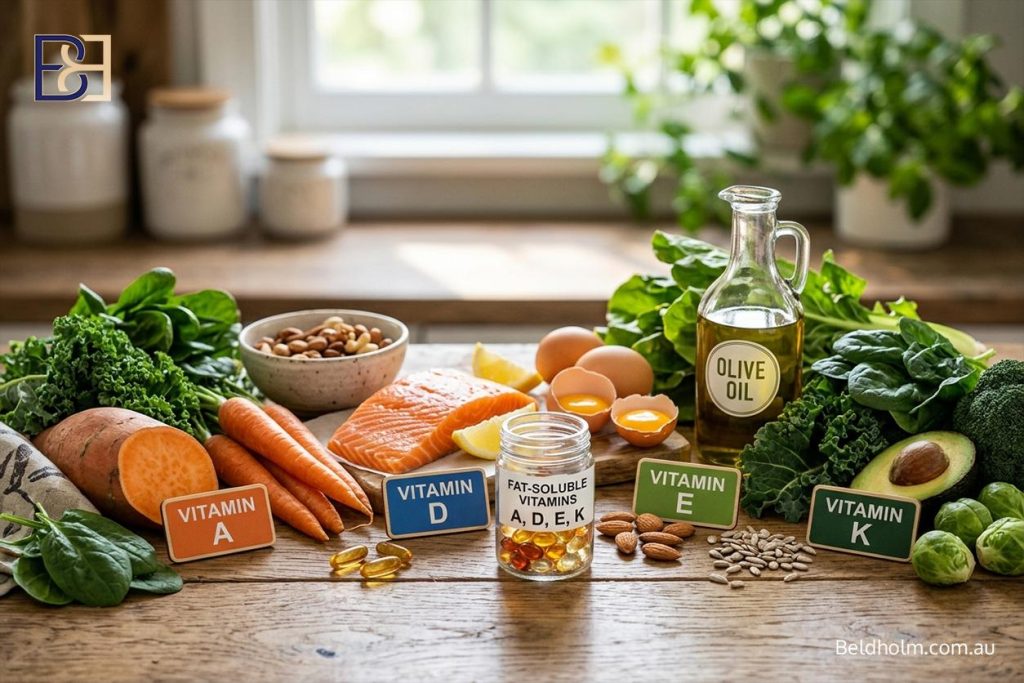
Vitamins A, D, E, and K are all fat-soluble. They are absorbed in the small intestine alongside dietary fat, packaged into lipid transport molecules called chylomicrons, and delivered through the lymphatic system before entering the bloodstream.
This absorption process depends on three things:
- Adequate dietary fat intake
- Normal fat digestion, which requires bile salts from the gallbladder and lipase from the pancreas working in coordination
- Intact absorptive surface area in the proximal small intestine, specifically the duodenum and proximal jejunum
Roux-en-Y gastric bypass disrupts all three. The proximal intestine is bypassed entirely. The coordination between gastric emptying and bile and pancreatic enzyme release is lost. And food volume, including fat intake, is significantly reduced. The result is that even a patient who is taking a multivitamin supplement every day may be absorbing only a fraction of the vitamin A that supplement contains.
Sleeve gastrectomy is less disruptive than gastric bypass but still affects vitamin A status. Stomach capacity is reduced. Overall intake of animal-source foods that carry preformed vitamin A is often lower. And for many patients on modern weight loss medications, appetite suppression reduces the total volume of food eaten, which inevitably reduces fat and vitamin A intake alongside everything else.
This is not a failure of effort or compliance. It is a physiological consequence of the surgical anatomy or pharmacology. It is why I check serum retinol in every post weight loss patient before body contouring surgery, regardless of what supplements they report taking.
Why the form matters when we supplement
The form of vitamin A in a supplement matters because it determines absorption, dose equivalence, and biological profile.
A supplement labelled 25,000 IU of vitamin A may contain retinyl palmitate, retinyl acetate, beta carotene, or a mix of these. The label should tell you which. If the label says retinyl palmitate or retinyl acetate, it is preformed vitamin A and 25,000 IU means 25,000 IU of biologically active material. If the label says beta carotene, the 25,000 IU is expressed as retinol activity equivalents, but actual retinol delivered to the tissue depends on the body’s conversion efficiency, which is variable.
For perioperative supplementation in my practice, I specify retinyl palmitate. It is the form with the clearest absorption data, the most predictable dose-response, and the therapeutic form used in the published clinical protocols for post-bariatric body contouring patients. The commercial Australian products I recommend, Blackmores Vitamin A 5000 IU, Thompson’s Vitamin A 10,000 IU, and NOW Foods Vitamin A 25,000 IU via iHerb, are all retinyl palmitate preparations.
Beta carotene has a different role. It is valuable as a food source and part of a balanced diet, and I encourage patients to include leafy green and orange vegetables in their diet. But it is not the form I use for therapeutic correction of a confirmed deficiency, and it is not interchangeable with retinyl palmitate in the perioperative window.
Recommended dietary allowance and upper intake limits
It is worth briefly covering the official intake benchmarks for vitamin A so that the doses I use later in this article can be put in context.
Vitamin A intake is expressed in retinol activity equivalents (RAE). One mcg RAE equals 1 mcg retinol, 2 mcg supplemental beta carotene, 12 mcg dietary beta carotene, or 24 mcg dietary alpha carotene or beta cryptoxanthin. These conversion factors reflect the inefficiency of converting provitamin a carotenoids to active retinol.
The recommended dietary allowance (RDA) for vitamin A is:
- Adult men: 900 mcg RAE per day (approximately 3,000 IU)
- Adult women: 700 mcg RAE per day (approximately 2,300 IU)
- Pregnant women: 770 mcg RAE per day
- Lactating women: 1,300 mcg RAE per day
These dietary allowances represent the adequate intake for healthy individuals from dietary sources. For patients with malabsorption after bariatric surgery, the numbers stop being a useful guide, because the amount of vitamin A that actually reaches the bloodstream from a given dietary intake is significantly reduced.
The tolerable upper intake level for preformed vitamin A is set at 3,000 mcg RAE per day (10,000 IU) for adults. This maximum daily intake applies to long-term, chronic use. The perioperative protocols I use in post-bariatric patients exceed this figure on a short-term basis, which is why they require clinical oversight and a defined endpoint. The tolerable upper intake level is built around a margin for long-term use. Short-term therapeutic dosing for a confirmed deficiency is a different clinical situation (11,12).
Why Post Weight Loss Patients Are at Higher Risk

The previous section explained why vitamin A depends on fat absorption, and why anything that interferes with fat absorption will interfere with vitamin A status. This section looks at the specific mechanisms by which post weight loss patients end up deficient, and the published data on how common it is.
This matters because the decision to run a vitamin A blood test on every post weight loss patient in my practice is not precautionary. It is driven by the fact that this patient group has nutritional deficiency rates that are substantially higher than the general population, and vitamin A deficiency specifically is one of the most common.
What happens during Roux-en-Y gastric bypass
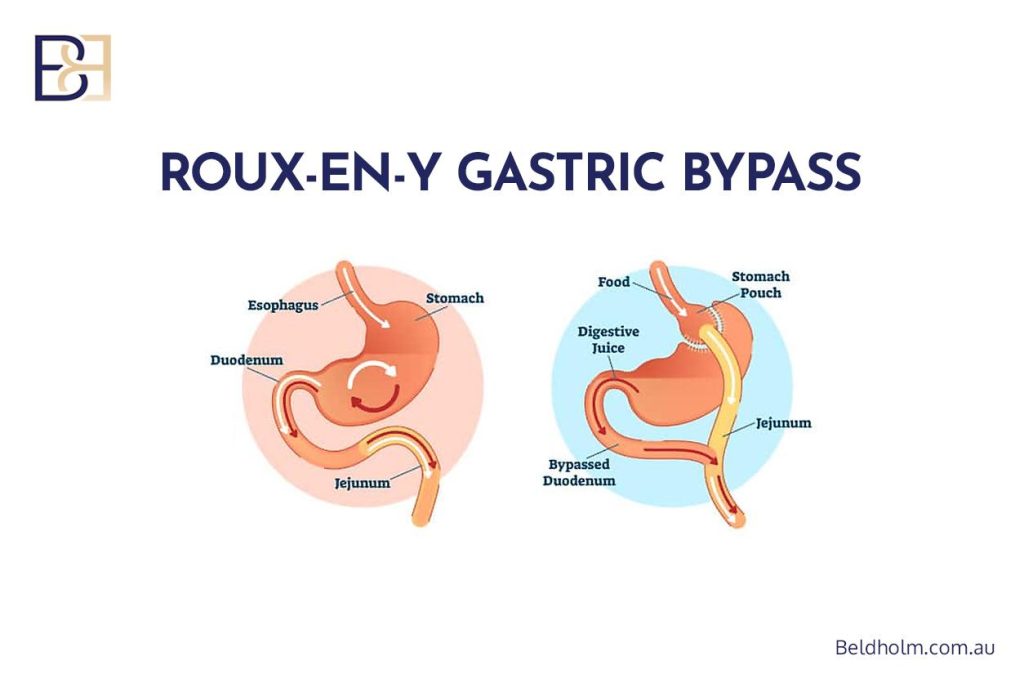
Roux-en-Y gastric bypass is the weight loss surgery procedure with the highest risk of vitamin A deficiency, and understanding the anatomy explains why.
In a normal digestive tract, food leaves the stomach into the duodenum, where it mixes with bile from the gallbladder and enzymes from the pancreas. Fat digestion happens here. The resulting fatty acid droplets are absorbed through the lining of the duodenum and proximal jejunum, packaged into chylomicrons, and carried into the lymphatic system. Vitamin A travels with the fat in those chylomicrons.
In a Roux-en-Y gastric bypass, the stomach is divided into a small upper pouch, and a segment of the small intestine is rearranged so that food bypasses the duodenum and the first part of the jejunum entirely. The bypassed portion still receives bile and pancreatic enzymes, but the food no longer passes through it.
The downstream effects on vitamin A absorption are three-fold:
- The primary absorption site for fat-soluble vitamins is physically bypassed
- Food, bile, and enzymes now meet further down the tract, which reduces the time and surface area available for fat digestion and absorption
- Overall food volume is lower, and dietary fat intake is reduced as a consequence
Published studies of post-bariatric body contouring patients have reported vitamin A deficiency rates of up to 69% after Roux-en-Y gastric bypass (1,3). That figure is not a rare outlier. It represents the ceiling of a range that routinely sits well into deficiency territory across multiple published cohorts. One older study of body contouring patients found vitamin A deficiency in 33% of the post-bariatric group compared with 11.5% in the non-bariatric group, confirming that the surgical anatomy itself is the main driver (3).
The important point for patients is that this is not about effort. A patient with gastric bypass who is taking their multivitamin every day can still be significantly deficient in vitamin A, because the multivitamin does not fully compensate for the absorption loss built into the anatomy.
What happens during sleeve gastrectomy
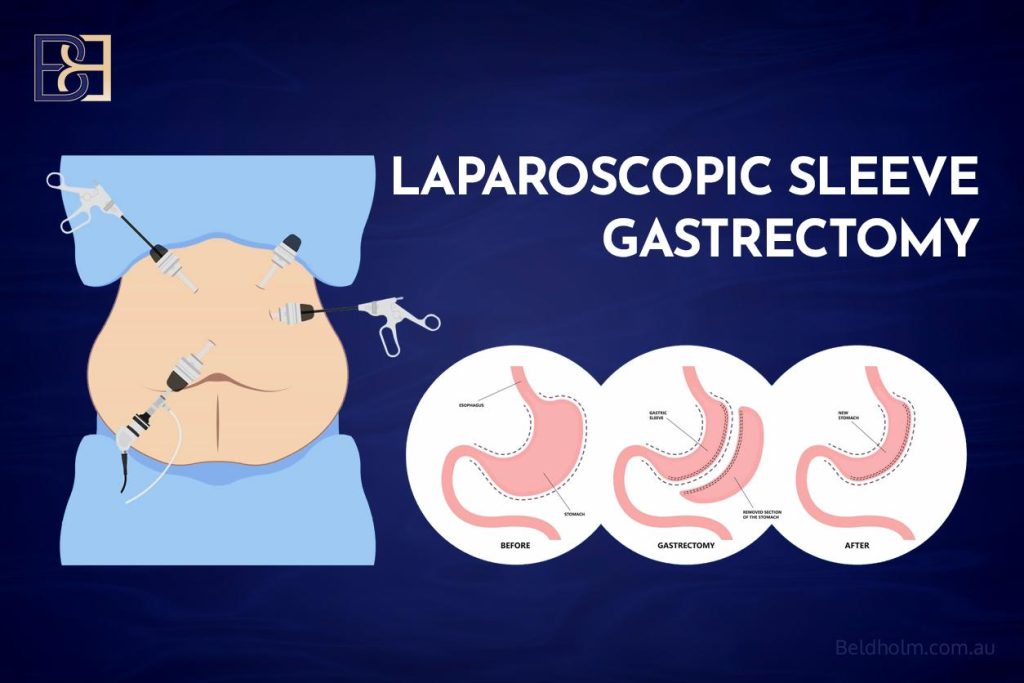
Sleeve gastrectomy is a less disruptive weight loss surgery procedure than gastric bypass. The stomach is reduced in size but the intestinal anatomy is preserved. Food still passes through the duodenum and proximal jejunum, and fat absorption machinery is left intact.
Despite this, vitamin A deficiency still occurs in 10 to 30% of sleeve gastrectomy patients (7). Several factors contribute:
- Reduced stomach capacity limits the volume of food that can be eaten in a single meal, which over time reduces total nutrient intake
- Animal-source foods that are rich in preformed vitamin A, including liver, dairy, and eggs, may be eaten in smaller amounts or less frequently
- Altered gastric acid production can affect the initial stages of digestion and release of fat-soluble nutrients from the food matrix
- Some patients develop a longer-term pattern of reduced fat intake either by habit or by advice
Vitamin A deficiency after sleeve gastrectomy is more subtle than after gastric bypass, and it is more likely to be missed if a blood test is not ordered. Patients often assume that because the procedure preserved their intestinal anatomy, their nutritional status should be fine. The published numbers say otherwise.
What happens with modern weight loss medications
Patients losing significant weight with the help of modern weight loss medications are a newer cohort, and the long-term nutritional data on this group is still being built.
What we know so far is this. These medications work in part by reducing appetite, slowing gastric emptying, and producing early satiety. A common reported effect is a meaningful reduction in overall food intake, with one published study documenting approximately 17 per cent lower protein intake and 43 per cent lower vitamin C intake in patients on these medications compared with matched controls (7). Direct data on vitamin A intake in this cohort is less well characterised, but the mechanism suggests a similar risk.
When overall food volume drops, and especially when dietary fat is lower because patients feel nauseated on higher-fat meals, fat-soluble vitamin intake falls proportionally. Fat is the carrier for vitamin A absorption. Less fat in, less vitamin A in.
For these patients, I run the same extended blood panel as I do for post-bariatric patients. The clinical framework is the same even though the causative mechanism is different. Deficiencies found on the blood panel go into the same Tier 2 supplementation stream, and the decisions about perioperative dosing are made on the same basis.
Why multivitamin supplementation alone is often not enough
A question I hear regularly is: “I take a bariatric multivitamin every day. Doesn’t that cover vitamin A?”
The honest answer is: it covers some of it, sometimes.
A good bariatric-formulated multivitamin will include vitamin A, typically in the 3,000 to 5,000 IU range per daily dose. For a patient with normal fat absorption, that dose is adequate for maintenance. For a post-bariatric patient with impaired fat absorption, the proportion actually absorbed may be significantly lower than the label dose suggests.
There are four reasons a daily multivitamin alone can leave a patient deficient:
- Absorption is reduced by the surgical anatomy, so the effective dose is lower than the label dose
- Patients do not always take their multivitamin with a fat-containing meal, which further reduces absorption
- Some multivitamins use forms of vitamin A that are not ideal for this patient group
- Baseline depletion from prolonged restriction may not be fully corrected by maintenance-level dosing
This is why I do not treat a reported history of “taking my multivitamin” as reassurance. The blood test is the objective measurement that tells us whether the patient’s actual absorbed intake is keeping pace with their needs. When the blood test shows deficiency, the plan changes to targeted supplementation at a therapeutic dose, which is where the Tier 2 pathway begins.
What this means for surgical planning

The practical consequence of all this is that every post weight loss patient sits in a higher risk category for vitamin A deficiency than a patient with no history of significant weight loss. Some patients will have normal serum retinol on their first blood test. Others will have borderline or frankly deficient levels. The only way to know is to test. In a post weight loss surgery patient specifically, whether the previous surgery was gastric bypass or sleeve gastrectomy, the testing is non-negotiable.
Patients who are deficient on testing get added to the Tier 2 pathway for targeted vitamin A supplementation, alongside any other deficiencies picked up on the panel. That supplementation starts at the blood results consultation, 2 to 4 weeks after the first consultation, and runs through to at least 4 weeks post-op.
This is not a decision I make once and move on from. It is a decision that gets revisited at every touchpoint, from blood results review through to the 6 to 8 week post-op follow-up panel, and then handed over to the GP for long-term management. The rest of this article walks through how each of those steps works in practice.
The Roles Vitamin A Plays in Wound Healing

Body contouring surgery leaves long incisions, and those incisions have to heal. The surface area involved is not small:
- Abdominoplasty (tummy tuck): full-length incision from hip to hip
- Body lift (belt lipectomy): wraps the entire circumference of the torso
- Thighplasty (thigh lift): long vertical or T-shaped incision on the inner thigh
- Brachioplasty (arm lift): scar running the length of the inner upper arm
- Mastopexy (breast lift): complex closures around and beneath each breast
The length and surface area of these incisions means the biology of wound healing matters more for this patient group than for shorter operations. Every stage of healing requires a specific set of nutrients to run properly. Vitamin A is involved in almost every one of those stages.
This section covers the four main roles vitamin A plays at the wound site, and why deficiency slows healing at multiple points rather than at a single step.
1. Keratinocyte turnover and epithelial repair

What keratinocytes do
The outermost layer of skin is made of keratinocytes. When a surgical incision is made and the skin edges are brought together with sutures, the superficial layer has to:
- Migrate across the gap between the two skin edges
- Divide to form new cells
- Mature into a continuous surface layer that seals the wound from the outside
This is called re-epithelialisation. It happens during the first week or two after surgery.
Where vitamin A fits in
Vitamin A, through its active metabolite retinoic acid, regulates the genes that drive keratinocyte proliferation and differentiation (6,8). Retinoic acid binds to nuclear retinoic acid receptors (RARs) and retinoid X receptors (RXRs), which in turn control transcription of genes involved in epithelial repair. This retinoic acid-dependent gene expression is the reason vitamin A status has such a direct effect on wound closure speed.
Without adequate retinoic acid signalling:
- Keratinocyte turnover slows
- The wound surface takes longer to close
- The window of infection vulnerability stays open longer
In practical terms, this is what patients sometimes notice as a wound that “just does not seem to be scabbing over” in the first couple of weeks. In post-bariatric patients, that is often a vitamin A issue nobody tested for. Delayed wound healing at the epithelial level is one of the earliest clinical consequences of inadequate vitamin A status.
2. Fibroblast activation and collagen synthesis

What fibroblasts do
Below the surface, deeper tissue repair depends on fibroblasts. These are the cells that produce the collagen scaffold giving a healed wound its strength.
In the first few days after surgery, fibroblasts are:
- Recruited to the wound edge
- Triggered to proliferate
- Switched to a high-production state, laying down collagen fibres
The collagen initially forms a disorganised gel, then matures over weeks into aligned, strong connective tissue.
Where vitamin A fits in
Published research has shown vitamin A is directly involved in this process. It:
- Increases collagen synthesis and cross-linking
- Stimulates the change of low-activity fibroblasts into high-production cells
- Supports overall dermal repair
This is one of the reasons retinoids are used topically in dermatology for skin quality. It is the same mechanism that matters during surgical wound healing (6).
Why this matters clinically
When vitamin A is deficient, fibroblast activation is blunted. Collagen output drops. The wound still closes, but the scaffold is thinner and weaker.
Wound strength at 6 weeks is not the same as wound strength at 6 months. Early deficits in collagen synthesis can translate into:
- Thinner, weaker scars at final maturation
- Wider scarring
- Higher risk of wound breakdown if the scar is placed under tension
For body contouring patients, many incisions are in locations where skin is repeatedly pulled or tensioned:
- Lower abdomen with movement (abdominoplasty)
- Inner thigh with walking (thighplasty)
- Upper arm with shoulder motion (brachioplasty)
- Circumferential torso with torso rotation (body lift)
These wounds need strong collagen from the start.
3. Neoangiogenesis and blood supply to the wound

Why new blood vessels matter
New tissue cannot survive without a blood supply. One of the early steps in wound healing is neoangiogenesis: the formation of new capillaries growing into the healing wound from the surrounding intact tissue.
Where vitamin A fits in
Vitamin A promotes neoangiogenesis at the wound edge. It supports endothelial cell activity and influences local signalling molecules that recruit new vessel growth. Published studies on wound healing have consistently linked adequate vitamin A status to better vascular ingrowth (6,7).
Why this matters clinically
A wound with poor blood supply:
- Heals slowly
- Is more vulnerable to infection because immune cells cannot reach it efficiently
- Is more likely to undergo partial breakdown at the margins
- Produces lower-quality collagen in the areas that do heal
For post weight loss patients, some incisions run through skin that has previously been stretched and lost some of its native vascularity.
4. Immune function at the wound site
The first 72 hours
The first 24 to 72 hours after surgery involve a coordinated immune response at the wound:
- Neutrophils arrive first to clear bacteria and damaged tissue
- Macrophages follow to clean up debris
- Macrophages release signalling molecules that recruit fibroblasts
- The wound transitions from inflammation into active repair
Where vitamin A fits in

Vitamin A supports this immune phase. It contributes to:
- Neutrophil maturation
- Phagocytic activity
- The mucosal barrier function of the skin surface
In deficiency states, immune response at the wound is less efficient, and published data shows higher rates of wound infection in patients with low vitamin A status (1,2).
Why this matters clinically
Surgical site infection after abdominoplasty (tummy tuck) or body lift (belt lipectomy) can turn a routine recovery into a prolonged one. The consequences can include:
- Antibiotics
- Extended dressing regimens
- Return to theatre in some cases
- Delayed scar maturation
- A different final aesthetic result than was planned
Getting vitamin A status right before surgery is one of the levers I can pull to reduce that risk.
Why all four roles matter together
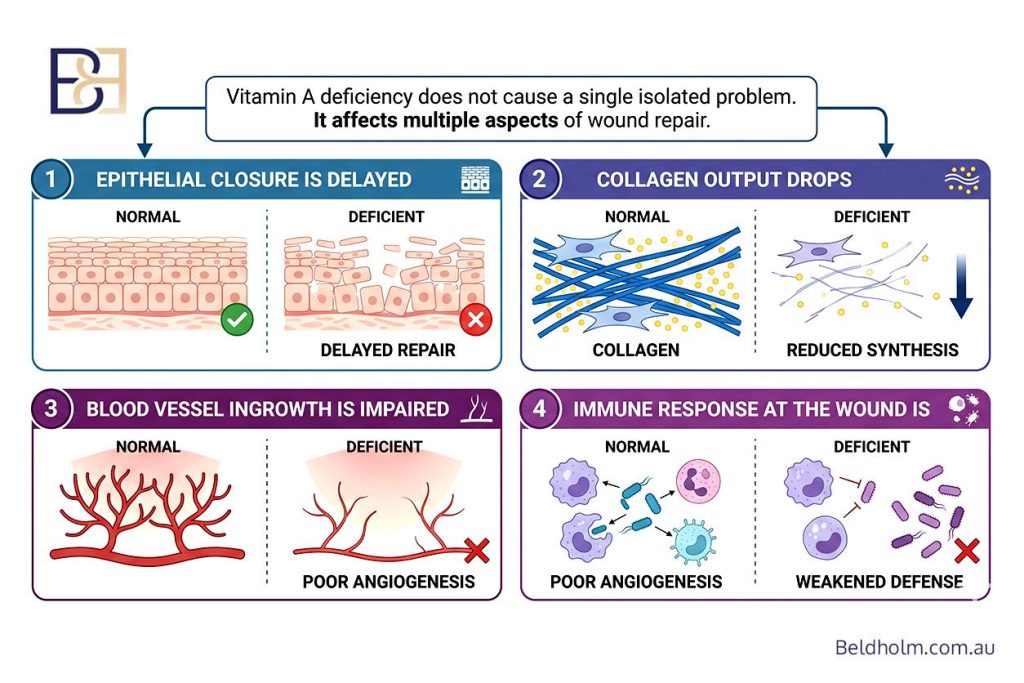
Vitamin A deficiency does not cause a single isolated problem. It slows multiple phases of healing simultaneously:
- Epithelial closure is delayed
- Collagen output drops
- Blood vessel ingrowth is impaired
- Immune response at the wound is blunted
Each effect on its own is manageable. Four of them stacked together can be the difference between a recovery that proceeds on schedule and one that runs into problems.
This is why correction of vitamin A status has an outsized effect when done properly. Published research on perioperative nutritional supplementation in post-bariatric body contouring patients has shown reductions in wound complications when vitamin A and other critical nutrients are optimised before surgery (3,4,5). The reductions are most pronounced in the patient groups at highest baseline risk.
What this means in practice
The take-home is straightforward. Vitamin A is not a peripheral nutrient with a vague connection to surgery. It is actively involved in every major phase of wound healing, at a cellular level, in ways that directly affect the patient experience of recovery.
When a post weight loss patient asks why I am ordering a serum retinol blood test before their body contouring procedure, this is the answer.
I am not screening for xerophthalmia or night blindness. I am looking for a deficiency that, if left uncorrected, will slow the healing of a long incision in someone who has already worked hard to get to the point of being able to have this surgery. That deficiency is:
- Common in this patient group
- Silent on history and examination
- Correctable with targeted supplementation
- Worth the small effort of a blood test
The next section covers how deficiency presents in clinic, including the one symptom patients sometimes notice before any blood test is ordered.
How Vitamin A Deficiency Presents
A common question in clinic is: “If I had a vitamin A deficiency, wouldn’t I know?”
For most post weight loss patients, the honest answer is no. Vitamin A deficiency in this population is usually subclinical. Blood levels are low, but outward signs are absent, subtle, or easily attributed to other causes.
This matters because it changes the approach to detection. I cannot rely on history taking alone. I cannot rely on how a patient looks or feels. The blood test is the objective measurement, and it is the reason serum retinol is part of the extended panel I order at every post weight loss first consultation.
That said, deficiency does have clinical signs when it progresses far enough. This section walks through what I look for, what patients sometimes notice, and why testing remains the standard of care even when none of these signs are present.
The silent phase: subclinical deficiency
Why it is silent
Vitamin A has substantial liver storage. When intake or absorption drops, the body draws from liver reserves to maintain blood levels for a long period before obvious symptoms appear. Liver vitamin A stores can hold enough to cover several months of zero intake in a healthy adult, which is why chronic vitamin A deficiency develops gradually rather than suddenly.
This is different from water-soluble vitamins like vitamin C, which run out fast. Vitamin A can be subclinically depleted for months or years before classical deficiency signs appear. Chronic vitamin A deficiency in this population is the rule rather than the exception, and the blood test is what catches it.
What this means in practice
In my clinic, the typical post weight loss patient with low serum retinol has:
- No complaints about their skin or vision
- No idea they are deficient
- A history of “taking my multivitamin”
- A blood result that is clearly below the reference range
This pattern is so common in this patient group that I treat it as the default expectation, not the exception.
Vision: the deficiency sign patients actually notice

The biology of night vision
Of all the signs of vitamin A deficiency, changes in low-light vision are the most specific.
The retina contains rod photoreceptor cells responsible for vision in dim light. These cells rely on a form of vitamin A called 11-cis-retinal, bound to a protein called opsin to form rhodopsin. When light hits rhodopsin, 11-cis-retinal converts to all-trans-retinal, which activates the signalling cascade that produces the perception of light (8).
After each exposure to light, rhodopsin has to be regenerated using fresh 11-cis-retinal. This regeneration depends on an adequate supply of vitamin A (8).
What patients notice
When vitamin A is depleted, rhodopsin regeneration slows. The eyes lose their ability to adapt to low-light environments. Patients typically report:
- Difficulty seeing when they move from a bright room to a darker one
- Trouble adapting to night driving, particularly when oncoming headlights temporarily blind them
- A sense that their night vision has “got worse” in recent months
This is often the first sign patients spontaneously notice. If a patient mentions difficulty with night vision in consultation, it is a prompt to check serum retinol regardless of whether they are planning surgery.
Broader eye effects

In more advanced deficiency, vitamin A’s role in maintaining the conjunctival and corneal epithelium becomes clinically relevant. Severe vitamin A deficiency can lead to xerophthalmia, a progressive condition that begins with dryness of the conjunctival epithelium and cornea and, if untreated, progresses to corneal ulceration and permanent blindness. Xerophthalmia is the most common clinical sign of severe vitamin A deficiency worldwide and is the reason vitamin A status is considered a public health priority in low-income countries (8).
Signs can include:
- Dry eyes and dry conjunctivae
- Bitot’s spots (small keratinised patches on the conjunctiva, rarely seen in Australia)
- In severe and chronic deficiency, xerophthalmia and corneal ulceration
These advanced signs are uncommon in my practice but are part of the broader clinical picture of why vitamin A deficiency is taken seriously worldwide.
Vitamin A and age-related eye disease

Outside the setting of frank deficiency, vitamin A and related carotenoids also play a role in eye health across the lifespan. Two age-related eye diseases are particularly relevant:
- Age-related macular degeneration. This is one of the leading causes of vision loss in older adults. Age related macular degeneration involves progressive damage to the central retina, and dietary intake of certain carotenoids has been associated with lower risk in observational studies. The AREDS and AREDS2 clinical trials examined specific micronutrient combinations for slowing progression of age related macular degeneration, with vitamin A family nutrients playing a supporting role alongside zinc, vitamin C, vitamin E, and the carotenoids lutein and zeaxanthin.
- Cataract. Adequate vitamin A is one of several nutritional factors linked to lower cataract risk in population studies, although the relationship is less clear-cut than for age related macular degeneration.
For the post weight loss body contouring patient, the immediate clinical concern is deficiency severe enough to affect wound healing. But age related eye disease is worth mentioning because it is one of the reasons long-term vitamin A adequacy, through diet or appropriate supplementation, matters beyond the perioperative window. The patient who has their vitamin A deficiency identified and corrected before surgery, and then maintains adequate status through a balanced diet or maintenance supplementation afterwards, is protecting both their surgical outcome and their long-term eye health. The long-term goal is vitamin A intake that sits comfortably within the recommended dietary allowances through diet, with vitamin supplements layered on top only where the underlying malabsorption makes dietary intake insufficient. For post-bariatric patients with lifelong malabsorption, age-related eye disease risk is one additional reason for ongoing monitoring through their GP after the surgical window has passed.
Skin changes
The mechanism
Vitamin A governs keratinocyte turnover across the whole skin surface, not just at wound sites. When deficient, skin cell turnover slows and the superficial keratin layer can thicken abnormally.
What this can look like
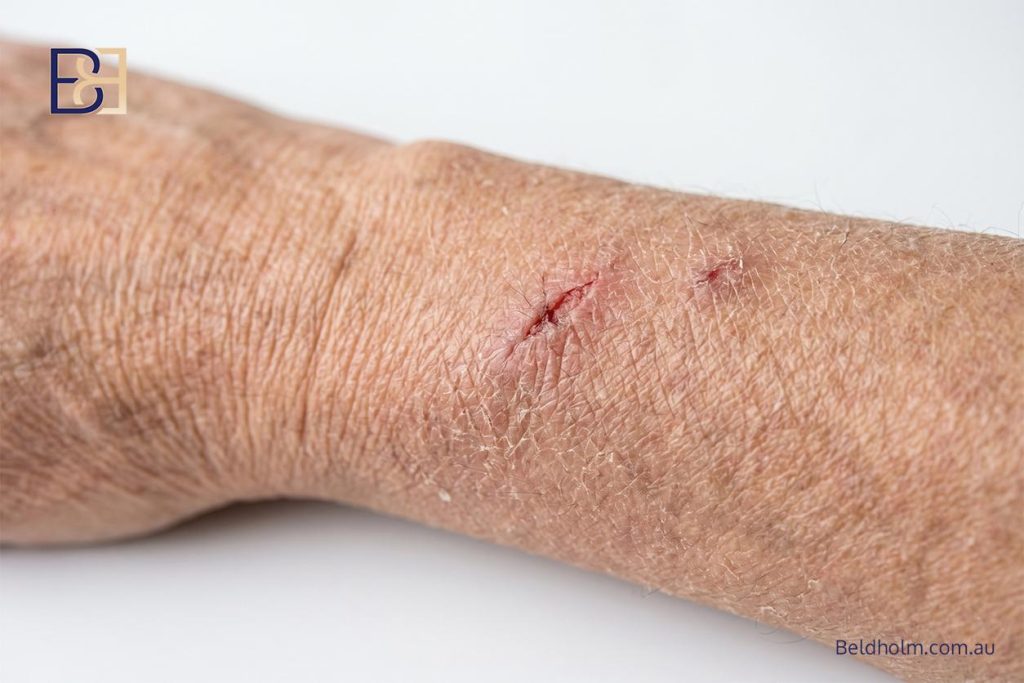
Skin findings in vitamin A deficiency can include:
- Dry, rough-feeling skin
- Small follicular bumps, particularly on the backs of the upper arms and thighs (sometimes called follicular hyperkeratosis)
- Reduced skin elasticity
- Slower healing of minor cuts and scrapes
Why this is non-specific
The challenge with skin findings is that they overlap significantly with other causes. Dry skin in a post weight loss patient may be from:
- Vitamin A deficiency
- Essential fatty acid deficiency
- Zinc deficiency
- Post weight loss skin changes and loose skin itself
- Dehydration
- Ageing and sun exposure
So skin changes on their own do not clinch the diagnosis. They can raise suspicion and support the case for testing, but the blood test is still what confirms or excludes the diagnosis.
Impaired wound healing from pre-existing cuts or scrapes
What I sometimes hear in consultation
Patients occasionally mention things like:
- Small cuts that took weeks to heal when they were expected to heal in days
- Insect bites that left marks that have persisted longer than they used to
- Shaving nicks that take noticeably longer to close
This is not diagnostic on its own, but in the context of a post weight loss history it raises the likelihood of a fat-soluble vitamin deficiency, vitamin A included.
Why this matters for surgical planning
If I can identify this history in consultation, it adds weight to the case for:
- Running the full extended blood panel early
- Not delaying initiation of Tier 1 supplements pending results
- Paying particular attention to vitamin A, zinc, and protein status
- Considering whether to delay surgery if results show significant deficits
Immune function changes

Subtle but relevant
Vitamin A is involved in maintaining mucosal barriers and supporting both innate and adaptive immune responses. Chronic subclinical deficiency can contribute to:
- More frequent respiratory infections
- Slower resolution of upper respiratory illnesses
- Increased susceptibility to skin infections
Why this is hard to pin down
Like skin changes, immune findings in vitamin A deficiency are non-specific. Many things can cause a pattern of frequent infections, and vitamin A deficiency rarely presents with this pattern in isolation.
Again, it is information that adds to the overall picture rather than confirming a diagnosis on its own.
Why testing is the only reliable answer
Given how variable the clinical presentation can be, a structured approach is more accurate than relying on symptoms.
The four patient scenarios I see
Across my post weight loss patients, serum retinol results tend to fall into four groups:
- Normal, asymptomatic patient, normal blood test. Proceed as planned. No Tier 2 vitamin A supplementation required.
- Normal, asymptomatic patient, low blood test. The most common pattern. Initiate Tier 2 vitamin A supplementation.
- Symptomatic patient (night vision, skin, slow healing), low blood test. Reinforces the picture. Initiate Tier 2 vitamin A supplementation.
- Symptomatic patient, normal blood test. Less common, but it happens. Investigate for other causes of their symptoms; do not add vitamin A supplementation purely on symptoms without a blood result supporting it.
The logic behind universal testing
The reason I test every post weight loss patient, rather than only those with symptoms, comes down to two facts:
- Deficiency is common in this group (10 to 69 per cent depending on the type of bariatric procedure)
- Deficiency is usually asymptomatic in the range where it still affects wound healing
If I only tested symptomatic patients, I would miss the majority of deficient patients. The blood test is Medicare rebatable when ordered with clinical justification, and the result directly changes my management plan.
Why I don’t treat based on symptoms alone
The inverse scenario is also important. If a patient presents with dry skin or minor night vision changes, I do not start them on high-dose vitamin A supplementation before the blood test result is back.
There are three reasons:
- High-dose vitamin A is not a benign intervention and is absolutely contraindicated in pregnancy
- Symptoms have multiple possible causes, and an incorrect assumption delays the correct diagnosis
- Dosing needs to match severity, which requires a measured baseline
This is why the Tier 2 pathway in my practice is defined as “blood-guided”. The test result, not the history, drives the decision.
What this means in practice
The practical summary for patients is:
- Do not expect to be able to tell whether your vitamin A is low
- Tell me if you notice any changes in night vision, skin, or slow wound healing, but do not be surprised if there are no changes to report
- The blood test is the part of the process that answers the question properly
- If the test shows deficiency, the supplementation plan will be specific, timed to your surgery, and managed through the Tier 2 pathway of my practice protocol
The next section walks through exactly what the blood test measures, how I interpret the result, and what the numbers mean in Australian reporting units.
The Pre-Operative Blood Test: What I Check and Why
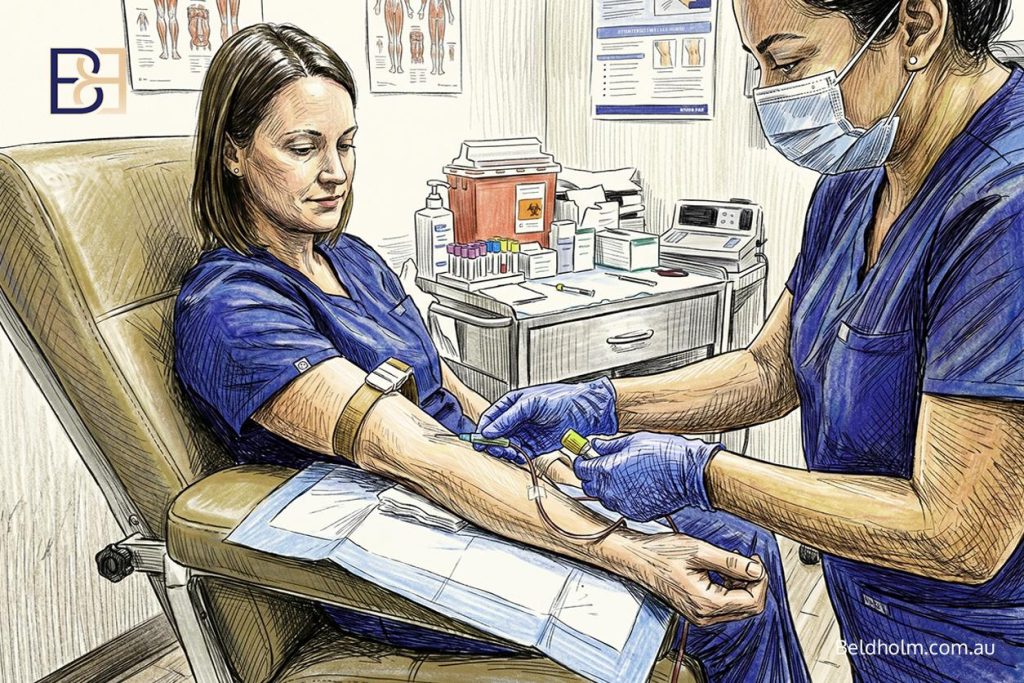
The blood test that tells me about a patient’s vitamin A status is called serum retinol. It is a straightforward, widely available test in Australia, and it is part of the extended blood panel I order for every post weight loss patient at their first consultation. For patients with a previous weight loss surgery, the test is ordered routinely; for patients on modern weight loss medications, the same standard applies.
This section covers exactly what the test measures, how to read the result, why I look at it alongside albumin, and what happens next depending on the number that comes back.
What the test measures
Serum retinol, not total vitamin A
The test measures the concentration of retinol circulating in the bloodstream at the time of the blood draw.
A few points are worth understanding:
- Retinol is the transport form of vitamin A in the blood
- It is not the same as total body vitamin A stores, which sit mainly in the liver
- Serum retinol is a reasonable proxy for current vitamin A availability to tissues
- It does not measure beta carotene or other provitamin A carotenoids
For the purposes of pre-operative assessment, serum retinol is the right test. I am not trying to quantify liver stores. I am trying to work out whether the patient has enough circulating vitamin A available to support wound healing in the weeks around surgery.
MBS item and Medicare coverage

In Australia, serum retinol is listed under MBS item 66608.
It is Medicare rebatable when ordered with clinical justification, which in a post weight loss body contouring patient includes:
- A history of bariatric surgery
- Clinical suspicion of fat-soluble vitamin deficiency
- Pre-operative nutritional workup
I provide the pathology form at the first consultation. Patients take it to their nearest collection centre, usually on their way out of the clinic, and the result comes back within a few days.
Australian reference range
The numbers
In Australia, serum retinol is reported in µmol/L (micromoles per litre).
The reference range used by most Australian pathology labs is:
- Normal: 1.05 to 2.80 µmol/L
- Low: below 1.05 µmol/L
- Upper end of normal: 2.80 µmol/L
Some labs report slightly different ranges, so I always interpret the result against the specific lab’s quoted range rather than against a memorised number.
A note on US versus Australian reporting
Overseas literature, particularly from the US, often reports vitamin A in µg/dL (micrograms per decilitre). This creates confusion when patients compare notes online.
The conversion factor is:
- µg/dL × 0.03491 = µmol/L
- 30 µg/dL ≈ 1.05 µmol/L (lower limit of normal)
- 80 µg/dL ≈ 2.79 µmol/L (upper limit of normal)
If a patient shows me a result from overseas in µg/dL, the first thing I do is convert it to µmol/L to make it comparable to Australian data.
Why I look at the result alongside albumin
The retinol-binding protein connection
Vitamin A does not travel through the bloodstream on its own. It is bound to a carrier protein called retinol-binding protein (RBP), which in turn binds to transthyretin.
RBP production is linked to the body’s overall protein and nutritional status. When a patient has:
- Low albumin
- Chronic inflammation
- Malnutrition affecting overall liver protein synthesis
RBP levels can drop. And when RBP drops, the amount of retinol carried in the blood drops with it, even if total body vitamin A stores are normal.
What this means for interpretation
For that reason I never read a serum retinol result in isolation. I always look at it alongside the albumin result from the same blood draw.
Three scenarios illustrate the point:
- Normal albumin, low retinol: a genuine vitamin A issue. Initiate Tier 2 supplementation.
- Low albumin, low retinol: may reflect a protein carrier issue rather than true vitamin A deficiency. Work on the protein status first, then recheck retinol.
- Low albumin, normal retinol: vitamin A is likely adequate, but the low albumin needs treatment in its own right.
This is a standard interpretive principle in nutritional medicine, and missing it is one of the more common ways vitamin A results get misread (1,2,8).
Practical outcome
In my practice, if a patient has low albumin, I:
- Refer to an Accredited Practising Dietitian (APD) for nutritional optimisation
- Commence protein supplementation at 80 to 100 g/day of whey protein isolate
- Delay surgery until albumin goes into normal range
- Recheck both albumin and retinol after 4 to 6 weeks
If the repeat retinol is still low once albumin is normal, I commit to Tier 2 vitamin A supplementation. If it comes up into the normal range, the low retinol was primarily a carrier issue, and no extra vitamin A supplementation is needed.
What the results trigger
Normal range (1.05 to 2.80 µmol/L)
No vitamin A supplementation beyond what is covered by a standard bariatric multivitamin. The patient continues on their Tier 1 supplement plan.
Serum retinol is rechecked at the 6 to 8 week post-op follow-up panel before handover to the GP.
Low (below 1.05 µmol/L)
The patient moves into the Tier 2 pathway for vitamin A.
Depending on the clinical picture, the supplementation plan is:
- Mild deficiency (0.7 to 1.04 µmol/L): Standard dose, 5,000 to 10,000 IU/day retinyl palmitate
- Moderate vitamin A deficiency (0.35 to 0.69 µmol/L) in a post-bariatric patient: Perioperative high-dose, 25,000 to 50,000 IU/day retinyl palmitate for 4 weeks before and 4 weeks after surgery (1,2,3)
- Severe vitamin A deficiency (below 0.35 µmol/L): Perioperative high-dose, with an accelerated blood recheck at the end of the pre-op window, plus ophthalmology review if there are vision changes
- With clear symptoms (night blindness, skin changes): Perioperative high-dose
These severity bands reflect how I stratify results in practice. Serum retinol levels and their interpretation are the foundation of that decision. Plasma retinol, measured the same way and interpreted against the same reference range, is the interchangeable term used in some Australian labs.
All high-dose regimens require clinical oversight and are absolutely contraindicated in pregnancy. Women of reproductive age must have a negative pregnancy test before high-dose vitamin A is commenced, and reliable contraception in place throughout the supplementation period.
Elevated (above 2.80 µmol/L)
Rare on first testing, but occasionally seen in patients who are already self-supplementing with high-dose vitamin A or who eat very high quantities of liver.
If the level is elevated:
- Review current supplement intake in detail
- Cease any patient-initiated high-dose vitamin A
- Recheck after 4 weeks
- Delay surgery if the elevation is significant
Sustained levels well above the reference range carry a toxicity risk and can interfere with wound healing through different mechanisms, so this is not something I ignore.
Where the test fits in the consultation sequence
Serum retinol is one test in a much larger panel. The extended blood panel I order at every first consultation includes:
- Full blood count, coagulation screen, liver function, electrolytes
- HbA1c, glucose, iron studies
- Vitamins A, B1, B6 (PLP), B12, folate, red cell folate, 25-OH vitamin D, vitamin E
- Minerals: zinc, selenium
- Hepatitis B, Hepatitis C, HIV
- Thyroid function
- Pregnancy test HCG for women of reproductive age
All of this comes back together in the blood results consultation, typically 2 to 4 weeks after the first appointment.
At that review:
- I walk the patient through each result
- I initiate any Tier 2 supplements where deficiency is confirmed
- I document the result and the clinical indication in the patient record
- I confirm which supplements the patient is already on from the Tier 1 list
- I answer any questions about the surgery and timing
Vitamin A is one piece of this larger picture, but it is one of the most consistently actionable pieces for post weight loss patients.
What a patient should expect
From the patient’s side, the practical picture is:
- Blood test ordered at the first consultation (serum retinol plus the extended panel)
- Collection centre visited on the way out of the clinic
- Result back within a few days
- Blood results consultation 2 to 4 weeks later
- If vitamin A is low, Tier 2 supplementation starts at that consultation
- Dose titrated to the deficiency severity and the surgical timeline
- Recheck at the 6 to 8 week post-op follow-up blood panel
This is a structured, objective process. It does not depend on how the patient feels about their nutritional status, and it does not depend on their history of supplement use. It depends on what the blood test actually shows.
The next section explains how vitamin A fits into the broader Tier 1 / Tier 2 supplement framework I use for every post weight loss patient.
How Vitamin A Fits into the Two-Tier Supplement Framework

My practice uses a structured, two-tier framework for nutritional supplementation in post weight loss body contouring patients. It is not an approach I invented. It reflects what the published literature and the practical experience of managing this patient group, particularly post weight loss surgery patients, have converged on over the past decade (1,2,3,5,11,12).
Vitamin A sits firmly in the Tier 2 category of this framework. This section explains what that means, why the distinction matters, and how it changes the decision about whether and how to supplement.
The two-tier framework at a glance
Tier 1: universal supplements
These are commenced in every post weight loss patient at the point of surgical planning, regardless of blood test results.
- Who receives them: all post weight loss patients
- When they start: minimum 4 weeks before surgery (earlier is better)
- What drives the decision: evidence of near-universal deficiency in this population
- Who manages them: my clinical team, with patient self-administration
Tier 1 supplements include:
- Whey protein isolate
- Bariatric-specific multivitamin
- High-dose vitamin D3 paired with vitamin K2
- Vitamin C
- Zinc at maintenance dose
The logic of Tier 1: the deficiency rates for these nutrients are so high in post weight loss patients that testing first and waiting for results before acting would leave most patients under-supplemented in the critical weeks before surgery. Starting early and adjusting to blood results later is the best approach.
Tier 2: blood-guided supplements
These are commenced only after a blood test confirms a deficiency.
- Who receives them: patients with confirmed deficiency on the extended blood panel
- When they start: at the blood results consultation, 2 to 4 weeks after the first consultation
- What drives the decision: a specific pathological result on blood testing
- Who manages them: my clinical team in collaboration with the GP, Dietitian, or specialist as required
Tier 2 supplements include:
- Iron
- Vitamin B12 (where not fully covered by the multivitamin)
- Folate / methylfolate
- Vitamin A
- Thiamine (vitamin B1)
- Vitamin B6 at therapeutic doses
- Calcium citrate
- Selenium
- Magnesium
These are supplements where unnecessary use carries its own risk, where the dose depends on the severity of the deficiency, or where there is a specific contraindication that must be excluded before starting.
Why vitamin A is Tier 2
High-dose vitamin A is not a benign supplement
There are three core reasons vitamin A is managed as a blood-guided supplement rather than a universal one:
1. Toxicity risk at the therapeutic dose range
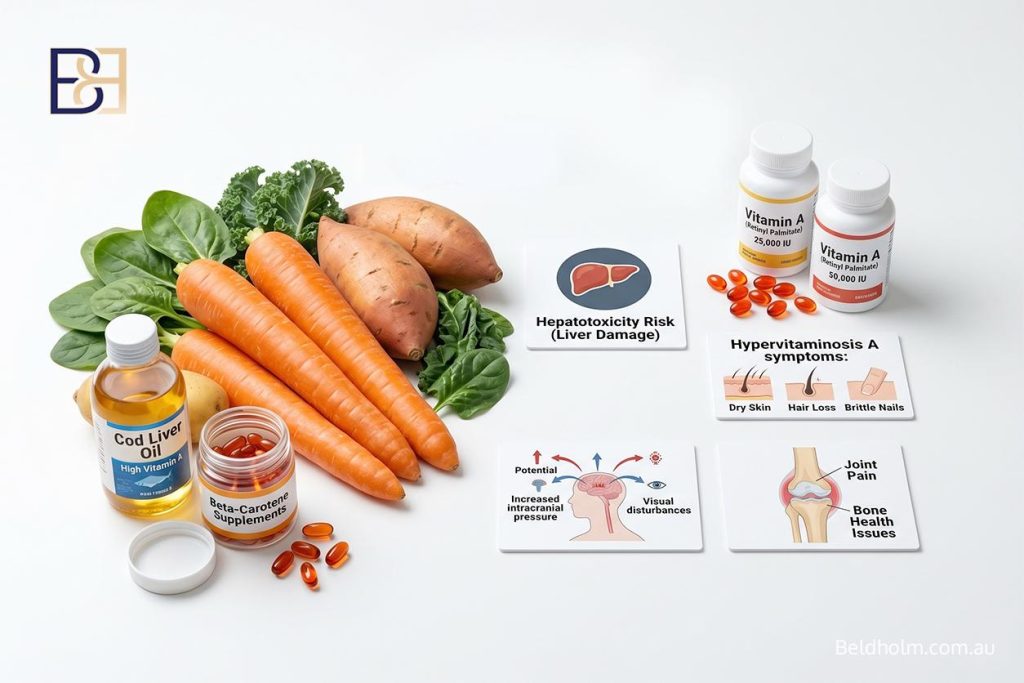
The perioperative protocol for vitamin A in a post-bariatric patient uses 25,000 to 50,000 IU/day. This is well above the maintenance dose and approaches the threshold where sustained use can cause toxicity (generally considered to begin above 50,000 IU/day on a long-term basis).
I do not want any patient on that dose unless there is a documented deficiency to treat.
2. Absolute contraindication in pregnancy
High-dose preformed vitamin A is teratogenic. It is absolutely contraindicated in:
- Women who are pregnant
- Women planning to conceive during the supplementation window
- Women who may become pregnant without reliable contraception
Before any patient commences high-dose vitamin A in my practice, a negative pregnancy test is documented and contraception is reviewed. This is too important a step to be handled as a universal supplement decision.
3. Over-supplementation has clinical consequences
Even below the toxicity threshold, sustained vitamin A levels above the normal range can interfere with wound healing through competing mechanisms. It also raises bone turnover markers and can affect liver function over time. Dosing to deficiency rather than by default avoids these problems.
Why this differs from vitamin D
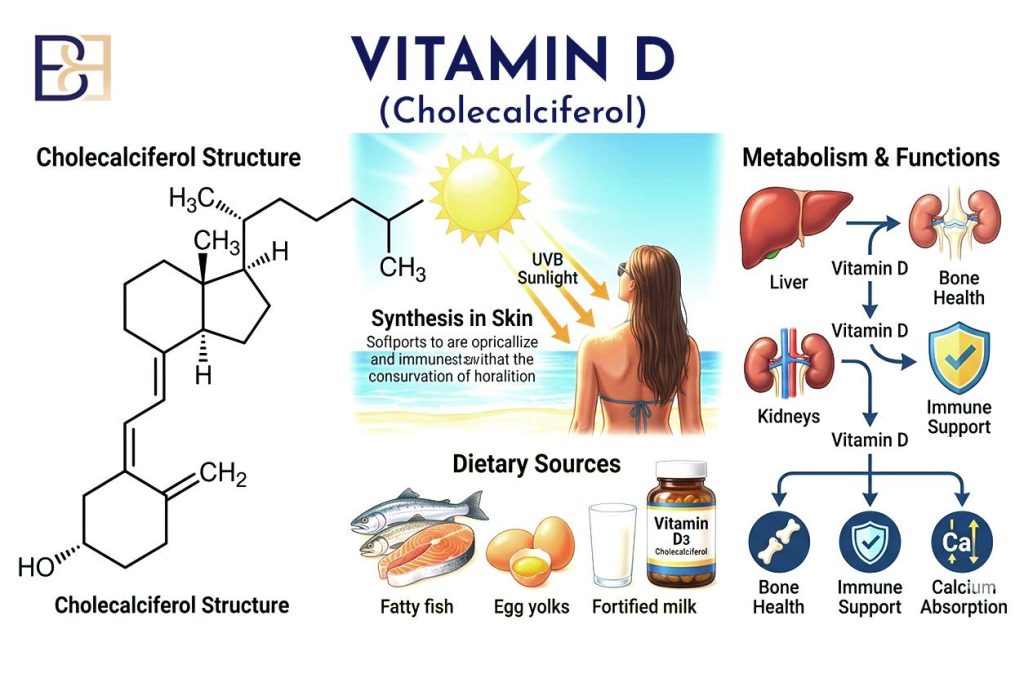
Vitamin D illustrates the contrast. Vitamin D deficiency is so widespread in post weight loss patients, the supplementation dose is low enough to be able to be given at a range of baseline levels, and the consequences of under-supplementing outweigh the risk of mild over-supplementation. Vitamin D therefore sits in Tier 1.
Vitamin A has a narrower therapeutic window and a defined contraindication. It therefore sits in Tier 2.
The decision path for vitamin A in my practice
Step 1: Blood test at the first consultation
Serum retinol is ordered as part of the extended panel at the first consultation. No vitamin A-specific supplementation is started at this stage beyond what is in the patient’s existing multivitamin.
Step 2: Blood results review, 2 to 4 weeks later
At the blood results consultation:
- If serum retinol is normal: no Tier 2 vitamin A action. Patient stays on Tier 1 supplements only.
- If serum retinol is low (mild): commence standard dose vitamin A, 5,000 to 10,000 IU/day retinyl palmitate, taken with food.
- If serum retinol is low (moderate to severe) and the patient is post-bariatric: commence perioperative high-dose vitamin A, 25,000 to 50,000 IU/day retinyl palmitate for 4 weeks before and 4 weeks after surgery. Document pregnancy test result and contraception status for women of reproductive age.
Step 3: Surgical planning and supplementation window
- Standard dose: continued throughout the perioperative period and reviewed post-op
- Perioperative high-dose: 4 weeks pre-op, through surgery, and 4 weeks post-op
Doses are always titrated to the individual patient, the severity of the deficiency, and the surgical timeline.
Step 4: 6 to 8 week post-op follow-up bloods
A repeat blood panel is arranged at 6 to 8 weeks post-op. Serum retinol is rechecked alongside the other nutritional markers.
After this check, ongoing management is handed over to the GP for long-term follow-up, particularly for post-bariatric patients who may require lifelong vitamin A monitoring.
Who manages what

A common source of confusion is who does what across the different phases of care. Here is an overview:
- Dr Beldholm (me): pre-operative nutritional optimisation, including vitamin A testing and Tier 2 supplementation initiation. Continues through the in-hospital and first 4 to 6 weeks post-op. Arranges the 6 to 8-week follow-up blood panel before handover.
- Dietitian / APD (Accredited Practising Dietitian): peri-operative nutrition support, including any in-hospital dietary review at Maitland Private. Particularly important for patients with low albumin, on GLP-1 medications, or who are struggling to meet protein targets.
- GP: long-term monitoring from 4 to 8 weeks post-op onward. For post-bariatric patients, this becomes a lifelong relationship for micronutrient management.
Vitamin A supplementation is specifically a pre-operative and early post-operative decision in my hands. Long-term vitamin A status in a post-bariatric patient is a GP conversation, not a surgical one.
How the Tier 2 framework protects patients
The reason this framework matters is not administrative. It is clinical.
Patients often come to consultation on their own self-prescribed regimens of high-dose supplements they have found online. Some of those regimens are reasonable. Others include:
- High-dose vitamin A beyond the safe range
- Combined supplements with overlapping ingredients, leading to accidental total doses well above intended
- Vitamin A in a form that is not ideal for their absorption pattern
The Tier 2 framework gives me a clean decision point to review all of this, check it against the patient’s blood results, and either confirm the current regimen or replace it with something appropriate. Patients have a specific therapeutic goal, a defined dose, a defined duration, and a follow-up plan.
What this means for the patient
In practical terms:
- You will start on the Tier 1 supplements at your first consultation, before any blood results are back
- Your vitamin A supplementation, if any, is decided at the blood results consultation 2 to 4 weeks later
- If you need vitamin A, the dose and duration will be specific to your blood result and to the surgical timeline
- You should not self-prescribe high-dose vitamin A before or after the blood test result is available
- All vitamin A supplementation in the perioperative window is managed through my practice, not your GP
The next section walks through the perioperative supplementation protocol in detail: dose, form, timing, and how to take it for best absorption.
The Perioperative Supplementation Protocol

Book your appointment online now
Once the blood test has confirmed vitamin A deficiency and the patient is in the Tier 2 pathway, the next decision is the specifics of the supplementation itself: which form, what dose, how long, taken how, and with what checks are in place.
This section walks through the perioperative protocol I use in my practice, including the Australian product recommendations I use for my patients.
Two dose levels, two patient groups
Vitamin A supplementation in my practice runs at two distinct dose levels, depending on what the blood test showed and what type of weight loss history the patient has. A post weight loss surgery patient with confirmed deficiency sits in a different treatment band than a patient with borderline serum retinol and no history of weight loss surgery.
Standard dose: 5,000 to 10,000 IU/day
This is the maintenance level used for:
- Patients with mild deficiency (serum retinol 0.7 to 1.04 µmol/L)
- Non-bariatric patients with borderline-low levels
- Patients who have completed a course of high-dose supplementation and are transitioning to maintenance
It is also the level covered by most bariatric-specific multivitamins, so in practice some patients on this dose will simply continue their existing multivitamin with reinforcement and follow-up testing.
Perioperative high-dose: 25,000 to 50,000 IU/day
This is the therapeutic level used for:
- Post-bariatric patients with moderate to severe deficiency (serum retinol below 0.7 µmol/L)
- Post-bariatric patients with confirmed deficiency plus clinical features (night vision changes, skin changes, or impaired wound healing history)
- Patients where a lower dose has not corrected the deficiency on repeat testing
The high-dose range is based on clinical protocols published for post-bariatric body contouring patients, and it reflects what the literature has shown to be effective for elevating tissue-level vitamin A adequacy within the surgical timeline (2,3,5).
The form I prescribe
Retinyl palmitate
Every high-dose vitamin A supplement I prescribe is in the form of retinyl palmitate.
The reasons:
- It is a preformed vitamin A, so the labelled dose translates directly into biologically active material
- It has the clearest absorption data of any commercially available form
- It is the form used in the published clinical protocols for post-bariatric body contouring (2,3,5)
- It is available in Australia across a range of doses, so I can match the product to the dose I need
I do not use beta carotene supplements as a therapeutic substitute. The next section explains why in more detail.
The timing: 4 weeks before, 4 weeks after
Why 4 weeks
The perioperative supplementation window is 4 weeks before surgery and 4 weeks after surgery, for a total of 8 weeks.
The reasoning:
- 4 weeks is enough time to raise tissue-level vitamin A meaningfully before the surgical insult
- It aligns with the broader perioperative nutritional optimisation window I use for protein and other supplements
- 4 weeks post-op covers the critical early wound healing phase when vitamin A demand is highest
- Beyond 4 weeks post-op, demand drops as the wound transitions from early healing into scar maturation
Earlier is better
If a patient is able to start the supplementation earlier than 4 weeks, that is fine and often helpful. What I do not want is patients trying to compress the supplementation into a shorter window to catch up.
If a patient has not been able to start 4 weeks before their planned surgery date, I will often delay the surgery rather than proceed with a patient who has not had time to correct the deficiency. This is a judgement call made at the blood results consultation.
How to take it: practical instructions

Always with a fat-containing meal
Vitamin A is fat-soluble. Absorption depends on the supplement being taken with food that contains fat.
Taking a vitamin A capsule on an empty stomach, or with a fat-free meal, substantially reduces the amount absorbed.
Practical examples of fat-containing meals that work well:
- Breakfast with eggs, avocado, or full-fat yoghurt
- A meal with fish, meat, poultry, or dairy
- A salad with olive oil dressing
- A meal with nuts, seeds, or nut butter
For post-bariatric patients in particular, absorption is already compromised by the surgical anatomy. Taking the supplement with fat is not optional; it is the difference between the supplement working and the supplement being partly wasted.
One dose per day
I prescribe vitamin A as a once-daily dose, usually with the largest meal of the day. Splitting the dose across the day offers no meaningful absorption advantage and increases the chance the patient forgets a dose.
Do not double up on missed doses
If a patient misses a dose, they should take the next dose as scheduled. Doubling up to “catch up” is not appropriate given the toxicity ceiling for vitamin A.
Australian product recommendations
Standard dose (5,000 to 10,000 IU/day)
These are readily available in Australia at pharmacies and online:
- Blackmores Vitamin A 5000 IU (retinyl palmitate capsules). Available at Chemist Warehouse, Priceline, and Blooms the Chemist.
- Thompson’s Vitamin A 10,000 IU (retinyl palmitate capsules). Available at Chemist Warehouse.
Most patients on standard-dose vitamin A will use one of these two products.
Perioperative high-dose (25,000 to 50,000 IU/day)
For high-dose supplementation, my preferred product is:
- NOW Foods Vitamin A 25,000 IU (retinyl palmitate plus fish liver oil softgels). Available via iHerb, which ships to Australia.
For the top end of the perioperative range, 50,000 IU/day, this can be achieved by taking two 25,000 IU softgels daily under clinical supervision.
A compounding pharmacy pathway is available as an alternative if a specific custom formulation is preferred, though in most cases the commercially available option is the simpler route for patients.
What matters when choosing a product
The key points for patients when choosing any vitamin A supplement are:
- Form: retinyl palmitate (not beta carotene, not mixed formulations where the retinyl palmitate content is unclear)
- Dose: accurately labelled in IU, matching the prescribed dose
- Purity: minimal additives and fillers
- Manufacturing standards: products from reputable brands with independent testing where possible
What happens during the in-hospital window

Maitland Private Hospital admission
Patients admitted to Maitland Private Hospital for body contouring surgery will typically bring their regular supplement routine with them. This includes any perioperative vitamin A.
The practical points:
- Maitland Private has an on-ward dietitian service available during admission
- Hospital meals are designed for a general inpatient population; I frequently arrange dietitian review during admission to optimise intake
- Patients on perioperative high-dose vitamin A continue the dose through the admission
- Patients may bring their own whey protein isolate if they prefer
For the in-hospital window and first few weeks of recovery, peri-operative management transitions to include dietitian input alongside my team’s oversight.
Post-op continuation and tapering
Weeks 1 to 4
Continue the prescribed perioperative dose as originally planned. Do not taper early, even if the wound appears to be healing well at the 2-week review.
Weeks 4 to 6
Taper from perioperative high-dose to standard-dose (5,000 to 10,000 IU/day), timed with the 4-week post-op review.
Fish oil / omega-3 supplements are also typically resumed at this point, having been ceased 1 week before surgery to manage bleeding risk.
Weeks 6 to 8
The follow-up blood panel is arranged, including a repeat serum retinol. The patient continues on standard-dose vitamin A pending the repeat result.
After week 8
Management is handed over to the GP for long-term monitoring. For post-bariatric patients, this is a lifelong relationship for micronutrient status, not just a vitamin A decision.
What the evidence supports
The perioperative supplementation protocol is built on two pillars:
- Mechanistic data showing vitamin A’s role at every stage of wound healing (covered earlier in this article) (6,8)
- Outcome data from published studies of post-bariatric body contouring patients where pre-operative nutritional optimisation, including vitamin A, has been associated with reductions in wound complications compared with historical controls or non-optimised patients (3,4,5)
The effect size is clinically meaningful. In one published study, wound complication rates were significantly lower in the supplemented group versus the non-supplemented group, with the difference most pronounced in obese and post-bariatric patients (3,4).
That is the reason I take the time to run blood tests, interpret them carefully, and commit to a specific protocol rather than defaulting to generic recommendations.
Safety checks before commencement

Before any patient commences high-dose vitamin A supplementation, the following are documented:
- Pregnancy test (HCG) for women of reproductive age, result must be negative
- Confirmation of reliable contraception for the duration of the supplementation period
- Review of current medications and supplements to exclude overlapping sources of vitamin A
- Review of liver function (LFTs) from the extended blood panel
- Agreement from the patient to not self-adjust the dose
These checks are there because high-dose vitamin A is a powerful enough intervention that the consequences of getting it wrong can be substantial.
The next section covers a topic patients ask about frequently: beta carotene, why it is not a substitute for preformed vitamin A, and what the published data actually says.
Beta Carotene: What Patients Need to Know

Beta carotene comes up in almost every consultation where I discuss vitamin A supplementation with a post weight loss patient. The typical questions are:
- “Isn’t beta carotene less toxic than retinyl palmitate?“
- “Can I just take high-dose beta carotene instead?”
- “My multivitamin has beta carotene; isn’t that enough?”
The short answers are that beta carotene from food is valuable, beta carotene supplements are not an appropriate substitute for therapeutic vitamin A in the perioperative window, and high-dose beta carotene supplementation has specific concerns in certain patient groups that need to be flagged.
This section walks through the reasons in more detail.
Beta carotene as a nutrient
What it is
Beta carotene is a provitamin A carotenoid. It is a plant pigment responsible for the orange and yellow colouring of many vegetables. Dietary sources include:
- Carrots
- Sweet potato
- Pumpkin and winter squash
- Leafy green vegetables (the green chlorophyll masks the orange pigment)
- Capsicum
- Apricots and mangoes
How the body uses it
Beta carotene is not vitamin A itself. The body converts it to retinol through an enzyme in the intestinal wall and other tissues, but only when and if vitamin A is needed.
Two points about this conversion matter:
- The conversion is regulated by the body’s vitamin A status. If vitamin A stores are adequate, the conversion slows down.
- The conversion is inefficient. The old assumption that 6 µg of beta carotene equals 1 µg of retinol has been revised upward; current estimates suggest 12 to 24 µg of beta carotene are needed to produce 1 µg of retinol, depending on the individual and the food matrix (8).
For someone with a well-functioning gut absorbing beta carotene from a normal diet, this system works well. For a post-bariatric patient with impaired fat absorption, the conversion efficiency drops further.
Why you cannot poison yourself with dietary beta carotene
One of the most reassuring features of dietary beta carotene is that the body’s regulated conversion prevents toxicity. No matter how many carrots or how much sweet potato a person eats, the body will not convert excess beta carotene into toxic levels of vitamin A.
What can happen:
- Very high intake of beta carotene-rich foods (juice cleanses, large quantities of carrots) can cause carotenodermia, a harmless yellow-orange tint to the skin, particularly the palms and soles
- This is cosmetic only, reversible, and has no health consequences
- It is sometimes mistaken for jaundice, but in jaundice the whites of the eyes are yellow, whereas in carotenodermia they are not
I encourage all my patients to eat a balanced diet that includes plenty of orange, yellow, and dark leafy green vegetables, both for beta carotene and for the broader range of micronutrients these foods provide.
Why beta carotene supplements are different
High-dose beta carotene delivered as a supplement is a different situation from beta carotene in food. Two concerns apply.
1. It is not an equivalent substitute for retinyl palmitate
For therapeutic correction of confirmed vitamin A deficiency, beta carotene supplements are not reliable:
- Conversion efficiency varies between individuals
- Post-bariatric patients have further reduced conversion capacity due to the anatomical changes
- The dose of retinol actually delivered to the tissues is unpredictable
- The published clinical protocols for post-bariatric body contouring use preformed vitamin A (retinyl palmitate), not beta carotene
When I need to correct a confirmed deficiency in a 4-week window before surgery, unpredictability is not something I can accept. Retinyl palmitate delivers a known dose with a known absorption profile.
2. High-dose beta carotene has specific safety concerns
This is the more important point and one that patients are often unaware of.
The CARET and ATBC trials
Two large randomised clinical trials in the 1990s, the Beta-Carotene and Retinol Efficacy Trial (CARET) and the Alpha-Tocopherol, Beta-Carotene Cancer Prevention Study (ATBC), investigated high-dose beta carotene supplementation for cancer prevention in high-risk populations (9,10). Both were randomised clinical trials with tens of thousands of participants, which makes their findings particularly weighty.
The findings were unexpected and concerning:
- Both clinical trials were stopped early
- Current smokers and former asbestos-exposed workers taking high-dose beta carotene supplements had a significantly increased lung cancer risk and higher cardiovascular disease mortality than the placebo group (9,10)
- The ATBC trial reported an 18 per cent increase in lung cancer incidence among male smokers taking beta carotene supplements (10)
- The CARET trial reported a 28 per cent increase in lung cancer risk and a 17 per cent increase in deaths from all causes, including increased cardiovascular disease deaths, in the beta carotene plus retinol group compared with placebo (9)
- The effect was specific to supplemental beta carotene at high doses, not dietary beta carotene from food
The lung cancer signal has been consistent in follow-up analyses and subsequent meta-analyses. This is the strongest clinical trial evidence we have that isolated, high-dose beta carotene supplementation is not benign in specific populations (9,10).
Other cancer signals from the same trials

Beyond lung cancer, the CARET and ATBC trials also examined other cancer endpoints:
- Prostate cancer: The ATBC trial found a small increase in prostate cancer incidence among men taking beta carotene supplements, although this was not a primary endpoint. Subsequent meta-analyses of beta carotene supplementation and prostate cancer have reported mixed results, with some showing no effect on prostate cancer rates and others a small increased risk. The prostate cancer signal is not as strong as the lung cancer risk finding, but it contributes to the overall picture that high-dose beta carotene supplements in at-risk populations are not protective and may cause harm. Combined with the elevated lung cancer risk in the same trials, the weight of evidence argues against routine beta carotene supplementation at high doses for cancer prevention, whether the target is prostate cancer, lung cancer, or any other malignancy (9,10).
- Skin cancer: No consistent effect on skin cancer has been shown for beta carotene supplementation. Topical retinoids (applied to the skin) have a separate and generally beneficial profile for skin health, but oral beta carotene is not part of skin cancer prevention in current guidelines.
- Cardiovascular disease: Both trials found increased cardiovascular disease death rates in the beta carotene supplement arms, most pronounced in the CARET population. The mechanism is thought to relate to oxidative effects at supra-physiological beta carotene levels.
Why this matters for dosing decisions
These clinical trials shaped my approach to supplementation in two ways:
- I do not use beta carotene supplements to treat vitamin A deficiency in my patients. Preformed vitamin A (retinyl palmitate) delivers a known dose with a known profile. Beta carotene supplements, particularly at high doses, carry trial-level evidence of harm in specific populations that I do not want to import into the perioperative window.
- The finding does not apply to dietary beta carotene from food. The signal was specific to isolated, supplemental beta carotene at doses well above what is achievable through diet. Leafy green vegetables, carrots, sweet potatoes, and pumpkins remain safe and healthy parts of the human diet.
The mechanism is not fully understood, but it likely involves pro-oxidant effects of high-dose isolated beta carotene in the presence of high oxidative stress (such as that seen in smokers). The take-home is straightforward: high-dose supplements of isolated beta carotene are not the same as dietary beta carotene from food, and the clinical trial evidence points clearly against using beta carotene supplements for therapeutic purposes.
What this means for my patients
The practical implications:
- Current smokers should not take high-dose beta carotene supplements
- Former heavy smokers should be cautious with high-dose beta carotene supplements, particularly in the context of other risk factors for lung cancer
- The finding does not apply to dietary beta carotene from food
- The finding does not apply to retinyl palmitate (preformed vitamin A)
For the vitamin A supplementation I prescribe in the perioperative window, this is another reason to use retinyl palmitate rather than beta carotene. I know exactly what dose is being delivered, I am not exposing smokers or former smokers to a specific class of supplement risk, and the therapeutic target is predictable.
What about mixed-form multivitamins?

Some multivitamins list vitamin A as a combination of retinyl palmitate and beta carotene. This is generally fine at maintenance doses, because:
- The retinyl palmitate portion provides a defined baseline
- The beta carotene portion contributes whatever the body can convert, without pushing into dangerous territory at maintenance doses
Where it becomes an issue is when a patient is:
- On a high-dose bariatric multivitamin
- Plus a separate beta carotene supplement
- Plus a self-prescribed vitamin A capsule
In that scenario, total beta-carotene intake from dietary supplements can exceed the range covered by the published data. This is one of the reasons I review the full supplement list at the blood results consultation. Patients often arrive at consultation taking four or five different vitamin supplements, not all of which are necessary, and some of which overlap in ways that push individual nutrient intake above thresholds for toxicity. Rationalising the dietary supplements list is part of the pre-operative optimisation process.
Practical guidance for patients
What to do
- Eat a balanced diet that includes leafy greens, orange and yellow vegetables, and other beta carotene-rich foods
- Continue your prescribed multivitamin, which may include some beta carotene as part of a balanced formulation
- Follow the vitamin A protocol I prescribe if you have a confirmed deficiency
What not to do
- Do not take high-dose isolated beta carotene supplements in addition to your prescribed vitamin A
- Do not substitute beta carotene supplements for the retinyl palmitate I have prescribed
- Do not take high-dose beta carotene supplements if you are a current or recent smoker
- Do not stack multiple products containing vitamin A or beta carotene without reviewing the combined dose with me
When to flag it in consultation
If you are already taking:
- A beta carotene supplement at any dose
- An “antioxidant formula” that includes beta carotene
- A vitamin A supplement in any form
- A bariatric multivitamin with vitamin A
Bring the bottles to the blood results consultation so we can review the total vitamin A and beta-carotene load together.
The bottom line on beta carotene
Beta carotene from food is a valuable part of a healthy diet and poses no risk. Beta carotene supplements, particularly at high doses, are not a substitute for preformed vitamin A in the perioperative window, and they carry specific concerns in certain patient groups that make them the wrong choice for this clinical purpose.
For post-weight loss patients preparing for body contouring surgery, the answer is straightforward. When vitamin A supplementation is needed, I prescribe retinyl palmitate at a defined dose for a defined window. Beta carotene plays a supporting role through the diet, not a substitute role through supplementation.
The next section covers the profile of vitamin A itself, including toxicity thresholds, the absolute contraindication in pregnancy, and other considerations that shape how I supervise perioperative dosing.
Safety, Toxicity, and Absolute Contraindications
Vitamin A is a powerful nutrient, and the high-dose protocol I use in the perioperative window is a genuine medical intervention, not a casual supplement recommendation. The same properties that make vitamin A so useful for wound healing also make it capable of causing harm if dosed inappropriately or used in the wrong clinical situation. Taking too much vitamin A, whether through self-prescribed dietary supplements, layered products, or failing to stop the perioperative protocol on time, carries real risk.
This section covers what patients need to know about toxicity thresholds, the absolute contraindication in pregnancy, other situations where I hold off on supplementation, and the monitoring I build into my perioperative protocol.
The toxicity ceiling
Why too much vitamin A is a real clinical problem
Vitamin A is fat-soluble, which means the body stores it rather than excreting excess in urine the way it does with water-soluble vitamins. Most of the body’s vitamin A is stored in the liver. Liver vitamin A stores can hold several months’ worth of supply, which is why brief dietary interruption does not cause short term deficiency and why too much vitamin A from supplementation accumulates rather than washing out (8).
Toxicity from excessive vitamin A falls into two categories: acute and chronic. Both matter, but chronic is the more common clinical concern for patients on a supplementation protocol.
Acute toxicity

Acute vitamin A toxicity (hypervitaminosis A) is rare and usually results from a single very large ingestion, well above the doses used in clinical practice. The classical scenario is eating polar bear liver, which contains extraordinarily high concentrations of vitamin A. Hypervitaminosis A of this kind occurs after ingesting doses more than 100 times the recommended dietary allowance in a single sitting.
Acute symptoms can include:
- Nausea and vomiting
- Severe headache from raised intracranial pressure
- Dizziness and visual disturbance
- Peeling of the skin
- Liver dysfunction
These are emergency presentations, not complications arising from a perioperative supplementation regimen.
Chronic toxicity
Chronic toxicity, or chronic hypervitaminosis A, is the more practical concern, and it develops from sustained intake above 50,000 IU/day over weeks to months (8,11). Taking too much vitamin A over a long period allows liver vitamin stores to exceed safe levels, and the consequences show up gradually rather than all at once.
Symptoms of chronic hypervitaminosis A can include:
- Hair loss
- Dry, cracked skin and cheilitis (cracks at the corners of the mouth)
- Bone pain and increased bone resorption
- Liver dysfunction (elevated transaminases)
- Headache
- Joint pain
- Changes in vision
- Raised serum calcium
This is why the perioperative protocol caps the upper dose at 50,000 IU/day and runs for only 4 weeks before and 4 weeks after surgery. An 8-week window at this dose is below the sustained-exposure threshold for chronic toxicity in most patients, particularly those who were deficient to start with. Patients who take too much vitamin A for longer than this, by continuing the high dose beyond the prescribed window or by stacking multiple dietary supplements, are the ones who get into trouble.
Why bariatric patients are not higher risk for toxicity
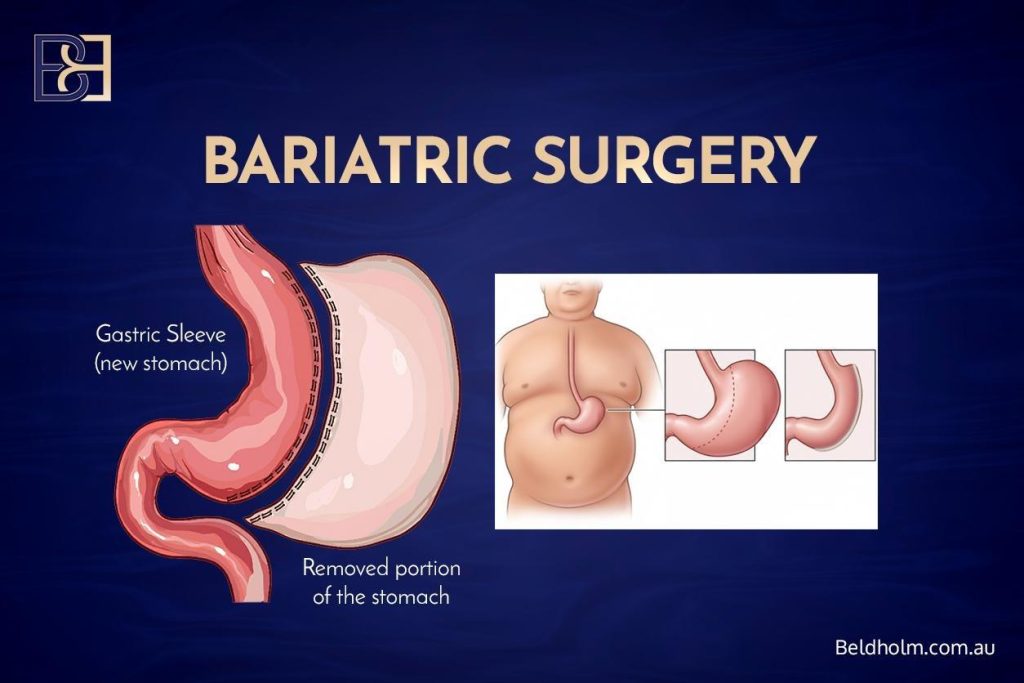
One question I occasionally hear is: “If I absorb less because of my bariatric surgery, won’t I be safer at higher doses?“
It is the wrong way to think about it. The dose I prescribe reflects the dose that overcomes the absorption deficit to deliver adequate tissue levels. It is not a dose based on how much the patient absorbs; it is a dose based on how much the tissue needs.
Toxicity risk is driven by what reaches the liver and tissues over time. If absorption is impaired, tissue levels rise more slowly, but they still rise. Taking too much vitamin A in this setting, through layered dietary supplements or self-adjusted doses, can still produce chronic toxicity because the liver continues to store what reaches it, regardless of the absorption efficiency.
The absolute contraindication: pregnancy
Why it matters so much
This is the single most important safety point in this entire article. High-dose preformed vitamin A is teratogenic. It causes serious birth defects when taken in early pregnancy, particularly during the first trimester (8,11).
The birth defects documented include:
- Craniofacial abnormalities
- Heart defects
- Central nervous system malformations
- Thymus abnormalities
The risk is dose-dependent and well established in the literature. It is not a theoretical concern (8,11).
Who the contraindication applies to
High-dose vitamin A is absolutely contraindicated in:
- Women who are currently pregnant
- Women who are actively trying to conceive
- Women who are not using reliable contraception and could become pregnant during the supplementation window
- Women who could become pregnant in the period immediately after the supplementation window (vitamin A has a long half-life in liver stores) (8)
How this is managed in my practice
Before any woman of reproductive age is commenced on high-dose vitamin A in my practice:
- A pregnancy test (HCG) is documented as negative
- Current contraception is reviewed and confirmed as reliable
- The patient is informed of the teratogenic risk, in clinic and in writing
- Continuation of reliable contraception is expected through the 8-week supplementation window
- The patient agrees to contact my clinic immediately if she suspects a pregnancy during or shortly after the supplementation window
If any of these conditions cannot be met, high-dose vitamin A is not commenced. In that case, the supplementation plan defaults to a standard dose (5,000 to 10,000 IU/day), which is below the teratogenic threshold, or to no vitamin A supplementation pending further review.
Other situations where I hold or modify dosing
Liver disease
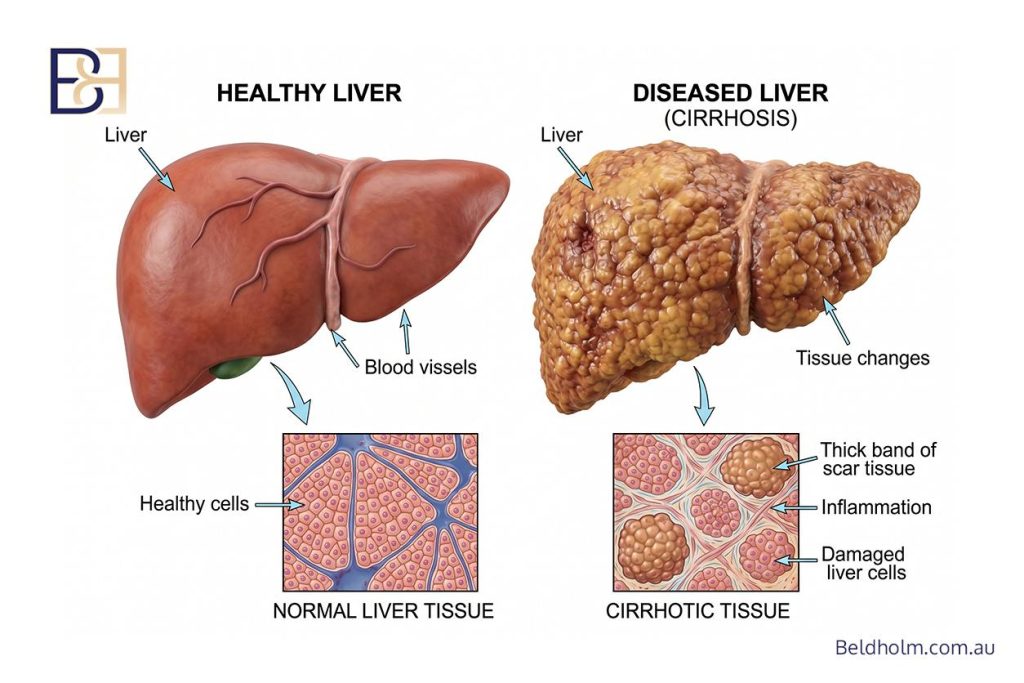
Vitamin A is stored in the liver, and high doses can worsen underlying liver dysfunction. For patients with:
- Known chronic liver disease
- Elevated transaminases on the pre-operative blood panel
- A history of heavy alcohol use
- Non-alcoholic fatty liver disease confirmed on imaging
I will often use standard-dose supplementation rather than high-dose, or hold off entirely and refer for hepatology review first. The extended blood panel includes LFTs for this reason.
Current high-dose vitamin A from other sources
If a patient is already taking:
- A prescription retinoid medication (e.g. for severe acne, psoriasis, or certain haematological conditions)
- A combination supplement with high vitamin A content
- Multiple products with overlapping vitamin A
…I do not layer on additional high-dose vitamin A. The total intake needs to be reviewed and often reduced, and the perioperative plan adjusted accordingly. This is one of the reasons I ask patients to bring their full supplement list to the blood results consultation.
Renal impairment
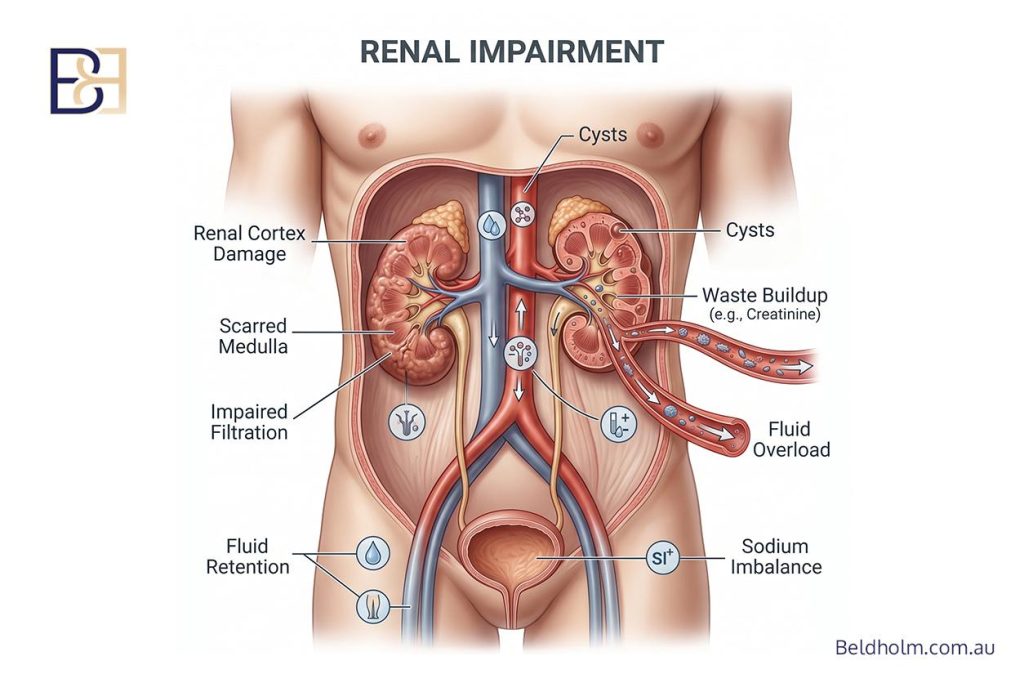
Severe renal impairment can alter vitamin A clearance. For patients with known kidney disease, I adjust the dose or refer to the renal team for advice before commencing high-dose supplementation.
Osteoporosis or high bone turnover

High-dose vitamin A over prolonged periods can raise bone resorption and contribute to osteoporosis (8,11). For patients with established osteoporosis or high bone turnover markers, I prefer the standard dose and limit the supplementation window as much as clinically reasonable.
Interaction with other medications and supplements
Medications to flag
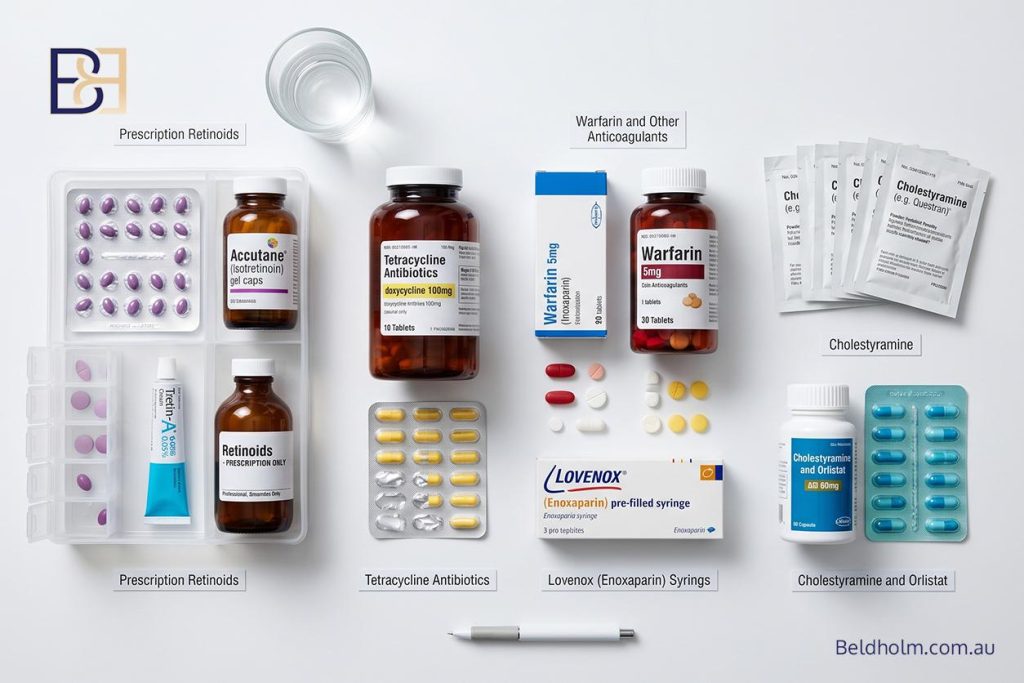
A few medication classes interact with vitamin A in ways I need to know about:
- Prescription retinoids for dermatological conditions: total vitamin A exposure must be reviewed
- Tetracycline antibiotics: combined use can raise intracranial pressure in rare cases
- Warfarin and other anticoagulants: high-dose vitamin A can affect clotting function at extreme doses
- Cholestyramine and orlistat: these drugs reduce fat absorption and therefore vitamin A absorption, which may require dose adjustment
Supplements to flag
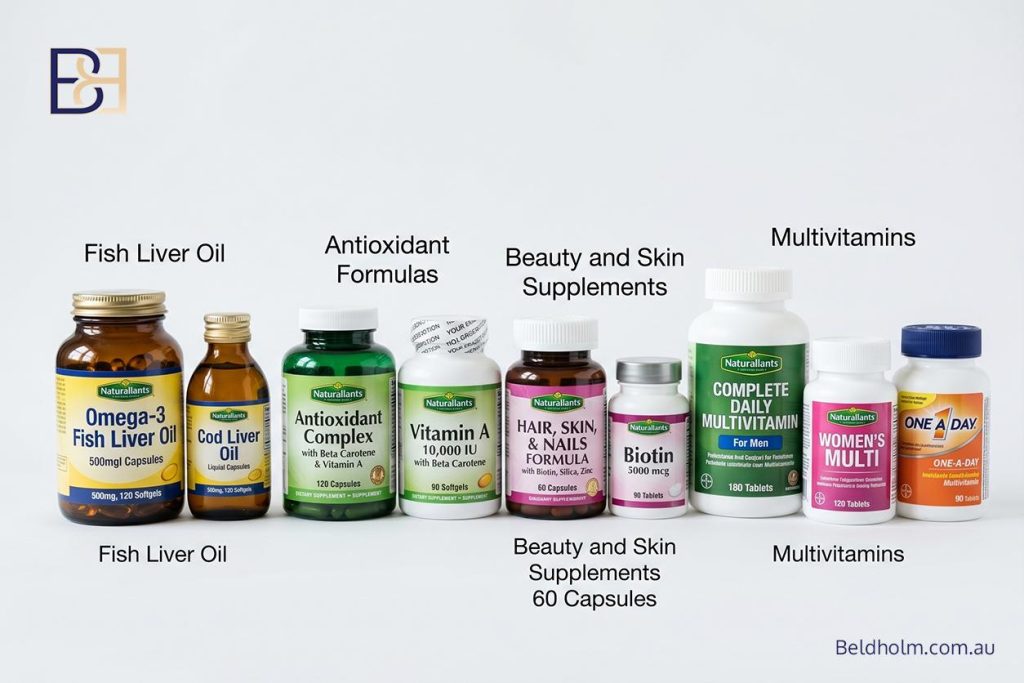
From the supplement side, the key overlaps to watch for are:
- Fish liver oil supplements (often contain substantial vitamin A)
- “Antioxidant formulas” with beta carotene and vitamin A
- Beauty and skin supplements marketed for hair, skin, and nails (frequently high in retinol)
- Multiple multivitamins taken concurrently (stacking is a common issue)
Bringing every bottle to the blood results consultation is the cleanest way to catch these overlaps.
Monitoring during the perioperative window
For patients on the high-dose perioperative regimen, I build in monitoring at defined points:
- Baseline blood panel before commencement (serum retinol, LFTs, calcium)
- Clinical review at the 4-week pre-op mark, including any symptoms of early toxicity
- Clinical review at the 2-week post-op visit
- Repeat blood panel at 6 to 8 weeks post-op, including serum retinol and LFTs
- Any symptom reported by the patient between scheduled reviews gets assessed promptly
Early symptoms of toxicity, particularly headache, nausea, skin dryness, or joint pain, are a prompt to stop the supplement immediately and contact the clinic. These symptoms are uncommon at the 8-week dose in a deficient patient, but they are not impossible, and the protocol is designed to catch them if they develop.
What the patient needs to agree to before starting
The practical agreement between the patient and the clinic before high-dose vitamin A is commenced:
- Take the dose as prescribed, with food, once daily
- Do not self-adjust the dose upward or downward
- Do not double up on missed doses
- Confirm reliable contraception is in place and will remain in place (for women of reproductive age)
- Do not add any other vitamin A or retinoid-containing products without checking with me first
- Report any new symptoms (headache, nausea, skin dryness, joint pain, vision changes) promptly
- Attend the scheduled blood results and follow-up appointments
The bottom line
Vitamin A supplementation at therapeutic doses is a net positive for post-weight-loss body contouring patients with confirmed deficiency. The risk profile is manageable when:
- The indication is documented by a blood test
- The dose is prescribed by a clinician
- The duration is defined and limited
- Pregnancy and other contraindications are excluded
- Monitoring is built in throughout the supplementation window
It becomes unsafe when patients self-prescribe at high doses, ignore the pregnancy contraindication, layer products without reviewing total intake, or continue at high doses beyond the defined window. The entire Tier 2 pathway in my practice is designed to avoid those failure modes.
The next section walks through how this all fits into the actual consultation journey you will experience as a patient, from your first appointment through to long-term follow-up.
How This Fits into Your Pre-Surgery Consultation Journey

Up to this point, this article has covered the “what” and “why” of vitamin A in the context of body contouring surgery. This section covers the “when” and “how”, specifically, how vitamin A testing and supplementation fit into the broader consultation journey that every post-weight-loss patient goes through in my practice. For the post-weight-loss-surgery patient, the decision-making process is shaped by their bariatric history, their current nutritional status, and the findings on the extended blood panel.
Understanding this sequence matters because timing is a key factor in what makes nutritional optimisation work. A patient who starts Tier 2 supplements 4 weeks before surgery will be in a very different position from one who starts the week before.
The standard consultation structure
Two consultations before surgery, minimum
In my practice, every patient has at least two consultations with me before surgery:
- First consultation: history, examination, initial planning, extended blood panel ordered, Tier 1 supplements started
- Blood results consultation (2 to 4 weeks later): results reviewed, Tier 2 supplements started if indicated, surgical planning finalised
Some patients will have additional appointments beyond these two, depending on their complexity, but this is the minimum baseline.
Consultations can be in person, by phone, or by Zoom, depending on what works for the patient.
A separate consultation with the anaesthetist

All post-weight-loss patients also have a separate pre-operative anaesthetic consultation. This is a routine part of my practice and is usually conducted by phone. In-person anaesthetic review before the day of surgery is uncommon.
The anaesthetist:
- Reviews the patient’s medical history
- Discusses any medications, including modern weight loss medications, where relevant
- Plans perioperative medication management
- Takes questions the patient may have about the anaesthetic
The physical examination (including airway assessment) happens on the day of surgery when the patient arrives at the hospital.
What happens at the first consultation
History and examination
The first consultation covers:
- Full medical history, including bariatric surgery history, where relevant
- Weight history, current weight, and how long the weight has been stable
- Current medications and supplements
- Previous surgical history
- Examination focused on the areas being considered for surgery
- Discussion of which procedures are suitable and what the likely approach would be
I walk patients through what body contouring can and cannot achieve. This is a conversation, not a sales pitch. Some patients who come in thinking they want abdominoplasty (tummy tuck) end up planning a body lift (belt lipectomy) instead, because the circumferential loose skin pattern is the bigger issue. Others are told plainly that surgery is not the right next step for them yet.
The blood test request
If we decide to proceed, I will issue a blood test request form at the first consultation.
The extended panel I order for post weight loss patients includes:
- Full blood count, coagulation screen, liver function, electrolytes
- HbA1c, glucose, iron studies
- Vitamins A, B1, B6 (PLP), B12, folate, red cell folate, 25-OH vitamin D, vitamin E
- Minerals: zinc, selenium
- Hepatitis B, Hepatitis C, HIV
- Thyroid function
- Pregnancy test HCG for women of reproductive age
The patient leaves the consultation with:
- The pathology form
- A list of Tier 1 supplements to start immediately (protein, multivitamin, vitamin D3 with K2, vitamin C, zinc)
- Directions to the nearest collection centre
- An instruction to have the blood tests done today or first thing tomorrow
Blood tests are not something to put off. Earlier results mean a faster consultation on blood results and more time to correct any deficiencies before surgery.
Why I start Tier 1 supplements before results are back
Patients sometimes ask why I have them start protein, vitamin D3, and other Tier 1 supplements at the first consultation, before the blood results are even back.
The reasoning:
- The deficiency rates for these nutrients are near-universal in post-weight-loss patients
- The absorption and tissue-level takes weeks
- Waiting for blood results to confirm what we already know would waste 2 to 4 weeks of the perioperative window
Tier 2 supplements, including vitamin A, are the opposite. Those who wait for the blood test.
What happens at the blood results consultation
Timing
The blood results consultation is scheduled 2 to 4 weeks after the first consultation. This is enough time for the pathology results to come back, for me to review them in detail, and for the patient to have settled into their Tier 1 supplement routine.
What we cover
At this appointment, I:
- Walk through each blood test result
- Initiate any Tier 2 supplements where deficiency is confirmed
- Review the patient’s Tier 1 supplement routine, troubleshooting any issues
- Discuss surgical options and timing in more detail
- Answer any questions that have come up since the first appointment
Vitamin A is one piece of this larger picture. If the serum retinol result is low, the Tier 2 vitamin A plan is set at this appointment, including:
- The prescribed dose (standard or perioperative high-dose)
- The products I recommend
- The start date
- Pregnancy test and contraception review for women of reproductive age on high-dose
- The timing of the next review
What happens at 4 weeks before surgery
The checkpoint
Four weeks before the planned surgical date, I confirm:
- Tier 1 supplements are established and being taken consistently
- Tier 2 supplements, including vitamin A if indicated, are in the correct dose and timing
- Protein intake is at the target (80 to 100 g/day whey protein isolate pre-op)
- Fish oil, high-dose vitamin E, ginkgo biloba, and St John’s wort are being tapered or ceased
- BMI and weight have remained stable
Cessations at this point
Fish oil and omega-3 supplements are ceased approximately 1 week before surgery to minimise bleeding risk, and resumed 1 to 2 weeks post-op.
High-dose vitamin E and certain herbal supplements are ceased earlier, at 1 to 4 weeks pre-op depending on the specific product.
If any of these cessations have not been implemented by 4 weeks out, we plan the tapering schedule at this checkpoint.
The day of surgery
Admission to Maitland Private

All surgical procedures are performed at Maitland Private Hospital. On admission:
- Standard ANZCA fasting protocols apply
- The anaesthetist conducts the physical examination, including airway assessment, on the day
- All regular supplements except those specifically ceased (fish oil, high-dose vitamin E, ginkgo) can be taken up to the morning of surgery
- Any questions the patient has get addressed before surgery commences
Continuity from pre-op supplements
The vitamin A supplementation regimen continues through the hospital admission. Perioperative high-dose vitamin A is typically bridged by the patient taking their usual dose the evening before admission, pausing on the morning of surgery as part of the nil-by-mouth protocol, and resuming the day after surgery.
The on-ward dietitian service at Maitland Private can help with supplement timing during admission if the patient wants it.
Post-surgery: the first 4 to 6 weeks
Weeks 1 to 2
This is the critical wound healing window, and the phase most sensitive to nutritional status. During this period:
- I see the patient in clinic for the first post-op review
- All Tier 1 and Tier 2 supplements continue at their current doses
- Protein intake is increased to 1.6 to 3.0 g/kg/day to support wound healing
- Any wound healing concerns are addressed directly
Weeks 4 to 6
At this point:
- Fish oil is resumed
- The perioperative high-dose vitamin A tapers to the standard dose
- Follow-up blood tests are arranged
- The patient is reviewed for overall progress
For patients on modern weight-loss medications, this is the window during which resumption is discussed with their treating team.
The 6 to 8-week follow-up blood panel
What we recheck
At 6 to 8 weeks post-op, a repeat blood panel is arranged. The panel includes:
- Vitamin D
- Iron studies
- Vitamin B12
- Folate
- Serum retinol (if previously deficient and on Tier 2 supplementation)
- Albumin and LFTs if there were any baseline concerns
What we decide
Based on the repeat results:
- If serum retinol has normalised, the high-dose vitamin A supplementation is stepped down or stopped
- If serum retinol remains low despite supplementation, the dose and absorption issues are reviewed
- Any ongoing deficiencies identified are handed over to the GP for long-term management
Handover to the GP
After this 6 to 8 week review, long-term nutritional management transitions to the patient’s GP. For post-bariatric patients, this becomes a lifelong relationship for micronutrient monitoring, independent of the body contouring surgery.
The specifics of who manages what at each stage are covered in detail in the following section.
What the patient needs to do
From the patient side, a clear sense of responsibility through the journey helps:
- Attend both consultations on time
- Have the blood tests done promptly after the first consultation
- Start Tier 1 supplements immediately as instructed
- Take Tier 2 supplements exactly as prescribed, once prescribed
- Bring all current supplements and medications to the blood results consultation
- Attend the 4-week pre-op check and post-op reviews
- Report any new symptoms or concerns promptly
- Attend the 6 to 8 week follow-up blood panel
Body contouring surgery after significant weight loss is a staged, structured process. Vitamin A management is one component of that process, running alongside protein, iron, vitamin D, and everything else that gets optimised in the run-up to surgery.
The next section examines how vitamin A status relates to each of the specific body contouring procedures I perform, as wound-healing considerations differ across procedure types.
Who Manages Vitamin A Supplementation at Each Stage

Nutritional management across body contouring surgery is not a single-person job. Different clinicians are best placed to handle different phases. Vitamin A supplementation specifically passes through two or three sets of hands across the full patient journey, and knowing who owns what at each stage is useful for patients and for good clinical handover. For the post-weight-loss-surgery patient, the involvement of the GP is lifelong; their bariatric anatomy means vitamin A status will need periodic review for the rest of their life.
This section gives a clear, concise version of the role split specifically for vitamin A.
The three roles in the vitamin A pathway
There are three clinicians or clinician groups involved in a post weight loss patient’s vitamin A management across the full journey:
- Dr Beldholm (me) and my clinical team: pre-operative optimisation, in-hospital and early recovery management
- Accredited Practising Dietitian (APD): peri-operative nutritional support where indicated
- General Practitioner (GP): long-term follow-up and lifelong monitoring for post-bariatric patients
The boundaries between these roles are clearest if we walk through them by stage.
Pre-operative phase
Who manages it: Dr Beldholm
From the first consultation through to the day of surgery, vitamin A management sits with me.
This includes:
- Ordering the serum retinol blood test at the first consultation
- Interpreting the result alongside the rest of the extended blood panel
- Deciding on standard dose versus perioperative high-dose based on the result and patient history
- Prescribing the specific product and dose
- Confirming pregnancy test result and contraception for women of reproductive age before commencing high-dose
- Reviewing current supplement use and identifying any stacking issues
- Monitoring for any early toxicity symptoms
Why this sits with me
Vitamin A dosing in the perioperative window is a surgical decision. It requires:
- Understanding of what the wound will demand
- Timing that lines up with the surgical date
- Ability to delay surgery if deficiency cannot be corrected in time
- Coordination with the rest of the perioperative plan
These are not GP-level decisions. They are specific to the surgical pathway and the nutritional science underpinning it.
In-hospital phase

Who manages it: Dr Beldholm and the on-ward dietitian
During admission at Maitland Private Hospital, vitamin A supplementation continues under my direction. The patient:
- Continues the prescribed dose across the admission, bridging around the nil-by-mouth window
- Has access to the on-ward dietitian service if timing or absorption concerns arise
- May bring their own whey protein isolate if preferred, in addition to the hospital menu
The on-ward dietitian at Maitland Private does not take over vitamin A prescribing. Their role is to support overall nutritional intake during the admission, particularly protein and general dietary adequacy. Any changes to the vitamin A plan during admission would be in discussion with me.
Early recovery phase (weeks 1 to 6 post-op)
Who manages it: Dr Beldholm, with dietitian input where indicated
Through the first 4 to 6 weeks post-op, vitamin A supplementation continues under my direction. At this stage:
- Perioperative high-dose vitamin A runs at the prescribed level through the first 4 weeks
- Tapering to the standard dose typically happens around the 4-week mark
- Tier 1 supplements continue as before
- Fish oil is resumed at 1 to 2 weeks post-op
- I review the patient in the clinic at defined post-op intervals
When a Dietitian gets involved
An Dietitian may be brought into the perioperative picture if:
- Albumin was low on the pre-op panel and needed active correction
- The patient is on modern weight loss medications and having difficulty meeting protein targets
- There are specific dietary issues affecting overall intake during recovery
- The patient has benefited from prior Dietitian input and wants to continue
The Dietitian supports dietary intake, protein delivery, and general recovery nutrition. They do not take over vitamin A dosing. That stays with me.
The 6 to 8 week follow-up

Who manages it: Dr Beldholm, arranging the handover
At 6 to 8 weeks post-op, I arrange the follow-up blood panel. This includes:
- Repeat serum retinol if the patient was on Tier 2 vitamin A supplementation
- Repeat vitamin D, iron studies, B12, folate
- Albumin and LFTs were relevant
Based on these results:
- I finalise the vitamin A supplementation plan (continuation at standard dose, stepping down, or ceasing)
- I assemble the full handover package for the patient’s GP
- The patient moves into the long-term management phase
This follow-up panel is the last piece of nutritional management I do routinely for each patient.
The GP has been in the loop from the start
One important point: by the time the formal handover happens at 6 to 8 weeks post-op, the patient’s GP is not seeing the clinical picture for the first time.
In my practice, the GP is copied in on the initial pre-operative blood results when those come back from pathology. The GP therefore has a record of:
- The initial vitamin A status and any other deficiencies identified
- The decision to proceed with body contouring surgery
- The broader nutritional picture at the start of the surgical pathway
This means by the time the handover package arrives, the GP already has context. The handover is confirming a plan, not introducing one.
What the handover package includes
At the 6 to 8 week mark, I send the GP a comprehensive handover package covering:
- A formal handover letter summarising the patient’s pre-operative status, surgery, recovery, and current nutritional plan
- A full copy of the pre-operative blood results (even though the GP was previously copied, these are re-sent for completeness)
- The 6 to 8 week post-operative blood results
- The operation report from the surgical procedure
- A complete record of all supplements prescribed during the perioperative window, including doses and durations for vitamin A and everything else in the Tier 1 and Tier 2 plan
- Any recommendations for ongoing monitoring frequency for post-bariatric patients (typically 6-monthly to yearly, at the GP’s discretion)
- Contact details for my clinic if the GP has any questions or wants to discuss the plan
The goal is for the GP to have every piece of information they need to take over care. No gaps, no chasing down records, no surprises.
Long-term phase (after 6 to 8 weeks post-op)
Who manages it: the GP
From 6 to 8 weeks post-op onward, long-term nutritional management transitions to the GP. For vitamin A specifically:
- If the patient is not post-bariatric and had a one-off deficiency corrected, no long-term vitamin A monitoring is needed
- If the patient is post-bariatric, vitamin A is part of the lifelong nutritional monitoring pathway that already sits with their GP
- The GP adjusts the maintenance dose as needed over time, based on periodic blood tests
The GP takes over with the full handover package (described in the previous section) already on file, including the complete supplementation history, the operation report, and both sets of blood results. No new context is needed at the first GP appointment post-handover.
Why this sits with the GP
Long-term micronutrient management is a GP strength, not a surgeon’s. A GP:
- Sees the patient for routine care over years and decades
- Is better placed to adjust supplementation in the context of other life events (pregnancy, medication changes, weight fluctuation)
- Can order periodic blood tests under routine clinical justification
- Is the appropriate home for the lifelong vitamin A question that post-bariatric patients carry
Once the surgical wound has healed and the perioperative window has closed, vitamin A is no longer a surgical concern. It is a nutritional health concern, and the GP is the right clinician to own it.
A note on the handover
What patients can do to make the handover smooth
The handover package described above goes directly from my clinic to the GP, so patients do not need to personally carry records across. Even so, patients can help by:
- Booking a GP appointment within 4 to 6 weeks of the follow-up blood panel
- Confirming at that appointment that the GP has received my handover letter and the full package (the package should already be on file)
- Letting the GP know which supplements they are currently on (Tier 1 and any residual Tier 2)
- Asking the GP to schedule their next round of monitoring bloods on an appropriate timeline
Most post-bariatric patients already have an established relationship with their GP for nutritional monitoring, so this is often a matter of integration with an existing care pathway rather than setting up a new one.
What this looks like on a single-page summary
For patients who find it useful to visualise the journey:
Phase | Timing | Who manages vitamin A |
|---|---|---|
First consultation + bloods | Day 0 | Dr Beldholm |
Blood results consultation | Week 2 to 4 | Dr Beldholm |
4 weeks pre-op check | 4 weeks before surgery | Dr Beldholm |
Surgery | Day of admission | Dr Beldholm + on-ward dietitian support |
Early recovery | Weeks 1 to 6 post-op | Dr Beldholm (+ Dietitian if indicated) |
Follow-up blood panel + handover | Weeks 6 to 8 post-op | Dr Beldholm arranges, GP receives handover |
Long-term | From week 8 onward | GP |
This is the pattern for almost every post weight loss patient I see. It is structured, defined, and the responsibilities are clear at each stage.
The clinical principle underneath this
The role split exists because different phases of vitamin A management need different clinical strengths. Pre-operative optimisation needs surgical context and timing. In-hospital and early recovery need continuity with the surgical plan. Long-term monitoring needs a clinician who sees the patient regularly and can integrate vitamin A into the broader picture of their health.
Trying to collapse all of these into a single clinician’s job would mean doing at least one of them poorly. Splitting them across three roles, with defined handovers at defined points, keeps each phase of the work in the hands of the clinician best placed to do it well.
The next section looks at how vitamin A status relates to each of the specific body contouring procedures I perform, because the wound healing considerations are not identical across all of them.
Vitamin A Across Body Contouring Procedures
Post weight loss patients come to me for a range of body contouring procedures performed to remove excess skin that remain after significant weight loss. The procedures performed most commonly at my practice are:
- Abdominoplasty (tummy tuck)
- Body lift (belt lipectomy)
- Thighplasty (thigh lift)
- Brachioplasty (arm lift)
- Mastopexy (breast lift)
These reconstructive surgical procedures are considered once a patient has reached a stable weight, generally close to their goal weight, and maintained that weight for at least six months. Surgical intervention before a stable weight is reached or before the patient is meaningfully close to their goal weight carries a higher risk of requiring revision surgery later. The aim of these procedures is to treat excess skin and remove it in the areas most affected by weight loss, not to drive further weight loss. The specifics of each procedure, including incision design, recovery expectations, and patient selection, are covered in the dedicated article for that procedure. This section covers the common question: Does vitamin A matter equally across all these procedures, or does it matter more for some than others?
The short answer
Vitamin A status matters for every single one of these procedures, and my testing and supplementation approach is applied uniformly across all of them.
The serum retinol blood test is ordered in the extended panel for every post-weight-loss patient, regardless of which procedure they are considering. The Tier 2 pathway for deficient patients is the same whether they are having abdominoplasty (tummy tuck), body lift (belt lipectomy), thighplasty (thigh lift), brachioplasty (arm lift), mastopexy (breast lift), or a combination of these.
Why is vitamin A status procedure-agnostic
The reason for the uniform approach is that vitamin A’s role in wound healing is the same regardless of the wound’s location. Earlier in this article, I covered the four key roles vitamin A plays at a surgical wound:
- Keratinocyte turnover for epithelial repair
- Fibroblast activation and collagen synthesis
- Neoangiogenesis (new blood vessel ingrowth)
- Immune response at the wound site
These mechanisms operate at a cellular level. They are not specific to abdominal, breast, or arm skin. Any surgical wound, no matter the location, needs the same biological machinery to close properly, and vitamin A supports that machinery in the same way.
Factors that shift the weighting slightly
That said, there are a few procedure-related factors that can influence how aggressively I want to get vitamin A status right before surgery:
Wound surface area
The larger the total wound surface area, the greater the metabolic demand on the healing process, and the less margin there is for a nutritional deficit. Procedures involving longer or circumferential incisions, or combined procedures in a single operation, are higher-stakes for nutritional status across the board.
Wound location and mechanical load
Scars in locations subject to constant tension or movement need strong collagen from the start. This is relevant across multiple body contouring procedures rather than to any one procedure.
Skin quality
Skin that has already been stretched and lost some of its native elasticity benefits more from every supporting factor during healing, vitamin A included. Post-weight-loss patients have this consideration by definition.
Combined procedures
Many post-weight-loss patients require more than one body-contouring procedure to treat excess skin comprehensively. For patients planning multiple procedures, the decision to stage them separately or combine them in a single operation is made based on operative time, anaesthetic considerations, individual risk factors for deep vein thrombosis (DVT) and patient recovery capacity. I cover how I make these decisions in more detail in the dedicated articles for each procedure and in my article on DVT prevention in body contouring. All patients wear compression garments after surgery as part of the routine post-operative protocol, regardless of the procedure.
Previous surgery, including any prior abdominal surgery, caesarean section, or prior body contouring procedure, is also factored into the planning. Patients with a prior surgery in the same area may have altered anatomy that alters the surgical approach or healing pattern, which is part of why a thorough medical history is taken at the first consultation.
For vitamin A specifically, combined procedures mean:
- The total wound surface area is larger
- Overall nutritional demand during the healing phase is higher
- The consequences of any deficit are amplified across multiple wounds healing simultaneously
This is a group where I am particularly careful to confirm that vitamin A status is optimised before proceeding.
A brief comment on scar quality over time
Patients sometimes ask whether nutritional optimisation in the first 8 weeks post-op affects the final scar appearance months or years down the track. The honest answer is that scar maturation is a long process influenced by many factors:
- Surgical technique and tension at closure
- The patient’s baseline skin type and pigmentation
- Sun exposure during the scar maturation period
- Post-operative scar care (silicone sheets, massage, and so on)
- Individual genetic factors affecting collagen deposition
- Nutritional status through the active healing window
Nutritional status, including vitamin A, is most important during the first 2 to 6 months, when the scar is actively forming. After that, other factors dominate.
Results from body contouring surgery vary between patients, regardless of how well the pre-operative optimisation has been done. Nutritional optimisation removes one of the modifiable factors that can work against a good outcome. It does not guarantee any particular result. It is one of several levers I pull to support healing.
The take-home
Vitamin A is not a procedure-specific concern. It is a post-weight-loss patient concern, and the approach I use is the same whether the patient is having a single procedure or a combined operation:
- Serum retinol was tested as part of the extended panel at the first consultation
- Deficiency identified in the blood results consultation
- Tier 2 supplementation initiated with dosing matched to severity
- Perioperative protocol continued through to the 6 to 8-week follow-up
- Handover to the GP for any long-term monitoring required
The specifics of each procedure are covered in their dedicated articles. Vitamin A management sits alongside those procedures as part of the broader pre-operative nutritional pathway I apply uniformly to this patient group.
The next section covers food sources of vitamin A, and why diet alone will not correct a confirmed deficiency in a post-weight-loss patient.
Food Sources of Vitamin A

Patients sometimes ask whether they can correct a vitamin A deficiency through diet alone, without supplements. The short answer for a post-weight-loss patient with a confirmed deficiency is no. But food sources still play an important role in overall vitamin A status, and getting the dietary picture right is part of the broader nutritional optimisation I encourage.
This section covers the main food sources of vitamin A, how they compare in terms of what they actually deliver, and why diet alone is not enough when a deficiency has been identified on blood testing.
The two types of dietary vitamin A
Preformed vitamin A from animal sources
Preformed vitamin A, as retinol and retinyl esters, is found in:
- Liver (by far the richest source, particularly beef, lamb, and chicken liver). 100 g of cooked beef liver delivers more preformed vitamin A than most people’s weekly requirement in a single serving. Liver is the most concentrated source in the human diet.
- Full-fat dairy products (milk, cheese, yoghurt, butter)
- Eggs, particularly the yolk
- Fish liver oils, especially cod liver oil. Cod liver oil has historically been used as a vitamin A supplement, particularly in children, and a teaspoon of cod liver oil delivers around 1,350 µg RAE of preformed vitamin A along with vitamin D and omega-3 fatty acids. Cod liver oil remains an option for maintenance in patients who prefer a food-derived source, although it is not a substitute for the therapeutic doses used in the perioperative protocol.
- Oily fish such as salmon, mackerel, and sardines (smaller amounts)
- Fortified foods, where vitamin A has been added during manufacturing. In many countries, milk, margarine, and some ready-to-eat breakfast cereals are routinely fortified with vitamin A. These fortified foods make a meaningful contribution to vitamin A intake in the general population, although they are not intended to treat deficiency.
Preformed vitamin A is absorbed and used directly by the body, which makes it the most reliable dietary source, particularly for patients with impaired fat absorption.
Provitamin A carotenoids from plant sources
Provitamin A carotenoids, mainly beta carotene, are found in:
- Sweet potato
- Carrots. Carrot juice is one of the most concentrated provitamin A carotenoids sources available. A cup of carrot juice delivers around 2,200 µg RAE equivalent, although the conversion to active retinol depends on individual absorption. Carrot juice is a convenient way for patients who find whole vegetable intake a challenge (common after bariatric surgery).
- Pumpkin and winter squash
- Dark leafy green vegetables (spinach, kale, silverbeet)
- Capsicum, especially red and orange varieties
- Apricots, mangoes, and rockmelon
- Tomatoes (smaller amounts)
As covered earlier in this article, these foods contribute to vitamin A status, but the conversion to active retinol is variable and inefficient, particularly in post-bariatric patients.
Australian dietary patterns and vitamin A intake
Most Australian adults eating a mixed diet will get enough vitamin A to meet the Australian NRV (Nutrient Reference Value) of 700 to 900 µg RAE per day for normal function. However, “enough to meet the NRV” is not the same as “enough for a post-weight-loss body contouring patient preparing for surgery.”
A few factors affect the picture:
- Reduced food volume in post-bariatric and GLP-1 patients means total intake drops even with a well-chosen diet
- Low-fat dietary patterns common in people managing weight can reduce intake of full-fat dairy, eggs, and oily fish
- Organ meat consumption is low in Australia generally, so liver, the richest dietary source, is a minor contributor for most patients
- Absorption issues after bariatric surgery mean the proportion of vitamin A actually absorbed from food is lower than the label would suggest
For a patient with normal absorption, a balanced diet covers maintenance requirements. For a post-weight-loss patient with a confirmed deficiency, dietary correction alone is not realistic in the 4-week window before surgery.
What a “good” vitamin A day looks like
To give a sense of what it takes to hit meaningful vitamin A intake from food alone, here are some examples of preformed vitamin A content:
- 100 g cooked beef liver: approximately 6,500 to 9,000 µg RAE (well above daily requirements in one serve)
- 1 large egg: approximately 75 µg RAE
- 250 mL full-fat milk: approximately 55 µg RAE
- 30 g cheddar cheese: approximately 80 µg RAE
- 100 g salmon: approximately 50 µg RAE
And from provitamin A sources (carotenoids, converted at roughly 12 to 24:1 to RAE):
- Medium sweet potato (baked, with skin): approximately 1,400 µg RAE equivalent
- Medium carrot (raw): approximately 500 µg RAE equivalent
- 1 cup cooked spinach: approximately 570 µg RAE equivalent
- 100 g pumpkin: approximately 430 µg RAE equivalent
A patient who includes eggs, dairy, a serve of oily fish a few times a week, and regular servings of orange and dark leafy vegetables is likely meeting their dietary vitamin A needs. A patient who is restricting fat, avoiding dairy, and skipping vegetables is not.
Why food alone will not correct a confirmed deficiency
If a blood test shows a post-weight-loss patient has low serum retinol, dietary correction has several limitations:
The absorption gap
Post-bariatric patients absorb only a fraction of the nutrients in food. Even a high-vitamin-A meal, such as a portion of liver, delivers substantially less active retinol to the bloodstream than the label value suggests.
The time frame
Correcting an established deficiency requires delivering a meaningful amount of vitamin A to the liver and tissues over a sustained period. Dietary intake at normal volumes does not provide that level of input within the 4-week perioperative window.
The dose
A therapeutic dose of 25,000 to 50,000 IU/day of preformed vitamin A is roughly 7,500 to 15,000 µg RAE. Matching that from food alone would require eating considerable amounts of liver every day, which is not realistic for most patients and raises practical concerns.
The variability
Food-based vitamin A intake varies day to day depending on what the patient eats. A prescribed supplement delivers a consistent, defined dose. In a perioperative context, that consistency matters.
Where diet still plays a role
Even when a patient is on prescribed vitamin A supplementation, diet remains important for two reasons.
Food provides cofactors
Vitamin A does not work in isolation. Wound healing depends on adequate protein, vitamin C, zinc, iron, vitamin D, and numerous other nutrients. A balanced diet provides broader nutritional support that makes vitamin A supplementation effective, rather than leaving it to work against a backdrop of other deficiencies.
Dietary beta carotene is useful
Beta carotene from food has no toxicity risk and contributes meaningfully to overall vitamin A status over time. For patients who may not want to be on high-dose vitamin A indefinitely, a diet rich in orange vegetables, leafy greens, and other carotenoid sources is a reasonable long-term strategy for maintenance, especially for post-bariatric patients who need lifelong vigilance about vitamin A.
Dietary recommendations I give my patients

For post-weight-loss patients preparing for body contouring surgery, the practical dietary guidance is:
Include preformed vitamin A sources regularly
- Eggs 3 to 7 times a week, including the yolk
- Full-fat dairy products daily if tolerated
- Oily fish 2 to 3 times a week
- Liver once a week if palatable (optional; some patients cannot tolerate the taste or texture, which is fine)
Include plenty of provitamin A vegetables
- A serving of orange or yellow vegetables daily (sweet potato, carrot, pumpkin)
- A serving of dark leafy greens daily (spinach, kale, silverbeet)
- Cook these with some fat (olive oil, butter, avocado) to maximise absorption of the fat-soluble nutrients
Always take supplements with a fat-containing meal
This is repeated advice because it is the single most common reason for suboptimal supplement absorption. Vitamin A supplements, like all fat-soluble vitamin supplements, should be taken with the meal that has the most fat in it, usually the main meal of the day.
Avoid extremely low-fat diets
Low-fat dietary patterns can actively impair the absorption of vitamin A and the other fat-soluble vitamins. For post-weight-loss patients in the perioperative period, adequate dietary fat (from healthy sources such as olive oil, avocado, fish, eggs, and nuts) is part of the optimisation plan, not a concession.
For patients on modern weight loss medications
Patients on modern weight loss medications sometimes find that higher-fat meals trigger nausea or early satiety. For this group:
- Smaller, more frequent meals with moderate fat content may be better tolerated than larger, fatty meals
- Dairy and eggs are often better tolerated than dense meat portions
- Taking the vitamin A supplement with the best-tolerated meal of the day is more important than taking it with the largest meal
- If nausea is preventing adequate fat intake across the day, this is a red flag for nutritional consultation with the Dietitian before surgery
When to involve a dietitian on diet
If a patient has difficulty structuring their diet to include adequate vitamin A and other nutrients, a referral to an Accredited Practising Dietitian is useful. This is particularly common for patients who:
- Have had bariatric surgery and still find food volume a challenge
- Are on modern weight loss medications and struggling with overall intake
- Have particular food aversions or dietary restrictions
- Want professional guidance on optimising their pre-operative nutrition
The Dietitian can build a practical eating plan that fits the patient’s preferences and surgical timeline. This runs alongside the vitamin A supplementation plan, not instead of it.
The bottom line on diet
Food matters for vitamin A status, but food alone cannot correct a confirmed deficiency in a post weight loss patient preparing for body contouring surgery. The realistic strategy is:
- A balanced diet rich in both preformed vitamin A and carotenoid sources
- Prescribed supplementation where the blood test confirms a deficiency
- Adequate dietary fat to support absorption of both dietary and supplemental vitamin A
- Dietitian input where the dietary side needs specific attention
Food is the long-term foundation. Supplementation is the short-term correction. Both have their place, and neither is a substitute for the other.
The next section goes though the most common questions patients ask me in consultation about vitamin A and body contouring surgery.
Frequently Asked Questions
These are the questions I hear most often from post-weight-loss patients in consultation about vitamin A and body contouring surgery. If you are a post-weight-loss surgery patient, specifically, or preparing for body contouring after medical weight loss, the answers below reflect the approach I take in practice. If you have a question that is not covered here, bring it to your consultation.
Do I need to take vitamin A if I’m already on a bariatric multivitamin?
Not necessarily. A good bariatric multivitamin covers maintenance-level vitamin A (typically 3,000 to 5,000 IU/day) for most patients.
The question is whether maintenance-level dosing, with absorption limitations factored in, is keeping your serum retinol in the normal range. The only way to know is with a blood test.
- If the test is normal: your multivitamin is doing its job, and no additional vitamin A is needed.
- If the test is low, Tier 2 supplementation is added to your multivitamin at a therapeutic dose during the perioperative window.
I do not routinely layer high-dose vitamin A on top of a multivitamin. I layer it only when the blood test results indicate it is needed.
Can I use beta carotene supplements instead?
For correcting a confirmed vitamin A deficiency, no.
Beta carotene supplements are not an equivalent substitute for preformed vitamin A. The conversion is variable, the delivered dose of active retinol is unpredictable, and in post-bariatric patients, the conversion efficiency is further reduced. There are also specific concerns with high-dose beta carotene supplementation in current and former smokers.
Dietary beta carotene from food is a different story and has no risk. Eat plenty of leafy greens, carrots, sweet potato, and pumpkin. Do not rely on beta carotene supplements to substitute for prescribed retinyl palmitate during the perioperative window.
What if I’m planning to get pregnant in the next 12 months?
This is an important conversation to have at the blood results consultation.
The short version:
- Standard-dose vitamin A (5,000 to 10,000 IU/day) is not teratogenic and can be taken in the preconception period.
- Perioperative high-dose vitamin A (25,000 to 50,000 IU/day) is teratogenic and absolutely contraindicated in pregnancy or in women who may become pregnant.
If you are planning to conceive within 6 months of surgery, I will generally not commence high-dose vitamin A, even with a confirmed deficiency.
If the deficiency is severe and surgery is clinically important, the alternative is to delay conception plans rather than compromise the supplementation plan. This is a shared decision made with your specific circumstances in mind.
Do I still need the test if I’m not post-bariatric?
Yes, if you have had significant weight loss regardless of the method.
Post-weight-loss body contouring patients, as a group, have higher rates of nutritional deficiencies than the general population, whether the weight loss was due to bariatric surgery, modern weight-loss medications, dietary changes, or a combination. Vitamin A is one of the nutrients I test in every post-weight-loss patient.
Patients with a short-lived or minor history of weight loss who are otherwise well-nourished are less likely to have deficiencies, but the extended blood panel still detects other issues (low vitamin D, low iron, low B12) that are common even without a weight-loss history.
How long before surgery should I start vitamin A supplementation?
The perioperative protocol is 4 weeks before surgery and 4 weeks after surgery, for patients on the high-dose pathway.
If the blood test is run at the first consultation and the results consultation happens 2 to 4 weeks later, there is usually enough lead time to start supplementation 4 weeks before the planned surgery date.
If circumstances mean the supplementation cannot start 4 weeks before surgery, I will often delay the surgery rather than proceed. Correcting the deficiency is a surgical priority, not a tick-box exercise.
For standard-dose supplementation, the 4-week rule is less strict. But the perioperative high-dose window is specifically designed to raise tissue-level vitamin A meaningfully before the surgical insult, and shortcuts reduce its effectiveness.
What if I’ve been taking high-dose vitamin A for years already?
Come with the bottles to the blood results consultation.
There are three possibilities:
- Your serum retinol is normal; the current regimen is working, and we can taper to a maintenance dose during the perioperative window.
- Your serum retinol is elevated: you are at risk of toxicity, and we need to reduce intake, potentially delay surgery until levels normalise.
- Your serum retinol is still low despite the supplement: the absorption is not keeping up with the losses, and we may need to change the form, dose, or delivery method.
Self-prescribed high-dose vitamin A is one of the situations where I am most careful. The blood test tells us where things actually stand, rather than where we think they should be.
Can I take the supplement at any time of day?
Take it with a fat-containing meal once a day, ideally the largest meal of the day.
Vitamin A is fat-soluble. Taking it on an empty stomach or with a fat-free meal significantly reduces absorption. For post-bariatric patients, this absorption hit is compounded by the existing anatomical absorption limitations, so taking the supplement with adequate dietary fat is not optional.
One dose per day is sufficient. Splitting the dose does not help.
What about vitamin A creams and skincare products?
Topical retinoids and retinyl palmitate in skincare products are not the same as oral vitamin A supplementation, and they do not substitute for oral supplementation in correcting a systemic deficiency.
Topical retinoids act locally on skin cell turnover. Oral vitamin A delivers retinol systemically to tissues throughout the body, including wound sites.
A patient using a topical retinol cream has not treated a systemic vitamin A deficiency. The cream has its own benefits for skin quality at a surface level, but it does not correct blood levels.
A separate consideration: patients on prescription topical retinoids for acne, psoriasis, or other dermatological conditions need to factor this in when we discuss total vitamin A exposure. Bring the tube or the script details to the consultation.
Will I need to stay on vitamin A long-term?
It depends on your weight loss history.
For patients without a history of bariatric surgery, vitamin A supplementation is usually a one-off correction during the perioperative window. Once serum retinol has normalised and the wound has healed, no long-term vitamin A is needed. A balanced diet is enough.
For post-bariatric patients, vitamin A is part of the lifelong nutritional monitoring pathway that their GP will manage from 6 to 8 weeks post-op onward. This is not a consequence of the body contouring surgery. It is a consequence of the anatomy of bariatric surgery, which permanently alters fat absorption. Regular blood tests and ongoing maintenance supplementation, titrated to the individual, are part of post-bariatric life.
What if the blood test shows I don’t have a deficiency, but I still want to take vitamin A for healing?
I do not recommend supplementing above the maintenance dose if your serum retinol is normal.
Vitamin A has a toxicity ceiling, and adding high-dose supplementation to a normal baseline can push levels above the therapeutic range without providing any additional healing benefit. Once serum retinol is adequate, more is not better.
The patients who benefit most from perioperative high-dose vitamin A are those starting from a deficient baseline. For patients starting from a normal baseline, the Tier 1 supplements (protein, multivitamin, vitamin D3, vitamin C, zinc) are the levers I use to support wound healing.
What if I have a reaction or side effects from the supplement?
Stop the supplement and contact my clinic.
Most reactions to vitamin A supplements are mild and related to the fat-soluble delivery (fishy aftertaste with fish liver oil softgels, some reflux with high-dose capsules on an empty stomach). These can usually be managed by changing the timing or form.
Genuine toxicity symptoms (persistent headache, nausea, skin dryness and peeling, joint pain, vision changes) are uncommon at the doses used for 8 weeks in a deficient patient, but they are not impossible. Any of these symptoms is a prompt to stop the supplement immediately and contact my clinic for review.
Do not “push through” symptoms. The dosing is designed to be within the specified window, and any signs of intolerance are a signal to adjust.
Who do I contact if I have concerns during the perioperative window?
During business hours, my clinic is the first point of contact for any questions about your vitamin A supplementation or nutritional management.
Outside business hours, Maitland Private Hospital has an experienced nurse available to take calls from my patients. The nurse can provide advice on less urgent concerns, or contact me directly if the issue requires my input. For anything requiring physical assessment, go to your local emergency department. For life-threatening issues, call 000.
Can I just wait and see if I need vitamin A after surgery?
No. Correcting a deficiency after surgery, while the wound is already healing, is too late.
The point of preoperative testing and supplementation is to achieve adequate tissue-level vitamin A before the surgical insult. Post-operative correction can still be useful, but the window when supplementation does the most work is during active wound healing, which starts the moment the first incision is made.
This is why I built the 4-week pre-op window into the supplementation protocol. It is specifically designed so that your body has what it needs when surgery starts, not when surgery ends.
Conclusion
Vitamin A is not a peripheral concern in body contouring surgery after significant weight loss. In the post weight loss surgery patient in particular, where absorption has been permanently altered by the bariatric anatomy, vitamin A is one of the highest-yield nutrients to assess before surgery, because:
- Deficiency rates in post weight loss patients are substantially higher than in the general population
- Deficiency is usually silent on history and examination
- The role vitamin A plays in wound healing touches every major phase of the repair process
- Testing is straightforward, rebatable under Medicare when clinically justified, and delivers a clear, actionable result
- Supplementation, when indicated, is specific in dose, form, timing, and duration
What the article has covered
This has been a long article, and deliberately so. Vitamin A is a nutrient where the biological considerations, and the clinical decisions all matter, and each of them is worth understanding properly.
The key points:
- Vitamin A is a fat-soluble vitamin essential for wound healing, immune function, and skin integrity
- Post weight loss patients are at risk of deficiency through several mechanisms, including altered intestinal anatomy, reduced food volume, and impaired fat absorption
- Serum retinol is the blood test I use, and the Australian reference range is 1.05 to 2.80 µmol/L
- Results are interpreted alongside albumin, because retinol-binding protein levels can affect the reading
- Vitamin A sits in the Tier 2 (blood-guided) category of my practice supplement framework
- Standard-dose supplementation is 5,000 to 10,000 IU/day of retinyl palmitate for mild deficiency
- Perioperative high-dose supplementation is 25,000 to 50,000 IU/day of retinyl palmitate for 4 weeks before and 4 weeks after surgery, in post-bariatric patients with confirmed moderate to severe deficiency
- High-dose vitamin A is absolutely contraindicated in pregnancy
- Beta carotene supplements are not an equivalent substitute for preformed vitamin A in the perioperative window
- Food is the long-term foundation; supplementation is the short-term correction
The structured pathway
Every post weight loss patient who comes to me for body contouring surgery moves through a defined sequence for vitamin A:
- First consultation: extended blood panel ordered, including serum retinol. Tier 1 supplements started.
- Blood results consultation (2 to 4 weeks later): results reviewed. If vitamin A is low, Tier 2 supplementation is initiated with a dose matched to severity and surgical timeline.
- 4 weeks before surgery: supplementation confirmed as running at the correct dose. Cessation of fish oil and high-dose vitamin E is scheduled.
- Day of surgery: admission to Maitland Private Hospital. On-ward dietitian available. Supplements continue around the nil-by-mouth window.
- Weeks 1 to 6 post-op: supplementation continues under my direction. Dietitian input where indicated.
- 6 to 8 weeks post-op: follow-up blood panel arranged. Vitamin A status reviewed. Comprehensive handover package sent to the GP.
- After 8 weeks: long-term nutritional management transitions to the GP. For post-bariatric patients, this is a lifelong relationship.
This sequence does not depend on how a patient feels about their nutritional status. It depends on what the blood test shows and on the structured, time-bound plan that follows.
The broader point
Body contouring surgery after significant weight loss is a significant intervention. It involves long incisions in skin that has already been through substantial change, and the healing demands on the body are considerable.
Every component of pre-operative optimisation I do is there to give the body the best starting position for that healing. The blood panel, the Tier 1 and Tier 2 supplements, the nutritional counselling, the weight stability requirements, the dietitian referrals where needed, all of it serves that single purpose.
Vitamin A is one component of that broader plan. It is not the most important nutrient in isolation; protein and vitamin D arguably deserve that title. But it is one of the most clearly actionable nutrients, because the test is specific, the treatment is defined, and the evidence base is robust.
Patients who engage with this process, do the blood test promptly, take the supplements as prescribed, and come to their appointments on time are setting themselves up for the best possible starting position for surgery. Results from body contouring surgery vary between patients regardless of how well the pre-operative work has been done, but the pre-operative work meaningfully changes what the body has available to work with during recovery.
For patients considering body contouring surgery
If you are a post-weight-loss patient considering body contouring surgery, my recommendation are: treat the nutritional workup as seriously as you treat the surgical decision. They are not separate issues. The same patient, on the same day, having the same procedure, will have a different recovery depending on whether their vitamin A and other nutritional markers are within the desired range.
The test is a blood draw. The treatment, if needed, is a daily capsule with food. The pathway is structured, time-bound, and straightforward.
It is one of the easier things a patient can do to help their own outcome, and it is one of the most useful things I can check before agreeing to proceed with surgery.
A final note
Every patient considering body contouring surgery after significant weight loss has already done substantial work to get to the point of this consultation. The weight loss itself was the hard part. What I offer from there is the structured, evidence-based process of getting their body ready for surgery, performing the surgery, and supporting recovery.
Nutrition is not an afterthought in that process. It is the foundation on which the surgical work is built. Vitamin A is one piece of that foundation, and it is one worth getting right.
The consultation journey starts with an initial appointment. At that appointment, we walk through your history, examine the areas you want treated, and decide together whether and how to proceed. If we do proceed, the blood test request is in your hands by the end of the appointment, and the vitamin A pathway begins from there.
Closing thought
Thank you for taking the time to read this article. If you have questions about vitamin A, the broader nutritional workup, or body contouring surgery after weight loss, bring them to your consultation. A well-informed patient is the patient I can help most effectively.
References
- Agha-Mohammadi S, Hurwitz DJ. Nutritional deficiency of post-bariatric surgery body contouring patients: what every plastic surgeon should know. Plast Reconstr Surg. 2008;122(2):604-13.
- Agha-Mohammadi S, Hurwitz DJ. Potential impacts of nutritional deficiency of postbariatric patients on body-contouring surgery. Plast Reconstr Surg. 2008;122(6):1901-14.
- Agha-Mohammadi S, Hurwitz DJ. Enhanced recovery after body-contouring surgery: reducing surgical complication rates by optimizing nutrition. Aesthetic Plast Surg. 2010;34(5):617-25.
- Austin RE, Lista F, Khan A, Ahmad J. The impact of protein nutritional supplementation for massive weight loss patients undergoing abdominoplasty. Aesthet Surg J. 2016;36(2):204-10.
- Makarawung DJS, Al Nawas M, Smelt HJM, Monpellier VM, Wehmeijer LM, van den Berg WB, et al. Complications in post-bariatric body contouring surgery using a practical treatment regime to optimise the nutritional state. JPRAS Open. 2022;34:91-102.
- Vitagliano T, Garieri P, Lascala L, Ferro Y, Doldo P, Pujia R, et al. Preparing patients for cosmetic surgery and aesthetic procedures: ensuring an optimal nutritional status for successful results. Nutrients. 2023;15(2):352.
- Mehta M, Rometo D, Gusenoff J, Rubin JP. Nutritional challenges in post-massive weight loss body contouring: guidance for plastic surgeons on GLP-1 agonists and sleeve gastrectomy. Plast Reconstr Surg. 2025 (Advance Online). doi:10.1097/PRS.0000000000012672.
- Debelo H, Novotny JA, Ferruzzi MG. Vitamin A. Adv Nutr. 2017;8(6):992-4.
- Omenn GS, Goodman GE, Thornquist MD, Balmes J, Cullen MR, Glass A, et al. Effects of a combination of beta carotene and vitamin A on lung cancer and cardiovascular disease. N Engl J Med. 1996;334(18):1150-5.
- The Alpha-Tocopherol, Beta Carotene Cancer Prevention Study Group. The effect of vitamin E and beta carotene on the incidence of lung cancer and other cancers in male smokers. N Engl J Med. 1994;330(15):1029-35.
- Parrott J, Frank L, Rabena R, Craggs-Dino L, Isom KA, Greiman L. American Society for Metabolic and Bariatric Surgery integrated health nutritional guidelines for the surgical weight loss patient 2016 update: micronutrients. Surg Obes Relat Dis. 2017;13(5):727-41.
- Mechanick JI, Apovian C, Brethauer S, Garvey WT, Joffe AM, Kim J, et al. Clinical practice guidelines for the perioperative nutrition, metabolic, and nonsurgical support of patients undergoing bariatric procedures – 2019 update. Surg Obes Relat Dis. 2020;16(2):175-247.