Quick Reference Summary
What folate does: Folate (vitamin B9) is a water-soluble B vitamin essential for DNA synthesis, healthy red blood cell production, and the metabolism of homocysteine. Folate works alongside vitamin B12 and vitamin B6 to keep homocysteine levels in a healthy range. When folate is low, homocysteine rises. Elevated homocysteine levels are associated with endothelial damage and a prothrombotic state. This makes folate status directly relevant to surgical fitness in patients undergoing body contouring. That said, the largest randomised controlled trials have not shown that lowering homocysteine with B vitamin supplementation prevents blood clots. The clinical value of correcting folate deficiency lies in its direct effects on wound healing, red blood cell formation, and overall metabolic health, not in the homocysteine number itself.
Why post-weight-loss patients are at risk: Folate deficiency is common after bariatric surgery. Reported rates range from 10 to 38% after Roux-en-Y gastric bypass and 5 to 15% after sleeve gastrectomy. Malabsorption, reduced dietary intake, and restrictive eating patterns all contribute. Australia’s mandatory folic acid fortification of bread-making flour (since 2009) provides a baseline, but it is not enough to protect post-bariatric patients from deficiency. Folic acid supplementation is required.
Blood test: Serum folate (MBS item 66542) and red cell folate are both ordered on the first pre-operative blood panel. Medicare rebatable with clinical criteria including anaemia, suspected deficiency, malabsorption, or pregnancy. Australian reference range: serum folate normal is above 10 nmol/L, deficiency below 7 nmol/L; red cell folate reference range 360 to 1400 nmol/L. Australian labs report folate in nmol/L, not ng/mL as used in some overseas references.
Disclaimer: Operation performed by Dr Bernard Beldholm. Adult content: surgery has risks; individual results vary. Seek a second opinion. Please see the full disclaimer.

Homocysteine test: Total homocysteine (MBS item 66839). This is a restricted Medicare item. From July 2025, homocysteine is only rebatable as a reflex test when ordered in the same episode as vitamin B12 (item 66838) and the B12 result is inconclusive or abnormal. Standalone homocysteine testing for DVT risk assessment is not currently Medicare rebatable. Private cost is approximately 30 to 60 Australian dollars. Normal homocysteine is below 15 µmol/L. Borderline elevated is 15 to 30 µmol/L. Elevated is above 30 µmol/L.
Standard supplementation (maintenance): 400 to 800 mcg/day folic acid or methylfolate. Women of reproductive age: 800 to 1000 mcg/day. Deficiency repletion: 1 to 5 mg/day under clinical supervision.
Australian supplement brands:
- Blackmores Folate 500mcg (folic acid, 90 tablets). Available at Chemist Warehouse, Priceline, and Amcal
- Metagenics Metagen Activated B’s and Folate (contains 5-MTHF methylfolate plus activated B12 and B6, 60 capsules). Available through practitioner dispensaries and selected pharmacies. This is the activated B-complex I prefer for patients with known or suspected MTHFR gene variants
- BioCeuticals MTHF (L-5-methyltetrahydrofolate, available in 500mcg and 1000mcg strengths). Available through practitioner dispensaries
Key cautions: High-dose folic acid supplementation (above 1 mg/day) can mask vitamin B12 deficiency by correcting the anaemia while neurological damage continues. Always check vitamin B12 status before starting high-dose folic acid. Do not self-adjust the dose. Folic acid supplements and methylfolate supplementation should be guided by your treating clinician based on blood test results.
Table of Contents
Introduction
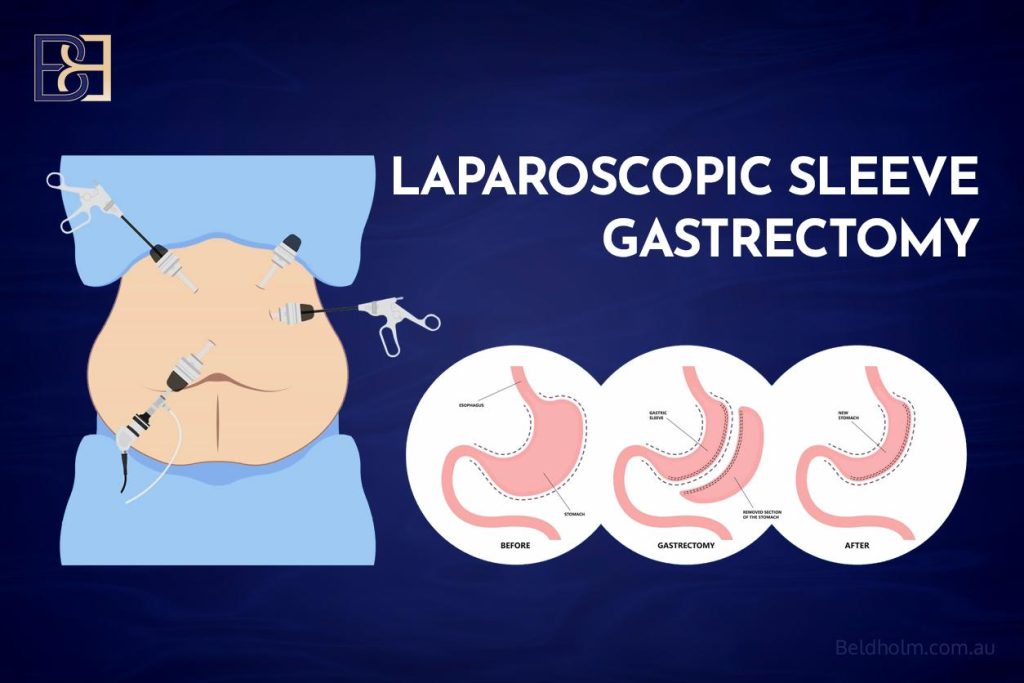
Most patients who come to see me for body contouring after significant weight loss have already put in years of effort. They have lost a large amount of weight, often through sleeve gastrectomy or Roux-en-Y gastric bypass, and they are now left with loose skin that does not reflect the work they have put in.
What many of these patients do not realise is that their weight loss journey may have created nutritional gaps that affect surgery. Folate deficiency and vitamin B12 deficiency are common in this group. When these B vitamins are low, an amino acid called homocysteine starts to accumulate in the blood. Elevated homocysteine levels have been linked to deep vein thrombosis (DVT), a serious blood clot that can form in the legs after surgery.
This is where the story gets more complicated than most health websites suggest.
Observational studies consistently show that patients with elevated homocysteine levels have higher rates of blood clots. That association is real. But the largest randomised controlled trials have tested whether lowering homocysteine with folic acid and other B vitamins actually prevents DVT. Both found that it does not. B vitamin supplementation lowers the homocysteine level. The clot rate stays the same.
That leaves patients and clinicians with a harder question. If lowering homocysteine itself does not prevent clots, why do I still test for it? Why do I still correct folate deficiency, vitamin B12 deficiency, and vitamin B6 deficiency before body contouring surgery?
The short answer is that the deficiencies themselves matter, independently of the homocysteine number. Folate deficiency impairs DNA synthesis and the production of healthy red blood cells. Vitamin B12 deficiency causes megaloblastic anaemia and, if left untreated, neurological damage. Vitamin B6 deficiency disrupts collagen cross-linking, which is essential for wound healing after abdominoplasty (tummy tuck), body lift (belt lipectomy), thighplasty (thigh lift), or other extended body-contouring procedures.
The homocysteine test is the signal that tells me these metabolic pathways are not functioning properly. It is a diagnostic tool, not a treatment target. I correct the underlying B vitamin deficiencies for their own clinical merit.
What This Article Covers
This article explains the relationship among folate, folic acid, homocysteine, and DVT risk in the context of post-weight-loss body-contouring surgery. It is written for patients considering surgery with me, and reflects how I actually manage these issues in my practice.
The article covers:
- How I work with post-weight-loss patients before surgery, including the consultation structure
- Why DVT risk matters in this patient group and how I assess it
- How folate, vitamin B12, and vitamin B6 work together to clear homocysteine from the blood
- Why folate deficiency and other B vitamin deficiencies are so common after bariatric surgery
- What the MTHFR gene variant means for folate absorption
- The difference between folic acid and methylfolate (5-MTHF)
- How I test for and manage elevated homocysteine levels before surgery
- Where all of this fits into the broader DVT prevention strategy I use for every patient
Results vary between patients. This article is general information only, and individual assessment during consultation is what determines the right approach for your circumstances.
How I Work With Post-Weight-Loss Patients Before Surgery
Before I go any further into folate, homocysteine, and DVT, it helps to understand how I structure the lead-up to body contouring surgery. The nutritional work does not happen in a single appointment. It unfolds across a series of consultations, and the timing matters.
Consultations Before Surgery

I see every post-weight-loss patient at least twice before surgery, and often more. Some consultations are in person at my rooms, others can be by phone or Zoom. The structure gives us enough time to assess your nutritional status, act on the results, and build the supplementation plan you need to enter surgery in the best possible condition.
First consultation. At this appointment, I take a full history, examine you, and discuss your goals for body contouring. You leave with:
- A blood test request form covering the pre-operative panel I order for all post-weight-loss patients
- A list of Tier 1 supplements to start immediately, without waiting for results
- My pre-surgery nutrition guide
- Directions to the nearest blood collection centre
I ask patients to have the blood tests done that day or the next. Early testing means we have results in hand well before the next appointment.
Blood results consultation. This happens two to four weeks after the first appointment. I review the extended blood panel with you in detail. If any deficiencies are confirmed, we add Tier 2 supplements to treat them. I answer any questions about the surgery itself, and my patient coordinator is available to help with dates and quotes.
Additional consultations as needed. Some patients need a further review, particularly if we identify a significant deficiency that requires a recheck before surgery can be scheduled. For folate, vitamin B12, or vitamin B6 issues, a 4 to 6-week recheck is often appropriate to confirm levels have normalised.
The Pre-Operative Anaesthetic Consultation

All post-weight-loss patients also have a separate anaesthetic consultation before surgery. This is a routine part of my practice. The vast majority of these consultations are done by phone. It is rare for my anaesthetist to need to see a patient in person before the day of surgery.
This consultation gives you the opportunity to discuss your anaesthetic, medical history, and any medications you are taking directly with your anaesthetist. The anaesthetist reviews your medical history and determines perioperative medication management, including any GLP-1 medications you may be taking. Current Australian anaesthetic guidance does not recommend routine cessation of GLP-1 medications before surgery, but decisions about perioperative management sit with your anaesthetist.
Physical examination, including airway assessment, is typically done on the day of surgery when you come in.
Tier 1 and Tier 2 Supplementation
My supplementation framework is built around two tiers.
Tier 1 supplements go to every post-weight-loss patient, regardless of blood results. This is based on clinical evidence of near-universal nutritional gaps in this population. Tier 1 includes whey protein isolate, a complete multivitamin, vitamin D, and vitamin C, among others. These are commenced at the first consultation and continued through the perioperative period.

Tier 2 supplements are added only when blood testing confirms a specific deficiency. Folate sits in Tier 2. Vitamin B12 and vitamin B6 supplementation beyond what is covered in a multivitamin also sits in Tier 2. If blood tests show adequate folate, I do not add a separate folate supplement. If they show a deficiency, I add the right form at the right dose, and we recheck after 4 to 6 weeks.
This is why the discussion of homocysteine in the rest of this article falls within the Tier 2 framework. Homocysteine is a reflex test that I order only when folate or vitamin B12 comes back low or borderline, and it directly informs which Tier 2 supplements a patient receives.
Who Manages What
Nutritional management does not begin and end with me. It is a shared responsibility across several clinicians, and the split matters.
My role is pre-operative optimisation. From the first consultation through the immediate perioperative period, I assess your nutritional status, order the preoperative blood panel, initiate Tier 1 supplements, identify deficiencies, and prescribe Tier 2 supplementation as needed. This is where folate, vitamin B12, vitamin B6, and homocysteine sit in my workflow.
A dietitian handles perioperative nutritional management. Maitland Private Hospital has an on-ward dietitian service and a range of protein supplements and dietary aids available during admission. Hospital meals are designed for a general inpatient population, so I frequently arrange a dietitian review during your admission to optimise recovery. If a specific nutritional concern arises in early recovery, the dietitian is the appropriate point of contact.
Your GP handles long-term nutritional management. After the perioperative window closes, nutritional follow-up transitions back to your GP. For post-bariatric patients, lifelong nutritional follow-up is GP-led. This includes the 6- to 8-week post-operative blood panel (covering vitamin D, iron studies, vitamin B12, and folate) to confirm your levels remain stable after surgery.
Keeping the roles clear stops things falling through the gaps. Folate status, vitamin B12, and homocysteine are not one-off measurements taken at the first appointment and forgotten. They require ongoing monitoring, and the GP is best placed to manage that over the years that follow.
Why DVT Risk Matters in Body Contouring After Significant Weight Loss
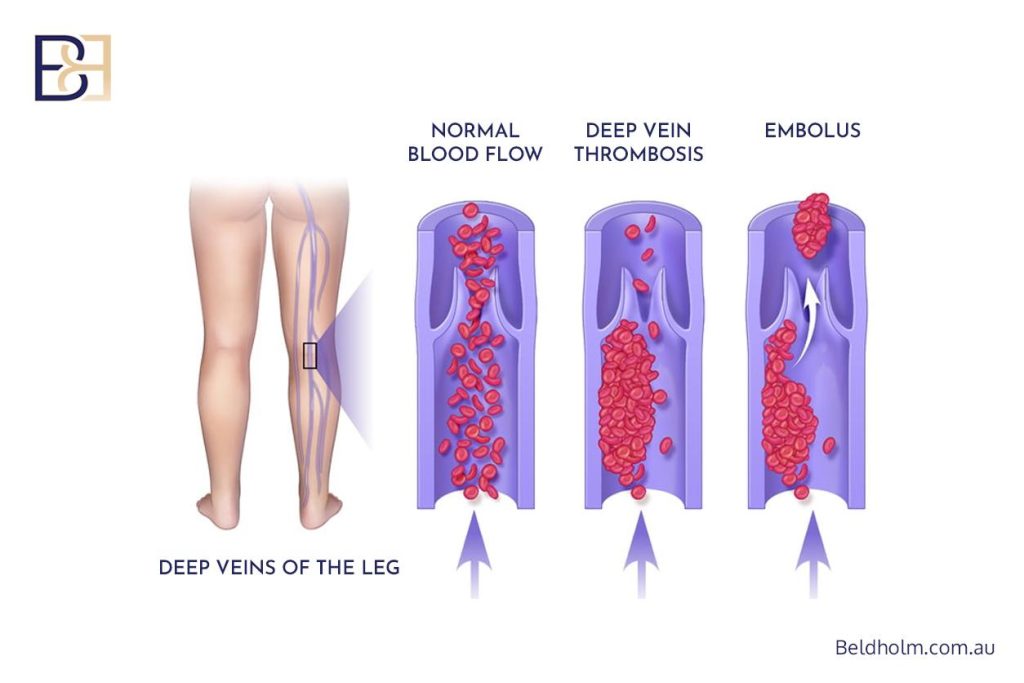
Deep vein thrombosis is one of the most serious risks I manage in body contouring surgery. The reason folate, vitamin B12, and homocysteine levels matter in this article is that they sit within the broader picture of DVT risk in post-weight-loss patients. Before we get into the nutrition, it helps to understand the risk profile.
What Is DVT, and Why Is It Relevant to Body Contouring?
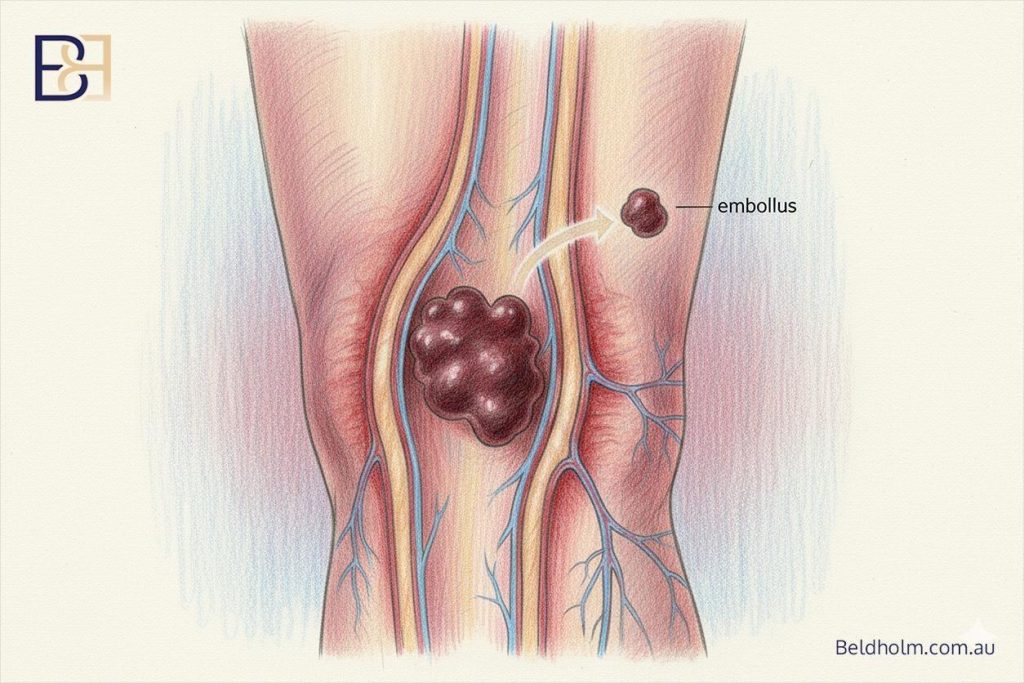
A deep vein thrombosis occurs when blood clots form in the deep veins of the legs. Most DVTs cause local symptoms such as swelling, pain, warmth, or redness in the affected leg. The more dangerous scenario is when a clot breaks loose and travels to the lungs. This is called a pulmonary embolism, and it can be life-threatening.
Together, DVT and pulmonary embolism are grouped under the term venous thromboembolism, or VTE.
In the general population of patients undergoing body contouring, the reported incidence of VTE is approximately 1-2% (1). Published data from a UK series of 135 body contouring procedures in post-weight-loss patients, with full prophylaxis in place, reported a VTE rate of 0.74% (1). These figures are low in absolute terms. But in post-bariatric patients, the risk profile carries layered factors that most other surgical patients do not have.
Why Post-Weight-Loss Patients Carry Layered DVT Risk
Patients presenting for body contouring after significant weight loss typically bring several overlapping risk factors to the operating theatre:
- Residual body weight. Many patients still sit above the published ideal BMI range at the time of surgery. Increased body weight is a well-recognised risk factor for venous thrombosis (2).
- Prior abdominal surgery. Bariatric procedures such as sleeve gastrectomy and Roux-en-Y gastric bypass involve significant intra-abdominal surgery. A history of major surgery is itself a recognised VTE risk factor.
- Nutritional deficiencies. Folate deficiency, vitamin B12 deficiency, and vitamin B6 deficiency are common after bariatric surgery. These deficiencies impair the production of healthy red blood cells and can elevate homocysteine levels. This is the nutritional link that the rest of this article is built around.
- Longer operative times. An abdominoplasty (tummy tuck) typically takes at least three hours. A body lift (belt lipectomy) can take considerably longer. Total anaesthetic time exceeding 90 minutes is a recognised risk factor for DVT.
- Reduced mobility after surgery. Patients are less active in the first few days of recovery. Reduced movement slows blood flow in the legs, which increases the risk of blood clots forming.
None of these factors on their own is necessarily a reason to refuse surgery. Taken together, they create a risk picture that I assess individually for each patient.
A Practical Note on BMI

BMI is used as a shortcut for patient selection, but in this patient group, it is a rough measure rather than a hard cut-off. It has to be taken in a clinical context.
A bodybuilder with a BMI above 30 may have very little excess fat and excellent muscle mass. They can be an excellent candidate for body contouring. A post-weight-loss patient with a BMI of 30 who is in a catabolic state with reduced muscle mass may not be, even though their BMI number looks more reassuring.
This is why nutritional status matters so much in my pre-operative assessment. A patient with adequate protein intake, corrected vitamin deficiencies, and stable weight is in a different position from a patient with the same BMI who is still losing weight or has unaddressed nutritional gaps. DEXA body composition scans can be useful in selected cases, but are not routine in my practice.
The published BMI ideal range of 18.5 to 24.9 serves as guidance in my decision-making. It is one input. Weight stability, muscle mass, and nutritional status are other factors.
Procedure-Specific DVT Risk
Not all body contouring procedures carry the same DVT risk. The risk profile varies with operative time, surgical site, and patient positioning.
Abdominoplasty (tummy tuck) is an abdominal procedure with moderate DVT risk. Operative times of three hours or more are typical, and the tissue dissection involved means reduced early mobility compared to shorter procedures.

Body lift (belt lipectomy) carries a higher DVT risk. It involves circumferential dissection around the trunk and lower body, longer operative times, and pelvic involvement.

Thighplasty (thigh lift) involves direct surgery on the lower limbs. Patient positioning during the procedure can compress deep veins, and the surgical site itself is on the legs where DVTs typically form. Both of these factors increase the risk profile.

Brachioplasty (arm lift) is a lower-risk procedure in terms of DVT because it involves the upper limbs, operative time is shorter, and early mobility is less affected. However, the overall DVT risk assessment still applies in patients with multiple other risk factors.

When multiple procedures are combined in a single operating session, cumulative operative time increases. The decision to combine or stage procedures is something I work through with the patient during consultation, taking the full risk picture into account.
How I Assess DVT Risk
I do DVT risk stratification myself for every patient. It is not shared with the anaesthetist, and it is not a routine calculation with a single cut-off. I take into account a range of patient-specific factors (age, body weight, medical history, previous surgery, current medications, smoking status, nutritional status and blood test results, including elevated homocysteine levels) alongside procedure-specific factors (procedure type, operative time, surgical positioning, and planned length of stay).
From this assessment, I decide what thromboprophylaxis is appropriate. That includes intra-operative compression devices, graduated compression stockings, early mobilisation protocols, and in some patients, low-molecular-weight heparin. The specific plan varies patient by patient. It is my decision as the treating surgeon, informed by the evidence and the patient’s individual profile.
The detailed DVT risk stratification and prevention framework I use, including the specific factors and thromboprophylaxis decisions, is covered in a separate article. For the rest of this piece, what matters is that nutritional status, including folate, vitamin B12, vitamin B6, and homocysteine levels, is one of the inputs I consider when assessing a patient’s DVT risk.
How Folate, B12, and Homocysteine Are Connected
To understand why I test for folate and homocysteine before body contouring surgery, it helps to see how these three molecules interact. The story is not folate alone. It is folate, working together with vitamins B12 and B6, that keeps an amino acid called homocysteine in check.
The B Vitamins Involved
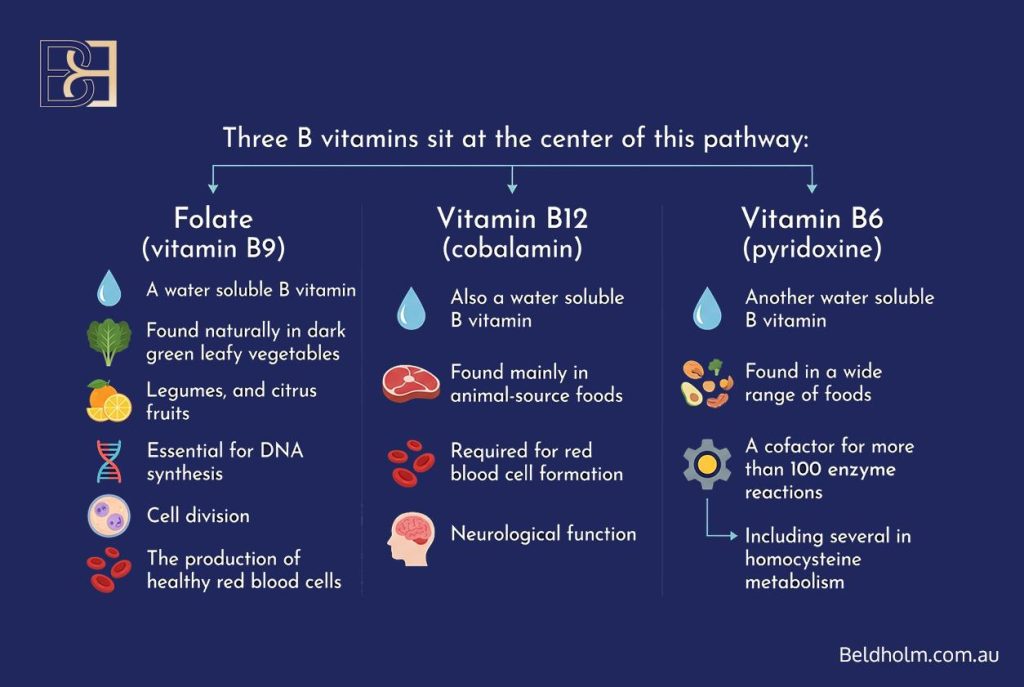
Three B vitamins sit at the centre of this pathway:
- Folate (vitamin B9). A water-soluble B vitamin found in dark green leafy vegetables, legumes, and citrus fruits. Folate is essential for DNA synthesis, cell division, and the production of healthy red blood cells.
- Vitamin B12 (cobalamin). Also, a water-soluble B vitamin, found mainly in animal-source foods. Vitamin B12 is required for red blood cell formation and neurological function.
- Vitamin B6 (pyridoxine). Another water-soluble B vitamin, found in a wide range of foods. Vitamin B6 is a cofactor for more than 100 enzyme reactions, including several in homocysteine metabolism.
These three B vitamins do not work in isolation. They each play specific roles in the same metabolic pathway.
A Brief Note on Homocysteine Before We Go Further
Homocysteine is an amino acid produced as a normal byproduct of protein metabolism. It is not something you eat. Your body makes it and clears it continuously, as long as the clearance pathways are working. When those pathways fail, homocysteine rises. The full picture of what homocysteine is and how it damages blood vessels is covered later in this article. For now, what matters is how the clearance pathways work.
The Three Pathways That Clear Homocysteine

Your body clears homocysteine through three routes, each dependent on specific B vitamins (3).
Remethylation pathway. This is the primary clearance route. Homocysteine is converted back to methionine, the amino acid it originally came from. This reaction requires folate (as 5-methyltetrahydrofolate) to donate a methyl group, and vitamin B12 as a cofactor for the enzyme methionine synthase. If either folate or vitamin B12 is low, this pathway slows down.
Transsulfuration pathway. Homocysteine is converted to cysteine, which is then used to produce glutathione, an important antioxidant for tissue repair. This reaction depends on the enzyme cystathionine beta-synthase, which uses vitamin B6 (in its active form, pyridoxal-5-phosphate) as a cofactor. If vitamin B6 is low, this pathway slows down.
Betaine pathway. Homocysteine can also be remethylated to methionine using betaine, a compound derived from choline. This pathway operates primarily in the liver and kidneys and is less affected by B-vitamin status. It serves as a backup when the remethylation pathway is under strain.
The remethylation and transsulfuration pathways together account for most homocysteine clearance in healthy adults. When folate, vitamin B12, or vitamin B6 is deficient, the corresponding pathway slows, and homocysteine accumulates.
The Clinical Picture in Post-Weight-Loss Patients
The clinical relevance matters here.
In post-bariatric patients, vitamin B deficiency is common. Folate deficiency, vitamin B12 deficiency, and vitamin B6 deficiency all occur at higher rates in this population than in the general public. The reasons include malabsorption after Roux-en-Y gastric bypass or sleeve gastrectomy, reduced dietary intake, restrictive eating patterns, and the cumulative effect of years of calorie restriction during weight loss.
When these B vitamins are low, the homocysteine clearance pathways start to fail. Homocysteine rises. The patient arrives at my clinic for body contouring assessment with an elevated homocysteine result that flags a set of underlying B vitamin deficiencies I need to treat before surgery.
The homocysteine number itself does not tell me which B vitamin is the problem. It tells me one or more of the folate, vitamin B12, or vitamin B6 pathways is not functioning properly. To work out which, I look at the individual vitamin levels alongside the homocysteine result.
In most post-bariatric patients, elevated homocysteine is driven by folate deficiency, vitamin B12 deficiency, or both. Vitamin B6 deficiency is the next consideration if homocysteine remains elevated after adequate folate and vitamin B12 levels are confirmed.
What Is Folate? What Is Folic Acid?
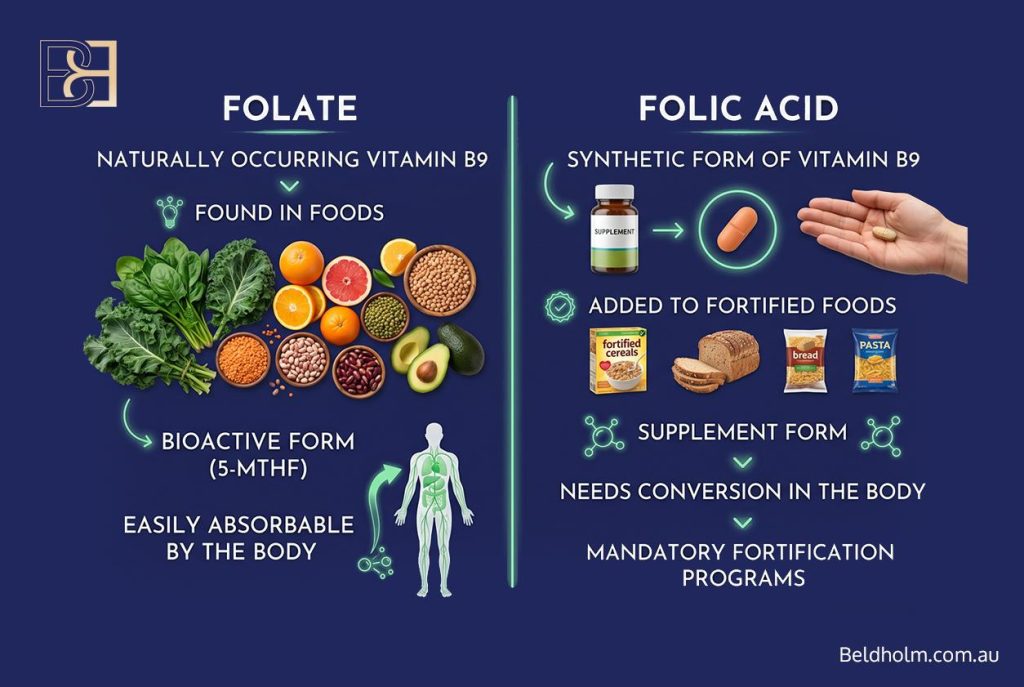
Folate is the general term for vitamin B9. It covers both the naturally occurring forms of the vitamin found in food and the synthetic form manufactured for supplements and fortification.
Folic acid is specifically the synthetic form. It is the version you find listed on supplement bottles, multivitamin supplements, and the ingredient labels of enriched breads and breakfast cereals. Folic acid does not occur naturally in the food supply. It is a manufactured compound, designed to be stable, shelf-safe, and inexpensive.
The two forms are not biologically identical, and the difference becomes clinically relevant in post-bariatric patients with compromised absorption or MTHFR gene variants.
Folate: The Natural Forms in Food

Folate naturally present in food is found across a wide range of plant-source foods:
- Dark green leafy vegetables, including spinach, broccoli, asparagus, rocket, kale, and silverbeet
- Legumes, including lentils, chickpeas, black beans, and kidney beans
- Citrus fruits, including oranges and grapefruit
- Some nuts and seeds, particularly sunflower seeds
- Avocado
- Whole-grain foods
This is sometimes called food folate or dietary folate. In this form, the vitamin exists as a mix of related compounds, including tetrahydrofolate, 5-methyltetrahydrofolate, and other folate derivatives. Your body absorbs these natural forms and converts them into the active form it uses in the folate cycle.
The absorption efficiency of food folate is variable. Cooking, storage, and processing all reduce the folate content of food. Leafy vegetables lose a significant proportion of their folate when boiled. Steaming and microwaving preserve more. Canned foods and long-stored produce contain less than fresh.
For post-bariatric patients, the practical reality is that even a diet rich in folate-containing foods often does not provide enough folate to meet the body’s requirements. Reduced food volume, malabsorption, and altered intestinal anatomy all limit what the patient can extract from a healthy diet.
Folic Acid: The Synthetic Form

Folic acid is the manufactured form of vitamin B9. It is more stable than natural folate, survives cooking and food processing, and has a higher apparent bioavailability when measured by serum folate response.
Folic acid is found in:
- Folic acid supplements (such as Blackmores Folate 500mcg)
- Multivitamin supplements
- Prenatal supplements
- Fortified foods, including enriched breads, some breakfast cereals, and some pasta products
In Australia, mandatory folic acid fortification of wheat flour used for bread-making has been in place since 2009. The purpose of the fortification program was to reduce the incidence of neural tube defects in newborns by increasing folate intake across the general population, particularly among women of childbearing age who may not be aware they are pregnant in the critical first weeks. Countries that require folic acid fortification, including Australia, the United States, and Canada, have seen measurable reductions in neural tube birth defects since fortification began.
The Australian fortification program works well as a public health measure. It adds folic acid to most bread products sold in this country and provides a baseline level of folate intake across the population.
For post-bariatric patients, however, the amount of folic acid added to enriched breads is not enough on its own to prevent deficiency. Patients with reduced food volume and compromised absorption need supplementation beyond what fortified foods provide.
Why Your Body Must Convert Folic Acid
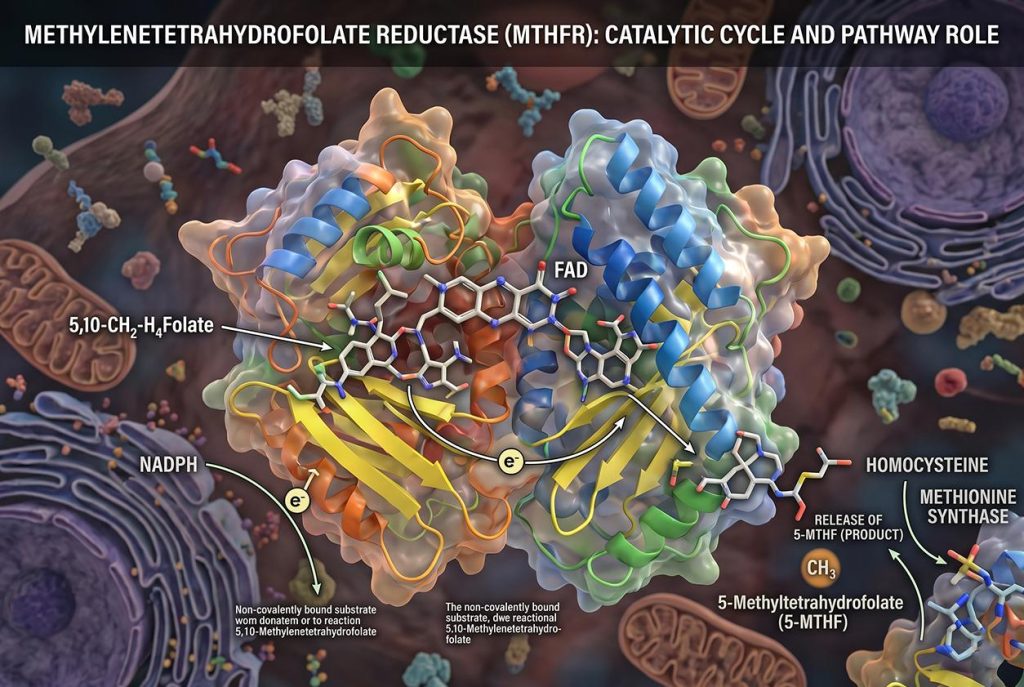
Folic acid is not biologically active in the form you swallow it. Your body must convert folic acid through several enzymatic steps before it can be used. This process, the body’s ability to convert folate from its synthetic form to the active methylfolate form, depends on adequate enzyme function at every step.
The sequence goes like this:
- Folic acid is absorbed in the small intestine and reduced to dihydrofolate (DHF)
- Dihydrofolate is reduced to tetrahydrofolate (THF)
- Tetrahydrofolate is converted through further enzymatic steps to 5,10-methylenetetrahydrofolate
- The final step converts this to 5-methyltetrahydrofolate (5-MTHF), the biologically active form
The final conversion step depends on an enzyme called methylenetetrahydrofolate reductase, abbreviated MTHFR.
This is where a clinically important issue can arise. Approximately 25 % of the global population carries a genetic variant that reduces the efficiency of the MTHFR enzyme. In these patients, the conversion from folic acid to 5-MTHF is slower and less complete. I discuss this in detail later in this article.
Dietary Folate Equivalents
Nutritional guidelines use a unit called dietary folate equivalents, abbreviated DFE, to account for the difference in bioavailability between food folate and synthetic folic acid.
The conversion goes like this:
- 1 microgram of food folate = 1 microgram DFE
- 1 microgram of folic acid from fortified foods = 1.7 micrograms DFE
- 1 microgram of folic acid from supplements taken with food = 1.7 micrograms DFE
- 1 microgram of folic acid from supplements taken on an empty stomach = 2 micrograms DFE
In practical terms, folic acid from supplements and fortified foods contributes more to usable folate intake per microgram than food folate does. This is why a 400-microgram folic acid supplement has a larger effect on serum folate than 400 micrograms of folate from spinach.
For post-bariatric patients, the DFE distinction is mostly academic. What matters is that dietary intake from food alone, even in patients eating a folate-rich diet, rarely meets the body’s requirements. Supplementation is almost always needed.
Unmetabolized Folic Acid
One consequence of high-dose folic acid intake is the presence of unmetabolized folic acid. When the dose of folic acid exceeds the body’s capacity to convert it into 5-MTHF, the unconverted folic acid accumulates in the bloodstream.
Published research has raised concerns about the long-term effects of circulating unmetabolized folic acid (22). These concerns are still being investigated, and the evidence is not yet conclusive. Areas of ongoing study include potential effects on immune function, interactions with natural killer cell activity, and possible links to cancer risk in individuals with pre-existing lesions.
For patients, I prescribe short-term perioperative folic acid supplementation; unmetabolized folic acid is not a clinical concern at the doses I use. For patients on lifelong high-dose folic acid supplementation after bariatric surgery, it is one reason I sometimes prefer methylfolate (5-MTHF) over standard folic acid. Methylfolate is already in the active form, bypasses the MTHFR conversion step, and does not contribute to unmetabolized folic acid accumulation.
I cover the methylfolate versus folic acid comparison in more detail later in this article.
Folate Deficiency After Bariatric Surgery
Folate deficiency is one of the most common nutritional issues I identify among patients presenting for body contouring after weight-loss surgery. The rates vary by procedure type, but the pattern is consistent. Bariatric surgery disrupts folate absorption. Without ongoing folic acid supplementation, folate status deteriorates over time.
For a patient walking into my consultation room years after a sleeve gastrectomy or Roux-en-Y gastric bypass, folate deficiency is not unusual. It is something I actively look for.
How Bariatric Surgery Disrupts Folate Absorption
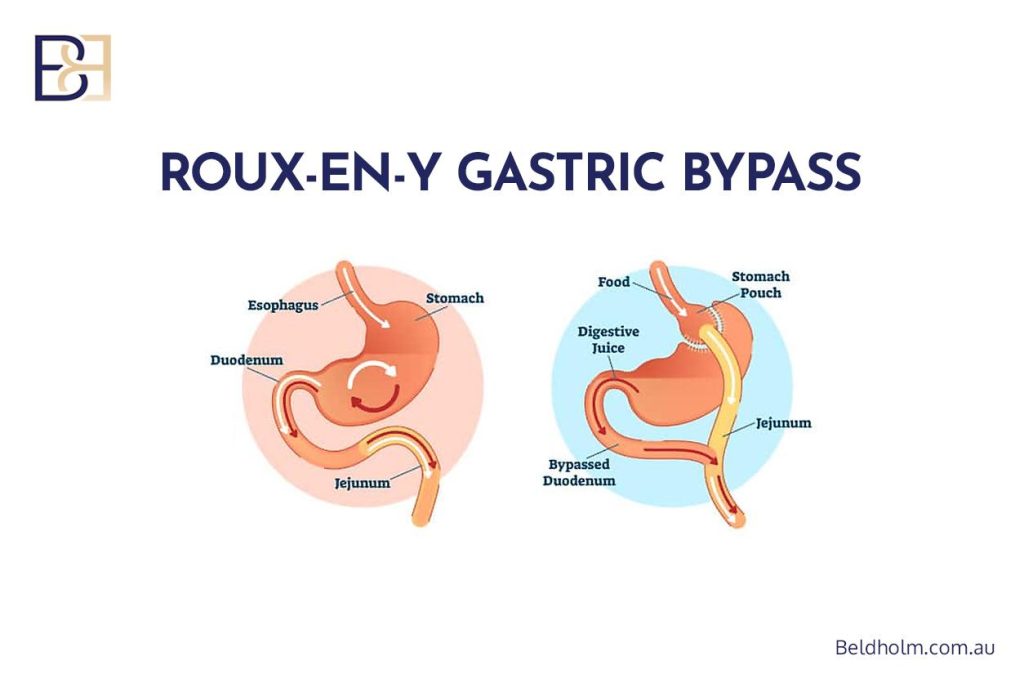
Folate absorption happens primarily in the duodenum and upper jejunum, the first part of the small intestine after the stomach. This anatomy matters because different bariatric procedures affect this region to different degrees.
Roux-en-Y gastric bypass (RYGB) reconfigures the upper gastrointestinal tract. A small gastric pouch is created, and food bypasses most of the stomach, the duodenum, and the upper jejunum. Since folate is absorbed most efficiently in exactly these regions, the procedure significantly reduces folate absorption. RYGB also reduces gastric acid production, which affects the release of dietary folate from the food matrix.
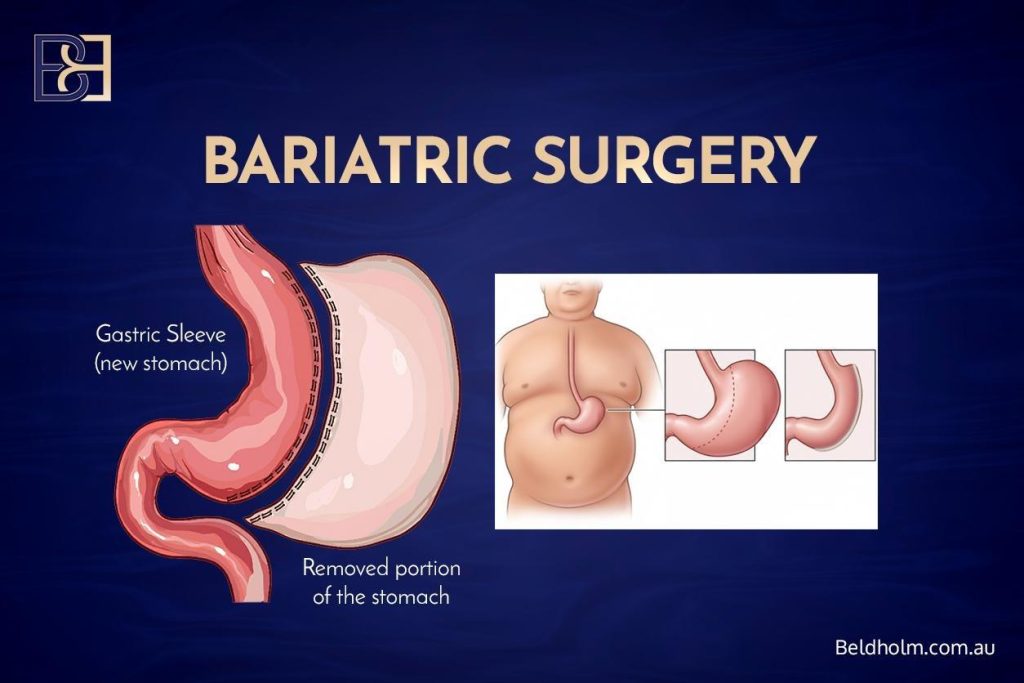
Sleeve gastrectomy removes approximately 80 % of the stomach but leaves the small intestine intact. The absorptive anatomy for folate is preserved, so malabsorption is less of an issue than with RYGB. However, reduced food volume, altered eating patterns, and reduced gastric acid still affect folate intake and status over time.
Both procedures produce folate deficiency, but through different mechanisms. RYGB deficiency is driven largely by malabsorption. Sleeve gastrectomy deficiency is driven mainly by reduced intake.
Deficiency Rates by Procedure
Published data on folate deficiency rates after bariatric surgery vary depending on follow-up duration, patient compliance with supplementation, and the assay used to measure folate. The general pattern is consistent:
- Roux-en-Y gastric bypass: folate deficiency rates range from 10 to 38% (13, 15)
- Sleeve gastrectomy: folate deficiency rates range from approximately 5 to 15% (15, 17)
These rates persist even among patients taking a standard multivitamin. A basic once-daily multivitamin typically contains 200 to 400 micrograms of folic acid, which is adequate for the general population but often insufficient to overcome the malabsorption or reduced intake seen after bariatric surgery.
Many patients arrive at my clinic having taken a multivitamin consistently for years, and still show folate deficiency on blood testing. This is common and is not a criticism of the patient. It reflects the reality that standard consumer multivitamins are not designed for post-bariatric nutritional needs.
Why Australia’s Fortification Program Is Not Enough
Australia’s mandatory folic acid fortification of bread-making flour was introduced in 2009. It adds folic acid to most bread products sold in this country and has been shown to increase folate intake across the general population.
For post-bariatric patients, however, the program provides only partial protection. Two factors limit its usefulness in this group:
- Reduced food volume. Patients who have had a sleeve gastrectomy or Roux-en-Y gastric bypass eat significantly smaller portions than before surgery. A patient who used to eat three slices of bread a day may now eat one slice or none. Even if fortified bread contains folic acid, the amount consumed is reduced in proportion to the smaller meals.
- Compromised absorption. In RYGB patients, consumed folic acid is absorbed less efficiently because the duodenum and upper jejunum are bypassed. Enriched breads do not overcome this.
The fortification program is a population-level public health measure. It was never designed to meet the specific needs of post-bariatric patients. This is why the playbook of “eat a healthy diet, eat fortified foods, and you will be fine” does not apply to this group.
Other Causes of Folate Deficiency
Bariatric surgery is not the only cause of folate deficiency, and I always consider the wider clinical picture when interpreting a low folate result. Other causes relevant to my patient population include:
- Celiac disease. Damage to the absorptive lining of the small intestine reduces folate absorption, often without obvious gastrointestinal symptoms. Many patients with celiac disease are undiagnosed.
- Inflammatory bowel disease. Crohn’s disease and ulcerative colitis both affect intestinal absorption and can cause folate deficiency, particularly when active inflammation is present.
- Chronic alcohol use. Alcohol interferes with folate absorption and metabolism. Patients with a history of higher alcohol intake are at increased risk of folate deficiency, even if they have moderated their intake more recently.
- Medications. Several medications interfere with folate metabolism. Methotrexate, sulfasalazine, some anticonvulsants (phenytoin, carbamazepine), and some older antibiotics (trimethoprim) can all reduce folate status.
- Restrictive dietary patterns. Very low-calorie diets, extended fasting, highly restrictive elimination diets, and certain weight-maintenance patterns in post-bariatric patients all reduce folate intake.
If a patient has an unexpectedly low folate result without a clear history of bariatric surgery, I consider other causes and may refer them to their GP for further investigation before proceeding with body contouring.
Serum Folate and Red Cell Folate: Why I Order Both
Folate status is not a single number. Two different tests are available, and they give different information. I order both on the first pre-operative blood test for every post-weight-loss patient.
Serum folate is the standard measurement. In Australia, this is MBS item 66542. The reference range is above 10 nmol/L for normal status, with deficiency defined as below 7 nmol/L.
Serum folate reflects recent dietary intake. It can fluctuate over the course of days, depending on what the patient has eaten and whether they took their supplement that morning. A patient who eats a large salad or takes a multivitamin the day before their blood test may show a higher serum folate result than their true long-term status.
Red cell folate (also called red blood cell folate) measures the folate contained within red blood cells. Since red blood cells have a lifespan of approximately 120 days, red cell folate reflects tissue folate stores over the preceding two to three months. The Australian reference range is 360 to 1400 nmol/L.
Red cell folate is less susceptible to day-to-day dietary variation than serum folate. It gives a more reliable picture of long-term folate status.
Ordering both tests together on the first blood draw lets me see the full picture in one appointment. If serum folate is adequate but red cell folate is low, it tells me the patient has a chronic folate gap that recent supplementation or dietary improvement has partially masked. If both are low, the deficiency is established. If both are adequate, then the patient’s folate status is stable.
This is particularly useful in post-bariatric patients, where a multivitamin taken on the morning of the blood test can temporarily lift serum folate into the normal range even when tissue stores are depleted. The red cell folate result cuts through that noise and gives me the clinical truth.
What Folate Deficiency Means for Body Contouring Surgery
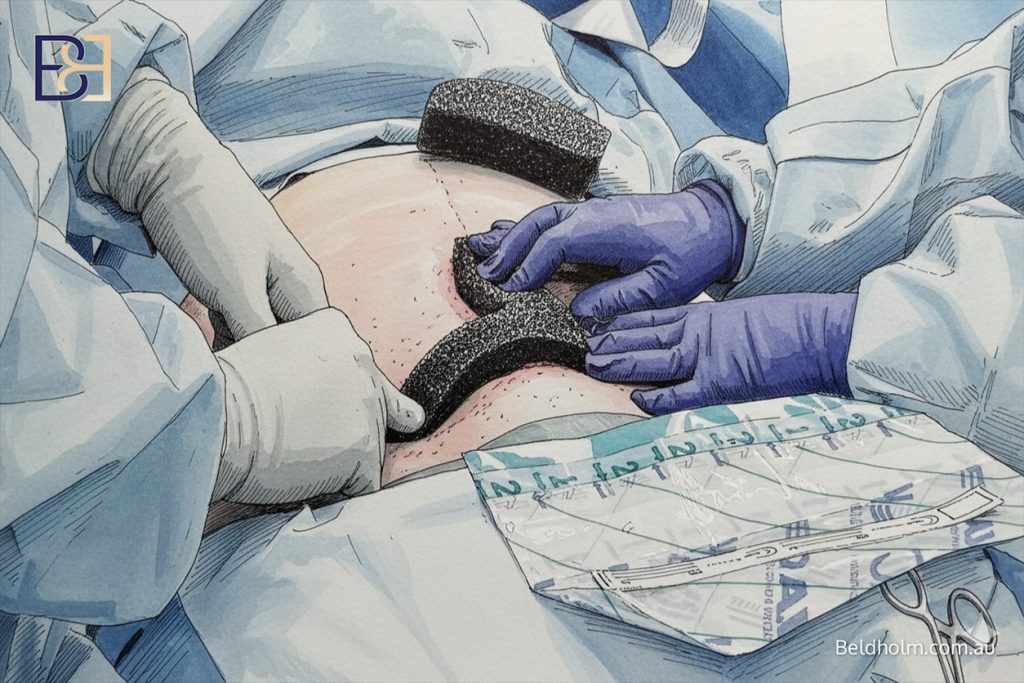
A patient with folate deficiency going into body contouring surgery arrives with several interrelated problems:
- Impaired DNA synthesis. Folate is essential for DNA replication during cell division. Without adequate folate, cell division slows, which affects every tissue in the body that needs to repair or regenerate after surgery. Wound healing, in particular, depends on rapid cell division.
- Reduced capacity to produce healthy red blood cells. Folate deficiency causes megaloblastic anaemia, a condition where the bone marrow produces abnormally large, dysfunctional red blood cells. These abnormal cells cannot carry oxygen-rich blood as efficiently as normal red blood cells, which affects tissue oxygenation during and after surgery. Without enough oxygen-rich blood reaching healing tissues, recovery is slower.
- Elevated homocysteine levels. Low folate means the remethylation pathway cannot clear homocysteine efficiently. The homocysteine result rises, signalling that the metabolic pathway is not functioning properly.
- Impaired methylation reactions. Folate is a methyl donor for many biochemical reactions beyond homocysteine metabolism. Low folate affects neurotransmitter synthesis, DNA methylation, and other processes relevant to recovery and overall health.
None of these is the conditions I want to operate in. They are all correctable with appropriate folic acid or methylfolate supplementation, chosen based on the individual patient’s circumstances.
Correcting folate deficiency before surgery is not complicated. Standard maintenance dosing is 400 to 800 micrograms per day. For the repletion of an established deficiency, I use 1 to 5 milligrams per day under clinical supervision. The recheck happens four to six weeks later, and most patients achieve adequate folate status within that window. Surgery is then scheduled when this particular risk factor has been treated.
For a small number of patients, folate status does not improve as expected. This usually signals an MTHFR gene variant, persistent malabsorption, or compliance issues. The next part of this article looks at what I do in those cases and how the rest of the b vitamin story fits into the picture.
Book your appointment online now
Vitamin B12 and Folate: Why They Cannot Be Managed Separately
Folate and vitamin B12 are interdependent. You cannot fully understand one without the other, and you cannot manage homocysteine levels without treating both. In my practice, every post-weight-loss patient has serum folate, red cell folate, and vitamin B12 checked together on the first blood test. This is not a matter of convenience. It reflects how these nutrients actually interact in the body, and how starting treatment for one without checking the other can cause harm.
The Shared Pathway
Both folate and vitamin B12 are required for the remethylation pathway, the primary route for clearing homocysteine from the blood. In this pathway, folate (as 5-methyltetrahydrofolate) donates a methyl group, and vitamin B12 acts as the cofactor for the enzyme methionine synthase. Homocysteine is converted back to methionine, and the cycle continues.
If either folate or vitamin B12 is missing, the pathway stalls. The end result is the same, regardless of which B vitamin is low: homocysteine accumulates. This is why a patient with homocysteine levels above 15 µmol/L may have low folate, low vitamin B12, or both. The homocysteine number alone does not tell me which.
Both deficiencies also cause the same type of anaemia, megaloblastic anaemia, with identical blood pictures, whether the cause is folate deficiency or vitamin B12 deficiency. This is the source of a clinical trap I will come back to later in this section.
Why Vitamin B12 Deficiency Is So Common After Bariatric Surgery
Vitamin B12 absorption is more complicated than folate absorption. It involves several steps, each of which can be disrupted by bariatric surgery.
Step 1: Release from food. Vitamin B12 in food is bound to animal proteins. Gastric acid and the enzyme pepsin release B12 from these proteins in the stomach. Patients who have had a sleeve gastrectomy or Roux-en-Y gastric bypass produce significantly less gastric acid, which reduces this release step.
Step 2: Binding to intrinsic factor. Released vitamin B12 binds to a protein called intrinsic factor, which is produced by parietal cells in the stomach lining. Sleeve gastrectomy removes approximately 80% of the stomach, including many parietal cells. Roux-en-Y gastric bypass reduces the functional stomach to a small pouch, dramatically reducing intrinsic factor production.
Step 3: Absorption in the terminal ileum. The B12-intrinsic factor complex travels through the small intestine and is absorbed in the terminal ileum, the last part of the small intestine before the colon. Without an intrinsic factor, vitamin B12 cannot be absorbed through this pathway.
The net effect is that both major bariatric procedures disrupt vitamin B12 absorption, with Roux-en-Y gastric bypass producing the more severe disruption.
Deficiency Rates
Published data on vitamin B12 deficiency rates after bariatric surgery show how common the problem is (13, 15, 16):
- Roux-en-Y gastric bypass: deficiency rates range widely from 2 to 80% depending on follow-up duration and supplementation compliance. Long-term follow-up studies tend to show higher rates as intrinsic factor production fails to recover
- Sleeve gastrectomy: deficiency rates of up to 36% have been reported
Even with a standard multivitamin, many post-bariatric patients develop vitamin B12 deficiency over time. The multivitamin B12 dose is usually adequate for the general population, but it is not sufficient to overcome absorption problems caused by altered anatomy.
Why Folic Acid Can Mask a Vitamin B12 Deficiency
This is the most clinically important point in this section, and it is why I check both nutrients together rather than chasing them one at a time.
Folic acid supplementation can correct the blood picture of megaloblastic anaemia even when the underlying cause is vitamin B12 deficiency. The folic acid provides enough folate for DNA synthesis to proceed, and the bone marrow returns to producing normally sized red blood cells. The full blood count looks better. The haemoglobin comes up. The mean corpuscular volume normalises.
But vitamin B12 deficiency causes more than just anaemia. It also causes neurological damage, and that damage is not prevented or reversed by folic acid. While the anaemia appears to resolve, the underlying B12 deficiency continues to progress. Subacute combined degeneration of the spinal cord, peripheral neuropathy, and cognitive changes can all develop silently.
By the time the B12 deficiency is eventually identified through symptoms, the neurological damage may be irreversible.
This is the clinical reason I never start high-dose folic acid supplementation without first confirming vitamin B12 status. It is also why standard consumer folic acid supplements at doses above 1 mg per day are generally not appropriate for post-bariatric patients without a clear picture of their B12 status.
What I Do in Practice

My approach is consistent:
- Serum folate, red cell folate, and vitamin B12 are all measured on the first pre-operative blood test
- If either B vitamin is low or borderline, homocysteine is added as a reflex test in the same episode
- Vitamin B12 deficiency is treated before folate deficiency when both are present, or alongside it, rather than after it
- I avoid high-dose folic acid as a standalone supplement in patients with unknown or borderline vitamin B12 status
For patients who have had Roux-en-Y gastric bypass, I prefer sublingual methylcobalamin for vitamin B12 supplementation. The sublingual route bypasses the gut entirely, which is important when the intrinsic factor is absent or reduced. Methylcobalamin is the activated form of vitamin B12 and does not require further conversion before the body can use it.
For patients with very low levels who are not responding to oral or sublingual supplementation, intramuscular B12 injections may be required. These are typically arranged through the GP.
The specific doses, forms, and monitoring of vitamin B12 after bariatric surgery are covered in more detail in a dedicated article on vitamin B12 deficiency after bariatric surgery. For the purposes of the folate and homocysteine story, what matters is that these two B vitamins are linked at the metabolic level and cannot be managed in isolation.
The Risk of Operating Without Both Tests
A post-bariatric patient with unrecognised vitamin B12 deficiency who is given high-dose folic acid is not a theoretical concern. It happens. Patients arrive at my clinic on lifelong folic acid supplements started by another practitioner years earlier, with no record of B12 having been checked. Their haemoglobin is normal. Their homocysteine may be normal, depending on how complete the folic acid correction has been. The deficiency has been hidden, potentially for years.
Before body contouring surgery, I want a clear picture. Both B vitamins tested. Both replaced where needed. Both are in the stable range when the patient comes to the theatre.
Vitamin B6: The Third Piece
Folate and vitamin B12 get most of the attention in discussions about homocysteine. Vitamin B6 is the third member of the group, and in my practice it is routinely tested alongside the other two. Its role is often underappreciated, but for post-weight-loss body contouring patients, it matters in two ways: homocysteine metabolism and wound healing.
How Vitamin B6 Fits Into the Homocysteine Pathway
While folate and vitamin B12 handle the remethylation pathway, vitamin B6 is responsible for the second major route for clearing homocysteine: the transsulfuration pathway.
In this pathway, the enzyme cystathionine beta-synthase converts homocysteine to cystathionine, which is then converted to cysteine. Cysteine is the building block for glutathione, one of the body’s most important antioxidants and a key player in tissue repair.
Vitamin B6 acts as the essential cofactor for cystathionine beta-synthase in its active form, pyridoxal-5-phosphate (abbreviated PLP). Without adequate PLP, the transsulfuration pathway slows down. Homocysteine accumulates, even if the folate and vitamin B12-dependent remethylation pathway is working normally.
This is why a patient can have adequate folate and adequate vitamin B12 yet still show an elevated homocysteine result. The remethylation pathway is fine. The transsulfuration pathway is the bottleneck, and vitamin B6 is the missing piece.
Why Pyridoxal-5-Phosphate Matters

Vitamin B6 exists in several forms, but only pyridoxal-5-phosphate is biologically active. All other forms must be converted to PLP before the body can use them. Supplements labelled as “pyridoxine” contain the inactive form. Supplements labelled as “P5P” or “pyridoxal-5-phosphate” contain the active form.
For most patients, conversion of pyridoxine to PLP occurs efficiently in the liver. For patients with liver dysfunction, alcohol use, or certain medications, the conversion can be impaired. In these patients, taking a PLP-form supplement bypasses the conversion step entirely.
When I measure vitamin B6 status, I measure plasma PLP directly. This is the Australian pathology standard, captured by MBS item 66605. The reference range is 35 to 110 nmol/L. Testing the active form gives a more reliable picture of vitamin B6 status than measuring total pyridoxine.
In my practice, plasma PLP is part of the routine preoperative blood panel for every post-weight-loss body-contouring patient. I do not wait for elevated homocysteine to trigger it. The test is ordered alongside vitamin B12, folate, and red cell folate on the first blood draw.
Vitamin B6 and DVT Risk
The connection between vitamin B6 and blood clots goes beyond its role in homocysteine metabolism. Published research has identified low plasma vitamin B6 levels as an independent risk factor for first-time deep vein thrombosis (18). The association exists separately from the homocysteine pathway, suggesting that vitamin B6 plays additional roles in vascular function that are not fully explained by its cofactor activity.
The mechanisms are still being investigated. Possible contributions include effects on platelet function, involvement in the synthesis of compounds that regulate vascular tone, and roles in the inflammatory pathways that influence clot formation.
In practice, this means vitamin B6 deficiency is not just a homocysteine issue. It is a vascular risk factor in its own right. For patients already carrying layered DVT risk from bariatric surgery history, residual body weight, and longer operative times, an unaddressed vitamin B6 deficiency adds to the picture.
Vitamin B6 and Wound Healing

Vitamin B6 is also required for collagen cross-linking. This is directly relevant to wound healing and scar formation after body contouring surgery.
Collagen is the structural protein that gives skin, tendons, and connective tissue their strength. New collagen is laid down during wound healing and then cross-linked to create strong, organised tissue. The cross-linking process depends on several cofactors, and vitamin B6 is one of them.
A patient with vitamin B6 deficiency going into surgery has:
- A compromised homocysteine clearance pathway (transsulfuration)
- Potentially elevated homocysteine levels despite adequate folate and vitamin B12
- An independent vascular risk factor for DVT
- Reduced capacity for collagen cross-linking during wound healing
These are four concurrent problems from a single deficiency. Each one responds to appropriate supplementation.
Why Vitamin B6 Deficiency Occurs in Post-Weight-Loss Patients
Vitamin B6 deficiency is documented after bariatric surgery, though it has been less extensively studied than folate or vitamin B12 deficiency. Several factors contribute:
- Reduced dietary intake. Vitamin B6 is found in a range of foods, including poultry, fish, organ meats, potatoes, bananas, and fortified cereals. Post-bariatric patients eating smaller portions of fewer foods may not consume enough B6.
- Malabsorption. Vitamin B6 is absorbed primarily in the jejunum, which is bypassed in Roux-en-Y gastric bypass patients. This affects the vitamin’s uptake from food.
- Restrictive dietary patterns. Very low-calorie diets and prolonged weight maintenance restrictions reduce B6 intake below recommended levels.
- Medication interactions. Several medications increase vitamin B6 requirements, including isoniazid, hydralazine, and some anticonvulsants.
- Alcohol use. Chronic alcohol intake reduces B6 status through multiple mechanisms, including impaired conversion to PLP and increased B6 degradation.
For patients on modern weight-loss medications in the GLP-1 class, reduced overall food intake can further lower B6 consumption. Published research has documented reduced intake of several nutrients, including B vitamins, in patients on GLP-1 therapy (14).
How I Manage Vitamin B6 Deficiency
If plasma PLP is below the reference range on pre-operative testing, I commence vitamin B6 supplementation. The dose depends on the degree of deficiency:
- Maintenance: 1.3 to 2 mg per day, typically covered by a complete multivitamin or activated B-complex
- Repletion: 25 to 50 mg per day of the active form (pyridoxal-5-phosphate) for established deficiency
- Duration: 4 to 6 weeks before recheck
A note of caution: very high doses of vitamin B6 taken long-term (above 200 mg per day for extended periods) can cause peripheral neuropathy. This is the opposite of what we want. At the doses used for perioperative supplementation, this is not a concern, but it is a reason I prefer targeted dosing based on blood test results rather than broad high-dose supplementation.
For patients with established B vitamin deficiencies in folate, vitamin B12, and vitamin B6, I often prescribe an activated B-complex containing all three in their active forms. Metagenics Metagen Activated B’s and Folate is a product I use in this group. It contains 5-methyltetrahydrofolate (the active form of folate), methylcobalamin (the active form of vitamin B12), and pyridoxal-5-phosphate (the active form of vitamin B6) in a single daily capsule.
A recheck blood test at 4 to 6 weeks confirms whether the supplementation is working. For most patients, PLP returns to the normal range within this timeframe, along with folate and vitamin B12. Homocysteine, if elevated on the initial test, also normalises.
With all three B vitamins in the homocysteine pathway at adequate levels and wound healing capacity supported, this particular set of risk factors has been treated and surgery can be scheduled.
What Is Homocysteine and How Does It Affect Blood Vessels?
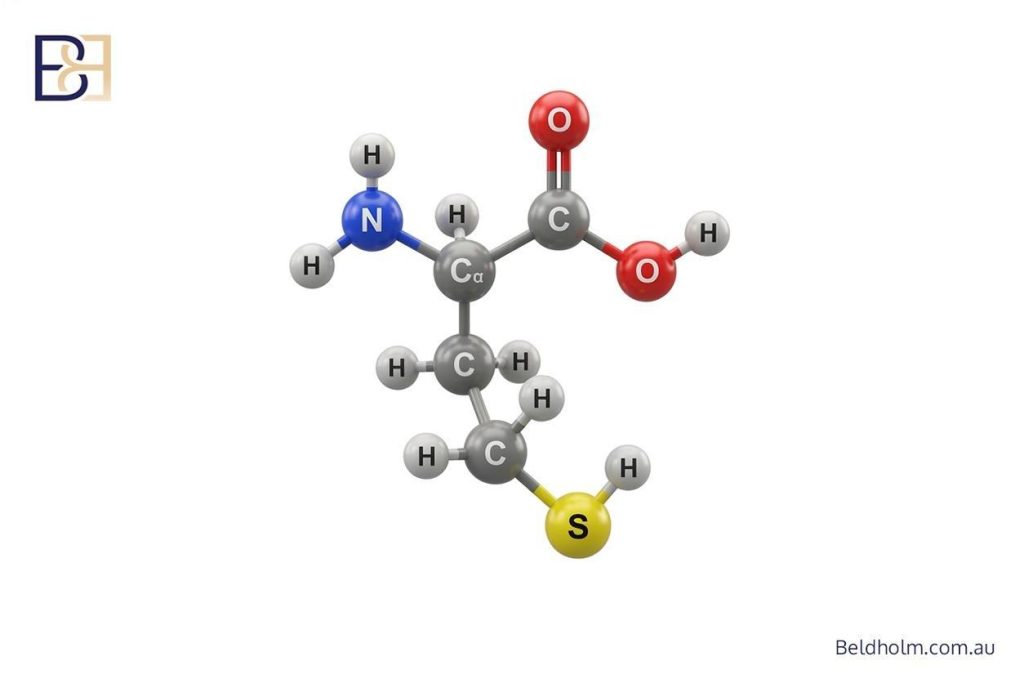
Homocysteine has come up repeatedly in this article. Before moving on, I want to look at the molecule itself in more detail: what it is, how it is produced, how it is measured, and how elevated homocysteine levels affect blood vessels in ways relevant to surgical risk.
What Homocysteine Is
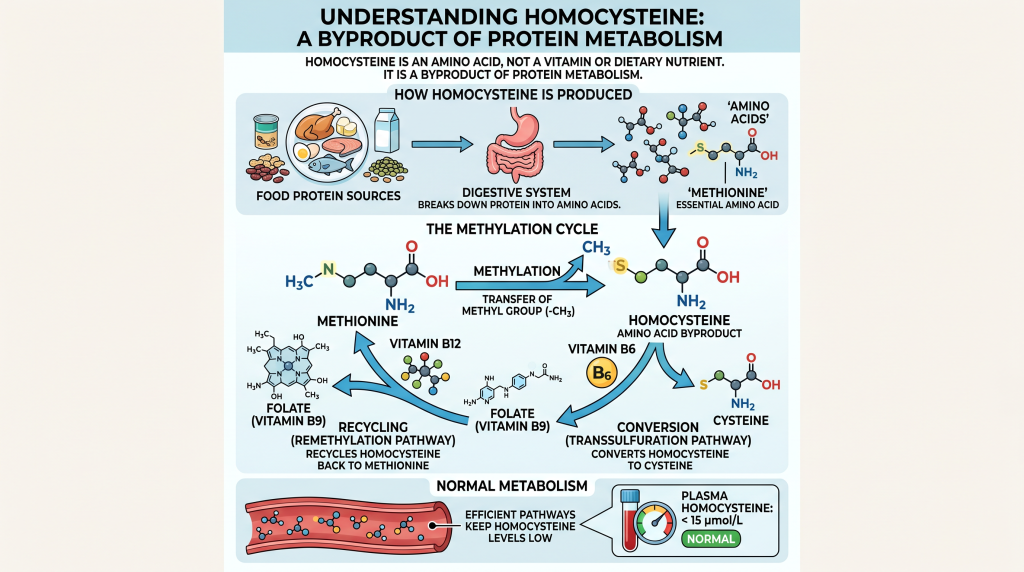
Homocysteine is an amino acid, not a vitamin and not a nutrient you consume. Your body produces this amino acid as a normal byproduct of protein metabolism.
The process goes like this. When you eat protein, your digestive system breaks it down into amino acids. One of those amino acids is methionine, an essential amino acid found in meat, fish, dairy, eggs, and some plant-source foods. Methionine is used in a biochemical process called methylation, where a methyl group is transferred from one molecule to another to drive reactions throughout the body.
Once methionine has donated its methyl group, the remaining molecule is homocysteine, another amino acid. The body then has two choices. Recycle this amino acid back to methionine using folate and vitamin B12 (the remethylation pathway), or convert it to the amino acid cysteine using vitamin B6 (the transsulfuration pathway). Under normal circumstances, these pathways efficiently clear homocysteine, and plasma homocysteine levels remain low.
The problem arises when the clearance pathways cannot keep up. Homocysteine then accumulates in the blood, a condition called hyperhomocysteinemia.
How Homocysteine Is Measured
The homocysteine blood test measures total plasma homocysteine, reported in µmol/L. In Australia, this is MBS item 66839.
The thresholds I use are:
- Normal: below 15 µmol/L
- Borderline elevated: 15 to 30 µmol/L
- Elevated: above 30 µmol/L
A fasting blood sample is preferred for homocysteine testing because protein intake in the hours before the test can influence the result. For practical purposes, I ask patients to fast overnight before blood collection, consistent with the rest of the pre-operative panel.
Homocysteine has one technical quirk. The sample must be processed reasonably quickly after collection. If whole blood is left at room temperature for extended periods before separation, red blood cells continue releasing homocysteine into the plasma, artificially elevating the result. Most Australian pathology providers handle this well, but it explains the occasional surprise high result.
What Causes Elevated Homocysteine Levels?
Hyperhomocysteinemia has several possible causes. They fall into two categories (21).
Inherited causes. A small group of patients have inherited defects in the enzymes that clear homocysteine. These include cystathionine beta-synthase deficiency (an enzyme in the transsulfuration pathway), methionine synthase deficiency (an enzyme in the remethylation pathway), methionine synthase reductase deficiency, and transcobalamin II deficiency. The most common inherited variant is the MTHFR C677T polymorphism, which is covered later in this article.
Acquired causes. These are more common and more relevant to my patient population. They include:
- Vitamin deficiency (folate, vitamin B12, vitamin B6)
- Renal impairment
- Diabetes mellitus
- Hypothyroidism
- Liver failure
- Certain medications (phenytoin, carbamazepine, methotrexate)
- Smoking
- High coffee consumption
- Increased age
- Postmenopausal state
- Male sex
- Psoriasis
- Cancer
In post-weight-loss patients, the overwhelming majority of elevated homocysteine levels are due to vitamin deficiencies (folate, vitamin B12, or vitamin B6). Other causes are considered if B-vitamin correction does not bring homocysteine back within range.
How Elevated Homocysteine Damages Blood Vessels
When homocysteine accumulates in excess, it affects blood vessels through several mechanisms. These are all well described in the vascular biology literature, and they are the reason elevated homocysteine has been linked to cardiovascular disease and venous thrombosis for decades.
Oxidative damage to endothelial cells. Elevated blood concentrations of homocysteine cause oxidative damage to the endothelial cells that line the inside of blood vessels (3). These cells are responsible for maintaining the smooth inner surfaces of arteries and veins, regulating blood flow between blood and body tissues, and preventing clot formation. When homocysteine damages these cells, the vessel wall becomes less healthy and more prone to clot formation.
Reduced nitric oxide bioavailability. Endothelial cells produce nitric oxide, a potent vasodilator that keeps blood vessels relaxed and helps prevent platelets from sticking to the vessel wall. Homocysteine reduces nitric oxide bioavailability by interfering with the enzymes that produce it and by scavenging nitric oxide directly (4). The result is stiffer, less responsive blood vessels that are more prone to constriction and clotting.
Disruption of the anticoagulation system. Your blood contains natural anticoagulant systems that prevent unwanted clotting. One of these is activated protein C, an enzyme that breaks down clotting factors and keeps the coagulation cascade in check. Homocysteine interferes with activated protein C, reducing its ability to inactivate factor Va (5). This tilts the balance toward clot formation.
Increased platelet activation. Platelets are the small cell fragments that initiate clotting. Homocysteine activates platelets through effects on intracellular signalling pathways (6). Activated platelets are more likely to aggregate, stick to damaged vessel walls, and contribute to clot formation.
Thrombin generation and fibrin formation. Homocysteine also promotes the generation of thrombin, the enzyme that converts fibrinogen to fibrin. Fibrin is the protein that forms the mesh of a blood clot. More thrombin means more fibrin, which means larger, more stable clots.
The net effect is a shift toward a prothrombotic state: damaged endothelium, overactive platelets, impaired anticoagulant function, and a coagulation cascade that is more easily triggered.
Why This Matters in a Surgical Context

Surgery itself shifts the body toward a prothrombotic state. This is a normal and necessary response. Tissue damage triggers clotting to stop bleeding. The coagulation cascade is activated. Platelets aggregate at the site of injury. These processes are essential for survival.
In an otherwise healthy patient, this shift is balanced by the body’s anticoagulant systems, which prevent clotting from extending beyond the surgical site. The net effect is a brief, local, controlled shift toward clotting that resolves as wound healing proceeds.
In a patient with elevated homocysteine levels, the baseline is already tilted toward clotting. Endothelial function is impaired. Nitric oxide is reduced. The anticoagulant systems are less effective. When surgery adds its own prothrombotic stimulus to an already prothrombotic baseline, the risk of clinically significant clot formation increases.
This is the biological rationale for why elevated homocysteine is listed as a risk factor in clinical scoring tools used to assess DVT risk in surgical patients. The association between too much homocysteine and blood clot risk is well established at the mechanistic level.
What is more complicated is the question of whether correcting elevated homocysteine with B vitamin supplementation actually prevents surgical clots. The mechanisms predict that it should. The clinical trials have not confirmed that it does. The next part of this article works through the evidence.
Does Lowering Homocysteine Actually Prevent Blood Clots? What the Evidence Says
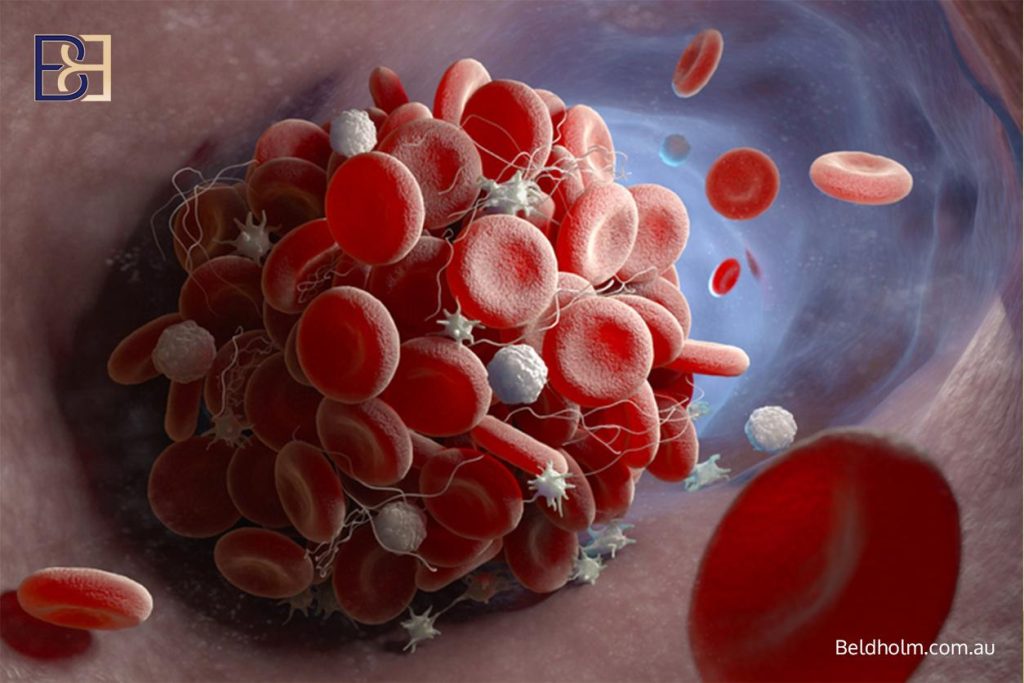
This is where the evidence gets uncomfortable for many health websites, and where I think patients deserve a straight answer.
Observational studies have consistently found that people with elevated homocysteine levels have higher rates of DVT and pulmonary embolism. That association is real and has been reproduced across multiple populations (7). It is one of the reasons elevated serum homocysteine appears as a risk factor in clinical scoring tools used to assess DVT risk in surgical patients.
But association is not causation. The critical question is whether lowering homocysteine with folic acid and B vitamin supplementation actually prevents blood clots. Two large randomised controlled trials have directly tested this question in the populations where it matters most. Both found that it does not.
The VITRO Trial
The VITRO (Vitamins and Thrombosis) trial was designed specifically to answer this question. Published research enrolled 701 patients aged 20 to 80 who had already had a first, objectively confirmed DVT or pulmonary embolism (9).
Patients were randomised to one of two groups:
- Treatment group: daily supplementation with 5 mg folic acid, 0.4 mg vitamin B12, and 50 mg vitamin B6
- Placebo group: identical-looking placebo tablets
Participants were followed for a median of 2.5 years. The primary endpoint was recurrent deep vein thrombosis or pulmonary embolism.
The results:
- Recurrent venous thromboembolism occurred in 12.2% of the B vitamin supplementation group
- Recurrent venous thromboembolism occurred in 14.3% of the placebo group
- This difference was not statistically significant
- In the subgroup with the highest baseline homocysteine levels (the patients most likely to benefit, in theory), the cumulative incidence of recurrent thrombosis was slightly higher in the B vitamin group than in the placebo group
The B vitamin supplementation successfully lowered homocysteine levels, as expected. But it did not translate into fewer blood clots. The conclusion of the published research was clear: homocysteine lowering therapy with b vitamins did not prevent recurrent venous thrombosis (9).
The HOPE-2 Trial
The HOPE-2 (Heart Outcomes Prevention Evaluation 2) trial was even larger. It enrolled 5,522 participants aged 55 and older across 145 centres in 13 countries (10). All participants had existing cardiovascular disease, heart disease, or diabetes, placing them at increased risk of both cardiovascular events and venous thromboembolism.
The randomisation was to:
- Treatment group: daily folic acid 2.5 mg, vitamin B6 50 mg, and vitamin B12 1 mg
- Placebo group: identical-looking placebo
Participants were followed for an average of 5 years. While the primary endpoint focused on cardiovascular events, a pre-planned secondary analysis specifically examined the effect on venous thromboembolism (11).
The venous thromboembolism findings:
- Venous thromboembolism occurred at an identical rate in both groups: 0.35 per 100 person-years
- The hazard ratio was 1.01 (95% confidence interval 0.66 to 1.53)
- B vitamin supplementation lowered plasma homocysteine levels by approximately 2.2 µmol/L
- But this homocysteine-lowering had no effect on venous thromboembolism incidence
The conclusion mirrored VITRO: folic acid and B vitamin supplementation did not reduce the incidence of venous thromboembolism (11).
What the Meta-Analysis Evidence Shows

These are not isolated findings. A systematic review published in 2025 examined randomised controlled trials investigating B vitamin supplementation to reduce thrombotic risk over a 29-year period (8). The review included studies on cardiovascular events broadly, not just venous thromboembolism.
The findings from the systematic review reinforced what the individual trials had shown:
- B vitamin supplementation consistently lowers plasma homocysteine levels
- The effect on thrombotic events is inconsistent
- Where benefit has been shown, it has mostly been for stroke in specific populations (particularly in countries without mandatory folic acid fortification)
- There is no consistent evidence that B vitamin supplementation prevents DVT or pulmonary embolism
An earlier meta-analysis established that folic acid at 1 mg per day yields the maximum reduction in homocysteine, with no additional benefit at higher doses (12). So it is not that the trials were underdosed. The homocysteine number does come down. What does not follow is a reduction in clots.
Why the Marker and the Outcome Move Differently
This is the key point that patients deserve to understand clearly.
B vitamin supplementation lowers the homocysteine level. That is reproducible across multiple trials and multiple populations. It is not in dispute.
The homocysteine number is a marker, not a mediator. It reflects the activity of the folate, vitamin B12, and vitamin B6 metabolic pathways. When those pathways are working well, homocysteine stays low. When they are not, homocysteine rises. But the elevated homocysteine level itself is probably not the direct cause of the increased risk of clotting. It is a signal that something else is going on.
That something else likely involves a combination of factors:
- The underlying vitamin B deficiency, which has effects beyond homocysteine metabolism
- Endothelial dysfunction, which correlates with homocysteine but is not caused by it alone
- Shared risk factors for elevated homocysteine and cardiovascular disease (renal function, diabetes, age, smoking) that are not treated by B vitamin supplementation
- Genetic variants that influence both homocysteine metabolism and other pathways relevant to clotting
When you give B vitamins, you lower homocysteine levels. But you have not necessarily corrected the underlying vascular dysfunction or the other factors that drive the clot risk. The marker moves. The outcome does not.
This is a common pattern in medicine. A biomarker associated with disease risk does not automatically become a treatment target. Lowering cholesterol with certain drugs reduces cardiovascular events. Lowering cholesterol with certain other drugs does not. The difference is whether the intervention treats the underlying biology, not just the number.
Why I Still Correct B Vitamin Deficiencies

If the clinical trials do not support homocysteine lowering as a DVT prevention strategy, why do I still check homocysteine levels and correct the underlying B vitamin deficiencies before body contouring surgery?
Because the deficiencies themselves cause real clinical problems that matter before and after surgery, independently of the homocysteine number:
- Folate deficiency impairs DNA synthesis and the production of healthy red blood cells. It causes megaloblastic anaemia, which reduces oxygen-carrying capacity during and after surgery
- Vitamin B12 deficiency causes megaloblastic anaemia and neurological damage. The neurological damage can be irreversible if left untreated
- Vitamin B6 deficiency impairs collagen cross-linking. This directly affects wound healing and scar formation
- All three deficiencies impair tissue repair and recovery. A patient entering surgery with deficient b vitamins across the board is in a worse position to heal
These are measurable, correctable problems. They occur commonly in post-bariatric patients. They respond to targeted supplementation. Correcting them improves the patient’s overall readiness for surgery in ways that are clinically meaningful, even if the homocysteine number itself is not the mechanism by which they matter.
The Clinical Takeaway
I use the homocysteine result as a signal that the folate, vitamin B12, and vitamin B6 pathways are not functioning properly. The number itself is not my treatment target. The underlying deficiencies are.
When a patient’s homocysteine comes back elevated, my next step is not to ask “how do I get this number down”. It is to ask “which B vitamin is deficient, and why”. Once I have that answer, the correction is straightforward.
When the b vitamins are replaced and the recheck blood test shows homocysteine back below 15 µmol/L, I take that as confirmation that the pathways are working again. Not as proof that I have reduced the patient’s DVT risk. The evidence does not support that stronger claim, and patients deserve to hear that clearly.
What I can say is that the patient’s B vitamin status is corrected, wound-healing capacity is supported, oxygen-carrying capacity is adequate, and the nutritional aspect of the clotting picture has been treated. Whether that translates into a measurably lower DVT rate for any individual patient is not something the trials have shown. But it does mean fewer correctable problems going into surgery, and better overall nutritional status on the day.
That is the honest position, and it is the one I take with every patient in consultation.
The MTHFR Gene Variant: What It Means for Folate
Some patients come into consultation with a genetic test result in hand showing they carry an MTHFR gene variant. They want to know what it means for their body-contouring surgery and whether it changes the supplements I prescribe. The short answer is yes, sometimes, but the clinical importance depends on the patient’s folate status, not the genotype itself.
What the MTHFR Gene Does
MTHFR stands for methylenetetrahydrofolate reductase. It is an enzyme produced by a gene of the same name, and it performs the final step in converting folate to its biologically active form, 5-methyltetrahydrofolate (5-MTHF).
The sequence looks like this:
- Dietary folate or supplemental folic acid enters the folate cycle
- It is progressively reduced through several enzymatic steps
- The final step, catalysed by the MTHFR enzyme, converts 5,10-methylenetetrahydrofolate into 5-methyltetrahydrofolate
- 5-MTHF is the form your body uses as a methyl donor in the homocysteine remethylation pathway
Without this final conversion, folate cannot perform its role in clearing homocysteine from the blood. Even a patient with plenty of folic acid in their system can still have functional folate deficiency if the MTHFR enzyme is not working efficiently.
The C677T Polymorphism
A common genetic variant in the MTHFR gene is known as the C677T polymorphism. This refers to a specific change in the DNA sequence where a cytosine (C) is replaced by a thymine (T) at position 677 of the gene. The change results in an amino acid substitution in the MTHFR enzyme, reducing its activity.
Approximately 25% of the global population carries at least one copy of the C677T variant (19). The prevalence varies by ethnicity. It is highest in populations of Hispanic, East Asian, and European descent, and lower in populations of African descent.
Every person inherits two copies of the MTHFR gene, one from each parent. This gives three possible genotypes:
- CC (wild type): two normal copies. Full enzyme activity. No clinical impact on folate metabolism
- CT (heterozygous): one normal copy, one variant copy. Enzyme activity was reduced to approximately 65% of normal
- TT (homozygous): two copies of the variant. Enzyme activity was reduced to approximately 30% of normal
In clinical terms, TT homozygous carriers have the most reduced enzyme activity. Studies have shown that TT carriers have approximately 25% higher plasma homocysteine levels compared to non-carriers when folate intake is marginal (19, 20).
Other MTHFR Variants
The C677T variant is the most studied, but it is not the only one. A second common variant is A1298C, which also reduces enzyme activity, though to a lesser extent. Patients can be heterozygous for one variant, homozygous for one variant, or compound heterozygous (one copy of C677T and one copy of A1298C).
For practical clinical purposes, my approach is the same regardless of which variant is present. The principle is that reduced MTHFR enzyme activity means less efficient conversion of folic acid to 5-MTHF, and this matters most when folate status is marginal.
The Critical Point Most Discussions Miss

Here is where many online discussions of MTHFR go wrong. They treat the genetic variant as a clinical problem in its own right, independent of folate status.
That is not what the evidence shows.
Research has consistently demonstrated that when plasma folate levels are adequate, the MTHFR genotype has minimal impact on homocysteine levels (21). The enzyme still works well enough, even in TT homozygous carriers, as long as sufficient folate substrate is available. The reduced enzyme activity is compensated for by having more substrate to work with.
The genotype only becomes clinically significant when folate status is already compromised. In that situation, the reduced enzyme activity cannot keep up with demand, and homocysteine rises disproportionately compared with non-carriers at the same low folate level.
This is exactly the situation in many post-bariatric patients. Folate status is already compromised by malabsorption after Roux-en-Y gastric bypass, reduced intake after sleeve gastrectomy, and the cumulative effect of years of restrictive eating patterns. If the patient also carries the MTHFR TT genotype, the combined effect on homocysteine metabolism is more pronounced than either factor alone would produce.
The practical implication is that MTHFR status matters most in the patient group where folate deficiency is already most common. The gene variant amplifies an existing problem.
MTHFR Testing
MTHFR testing is not part of my routine pre-operative workup. There are several reasons for this:
- Most post-weight-loss patients have inadequate folate intake regardless of their MTHFR status. Correcting folate is the priority, whether or not a variant is present
- The management approach changes in only one specific way when an MTHFR variant is confirmed (preferring methylfolate over standard folic acid), and that preference can also be applied empirically
- MTHFR testing is not Medicare rebatable for general clinical indications, so it adds out-of-pocket cost without changing most clinical decisions
- The population frequency of MTHFR variants means that testing would identify a variant in roughly one in four patients, most of whom would not benefit clinically from knowing
How MTHFR Changes My Supplementation Approach
For patients with confirmed MTHFR C677T or A1298C variants (heterozygous or homozygous), I prefer methylfolate (5-MTHF) over standard folic acid for supplementation. The reason is straightforward: methylfolate is the pre-activated form of folate that bypasses the MTHFR conversion step entirely. The enzyme activity issue becomes irrelevant because the enzyme is not needed.
For patients without known MTHFR status, I make the choice based on clinical factors:
- If folate status is adequate on testing and the patient is responding well to standard multivitamin intake, I do not usually add separate folate supplementation
- If folate deficiency is confirmed and the response to standard folic acid is good, I continue with standard folic acid
- If folate deficiency is confirmed and the response to standard folic acid is poor (levels not improving after 4 to 6 weeks), I switch to methylfolate. This often improves the response even without formal MTHFR testing
- For patients with persistently elevated homocysteine despite adequate folic acid supplementation, methylfolate is a reasonable next step, with or without MTHFR testing
In an activated B-complex product such as Metagenics Metagen Activated B’s and Folate, the folate component is already in the methylfolate form. This product is useful for patients with suspected MTHFR issues, confirmed deficiencies across multiple B vitamins, or a history of poor response to standard folic acid.
MTHFR and Other Health Considerations
Beyond folate metabolism, MTHFR variants have been investigated in relation to a range of other health conditions. The evidence is mixed for most of these. Associations have been reported with cardiovascular disease, increased risk of stroke, neural tube birth defects, recurrent miscarriage, and some psychiatric conditions, but the strength of the evidence varies by condition and population.
For the purposes of this article, which is specifically about folate, homocysteine, and the risk of body contouring surgery, the MTHFR story remains focused on its role in folate metabolism. The broader health implications are something the patient’s GP would treat as part of long-term health management.
What matters for surgery is that folate status is adequate when the patient comes to theatre. Whether that is achieved with standard folic acid, methylfolate, dietary sources, or a combination is a clinical decision based on the individual patient’s test results and response to supplementation. The MTHFR genotype is one input into that decision when it is known, and an empirical choice is made when it is not.
Methylfolate (5-MTHF) vs Folic Acid: Which Form?
This is the practical question most patients ask once they understand the difference between folate and folic acid. Which one should they take, and does it matter?
The honest answer is that for most patients, standard folic acid is appropriate and works well. For a specific subset, methylfolate is a better choice. The trick is knowing which group a patient falls into, and why.
How Folic Acid Works in the Body
Folic acid is the synthetic form of vitamin B9. When you take a folic acid supplement or eat fortified foods containing folic acid, your body must convert it through several enzymatic steps to reach the biologically active form, 5-methyltetrahydrofolate (5-MTHF).
The conversion happens mainly in the liver and the cells lining the small intestine. The final step, from 5,10-methylenetetrahydrofolate to 5-MTHF, depends on the MTHFR enzyme covered earlier in this article.
This conversion process works well for most people at standard doses. Folic acid is absorbed efficiently in the small intestine, converted promptly, and made available for use in the folate cycle. Serum folate levels respond reliably to folic acid supplementation, and the metabolic pathways proceed as expected.
There are three situations where the conversion becomes less efficient.
MTHFR gene variants. Patients carrying C677T or A1298C variants have reduced enzyme activity. The conversion from folic acid to 5-MTHF is slower and less complete, particularly when folate demand is high.
High-dose folic acid intake. When the dose of folic acid exceeds the body’s conversion capacity, unconverted folic acid accumulates in the bloodstream. This is called unmetabolized folic acid. It is a particular concern at doses above 1 mg per day taken long-term.
Compromised liver function. Because much of the conversion occurs in the liver, patients with significant liver dysfunction may have a reduced capacity to convert folic acid to its active form.
How Methylfolate Works
Methylfolate is shorthand for 5-methyltetrahydrofolate (5-MTHF), the biologically active form of folate. When you take a methylfolate supplement, it does not require conversion by the MTHFR enzyme. It enters the folate cycle directly and is immediately available for homocysteine metabolism, DNA synthesis, and red blood cell production.
The practical advantages:
- Bypasses the MTHFR conversion step. Useful for patients with known or suspected MTHFR variants
- Directly bioavailable. The body can use it immediately without enzymatic processing
- Does not contribute to unmetabolized folic acid. Since it is already in the active form, there is no unconverted precursor circulating in the bloodstream
- Less likely to mask B12 deficiency in the same way. Published research suggests methylfolate is less prone to this specific problem than high-dose folic acid (22), though the core principle still applies: never start high-dose folate supplementation without confirming B12 status
The potential disadvantages:
- More expensive. Methylfolate supplements typically cost more than standard folic acid
- Less widely available. Standard folic acid is stocked by every chemist. Methylfolate is available, but the range is smaller and often requires practitioner dispensary access
- More sensitive to storage conditions. Methylfolate is less stable than folic acid and requires better storage (cool, dry, out of direct light)
Which Patients I Prefer Methylfolate For
My clinical preference for methylfolate applies to specific situations:
- Known MTHFR C677T or A1298C variant. Heterozygous or homozygous carriers benefit from bypassing the conversion step
- Suspected MTHFR variant. Patients with persistently elevated homocysteine despite adequate standard folic acid supplementation, or patients with a strong family history of cardiovascular disease associated with folate metabolism
- Post-bariatric patients with established multi-vitamin deficiency. An activated B-complex containing methylfolate, methylcobalamin, and pyridoxal-5-phosphate treats all three homocysteine-pathway B vitamins in their active forms
- Patients with significant liver dysfunction. Impaired conversion is a valid reason to use the pre-activated form
- Patients need ongoing high-dose folate supplementation. To avoid the accumulation of unmetabolized folic acid
Which patients do I Use Standard Folic Acid For
For most patients, standard folic acid is appropriate and works well:
- Post-weight-loss patients with mild to moderate folate deficiency. Standard folic acid at 400 to 800 micrograms per day corrects most cases within 4 to 6 weeks
- Patients with no known MTHFR concerns. The majority of patients fall into this group
- Patients should take a complete multivitamin. Most multivitamin supplements contain standard folic acid, which is sufficient for maintenance in patients without confirmed deficiency
- Women of reproductive age need folate for maintenance. Standard folic acid at 400 to 500 micrograms per day is the widely used approach, supported by decades of clinical use
- Patients are responding well to standard folic acid on follow-up testing. If it is working, there is no clinical reason to change the form
A Note on What the Evidence Actually Shows
Comparative clinical trials between methylfolate and standard folic acid for homocysteine lowering are relatively limited. Published research suggests that both forms produce similar homocysteine reductions in patients without MTHFR variants, and methylfolate produces greater reductions in patients with TT homozygous genotype (22). Some research suggests that methylfolate may reach active folate pools in the cell more quickly, but the long-term clinical significance of this is not fully established.
The evidence does not support the claim that methylfolate is universally superior to folic acid. For patients with normal MTHFR function and adequate folate intake, the two forms are roughly equivalent in their effects on serum folate and homocysteine.
Patients who see online claims that methylfolate is categorically better should be aware that much of this is marketing rather than science. The genuine clinical advantage applies in specific circumstances, not as a blanket rule.
Practical Brand Recommendations
For Australian patients, the commonly available options include:
Standard folic acid
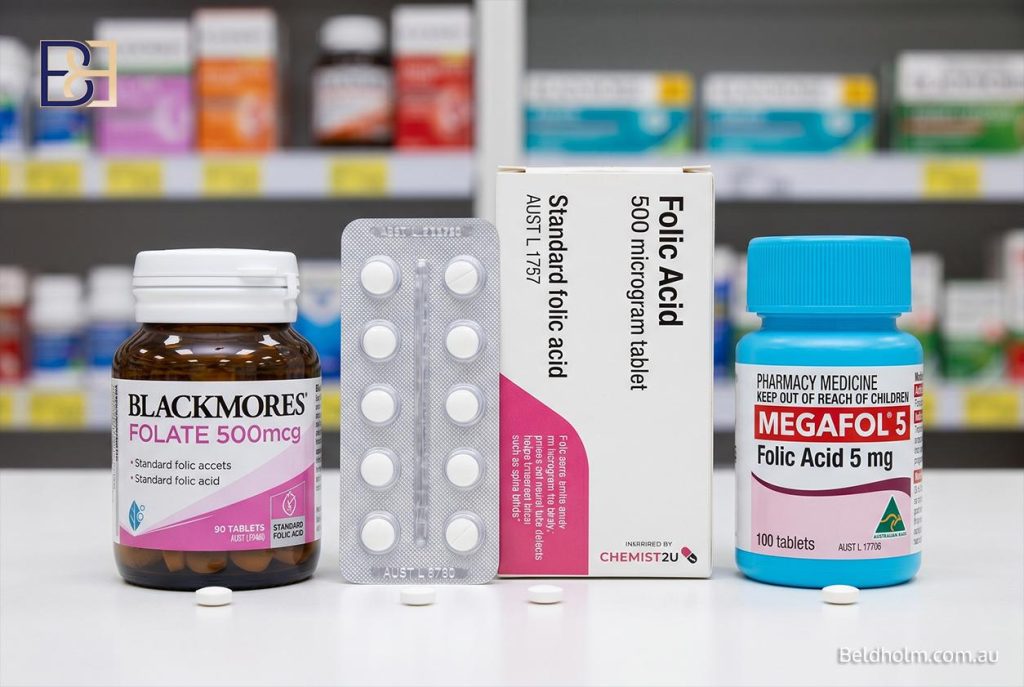
- Blackmores Folate 500mcg (90 tablets). Available at Chemist Warehouse, Priceline, and Amcal
- Generic folic acid 500 microgram tablets (various brands). Widely available
- Higher strength folic acid 5 mg (prescription required in some cases). Used for active deficiency repletion
Methylfolate (5-MTHF)

- BioCeuticals MTHF (L-5-methyltetrahydrofolate, 500 microgram and 1000 microgram strengths). Available through practitioner dispensaries and selected pharmacies
- Metagenics Metagen Activated B’s and Folate (combines 5-MTHF with methylcobalamin and pyridoxal-5-phosphate in a single capsule). Available through practitioner dispensaries and selected pharmacies
- Thorne 5-MTHF (imported, available through iHerb and some Australian retailers)
The choice of brand within each category is less important than the choice between standard folic acid and methylfolate. Any reputable Australian supplement brand meeting basic quality criteria is appropriate.
What Matters Most
The short summary is this: do not get distracted by the folic acid versus methylfolate debate. What matters most is:
- Whether folate deficiency is present (identified by blood testing)
- Whether vitamin B12 has been checked first (to avoid masking a B12 deficiency)
- Whether the patient is responding to supplementation (confirmed by recheck blood testing at 4 to 6 weeks)
If the answer to all three is yes, the supplementation is working, regardless of which form is being used. If the answer to any of them is no, I adjust the approach, which may include switching forms if that is the problem.
Form selection is one clinical decision point. It is not the whole story.
How I Use the Homocysteine Blood Test
I want to be clear about how I actually use this test in practice, because patients who have read about homocysteine online often expect something different from what I do.
Homocysteine Is Not a Routine Test
In my practice, I do not measure homocysteine in every body-contouring patient. It is not part of the standard pre-operative panel I order on the first appointment. Folate, red cell folate, vitamin B12, and vitamin B6 (as plasma PLP) are all routine. Homocysteine is not.
Instead, homocysteine is ordered as a reflex test. That means it is triggered by another result rather than being ordered upfront. The trigger is a low or borderline result for one or more B vitamins in the homocysteine pathway.
Specifically, I add homocysteine when:
- Vitamin B12 is low or borderline
- Serum folate is low or borderline
- Red cell folate is low or borderline
- Plasma PLP (vitamin B6) is low
- There is clinical suspicion of a metabolic issue affecting the folate, vitamin B12, or vitamin B6 pathway
- A patient has a history of venous thromboembolism
How Medicare Funds the Test

This approach aligns with how Medicare funds homocysteine testing in Australia.
From July 2025, homocysteine (MBS item 66839) is only rebatable as a reflex test when ordered in the same episode as a vitamin B12 test (MBS item 66838), and only when that B12 result is inconclusive or abnormal. Standalone homocysteine testing ordered purely for DVT risk assessment or general cardiovascular screening is not currently Medicare rebatable.
If homocysteine is ordered outside these reflex criteria, the patient pays out of pocket. The cost is approximately 30 to 60 Australian dollars, depending on the pathology provider.
The Medicare rule reflects the clinical reality. Homocysteine is useful as a signal that the folate, vitamin B12, or vitamin B6 pathways are not functioning. It is less useful as a standalone screening test for cardiovascular risk or DVT risk, particularly since the randomised controlled trial evidence covered earlier does not support acting on the number directly.
How I Interpret the Result
The homocysteine test reports total plasma homocysteine in µmol/L. The thresholds are:
- Normal: below 15 µmol/L
- Borderline elevated: 15 to 30 µmol/L
- Elevated: above 30 µmol/L
A result below 15 µmol/L tells me the folate, vitamin B12, and vitamin B6 metabolic pathways are functioning adequately. It does not mean every individual vitamin level is optimal, but it means the clearance system as a whole is working. For most patients, this is a reassuring finding.
A result between 15 and 30 µmol/L indicates a problem. One or more of the B vitamins is either deficient or functionally insufficient. The next step is to look at the individual vitamin levels to identify which deficiency is driving the elevation.
A result above 30 µmol/L is less common but requires urgent attention before surgery. It usually reflects severe deficiency of one or more b vitamins, sometimes combined with renal impairment, certain medications, or an inherited metabolic disorder. These patients need a thorough investigation before body contouring proceeds.
What Happens After an Elevated Result
When homocysteine comes back elevated, my process follows a clear sequence.
Step 1: Identify the driver. I look at the individual vitamin results. In most post-bariatric patients, the elevation is driven by folate deficiency, vitamin B12 deficiency, or both. Less commonly, vitamin B6 is the main driver. Occasionally, more than one deficiency contributes.
Step 2: Correct the specific deficiency. I commence supplementation targeted at the deficient B vitamins. Doses are covered later in this article and depend on the degree of deficiency.
Step 3: Recheck at 4 to 6 weeks. A follow-up blood test confirms whether supplementation has corrected both the individual vitamin levels and the homocysteine. For most patients, homocysteine returns to the normal range within this timeframe.
Step 4: Document and proceed. The result is recorded in the pre-operative risk assessment. If correction is successful, surgery is scheduled. If correction is not successful, I investigate further or delay surgery.
How the Result Informs the Surgical Plan
The homocysteine result informs my pre-operative planning in specific ways.
For a patient with normal homocysteine and normal individual B vitamin levels, nothing changes. Surgery proceeds according to the planned timeline, with standard Tier 1 supplementation continuing throughout the perioperative period.
For a patient with borderline elevated homocysteine that corrects with supplementation, the delay is usually 4 to 8 weeks. The recheck confirms the correction, and surgery is scheduled accordingly.
For a patient with significantly elevated homocysteine (above 30 µmol/L) or persistent elevation despite adequate supplementation, I take a more conservative approach. This may include:
- Extended pre-operative optimisation (8 to 12 weeks or longer)
- Referral back to the GP for further investigation, particularly of renal function, medication interactions, or inherited metabolic issues
- Haematology consultation in selected cases
- Staging of multiple planned body contouring procedures rather than combining them
- Lower threshold for post-operative DVT surveillance
These decisions sit with me as the treating surgeon, informed by the homocysteine result but not driven by it in isolation. A single number does not determine surgical planning. The full clinical picture does.
How I Think About the Homocysteine Test
The homocysteine test is a signal, not a treatment target. As a reflex test triggered by low or borderline B vitamin results, it provides useful information about whether the metabolic pathways are functioning. Adding it routinely would add cost without adding clinical information.
This approach is consistent with the Medicare rules that govern its funding, consistent with the clinical trial evidence on what homocysteine lowering does and does not achieve, and respectful of the patient’s time and out-of-pocket costs by not ordering tests speculatively.
How I Manage Elevated Homocysteine Before Body Contouring Surgery
Identifying elevated homocysteine is only the first step. What matters is what I do with that information. My approach follows a structured sequence, and I want to walk through it in practical detail so patients understand what to expect if their results come back elevated.
The goal is targeted correction of the specific B vitamin deficiency driving the elevation, not a blanket push to lower the homocysteine number. That principle shapes every step that follows.
Step 1: Identify the Specific Deficiency
When homocysteine comes back elevated, my first step is to identify which B vitamin is driving it. The individual vitamin results tell the story:
- Low serum folate or low red cell folate: folate deficiency is contributing
- Low vitamin B12: vitamin B12 deficiency is contributing
- Low plasma PLP: vitamin B6 deficiency is contributing
- Multiple low results: more than one deficiency is contributing
In my post-weight-loss patient population, the majority of elevated homocysteine results are due to folate deficiency, vitamin B12 deficiency, or both. Vitamin B6 deficiency alone is less common but does occur, particularly in patients with restrictive eating patterns or those on modern GLP-1-class weight-loss medications.
Step 2: Commence Targeted Supplementation
Dosing depends on which B vitamin is deficient and the degree of deficiency. The starting points I use are:
Folate
- Maintenance: 400 to 800 micrograms per day of folic acid or methylfolate
- Repletion of active deficiency: 1 to 5 milligrams per day of folic acid or methylfolate, under clinical supervision
- For women of reproductive age: 400 to 800 micrograms per day as a baseline, with dose adjustment based on blood results
Vitamin B12
- Maintenance: 350 to 1000 micrograms per day oral or sublingual, methylcobalamin preferred for post-bypass patients
- Repletion: 1000 to 2000 micrograms per day sublingual methylcobalamin
- For severe deficiency or poor response: intramuscular cyanocobalamin or hydroxocobalamin, typically arranged through the GP. Standard dosing is 1000 micrograms given every 1 to 3 months, with a loading course (daily or alternate-day injections over 1 to 2 weeks) for severe deficiency
Vitamin B6
- Maintenance: 1.3 to 2 milligrams per day, typically covered by a complete multivitamin or activated B-complex
- Repletion: 25 to 50 milligrams per day of pyridoxal-5-phosphate (the active form) for established deficiency
- Avoid prolonged high-dose supplementation (above 200 milligrams per day long-term), which can cause peripheral neuropathy
For patients with deficiency across multiple b vitamins, I often prescribe an activated B-complex that contains all three in their active forms. Metagenics Metagen Activated B’s and Folate contains 5-methyltetrahydrofolate, methylcobalamin, and pyridoxal-5-phosphate in a single daily capsule. This treats all three homocysteine pathway B vitamins simultaneously.
Step 3: Recheck at 4 to 6 Weeks
I repeat the blood tests after 4 to 6 weeks of supplementation. The recheck includes:
- The individual’s B vitamin levels were low
- Homocysteine, to confirm the metabolic pathway has normalised
- Full blood count, if anaemia was present on the initial test
The target is a homocysteine level below 15 µmol/L, with individual vitamin levels returning to within their reference ranges. For most patients on targeted supplementation, this is achieved within the 4- to 6-week window.
If the recheck confirms correction, we proceed to surgery planning.
Step 4: Escalation if Homocysteine Remains Elevated
In a small number of patients, homocysteine remains above 15 µmol/L despite targeted supplementation. When this happens, my next steps depend on the clinical picture.
Check vitamin B6 if not already tested. If the initial panel focused on folate and vitamin B12, and both are now adequate on recheck, a low plasma PLP may be the remaining driver. Vitamin B6 supplementation is added if needed.
Consider compliance. Some patients struggle with the supplement regimen, whether due to forgetting, side effects (rare), or cost. I have a frank conversation about compliance before escalating further. In my experience, poor compliance is the most common reason for persistent elevation despite prescribed supplementation.
Consider the MTHFR variant. If the patient is on standard folic acid and responding poorly, switching to methylfolate may improve the response even without formal MTHFR testing. This is a reasonable empirical step.
Refer to the GP for further investigation. Persistent elevation despite adequate B vitamin supplementation raises the possibility of other causes. These include:
- Renal impairment, which reduces homocysteine clearance independently of B vitamin status
- Medication interactions, particularly proton pump inhibitors (which reduce B12 absorption), metformin (which depletes B12), and anticonvulsants (which interfere with folate metabolism)
- Hypothyroidism, which can elevate homocysteine
- Inherited metabolic disorders beyond the common MTHFR variants
Consider a haematology consultation. For patients with significantly elevated homocysteine levels above 30 µmol/L that do not respond to standard measures, or with a personal or family history of unexplained venous thromboembolism, specialist haematology review may be appropriate.
Step 5: The Surgical Decision

Once all of the above have been addressed, the final question is whether to proceed with body-contouring surgery.
For most patients, the answer is yes. The underlying deficiencies have been identified and corrected. The recheck blood test confirms adequate B vitamin status and normal homocysteine. The patient’s overall pre-operative preparation is complete, and surgery can be scheduled.
For a smaller group, I delay surgery until the picture is clearer. The reasons might include:
- Persistent elevation of homocysteine that has not yet been explained
- Ongoing investigation of other medical issues identified during the pre-operative workup
- Time needed for the GP to optimise other contributors (renal function, thyroid status, medication review)
- The patient needs more time to establish consistent compliance with supplementation
Delaying surgery is not a failure. It is the right decision when pre-operative optimisation is incomplete. A patient who comes to theatre with corrected B vitamin status, normal homocysteine levels, adequate wound-healing capacity, and a metabolic profile no longer actively shifted toward clotting is in a better position than one who has been rushed.
I tell patients this directly. The goal is not to get to surgery on a set date. The goal is to get to surgery in the best possible condition.
What This Looks Like in Practice
The patient journey through this process typically looks like:
Week 0: First consultation. Pre-operative blood panel ordered, including folate, red cell folate, vitamin B12, vitamin B6, and a wide range of other pre-operative tests. Tier 1 supplements commenced.
Weeks 2 to 4: Blood results consultation. Results reviewed in detail. If B vitamin deficiencies are confirmed and homocysteine is added as a reflex test, the specific supplementation plan is finalised. Tier 2 supplements added as needed.
Weeks 6 to 10: Recheck blood test. Confirmation that B vitamin levels and homocysteine are now in range. Surgery is scheduled.
Weeks 10 onwards: Surgery proceeds once the pre-operative preparation is complete.
For patients without any deficiencies on the first panel, the timeline can be much shorter. For patients with complex deficiencies or persistent elevation, it can extend to several months. The specific plan is individualised to the patient’s results and circumstances.
The point of the structured approach is to get the pre-operative preparation right before operating, not to get to surgery on a fixed date. Body contouring surgery is not inherently dangerous for well-prepared patients. But pre-operative nutritional optimisation is one of the few levers we can actually pull, and it is worth taking the time to pull it properly.
Where Folate and Homocysteine Fit in My DVT Prevention Approach
Correcting B vitamin deficiencies and treating elevated homocysteine levels are components of a broader DVT prevention strategy. It sits within a structured approach that covers risk stratification, intraoperative measures, post-operative protocols, and medication management. This section walks through how all of these pieces fit together and, specifically, where the nutritional work lives within the bigger picture.
DVT Risk Stratification Is My Responsibility
Before going into the prevention measures themselves, it is worth clarifying who makes the decisions.
DVT risk stratification and the decision about what thromboprophylaxis to use sit with me as the treating surgeon. This is my responsibility, not the anaesthetist’s. The anaesthetist manages the anaesthetic itself, reviews the patient’s medical history at the pre-operative anaesthetic consultation, and determines perioperative medication management, including any GLP-1 medications the patient may be taking. DVT prophylaxis is a surgical decision informed by the patient’s specific risk factors and the planned procedure.
I assess DVT risk for every patient individually. The factors I take into account include:
- Age
- Body weight and BMI in the clinical context
- Medical history, including any personal or family history of venous thromboembolism
- Previous surgery, particularly previous bariatric or abdominal surgery
- Current medications, including hormonal contraception or hormone replacement therapy
- Smoking status
- Nutritional status and blood test results, including elevated homocysteine levels where present
- Procedure type, operative time, and surgical positioning
- Planned length of stay and early mobility expectations
- Any other relevant medical conditions that influence clotting risk
From this assessment, I decide what thromboprophylaxis is appropriate. The plan varies patient by patient.
What Thromboprophylaxis Includes
In body contouring surgery, my standard thromboprophylaxis approach includes several layered measures, not just one.
Intraoperative compression. Sequential compression devices are applied to both legs during surgery. These inflate and deflate rhythmically to maintain venous return while the patient is immobile on the operating table. This is a standard part of my protocol for every body contouring procedure, regardless of individual risk factors.
Early mobilisation. I have patients walking within 24 hours of surgery. Early movement restores venous return, reduces stasis in the deep veins of the legs, and is one of the most effective single measures for preventing DVT. The hospital nursing team at Maitland Private Hospital is well-practised in getting patients up and moving on day one, and my standard post-operative instructions reinforce this.
Graduated compression stockings. Patients wear graduated compression stockings during hospital admission and for a period after discharge. These apply more pressure at the ankle and progressively less pressure up the leg, thereby supporting venous return during the recovery period, when mobility is still limited.
Chemoprophylaxis with low-molecular-weight heparin. For patients I assess as moderate to high risk, I prescribe low-molecular-weight heparin. The specific dose and duration depend on the patient’s risk profile and the procedure performed. Lower-risk patients may receive a shorter course confined to the hospital admission. Higher-risk patients may continue treatment for several weeks after discharge.
Post-operative surveillance. I maintain a low threshold for investigating possible DVT in the post-operative period. Any suggestive symptoms (leg swelling, asymmetric calf pain, unexplained shortness of breath, chest discomfort) prompt immediate investigation with Doppler ultrasound. Early detection and treatment make a significant difference to outcomes (25).
Where Nutritional Status Fits In
Elevated homocysteine is one input into my risk assessment. It is not a risk factor that is treated in isolation, and it is not the primary driver of prophylaxis decisions for most patients. But it contributes to the overall picture in specific ways:
- A patient with uncorrected folate deficiency, vitamin B12 deficiency, or vitamin B6 deficiency has a metabolic profile that is already shifted toward clotting before surgery even begins
- The same patient also has impaired wound healing capacity and reduced oxygen-carrying capacity from megaloblastic anaemia, which affects recovery beyond just DVT risk
- Correcting the deficiencies before surgery removes a correctable contributor to the overall risk profile
Whether this translates into a measurably lower DVT rate at the individual patient level is not proven by the randomised controlled trial evidence covered earlier in this article. But it does mean the patient is entering surgery with fewer correctable problems. That matters.
For a patient with persistently elevated homocysteine that has not responded to B vitamin supplementation, I take a more conservative approach to thromboprophylaxis. This might include extended post-operative low-molecular-weight heparin, a lower threshold for Doppler surveillance, and closer outpatient follow-up in the early recovery period.
Aspirin and Anticoagulants Before Surgery

A brief note on pre-operative management of aspirin and other anticoagulants, which is a related but distinct issue.
For most patients, aspirin and anticoagulant medications are stopped approximately one week before surgery to reduce intraoperative bleeding risk. This applies to commonly used medications including aspirin, warfarin, and direct oral anticoagulants. The specific timeframe varies by medication and indication.
Some patients need to continue these medications through surgery for clinical reasons. Patients with mechanical heart valves, recent coronary stents, or a recent history of significant thromboembolism sometimes fall into this category. Where continuation is needed, it is planned well in advance and managed carefully.
The management of anticoagulant cessation before surgery is shared with me as the treating surgeon, in partnership with the patient’s GP. This is not a decision made by the anaesthetist. Patients should never stop anticoagulant medications without first discussing it with me or their GP, because the individual risk-benefit calculation depends on why the medication was started in the first place.
I cover this topic in more detail in a dedicated article on DVT risk and prevention in body contouring surgery.
Post-Operative DVT Surveillance
DVT can develop in the first days and weeks after surgery. The highest risk period is typically the first 14 days, though the risk extends beyond this window in patients with additional risk factors.
During the hospital stay, the nursing team monitors patients closely for any signs of developing DVT. The bedside assessment includes checking for leg swelling, pain on palpation of the calf, warmth, and asymmetry between the two legs. Any concern prompts discussion with me and, where appropriate, further investigation.
After discharge, patients are given clear instructions about what to look for at home. The warning signs that should prompt immediate assessment include:
- Swelling, pain, warmth, or redness in one or both legs, particularly in the calf
- A leg that feels noticeably heavier or more tense than the other
- Sudden shortness of breath
- Chest pain or a feeling of tightness in the chest
- Rapid or irregular heartbeat
- Feeling faint or dizzy without explanation
These symptoms require urgent medical assessment. My after-hours contact pathway is through Maitland Private Hospital, where an experienced nurse answers the phone and can either provide advice for less urgent concerns or contact me directly for matters needing my input. For anything requiring physical assessment, patients are directed to their local emergency department. For life-threatening symptoms, the instruction is to call 000.
Maitland Private Hospital is not an emergency department and does not have a doctor available on-site to assess discharged patients. The on-site medical cover is for inpatients only. This is a practical point that patients need to understand before they leave the hospital, so they know where to go if a problem arises.
The Bigger Picture
Folate and homocysteine sit within a broader DVT prevention strategy that covers many dimensions. Nutritional work is important because it treats a correctable contributor to the patient’s risk profile, but it is one component, not the whole strategy. My detailed approach to DVT risk stratification and prevention, including specific thromboprophylaxis decisions and patient-specific scoring, is covered in a separate article. For this article, the key point is that nutritional optimisation sits alongside the other measures described above. It is not a standalone intervention, and it is not treated in isolation.
Key Takeaways for Patients Preparing for Body Contouring Surgery
Folate, homocysteine, and DVT risk is a topic with a lot of detail behind it. For patients preparing for body-contouring surgery after significant weight loss, the following points summarise what matters in practice.
Folate, Vitamin B12, and Vitamin B6 Are Essential Before Surgery
These three B vitamins work together to support DNA synthesis, healthy red blood cell production, homocysteine clearance, and wound healing. All three are commonly deficient in post-bariatric patients, whether weight loss was achieved through sleeve gastrectomy, Roux-en-Y gastric bypass, or, more recently, through modern GLP-1-class weight-loss medications.
Going into body contouring surgery with an uncorrected B vitamin deficiency means entering with:
- Impaired DNA synthesis and cell division, which affects tissue repair
- Reduced capacity to produce healthy red blood cells, which affects oxygen delivery to healing tissues
- Compromised collagen cross-linking, which affects wound strength and scar quality
- A metabolic profile shifted toward clotting risk
Each of these is a correctable problem. The pre-operative workup is designed to identify them and treat them before surgery proceeds.
Homocysteine Is a Signal, Not a Treatment Target
Elevated homocysteine levels flag that the folate, vitamin B12, or vitamin B6 pathways are not functioning properly. A result above 15 µmol/L tells me something is wrong, and prompts me to identify which b vitamin is deficient.
The homocysteine number itself is not my treatment target. The randomised controlled trial evidence does not support the claim that lowering homocysteine with b vitamin supplementation prevents blood clots. The VITRO trial and the HOPE-2 trial, the two largest studies designed to answer this question, both found that B vitamin supplementation effectively lowered homocysteine but did not reduce the incidence of venous thromboembolism.
The evidence supports that correcting underlying B vitamin deficiencies matters for surgical outcomes, independently of homocysteine levels. Improved wound healing, adequate red blood cell function, and reduced metabolic stress all contribute to better recovery. That is the clinical reason I correct the deficiencies, not the homocysteine value.
I Test Folate and Vitamin B12 Together, With Homocysteine as a Reflex
My pre-operative blood panel for every post-weight-loss body contouring patient includes serum folate, red cell folate, vitamin B12, and vitamin B6 (as plasma PLP). Homocysteine is not routine. It is added as a reflex test when one or more of the b vitamins is low or borderline, or when there is clinical suspicion of a metabolic pathway issue.
This approach aligns with the current Medicare rules for homocysteine testing in Australia and reflects the clinical reality that individual vitamin levels are more actionable than homocysteine alone.
Folic Acid and Methylfolate Are Both Useful
Standard folic acid is appropriate for most patients. Methylfolate (5-MTHF) is a better choice for patients with known or suspected MTHFR gene variants, those who respond poorly to standard folic acid, and those with significant liver dysfunction. An activated B-complex containing methylfolate, methylcobalamin, and pyridoxal-5-phosphate is useful when multiple B vitamin deficiencies are present.
The form of the supplement matters less than whether the deficiency is being corrected. Follow-up blood testing at 4 to 6 weeks confirms whether supplementation is working. If it is not, the approach is adjusted.
Pre-Operative Optimisation Is a Shared Responsibility
My role is pre-operative optimisation. I assess nutritional status, order blood tests, commence Tier 1 supplements, identify deficiencies, and prescribe Tier 2 supplements as needed. A dietitian handles perioperative nutritional management during admission and early recovery. Your GP handles long-term management after the perioperative window closes.
For post-bariatric patients, lifelong nutritional follow-up with your GP is essential. Folate, vitamin B12, and vitamin B6 deficiencies can recur years after bariatric surgery, even in patients who have done everything right. Ongoing monitoring is the only way to catch these issues before they become clinically significant.
DVT Prevention Is a Layered Strategy

Folate and homocysteine sit within a broader DVT prevention approach that covers multiple dimensions. Risk stratification and thromboprophylaxis decisions are mine as the treating surgeon. The approach includes intraoperative compression, early mobilisation within 24 hours, graduated compression stockings, low-molecular-weight heparin for moderate to high-risk patients, and post-operative surveillance.
Nutritional status is one input into the risk assessment, not the whole strategy. My detailed approach to DVT risk stratification and prevention is covered in a dedicated article.
The Bottom Line
Folate deficiency, vitamin B12 deficiency, and vitamin B6 deficiency are common after bariatric surgery. They affect wound healing, red blood cell function, and metabolic function. They can elevate homocysteine levels, which is a useful marker even if it is not a direct treatment target.
Blood testing before surgery identifies and quantifies these deficiencies. Correcting them before surgery is part of my standard pre-operative workup for every post-weight-loss body-contouring patient, whether they are considering abdominoplasty (tummy tuck), body lift (belt lipectomy), thighplasty (thigh lift), brachioplasty (arm lift), mastopexy (breast lift), or combinations of these procedures.
Results vary between patients. This article is general information only. Individual assessment during consultation is what determines the right approach for your circumstances.
Other Health Considerations: Folate and Folic Acid Beyond the Surgical Context
The rest of this article has focused on folate, homocysteine, and DVT risk in the specific context of body contouring surgery after significant weight loss. Folate and homocysteine also have broader health implications worth understanding briefly, particularly for post-bariatric patients who will be on long-term supplementation. These are areas your GP manages as part of long-term health follow-up, not issues I treat in the perioperative window. The short summaries below cover the main points.
Folic Acid and Pregnancy

Maternal folic acid supplementation is recommended for all women of childbearing age, regardless of whether they are actively planning pregnancy. Adequate folate intake in early pregnancy reduces the incidence of neural tube defects, including spina bifida (a malformation of the spine) and anencephaly (a malformation of the skull and brain). Neural tube defects result from a failure of the neural tube to close properly during the first few weeks of pregnancy, often before a woman knows she is pregnant. Women with insufficient folate intake are at increased risk of giving birth to infants with neural tube defects, and low folate levels in early pregnancy are believed to cause more than half of such cases.
Published research from the U.S. Department of Health and Human Services recommends that all women of childbearing age consume 400 micrograms of folic acid daily from folic acid supplements or fortified foods, starting at least one month before conception. For pregnant women, the recommended intake rises to 600 micrograms daily. In Australia, the published adult daily intake for adults is 400 mcg of dietary folate equivalents, consistent with international guidance. Since the implementation of mandatory folic acid fortification in the United States in 1998, neural tube defect rates have declined by approximately 28%. National Health and Nutrition Examination Survey data from the United States have shown that folic acid fortification reduced population homocysteine levels and the prevalence of elevated homocysteine. A second Nutrition Examination Survey confirmed these population-level trends.
Australia’s mandatory folic acid fortification program, in place since 2009, adds folic acid to bread-making flour as a population-level measure to reduce neural tube defects. Countries that require folic acid fortification have seen measurable reductions in neural tube birth defects, and the Australian folate fortification program has contributed to the same trend locally. Multivitamin supplements for pregnancy typically contain 400 to 800 micrograms of folic acid, and prenatal-specific dietary supplements are widely available through pharmacies. For post-bariatric patients of childbearing age, the dose may be adjusted upward based on blood results, and management is coordinated with the patient’s GP.
Folate is also vital during other growth phases, including infancy and adolescence, because rapid cell division and tissue growth increase demand for folate as a coenzyme in DNA synthesis.
Homocysteine and Cardiovascular Disease

Elevated homocysteine levels have been associated with increased risk of cardiovascular disease, including coronary heart disease and cardiovascular events such as heart attack and stroke. The risk of cardiovascular disease increases in a graded fashion as homocysteine levels rise. Patients with coronary heart disease and elevated homocysteine levels carry an increased risk of further cardiovascular events compared to those with normal homocysteine levels. When too much homocysteine accumulates in the blood, it damages blood vessels and shifts the coagulation system toward clotting. This association between elevated homocysteine and cardiovascular disease has been observed in large population-based studies over several decades.
The interventional evidence tells a more complicated story. The same randomized controlled trials that showed no benefit of b vitamin supplementation for DVT prevention also showed limited benefit for cardiovascular disease prevention. Published meta-analyses of these randomised controlled trials have concluded that B vitamin supplementation lowers plasma homocysteine levels effectively but does not consistently reduce overall cardiovascular disease events (8). A meta-analysis of 19 randomised controlled trials concluded that B vitamin supplementation, including folic acid, has no significant effect on the overall risk of cardiovascular disease but does reduce the risk of stroke by approximately 12%. For cardiovascular disease prevention at the population level, homocysteine-lowering therapy with folic acid has not delivered the consistent benefit that observational studies suggested it would. The homocysteine test remains useful as a marker, but it has not proven to be a treatment target for cardiovascular disease prevention.
There is one area of a modest signal. Published research suggests that folic acid supplementation may reduce stroke risk, with the effect most apparent in populations without mandatory folic acid fortification. A large folic acid cardiovascular study conducted in China (the CSPPT trial) showed a significant reduction in stroke risk with folic acid supplementation in a population without mandatory folic acid fortification, reducing stroke incidence by approximately 21% in adults with high blood pressure. In fortified populations, including Australia, the baseline folate status is higher, and the incremental benefit of supplementation on cardiovascular disease outcomes is smaller.
For post-bariatric patients, the risk of cardiovascular disease is often already elevated from residual body weight, high blood pressure, and metabolic factors that persist after weight loss. Heart disease is the leading cause of death in Australia, and treating modifiable risk factors is part of long-term health management. Heart disease risk in this population benefits from the same measures that apply to the general population: controlling high blood pressure, managing glucose, maintaining physical activity, and correcting vitamin B deficiency when present. Cardiovascular events such as heart attack and stroke account for a significant proportion of premature mortality in post-bariatric patients, and this is why heart disease risk reduction sits alongside nutritional status as an ongoing focus of long-term care. Treating modifiable risk factors, including nutritional status, blood pressure, and glucose control, is part of long-term health management. This is GP-led territory, not something I treat in the surgical workup.
For my patients specifically, I want to clarify the scope. In the weeks before surgery, my job is to get folate, vitamin B12, and vitamin B6 into adequate ranges so that heart disease risk and cardiovascular disease risk are not worsened by nutritional gaps on the day of surgery. Long-term heart disease prevention, including ongoing dietary supplements and lifestyle factors, is best managed by the GP. If you have established heart disease or a strong family history of heart disease, that is a conversation to have with your GP alongside your body contouring workup, not instead of it. Dietary supplements prescribed for general heart disease prevention should be reviewed by the prescriber. The evidence from randomised controlled trials on B vitamin supplementation for cardiovascular disease prevention is what it is, and acting on it means focusing on what is measurable and correctable rather than chasing a marker.
Folate and Cancer Risk
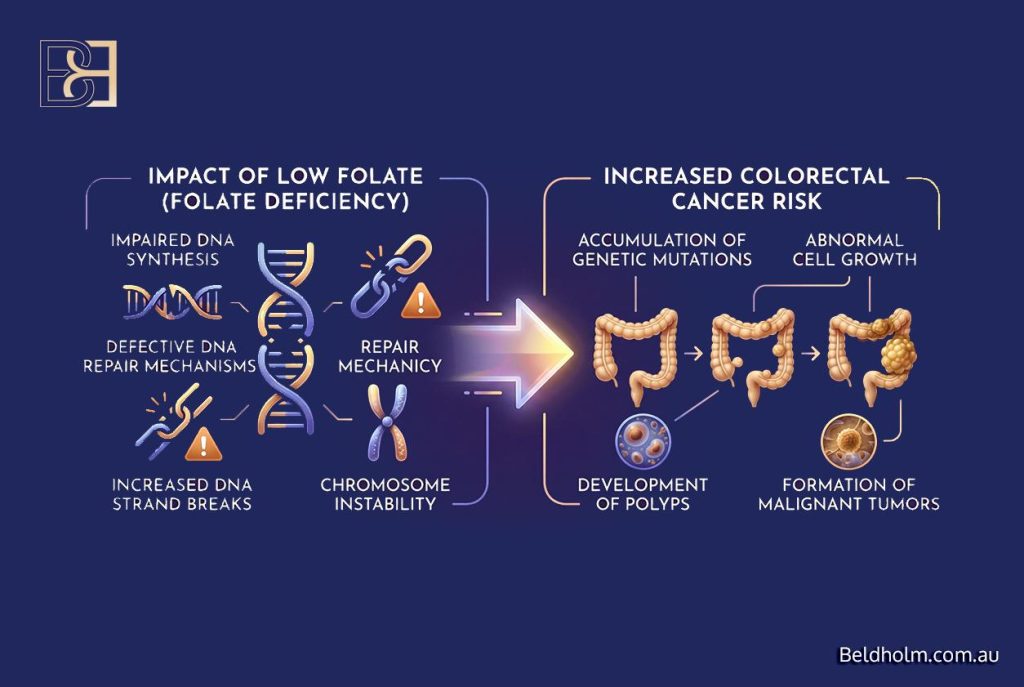
The relationship between folate status and cancer risk is complex. Adequate folate intake from dietary sources appears to be protective against certain cancers, particularly colorectal cancer. Population studies have shown lower colorectal cancer rates in populations with adequate folate intake and fortified foods. Colorectal cancer incidence is lower in populations with adequate folate status than in those with widespread vitamin B deficiency. Adequate folate intake may also reduce the risk of certain other cancers, including head, neck, and esophageal cancers.
There is some concern that excess supplemental folic acid at doses above 1mg per day taken long-term could promote the growth of pre-existing cancer cells. The evidence is not conclusive, and the colorectal cancer risk associated with high-dose folic acid appears to apply mainly to individuals with established pre-cancerous lesions rather than to the general population. Colorectal cancer risk in post-bariatric patients is more strongly influenced by the other risk factors typical in this population (age, body weight, inflammation, dietary pattern) than by short-term perioperative folic acid supplementation. Cancer incidence data from clinical trials and folic acid fortification programs continue to be monitored, and cancer incidence trends have not shown a dramatic rise attributable to fortification.
For short-term perioperative folic acid supplementation at the doses I use, cancer risk is not a clinical concern. For lifelong high-dose folic acid supplementation after bariatric surgery, the theoretical concern is one reason to use targeted dosing based on blood test results rather than blanket high-dose supplementation.
Cognitive Decline and Endothelial Function

Low folate and elevated homocysteine levels have been linked to cognitive decline in ageing populations. The homocysteine test is sometimes ordered as part of a broader workup for cognitive decline, although folate and vitamin B12 levels are usually more directly actionable. Vitamin B12 deficiency is associated with neurological damage and, in severe or prolonged cases, cognitive changes that can be irreversible. When homocysteine levels are elevated, the blood vessels supplying the brain are affected in ways that may contribute to cognitive decline over time. For post-bariatric patients on long-term restrictive diets, ongoing GP monitoring is essential to catch these deficiencies before they cause neurological problems. Chronic vitamin B deficiency left uncorrected carries an increased risk of long-term cognitive changes.
Published research has also investigated whether B vitamin supplementation improves endothelial function in patients with high blood pressure or cardiovascular risk factors. The findings have been mixed, with some studies showing modest benefit and others showing no effect (23, 24). Folate and other B vitamins play a role in the health of small blood vessels beyond the folate-homocysteine pathway, and the ability to convert folate efficiently into the active methylfolate form appears to be a contributing factor. Red blood cells that cannot carry oxygen-rich blood, whether due to megaloblastic anaemia or to endothelial dysfunction affecting small vessels, contribute to poor tissue perfusion. This remains an area of ongoing research rather than an established intervention.
For patients considering whether to add folic acid to their existing dietary supplements, the decision is best made in consultation with the treating GP, based on blood test results rather than on general claims about cognitive health. Dietary supplements used for cognitive health vary widely in quality, and the role of folate within such regimens depends on the individual’s folate status. As with the neural tube defects discussion earlier, the underlying principle is that dietary supplements work best when targeted to measurable deficiencies rather than added routinely.
Dietary Sources of Folate

Folate is found in dark green leafy vegetables (spinach, broccoli, asparagus, rocket, kale, silverbeet), legumes (lentils, chickpeas, black beans), citrus fruits, avocado, and whole grains. In Australia, enriched breads and some breakfast cereals also contribute folic acid through the mandatory fortification program. For most adults, a combination of food folate and baseline folic acid intake from fortified foods provides adequate folate status.
For post-bariatric patients, dietary intake alone rarely provides enough folate to meet the body’s requirements. Reduced food volume, altered absorption after gastric bypass or sleeve gastrectomy, and the practical challenges of eating a folate-rich diet after bariatric surgery mean that supplementation is almost always needed. Folic acid supplements or multivitamin supplements containing adequate folic acid, or methylfolate where indicated, form the practical approach for this patient group. For patients whose bloods show confirmed deficiency, targeted folic acid intake at a therapeutic dose is appropriate; for those whose bloods are adequate, there is usually no clinical reason to add folic acid to the regimen beyond what a multivitamin provides. Adequate folate intake supports the production of healthy red blood cells that can carry oxygen-rich blood to tissues during and after surgery.
The Scope of This Article
This article has focused on folate, homocysteine, and DVT risk in the context of post-weight-loss body contouring surgery. The broader health implications covered in this section are touched on briefly for completeness, but they are not the focus of my pre-operative workup. Long-term management of folate status, homocysteine, cardiovascular risk, and related issues is best handled by your GP as part of ongoing health care.
If you have specific concerns about any of the broader health topics mentioned in this section, discuss them with your GP. For the surgical context, my focus is on getting your nutritional status right in the weeks before body contouring surgery, and that is what the rest of this article has been about.
References
- Griffin M, Akhavani MA, Muirhead N, Fleming ANM, Soldin M. Risk of thromboembolism following body-contouring surgery after massive weight loss. ePlasty. 2015;15:e19.
- Cushman M. Epidemiology and risk factors for venous thrombosis. Semin Hematol. 2007;44(2):62-69.
- Pushpakumar S, Kundu S, Sen U. Endothelial dysfunction: the link between homocysteine and hydrogen sulfide. Curr Med Chem. 2014;21(32):3662-3672.
- Upchurch GR Jr, Welch GN, Fabian AJ, et al. Homocyst(e)ine decreases bioavailable nitric oxide by a mechanism involving glutathione peroxidase. J Biol Chem. 1997;272(27):17012-17017.
- Undas A, Williams EB, Butenas S, Orfeo T, Mann KG. Homocysteine inhibits inactivation of factor Va by activated protein C. J Biol Chem. 2001;276(6):4389-4397.
- Leoncini G, Bruzzese D, Signorello MG. Activation of p38 MAPKinase/cPLA2 pathway in homocysteine-treated platelets. J Thromb Haemost. 2006;4(1):209-216.
- den Heijer M, Lewington S, Clarke R. Homocysteine, MTHFR and risk of venous thrombosis: a meta-analysis of published epidemiological studies. J Thromb Haemost. 2005;3(2):292-299.
- Li M, Ren R, Wang K, et al. Effects of B vitamins on homocysteine lowering and thrombotic risk reduction: a review of randomized controlled trials published since January 1996. Nutrients. 2025;17(7):1122.
- den Heijer M, Willems HPJ, Blom HJ, et al. Homocysteine lowering by B vitamins and the secondary prevention of deep vein thrombosis and pulmonary embolism: a randomized, placebo-controlled, double-blind trial. Blood. 2007;109(1):139-144.
- The HOPE-2 Investigators. Rationale, design and baseline characteristics of a large, simple, randomized trial of combined folic acid and vitamins B6 and B12 in high-risk patients: the Heart Outcomes Prevention Evaluation (HOPE)-2 trial. Can J Cardiol. 2006;22(1):47-53.
- Ray JG, Kearon C, Yi Q, Sheridan P, Lonn E; Heart Outcomes Prevention Evaluation 2 (HOPE-2) Investigators. Homocysteine-lowering therapy and risk for venous thromboembolism: a randomized trial. Ann Intern Med. 2007;146(11):761-767.
- Homocysteine Lowering Trialists’ Collaboration. Lowering blood homocysteine with folic acid based supplements: meta-analysis of randomised trials. BMJ. 1998;316(7135):894-898.
- Agha-Mohammadi S, Hurwitz DJ. Nutritional deficiency of post-bariatric surgery body contouring patients: what every plastic surgeon should know. Plast Reconstr Surg. 2008;122(2):604-613.
- Mehta AR, Kosterich JD, Engel AM, et al. Nutritional challenges in post-massive weight loss body contouring: guidance for plastic surgeons on GLP-1 agonists and sleeve gastrectomy. Plast Reconstr Surg. 2025. Epub ahead of print.
- Lewis CA, de Jersey S, Seymour M, Hopkins G, Hickman I, Osland E. Iron, vitamin B(12), folate and copper deficiency after bariatric surgery and the impact on anaemia: a systematic review. Obes Surg. 2020;30(11):4542-4591.
- Nunes R, Santos-Sousa H, Vieira S, et al. Vitamin B complex deficiency after Roux-en-Y gastric bypass and sleeve gastrectomy: a systematic review and meta-analysis. Obes Surg. 2022;32(3):873-891.
- Ben-Porat T, Elazary R, Goldenshluger A, Sherf Dagan S, Mintz Y, Weiss R. Nutritional deficiencies four years after laparoscopic sleeve gastrectomy: are supplements required for a lifetime? Surg Obes Relat Dis. 2017;13(7):1138-1144.
- Cattaneo M, Lombardi R, Lecchi A, Bucciarelli P, Mannucci PM. Low plasma levels of vitamin B(6) are independently associated with a heightened risk of deep-vein thrombosis. Circulation. 2001;104(20):2442-2446.
- 1000 Genomes Project Consortium; Auton A, Brooks LD, et al. A global reference for human genetic variation. Nature. 2015;526(7571):68-74.
- Leclerc D, Sibani S, Rozen R. Molecular biology of methylenetetrahydrofolate reductase (MTHFR) and overview of mutations/polymorphisms. In: Madame Curie Bioscience Database. Austin (TX): Landes Bioscience; 2013.
- Gatt A, Makris M. Hyperhomocysteinemia and venous thrombosis. Semin Hematol. 2007;44(2):70-76.
- Scaglione F, Panzavolta G. Folate, folic acid and 5-methyltetrahydrofolate are not the same thing. Xenobiotica. 2014;44(5):480-488.
- Zamani M, Rezaiian F, Saadati S, et al. The effects of folic acid supplementation on endothelial function in adults: a systematic review and dose-response meta-analysis of randomized controlled trials. Nutr J. 2023;22(1):12.
- Menzel D, Haller H, Wilhelm M, Robenek H. L-Arginine and B vitamins improve endothelial function in subjects with mild to moderate blood pressure elevation. Eur J Nutr. 2018;57(2):557-568.
- Humar P, Robinson B. Preparing patients for body contouring surgery and postoperative surveillance for deep venous thrombosis. Clin Plast Surg. 2024;51(1):1-6.