Good aftercare does a lot of the work in determining how well you recover from abdominoplasty (tummy tuck) surgery. The operation itself matters, but the recovery process that follows matters just as much. Wound healing, swelling, scar maturation, and your return to normal activity all depend on how closely you follow the aftercare plan.
In my practice, based at Maitland Private Hospital in the Hunter Valley, I look after a high volume of post-weight-loss body contouring patients. This group has specific needs that differ from those of patients who come to tummy tuck (abdominoplasty) surgery for other reasons, and those differences shape every part of the aftercare plan. Over the years, I have seen how much a well-supported recovery influences the final outcome, and what happens when the healing process is rushed or cut short. This guide covers the approach I use with my own post-weight-loss patients, drawing on peer-reviewed research and on what I have learned from looking after this group through their recovery.
Why This Guide Is Written for Post-Weight-Loss Patients

Post-weight-loss patients present for abdominoplasty through a range of pathways. Some have lost weight through diet and exercise, some through bariatric surgery, and a growing number through weight-loss medications. Whichever route patients have taken, this group’s aftercare needs share important features that are not always covered in generic recovery information.
Post-weight-loss patients are more likely to have nutritional gaps going into surgery, particularly around protein, iron, B12, folate, and vitamin D (5). These gaps affect how wounds heal, how much bruising you get, and how your body recovers (5, 6). Recovery planning for this group has to take nutrition seriously, not as an afterthought.
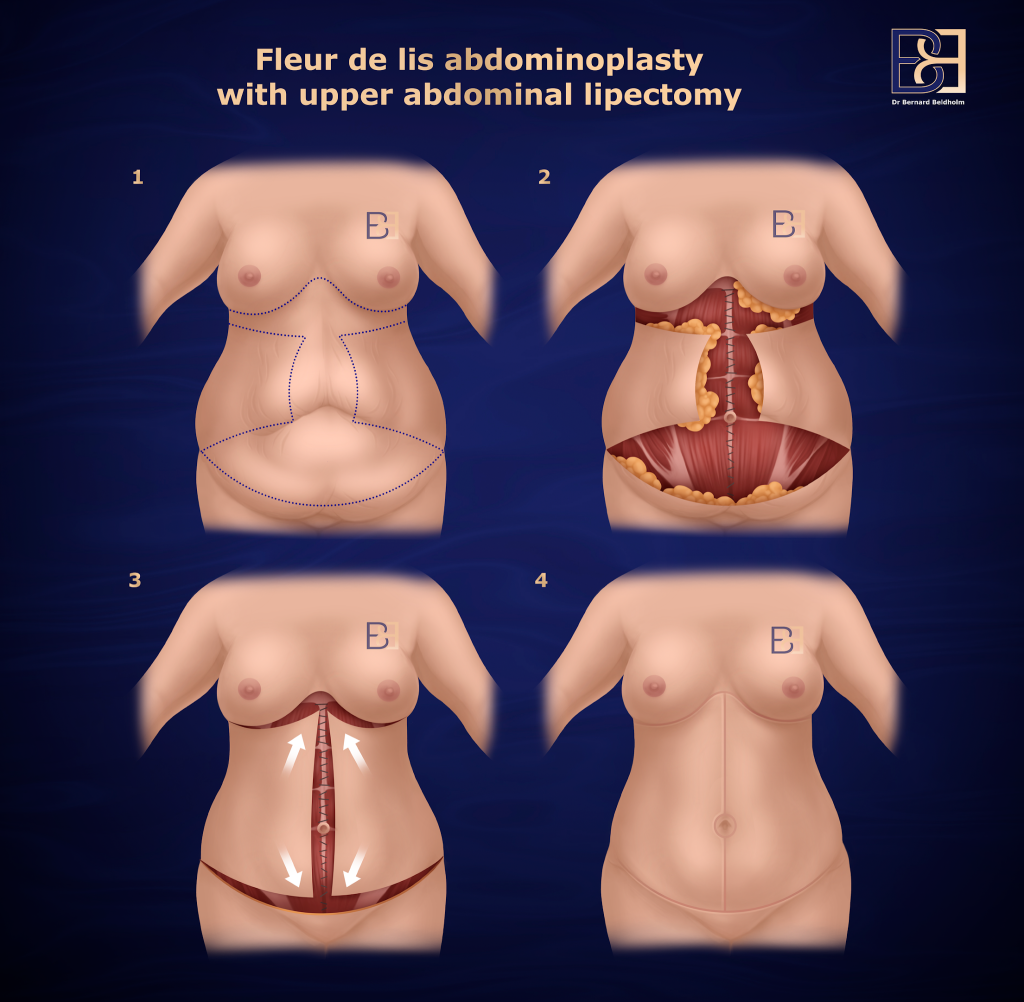
The surgery itself is also often more extensive in post-weight-loss patients. A standard tummy tuck (abdominoplasty) may not be enough, and abdominoplasty procedures such as circumferential abdominoplasty, fleur-de-lis abdominoplasty, or a body lift (belt lipectomy) may be needed to treat the loose skin around the full torso. Longer operations and larger wound surfaces mean a longer recovery. Aftercare has to match the complexity of the (tummy tuck) abdominoplasty performed.
What This Guide Covers
You do not need to read this guide cover to cover in one sitting. Many people find it more useful to read the section that applies to their stage of recovery. Bookmark it, come back to it, and bring any questions to your follow-up appointments.
A Word on Individual Results
Every patient heals differently. Age, genetics, nutritional status, smoking history, the specifics of the operation performed, and how closely the aftercare plan is followed all make a difference. Some patients recover faster than average, some take longer. Neither is a problem in itself. What matters is steady progress and catching any issues early.
Understanding the Abdominoplasty Recovery Timeline

Abdominoplasty (tummy tuck) recovery is a process, not a single event. The recovery process unfolds in stages over several months, and knowing what each stage entails helps you plan your time off, support at home, and return to normal activities. It also helps you recognise when the healing process is on track and when something needs attention.
The timeline below applies broadly to all abdominoplasty procedures. More extensive (tummy tuck) abdominoplasty operations, such as circumferential abdominoplasty, fleur-de-lis abdominoplasty, or a body lift (belt lipectomy), usually involve a longer recovery. Individual healing varies, and the exact path back depends on which abdominoplasty procedure you have had and how your body responds to the surgery. A straightforward tummy tuck (abdominoplasty) has a shorter recovery than the more extensive procedures listed here, but the principles throughout this guide apply across the board.
Before You Get to Recovery: Weight Stability Matters
Before I operate, I want to ensure that a patient’s weight has been stable for a meaningful period. The Medicare Benefits Schedule (MBS) in Australia requires at least 6 months of weight stability for body-contouring item numbers. My personal preference is 12 months, because weight stability at the time of surgery is one of the strongest predictors of how well a patient recovers.
The published literature indicates that weight fluctuations of 0.5 to 1 kilogram per month for 3 to 6 months are the accepted benchmark for body-contouring candidacy (1). Operating on a patient who is still actively losing weight increases the risk of poor wound healing and of recurrent skin laxity (1). The goal of abdominoplasty is to remove excess skin and restore contour, but if the underlying body is still changing, the result will change too. Abdominoplasty is not designed to remove excess fat, and patients carrying significant excess fat are usually better served by further weight loss before surgery.
Ideal candidates for body contouring have a body mass index (BMI) between 20 and 30 (1). Higher BMI is associated with longer operating times, longer hospital stays, and a higher rate of complications (1). A BMI of 35 or above triples the risk of venous thromboembolism after body contouring surgery, from 1 to 3% up to 5 to 10% (1). In patients with a BMI above 40, further weight loss is recommended before surgery.
The Early Recovery Phase: Weeks 1 and 2
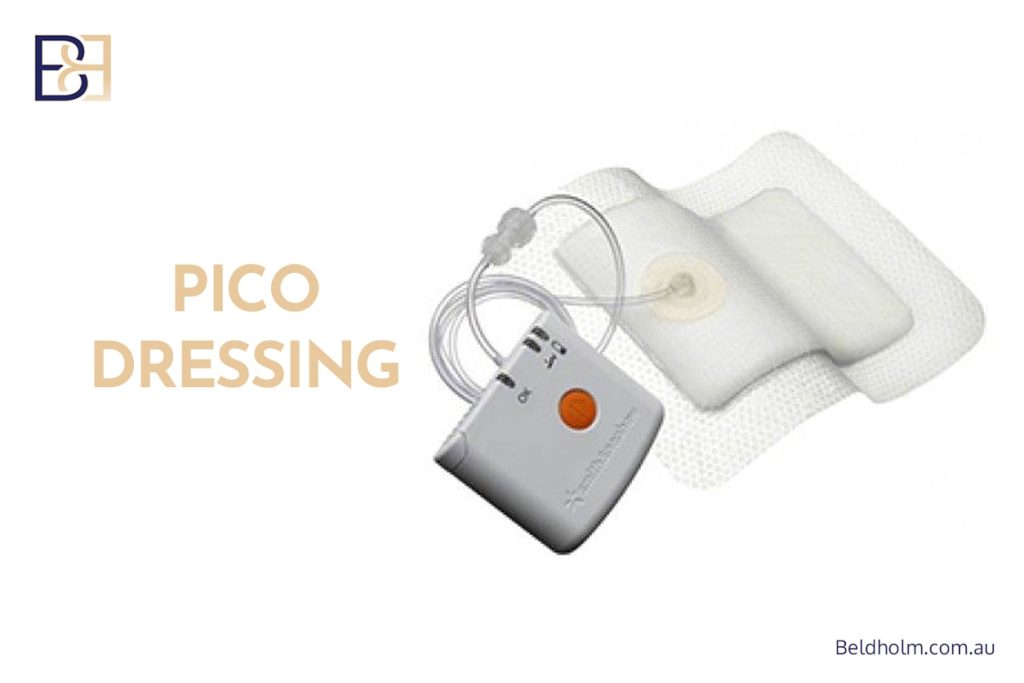
The first week is the most intensive part of your abdominoplasty recovery. During these early days, my team sees you several times for wound checks, dressing changes, and LED light therapy. PICO negative-pressure dressings are applied at the time of surgery and remain in place for approximately 7 days. These are then transitioned to Hypafix tape, which is changed regularly over the following weeks.
Rest is the priority, but short walks should start within the first 24 hours after surgery. Walking helps promote circulation in the legs and prevents blood clots. Beyond that, the body needs quiet time to begin healing. You should expect swelling, tightness, bruising, and some discomfort in the early days. This is a normal part of the recovery process, not a sign that something is wrong.
You will have an abdominal binder fitted before you leave the hospital. This is worn day and night for the first four weeks, then stepped down to half-time wear. I cover compression in detail in its own section.
Weeks 2 to 6: Gradual Progress

Between weeks two and six, you should notice steady improvement in comfort and mobility. Swelling starts to come down, though it will not fully resolve for several months. Follow-up appointments continue through this phase, and your healing progress is reviewed at each visit. The compression garment continues to support healing during this window.
Lifting is a common cause of setbacks during this window. Nothing heavier than 10 kilograms should be lifted for at least six weeks. That includes small children, grocery shopping, and heavier laundry baskets. When a more demanding activity can be reintroduced depends on whether the abdominal muscles were repaired during surgery, which I cover in the next section. Pushing too hard too early can lead to wound separation, bleeding, fluid collections, and hernia. Heavy lifting in the early weeks is probably the most common avoidable cause of setbacks, which is why I talk about it at every follow-up.
Returning to Exercise: Depends on the Procedure

When exercise can be reintroduced depends on what was done during surgery. There is no one rule for everyone.
For patients who have had abdominoplasty without muscle or hernia repair, exercise can be gradually built up from around two weeks onwards. That means starting light, listening to the body, and progressing slowly over the following weeks.
For patients who have had rectus diastasis repair or hernia repair, the timeline is longer. I recommend waiting four to six weeks before reintroducing exercise. The repaired muscle layer needs this time to heal properly, and returning to exercise too early increases the risk of the repair giving way.
Walking is different. Walking is encouraged from day one for every patient because it helps blood flow and reduces the risk of clots. The staged return applies to more demanding activities: core work, strength training, running, and sports.
Either way, clearance to return to specific activities is based on how you have healed at your follow-up appointments, not on a fixed date on the calendar. Some patients are ready earlier, some later.
Driving is usually safe once you are off prescription pain medication and have good control of the steering wheel without abdominal pain, which tends to be around 2 weeks. Most patients are back to desk-based work at 2 to 4 weeks and to more physically demanding work at 4 to 8 weeks.
Final Results: 6 to 12 Months
The final shape from abdominoplasty takes time to develop. Swelling takes several months to fully settle, and scar maturation continues for 12 to 24 months. Most patients see their final results between six and twelve months after surgery, and the body continues to refine the contour for several months beyond that point.
Nutrition, activity levels, age, genetics, and how closely the aftercare plan is followed all influence how the final results look over time. Individual outcomes vary, and no two recoveries are identical. The realistic goal is steady, visible improvement over the months that follow surgery, not an overnight change.
Pain Management After Abdominoplasty Surgery
Pain and discomfort are a normal part of abdominoplasty recovery, especially in the first week. How you manage discomfort directly affects how mobile you are, how well you sleep, and how quickly you feel able to get up and walk. Staying on top of pain is one practical way to make tummy tuck (abdominoplasty) recovery better.
What to Expect
Most patients have moderate discomfort, tightness, and soreness across the abdomen in the first few days. This is the body’s normal response to a large operation. Swelling and bruising add to the sensation. Pulling or stretching movements feel tight, which is why posture and sleeping position matter in the early days.
Pain is more pronounced after more extensive surgery. Circumferential abdominoplasty, fleur-de-lis abdominoplasty, and body lift (belt lipectomy) procedures involve a longer incision and more undermining, so discomfort can last a little longer than after a standard abdominoplasty. Muscle repair (rectus diastasis repair) also tends to add to the tightness patients feel, particularly in the first two to three days.
Pain levels vary between individuals. Your previous surgical history, your pain threshold, and the exact procedure performed all affect how you experience it. Comparing your recovery with someone else’s is rarely helpful.
Multimodal Pain Control
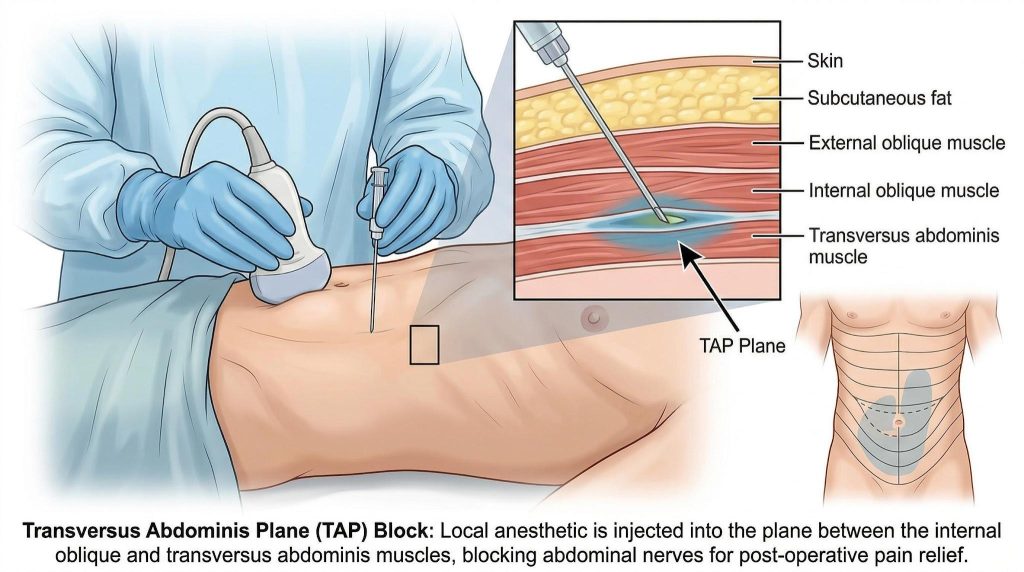
I use a layered, or multimodal, approach to pain control rather than relying on one medication. The goal is to keep you comfortable while using the lowest effective dose of any single drug, particularly opioids.
In the hospital, your pain management is prescribed initially by the anaesthetist. They prescribe your regular and breakthrough pain medications for the first few days. I will then adjust them based on how you are going.
At discharge. You will leave the hospital with a clear plan from me covering what to take, when to take it, and for how long. A typical home plan includes:
- A long-acting local anaesthetic is infiltrated at the time of surgery. For larger procedures, a TAP (transverse abdominis plane) block may also be used, providing targeted pain relief across the abdomen.
- Regular paracetamol: taken around the clock in the early days, not just when pain is bad.
- Anti-inflammatories: taken around the clock in the early days, not just when pain is bad.
- A short course of stronger prescription pain medications to take as needed for breakthrough pain in the first 1-2 weeks at home.
Take paracetamol & anti-inflammatories regularly; it takes the edge off most of the time, so you need less of the stronger medications.
A note on ice packs and cold compresses: I do not recommend applying them directly to the abdomen after surgery. Sensation over the skin flap is usually reduced or absent after abdominoplasty, and a cold compress applied to numb the skin can cause cold injury without you feeling it. There are better, safer options for managing discomfort and reducing swelling in the early days.
How to Use Your Pain Medication at Home

The home plan I give you is designed to keep pain steady and manageable. In the first few days, staying ahead of pain is more effective than waiting until it becomes severe and then trying to catch up. Regular short walks, which are important for reducing blood clot risk, are much easier when pain is well controlled.
Stronger medication is usually only needed for the first three to seven days, after which paracetamol combined with an anti-inflammatory (where suitable) is usually enough. If you still need opioid pain control beyond seven days, let my team know so we can review.
A Note on NSAIDs for Post-Bariatric Patients
Non-steroidal anti-inflammatory drugs (NSAIDs) such as ibuprofen, naproxen, and diclofenac are generally avoided in patients who have had bariatric surgery. There is a risk of mucosal injury at the anastomosis, particularly in gastric bypass patients, and this risk does not go away with time. Some bariatric surgeons advise avoiding non-selective NSAIDs permanently.
There are two practical workarounds I use:
- Selective COX-2 inhibitors (such as celecoxib or meloxicam) have a much lower risk of gastrointestinal mucosal injury than non-selective NSAIDs. For short-term use after surgery, they are often an anti-inflammatory option in post-bariatric patients.
- Proton pump inhibitors (PPIs) such as pantoprazole or esomeprazole can be added to reduce stomach acid and provide mucosal protection when any anti-inflammatory is used around the time of surgery.
At your first consultation, I will ask about your bariatric history and any other medications you take. Certain medications, including anti-inflammatories and some supplements, interact with surgery and need a specific plan. Based on that, I will decide whether to include a short course of a COX-2 inhibitor with PPI cover, or whether to plan your pain control around paracetamol and opioids alone, with anti-inflammatory effect coming from the local anaesthetic and TAP block rather than an oral anti-inflammatory.
When Pain Is Not Normal
Discomfort after abdominoplasty is expected. Sudden, severe pain or rapidly worsening pain is not. Excessive pain that spikes unexpectedly, pain concentrated in one area (particularly one side of the abdomen or one calf), or pain that does not settle with your prescribed medication needs to be looked at. If excessive pain develops suddenly, do not wait it out.
The same applies to pain accompanied by other warning signs: fever, redness spreading around the incision, unusual swelling, wound discharge, or shortness of breath. These can be early signs of bleeding, infection, wound problems, or a blood clot, and warrant urgent review. Contact my team straight away rather than waiting until the next appointment. I cover the full list of warning signs in a later section.
Recovery Is Not a Race
I remind every patient of this during consultation. Recovery timelines vary, and people at similar points after similar operations can feel very differently. Some patients are comfortable on paracetamol alone after four days, others need stronger medication for a bit longer. Neither is a problem. What matters is steady, week-on-week improvement and good communication with my team if something changes.
Diet and Hydration During Abdominoplasty Recovery

In post-weight-loss patients, nutrition is an important factor. It has a bigger impact on how you heal than any other variable you can control. The quality of your diet in the weeks before and after surgery directly affects how well you heal, how much bruising you get, whether your wounds hold together, and how quickly you feel well again.
This section covers what to eat, how much to eat, and how to stay hydrated through the recovery period. I have a separate, dedicated article on protein that goes much deeper. What follows here is the practical summary that every patient needs.
Why Nutrition Matters More in This Group

Wound healing is an energy-intensive, protein-intensive process. It runs through three overlapping phases:
- Inflammation
- Proliferation (including collagen production and new blood vessel formation)
- Remodelling.
All three phases depend on having sufficient calories, protein, and key vitamins and minerals circulating at the right time (1, 3).
Post-weight-loss patients come to surgery with more nutritional gaps than the general population. Many are still eating at the caloric and portion levels that helped them lose the weight in the first place. Post-bariatric patients in particular often consume only 800 to 1,000 kilocalories (3,300 to 4,200 kilojoules) per day in the first year after bariatric surgery, and around 1,800 to 1,900 kilocalories (7,500 to 7,900 kilojoules) per day at two years (3). That is well below what the body needs for wound healing.
Protein intake is also often inadequate. Around 40 to 60 per cent of post-bariatric patients fall short of the recommended protein target, even a full year after their weight-loss surgery (3). This matters because protein is the raw material for fibroblast activity, collagen production, and new blood vessel growth, all of which are building blocks of wound healing (1).
When these gaps are not corrected, wound-healing complication rates increase. In one study of post-bariatric patients undergoing abdominoplasty, the wound-healing complication rate was 21.8% without protein supplementation, compared with 0% in the group that received a pre-operative protein supplementation protocol (4). A separate body of work in the same patient group has shown that pre-operative protein and micronutrient optimisation reduces complications and supports faster recovery (7). Individual results vary, but the principle is consistent: nutrition changes outcomes.
Caloric Targets During Recovery

After major surgery, caloric needs go up, not down. The body needs approximately 30-40 kilocalories (125-170 kilojoules) per kilogram of body weight per day to support wound healing (3). For most of my patients, that translates to:
- Females: around 1,200 to 1,500 kilocalories (5,000 to 6,300 kilojoules) per day
- Males: around 1,500 to 1,800 kilocalories (6,300 to 7,500 kilojoules) per day
Protein and calorie requirements both increase by around 25% after major elective surgery (1). This is not the time to be restricting calories. Before and after surgery, the priority is healing, not weight loss. Your body needs the raw materials to repair itself.
Protein: The Priority Nutrient
Protein is the single most important macronutrient for recovery. My general targets are:
- Pre-operative: 1.5 grams per kilogram of body weight per day, starting at least four weeks before surgery
- Post-operative: 1.5 grams per kilogram per day, continuing until wound healing is complete (around six weeks, longer for larger procedures)
For an 80 kg patient, that is around 120 grams of protein per day.
Practical sources include:
- Lean meat, chicken, fish
- Eggs
- Greek yoghurt, cottage cheese
- Legumes, tofu, edamame
- A whey protein isolate shake once or twice a day to fill the gap. I personally recommend True Protein WPI90 to my patients
For patients on weight-loss medications, meeting protein targets can be harder due to reduced appetite. Liquid protein is often the most practical option, and timing protein intake around the time of day when appetite is strongest works better than trying to eat three large meals.
My dedicated article on protein before and after abdominoplasty goes into this in detail, including the timing, distribution, and specific protocols I use.
Balanced Eating Beyond Protein
Protein does most of the heavy lifting, but the rest of the diet matters too. A balanced diet helps support tissue repair beyond protein alone. The basics of a healthy diet through recovery:
- Lean protein at every meal (as above)
- Fresh vegetables and fruit for vitamins, minerals, and fibre. Ascorbic acid specifically supports collagen production, which is the structural protein your body lays down to rebuild wounds. Dark green leafy vegetables, citrus, berries, capsicum, and tomatoes are particularly useful
- Whole grains such as oats, brown rice, and whole-grain bread for steady energy
- Healthy fats from fish, olive oil, nuts, and seeds. Oily fish (salmon, mackerel, sardines) also provide omega-3 fatty acids, which support the anti-inflammatory side of wound healing
The one change from normal eating is that I encourage more protein-containing snacks between meals in the first few weeks. Small, frequent meals are often easier than three large meals, particularly for post-bariatric patients or those on weight-loss medications.
Foods to Limit
I ask patients to ease off the following in the month before surgery and through the early recovery period:
- Alcohol: affects sleep, hydration, and liver function, and interacts with pain medication
- Highly processed foods: tend to displace the nutrient-dense foods that actually help healing
- Excess added sugar: contributes to post-operative swelling and provides empty calories
- Excess salt: adds to fluid retention, which is already elevated after surgery
I do not ask patients to follow a strict or restrictive diet. Aim for quality, not deprivation.
Hydration
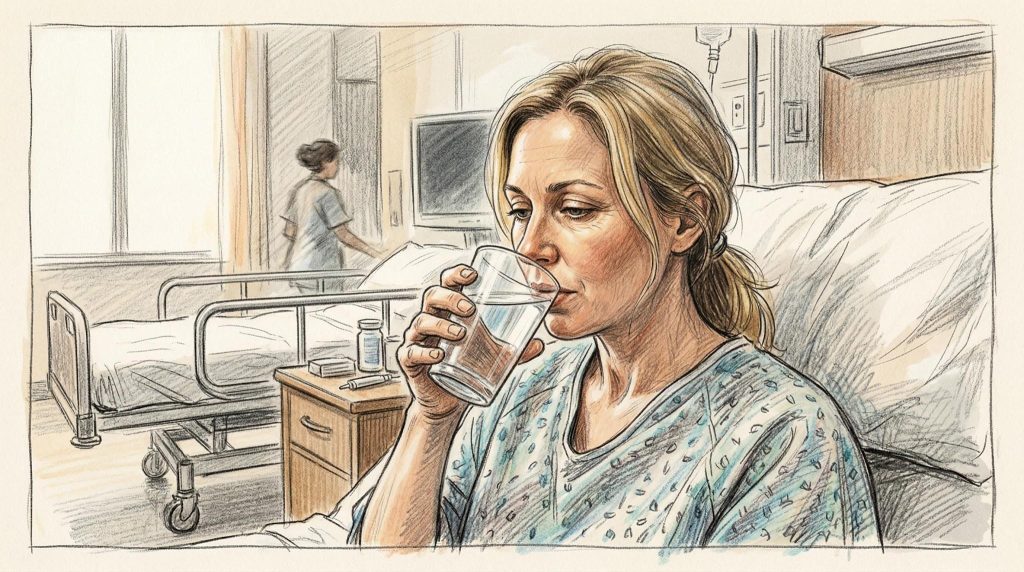
Hydration is often the easiest thing to overlook and one of the most important. Dehydration worsens constipation (which is already a problem after surgery because of opioid pain control), thickens the blood and reduces healthy blood flow, contributes to fatigue, and makes you feel much worse than you need to. Staying well hydrated supports the blood flow needed to move nutrients to healing tissues.
A sensible target is around 2-2.5 litres of fluid per day, mostly water. Drink plenty during the day, more if it is hot or if you are physically active. Herbal teas and soups count. Coffee and tea count, but I would not rely on them for the whole daily intake.
A practical tip I give every patient: keep a bottle of water next to where you are resting. Sip steadily through the day to promote circulation rather than trying to catch up later. In the early days, when you may be less mobile, this simple habit keeps you well hydrated without having to think about it.
A Note on Constipation
Constipation is almost universal in the early days after abdominoplasty. It comes from a combination of opioid medication, reduced mobility, and the effect of surgery on gut function. Straining after abdominoplasty is uncomfortable and can put pressure on the repair.
I use an aggressive bowel management protocol in the hospital to prevent this from becoming a problem, and step you down to a milder regimen on discharge. The practical things you can do are:
- Stay well hydrated
- Eat fibre-containing foods (vegetables, fruit, oats, wholegrain bread) as soon as your appetite allows
- Walk regularly, starting on day one
- Use any stool softeners or laxatives I have prescribed, rather than waiting for the problem to develop
If you have not had a bowel motion by day three or four after surgery, let my team know so we can step up the management.
The Bottom Line on Diet
Nutrition is not a quick fix at the end of recovery. The patients who heal best are those who eat well in the month before surgery, during the early recovery period, and until their wounds are fully closed. Protein is the priority. Calories need to meet healing requirements, not weight-loss goals. Hydration matters more than people realise. Everything you eat either supports healing or works against it.
Your daily choices directly influence how well you recover.
Key Supplements for Abdominoplasty Recovery

Most post-weight-loss patients arrive at the consultation with nutritional gaps they are unaware of. Some of these gaps can be closed through diet alone. Many cannot. Supplementation is a core part of the protocol I use with every patient in this group, and it starts well before the day of surgery.
This section covers the supplements I recommend and why. Each key vitamin and mineral has its own detailed article on this site for patients who want to go deeper. The aim here is to give you a clear overview of the framework and where each supplement fits.
The Two-Tier Approach
I divide supplements into two groups for every post-weight-loss patient.
Tier 1: Universal supplements. Started at the first consultation before blood results are back, because research consistently shows these nutrients are low or depleted across this patient group, regardless of the individual picture. There are five of these.
Tier 2: Blood-guided supplements. Started only if your extended blood panel shows a deficiency that needs correction. These are specific to the individual rather than applied universally.
This structure means every patient gets the baseline support the evidence tells us they need, and the more targeted supplementation is reserved for confirmed problems rather than guesswork.
Tier 1: What I Start at Your First Consultation
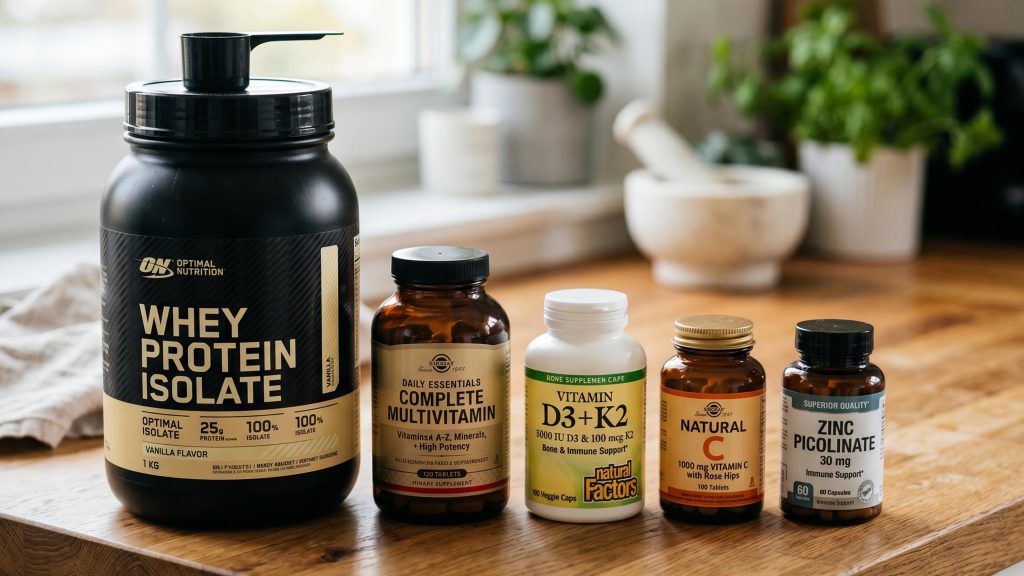
1. Whey protein isolate (WPI). Protein is the priority nutrient for wound healing, and the dosing targets and food sources are covered in the diet section. For the supplement side, a whey protein isolate shake once or twice daily is the simplest way to bridge the gap between what you can eat and what your body needs. Start at least four weeks before surgery and continue through recovery until wound healing is complete.
2. Complete multivitamin. Post-bariatric patients have multiple micronutrient gaps at once, so a bariatric-specific multivitamin gives broad baseline coverage while your blood panel is being processed. One to two tablets per day with food. Look for a formulation containing methylcobalamin (activated B12) and methylfolate, because these are better absorbed than the standard forms, particularly after bariatric surgery. Australian options include Celebrate Vitamins Bariatric Multivitamin, Centrum Advance, and Cenovis Multivitamin.
3. Vitamin D3 with K2. Vitamin D deficiency affects 60 to 90 per cent of patients with a history of significant excess weight (3, 5), and it is central to immune function, wound healing, and bone health. I prescribe 3,000 to 6,000 IU of D3 (cholecalciferol, not D2) daily, always paired with vitamin K2 in the MK-7 form at 100 micrograms. The K2 directs absorbed calcium toward the bones rather than the arteries, which matters for long-term health and bone quality.
4. Vitamin C. Collagen synthesis depends on ascorbic acid, and collagen is what closes and strengthens wounds. Post-weight-loss patients, particularly those on weight-loss medications, often consume much less of this nutrient than they need. I prescribe 1 to 2 grams per day around the time of surgery. One practical note: the high dose needs to be stopped one week before surgery because of a minor bleeding risk, then resumed immediately after surgery.
5. Zinc. Zinc is required for wound healing, collagen synthesis, and immune function. Low zinc is common in this patient group. I start patients at a maintenance dose of 8 to 11 milligrams per day. If the blood panel shows a confirmed deficiency, the dose is increased to 40-60 milligrams per day as a repletion course. Two practical points: zinc glycinate or zinc gluconate is better tolerated than some other forms, and zinc should not be taken at the same time as iron supplements (separate by at least two hours).
Start all five of these at least four weeks before surgery. Six to eight weeks is better. Continue through to the end of recovery.
Tier 2: Supplements Added Only if Blood Results Show a Need
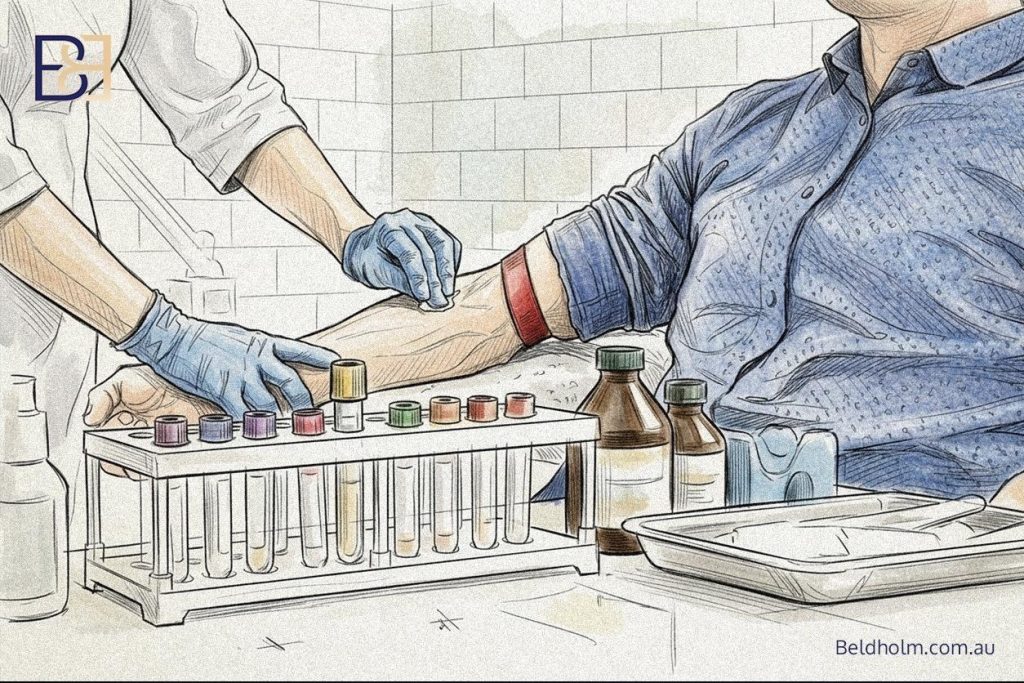
If your extended blood panel flags a deficiency, I will add specific supplementation to correct it. The most common additions are:
- Iron: for confirmed iron deficiency or low ferritin. Iron polymaltose (Maltofer) is usually well tolerated. Oral iron is taken with ascorbic acid to improve absorption. If the deficiency is severe or oral iron is not tolerated, your GP may arrange an intravenous iron infusion.
- Vitamin B12: particularly relevant for post-bariatric patients with low B12 or elevated homocysteine. Activated methylcobalamin is the preferred form. Sublingual or intramuscular administration may be used if oral absorption is poor.
- Folate/methylfolate: when serum folate or red cell folate is low. Methylfolate (5-MTHF) is preferred in patients with suspected MTHFR variants and in anyone with poor folate absorption after bariatric surgery.
- Vitamin A: Post-bariatric patients who have undergone malabsorptive surgery often have low vitamin A levels, which can affect wound healing.
- Calcium citrate: for patients with low corrected calcium or known poor calcium absorption. I prefer calcium citrate over calcium carbonate in this group because it absorbs well regardless of stomach acid levels.
Other supplements (thiamine, selenium, vitamin E, magnesium) are added on a case-by-case basis when the blood panel flags them. Targeted correction works better than blanket supplementation.
What to Stop Before Surgery
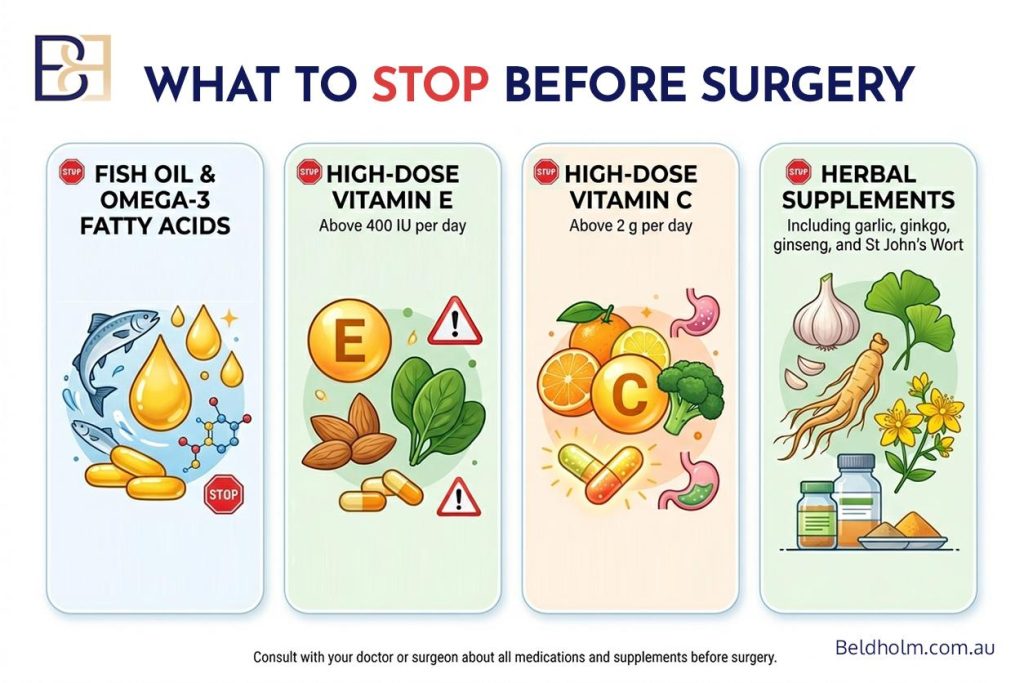
A small number of supplements need to be paused in the week before surgery because they can affect bleeding or clotting:
- Fish oil and omega-3 supplements: cease one week before surgery, resume once your surgical team clears this
- High-dose ascorbic acid: cease one week before surgery, resume immediately post-operatively
- High-dose vitamin E: cease at least one week before surgery
- Aspirin and any other anti-platelet medication (unless cleared by your cardiologist to continue): your anaesthetist will review this at your pre-operative anaesthetic consultation
Your multivitamin, vitamin D3 with K2, and zinc can be continued up to and including the day of surgery.
A Word on Buying Supplements

Supplements in Australia are widely available at Chemist Warehouse, Pharmacy Direct, Priceline, Blooms, and through reputable online retailers such as iHerb and Amazon AU. You do not need expensive boutique brands. What matters is:
- The correct form (D3 rather than D2; methylcobalamin rather than cyanocobalamin; methylfolate rather than folic acid in some patients; zinc glycinate rather than zinc oxide)
- An adequate dose
- A reputable manufacturer
I give every patient a written supplement list at their first consultation, including recommended doses and Australian-brand options. If you are unsure about a product, bring it to your next appointment, and I will check it for you.
Why This Matters for Recovery
Supplementation before surgery does not guarantee a smooth recovery, and individual results vary. What it does is close the most common nutritional gaps in the post-weight-loss patient population, giving the body the raw materials it needs to heal well. The evidence for protein supplementation specifically (covered in the diet section) shows a meaningful reduction in wound-healing complications when post-bariatric patients are supplemented before surgery.
Supplementation is probably the most patient-controlled part of your recovery. You cannot control your age, your genetics, or the extent of the operation needed. You can control whether you arrive at surgery with your nutrition optimised.
Weight-Loss Medications and Your Abdominoplasty Recovery
A growing number of my abdominoplasty patients have used weight-loss medications as part of their weight-loss pathway. Some are still on these medications when they come to consultation, and some have stopped before starting their surgical workup. Either way, these medications deserve a dedicated conversation because they affect nutrition, perioperative planning, and recovery in ways that are not always obvious.
For regulatory reasons, I cannot discuss specific brand names or products in this article. What follows covers the drug class and general clinical considerations. Your specific medication, dose, and management plan will be reviewed at your first consultation and at your pre-operative anaesthetic consultation.
Why This Matters for Recovery
Weight-loss medications in this class work primarily by reducing appetite and slowing gastric emptying. That is how they help with weight loss, but those same mechanisms affect the perioperative period in three important ways:
- Reduced protein intake. Appetite suppression reduces total food intake. In post-bariatric patients taking these medications, protein intake has been shown to decrease by approximately 17 per cent compared with patients not on these medications (3). Protein is the nutrient that matters most for wound healing, so this gap needs to be closed before surgery.
- Reduced micronutrient intake. Intake of ascorbic acid, for example, has been shown to be around 43 per cent lower in patients on these medications (3). Several other vitamins and minerals are similarly affected.
- Delayed gastric emptying. This has implications for fasting before surgery and for the anaesthetic plan, which is why the anaesthetist needs to know.
Current Guidance on Whether to Stop Before Surgery
Earlier advice was to cease weight-loss medications one to two weeks before surgery. The current position of the Australian and New Zealand College of Anaesthetists (ANZCA) and international bodies has moved away from that blanket recommendation. Routine cessation is no longer recommended. Perioperative management is now determined by the anaesthetist on a case-by-case basis.
Every one of my post-weight-loss patients has a routine pre-operative anaesthetic consultation. This is where the anaesthetist reviews your specific medication, dose, dosing schedule, and surgical timing. They decide what is safest for you. In practical terms, patients often continue their medication through the perioperative period with adjustments to fasting and anaesthetic management, rather than stopping altogether.
Patients Must Not Self-Adjust
This is important. Do not stop, reduce, or delay your weight-loss medication on your own based on something you have read. Unsupervised cessation can have two problems. First, appetite returns, which often leads to less healthy food choices and, somewhat counterintuitively, a worse nutritional state going into surgery. Second, weight regain in the weeks immediately before surgery affects the surgical result.
If there is a genuine clinical reason to adjust the medication around surgery, I will have that conversation with you, and the decision will be made by your anaesthetist and prescribing doctor. It is not something to do on your own.
Meeting Protein Targets When Appetite Is Low

The biggest practical challenge for patients on weight-loss medications is hitting protein targets. The appetite suppression that helps with weight loss also makes it hard to eat the volume of food required to reach 1.5 grams per kilogram per day.
The strategies that work in my practice:
- Use liquid protein. A whey protein isolate shake is much easier to tolerate than a large chicken meal when appetite is suppressed. One or two shakes a day can cover the gap on their own.
- Eat smaller, more frequent, protein-dense portions rather than three large meals.
- Prioritise protein first in any meal. If the appetite window is small, use it for the protein component before carbohydrates or volume foods.
- Time protein around your dosing schedule. For patients on weekly medications, appetite is usually highest just before the next dose and lowest in the first 24 to 72 hours after dosing (3). Front-load protein into the higher-appetite window.
- Keep a high-protein snack available at night. A slow-digesting protein, such as Greek yoghurt or cottage cheese, in the evening supports overnight tissue repair.
For some patients, even with the best strategies, hitting protein targets is very difficult on the full medication dose. If that is the case, I will discuss the situation with you and your prescribing doctor. A temporary dose reduction around the pre-operative and early post-operative period is sometimes appropriate, but this is a clinical decision made together, not a patient-led change.
Additional Nutrient Considerations
On top of the protein issue, patients on weight-loss medications often need additional attention to:
- Vitamin C: already a Tier 1 supplement, but dose compliance matters even more
- Magnesium: intake is often reduced on these medications, and depletion is common
- B vitamins, iron, and vitamin D: all are commonly low and need to be picked up on your blood panel
Your blood panel is designed to catch these gaps. If you are on a weight-loss medication, mention it clearly at your first consultation so your panel and supplementation can be tailored appropriately.
Post-Operative Considerations
After surgery, protein demands go up, not down. If you continue your weight-loss medication through the recovery period, appetite suppression continues to make protein intake harder exactly when you need it most. The practical plan for the first four weeks after surgery is usually:
- Lean on protein shakes. One to two a day is expected, not a failure
- Monitor total intake daily, because the gap is easy to miss
- Step back to food-based protein once appetite and healing allow
- Attend all of your early follow-up appointments so we can track how you are healing
From around four weeks post-operatively, ongoing nutritional monitoring transitions back to your GP. Blood panels to check how your nutritional status has tracked through surgery are arranged by your GP and reviewed as part of your longer-term care. For post-weight-loss patients on weight-loss medications, this is an important conversation to keep having with your GP because the nutritional picture does not end when surgery does.
The Bottom Line
Weight-loss medications are a useful tool for a growing proportion of patients, and for most, continuing them through the perioperative period is the right call. What changes is how actively we need to manage nutrition before and after surgery. The combination of appetite suppression, reduced protein and vitamin intake, and the body’s increased demands after surgery creates a gap that patients on these medications need to actively close.
I will make sure you have a clear plan at your first consultation. Your anaesthetist will manage the medication side at your pre-operative anaesthetic consultation. Your job is to stay honest with us about what you are actually eating and drinking, so we can help you close any gaps before they affect your recovery.
Compression Garments After Abdominoplasty
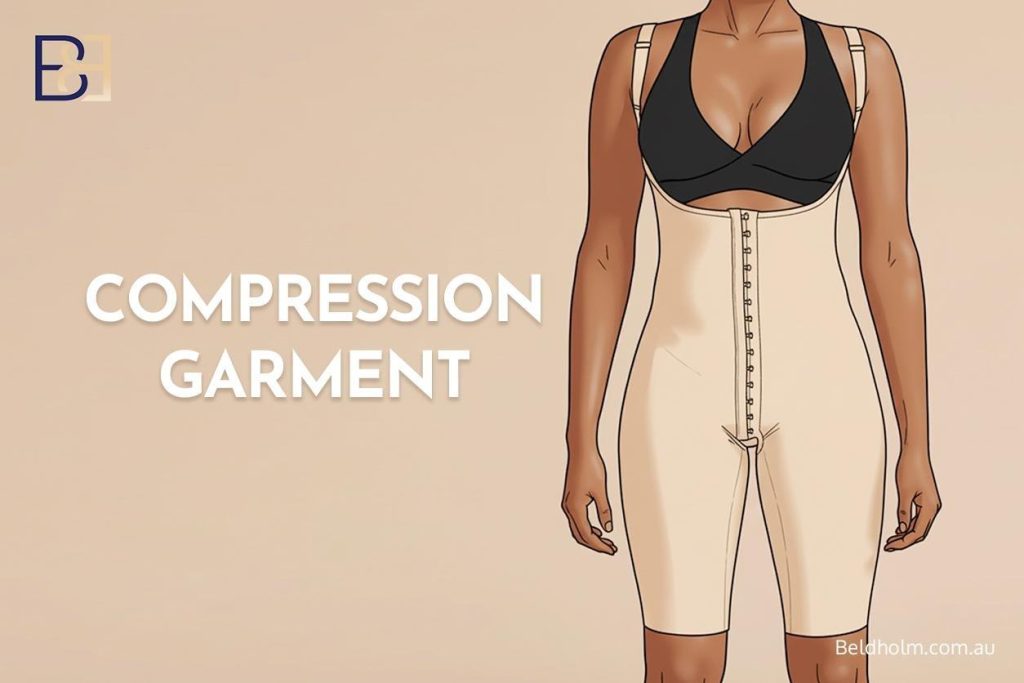
Compression garments are a routine part of recovery after a tummy tuck (abdominoplasty). A poorly fitted or inconsistently worn garment is a common reason I see recovery stall. The principle is simple. Controlled external pressure on the abdominal area helps reduce swelling, limit fluid collection under the skin flap, support the incision sites, and help the new skin and soft tissue settle against the underlying muscle layer.
This section covers what I use, when, and for how long. It also covers the practical side: how it should feel, when to take it off, and what to do if something is not right.
The Abdominal Binder: What You Start With
You will leave the hospital in an abdominal binder. This is a wide, wrap-style compression band that secures with Velcro. It is simple, adjustable, and the standard of care in the early recovery phase. I fit this before you are discharged, not after, so that support is in place from day one.
I use an abdominal binder rather than a shaped compression garment in the first phase of recovery for three reasons:
- Easier to adjust as swelling fluctuates in the first few weeks
- More forgiving of dressings and drains underneath it
- Simpler to remove and re-apply for showers, wound checks, and when you are getting comfortable at night
Shaped compression garments, such as high-waisted stage 2 garments, have their place later in recovery, but they do not suit the first two to three weeks, when the shape and size of the abdomen change from day to day.
How Long to Wear the Binder
I ask patients to wear the abdominal binder day and night for the first four weeks. The only times it comes off are for showering, wound checks, and if it needs to be cleaned. Otherwise, it stays on.
This is more consistent than some recovery protocols you may read about online. The reason I ask for four weeks of continuous wear is that the tissue repair occurring beneath the skin flap is most active during this period.
After the first four weeks, we step down to half-time wear. That means wearing the binder either during the day or during the night, but not both. Daytime wear is usually the better option because most swelling occurs when you are upright and active, and the binder does its best work when it controls that swelling.
There are good reasons some patients prefer night-time wear instead. If it is uncomfortable under work clothes, if your job does not allow it, or if it is summer and the binder is too hot during the day, nighttime wear is a sensible alternative. The most important thing is that you keep wearing it in some form beyond week four, not that it is worn at one specific time of day.
I review this at your follow-up appointments and decide when to ease off compression altogether. For most people, some form of compression continues until around six weeks after surgery, with the second phase being half-time wear.
How It Should Feel
A well-fitted binder should feel firm and supportive without being painful. Specifically:
- It should feel like a hand pressing evenly across the abdomen, not a tight cable
- You should be able to take a full breath comfortably
- It should not roll or bunch when you sit, stand, or move
- It should not cut into the skin above or below the incision line
- Numbness, tingling, or pain from the binder itself means it is too tight
If the binder feels wrong, loosen it and contact my team. Patients sometimes assume tighter is better, but over-tight compression can restrict breathing, push fluid in the wrong direction, and put pressure on the incision line at a time when it is still closing.
Living With the Binder
A few practical tips patients find useful:
- Have two binders. Wear one, wash one. Sweating is normal in the first few weeks, particularly at night
- Wear a soft cotton singlet underneath. This protects the skin, absorbs sweat, and makes the binder more comfortable for long wear
- Adjust the fit throughout the day. Swelling rises and falls. What feels right in the morning may feel loose or tight by evening. That is normal
- Re-fasten evenly. When you take it off for a shower, make sure it goes back on evenly from bottom to top and is not twisted
- Keep it on at night during the first four weeks. People are often tempted to take it off, but the first four weeks of nighttime compression matter
Transitioning to a Shaped Compression Garment
From around week 2 to 6, with my approval, many patients transition from the abdominal binder to a shaped compression garment. This is a more tailored garment, usually high-waisted and stage 2 compression grade, worn under clothing during the day.
A shaped garment has a few advantages at this later phase:
- Better contouring around the waist and hips
- More comfortable under clothing
- Smoother transition as daily activity increases
If you are still in the half-time wear phase, the shaped garment can take the place of the binder during the day or night, whichever works best for you. The decision to step down compression altogether is always based on how your tissues are settling, not on a fixed calendar date.
Compression After More Extensive Procedures
If you have had a larger operation, such as circumferential abdominoplasty, fleur-de-lis abdominoplasty, or a body lift (belt lipectomy), the compression plan is extended. The back incision and hip areas involved in these procedures also need supported healing, so a longer period in the binder is common, sometimes combined with specific garments that cover those areas.
Patients who have combined abdominoplasty with thighplasty (thigh lift) will have additional thigh compression, usually in the form of a graduated compression stocking or a dedicated thigh garment worn alongside the abdominal binder.
When Compression Is Not Right
Contact my team straight away if:
- You notice redness, skin breakdown, or blistering where the binder sits
- The binder is causing pain rather than supporting you
- Numbness or tingling persists when the binder is on
- You see sudden new swelling or fluid accumulation when you take the binder off
Most issues are solved with a simple refit or a change in the garment’s positioning. Occasionally, the garment size or style needs to change, which is straightforward for us to arrange.
Why Compression Matters
Compression is not decorative and it is not optional. Worn consistently, it reduces swelling, supports the repair, limits fluid collections, and helps the final contour settle predictably. Worn inconsistently, it often becomes the reason a recovery does not track the way it should.
It is a low-effort, high-value part of the whole recovery plan. Patients who accept that four weeks of continuous wear, followed by a further period of half-time wear, is the price of a good result and get on with it tend to do well. Consistent compression helps support healing in ways that are hard to replicate any other way.
Wound Care and Infection Prevention After Abdominoplasty
The incision after abdominoplasty is long. For a standard procedure, it runs hip to hip across the lower abdomen, and it is longer again for circumferential abdominoplasty, fleur-de-lis abdominoplasty, and body lift (belt lipectomy) procedures. How this wound is cared for in the first six weeks directly affects how it heals, how the scar settles, and whether you develop complications along the way.
My protocol for wound care is the same one I have refined over years of looking after post-weight-loss patients. It is active, closely supervised, and designed to catch problems early rather than wait for them to declare themselves.
What the Wound Looks Like Immediately After Surgery

When you wake up from surgery, the incision is already closed with layered sutures under the skin. You will not see these. On top of the closed incision, I apply PICO negative pressure dressings, which cover the entire length of the wound.
PICO is a single-use, battery-powered dressing that pulls fluid away from the wound through a sealed adhesive pad. This does several useful things at once:
- Keeps the incision clean and dry
- Reduces fluid collection (seroma) under the skin flap
- Supports the wound edges while the skin bonds to the deeper tissues
- Reduces tension on the incision line
The dressing stays on continuously for the first seven days. You can shower with it in place.
The First Seven Days: PICO in Place
In the first seven days, my team sees you two to three times for nurse and doctor reviews. At these visits we check the wound, the dressing, drainage volumes, your pain control, and your overall progress.
LED light therapy is used at these visits. This involves applying a specific wavelength of light to the surrounding skin to reduce inflammation and support early healing. It is painless and takes only a few minutes.
Things to do at home during this initial period:
- Leave the PICO dressing in place. Do not lift the edges or try to peek at the wound
- Shower as normal. The dressing is waterproof. Pat dry afterwards
- Keep the area visible through the dressing in good light when you change
- Call my team if the dressing unit stops working, starts beeping, or if you see fluid pooling outside the dressing
Day Seven to Six Weeks: Hypafix Tape
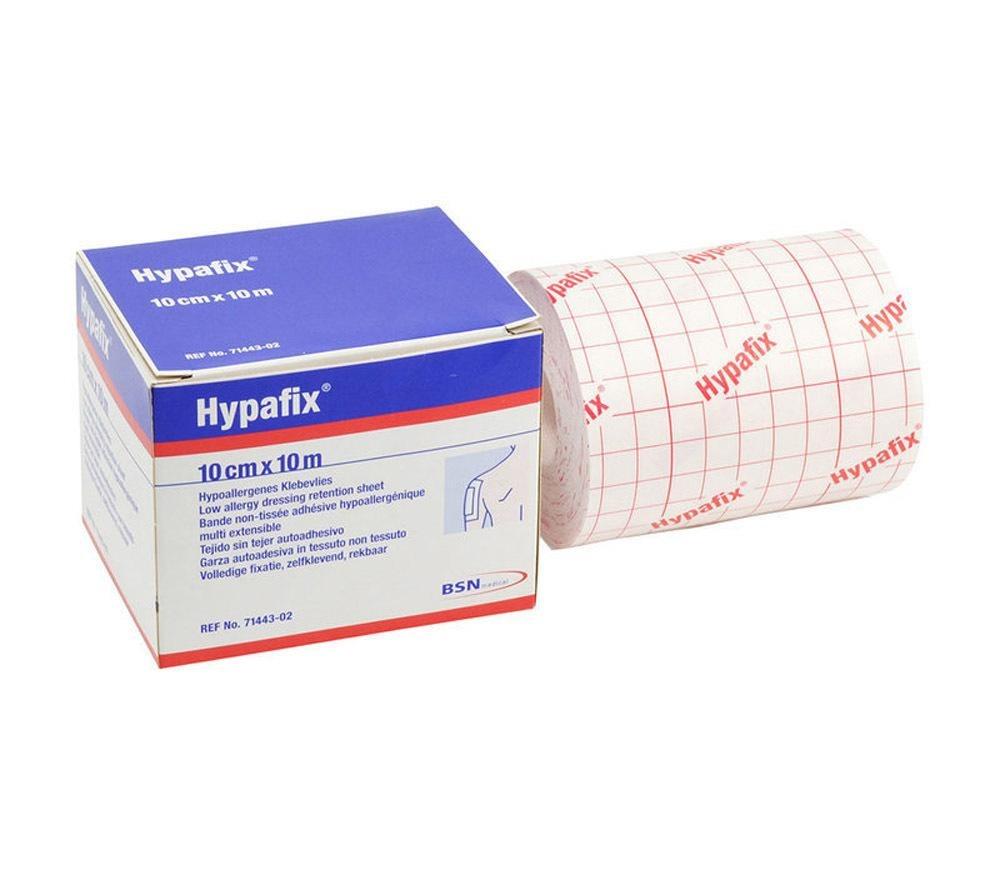
At around day 7, the PICO dressings are removed and replaced with Hypafix tape directly across the incision line. Hypafix is a hypoallergenic adhesive tape that continues to support the wound edges, reduces tension on the scar, and protects the incision from friction from clothing or the compression binder. If steri-strips have been placed over specific portions of the closure, they are typically left in place until they fall off on their own, which usually takes about a week after the procedure.
Hypafix is changed regularly over the following weeks, at each of your follow-up appointments. Between visits, it stays on, including through showers. Patients often ask whether they can stop wearing it when the wound looks healed. The answer is no. The skin looks closed long before it is fully strong, and continuing with tape for the first six weeks makes a real difference to how the scar settles.
Daily Dressing Management at Home
There is not a lot you need to do day-to-day, and that is by design. The core rules:
- Keep the area clean. Shower normally once the PICO is off, let soapy water run over the incision, do not scrub
- Pat dry with a clean towel. Do not rub
- Do not apply any creams, oils, or ointments to the wound in the first six weeks unless I have specifically told you to
- Avoid baths, swimming pools, spas, and the ocean until I confirm the wound is fully sealed. Usually, this is around six weeks
- Cut any Hypafix tape that lifts at the edge. There is no need to replace
The incision area is usually numb in the weeks after surgery. That means you cannot feel irritation, rubbing, or early signs of skin breakdown the way you normally would. This is a big reason I ask patients to look at the area every day in good light, even if it feels fine.
Signs of a Problem
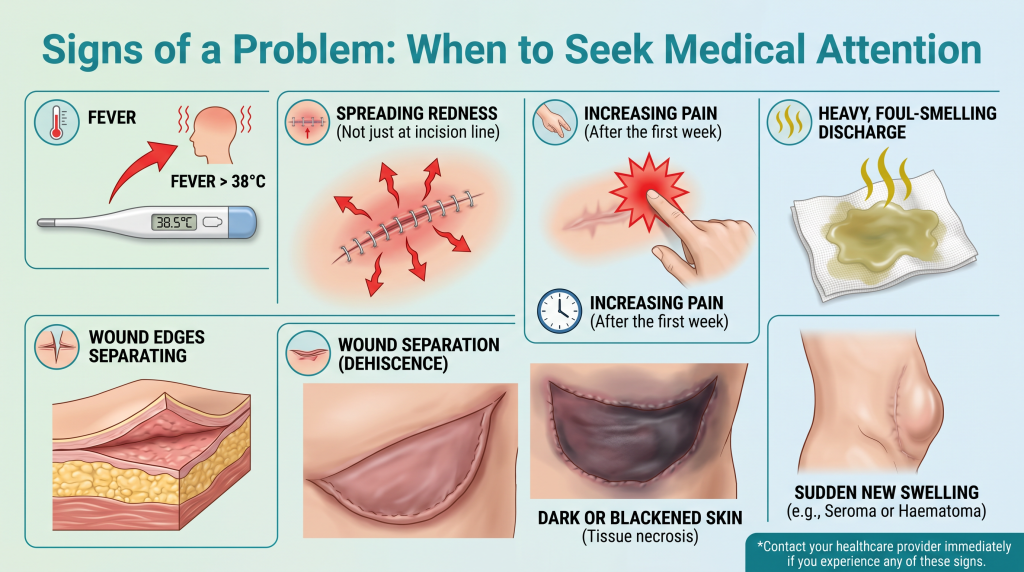
Some redness, mild swelling, and pink or light-yellow fluid on the dressing during the first few days are normal. The things that are not normal, and that need to be looked at straight away, are:
- Fever above 38 degrees Celsius
- Spreading redness around the wound, rather than redness confined to the incision line
- Increasing pain after the first week, particularly if it is focused in one area
- Heavy discharge from the wound, especially thick, yellow, or foul-smelling fluid
- Wound separation, where the edges of the incision start to come apart
- Dark or blackened skin over any part of the flap
- Sudden new swelling under the skin after a period of being more settled, which may indicate a seroma or haematoma
The rule I give patients is simple. If something is worse today than it was yesterday, let my team know. It is far better to manage a wound issue early than after it has progressed.
Why Post-Weight-Loss Patients Need Extra Care
Wound healing complication rates in post-bariatric patients can reach 80% in some reported series (3). Other published series report overall complication rates of approximately 50%, still substantially higher than in the general population (6). The reasons are a combination of the nutritional gaps covered earlier, the longer, more complex surgery, and skin quality that is often thinner and less elastic after large-volume weight loss.
This is why the protocol for this group is active rather than passive. PICO dressings for the first 7 days, regular nurse reviews, LED therapy, Hypafix tape for 2 weeks, and close monitoring to prevent complications are all part of efforts to reduce the complication rate in a patient group with a higher baseline risk. Early detection of problems at incision sites allows us to intervene before small issues become significant.
Infection Prevention
Infection remains a common complication after abdominoplasty. The main preventive measures to prevent infection are built into the protocol and start before you leave the operating theatre:
- Prophylactic antibiotics given at the time of surgery
- Sealed dressings for the initial seven days
- Regular surgical site review by my team
- Good nutrition in the weeks leading up to surgery, which supports immune function
Things you can do to lower your infection risk and avoid injury to the healing tissues:
- Do not smoke. Smoking is the single biggest modifiable risk factor for wound complications
- Keep your hands away from the incision sites. Touching and checking increases infection risk without adding anything useful
- Wash your hands thoroughly before any authorised dressing change
- Keep pets away from the incision area, particularly while dressings are being changed
- Stay well-nourished and hydrated, as covered in the diet section
- Come to your follow-up appointments
When to Call
When you cannot tell whether something is a problem or not, call my team rather than waiting it out. It’s better to catch Wound concerns early. The same issues, left to declare themselves over several days, can turn into bigger problems.
My rooms are contactable during business hours. For out-of-hours concerns, the team will advise you on whether to wait for the next business day, attend your local emergency department, or be reviewed urgently.
Drain Management After Abdominoplasty
Drain care is a standard part of abdominoplasty surgery for post-weight-loss patients in my practice. The drains sit under the skin flap, run to a small bulb or bottle outside the body, and their job is to remove the fluid that collects in the space between the skin flap and the underlying muscle layer during the first one to two weeks of healing.
Without drains, that fluid has nowhere to go. It pools under the skin, forms a collection called a seroma, and can delay healing or lead to a lumpy result. Drains are not the most comfortable part of recovery, but they prevent a specific and common problem.
Why Drains Are Used in Post-Weight-Loss Patients
Post-weight-loss patients are different from post-pregnancy patients. The surgical dissection involved is larger. In this group, there is a significant amount of loose skin to remove and a wide area of undermining between the skin flap and the underlying muscle layer. The space created during surgery is large, and the body needs a way to clear the fluid that collects in it.
I do offer a drainless VASER abdominoplasty technique, but this is used in a different patient group. It suits post-pregnancy patients with good skin quality and minimal redundant tissue, in whom the main surgical task is repairing the abdominal muscles that have separated (rectus diastasis) rather than removing a large amount of excess tissue. In post-weight-loss patients, the skin and undermining involved make drains the better choice. The short-term inconvenience of wearing them is a small cost compared with the cost of managing a large seroma.
What Drains Look Like and How They Work
The drains I use are soft, flexible tubes. One end sits under the skin along the length of the incision, and the other end exits through a small separate opening on the abdomen and connects to a collection device.
The collection device itself comes in a couple of different styles. The one I most commonly use is a Bellovac drain, which has a concertina-style (accordion) plastic bottle. When the bottle is compressed flat and the cap is closed, it creates suction that pulls fluid out of the wound space and into the bottle. As fluid collects, the accordion expands back out. Another style that some surgeons use is a soft, grenade-shaped bulb that works on the same principle. Either way, you do not need a pump, batteries, or power. The drain works on its own.
You will usually have one or two drains, depending on the size of your operation. More extensive procedures, such as circumferential abdominoplasty, fleur-de-lis abdominoplasty, or a body lift (belt lipectomy), typically require more drains because the tissue space is larger.
Living With Drains at Home

Drains can feel a little strange for the first day or two, and there is a slight pulling sensation when you move.
A few practical points:
- The drain bottle should stay compressed. If the bottle has expanded back to its full shape before you empty it, the suction is gone, and the drain is not working. Empty it, compress it flat again, and re-close the cap
- Clip the drains to your clothing. I supply safety pins or clips so that the drain bottles can hang from a singlet, binder, or waistband. This keeps them from swinging and pulling on the exit site
- Keep the exit sites clean and dry. The small holes where the tubes come out are kept dry under a simple dressing, which my team changes during your visits
- You can shower. Patients can shower with drains in place. Let soapy water run over the area, avoid scrubbing near the tubes, and pat dry. Do not take baths or submerge the drain sites in water
- Do not lie on the drain tubes at night. Arrange them on one side of your body so they are not pulled or kinked while you sleep
Measuring and Recording the Output
One of the few active jobs you have in the early days is keeping track of what comes out of the drains. This is how I decide when each drain is ready to come out.
The drain fluid collects in a drain bag, so there is no need to empty anything. The simplest way to track the output is to mark the level on the bag at the same time each day.
My team will show you how before you go home, and give you a drain log to write the readings in. The routine is:
- Pick one set time each day and keep to it, for example every morning
- Read the fluid level against the markings on the bag
- Put a small mark on the bag at that level, then write the volume on your log
- The difference between yesterday’s mark and today’s mark is roughly the output for that 24 hours
- Note the colour of the fluid. It usually starts red, fades to pink, then to light yellow or straw-coloured over the following days
Bring the drain log to every follow-up appointment. It gives me the information I need to make the removal decision.
When Drains Come Out
The timing of drain removal is based on daily output, not on a fixed day on the calendar. A drain is ready to come out when:
- Daily output is less than 20 ml per 24 hours for two consecutive days
- The fluid is no longer blood-stained
- The wound site is clean and healing normally
For most standard abdominoplasty patients, drains come out between days 5 and 14, usually around the one-week mark. For more extensive procedures, it can be a few days longer. If one drain is ready before the other, we remove them at different times.
Removal is performed in the rooms during a routine follow-up appointment. It takes about 30 seconds per drain and involves a strange pulling sensation rather than pain. The skin opening where the tube was closes on its own within a day or two.
What to Do if the Drain Stops Working
Occasionally, a drain stops working properly. The usual signs are:
- The bottle stays expanded no matter how many times you compress it
- Output suddenly drops to zero
- Fluid starts leaking around the exit site instead of draining into the bottle
- The tube looks blocked, kinked, or twisted
If any of these happen, contact my team during business hours. Most issues can be fix at a visit, often by a simple repositioning or by removing a blockage. Do not try to pull, twist, or manipulate the drain yourself.
Warning Signs That Need Urgent Review
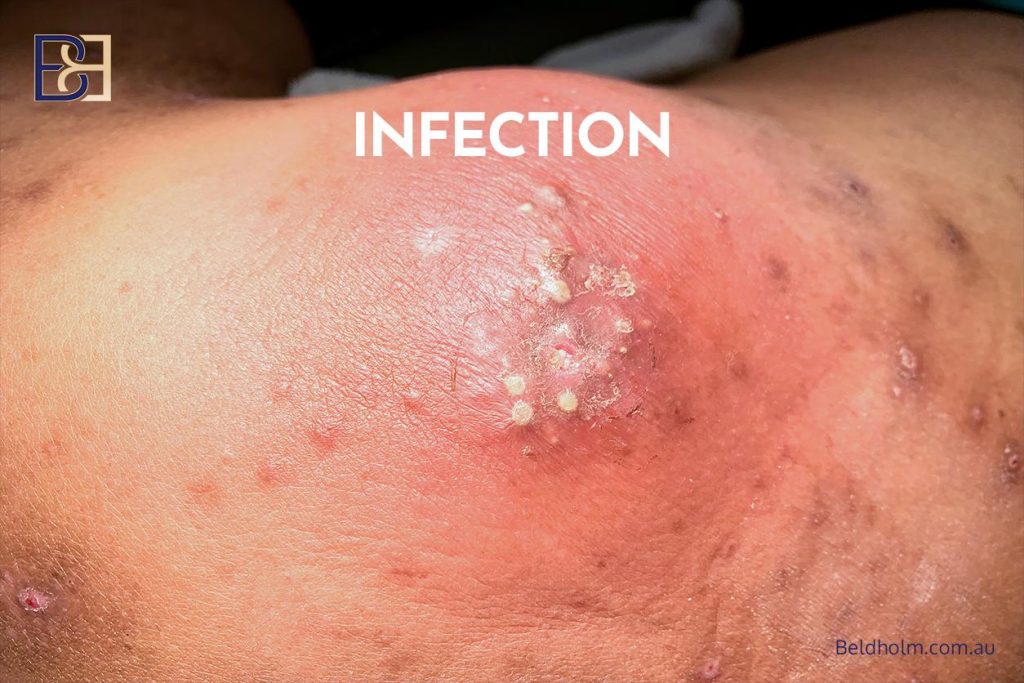
Most drain issues are minor. A few are not. Contact my team straight away if you notice:
- A sudden increase in drain output (for example, doubling from one day to the next)
- Bright red blood fills the drain bottle quickly
- Increasing pain, swelling, or firmness in the abdomen
- Fever above 38 degrees Celsius
- Redness spreading from the drain exit site
- Foul-smelling fluid in the bottle
Drains are among the earliest places where bleeding or infection shows up, which is one of the reasons I ask patients to check the output daily rather than just empty and go.
A Note on Seroma
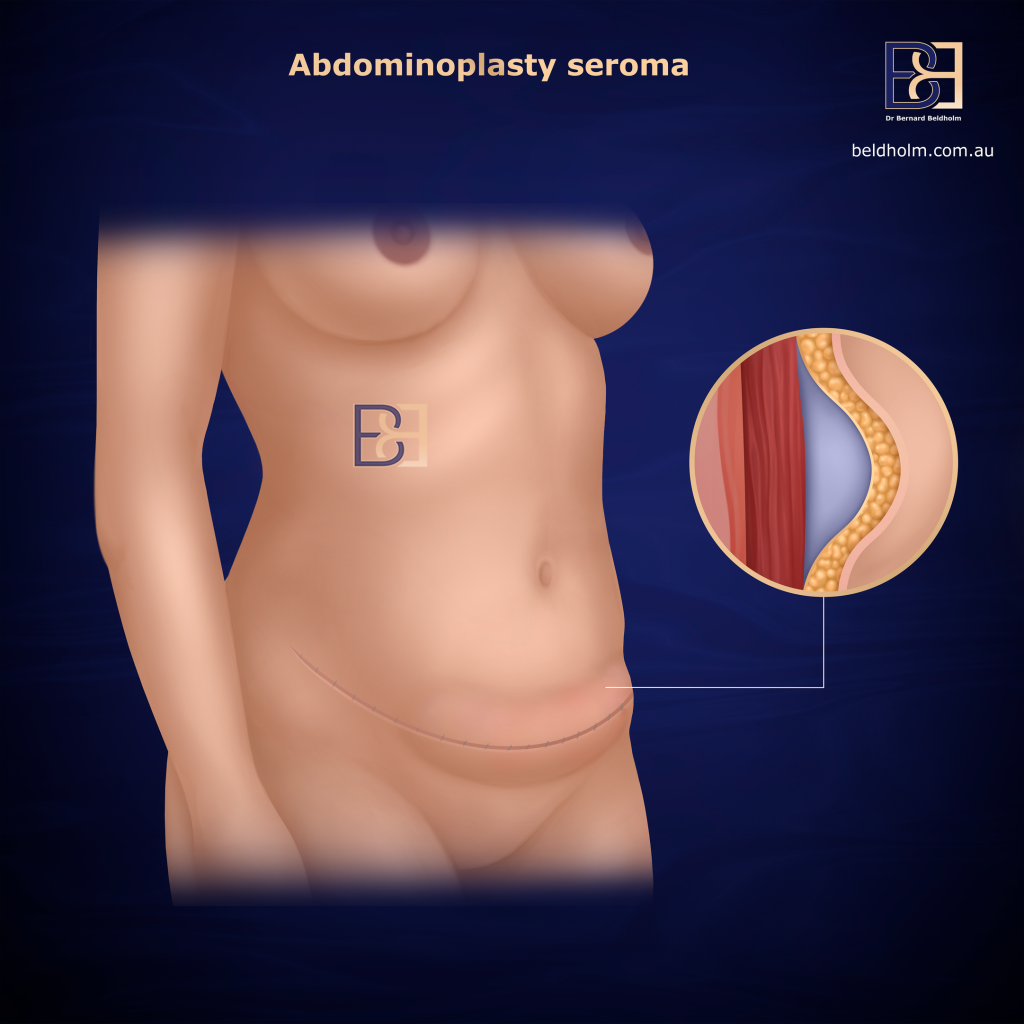
Even with drains in place, a small number of patients develop a seroma after the drains come out. A seroma is a soft, fluid-filled collection that forms in the space where the drains used to be working. It usually feels like a soft pocket of fluid under the skin, most often in the treated area.
Small seromas often settle on their own with continued compression. Larger or persistent seromas are managed in the rooms, usually by draining them with a syringe at a follow-up appointment. The aim is to pick these up early, which is why your follow-up schedule is close in the weeks after drains come out. If you notice a new soft swelling under the skin that was not there before, mention it at your next visit or contact my team.
The Bottom Line
Living with drains is awkward but not painful. Patients look back on this phase as the least enjoyable part of the first two weeks, but also the part that required the least active work once the routine was established. The trade-off is straightforward: a week or two of inconvenience in return for a much lower risk of the fluid-related complications that can otherwise extend recovery by weeks.
Antibiotics and Medication Considerations

Abdominoplasty is a significant operation, and a number of medications are prescribed around it for specific reasons. This section covers the main ones: antibiotics, blood clot prevention, pain relief, and medications that either need to stop or need to be managed carefully. It is not a complete prescribing list, more a practical overview so you know what you are taking and why.
As with everything else in this guide, your specific plan is worked out at your consultations and at your pre-operative anaesthetic consultation. The medications, doses, and timing may be different for your individual situation.
Antibiotics at the Time of Surgery
Every patient receives prophylactic intravenous antibiotics at the start of their abdominoplasty. The first dose is administered by the anaesthetist just before the first incision to reduce the risk of surgical site infection.
In my practice, this is followed by two further doses of intravenous antibiotics after surgery while you are still in hospital. The three-dose approach provides continuous antibiotic cover throughout the immediate post-operative window, when the infection risk is highest. It is also consistent with surgical prophylaxis principles, as supported by large-volume clinical data (1).
Antibiotics After Discharge
I do not prescribe oral antibiotics after discharge. The three doses of intravenous antibiotics administered around the time of surgery, combined with careful surgical technique and good dressings, are sufficient to manage the risk of infection in standard cases.
There are a few clinical reasons this matters. Long or repeated courses of antibiotics do not confer additional protection beyond the peri-operative window and come with their own downsides: gut microbiome disruption, antibiotic resistance, and a small risk of C. difficile colitis. The evidence does not support routine oral antibiotic courses after clean surgical procedures like abdominoplasty.
If an actual infection develops during your recovery, that is different. A targeted course of antibiotics matched to what I find on examination (and sometimes guided by a wound swab) will be prescribed if needed. But this is a treatment response to a specific problem, not a preventive measure.
The practical implication for you is that you should not expect a box of antibiotics to take home. What you should expect is close follow-up by my team in the first two weeks, so that if there is any sign of a problem, we pick it up early and treat it appropriately.
Blood Clot Prevention
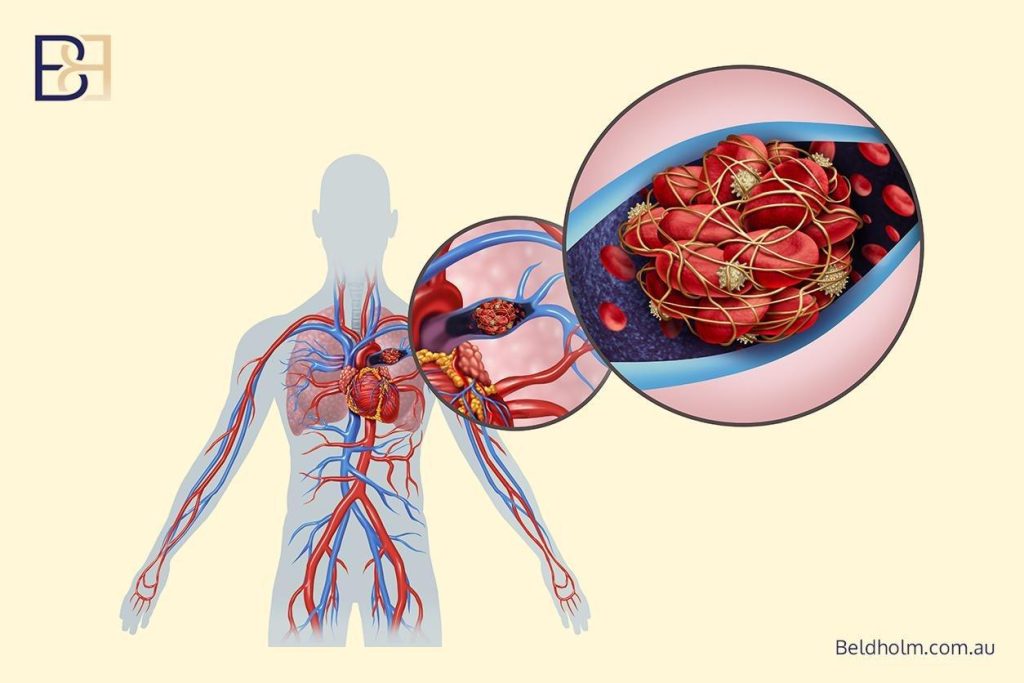
Preventing blood clots is a major focus of abdominoplasty aftercare, particularly in post-weight-loss patients who carry a higher baseline risk (1, 2). The strategies used include:
- Mechanical compression with sequential calf compression devices during surgery and in the early post-operative period
- Early mobilisation, with short walks starting within the first 24 hours
- Chemical prophylaxis in selected patients, usually with a short course of low-molecular-weight heparin (Clexane) injections
- Adequate hydration through recovery
The decision about whether to use chemical prophylaxis, and for how long, is based on your individual risk profile. Your BMI, any history of clots, your mobility, your medications, and the extent of your surgery all factor in. For high-risk patients, Clexane injections may be prescribed for one to two weeks after discharge.
Patients are often concerned about injecting themselves. The practical reality is that the injections are small, the needle is short, and people manage it without trouble after a demonstration by your nurse in the hospital.
Medications That Affect Bleeding or Clotting
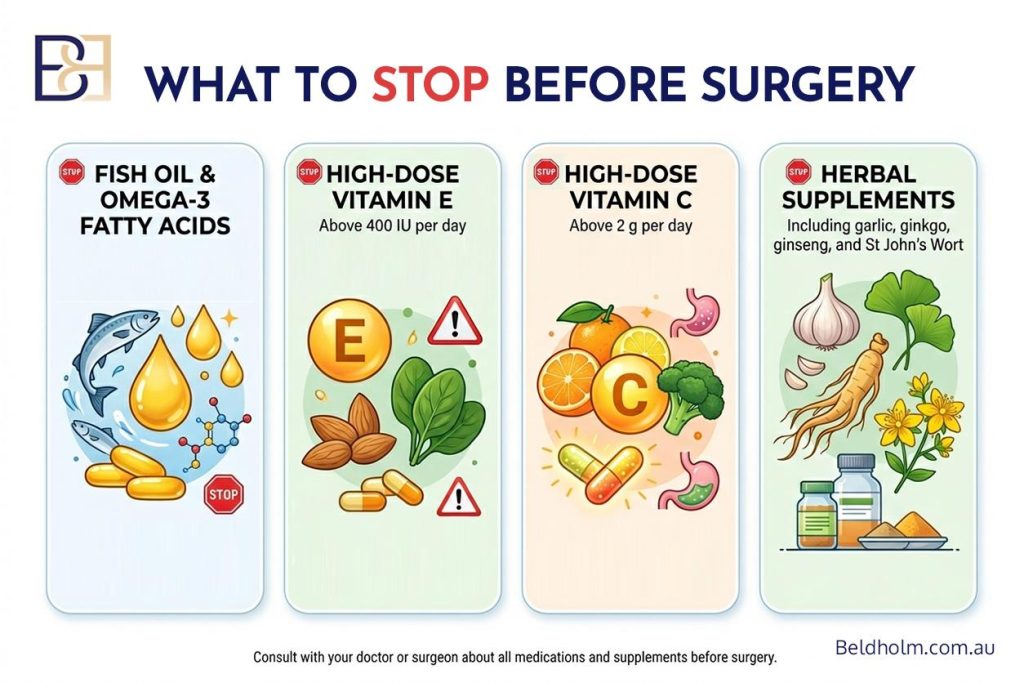
A number of common medications and supplements increase bleeding risk around surgery. These need to be stopped before surgery (with your anaesthetist’s guidance at your pre-operative consultation). The main ones are:
- Aspirin and other anti-platelet medications (such as clopidogrel). If you are taking these for a cardiac condition, your cardiologist is involved in the decision about stopping and restarting
- Non-selective NSAIDs such as ibuprofen, naproxen, and diclofenac in the week leading up to surgery
- Fish oil and omega-3 supplements
- High-dose vitamin E
- Herbal supplements such as ginkgo biloba, St John’s wort, garlic supplements, and ginger at therapeutic doses
- Warfarin, apixaban, rivaroxaban, and other anticoagulants, under specific guidance from your prescribing doctor
Your anaesthetist will review all your medications and supplements in detail at your pre-operative anaesthetic consultation and provide you with a clear written list of what to stop and when.
GLP-1 and Weight-Loss Medications
I have covered this in a dedicated earlier section, so I will not repeat the details here. The summary is that current Australian guidance does not recommend routine cessation of weight-loss medications before abdominoplasty, and your anaesthetist manages this decision at your pre-operative anaesthetic consultation. Do not self-adjust.
Supplements Around Surgery
The detail is covered in the supplements section. The short version for this section:
- Continue your multivitamin, vitamin D3 with K2, and zinc up to the day of surgery
- Stop high-dose ascorbic acid and fish oil one week before surgery
- Restart all supplements in the first few days after surgery
Protein supplementation continues throughout, before and after surgery, with no pause.
Medication Interactions to Watch For
A few interactions come up often enough that they are worth flagging specifically:
- Iron and zinc should not be taken at the same time. Separate them by at least two hours
- Iron and calcium should not be taken at the same time. Iron absorbs better on an empty stomach or with ascorbic acid; calcium blocks iron absorption
- Multiple pain medications: do not combine several over-the-counter pain medications (for example, ibuprofen and a similar anti-inflammatory) without checking with my team. Always confirm the exact active ingredients, because different brand names can contain the same drug
When in doubt about whether two things can be taken together, check with my team or your pharmacist rather than guessing.
Managing Your Own Regular Medications
Patients often come to abdominoplasty on medications for blood pressure, cholesterol, thyroid function, reflux, mental health conditions, and other ongoing issues. Most of these can and should continue through the perioperative period. Some need short-term adjustment. All of this is reviewed at your pre-operative anaesthetic consultation so there is a clear plan covering:
- Which medications continue normally
- Which medications are paused on the day of surgery
- Which medications are paused for a defined period before or after surgery
- What to do if you miss a dose
- When to restart anything that was paused
Bring a complete list of everything you take, including over-the-counter products and supplements, to that appointment. A current Medicare My Health Record summary or a photograph of your medication packets is fine.
The Rule of Thumb
If you are unsure about any medication around your surgery, ask before you do anything. The cost of a phone call to my team or to your pharmacist is zero. The cost of taking something you should not have taken, or stopping something you should have kept taking, can be significant.
You will never be in trouble for asking too many questions about your medications. The only problem we have is when something happens because a question was not asked.
Book your appointment online now
Scar Care After Abdominoplasty
Every tummy tuck (abdominoplasty) leaves a long horizontal scar across the lower abdomen, plus a smaller scar around the new belly button. For post-weight-loss patients with more extensive procedures, the scar may extend further around the hips or include a vertical component. The incision is placed as low as possible so that it sits below most underwear and swimwear lines, but it is still a long scar and it needs active care to settle well. Scar maturation is one of the longer chapters of your surgical journey, running well past the point where daily life is back to normal.
How the scar matures over the first two years depends on a combination of factors. Some you cannot change, such as genetics, skin type, and age. Other lifestyle factors you can influence, including nutrition, smoking status, sun exposure, tension on the wound, and how consistently you follow the plan. The way your body heals is partly set by biology and partly by what you do in the year after surgery. This section covers what I recommend and when.
How Scars Heal Over Time
What you see at six weeks is very different from what you will see at 12 months, and different again at two years. The general timeline:
- Weeks 1 to 6: The scar is closed but weak. The skin is pink or red, slightly raised, and still firm
- Weeks 6 to 12: The scar continues to strengthen. Redness starts to fade
- Months 3 to 12: Most of the visible improvement happens in this window. The scar softens, flattens, and the colour gradually lightens
- Months 12 to 24: Final maturation. The scar continues to fade and soften, though changes are more subtle
The scar typically reaches its final appearance between 12 and 24 months after surgery. Individual healing varies, and some people reach this point sooner or later.
A few things are worth setting expectations around early. The scar will not disappear. It will fade and soften, but it will always be visible if you look closely. The aim of attentive scar management is not invisibility; it is a thin, flat, pale line that sits low on the abdomen and does not draw attention.
The First Three to Four Weeks: Hands Off
In the first three to four weeks, the priority is leaving the wound alone. During this period:
- Keep Hypafix tape on the incision line (covered earlier)
- Do not apply any creams, oils, or scar treatments
- Keep the area out of direct sun entirely
- Avoid stretching or pulling at the scar
Scar products and silicone treatments are not started in this window because the wound is still sealing, and applying anything to a new incision can introduce moisture, irritation, or contamination. The Hypafix tape itself is providing the support the scar needs at this stage.
4 weeks Onwards: Starting Active Scar Management
Once the wound is fully sealed and I have reviewed it, I recommend starting one of two approaches (not both).
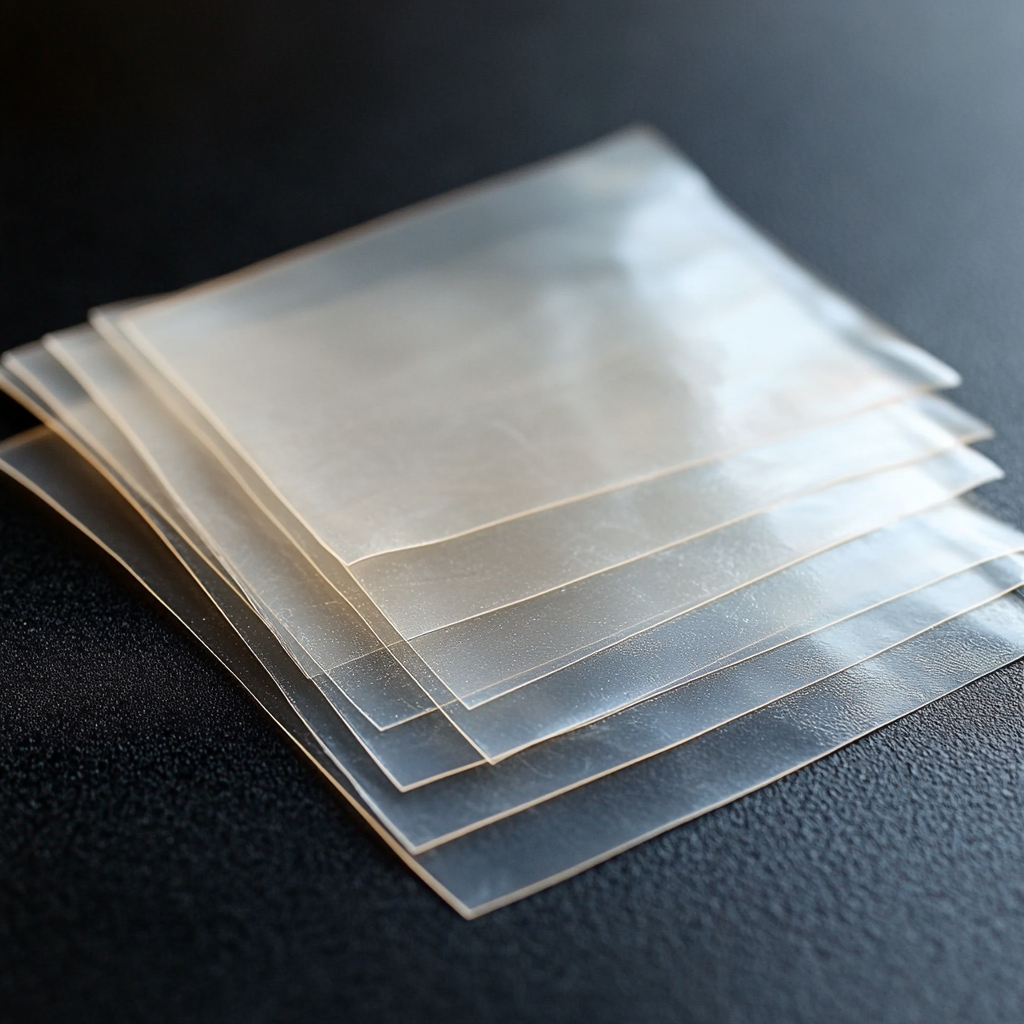
Option 1: Silicone gel or silicone strips. Silicone is the most evidence-based topical scar treatment available. It works by creating a sealed environment over the scar, which regulates moisture loss and moderates the collagen deposition that drives raised scarring.
- Silicone strips (such as Scar Heal, Stratamed, or Mepitac) are worn directly over the incision. Use 12 hours per day for 3 months
- Silicone gel (such as Strataderm or Dermatix Ultra) is a thin, clear layer you apply twice a day. Let it dry for a few minutes before dressing. Continue for at least three months
Silicone sheets and silicone gels have comparable results. Choose whichever fits better into your routine.
Option 2: Scar creams. These include products such as Bio-Oil or Mederma. They are widely available, cheaper than silicone, and patients often like the routine of applying them. The evidence base is weaker than for silicone, but the massage action of applying cream may itself help soften the scar.
If I had to choose one, I would recommend silicone. If you prefer a cream routine, that is acceptable. What matters most is that you do something consistently.
Sun Protection: Non-Negotiable for 12 Months
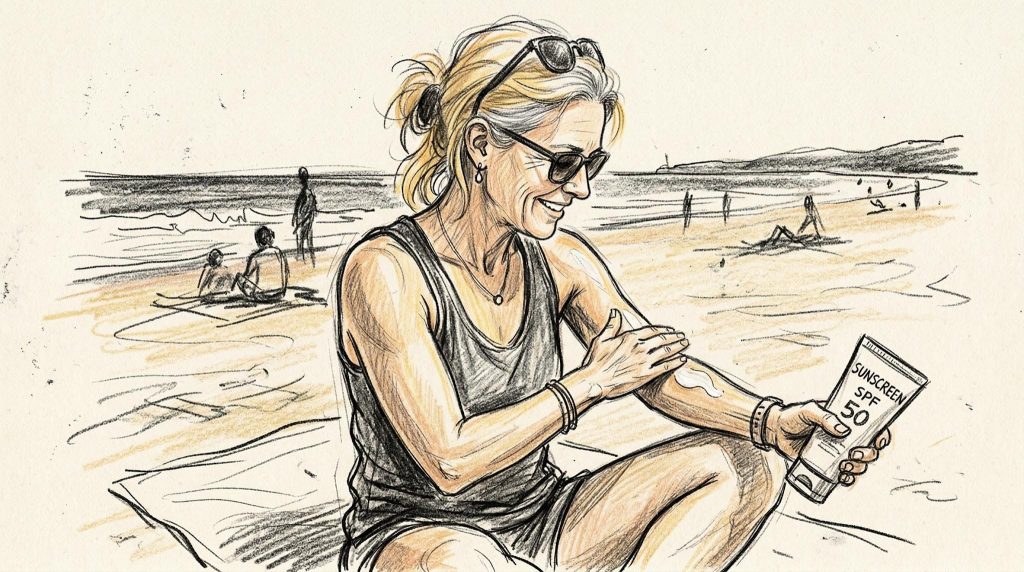
Sun exposure is the single biggest modifiable factor that worsens scars. UV light stimulates pigment production in healing skin, and an unprotected pink scar can darken permanently. This is especially important in Australia.
For at least 12 months after surgery, apply SPF 30+ or higher to the scar whenever it will be exposed to sunlight. This includes:
- When wearing low-rise clothing or shorter tops
- At the beach or swimming pool
- When wearing bikinis or swimwear
- On overseas holidays, particularly in tropical destinations
Even through light clothing, some UV gets through. If you are going to be outside for an extended period, apply sunscreen under your clothing, not just over it.
For the first six weeks, avoid direct sun exposure to the scar entirely, even with sunscreen. After that, sunscreen plus physical cover gives adequate protection.
Scar Massage
From about six weeks onwards, scar massage can help soften the tissue and reduce firmness. Use a small amount of moisturiser, scar cream, or silicone gel as the medium, and work along the length of the scar in small circles for five to ten minutes, once or twice a day.
The pressure should be light to moderate. You are not trying to break anything down, you are encouraging the tissue to remodel smoothly. If the massage causes pain or makes the scar redder and more inflamed, back off and let me know at your next visit.
When Scars Don’t Settle as Expected
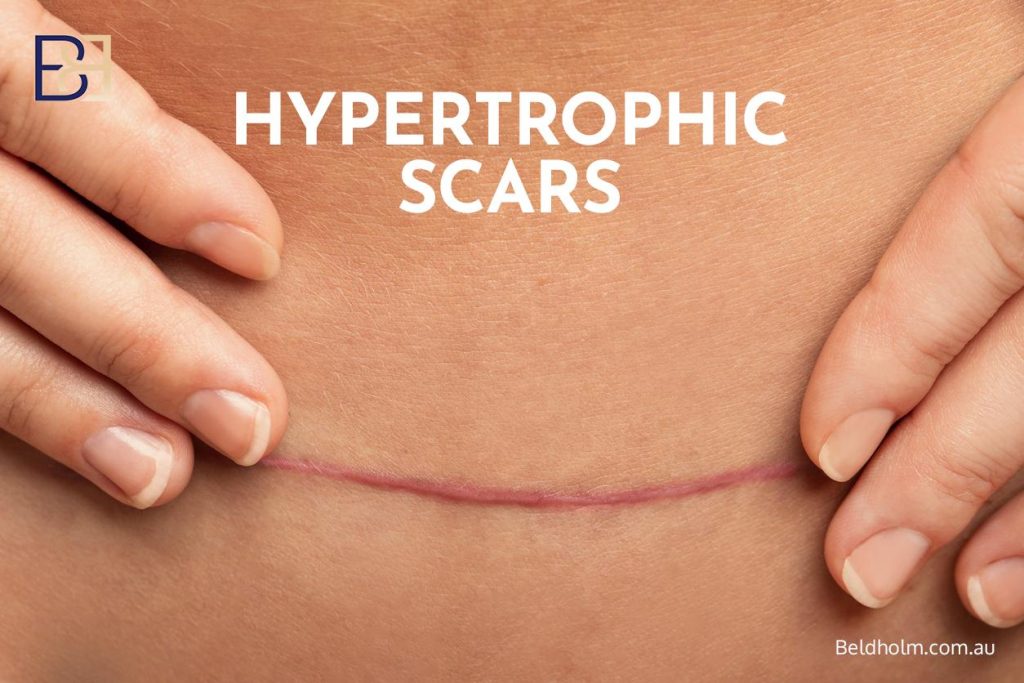
Most scars after abdominoplasty settle into a thin, pale line over 12 to 24 months. Some do not. There are specific patterns that need different management.
Hypertrophic scars remain raised, thick, and firm within the boundaries of the original incision. These are more common in younger patients, darker skin types, and areas of higher tension. They often respond to:
- Prolonged silicone therapy
- Intralesional steroid injections at follow-up visits
- Pressure therapy
Keloid scars are a more aggressive form, where scar tissue grows beyond the original wound boundaries. These are uncommon after abdominoplasty but do happen, particularly in patients with a personal or family history of keloid scarring. Treatment is similar to hypertrophic scars, with steroid injections being the main approach, and sometimes laser or specialist dermatology input.
Spread scars are scars that stretch and become wider than the original thin line. This can happen with tension on the wound, very early return to activity, or skin that has poor elasticity after significant weight loss. Spread scars are a cosmetic issue rather than a medical one, and small revisions can be considered after 12 months if the result is bothering the patient.
Any scar that is getting redder, thicker, or more painful after the first few months should be reviewed. Early intervention is usually more effective than waiting.
Laser Treatment for Scars
For scars that remain pink, red, or raised after the first few months, laser treatment is a useful adjunct. Vascular lasers target the blood vessels that make scars appear red and are used to reduce redness and vascularity in healing scars. Fractional lasers can improve the texture of raised or firm scars by encouraging controlled remodelling of the surface layer.
Laser scar treatment is not something every patient needs. Most scars settle adequately with silicone, sun protection, and time. For the minority that do not, I can refer you to a dermatologist or laser clinic for specific treatments from around six months post-operatively. Non-invasive scar therapies such as laser treatment are most useful in the window between six and eighteen months, when the scar has matured enough to respond but is still actively remodelling.
The Umbilical Scar
The small circular scar around the new belly button has its own considerations. It can look slightly raised or irregular for the first few months, and it often takes longer to fully settle than the horizontal scar. The same principles apply: silicone gel can be used here, keep it out of the sun, and give it time.
Some patients find the belly button scar the one they notice most in the first year, simply because it is visible in more settings than the lower abdominal scar. By 12 to 18 months it usually becomes much less obvious.
The Reality
Scars are the permanent record of any surgery. Abdominoplasty trades a long, fading scar for a flatter abdominal contour. It is important to go in with a clear picture of what the scar will look like, not just what the surgery achieves.
Individual results vary. Genetics sets the upper limit of how well your scar will settle. Within that limit, active scar care gives you the best chance of the scar maturing as well as it can. Patients who consistently use silicone, sun protection, and follow-up usually end up with the least visible scars.
Gradually Resuming Physical Activity

Getting back to normal physical activity comes up at every follow-up. The honest answer is always the same: it depends on what you have done, how you are healing, and how quickly you build back up. Rushing this is the single most common cause of avoidable complications I see.
The recovery timeline section earlier in this guide covered the broad timeline for returning to exercise and highlighted the difference between abdominoplasty with and without muscle or hernia repair. This section covers specific activities and how to think about reintroducing them.
The General Principle
Your body needs time to rebuild internal strength as it heals, and that internal strength lags behind how the wound looks on the outside. The skin closes first, then the deeper layers, then the muscle layer if it was repaired. Each layer has its own healing time. Doing strenuous activities before the relevant layer has properly healed is what causes wound separation, hernia, bleeding, and spread scars. In short, returning to strenuous physical activities too early can hinder recovery rather than help it.
The general principle I use with patients is this. Start with walking. Build slowly. Add activities back in roughly the same order that the body recovers the strength to do them. Stop and retreat a step if anything feels wrong. Gentle stretching through the shoulders and neck is fine from the first few days for comfort, but stretching that pulls on the abdomen is off the list until I clear it.
Walking
Walking is the first and most important activity. It starts within 24 hours of surgery, before you leave the hospital.
- Week 1: Short walks around the house, every hour or two during the day. Five to ten minutes at a time is plenty
- Weeks 2 to 4: Gradually extend to walking around the block, then longer outdoor walks. Keep the pace easy
- Weeks 4 to 6: You should be back to your usual walking pace and distance by this point
- Week 6 onwards: Brisk walking, hills, and longer distances are fine if you feel up to it
Walking has three jobs in early recovery: it keeps blood moving in the legs (reducing clot risk), it helps bowel function, and it maintains cardiovascular conditioning while higher-impact activity is off the list. This form of gentle exercise is the one I actively encourage from day one, every day, regardless of what procedure you had.
Driving

Driving is off the list for the first two weeks, and up to three weeks for more extensive procedures. You can drive again when:
- You are off prescription pain medication (opioids impair reaction time)
- You can comfortably do an emergency stop without abdominal pain
- You can quickly turn your head and shoulders to check blind spots
- Your seatbelt sits comfortably over the incision area without causing discomfort
The seatbelt sits just above the incision line and is tolerable from around week two. A soft towel or seatbelt cushion over the incision can help in the early weeks.
Returning to Work

When you can return to work depends on what your work involves:
- Desk-based work with flexibility: 2 to 3 weeks, sometimes earlier with work-from-home options
- Desk-based work with a commute or long sitting hours: 3 to 4 weeks
- Work involving standing for long periods: 4 to 6 weeks
- Work involving lifting, bending, or physical labour: 6 to 8 weeks minimum, sometimes longer
Some patients return earlier with modified duties. I can provide a medical certificate for your employer covering the recommended time off and any duty restrictions.
Lifting
Lifting is a common source of setback, which is why I mention it more than once in this guide. The rule is that nothing over 10 kilograms is allowed for the first six weeks. In practical terms, that includes:
- Small children (toddlers often weigh 10 to 15 kg)
- Full shopping bags
- Laundry baskets when full
- Suitcases
- Heavy work items
Plan ahead. Lining up help for school pickups, grocery delivery, and anything involving kids or pets is far easier than trying to manage around restrictions on the fly.
Core Exercise

Core exercises are the last thing to reintroduce, and the timing depends on whether diastasis repair was done:
- Abdominoplasty without diastasis repair: Light core work can begin from around four to six weeks, building gradually
- Abdominoplasty with rectus diastasis repair or hernia repair: Wait eight to twelve weeks before any direct core loading
When you start, begin with gentle isometric work such as gentle abdominal bracing and pelvic tilts. Hold for a few seconds, rest, and repeat. Avoid crunches, sit-ups, Russian twists, or any exercise that pulls on the healing tissues for the first three to six months, depending on your procedure.
If you are used to doing Pilates or other core-focused training, bring this up at your follow-up so I can advise on specific movements.
Running
Running is more impactful than it looks. The repeated jolting loads the abdomen, the scar, and the pelvic floor.
- Abdominoplasty without diastasis repair: Return to running from around six weeks, starting with walk-jog intervals
- Abdominoplasty with diastasis or hernia repair: Wait until eight to twelve weeks, with my approval
Ease back in. A first run that is half your usual distance at two-thirds your usual pace is a sensible target. Build from there over the following weeks. Wear your compression garment for the first several runs if you are returning early.
Strength Training and Weights

Strength training is safe to return to but needs staging:
- Weeks 6 to 8: Start with light upper-body work (bicep curls, shoulder work) using weights up to about 5 kilograms, avoiding anything that loads the core
- Weeks 8 to 12: Increase weights gradually. Still avoid direct abdominal loading
- Months 3 to 6: Return to full training program, including deadlifts, squats, and loaded compound movements, depending on your healing
- Months 6 and beyond: No restrictions for standard recovery
Patients who have had rectus diastasis or hernia repair should wait longer before heavy compound lifts, usually a full three months minimum.
Cycling

Cycling is low-impact and well-tolerated after abdominoplasty, but the bent-over position and core engagement on the bike require some caution:
- Stationary bike at low resistance: From around four weeks, with approval
- Outdoor cycling on flat ground: From six weeks onwards
- Hills, mountain biking, longer rides: From eight to twelve weeks
If you had diastasis repair, hold off cycling a little longer.
Swimming

Swimming is excellent low-impact exercise, but it requires a fully healed, sealed wound:
- No pools, spas, or ocean until I have confirmed the wound is fully healed, usually at around six weeks
- Light swimming (breaststroke, gentle freestyle): From six to eight weeks, depending on how the wound has sealed
- Laps and more demanding stroke work: From eight to twelve weeks, building gradually
Chlorinated pool water is generally better tolerated than ocean water in the weeks immediately after clearance. Be cautious around spas and hot tubs, which can soften scar tissue and increase infection risk in the first few months.
Yoga, Pilates, and Group Fitness

These can usually restart from six to eight weeks for standard abdominoplasty, and eight to twelve weeks if you had diastasis repair. Tell your instructor you have had abdominal surgery so they can help you avoid or modify:
- Crunches and sit-ups
- Deep twists
- Backbends with abdominal hyperextension
- Planks and side planks (until cleared)
- Any move that pulls hard on the abdominal wall
Most good instructors are familiar with post-surgical clients and can adapt a class easily.
Sex
Patients rarely ask, but it comes up at every consultation anyway. There is no specific rule, but people are comfortable resuming sexual activity at around three to four weeks after abdominoplasty. Use common sense. Any activity that involves weight or pressure on the abdomen should be avoided for longer. Let comfort and healing guide the pace, not a calendar.
High-Impact Sports and Contact Sports

Contact sports, martial arts, high-impact sports, and anything involving a risk of direct impact to the abdomen should wait a minimum of 3 months, and longer if you had diastasis repair. The concern is direct trauma to a repair that is not yet at full strength. This includes:
- Netball, basketball, and football codes
- Horse riding
- Martial arts and boxing
- Skiing, snowboarding, and surfing (for risk of falls)
If the sport is important to you, raise it at your consultation so we can plan a specific return-to-play timeline.
The General Rule of Thumb
If an activity makes the incision area pull, ache, or feel different from the day before, back off and give it another week. Soreness the day after a new activity is common and usually fine. New pain, swelling, redness, or a bulging feeling is not.
Healing is not linear. Some weeks you will feel like you can do more, some weeks you will feel like you have gone backwards. Both are normal. The aim is steady progress over months, not a fixed return-to-everything date.
Sleeping Position and Rest During Recovery
How you sleep and rest in the first six weeks has a real effect on how comfortable you are, how well you heal, and whether you put unnecessary tension on the incision line. Patients often do not plan for this before surgery, even though it is an easy part of the recovery to get right with a small amount of preparation.
This section covers the position I ask patients to sleep in, how to set up your bed for comfort, and how to manage the rest and sleep side of recovery.
The Core Principle: Hip Flexion
The single most important principle is keeping your hips gently flexed, meaning your knees are slightly bent up toward your chest when you are lying down. This position takes tension off the lower abdominal incision, which is the most important factor in how comfortable you feel and how well the wound sits while it heals.
If you lie completely flat with your legs straight, the skin across your lower abdomen stretches, which pulls on the incision line. In the first few weeks, this pulling sensation is uncomfortable at best and, at worst, places mechanical stress on a wound that is still sealing. Hip flexion solves the problem.
You do not need a specialist bed or recliner for this. A couple of pillows placed under your knees while you lie on your back does exactly the same job. When I say hip flexion, I am not talking about curling into a tight ball, just gently bent knees with support underneath.
The Recommended Position
For the first two to three weeks, I ask patients to sleep on their back with pillows supporting the knees. The setup looks like this:

- Flat or slightly raised head and shoulders on a normal pillow or two. You do not need to be propped up at a steep angle
- Two or three pillows stacked under the knees so that the knees are bent to around 30 to 45 degrees. This is the part that matters
- A pillow on either side of your body if it helps you stay in position while asleep
- Loose clothing that does not press on the incision
Some patients find an adjustable bed or a wedge pillow useful if they have one, but this is not essential. The same effect is achieved with ordinary pillows you already own.
Why Not the Recliner
Patients sometimes ask whether they should sleep in a recliner for the first fortnight. Recliners can be comfortable short-term, but they are not better than a bed with pillows under the knees, and they come with some downsides:
- They tend to leave the lower back in a rounded position, which causes back pain
- They are harder to get in and out of, particularly for the first few days when movement is slow
- They encourage long hours in one position, which is not ideal for circulation
A normal bed, properly set up, is what I recommend. If a recliner is genuinely where you sleep best, that is acceptable as long as you are still moving regularly and not staying in it for 18 hours a day.
Sleeping on Your Side

Side sleeping is usually avoided for the first two to three weeks. The concern is putting pressure on the wound, twisting the abdomen, and disrupting the drains (if they are still in).
After two to three weeks, if the drains are out and the wound is healing well, side sleeping in a mild curled position with a pillow between the knees can be introduced. A pillow between the knees keeps the pelvis aligned and reduces rotational stress on the abdomen.
Sleeping on your stomach is avoided for the first six weeks. It puts direct pressure on the incision and the flap, and it often pulls on the scar. After six weeks, once the wound is fully healed and you have my approval, you can resume stomach sleeping if you prefer.
Getting In and Out of Bed
Standing up straight from lying flat on your back puts significant load on the abdominal wall. In the first three to four weeks I teach patients the log roll technique:
- From lying on your back, roll onto your side in one movement, keeping your hips and shoulders in line
- Drop your feet over the edge of the bed
- Use your arms to push your upper body up into a seated position
- Pause, make sure you are not dizzy, then stand up slowly
Reverse the sequence of getting into bed. Sit on the edge first, lie on your side, then roll onto your back and use your arms to adjust position. You may find it easier to have a firm mattress rather than a very soft one for the first few weeks.
Nighttime Compression
Your abdominal binder stays on at night for the first four weeks (covered in the compression section). Patients often ask if they can loosen it overnight. The answer is no more than very slightly, if at all. The binder works just as well while you are lying down as when you are up and moving, so the overnight wear is genuinely useful.
If the binder is keeping you awake, loosen it by a notch and see how that feels. If it still keeps you awake, contact my team. We can usually fit a different size or style that is more comfortable for sleep.
Getting Enough Sleep
Sleep is part of recovery, not a luxury. The body does most of its repair work during sleep, and sleep deprivation in the early weeks slows wound healing, increases pain perception, and worsens mood. The things that help:
- Stick to a routine. Same bedtime and wake time where possible
- Manage pain before bed. Take your regular paracetamol around 30 minutes before you plan to sleep, not when you are already lying there uncomfortable
- Limit screens in the hour before bed. Recovery is tiring enough without poor-quality sleep making it worse
- Nap in the afternoon if you need to. Short naps of 20 to 40 minutes are fine. Longer naps in the late afternoon tend to disrupt nighttime sleep
- Keep the room cool and dark. Sweating at night is common after surgery, particularly with the binder on
Sleep is difficult in the early days, somewhat better in the second week, and close to normal by week three or four. This pattern is expected.
Rest During the Day
Rest does not mean lying in bed all day. In fact, staying horizontal for long periods is worse for circulation, breathing, and mood than breaking the day up with short activity.
A reasonable rhythm for the first two weeks looks like:
- Up in the morning, get dressed, have breakfast
- Short walk
- Sit up for a while, read, rest on the couch
- Short walk
- Lunch
- Rest with knees elevated
- Short walk
- Family time, light activity
- Wind down before bed
The exact routine depends on your energy levels and pain. The principle is frequent movement interspersed with rest, not one long rest period.
Support at Home
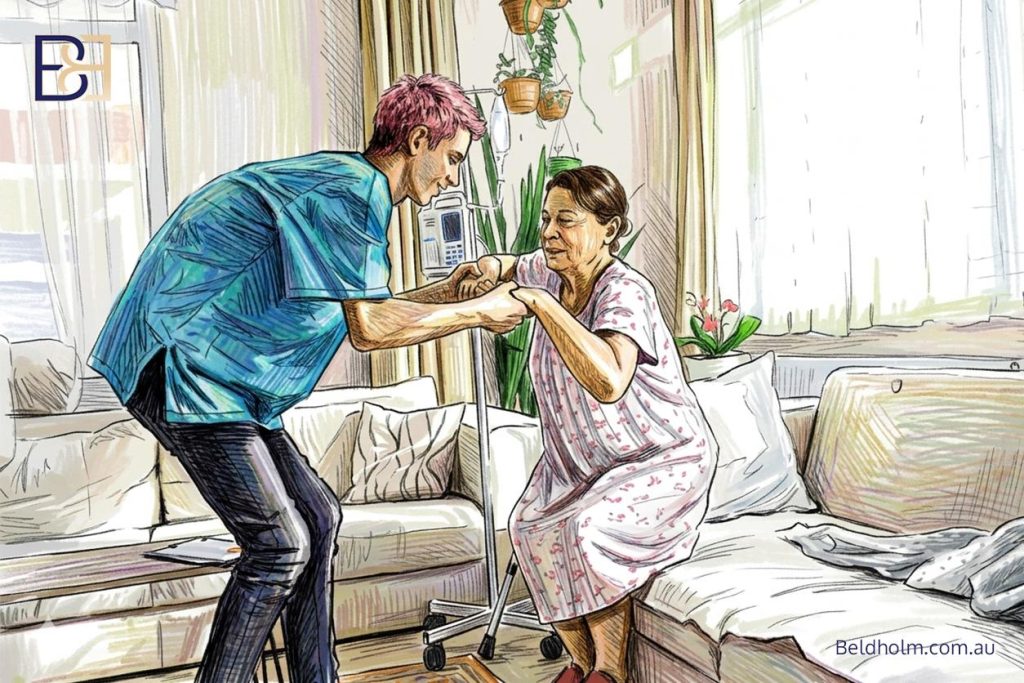
For the first fortnight, have someone around who can help with:
- Meal preparation
- Childcare if relevant
- Pets (particularly anything that might jump on you)
- Heavy tasks, laundry, vacuuming, and similar
- Driving you to follow-up appointments
Patients tend to underestimate how much help they need early on and overestimate it later. By two weeks, most people are managing light household tasks themselves. By four weeks, you should be close to independent for daily activities.
The Key Message
Good sleep and good rest are not about lying still for six weeks. They are about positioning yourself so the incision is not under tension, getting quality sleep at night, and breaking the day up with regular movement.
Patients who get this balance right tend to feel better sooner, move more easily, and have fewer small setbacks. Patients who try to push through and skip rest, or patients who rest too much and hardly move, tend to recover less smoothly. Aim for the middle ground.
Follow-Up Appointments After Abdominoplasty

Close follow-up appointments are something I am particular about. Post-weight-loss patients have more complex recoveries than the average abdominoplasty patient, and problems that are minor when caught early can become significant when left unmanaged. My follow-up schedule, and the detailed instructions that accompany it, are designed around that reality.
All follow-up appointments are included in the surgical fee. There are no additional charges for routine post-operative care at any stage of the recovery.
The more closely a patient sticks to the surgeon’s instructions at each stage, the smoother the recovery tends to be. The surgeon’s instructions at discharge cover every topic in this guide, in a specific, personalised form for your operation and circumstances.
The Follow-Up Schedule
The schedule is structured in two phases. The first is intensive, covering the first two weeks. The second is progressively spaced out as you heal.
Week 1 to Week 2: Intensive follow-up
My team sees you two to three times per week during the first two weeks. These visits are a combination of nurse-led reviews and doctor reviews. They cover:
- Wound checks and dressing changes
- Drain management and output review
- LED light therapy
- Pain and medication review
- Early mobility and activity advice
- Any specific concerns you raise
The frequency is deliberate. This is when complications are most likely to arise, and spotting a problem in the first few days means a simpler solution is possible. Leaving the same problem for two weeks usually requires a more extensive intervention.
Week 3 to Week 6
Appointments are typically weekly or fortnightly during this period, depending on how you are tracking. Wound review and Hypafix tape changes continue through this phase.
Standard follow-up appointments
After the early phase, routine follow-ups are scheduled at:
- 1 month post-surgery
- 3 months post-surgery
- 6 months post-surgery
- 12 months post-surgery
Additional appointments are arranged if anything needs closer monitoring.
What Happens at Each Visit
Each follow-up appointment is more than just a quick check-in. I perform a physical examination of the abdomen at every visit and specifically look for:
- Wound healing progress along the full length of the incision
- Swelling pattern and distribution, which tells me how fluid is moving
- Any fluid collection or seroma developing under the skin flap
- Scar characteristics including redness, firmness, width, and elevation
- Muscle repair integrity if rectus diastasis repair was performed
- Signs of infection or delayed healing at the incision line or around the umbilicus
- Overall contour and how the result is settling
The physical examination is standardised so that findings at each visit can be compared objectively over time. I also take clinical photographs at standardised follow-up visits. These allow us both to see progress that is often hard to appreciate in the mirror, day to day. They are also an important part of good clinical record-keeping.
Peri-Operative Nutritional Management: 4 Weeks Before, 4 Weeks After
My direct involvement in your nutritional and supplement management covers the peri-operative window, which I define as approximately 4 weeks before surgery through 4 weeks after. This is the period when nutritional status most directly affects surgical outcomes and wound healing. During this window, I review your bloods, prescribe and adjust supplements, and manage any deficiencies identified before surgery.
After the 4-week post-operative mark, ongoing nutritional management transitions back to your GP. For post-bariatric patients, this is not a one-time handover. Supplementation is usually a lifelong commitment, and ongoing blood monitoring is part of staying well for years to come. Your GP is the right person to coordinate that long-term picture, including repeat blood panels at appropriate intervals, updates to your supplement plan as your body changes, and any referrals to an accredited practising dietitian (APD) or specialist if needed.
If your GP wants to discuss a specific post-operative finding with me, they are welcome to contact my rooms. But the structure from 4 weeks post-operative onwards is that the GP drives it, not me.
Telehealth and Patients From Further Afield

Most of my follow-up appointments are in person at my rooms. For patients who live further away, telehealth appointments can be arranged for some of the later routine reviews, particularly the 6-month and 12-month visits, where the examination focus is more on progress and scar maturation than on active dressing changes.
Patients who travel from interstate or long-distance within NSW are asked to stay locally in the Hunter Valley area for the first 7 to 10 days after surgery so that intensive early follow-up can happen in person. After that window, ongoing care can be coordinated with your GP and supplemented with telehealth from my rooms.
What to Bring to Follow-Up Appointments

A few things that help make each appointment productive:
- Your drain log if you still have drains or have recently had them removed
- A list of any new medications prescribed by your GP or other doctors since your last visit
- Specific questions written down. It is easy to forget what you wanted to ask when you are in the room
- Photographs if you have noticed something changing at home that is not present on the day of the appointment
Wear something easy to change out of, because you will undress for the examination. Loose-fitting clothing is more comfortable anyway in the first few weeks.
Between Appointments: When to Contact the Team
Between appointments, you should manage well, but some concerns cannot wait. The next section covers the full list of warning signs and how to escalate. Briefly: contact my team during business hours, or follow the after-hours pathway, if you are worried about something new or worsening. Fever, spreading redness, increasing pain not controlled by your usual medication, new swelling, and drainage problems are the most common reasons to call.
Ringing with a concern that turns out to be nothing is not a problem. The concern that does not get raised at all is the one that causes trouble.
Long-Term Review
After your 12-month review, you are usually discharged from routine follow-up. I am still available for ongoing concerns after this point, and many patients return for review at any time if they notice something new or want to discuss revision options. There is no time limit on being able to come back, and the relationship with my team does not stop at the 12-month mark.
Your GP continues to manage your general health, nutritional status, and any long-term supplement needs throughout this period and beyond.
The Value of Close Follow-Up
Good outcomes in body contouring are not just about the operation. They are about what happens in the weeks and months afterwards. A close follow-up schedule picks up problems early, reinforces what you are doing well, and lets me correct course if something is not going to plan. Consistently following the surgeon’s instructions throughout this window is what separates a smooth recovery from a complicated one.
The patients who do best are consistent with their follow-up. Missing appointments because you feel fine is a false economy. By the time a problem is obvious enough to make you call unprompted, it is usually further along than it needs to be. Turning up on schedule is a simple, practical thing you can do to support your own recovery.
When to Seek Medical Attention

Abdominoplasty is a major operation. Patients generally recover without incident, but complications can and do occur, and early recognition is the single biggest factor in how well they are managed. Like any major surgery procedure, it has a small but real complication rate, and recognising problems early is what keeps that rate low. This section sets out the warning signs I want every tummy tuck (abdominoplasty) patient to know about, and when to seek medical attention. These standard instructions are given in writing at discharge and form part of the standard aftercare plan for every patient.
The practical rule I give every patient is simple. If something is worse today than it was yesterday, contact my team. It is always easier to manage a concern early than to manage the same concern three days later. Call my office immediately for any of the warning signs listed below; do not wait for your next appointment. Everything in this section is cross-referenced with the medical references cited in the reference list at the end of the article, so you are reading specialist-level guidance written for patients.
The Warning Signs
Some of these have been mentioned in earlier sections. They are collected here so you have a single point of reference.

Signs of Possible Infection
- Fever above 38 degrees Celsius
- Chills or feeling unwell in a flu-like way
- Spreading redness around the incision or at a drain site (redness confined to the incision line is normal in the first few days)
- Warmth of the skin extending beyond the incision
- Thick, yellow, green, or foul-smelling discharge from the wound or a drain site
- Increasing pain after the first week, particularly if it becomes focused in one area
Signs of Possible Bleeding
- Sudden new swelling under the skin, particularly if one-sided
- Firm, tense swelling that is painful to touch
- Bright red blood filling a drain bottle quickly
- Fresh blood soaking through a dressing
- Feeling faint, lightheaded, or unusually weak
- A fast heart rate combined with feeling unwell
Signs of a Possible Blood Clot
- Pain, swelling, redness, or tenderness in one calf or thigh
- Swelling of one leg only
- Sudden shortness of breath
- Sharp chest pain, particularly when taking a deep breath
- Coughing up blood
- Unexplained rapid heart rate
Shortness of breath or chest pain after abdominoplasty needs to be taken seriously, regardless of what else is going on. Do not wait to see if it settles.
Signs of a Wound Problem
- Wound edges coming apart (dehiscence)
- Dark, purple, or blackened skin over any part of the abdomen
- A sudden loss of sensation that was present the day before
- Fluid or pus appearing from the incision line
- A visible opening in the scar where skin has separated
Signs of a Seroma or Haematoma
- New soft, fluid-filled swelling under the skin after a period of being more settled
- A firmer, more painful swelling that develops rapidly
- A feeling of fluid sloshing under the skin
- Asymmetry between the left and right sides that was not there before
Red Flag Symptoms That Need Immediate Action

Some symptoms require emergency department-level review rather than a phone call to my rooms. Do not try to drive yourself if any of the following are present.
- Sudden shortness of breath
- Chest pain at rest or on deep breathing
- Coughing up blood
- Collapse, fainting, or severe dizziness
- Heavy bleeding that cannot be stopped
- Signs of sepsis: high fever, confusion, rapid heart rate, low blood pressure, feeling extremely unwell
- Severe, sudden abdominal pain that is different in character from your expected post-operative discomfort
For any of these, call 000 or attend your nearest emergency department. Tell them you have had abdominal surgery recently and give the date of your operation. Contact my rooms afterwards so we know what has happened and can coordinate ongoing care.
Contacting My Team

During business hours, call my rooms directly. My nursing team will triage your concern and arrange either a same-day appointment, a phone review, or urgent referral as appropriate.
Outside business hours, call Maitland Private Hospital, where your surgery was performed. An experienced nurse will answer the phone. Depending on what you describe, the nurse will either give you advice for less urgent concerns or contact me directly if the issue needs my input.
Maitland Private is not an emergency department and does not have a doctor available to assess discharged patients on-site. The after-hours pathway is nurse-led phone triage with escalation to me where needed. If you need to be physically examined or treated, that happens at your local emergency department.
For anything significant or life-threatening, do not delay with a phone call. Call 000 or attend your nearest emergency department immediately. Tell the treating staff you have had abdominoplasty surgery and give the date of your operation.
Keep the hospital’s contact number and my rooms’ number visible at home in the first six weeks so you or a family member can find them quickly if needed.
Questions That Sometimes Come Up

“I don’t want to be a bother.”
You are never a bother. Every concern I want to hear about, whether it turns out to be a real problem or nothing at all, is part of normal post-operative care. The patients who get into trouble are usually the ones who waited because they did not want to disturb anyone. Please do not be that patient.
“Is this normal?”
This is the most common question we get. The honest answer is often yes, especially in the first two weeks when swelling, bruising, tightness, and discomfort are expected. But it is my team’s job to confirm that, rather than your job to guess. A two-minute phone call is much cheaper than a missed early warning sign.
“It is the middle of the night. Should I wait until morning?”
For most concerns, yes, the morning is fine. For the red flag symptoms listed above, no, go to the emergency department now or call 000. If you are unsure which category you are in, phone the hospital where your surgery was done.
“Can I message or email instead?”
For urgent concerns, no. Phone contact allows us to triage effectively and arrange a rapid review if needed. Non-urgent questions can be emailed during business hours, but anything that sounds like a warning sign gets a phone call.
What Happens After You Call
When you contact my team about a concern, the usual sequence is:
- Triage. A nurse takes details of your concern, your recent progress, and how you are feeling
- Decision. Based on the severity, you will be offered either an urgent in-person review, a same-day or next-day appointment, a phone review, or reassurance with specific signs to watch for
- Documentation. The concern, the decision, and any review findings are documented in your record
- Follow-up. If you are managed over the phone, my team will typically follow up in 24 to 48 hours to confirm things have settled
If an urgent review finds a significant problem, options might include changes to dressings or compression, prescription of additional medication, drainage of a fluid collection in the rooms, or in rare cases a return to the operating theatre. All of this is explained at the time so you know what is happening.
The Bottom Line
You are not expected to know the difference between a normal healing variation and a complication. That is my team’s job. Your job is to pay attention to your body, notice when something is different, and pick up the phone if you are worried.
The best complication is the one that is caught early. The worst outcomes I have seen across my career are almost always the ones where someone hoped a problem would go away if they ignored it for a day or two. Please don’t wait. Call.
References
- Humar P, Robinson B. Preparing patients for body contouring surgery and postoperative surveillance for deep venous thrombosis. Clin Plast Surg. 2024;51(1):1-6.
- Griffin M, Akhavani MA, Muirhead N, Fleming ANM, Soldin M. Risk of thromboembolism following body-contouring surgery after massive weight loss. ePlasty. 2015;15:145-154.
- Mehta M, Rometo D, Gusenoff J, Rubin JP. Nutritional challenges in post-massive weight loss body contouring: guidance for plastic surgeons on GLP-1 agonists and sleeve gastrectomy. Plast Reconstr Surg. 2025. doi:10.1097/PRS.0000000000012672.
- Austin RE, Lista F, Khan A, Ahmad J. The impact of protein nutritional supplementation for massive weight loss patients undergoing abdominoplasty. Aesthet Surg J. 2016;36(2):204-210.
- Agha-Mohammadi S, Hurwitz DJ. Nutritional deficiency of post-bariatric surgery body contouring patients: what every plastic surgeon should know. Plast Reconstr Surg. 2008;122(2):604-613.
- Makarawung DJS, Al Nawas M, Smelt HJM, Monpellier VM, Wehmeijer LM, van den Berg WB, Hoogbergen MM, Mink van der Molen AB. Complications in post-bariatric body contouring surgery using a practical treatment regime to optimise the nutritional state. JPRAS Open. 2022;34:91-102.
- Agha-Mohammadi S, Hurwitz DJ. Enhanced recovery after body-contouring surgery: reducing surgical complication rates by optimizing nutrition. Aesthet Plast Surg. 2010;34(5):617-625.