Every abdominoplasty (tummy tuck) leaves a scar. There is no way around that. When I remove excess skin from the abdomen, I am making an incision, and an incision heals as a scar. What I can influence is where the scar sits, the surgical technique used to close the wound, and the tension across it, all of which affect how it settles over the months that follow. What you do during recovery matters just as much.
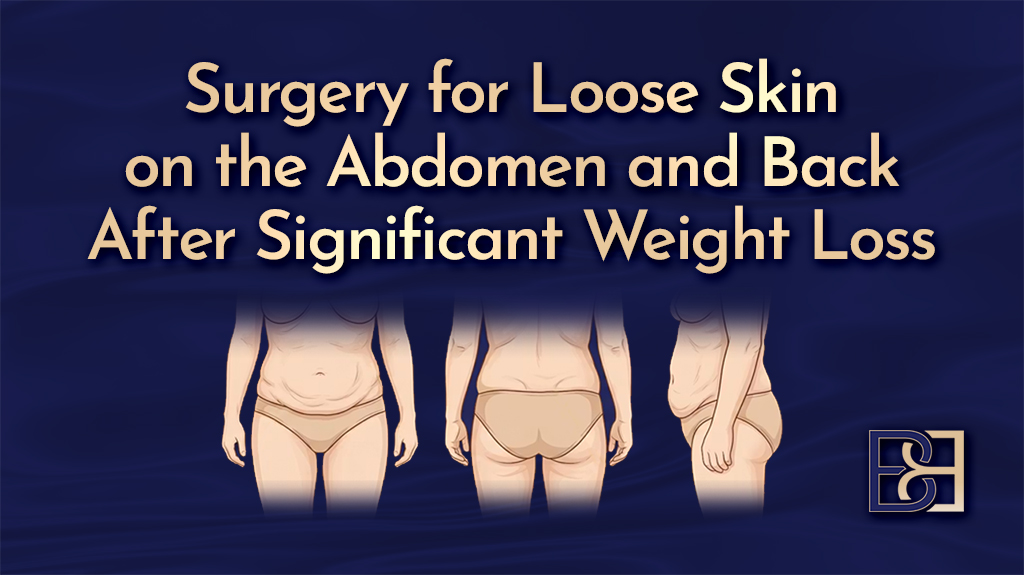
If you have lost a large amount of weight, your scar is usually longer than the scar a post pregnancy patient would have. That is because there is more loose skin to remove. A full abdominoplasty (tummy tuck) scar runs hip to hip, low across the lower abdomen. If you need a fleur-de-lis or a body lift (belt lipectomy), there is more scar again. I talk through exactly what to expect for your situation at consultation, because the pattern depends on how much skin needs to come off and where it sits.
A few things shape how a scar looks at the end:
- The operation itself, including incision placement and how the skin is closed
- Your own healing, which is partly genetic and varies from person to person
- Your skin tone, which affects colour during healing
- How you care for the scar in the first one to two years
- Whether you smoke, and how stable your weight is
Removing excess skin after weight loss means accepting a scar in exchange. For most of my patients that is a reasonable swap, but it is a decision you make with full information, not a detail to gloss over. This article walks through how these scars heal, what the scar looks like for the different operations I perform after weight loss, the treatments that help, and the day-to-day care that gives a scar the best chance to settle.
How abdominoplasty (tummy tuck) scars heal over time
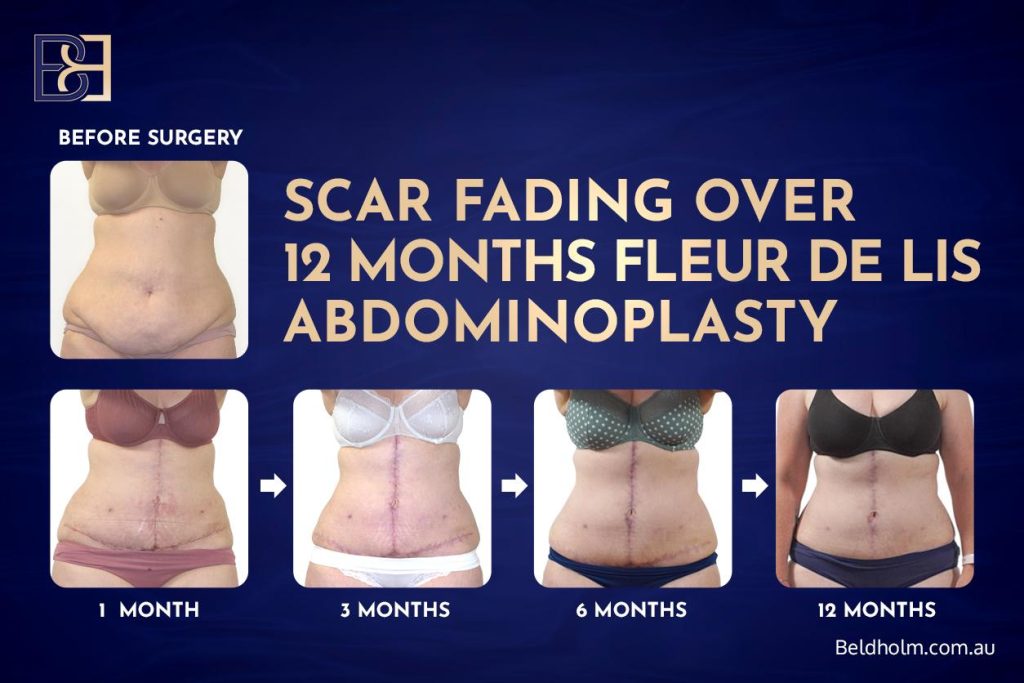
A scar is not finished the day the wound closes. The healing process keeps changing for up to two years. Knowing the stages of scar formation helps you judge what is normal, so you are not alarmed by a red, raised scar at six weeks that is doing exactly what it should.
These timelines are a guide. Healing varies from person to person, and a longer scar after weight loss can take its time.
The first few weeks
Early on the scar is red, often raised, and may feel firm. You may notice small lumps or bumps along the line as the deeper dissolving sutures do their work. The area is swollen. This is normal wound healing, not a problem. Keeping the wound clean and protected matters most at this stage. I use a PICO dressing for the first week and then change to a tape dressing, which I cover in more detail below.
Early healing, 1 to 3 months
The scar usually stays red, or a darker brown depending on your skin tone. It can feel firm or slightly raised as your body lays down collagen and scar tissue. Towards the end of this period the redness often starts to ease and the lumpiness begins to settle. Swelling low in the abdomen is still common and can take longer to go than the scar itself.
Intermediate healing, 3 to 6 months
The colour fades from dark red towards pink or a softer brown, and the scar begins to flatten. Many patients see a clear change through this window. This is also the stage where active scar care, silicone and massage, does most of its work.
Long-term healing, 6 to 24 months
The scar keeps paling and flattening. By around twelve months, it is usually much less obvious than it was early on. Full maturing can take up to two years, and a longer post weight loss scar can sit at the slower end of that range. In lighter skin a mature scar often settles to a pale line. In darker skin tones it may stay pigmented, and in some people it can thicken. How your scar finishes is individual.
What the scar looks like for each operation
The scar pattern depends on the operation, and the operation depends on how much loose skin you have and where it sits. After weight loss the skin is often loose in more than one direction, which is why the larger scar patterns come up more often in this group than in post pregnancy patients. Here is what each one leaves.
Full abdominoplasty (tummy tuck) and apronectomy
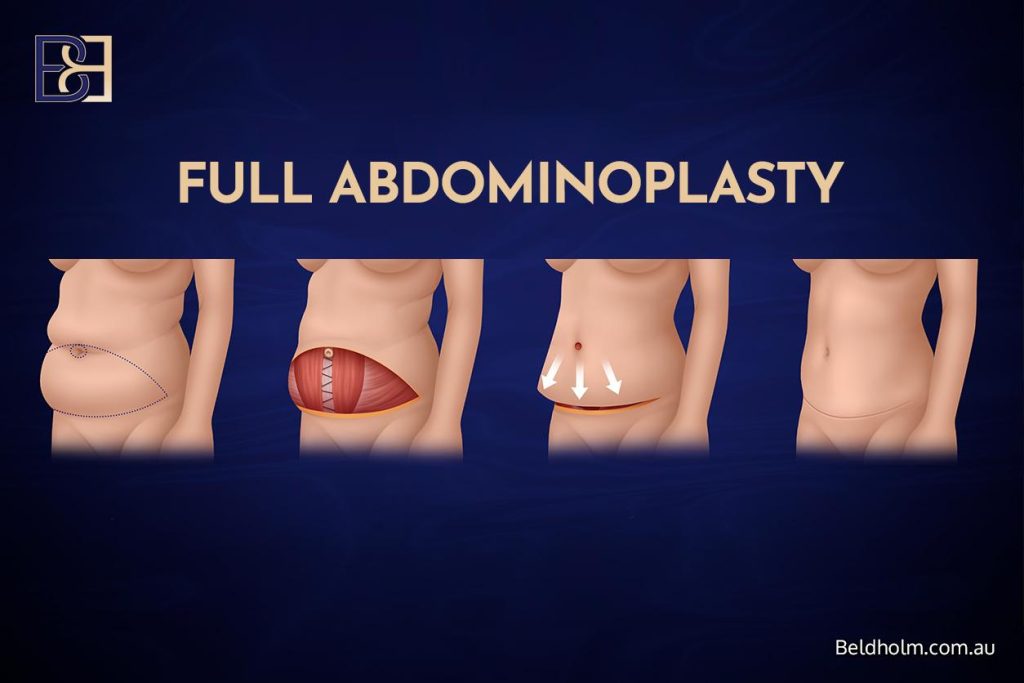
A full abdominoplasty (tummy tuck) leaves one long scar running low across the lower abdomen, roughly hip to hip. I place it low so it sits within the line of underwear or swimwear. Because the belly button (umbilicus) is repositioned, there is also a small scar around it.
An apronectomy removes the overhanging apron of excess skin and leaves a similar low transverse scar, but it is a more limited operation that does not lift and re-drape the upper abdominal skin over the abdominal wall in the same way. For some post weight loss patients an apronectomy is the more appropriate choice.
Fleur-de-lis abdominoplasty

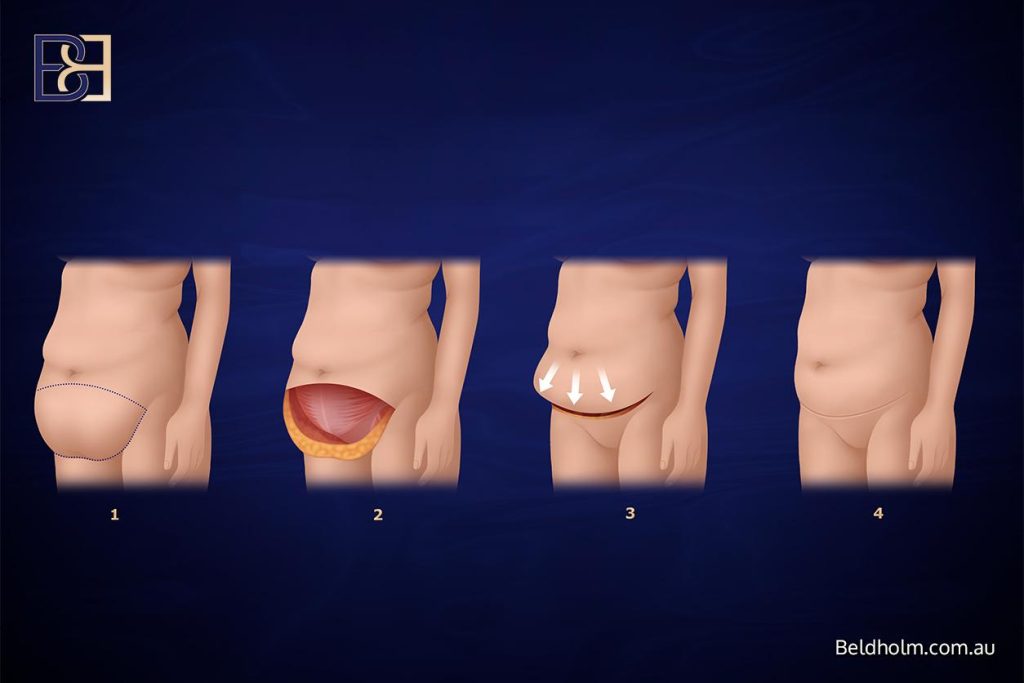
A fleur-de-lis adds a vertical scar running up the midline of the abdomen, joining the horizontal one to form an inverted T. It is used when there is loose skin across the abdomen as well as up and down, which is common after massive weight loss. The added vertical scar is what allows skin to be removed in two directions rather than one.
Body lift (belt lipectomy)
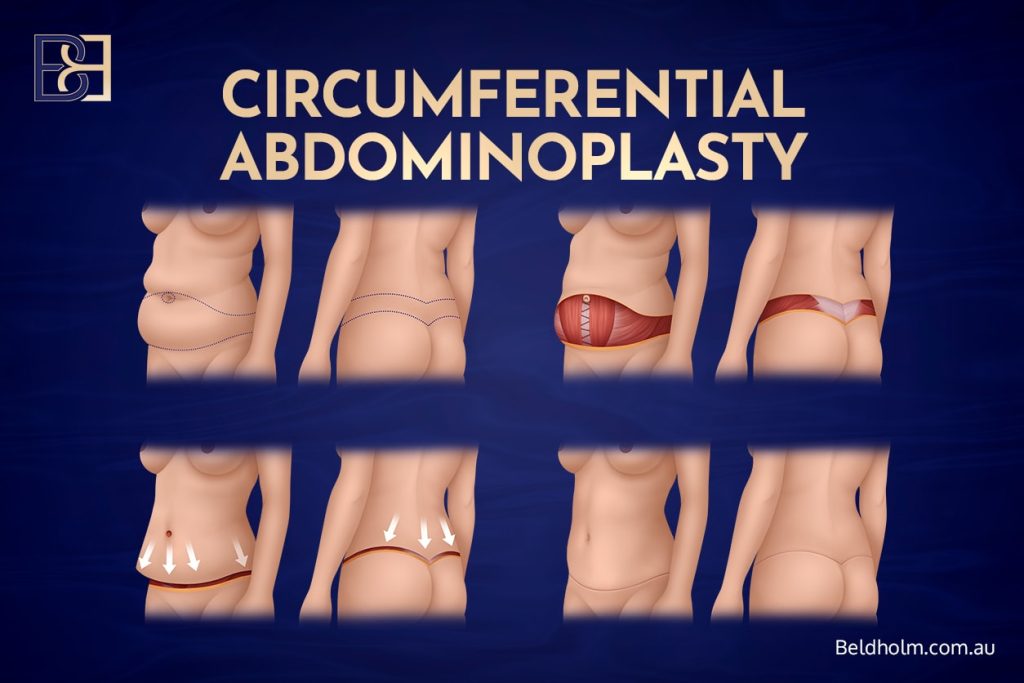
A body lift (belt lipectomy) continues the scar all the way around the body, like a low belt. It removes excess skin from the abdomen, hips, flanks and lower back in one operation, for patients whose laxity goes right around rather than sitting only at the front. You may also see this operation called a circumferential abdominoplasty. They describe the same procedure.
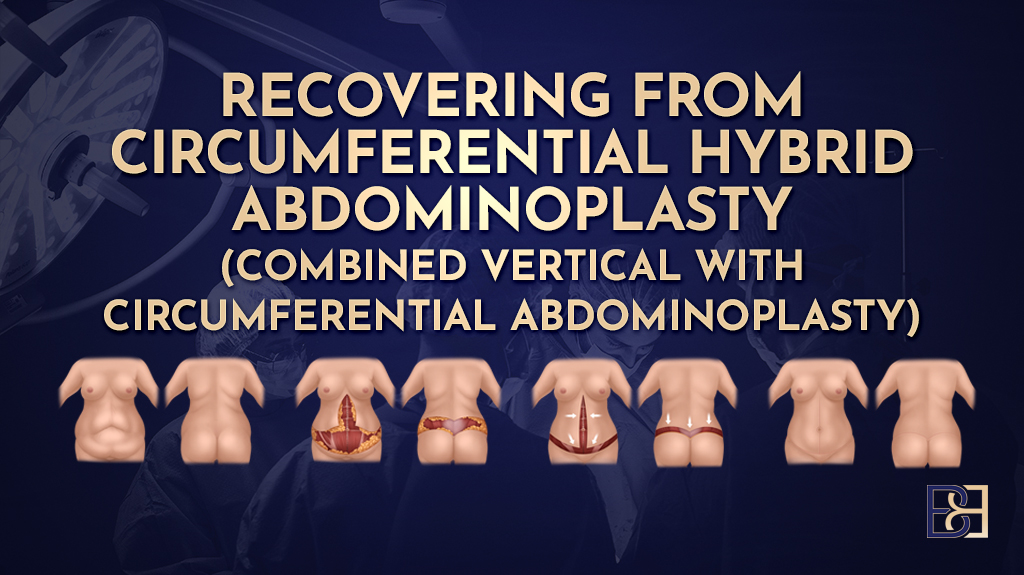
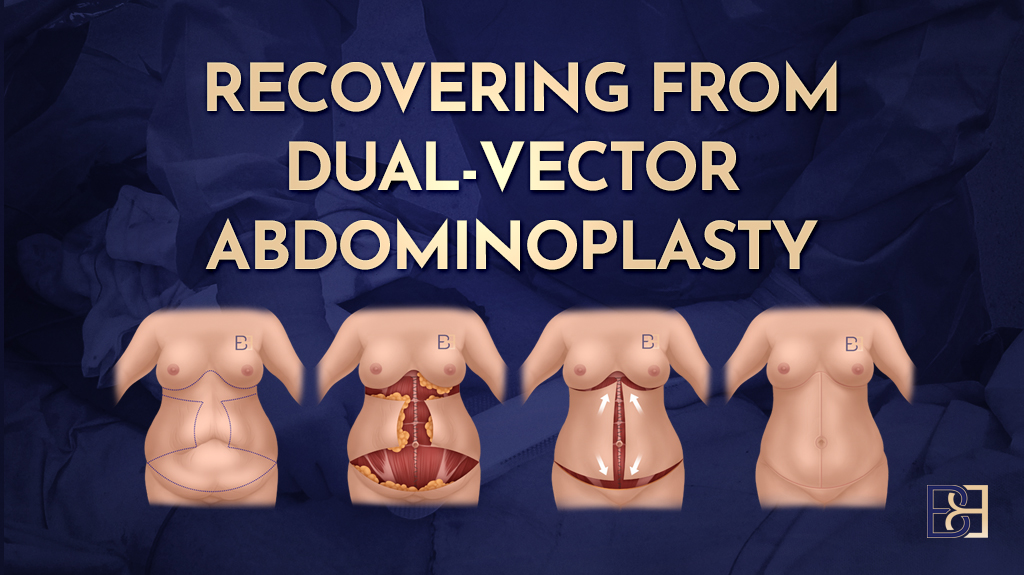
Dual vector and circumferential hybrid abdominoplasty
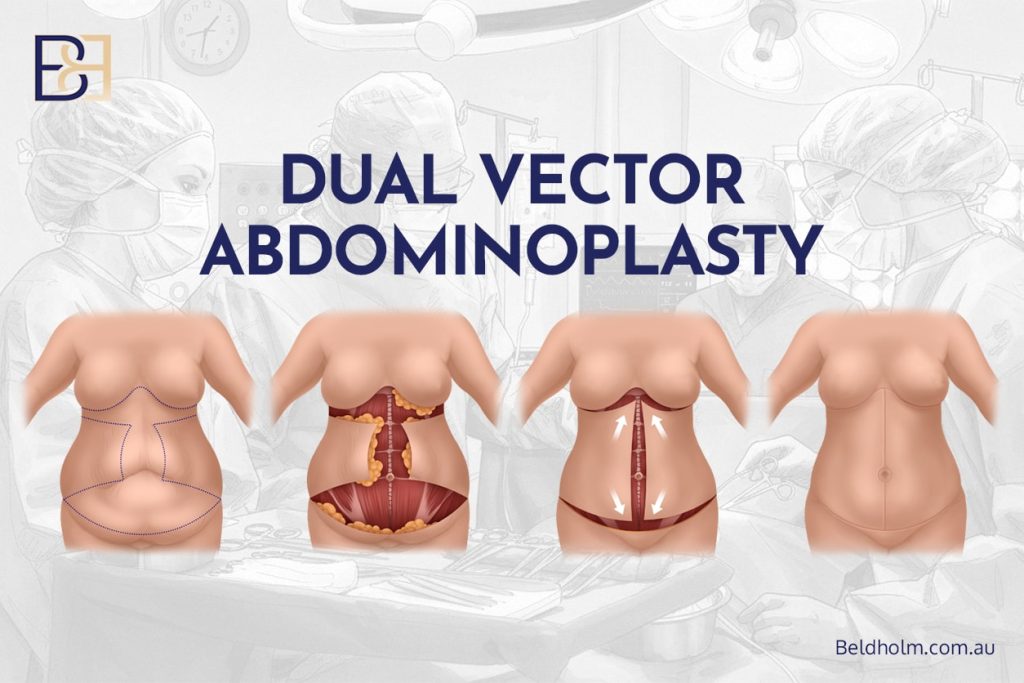
These are two approaches I use for patients with more extensive laxity.
A dual vector abdominoplasty combines a fleur-de-lis with removal of upper abdominal skin, for patients who are loose in both the vertical and horizontal planes. The scar reflects that, with the inverted T of the fleur-de-lis and an upper component.
A circumferential hybrid abdominoplasty combines a body lift (belt lipectomy) with a vertical incision at the front. It leaves the belt scar with an added vertical scar on the front of the abdomen.
Both remove more skin and leave more scar. They suit specific patterns of loose skin.

The belly button (umbilicus)
After major weight loss the belly button (umbilicus) is usually stretched and pulled downwards by the surrounding skin. During a full abdominoplasty (tummy tuck) I reconstruct it, which leaves a small scar around the rim of the new belly button (umbilicus). This scar is usually discreet once it settles.
How I plan where the scar will sit
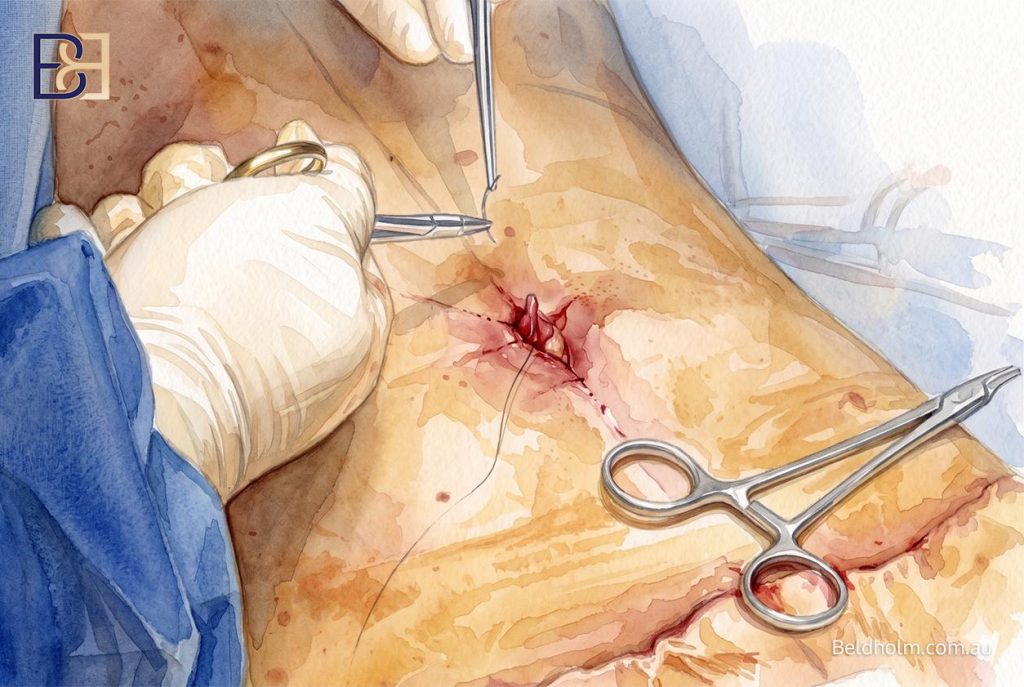
I plan your operation with you at your consultations. The exact scar placement is then marked onto your skin just before surgery. Where the main scar ends up makes a real difference to how it is to live with, so this marking is done carefully.
Keeping the main scar low
My aim with the horizontal scar is to place it low across the lower abdomen, so it sits within the line of most underwear and swimwear. I mark the position with you standing up, because skin sits differently when you are upright than when you are lying down. Marking while you stand lets me judge where the loose skin falls and how low the scar can sit.
I plan the lower incision to sit low within that line, and that placement is much the same whether there is a little loose skin or a lot. What the amount of loose skin changes is the upper part of the operation: how much skin can be removed above, whether the belly button (umbilicus) can be brought down to the new line, and whether a vertical scar is also needed. The final position is confirmed during the marking before your operation.
Working with what is already there
Many post weight loss patients already have abdominal scars, such as an appendix scar or a caesarean scar. These often sit within the skin that is being removed, so they can usually be taken away as part of the operation.
The vertical and circumferential scars
If you need a fleur-de-lis, the vertical scar runs up the midline, which is the position that lets me remove side-to-side skin evenly. For a body lift (belt lipectomy), I plan the scar to run around the body at a level that stays within waistbands where possible.
Tension and the mons
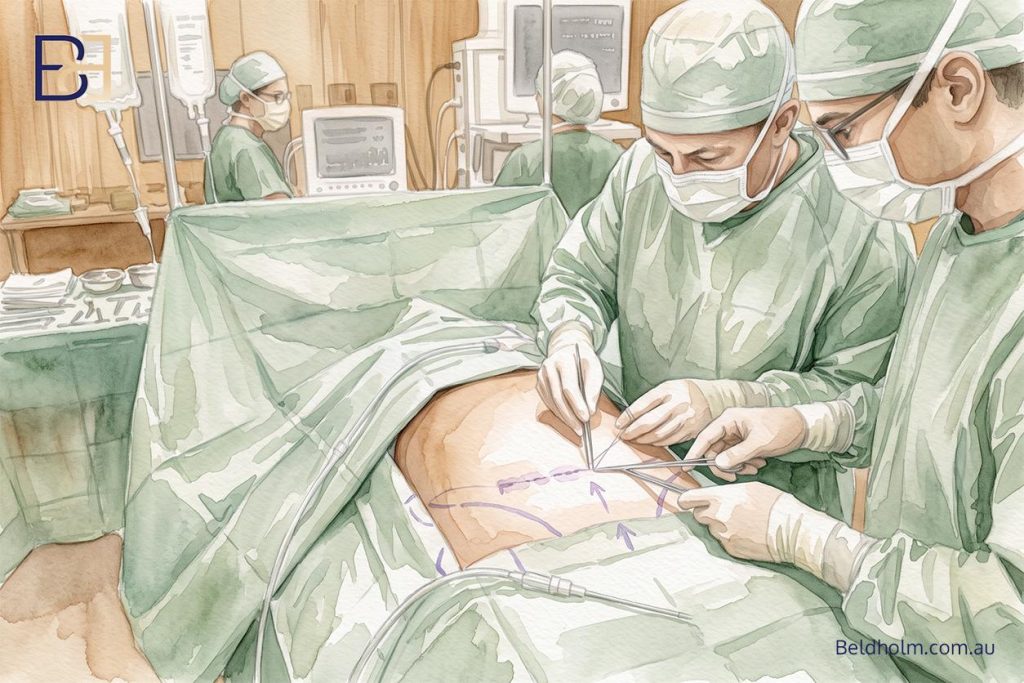
After weight loss the mons, the area above the pubic bone, is often loose and heavy, and many patients want it lifted. The operation lifts the mons along with the lower abdomen, and where it helps I use liposuction (suction assisted lipectomy) to remove excess fat and flatten the area. How much lift to apply, and the tension across the closure, are planned carefully during the operation. A scar closed under less tension tends to settle better.
Treatments that help a scar settle
Most abdominoplasty (tummy tuck) scars settle well with care and time. Some need more help, particularly if they stay red, raised or thickened. These are the scar treatments and scar management techniques I use, roughly in the order I reach for them.
Silicone
Silicone is my first choice for scar appearance and helping a scar settle, and for lowering the chance of raised scars or thickened scars. It comes as silicone sheets or as a gel. Published research supports silicone as a first-line option for managing surgical scars (1). I usually start it once the wound has fully sealed, and it is used daily over several months. The gel suits the curves of the abdomen and can be worn under clothing. Silicone gel sheets can work well where the scar is flat and covered.
Corticosteroid injections
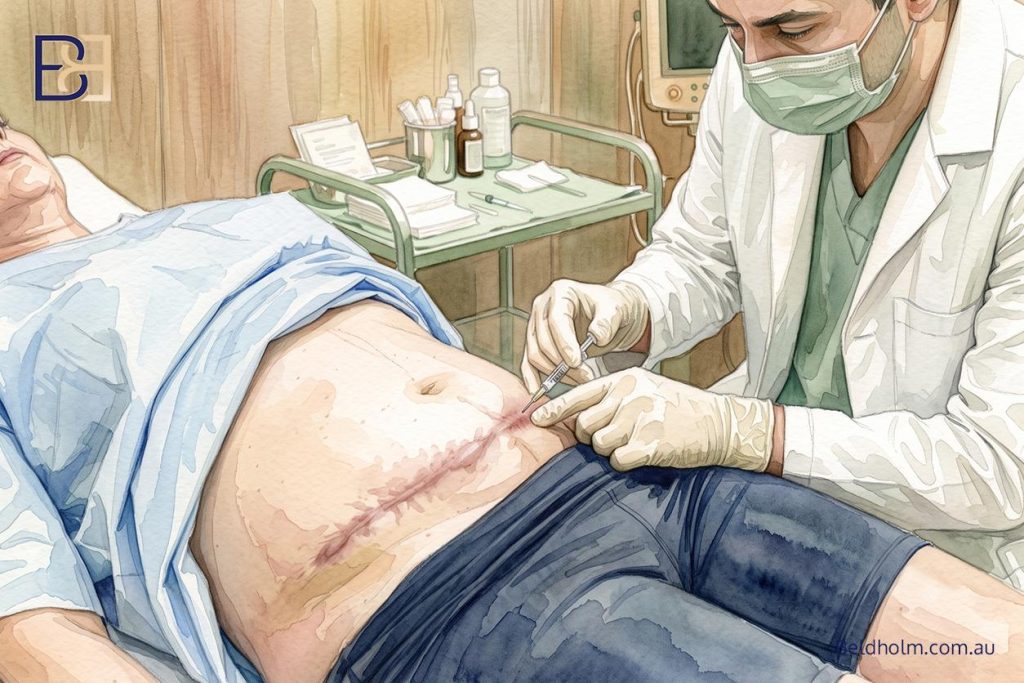
If a scar becomes raised, firm or itchy, which can happen with hypertrophic scars or keloid scars, I can inject a corticosteroid directly into it. This softens and flattens the scar over a series of treatments spaced a few weeks apart. The patients who tend to need this are those whose scars thicken rather than settle flat, or who are prone to severe scarring.
Laser treatment
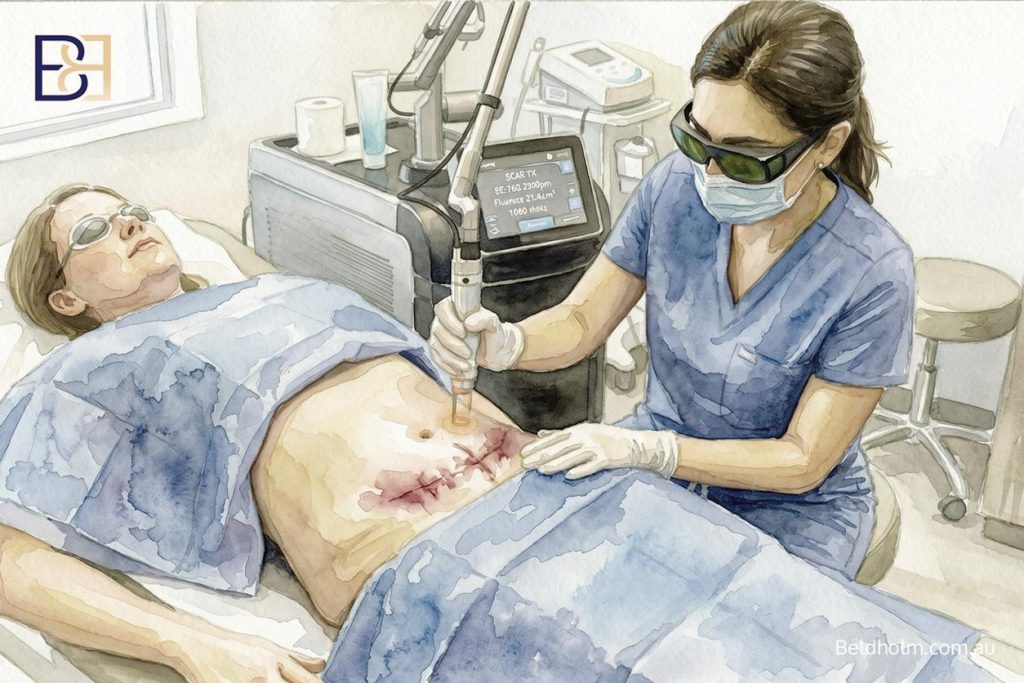
For scars that stay red or raised, laser treatment can reduce redness and soften scar texture. I do not offer laser in my practice, so if a scar would benefit from it I refer you to a practitioner who does. It is usually done once the scar has had some time to mature, and more than one session is often needed.
Scar revision surgery
Occasionally a scar heals poorly, for example if it widens or thickens despite good care. In that situation a surgical scar revision can remove the old scar and close the area again. I wait until the scar is mature, usually at least twelve months, before considering this. Revision replaces one scar with another, so it is not a guarantee of a better result.
What you can do to help your scar settle
The biggest influence on a scar in the first year is how it is cared for day to day. None of this is complicated, but doing it consistently helps minimise scarring and supports optimal scar healing.
Dressings and compression
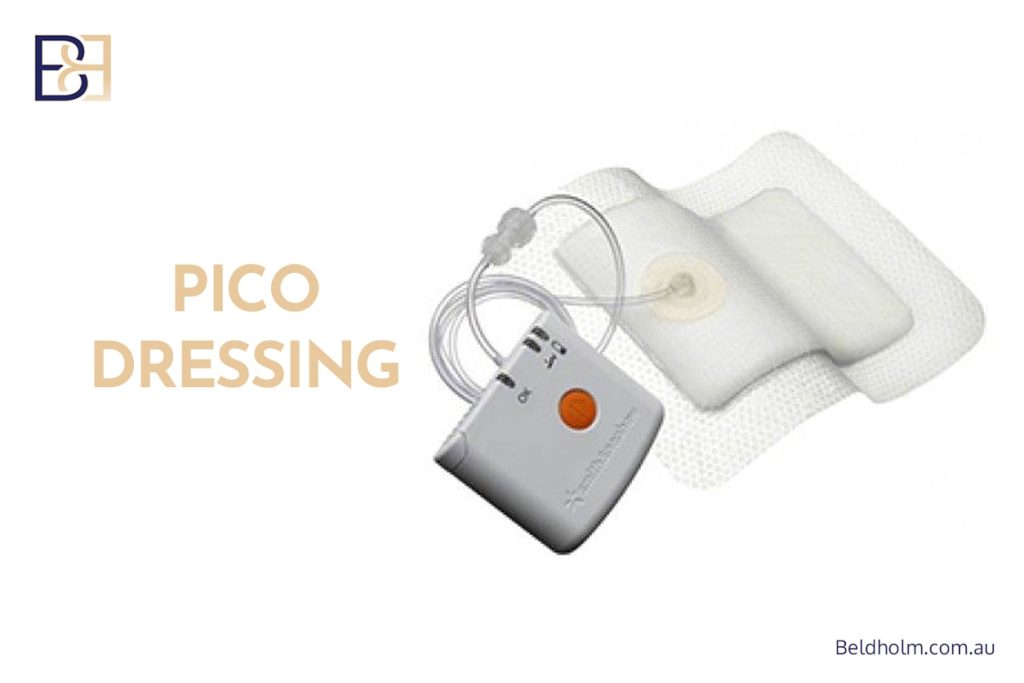
After surgery I use a PICO dressing over the wound for the first week. At about day seven this is changed, and the scar is then supported with tape. Keeping the incision site clean and dry in these early weeks supports proper healing and lowers the risk of problems that can worsen a scar.
I also have you wear compression garments, full time for the first four weeks and then half time for a further two weeks. These garments support the area, help with swelling, and takes some load off the closure while it heals.
Scar massage
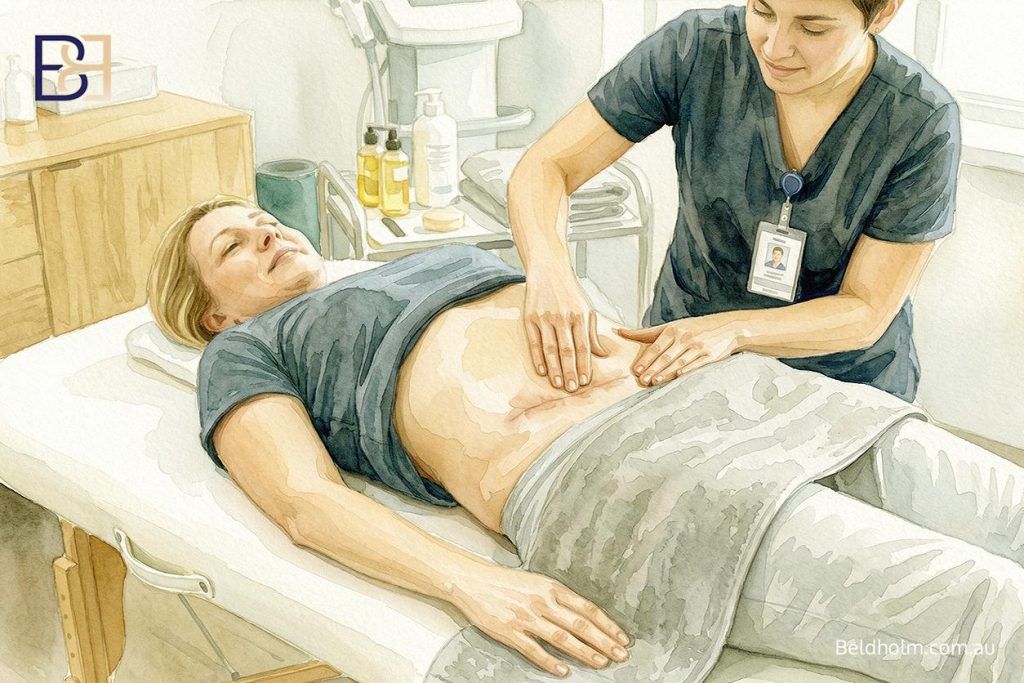
Once the wound has fully healed and I have cleared you to start, massaging along the scar helps soften it and can ease the firmness that builds up in the early months. I will show you how and when to begin. Massaging too early, before the wound has sealed, does more harm than good, so the timing matters.
Sun protection
A healing scar burns and darkens easily, and sun exposure in the first year can darken it, sometimes permanently (1). Even short UV exposure adds up, so keep the scar covered or out of direct sun exposure, and once it has healed use a high SPF sunscreen to protect it from UV rays. This is one of the simplest things you can do to keep the colour down.
Smoking
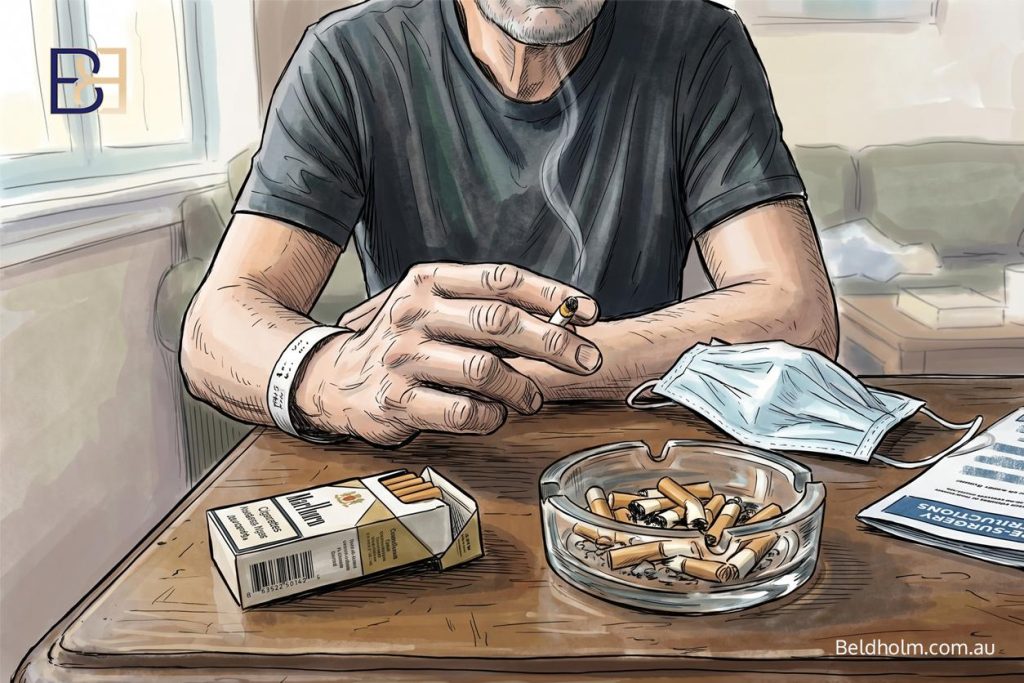
Smoking narrows the small blood vessels that feed a healing wound, which slows healing and leads to wider, poorer scars. Published research links smoking to higher rates of wound healing problems after surgery (2). If you smoke, stopping well before your operation and staying off it through recovery gives your scar a much better chance.
Keeping your weight stable
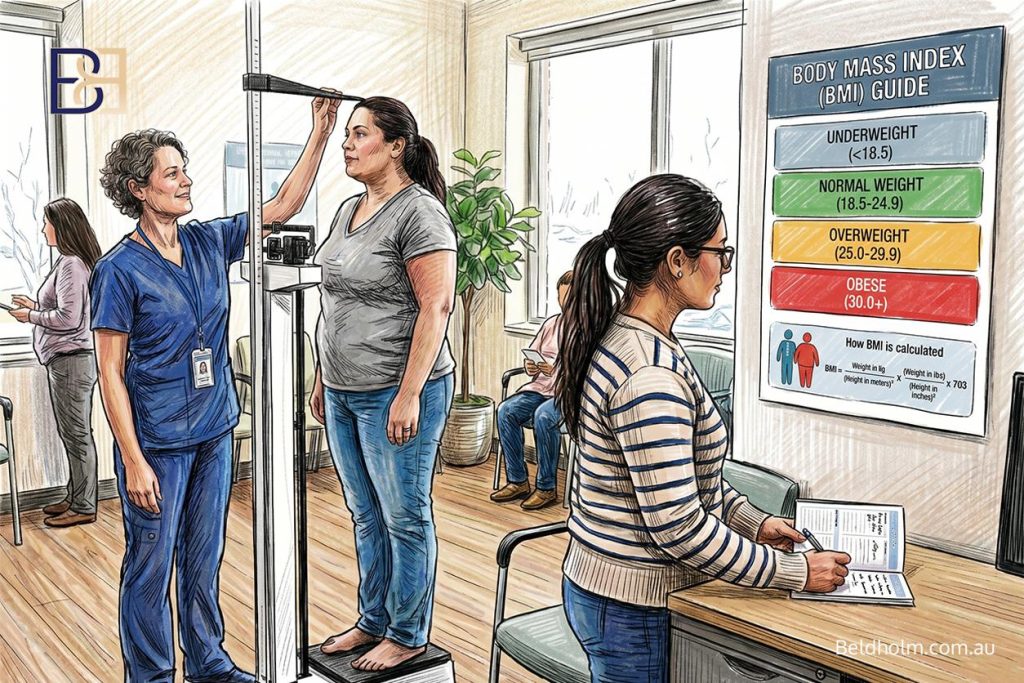
Your skin and scar settle best when your weight is steady. Large swings in weight after surgery can stretch the skin and pull on the scar. Reaching a stable weight before surgery and holding it afterwards helps the result hold.
Preparing before surgery to help your scar
How well a scar heals starts before the operation. Scars form from collagen, and your body can only lay down healthy collagen if it has the right building blocks. After major weight loss, many patients are low in the very nutrients that wound healing depends on, often without knowing it.
Why nutrition matters for scars

Protein is the main raw material for healing tissue. Vitamin C is needed to form collagen, and zinc has a role in wound repair. When these run low, healing slows and scars can suffer for it. Because weight loss, particularly rapid weight loss or weight loss on modern weight loss medications, often leaves gaps in these nutrients, I take pre-operative nutrition seriously in this group to support optimal healing.
I have written separately about protein, vitamin C, zinc and the other nutrients that matter after weight loss, including a broader overview of nutritional deficiencies and a guide to vitamins and supplements. Rather than repeat all of that here, those articles go through what to aim for and why.
Checking your levels before surgery
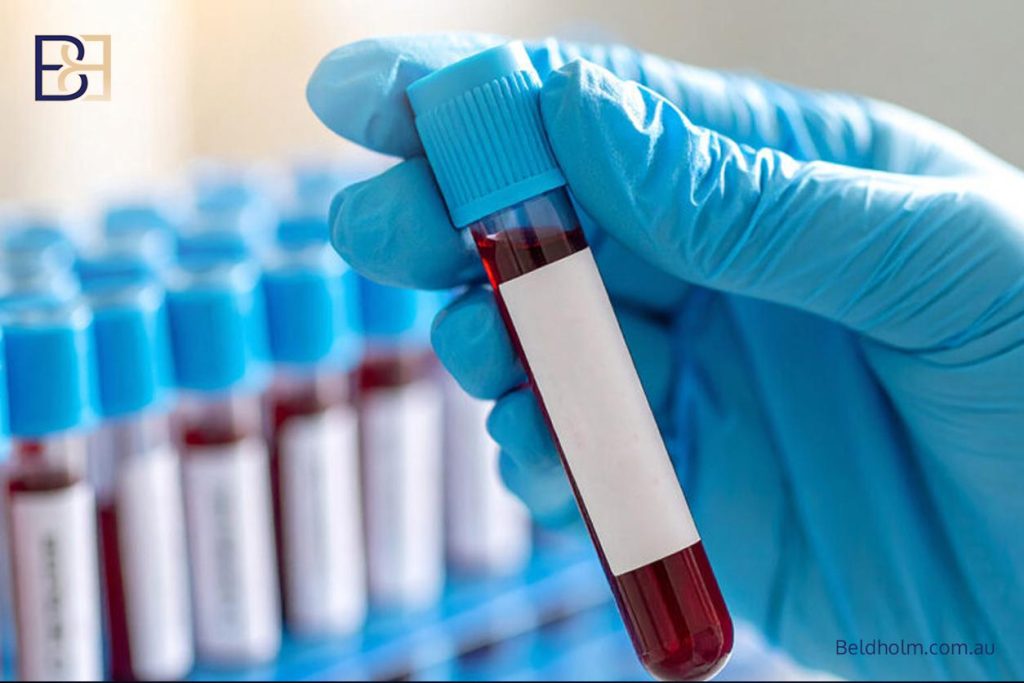
Every post weight loss patient I operate on has a full pre-operative blood panel before surgery. It checks the nutrients and markers that matter for scar healing, including iron studies, vitamin D, vitamin B12, folate and zinc, alongside the standard pre-surgical tests. Where something is low, I correct it before your operation rather than after.
I correct deficiencies with a targeted plan guided by your blood results, not a fixed list of supplements that everyone gets. The detail of that sits in the nutrition articles.
Common concerns about abdominoplasty (tummy tuck) scars
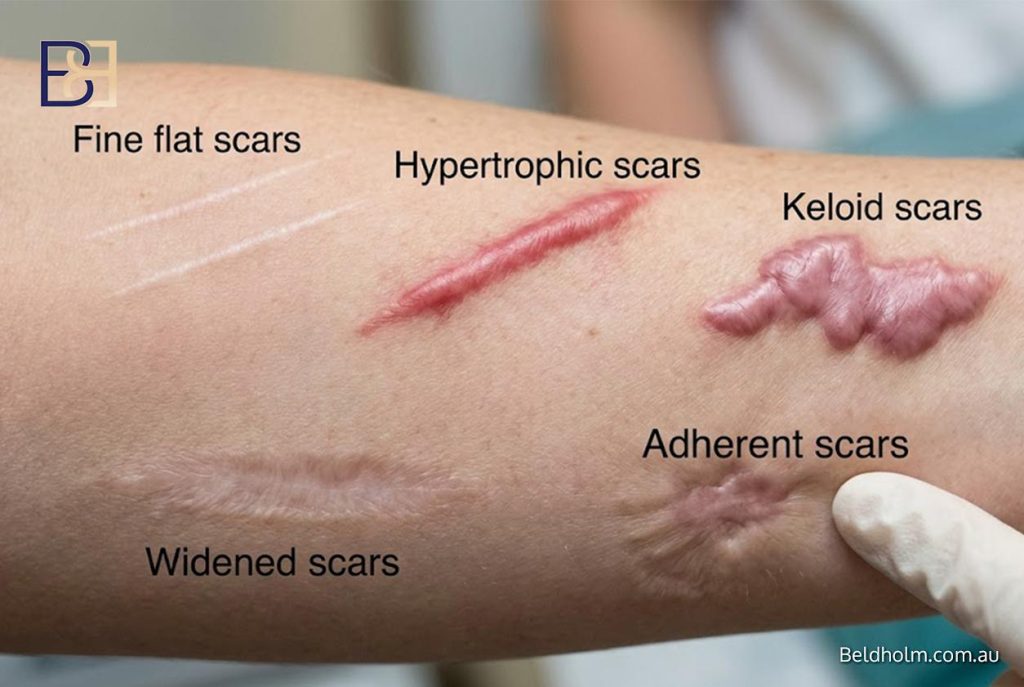
These are the worries patients raise most often once healing is under way.
Lumps and firmness along the scar
In the first few months the scar can feel firm, and you may notice lumps along it. This is your body laying down collagen, along with the deeper dissolving stitches. It usually softens over three to six months. Massage and silicone help.
Colour changes
A new scar is red, or brown to dark brown in darker skin. Over the first year it usually fades towards a paler line, though in darker skin it can stay pigmented for longer. Protecting it from the sun makes a real difference to the final colour and the scar appearance.
Bunching at the ends
After weight loss, the skin at the very ends of the scar near the hip bone can bunch into what is often called a dog ear. Sometimes this settles on its own. If it does not, it can be tidied with a small revision once the scar is mature.
Numbness
The skin below and around the scar is often numb for months after surgery, and a band of reduced sensation over the lower abdominal wall can be long lasting. This is expected, and it is part of the operation rather than a complication.
Will the scar show
I place the main scar low so it sits within most underwear and swimwear, which keeps visible scars to a minimum. Whether it is fully hidden depends on what you wear and on how your skin redrapes. A fleur-de-lis vertical scar and a body lift (belt lipectomy) scar leave more noticeable scars than a single low horizontal one.
What to expect long term
A mature abdominoplasty (tummy tuck) scar is usually a pale, flat line, but it is permanent and it does not disappear. How it looks at the end depends on your skin, your healing and how the scar is cared for. Results vary between patients, and I would rather you go in with a clear and realistic picture than expect a scar to vanish.
Frequently asked questions
How long does my abdominoplasty (tummy tuck) scar take to fade?
Most of the fading happens over the first twelve months, and the scar can keep maturing for up to two years. A longer post weight loss scar can sit at the slower end of that range.
Will the scar ever disappear completely?
No. The scar is permanent. With good care it usually settles to a pale, flat line, but the scar tissue does not vanish.
Why is my scar longer than someone who had surgery after pregnancy?
Because there is usually more loose skin to remove after major weight loss. More skin removed means a longer scar, and sometimes a vertical or circumferential scar as well.
When can I start silicone and massage?
Once the wound has fully healed and I have cleared you to begin. Starting too early, before the skin has sealed, can set healing back.
Can a poor scar be fixed?
If a scar widens or thickens despite good care, it can be revised surgically once it is mature, usually after about twelve months. Revision swaps one scar for another, so it is considered only when there is a fair chance of improvement.
Does smoking really affect scarring?
Yes. Smoking reduces blood flow to the healing wound and is linked to wider, poorer scars and more healing problems. Stopping before surgery and through recovery helps.
Can I go out in the sun with a new scar?
Keep a new scar out of direct sun for the first year, since sun can darken it for good. Once it has healed, use a high SPF sunscreen on it.
References
- Monstrey S, Middelkoop E, Vranckx JJ, Bassetto F, Ziegler UE, Meaume S, et al. Updated scar management practical guidelines: non-invasive and invasive measures. J Plast Reconstr Aesthet Surg. 2014;67(8):1017-1025.
- Sorensen LT. Wound healing and infection in surgery. The clinical impact of smoking and smoking cessation: a systematic review and meta-analysis. Arch Surg. 2012;147(4):373-383.