Reference Summary
Iron deficiency is the single most common nutritional issue I identify among my post-weight-loss body-contouring patients.
Up to half of long-term post-bariatric patients are affected. Iron is required for oxygen transport, wound healing, and immune function. Low iron levels increase the risk of poor healing, infection, and postoperative fatigue, which is why patients undergoing weight-loss surgery need careful preoperative screening.
What I check
As part of my routine pre-operative blood panel for every post-weight-loss patient, I order:
- Full blood count for haemoglobin
- Iron studies, which include ferritin, serum iron, transferrin saturation, and total iron binding capacity
A single marker in isolation does not tell the whole story, which is why I order the full panel.
My surgical thresholds
- Haemoglobin below 100 g/L. Surgery is deferred until we have investigated the cause and corrected it.
- Ferritin below 12 µg/L, or transferrin saturation below 20%. Iron supplementation is started before I proceed with body contouring, even if haemoglobin looks fine.
Oral iron options I recommend
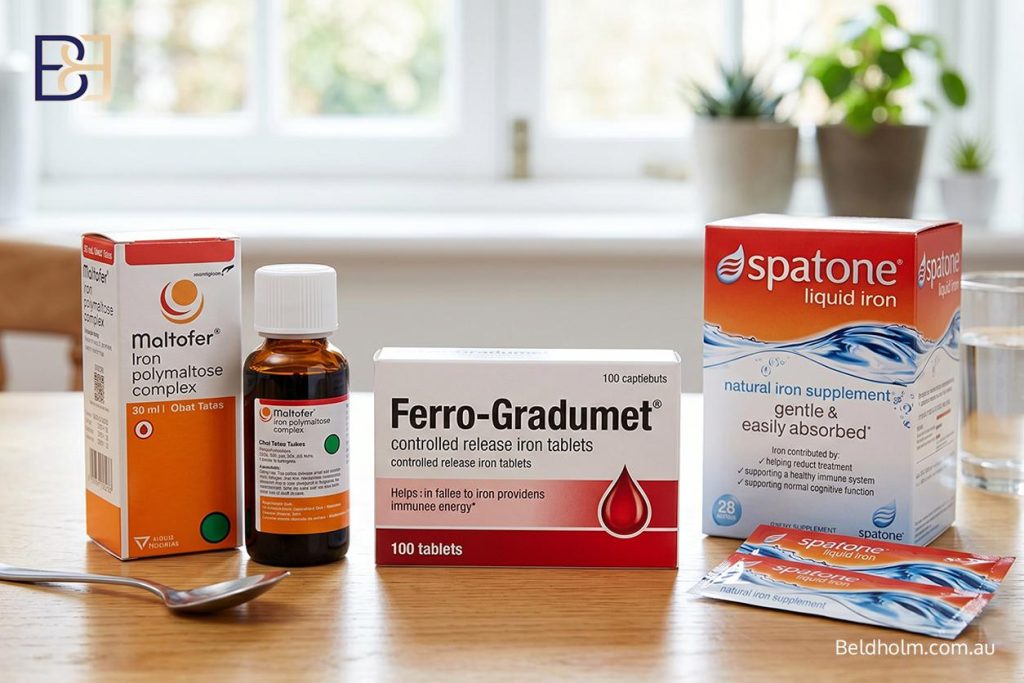
For patients who need oral supplementation, the Australian options I commonly use are:
- Maltofer (iron polymaltose) at 45 to 60 mg elemental iron per day for maintenance, or 150 to 300 mg per day for active repletion
- Ferro-Gradumet at the same dose range as above
- Spatone (liquid iron) for patients who struggle with gastrointestinal side effects from tablets
Practical notes on taking oral iron:
- Take with vitamin C to improve absorption
- Separate from calcium and zinc supplements by two hours
- Available from Chemist Warehouse, Priceline, Pharmacy Direct, and most community pharmacies
When oral iron is not enough
Around half of my post-bariatric patients do not respond adequately to oral iron, or do not have enough time before surgery for oral therapy to work.
In these cases, I arrange intravenous iron through the patient’s GP. IV iron gives a much faster correction than tablets and is generally well tolerated.
Around surgery
- Iron supplementation continues up to and through the day of surgery
- A follow-up blood panel is arranged through the GP at 6 to 8 weeks post-operatively, including iron studies, vitamin D, B12, and folate
- Long-term iron surveillance for post-bariatric patients is handed over to the GP
If you are reading this before your first consultation, no action is required yet. I will order your blood tests at that visit and tailor the plan to your individual results.
Table of Contents
Why Iron Matters Before Body Contouring Surgery
When patients come to see me after significant weight loss, most expect the pre-operative conversation to focus on surgery itself.
In my practice, we always start somewhere else. We start with nutrition. Whether a patient’s weight-loss journey began with bariatric surgery for obesity, GLP-1 medications, or sustained dietary change, the nutritional picture on arrival is remarkably consistent.
The most common nutritional issue I see
Of all the nutritional issues I screen for in post-weight-loss body contouring patients, iron deficiency is by far the most common.
Published data consistently show that around half of long-term patients after bariatric surgery are iron-deficient. That figure matches what I see in the clinic.
In premenopausal women, the number is often higher again. Whether patients lose weight through bariatric surgery, GLP-1 medications, or sustained dietary change, the nutritional consequences look similar by the time they arrive in my clinic.
Why iron sits at the top of my list
Iron is essential for four things that matter directly to surgery and recovery:
- Oxygen transport through haemoglobin
- Collagen synthesis for wound healing and scar strength
- Energy production at the cellular level
- Immune function, which helps prevent wound infection
Patients with low iron before surgery have more fatigue, slower wound healing, higher infection risk, and a greater chance of needing a blood transfusion (1). Untreated, iron deficiency can also contribute to broader health problems that affect recovery and long-term well-being.
Iron deficiency continues to affect recovery long after the skin has closed. This is not a short-term issue, and for patients with a history of bariatric surgery, it remains a lifelong health concern.
The good news
Iron deficiency is almost entirely correctable.
If I identify it early, before we book a surgery date, there is time to:
- Investigate the cause
- Supplement where needed
- Bring levels up into a range that supports healing
Once it is corrected, the body has what it needs to cope with the physiological stress of major body contouring surgery.
One approach, multiple procedures
The approach I take to iron is the same across all the procedures I perform:
- Abdominoplasty (tummy tuck)
- Body lift (belt lipectomy)
- Thighplasty (thigh lift)
- Brachioplasty
- Mastopexy
The surgical anatomy differs. The nutritional principles do not.
What follows in this article applies to every post-weight-loss body contouring patient I see, regardless of which procedure or combination of procedures is planned.
What this article covers
I will walk through:
- What iron does in the body
- Why is deficiency so common after significant weight loss
- How I interpret the blood tests
- My thresholds for surgery
- How do I manage corrections before your procedure
- What to eat and which supplements I recommend
- When intravenous iron is needed
- How do we monitor things after surgery
This is a detailed article because iron deserves the detail. If you want a shorter overview, the Quick Reference Summary above covers the essentials.
Where this fits in the series
This article is part of my broader pre-operative nutrition series. Each article covers one nutrient in depth, and several are cross-linked where they overlap.
Other relevant articles include my pre-operative nutrition checklist, my articles on vitamin B12, folate, and vitamin D, and my article on homocysteine and DVT risk, which ties in directly with iron and B vitamin status.
Everything I describe here reflects how I run my own clinic. It is not intended to replace individual medical advice. The plan we agree on for your surgery will be tailored to your blood results and your specific history.
What Iron Does in Your Body
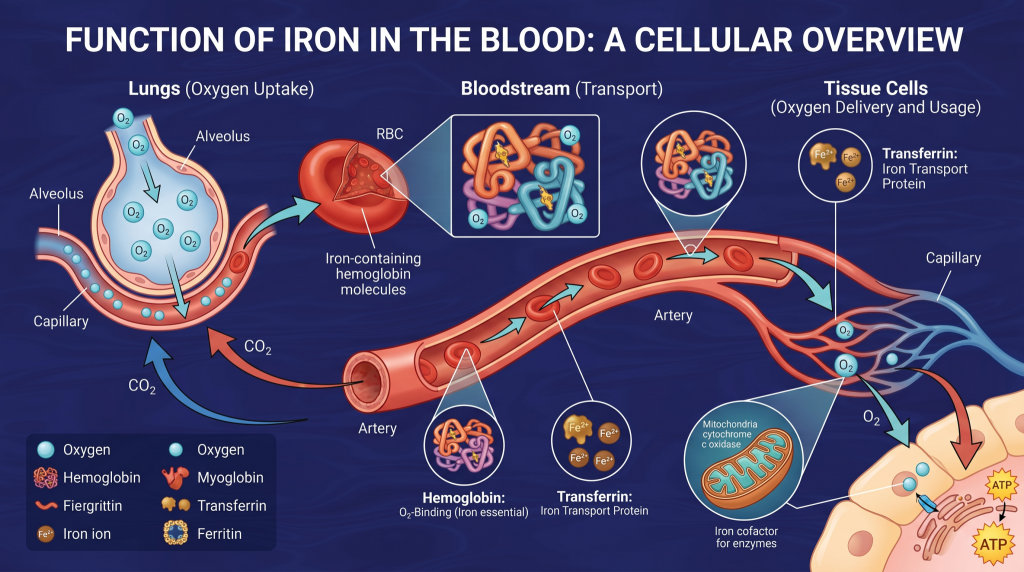
Before I go into why iron deficiency is so common after weight loss, it is worth understanding what iron actually does.
Most patients know iron is “important for the blood.” That is true, but it is only part of the picture. It understates how many of your systems depend on this single mineral.
Oxygen transport
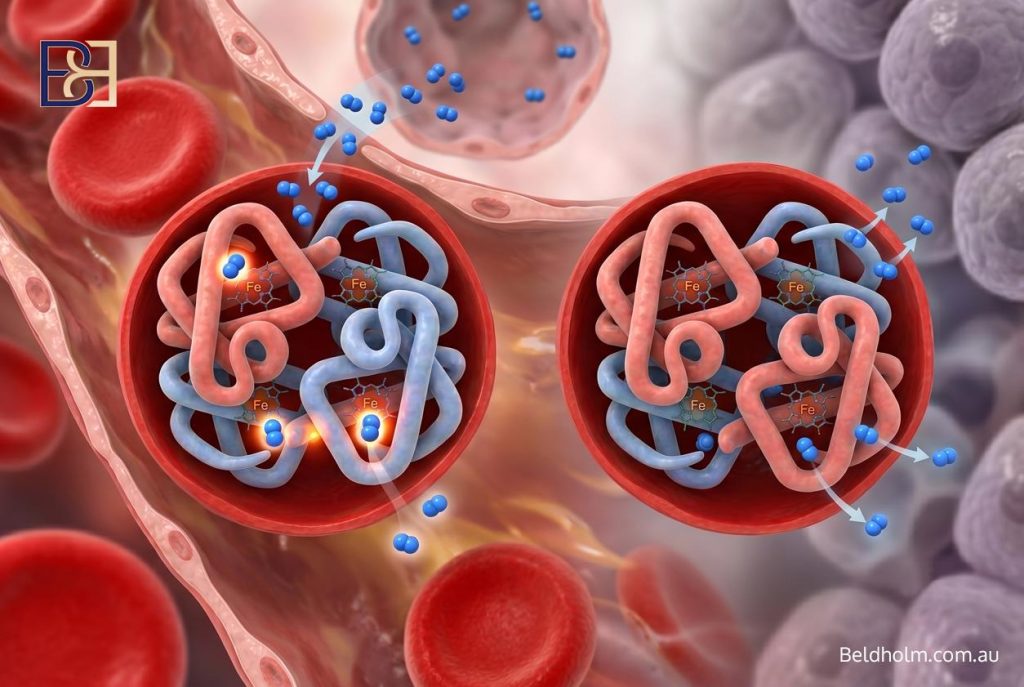
Iron sits at the heart of haemoglobin. This is the protein inside red blood cells that carries oxygen.
The numbers are remarkable:
- Each haemoglobin molecule contains four iron atoms
- Each red blood cell holds around 270 million haemoglobin molecules
- Every breath binds oxygen to those iron atoms for transport around your body
When iron stores run low, your body still makes red blood cells. But it makes them smaller and less well loaded with haemoglobin. Less oxygen reaches your tissues on every heartbeat.
For a patient recovering from surgery, where injured tissue needs more oxygen than healthy tissue, that deficit matters.
Energy at the cellular level
Oxygen delivery is only half the story.
Once oxygen reaches a cell, iron is needed again inside the mitochondria. These are the energy-producing machinery of every cell in your body. Iron-containing enzymes drive the reactions that convert food into usable cellular energy.
This is why patients with iron deficiency often feel exhausted even before their haemoglobin has dropped far enough to be called anaemia (1).
The fatigue is not just about oxygen transport. It is happening at the cellular energy level too.
When patients tell me they are “dragging” through everyday tasks, or that exercise tolerance has fallen off, iron deficiency is often part of the explanation.
Collagen and wound healing
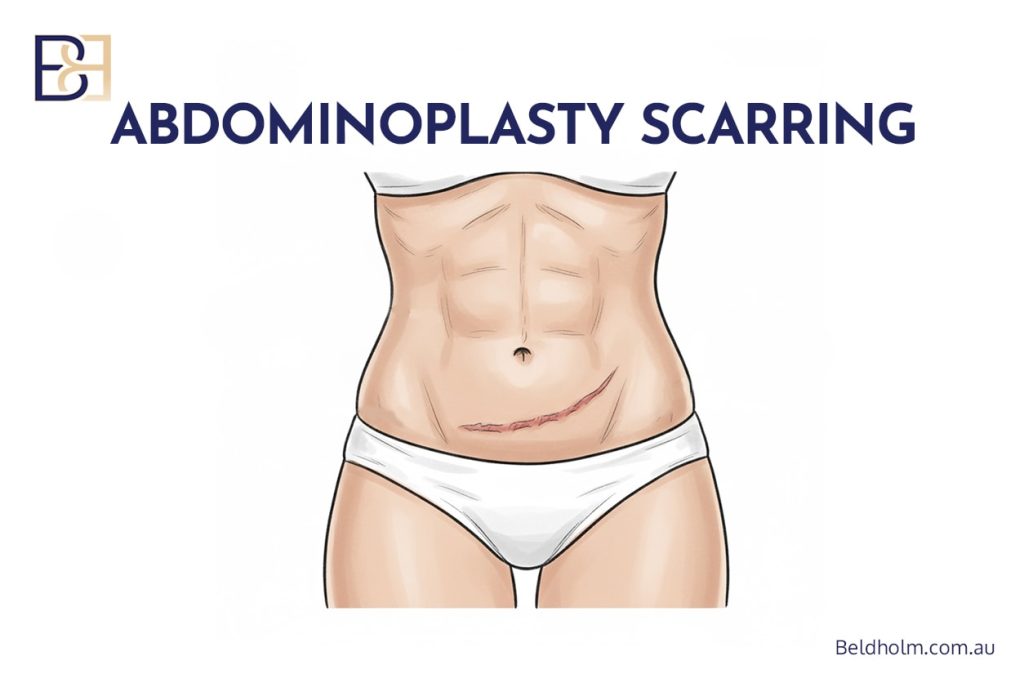
This is the function I talk about most in pre-operative consultations.
Collagen is the structural protein that holds a healing surgical wound together. Without strong collagen:
- Scars are weaker
- Healing is slower
- The risk of wound breakdown goes up
Iron is a required cofactor for the enzymes that build collagen. Specifically, ferrous iron is needed to hydroxylate two amino acids called lysine and proline. This step allows collagen fibres to cross-link and gain strength (2).
No iron, no hydroxylation. No hydroxylation, no strong collagen.
What this means in practice: a patient who is iron deficient at the time of surgery is, at a biochemical level, less well equipped to build a strong scar. This is one reason I pay such close attention to iron after bariatric surgery, where deficiency is near-universal.
It is why I insist on optimising iron before body contouring rather than during recovery.
Immune function
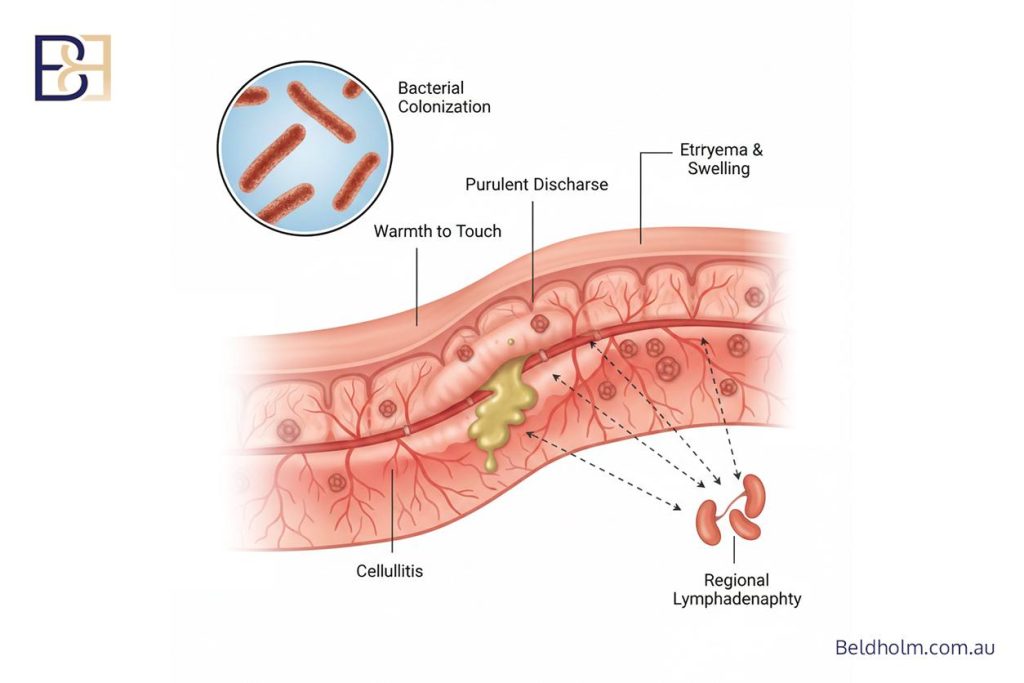
Iron is also needed for the proper function of the white blood cells that fight infection.
Low iron levels are associated with impaired cell-mediated immunity and a higher rate of wound infection (3).
For elective surgery where the goal is a clean, uncomplicated recovery, this is another reason I do not accept deficiency and proceed anyway.
How your body controls iron
One last piece of physiology is worth covering, because it shapes how we supplement iron correctly.
Your body has no active way to excrete excess iron. Because too much iron is toxic, absorption is tightly controlled at the gut level by a hormone called hepcidin.
When you take an oral iron dose:
- Hepcidin rises for about 24 hours
- Further iron absorption is blocked during that window
- Taking more iron does not always mean absorbing more iron (4)
This single piece of physiology explains several things:
- Why I recommend alternate-day dosing for many patients
- Why splitting iron into twice-daily doses often works worse than one daily dose
- Why some patients absorb very little from oral iron no matter how much they take
- Why intravenous iron, which bypasses gut absorption entirely, is sometimes the right answer rather than just prescribing a higher tablet dose
I will come back to all of this in the practical supplementation section later in the article.
Why Iron Deficiency Is So Common After Significant Weight Loss
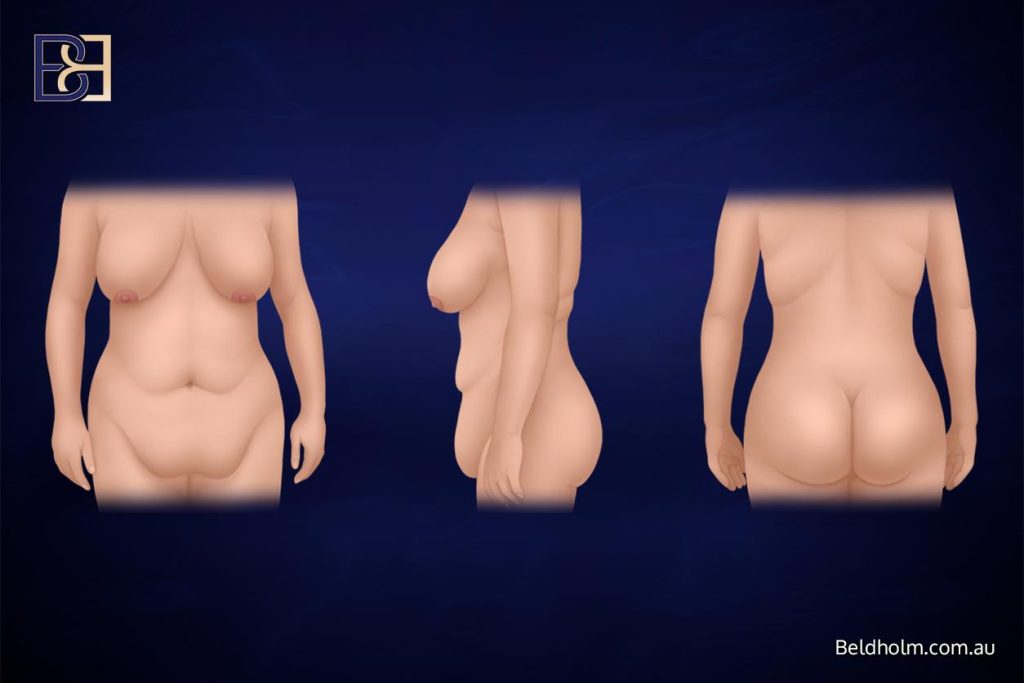
Iron deficiency among my post-weight-loss patients is no coincidence. It is the predictable result of changes in the body after weight-loss surgery or sustained significant weight loss. For patients who have had bariatric surgery to treat obesity, iron deficiency is almost expected.
Several mechanisms converge at once. This is why up to half of long-term post-bariatric patients end up iron-deficient (1, 5). Whatever a patient’s starting body mass index, and regardless of how quickly they lose weight, the same absorption and intake changes apply.
Understanding why this happens helps patients take the supplementation plan seriously. It is not a matter of willpower or a gap in your diet that you should have fixed yourself. These are anatomical and physiological changes that make iron harder to absorb, regardless of what you eat.
Reduced stomach acid
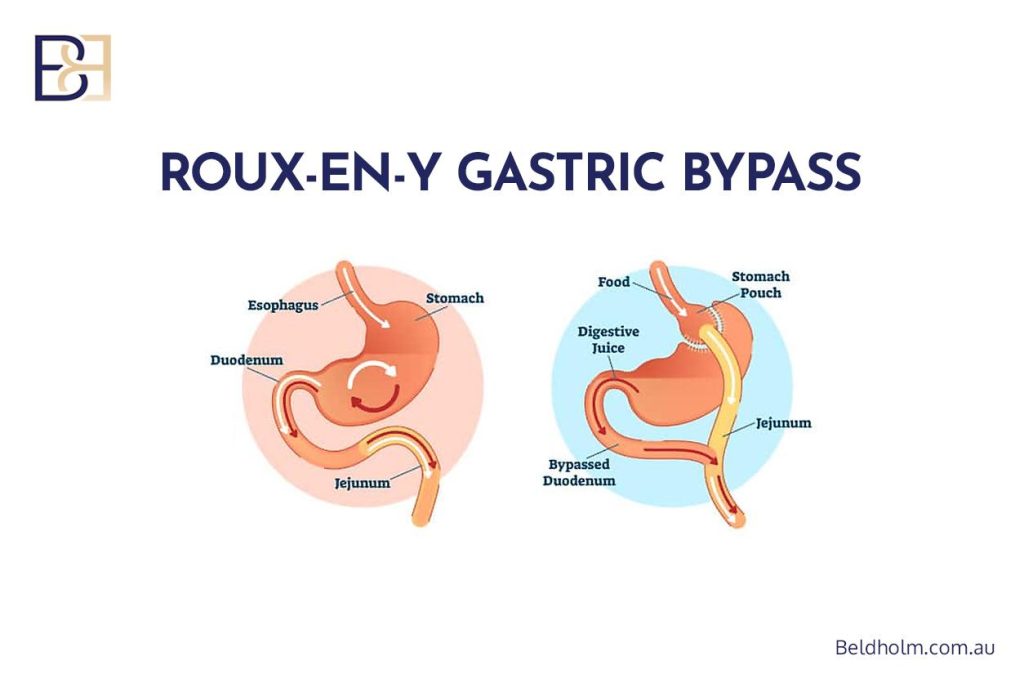
Iron from plant-based foods and most supplements arrives in the stomach in its ferric form (Fe3+). It cannot be absorbed by the digestive system in that state.
Your stomach acid plays two essential roles:
- It releases iron from the proteins that bind it in food
- It supports the conversion of ferric iron to the absorbable ferrous form (Fe2+)
After sleeve gastrectomy or gastric bypass, the stomach is either much smaller or largely bypassed. Acid production drops. The ferric-to-ferrous conversion is impaired.
Iron that passes through simply does not get reduced into the form your gut can absorb.
Patients often assume that eating more iron-rich meals will solve the problem. When the acid environment needed to absorb enough iron is no longer there, more food alone will not be enough.
Loss of the main absorption site in gastric bypass
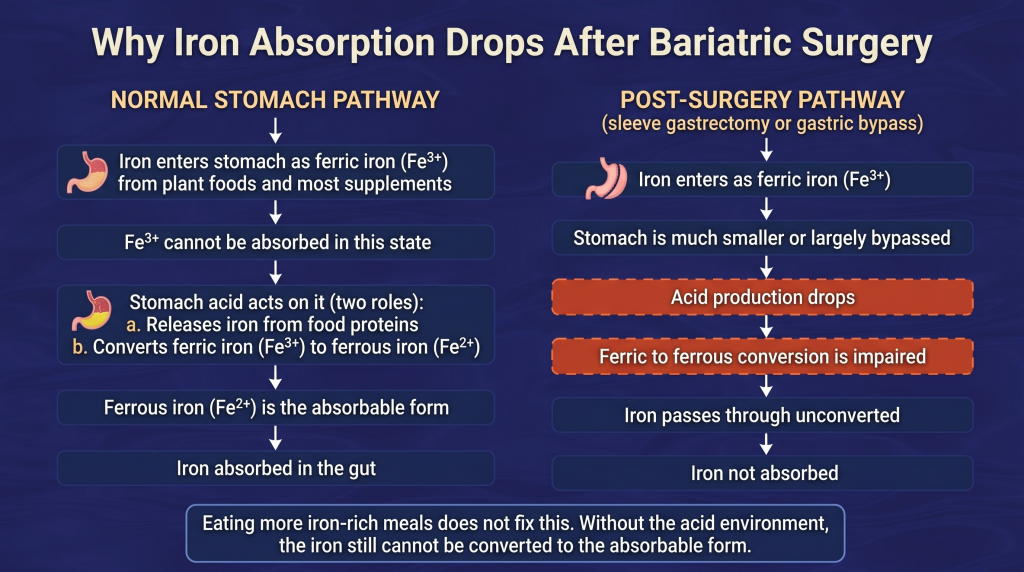
In a Roux-en-Y gastric bypass, the duodenum and the upper part of the small intestine are bypassed by the reconstructed anatomy. Food moves from the small gastric pouch directly into the jejunum, skipping the duodenum altogether.
The duodenum is:
- The primary site where the digestive system absorbs iron
- Where the transporters that move iron from the gut into the bloodstream are concentrated
When food skips this section of the small intestine, iron absorption falls sharply, even if the rest of the digestive system is healthy.
Sleeve gastrectomy does not reroute the gut in the same way, so the duodenum is preserved. However, the acid reduction after sleeve surgery still creates meaningful iron absorption problems.
Patients sometimes assume a sleeve carries no nutritional risk because “nothing is bypassed.” That assumption does not hold up in the blood work I see.
Reduced overall food intake
Both bariatric procedures and modern weight loss medications for obesity reduce the total amount of food a patient can comfortably eat. Less food means less iron intake, even from a well-chosen diet.
This effect is magnified when patients struggle to meet their protein intake. Protein-rich foods, particularly red meat, are the most bioavailable dietary sources of iron.
When early satiety or food intolerance leads patients to adopt lower-protein eating patterns, iron intake drops accordingly.
For patients on GLP-1 receptor agonist medications, appetite suppression creates a similar effect. I cover this in more detail in the GLP-1 section later in this article.
Menstrual blood loss
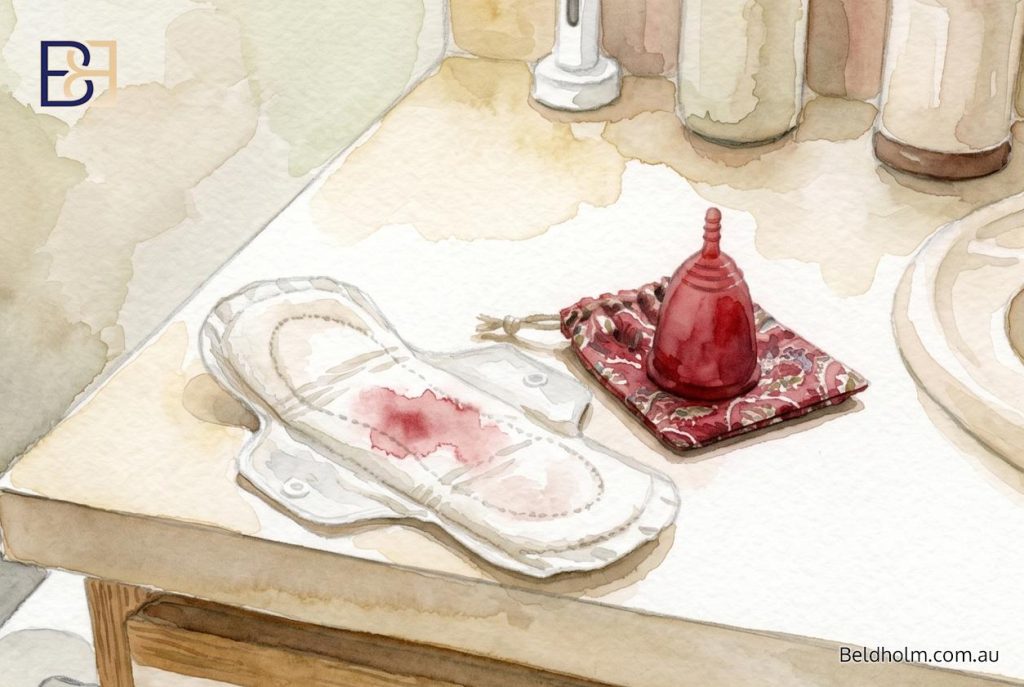
For women of reproductive age, menstrual losses sit on top of everything above.
- A woman who menstruates is losing blood every month, and with it iron
- In the general population, this is the most common cause of iron deficiency
- In post-bariatric patients, menstrual losses continue while absorption is reduced
- The result is a persistent deficit that is very difficult to correct through diet alone
This is the single largest risk group I see for severe iron deficiency before body contouring. Premenopausal post-bariatric women frequently need intravenous iron rather than oral tablets, because the absorption pathway cannot keep up with monthly losses.
Other contributing factors

A few less common mechanisms can also reduce iron status:
- Proton pump inhibitors, used for reflux, further reduce stomach acid and iron absorption
- Coeliac disease, which is more common than people realise, damages the absorptive surface of the small bowel
- Undiagnosed gastrointestinal bleeding from ulcers, polyps, or other causes can steadily drain iron stores
If I see an iron deficiency that does not respond to sensible supplementation, I will ask the GP to investigate these causes before we go further.
In most of my patients, the main driver is the post-bariatric anatomy plus menstrual losses. But I do not want to miss something treatable. The same pre-operative screening also detects other common vitamin deficiencies affecting this patient group, which I cover in my related articles.
The practical implication
If you have had significant weight loss, especially with bariatric surgery, iron deficiency is not a surprise. It is expected.
The job of my pre-operative work-up is to:
- Find it
- Measure how severe it is
- Correct it before surgery
- Make sure you continue to monitor it long term with your GP
This applies to all my post-weight-loss patients, whether they achieved long-term weight loss after weight loss surgery, through GLP-1 medications, or through sustained dietary change.
How Iron Deficiency Affects Surgery and Recovery
When I explain why I will not operate on a patient with unaddressed iron deficiency, the question I most often get is: “Can’t we just fix it afterwards?”
The short answer is no. The longer answer explains why.
Oxygen delivery to healing tissue
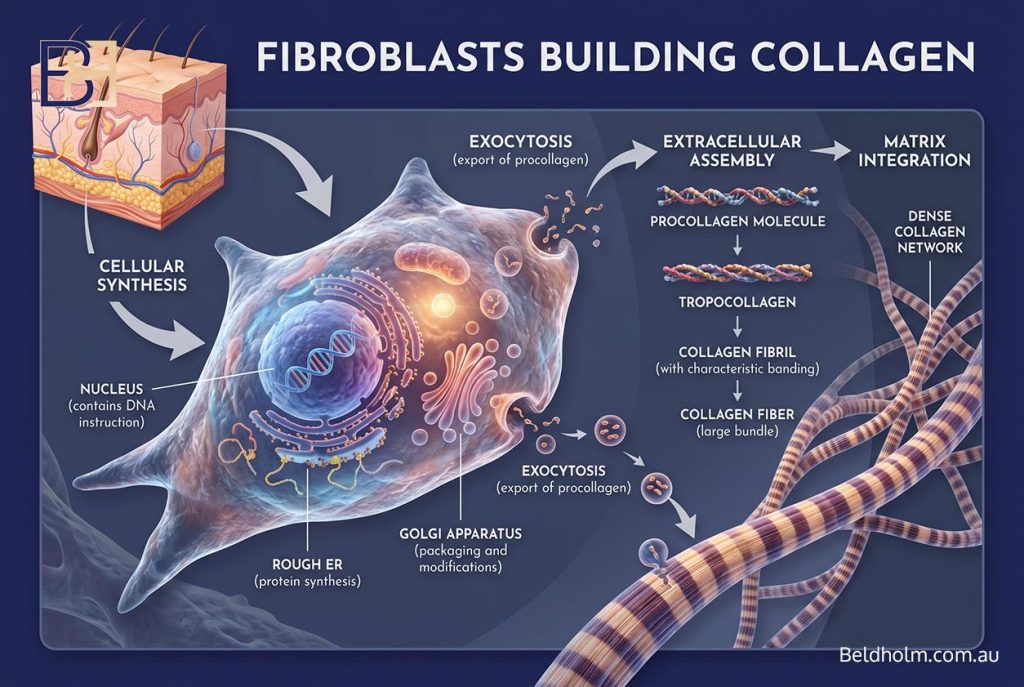
Every wound, incision, and area of operated tissue has a higher oxygen demand than resting tissue. Healing is a metabolically expensive process.
Oxygen is consumed at high rates by:
- Fibroblasts building collagen
- Macrophages clearing debris
- New blood vessels forming at the wound edge
If haemoglobin is low at the time of surgery, the body has less capacity to deliver oxygen to those active tissues. Wound healing slows. Scars mature more slowly. In extreme cases, poorly perfused tissue at the edge of a wound can break down rather than heal cleanly.
For body contouring procedures, where long incisions under tension are the norm, oxygen-starved wound edges are a real problem. In abdominoplasty and body lift (belt lipectomy), where wound tension across the abdomen demands robust tissue perfusion for healing, this effect is pronounced.
Collagen synthesis
I covered the biochemistry in the previous section. The practical outcome is that iron-deficient patients build collagen more slowly and less strongly than iron-replete patients.
The consequences at the surgical level:
- Early scar strength is lower
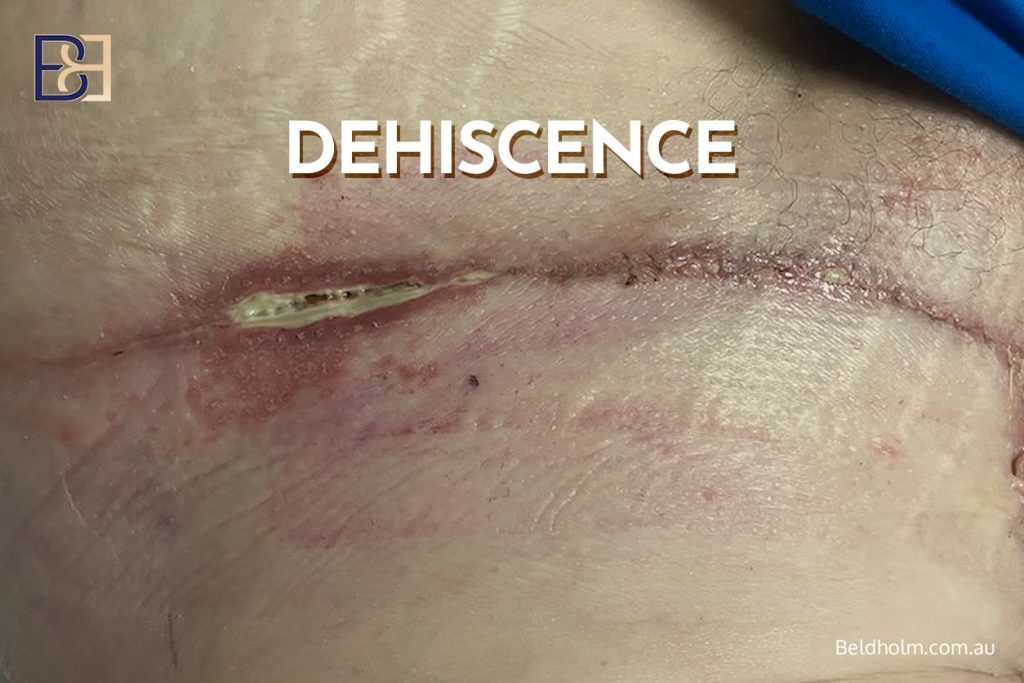
- The risk of wound dehiscence, where a healed wound reopens, is higher
- Scar quality suffers in the long term, with a higher chance of widening or thickening over time
The initial collagen matrix is built in the first weeks after surgery. If it is not built on a solid biochemical foundation, the scar that remains a year later will reflect that.
Surgical fatigue and recovery

Recovery from body contouring is physically demanding. Patients need to:
- Mobilise early to reduce the risk of deep vein thrombosis (DVT) and blood clots
- Sit, stand, walk, and engage with their own care
- Eat adequately to support healing
Iron deficiency undermines all of this.
Patients tell me they felt “exhausted” or “drained” in the first weeks after surgery. When I look back at their pre-operative bloods, iron is often the missing piece. Even mild deficiency without formal anaemia can leave patients feeling flat and slow to regain their energy.
Correcting iron before surgery gives patients a much better recovery experience, regardless of the operation.
Infection risk
White blood cells need iron to work properly.
Cell-mediated immunity, which is the arm of the immune system that deals with bacterial infections in surgical wounds, is impaired when iron is low (3). Iron-deficient patients are more vulnerable to wound infections.
Wound infection is one of the complications I work hardest to avoid. It can turn a straightforward recovery into a drawn-out process of dressings, antibiotics, and sometimes revision surgery.
Anything I can do pre-operatively to lower that risk is worth doing. Iron correction is among the most effective interventions available.
Anaesthesia and blood loss

Anaesthetists prefer to start with a haemoglobin well above the cut-off for transfusion. Body contouring procedures, especially longer combined cases, can involve meaningful blood loss.
If a patient begins with a haemoglobin at the lower limit of the reference range, there is less reserve if intraoperative losses are higher than expected.
Published research on anaemia and surgery is consistent. Pre-operative anaemia is independently associated with:
- Higher rates of transfusion
- Longer hospital stays
- More post-operative complications across a wide range of elective procedures (6)
My position is that anaemia should be corrected before elective surgery, not managed around during it.
Post-operative iron balance
Surgery itself causes blood loss, which means iron loss.
A patient who starts at a marginal iron level and then has surgery will almost always come out the other side worse off than they went in. Pre-operative correction is the only way to avoid this.
Why “fix it afterwards” is not my approach
Iron deficiency at the time of surgery affects:
- Wound healing
- Collagen quality
- Recovery energy
- Infection risk
- Anaesthetic safety
Every one of those can be improved by correcting iron before surgery. None of them can be improved by correcting iron after surgery, because by then the damage has been done. Left unaddressed, these health problems can extend a recovery that should have been routine.
This is why iron status is not a checkbox I tick on the way to surgery. It is one of the things I want to get right before we set a date.
The Blood Tests I Order: Iron Studies Explained
For every post-weight-loss patient I see, iron status is part of the standard pre-operative blood panel.
I order the tests at the first consultation, usually the same day, so the results are back in time for the second visit.
The two parts of iron assessment
The panel I use has two parts:
- Full blood count, which gives me haemoglobin and the red cell indices
- Iron studies, which give me the detail behind those numbers
Neither one on its own is enough, which is why I order both.
All reference ranges below are the Australian laboratory values. If you are reading this with a test result in hand, check that your report uses the same units before comparing.
Haemoglobin (from the full blood count)
Haemoglobin (Hb) measures the concentration of oxygen-carrying protein in your blood. It is reported in grams per litre (g/L).
Reference range:
- Women: 115 to 160 g/L
- Men: 130 to 180 g/L
Haemoglobin is the marker most people think of when they think of anaemia. It is important, but it is also the last marker to fall when iron levels drop.
By the time haemoglobin is below the reference range, iron stores have usually been depleted for some time. I will come back to this point in the next section because it is a commonly misunderstood aspect of iron testing.
Ferritin
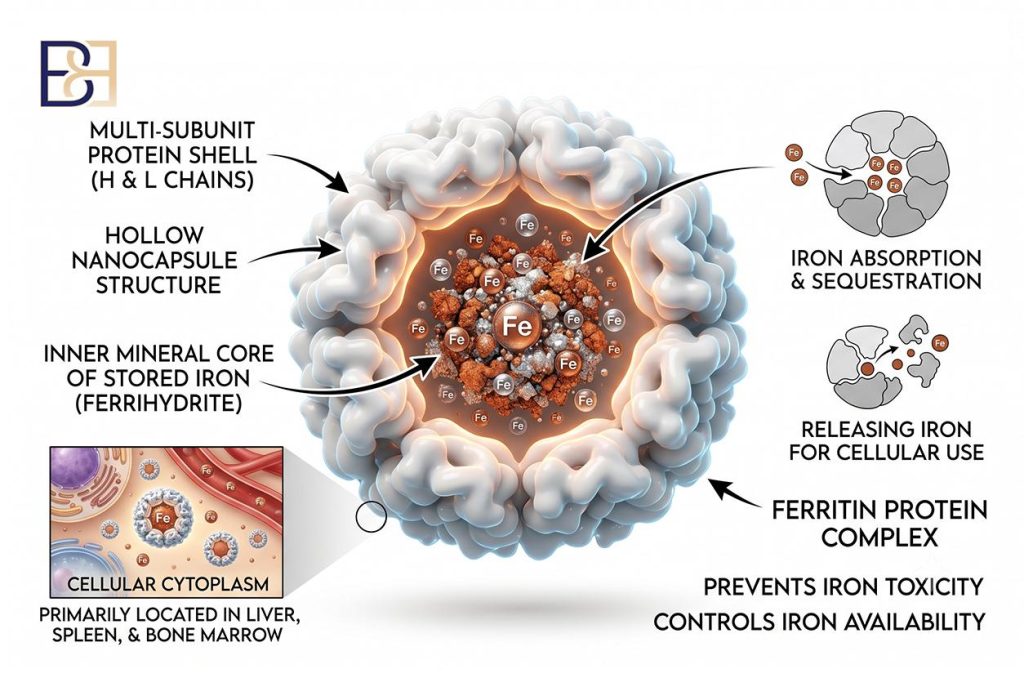
Ferritin is the protein your body uses to store iron. Serum ferritin concentration reflects the size of your iron stores.
It is the single most useful marker for identifying iron deficiency before it progresses to anaemia.
Reference range:
- Women: 12 to 150 µg/L
- Men: 12 to 300 µg/L
In Australian laboratories, ferritin is reported in micrograms per litre (µg/L). This is numerically the same as nanograms per millilitre (ng/mL), which is what some international references use. No conversion is needed.
One caveat on ferritin interpretation:
- Ferritin is an acute-phase protein, meaning it rises during inflammation or infection
- If a patient has an active inflammatory illness when the test is taken, ferritin can look deceptively preserved even when iron stores are low
- Where there is reason to suspect this, I may ask the GP to add a C-reactive protein (CRP) test to help interpret the ferritin result
Serum iron
Serum iron measures the amount of iron circulating in your blood at the moment the sample is taken. It is reported in micromoles per litre (µmol/L).
Reference range: 10 to 30 µmol/L
Serum iron fluctuates significantly across the day and in response to recent meals, so I never rely on this number in isolation. It is useful when I read it alongside ferritin and transferrin saturation.
Transferrin saturation
Transferrin is the transport protein that carries iron through the blood. Transferrin saturation tells me what percentage of that transport capacity is actually carrying iron at the time of the test.
Reference range: 16 to 50%
A transferrin saturation below 20% is a strong signal that iron supply to the tissues is inadequate, even when haemoglobin still sits in range.
This is one of the main markers I use to decide whether a non-anaemic patient still needs iron supplementation before surgery.
Total iron binding capacity (TIBC)
TIBC measures the total capacity of transferrin in your blood to bind iron. It is reported in micromoles per litre (µmol/L).
Reference range: 45 to 72 µmol/L
How TIBC responds to iron status:
- When iron stores are low, the body produces more transferrin to capture every bit of available iron, and TIBC rises
- When iron stores are adequate, TIBC sits in the middle of the range
- TIBC helps confirm the pattern when other markers are borderline
How I read the panel together
Individual markers can be misleading. The value of iron studies comes from reading them as a pattern.
A rough guide to the patterns I look for:
- Adequate iron stores. Haemoglobin in range, ferritin above 30 µg/L, transferrin saturation above 20%
- Low iron stores, no anaemia. Haemoglobin still in range, ferritin 15 to 30 µg/L, transferrin saturation borderline
- Absolute iron deficiency without anaemia. Haemoglobin in range, ferritin below 15 µg/L, transferrin saturation below 20%
- Iron deficiency anaemia. Haemoglobin below the reference range, ferritin below 15 µg/L, transferrin saturation below 15%
The important clinical point is this. A patient can sit in the low-stores or absolute-deficiency pattern with a haemoglobin well inside the reference range.
That is a common presentation in my post-bariatric patients. It still requires treatment before surgery, even when a patient’s doctor has reassured them based on a standard full blood count.
Other tests I may add
Where there is a clinical reason, I will order additional markers:
- CRP to check for inflammation that might be masking low ferritin
- Vitamin B12 and folate, which are included in my routine pre-operative panel anyway
- Homocysteine, which I order only if B12, folate, or B6 is confirmed low, and which carries its own implications for DVT risk
These are covered in my related articles on [vitamin B12], [folate], and [homocysteine and DVT risk].
I do not routinely order hepcidin or soluble transferrin receptor. These are not standard on Australian laboratory panels, and the standard iron studies panel gives me what I need in the overwhelming majority of cases.
The point of all this testing is not to generate numbers for their own sake. The goal is to know exactly where your iron levels are before surgery and what, if anything, we need to do about them.
Why Haemoglobin Alone Is Not Enough

Haemoglobin is in range, so they have been reassured there is no iron problem. When I run iron studies on a patient who has had bariatric surgery, ferritin is often well below where it should be.
This happens because haemoglobin is the last marker to fall in iron deficiency, not the first. Relying on haemoglobin alone misses most of the iron deficiency in my patient group.
How iron deficiency progresses
Iron deficiency does not happen overnight. It progresses through predictable stages as stores run down.
Understanding these stages helps explain why haemoglobin alone is not a reliable screening test before surgery.
The sequence is:
- Iron-replete state. Iron intake matches losses. Stores are full. Ferritin is comfortably above 30 µg/L. Transferrin saturation and haemoglobin are in the normal range.
- Low iron stores. Losses have started to exceed intake. The body is drawing on stored iron. Ferritin falls to around 15 to 30 µg/L. Transferrin saturation may still sit within range. Haemoglobin remains in range too. The patient may or may not feel any difference.
- Absolute iron deficiency without anaemia. Iron stores are essentially empty. Ferritin drops below 15 µg/L. Transferrin saturation falls below 20%. Red blood cell production starts to be constrained, but haemoglobin is still inside the reference range, often at the lower end. Patients at this stage frequently feel fatigued, breathless on exertion, or less mentally sharp than usual, even though their GP has told them they are not anaemic.
- Iron deficiency anaemia. Iron supply can no longer support red blood cell production. Haemoglobin falls below the reference range. Mean cell volume and mean cell haemoglobin start to drop. By this stage the patient is well into deficiency, not just starting it.
Why this matters before surgery
A patient sitting in stage 2 or stage 3 will look fine on a full blood count alone. Their haemoglobin is in range. A GP screening only with FBC will tell them their blood looks fine.
But from a surgical point of view, these patients are not ready:
- Their iron stores are inadequate
- Their collagen synthesis is already impaired
- Their capacity to tolerate surgical blood loss is reduced
- Their recovery will be slower than it should be
If I sent these patients to surgery without iron studies, I would be operating on patients who look fine on paper but who are biochemically set up for a harder recovery.
That is not acceptable in elective cosmetic surgery, where there is no reason to accept a compromised starting point.
The clinical implication
This is why iron studies, not just a full blood count, are part of my routine pre-operative panel for every post-weight-loss patient.
The cost of adding the extra markers is trivial. The information it gives me is essential.
Once I have the full picture, we can act on it. The next section covers the thresholds I use to decide when surgery can proceed and when I want to correct iron first.
My Surgical Threshold: When I Proceed and When I Delay

Once the blood results come back, the question becomes a practical one. At what level of iron status am I willing to proceed with body contouring surgery, and at what level do I want to correct things first? For patients who have had weight loss surgery, this threshold conversation is one of the most important I will have with them.
This is a decision I make for every patient, and the thresholds I use are not arbitrary. They reflect what the published research supports and what I see play out clinically.
My haemoglobin threshold: 100 g/L
The hardest line I draw is on haemoglobin. If a patient’s haemoglobin is below 100 g/L, I do not proceed with elective body contouring surgery.
Below this level:
- Oxygen delivery to healing tissue is seriously compromised
- The reserve to tolerate intraoperative blood loss is reduced
- The risk of needing a transfusion rises sharply
- Post-operative complication rates climb across multiple studies (6)
This is not a grey area for me. A haemoglobin below 100 g/L triggers a delay, a search for the cause, and iron replacement before we can reschedule. That may mean a delay of weeks or, for severe deficiency, a couple of months.
Patients are sometimes disappointed by this. I understand the frustration. My job is to put them in the best possible position for a good recovery, and operating on a haemoglobin below this threshold does the opposite.
My ferritin and transferrin saturation thresholds
Haemoglobin is only part of the picture. As I covered in the previous section, most iron deficiency sits in patients whose haemoglobin is still within the reference range.
For these patients, my thresholds are:
- Ferritin below 12 µg/L. Iron supplementation is started before surgery, regardless of how the haemoglobin looks.
- Transferrin saturation below 20%. Same response. Iron supplementation is initiated.
Meeting either threshold is enough to trigger treatment. I do not wait for both to be abnormal, and I do not wait for haemoglobin to drop.
What happens when thresholds are not met
If a patient’s iron studies sit above these thresholds and haemoglobin is comfortable, we proceed with surgery as planned. Routine post-operative monitoring applies, and iron studies are rechecked at the 6 to 8 week post-op blood panel arranged through the GP.
If one or more markers fall below the thresholds, we correct before surgery. The pathway depends on how severe the deficiency is and how much time we have:
- Mild deficiency with time on our side. Oral iron. Recheck at 6 to 8 weeks.
- Moderate deficiency, or short timeframe to surgery. Intravenous iron through the GP, with follow-up bloods before proceeding.
- Severe deficiency, or iron deficiency anaemia. Investigation of the cause by the GP, IV iron to correct quickly, and a deferred surgery date.
The next few sections go into the detail of how I decide between oral and IV iron, what doses I recommend, and how long correction usually takes.
The perioperative anaemia evidence

The 100 g/L threshold is consistent with international consensus on perioperative anaemia management. Across a wide range of elective surgical specialties, pre-operative anaemia is independently associated with higher rates of transfusion, longer hospital stay, and more post-operative complications (6).
One large trial in major abdominal surgery specifically examined whether intravenous iron administered shortly before surgery reduced transfusion needs. The main finding was mixed, but hospital readmissions in the first weeks after surgery were significantly lower in patients who received IV iron before their procedure (7).
The practical implication is about timing. Correcting iron deficiency 6 weeks or more before surgery gives the best chance of seeing a meaningful benefit. Rushing iron correction into the final two weeks is less effective.
Why I hold this line
The combination of healing, infection risk, recovery energy, and anaesthetic safety all depend on iron status. All of those can be improved by delaying surgery long enough to correct the deficiency properly. None of them can be improved by proceeding on a poor starting point and hoping it works out.
A short delay now is a very worthwhile trade for a better outcome on the other side.
Iron-Rich Foods: A Practical Guide for Post-Weight-Loss Patients
Diet alone is rarely enough to correct iron deficiency in my post-weight-loss patients. The absorption changes after weight loss surgery, combined with reduced eating capacity, mean that food needs to be paired with supplementation in most cases.
That said, food still matters. Every meal either adds iron to your body or it does not. Patients who pay attention to iron-rich foods alongside their supplements do better than patients who rely on tablets alone.
Heme versus non-heme iron

There are two forms of iron in food, and they behave very differently once they reach your gut:
- Heme iron comes from animal sources. It is absorbed directly through a dedicated transporter and is much less affected by the reduced stomach acid that follows bariatric surgery.
- Non-heme iron comes from plant sources and most iron supplements. It needs to be converted from ferric to ferrous form before absorption, which depends on stomach acid and is affected by what else you eat at the same meal.
For my post-bariatric patients, this distinction is important. Heme iron from a good-quality animal protein source is far more reliably absorbed than non-heme iron from a plant-based meal of equivalent iron content.
This does not mean plant sources are unimportant. It means that if you rely exclusively on plant sources, you need to be more strategic about how you combine foods to maximise absorption.
The best heme iron sources
The most bioavailable iron sources for my patient group are animal proteins:
- Red meat (beef, lamb, kangaroo). The highest iron content and highest bioavailability. Lean cuts with less fat work perfectly well.
- Liver and other organ meats. Exceptionally iron-dense, though not to everyone’s taste. A small serving once a week makes a real difference.
- Poultry, particularly the darker cuts like thigh meat. Less iron than red meat, but still well absorbed.
- Fish and seafood, especially oily fish, sardines, oysters, and mussels. Oysters are one of the highest iron foods available.
- Eggs, which contribute modestly to iron intake, are easy to include regularly.
For patients with reduced gastric capacity after sleeve gastrectomy or gastric bypass, small servings of iron-dense foods are more effective than larger servings of iron-light foods. A palm-sized portion of lean red meat two or three times a week is a practical target for most patients.
Non-heme iron sources
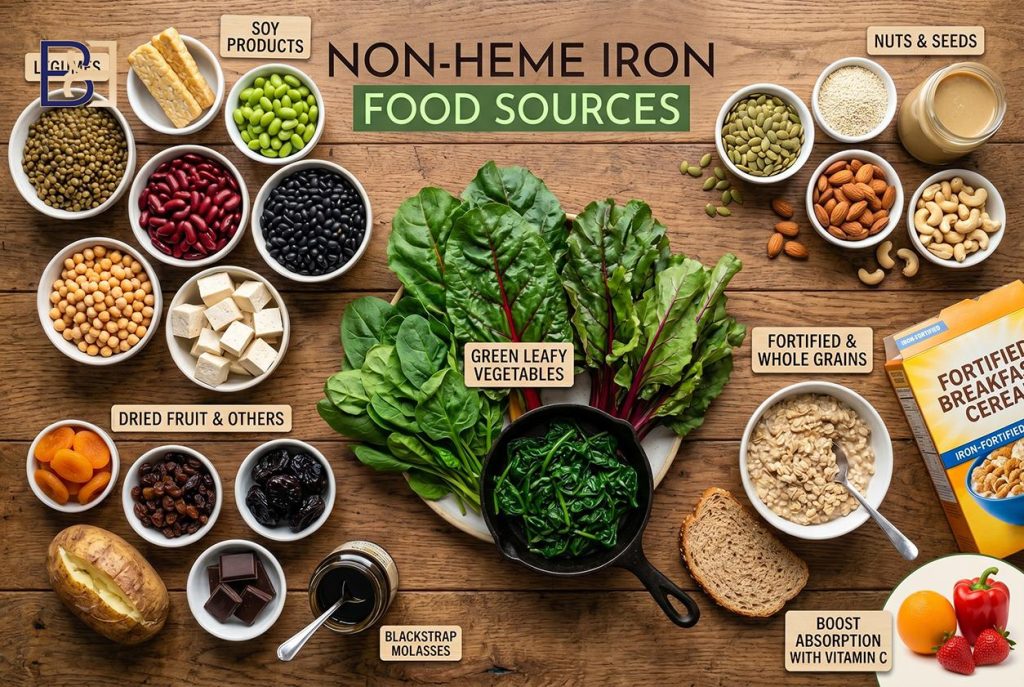
Plant-based iron sources are worth including alongside animal protein, not as a replacement:
- Legumes. Lentils, chickpeas, kidney beans, and white beans
- Leafy green vegetables. Spinach, silverbeet, kale, and rocket
- Tofu and tempeh
- Nuts and seeds. Pumpkin seeds and cashews are particularly iron-dense
- Iron-fortified breakfast cereals and wholegrain breads
- Dried fruit, especially apricots and prunes
Non-heme iron is less reliably absorbed. Pairing these foods with vitamin C in the same meal can significantly improve absorption.
Pairing with vitamin C

Vitamin C converts non-heme iron into a more absorbable form at the point of ingestion. The effect is substantial, enough to meaningfully change how much iron your body takes in from a given meal.
Practical ways to pair vitamin C with iron-rich foods:
- Add capsicum, tomato, or citrus to meals containing leafy greens or legumes
- Squeeze lemon juice over steamed spinach or into salad dressings
- Have a glass of orange juice or a kiwifruit with a plant-based iron meal
- Include broccoli, strawberries, or fresh herbs like parsley alongside a vegetarian iron source
Vitamin C is heat-sensitive. If you are cooking a meal, add the vitamin C source near the end of cooking or at the table rather than boiling it for extended periods.
Foods that block iron absorption

Some foods and drinks sharply reduce iron absorption when taken at the same time as iron-rich meals:
- Tea and coffee. Tannins bind iron in the gut. The effect is strongest with black tea.
- Dairy products. Calcium competes with iron for absorption.
- High-phytate foods. Unsoaked legumes, wholegrains, and bran can bind iron.
- Red wine and some herbal teas that are high in polyphenols
This does not mean avoiding these foods. It means spacing them apart from your iron-rich meals. A practical rule I give patients is to avoid tea, coffee, and dairy in the hour before and the hour after a deliberately iron-focused meal.
If you take coffee with breakfast, think of that meal as a lower-priority iron window. Put your iron-rich meal at lunch or dinner instead.
Practical eating patterns for post-bariatric patients
Patients who have had a sleeve gastrectomy or gastric bypass cannot eat the volumes that a non-operated person can. This shapes how we approach iron intake:
- Prioritise protein-dense, nutrient-dense foods at every meal rather than relying on volume
- Eat across the day rather than trying to fit iron into one or two meals. Multiple smaller exposures to iron often work better than two large ones
- Pair heme and non-heme sources in the same meal where you can, for example, red meat with leafy greens and capsicum
- Separate iron-rich meals from calcium-rich foods and drinks, including your morning coffee or tea with milk
- Chew thoroughly. Mechanical breakdown is more important than many patients realise, especially after sleeve surgery
A realistic expectation
Even with careful eating, most of my post-bariatric patients who show up with iron deficiency do not correct it through diet alone. The anatomy of bariatric surgery makes dietary iron harder to absorb, and getting enough iron from food is not usually achievable in patients with a smaller stomach.
This is not a failure on the patient’s part. It is the expected outcome of altered anatomy. Patients who eat iron rich foods consistently still need supplementation to reach the levels I require before surgery.
What eating well does is protect your iron status over the long term, support supplementation while you are correcting a deficiency, and make it less likely that you will drift back into deficiency once levels are normalised.
The next section covers what I recommend when diet is not enough.
Oral Iron Supplementation: What I Recommend
When blood results confirm iron deficiency, oral iron is the first-line treatment for most patients. It works for the majority of my patient group, it is simple to start, and it is inexpensive and widely available through Australian pharmacies.
That said, oral iron has some specific rules that make the difference between it working well and barely working at all. This section covers what I recommend and how I ask patients to take it.
When I start oral iron
Oral iron is the default starting point when one or more of the following is true:
- Ferritin below 12 µg/L
- Transferrin saturation below 20%
- Mild iron deficiency anaemia, where haemoglobin is just below the reference range and the patient is otherwise well
The caveat is that oral iron needs time. For mild deficiency, I expect to see meaningful improvement over 6 to 12 weeks of consistent dosing. If a patient is less than 6 weeks from a planned surgery date and the deficiency is more than mild, I move straight to intravenous iron instead.
The Australian products I recommend
There are three oral iron products I commonly use in my practice:
- Maltofer (iron polymaltose). Generally well tolerated, with fewer gastrointestinal side effects than traditional iron salts. Available from Chemist Warehouse, Priceline, and most community pharmacies.
- Ferro-Gradumet. A slow-release iron sulphate tablet. Effective and inexpensive. Same availability.
- Spatone (liquid iron). A gentler option, useful for patients who have tried tablets and had significant stomach upset. Lower dose per serving, so it works better for maintenance than for active repletion.
Any of these meeting the dose target is acceptable. Patients are free to use alternatives of equivalent formulation and dose.
The dose I prescribe
Dose depends on what we are trying to achieve:
- Maintenance dose for menstruating women and post-bariatric patients. 45 to 60 mg of elemental iron per day.
- Active repletion for confirmed deficiency. 150 to 300 mg of elemental iron per day.
- Liquid iron maintenance. One to two servings per day, as per the product instructions; generally around 5 to 20 mg of elemental iron per serving.
“Elemental iron” is the part of the dose that matters. Product labels often list both the total compound weight and the elemental iron content. Always check the elemental iron figure when comparing brands.
How to take it: the rules that matter

Taking iron tablets correctly can double or halve how much your body actually absorbs. These are the rules I give every patient taking iron supplements:
- Take with vitamin C. Around 100 mg of vitamin C, or a glass of orange juice, at the same time as your iron dose. This improves absorption notably.
- Separate from calcium and zinc supplements by two hours. Both compete with iron during absorption.
- Separate from tea, coffee, and dairy by at least an hour. Tannins and calcium bind iron in the gut.
- Take on an empty stomach if tolerated, or with a small non-dairy snack if tablets cause stomach upset.
- Take at the same time each day. Consistency matters more than the specific time of day.
Alternate-day dosing: why it often works better
The hepcidin physiology I covered in the earlier section on how iron works has direct practical consequences for oral iron dosing. The short version: taking iron every day, or splitting the dose throughout the day, often results in less total iron absorption than taking it every other day.
For patients with mild-to-moderate deficiency and no anaemia, I commonly recommend alternate-day dosing. This means taking the tablet every second day rather than daily. Research has shown that alternate-day dosing yields higher iron absorption per tablet, fewer gastrointestinal side effects, and similar improvements in iron stores with the same total number of tablets (8).
For patients with more severe deficiency, daily dosing may still be the right choice because the absolute amount absorbed matters more than the efficiency. I tailor this decision to the individual.
Side effects and how to manage them
The most common side effects of iron tablets are gastrointestinal:
- Constipation. The most common issue. Increase water intake, add fibre, and consider a stool softener if needed.
- Nausea or stomach upset. Take with a small non-dairy snack rather than on an empty stomach. Switch to Maltofer if using Ferro-Gradumet, or to Spatone if tablets generally are the problem.
- Dark or black stools. Normal and expected. Not a sign of bleeding.
- Metallic taste. Also common. Usually settles with time.
If side effects make the tablets genuinely intolerable, we move to intravenous iron rather than forcing a patient to push through. The goal is iron in the body, not iron in the bin.
How long before it works
A realistic timeline for iron tablets to work in post-bariatric patients:
- Subjective improvements (energy, less fatigue) often start within 2 to 4 weeks
- Haemoglobin usually rises over 4 to 8 weeks if anaemia was present
- Ferritin and stored iron recovery take longer, typically 3 to 6 months of consistent dosing
I recheck iron studies at 6 to 8 weeks to confirm the direction of travel. If levels are not moving as expected, that is my signal to reconsider whether oral iron is the right pathway or whether IV iron is needed.
When oral iron is not the answer
A significant proportion of my post-bariatric patients who start oral iron do not reach a surgical-ready level within a reasonable timeframe. The reasons include:
- Reduced stomach acid limits absorption regardless of dose
- Duodenal bypass in Roux-en-Y patients permanently reduces the absorption surface
- Premenopausal women with heavy menstrual losses cannot absorb faster than they lose
- Ongoing gastrointestinal symptoms make consistent dosing difficult
The next section covers how IV iron works and when I arrange it.
When Oral Iron Is Not Enough: Intravenous Iron
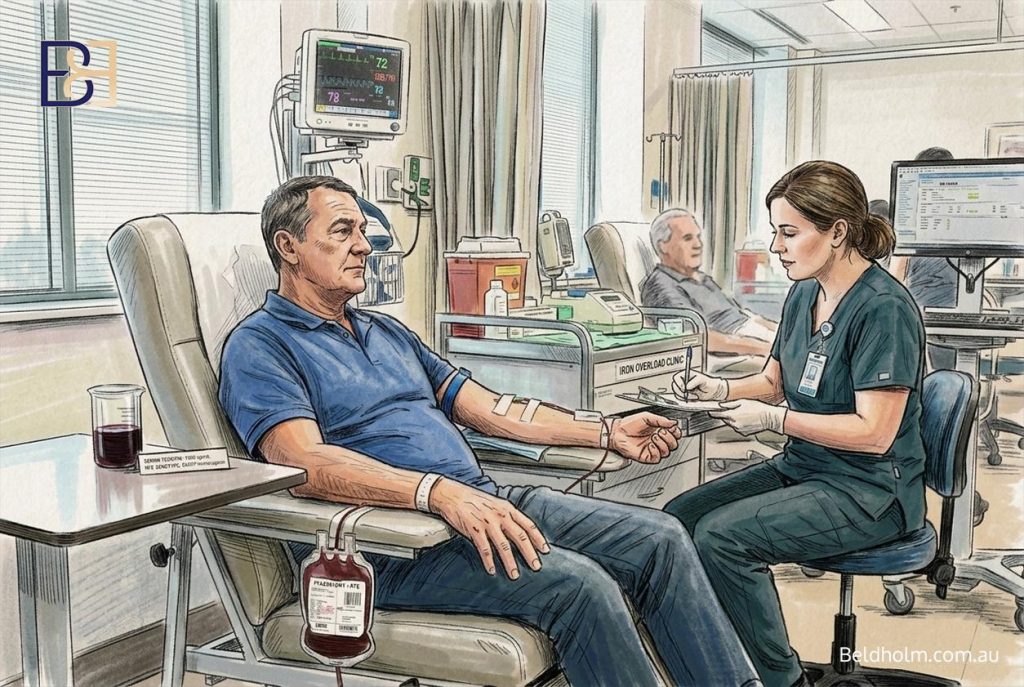
Around half of my post-bariatric patients who need iron correction end up having intravenous iron rather than tablets. That is not a failure of the oral route. It is a reflection of how bariatric anatomy limits gut absorption and how much iron some patients need in a short window before surgery.
Patients often worry when I raise IV iron. The short answer is that modern IV iron is safe, well-tolerated, and much faster than oral supplementation. For patients who need a reliable correction before surgery, it is frequently the right answer.
When I arrange intravenous iron
I move to IV iron when one or more of the following is true:
- Oral iron has failed to improve levels after 6 to 8 weeks of consistent dosing at an adequate dose
- The timeframe to surgery is short, generally less than 6 weeks from the time the deficiency is identified
- Deficiency is severe, including iron deficiency anaemia with haemoglobin below 100 g/L
- Oral iron is not tolerated, despite trying different formulations
- The patient has had a Roux-en-Y gastric bypass and is unlikely to absorb enough iron through the oral route
- Menstrual losses are heavy, and the oral absorption pathway cannot keep up
For many premenopausal post-bariatric women, IV iron is a planned part of the pre-operative pathway rather than a second-line option. I will often raise it at the second consultation once the blood results confirm a deficiency.
How IV iron is arranged
In Australia, IV iron is administered by the patient’s GP or at a dedicated infusion clinic. I do not administer IV iron in my rooms.
The pathway I use:
- I write to the patient’s GP summarising the blood results and recommending IV iron
- The GP arranges the infusion, which is usually done over 15 to 30 minutes, depending on the formulation
- Follow-up blood tests are arranged 4 to 6 weeks after the infusion to confirm correction
- Once levels are adequate, we can proceed to schedule surgery
For most patients, the process is quick and routine. Their GP will have administered IV iron many times, and most general practices in Australia offer it.
The formulations used in Australia
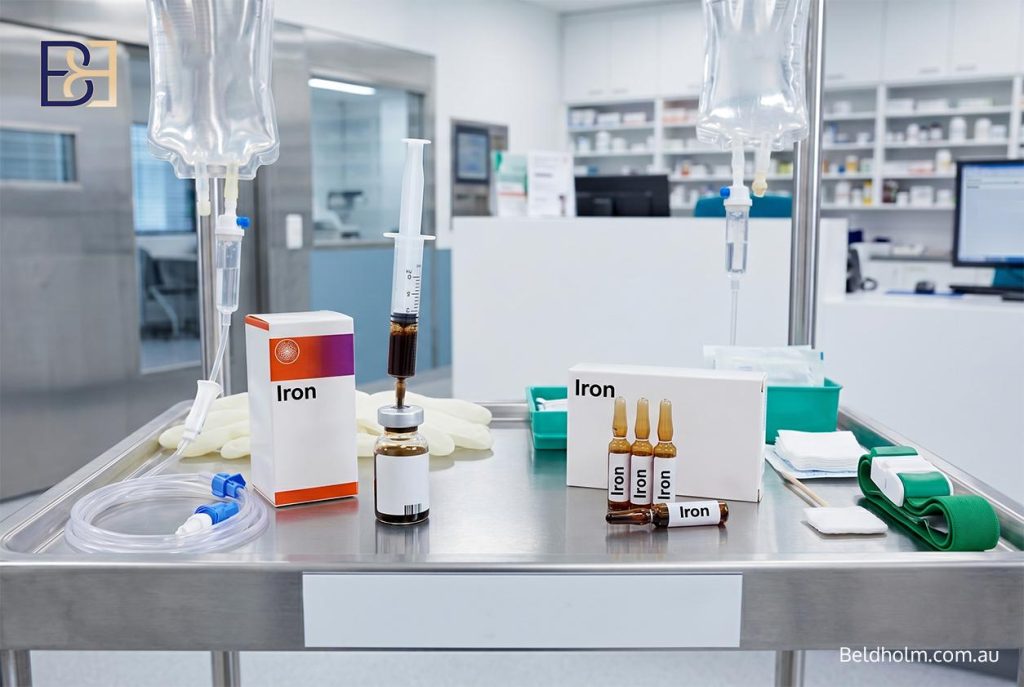
Two IV iron formulations are in common use in Australia:
- Ferric carboxymaltose (Ferinject). Typically given as a single dose of up to 1000 mg over 15 minutes. The most commonly used product in my patient group. Effective and convenient.
- Iron polymaltose (Ferrosig). A longer infusion, sometimes given over 1 to 2 hours. Less commonly used now, but still appropriate in some clinical scenarios.
The choice between these is made by the GP or infusion provider based on the patient’s clinical picture, their local access, and any previous infusion history.
What to expect during and after the infusion
The infusion itself is a simple procedure. The GP will place a cannula, run the iron solution through over the specified time, and monitor for any immediate reaction.
Patients may experience:
- Mild flushing or a metallic taste during the infusion. Usually settles quickly.
- Muscle aches or a flu-like feeling in the 24 to 48 hours afterwards. Uncommon but possible.
- Temporary low phosphate levels on blood tests in the weeks afterwards, especially with ferric carboxymaltose. Usually asymptomatic and self-correcting.
Serious reactions to modern IV iron are rare, but infusion clinics are equipped to manage them if they occur. This is why IV iron is always administered in a supervised clinical setting, not at home.
One risk worth counselling about
There is one specific risk I always mention because it is visible and permanent if it happens: skin staining from iron leakage at the cannula site.
If the cannula slips and iron solution leaks into the skin around the vein, it can cause a persistent brown or grey stain at that site. This is not common, but it is not rare either, and the staining can last for months or years.
The practical implications:
- The infusion should be given by an experienced nurse or doctor who uses a well-placed, stable cannula
- Any pain, burning, or swelling at the cannula site during infusion should be reported immediately
- If a non-dominant arm or a location that is usually covered can be used, consider asking for that
Patients should be counselled about this risk before the infusion, not after. I raise it in my clinic, so they are not surprised if the GP mentions it later.
Why IV iron works better in post-bariatric patients
IV iron is often the right answer after bariatric surgery for several reasons:
- It bypasses the gut entirely. The reduced stomach acid and duodenal bypass issues that limit oral iron absorption are not relevant
- The full dose reaches the body. A 1000 mg infusion delivers substantially more iron than months of oral tablets would absorb
- Correction is rapid. Haemoglobin rises measurably within 1 to 2 weeks in most cases
- A single visit can often achieve total dose replacement. For patients with a tight surgical timeline, this is a major advantage
For a patient with a ferritin of 5 µg/L who needs to be surgery-ready in 6 weeks, oral iron simply cannot catch up. IV iron can.
What happens after the infusion
Follow-up bloods are usually done 4 to 6 weeks after the infusion. I expect to see:
- Ferritin is climbing sharply, often well above the pre-infusion level
- Transferrin saturation rising into the normal range
- Haemoglobin is recovering if anaemia was present
Once these markers sit in a safe range, we can schedule surgery. In many cases, a single infusion is enough. Occasionally, a second infusion is needed for severe deficiency or ongoing losses.
The bottom line on IV iron
IV iron is not a last resort in my practice. For the post-bariatric population, it is often the most effective and efficient way to correct iron deficiency before body contouring.
If I recommend IV iron at your blood results consultation, it is because the evidence and the clinical picture point to that as the right path, not because something has gone wrong.
Post-Operative Iron Monitoring
Getting iron right before surgery is the priority. Keeping it right afterwards is the longer-term job. For post-bariatric patients, iron status is not a one-time fix. It is a lifelong consideration.
This section covers what I do in the weeks after surgery, what we hand over to the GP, and what patients can expect in terms of ongoing monitoring.
Surgical blood loss and iron balance
Body contouring surgery involves some blood loss. Even with careful technique, a longer combined procedure, such as a body lift (belt lipectomy) or an abdominoplasty (tummy tuck) plus a breast lift (mastopexy), can involve a couple of hundred millilitres or more of fluid loss.
Every millilitre of blood lost is also iron lost. A patient who had a healthy ferritin level before surgery will often have a lower level afterwards. A patient who started at a marginal level is more likely to slip back into deficiency.
This is one of the reasons pre-operative correction matters. Starting with full iron stores provides the body with a buffer against intraoperative loss.
The 6 to 8-week post-operative blood panel
At 6 to 8 weeks after surgery, I recommend a follow-up blood panel. This is arranged through the patient’s GP as part of the broader handover back to primary care.
The panel I recommend at this timepoint includes:
- Iron studies (ferritin, serum iron, transferrin saturation, TIBC)
- Full blood count for haemoglobin
- Vitamin D
- Vitamin B12
- Folate
- Zinc
This panel tells the GP and me how the patient has weathered the physiological stress of surgery and whether any of their pre-operative nutrient levels have dropped back into a range that needs attention.
For iron specifically, the expected pattern is:
- Ferritin slightly lower than the pre-operative level, reflecting the iron lost during surgery
- Transferrin saturation in the normal range
- Haemoglobin in the normal range, recovering from any intraoperative losses
If any of these markers sit below where they need to be, the supplementation plan is adjusted in consultation with the GP.
Continuing iron supplementation after surgery
For patients who were on therapeutic-dose oral iron before surgery, the decision about whether to continue depends on the follow-up blood results:
- Iron studies are fully corrected. We can step back to a maintenance dose or stop oral iron if the patient is eating well and has no ongoing losses.
- Iron studies are still borderline. Continue therapeutic-dose oral iron for a further 3 to 6 months, with another blood test before deciding whether to stop.
- Iron studies are slipping back. Investigate why. Consider a repeat IV infusion if oral iron is not keeping pace.
For patients who received IV iron before surgery, a single infusion often lasts many months. Some patients will need repeat infusions once or twice a year, especially premenopausal women with ongoing menstrual losses.
The handover to the GP

Long-term iron management is not my role once the surgical recovery is complete. It sits with the patient’s GP, who is better placed to coordinate with their existing care and order repeat blood tests at sensible intervals.
As part of the handover back to primary care, I send the GP a structured package that includes:
- A formal letter summarising the surgery, the recovery, and the current clinical status
- The pre-operative blood results
- The operation report
- A complete supplement record with doses and durations
- Specific recommendations for ongoing iron monitoring, including when to repeat blood tests and what thresholds should trigger further action
This means the patient’s GP has a complete picture when they take over the long-term surveillance, rather than having to piece it together from memory or from incomplete notes.
Lifelong monitoring for post-bariatric patients
For patients with a history of weight loss surgery, iron monitoring is a lifelong requirement. The absorption changes I covered earlier in this article do not reverse. The risk of slipping back into deficiency and into the health problems that come with it remains.
What I recommend to patients for ongoing monitoring:
- Annual blood tests, including iron studies, to be organised through the GP
- Continue a maintenance iron dose if indicated by the pattern of results
- Repeat IV iron on an as-needed basis for patients who cannot maintain levels on oral iron alone
- Continue the full suite of post-bariatric supplements (the multivitamin, vitamin D and K, vitamin C, zinc, and iron where needed) for life
This is standard post-bariatric care. Any GP experienced with bariatric patients will already be familiar with the protocol.
What to watch for between tests

Between scheduled blood tests, there are symptoms that should prompt an earlier recheck:
- Unusual tiredness or fatigue that does not match your usual activity
- Shortness of breath on exertion that is new or worsening
- Palpitations or a racing heart at rest
- Pale skin or pallor of the inner eyelids or gums
- Restless legs at night, especially if new
- Brittle nails, hair thinning, or reduced cold tolerance
These can all reflect a return of iron deficiency. They are not diagnostic on their own, but they are a prompt to see your doctor and ask for iron studies.
The long view
Body contouring surgery is a single point in a patient’s broader journey. Iron status is part of that journey, and it deserves ongoing attention long after the surgical scars have matured.
If you have had weight-loss surgery, you will need to monitor your iron levels for the rest of your life. That is not a burden. It is a small routine task that protects your energy, your wound healing if you ever need further surgery, and your long-term health.
The team looking after this includes me during the pre-operative and early post-operative window, the dietitian at Maitland Private during your admission, and your GP for the long term. I cover that team approach in the next section.
Book your appointment online now
GLP-1 Medications and Iron Status
Many of my patients are on GLP-1 receptor agonist medications for weight management or obesity treatment when they come to see me. Whatever their starting body mass index, these medications have been effective for weight loss, and I want to be clear about my position on them before surgery.
Current Australian guidelines do not recommend routinely stopping GLP-1 medications before surgery. I follow that guidance.
How GLP-1 medications affect iron intake
GLP-1 receptor agonists work partly by suppressing appetite and delaying gastric emptying. These are the mechanisms that help patients lose weight and manage obesity. They are also the mechanisms that pose a specific nutritional challenge before body-contouring surgery.
The practical effect on iron status:
- Reduced overall food intake. Less food means less dietary iron, even from a well-chosen diet.
- Changes in eating preferences. Many patients on GLP-1 medications find red meat less appealing than before. Red meat is the most bioavailable dietary source of iron, so this shift is clinically significant.
- Reduced micronutrient intake generally. Published research has shown that patients taking weight-loss medications consume approximately 43% less vitamin C and meaningfully less of several other micronutrients than patients not on them (9). Lower vitamin C intake reduces how well the body absorbs non-heme iron.
For a patient who is already vulnerable to iron deficiency from previous bariatric surgery, adding a GLP-1 medication on top can compound the problem.
My clinical position
If you are on a GLP-1 medication, I will want to know about it at your first consultation. It changes how I approach your pre-operative nutrition planning.
In particular:
- I do not ask patients to stop the medication routinely before surgery. This is consistent with current Australian guidance.
- I do pay closer attention to dietary intake. If iron, protein, or vitamin C intake is falling short, we work on that together.
- I may recommend a higher dose of oral iron than I would for an equivalent patient not on a GLP-1 medication, because background dietary iron is lower.
- I have a lower threshold for moving to IV iron, particularly for patients who cannot tolerate a therapeutic oral iron dose on top of the gastrointestinal effects of the GLP-1 medication.
When a temporary dose reduction might be discussed
Occasionally, a patient on a GLP-1 medication cannot meet their pre-operative nutritional targets despite their best efforts. In these situations, I may discuss a temporary dose reduction with the patient as part of their perioperative planning.
This is a specialist clinical judgement, not a standing recommendation:
- It is made on an individual basis, with a clear clinical rationale
- It is done in consultation with the prescribing doctor
- It is not appropriate for every patient on these medications
Patients must not self-adjust their GLP-1 dose. Stopping or reducing these medications without medical guidance can lead to unintended consequences, including shifts in food choices that worsen the overall nutritional picture.
What your anaesthetist will discuss

Your anaesthetist will also discuss GLP-1 medications with you during your pre-operative assessment. Because these medications slow gastric emptying, the anaesthetist may recommend a modified fasting protocol before your procedure.
Follow their guidance. It is separate from the nutritional discussion in my clinic, and it takes precedence on the day of surgery.
The bottom line for iron specifically
If you are on a GLP-1 medication and heading for body contouring surgery:
- Iron deficiency is more likely, so iron studies are essential
- Dietary iron alone is rarely enough, and this is doubly true with appetite suppression in play
- Supplementation needs to be matched to where your baseline sits, not just to a generic dose
- Ongoing monitoring is important because GLP-1 medications often continue after surgery
The underlying principles of iron correction, which I covered earlier in this article, do not change. What changes is the weighting I give to IV iron over oral iron, the attention I pay to overall eating patterns, and the closer coordination with the prescribing doctor.
This is an area of medicine that is evolving rapidly. I will update my approach as the Australian guidance develops.
Stopping and Restarting Iron Around Surgery
A common question at the pre-operative appointment is whether to continue iron supplements in the days leading up to surgery, and when to restart them afterwards. The rules for iron are simpler than they are for some other supplements.
Continue iron supplementation through to surgery
Unlike fish oil, vitamin E, ginkgo biloba, and other supplements that can increase bleeding risk, iron does not need to be discontinued before body contouring surgery.
The practical guidance I give patients:
- Continue your oral iron supplement right up to the day before surgery
- You can take your iron dose on the morning of surgery if your anaesthetist has allowed a small amount of clear fluid
- Do not stop taking iron in the week leading up to surgery, as this can allow levels to drift back down just when you need them most
Iron does not affect platelet function, clotting pathways, or anaesthetic metabolism. There is no clinical reason to interrupt supplementation before surgery.
What to stop, and what to continue
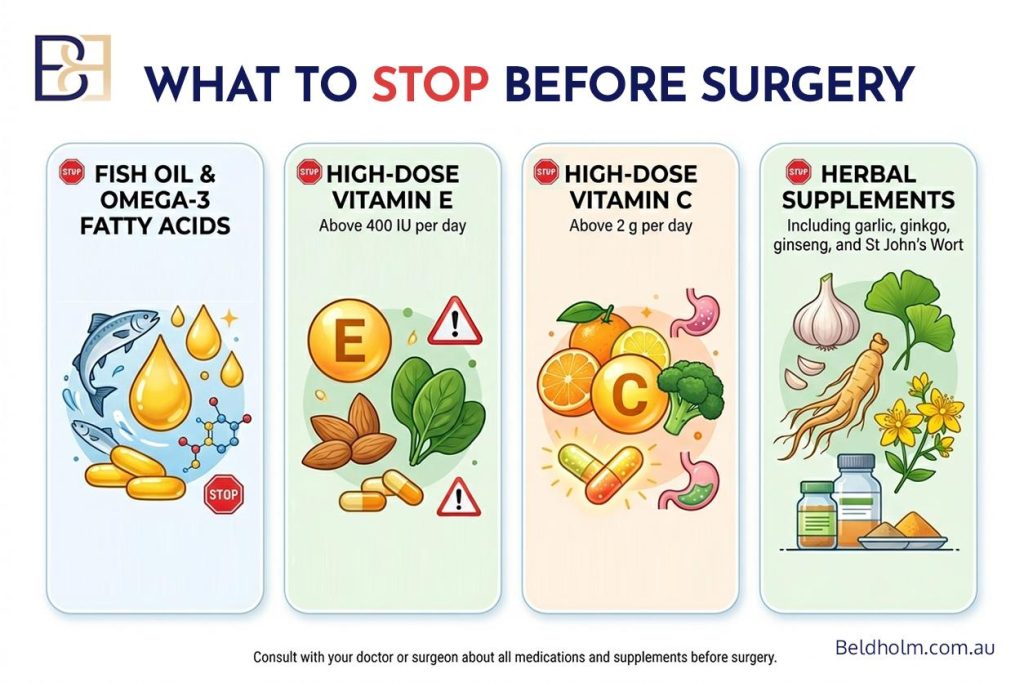
The full list of supplement adjustments around surgery is covered in my [pre-operative nutrition checklist] article. For context here, the short version for iron and its immediate neighbours:
- Continue: Iron, protein, multivitamin, vitamin D3 with K2, zinc maintenance dose, calcium (if on it)
- Stop one week before surgery: Fish oil and omega-3, vitamin E, ginkgo biloba, St John’s Wort, and other herbal supplements
- Stop one week before surgery if on high doses: Vitamin C above 2 grams per day (resume immediately after surgery)
If you are ever unsure about a specific supplement, the rule is simple. Ask me, your GP or family doctor, or the anaesthetist. Do not guess.
Fasting on the day of surgery
Australian anaesthetic guidelines allow clear fluids up to 2 hours before surgery. If you need to take a medication on the morning of your procedure, a small sip of water is almost always fine.
Iron is not usually a day-of-surgery medication. The dose you missed on the morning of surgery is irrelevant to your overall iron levels, which reflect months of intake, not a single tablet.
Follow the fasting instructions given by your anaesthetist. On this specific point, they take precedence over anything else.
Restarting iron after surgery
Iron supplementation should be resumed as soon as you can tolerate oral intake after surgery. For most body contouring procedures, this means the same day or the day after surgery.
What this looks like in practice:
- Day of surgery. Once you are tolerating fluids and have had a small meal or snack, you can resume your iron tablet. Take it with vitamin C as usual.
- First few days. Continue at your pre-operative dose. If you are on a therapeutic repletion dose, stay on it.
- First two weeks. Iron supplementation continues as part of the broader post-operative supplement routine. Do not stop any supplement during this phase unless specifically advised.
My standard post-operative instructions include resuming all pre-operative supplements as tolerated. Iron is not singled out for special treatment. It simply continues as part of your existing routine.
If nausea or appetite is a problem after surgery

Some patients experience nausea or reduced appetite in the first few days after body contouring, especially with longer combined procedures. If oral iron is hard to tolerate during this window:
- Take iron with a small non-dairy snack rather than on an empty stomach
- Space iron away from any pain medications that might compound nausea
- Switch temporarily to Spatone (liquid iron) if tablets are causing difficulty
- Do not stop iron outright. Reduce the dose if needed, but keep some iron going in
If nausea persists beyond the first week or if you cannot tolerate any oral iron at all, contact my clinic. We can discuss options, which may include delaying the resumption of therapeutic-dose iron by a few days or arranging an IV iron infusion through the GP if appropriate.
Why this matters
Surgery is a physiological stress that increases iron demand at exactly the time your body is using iron to heal. Stopping iron in the week before and the week after surgery, even by accident, can cost you weeks of slow recovery.
The rule of thumb is simple. Your iron routine is part of the surgery, not something separate from it. Keep it running.
Who Looks After Your Iron Status: The Team Approach
Managing iron well around body-contouring surgery is not a one-handed job. It involves three clinicians across three phases, each with a clear role. Knowing who does what helps patients navigate the process and know who to contact when.
My role: pre-operative optimisation
My focus is on the window before surgery and the early post-operative recovery.
What I do:
- Order the pre-operative blood panel that includes iron studies, full blood count, and other nutritional markers relevant to post-weight-loss patients
- Interpret the results and decide whether iron status is adequate for surgery or whether correction is needed first
- Start Tier 1 supplements at the first consultation, before blood results come back. Tier 2 supplements, including iron when indicated, are added at the blood results consultation.
- Coordinate IV iron through the GP, where oral iron is not the right pathway
- Hold the surgical date until iron status meets the thresholds I apply
- Provide post-operative instructions that include continuing iron supplementation through the recovery period
Once surgical recovery is complete, long-term iron management is outside my scope.
The dietitian at Maitland Private: peri-operative support

Maitland Private Hospital has an on-ward dietitian service that I routinely involve in the care of my post-weight-loss body contouring patients. Many of these patients have been managed for obesity by their bariatric surgeon and GP for years before coming to see me, and the dietitian plays a valuable role in the perioperative window.
Where the dietitian fits:
- During your hospital admission. Patients who need a dietitian’s input are seen on the ward. This is useful for patients who had bariatric surgery some years ago and need a refresher on post-operative eating, or for patients who are struggling with protein and iron-rich foods
- Early recovery planning. The dietitian can help work out a meal pattern that supports both iron intake and protein targets during the first weeks after surgery
- Coordination with hospital catering. Maitland Private’s hospital meals are designed for a general inpatient population. The dietitian can help tailor what is available to your specific needs
The dietitian’s role is perioperative. It does not extend to long-term iron monitoring once you are home.
Your GP: long-term surveillance
Your GP is the clinician who looks after your iron status in the long term.
Why the GP takes this role:
- They know your broader medical picture. Iron deficiency does not exist in isolation. Your GP is the right person to consider it alongside your other health issues.
- They can order repeat bloods at sensible intervals without requiring a specialist appointment each time
- They are the gateway to IV iron if future infusions are needed
- They can investigate underlying causes of iron deficiency that may emerge over time, including gastrointestinal bleeding, coeliac disease, or gynaecological issues in women of reproductive age
For post-bariatric patients, iron monitoring is a lifelong requirement. Your GP is the clinician best placed to keep it on the agenda.
My handover to the GP
To make the long-term handover as smooth as possible, my clinic sends the GP a structured handover package once surgical recovery is complete. The full detail of that package is covered in the post-operative monitoring section earlier in this article.
The short version: the GP receives a formal letter, the pre-operative blood results, the operation report, a complete supplement record, and specific recommendations for ongoing iron monitoring. This is sent directly from my clinic to the GP’s practice, so the information is in their hands when you next see them.
The anaesthetist’s role
Your pre-operative anaesthetic consultation is a separate conversation from the one we have in my rooms. The anaesthetist’s scope covers:
- Anaesthetic planning for the day of surgery
- Perioperative management of any medications you are taking, including GLP-1 medications if relevant
- Fasting protocols and any modifications needed for your specific situation
The anaesthetist does not manage your iron status. That remains with me pre-operatively and with your GP afterwards.
How to get help between visits

Between appointments, here is who to contact for what:
- Questions about surgery, pre-operative optimisation, or early recovery. Contact my clinic.
- Questions about long-term iron or general health. See your doctor or contact your GP for general health matters.
- Urgent concerns in the first two weeks after surgery (after hours). Call Maitland Private Hospital. An experienced nurse will triage the call and will contact me directly for anything that needs my input. Maitland Private is not an emergency department. For anything life-threatening, call 000. For anything requiring urgent physical assessment, your local emergency department is the right place.
This division of responsibilities is not complicated in practice. Each clinician has a defined role. When everyone plays their part, iron management works smoothly rather than becoming fragmented.
Key Takeaways
Iron deficiency is the single most common nutritional issue I see among post-weight-loss body-contouring patients. It is also one of the most correctable, which is why it sits at the top of my pre-operative checklist.
The essential points to carry forward:
- Up to half of long-term post-bariatric patients are iron-deficient. The anatomy and physiology of bariatric surgery make iron deficiency predictable, not a reflection of patient effort.
- Haemoglobin alone is not enough. Most iron deficiency sits in patients whose haemoglobin is still within the reference range. Iron studies, which include ferritin, serum iron, transferrin saturation, and TIBC, are essential to see the full picture.
- My surgical thresholds are specific and non-negotiable. Haemoglobin below 100 g/L means surgery is deferred. Ferritin below 12 µg/L or transferrin saturation below 20% indicates that iron supplementation should be started before I proceed.
- Oral iron is the first-line treatment for most patients. The Australian products I commonly use are Maltofer, Ferro-Gradumet, and Spatone, taken with vitamin C and separated from calcium and zinc for two hours.
- Alternate-day dosing often yields better absorption than daily dosing because hepcidin regulates iron uptake at the gut level.
- Around half of my post-bariatric patients end up needing IV iron. This is not a failure of oral iron. It is a reflection of how bariatric anatomy limits gut absorption and how quickly some patients need correction before surgery.
- Iron supplementation continues through surgery and into recovery. Unlike fish oil and some other supplements, iron does not need to be stopped before surgery.
- Long-term iron monitoring is a lifelong job for post-bariatric patients. This sits with your GP once surgical recovery is complete, and is supported by a structured handover from my clinic.
What this means for you

If you are heading for body contouring surgery after significant weight loss, there are a few practical things you can do:
- Come to your first consultation prepared to have blood tests on the day of your consultation. Your blood results will shape the nutritional plan we build together.
- Be honest about your supplement habits and any weight-loss medications or surgery you have had. Both affect how I approach iron and the broader pre-operative plan.
- Expect the pre-operative pathway to take time. Iron correction often takes 6 to 12 weeks. Factoring this into your surgical timeline avoids disappointment later.
- Keep your GP in the loop. Iron is a long-term issue, and your GP is the person who will look after it after I hand you back into their care.
A final word by Dr Beldholm

Iron deficiency is not glamorous. It does not come with dramatic symptoms in most people, and it rarely makes headlines. But it is quietly one of the biggest factors that separate a smooth body-contouring recovery from a difficult one.
Getting iron right is worth the effort. It is one of the highest-return, lowest-risk interventions available in preoperative preparation for body-contouring surgery.
If you are reading this ahead of your first consultation with me, no action is required yet. I will take the detailed history, order the blood tests, and build the plan with you once I can see what your specific picture looks like.
Results vary from patient to patient. The information in this article is educational and does not replace individual medical advice. The plan I develop for your surgery will be tailored to your blood results and your specific clinical history.
References
- Agha-Mohammadi S, Hurwitz DJ. Nutritional deficiency of post-bariatric surgery body contouring patients: what every plastic surgeon should know. Plast Reconstr Surg. 2008;122(2):604-13.
- O’Dell BL. Roles for iron and copper in connective tissue biosynthesis. Philos Trans R Soc Lond B Biol Sci. 1981;294(1071):91-104.
- Thibault H, Galan P, Selz F, Preziosi P, Olivier C, Badoual J, et al. The immune response in iron-deficient young children: effect of iron supplementation on cell-mediated immunity. Eur J Pediatr. 1993;152(2):120-4.
- Moretti D, Goede JS, Zeder C, Jiskra M, Chatzinakou V, Tjalsma H, et al. Oral iron supplements increase hepcidin and decrease iron absorption from daily or twice-daily doses in iron-depleted young women. Blood. 2015;126(17):1981-9.
- Pasricha SR, Tye-Din J, Muckenthaler MU, Swinkels DW. Iron deficiency. Lancet. 2021;397(10270):233-48.
- Muñoz M, Acheson AG, Auerbach M, Besser M, Habler O, Kehlet H, et al. International consensus statement on the peri-operative management of anaemia and iron deficiency. Anaesthesia. 2017;72(2):233-47.
- Richards T, Baikady RR, Clevenger B, Butcher A, Abeysiri S, Chau M, et al. Preoperative intravenous iron to treat anaemia before major abdominal surgery (PREVENTT): a randomised, double-blind, controlled trial. Lancet. 2020;396(10259):1353-61.
- Stoffel NU, Cercamondi CI, Brittenham G, Zeder C, Geurts-Moespot AJ, Swinkels DW, et al. Iron absorption from oral iron supplements given on consecutive versus alternate days and as single morning doses versus twice-daily split dosing in iron-depleted women: two open-label, randomised controlled trials. Lancet Haematol. 2017;4(11):e524-33.
- Mehta A, Tondon R, Marwaha K, Chaya A, Marwaha A, Marwaha A, et al. Micronutrient intake in patients on glucagon-like peptide-1 receptor agonists for obesity management. [Journal details to be confirmed at publication]. 2025.