Most of the patients I see for abdominoplasty (tummy tuck) have worked hard to lose a significant amount of weight.
Some have had bariatric surgery. Some have used weight loss medications. Others have done it through diet and exercise over years.
What they have in common, once they reach my consulting room, is a body that has changed dramatically and skin that has not kept up. The excess skin and loose skin that remain after significant weight loss are what bring them to see me.
Before we talk about the operation, I want to talk about protein.
Why protein comes first
Of all the nutrients I discuss with patients before body contouring surgery, protein is the one I spend the most time on.
It is the single most important building block for wound healing and tissue repair.
Abdominoplasty (tummy tuck) in a post-weight-loss patient is a procedure where wound healing really matters. The incision is long. The tissue load is substantial. The margin for error is smaller than most people realise.
The problem I see in practice
Patients who have undergone major weight loss are, as a group, almost universally under-consuming protein.
Research has shown that protein-calorie insufficiency affects up to 25% of patients after bariatric surgery. Evidence of protein deficiency can persist for up to 2 years after weight-loss surgery (1).
The problem does not announce itself. You can feel well and still have protein stores that are inadequate for the upcoming surgical healing.
What this article covers
This article is written for patients preparing for abdominoplasty (tummy tuck) after significant weight loss. I will cover:
- What protein actually does during wound healing
- Why post-weight-loss patients are at particular risk
- The specific pre-operative and post-operative targets I use in my practice
- How to reach those targets with food and whey protein isolate
- How I manage patients on modern weight loss medications, where protein intake becomes more complicated
I want you to understand why I place so much emphasis on this, and to have the practical information you need to do your part well.
Results vary between individuals. Nutritional optimisation is one piece of a broader surgical plan. But it is largely in your hands.
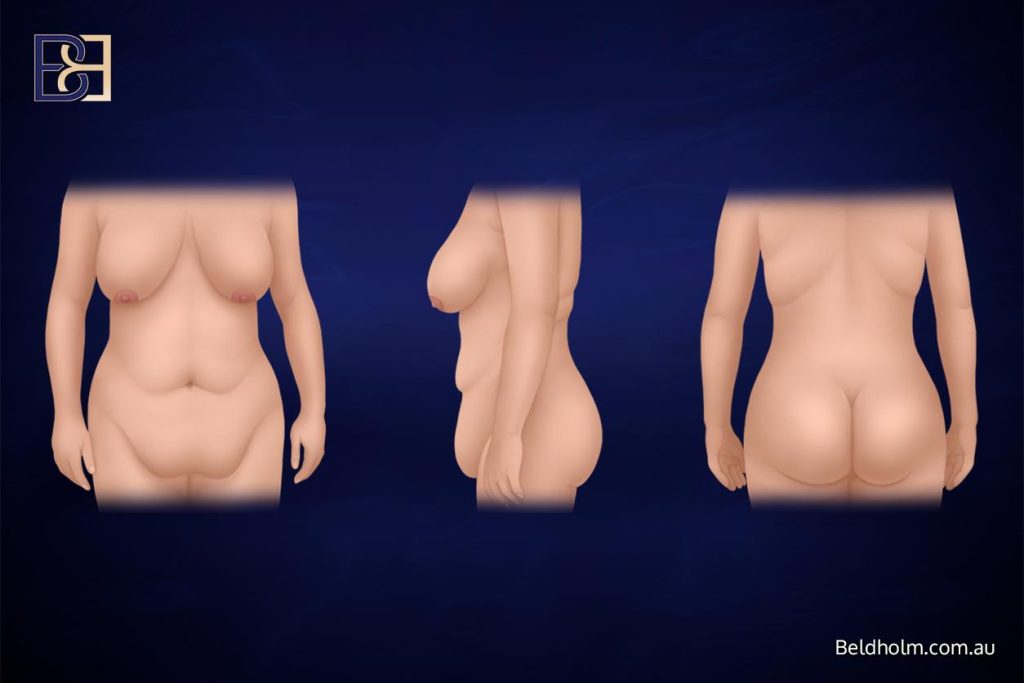
Table of Contents
Why Protein Matters for Wound Healing After Abdominoplasty (Tummy Tuck)
Why the stakes are higher with abdominoplasty
Abdominoplasty (tummy tuck) is not a small operation. Abdominoplasty surgery in post-weight-loss patients is more complex than the same procedure in patients who have not lost significant amounts of weight.
In post-weight-loss patients, the incision runs across the lower abdomen and can extend around the flanks in more complex cases. The amount of excess skin and loose soft tissue that needs to be removed is substantial.
The tissue that remains has to heal a long wound under tension in an area that moves every time you sit up, stand, or take a deep breath.
Your body cannot do any of that without protein.
What protein actually does during healing
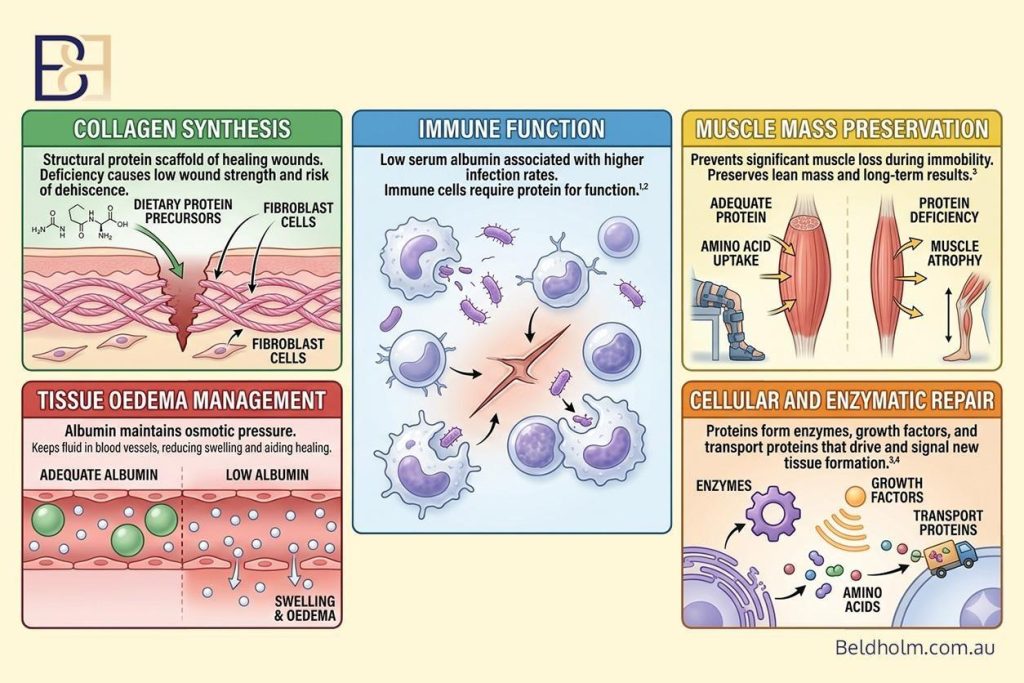
Protein is not just a macronutrient for energy. During wound healing, it performs specific biological functions that nothing else can. The healing process after abdominoplasty (tummy tuck) is protein-dependent at every step.
Here is what protein is directly responsible for:
- Collagen synthesis. Collagen is the main structural protein in scar tissue and in the extracellular matrix that holds a healing wound together. Without adequate protein, collagen production falls, and wound strength suffers.
- Fibroblast proliferation. Fibroblasts are the cells that lay down new tissue. They need a steady supply of amino acids to do their job.
- Angiogenesis. This is the formation of new blood vessels into the healing wound. Without it, the tissue in the surgical area cannot get the oxygen and nutrients it needs to recover.
- Immune function. Your immune system runs on protein. Adequate intake reduces the risk of surgical site infection during the vulnerable early recovery period.
- Tissue perfusion. Low protein states are associated with oedema and poor tissue perfusion, both of which compromise healing.
Published research confirms that protein deficiency delays progression from the inflammatory to the proliferative phase of wound healing, reduces angiogenesis, and impairs fibroblast activity (2).
Why does surgery itself increase protein demand?
This part surprises most patients.
After major elective surgery, the body’s protein requirements increase by approximately 25% above baseline (1).
Surgery is a physiological stress event. The body shifts into a catabolic state. Healing tissues require more amino acids than at rest, and they need them for weeks after the operation, not just days.
So the equation patients underestimate is this:
- You start from a population that is already under-consuming protein
- Then you add a surgical event that increases protein demand by around a quarter
- For several weeks afterwards
If protein intake is not treated well in advance, the gap between what the body needs and what the body is getting becomes clinically significant.
The evidence: what happens when protein is adequate

I want to share one piece of published evidence that influenced my approach.
A study of post-bariatric patients undergoing abdominoplasty (tummy tuck) for excess skin removal compared two groups. One group received protein supplementation starting four weeks before surgery and continuing for four weeks after surgery. The other group was a historical control with no protein supplementation.
The wound healing complication rate in the supplemented group was 0%. In the unsupplemented control group, it was 21.7% (1).
That is a striking difference, and it comes from a single institutional cohort rather than a large randomised trial, so I present it with appropriate caution. But the direction of the evidence is clear and consistent with the underlying biology of wound healing.
Protein optimisation is the core of how I prepare patients for abdominoplasty (tummy tuck).
Why Post-Weight-Loss Patients Are at Particular Risk
The starting point is different
When a generally healthy patient has a routine operation, we assume a normal nutritional baseline.
That assumption does not hold for post-weight-loss patients.
Whether you arrived at your current weight through bariatric surgery, weight loss medications, or years of dietary restriction, the biological reality is the same. Your body has been in a low-intake state for a long time. Protein stores, muscle mass, and micronutrient reserves are often depleted in ways that routine health checks do not pick up. The excess skin that remains is what brings you to my consulting room, but the underlying nutritional story shapes my surgical planning.
This is the population I operate on. My nutritional preparation reflects it.
Bariatric surgery and protein deficiency
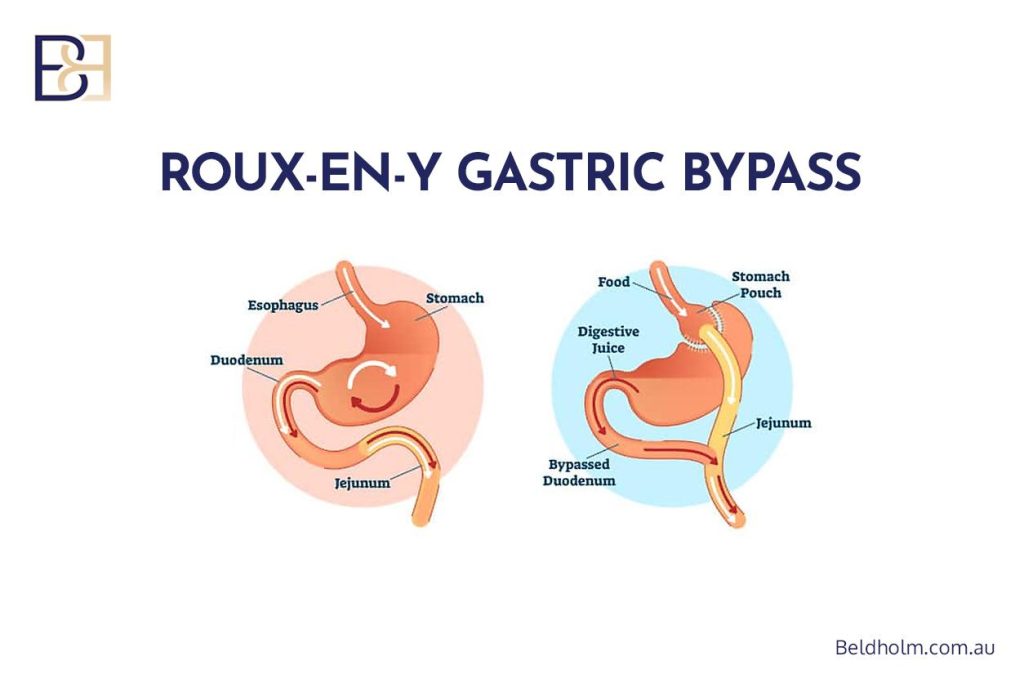
For patients who have undergone bariatric surgery, the protein issue is well-documented in the literature.
The 25% prevalence figure mentioned in the introduction comes specifically from post-bariatric cohorts. It is one of the most common nutritional imbalances observed after weight-loss surgery.
Both types of bariatric procedure contribute, through different mechanisms:
- Malabsorptive procedures (such as Roux-en-Y gastric bypass) reduce the amount of protein the body can absorb from food. Deficiency tends to be more pronounced in this group.
- Restrictive procedures (such as gastric banding and sleeve gastrectomy) reduce the total volume of food that can be eaten. Patients in this group often fall short of the recommended daily protein intake because they cannot physically eat enough.
And here is the point that matters most clinically. The two-year persistence window is real. If you had your bariatric procedure 18 months ago and your weight has been stable for a year, your protein stores may still not be where they need to be for major body-contouring surgery.
This is why I do not assume. I test and I optimise, regardless of how well patients feel.
Non-surgical weight loss: similar vulnerability
Patients who have lost significant weight through diet and exercise alone, without bariatric surgery, are sometimes surprised when I recommend increasing protein intake.
They shouldn’t be.
Prolonged caloric restriction, by whatever method, puts the body in a state where muscle mass is lost alongside fat mass. Protein intake during active weight loss is often below what is needed to preserve lean tissue, and the longer the restriction lasts, the more the body adapts to a lower intake state.
By the time a patient reaches surgical consultation, the biological state is often closer to that of a post-bariatric patient than to that of a patient who has never dieted. The starting protein status is suboptimal, and the surgical demand is about to increase.
Weight loss medications: a new layer of complexity
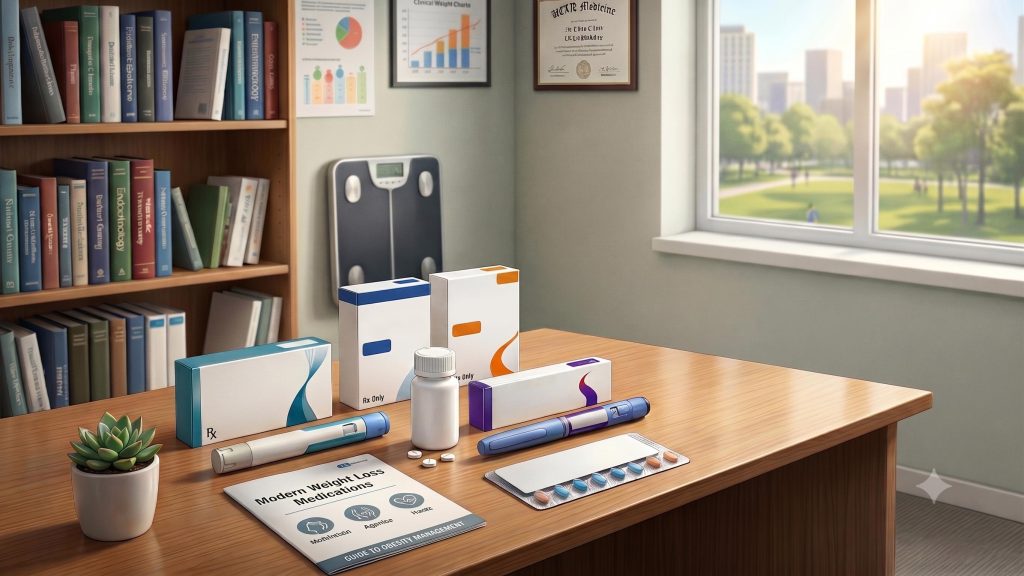
A growing proportion of my patients are on modern weight loss medications when they come to see me.
These medications, a class known as GLP-1 receptor agonists, work partly by suppressing appetite. They have been effective for weight loss in this patient group, and I am not opposed to their use. But they create a specific challenge for pre-operative protein intake.
Research published in 2025 found that patients on weight-loss medications consume approximately 17% less protein than those not on them (3).
17% does not sound dramatic in isolation. But when you are already working to hit a pre-operative protein target of 1.2 to 1.5 grams per kilogram of body weight per day, a reduction of that magnitude is clinically significant.
I cover my approach to patients on these medications in more detail later in this article. For now, the point is this: the population on modern weight-loss medications differs from the population not on them, and protein planning has to account for that difference.
Why does all of this drive my approach?

My job, as the specialist surgeon responsible for your body-contouring procedure, is to give you the best chance of a successful surgical outcome.
A big part of that job happens before you ever reach the operating theatre.
The protein target I ask post-weight-loss patients to hit is not arbitrary. It reflects the starting nutritional reality of this patient group, the biological demands that abdominoplasty (tummy tuck) places on the body, and the evidence on what reduces wound-healing complications in this specific population.
I would rather spend an extra four to six weeks optimising your nutritional state than operate on a patient whose protein stores are not ready for the healing ahead.
Pre-Operative Protein Target: What I Recommend
The number I use in my practice
For post-weight-loss patients preparing for abdominoplasty (tummy tuck), I aim for a pre-operative protein intake of 1.2 to 1.5 grams of protein per kilogram of body weight per day.
That is the core target. Everything else in this section flows from it.
What that actually looks like
The grams-per-kilogram formula sounds technical, so let me translate it into something practical.
Here are a few worked examples for reference:
- 70 kg patient: 84 to 105 g of protein per day
- 80 kg patient: 96 to 120 g of protein per day
- 90 kg patient: 108 to 135 g of protein per day
- 100 kg patient: 120 to 150 g of protein per day
To put those numbers in context, a typical Australian adult consumes around 80 to 90 g of protein per day, and many post-weight-loss patients consume substantially less. Hitting this target requires a deliberate daily effort, not just eating as you normally would.
Why 1.2 to 1.5 g/kg and not less
The general population protein recommendation is around 0.8 g/kg per day. That is a maintenance intake, not a surgical intake.
The target I use for post-weight-loss patients preparing for body contouring reflects three things:
- The higher baseline requirement for patients with depleted protein stores
- The clinical evidence on what reduces wound healing complications in this group
- The fact that protein demand rises further again after surgery
Published recommendations for this patient population generally fall in the 1.2 to 2.0 g/kg range, with the upper end applied to patients with greater surgical stress or confirmed deficiency (3). My routine target of 1.2 to 1.5 g/kg sits within that evidence-based range and reflects what I consider achievable and sustainable for most patients in the weeks leading up to surgery.
When to start
I ask patients to start working toward this target as soon as surgical planning begins.
- Minimum: 4 weeks before surgery
- Better: 6 to 8 weeks before surgery
Four weeks is the minimum window supported by the evidence. Six to eight weeks gives your body more time to rebuild protein stores and micronutrient reserves that have been low for years.
If you can start at the first consultation, that is ideal. This is one of the reasons I hand out a nutrition protocol and supplement list at the first visit, before your blood results are back.
Why I start you on protein before blood results return
Some patients ask why I do not wait for blood results first.
The evidence for near-universal protein inadequacy in this patient group is strong enough that waiting adds no useful information and costs you weeks of preparation time.
Blood tests help me identify specific micronutrient deficiencies that need targeted correction. But protein is a universal recommendation for this surgical population. There is no blood result that would make me say, “You do not need to work on your protein.”
So you leave the first consultation with the target, the tools, and a clear start date. That date is today.
The published protocols are not all the same
A brief note for patients who like to read the evidence themselves.
If you look at the published literature on protein supplementation for body contouring after significant weight loss, you will see different numbers. One well-known protocol uses a flat 80 g per day of whey protein isolate (1). Another uses a formula based on height and BMI (4). Others recommend 1.2 to 2.0 g/kg per day depending on surgical stress (3).
These protocols agree on the direction, even if they differ on the exact numbers. My clinical approach reflects the evidence base while accounting for what patients can realistically achieve across the four to eight weeks before surgery.
Food first, supplements to close the gap
The 1.2 to 1.5 g/kg target is a total daily intake, not a supplement target.
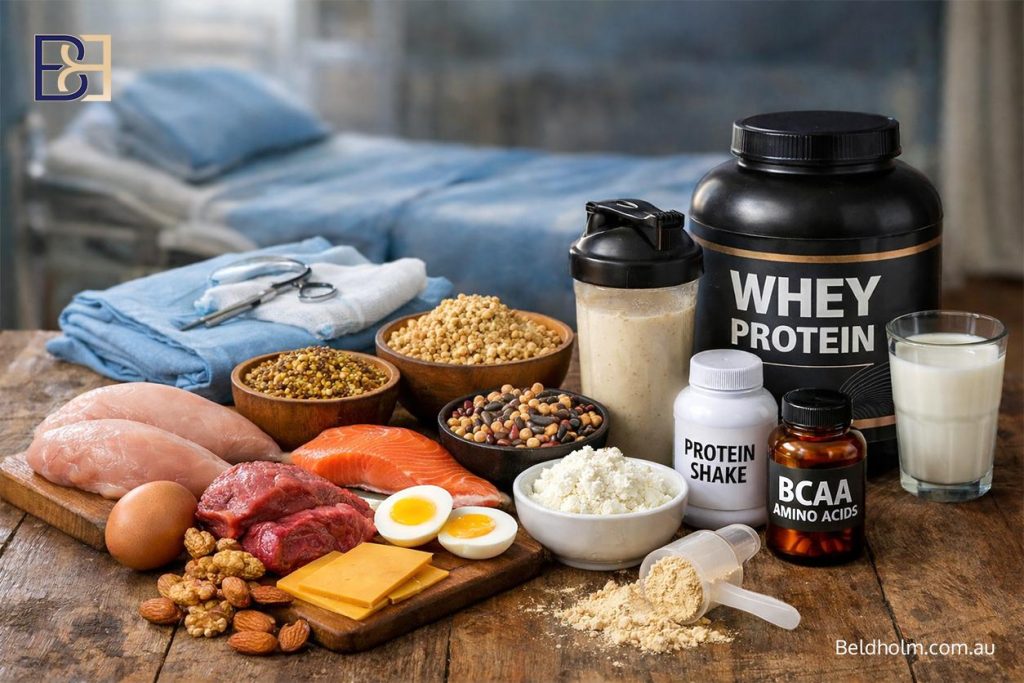
It can be reached through food alone if your appetite, time, and food preferences allow. In practice, most of my patients use a combination of food and whey protein isolate to reliably hit the number. The specifics of how I structure that combination, including the food sources I prioritise and the supplements I personally recommend, are covered in the next sections.
Post-Operative Protein Target: What Changes After Surgery
The target goes up, not down
Most patients assume protein becomes less important after surgery.
The opposite is true.
After abdominoplasty (tummy tuck), I ask patients to aim for 1.6 to 3.0 grams of protein per kilogram of body weight per day, and to hold that target for 4 to 8 weeks post-operatively.
That is a meaningful step up from the 1.2 to 1.5 g/kg pre-operative range.
Why does the target rise after surgery?
Your body after abdominoplasty (tummy tuck) is doing work it was not doing before.
The surgical stress response is real, and it lasts for weeks, not days. Your body enters a catabolic state, in which tissue breakdown accelerates and nutritional demand rises. At the same time, a long surgical wound is actively laying down collagen, new blood vessels, and repaired connective tissue, all of which require amino acids.
Your body is healing and rebuilding at the same time. Both processes run on protein.
The evidence base for this patient group supports a post-operative intake of 1.6 to 3.0 g/kg per day for 2 to 8 weeks after surgery (3). The exact number within that range depends on your body weight, the extent of your procedure, and how well you tolerate intake during the early recovery period.
What this means in practical numbers
At the conservative end (1.6 g/kg) and the upper end (3.0 g/kg), this works out as:
- 70 kg patient: 112 to 210 g per day
- 80 kg patient: 128 to 240 g per day
- 90 kg patient: 144 to 270 g per day
- 100 kg patient: 160 to 300 g per day
The upper end of the range is a lot of protein. Most patients will land somewhere in the middle, and that is clinically acceptable. Hitting 1.6 to 2.0 g/kg reliably is more valuable than sporadic attempts at 3.0 g/kg.
How long to hold the higher target?
I ask patients to maintain the elevated post-operative intake for 4 to 8 weeks, or until wound closure is confirmed at clinical review.
Wound healing is not finished when the scar looks closed on the outside. The deeper tissue continues to remodel and gain strength for many weeks after the initial closure. This is the window in which nutritional inputs still meaningfully affect the result.
After that window, most patients can taper back toward maintenance intake. Post-bariatric patients are a separate case. They have a lifelong nutritional requirement that is managed by their GP, who independently manages long-term supplementation and monitoring, regardless of any body contouring surgery.
Distribution matters as much as total volume
This is one of the most important points I make to patients about post-operative protein intake.
Hitting your daily target in one large meal is not the same, biologically, as spreading it across the day. Your body can only use so much protein in any given window. What happens to the rest gets oxidised for energy or cleared, not incorporated into healing tissue.
The principle I give patients is:
- 20 to 40 g of protein per meal or snack
- Spread across 4 to 6 eating occasions per day
- Include a protein-containing evening intake
Slow-digesting proteins in the evening (casein-based dairy products like Greek yoghurt or cottage cheese) support overnight tissue repair. Your body does not stop healing while you sleep. If you go 12 hours overnight with no amino acid input, healing continues but without optimal substrate.
For practical meal planning, this usually looks like three protein-forward meals of solid foods plus one to two high-protein snacks. In the first week after surgery, when solid foods can be harder to tolerate, liquid protein and softer protein sources make up more of the intake.
Nutrition support during your hospital stay
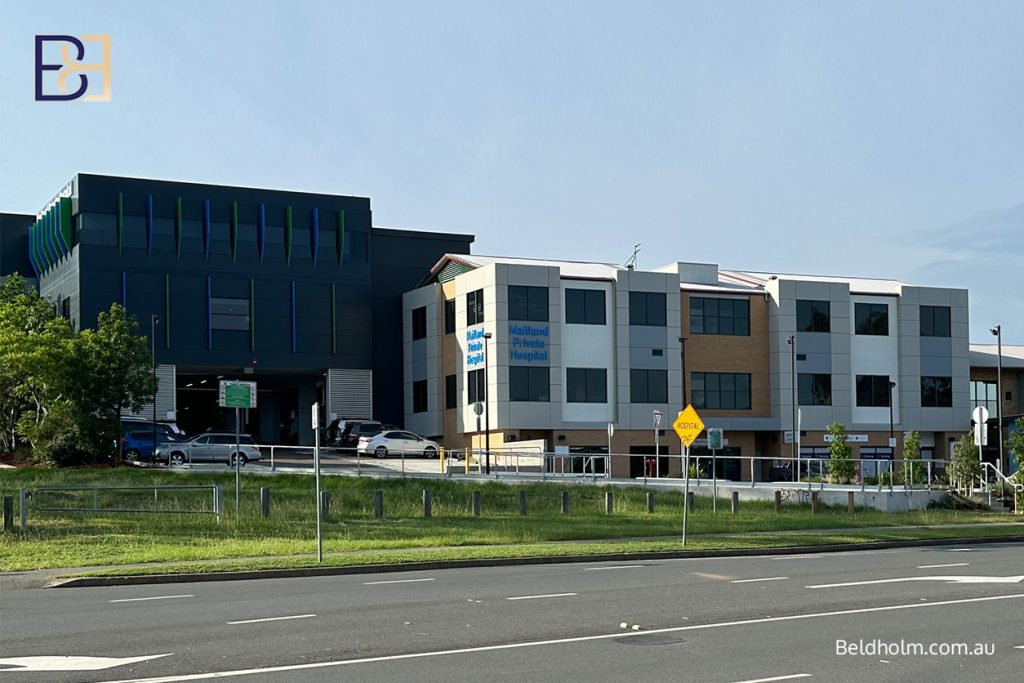
Standard hospital meals are designed for a general inpatient population, so the protein content is not specifically tailored to the elevated demands of post-weight-loss body-contouring recovery.
Maitland Private Hospital has a dietitian service and a range of protein supplements and other dietary aids available on the ward.
The dietitian is the appropriate clinician for perioperative nutritional management. My role is to optimise your nutritional status before surgery. Once you are admitted, the dietitian leads the in-hospital and early recovery nutrition plan, including protein intake, meal planning around the targets discussed in this article, and any dietary aids that support your recovery. This is particularly useful in the first 24 to 72 hours after surgery, when appetite is often reduced and normal meals alone may not be enough to meet the post-operative target.
Patients are also welcome to bring their own whey protein isolate into the hospital if they prefer to use a familiar product. Protein shakes with 25 to 30 g of protein per serve, taken once or twice a day alongside normal meals, are a practical way to support the post-operative target during admission.
When to resume supplementation after surgery
Resume your protein supplementation as soon as you are mobilising and tolerating oral intake, which for most patients is within 24 hours of surgery.
There is no benefit in waiting. The healing window opens immediately, and your body is already drawing on amino acid reserves by the time you are back on the ward.
The only exception is if your post-operative team directs otherwise for a specific clinical reason. Unless you have been told to hold off, start the shakes the day after surgery and continue through the 4 to 8 week recovery window.
Whey Protein Isolate: The Practical Backbone of the Protocol
Why a supplement, not just more food
Most patients try to hit the pre-operative target through food alone when they first hear it.
Some manage it. Most do not.
Reaching 100-120 g of protein per day from food is a significant effort. It requires three protein-forward meals, a high-protein snack or two, and deliberate food choices at every eating occasion. Miss one meal, or have a day where you are busy and grab what is convenient, and you are under target.
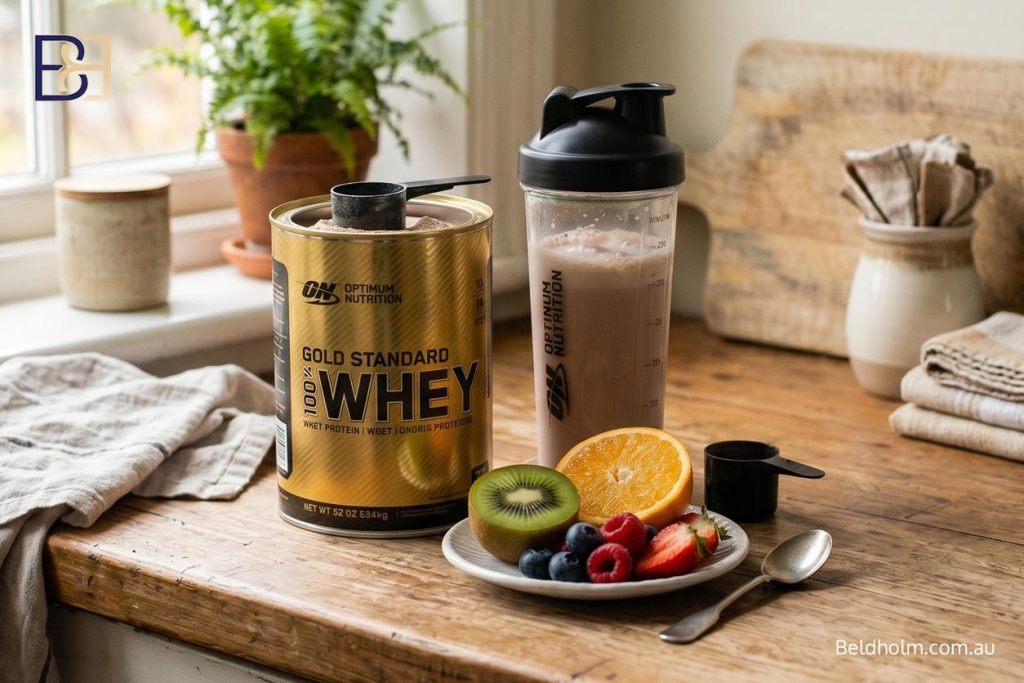
Whey protein isolate (WPI) is the tool I give patients to solve this problem. It provides a reliable, concentrated, low-fat, low-carbohydrate source of high-quality protein that takes two or three minutes to prepare. In my experience, it is the single most practical way to close the gap between daily food intake and daily target.
Why whey protein isolate specifically
There are several protein supplement options on the market. For pre-operative nutritional support, I specifically recommend whey protein isolate. Here is why.
- High biological value. Whey protein contains all nine essential amino acids in a ratio that closely matches human tissue needs. It is one of the most efficiently used protein sources available.
- Rapid absorption. Whey is absorbed quickly, making it useful for meeting protein targets in divided doses throughout the day.
- Minimal fat and carbohydrate. Isolate (as opposed to concentrate) has most of the lactose, fat, and other components removed, leaving protein predominantly. A typical serve gives you 25 to 30 g of protein with very little else.
- Well tolerated. Because isolate has most of the lactose removed, patients who are mildly lactose-intolerant usually tolerate it well. This is not true of whey concentrate, which still contains meaningful lactose.
- Leucine content. Whey is high in leucine, an amino acid that directly stimulates muscle protein synthesis. This matters for preserving lean tissue during recovery.
For patients who cannot tolerate dairy at all, a high-quality plant-based alternative (pea protein isolate, for example) is acceptable. Whey isolate is the first choice for most patients because the evidence base and amino acid profile are strongest, but it is not the only acceptable option.
The dose I recommend
For pre-operative supplementation, I ask patients to take 80 to 100 g of whey protein isolate per day, in divided doses.
A few points on how to take it:
- Spread across the day. Do not take your entire daily dose in one serve. Your body uses protein better when it is spread across 3 to 4 servings.
- Serve size around 25 to 30 g protein. Most WPI products deliver this in one scoop. Check the label for protein per serve, not total powder weight.
- Mix with water, milk, or blend into a smoothie. Whatever gets you to take it reliably is the right approach.
- Take one serve with breakfast. Breakfast is usually the lowest-protein meal of the day in Australian eating patterns. A morning shake is one of the easiest ways to front-load your daily intake.
Post-operatively, as covered earlier in this article, the target rises, and WPI becomes even more important because appetite is often reduced in the first 1 to 2 weeks after surgery.
Quality criteria: what to look for
There are a lot of whey protein products on the Australian market, and quality varies.
The criteria I ask patients to look for are:
- At least 25 g of protein per serve
- Whey protein isolate (WPI), not whey protein concentrate (WPC)
- Low sugar (ideally under 2 g per serve)
- Minimal added ingredients (the shorter the ingredient list, the better)
- Independent testing where possible (some brands publish batch testing results online)
Any product meeting these criteria will do the clinical job. Brand loyalty matters less than consistency of use.
The brand I personally use
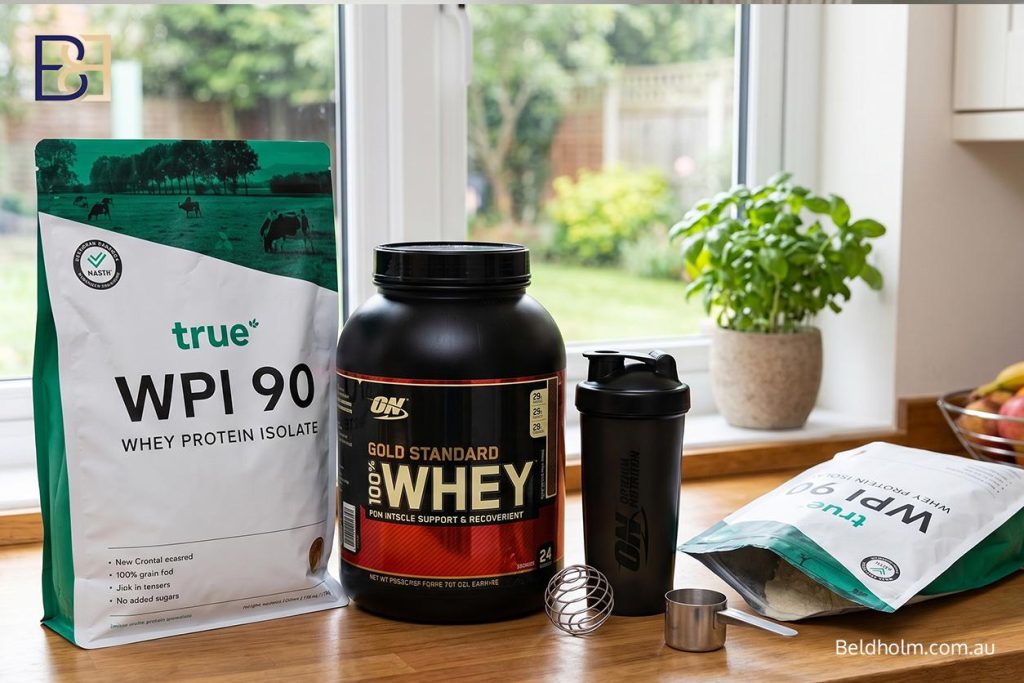
For patients who want a specific recommendation, the product I personally use is True Protein WPI90.
It meets all the quality criteria above, comes in flavoured and unflavoured options, and is available direct from the manufacturer at trueprotein.com.au.
Other acceptable brands that meet the criteria:
- Optimum Nutrition Gold Standard Whey (Isolate): widely available at Chemist Warehouse and Amazon AU
- Any Australian WPI product meeting the criteria above
I have recommended True Protein WPI90 for some time because it is the product I use myself and I trust the quality. Patients are free to choose any alternative that meets the specifications.
What to avoid

A few products are marketed as protein supplements but are not what I recommend for pre-surgical use.
- High-sugar protein bars. Many of these contain 20 to 30 g of sugar per bar, which undoes much of the benefit. Read the label.
- Weight-gain powders. These are designed to add calories in addition to protein, and the excess carbohydrate is not what you need before surgery.
- Whey protein concentrate (WPC). Cheaper than isolate, but contains more lactose and fat and delivers less protein per gram of powder.
- Blended “muscle recovery” drinks with creatine, caffeine, or other active ingredients added. These are formulated for resistance training, not surgical nutrition. The extras are not helpful in this context and some may be unhelpful.
The goal is clean, high-quality protein. Anything beyond that adds complexity without benefit.
Food-Based Protein: What to Prioritise
Supplements fill gaps, food does the real work
I want to be clear about something.
Whey protein isolate is a useful tool, but it is a supplement. It supplements a diet that is already protein-forward. It does not replace real food.
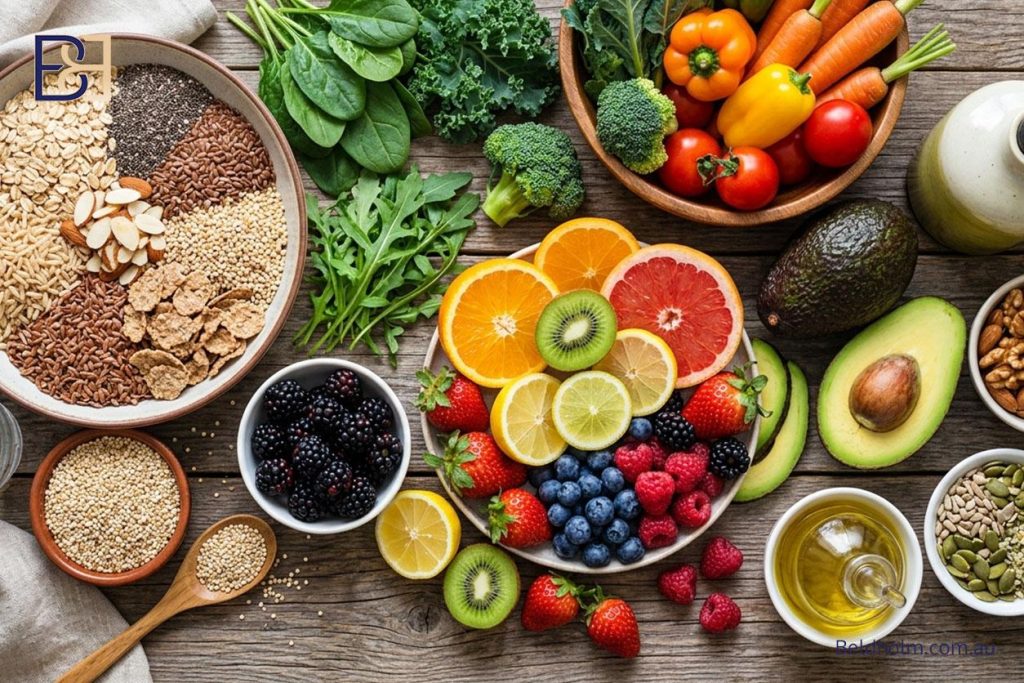
The foundation of your pre-operative protein intake should come from whole food sources. WPI exists to close the gap between what your meals deliver and the daily target. If your meals are strong, you need less supplementation. If your meals are light on protein, WPI does not rescue the situation, it just props it up.
The goal in the weeks before surgery is not a special diet. It is a balanced diet with protein at the centre of every meal. A healthy diet built around whole foods, adequate protein, and the right micronutrients does more for your surgical readiness than any single supplement ever could.
The protein sources I recommend
The food sources I ask patients to prioritise, grouped by category:
Animal-based protein (highest density, best amino acid profile)
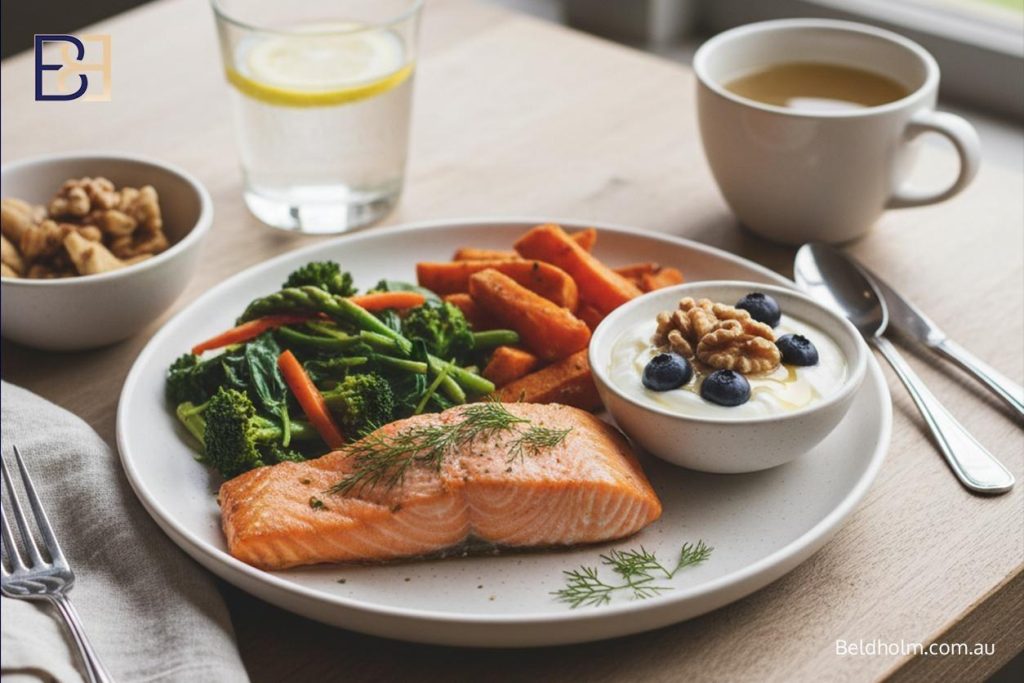
- Chicken. Lean, versatile, cost-effective. A 150 g cooked chicken breast delivers around 45 g of protein.
- Fish. White fish (barramundi, flathead, snapper) is lean and high-protein. Oily fish (salmon, mackerel, sardines) adds omega-3 fatty acids, which also support wound healing.
- Eggs. Two eggs deliver around 12 g of protein, plus B vitamins and other micronutrients. A strong breakfast option.
- Lean red meat. Beef, lamb, kangaroo. Also provides haem iron, which is well absorbed and important for post-weight-loss patients who often run low on iron.
Dairy-based protein (high density, convenient)
- Greek yoghurt. Around 15 to 20 g of protein per 200 g serve. Good evening option because it contains casein, a slow-digesting protein that supports overnight tissue repair.
- Cottage cheese. One of the highest protein-to-calorie ratios in any food. Around 25 g of protein per 200 g serve.
- Milk. 8 to 10 g of protein per 250 ml glass. A useful addition to breakfast or smoothies.
Plant-based protein (useful adjunct, lower density per serve)
- Legumes and pulses. Lentils, chickpeas, black beans, kidney beans. Around 15 to 18 g of protein per cup cooked.
- Tofu and tempeh. Around 15 to 20 g of protein per 100 g serve.
- Nuts and seeds. Useful for snacks, but lower protein density per calorie than other sources. Good as a complement, not a primary source.
A combination of animal and dairy sources will deliver the bulk of your daily protein, with plant-based sources adding variety and additional micronutrients.
The practical rule I give patients
Daily meal planning can get complicated. I try to make it simple with one rule:
Palm-sized portion of lean protein at every meal, plus at least one high-protein snack during the day.
A palm-sized portion of cooked meat or fish is roughly 100 to 150 g, which delivers around 25 to 35 g of protein. Three meals built this way gets you to around 75 to 105 g of protein from food alone, before supplementation.
If you struggle to hit 80 g per day from food, your WPI makes up the difference. Most patients end up using 1 to 2 WPI serves per day to reliably reach the 100 to 120 g daily target.
A note for patients who have had gastric bypass
If you have had gastric bypass surgery, do not change your eating pattern because of this article.
- Continue eating slowly.
- Chew thoroughly.
- Keep fluids separate from meals (drink before or between, not with).
- Focus on increasing the quality of what you eat, not the volume.
Your body is used to a specific eating rhythm, and changing it for pre-operative nutrition can trigger the symptoms you have worked hard to avoid (dumping, nausea, reflux). Instead of eating differently, eat better within your existing pattern. Prioritise protein first in every meal. Use the WPI shake as a dedicated protein vehicle that does not compete for stomach volume with other food.
Sample eating pattern for reference
Here is an example of what a high-protein pre-operative day might look like for an 80 kg patient targeting around 100 to 120 g of protein per day.
- Breakfast. Two eggs (12 g) plus Greek yoghurt with berries (15 g) = 27 g protein
- Mid-morning. WPI shake in water (25 g) = 25 g protein
- Lunch. Chicken and salad wrap with 120 g chicken (36 g) plus cheese (5 g) = 41 g protein
- Afternoon snack. Cottage cheese (15 g) with vegetables = 15 g protein
- Dinner. Grilled fish (100 g cooked, around 25 g) plus lentils (8 g) = 33 g protein
Total: approximately 141 g of protein
This is one example, not a prescription. Your own meal plan will reflect your food preferences, schedule, and appetite. The point is to demonstrate that hitting the daily target is achievable with normal food and one WPI serve, if you are deliberate about it.
What Undermines Your Protein Efforts
The other half of the equation
Getting protein intake up is one-half of pre-operative nutrition. The other half is recognising what actively works against you.
Some things you eat and drink in the weeks before surgery directly undermine wound healing, displace protein from your day, or deplete the nutrients that support protein metabolism. This section covers the ones that matter most for the protein story.
I do not ask patients to overhaul their entire lifestyle. A broader pre-operative checklist covering smoking, medications, and supplements to stop before surgery is provided at consultation. In the 4 to 8 week window before abdominoplasty (tummy tuck), a few deliberate changes to what you eat and drink make a meaningful difference to your protein status.
Alcohol

Of everything on this list, alcohol is the one I feel most strongly about.
Alcohol affects surgical recovery in several ways:
- Impairs wound healing. Alcohol disrupts collagen synthesis and delays the inflammatory-to-proliferative phase transition in wound healing.
- Increases bleeding risk. Alcohol has antiplatelet effects and can interact with the stress response to surgery.
- Depletes B vitamins and zinc. Both are directly required for wound healing and immune function.
- Disrupts sleep. Sleep quality matters for recovery, and alcohol measurably reduces it.
- Adds empty kilocalories. A glass of wine delivers about 120 kilocalories (500 kilojoules) with zero useful nutritional content.
My recommendation is that patients minimise alcohol in the 4 weeks before surgery and stop entirely in the final 2 weeks. Post-operatively, I ask patients to avoid alcohol for at least 2 to 4 weeks, or until they are off all prescribed pain medication.
This is not about moral judgement. It is about giving your body the best possible conditions for healing.
Ultra-processed foods and high-sugar snacks

Highly processed foods with added sugars, refined flours, and industrial seed oils displace nutrient-dense options from your day. You only have so many eating occasions, and every one filled with ultra-processed food is one not filled with protein, fibre, and micronutrients.
The issue is not that a single packet of chips or a biscuit ruins your pre-operative nutrition. The issue is that if these foods dominate your pattern, they crowd out the foods that are actively supporting your surgical preparation.
Practical rule I give patients: if you can eat it straight from the packet and it has more than 5 ingredients you do not recognise, it probably belongs in the “reduce” category, not the “include” category.
Very low-calorie dieting
Some patients, particularly those who have lost significant weight recently, arrive at consultation actively restricting calories.
I understand the motivation. The instinct is to keep the weight off and look as lean as possible for surgery.
But in the 4 to 8 weeks before abdominoplasty (tummy tuck), very low-calorie dieting is the wrong approach. Your body needs:
- Adequate energy to support tissue repair and maintenance
- Adequate protein intake, which is difficult to hit on a very low calorie plan
- Adequate micronutrients, which come from food volume
Severely restricted eating in the lead-up to surgery puts your body in a catabolic state before the surgical stress response adds to that state. Wound healing suffers as a result.
My recommendation: maintain a stable, nutrient-dense eating pattern in the weeks leading up to surgery. Weight stability matters more than continued weight loss at this point.
High-sugar protein bars and sweetened protein products
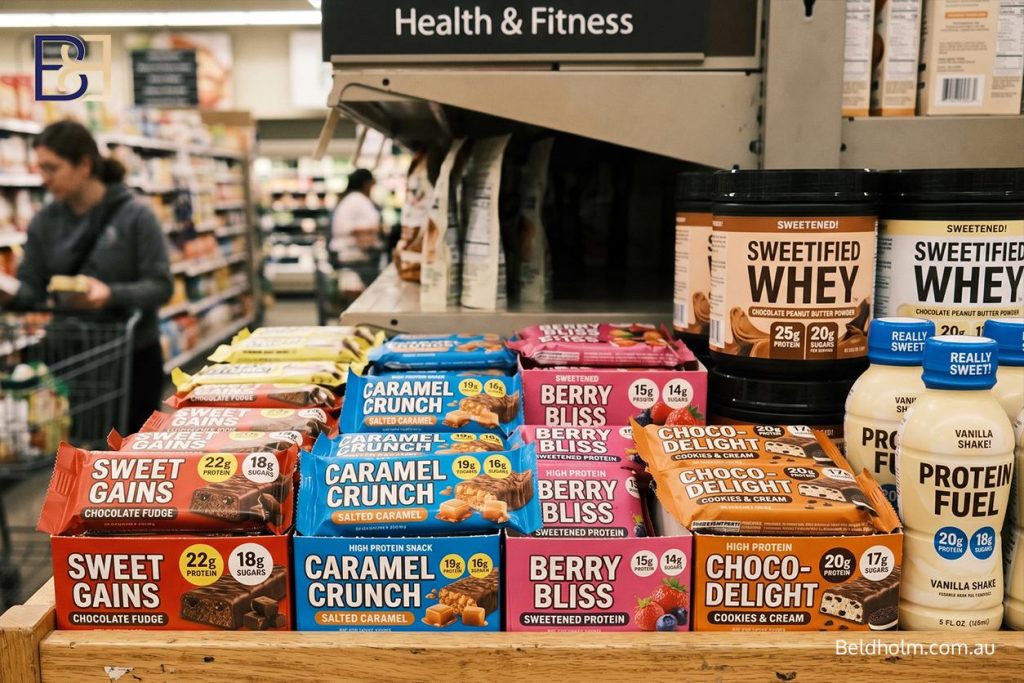
Some products marketed as protein sources are actually confectionery with added protein.
Check the label on any protein bar before you buy it. If the bar delivers 15 g of protein and 25 g of sugar, it is not the protein source you need. The sugar displaces the benefit.
Whole-food protein sources and clean whey protein isolate remain the better choice. Keep protein bars for occasional use, not daily reliance.
If You Are on a Weight Loss Medication
Why this needs its own section
A growing proportion of the patients I see for abdominoplasty (tummy tuck) are on weight loss medications when they come to consultation.
The medications I am referring to are a class known as GLP-1 receptor agonists. They have been effective for weight loss in this patient group, and I am not opposed to their use. But they create a specific challenge for pre-operative nutrition that patients and surgeons both need to understand.
This section covers my position on these medications, why protein becomes more important if you are on one, and how I manage the situation if you are unable to hit the pre-operative protein target.
My position on pre-operative continuation
Current Australian guidelines do not recommend routinely stopping weight loss medications before surgery.
I follow that position.
There is sometimes a patient expectation that I will ask them to cease these medications weeks in advance. That is not my approach, and it is not current best practice. Unsupervised cessation carries its own risks, including weight regain and food quality shifts that can leave a patient less well prepared for surgery rather than better.
You will have a separate conversation with the anaesthetist at your pre-operative anaesthetic consultation. The anaesthetist may recommend a modified fasting protocol before surgery because these medications slow gastric emptying. That conversation is about fasting on the day of surgery, and it is separate from the nutritional planning I cover in this article.
Why protein intake gets harder on these medications
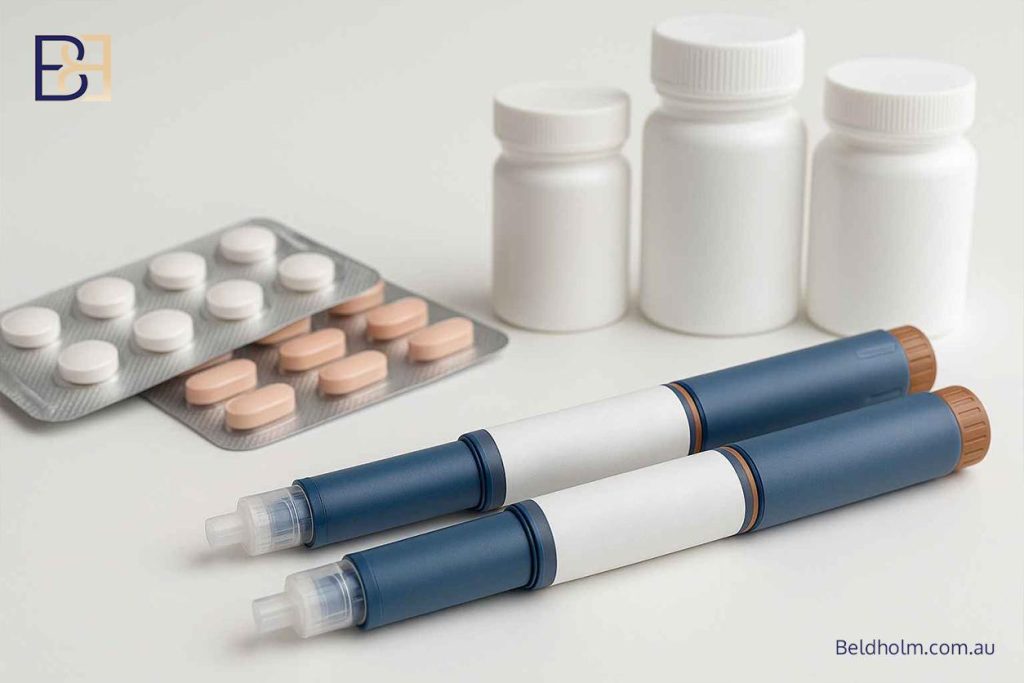
GLP-1 receptor agonists work partly by suppressing appetite. That is how they produce weight loss. It is also why they create a specific pre-operative problem.
Research published in 2025 found that patients on weight loss medications consume approximately 17% less protein than patients not on them (3).
17% does not sound dramatic in isolation. But consider what it means in context:
- The target for post-weight-loss abdominoplasty (tummy tuck) patients is 1.2 to 1.5 g/kg of body weight per day
- Most patients need deliberate effort to hit that target on baseline appetite
- A patient whose appetite is suppressed by a medication starts from a meaningfully lower baseline intake
- The gap between actual intake and surgical requirement widens
This is a mechanical problem, not a motivational one. It is not that patients on these medications are less disciplined. It is that the medication itself reduces the hunger signal that drives protein-seeking eating behaviour.
What I recommend for patients on these medications
If you are on a weight-loss medication and preparing for an abdominoplasty (tummy tuck), my clinical approach is as follows.
Start supplementation earlier
Begin whey protein isolate at your first consultation, not later. If hitting the daily target through food is harder for you, WPI has to do more of the work. Build it into your routine from week one rather than trying to add it in the final weeks before surgery.
Use liquid protein as your anchor
Patients on weight-loss medications often tolerate liquid protein better than solid food, particularly during peak appetite suppression. Two to three WPI shakes per day, spread throughout the day, provide a reliable protein intake that does not depend on appetite.
Time your protein around your dose
The timing of your medication dose affects when appetite is most suppressed. Published guidance for patients on these medications suggests the following pattern (3):
- For weekly dosing, front-load protein intake on the day before and morning of the dose, when appetite is still relatively normal. During the 24 to 72 hours after the dose, when appetite suppression peaks, rely on small frequent protein-rich snacks (10 to 15 g each, every 2 to 3 hours) rather than large meals.
- For daily dosing, front-load protein at breakfast before the dose is taken. Use small frequent protein snacks in the hours after the dose when suppression peaks.
The principle in both cases is the same. Match your protein intake to your appetite rhythm. Do not try to force large protein meals during peak suppression windows. It usually fails.
Increase evening protein
High-protein evening intake matters for all post-weight-loss patients, and even more for patients on these medications. An evening serving of Greek yoghurt, cottage cheese, or casein-based slow-digesting protein (around 20 to 30 g) supports overnight tissue repair and provides a low-effort way to add protein when appetite is returning in the evening.
What happens if you still cannot hit the target

Sometimes, despite best efforts, a patient on a weight loss medication cannot consistently reach the 1.2 to 1.5 g/kg daily target in the lead-up to surgery.
If that is the situation, I will discuss it with you directly.
My role as your specialist surgeon is to optimise your nutritional status before surgery. If a weight loss medication is mechanically preventing you from reaching an intake that I consider necessary for safe wound healing, I have two options.
The first is to delay surgery until we have more time to work with.
The second is to discuss with you and your prescribing doctor whether a temporary reduction in medication dose is clinically appropriate. This is not a standing recommendation for every patient on these medications. It is a considered, individualised decision made in partnership with the doctor prescribing your medication, with clear clinical reasoning and a defined plan for resumption after surgery.
Patients must not adjust their own dose. Unsupervised cessation or reduction can worsen overall food quality and leave you in a worse position than if you continue.
The bottom line
If you are on a weight loss medication and you are coming in for abdominoplasty (tummy tuck):
- Do not stop your medication on your own.
- Start protein supplementation early: from the first consultation.
- Use liquid protein as your primary intake vehicle during peak appetite suppression.
- Match your protein timing to your medication dosing rhythm.
- Flag the problem early if you are struggling to hit the target. I would rather know at week 2 than week 6.
Protein planning on these medications is more specific, not less important. Handled well, it is entirely manageable. Handled poorly, it is one of the most common reasons post-weight-loss patients arrive at surgery under-prepared.
Albumin: What I Check and What It Means for Your Surgery Date
The one blood test that can delay your surgery for protein reasons
Every post-weight-loss patient who comes to me for body contouring surgery gets a comprehensive pre-operative blood panel. That panel covers a lot of ground, from iron studies to vitamin levels to thyroid function.
For the purposes of this article, I want to focus on one specific test: albumin.
Albumin is the single blood marker most directly relevant to your protein status and your wound healing readiness. If it comes back low, your surgery date is on the table for discussion.
What albumin is
Albumin is a protein made by your liver and found in high concentrations in your blood. It accounts for roughly half of the total protein in your bloodstream.
Its functions include:
- Maintaining blood volume by holding fluid inside blood vessels
- Transporting hormones, medications, and fatty acids around the body
- Providing a circulating reserve of amino acids for tissue repair when needed
For surgical purposes, albumin gives me a snapshot of your recent protein status and your body’s capacity to heal a major wound.
Where albumin sits in your blood panel
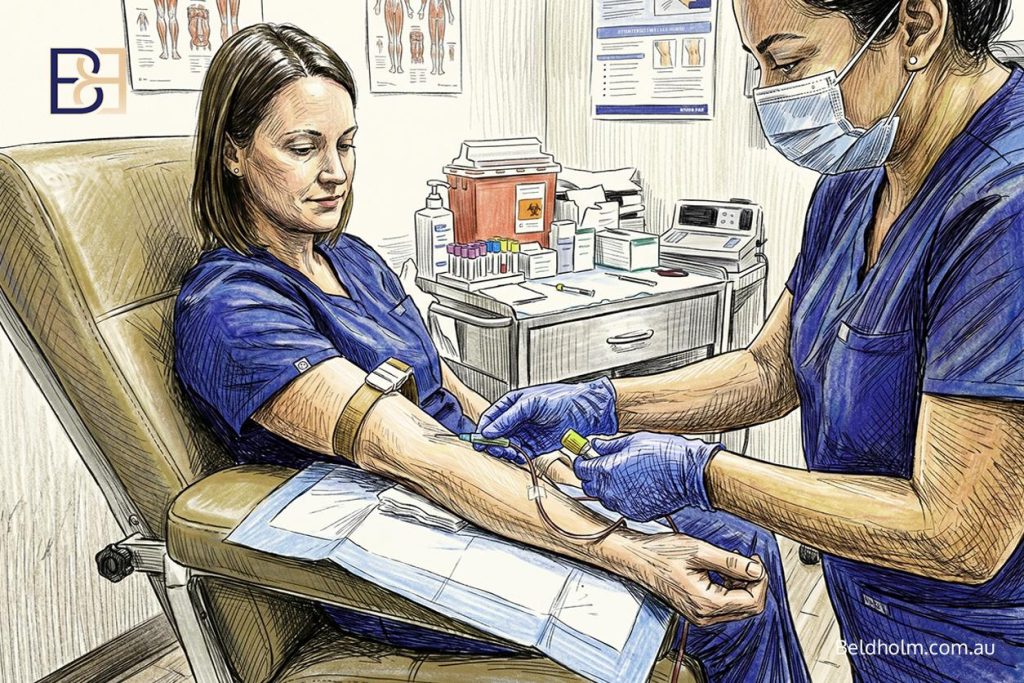
I do not order albumin as a standalone test. It sits within the liver function tests (LFTs) that I request as part of the standard pre-operative blood panel for every post-weight-loss body contouring patient.
This is worth knowing because some patients come in asking about “prealbumin,” which is a different marker they have read about online. Prealbumin is used in some protocols overseas, but it is not part of my standard Australian blood panel. Albumin, measured within LFTs, is what I use.
The reference range
Australian laboratories report albumin in grams per litre (g/L).
The normal reference range is 35 to 50 g/L.
- Above 35 g/L: considered adequate for surgical planning
- 30 to 35 g/L: borderline, I will usually optimise and recheck
- Below 30 g/L: clearly low, surgery should be delayed
These are general thresholds. Context matters. A patient sitting at 36 g/L with a clear history of under-eating looks different clinically from a patient at 36 g/L with a normal dietary history and good body composition.
Why albumin is a useful, but imperfect, marker
I want to be honest with patients about what albumin does and does not tell us.
What it is good for:
- Giving a broad indication of protein nutritional status
- Identifying patients who clearly need more work before surgery
- Trending over time to show whether supplementation is working
What it is not ideal for:
- Detecting subtle or early protein deficiency (it only falls when deficiency is established)
- Giving a real-time snapshot. Albumin has a half-life of about 20 days, so it reflects the last 2 to 3 weeks of status
- Distinguishing between inflammation-driven drops and nutrition-driven drops (systemic inflammation, recent illness, or liver disease can lower albumin independently of protein intake)
I interpret albumin alongside the rest of the panel, your dietary history, and your overall medical history, not in isolation. A single number out of context can be misleading. The same number, interpreted within the full clinical picture, is a reliable guide.
What happens if your albumin is low
If your pre-operative albumin comes back below 35 g/L, my standard approach is:
- Review your protein intake in detail. Current daily protein, meal timing, supplement adherence
- Commence or increase whey protein isolate supplementation to 80 to 100 g per day in divided doses
- Delay surgery by at least 4 weeks to allow time for correction
- Recheck the blood panel before proceeding with surgical planning
- Refer to a dietitian if the deficit is significant or if initial supplementation does not move the number
The minimum 4-week delay exists because albumin takes time to respond. Even with aggressive protein supplementation, you will not see a meaningful rise in 7 days. Four weeks is roughly the minimum window in which we can expect a real change.
Some patients find this delay frustrating. I understand that. But operating on a patient with established protein deficiency is not in their interest, and the evidence on wound healing complications in this group is clear enough that I am not willing to shortcut the preparation.
What happens if your albumin is normal
If your pre-operative albumin is comfortably within range, it is one piece of reassurance, not a green light to coast.
Normal albumin confirms that your baseline protein status is adequate. It does not mean you are prepared for the elevated demand of abdominoplasty (tummy tuck) recovery. Protein supplementation and the pre-operative targets discussed earlier in this article still apply.
Normal albumin is a useful starting point. Hitting your daily protein target in the weeks before surgery is what builds on it.
A practical note on the broader panel
Albumin is not the only thing I am looking for in the pre-operative blood panel, but it is the one most directly tied to the protein story in this article. The full panel also assesses iron status, vitamin levels (particularly vitamin D, B12, folate, and vitamin A), thyroid function, and general health screening markers.
Patients who want a complete breakdown of the pre-operative blood panel will find it covered in my separate article on pre-operative blood tests for post-weight-loss body contouring surgery.
Common Challenges and How I Manage Them
The real-world problems patients run into
The protein protocol is straightforward on paper. 1.2 to 1.5 g/kg pre-op, 1.6 to 3.0 g/kg post-op, whey protein isolate in divided doses, food-first approach.
In practice, patients run into obstacles during the recovery process. Most of them are predictable, and most of them have solutions.
This section covers the issues that come up most often in my consultations and the practical workarounds I use.
“I physically cannot eat that much protein”

This is the most common obstacle, and it is particularly common in two groups: post-bariatric patients whose stomach capacity is reduced, and patients on weight loss medications whose appetite is suppressed.
If you cannot eat large protein portions, do not try to. Change the structure instead.
- Smaller, more frequent meals. Five or six small eating occasions across the day, each with 15 to 25 g of protein, adds up to the same daily total as three large protein-heavy meals.
- Protein first in every meal. If you only have stomach space for half a meal, eat the protein half. The vegetables, rice, and bread can wait or be skipped. Protein is the priority.
- Liquid protein between meals. A WPI shake does not compete with food for stomach volume in the same way solid food does. Two or three shakes across the day reliably add 50 to 75 g of protein without requiring you to eat more solid food.
- High-density sources. 200 g of Greek yoghurt delivers the same protein as a full chicken breast. Cottage cheese is similar. These are useful tools for patients with limited appetite.
Frequency and density beat single-meal volume for this patient group. Stop trying to eat three big high-protein meals and start spreading it across the day.
“The protein powder makes me feel sick”
Some patients genuinely cannot tolerate WPI. The reasons vary.
If the issue is texture or taste
- Try a different brand. Quality and palatability vary. True Protein WPI90 and Optimum Nutrition Gold Standard are both available in multiple flavours.
- Blend it into a smoothie with fruit and Greek yoghurt. The texture changes completely.
- Try unflavoured WPI. Some patients tolerate unflavoured powder mixed into oats, soup, or savoury preparations better than sweet flavoured shakes.
- Use cold liquid. Lukewarm whey shakes are less pleasant than cold ones.
If the issue is lactose or dairy sensitivity

Whey protein isolate contains very little lactose because the manufacturing process strips most of it out. Most patients who cannot tolerate whey concentrate can tolerate WPI without symptoms.
If you have tried WPI and still have gastrointestinal symptoms, a high-quality plant-based alternative (pea protein isolate, or a blended pea and rice protein) is an acceptable substitute. The amino acid profile is not quite as strong, but the clinical benefit for wound healing is still there.
If the issue is nausea
Nausea with WPI is usually fixable with two adjustments:
- Take it with food, not on an empty stomach. A shake with breakfast rather than instead of breakfast.
- Reduce the dose per serve and increase the number of serves. Two 15 g serves across the morning are often tolerated when one 30 g serve is not.
“I am vegetarian or vegan”
A fully plant-based diet can meet the pre-operative protein target, but it requires more deliberate planning than an omnivore diet.
- Use pea protein isolate or blended plant protein as your primary supplement. Hemp and soy protein isolates are also acceptable.
- Prioritise high-protein plant foods: lentils, chickpeas, black beans, tofu, tempeh, edamame, seitan.
- Expect to use more supplementation than omnivore patients. Plant protein sources are generally lower in protein per calorie than animal sources, which means you need more total food volume, or more supplementation, to hit the target.
- Consider supplementing B12, iron, and zinc more aggressively in the pre-op period, because plant-based diets are often lower in all three.
I will tailor my Tier 1 supplement plan if you are vegetarian or vegan at your first consultation. The protein target does not change. The specific products and food sources do.
“I keep forgetting to take it”
Adherence is the hidden variable in most pre-operative nutrition protocols.
- Pair your WPI with an existing habit. Morning coffee, post-exercise, immediately after breakfast. Attach it to something you already do every day.
- Pre-measure scoops into sealed containers for the week ahead. Reduce the decision burden.
- Keep a shaker bottle visible on the kitchen bench, not in a cupboard. Out of sight is usually out of mind.
- Track your intake for the first two weeks. A simple tick on a calendar or a note in a phone app builds the habit. After two weeks, most patients no longer need to track.
“I started late: is there still benefit?”

Sometimes a patient comes to me for consultation with surgery already scheduled in 2 to 3 weeks and the protein protocol has not been started.
Yes, there is still benefit. The ideal window is 4 to 8 weeks, but 2 to 3 weeks of disciplined intake is better than 0 weeks. Start immediately, use WPI aggressively to close the gap, and do not let the short timeframe discourage you from making an effort.
In some cases, I may recommend pushing surgery back to allow more preparation time. That decision is made case-by-case, based on your baseline nutritional status, the complexity of your planned procedure, and how well you can ramp intake in the time available.
Monitoring During Recovery
The handover after surgery
I want to be clear with patients about who is responsible for what during your recovery.
My role, as your specialist surgeon, is focused on three things:
- Pre-operative nutritional optimisation: the weeks leading up to surgery
- The surgical procedure itself
- Direct post-operative surgical care: wound healing, complication management, scar maturation review
Nutrition during your hospital stay and the early post-operative recovery is led by the dietitian. Long-term nutritional monitoring, including any blood work 6 to 8 weeks after surgery and beyond, is managed by your GP.
This is not me passing you off. It is the correct clinical structure. Each part of the team does what they are best positioned to do.
What the dietitian manages (peri-operative)

The dietitian is the right clinician for nutritional management during your hospital stay and the first few weeks of recovery.
This covers:
- In-hospital nutritional support: making sure your protein intake is adequate while you are admitted, particularly in the first 24 to 72 hours when appetite is often reduced
- Early recovery meal planning: translating the post-operative 1.6 to 3.0 g/kg daily target into practical meals you can actually prepare and tolerate at home
- Troubleshooting during recovery: nausea, reduced appetite, early satiety, or difficulty returning to normal eating
- Adjusting supplementation as your recovery progresses
Maitland Private Hospital has an on-ward dietitian service, and further dietetic support can be arranged as needed during the early recovery window. If you hit a problem with food intake in the first 2 to 4 weeks, the dietitian is the person to talk to first.
What your GP manages (long-term)
After the initial recovery window closes, ongoing nutritional monitoring sits with your GP. This is the correct structure for two reasons.
First, your GP is the clinician who knows your broader health picture. They manage your overall health, your medications, your comorbidities, your routine screening, and your general preventive care. Nutritional follow-up fits into that picture, not into a surgical episode that has a defined endpoint.
Second, for post-bariatric patients in particular, nutritional follow-up is a lifelong requirement that extends well beyond any body contouring surgery. Your GP is the continuity clinician for that work.
What I ask your GP to cover post-operatively:
- Blood panel at 6 to 8 weeks after surgery: repeat vitamin D, iron studies, B12, folate, and other relevant markers from your pre-operative panel
- Adjust your Tier 2 supplementation based on results, correcting any specific deficiencies that have emerged or persisted
- Ongoing monitoring for post-bariatric patients, typically every 6 to 12 months long-term
I will provide your GP with a summary of your pre-operative blood results, your supplement protocol, and any specific issues identified during the perioperative period so they have everything they need to continue your care smoothly.
What I monitor directly

My direct post-operative monitoring is surgical, not nutritional.
I will see you at standard post-operative review intervals to assess:
- Wound healing and closure
- Scar maturation and appearance
- Drain management (in the early post-operative period if drains are used)
- Any surgical complications that may need intervention
- Return to normal activity and exercise
Your protein intake and supplement adherence come up at these visits because they are relevant to wound healing. If I see signs that your nutritional status is not supporting healing, I will raise it with you and loop the dietitian back in.
Weight stability during recovery
One specific point worth flagging for post-weight-loss patients.
Maintaining stable weight during recovery matters. Significant weight fluctuation in the weeks after abdominoplasty (tummy tuck) can affect your long-term result, because the tissue has been tailored to your current shape.
The goal in the 4 to 8 weeks after surgery is:
- Adequate protein intake to support healing
- Adequate overall caloric intake to support recovery. This is not a time to restrict
- Stable body weight, not active weight loss or weight gain
If you are on weight loss medications, the question of when to resume after surgery, and at what dose, is a conversation between you, your prescribing doctor, and me. It is not a decision to make on your own.
Protein Is Part of a Bigger Picture
The foundation, not the whole building
I have spent most of this article talking about protein, and there is a reason for that.
Protein is the foundation of surgical nutrition for post-weight-loss body contouring. It is the single most important nutrient for wound healing, the one I spend the most time discussing at consultation, and the one with the strongest evidence base for reducing complications in this patient group.
But protein does not work in isolation.
The biochemistry of wound healing depends on a supporting cast of vitamins and minerals that protein cannot replace. If you hit your daily protein target but your vitamin D is low, your vitamin C is inadequate, or your iron stores are depleted, you have not finished the job.
The Tier 1 supplement protocol
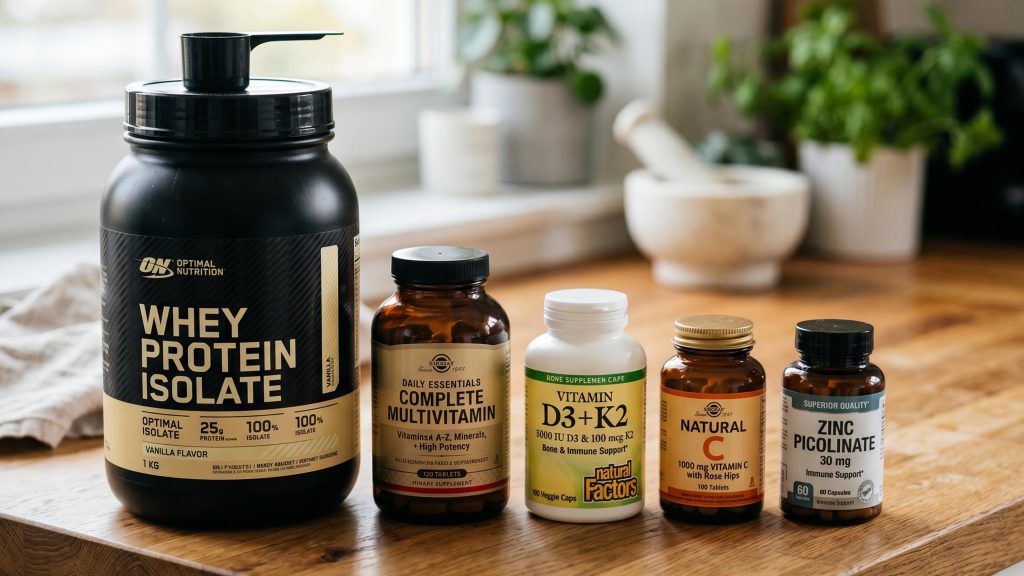
At your first consultation, I start every post-weight-loss body contouring patient on what I call Tier 1 supplementation. These are the nutrients that the evidence shows are near-universally low in this patient group, so I do not wait for blood results to start them.
Tier 1 includes:
- Whey protein isolate (covered in detail in this article)
- A complete multivitamin, post-bariatric specific where possible
- Vitamin D3 with vitamin K2
- Vitamin C
- Zinc
Each of these has a specific role in wound healing and immune function. The multivitamin provides broad baseline coverage for B vitamins and other micronutrients. Vitamin D supports immune function and wound repair. Vitamin C is a cofactor in collagen synthesis. Zinc is critical for tissue repair and immune response.
Tier 2 supplementation (iron, B12, folate, vitamin A, others) is added after your blood results return, based on specific deficiencies identified.
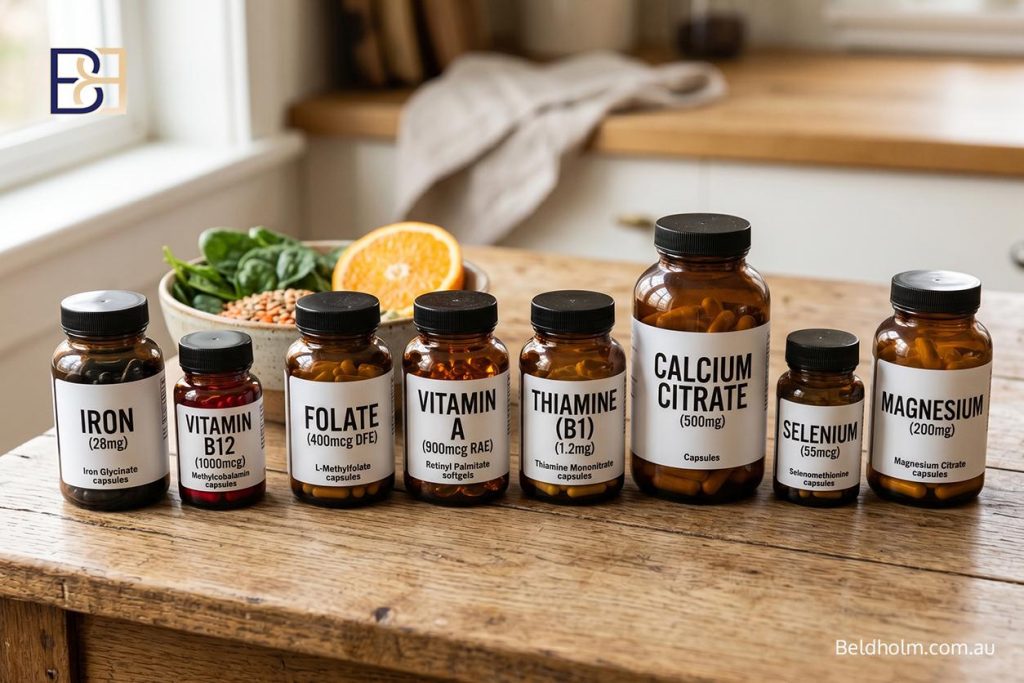
Why I start Tier 1 before blood results
The same reasoning that applies to protein applies to the rest of the Tier 1 nutrients. The evidence for near-universal deficiency in this patient group is strong enough that waiting for blood confirmation adds no useful information and costs weeks of preparation time.
The only nutrient-specific nuance worth flagging is safety. Vitamin D3, vitamin C, zinc, and a complete multivitamin are all safe to supplement at the doses I recommend without confirmed deficiency. The risk of starting is minimal. The cost of waiting is not.
So the approach is: start Tier 1 at your first consultation, get the blood work done within a few days, and we refine from there at your next visit.
Further reading on the other Tier 1 nutrients
I have written separate detailed articles on the other Tier 1 nutrients for patients preparing for post-weight-loss surgery. If you want to understand each of them at the level of detail I have covered protein in this article, the links below will take you there.
- Vitamin D Before and After Abdominoplasty (Tummy Tuck) for Post-Weight-Loss Patients: covers why vitamin D deficiency affects 60 to 90% of this patient group, the Australian target levels I aim for, and my dosing protocol
- Vitamin A Before and After Abdominoplasty (Tummy Tuck) for Post-Weight-Loss Patients: covers vitamin A as a Tier 2 supplement, when I add it, and its role in tissue repair
More articles on the remaining Tier 1 nutrients (vitamin C, zinc, the complete multivitamin) are in development and will be linked here as they are published.
The integrated approach
What I want you to take from this section is simple.
Hitting your protein target is the most important thing you can do for surgical preparation. Nothing else on the list matters if protein is inadequate.
But protein alone is not enough. The nutrients work together. Collagen synthesis requires protein and vitamin C. Immune function requires protein and vitamin D and zinc. Red blood cell production requires protein and iron and B12 and folate.
When all of them are adequate, wound healing is supported at every biochemical step. When one is low, the whole system is constrained.
This is why the Tier 1 protocol exists. It is not a menu of optional extras. It is the minimum combined foundation I consider necessary for post-weight-loss body contouring surgery.
What I Want You to Take Away
The short version
If you read nothing else, read this.
Protein is the single most important nutrient for wound healing after abdominoplasty (tummy tuck) in post-weight-loss patients. This is equally true across other post-weight-loss procedures, including body lift (belt lipectomy), thighplasty (thigh lift), and brachioplasty (arm lift), but this article focuses specifically on abdominoplasty because it is the procedure where the protein story has the strongest evidence base. This patient group is, as a rule, under-consuming protein. The evidence base for correcting this before surgery is strong.
The targets I use in my practice:
- Before surgery: 1.2 to 1.5 grams of protein per kilogram of body weight per day, for at least 4 weeks (6 to 8 weeks is better)
- After surgery: 1.6 to 3.0 grams of protein per kilogram of body weight per day, for 4 to 8 weeks post-operatively
- Distribution: 20 to 40 g of protein per meal or snack, spread across 4 to 6 eating occasions, with a protein-containing evening intake
Whey protein isolate is the most reliable way to close the gap between what food delivers and what your body needs. Food is the foundation. Supplementation fills the spaces food does not reach.
What I want you to understand
Wound healing after a long abdominal incision is not automatic. It depends on biology, and the biology depends on what you give your body to work with. The surgery itself removes excess skin and treats abdominal contour, but the quality of the outcome depends heavily on what happens biologically in the weeks that follow.
Patients who have lost significant weight through any pathway (bariatric surgery, weight loss medications, or prolonged dietary restriction) start from a position where protein stores are often depleted. The surgical stress response adds to that demand. If the gap is not closed in advance, the risk of wound healing complications rises.
This is not theoretical. It is consistently demonstrated in the body contouring literature for this patient group.
What I need from you

My role is to provide the clinical framework, the supplement protocol, and the surgical care. Your role is to do the daily work.
For the 4 to 8 weeks before surgery, that means:
- Hitting your protein target every day, not most days
- Taking your Tier 1 supplements consistently
- Avoiding alcohol, nicotine, and the other items covered earlier in this article
- Flagging problems early if something is not working. At week 2, not week 6.
For the 4 to 8 weeks after surgery, it means:
- Maintaining the elevated protein target during active wound healing
- Following the dietitian’s guidance during the peri-operative period
- Attending your post-operative review appointments
- Getting your post-operative blood panel done through your GP at 6 to 8 weeks
These are not arbitrary requirements. Each one is tied to the biology of what your body is doing during that window.
A realistic view of what this can do
Nutritional optimisation reduces the risk of wound healing complications. It does not eliminate it.
Surgery carries risk. Individual healing varies with factors that include age, genetics, skin quality after significant weight loss, the specific procedure performed, patient compliance, and circumstances that are outside anyone’s control. Results vary between individuals, and no part of this article is a guarantee of outcome.
What I can say honestly is this. Patients who arrive at surgery with their protein intake optimised, their Tier 1 supplements on board, and their other modifiable risk factors are in the best possible position to heal well. The evidence supports that. My clinical experience supports that.
The rest of the factors (the surgical technique, the decisions I make in the operating theatre, the post-operative surveillance, the management of any complications that arise) are my responsibility. Pre-operative optimisation is a shared responsibility between you and me.
Where this article fits
This is one article in a series I have written on surgical preparation for post-weight-loss body contouring. For patients at the end of a significant weight loss journey, treats the excess skin that remains is the final step after diet, exercise, or bariatric surgery has done its work. Protein is the most important single topic in that series, which is why I have gone into such detail on it.
The other nutrients in the Tier 1 protocol are covered in separate articles. The full pre-operative blood panel is covered elsewhere. The specific surgical procedures themselves (abdominoplasty (tummy tuck), body lift (belt lipectomy), thighplasty (thigh lift), brachioplasty (arm lift)) are covered in their own articles, along with the recovery period and realistic expectations for each.
If you are preparing for abdominoplasty (tummy tuck) after significant weight loss, start with this one. Hitting your protein target consistently in the weeks before surgery is the most impactful thing you can do for your recovery. Everything else builds on that foundation.
References
- Austin RE, Lista F, Khan A, Ahmad J. The impact of protein nutritional supplementation for massive weight loss patients undergoing abdominoplasty. Aesthet Surg J. 2016;36(2):204-210.
- Vitagliano T, Garieri P, Lascala L, Ferro Y, Doldo P, Pujia R, et al. Preparing patients for cosmetic surgery and aesthetic procedures: ensuring an optimal nutritional status for successful results. Nutrients. 2023;15(2):352.
- Mehta M, Rometo D, Gusenoff J, Rubin JP. Nutritional challenges in post-massive weight loss body contouring: guidance for plastic surgeons on GLP-1 agonists and sleeve gastrectomy. Plast Reconstr Surg. 2025 (Advance Online Article). doi: 10.1097/PRS.0000000000012672.
- Makarawung DJS, Al Nawas M, Smelt HJM, Monpellier VM, Wehmeijer LM, van den Berg WB, et al. Complications in post-bariatric body contouring surgery using a practical treatment regime to optimise the nutritional state. JPRAS Open. 2022;34:91-102.