Most patients who come to me after significant weight loss have worked hard to get there. Bariatric surgery, strict dietary changes, and years of consistent effort. By the time they reach my clinic asking about body contouring surgery, they are focused on what comes next. The loose skin. The surgery itself. Recovery.
What they rarely think about is how their nutritional status has changed along the way.
Vitamin B12 deficiency is one of the most common nutritional gaps I see in post-weight-loss patients. It is also one of the most consequential for surgical recovery. Vitamin B12 plays a central role in red blood cell production, DNA synthesis, neurological function, and the metabolic pathways that influence clotting risk. When it is low, wound healing suffers, anaemia becomes more likely, and the risk profile for deep vein thrombosis shifts in the wrong direction.
The tricky part is that B12 deficiency is often silent. Patients feel tired, but they attribute it to their weight-loss journey or lifestyle factors. Neurological symptoms can be subtle. By the time obvious signs appear, the deficiency has usually been present for some time.
This is why I screen every post-weight-loss patient for vitamin B12 before I agree to operate. It is part of the blood panel I order at the first consultation. If B12 is low, I want to know early so there is time to correct it properly before surgery.
In this article, I want to walk you through why vitamin B12 matters for body contouring recovery, how bariatric surgery affects your ability to absorb it, and what my approach looks like in practice. I will cover:
- What vitamin B12 actually does in the body
- Why do different bariatric procedures cause B12 deficiency in different ways
- How common the deficiency is, and why it is often missed
- The connection between B12, homocysteine, and clotting risk
- How I test for deficiency and what the results mean
- My two-tier supplement framework and where vitamin B12 fits
- The different supplementation options and when I use each
- When I delay surgery for B12 deficiency
- How vitamin B12 is managed through the perioperative period
This article is part of my broader approach to vitamins and supplements before and after abdominoplasty (tummy tuck), which covers the full protocol across every nutrient I treat. B12 is an important part of that picture, but it is not the whole picture.
If you are preparing for an abdominoplasty (tummy tuck), body lift (belt lipectomy), thighplasty (thigh lift), brachioplasty, or mastopexy (breast lift) after significant weight loss, this information is written for you. The goal is not to worry you. It is to help you understand why the blood test request form I hand you on day one matters, and what we do with the results.
Table of Contents
What Vitamin B12 Does in the Body
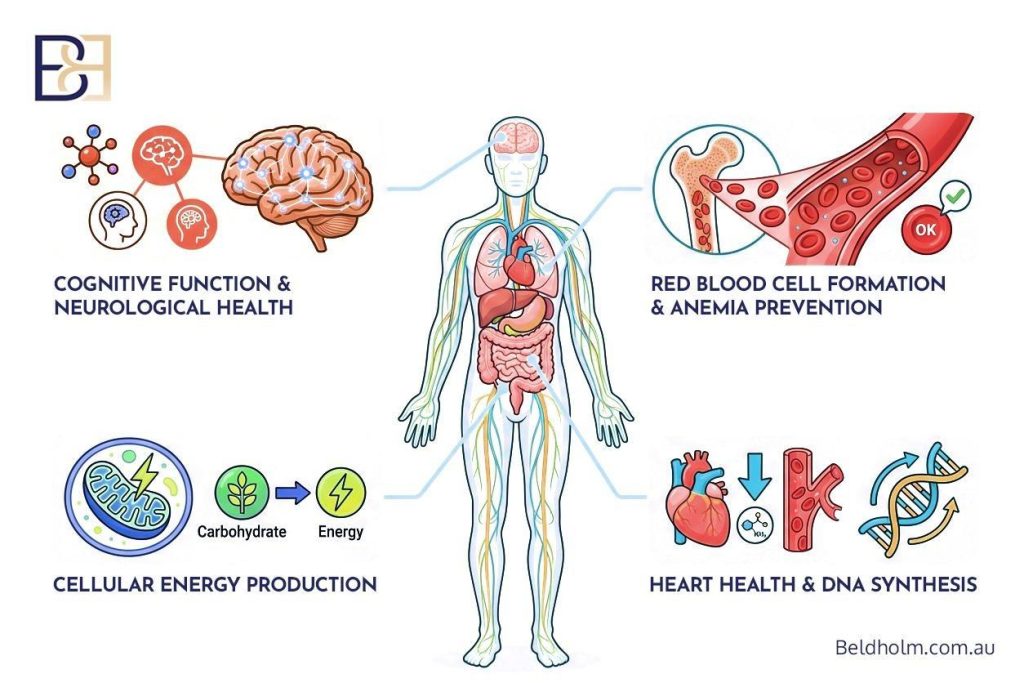
Before I get into how bariatric surgery affects your vitamin B12 absorption, it helps to understand what B12 does in the first place. This is one of the hardest-working vitamins in the body, and most patients are surprised by how many different systems it supports.
The Core Functions

Vitamin B12 (also called cobalamin) is a water-soluble B vitamin that the body cannot make on its own. We get it from animal foods like meat, eggs, dairy, and fish, or from supplements and fortified foods. Once absorbed, it plays a direct role in several processes that matter for anyone about to have surgery.
DNA synthesis. Every time a cell divides, it needs to copy its DNA. B12 is a cofactor in that process. Tissues where cells divide rapidly (bone marrow, gut lining, skin, and healing wounds) are most dependent on adequate vitamin B12. When B12 is low, cell division slows down or produces abnormal cells.
Red blood cell production. This is probably the most well-known function. Your bone marrow needs vitamin B12 to produce healthy red blood cells. Without enough, the body starts producing large, poorly formed red blood cells that do not carry oxygen efficiently. This is called megaloblastic anaemia.
Neurological function. B12 is essential for building and maintaining myelin, the protective coating around nerve fibres. Damage to myelin causes the neurological symptoms that sometimes accompany vitamin B12 deficiency: numbness, tingling, balance problems, and memory issues.
Homocysteine metabolism. This one is less well known but directly relevant to body-contouring surgery. B12, along with folate and vitamin B6, is involved in clearing homocysteine from the bloodstream. When these B vitamins are low, homocysteine rises, and elevated homocysteine is associated with increased clotting risk. I will cover this in detail later in the article.
Why This Matters for Surgery
These functions are not abstract. They translate directly into what happens when I operate on you.
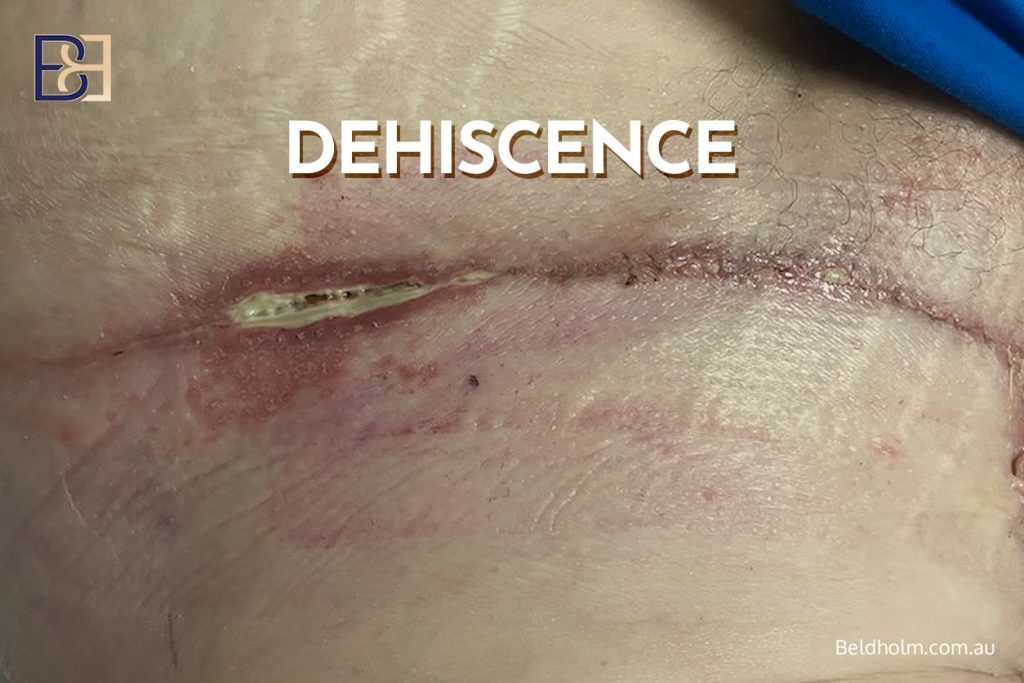
Take wound healing. Every abdominoplasty (tummy tuck) or body lift (belt lipectomy) involves creating long incisions and lifting tissue. The body has to close those wounds by rapidly producing new cells. Cell division is in overdrive. If B12 is low, that process slows. Wound edges take longer to seal. The risk of complications like wound breakdown rises.
Anaemia matters too. Body contouring surgery involves blood loss. Most patients tolerate this without issue, but if you go into surgery with a reduced red cell count, your oxygen-carrying capacity is already compromised before the incision is made. Post-operative fatigue is more pronounced. Recovery takes longer. In severe cases, anaemia alone is a reason to delay surgery entirely.
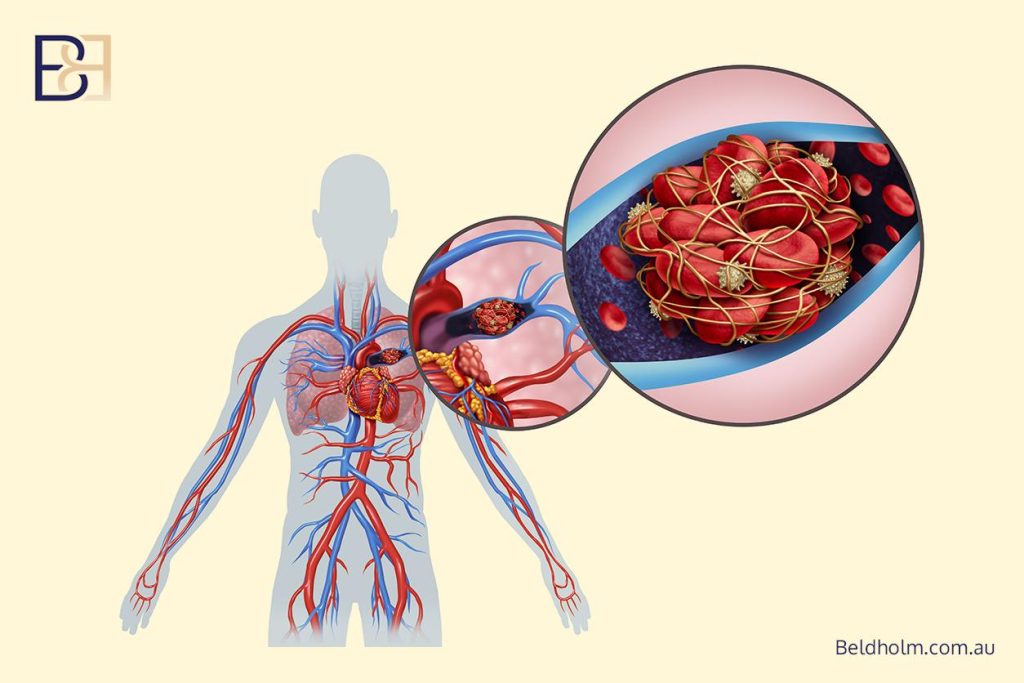
The clotting risk piece is the one most patients have not thought about. Post-weight-loss body contouring carries a higher baseline risk of deep vein thrombosis (DVT) than many other procedures. The combination of long operative times, reduced mobility in the early recovery period, and the hypercoagulable state that often accompanies obesity and significant weight loss creates a perfect storm. Vitamin B12 deficiency contributes to elevated homocysteine levels. Anaemia-related fatigue adds another layer, because a fatigued patient moves less after surgery, and immobility is itself a clotting risk.
The Reserves Question
One point worth understanding: the body stores B12. A healthy liver holds several years’ worth. This is why vitamin B12 deficiency develops slowly, and why patients can go a long time without obvious symptoms.
For post-bariatric patients, this is a double-edged sword. Your stores may have been adequate when you had surgery. But if your absorption has dropped since then, you have been drawing down those reserves without replacing them. By the time you come to me considering body contouring (often years after bariatric surgery), those stores may be running low, even if you feel fine.
The blood test tells me where you sit on that curve. I would rather know early, because correcting B12 deficiency takes time. Weeks to months, depending on severity and route of supplementation. It is not something I can fix the week before surgery.
Where Vitamin B12 Comes From

Vitamin B12 is not produced by the human body. We have to get it from the diet or from dietary supplements. Understanding the normal sources helps explain why so many of my patients end up short.
Animal foods. Vitamin B12 is found naturally in animal foods: red meat, poultry, fish, shellfish, eggs, and dairy products. Organ meats are particularly rich sources. For most Australians eating a conventional mixed diet, these natural food sources are sufficient to meet the recommended dietary allowance, which, for adults, is around 2.4 mcg per day, according to the Food and Nutrition Board.
Plant foods. Plant foods do not naturally contain vitamin B12. This is an important point for patients on a vegetarian or vegan diet, because vitamin B12 intake becomes dependent on fortified foods or dietary supplements. Fortified foods include many breakfast cereals and nutritional yeast products. Nutritional yeast is a popular B12 source among vegetarians and vegans, and most nutritional yeast brands are fortified with the active vitamin B form.
Unreliable plant sources. Some dried nori (seaweed) and fermented tempeh contain small amounts of B12, but the bioavailability is inconsistent. I do not recommend these as a primary source of vitamin B12 for anyone relying on a plant-based diet.
Average intake figures. Published national health survey data indicate that the average dietary intake of vitamin B12 is 5.9 mcg per day for adult men and 3.8 mcg per day for adult women. Most people eating a mixed diet get well above the adequate intake. The issue for my patients is rarely what they eat; it is what their gut can absorb.
Who Else Is at Risk of Vitamin B12 Deficiency
Bariatric surgery is a major cause of vitamin B12 deficiency, but not the only one. Several other groups are at increased risk, and I see some of these overlap with my post-weight-loss patients. Understanding non-bariatric risk factors matters because some patients have more than one reason for deficiency.
Vegetarians and vegans. A vegetarian diet that relies on dairy and eggs usually provides enough vitamin B12. A strict vegan or vegetarian diet that excludes all animal foods does not, unless it includes regular fortified foods or B vitamin supplements.
Older adults. Vitamin B12 absorption efficiency decreases with age. People over 50 may struggle to absorb B12 from natural food sources even when their diet is adequate, because they produce less stomach acid and hydrochloric acid needed to release B12 from food proteins.
Helicobacter pylori infection. Chronic Helicobacter pylori infection damages the stomach lining and reduces the production of hydrochloric acid and intrinsic factor. It is one of the non-bariatric risk factors for vitamin B12 deficiency that I sometimes find in patients.

Chronic atrophic gastritis. This condition causes long-term inflammation and thinning of the stomach lining, reducing acid production and B12 absorption. More common in older patients.
Pancreatic insufficiency. The pancreas releases enzymes needed to transfer vitamin B12 from its initial carrier protein to intrinsic factor in the duodenum. Patients with chronic pancreatitis or other enzyme deficits are at increased risk of B12 deficiency even when the rest of the absorption pathway is intact.
Certain medications. Long-term use of certain medications can impair vitamin B12 absorption at some point along the gastrointestinal tract. Proton pump inhibitors and H2 blockers reduce stomach acid. Metformin, commonly used to treat type 2 diabetes, affects B12 absorption through a different mechanism.
Any prior gastrointestinal surgery. Surgery affecting the stomach, duodenum, or terminal ileum can disrupt vitamin B12 absorption. Bariatric surgery is the main example for my patients, but other types of gastrointestinal surgery carry the same risk factors.
When I see a patient with a vitamin B12 deficiency that does not seem to match their bariatric history (or who is deficient without any bariatric procedure at all), I work through this list to find the cause.
Why Bariatric Surgery Causes Vitamin B12 Deficiency
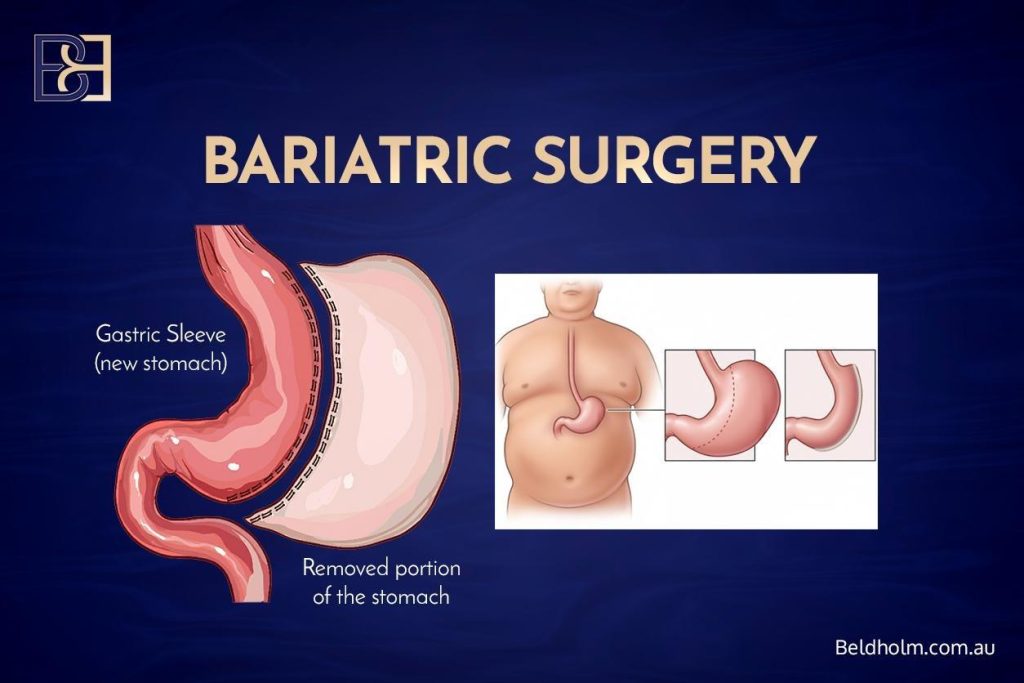
To understand why B12 deficiency is so common after bariatric surgery, you need to understand how vitamin B12 is normally absorbed. It is not a simple process. It involves four separate steps, and each step depends on the one before it.
The Normal Absorption Pathway
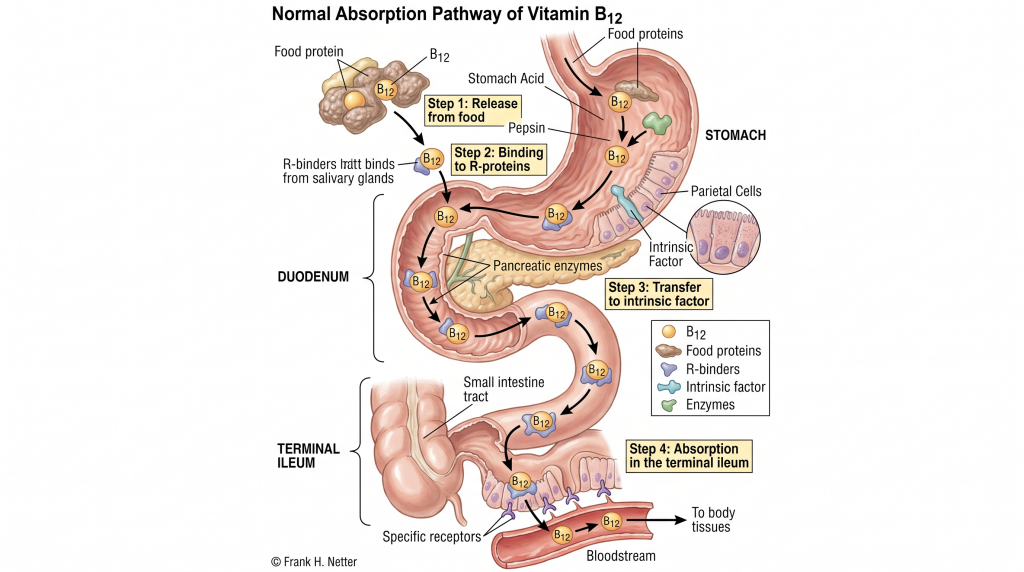
When you eat a meal containing B12 (meat, eggs, dairy, fish), the vitamin arrives in your stomach bound to food protein. Four things then need to happen in sequence.
Step 1: Release from food. Stomach acid and a digestive enzyme called pepsin break the bond between vitamin B12 and the food protein. Without adequate acid, this step fails, and the B12 stays locked to the food, unable to be absorbed.
Step 2: Binding to R-proteins. Once freed, B12 binds to proteins called R-binders produced by the salivary glands. This protects the vitamin as it passes through the acidic stomach environment.
Step 3: Transfer to intrinsic factor. In the duodenum (the first part of the small intestine), pancreatic enzymes strip vitamin B12 away from the R-binders. The vitamin is then picked up by a protein called intrinsic factor, which is produced by parietal cells in the stomach lining.
Step 4: Absorption in the terminal ileum. The B12-carrier complex travels all the way down to the last section of the small intestine, the terminal ileum, where specific receptors absorb it into the bloodstream.
That entire pathway has to work. Break any step, and absorption fails.
How Different Bariatric Procedures Break the Pathway
Each type of bariatric surgery interferes with vitamin B12 absorption in different ways, at different points in the pathway. This is why the risk profile differs so much between procedures.
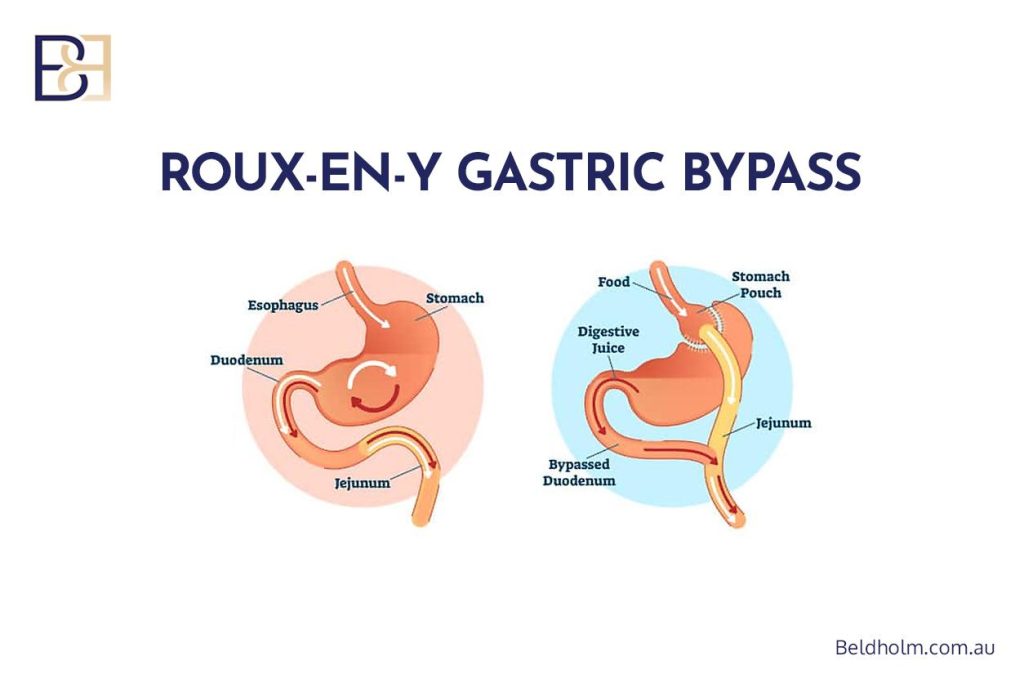
Roux-en-Y gastric bypass (RYGB). This is the highest-risk procedure for B12 deficiency, and it is not subtle. RYGB reduces the stomach to a small pouch and bypasses most of the stomach, plus the entire duodenum. Three things happen: gastric acid production drops dramatically, intrinsic factor production declines because most parietal cells are in the bypassed stomach, and food no longer passes through the duodenum, where the transfer to this carrier normally occurs. Published research has shown that the carrier protein is absent from gastric juice in approximately 90% of post-bypass patients with vitamin B12 deficiency, and in 40% of those without deficiency (8).
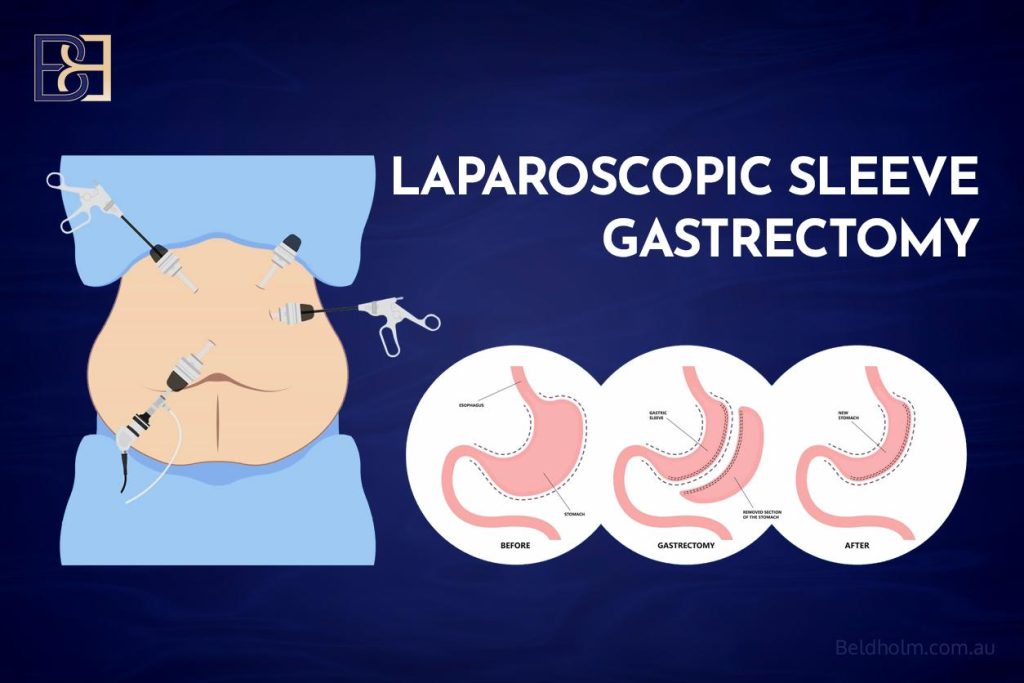
Sleeve gastrectomy (LSG). This is where many patients think they are in the clear. They are not. Sleeve gastrectomy removes about 80% of the stomach, leaving a narrow tube. The stomach is not bypassed, and the duodenum stays in the food stream. But the removed portion contains a large number of parietal cells, which means acid and carrier protein production both take a significant hit. Published incidence figures for B12 deficiency after sleeve gastrectomy range from 0% to over 36%, with deficiency sometimes not appearing until two years after surgery (3). The risk is real, and it is frequently underestimated.
Biliopancreatic diversion with duodenal switch (BPD-DS). This is a highly malabsorptive procedure combining a sleeve-type resection with substantial intestinal bypass. It is less common now than it was, but if you have had one, your B12 risk is as high as RYGB, often higher. Lifelong vitamin B12 supplementation is essentially mandatory.
Adjustable gastric banding. This is the lowest-risk procedure because the stomach anatomy is preserved. Acid production is maintained, intrinsic factor is unaffected, and the absorption pathway stays intact. B12 deficiency can still occur in banded patients but it is usually related to reduced food intake rather than a structural absorption problem.
Endoscopic sleeve gastroplasty (ESG). A newer, non-surgical option using sutures to reduce stomach volume. The stomach is not resected, so acid and intrinsic factor production are mostly preserved. The deficiency risk is lower than for sleeve gastrectomy, but long-term data is still emerging. I still test, because low food intake during the weight loss period is itself a risk factor.
Why Weight Loss Medications Are Also Relevant
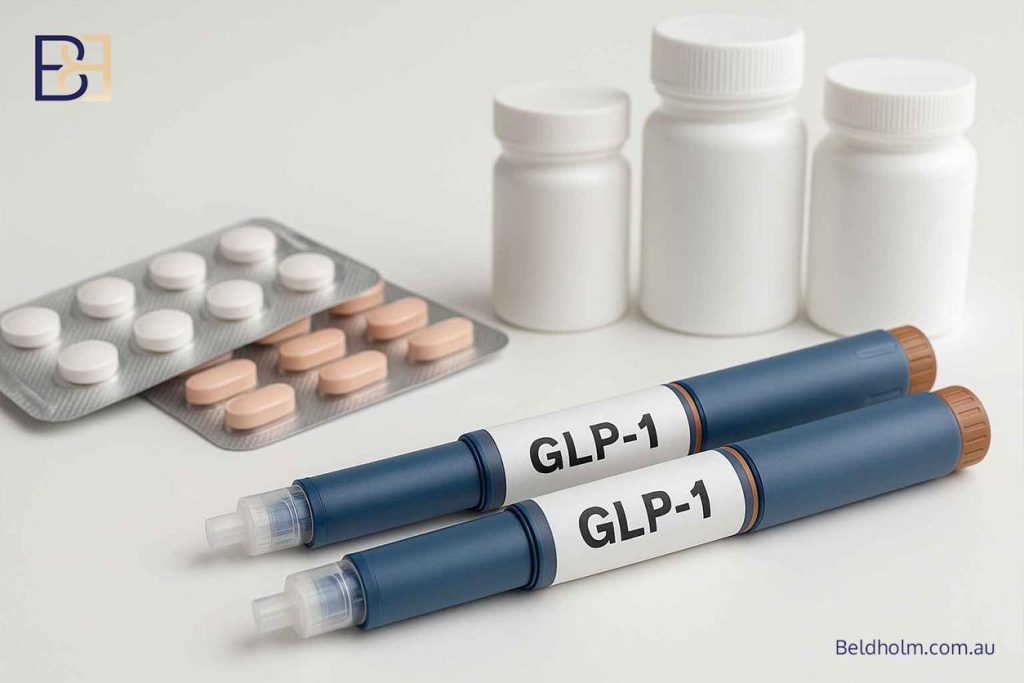
A growing number of my post-weight-loss patients have reached their weight loss goals through modern weight loss medications rather than, or in combination with, bariatric surgery. These medications work by slowing gastric emptying and suppressing appetite.
The absorption pathway itself is intact in these patients. The issue is intake. Research has shown that patients on newer weight loss medications consume significantly less food overall, which means less dietary vitamin B12 coming in. Published data suggests up to 2.6% incidence of B12 deficiency within a year of treatment, and this figure climbs in patients who have used these medications long term or combined them with very low calorie diets (3).
If you are on GLP-1 medications and considering body contouring, the same screening applies. I test vitamin B12 regardless of which pathway got you to your current weight.
The Timeline of Deficiency
B12 deficiency rarely appears in the first few months after bariatric surgery. The body has stores, and it takes time to draw them down. Published data show that deficiency typically emerges around 6 months post-bariatric surgery, with peak incidence at 12 months or longer (1).
This has a practical consequence. If you had your bariatric surgery five years ago and have not been on consistent B12 supplementation since, your reserves may be close to depleted by the time you come to see me about body contouring. The interval between your bariatric surgery and your contouring surgery is usually when the damage accumulates quietly.
This is also why initial vitamin B12 levels at the time of bariatric surgery are a predictor of future deficiency. If you started low, you will hit clinical deficiency sooner. Preoperative screening before body contouring captures where you sit right now, which is the information I need to plan your care.
How Common Is B12 Deficiency in Post-Weight-Loss Patients?
One of the reasons I test every post-weight-loss patient for vitamin B12 is that the published incidence of deficiency in this population is much higher than most patients realise. The numbers vary depending on which procedure you had, how long ago you had it, and whether you have been on consistent supplementation. Your medical history tells part of the story, but the blood tells the rest. Across the board, the figures tell a consistent story: this is not a rare finding.
What the Published Data Shows
Across the research literature, B12 deficiency rates after bariatric surgery fall in the following ranges (3):
- Roux-en-Y gastric bypass: approximately 2% to 80%, depending on follow-up duration and supplementation
- Sleeve gastrectomy: 0% to 36.4%, with deficiency often emerging up to two years post-surgery
- Biliopancreatic diversion with duodenal switch: highest rates, often requiring lifelong parenteral supplementation
- Weight loss medications: up to 2.6% incidence within one year of treatment
These are wide ranges because research has pooled studies with very different follow-up windows and supplementation regimens. The take-home is that even in well-managed cohorts on daily oral vitamin B12, a meaningful percentage of patients still end up deficient. One systematic review found that 3.6% to 17.1% of patients remained deficient 1 year after surgery despite receiving recommended supplementation (6).
The Subclinical Deficiency Problem

The published incidence figures usually define deficiency as a serum B12 result falling below a defined cutoff. What those numbers do not capture is the larger group of patients sitting in the low-normal range, where B12 is functionally inadequate even though the serum level has not dropped below the lab threshold. These are patients whose wound healing, anaemia risk, and clotting profile are quietly compromised going into surgery.
This is a clinical point that matters for how I interpret your results, and I cover it in more detail later in the article when I describe my testing approach.
Why Pre-Existing Obesity Already Lowers Vitamin B12
Here is a point that surprises many patients: obesity itself is associated with lower B12 levels even before any surgery. Published data show that around 13% of obese adults have abnormally low vitamin B12, and 5% are frankly deficient (2). The mechanisms include chronic low-grade inflammation, an altered gut microbiota, and often a calorie-dense but nutrient-poor diet.
What this means is that many of my patients arrived at their bariatric surgery or their weight loss medication already on the back foot. The weight-loss intervention then dealt another blow to B12 status. By the time they come to me for body contouring, they may have been running a deficit for years.
Why Deficiency Predicts Future Deficiency
One of the most useful findings from recent research is that vitamin B12 status at the time of bariatric surgery predicts B12 status years later. Patients who were already low before their bariatric procedure are significantly more likely to be deficient at medium-term follow-up (7). This matters clinically because it tells me that if your records show a pre-bariatric B12 level in the low range, your current level is almost certainly lower still, and your surgical planning needs to account for that.
I cannot always get hold of your pre-bariatric bloods. Most patients do not have them. What I can do is test now, treat based on what I find, and plan your surgery around adequate correction.
Why So Many Patients Are Unaware

The reason so many post-weight-loss patients do not know they are vitamin B12 deficient comes down to three things.
The symptoms are vague and easily attributed elsewhere. Fatigue, reduced exercise tolerance, foggy thinking, and occasional tingling in the hands or feet. These are all things patients attribute to being busy, getting older, or the weight loss process itself. Very few people arrive at a GP clinic saying, “I think I have B12 deficiency.”
GP screening is inconsistent. Not every GP routinely tests vitamin B12 levels in post-bariatric patients, and not every post-bariatric patient attends regular follow-up appointments. In my experience, patients who had their bariatric surgery more than two or three years ago often have not had B12 checked in a long time.
The normal range is wide. Even when vitamin B12 is tested, a result within the “normal” range is usually considered reassuring. As I mentioned earlier in this article, low-normal in a post-bariatric patient is not the same as low-normal in someone with intact gastric anatomy. Context matters, and the context is often missed.
This is why my first consultation includes a full blood panel. I do not rely on historical results. I do not assume that because a patient feels well, their B12 is adequate. I test, act on the results, and plan the surgery around what the blood actually shows.
Recognising B12 Deficiency: Symptoms and Signs

One of the difficult parts of vitamin B12 deficiency is that the symptoms are easy to miss. They develop slowly, overlap with other conditions, and many feel like the normal toll of a weight-loss journey. Patients often tell me they feel “fine” on their first consultation, only to recognise in hindsight, once their B12 has been corrected, that they had been running at a reduced baseline for years.
It is worth knowing what to look for. Not because I expect patients to self-diagnose, but because recognising the pattern helps you understand why I take the blood test seriously.
The Common Symptoms
Vitamin B12 deficiency typically produces symptoms across three broad categories: blood-related, neurological, and cognitive. Patients usually have a mix rather than just one.
Blood-related symptoms. These come from megaloblastic anaemia, the type of anaemia caused by impaired production of healthy red blood cells. The main feature is fatigue. Not the “I had a busy day” kind of fatigue, but persistent tiredness that does not improve with rest. Patients often describe reduced exercise tolerance, getting out of breath walking up stairs they used to take easily, and a heaviness in the limbs. Some notice that they look pale, though this is easier for others to spot than for the patient themselves. Heart palpitations can occur in more advanced cases.
Neurological symptoms. These come from damage to the myelin coating around nerve fibres. Early signs include tingling, pins and needles, or numbness, usually starting in the hands and feet. Some patients report feeling unsteady when walking, particularly in the dark, because proprioception (the sense of where your body is in space) is impaired. More advanced deficiencies can cause weakness, difficulty with fine motor tasks, and balance problems.
Cognitive symptoms. These are the ones patients most often brush off. Difficulty concentrating. Memory lapses. A general sense of being mentally slower than usual. Sometimes mood changes, including low mood or increased irritability. In older patients, B12 deficiency can mimic early dementia, and correcting the deficiency sometimes produces noticeable improvement in cognitive function.
Pernicious Anaemia and Autoimmune Vitamin B12 Deficiency
Before I focus on bariatric-related deficiency, it is worth briefly covering pernicious anaemia, because some post-weight-loss patients have both.
Pernicious anaemia is an autoimmune condition where the body attacks the parietal cells in the stomach lining, the same cells that produce intrinsic factor. Without this factor, vitamin B12 cannot be absorbed even if the anatomy is intact. The result is B12 deficiency through a different mechanism than that of bariatric surgery, but the consequences are the same.
Pernicious anaemia is more common in older women, and it is not rare. If a patient has both pernicious anaemia and a bariatric procedure, their B12 deficiency is essentially guaranteed without parenteral supplementation. Pernicious anaemia is one reason I take a careful medical history at consultation, because the causes of vitamin B12 deficiency in post-weight-loss patients are not always limited to bariatric surgery itself.
If I suspect pernicious anaemia, I can request anti-intrinsic factor antibodies to confirm it. This is not a routine test, but it is on my radar for specific patients whose B12 deficiency is severe or does not respond as expected to supplementation.
Vitamin B12 and Cognitive Function
One area worth discussing briefly is the relationship between vitamin B12 and cognitive function. Most observational studies have found a correlation between low serum vitamin B12 concentrations and poor cognitive function, suggesting that low vitamin B12 status may be a risk factor for cognitive decline. Elevated homocysteine levels (which rise when vitamin B12, folic acid, or vitamin B6 are low) have also been associated in observational studies with higher rates of Alzheimer’s disease and dementia.
The randomised controlled trials tell a more complex story. Clinical trials have not consistently shown improvement in cognitive function among older adults with or without dementia when supplemented with vitamin B12 alone or in combination with other B vitamins, even when blood concentrations of homocysteine come down. The observational link is clearer than the causal link from supplementation.
For my post-weight-loss patients, the relevance is simpler. If cognitive symptoms are present alongside other signs of B12 deficiency, correcting the deficiency is worth doing. I do not promise cognitive improvement from correction, as randomised controlled trials do not support that claim. But restoring vitamin B12 to adequate levels is consistent with good clinical care, regardless of whether it specifically helps cognition.
Why the Symptoms Are So Often Missed
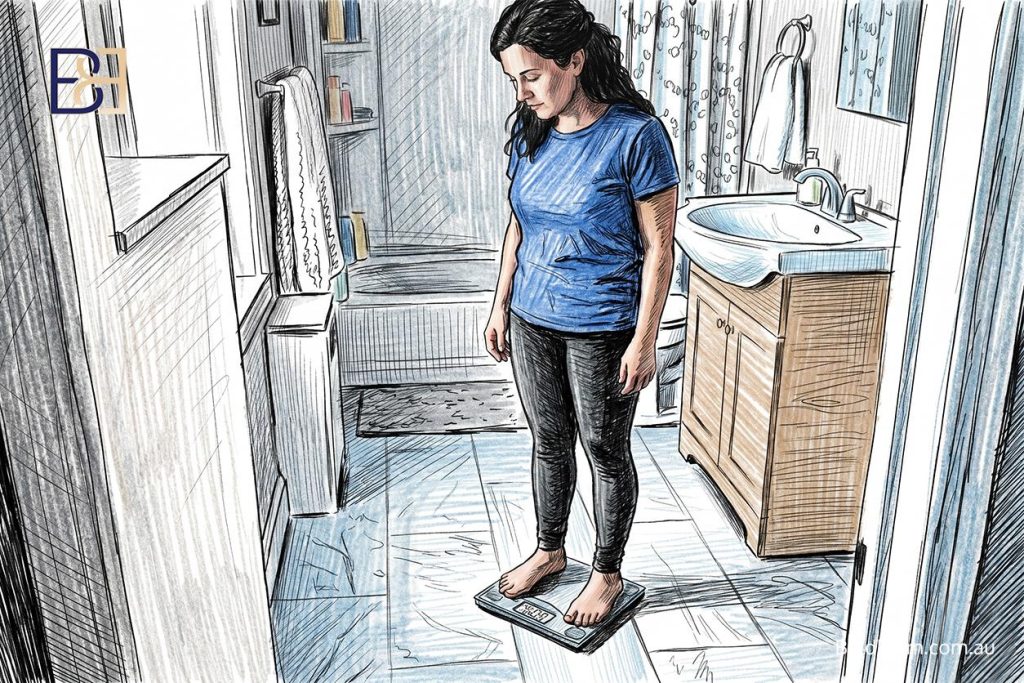
There are a few predictable reasons B12 deficiency goes undiagnosed in post-weight-loss patients.
Patients attribute fatigue to their weight loss process. Calorie restriction, increased activity, and emotional adjustment to body changes all cause tiredness. It is genuinely hard to pick out which portion of the fatigue is nutritional and which is lifestyle. Many patients assume their tiredness will resolve once they “settle into their new weight” and are surprised when it persists.
Neurological symptoms can be subtle for a long time. Early tingling is often intermittent. It goes away, it comes back. Patients rationalise it (“I must have slept on my arm funny”). By the time the symptoms are persistent enough to prompt a GP visit, the deficiency has usually been present for months or years.
Cognitive symptoms are easily attributed to other causes. Stress, sleep, ageing, menopause, hormonal changes after significant weight loss. All of these can blunt cognition and overlap with vitamin B12 deficiency. The deficiency becomes one possibility among a long list, and it is not always the first to be investigated.
Symptoms improve slowly even after correction. Once B12 is replaced, the blood count normalises relatively quickly, but the neurological recovery takes longer. Some patients do not feel dramatically different for weeks. This can mislead both the patient and the treating doctor into thinking vitamin B12 was not the issue.
The Subclinical Presentation
Most of my post-weight-loss patients who test positive for B12 deficiency on their first blood panel do not have florid symptoms. They have subtle ones. Mild fatigue. A bit of brain fog. Occasional tingling, they never mentioned to anyone. Sometimes nothing at all that they have noticed.
The point is not that you need to have classic symptoms for the deficiency to matter. The surgical consequences of low B12 are the same whether the patient feels them or not. A patient who is subclinically deficient has the same impaired wound healing, the same elevated clotting risk, and the same anaemia vulnerability as a patient with obvious symptoms. They just have not had their bodies tell them yet.
Vitamin B12 and Wound Healing

Body contouring surgery is a big ask of your body. An abdominoplasty (tummy tuck) involves a long transverse incision, often a vertical incision as well, in a fleur-de-lis or hybrid approach, and extensive tissue elevation. A body lift (belt lipectomy) extends that incision all the way around the trunk. A thighplasty (thigh lift) or brachioplasty creates long incisions on the limbs. Mastopexy (breast lift) involves the reshaping and redraping of breast tissue. Every one of these procedures depends on the body’s ability to heal well.
Wound healing is not a passive process. It is an active, metabolically demanding sequence of cellular events, and B12 sits right in the middle of several key steps.
What Wound Healing Actually Requires
Once an incision is closed, the body moves through four overlapping phases:
- Haemostasis (stopping bleeding)
- Inflammation (clearing debris and bacteria)
- Proliferation (building new tissue)
- Remodelling (strengthening the scar).
The proliferation phase is where the metabolic demand is highest. Your body needs to produce new skin cells, new blood vessels, and new connective tissue in vast quantities. This requires:
- Rapid cell division (for skin cells, fibroblasts, and endothelial cells)
- Adequate oxygen delivery to the wound bed
- Collagen synthesis and cross-linking
- Immune function to prevent infection
Vitamin B12 contributes directly to the first two of these, and indirectly to the others.
B12, Cell Division, and the Wound Bed
Wound healing depends on cells dividing rapidly. Skin cells at the wound edge must proliferate to close the defect. Fibroblasts have to proliferate to lay down collagen. New blood vessels have to sprout from existing ones. Every one of these processes depends on the cellular machinery that copies DNA, and that machinery depends on vitamin B12.
When vitamin B12 is low, cell division slows. Cells either divide more slowly or produce abnormal daughter cells that do not function properly. In the wound, this translates into slower closure, thinner and weaker new tissue, and a higher risk of wound breakdown.
Research in this area consistently shows that B12 is one of several nutrients whose deficiency is associated with poor wound healing outcomes. Published research on post-bariatric body-contouring patients has identified vitamin B12, along with protein, vitamin A, vitamin C, folate, zinc, and selenium, as nutrients with significant beneficial effects on wound healing (1). Correcting these deficiencies before surgery has been shown to reduce complication rates (2).
The Anaemia Problem

The second way B12 deficiency affects wound healing is through anaemia. When vitamin B12 is low, red blood cell production is impaired. The body makes fewer red blood cells, and the ones it does produce are larger and less efficient at carrying oxygen. This is megaloblastic anaemia.
Oxygen delivery to the wound bed is critical for healing. Tissues undergoing rapid repair have a high metabolic rate and consume oxygen quickly. If the blood coming into the wound carries less oxygen than normal, healing slows. Collagen cross-linking is particularly oxygen-dependent, and under-oxygenated wounds produce weaker scars that are more prone to widening and breakdown.
Beyond wound healing specifically, anaemia also affects recovery more broadly. Post-operative fatigue is worse. Energy for early mobilisation is lower. Because early mobilisation is itself a key part of my recovery protocol (for reasons covered in the next section when I discuss DVT risk), any factor that reduces a patient’s willingness or ability to get moving after surgery is a problem.
Why Body Contouring Is a High-Demand Context
Not every surgical procedure places the same demand on the healing system. Body contouring is at the demanding end of the spectrum for three reasons.
Long incisions. An abdominoplasty (tummy tuck) incision runs from hip to hip. A full body lift (belt lipectomy) can exceed a metre in total incision length. More wound to heal means more cellular work.
Tissue elevation. These procedures involve lifting the skin and subcutaneous tissue off the underlying fascia across large areas. In an abdominoplasty (tummy tuck) or body lift (belt lipectomy), the elevated tissue has to re-establish its blood supply and heal back down. The raised flap is entirely dependent on blood flow through small vessels at its base, and any factor that compromises oxygen delivery (anaemia being a major one) puts the flap at risk. The larger the area of elevation, the more this matters, which is why a full body lift (belt lipectomy) carries a different risk profile than a limited abdominoplasty (tummy tuck).
Post-weight-loss tissue quality. Patients who have lost significant weight often have thinner, less elastic skin with reduced dermal collagen. The tissue itself is not as robust as it was pre-weight-loss. Good nutritional status cannot restore full pre-weight-loss tissue quality, but it can ensure the healing capacity is as strong as possible.
The Composite Effect of Multiple Deficiencies
I rarely see a post-weight-loss patient with B12 deficiency alone. More commonly, I see patients with several nutritional gaps at the same time: low vitamin B12, low folate, low vitamin D, low zinc, sometimes low protein stores, and sometimes low iron. Each deficiency on its own might have a modest effect on wound healing. Together, they compound.
This is why my approach is to make corrections across the board rather than chase a single number. The other vitamins and supplements I address before abdominoplasty (tummy tuck) form a package, not a checklist of isolated fixes. B12 is one of the nutrients I pay particular attention to because the consequences of untreated deficiency are significant, but it never sits in isolation in the patients I see.
The goal, when the patient arrives on surgery day, is for the body to have what it needs to heal well. Not perfect, because perfect is unrealistic, but optimised as far as we can reasonably get it within the time we have. That goal is not achievable if vitamin B12 is quietly running low in the background.
Book your appointment online now
B12, Homocysteine, and DVT Risk
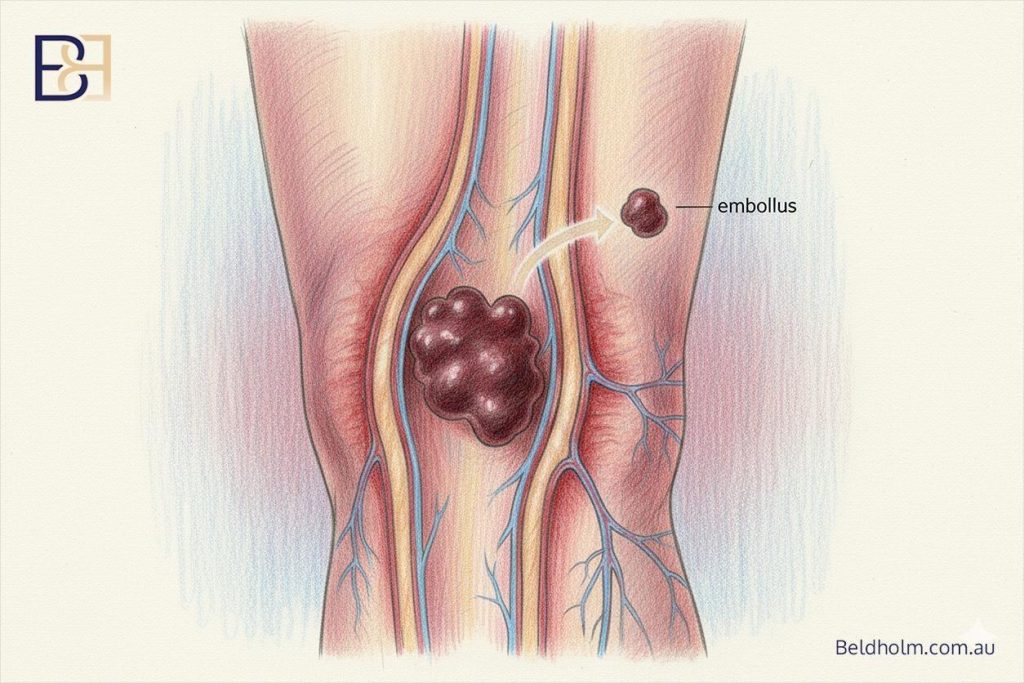
The link between B12, an amino acid called homocysteine, and the risk of a blood clot after surgery is the aspect of vitamin B12 deficiency that most patients have never considered.
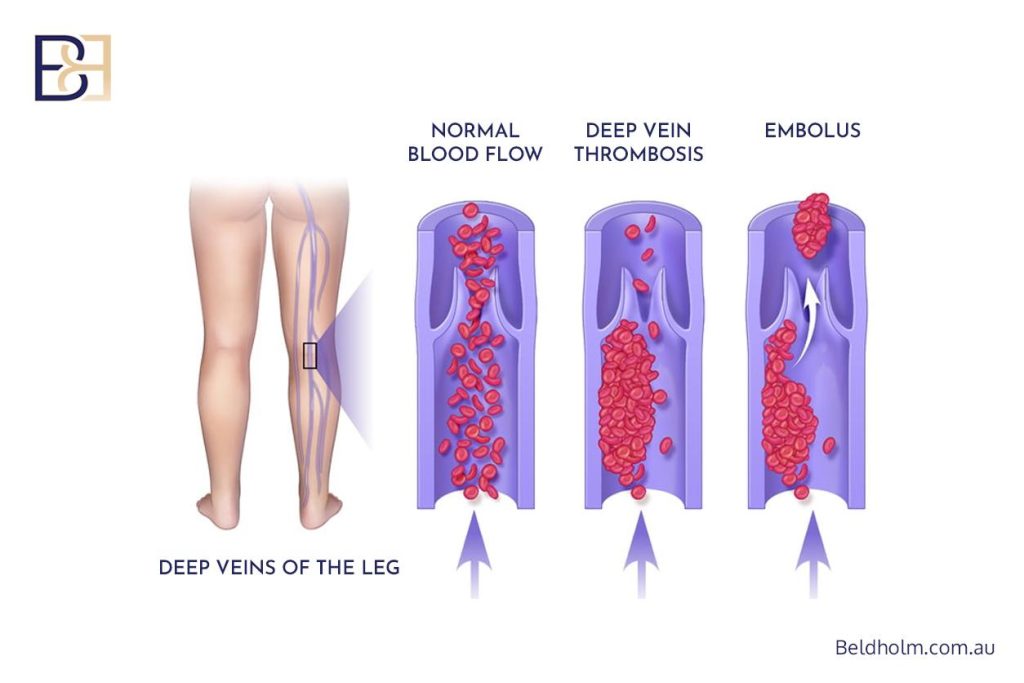
Deep vein thrombosis (DVT) and pulmonary embolism (PE) are among the most serious complications that can follow body contouring surgery. They are uncommon but not rare, and when they occur, they can be life-threatening. Post-weight-loss patients undergoing body contouring surgery (particularly longer procedures such as a body lift (belt lipectomy) or combined abdominoplasty (tummy tuck) and thighplasty (thigh lift)) sit at the higher end of the risk spectrum for several reasons (4, 9), and B12 deficiency is one contributor. It is not the biggest one, but it is one I can actually correct before surgery, which is why I pay attention to it.
I want to be honest about the evidence here, because this is an area where the research is genuinely mixed, and I think patients are better served by an accurate picture than a simplified one.
The Homocysteine Pathway
Homocysteine is a naturally occurring amino acid produced during the metabolism of another amino acid called methionine. Under normal conditions, the body converts homocysteine back to methionine (via a pathway that uses vitamin B12 and folate as cofactors) or breaks it down into the amino acid cysteine (via a pathway that uses vitamin B6).
Three B vitamins are therefore essential for keeping homocysteine levels in check:
- Vitamin B12 (in the methionine synthase pathway)
- Folate (B9) (also in the methionine synthase pathway)
- Vitamin B6 (in the cystathionine beta-synthase pathway)
When any of these three is low, the body cannot process homocysteine efficiently, and blood levels rise. This is called hyperhomocysteinaemia.
What Elevated Homocysteine Does
Elevated homocysteine has several effects relevant to surgery. It causes oxidative damage to the cells lining blood vessels (endothelial cells), which promotes a hypercoagulable state. Published research has linked hyperhomocysteinaemia to increased risk of venous thromboembolism, cardiovascular disease, and stroke (10). The association becomes stronger at higher levels, with severe hyperhomocysteinaemia (above about 30 µmol/L) showing a clearer relationship with clotting risk than mild elevations in the 15-30 µmol/L range (5).
Because post-weight-loss body contouring patients are already at elevated baseline risk for DVT (for reasons I will cover shortly), any additional clotting risk factor matters. If a patient has low vitamin B12, low folic acid, or low B6, their homocysteine may be elevated, and I want to know about it.
It is worth noting that folic acid has a role in the body that goes beyond homocysteine metabolism. Adequate folic acid intake is important during pregnancy because it helps prevent neural tube defects in the developing baby. This is one of the reasons folic acid supplementation is widely recommended for women of reproductive age. For my post-weight-loss patients, the primary reason I check folic acid is its link to homocysteine, but the broader context of folic acid nutrition is worth knowing.
The Honest Part: What the RCT Data Shows
Here is where I have to be straight with you. The intuitive logic is that low B vitamin levels raise homocysteine, which in turn raises clotting risk; therefore, supplementing B vitamins should reduce clotting risk. The evidence from randomised controlled trials does not clearly support this last step.
Published reviews of randomised controlled trials examining whether B vitamin supplementation reduces venous thromboembolism have produced conflicting results. Some trials have shown a reduction in recurrent DVT with folic acid and vitamin B12 supplementation in patients who had both elevated homocysteine and a prior DVT. Other randomised controlled trials, including the VITRO trial, found no significant reduction in recurrent VTE with combined supplementation of folic acid, vitamin B6, and vitamin B12 in patients with a history of DVT or PE. A recent review of the randomised controlled trials literature concluded that while B vitamin supplementation consistently lowers homocysteine, the clinical benefit for thrombosis prevention remains uncertain (5).
The same pattern applies more broadly to cardiovascular disease. Trials of B vitamin supplementation have consistently shown that supplementation lowers homocysteine, but the effect on cardiovascular disease events like heart attack or stroke has been modest or absent. The observational association between low B12 and cardiovascular disease risk is clearer than the causal effect of supplementation on outcomes.
This means that lowering your homocysteine by correcting a vitamin B12 deficiency is not a guaranteed way to prevent DVT. It is one piece of a much larger risk management picture.
Why I Still Correct Vitamin B12 Deficiency Before Surgery
Given that the homocysteine-to-DVT link has not been cleanly demonstrated in the RCT data, why do I still treat B12 deficiency so seriously? Three reasons.
B12 deficiency has other consequences that matter independently. Impaired wound healing. Anaemia. Reduced energy for early mobilisation. These are not dependent on the homocysteine story. Even if vitamin B12 supplementation had no effect on DVT risk, correcting the deficiency would still be the right thing to do before body contouring.
Homocysteine feeds into my DVT risk stratification. When I stratify a patient’s risk of DVT before surgery, I am adding up multiple risk factors. Age, BMI, procedure type, operative time, mobility after surgery, history of VTE, oral contraceptive pill or hormone replacement therapy, and hypercoagulable conditions. Elevated homocysteine is another risk factor in that assessment, although its causal effect on clotting is debated. Individually, these risk factors may be modest. Combined, they matter. If a patient’s homocysteine is high, I know they are at increased risk, and I adjust their DVT prophylaxis accordingly.
Correcting the deficiency is low-cost, low-risk, and high-potential-benefit. Oral B12 supplementation is inexpensive, well-tolerated, and widely available. Even if the DVT benefit is uncertain, the other benefits are real, and the downsides are minimal. This is a different calculation from that for an intervention with high cost or a high risk of side effects.
When I Order Homocysteine Testing
I do not order homocysteine as part of my routine first blood panel. It is not a cost-effective first-line test in a post-weight-loss screening context.
My protocol is different. I order homocysteine as a reflex test: only when vitamin B12, folate, or B6 comes back low on the first panel. If all three are in range, homocysteine is very unlikely to be elevated, and ordering it adds cost without adding useful information. If one or more of the three are low, I want to know whether that deficiency is translating into elevated homocysteine levels, because that changes how I think about the patient’s overall clotting risk.
This reflex approach is consistent with Medicare criteria in Australia. Homocysteine is rebatable under specific clinical circumstances, not as a screening test in asymptomatic patients.
Homocysteine as a Marker, Not a Target
Even when I measure homocysteine and find it elevated, I do not treat it. I treat the underlying B vitamin deficiency. The goal is to correct the B12, folate, or B6 back into a healthy range. If I do that successfully, homocysteine usually normalises alongside. If it does not, that is a flag to look for other causes (kidney function, MTHFR genetic variants, certain medications).
I recheck homocysteine at 4 to 6 weeks after starting supplementation. If it has come down into the normal range, I know the B vitamin supplementation is working. If it has not, I think harder about dose, about the route of administration (oral versus intramuscular), and about other possible contributors.
Where Vitamin B12 Fits in DVT Prevention
B12 correction is one small piece of a much larger DVT-prevention plan for post-weight-loss body-contouring patients. Alongside B12 status, I consider all other factors that contribute to DVT risk and decide on the thromboprophylaxis approach based on the full picture. Vitamin B12 status informs risk stratification, but it does not replace the mechanical and pharmacological prophylaxis that every body-contouring patient receives. The goal is to stack as many protective factors as possible in your favour. Correcting a B12 deficiency is one such factor. It is worth doing. It is not, on its own, enough.
How I Test Vitamin B12: The Blood Panel Approach
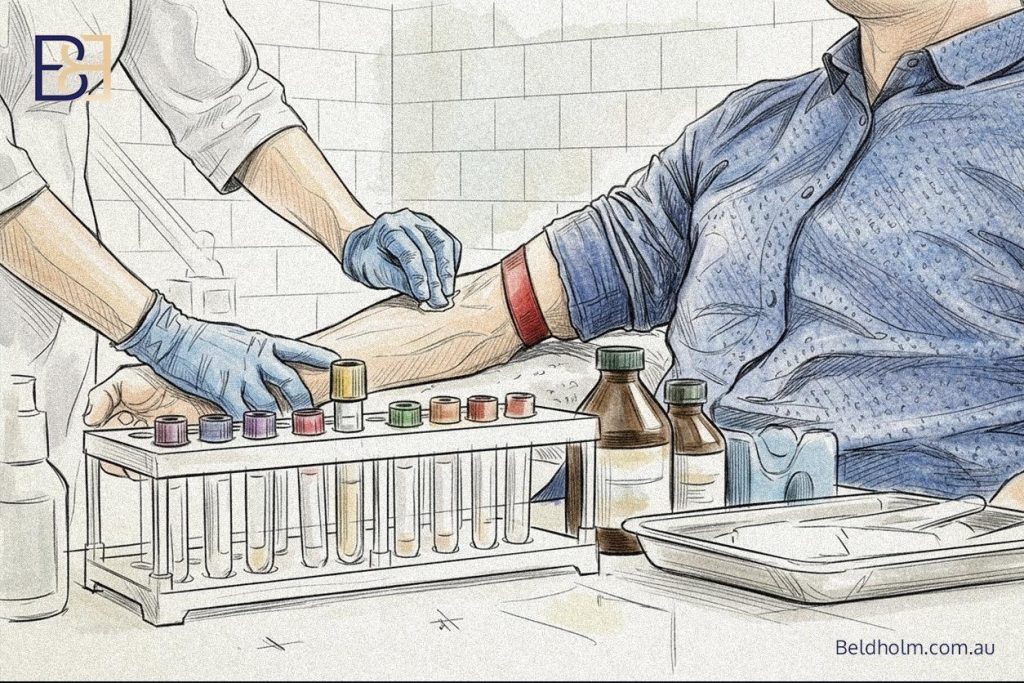
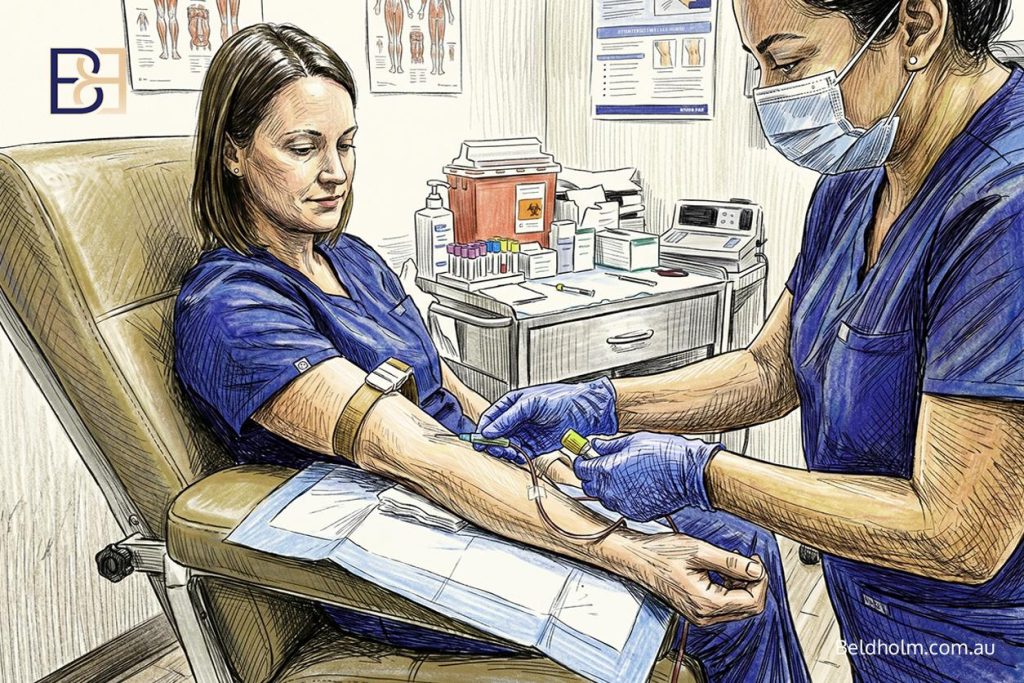
Every post-weight-loss patient who comes to me considering body contouring leaves the first consultation with a blood test request form. This is not optional. The blood panel is how I know where you actually stand nutritionally, and B12 is one of the most important components I check.
The First Consultation Panel
My pre-operative blood panel for post-weight-loss patients is comprehensive. It covers everything I need to know about your nutritional status, your general medical health, and your readiness for surgery. Vitamin B12 is tested as part of a broader micronutrient panel that includes folate, vitamin B6, vitamin D, vitamin A, thiamine (B1), vitamin E, zinc, selenium, iron studies, and red cell folate.
I test all of these up front, before I see you for the follow-up consultation. The reason is simple: I need time. Correcting deficiencies takes weeks, sometimes months, and I want the results on the table at the second consultation so we can make decisions rather than wait another fortnight for results to come back.
If you want the full picture of what I order and why, I have written a separate article covering the complete pre-operative blood panel in detail. For this article, I want to focus on the B12-specific elements.
Serum B12: The First-Line Test
The standard test for vitamin B12 status in Australia is serum B12, sometimes called serum cobalamin or total B12. This is a blood test that measures the total amount of vitamin B12 circulating in your bloodstream.
Australian labs report serum vitamin B12 in picomoles per litre (pmol/L). The reference range on most pathology reports is:
- Normal: 120 to 1000 pmol/L
- Insufficiency (grey zone): 133 to 400 pmol/L
- Deficiency: below 110 to 150 pmol/L
(source: https://www.dhm.com.au/patients/pathology-tests/vitamin-b12/)
You may see results reported in pg/mL on older forms or if you have bloods done overseas. The conversion is:
- pg/mL multiplied by 0.738 equals pmol/L. A value of 300 pg/mL (often cited as the lower limit of adequacy in US literature) translates to approximately 221 pmol/L in Australian units.
Why the Reference Range Is Misleading for Post-Weight-Loss Patients
The reference ranges above were developed for the general population, not specifically for post-bariatric or post-weight-loss patients. In practice, a result in the 145 to 220 pmol/L “insufficiency” band often reads as reassuring on a standard pathology report. For most people, it probably is.
For a post-bariatric patient, it is not.
My threshold for action is higher than the lab cutoff. If a post-weight-loss patient has a B12 result in that grey zone, I treat it as functionally low and start supplementation. The reason is that serum B12 measures circulating vitamin B12, not tissue stores. A patient with impaired absorption can maintain a borderline-normal serum level for a long time while their cellular B12 is progressively inadequate. By the time serum vitamin B12 drops below 145 pmol/L, the tissue deficit has usually been present for a while.
I want to catch this earlier. That is why my clinical approach does not match the lab cutoff exactly.
Functional Markers: MMA and Homocysteine
Serum B12 is not the only way to assess vitamin B12 status. Two functional markers give additional information about whether B12 is actually doing its job at the cellular level.
Methylmalonic acid (MMA). This metabolite accumulates when B12 is functionally inadequate. Elevated MMA is a sensitive indicator of true vitamin B12 deficiency, even when serum B12 is in the low-normal range. I do not order MMA as a routine test because it adds cost without changing management in most cases. In patients with an equivocal or clinically puzzling serum vitamin B12 result, MMA can be useful.
Homocysteine. As covered in the previous section, homocysteine rises when B12, folate, or B6 is low. It is not specific to vitamin B12, but it is part of the picture. I order homocysteine as a reflex test only, not routinely: if B12, folate, or B6 comes back low on the initial panel, I then request homocysteine to see whether the deficiency is translating into elevated levels that feed into my DVT risk assessment.
When Standard Testing Does Not Tell the Full Story
There are a few situations where I look beyond the standard serum B12 result.
Recent vitamin B12 supplementation. If a patient has been taking high-dose B12 in the weeks leading up to the blood test, the serum result may appear artificially reassuring while tissue stores remain low. In these cases, MMA becomes more useful because it reflects functional adequacy rather than circulating vitamin.
Suspected pernicious anaemia. If I suspect an autoimmune cause for vitamin B12 deficiency (as covered earlier when discussing pernicious anaemia), I can request anti-intrinsic factor antibodies. This test is not part of the routine panel but is ordered selectively.
Post-RYGB patients with persistent deficiency despite oral supplementation. If serum B12 remains low after adequate oral supplementation, this often confirms that the absorption pathway is the problem, not the dose. It is a flag to switch to intramuscular administration.
What Happens at the Follow-Up Consultation

Two to four weeks after the first consultation, I will see you again with your blood results in front of me. This is the consultation where I review everything and decide what needs to happen next.
For vitamin B12 specifically:
- Normal result (above 220 pmol/L): I do not add B12 supplementation to your regimen. You stay on the Tier 1 supplements everyone starts after the first consultation, and we proceed with surgical planning.
- Insufficiency range (145 to 220 pmol/L): I add B12 supplementation as a Tier 2 supplement. I will recheck at 4 to 6 weeks to confirm levels are rising.
- Frank deficiency (below 145 pmol/L): I start aggressive supplementation, often intramuscular for post-RYGB patients, and I will want repletion confirmed on a follow-up blood test before I am comfortable proceeding with surgery. This may delay your surgical date, and I will explain why.
- For any result with elevated homocysteine, I factor this into my DVT risk stratification and adjust perioperative prophylaxis accordingly.
Testing at the Right Time
One practical point that matters: I want your blood done as soon as possible after the first consultation, ideally the same day or the next morning. The sooner the results are back, the sooner I can act on them, and the more time we have to correct anything abnormal before surgery.
If a patient delays the blood test by a few weeks, that is lost time I cannot get back. Vitamin B12 repletion, particularly in severe cases, takes weeks. Every week of delay in testing is a week I cannot use to optimise you before the operating theatre.
This is why my clinic direction is to go straight to a blood collection centre after leaving the first consultation. It is not about urgency for urgency’s sake. It is about giving the nutritional correction phase enough runway to actually work.
The Two-Tier Supplementation Framework
Before I get into the specifics of B12 supplementation in the next section, I want to explain the broader framework I use for all post-weight-loss patients. This matters because vitamin B12 is one specific example of a larger approach, and understanding where B12 fits helps explain why I make the decisions I do.
My supplement protocol is built on two tiers. Tier 1 is universal. Tier 2 is blood-guided. The distinction is important.
Tier 1: Universal Supplements for All Post-Weight-Loss Patients

Tier 1 supplements are commenced at the first consultation, before blood results are back. Every post-weight-loss patient starts these as soon as surgical planning begins, regardless of what the bloods eventually show.
The Tier 1 supplements are:
- Whey protein isolate (to support protein intake at therapeutic levels)
- Complete multivitamin (broad-spectrum coverage of the vitamins and minerals most commonly depleted)
- Vitamin D3 plus K2 (near-universal deficiency in this patient group)
- Vitamin C (wound healing and collagen synthesis)
- Zinc (wound healing and immune function)
These five supplements go into the Tier 1 group because the evidence base supports near-universal deficiency or increased requirement in post-weight-loss patients. I am not waiting for a blood result to confirm what the literature already tells me is likely. The cost of supplementing is low, the risk is minimal, and the upside is meaningful.
Tier 1 supplementation begins at least 4 weeks before surgery and continues through the perioperative period. For post-bariatric patients, several of these are lifelong requirements, independent of the timing of surgery.
Tier 2: Blood-Guided Supplements

Tier 2 supplements are added when blood results show a specific deficiency. These are targeted corrections for confirmed pathological results on the extended blood panel. Vitamin B12 sits in Tier 2.
The Tier 2 supplements include:
- Vitamin B12 (when serum B12 is below my threshold)
- Folate (when serum folate or red cell folate is low)
- Iron (when iron studies show depletion or frank anaemia)
- Vitamin A (when serum retinol is low)
- Thiamine (B1) (when whole blood thiamine is low)
- Vitamin B6 (when PLP is low)
- Calcium citrate (guided by calcium, vitamin D, and clinical context)
- Selenium (when selenium is low, more common in post-bariatric patients)
The principle is that I do not add these reflexively. I add them based on confirmed deficiency. This avoids over-supplementation in patients who do not need a particular nutrient, and it also avoids the false reassurance of shotgun supplementation covering up an actual problem.
Why B12 Is Tier 2, Not Tier 1
The question I sometimes get is: if vitamin B12 deficiency is so common in post-weight-loss patients, why not just start everyone on it?
There are three reasons I hold B12 back until I see the bloods.
Not every post-weight-loss patient is vitamin B12 deficient. The published incidence figures are high, but they are not 100%. Patients who had a gastric band, patients who achieved their weight loss primarily through diet and exercise, and patients whose bariatric surgery was recent and who have been on consistent supplementation, can all have normal B12 levels. Supplementing them with vitamin B12 adds no clinical benefit.
The dose matters, and it should match the deficit. B12 supplementation is not one-size-fits-all. A patient with a frank deficiency needs aggressive repletion, often intramuscular. A patient with insufficiency needs a maintenance dose. A patient with normal levels needs nothing. Without the blood result, I cannot make that call.
Route of administration is blood-guided. A patient with preserved absorption can take oral B12. A post-RYGB patient with severe deficiency often needs intramuscular administration. I cannot choose between these routes until I have confirmed what is actually going on.
Where Vitamin B12 Sits in the Bigger Picture
The full supplement framework is covered in detail in my companion article on the complete vitamins and supplements protocol for abdominoplasty (tummy tuck). That article walks through every supplement I use, the rationale for each, dosing, and the perioperative timing for each one. It is the reference document if you want the complete picture.
In this B12 article, I am focusing on the vitamin itself, because it deserves dedicated treatment given how commonly it is deficient in post-weight-loss patients and how significant the consequences of that deficiency can be. But vitamin B12 is not managed in isolation. It sits in a framework where it is one of several targeted corrections alongside a stable base of universal supplementation.
When Four Weeks Is Not Enough for B12
For patients with severe vitamin B12 deficiency, the standard four-week pre-operative window may not be enough. A post-RYGB patient with serum B12 below 100 pmol/L may need eight to twelve weeks of aggressive repletion, sometimes with intramuscular injections, before I am comfortable operating. In those cases, I am open with the patient about needing to delay the surgical date. I would rather defer surgery by a month than operate on someone whose B12 is still not adequately corrected.
Vitamin B12 Supplementation Options
When the blood results come back showing a B12 deficiency or insufficiency, the next decision is how to correct it. There are more options than most patients realise, and choosing the right one depends on how low the level is, what bariatric procedure you had, and how quickly we need to get the level back up before surgery.
The Forms of Vitamin B12
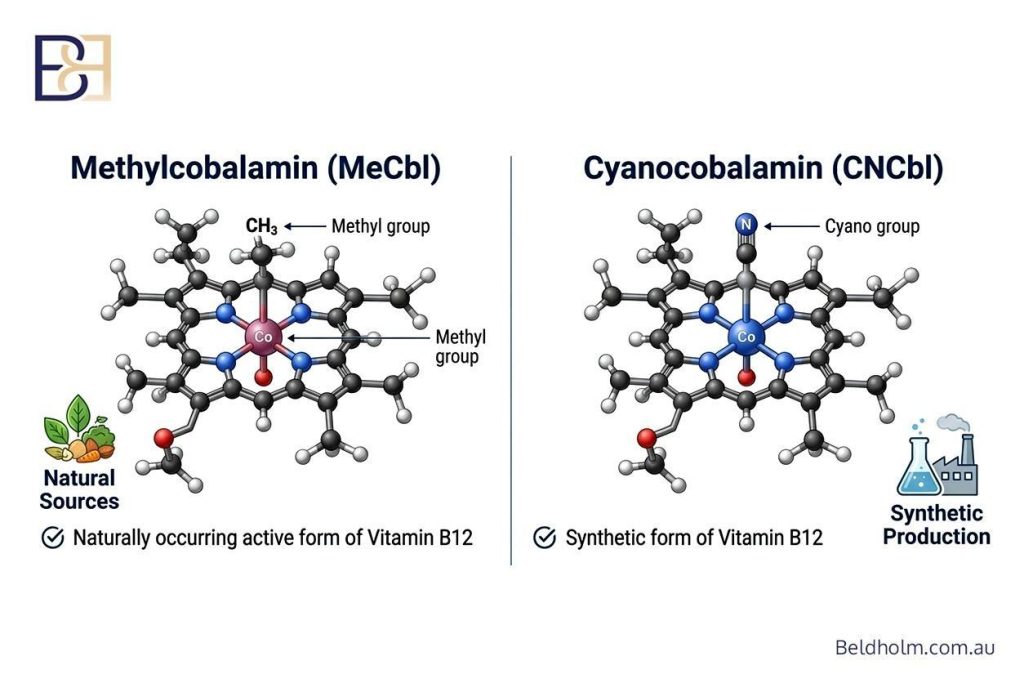
Vitamin B12 is available in several chemical forms. The two that matter most clinically are cyanocobalamin and methylcobalamin.
Methylcobalamin. This is the active, body-ready form of B12. It is the form the body uses directly in the methionine synthase pathway (the one that interacts with folate and homocysteine). Methylcobalamin is generally better absorbed, particularly by patients with impaired gut function or genetic variations in vitamin B12 metabolism. For post-weight-loss patients, this is the form I prefer.
Cyanocobalamin. This is a synthetic, stable form of B12 that the body converts into methylcobalamin before using. It is cheaper, more widely available, and has been the workhorse of B12 supplementation for decades. It works, but the conversion step is a small additional demand on the body. For patients with good gut function and no absorption issues, it is adequate. For post-bariatric patients, methylcobalamin is the more sensible default.
You may also come across adenosylcobalamin and hydroxocobalamin in supplements. Both are active forms used in the body. Hydroxocobalamin is the form most commonly used in intramuscular injections because it is retained in the body for longer. Adenosylcobalamin is less common as a standalone supplement but can be found in some B complex products.
The Routes of Administration

Once the form is chosen, the next decision is how the vitamin B12 gets into the body. There are three main options.
Oral tablets or capsules. The simplest and cheapest option. Standard maintenance dosing is 350 to 1000 mcg per day. For repletion of a confirmed deficiency, I use higher doses, typically 1000 to 2000 mcg per day. Even at high oral doses, only a small percentage is absorbed, which is part of why therapeutic doses look so large.
Sublingual tablets or drops. Dissolved under the tongue, which allows some absorption through the oral mucosa and bypasses the stomach and intrinsic factor pathway. The evidence for sublingual being substantially better than oral is mixed, but there is enough clinical experience supporting it in post-bypass patients that I think it is a sensible choice for that group.
Intramuscular injection. Delivers the vitamin directly into the tissue, bypassing the gut entirely. IM B12 is usually hydroxocobalamin or cyanocobalamin. Typical loading regimens use 1000 mcg injections every few days for a week or two, followed by monthly maintenance injections.
How I Choose Between Routes
The choice of route is individualised. My general approach:
Insufficiency range (145 to 220 pmol/L), intact gastric anatomy: oral methylcobalamin 1000 mcg daily. Recheck at 4 to 6 weeks.
Insufficiency range post-sleeve gastrectomy: sublingual methylcobalamin 1000 mcg daily. Recheck at 4 to 6 weeks.
Frank deficiency (below 145 pmol/L), post-RYGB or post-BPD-DS: intramuscular injection, loading regimen followed by monthly maintenance. Recheck at 4 to 6 weeks.
Frank deficiency, other procedures or non-bariatric weight loss: sublingual or oral methylcobalamin 2000 mcg daily. Recheck at 4 to 6 weeks, escalate to IM if not rising adequately.
Any patient with neurological symptoms: intramuscular injection, regardless of baseline procedure. Add neurology review where clinically indicated.
These are starting points, not rigid rules. The follow-up blood test tells me whether the chosen approach is working. If it is not, I escalate.
Dose for Repletion vs Maintenance
One point that confuses many patients is why the dose on a vitamin B12 bottle might say 1000 mcg per tablet when the recommended daily intake is measured in single micrograms.
The recommended dietary allowance for vitamin B12 in someone with normal absorption is only about 2.4 mcg per day, according to the Food and Nutrition Board. That is the adequate intake for most healthy adults. But vitamin B12 from dietary supplements is absorbed very differently from B12 in food. At supplemental doses, only around 1% of oral vitamin B12 is absorbed via passive diffusion (once the intrinsic factor pathway is saturated at much lower doses). So when I prescribe 1000 mcg daily, I am giving a large dose knowing that the absorption fraction is small. The body picks up what it needs; the rest is excreted in the urine.
This is why vitamin B12 is generally considered safe even at very high doses. The body simply disposes of the excess. Vitamin B12 does not have a tolerable upper intake level set by the Food and Nutrition Board, because the risk of toxicity from oral supplementation is low. You cannot meaningfully overdose on oral vitamin B12 in the way you can with fat-soluble vitamins like vitamin A.
Dietary supplements containing vitamin B12 vary widely in dose. Multivitamin products typically contain lower doses (around the daily intake target), while single-nutrient vitamin B12 dietary supplements can range from 50 to 1,000 mcg. For my patients on repletion doses, I often recommend the higher-strength products.
Brand Options in Australia

Patients often ask what specific brand to buy. My criteria are simple:
- Methylcobalamin form for oral or sublingual use
- Reputable Australian brand with transparent labelling
- Available through chemist warehouses, pharmacies, or recognised online retailers
Examples that meet these criteria include Nature’s Own Activated Methyl B12, Blackmores Vitamin B12, and Ethical Nutrients Mega B complex. These are not exclusive recommendations; any product that meets the same criteria is fine. I am more interested in the form, the dose, and that you take it consistently than in the specific brand.
For intramuscular B12, the injection is usually dispensed through your GP or a compounding pharmacy, with the injection itself either administered at the GP clinic or (for some patients) self-administered after appropriate instruction.
Timing of Supplementation
Vitamin B12 supplements are best taken in the morning with food. B vitamins in general can produce a mild energising effect, and some patients find taking them late in the day affects sleep. This is usually dose-related and not a major issue, but morning is the sensible default.
If you are taking multiple supplements, B12 can be taken alongside most of them. The exception worth mentioning is that very high-dose folic acid can mask vitamin B12 deficiency on laboratory testing (by correcting macrocytic anaemia even if B12 itself remains low). This is a reason not to self-prescribe high-dose folic acid without also treating vitamin B12, and it is part of why I check both together.
When Supplementation Is Not Working

Occasionally, a patient returns for a repeat blood test, with B12 still low despite adherence to supplementation. This happens most often in post-RYGB patients on oral B12. The explanation is usually that the absorption pathway is too compromised for oral dosing to meet the deficit, so we need to switch to IM injection.
A second possibility is an undiagnosed autoimmune component, where pernicious anaemia is contributing to the deficiency on top of the bariatric anatomy. I mentioned this earlier in the article, and it is one of the reasons I sometimes order anti-intrinsic factor antibodies in patients who are not responding as expected.
The key point is that failure to respond to supplementation is information. It tells me something about the patient’s absorption biology, and it changes the plan. I recheck. I escalate. I do not proceed to surgery on the assumption that the deficiency will correct itself over time, because it often does not.
When I Delay Surgery for Vitamin B12 Deficiency
Most patients who come to me for body contouring have been waiting a long time. They have worked hard to lose the weight, they have been living with the loose skin for months or years, and they want to move forward with surgery. When I tell a patient I want to delay their surgery to correct a nutritional deficiency, it is rarely welcome news.
B12 deficiency is one of the reasons I sometimes push a surgical date back, and I want to be transparent about when and why.
The Thresholds That Matter
There is no single cutoff below which I automatically delay surgery. The decision depends on the severity of the deficiency, the planned procedure, and the overall nutritional picture. That said, there are some rough thresholds I work to.
Serum vitamin B12 above 220 pmol/L: No delay. This is a normal result, and surgery proceeds on schedule, assuming everything else is in order.
Serum B12 between 145 and 220 pmol/L (insufficiency range): Usually no delay, but I start vitamin B12 supplementation at the follow-up consultation and may recheck at 4 to 6 weeks, depending on when surgery is scheduled. If surgery is more than six weeks away, I often have a repeat blood test before the operating date to confirm levels are rising. If surgery is sooner, I will proceed and continue supplementation through the perioperative period.
Serum B12 below 145 pmol/L (frank deficiency): This usually triggers a delay. I want the level corrected into the normal range and confirmed on a repeat blood test before I proceed. The replenishment time depends on the starting level and the route of supplementation. For most patients, this is four to eight weeks. For severe deficiency with neurological symptoms, it can be longer.
Serum B12 below 100 pmol/L post-RYGB: This is the scenario in which I am most conservative. A deeply deficient post-RYGB patient often requires intramuscular injections and several weeks of repletion before levels come up. I am not willing to operate on a patient in this category until repletion is confirmed.
The Haemoglobin Question
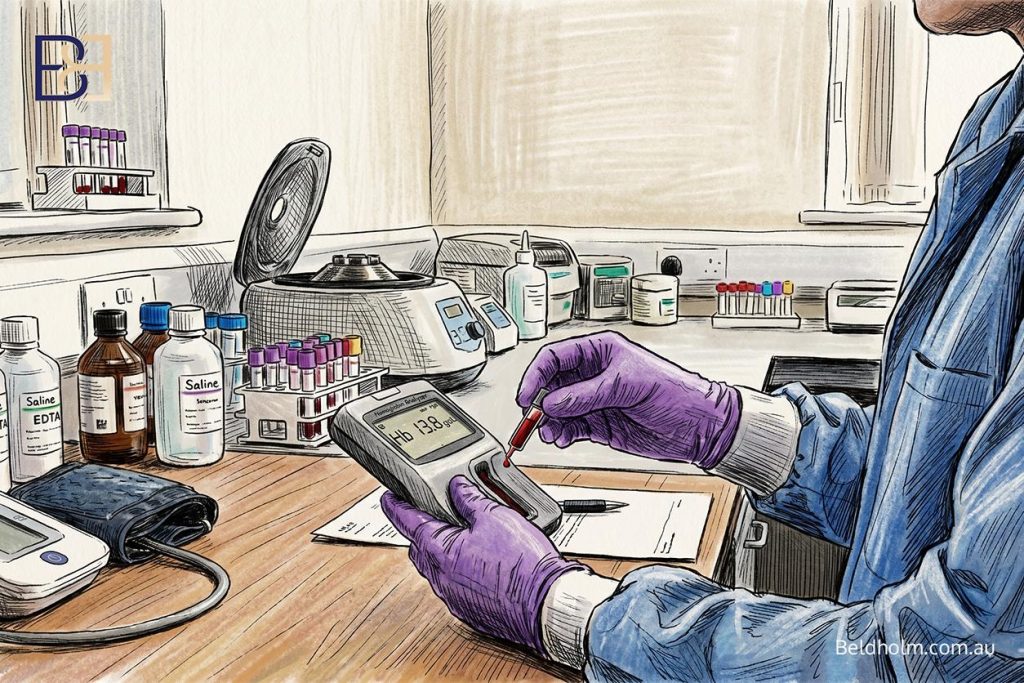
Vitamin B12 deficiency causes megaloblastic anaemia, and the haemoglobin level is a separate threshold I watch. Significant anaemia on its own is a reason to defer surgery.
My general approach:
- Haemoglobin above 120 g/L: Normal, proceed.
- Haemoglobin 100 to 120 g/L: Borderline. I investigate the cause, start appropriate supplementation, and usually retest before surgery. A stable, mild anaemia with an obvious cause being corrected is often acceptable; a declining haemoglobin is not.
- Haemoglobin below 100 g/L: Defer surgery. Severe anaemia significantly increases perioperative risk. Body contouring involves blood loss, and operating on an already anaemic patient is not safe. I refer to the GP for a full investigation, correct the underlying cause, and retest.
Anaemia is rarely caused by B12 alone. More commonly, I see it in combination with iron deficiency and sometimes folate deficiency. The workup looks at the full picture, not just vitamin B12.
Why Delaying Is the Right Call
When I explain a delay to a patient, I explain the reasoning. The goal of preparation is not to hit an arbitrary lab number. It is to ensure your body is in the best state possible to heal well after a demanding operation.
Operating on a patient with an uncorrected B12 deficiency increases the risk of:
- Impaired wound healing and a higher chance of wound breakdown
- Post-operative fatigue and slower recovery, particularly if anaemia is also present
- Elevated homocysteine, which feeds into an already elevated DVT risk profile
- A sub-optimal immune response during the early wound healing phase
None of these is certain to happen. But they are all more likely to be deficient in a patient than in an optimised one, and in body contouring, where wound healing often determines the quality of recovery, these margins matter. For longer procedures, such as a body lift (belt lipectomy), where the total incision length is substantial, the stakes are even higher.
A four- to eight-week delay in correcting a deficiency is a minor inconvenience compared to managing a wound breakdown or a DVT. I have this conversation with patients openly, and in my experience, once they understand the reasoning, most are comfortable with it.
What “Confirmed Correction” Looks Like
Before I take a previously-deficient patient to theatre, I want to see three things.
A repeat blood test showed vitamin B12 in the normal range. Ideally, above 220 pmol/L, not just above the deficiency cutoff. The goal is solid correction, not scraping back over the line.
Clinical improvement where there were symptoms. If the patient had fatigue, tingling, or other symptoms attributable to B12 deficiency, I want these to be improving (or at least stabilised) before surgery. Neurological recovery can be slow and incomplete, but stability is reassuring.
Homocysteine is in the normal range if it is elevated. For patients where homocysteine was measured and found to be high, I want it down below 15 µmol/L on recheck before proceeding. Homocysteine normalisation is a good functional marker that the B vitamin correction is working at the cellular level, not just in the serum.
If all three are in place, I proceed. If one or more is not, I think carefully about whether to delay further or to proceed with adjusted perioperative risk management (for example, extended DVT prophylaxis).
When Surgical Delay Is Not Negotiable
If the B12 deficiency is severe (particularly if below 100 pmol/L or with neurological symptoms), I do not proceed, regardless of the patient’s preferences regarding timing. The risk-benefit does not support it. This is one of the clinical decisions where I will be firm with the patient and explain why.
For milder vitamin B12 deficiency, where circumstances make delay difficult, there may be room for discussion of enhanced perioperative supplementation (such as intramuscular B12 close to surgery and continued through recovery). This is not my preferred approach, but it is sometimes the right clinical balance. The threshold I will not cross is proceeding with an uncorrected severe deficiency.
Perioperative Vitamin B12 Management

The work of correcting B12 deficiency is done in the weeks before surgery. By the time you arrive at your operating date, the goal is to maintain what we have built rather than make major changes. Here is how vitamin B12 is managed through the surgery itself and into the post-operative recovery period.
B12 Does Not Need to Be Paused
Unlike some supplements that are stopped in the days before surgery (fish oil, high-dose vitamin E, and a few others), B12 does not need to be paused. It has no effect on clotting, bleeding, or anaesthetic metabolism. It continues through the perioperative period without interruption.
This is worth mentioning because patients sometimes assume they need to stop all supplements a week before surgery. That is not the case. Your pre-operative instructions will tell you exactly which supplements to pause and when. Vitamin B12 is not on that list.
Timing Around the Day of Surgery
The week before surgery: B12 supplementation continues as normal. If you are on intramuscular vitamin B12, your last injection before surgery is timed according to your usual schedule. There is no need to deviate from what has been working.
The day of surgery: Oral and sublingual B12 are paused on the morning of surgery as part of standard fasting, since you are not eating. This is not specific to vitamin B12; it applies to all oral intake.
After surgery, B12 is resumed the same day if you are tolerating oral fluids and food, or the next day if not. For patients on intramuscular B12, the injection schedule continues without disruption, with the next dose given as scheduled.
Vitamin B12 During Your Hospital Stay

During your admission at Maitland Private, B12 supplementation continues. Oral and sublingual doses are taken with meals. If you are on intramuscular vitamin B12, the injection can be administered during admission if it is due.
If you want the full picture of perioperative supplementation beyond B12, my companion article on supplements for the hospital admission and early recovery after abdominoplasty (tummy tuck) covers the full protocol for that phase.
Vitamin B12 in the Early Post-Operative Weeks
In the first four weeks after surgery, B12 continues at the same dose and route that was working before surgery. If you were on oral methylcobalamin 1000 mcg daily, you stay on that. If you were on monthly intramuscular injections, those continue on schedule.
Surgery itself is a metabolic stress, and your B12 utilisation is slightly higher during active wound healing than at baseline. This is one of the reasons I do not reduce the dose in the early post-operative period. The priority is to keep levels stable or rising, not to trim back supplementation.
The Four-Week Handover
My direct management of your nutritional status runs from roughly four weeks before surgery to around four weeks after surgery. During this window, I am the one adjusting vitamin B12 supplementation, reviewing your response, and making any necessary changes.
At around four weeks post-op, management transitions back to your GP. For B12 specifically, this means:
- Your GP becomes the point of contact for ongoing vitamin B12 supplementation
- Follow-up blood testing (including B12) is arranged by your GP, usually at around six to eight weeks post-op
- For post-bariatric patients, vitamin B12 supplementation is a lifelong consideration; your GP is the right person to manage this long term
- Any dose adjustments or route changes (for example, switching from oral to intramuscular if oral is not maintaining levels) become GP-led decisions
I will provide your GP with a clear handover summarising your pre-operative B12 status, the supplementation used, and recommendations for ongoing monitoring. This is straightforward, and most GPs are well-equipped to continue managing B12 in post-bariatric patients.
Why Follow-Up Vitamin B12 Testing Matters
The six to eight-week post-op blood test is important. Surgery is a stress on nutritional reserves. A patient who started surgery with adequate B12 can come through the perioperative period slightly depleted, particularly if appetite was reduced in the early recovery weeks or if there were any complications affecting oral intake.
Catching that small depletion at six to eight weeks allows any needed adjustment before it becomes clinically significant. For post-bariatric patients, especially, this is not a one-off check. It is the first of what should be periodic vitamin B12 monitoring across the years that follow, because the underlying absorption issue that caused the original deficiency has not gone away.
The Long Game for Post-Bariatric Patients
For post-bariatric patients, B12 management does not end once body-contouring surgery is complete. The anatomical changes from your bariatric surgery are permanent. The absorption pathway is permanently compromised. Vitamin B12 supplementation is not something you do for a few months and then stop.
This is a point I emphasise at follow-up. The surgical preparation phase got your B12 levels to where they needed to be for the operation. The long-term phase, managed by your GP, is about keeping them there for the rest of your life. Consistent supplementation, periodic blood testing, and dose adjustment when needed are the tools that do that job.
In that sense, the body contouring process has given you something useful beyond the surgical result. It has forced a comprehensive nutritional review that many post-bariatric patients would not otherwise have had. The supplement routine and the monitoring plan you leave my care with are a foundation your GP can build on for many years.
What This Means for Your Surgery
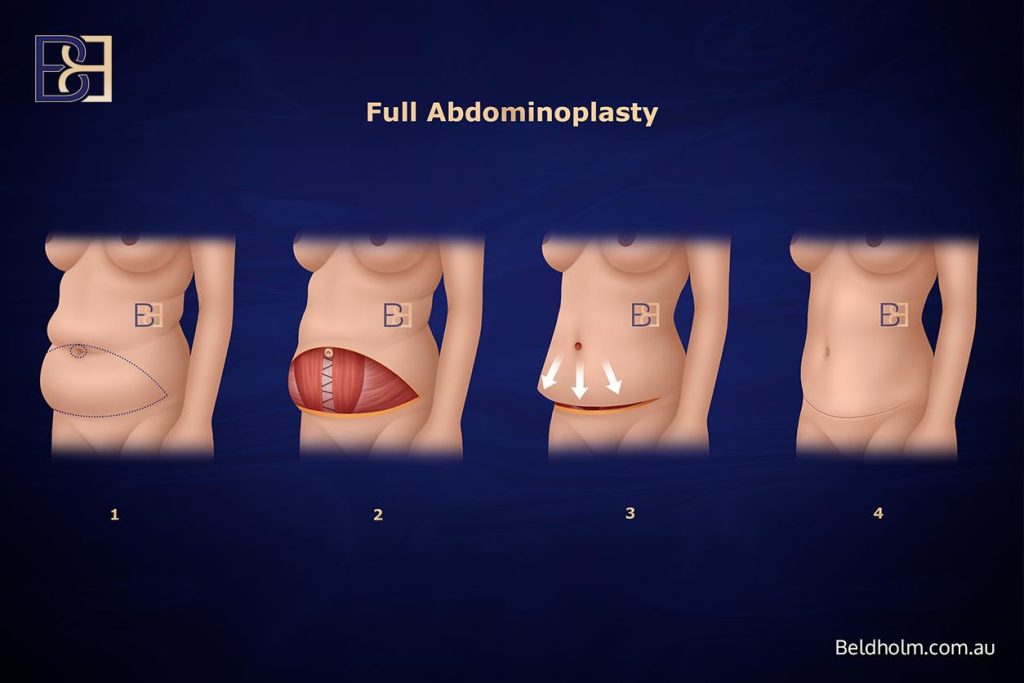
If you have read this far, you have a more detailed understanding of B12 and body contouring than most patients who walk into a consultation with. The purpose of this article was never to worry you, and I do not want that to be the takeaway. The goal was to explain why the blood test request form at your first consultation matters and what happens to the results.
To close out, here are the practical points I want you to leave with.
Early Testing Matters
The single most important thing a post-weight-loss patient can do for their body-contouring preparation is to get their pre-operative blood tests done early, ideally on the same day as their first consultation. Vitamin B12 repletion in a post-RYGB patient can take 6 to 12 weeks to achieve stable levels. Delaying the blood test by even a few weeks can push your surgical date back.
This is why I hand every new patient a blood form at the first consultation and direct them to the nearest collection centre as they leave.
The Consultation Pathway in My Practice
For post-weight-loss patients, the consultation pathway is deliberately structured to allow sufficient time for nutritional preparation. You can expect:
- First consultation: full history, physical assessment, discussion of your goals and the procedures that might suit you. You leave with a blood test request form, information about starting Tier 1 supplements, and a recommendation to have the bloods done as soon as possible
- Two to four weeks later, at the follow-up consultation, I review your blood results with you, add any Tier 2 supplements based on what the bloods show, and discuss your surgical plan in more detail
- A minimum of four weeks between first consultation and surgery: this is the floor, not the target. For patients with confirmed deficiencies requiring correction, the window is longer. Some patients need two to three months of nutritional preparation before we proceed
- Continued Tier 1 and targeted Tier 2 supplementation through the perioperative window
- Handover to your GP at around four weeks post-op for long-term monitoring, including ongoing B12 supplementation for post-bariatric patients
This pathway is designed so that nothing is rushed. Body contouring surgery after significant weight loss is a major undertaking, and the preparation phase contributes to the overall outcome in ways that are easy to undervalue if you have not seen the difference between optimised and non-optimised patients.
The Risks Vitamin B12 Status Connects To
There are two specific complications of body contouring surgery where B12 status has a direct influence:
- Wound healing complications include delayed healing, wound breakdown, and infection. These are more common in post-bariatric patients than in non-bariatric patients, particularly with longer incisions such as a body lift (belt lipectomy), and vitamin B12 status is one of the nutritional factors I can influence to reduce (but not eliminate) this risk
- Deep vein thrombosis and pulmonary embolism are covered earlier in this article. Longer procedures, such as a body lift (belt lipectomy), carry a higher baseline DVT risk, and vitamin B12 deficiency contributes to this risk through elevated homocysteine and, when megaloblastic anaemia is present, through fatigue that reduces early mobilisation
Body contouring surgery carries other risks, too, including scarring, seroma, asymmetry, and the possibility of revision surgery. These are discussed at the consultation in the context of your specific procedure. B12 status does not directly influence most of those risks, which is why I have not covered them in depth here.
Correcting vitamin B12 deficiency is one of several things that shifts the probabilities in your favour for the two complications above. It does not eliminate risk. Results vary between patients. This is not a standard disclaimer; it is an accurate description of clinical reality. Two patients with similar starting points and identical procedures can have different recoveries due to factors that are not fully controllable, including genetics, healing biology, postoperative compliance, and luck.
What Good Preparation Actually Achieves
I want to be honest about what careful nutritional preparation does and does not do.
It does not guarantee a complication-free recovery. It does not eliminate the risk of DVT, wound breakdown, infection, or any of the other complications of body contouring surgery. It does not produce a specific aesthetic outcome.
What it does is create the conditions for your body to heal well. Adequate vitamin B12 supports cell division and red blood cell production. Adequate protein supports collagen formation. Adequate vitamin D, zinc, and the rest of the Tier 1 package support the broader metabolic and immune environment in which healing happens. When these are in place, the probability of a smoother recovery is higher. When they are not, the probability is lower.
This is why I take preparation seriously, and why I ask my patients to take it seriously too. It is the part of the process where you have the most influence. The surgery itself is in my hands. What happens in the weeks before and after is largely in your hands.
Closing Thoughts

Vitamin B12 is not the most important factor in your body-contouring preparation. Protein is more important. Weight stability is more important. Realistic expectations about the procedure and the recovery are more important.
But B12 is one of the commonly missed elements, and the consequences of missing it can be meaningful. It is easy to test, straightforward to correct in most cases, and cheap to supplement. There is no good reason not to treat it.
If you are a post-weight-loss patient considering abdominoplasty (tummy tuck), body lift (belt lipectomy), thighplasty (thigh lift), brachioplasty, or mastopexy (breast lift), this is the kind of detail that makes a real difference to how well your preparation phase goes. Get the blood test done early. Take the supplements consistently. Be open to a short delay if the bloods show we need more time. That is what gives us the best chance of working towards a recovery that goes as well as possible.
The complete vitamins and supplements framework I use, including the full Tier 1 and Tier 2 protocol alongside vitamin B12, is covered in detail in my guide to all vitamins and supplements before and after abdominoplasty (tummy tuck). That is the reference document if you want the full picture. This article has covered one specific nutrient in depth. The broader picture is where it all fits together.
References
- Agha-Mohammadi S, Hurwitz DJ. Nutritional deficiency of post-bariatric surgery body contouring patients: what every plastic surgeon should know. Plast Reconstr Surg. 2008;122(2):604-13.
- Agha-Mohammadi S, Hurwitz DJ. Enhanced recovery after body-contouring surgery: reducing surgical complication rates by optimizing nutrition. Aesthet Plast Surg. 2010;34(5):617-25.
- Mehta M, Rometo D, Gusenoff J, Rubin JP. Nutritional challenges in post-massive weight loss body contouring: guidance for plastic surgeons on GLP-1 agonists and sleeve gastrectomy. Plast Reconstr Surg. 2025. doi: 10.1097/PRS.0000000000012672.
- Humar P, Robinson B. Preparing patients for body contouring surgery and postoperative surveillance for deep venous thrombosis. Clin Plast Surg. 2024;51(1):1-6. doi: 10.1016/j.cps.2023.06.007.
- Li M, Ren R, Wang K, Wang S, Chow A, Yang AK, Lu Y, Leo C. Effects of B vitamins on homocysteine lowering and thrombotic risk reduction: a review of randomized controlled trials published since January 1996. Nutrients. 2025;17(7):1122. doi: 10.3390/nu17071122.
- Mahawar KK, Reid A, Graham Y, Callejas-Diaz L, Parmar C, Carr WR, Jennings N, Singhal R, Small PK. Oral vitamin B12 supplementation after Roux-en-Y gastric bypass: a systematic review. Obes Surg. 2018;28(7):1916-23. doi: 10.1007/s11695-017-3102-y.
- Antoine D, Li Z, Quilliot D, Sirveaux MA, Meyre D, Mangeon A, Brunaud L, Gueant JL, Gueant-Rodriguez RM. Medium term post-bariatric surgery deficit of vitamin B12 is predicted by deficit at time of surgery. Clin Nutr. 2021;40(1):87-93. doi: 10.1016/j.clnu.2020.04.029.
- Marcuard SP, Sinar DR, Swanson MS, Silverman JF, Levine JS. Absence of luminal intrinsic factor after gastric bypass surgery for morbid obesity. Dig Dis Sci. 1989;34(8):1238-42. doi: 10.1007/BF01537272.
- Griffin M, Akhavani MA, Muirhead N, Fleming ANM, Soldin M. Risk of thromboembolism following body-contouring surgery after massive weight loss. ePlasty. 2015;15:e21.
- Makris M. Hyperhomocysteinaemia and thrombosis. Clin Lab Haematol. 2000;22(3):133-43. doi: 10.1046/j.1365-2257.2000.00301.x.