Recovery after a buttock lift (gluteal lipectomy) is a gradual, structured process that requires time, planning, and support. This surgical procedure is commonly performed for patients following significant weight loss, where excess skin remains around the lower back and buttocks. Understanding the recovery period helps patients prepare both physically and mentally for major surgery and the weeks that follow.
What Is a Buttock Lift (Gluteal Lipectomy)?
A buttock lift, medically referred to as a gluteal lipectomy, is a surgical procedure designed to remove excess skin from the lower back and buttock region. It is frequently performed after significant weight loss and may be combined with other procedures such as abdominoplasty (tummy tuck), thigh lift (Thighplasty) surgery, or liposuction (Suction-assisted lipectomy). Other common body contouring surgeries include breast procedures such as breast lift (mastopexy) and breast reduction (Reduction mammoplasty), which are often planned together for comprehensive results. These procedures are all forms of body contouring surgery and require careful planning and consultation with a qualified specialist surgeon.
The procedure focuses on removing excess skin and tightening underlying tissue rather than adding volume. In contrast, gluteal augmentation involves adding fat or implants and has a different recovery profile. It is important to have a preoperative talk with your surgeon to discuss your expectations, medical history, and available surgical options.
Preparation and Requirements
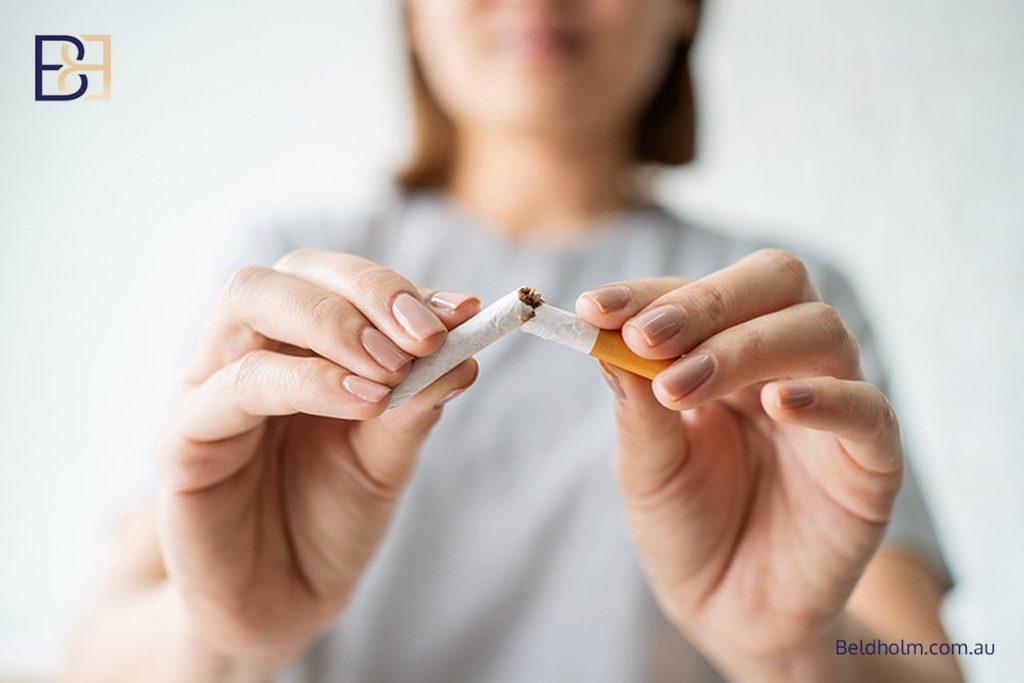
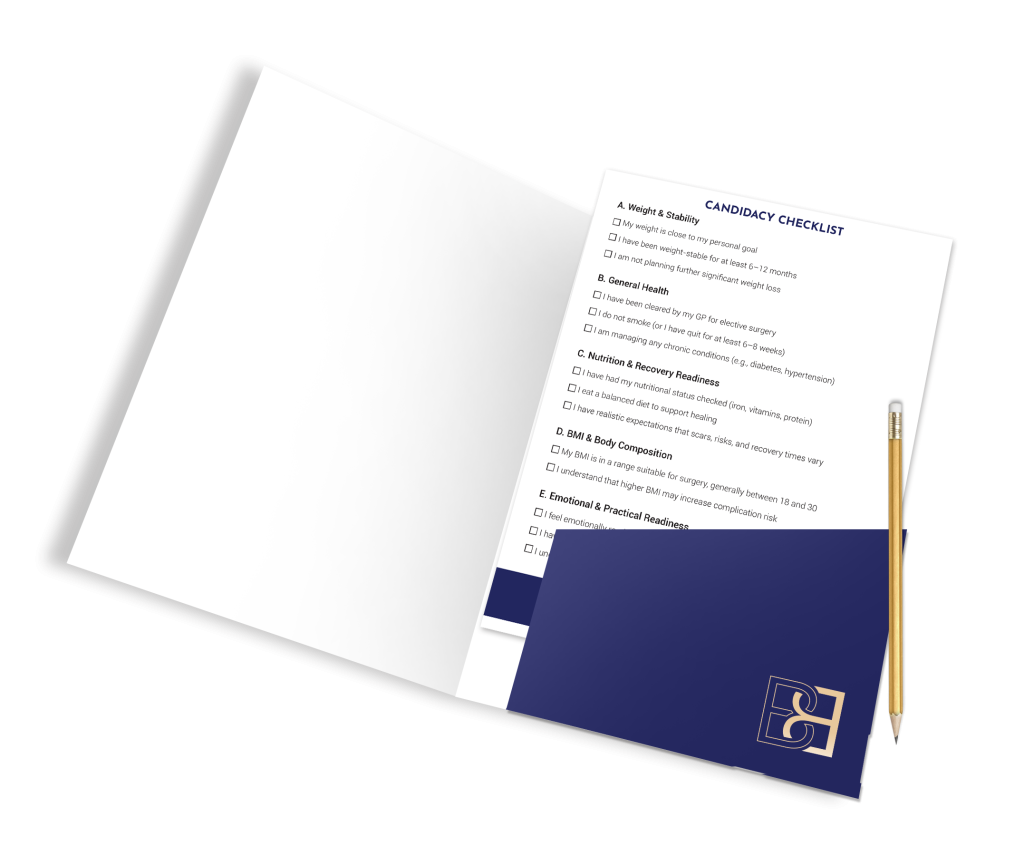
Proper preparation is essential for a successful buttock lift (Gluteal Lipectomy) or lower body lift (belt lipectomy). Patients are strongly advised to stop smoking at least four weeks before surgery, as smoking can significantly increase the risk of complications such as bleeding, infection, and delayed healing. Achieving a stable weight after a significant amount of weight loss is also crucial, as fluctuating weight can affect both the results and the healing process. Before the procedure, your surgeon may request blood tests and other diagnostic assessments to ensure your body is healthy enough for surgery and to identify any potential risks. It’s important to inform your surgeon about any medications you are taking, especially blood thinners, as well as any allergies or medical conditions. Avoiding certain medications before surgery can help reduce the risk of excess bleeding and other complications. After the procedure, patients will be fitted with a supportive garment to help manage swelling and provide support to the operated sites during recovery. Careful planning and open communication with your surgical team will benefit the outcome.
The Five Stages of Recovery
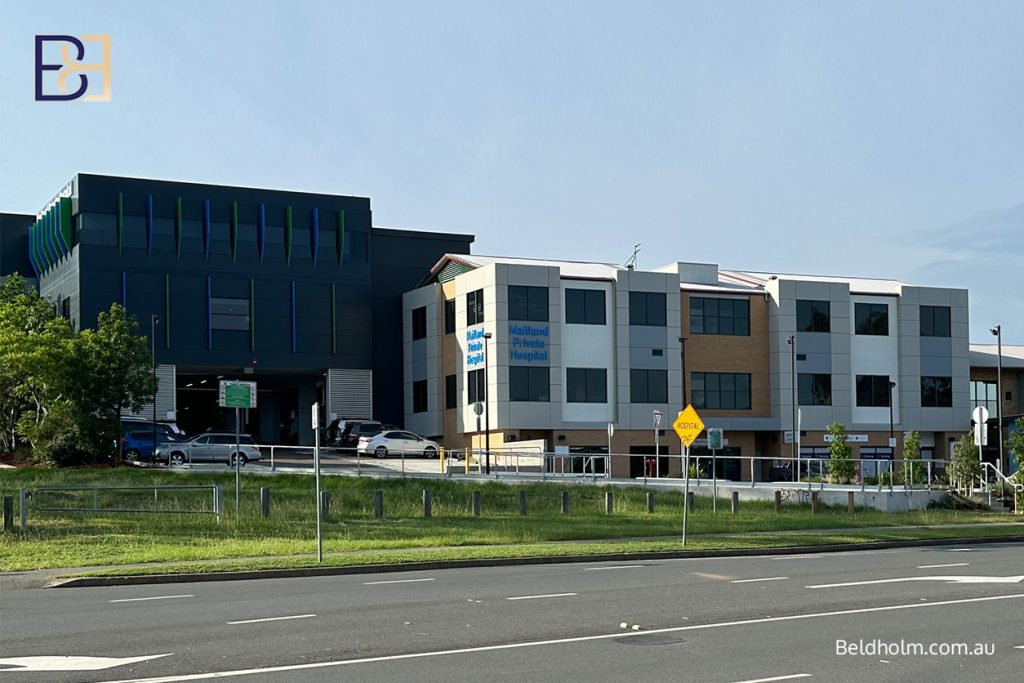
Although every patient recovers differently, recovery following surgery with Dr Bernard Beldholm FRACS follows a structured and closely monitored pathway. Most buttock lift (gluteal lipectomy) are performed as a day procedure at Maitland Private Hospital, with overnight admission reserved for selected cases or combined surgery.
Immediate Post-Operative Phase (Day of Surgery to Days 1–3)
Patients are admitted to Maitland Private Hospital for surgery and monitored closely in recovery. Most patients are discharged the same day once pain is controlled, mobility is safe, and observations are stable. In some cases, an overnight stay may be recommended.
Pain, swelling, bruising, and fluid drainage are expected during this phase. Blood tests may be performed if clinically indicated to assess haemoglobin levels and monitor for excess blood loss. Patients are commenced on prescribed pain relief and, where appropriate, antibiotics. Your care team will review your drug history and may prescribe medications to prevent blood clots and manage infection. You might need to continue taking an antibiotic after your buttock lift (Gluteal Lipectomy), and you might also need to take a medication to prevent blood clots after surgery.
Early Healing Phase (Days 4–14)
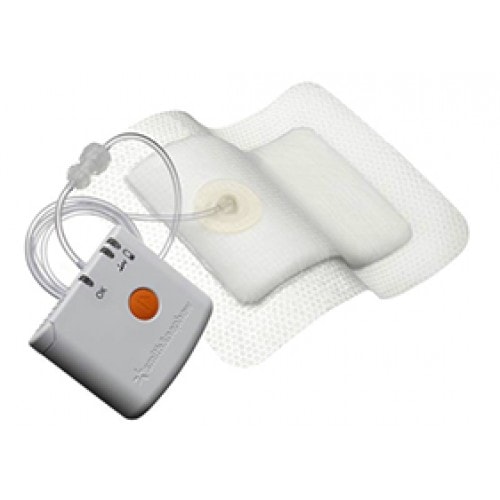
The first two weeks are focused on wound care, swelling management, and early mobilisation. Patients attend frequent clinic visits (typically 2–3 times per week) for review by the nursing team and Dr Beldholm. Dressings are changed, drains (if present) are monitored and removed when appropriate, and early healing is assessed.
A supportive compression garment is worn continuously. Sitting is limited, and patients are encouraged to walk short distances regularly.
Consolidation Phase (Weeks 3–6)
Swelling and bruising continue to settle. Most patients reduce the frequency of clinic visits during this phase, but remain under active follow-up. Daily activities gradually increase, though lifting, strenuous exercise, and prolonged sitting remain restricted.
Fatigue is common, particularly for patients who have undergone surgery after significant weight loss or as part of a belt lipectomy (lower body lift).
Functional Recovery Phase (Weeks 6–12)
Patients typically return to light work and normal daily routines, depending on the nature of their job. With surgeon approval, gentle exercise may begin. Scar management becomes a key focus, including taping or silicone therapy as advised.
Weight should remain stable during this phase to support optimal healing.
Long-Term Healing Phase (3–12 Months)
Scar maturation continues over many months. Residual swelling gradually resolves, and tissues soften. Routine follow-up appointments are scheduled at approximately 1, 3, 6, and 12 months after surgery, with additional visits arranged if concerns arise.
Final outcomes continue to evolve during this phase, and individual results vary.
Returning to Work, Driving, and Exercise
Book your appointment online now
Returning to normal activities after a buttock lift (gluteal lipectomy) occurs in a staged manner and depends on the nature of a patient’s work, overall health, and how healing is progressing. Timelines provided are general guidance only and may be adjusted by the surgeon based on individual recovery.
Returning to Work

Most patients require time away from work following surgery. For those whose roles are primarily desk-based or involve working from home, a return to light, at-home duties may be possible from around one week after surgery, provided pain is controlled and sitting can be modified.
Patients with physically demanding roles, prolonged standing, or manual labour typically require a longer period away from work. Sitting tolerance, fatigue, and wound healing all influence readiness to return, and this is assessed during follow-up appointments.
A graduated return to work is often recommended where possible from 2-4 weeks.
Driving After Surgery

Driving is usually restricted in the early recovery period due to discomfort, limited mobility, and the need to avoid sudden movements. Most patients are advised to avoid driving for approximately two weeks following a gluteal lipectomy.
Before resuming driving, patients should be able to:
- Sit comfortably without compromising wound care
- Perform an emergency stop
- Be off strong pain medication that may impair reaction time
Clearance should always be confirmed with the treating surgeon.
Walking and Early Movement

Gentle movement is encouraged soon after surgery. Walking usually begins the day after surgery, initially for short distances around the home. This supports circulation and reduces the risk of blood clots.
Over the first two weeks, walking duration and frequency are gradually increased as tolerated. Patients are advised to listen to their body and avoid pushing through pain or fatigue.
Progressing Exercise
More structured or higher-intensity exercise is introduced gradually and only after surgical review. In most cases:
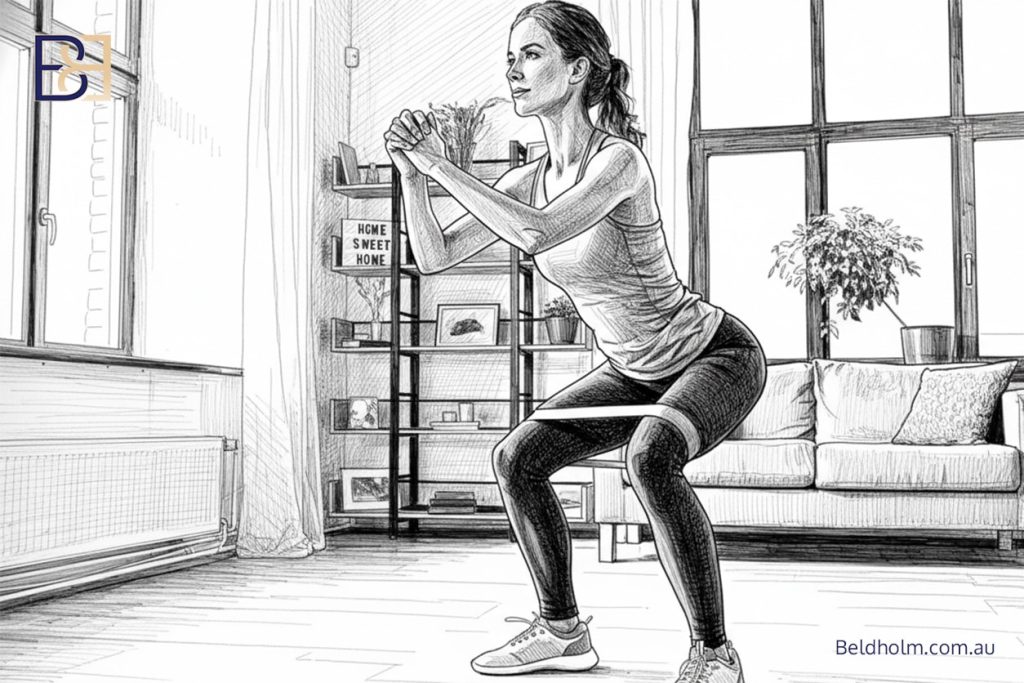
- Light activity is limited to walking during the first two weeks
- More demanding exercise is usually delayed until at least two weeks or longer, depending on healing and whether additional procedures were performed
Strength training, gym workouts, and impact activities are reintroduced cautiously and under guidance. Patients who have undergone combined surgery, such as a belt lipectomy, may require a longer progression period.
Exercise recommendations are individualised and reviewed during follow-up appointments.
Key Factors That Influence Recovery
Several factors affect how smoothly patients recover:
- Stable weight before surgery
- Overall health and nutrition
- Smoking status (patients are advised to stop smoking)
- The extent of skin removal and whether multiple procedures were performed
Patients who have lost a large amount of weight may require longer recovery periods.
Hospital Stay and Early Support

Buttock lift (gluteal lipectomy) procedures are performed in a hospital setting. Hospital care allows monitoring for bleeding, infection, fluid accumulation, or adverse reaction to medication. Nursing staff assist with mobilisation and wound care.
Support at home is essential after discharge. Patients are encouraged to plan help with daily activities, especially during the first two weeks.
Managing Pain, Swelling, and Bruising
Pain is generally managed with prescribed medication. Swelling and bruising are normal parts of the healing process. Fluid accumulation may require drains, which are removed once output decreases.
Patients should contact their surgeon if symptoms such as increasing pain, fever, or unusual discharge occur.
Movement, Sitting, and Exercise
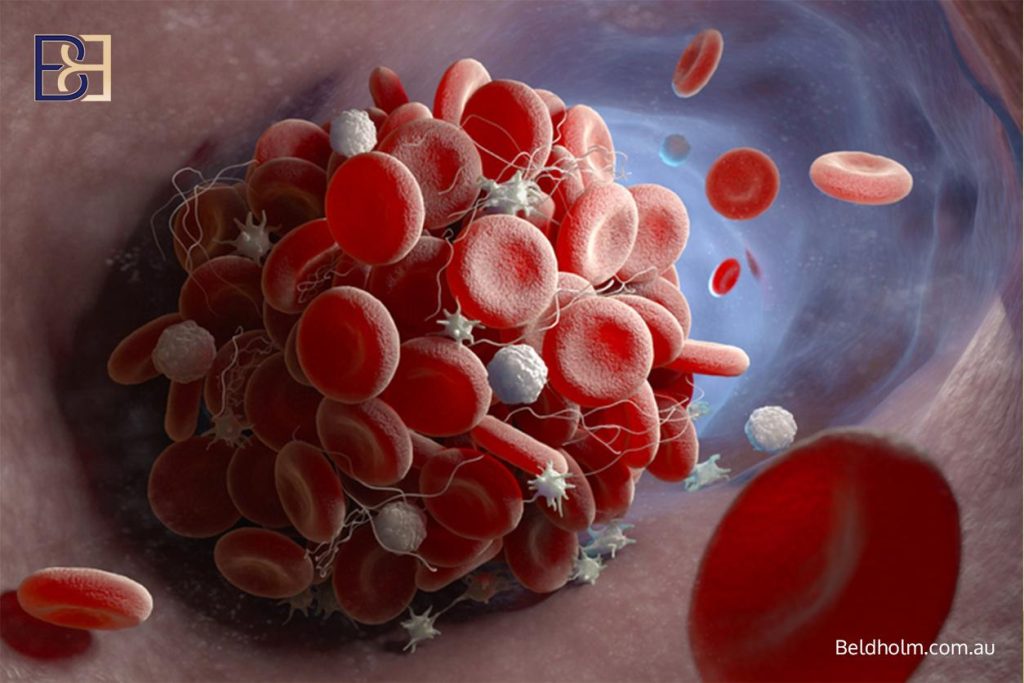
Movement is encouraged early to reduce the risk of blood clots, but activities must be modified. Sitting directly on the buttocks may initially be uncomfortable. Exercise progression is gradual and guided by the surgeon.
Patients often ask whether exercise alone can lift ptotic (loose) buttocks. While strengthening muscles can increase tone, it does not eliminate excess skin.
Scars and Long-Term Healing
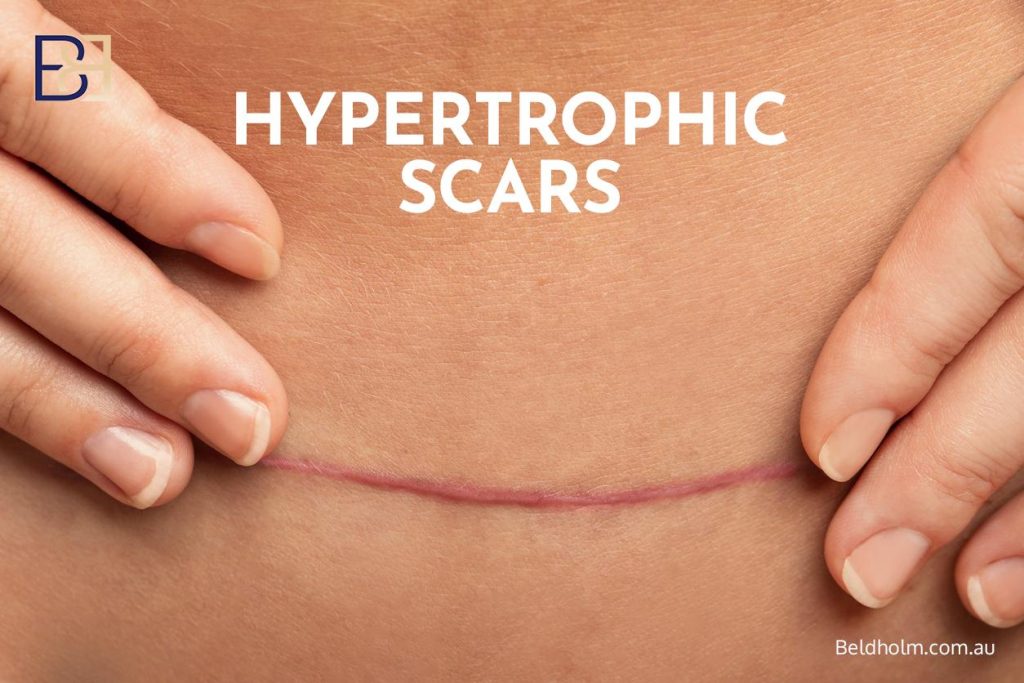
A scar is unavoidable after a buttock lift (Gluteal Lipectomy). Scars are typically positioned along the lower back and may extend around the body in belt lipectomy cases. Scar care includes taping, silicone therapy, and sun protection.
Scar appearance changes over time and can take up to 12 months to stabilise.
Recovery Compared With Other Procedures

Recovery from a buttock lift is often compared to recovery after a tummy tuck (abdominoplasty) or lower body lift (belt lipectomy). Because multiple areas such as the thighs, abdomen, and buttocks may be involved, recovery can be more demanding than single-area surgery.
Planning for a Safe Recovery
Planning includes arranging time off work, organising support, preparing meals, and attending follow-up appointments. It is important to work as a team with your doctor and other health professionals to manage your recovery and achieve your personal goals. Patients travelling from outside the local area may require extended accommodation near the hospital.
Final Thoughts

Recovery after a buttock lift (Gluteal Lipectomy) requires patience and realistic expectations. Understanding the stages of healing, following medical advice, and seeking support are key components of recovery.