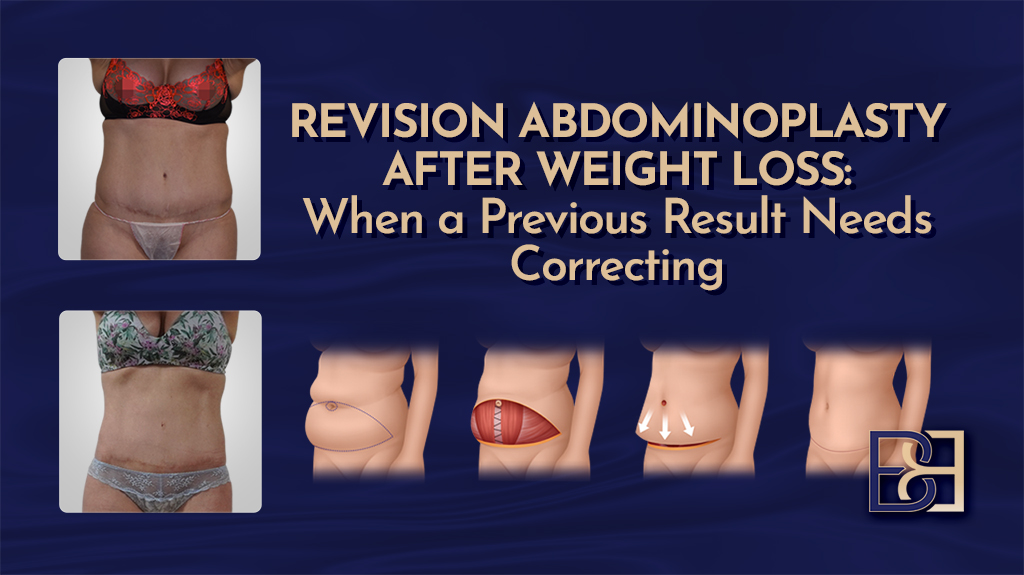
Most people picture an abdominoplasty (tummy tuck) as a single horizontal incision running from one hip to the other. After major weight loss, one direction is sometimes not enough. When loose skin hangs both up and down and side to side, a hip-to-hip incision on its own cannot take up the side-to-side excess. In that situation I may add a vertical incision.
In my practice I see this pattern often in patients who have undergone massive weight loss, whether through diet and exercise, weight loss medications, or bariatric surgery. The skin has been stretched in more than one direction, and removing it well can call for more than a single horizontal line.
This article explains what a vertical incision does, why it comes up more often after major weight loss, who it may suit, and the trade-off it carries. Whether it is appropriate is worked out for the individual at consultation, not decided in advance.
Key Takeaways
- A vertical incision is added when there is loose skin in the side-to-side direction that a hip-to-hip incision alone cannot remove. This pattern is common after major weight loss.
- Adding a vertical component to the horizontal incision creates the Fleur de Lis pattern, leaving an inverted-T scar. It allows skin to be removed in two directions in the one operation.
- A vertical incision leaves a permanent scar running down the midline of the abdomen. This is the main trade-off, and I go through it in full before any decision is made.
- Whether a vertical incision suits you depends on your pattern of skin laxity, your medical history and your nutritional status. This is assessed at consultation.
What a Vertical Incision Is, and Why a Horizontal One Is Sometimes Not Enough
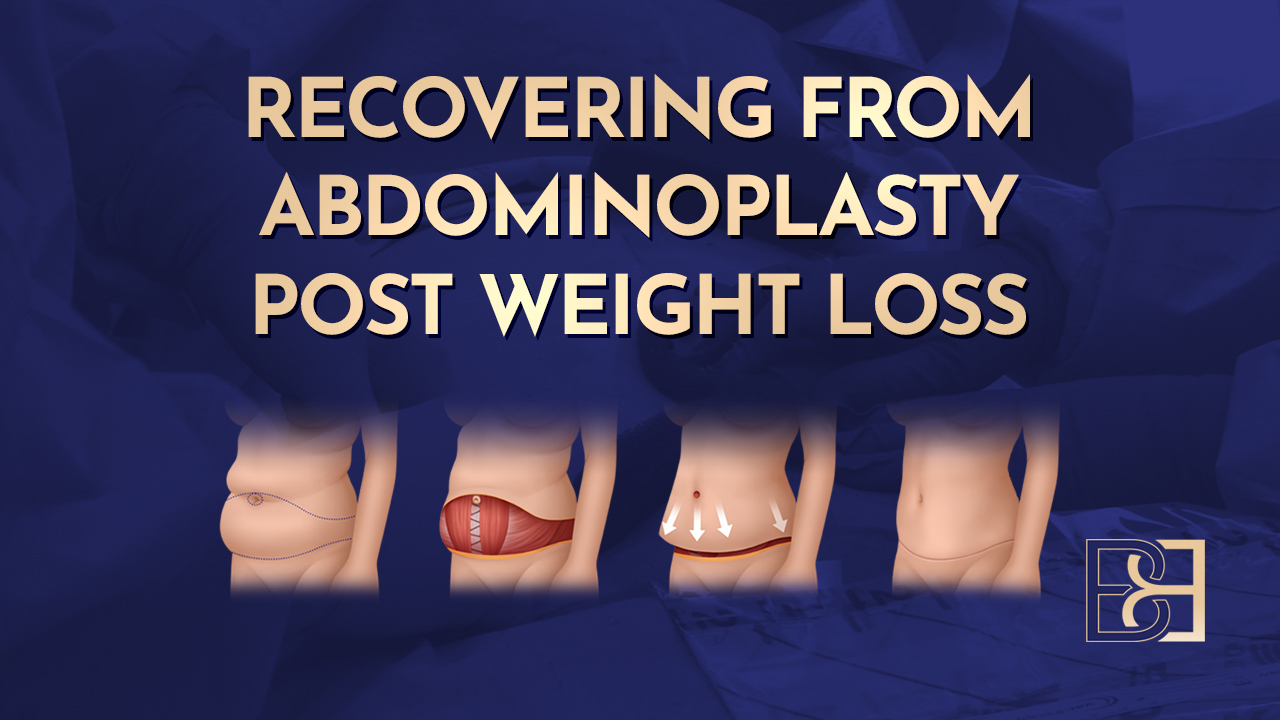
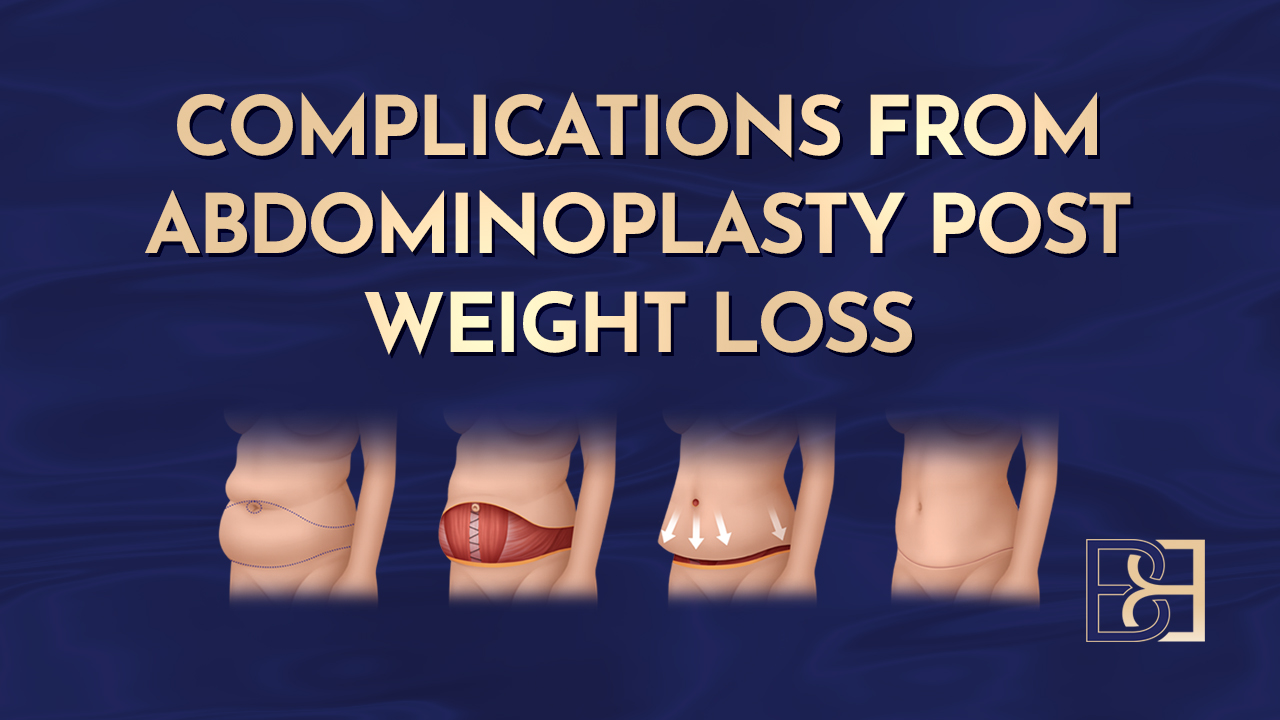
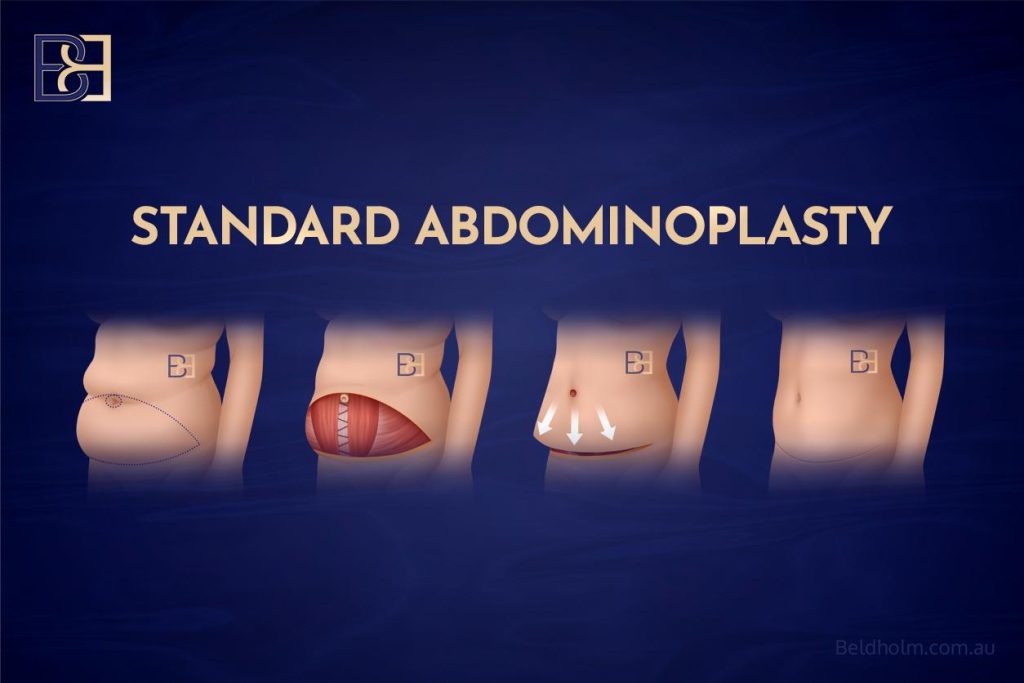
A traditional abdominoplasty (tummy tuck) uses a single horizontal incision low across the abdomen, from one hip to the other. The loose skin below the belly button (umbilicus) is lifted, the excess skin is removed, and the skin above is brought down and closed along that line. This works well when the skin needs to come down in one direction, from top to bottom.
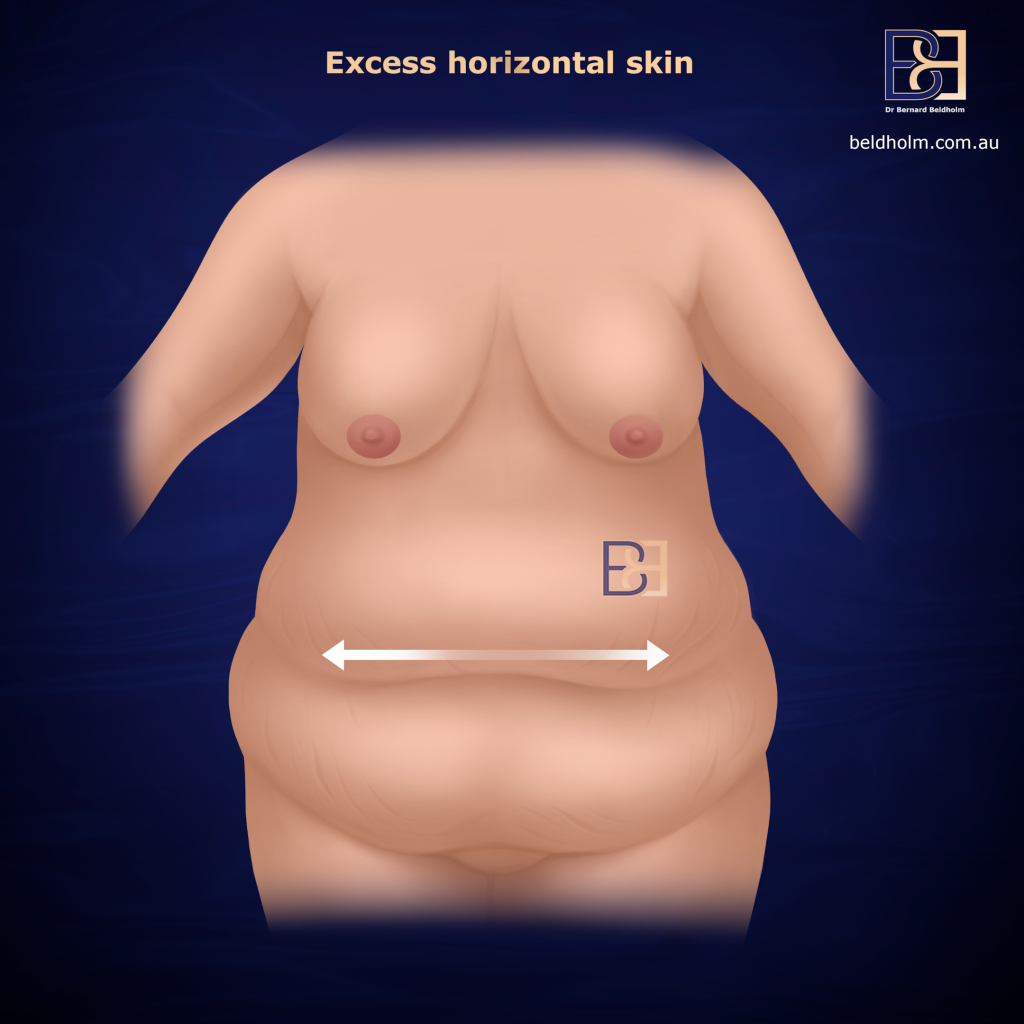
The problem after major weight loss is that the skin is often loose in two directions at once. It hangs down, and it is also slack from side to side. A horizontal incision pulls the skin downward, but it does very little to take up that side-to-side looseness. Pulling harder on a hip-to-hip closure does not fix this. It just adds tension to the wound, which is not what you want when healing matters.
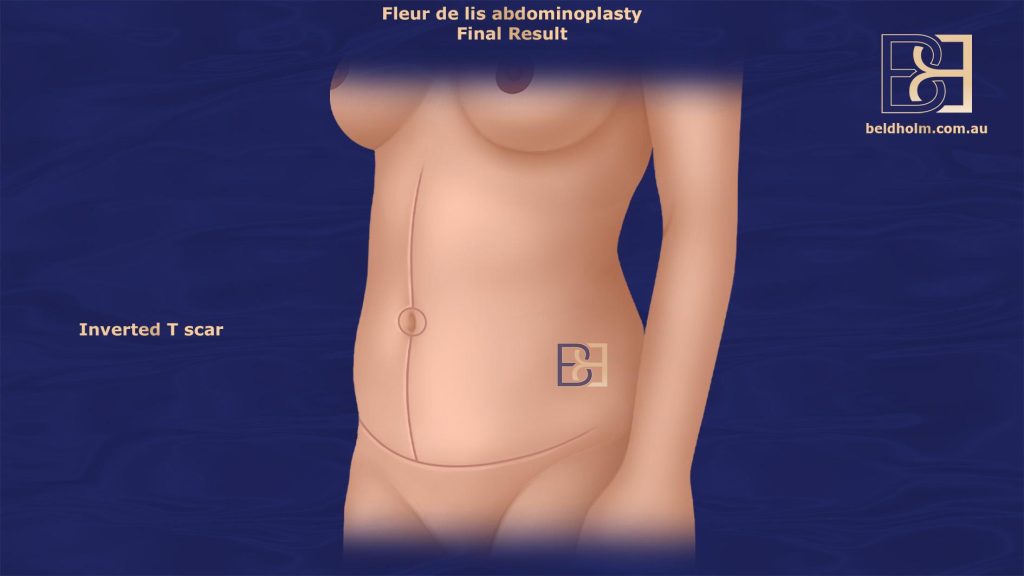
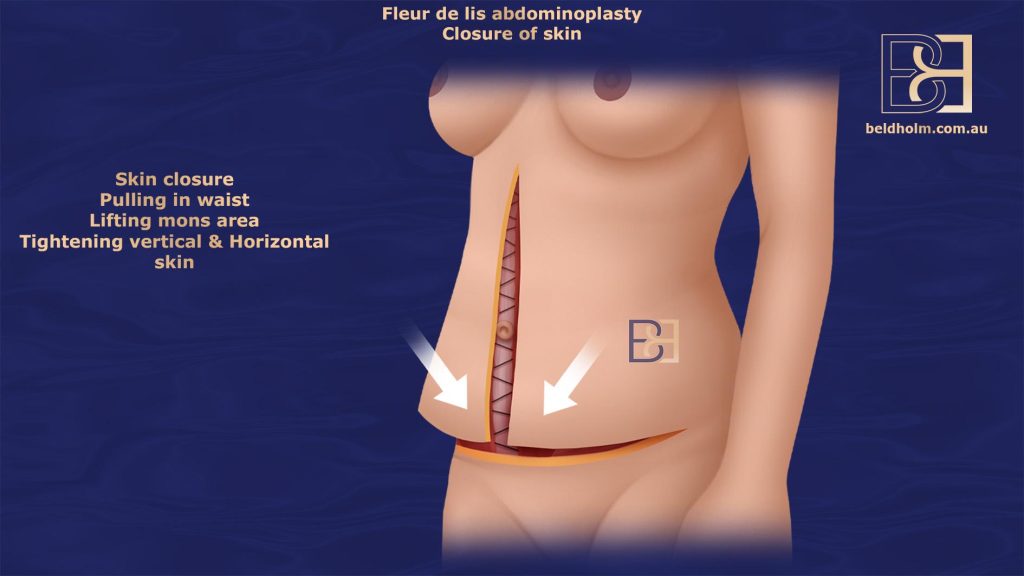
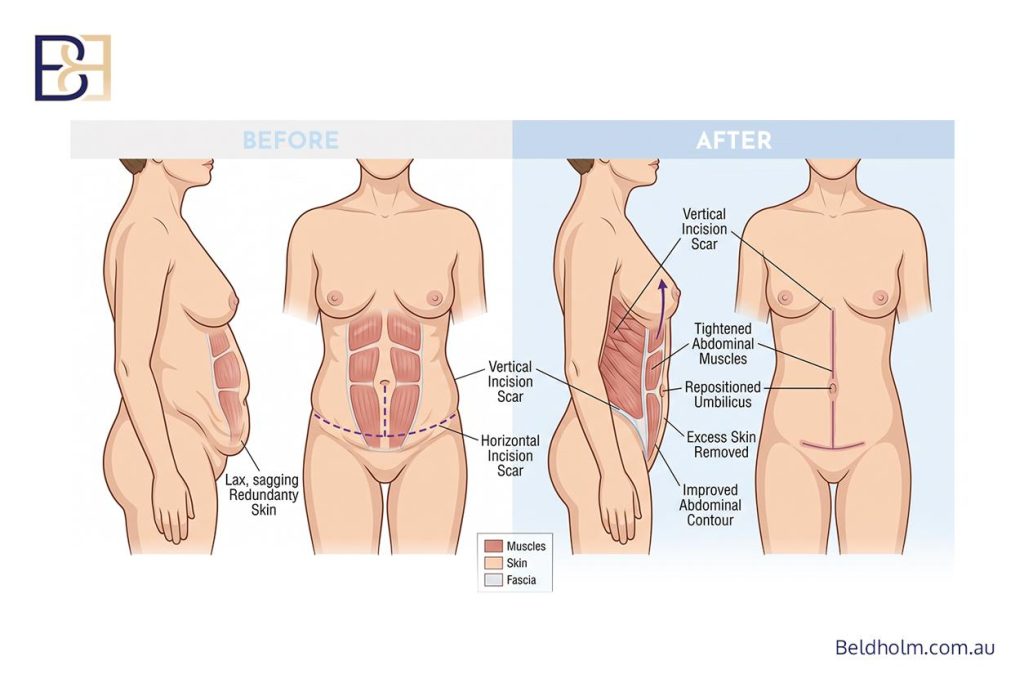
A vertical incision runs up and down the midline of the abdomen, instead of, or in addition to, the horizontal one. By removing a strip of skin along that vertical line, I can take up the side-to-side slack and bring the edges together across the midline. When the vertical and horizontal incisions are used together, they meet to form an inverted-T shape. This combined pattern is the Fleur de Lis abdominoplasty.
So the two incisions do different jobs:
- The horizontal incision removes skin from top to bottom and lowers the position of the upper abdominal skin. It can also lift the mons pubis, which is often pulled down after major weight loss.
- The vertical incision removes skin from side to side and tightens across the midline.
Used together, they remove more skin than a horizontal incision can on its own. For some post weight loss patients, that is the only way to take up the full amount of loose skin in the one operation (1). You can read more about the technique in my Fleur de Lis abdominoplasty article.
Why This Comes Up More Often After Major Weight Loss
The pattern of loose skin after major weight loss is different from what I see in patients who come to me after pregnancy, and that difference is the main reason a vertical incision is on the table at all.
When a large amount of weight is carried for a long time, the skin stretches in every direction to cover it. Once the weight comes off, the skin does not shrink back to fit. It is left slack across the whole abdomen, hanging down at the front and loose around the sides. The more weight that was lost, the more skin there tends to be, and the more likely it is that a single direction of removal will not be enough.
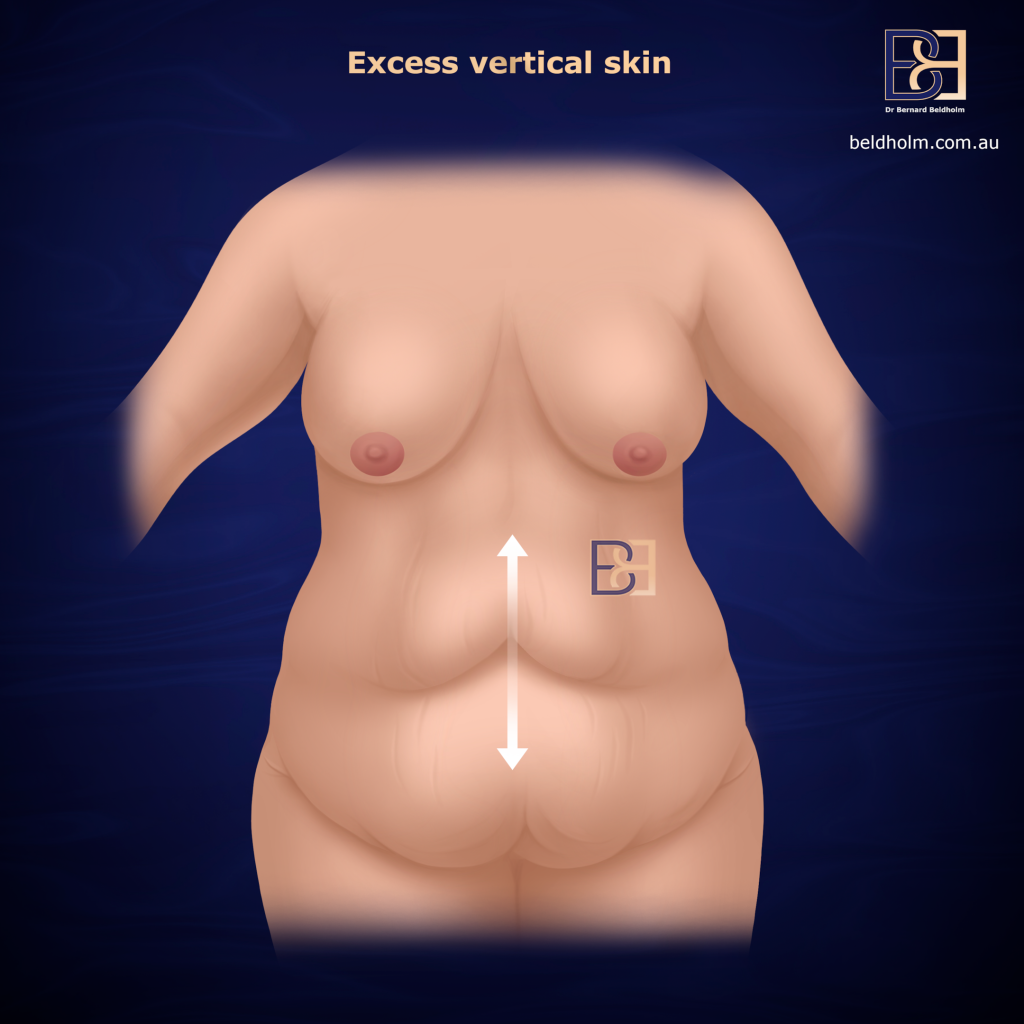
This is quite different from the typical post-pregnancy abdomen. After pregnancy, the looseness is usually front to back and lower down, and a horizontal incision on its own often handles it well. Muscle separation (diastasis recti) is also common in that group. After major weight loss, muscle separation is not a given. Some patients have it and some do not, so I assess the abdominal muscles individually rather than assuming repair is needed.
A few features I typically see after major weight loss:
- Skin loose in two directions. This is the key one. Side-to-side slack is what a vertical incision is designed to remove.
- A stretched belly button (umbilicus). Rather than sitting deep and neat, it is often pulled down and stretched out by the weight of the skin above it.
- Skin quality that has changed. Skin that has been stretched a long way and then deflated behaves differently during healing, which is one reason I plan the incision pattern carefully for each patient.
None of this means a vertical incision is automatic after weight loss. Plenty of post weight loss patients are treated well with a horizontal incision alone. The point is that this group is far more likely to have the side-to-side looseness that makes a vertical incision worth considering, which is why I raise it at consultation when the pattern calls for it.
Where the Vertical Incision Fits: The Fleur de Lis and Related Techniques

When patients ask me for an abdominoplasty (tummy tuck) with a vertical incision, what they are usually describing is the Fleur de Lis abdominoplasty. The vertical incision is the defining feature of that operation, so the two terms point to much the same thing.
The Fleur de Lis method uses both incisions together. The horizontal line sits low across the abdomen and the vertical line runs up the midline, and they meet to form the inverted-T. Skin is removed in both directions and the edges are brought together along both lines. This is the version I use most often when there is loose skin in two directions after weight loss. Liposuction (suction assisted lipectomy) is sometimes used alongside the skin excision to refine the contour, where it is appropriate for the individual.
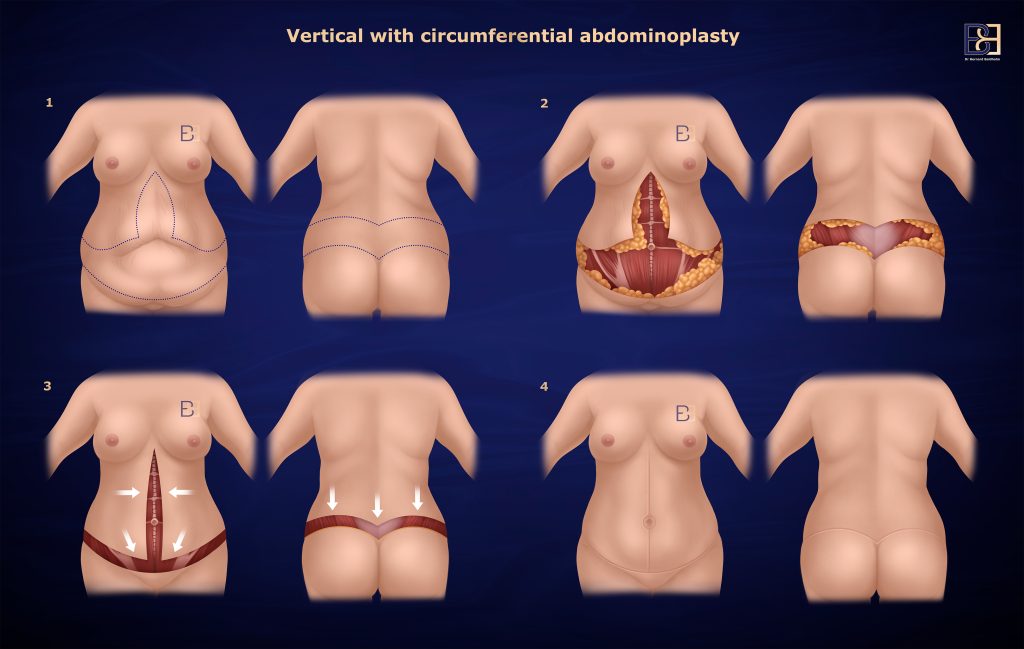
A purely vertical incision, with no horizontal component, is uncommon. It would only suit the rare patient whose looseness runs almost entirely side to side, with little to remove from top to bottom. In practice, most post weight loss patients who need a vertical incision need a horizontal one as well, which is why the inverted-T is the usual result.
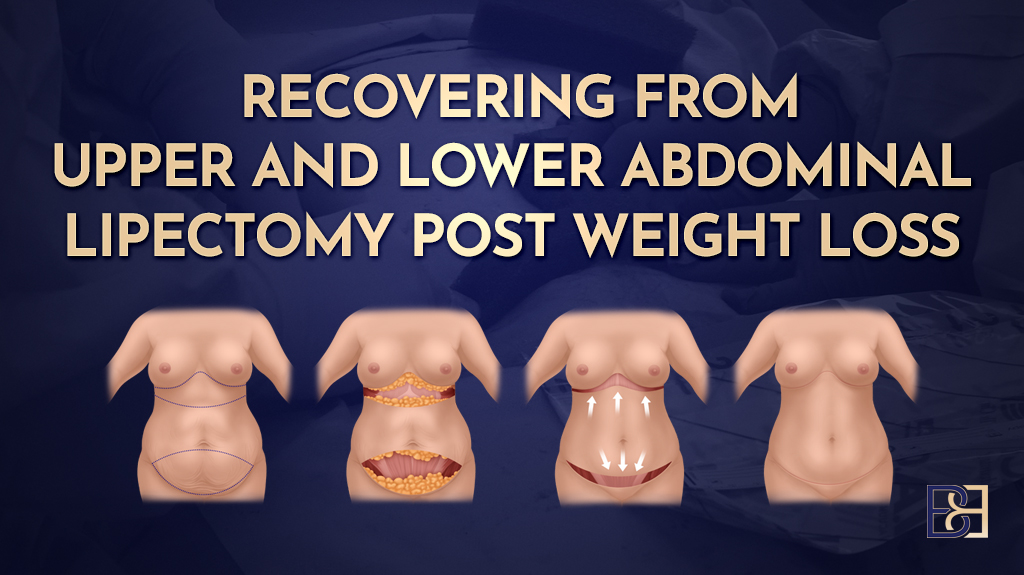
There is also a related technique for patients who carry loose skin higher up. Where there is significant upper abdominal laxity in more than one direction, I sometimes add removal of upper abdominal skin to the Fleur de Lis. I cover that separately in my dual vector abdominoplasty article.
If you want the full operative detail of the Fleur de Lis surgical technique, including how the incisions are planned and closed, that is set out in my Fleur de Lis abdominoplasty operative technique article. This article stays with the question most patients actually ask, which is when a vertical scar is needed and what it means for them.
Who a Vertical Incision May Suit
There is no single rule that decides this. As the operating surgeon, I look at each patient and weigh up several factors before suggesting a vertical incision over a horizontal one.
The main factor is the pattern of loose skin. If the slack runs side to side as well as up and down, a vertical component is often the only way to remove it all in the one operation. If the looseness is mainly top to bottom, a horizontal incision usually does the job and a vertical scar is not warranted.
Alongside the skin pattern, I consider:
- How much skin there is. Larger amounts of excess skin, which is common after losing a significant amount of weight, are more likely to need removal in two directions.
- Where the looseness sits. Skin loose high on the abdomen behaves differently from skin loose only low down, and that affects whether a vertical line helps.
- Your general health and medical history. A longer operation places more demand on the body, so I need to make sure that you are well enough for it.
- Your nutritional status. Most post weight loss patients have nutritional gaps that developed during weight loss. These matter for healing, and I want them corrected before a more involved operation.
- Weight stability. I prefer you to maintain a stable weight rather than still be losing, because active weight loss signals a nutritional deficit that works against healing.
I also take into account what you want from surgery and how you feel about the scar. The vertical scar is permanent and it sits in a visible position on the midline. Some patients accept that readily once they understand it lets more skin be removed. Others would rather keep a horizontal-only scar and accept that less side-to-side skin can be taken up. Both are reasonable, and it is your call to make once you have the full picture.
This assessment happens at consultation. It is not something that can be settled from photos or decided before we meet.
The Trade-Off: The Vertical Scar
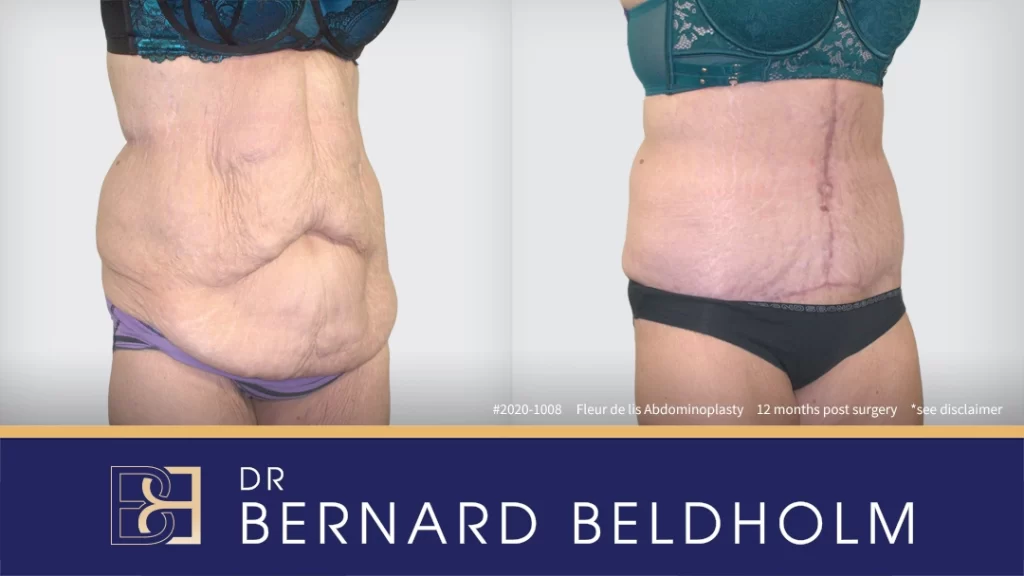
Disclaimer: Results vary, surgery has risks, seek a second opinion. operation performed by Dr Beldholm
Adding a vertical incision means accepting an extra scar. There is no way around this, and you should know it before deciding.
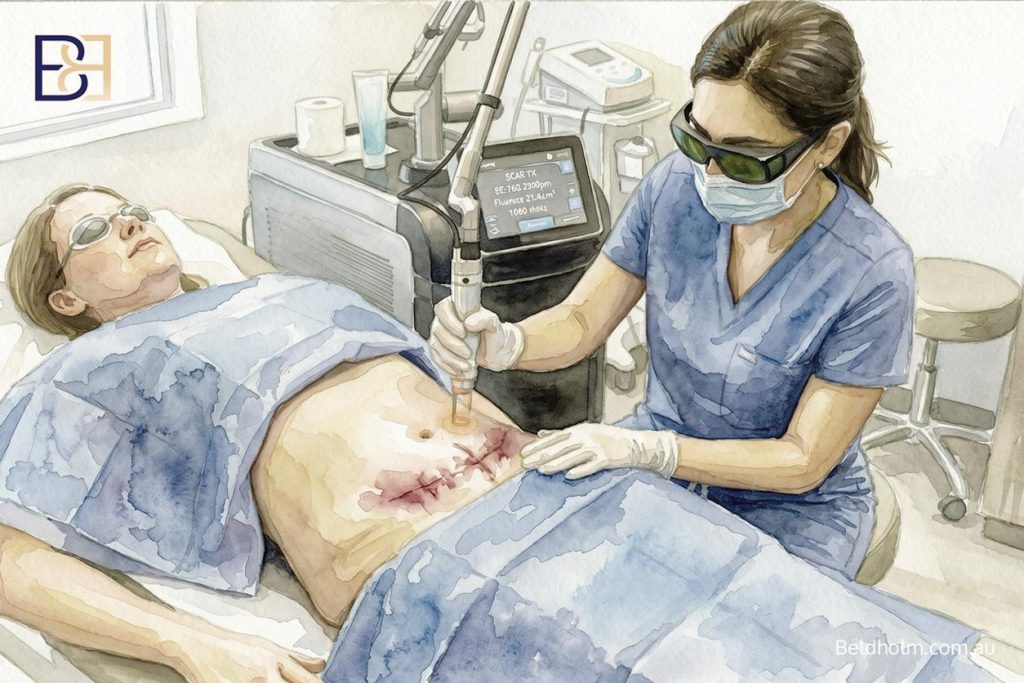
A horizontal-only abdominoplasty (tummy tuck) leaves one scar low across the abdomen, in a position that usually sits below the line of underwear or a bathing suit, just above the pubic area. A vertical incision adds a second scar running up the midline. With the inverted-T pattern, you end up with a horizontal scar and a vertical scar that meet. The vertical part is harder to hide, because it runs up the front of the abdomen where clothing does not always cover it. The length of the vertical scar depends on how much skin has to be removed.
Abdominoplasty scars take time to settle, and the vertical scar is no different. Here is how the scar behaves:
- It is permanent. Surgery moves a scar and changes its shape, but it does not remove it. The vertical scar stays.
- It looks its worst early on. In the first few weeks the scar is usually red, raised and at its most noticeable. This is normal and it is not a sign that something has gone wrong.
- It takes a long time to settle. Scars heal gradually, fading and flattening over the first few months and continuing for up to two years. What you see at a few weeks is not the final result.
I plan the incisions to keep the scars as well-placed as I can, but scar position carries some anatomical variation that cannot be fully controlled. A vertical incision buys you more skin removal at the cost of a more visible scar.
For scar care after surgery and what you can do to help scars heal, see my abdominoplasty scarring after weight loss article.
Book your appointment online now
One Operation or Staged Surgery
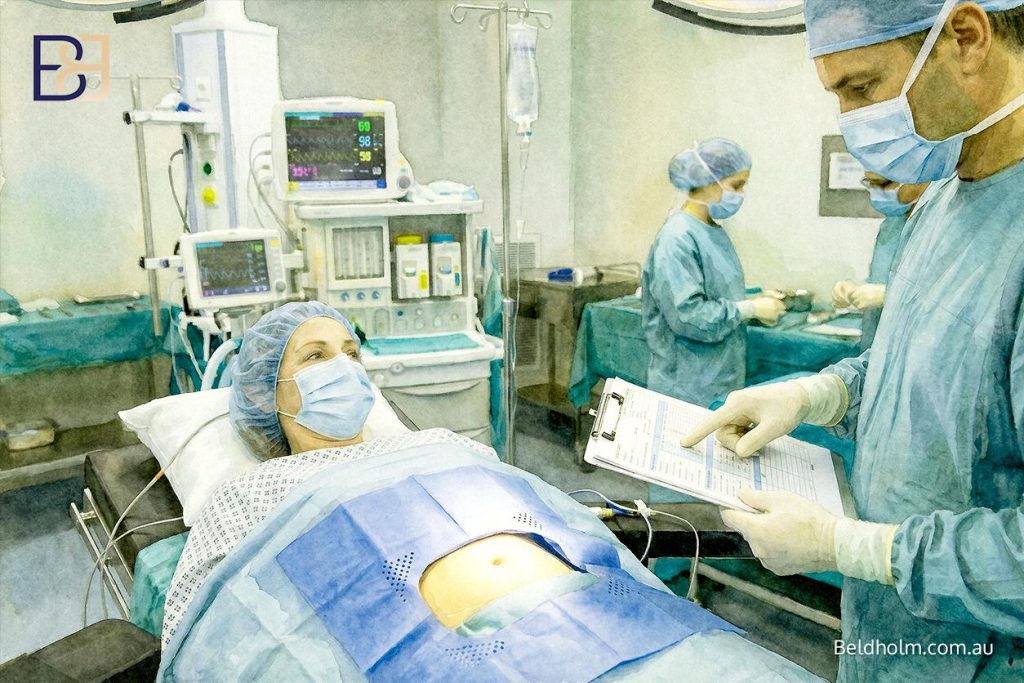
A vertical incision lets me remove more skin in a single operation. That raises the question of whether to do everything at once or to spread the work across more than one operation.
Where a patient is suited to it, my preference is to remove the loose skin in one comprehensive operation. The reason is practical. One operation means one anaesthetic, one hospital admission and one recovery to work through, rather than repeating each of those steps. For the right patient, that consolidates the whole process into a single episode.
This is a preference, not a rule. For some patients, doing everything at once asks more of the body than is sensible. When that is the case, staging the work across separate operations is the safer and more appropriate path, and I am comfortable recommending it. Staging is a legitimate clinical choice for the patients it suits, not a lesser option or a fallback.
The decision rests on the individual. I weigh up your medical history, your nutritional status, how much skin there is and the pattern of laxity, and what can be done well in a single operating time. A larger single operation is a bigger physiological event than a smaller one. That is the trade-off, and it is exactly why preparation matters more, not less, when more is being done at once.
What I will not do is talk anyone into having more surgery than they came for. The single-operation approach is offered as a benefit for suitable patients, not as a reason to expand the scope of what you set out to have done. Whether one operation or staged surgery suits you is decided at consultation, after a GP referral.
Preparing for Surgery and What Recovery Involves
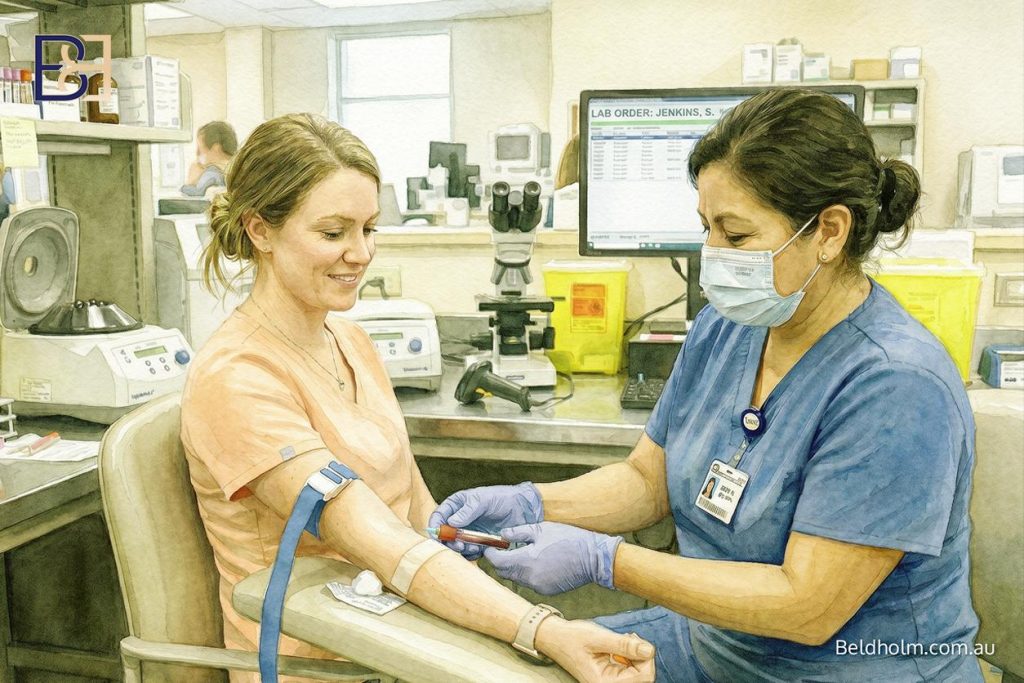
Preparing for a larger operation
Because a vertical incision usually means a more involved operation, the preparation beforehand carries more weight, not less. Most post weight loss patients come to me with nutritional gaps that developed while they were losing weight. Those gaps work against wound healing, and a bigger operation asks more of the healing process. Correcting them before surgery is part of making a larger operation a sound choice in the first place.
Every post weight loss patient I operate on has a full pre-operative blood panel before surgery, which checks things like full blood count, iron studies, vitamin D and other markers that matter for healing. Where it shows a shortfall, we correct it before going ahead. I have set out the detail of the panel in my pre-operative blood tests article.
I will not repeat the full nutrition guidance here, because it lives in its own articles. The short version is that protein and a small number of key nutrients do most of the work in supporting healing. You can read more in my articles on protein after weight loss and nutritional deficiencies after weight loss.
What recovery involves

A vertical incision abdominoplasty is a larger physiological event than a horizontal-only operation, and recovery should not be underestimated. Here is a realistic picture of what it involves.
- Hospital stay. Most patients stay in hospital for a few nights after this operation rather than going home the same day.
- Drains. I usually place drains to remove fluid that collects under the skin. These come out once the output settles, which is generally within the first week or so.
- Compression garment. You will wear a compression garment for several weeks to support the tissues while they heal.
- Moving early. I want you up and walking on the first day after surgery. Early movement matters for your circulation and recovery. It will feel tight and uncomfortable at first.
- Time off. For a desk-based job, plan on around four weeks away from work. Manual or physical work needs longer, usually six to eight weeks. Avoid heavy lifting in the early weeks while the wounds are healing.
Recovery is not the same for everyone, and how you heal depends on your own body, the extent of the operation and how well your preparation has gone. Pain, swelling and tightness in the first weeks are expected. The vertical incision adds to the area that has to heal, so the experience can be more demanding than a horizontal-only operation.
For the detail of getting back to normal activity and exercise, see my articles on returning to work after abdominoplasty and exercise after abdominoplasty. I review every patient at four weeks, three months, six months and twelve months after surgery.
Risks and Complications
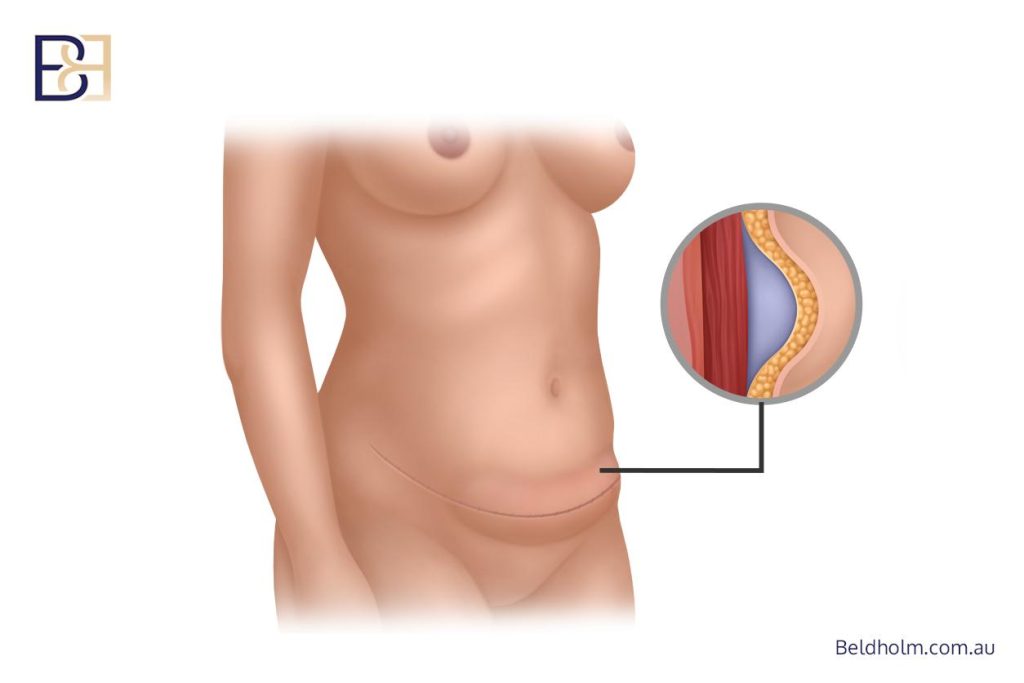
All surgical procedures carry risk, and a vertical incision abdominoplasty (tummy tuck) is no exception. A larger operation on skin that has been heavily stretched and then deflated has its own healing challenges, and you should understand these before deciding.
General risks that apply to this operation include:
- Bleeding and haematoma. A collection of blood under the skin that can sometimes need a return to theatre.
- Infection. Wound infections can occur and may need antibiotics or, less often, further treatment.
- Seroma. A collection of fluid under the skin. Drains reduce this, but it can still happen after they are removed.
- Wound healing problems. Parts of the wound can be slow to heal or can separate, particularly where there is tension on the closure.
- Changes in sensation. Numbness across the lower abdomen is common early on and usually improves, though some change can be lasting.
- Scar problems. Scars can widen, thicken or sit differently from one side to the other.
- Blood clots in the legs or lungs. Deep vein thrombosis and pulmonary embolism are serious risks with any longer operation, which is why I assess your clot risk and plan prevention for each patient. I cover this in detail in my DVT risk after body contouring surgery article.
- Need for revision. A further operation is sometimes needed to settle the result, for example to take in a standing fold of skin at the end of an incision.
Two points stand out for this operation in particular.
The first is the T-junction. With the inverted-T pattern, the vertical and horizontal incisions meet at a single point low on the abdomen. This junction sees more tension than the rest of the closure, and the blood supply to the skin edges there is more easily reduced, so it is the spot most likely to be slow to heal or to break down a little. When wound healing problems occur after a Fleur de Lis, this is the usual location. Published research on the technique reports wound healing issues at the junction as the most common complication (2).
The second is healing in post weight loss patients specifically. Skin that has been stretched a long way and then deflated, often alongside the nutritional gaps that come with major weight loss, does not always heal as readily as undamaged skin. This is the reason I am firm about correcting nutrition and confirming weight stability before surgery, and it is part of why a longer operation is only appropriate for patients who are well prepared for it. Older age and other medical conditions can add to this risk.
I take steps to reduce every one of these risks, but none of them can be removed entirely. The aim of going through them with you is not to alarm you. It is so that your decision is made with a clear view of what can happen.
Realistic Expectations
It helps to be clear about what a vertical incision abdominoplasty (tummy tuck) can and cannot do, so that what you expect lines up with what the operation actually offers.
What it can do is remove excess skin in two directions and bring the abdominal contour in closer than a horizontal incision alone can manage when there is side-to-side slack. For a post weight loss patient with skin loose in more than one direction, that is often the difference between taking up most of the excess and leaving a fair amount behind.
What it cannot do is leave you without a scar, or recreate skin that was never stretched. The trade for removing more skin is a more visible scar, and that scar is permanent. The operation removes skin. It does not restore skin quality or remove every fold in every position.
A few things to hold in mind:
- The result settles over time. Swelling takes months to go down, and the final shape and scar are not what you see in the early weeks.
- It does not control your weight afterwards. Significant weight change after surgery can alter the result. Fat that was present is reduced in the treated area, so weight regained later tends to show up more in areas that were not operated on.
- A touch-up is sometimes needed. A further smaller procedure to settle a fold or a scar is not unusual and does not mean anything has gone wrong.
Results vary from patient to patient. Two people with a similar starting point can heal differently and finish with different results, which is why I talk through what is realistic for you as an individual rather than pointing to anyone else’s outcome.
My Final Thoughts

The question I am really answering when a patient asks for a vertical incision is this: is a horizontal incision enough to remove your loose skin, or is it not? After major weight loss, the answer is often that it is not, because the skin is loose in two directions rather than one.
When that is the case, a vertical incision lets me take up the side-to-side excess that a hip-to-hip line leaves behind. The cost is a permanent vertical scar that is harder to hide, and a larger operation with a more demanding recovery. For the right patient, that is a fair trade. For others, a horizontal incision alone is the better choice, and for some the work is better staged. None of these is a lesser option. They are different answers to different patterns of skin.
What matters most is that the decision is made for you as an individual, with a clear understanding of the trade-off, after we have met and I have assessed your skin, your health and your nutritional status. That is the conversation I have with every patient who raises this, and it is the one I would have with you.
Frequently Asked Questions
Can I have an abdominoplasty with a vertical incision instead of a horizontal one?
A purely vertical incision, with no horizontal one, is uncommon. It only suits the rare patient whose loose skin runs almost entirely side to side. Most post weight loss patients who need a vertical incision also need a horizontal one, so the two are usually combined into the inverted-T pattern rather than used as an either-or.
Is a vertical incision the same as a Fleur de Lis?
In practice, yes. The vertical incision is the defining feature of the Fleur de Lis abdominoplasty, so when patients ask for one they are usually describing that operation.
Can I avoid the vertical scar?
Only by accepting that less side-to-side skin can be removed. A horizontal incision alone leaves a lower scar that can be covered by underwear, but it cannot take up looseness that runs across the abdomen. The vertical scar is the cost of removing skin in that direction. Which matters more to you is part of what we discuss.
Do I need muscle repair if I have a vertical incision?
Not necessarily. Muscle separation (diastasis recti) is common after pregnancy but is not a given after weight loss. I check the abdominal muscles for each patient and repair them only if needed, rather than assuming it.
Is recovery harder with a vertical incision?
It can be. A vertical incision adds to the area that has to heal, so the operation is larger and the recovery can be more demanding than a horizontal-only abdominoplasty. Plan on around four weeks off a desk job, and longer for physical work.
Will my scar always look the way it does at first?
No. Scars look their most prominent in the first few weeks, when they are red and raised. They fade and flatten over a long period, up to two years, though the final appearance varies from person to person.
References
- Friedman T, O’Brien Coon D, Michaels J V, Purnell C, Hur S, Harris DN, et al. Fleur-de-Lis abdominoplasty: a safe alternative to traditional abdominoplasty for the massive weight loss patient. Plast Reconstr Surg. 2010;125(5):1525-1535.
- Ziegler UE, Ziegler SN, Zeplin PH. Modified Fleur-de-lis abdominoplasty for massive weight loss patients. Ann Plast Surg. 2017;79(2):130-134.