Most patients who come to see me for abdominoplasty (tummy tuck) surgery after significant weight loss have already done the hard work. They have lost the weight. They have kept it off. They are ready for the next step.
The question they arrive with is usually a simple one. What do I need to do between now and surgery?
This article is the answer. Preparing for abdominoplasty surgery post-weight loss is a structured process, and this is a practical, evidence-based checklist of what I assess, what I recommend, and what I ask every post-weight-loss patient to do in the weeks before their abdominoplasty (tummy tuck). The goal is to give you a clear picture of the preparation sequence, in the order it actually happens, so you know where you are in the process at every stage.
For the detailed supplement framework that sits alongside this checklist, including specific products, doses, and brand recommendations, see my guide to Vitamins and Supplements Before and After Abdominoplasty (Tummy Tuck). The two articles are designed to work together. This one covers the when. The other covers the what.
Table of Contents
About Abdominoplasty (Tummy Tuck) Surgery After Significant Weight Loss
Before we get into the preparation sequence, a brief clinical orientation. Most patients come to me with a general understanding of what a tummy tuck (abdominoplasty) involves, but the version of the operation I perform after significant weight loss is often more extensive than a standard abdominoplasty, and it helps to know what we are actually doing.
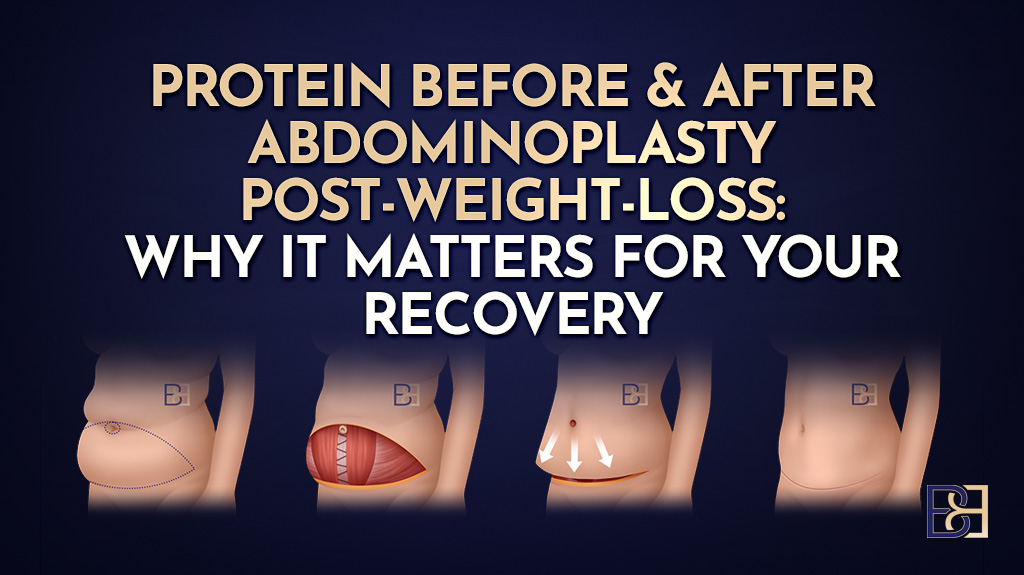
An abdominoplasty (tummy tuck) is a surgical procedure to remove excess skin and fat from the abdomen, treat abdominal muscle separation where present, and create a smoother abdominal contour by redraping the remaining skin. The two main components of the operation are skin removal and muscle repair. Removing the redundant apron of excess skin and subcutaneous tissue treats the overhang that develops after weight loss. Muscle tightening, when the underlying abdominal muscles have separated, restores the abdominal wall to a more functional position. Abdominoplasty (tummy tuck) after significant weight loss usually involves more extensive removal of excess skin than a standard abdominoplasty, because the degree of skin laxity is greater.
Several things are worth understanding about what an abdominoplasty can and cannot do. It can remove excess skin. It can treat abdominal muscle separation with muscle repair. It can treat the overhang and chafing that often causes skin irritation between skin folds after significant weight loss. It does not eliminate stretch marks except to the extent that the affected abdominal skin is within the excised portion. It does not produce a fully toned appearance on its own. The muscle underneath still requires maintenance through physical activity and a healthy diet. And it is not a weight loss procedure. Patients who expect an abdominoplasty (tummy tuck) to reduce their body weight are starting from the wrong assumption.
The abdominoplasty procedure is performed under general anaesthesia at Maitland Private Hospital. Most patients stay overnight, sometimes longer, depending on the extent of the surgery and individual circumstances. The abdominoplasty (tummy tuck) is often combined with other body contouring procedures in post-weight-loss patients. I discuss the combinations that make sense for each person at consultation. Realistic expectations about the abdominoplasty procedure, the recovery period, and the final result are something I work through with every patient before we commit to proceeding.
Why Nutrition Matters More in Post-Weight-Loss Patients
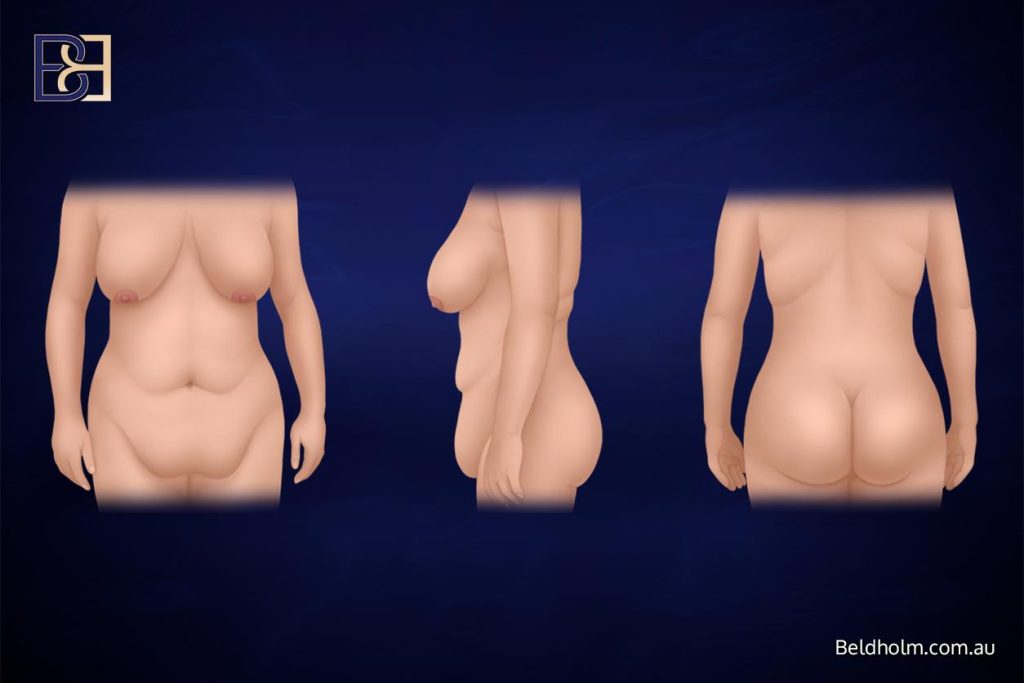
When I ask a new patient how their eating is, the answer is almost always the same: good. Balanced meals. Regular intake. Energy levels reasonable. Most of them feel well and have no reason to think otherwise. A healthy diet, on the surface, is not the same as what the body needs before abdominoplasty surgery. Healthy eating habits developed during the weight-loss phase do not automatically meet the specific nutrient demands of a major surgical procedure.
Then I order their bloods, and the picture is often very different.
This is the single most important thing to understand before we talk about anything else. Looking well is not the same as being nutritionally well. And in post-weight-loss patients specifically, the gap between how someone feels and what their blood results show is wider than in almost any other group I operate on. An abdominoplasty (tummy tuck) is a major surgical procedure that removes excess skin, tightens the underlying abdominal muscles, and repositions the remaining skin to produce a smoother abdominal contour. The healing process for this procedure places real demands on the body, and those demands must be met with reserve.
High-calorie malnutrition
Published research has described a phenomenon called high-calorie malnutrition (1). The name captures it well. A patient can be consuming enough calories on paper, eating what looks like a balanced diet on the surface, maintaining their weight, and functioning day-to-day, while at the same time being critically short on the specific nutrients that matter for surgery.
Calories and nutrients are not the same thing. A diet that meets your energy needs will not always provide enough protein, iron, zinc, vitamin D, vitamin B12, folate, or vitamin A. And those nutrients, not the calorie count, are what determine how your body handles a major surgical procedure and the weeks of healing that follow.
Up to 25% of post-bariatric patients remain at risk of protein-calorie malnutrition for many months after their weight loss surgery (1). Nutritional studies have found that up to 38% show evidence of protein deficiency that can persist for up to 2 years after the original operation (2). These are not minor statistics in a population I am about to take to the operating theatre.
Why this group is different
There are four mechanisms that drive it, and most of my patients fall into at least one of them.
Restriction. Sleeve gastrectomy, gastric banding, and similar restrictive procedures limit the amount of food that can be eaten in a sitting. Protein is usually the first thing to go because it is the most volume-intensive macronutrient. Patients cannot eat enough meat, fish, eggs, and legumes to meet their needs.
Malabsorption. Gastric bypass procedures, including Roux-en-Y, reroute the small intestine so that food bypasses the duodenum and upper jejunum. That is exactly where most iron, calcium, and fat-soluble vitamins are absorbed. No amount of careful eating fully corrects for that.
Reduced intrinsic factor. A smaller stomach after any bariatric procedure means less intrinsic factor, and intrinsic factor is required for vitamin B12 absorption. This is a long-term risk of deficiency that does not go away on its own.
Appetite suppression. Patients who have lost weight on weight loss medications eat less overall. That is how the medication works. Recent research has found that patients on these medications consume approximately 17% less protein than comparable patients not on them (3). For someone preparing for abdominoplasty (tummy tuck) with a specific pre-operative protein target to hit, a 17% shortfall is clinically significant.
Why this matters before abdominoplasty (tummy tuck) surgery
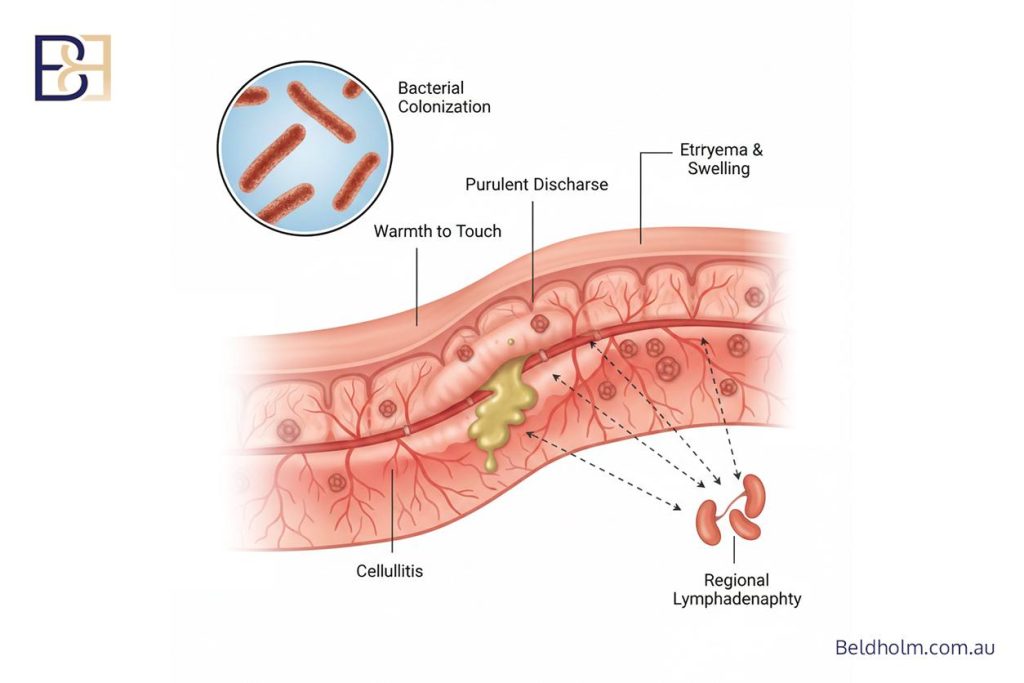
Wound complications in post-bariatric patients can reach 80% in some series, which is substantially higher than in the general surgical population (3). That is not because the tummy tuck (abdominoplasty) surgery itself is more difficult. It is because the patient arrives at the operation with nutritional reserves that have been running at a deficit for months or years, often without anyone noticing.
Protein-calorie malnutrition directly impairs fibroblast activity, collagen formation, and angiogenesis. All three are required for a wound to close. Micronutrient deficiencies layer on top of that: vitamin C is required for collagen cross-linking, zinc for epithelial repair, and iron for oxygen delivery to healing tissue. When any of these is low, healing slows down. When several are low at the same time, the risk of wound breakdown, infection, and seroma climbs. Stretch marks and other changes to the abdominal skin are permanent features of the weight-loss experience that abdominoplasty surgery treats by removing the affected skin and repairing the abdominal wall. However, the healing outcome depends on what your body has to work with underneath.
This is why a generic pre-operative nutrition approach does not work for this patient group. The deficiencies are common, they vary from person to person, and patients usually cannot feel them. Each patient needs their bloods assessed, their supplement plan built around their results, and a structured timeline to correct what is found before surgery.
That is the structured approach I will walk you through in the rest of this article. For the detailed supplement framework that accompanies this checklist, including the specific products, doses, and when to take them, see my guide to Vitamins and Supplements Before and After Abdominoplasty (Tummy Tuck).
The Timeline: When Preparation Starts
The question I am asked most often at the first consultation is: when should I start preparing?
The honest answer is earlier than most patients expect. By the time a patient books surgery with me, they often assume the preparation phase is a week or two of light planning before theatre. It is not. Proper pre-operative preparation for abdominoplasty (tummy tuck) surgery in a post-weight-loss patient requires at least four weeks of active work, ideally longer. As a specialist surgeon focused on post-bariatric and massive-weight-loss body contouring, I see both ends of the preparation spectrum. The patients who do best are the ones who give themselves time.
There is a reason for that timeline.
The four-week minimum
Four weeks is the minimum window I ask patients to commit to between their first consultation and their surgery date. In that four-week period, several things need to happen in sequence.
Blood tests need to be ordered, collected, and returned. Results need to be reviewed. Any deficiencies that show up need to be corrected, which usually means starting a targeted supplement. Protein intake needs to be lifted to pre-operative targets and held there. Weight stability needs to be confirmed. Habits around eating, smoking, and alcohol need to be locked in.
Most of these steps depend on the step before. Supplement decisions depend on the blood results. Protein target achievement depends on habit change. None of it works if you try to compress it into the last fortnight.
Why eight weeks is better
The four-week window is what I insist on. The eight-week window is what I prefer.
When patients come to me far enough in advance, I can split the preparation into four weeks before surgery and four weeks after. That gives the body a longer runway to build protein stores, correct micronutrient deficiencies, and stabilise any underlying issues before the stress of surgery and the healing demands that follow.
The evidence for this comes directly from the surgical nutrition literature. Protein supplementation, started two to four weeks before surgery and continued for four to six weeks after surgery, has been associated with measurable reductions in wound-healing complications in abdominoplasty (tummy tuck) patients who have lost significant weight (4). That is the framework I work with in my own practice.
I also find that patients who start preparing early have time to course-correct. If a blood result comes back unexpectedly and we need more time to bring a nutrient level up, an eight-week runway absorbs the delay. A four-week runway may not.
What the preparation sequence actually looks like
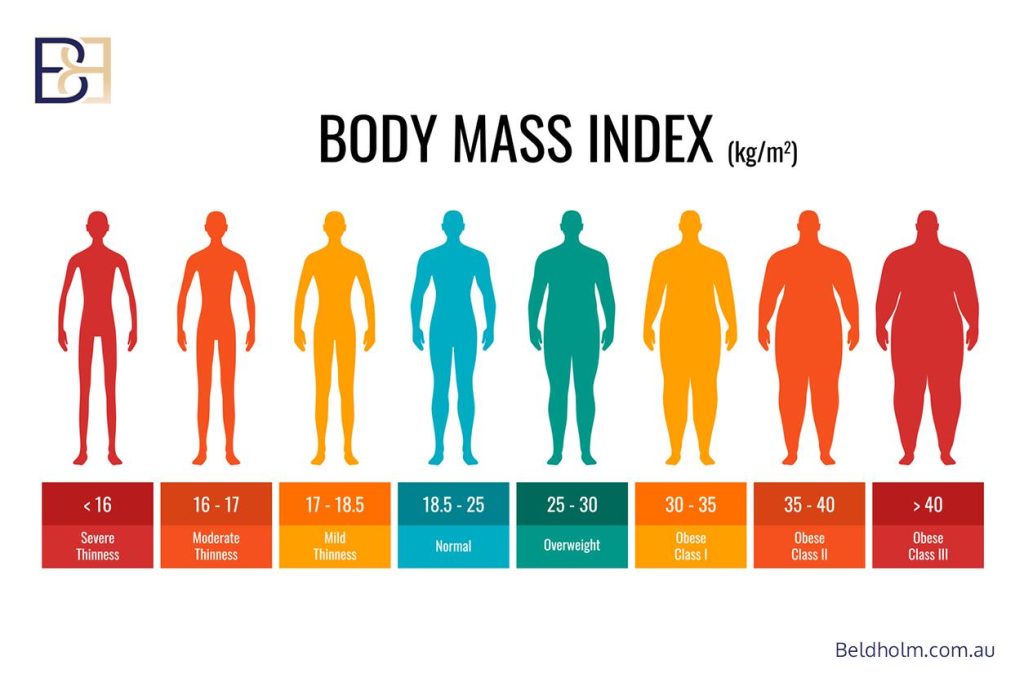
Here is the order in which things happen for every post-weight-loss patient I take to theatre for abdominoplasty (tummy tuck).
First consultation and surgical planning. We review your weight-loss journey, confirm weight stability, assess your BMI, and determine whether an abdominoplasty (tummy tuck) is the right procedure. If we proceed, I will order your bloods at this visit and start you on the first group of supplements straight away.
Blood results review. Usually, one to two weeks later. I go through every result with you. If anything is low, I add a targeted supplement at this stage.
Four weeks before surgery. We do a formal pre-operative review. I confirm your protein intake is at target, your supplements are established, your weight is stable, and any corrections from the blood results are in place. Smoking cessation is verified. Any medications or supplements that need to be stopped before surgery are flagged.
Pre-operative anaesthetic consultation. Every one of my post-weight-loss patients has this appointment. It is separate from your appointments with me. The anaesthetist reviews your medical history, medications, airway, and fasting protocol. This is where perioperative management of weight-loss medications is determined.
One week before surgery. Fish oil, high-dose vitamin E, high-dose vitamin C, herbal supplements, and NSAIDs are stopped. We confirm you are on track with every other supplement and habit.
Day of surgery. You arrive fasted according to the anaesthetist’s instructions and bring your supplement list with you.
Each of these steps has its own section later in this article. But the point of laying out the sequence now is this: if you are reading this article as a patient considering abdominoplasty (tummy tuck), you are not late as long as you are at least four weeks out from your planned surgery date. You are ideally placed if you are eight weeks out. And if you have already booked and are within 4 weeks, please discuss this with my team. Rushing preparation is not something I recommend.
Weight Stability: The Non-Negotiable Pre-Requisite
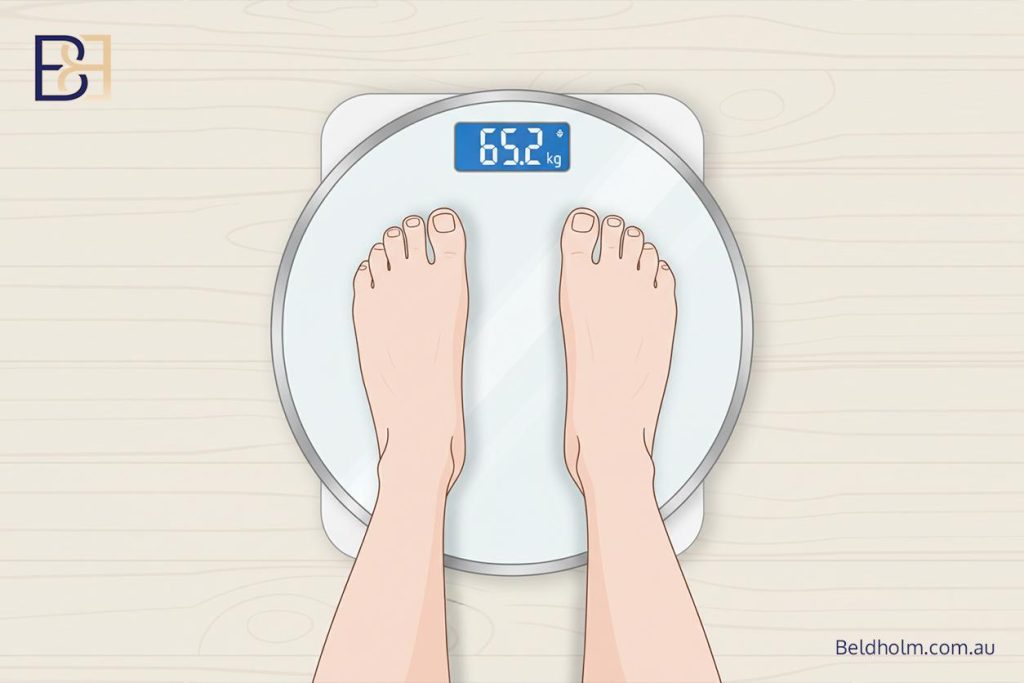
Before I even look at blood tests or supplement plans, there is one question I need to answer at the first consultation: Is your weight actually stable?
For post-weight-loss patients, this is not a minor detail. It is the first eligibility question I have to answer in body contouring surgery. If your weight is unstable, nothing else in the preparation plan matters, because the tummy tuck (abdominoplasty) surgery itself should not proceed yet.
What weight stability actually means
For Medicare rebatability under the Australian government, the standard requirement for MBS item numbers for body contouring procedures is at least 6 months of stable weight (5). That is the baseline.
In my own practice, I prefer six to twelve months of stability for patients who have lost weight through diet and exercise, and twelve to eighteen months for patients who have had bariatric surgery. Most post-bariatric surgery patients reach a stable weight somewhere between 18 and 24 months after their original operation (6). Trying to contour a body that is still losing weight tends to produce results that do not last.
Stability means your weight is fluctuating by no more than a kilogram or two in either direction over that timeframe. Day-to-day variation is normal. A slow downward trend over months is not stability, even if each individual week looks steady. If you are unsure whether you have reached your target weight, the honest answer is usually that you have not if you are still actively dieting or losing weight.
Why does this matter for the surgical result?
There are two clinical reasons I insist on weight stability, and both matter for the outcome you are trying to achieve from abdominoplasty (tummy tuck) surgery.
The first is wound healing. Patients who are still actively losing weight are in a catabolic state. Their body is breaking down more tissue than it is building, and that is the opposite of what you need going into a procedure where the primary job of the post-operative period is to build new tissue across a surgical wound. Ongoing weight loss increases the risk of poor wound healing and delayed recovery (6).
The second is skin laxity. Abdominoplasty (tummy tuck) works by removing a fixed amount of excess and loose skin from the abdomen, tightening the underlying abdominal muscles where needed, and redraping the remaining skin. If you continue to lose more weight after surgery, that redraped skin has no reason to stay taut. It will loosen again, often to an extent that is visible and disappointing. Operating on a body that is still changing produces results that change with it. This is particularly relevant in patients with significant weight reduction, in whom the excess skin we remove may be substantial, and the soft tissue envelope is more unstable. In patients who have lost a large amount of weight, the excess skin can be so severe that the redundant apron causes chronic skin irritation, functional restriction, and difficulty fitting into clothing.
BMI in the equation

BMI sits alongside weight stability in the assessment, but I want to be clear about what BMI is and what it is not.
BMI is a rough measure. It does not tell me anything about body composition. A bodybuilder with substantial muscle mass can sit at a BMI of 40 or more, and if they have loose skin from weight loss, they may be an excellent candidate for body contouring. At the same time, a patient who has lost a significant amount of weight and is in a catabolic state with reduced muscle mass may not be a good candidate at a BMI of 30, because the number on the scale does not reflect what is actually happening beneath it.
The surgical consultation is where we sort this out. Two patients with the same BMI can have very different body compositions, different fat distributions, and different risk profiles. Published research indicates that an ideal BMI range for body-contouring outcomes is between 18.5 -30, with complication rates rising as BMI exceeds that range (6). Those numbers are a starting point for the conversation, not a fixed cut-off.
When I assess a patient, I am looking at the whole picture: how they lost the weight, how long ago, how much muscle mass they appear to have, where fat is distributed, how the skin hangs, what their underlying health looks like, and what their weight trajectory is now. A body composition scan, such as a DEXA scan, can be useful for understanding the muscle-to-fat ratio and the distribution of fat. I do not order this routinely in my practice, but it can be helpful in selected cases where BMI alone does not provide the information I need to decide on the right surgery.
The practical takeaway is this: the BMI on your referral letter does not decide whether you can have surgery. The consultation does. If BMI is a concern, we will discuss it directly, and I will tell you what I think the best path forward looks like based on everything, not just the number.
What happens if your weight is not yet stable
If you come to the consultation and your weight is still shifting, or your body composition is not yet in a position where surgery is the right next step, I will say so directly. We can still make good use of that appointment. I will review your options, the gap between where you are now and where you need to be, and the realistic paths to close it.
Sometimes that means more time with your bariatric team. Sometimes it means options for further weight management with your GP to help you reach your target weight. Sometimes it means agreeing to review again in six or twelve months once you are in good health and at a stable target weight. What it does not mean is booking surgery before the prerequisites are met.
The honest version of this conversation is one of the most useful things I can offer at a first consultation. Surgery that is delayed to give you a better result is not a setback. It is the right decision.
The First Step: Blood Tests I Order Before Abdominoplasty (Tummy Tuck) Surgery
Once weight stability is confirmed and we have agreed that abdominoplasty (tummy tuck) is the right procedure for you, the first practical step in preparation is blood testing. I order bloods at the same consultation where we agree to proceed. There is a reason for that timing.
Blood tests in this patient group are not a box-ticking exercise. They directly shape what happens over the next four to eight weeks. If your bloods come back unremarkable, your supplement plan stays simple. If something is low, we have time to correct it before the operation. If something is significantly low, we may need to delay surgery while we fix it. None of that is possible if blood is left to the last minute.
The two-panel approach

I use a two-panel system for every post-weight-loss patient.
The core panel covers tests I would order for any patient undergoing abdominoplasty (tummy tuck), regardless of their weight-loss history. This includes the full blood count, coagulation screen, liver and kidney function tests, electrolytes, blood glucose and HbA1c, hepatitis B and C, HIV, thyroid function tests, and a pregnancy test for women of reproductive age. These tests establish your baseline surgical fitness and flag any general medical issues that need attention before anaesthesia.
The extended panel is ordered on top of the core panel for every post-weight-loss patient I see. This is where the post-weight-loss specific tests sit. It includes albumin, iron studies (ferritin), vitamin B12, folate, red cell folate, 25-hydroxyvitamin D, vitamin A, vitamin E, vitamin B1 (thiamine), vitamin B6 (as pyridoxal-5-phosphate), zinc, and selenium.
Every patient who has lost a significant amount of weight receives both panels. No exceptions.
Why the extended panel matters
The reason I order the extended panel on every post-weight-loss patient comes back to the high-calorie malnutrition picture covered earlier. Deficiencies in this group are common, varied, and usually invisible to the patient themselves. The only reliable way to identify them is to test for them.
The specific micronutrients in the extended panel each play a direct role in either wound healing or surgical risk. Iron, B12, and folate affect your oxygen-carrying capacity and red cell production. Vitamin D affects immune function and bone health. Vitamin A supports epithelial repair. Zinc supports collagen formation and immune response. B vitamins and folate together affect homocysteine metabolism, which has implications for clotting risk. And albumin gives me a picture of your longer-term protein status.
If any of these come back low, the corrective supplement is already built into the framework I use. The specific products, doses, and rationale for each nutrient are in my guide to Vitamins and Supplements Before and After Abdominoplasty (Tummy Tuck).
What I do, and do not, measure
Patients often ask about the following.
Albumin is the protein marker I use. Some older literature references prealbumin as a more sensitive marker of short-term protein status. I do not measure prealbumin in my practice. It has no dedicated Medicare item in Australia and adds a private cost without meaningfully changing the decisions I make. Albumin covers the ground I need it to cover.
Homocysteine is not part of the routine panel. It is an important marker for clotting risk in this patient group, but I only add it to the panel if vitamin B12, folate, or vitamin B6 come back confirmed low. There are two reasons for this. First, the clinical trial evidence for B vitamin supplementation reducing homocysteine-driven thrombotic events is mixed (7). Second, under current Australian Medicare rules, homocysteine is only rebatable as a reflex test when ordered in the same episode as B12. There is a financial argument for ordering it only when it will actually change management.
Vitamin B6 is part of the routine panel for everyone. This is a recent addition to my standard post-weight-loss panel. B6 deficiency is common after bariatric surgery, and it contributes to both collagen cross-linking for wound healing and homocysteine metabolism. Testing it routinely catches more deficiencies than waiting for symptoms.
Medicare and out-of-pocket costs

The majority of tests on both panels are Medicare rebatable with the clinical criteria that apply to post-weight-loss patients.
A few specific points:
- Vitamin D is rebatable with qualifying risk factors, which include obesity, post-bariatric surgery history, and limited sun exposure. Most of my patients meet at least one of these.
- Iron studies, B12, folate, zinc, and the fat-soluble vitamins are rebatable with clinical indication (post-bariatric surgery, malabsorption, suspected deficiency).
- Homocysteine, if ordered as a reflex to low B12, is rebatable. Ordered standalone, it is a private cost of approximately $30 to $60.
- Prealbumin, which I do not order, would carry a private cost if requested.
If you are concerned about out-of-pocket pathology costs, flag it with my team and we can walk you through what to expect before you go to collection.
The timeline for bloods
Bloods are ordered at your first consultation. You will go to a pathology collection centre within the next 1 to 2 days. Most results are back within a week, with some of the vitamin-specific tests taking up to two weeks.
We book your blood results review for one to two weeks after your first consultation so that everything is back by then. At that appointment, I will walk you through every result, flag anything that needs attention, and adjust your supplement plan accordingly. Any deficiencies that require targeted correction are commenced at that visit.
That four-week minimum preparation window matters for exactly this reason. From the day you walk in for first consultation to the day your surgery happens, we need time for bloods to be collected, returned, reviewed, acted on, and rechecked if needed. Four weeks is tight. Eight weeks is comfortable.
Protein and Supplements: What You’ll Be Asked to Start

Once we have your bloods ordered, the next part of preparation is nutrition. In the four to eight weeks before surgery, you will be asked to start two things: protein supplementation and a supplement plan. This section is about what you will be doing and why. For the detailed framework, including specific products, doses, and brand recommendations, see my guide to Vitamins and Supplements Before and After Abdominoplasty (Tummy Tuck).
Protein: why it comes first
Of all the nutritional interventions I ask my patients to make before abdominoplasty (tummy tuck), protein is the one that matters most.
Wound healing needs raw material. Your body has to rebuild what the procedure disrupts, and protein is the main building block. Without adequate protein intake before surgery, collagen production slows, wound strength decreases, and healing takes longer than it should.
The problem is that most post-weight-loss patients are not eating enough protein to meet pre-operative targets. Between 40% and 60% of post-bariatric patients fall short of the recommended protein intake even a year after their initial operation (3). This is before we even account for the additional reduction in appetite that weight loss medications bring, which I covered earlier. These are not one-off observations. They are predictable features of this patient group.
So the first thing I ask you to do is to increase your daily protein intake and hold it there for the full pre-operative window. My preferred approach is food first, protein supplementation to close the gap. The specific daily target, how to split it across the day, the whey protein I recommend, and the alternatives that also work are covered in the supplement guide. Rather than duplicate that here, I will say only this: protein is not optional in the lead-up to surgery, and it is almost never achievable through food alone in this patient group.
The two-tier supplement framework
For vitamins and minerals, I use a two-tier approach. It is the clinical framework I developed specifically for post-weight-loss body-contouring patients, as the one-size-fits-all approach does not work for this group.
Tier 1 is universal. These are the supplements I ask every post-weight-loss patient to start as soon as we agree to proceed with surgery, regardless of their blood test results. The reason is simple: the deficiencies covered by Tier 1 are common enough in this patient group that waiting for bloods to confirm them is a waste of time. Tier 1 starts on day one of preparation.
Tier 2 is blood-guided. These are the supplements I add only after your blood results come back with a confirmed deficiency. Tier 2 doses are higher than Tier 1, and the nutrients involved have a narrower safe range. Commencing them without a confirmed indication is not appropriate. When your blood results come back, we review them together, and I add any Tier 2 supplements needed at that visit.
What sits in each tier, the specific products and doses, and the rationale for each nutrient are all in the supplement guide. The full Tier 1 and Tier 2 lists, brand recommendations, and where to buy them are there. I do not reproduce that detail here because the guide is the authoritative version and will always be the most up-to-date.
How the two articles work together
Treat this checklist and the supplement guide as a pair.
The supplement guide tells you what to take, in what dose, and for how long. This checklist shows when each step occurs relative to your surgery date and what the overall sequence looks like. If you try to follow one without the other, you will end up with gaps. If you follow both, you will have what my patients have when they arrive for surgery: a clear plan, started early enough to work, and reviewed at the right checkpoints.
Start with the supplement guide for the framework. Come back here for the timing.
Medications and Supplements to Stop Before Surgery

Most of what I have covered so far has been about what to start. This section is about what to stop, and when.
As with the supplement framework covered earlier, the detailed rationale for each item and the timing for resuming it after surgery are covered in my guide to Vitamins and Supplements Before and After Abdominoplasty (Tummy Tuck). What follows here is the short version: the list, the timing, and why each one matters.
The one-week cessation list
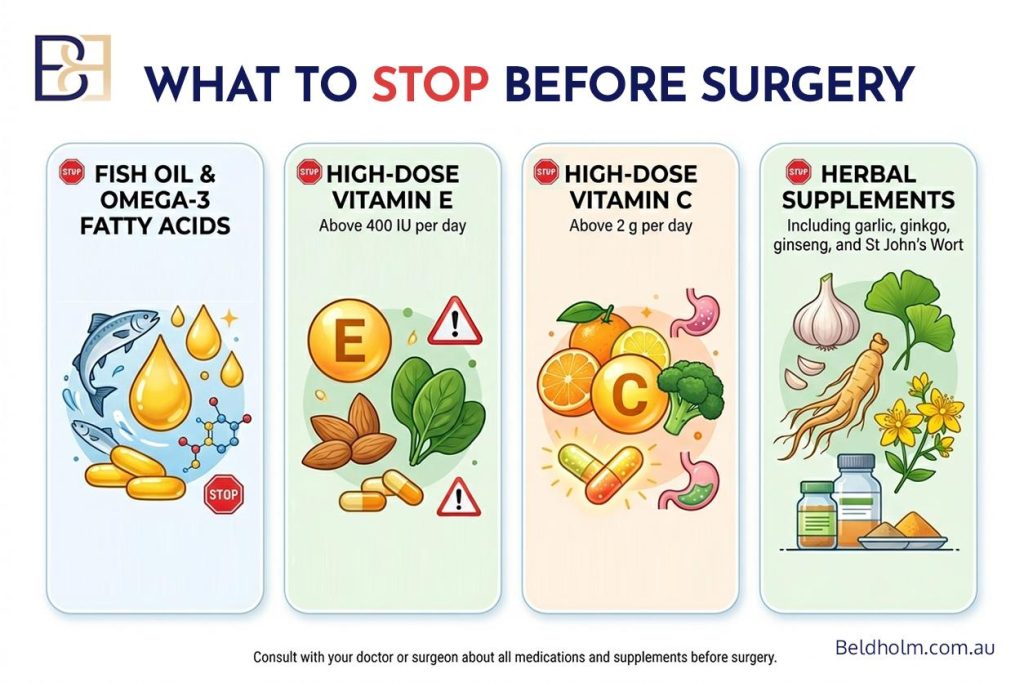
These come off one week before your surgery date.
Fish oil and omega-3 supplements. Fish oil has a genuine anti-inflammatory benefit, and I am happy for patients to take it routinely for general health. But omega-3 has a mild antiplatelet effect, which can increase bleeding risk during surgery. One week of cessation is enough to let that effect wear off.
High-dose vitamin E. Similar mechanism. Vitamin E at supplemental doses affects platelet function. Stop at least a week before surgery.
High-dose vitamin C. Above 2 grams per day, vitamin C can also affect clotting and platelet behaviour. One week of cessation, then resume immediately after surgery because vitamin C is valuable for wound healing in the post-operative period.
Herbal supplements. Ginkgo biloba, St John’s wort, garlic, and ginseng are the most common ones I see in post-weight-loss patients. All four affect either bleeding risk or anaesthetic metabolism. Stop one week out. If you are on anything else herbal, flag it with my team so we can check it.
NSAIDs. Non-steroidal anti-inflammatory drugs (ibuprofen, naproxen, diclofenac, and similar) affect platelet function and should be stopped one week before surgery unless your GP has told you otherwise. Paracetamol is fine to continue.
The full rationale for each one, including the evidence base and the exact timing for resuming each supplement after surgery, is in the supplement guide. I will not repeat it here.
Prescription medications

Aspirin and anticoagulants. For most patients, aspirin, warfarin, apixaban, rivaroxaban, clopidogrel, and other blood thinners are stopped one week before surgery to reduce bleeding risk. I manage this in partnership with your GP. There are situations where an anticoagulant needs to be continued through surgery for reasons specific to your medical history, and if that applies to you, we plan it well in advance of the surgery date. Do not stop any of these medications on your own without discussing it with me or your GP first.
Weight loss medications. Current Australian guidance does not recommend routine cessation before surgery. Perioperative management is decided at your anaesthetic consultation on a case-by-case basis. This is covered in more detail in the next section.
Everything else. Any medication you take daily should be discussed at your anaesthetic consultation. Bring a full list. The anaesthetist reviews every medication individually and gives you standard instructions for each one on the day of surgery.
Smoking cessation

This is the section where I want to spend more time, because smoking is the single largest modifiable complication risk in body contouring surgery, and it is not a supplement or a medication that can be fixed in a week. You need to stop smoking well in advance of your surgery date.
Nicotine constricts small blood vessels. In abdominoplasty (tummy tuck), the blood supply to the skin flap is already being disrupted by the surgery itself. Add vasoconstriction from nicotine on top of that, and the risk of wound breakdown, skin necrosis, infection, blood clots, and delayed healing climbs significantly. The evidence on this is consistent across the plastic surgery literature (6, 8).
For every patient I see, my requirement is to stop smoking completely, including all tobacco and nicotine products, for at least four to six months before surgery. This includes cigarettes, vapes, nicotine patches, nicotine gum, and any other nicotine delivery system. The reason I set the window this long is that vasoconstrictive effects persist well beyond the last cigarette, and the vascular recovery needed for safe wound healing takes months, not weeks.
If you are a current smoker and you are thinking about abdominoplasty (tummy tuck), the first conversation we have at consultation is about how to stop smoking. I will not proceed until you have genuinely stopped, and if you tell me you have stopped but your history or circumstances suggest otherwise, I reserve the right to check. Patients who are still smoking at their pre-operative review will have their surgery rescheduled. This is not a punishment. It is a safety decision.
If you have a nicotine dependence and you want help to stop smoking, your GP can refer you to cessation support services and discuss pharmacotherapy options. The four- to six-month window before your intended surgery date is long enough to do this properly if you start now.
Alcohol

Alcohol is not on a strict cessation timeline in the same way, but heavy alcohol intake affects wound healing, immune function, and clotting. I ask patients to reduce intake substantially in the four weeks before surgery and to stop entirely in the week before. Your anaesthetist may have additional specific instructions depending on your history.
Summary
Everything in this section can be summarised in one sentence: what you put into your body in the lead-up to surgery matters, and some things need to be ruled out before the day. The one-week list is straightforward and mostly covered by the supplement guide. Prescription medications are managed through your anaesthetic consultation. Smoking is the one that requires months of planning, and it is non-negotiable.
Book your appointment online now
The Pre-Operative Anaesthetic Consultation

Every one of my post-weight-loss patients has a pre-operative consultation with an anaesthetist before their abdominoplasty (tummy tuck). In most cases, this is done by phone. It is rare for my anaesthetist to need to see you in person ahead of surgery. The physical examination happens on the day you come in for your procedure.
The phone consultation is not a formality. It runs in parallel with your appointments with me and covers matters within the anaesthetist’s area of expertise rather than mine.
Most patients don’t know this appointment exists until I book it for them. That is part of the reason I wanted to give it its own section in this article.
What the anaesthetist reviews
At your pre-operative anaesthetic consultation, the anaesthetist will go through several things in detail.
Your medical history. Any past anaesthetics you have had, any reactions, any airway issues, any family history that could affect how you respond to anaesthesia.
Your medications. A full list of everything you take, prescription and over-the-counter. The anaesthetist will tell you which medications to take on the morning of surgery with a sip of water, which to hold, and which to stop entirely in the days leading up to surgery.
Your airway. A history to anticipate any difficulty with intubation on the day of intubation. The physical airway examination happens when you come in for surgery. Significant weight loss can change airway anatomy, and the phone discussion provides the anaesthetist with the information needed to plan accordingly.
Your comorbidities. Diabetes, hypertension, sleep apnoea, reflux, and any other medical conditions that need active management around the time of surgery. The anaesthetist will advise on what is stable enough to proceed and what needs attention first.
Your fasting instructions. The anaesthetist tells you exactly what time to stop eating and drinking before surgery. This follows standard Australian guidelines but can be adjusted in specific situations.
Your post-operative pain plan. How pain will be managed after surgery, what medications you will be given in hospital, and what you will go home with.
Weight loss medications

This is one of the specific reasons I insist every post-weight-loss patient sees an anaesthetist before surgery.
A significant number of my patients are on weight loss medications at the time of consultation. These medications slow gastric emptying, which has direct implications for how long you need to fast before anaesthesia, and for the risk of food remaining in the stomach at the time of induction.
Current Australian guidance does not recommend routine cessation of these medications before surgery. Perioperative management is a case-by-case decision made by the anaesthetist during your consultation, taking into account your medications, doses, surgery date, and specific clinical picture.
What this means practically is: do not stop your weight loss medication on your own before surgery. The anaesthetist will tell you what to do with it, and that decision may include a modified fasting protocol, a specific dose adjustment, or no change at all. Follow their instruction.
On the nutritional side, which is my area, I cover weight loss medication considerations separately. The short version: these medications reduce appetite, which can make it harder to hit your pre-operative protein target. If that becomes a genuine problem, I will discuss it with you and with your prescribing doctor as part of your surgical planning. You do not adjust it yourself.
Why two consultations instead of one
Patients occasionally ask why I don’t just review their medications and fasting instructions myself. The answer is that anaesthesia is a specialty in its own right, and perioperative medication management, airway assessment, and analgesic planning fall squarely within it. Having a dedicated anaesthetic consultation before surgery is a standard of care reflected in the Australian guidelines for cosmetic surgery, and I consider it essential rather than optional.
It also means that two clinicians have independently reviewed you before the day of surgery. That is additional safety, not duplicated effort.
What to have ready
Before the phone consultation, compile a complete list of all medications and supplements you are taking. Include prescription medications, over-the-counter medications, vitamins, protein powder, and any herbal or alternative products. The list my team will have sent you in preparation will cover the categories you need to think about, but write it all down so the anaesthetist has the full picture when they call.
If you are on a weight loss medication, have the name of your prescribing doctor and your current dose ready. If you are on an anti-coagulant, have the reason it was prescribed and the name of the specialist managing it. The more context the anaesthetist has on the phone, the better they can plan.
Take the call somewhere quiet where you can speak freely and take notes. The anaesthetist will often give you specific instructions at the end of the consultation, and you want to capture them accurately.
After the anaesthetic consultation
Once the anaesthetic consultation is complete, you will receive clear instructions on medication management for the days before surgery and on the morning of surgery. Follow those instructions exactly. If anything changes between the consultation and the day of surgery, contact my team so we can ensure the anaesthetist is updated.
The Pre-Operative Checklist: Timeline View
Everything I have covered in this article can be condensed into a single timeline. This is the practical summary version. It is the section you can screenshot, print, or come back to when you need a quick reminder of where you are in the preparation sequence.
For the detailed supplement framework that sits alongside this checklist, see my guide to Vitamins and Supplements Before and After Abdominoplasty (Tummy Tuck).
At consultation and surgical planning
This is your first appointment with me. By the end of this visit, the following are in motion:
- Bloods ordered (core and extended panel)
- Tier 1 supplements commenced (see supplement guide for the full list)
- Weight stability confirmed over the required window
- BMI assessed in a clinical context
- Weight loss medication status documented
- Pre-operative anaesthetic consultation arranged (usually by phone)
- Smoking cessation plan agreed if applicable
Blood results review (one to two weeks later)
Once your bloods are back, you have a review appointment with me. At this visit:
- Every result is walked through with you
- Tier 2 supplements are added for any confirmed deficiency (see supplement guide for details)
- Your supplement plan is finalised for the rest of the preparation window
- Any follow-up tests are arranged if needed
- Any medical issues requiring further workup are flagged
Four weeks before surgery
This is the pre-operative review appointment. By this point:
- Protein supplementation is established at your daily target (doses in supplement guide)
- Tier 1 supplements are confirmed running
- Tier 2 supplements have been adjusted based on your blood results
- Smoking cessation verified
- Any anti-coagulant management plan agreed with your GP and me
- Pre-operative anaesthetic consultation completed, with written instructions received
One week before surgery
The cessation list comes into effect. Stop the following:
- Fish oil and omega-3 supplements
- High-dose vitamin E
- High-dose vitamin C (above 2 grams per day)
- Herbal supplements (ginkgo biloba, St John’s wort, garlic, ginseng, and others)
- NSAIDs unless your GP has directed otherwise
- Aspirin and anticoagulants, unless you have been instructed to continue them
- Alcohol
Continue everything else as usual: Tier 1 supplements, Tier 2 supplements, protein supplementation, and any prescription medications your anaesthetist has cleared for the day of surgery.
Day of surgery
On the morning of your surgery:
- Follow your anaesthetist’s fasting instructions exactly
- Take any medications they have cleared for the morning, with a small sip of water
- Bring your complete supplement list with you
- Bring a support person who can drive you home afterwards if you are being discharged the same day
That is the sequence. It is deliberately front-loaded, because the preparation work that matters most happens in the first four weeks after consultation, not in the last seven days before theatre.
What Recovery Demands That Your Pre-Op Diet Sets Up

All of the preparation covered so far exists for a reason: to help your body handle what it is about to be asked to do. This section is about the demand side of the equation.
Your caloric demand goes up, not down
Many of my patients assume that because they are lying down more and moving less in the first week after surgery, they will need fewer calories. The opposite is true.
The surgical literature is consistent on this point. Caloric demand for wound healing in a postoperative patient is 30 to 40 kilocalories per kilogram of body weight per day (3). For an average patient, that lands somewhere between 1,800 and 2,800 kilocalories (7,530 and 11,720 kilojoules) per day in the first few weeks after surgery. That is higher than what many patients consume before surgery and substantially higher than what they may be used to during their weight-loss phase.
Below 1,500 kilocalories (6,300 kilojoules) per day, most patients cannot meet the metabolic demand of wound healing. That is the practical floor I ask patients not to drop below in the first four to six weeks after their abdominoplasty (tummy tuck), regardless of any weight management goal they might otherwise have.
This is one of the most common mistakes I see. Patients who have worked hard to lose weight and keep it off sometimes try to continue restricting calories through the post-operative period, either to avoid gaining weight from reduced activity or because restriction has become a habit. I understand the instinct. I also understand that it works against the healing process. Calorie restriction in the first four to six weeks after abdominoplasty (tummy tuck) slows wound healing, increases the risk of infection, and may extend the overall recovery period. This is not the time for a deficit.
Your protein demand rises significantly

Protein intake in the immediate postoperative period needs to increase, not decrease.
The published targets sit at 1.6 to 3.0 grams per kilogram of body weight per day for four to eight weeks after surgery (3). Protein requirements after major elective surgery increase by approximately 25% (6). This is the raw material your body needs for collagen production, wound strength, and immune function.
The specific post-operative protein target for you, how to distribute it across the day, and when to step it down is covered in my guide to Vitamins and Supplements Before and After Abdominoplasty (Tummy Tuck). The point here is only that the target goes up after surgery, not down, and that the pre-operative work you did to hit your protein target is exactly the habit that carries you through the post-operative period.
Wound healing consumes nutrients

Collagen synthesis draws on vitamin C, protein, and zinc. Red cell production draws on iron, folate, and vitamin B12. Epithelial repair draws on vitamin A and zinc. Immune function draws on vitamin D, zinc, and selenium.
Every one of these nutrients is being drawn down faster in the weeks after surgery than at any other time. If your stores are already low, your body has less to draw on. If your stores are good, healing has what it needs.
This is why the pre-operative preparation matters. You do not need to arrive at surgery with everything perfect. You need to arrive with enough in reserve for your body to meet what surgery will demand.
The pre-op to post-op handover
The supplement framework does not stop at surgery. Tier 1 continues through the first four to six weeks after your abdominoplasty (tummy tuck), and in many cases, well beyond that. Tier 2, where it applies, continues until blood results confirm the deficiency has been corrected. Protein supplementation continues throughout the post-operative window at the higher daily target.
All of this is covered in more detail in the supplement guide. What you will not need to do is start from scratch. Everything you put in place during the four to eight weeks before surgery simply carries over, with dose adjustments where appropriate.
My direct management of your nutritional status runs through the first four weeks after surgery. After that point, ongoing management transitions back to your GP. For post-bariatric patients, lifelong nutritional follow-up is led by your GP. The work you and I do together in the pre-operative window and the first four weeks after sets up your healing outcome. The work that continues beyond that sits with your GP.
What to Expect During Abdominoplasty Recovery
Recovery is its own section for a reason. Patients who understand the recovery process before surgery tend to do better through it, because they are not caught off guard by what is normal and what is not.
The early recovery period
After your tummy tuck (abdominoplasty) surgery, you will spend at least one night in the hospital. Most patients go home the following day. The first 24 to 48 hours require that a friend or family member be with you, drive you home, and assist with mobility. You will not be able to drive yourself, and most patients find even standing and walking short distances tiring in the first few days.
Pain medication is provided and titrated to your needs. I favour a multimodal approach that uses paracetamol, low-dose opioids where appropriate, and local anaesthetic techniques to keep post-operative pain manageable. Most patients find their pain medication needs drop substantially after the first week.
The compression garment

You will be fitted with a compression garment before leaving the hospital. In my practice, the first garment is an abdominal binder rather than a shaped garment. It supports the abdomen and underlying muscles, helps manage swelling, and protects the surgical site during the initial healing period. You wear the binder continuously, including at night, for the first few weeks, removing it only for showering.
The compression garment is not optional. It plays a direct role in reducing the risk of seroma, supporting the abdominal contour as it heals, and keeping tension off the wound where the abdominoplasty tummy tuck has removed excess skin. If it feels awkward or uncomfortable, my team will help you fit it properly. If it feels wrong, let us know rather than leaving it off.
The belly button (umbilicus)
An abdominoplasty procedure repositions your belly button through the redraped skin. In a standard abdominoplasty (tummy tuck), the belly button remains attached to the underlying abdominal wall, and the skin around it is brought down and reshaped to the existing navel position as we remove excess skin below. In the first few weeks, the belly button will look slightly different to how it did before, and swelling around it is normal. It settles into its final appearance over several months.
Scarring around the belly button and across the lower abdomen is permanent. The scar line sits low on the abdomen, typically below the bikini line, and fades considerably over 12 to 18 months. Scar care is something we discuss at your post-operative reviews.
Activity restrictions

The first two weeks are the most restricted. You sleep with pillows under your knees to keep the abdominal wall slightly flexed and take tension off the wound. You avoid heavy lifting, bending, and any strenuous activities. The lifting threshold I use is 10 kilograms, and that includes children, groceries, and anything else you might not think of as lifting in a gym sense. The recovery process after an abdominoplasty (tummy tuck) depends heavily on respecting these restrictions in the early phase.
Light physical activity, meaning short walks around the house and yard, is encouraged from day one to support circulation and reduce the risk of blood clots. Longer walks come in gradually over the first two to three weeks. Return to gym-based exercise, swimming, and anything that stresses the abdominal muscles is held off until I clear you at a later review, usually around six to eight weeks. Pushing the abdominal muscles too early can compromise the muscle repair performed during surgery.
Most patients return to desk-based work around two weeks post-operatively. Physical work, lifting work, or roles that involve standing all day usually require 4 to 6 weeks. Full recovery, in the sense of being able to return to all normal activities without any restrictions, takes several months.
Healing progress and follow-up
I see every patient at specific checkpoints after their abdominoplasty surgery. The first review happens within the first week. Subsequent reviews assess healing progress, treat any concerns, and clear you to increase activity levels as the healing process progresses.
Swelling, bruising, and temporary numbness in the lower abdomen are normal for weeks to months. Fluid collections, redness spreading from the wound, unexpected fever, or sudden pain are not normal and should be reported immediately. My team and Maitland Private Hospital have a clear after-hours contact process that I walk every patient through before discharge.
Wound care and following the surgeon’s advice

Good wound care in the first two to three weeks makes a real difference to the final scar and to the overall abdominoplasty recovery. My team gives you detailed instructions at discharge covering dressing changes, showering, drain care, where relevant, and signs to watch for. Following the surgeon’s advice on wound care is not optional. Most surgeons will tell you the same thing I do: patients who pay attention to the small things in the first three weeks tend to do better throughout the recovery period.
If you are unsure about anything in your typical instructions at home, phone my team rather than guessing. General-purpose medical references on surgical recovery are available from the Australian government health information pages, but anything specific to your operation should come from my team or me, not from online sources. Weight gain during the early recovery period is common because of swelling, fluid retention, and reduced physical activity. This is not a reason to restrict calories. Swelling resolves over weeks to months, and the scale reading returns to its normal range.
Preparing Your Home and Support for Recovery
Recovery happens at home, not at the hospital. A bit of planning before surgery makes a real difference in how the first two weeks go.
A comfortable space at home
Set up a comfortable space where you can spend most of the first week. The ideal spot has a supportive recliner or a bed with pillows that let you sleep with your knees elevated and your torso slightly flexed. Flat-on-your-back sleeping is neither comfortable nor advisable during the early recovery period. Everything you need should be within easy reach: water, phone, charger, medications, tissues, a book or something else easy to entertain yourself with.
Comfortable clothing is another small thing that matters. Loose-fitting tops that button or zip at the front are easier to manage than anything you need to pull over your head. You will be wearing your compression garment underneath, so clothing on top needs to be roomy enough to fit comfortably over it. Slip-on shoes save you from bending down in the first two weeks.
Food and meal prep

Meal prepping healthy meals before surgery is one of the best investments of pre-operative time. Cooking is difficult in the first week, and relying on takeaway is rarely helpful when your body is trying to heal from an abdominoplasty (tummy tuck). Prepare simple, nutrient-dense meals you can reheat: soups, casseroles, prepared proteins, cooked vegetables, whole grains, and fruit. Keep your protein intake high because your body needs it to heal the area where excess skin has been removed and the abdominal wall repaired. The specific post-operative protein target is covered in my supplement guide.
The opposite direction also matters: have easy-to-digest foods on hand for the first two to three days when appetite is often reduced. Yoghurt, soup, smoothies, and small, frequent snacks work better than a large meal when you are not especially hungry.
Support from a friend or family member
Arrange for a friend or family member to stay with you for at least the first 24 to 48 hours, ideally the first week. Someone who can help with meals, light household tasks, walking with you, and being another set of eyes if anything looks unusual. If you live alone, this is not optional. Plan this before surgery, not on the day.
For parents of young children, the reality is that you will not be able to lift a toddler, carry a baby for any distance, or do the physical side of childcare for four to six weeks. A family member, partner, or paid help to cover this is part of the planning, not an afterthought.
Realistic expectations
Going into abdominoplasty surgery with realistic expectations makes the recovery period easier. The early weeks involve swelling, bruising, and an abdominal area that looks and feels different to what you are hoping for as a final result. That is normal. The final abdominal contour takes months to emerge as swelling resolves and healing progresses.
Some things worth being clear about from the outset. An abdominoplasty (tummy tuck) does not help you lose weight. It removes excess skin and repairs the abdominal wall, but the scale reading will not meaningfully change, and the procedure is not an alternative to weight management. Patients who continue to lose weight significantly after surgery can undermine the result. Patients who gain weight significantly can also alter the outcome as the redraped skin stretches.
My role is to give you my honest clinical assessment of what this procedure can and cannot do for your individual situation. Results vary among patients, and I discuss this openly during your consultations rather than suggesting that any specific outcome is guaranteed.
Conclusion

Pre-operative nutrition is the single most modifiable risk factor in post-weight-loss body contouring. Every other risk factor in this patient group, from BMI and weight stability to comorbidities and anatomy, is either fixed or takes months of lifestyle change to shift. Nutritional preparation is something you can get right in four to eight weeks, and the difference it makes to wound healing, recovery, and the risk of complications is well supported in the surgical literature.
This article has walked you through what that preparation looks like in my practice as a specialist surgeon focused on post-weight-loss and post-pregnancy body contouring. Bloods ordered early. Weight stability confirmed. Supplements started in a structured framework. Protein intake was lifted to a workable target. Medications and substances that increase surgical risk are stopped at the right time. The anaesthetic consultation was completed. Smoking is sorted out months in advance if it applies to you. Your home is set up for recovery with a comfortable space, easy-to-reach supplies, and a friend or family member on hand for the early days. And a clear understanding of what your body is going to need in the weeks after surgery, so that you do not inadvertently work against your healing.
My role across this window is specific. I order the blood tests, set the supplement plan, and manage your nutritional status over the four weeks before surgery and the first four weeks after. The handover back to your GP and the longer-term follow-up picture are covered above.
Results vary. Every patient heals differently, and every patient begins their surgical journey from a different starting point. The steps in this article are the ones I ask every post-weight-loss patient I take to the theatre to follow. They are not a guarantee of any specific outcome. They are the foundation for the best possible starting point, and they reflect the evidence base I work from.
If you have not yet read my guide to Vitamins and Supplements Before and After Abdominoplasty (Tummy Tuck), I would recommend reading it alongside this checklist. The two articles are designed to work together. This one covers the when. The other covers the what, with specific products, doses, and brand recommendations.
The next step, if you are considering abdominoplasty (tummy tuck) surgery after significant weight loss, is to obtain a GP referral and attend an initial consultation. Bring your questions. Bring your weight loss history. Bring a current list of medications and supplements. The first consultation is where this preparation starts. A thoughtful, structured approach to the weeks leading into abdominoplasty recovery is the best investment you can make in the outcome you want.
References
- Agha-Mohammadi S, Hurwitz DJ. Nutritional deficiency of post-bariatric surgery body contouring patients: what every plastic surgeon should know. Plast Reconstr Surg. 2008;122(2):604-613.
- Austin RE, Lista F, Khan A, Ahmad J. The impact of protein nutritional supplementation for massive weight loss patients undergoing abdominoplasty. Aesthet Surg J. 2016;36(2):204-210.
- Mehta M, Rometo D, Gusenoff J, Rubin JP. Nutritional challenges in post-massive weight loss body contouring: guidance for plastic surgeons on GLP-1 agonists and sleeve gastrectomy. Plast Reconstr Surg. 2025 [advance online article]. doi:10.1097/PRS.0000000000012672.
- Agha-Mohammadi S, Hurwitz DJ. Enhanced recovery after body-contouring surgery: reducing surgical complication rates by optimizing nutrition. Aesthetic Plast Surg. 2010;34(5):617-625.
- Medicare Benefits Schedule (MBS) Online. Item numbers for body contouring procedures. Department of Health and Aged Care, Australian Government. Available at: mbsonline.gov.au.
- Humar P, Robinson B. Preparing patients for body contouring surgery and postoperative surveillance for deep venous thrombosis. Clin Plast Surg. 2024;51(1):1-6. doi:10.1016/j.cps.2023.06.007.
- Li M, Ren R, Wang K, Wang S, Chow A, Yang AK, Lu Y, Leo C. Effects of B vitamins on homocysteine lowering and thrombotic risk reduction: a review of randomized controlled trials published since January 1996. Nutrients. 2025;17(7):1122.
- Pluvy I, Panouillères M, Garrido I, et al. Smoking and plastic surgery, part II. Clinical implications: a systematic review with meta-analysis. Ann Chir Plast Esthet. 2015;60(1):e15-e49.