If you have lost a significant amount of weight and are now considering abdominoplasty (tummy tuck surgery) to treat excess skin, you have likely already done the hard work. But one area that catches many patients off guard is nutrition. Not because they are not eating well, but because eating well and being nutritionally ready for major surgery are not the same thing.
This article is written specifically for post-weight-loss patients. It covers what to eat before and after abdominoplasty surgery, how to prepare your body in the weeks leading up to the procedure, and how to progress your diet through recovery week by week. If you have asked, “What should I eat after abdominoplasty surgery?” this guide answers that question in detail, along with what to eat in the lead-up to your procedure.
A few things this article does not cover in depth. For detailed information on which supplements to take, dosing, supplement forms, and Australian brand recommendations, see my companion article: Vitamins and Supplements Before and After Abdominoplasty (Tummy Tuck): A Guide for Post-Weight-Loss Patients. That article covers the full Tier 1 and Tier 2 supplement framework in detail. This article is about food.
Table of Contents
Why Nutrition Is Critical for Abdominoplasty Surgery in Post-Weight-Loss Patients
Most patients who come to me for abdominoplasty (tummy tuck surgery) after significant weight loss have already done something remarkable. They have lost the weight. They have kept it off. They are ready for the next step.
What many do not expect is how much their nutritional status will shape what happens next.
This patient group is not the same as a standard abdominoplasty patient
What I see in my clinic is not a straightforward abdominoplasty (tummy tuck surgery) patient. There is often a large volume of excess skin extending well beyond the abdomen, abdominal wall muscles that need significant repair, and skin that wraps around the flanks or the entire trunk. Depending on how much weight has been lost and how the body has responded, the procedure may be any of the following:
- Standard abdominoplasty
- Extended abdominoplasty
- Fleur-de-lis abdominoplasty
- Circumferential abdominoplasty
- Circumferential hybrid abdominoplasty
- Dual vector abdominoplasty
These are not minor operations. They are longer, more complex procedures than a routine abdominoplasty (tummy tuck surgery). The bigger the procedure, the greater the demand it places on the body’s capacity to heal.
The wound complication rate is higher than most patients expect
Research in this area is sobering. Wound complication rates in post-bariatric body contouring surgery can reach up to 80% in some published series (1,2). Across multiple studies, nutritional deficiency is identified as one of the most consistently contributing factors (2).
This is not about effort or commitment. After significant weight loss, the body is often depleted in ways that are invisible. Calories may look adequate, but critical nutrients are missing. The term used in the research literature is high-calorie malnutrition (5).
The gap between what you eat and what healing requires
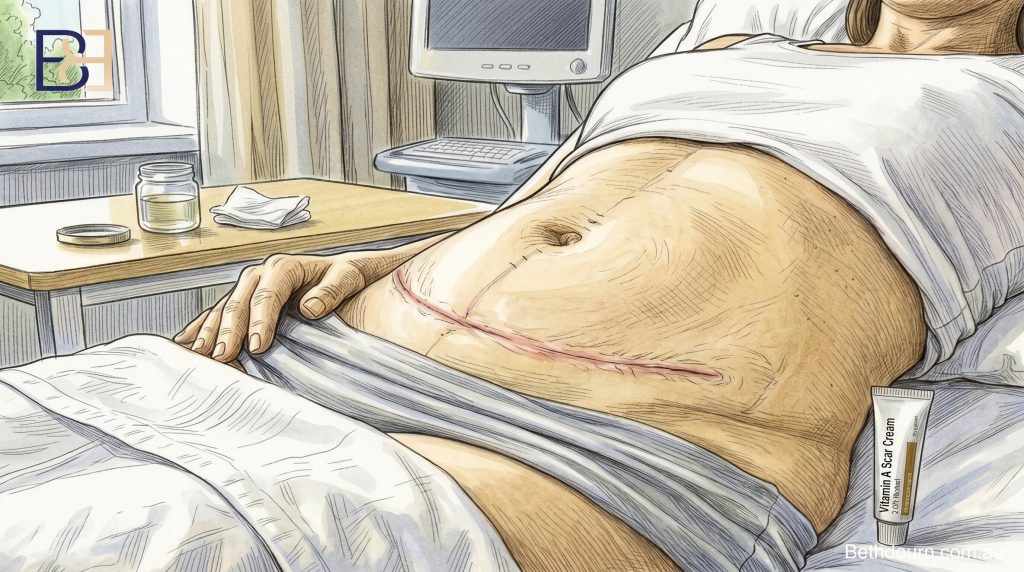
A 2025 review published in Plastic and Reconstructive Surgery found that wound healing requires between 30 and 40 kilocalories (125 to 167 kilojoules) per kilogram of body weight per day (3). For a 75 kg patient, that is between 2,250 kilocalories (9,420 kilojoules) and 3,000 kilocalories (12,550 kilojoules) daily just to support the healing process.
The same review found that many post-bariatric patients consume only 800 to 1,000 kilocalories (3,350 to 4,180 kilojoules) per day in the first 1 to 2 years after surgery (3). That gap has real consequences:
- Wounds heal more slowly
- Wound breakdown risk increases
- The immune system is less able to defend against infection
- The body has less capacity to manage the physiological stress of major surgery
What this means for you
What you eat before and after abdominoplasty surgery is not separate from the procedure. It is part of it.
The patients who tend to have the smoothest recovery are those who arrive nutritionally prepared, with adequate protein stores, identified deficiencies corrected, and a clear plan for the weeks that follow.
The rest of this article explains exactly what that looks like.
Why Post-Weight-Loss Patients Are Different
One of the most important things I tell patients before abdominoplasty (tummy tuck surgery) is this: looking well and being nutritionally ready for surgery are not the same thing.
Many post-weight-loss patients arrive at my clinic feeling healthy. They have lost the weight. They are eating regularly. Their energy is reasonable. But when I look at their blood results, the picture is often quite different.
High-calorie malnutrition
Research has described a concept that I think about regularly in my practice. It is called high-calorie malnutrition (5). The idea is this: a patient can be consuming enough calories on paper and still be critically low in the nutrients that matter most for healing.
Caloric intake and micronutrient intake are not the same thing. A diet that keeps you functioning day-to-day may not provide adequate levels of protein, zinc, iron, vitamin D, vitamin B12, folate, or vitamin A. These are the nutrients that determine how well the body heals after major surgery.
Up to 25% of post-bariatric patients may remain at risk of protein-calorie malnutrition for many months after their weight loss surgery (5). That risk does not disappear once the scales have stabilised.
Common deficiencies in this patient group

The deficiency rates in post-weight-loss patients are well documented in the research literature. The most common include:
- Vitamin D affects 60 to 90% of patients with significant obesity before surgery (3)
- Iron deficiency affects between 1 and 54% of post-sleeve patients and 30 to 50% of post-gastric bypass patients (3)
- Vitamin B12 deficiency affects up to 36% of post-sleeve patients (3)
- Zinc deficiency, seen in 19 to 36% of post-bariatric patients, even with supplementation (3)
- Vitamin C deficiency, affecting approximately 15% of post-sleeve patients and up to 35% of post-gastric bypass patients (3)
- Folate deficiency affects 5 to 15% of post-bariatric patients (3)
Each of these nutrients plays a direct role in tissue healing, immune function, and overall recovery. A deficiency in any one of them raises the risk of complications after abdominoplasty surgery. For details on what each deficiency means clinically and how it is managed with supplementation, see the companion article: Vitamins and Supplements Before and After Abdominoplasty (Tummy Tuck): A Guide for Post-Weight-Loss Patients.
Why a healthy diet alone is often not enough
This is the part that surprises many patients. Even a genuinely balanced, whole-food diet may not be enough to correct these deficiencies before surgery, particularly for patients who have had bariatric procedures that affect absorption.
It is not a matter of eating better. It is important to understand that the gut itself may not be absorbing nutrients as efficiently as it once did. This is covered next.
The goal before surgery is not weight loss
This is worth stating plainly. The goal in the weeks leading up to abdominoplasty surgery is not to lose more weight. It is to ensure the body has what it needs to heal.
Caloric restriction in the weeks before major surgery is counterproductive. The body needs fuel, protein, and micronutrients to prepare for and recover from the procedure. Focus on food quality and consistent protein intake, not the number on the scales.
How Bariatric Surgery Changes Absorption
Understanding why nutritional deficiencies are so common after bariatric surgery requires a basic understanding of how different procedures affect the body. This matters for food choices, not just supplementation.
Sleeve gastrectomy
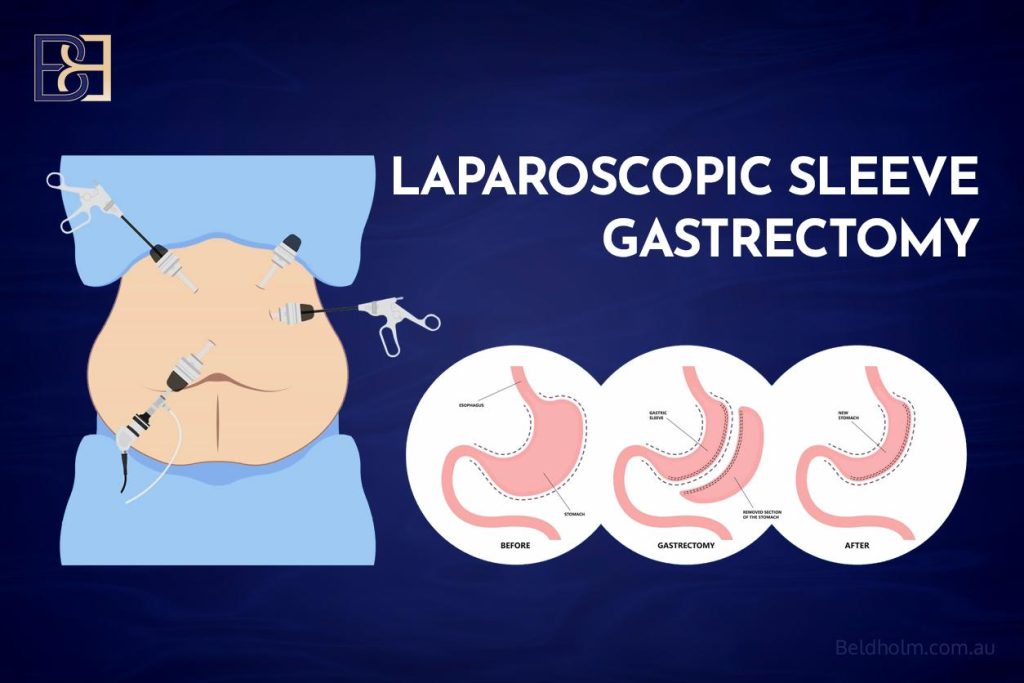
In a sleeve gastrectomy, approximately 75 to 80% of the stomach is removed, leaving a narrow, tube-shaped pouch with a capacity of around 100 to 150 ml. Most people assume the primary mechanism of weight loss is eating less. The reality is more complex.
The dominant driver of weight loss after sleeve gastrectomy is hormonal. The portion of the stomach removed, known as the fundus, produces most of the body’s ghrelin, the hormone responsible for hunger. Removing it leads to a 60 to 70% reduction in ghrelin levels, significantly suppressing appetite. The procedure also accelerates gastric emptying, which increases the release of satiety hormones, including GLP-1 and peptide YY, further reducing the desire to eat.
This is precisely what makes nutritional deficiency such a risk. Patients are not hungry. They eat less. The combination of reduced volume and hormonal appetite suppression makes it very difficult to meet daily nutritional targets through food alone.
For food choices, the practical consequences are:
- Protein intake suffers first because of the volume limitation
- Iron absorption is affected because less hydrochloric acid is produced, reducing the ability to convert dietary iron into a usable form
- Deficiency rates for vitamins A and C are significantly elevated in post-sleeve patients (3)
Gastric bypass
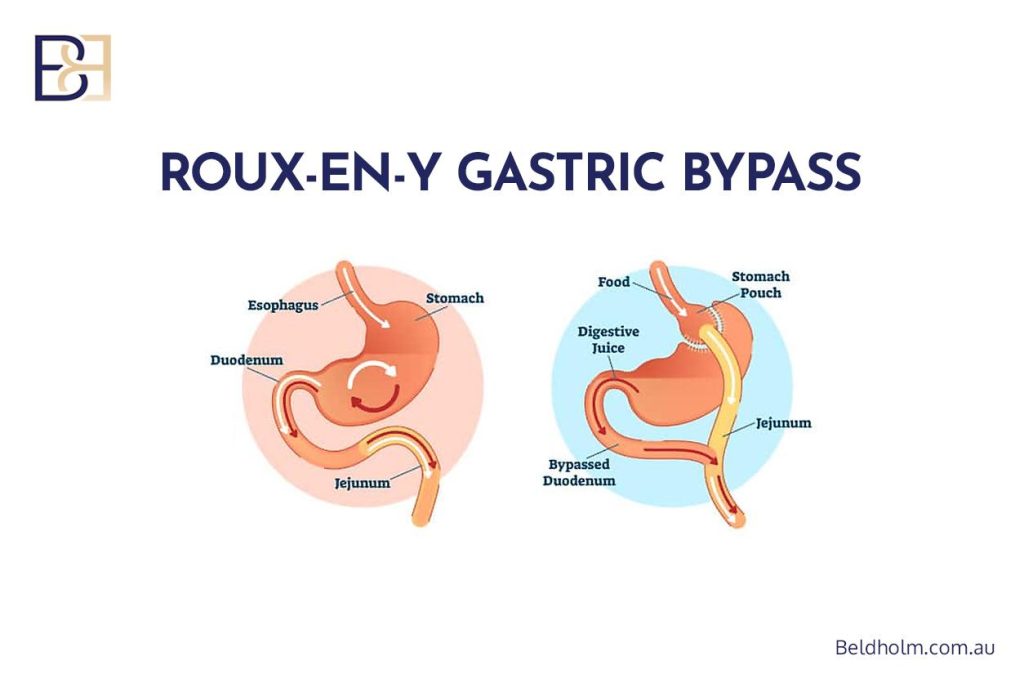
The Roux-en-Y gastric bypass combines restriction with metabolic changes. Current research is clear that the dominant mechanism of weight loss is metabolic and hormonal rather than mechanical. The rearrangement of the gastrointestinal tract fundamentally alters gut-brain signalling and food preferences.
However, bypassing the duodenum and part of the jejunum does result in significant malabsorption of specific nutrients. This is not the primary driver of weight loss, but it is a primary driver of nutritional deficiency.
For food choices, the practical consequences are:
- Iron from food is poorly absorbed because the duodenum, where most iron absorption occurs, is bypassed
- Calcium absorption is reduced for the same reason
- Vitamin B12 absorption is impaired because gastric bypass reduces intrinsic factor production, and B12 requires intrinsic factor to be absorbed
- Many patients experience dumping syndrome with high-sugar or high-fat foods, which creates a conditioned avoidance of those foods and further limits dietary variety
Why food quality matters more than food quantity
For both procedure types, the practical message is the same. Volume is limited. Appetite is suppressed. The foods you choose during the available eating window need to do more nutritional work per bite than the foods the average person chooses.
This means:
- Every meal should start with protein
- Nutrient-dense whole foods should make up the bulk of intake
- Ultra-processed foods and high-sugar options displace the nutrients that matter
- Food alone is rarely sufficient to meet all requirements in the peri-operative period, which is why the supplement framework covered in the companion article matters alongside what you eat
For the full details on how each nutrient is affected by bariatric surgery and how supplementation corrects those deficits, see the companion article: Vitamins and Supplements Before and After Abdominoplasty (Tummy Tuck): A Guide for Post-Weight-Loss Patients.
Blood Tests: What Happens at Your First Consultation
When you come to see me for an initial consultation, you will leave with a blood test request form. I ask all post-weight-loss body contouring patients to have these done as soon as possible, ideally that day or the next morning. We will point you to the nearest collection centre before you leave.
I do not wait until closer to surgery because if deficiencies are detected, treating them takes time, sometimes several weeks. Early detection allows us to correct these issues well before your procedure, ensuring you are in the best possible condition for surgery.
The two-consultation structure
First consultation You leave with a blood test request form, a list of Tier 1 supplements to start immediately, and this nutrition guide. We will book your second appointment for two to four weeks from today.
Second consultation I review your blood results with you. Where results show deficiencies, I add Tier 2 supplements to your plan at this visit. Any remaining questions about surgery, recovery, and timing are treated here. All post-weight-loss patients also have a pre-operative anaesthetic consultation, conducted by phone. Your anaesthetist will review your medical history and discuss any medication management, including weight loss medications if relevant. It is rare for the anaesthetist to need to see you in person before surgery. The physical examination, including airway assessment, happens on the day of surgery when you come in.
What the blood panel covers
The standard panel I request for all post-weight-loss body contouring patients includes:
- Full blood count with differential: checks for anaemia, infection markers, and overall blood health
- Coagulation screen: checks your blood clotting ability
- Liver function tests, which include albumin: albumin is the protein marker I use to assess your nutritional reserve and readiness to heal
- Electrolytes, including calcium, magnesium, and phosphate, help check kidney function and are key minerals
- Glucose (random) and HbA1c: screens for diabetes or insulin resistance, both of which affect surgical risk and recovery
- Iron studies: Iron deficiency is common after weight loss surgery and prolonged dietary restriction
- Hepatitis B, Hepatitis C, and HIV: routine infection screening is required before any surgical procedure
- Thyroid function tests: an underactive thyroid affects recovery and anaesthetic risk
- Pregnancy test for females of reproductive age: Surgery is deferred if pregnancy is detected
- Vitamins A, B1, B6 (PLP), B12, folate, and red cell folate: all critical for tissue healing, nerve function, and immune defence
- 25-OH vitamin D: deficient in the majority of patients who have carried significant excess weight
- Vitamin E: an antioxidant that supports tissue healing and immune function
- Zinc and selenium: important for recovery and immune function, commonly low after bariatric surgery
What I am looking for
Albumin is the key protein marker. It is part of the liver function panel and reflects your protein stores over the preceding weeks. Low albumin is associated with impaired recovery and higher complication rates. If albumin is significantly low, I will typically recommend delaying surgery while we work on protein intake.
Homocysteine is not tested routinely. I only order it if B12, folate, or B6 come back low. When these B vitamins are deficient, homocysteine accumulates in the blood and is associated with a two- to threefold increased risk of deep vein thrombosis (DVT) (6,7). If homocysteine is elevated above 15 µmol/L, we treat it with B12, folate, and B6 supplementation and recheck before confirming a surgery date.
Vitamin D target for surgical patients is 75 to 150 nmol/L. Deficiency is near-universal in this patient group and takes several weeks to correct, which is another reason starting early matters.
When results lead to delaying surgery
Not every patient is ready for surgery at their first consultation. That is not a setback. It is good medicine.
If blood results show significant deficiencies, the right course of action is to treat them first. Operating on a nutritionally depleted patient increases the risk of a delayed recovery process, wound breakdown, infection, and prolonged recovery. Correcting identifiable deficiencies before abdominoplasty (tummy tuck surgery) is one of the most evidence-based things I can do to improve outcomes for this patient group (6,7,8).
Supplements: The Short Version
This article is focused on food. For the full supplement detail, including dosing, supplement forms, timing protocols, and Australian brand recommendations, see the companion article: Vitamins and Supplements Before and After Abdominoplasty (Tummy Tuck): A Guide for Post-Weight-Loss Patients.
What follows is a practical summary of the two-tier approach I use in my practice.
Tier 1: start these immediately, no blood results needed
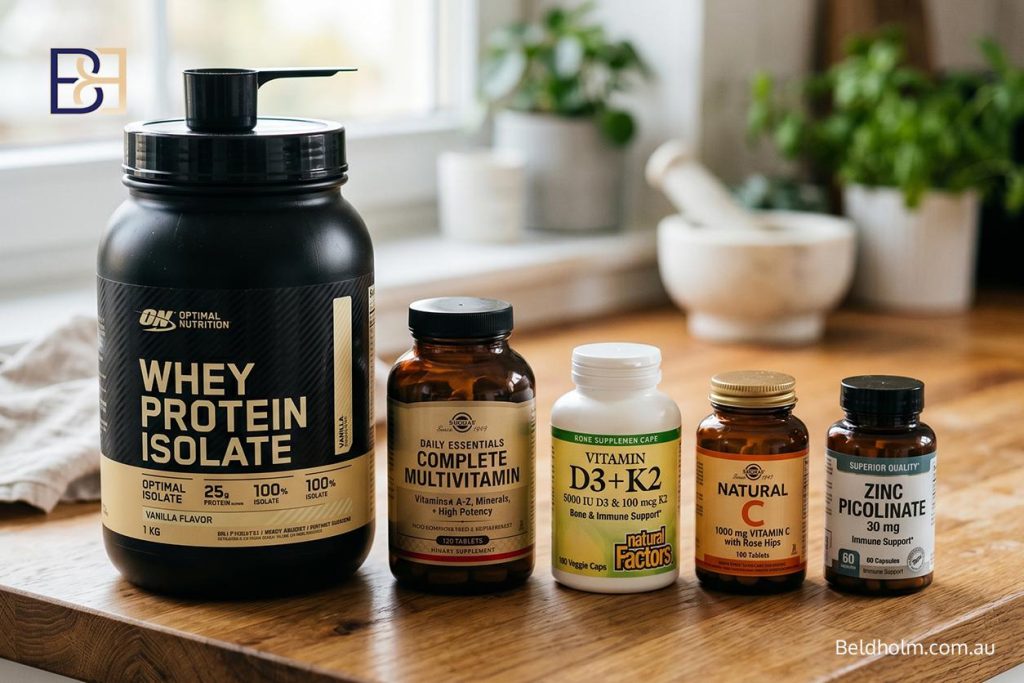
At your first consultation, I ask all post-weight-loss patients to start five supplements straight away, before we even have blood results back. The evidence clearly supports that this patient group is almost universally low in these areas. Starting early gives your body more time to build stores before surgery.
Aim for at least four weeks on these before surgery. Six to eight weeks is better.
The five Tier 1 supplements are:
- Whey protein isolate (WPI): 80 to 100g per day in divided doses of 20 to 40 g per serve. Any WPI with at least 25 g of protein per serve and low sugar is suitable. See the protein section below for more detail.
- Complete multivitamin: post-bariatric specific formulas are preferred. Look for methylcobalamin (activated B12) and methylfolate forms for better absorption. One to two tablets per day with food.
- Vitamin D3 with K2: 3,000 to 6,000 IU of D3 per day, always paired with 100 mcg of K2 (MK-7 form). The target for surgical patients is 75 to 150 nmol/L.
- Vitamin C: 1,000 to 2,000 mg per day. Stop high doses above 2 g per day one week before surgery. Resume immediately after.
- Zinc maintenance dose: 8 to 11 mg per day. Do not take at the same time as iron. Separate by at least two hours.
Tier 2: added at your second consultation, only if blood results confirm deficiency

Tier 2 supplements are not started until your blood results are back and reviewed at your second consultation. They are only added where a deficiency is confirmed. Taking these without a confirmed deficiency is not appropriate and, in some cases, can cause harm.
Tier 2 supplements include iron, vitamin B12, folate, vitamin A, thiamine (B1), calcium citrate, selenium, and magnesium. For full details on each, see the companion article: Vitamins and Supplements Before and After Abdominoplasty (Tummy Tuck): A Guide for Post-Weight-Loss Patients.
What to stop before surgery
- Fish oil and omega-3 supplements: continue if you are already taking them. Stop one week before surgery due to bleeding risk. Resume in 1-2 weeks after surgery.
- High-dose vitamin E: stop one week before surgery.
- Herbal supplements, including ginkgo biloba and St John’s wort, should be stopped one week before surgery.
- High-dose ascorbic acid supplementation above 2 g per day: stop one week before surgery. Resume immediately after.
A Note for Patients on weight loss Medications
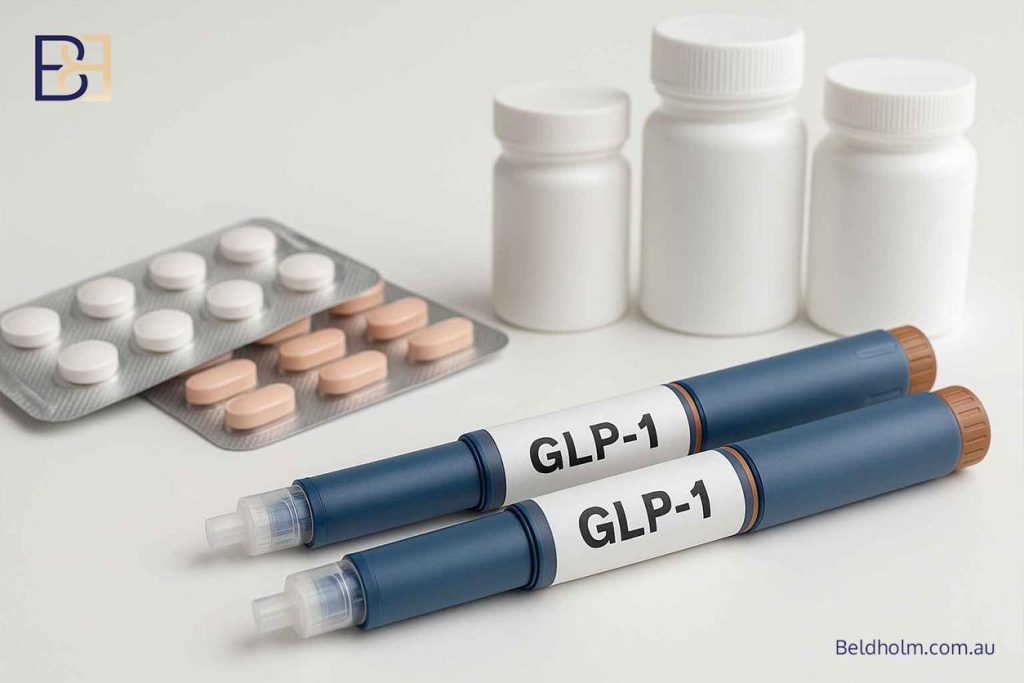
Modern weight loss medications have become an increasingly common part of the weight loss journey for many patients who come to see me. If you are taking a weight loss medication, there are several things specific to your situation that are worth understanding before surgery.
Protein intake is harder to meet
Research has shown that patients on weight loss medications consume up to 17% less protein than those not taking them (3). The appetite suppression that makes these medications effective for weight loss also makes it harder to meet protein targets in the weeks before surgery.
If you are on a weight loss medication, protein supplementation is not optional. It is essential. Protein shakes become a practical necessity rather than a convenience, particularly in the lead-up to surgery.
Current guidelines do not recommend routine cessation
I follow current Australian guidelines on this. The 2025 joint guidelines from the Australian Diabetes Society, ANZCA, the Gastroenterological Society of Australia, and the National Association of Clinical Obesity Services do not recommend routine cessation of weight loss medications before surgery (9).
Continue taking your medication as prescribed. Do not stop it without speaking to your prescribing doctor or me first.
If protein targets cannot be met
If your appetite suppression from a weight loss medication is making it genuinely impossible to meet your protein targets in the weeks before surgery, I may discuss a temporary supervised dose reduction as part of your pre-operative planning. This is an individual clinical decision made in consultation between your prescribing doctor and me.
Patients must not adjust their weight loss dose independently. Stopping these medications unsupervised can worsen food quality and overall nutritional status, which is the opposite of what we need before surgery.
Gastric emptying and the pre-operative liquid diet
Weight loss medications slow gastric emptying, which increases the risk of aspiration under general anaesthesia. Current guidelines recommend a liquid-only diet for at least 24 hours before surgery for patients who are taking these medications (9).
All post-weight-loss patients also have a pre-operative anaesthetic consultation done by phone. Your anaesthetist will discuss this with you directly and confirm the specific fasting requirements for your situation.
Long-term weight regain after stopping weight loss medications
This is worth knowing before surgery. Published research has found that up to two-thirds of the weight lost may return within one year of discontinuing weight loss medications (3). If these medications formed part of your weight management plan before surgery, that conversation should continue with your prescribing doctor after surgery. Resumption is typically recommended once oral intake is stable postoperatively, starting at a lower dose and titrating gradually.
Your Pre-Operative Diet: What to Eat

Book your appointment online now
The weeks before abdominoplasty (tummy tuck surgery) are not the time to restrict calories. They are the time to build the nutritional foundation your body will draw on during surgery and in the days immediately after.
The general evidence-based target for wound healing is 30 to 40 kilocalories (125 to 167 kilojoules) per kilogram of body weight per day (3). For most post-weight-loss patients, that is significantly more than the current intake. The goal is to close that gap gradually and consistently in the weeks before surgery.
Protein targets before surgery
Protein is the most important nutrient for surgical preparation. The pre-operative target is 1.2 to 1.5 grams of protein per kilogram of body weight per day (3). For most patients, that means somewhere between 80 and 120 grams of protein daily, depending on body weight.
Spread protein across the day in portions of 20 to 40 grams per meal or snack. Eating all your protein in one or two sittings is less effective than distributing it more evenly, particularly for patients with reduced stomach volume.
Good sources of lean protein to prioritise include:
- Chicken breast and turkey
- Fish and seafood, particularly salmon, tuna, barramundi, and white fish
- Eggs and egg whites
- Greek yogurt and cottage cheese
- Legumes, including lentils, chickpeas, and black beans
- Tofu and tempeh
- Lean red meat in moderate amounts
If hitting protein targets through food alone is difficult, which is common for post-bariatric patients and patients on weight loss medications, a whey protein isolate supplement closes the gap. Start protein supplementation at least four weeks before surgery. Six to eight weeks is better.
Other foods to prioritise before surgery

Beyond protein, the pre-operative diet should include:
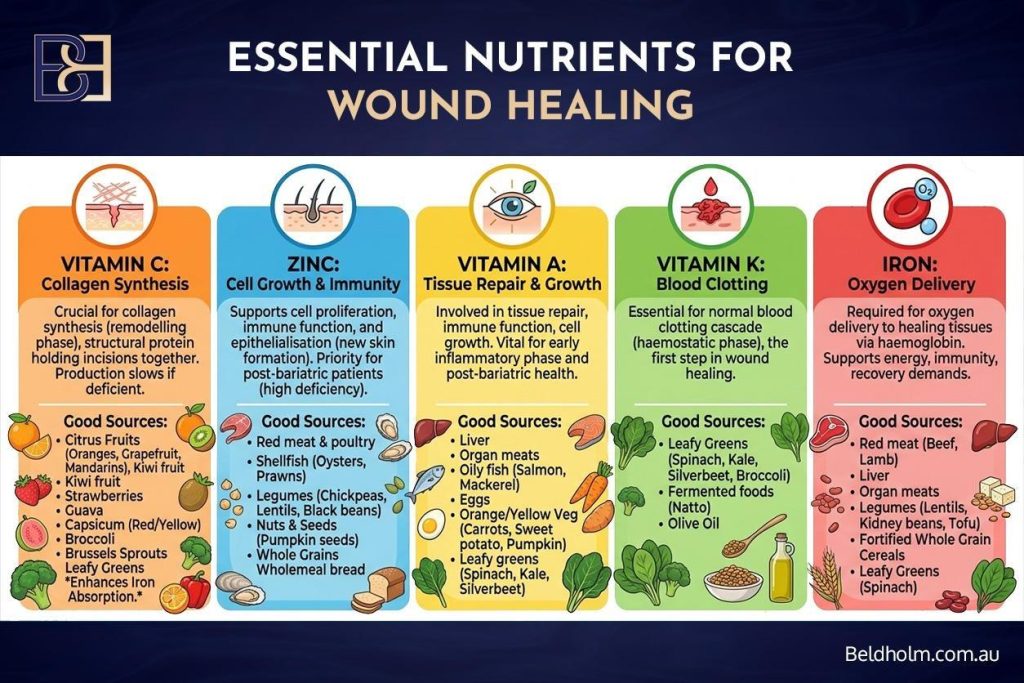
- Leafy greens: spinach, broccoli, and kale are rich in folate, vitamin K, and iron
- Capsicum, citrus, and berries: high in vitamin C, which also significantly improves iron absorption when eaten alongside iron-rich foods
- Orange and yellow vegetables: carrots, sweet potato, and pumpkin for vitamin A
- Whole grains: oats, brown rice, quinoa, and wholemeal bread for B vitamins and sustained energy
- Oily fish: salmon, sardines, and mackerel for omega-3 fatty acids and anti-inflammatory benefits
- Avocado, nuts, and olive oil: healthy fats that support absorption of fat-soluble vitamins A, D, E, and K. Use olive oil as a primary cooking fat and salad dressing base during this period.
- Dairy or calcium-rich alternatives if tolerated
Foods and substances to avoid before surgery

- Alcohol: impairs immune function, depletes B vitamins and zinc, and increases bleeding risk (4)
- Avoid high sugar foods, sugary foods, and sugary snacks: these displace nutrient-dense options without contributing meaningfully to healing
- Fatty and greasy foods: fatty foods are calorie-dense but nutrient-poor, placing unnecessary strain on the digestive system
- Reduce processed foods and avoid processed foods where possible: processed foods contribute to inflammation and do not support healing
- Very low-calorie dieting: caloric restriction before surgery is counterproductive
- Excessive caffeine with meals can impair iron and calcium absorption
Building an anti-inflammatory food pattern in the weeks before surgery is a simple way to reduce inflammation and support healing. This is the same pattern I recommend post-operatively, so starting it now means you are already in the right habit by the time recovery begins.
Hydration before surgery

Adequate hydration before surgery is part of surgical preparation. Aim for a minimum of two litres of water per day. The Fitbit app, which I use personally, tracks water intake alongside food and macronutrients, making it easy to monitor daily fluid targets.
Protein: The Most Important Nutrient for Recovery
If there is one nutritional message I want every post-weight-loss abdominoplasty patient to take away from this article, it is this: protein is not optional. It is the foundation of everything the body needs to do after surgery.
After abdominoplasty (tummy tuck surgery), the body is simultaneously managing an inflammatory response, rebuilding damaged tissue, synthesising new collagen, and repairing the abdominal wall where muscles have been reconstructed. All of these processes depend on adequate protein. Without it, healing slows, the risk of wound complications rises, and recovery takes longer.
How much protein do you need after surgery?
Post-operative protein targets are higher than pre-operative targets. Published research recommends 1.6 to 3.0 grams of protein per kilogram of body weight per day after surgery, continuing for four to six weeks or until wound closure is confirmed (3).
For a 75 kg patient, that is between 120 and 225 grams of protein daily.
That is a substantial amount. And for post-bariatric patients managing reduced stomach volume, altered absorption, and a suppressed appetite, it can be difficult to get enough food on their own.
How to distribute protein throughout the day
Rather than trying to eat large amounts of protein in one or two sittings, spread intake across the day in servings of 20 to 40 grams per meal or snack (3). This is both more effective for tissue repair and more practical for patients with reduced stomach volume.
A rough daily structure at week four might look like this:
- Breakfast: scrambled eggs with spinach on wholemeal toast, plus a protein shake (40 to 50 g protein)
- Mid-morning: Greek yogurt with berries and a small handful of walnuts (15 to 20 g protein)
- Lunch: grilled salmon with quinoa and a fresh leafy green salad (35 to 40 g protein)
- Afternoon: cottage cheese with sliced kiwi (15 to 20 g protein)
- Dinner: chicken breast with roasted sweet potato and broccolini (35 to 40 g protein)
That day provides roughly 140 to 170 grams of protein, along with a broad range of essential vitamins, minerals, and nourishing fats.
The best foods to eat for protein
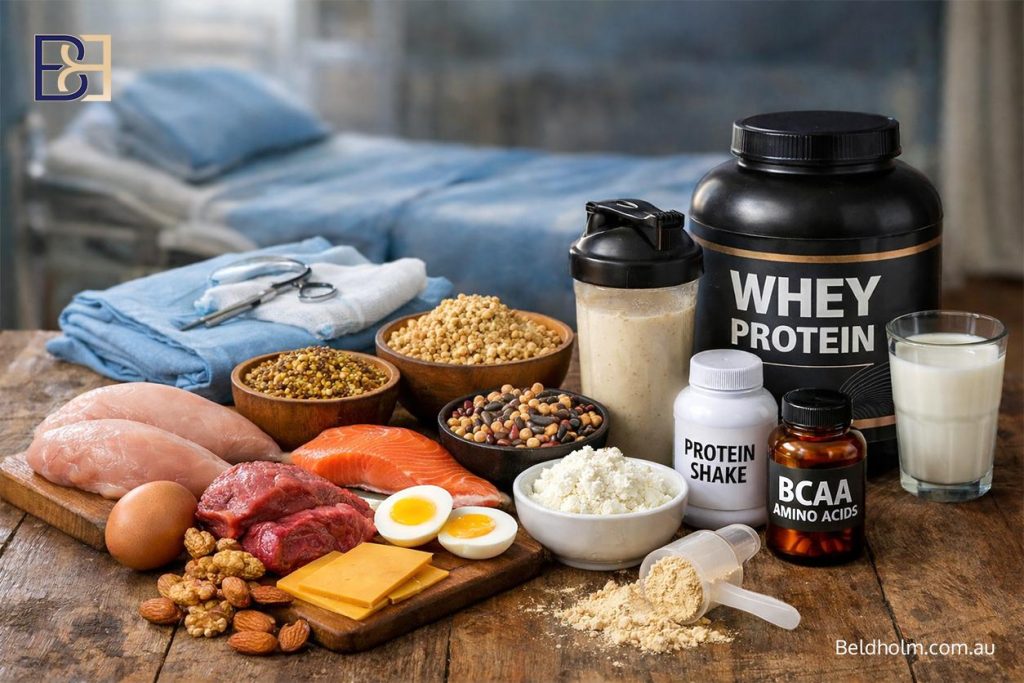
A protein-rich diet built around whole-food protein sources is the practical foundation of recovery. The best foods to eat for protein after abdominoplasty surgery are:
- Lean meats: chicken breast, turkey, lean beef, pork tenderloin
- Fish and seafood: salmon, tuna, barramundi, prawns, sardines
- Eggs and egg whites
- Dairy: Greek yogurt, cottage cheese, ricotta, milk
- Legumes: lentils, chickpeas, edamame, black beans
- Nuts and nut butters in moderate amounts
- Tofu and tempeh for plant-based options
These protein-rich foods, when paired with a balanced diet rich in whole grains, vegetables, and healthy fats, form a nutritious diet that supports tissue repair and a smoother recovery after this surgical procedure.
When protein shakes are necessary
For many post-weight-loss patients, food alone will not be enough to reach post-operative targets, particularly in the first two weeks when appetite is low and solid foods are being reintroduced gradually.
Protein supplementation fills that gap. I recommend a whey protein isolate (WPI) with at least 25 grams of protein per serve and minimal added sugar. I personally use True Protein WPI90. I have no financial relationship with True Protein. Any quality WPI meeting those criteria is suitable.
For patients who are lactose intolerant or prefer a plant-based option, a pea protein isolate with comparable protein content per serve is a reasonable alternative.
Track your intake
Macronutrient tracking during recovery is genuinely useful. Apps like Fitbit, MyFitnessPal, and Cronometer allow you to log meals and monitor protein intake across the day. You do not need to track forever, but doing so for the first four to six weeks of recovery removes the guesswork and shows clearly whether targets are being met.
Why starting before surgery matters
Research shows that protein supplementation before and after abdominoplasty surgery is associated with significantly lower complication rates during recovery in post-bariatric patients (1). Starting protein supplementation at least four weeks before surgery, not just after, gives the body time to build stores before the healing demand begins.
Think of it as loading the system before the demand hits rather than trying to catch up once the deficit has already set in.
Caloric Targets: How Much Should You Actually Eat?
Getting the caloric balance right after abdominoplasty (tummy tuck surgery) matters on both sides. Too little, and the body does not have the energy it needs to support tissue healing and recovery. Too much of the wrong foods and weight gain increase the risk of complications that can affect the long-term outcome of the procedure.
For post-weight-loss patients, this balance is harder to strike than for the average patient. Appetite suppression, reduced stomach volume, and the habits formed during the weight-loss phase all work against meeting the caloric demands of surgical recovery.
How many calories do you need?
Published research details what healing requires. The recovery process demands between 30 and 40 kilocalories (125 to 167 kilojoules) per kilogram of body weight per day (3).
To put that in context:
- A 65 kg patient needs between 1,950 kilocalories (8,160 kilojoules) and 2,600 kilocalories (10,880 kilojoules) daily
- A 75 kg patient needs between 2,250 kilocalories (9,420 kilojoules) and 3,000 kilocalories (12,550 kilojoules) daily
- An 85 kg patient needs between 2,550 kilocalories (10,670 kilojoules) and 3,400 kilocalories (14,230 kilojoules) daily
Research has shown that many post-bariatric patients consume only 800 to 1,000 kilocalories (3,350 to 4,180 kilojoules) per day in the first 1 to 2 years after bariatric surgery (3). That gap between what recovery demands and what is typically being consumed has direct consequences for healing.
Why under-eating is a genuine risk
Many post-weight-loss patients have spent months or years learning to eat less. The hormonal changes from bariatric surgery suppress appetite. Weight loss medications reduce hunger further. Post-operative nausea in the first days after surgery makes eating feel unappealing.
Under-eating during recovery is not a matter of willpower. It is a physiological reality that requires active management. Patients who do not meet their caloric targets during recovery are at higher risk of:
- A delayed recovery process and slower tissue healing
- Muscle loss, as the body breaks down lean mass for energy when calories are insufficient
- Immune suppression, which increases infection risk
- Fatigue that prolongs recovery and limits early mobilisation
Why over-eating is also a consideration
Weight gain after abdominoplasty surgery is a genuine concern. The procedure treats the abdominal skin and wall, but it does not treat fat stored in other areas of the body. Significant weight gain after surgery can affect the abdominal contour and compromise the long-term outcome.
The goal is not caloric restriction. It meets the body’s healing requirements by using nutrient-dense whole foods rather than calorie-dense but nutrient-poor options.
Five to six small meals
For patients with reduced stomach volume, three large meals per day are rarely practical. Eating too much at once causes discomfort and reduces overall intake across the day.
A better approach is five to six smaller meals or snacks distributed across the day. This supports consistent protein distribution, better digestive tolerance, steadier energy levels, and reduced bloating compared with larger, less frequent meals.
Track your intake using a nutrition app, as detailed in the protein section above.
Hydration Before and After Surgery
Hydration is one of the most consistently underestimated parts of surgical recovery. It does not require a supplement, a meal plan, or any special preparation. It just requires water, consistently, every day.
For post-weight-loss patients, adequate hydration is particularly important because dehydration amplifies many of the challenges already present in this patient group, including impaired recovery, digestive difficulty, fatigue, and reduced skin elasticity.
How much water do you need?

The target is a minimum of two litres of water per day throughout the recovery period.
A practical way to monitor this is to use a nutrition-tracking app. The Fitbit app, which I use personally, tracks water intake alongside food and macronutrients, making it easy to see at a glance whether you are hitting your daily fluid target. Most similar apps have the same functionality. It takes seconds to log each drink, removing the guesswork entirely.
If you prefer a visual check, urine colour is a good indicator. Pale yellow indicates adequate hydration. Dark yellow or amber is a clear sign that fluid intake needs to increase. In the first days after surgery, when mobility is limited and the appetite for drinking may be low, one of these two approaches is worth building into the daily routine.
If the weather is warm or you are running a low-grade fever postoperatively, fluid needs increase. Adjust accordingly.
What else counts toward hydration
Water is the best choice, but other fluids contribute to daily intake. Good options during recovery include:
- Herbal teas, which also provide gentle warmth and comfort in the early post-operative days
- Clear broths and bone broths, which contribute both fluid and electrolytes
- Diluted fruit juice in small amounts
- Hydrating foods such as cucumber, watermelon, celery, and zucchini, which have high water content and contribute meaningfully to overall fluid intake
These are not substitutes for water but useful additions, particularly when appetite is low and drinking plain water feels like an effort.
What to avoid
Two substances actively work against hydration during recovery:
Alcohol is a diuretic and directly causes dehydration. It also increases free radical production, impairs immune function, and interferes with collagen synthesis and elastin formation, all of which negatively affect the body’s natural healing process (4). Alcohol should be avoided throughout the active recovery period. Even moderate intake during recovery carries real consequences for tissue healing outcomes.
Caffeine in large amounts has a mild diuretic effect and can contribute to dehydration if fluid intake is not sufficient to compensate. Moderate caffeine consumption, one to two cups of coffee per day, is generally tolerated and does not need to be eliminated entirely. However, coffee should not replace water as the primary fluid source, and very high caffeine intake should be avoided.
The First Week: What Eating Actually Looks Like After Surgery
The first week after abdominoplasty (tummy tuck surgery) is not the time to focus on hitting every nutritional target. The reality of early recovery is messier than most nutrition guides acknowledge, and it helps to know what to expect.
The first 1 to 4 days: you will be in the hospital
Most patients undergoing abdominoplasty surgery at Maitland Private Hospital spend between one and four days admitted, depending on the complexity of the procedure. During this time, meals are provided by the hospital.
In my experience, hospital meals are not always ideally suited to the nutritional needs of post-weight-loss patients. However, Maitland Private Hospital provides a range of protein supplements, and a hospital dietitian is available if you are struggling with your intake during your stay. If you are finding it difficult to eat or meet protein targets while admitted, ask your nursing team to arrange a dietitian consultation. That is exactly what the service is there for.
Days 1 and 2 will be the toughest
The first two days after surgery are genuinely difficult from a nutritional standpoint. Nausea from anaesthesia and pain medications is common. Mobility is very limited. Appetite is low. Eating well simply won’t be possible for most patients during this window.
This is normal. It is also temporary.
What matters is managing this period as best you can with small sips of fluid and, when tolerated, a whey protein isolate shake, and knowing that the nutritional work done in the weeks before surgery is what carries you through these first difficult days. This is one of the strongest reasons why pre-operative nutritional preparation matters so much.
Weight loss medications and the pre-operative liquid diet
Patients on Weight loss medications face an additional consideration. Current guidelines recommend a liquid-only diet for at least 24 hours before surgery in addition to the standard fasting protocol on the day of surgery (9). If you are on weight-loss medication, plan for this specifically. Make sure your whey protein isolate supplement is ready and accessible in the days leading up to admission.
Your anaesthetist will confirm the specific fasting and dietary requirements for your situation at your pre-operative anaesthetic phone consultation.
Prepare your meals before you go in
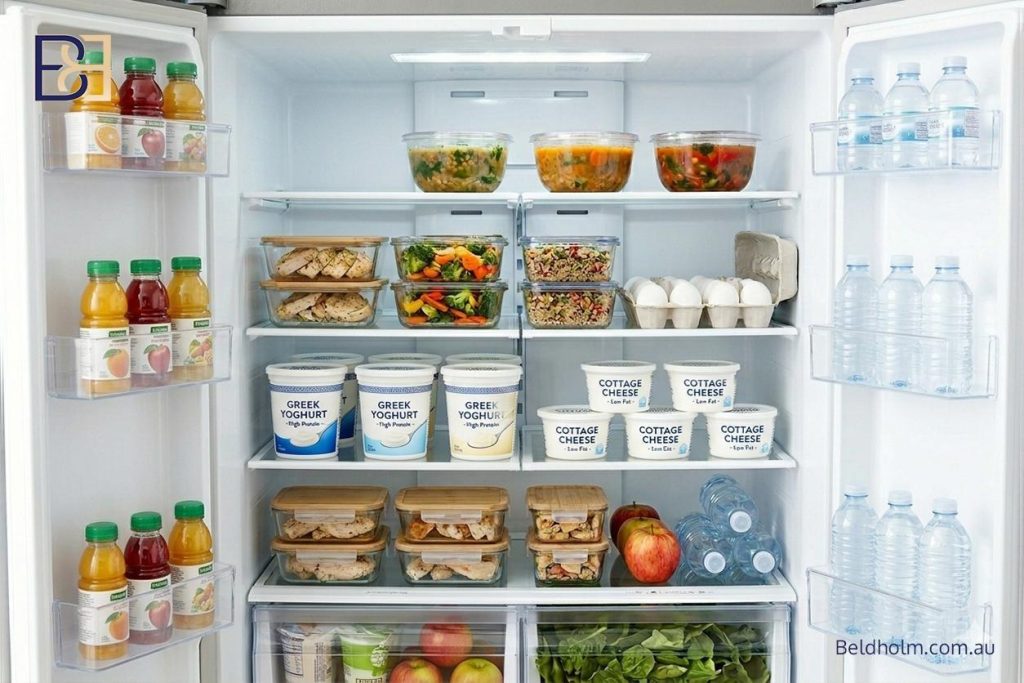
One of the most practical things any patient can do in the week before surgery is prepare soft, protein-dense options in advance. When you arrive home after discharge, cooking will not be feasible.
Good options to prepare and refrigerate or freeze in advance include:
- Whey protein isolate portioned into bottles, ready to drink
- Greek yogurt and cottage cheese in individual servings
- Soft-boiled or hard-boiled eggs
- Blended soups made with chicken or lentils
- Overnight oats prepared in small jars
- Smoothies with protein powder, banana, and yogurt, frozen in portions
- Stewed fruit with no added sugar
Days 3 to 7: building back to soft foods
As nausea settles and appetite begins to return after discharge, easily digestible foods can be introduced more consistently. The goal is to start working toward protein and caloric targets while keeping foods easy on the digestive system.
Good easily digestible foods for this phase include:
- Scrambled or soft-boiled eggs
- Greek yogurt and cottage cheese
- Smooth nut butters on soft bread
- Well-cooked oats or soft whole grain cereals with milk
- Mashed sweet potato or pumpkin
- Soft-cooked fish such as salmon or barramundi
- Blended or well-cooked legume soups
- Avocado on soft bread
- Banana and other soft, fresh fruits
Continue with a whey protein isolate between meals to keep protein intake consistent throughout the day.
Managing constipation

Constipation is one of the most common discomforts after abdominoplasty surgery. Opioid-based pain medications significantly slow gut motility, and reduced mobility compounds this.
In my practice, I prescribe bowel medications from the time of surgery. The approach in the hospital is more aggressive to get things moving early, and on discharge, patients are sent home with a milder ongoing regimen. You do not need to rely on diet alone to treat constipation during the hospital stay and the immediate period after.
From around day three to four at home, a diet that includes soft fibre-dense options such as oats, stewed prunes, avocado, chia seeds soaked in yogurt, and well-cooked vegetables will help support bowel regularity as recovery progresses. Stay well hydrated alongside any fibre intake.
If constipation remains a problem despite medication and dietary measures, let my team know at your next post-operative review.
Weeks 2 to 6: Progressing to a Whole-Food Diet

By the start of week two, most patients are home, mobile enough to move around the house, and starting to feel something resembling an appetite again. This is when the nutritional focus shifts from survival mode to genuine recovery mode.
The goal over weeks two to six is to progressively build toward a nutrient-dense, whole-food diet that consistently meets protein targets, supports ongoing healing, and sustains energy throughout recovery. This phase is where the real nutritional work of recovery happens.
Transitioning from soft foods to more solid foods
There is no fixed day when patients should switch from softer, easily digestible foods to more solid ones. The transition is guided by tolerance, comfort, and the digestive system’s response.
A general guide:
- Week 2: continued soft, easily digestible options plus more varied textures, including well-cooked vegetables, fish, eggs, legumes, yogurt, and soft grains
- Weeks 3 to 4: most normal foods tolerated, with continued focus on protein and nutrient density
- Weeks 5 to 6: broadly normal diet, with whole grains, fresh fruits and vegetables, and the full range of protein sources reintroduced
Listen to the body. If something causes discomfort or bloating, back off and try again a few days later. This is particularly relevant for post-bariatric patients whose gut responds differently to certain foods even under normal circumstances.
Reintroducing whole grains

Whole grains are an important part of the recovery diet from week two onwards. They provide sustained energy, support bowel regularity, and deliver fibre, B vitamins, and minerals that contribute to the overall healing process.
Good whole grain options to reintroduce during this phase include:
- Brown rice and quinoa
- Whole-grain bread and wholemeal wraps
- Rolled oats and whole-grain breakfast options
- Barley and buckwheat
- Whole-grain pasta in moderate amounts
Introduce gradually and in amounts appropriate to stomach tolerance.
Reintroducing raw fruits and fresh vegetables

By weeks two to three, most patients can tolerate fresh fruits and fresh vegetables alongside cooked options. Raw produce retains more of its vitamins than cooked equivalents, so reintroducing it is a nutritional step forward.
Prioritise fresh fruits, including citrus fruits, kiwi, strawberries, and berries. These are foods rich in the vitamins and antioxidants that support the body’s healing process. Vitamin C continues to support collagen synthesis throughout the remodelling phase of wound healing, which extends well beyond the first few weeks (4).
Fresh vegetables to focus on include leafy greens such as spinach, rocket, and kale, as well as capsicum, cucumber, and tomato. These are high in antioxidants and support the immune system during ongoing recovery.
Continuing protein targets
Protein targets remain elevated throughout weeks two to six. The post-operative recommendation of 1.6 to 3.0 grams per kilogram of body weight per day continues until wound closure is confirmed (3). Whey protein isolate remains a practical tool throughout this phase, particularly between meals.
Do not assume that because appetite has returned and the diet is broader, protein supplementation is no longer needed. Tissue repair and remodelling is still active throughout this entire phase.
Continuing supplementation
Continue all Tier 1 supplements throughout recovery. For post-bariatric patients, micronutrient supplementation is lifelong and does not change during or after the recovery period.
Fish oil and omega-3 supplements, which were stopped before surgery, can be restarted one to two weeks post-operatively once the acute bleeding risk has resolved.
Post-operative blood tests are repeated at six to eight weeks. I review these results and adjust any supplementation where needed.
What a good day of eating looks like at week four

To make this concrete, here is an example of what a nutritionally solid day might look like at around week four:
- Breakfast: oats with milk, a scoop of protein powder stirred through, and a handful of blueberries (35 to 45 g protein)
- Mid-morning: tuna on wholemeal crackers with sliced avocado (20 to 25 g protein)
- Lunch: lean beef stir-fry with brown rice and mixed vegetables (35 to 40 g protein)
- Afternoon: Greek yogurt with sliced banana and a small handful of almonds (15 to 20 g protein)
- Dinner: barramundi fillet with quinoa and roasted capsicum and zucchini (35 to 40 g protein)
That day provides roughly 140 to 170 grams of protein, along with a broad range of vitamins, minerals, healthy fats, whole grains, and fresh produce.
Continue tracking your intake using a nutrition app as described above. Doing so through weeks two to six confirms targets are being met as appetite and food variety return.
Long-Term Eating After Abdominoplasty Surgery
The nutritional focus of this article has been weighted toward the weeks surrounding surgery, and rightly so. But what you eat beyond the six-week mark matters too, particularly for post-weight-loss patients who are now protecting a significant surgical investment.
How the body responds after surgery
Abdominoplasty removes excess skin and, where needed, repairs the abdominal wall. It does not change the fundamental biology of how the body stores and gains weight. The cells removed during surgery are gone permanently. However, many fat cells remain in other areas of the body and can still enlarge if there is a major change in body composition.
Major weight fluctuations after surgery can affect the abdominal contour and compromise the long-term outcome of the procedure. Results vary between patients, and individual factors, including genetics, age, and baseline tissue quality, all play a role. Long-term eating habits contribute meaningfully to how well the outcome holds over time.
A balanced long-term diet
The dietary principles that support a good long-term outcome are not dramatically different from those that support general health. A balanced diet rich in whole foods, lean proteins, whole grains, fresh fruits and vegetables, and healthy fats, with limited processed foods and sugary snacks, is the foundation. This kind of balanced diet delivers the vitamins and minerals the body needs for overall health and ongoing tissue maintenance.
Proper nutrition after abdominoplasty surgery is not a six-week project. It is part of a healthy lifestyle that protects the result over the long term. For post-weight-loss patients specifically:
- Continue micronutrient supplementation as directed. Post-bariatric patients require lifelong supplementation regardless of how long it has been since their weight-loss surgery. This does not change after abdominoplasty surgery. Supplementation, alongside proper nutrition, provides the vitamins and minerals that food alone may not consistently provide for this patient group.
- Avoid significant weight fluctuations. Preventing weight gain from becoming sustained is important in the long term. Repeated cycles of gain and loss place stress on the skin and abdominal wall over time.
- Keep protein intake consistent. After the acute recovery phase, protein levels return to maintenance levels. This patient group still benefits from higher protein intake than the general population to support ongoing tissue health and muscle mass. Lean proteins at each meal remain the practical core of this approach.
Mindful eating habits for the long term
Many post-weight-loss patients have a complicated relationship with food built up over years of dietary restriction, weight cycling, and the hormonal changes that come with bariatric surgery or weight loss medications. Long-term success after surgery is supported by a sustainable, consistent approach to eating rather than a rigid or restrictive one.
Practical habits that support long-term weight maintenance include:
- Eating regular meals and avoiding long gaps between eating, which can drive overeating
- Continuing to use a nutrition tracking app periodically to stay aware of intake patterns
- Prioritising protein at every meal to support satiety and muscle preservation
- Choosing whole foods over processed options most of the time
- Staying well hydrated
Weight loss medications long-term

For patients who were using weight-loss medications before surgery, resumption postoperatively is typically recommended once oral intake is stable, starting at a lower dose and titrating gradually. Published research has found that up to two-thirds of the weight lost may return within one year of discontinuing these medications (3). If weight loss medications formed part of your weight management plan before surgery, that conversation should continue with your prescribing doctor after surgery.
Scar maturation takes time
Full scar maturation after abdominoplasty surgery generally takes one to two years (4). Nutrition continues to support the remodelling phase of tissue healing throughout this entire period. Adequate protein, vitamin C, zinc, and overall nutritional status contribute to how well scars mature and soften over time. The dietary principles covered in this article are not just for the first six weeks. They remain relevant well beyond.
Conclusion

Nutrition before and after an abdominoplasty (tummy tuck) procedure is not a secondary concern for post-weight-loss patients. It is one of the most clinically significant factors in how surgery goes, how the body heals, and how well the outcome holds over time.
The path covered in this article is a long one. Blood tests and supplement preparation before surgery. Caloric and protein targets in the weeks leading up to the procedure. The reality of the hospital stay and the first difficult days at home. A gradual progression back to a nutrient-dense whole-food diet from weeks 2 to 6. And then the long-term habits that protect the outcome for years beyond that.
The key principles of a proper tummy tuck (abdominoplasty) diet
A proper tummy tuck (abdominoplasty) diet supports optimal healing, protects overall health, and helps the body manage the demands of tummy tuck recovery. The same principles apply whether you are preparing for surgery or following a post-tummy tuck (abdominoplasty) diet through recovery:
- Eat enough protein at every meal
- Prioritise whole foods over processed options
- Include fibre-rich foods to support bowel regularity, particularly while opioid-based pain medications are in use
- Maintain proper hydration, aiming for at least two litres of water daily
- Keep up with your supplements
- Track your intake with an app during the critical recovery weeks
- Avoid alcohol during recovery
Following these principles gives the body what it needs to heal well and supports overall health in the longer term.
For the full details on which supplements to take, when to take them, dosing, supplement forms, and Australian brand recommendations, see the companion article: Vitamins and Supplements Before and After Abdominoplasty (Tummy Tuck): A Guide for Post-Weight-Loss Patients.
If you are considering abdominoplasty surgery after major weight loss and would like to discuss your individual nutritional readiness and surgical planning, I welcome you to book a consultation. A GP referral is required.
References
- Austin RE, Lista F, Khan A, Ahmad J. The impact of protein nutritional supplementation for massive weight loss patients undergoing abdominoplasty. Aesthetic Surgery Journal. 2016;36(2):204-210.
- Makarawung DJS, Al Nawas M, Smelt HJM, Monpellier VM, Wehmeijer LM, van den Berg WB, Hoogbergen MM, Mink van der Molen AB. Complications in post-bariatric body contouring surgery using a practical treatment regime to optimise the nutritional state. JPRAS Open. 2022;34:91-102.
- Mehta M, Rometo D, Gusenoff J, Rubin JP. Nutritional challenges in post-massive weight loss body contouring: guidance for plastic surgeons on GLP-1 agonists and sleeve gastrectomy. Plastic and Reconstructive Surgery. 2025 [Epub ahead of print]. DOI: 10.1097/PRS.0000000000012672.
- Vitagliano T, Garieri P, Lascala L, Ferro Y, Doldo P, Pujia R, Pujia A, Montalcini T, Greco M, Mazza E. Preparing patients for cosmetic surgery and aesthetic procedures: ensuring an optimal nutritional status for successful results. Nutrients. 2023;15(2):352.
- Agha-Mohammadi S, Hurwitz DJ. Potential impacts of nutritional deficiency of postbariatric patients on body contouring surgery. Plastic and Reconstructive Surgery. 2008;122(6):1901-14.
- Agha-Mohammadi S, Hurwitz DJ. Nutritional deficiency of post-bariatric surgery body contouring patients: what every plastic surgeon should know. Plastic and Reconstructive Surgery. 2008;122(2):604-13.
- Agha-Mohammadi S, Hurwitz DJ. Enhanced recovery after body-contouring surgery: reducing surgical complication rates by optimizing nutrition. Aesthetic Plastic Surgery. 2010;34(5):617-25.
- Humar P, Robinson B. Preparing patients for body contouring surgery and postoperative surveillance for deep venous thrombosis. Clinics in Plastic Surgery. 2024;51(1):1-6.
- Hocking SL, Scott DA, Remedios ML, Horowitz M, Story DA, Greenfield JR, Boussioutas A, Devereaux B, Andrikopoulos S, Shaw JE, Olesnicky BL. 2025 ADS/ANZCA/GESA/NACOS clinical practice recommendations on the peri-procedural use of GLP-1/GIP receptor agonists. Anaesthesia and Intensive Care. 2025;53(5):300-306.