Reference Summary
What vitamin D is: A fat-soluble vitamin that functions more like a hormone. It is produced in the skin in response to sunlight and activated through two steps in the liver and kidneys.
Why it matters before body contouring surgery: Vitamin D plays a direct role in wound healing, immune defence, and calcium metabolism. Deficiency is common in post-weight-loss body contouring patients and is linked to slower healing and higher infection risk.
How common deficiency is in this group: 60 to 90 % of patients with obesity are deficient before any bariatric procedure or weight loss medication. After weight loss surgery, deficiency rates climb over time. In post-weight-loss-medication patients, reduced food intake drives the problem.
Why this patient group is at higher risk:
- Adipose sequestration: fat tissue captures vitamin D and reduces circulating levels
- Fat malabsorption after Roux-en-Y gastric bypass surgery
- Reduced dietary intake in sleeve gastrectomy and modern weight loss medication patients
What form to take: Vitamin D3 (cholecalciferol). Not D2 (ergocalciferol). D3 is the form your body makes naturally and it is more effective at raising blood levels.
Why it must be paired with vitamin K2: At therapeutic doses, vitamin D3 should always be taken with vitamin K2 in the MK-7 form, 100 mcg per day. K2 directs calcium to your bones rather than to your blood vessels and soft tissues.
Reference ranges I use (Australian units):
- Deficiency: below 50 nmol/L
- Insufficiency: 50 to 75 nmol/L
- Sufficiency: 75 to 150 nmol/L
- Optimal pre-surgical range: 75 to 150 nmol/L
- Toxicity risk: above 250 nmol/L (rare at recommended doses)
Typical dose in my practice: 3,000 to 6,000 IU per day of vitamin D3, paired with 100 mcg MK-7 vitamin K2. Commenced at the first consultation, before blood results are back. Dose adjusted at the blood results consultation based on the specific number.
Australian brand options patients commonly use: Ostelin Vitamin D3 1000 IU, NOW D3+K2 5000 IU, or Cenovis Vitamin D3. Available through Chemist Warehouse, Pharmacy Direct, or Amazon AU.
When I recheck levels: At 6 to 8 weeks post-supplementation, as part of the post-operative blood panel arranged with the GP.
What patients should not do: Do not rely on sun exposure alone. Do not use vitamin D2 as a substitute for D3. Do not take high-dose D3 without pairing with K2. Do not stop the supplement around surgery unless advised.

Clinical note: This is general information. Individual recommendations depend on blood test results, surgical planning, and medical history. Anything in this summary is a starting point for discussion, not a prescription.
Introduction

Book your appointment online now
Most patients who come to me for body contouring surgery after significant weight loss have put enormous effort into getting here. They have lost the weight and kept it off long enough to be stable. They are ready to deal with the excess skin, the extra skin, and body contour issues the weight loss has left behind.
What many have not been told: the process that got them here often leaves nutritional gaps that matter for surgical recovery.
Vitamin D sits near the top of that list.
In the post-weight-loss patient group, vitamin D deficiency is not unusual. It is close to universal.
Published research shows deficiency rates of 60 to 90 % in patients with obesity. Those rates do not automatically correct themselves once the weight has come off. In post-bariatric patients, deficiency rates continue to climb in the years after surgery. In patients who have lost weight on modern weight loss medications, reduced food intake means reduced dietary vitamin D, and the problem takes a different path to the same outcome.
For body contouring surgery, this matters. Vitamin D has a direct role in wound healing, immune defence, and calcium metabolism. These are not abstract points. They are the outcomes patients and surgeons actually care about: how well the wound closes, how well healing progresses, and whether complications develop.
How I approach vitamin D in my practice

As a Specialist Surgeon in post-weight-loss body contouring, I start every patient in this group on vitamin D3 paired with vitamin K2 at the first consultation. This is part of a universal supplement routine I apply to everyone in this group, before blood results are even back.
At the blood results consultation two to four weeks later, I adjust the dose based on the specific number for each patient.
I then check levels again as part of the post-operative blood panel arranged with the GP.
This is the routine that, over years of practice, has given me the most consistent results.
What this article covers
My aim in this article is to walk you through the reasoning behind that routine.
The clinical content is based on peer-reviewed research and my own experience. It is intended to give you a clear, grounded understanding of why I take vitamin D as seriously as I do, and what you can expect when you come in for your first consultation.
Results in body contouring cosmetic surgery vary from patient to patient, and nutritional status is only one part of the broader picture of surgical readiness. But it is a part I pay close attention to, and one that patients are often best placed to work on well before they see me.
How Common Is Vitamin D Deficiency in This Patient Group?
Vitamin D deficiency is not an occasional finding in post-weight-loss patients. It is the norm. Understanding just how prevalent it is helps explain why I treat it as a priority in every pre-operative nutritional assessment, and why vitamin D3 sits alongside protein, multivitamin, vitamin C, and zinc as a core Tier 1 supplement for every patient in my practice.
In patients with obesity

Before any bariatric procedure or weight loss medication, vitamin D deficiency is already highly prevalent in people living with obesity. Published research consistently reports deficiency rates of 60-90% in this population (1, 2). This is not explained by diet alone. Obesity itself is an independent driver of low vitamin D levels, through a mechanism I will cover in more detail later in this article.
The practical implication is straightforward. Many patients arrive at their first body contouring consultation already depleted, often after years of living with obesity, followed by a period of active weight loss. The deficiency did not start with their weight loss surgery or their weight loss journey. It was there long before.
In post-bariatric patients

After weight loss surgery, deficiency rates worsen over time without aggressive management. Research in post-bariatric patients shows vitamin D deficiency in approximately 17% at 9 to 18 months post-surgery, rising to over 60% at 4 years (1).
What makes this particularly relevant to body contouring surgery is the timing. Most patients are not candidates for body contouring procedures until they have achieved a stable weight, which typically takes 12 to 24 months after bariatric surgery. By that point, many patients are already in the window where vitamin D deficiency rates are climbing, not falling.
A 2022 study of 140 post-bariatric body contouring patients found that vitamin D was the single most common pre-operative nutritional deficiency, present in 32.6% of patients at their pre-surgical assessment (3). Of those identified as deficient, 77% were still deficient at the time of surgery despite being treated.
That last figure is worth sitting with. Correcting vitamin D is not something that can be rushed in the final weeks before a body contouring procedure. If deficiency is identified late, or treated without adequate dose or duration, patients can arrive at surgery still functionally deficient.
In post-weight-loss-medication patients
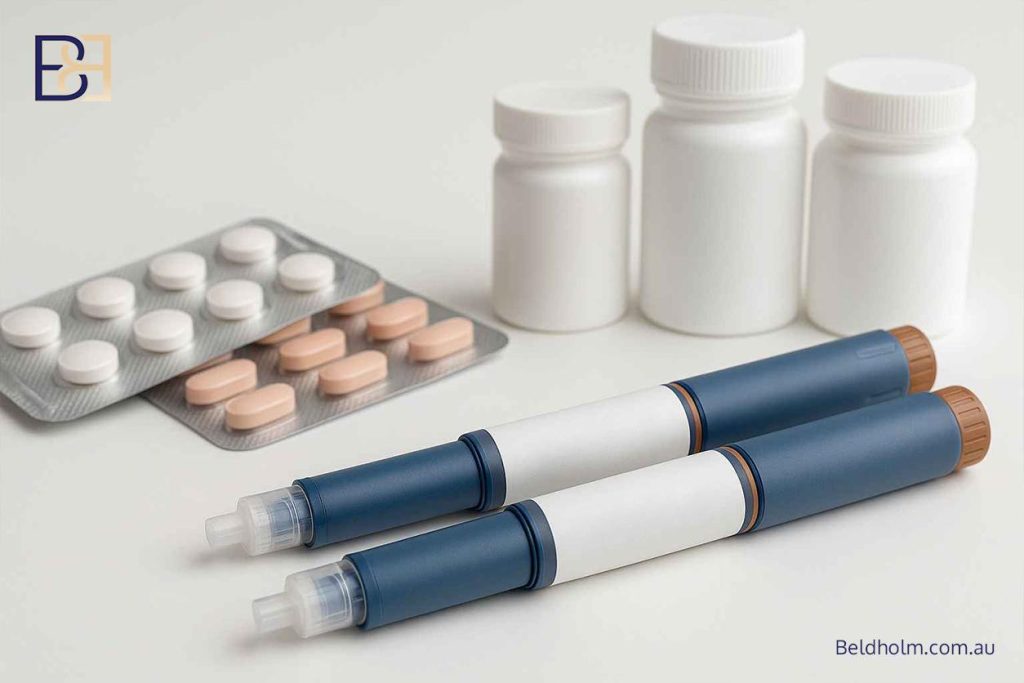
The population presenting for body contouring surgery has changed significantly over the past few years. Modern weight loss medications, taken alongside dietary change and increased risk of nutritional gaps as activity increases, now account for a substantial share of the major weight loss I see in consultation. The nutritional picture in these patients is different from post-bariatric patients, but it is not without risk.
These medications work in part by reducing appetite. Research on patients using this class of medication shows reductions in total food intake of around 30%, with certain micronutrients affected disproportionately. Dietary vitamin D intake in these patients has been reported at around 80% below standard reference intakes, and clinical deficiency is seen in approximately 13% of patients after one year of use (2).
Unlike post-bariatric patients, absorption is not impaired. The problem is reduced intake. That changes how I approach supplementation in these patients, but it does not change the fact that deficiency is common and needs correction before surgery.
Why this matters for your surgery
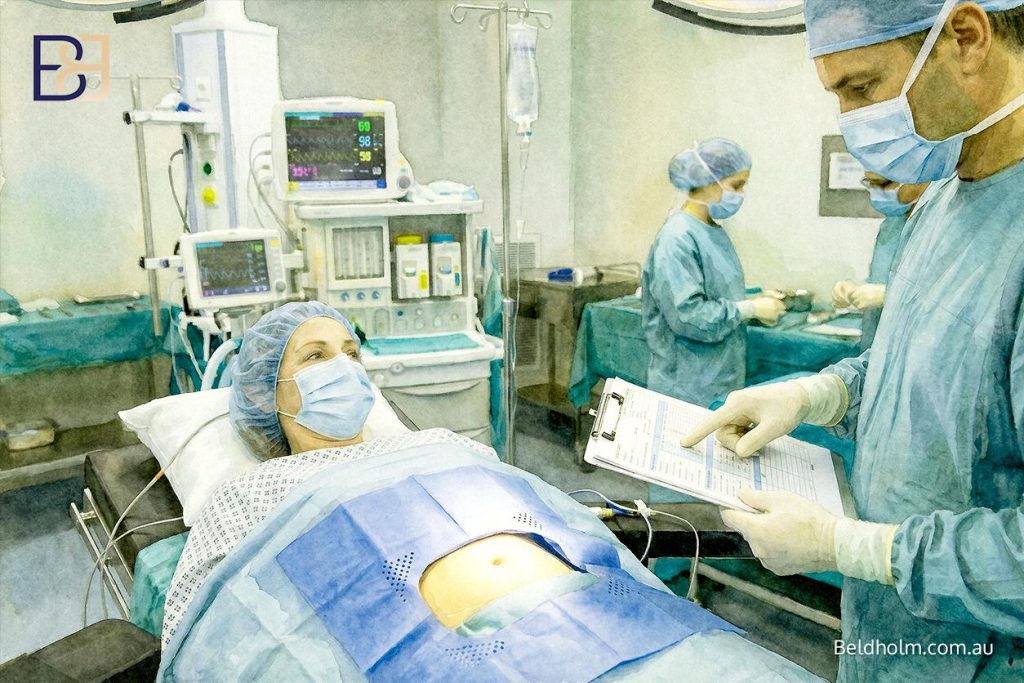
If most patients in this group are deficient and correction takes weeks, waiting until a month before body contouring surgery to check vitamin D status leaves little margin. This is why vitamin D3 is part of the Tier 1 body contouring routine I start at the very first consultation, alongside the blood panel. Starting early is not optional in my practice. It is how I get patients to body contouring surgery in the condition their recovery needs.
Why Weight Loss Patients Are at Higher Risk
Knowing that deficiency is common is only half the picture. To understand how to correct it effectively, you need to understand why it happens in the first place.
There are three distinct mechanisms at play in this patient group. They do not all respond to the same approach.
Mechanism 1: Adipose sequestration

Vitamin D is fat-soluble. That is a key property, and it is what makes the vitamin so different from water-soluble vitamins like vitamin C or the B group.
When vitamin D is produced in the skin or absorbed from food, it is a lipid. It dissolves into fat.
In a lean person, this is not a problem. There is only so much fat tissue for the vitamin to be dispersed into, and circulating levels remain adequate.
In a person carrying significant excess weight, the story is different. Greater amounts of subcutaneous fat sequester more of the vitamin and alter its release into circulation (4). The vitamin is made and absorbed, but captured by fat tissue before it can work.
The research backs this up clearly. There is a well-established inverse relationship between body mass index and serum 25-hydroxyvitamin D. The higher the BMI, the lower the circulating vitamin D levels tend to be (4).
What this means in practice is important. Patients do not automatically recover their vitamin D status just because they have lost weight. The fat tissue that was sequestering the vitamin is now gone, but the habitual low circulating levels often persist for months or years.
Without targeted correction, the deficiency tends to continue long after the weight has come off.
Mechanism 2: Fat malabsorption after bariatric surgery
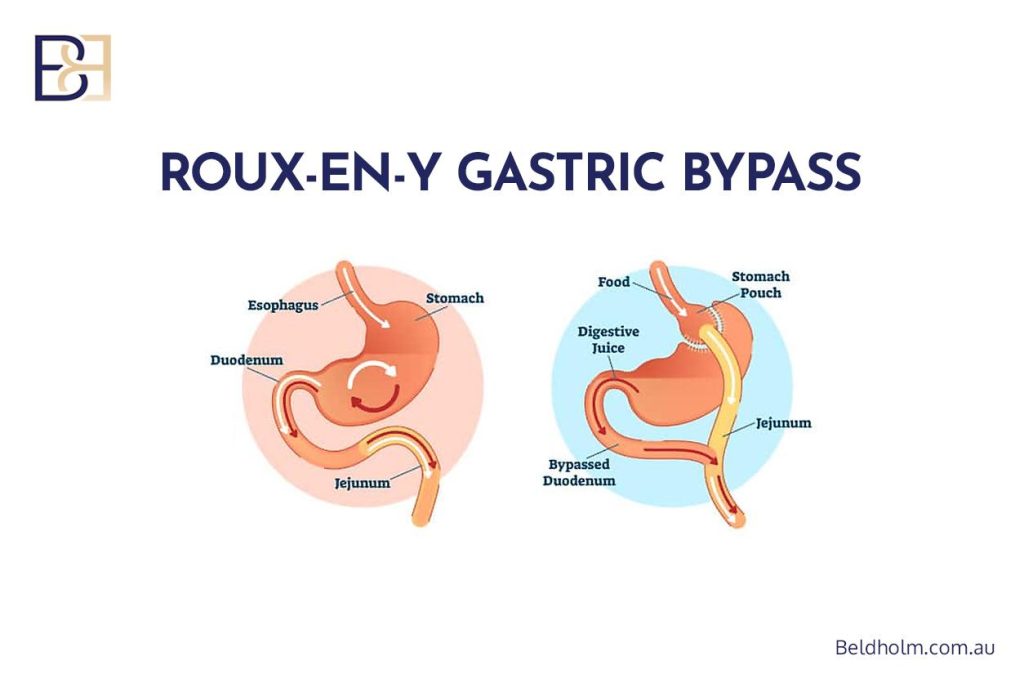
For patients who have undergone bariatric surgery, a second mechanism stacks on top of the first. This one is about how the vitamin gets absorbed from the gut.
Vitamin D, being fat-soluble, needs to be absorbed alongside dietary fat. That absorption happens primarily in the upper small intestine.
In Roux-en-Y gastric bypass, that section of the bowel is physically bypassed by the surgical reconfiguration. Dietary vitamin D often cannot be absorbed efficiently as a result (1, 4).
In sleeve gastrectomy, the anatomy for vitamin D absorption is preserved. The issue in sleeve patients is reduced intake rather than impaired absorption. The stomach pouch is smaller, food tolerance is reduced, and dietary vitamin D does not come in at the levels needed (2).

The practical consequences for body contouring surgery planning:
- Post-bypass patients need higher doses of vitamin D supplements and often need them indefinitely. Absorption efficiency is compromised.
- Post-sleeve patients generally respond well to standard vitamin D supplements because their vitamin D absorption is intact. The issue is ensuring the supplement is taken consistently.
Either way, the result is the same. Both groups typically arrive at surgical consultation with low vitamin D levels and require correction before a body contouring procedure can go ahead.
Mechanism 3: Reduced intake on modern weight loss medications

The third mechanism affects a growing group of patients: those who have lost significant weight using modern weight loss medications. This mechanism is different again.
These medications reduce appetite. Food intake drops, often substantially.
When intake drops, so does the intake of dietary vitamin D. Research on patients taking this class of medication shows dietary vitamin D intake at roughly 80% below reference values, along with reduced intake of several other nutrients relevant to surgical recovery (2).
Absorption efficiency is not compromised in these patients, so vitamin D supplementation is generally effective. The anatomy of the gut is intact. But the dietary vitamin D is not coming in at sufficient levels, and deficiency follows.
Comparing the three mechanisms
The key distinction across these three mechanisms:
- Post-bariatric bypass patients: absorption is impaired. Higher supplementation doses and longer duration are required.
- Post-sleeve and post-weight-loss-medication patients: intake is reduced. Standard supplementation doses generally work well if started early and taken consistently.
- All three groups: adipose sequestration adds a layer on top, and its effect persists even after weight loss.
Why sun exposure does not solve the problem

A common assumption among my patients is that living in Australia provides enough sun exposure to keep vitamin D levels adequate.
In this patient group, that assumption does not hold.
Several factors reduce the effectiveness of sun-based vitamin D synthesis:
- Adipose sequestration still captures vitamin D produced in the skin, even when weight has been lost recently
- Sunscreen with SPF 30 reduces vitamin D synthesis in the skin by more than 95% (4)
- Patients with darker skin or darker skin tones require significantly more sun exposure to produce equivalent amounts of vitamin D
- Indoor time during recovery reduces sun exposure at exactly the time it matters most
- Skin cancer risk in Australia means deliberately increasing sun exposure is not an appropriate strategy for anyone
Sun exposure is not a reliable correction strategy for vitamin D deficiency in post-weight-loss patients.
Targeted vitamin D supplementation, guided by blood test results and started early in the pre-operative window, is the only reliable approach.
What Does Vitamin D Actually Do in the Body?
Vitamin D is often described simply as important for bones and calcium. That description undersells it.
Vitamin D functions more like a hormone than a traditional vitamin. Its active form regulates up to 200 genes and has effects across virtually every tissue in the body (4).
In body contouring surgery, several functions are directly relevant to recovery.
How vitamin D is made and activated
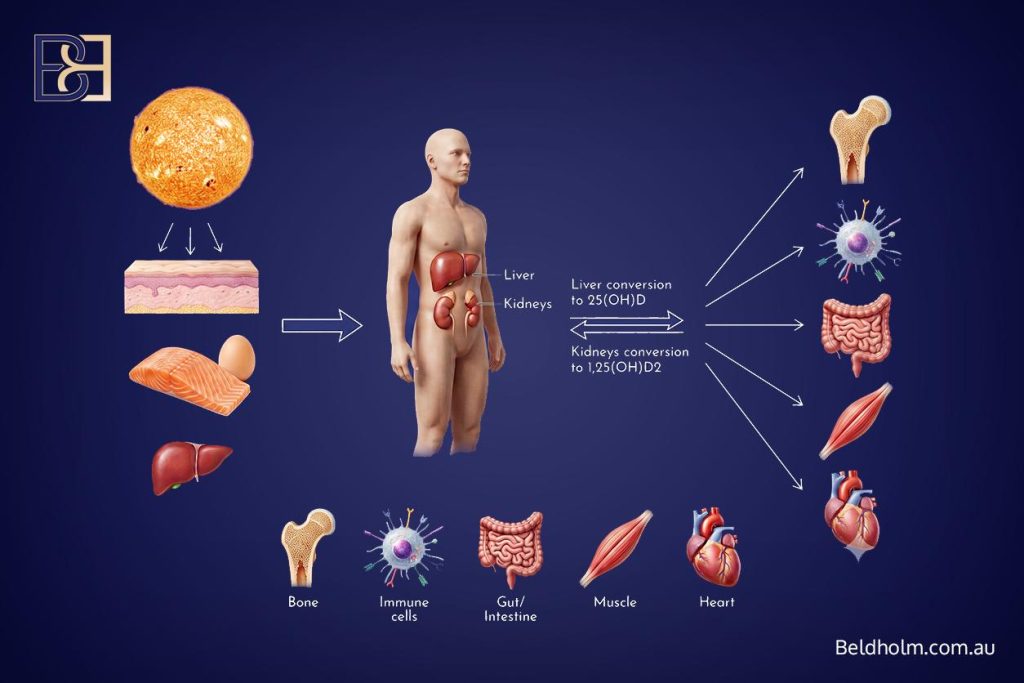
Vitamin D does not arrive in its active form. It has to be made and then converted through two separate steps before it can do anything useful in the body.
The first step is production. Vitamin D is synthesised in the skin from a cholesterol precursor when the skin is exposed to ultraviolet B radiation from sunlight. It can also be obtained in smaller amounts from the diet, through oily fish, egg yolks, liver, and fortified foods.
Whether it comes from skin or diet, the vitamin in its initial form is inactive.
The second step is activation. The vitamin travels to the liver, where it is converted to 25-hydroxyvitamin D. This is the form we measure on blood tests. It then travels to the kidneys, where it is converted into its active form, 1,25-dihydroxyvitamin D.
This active form is what binds to vitamin D receptors across the body. Those receptors are present in most tissues, not just bone. They are present in keratinocytes (the cells that make up the outer layer of the skin), in immune cells, in the gut, in muscle, and in the cardiovascular system.
The measurement we use clinically, 25-hydroxyvitamin D, reflects the intermediate form. It is the most reliable marker of total body vitamin D status, which is why I order it on the pre-operative blood panel. The serum concentrations reported on the blood test guide all vitamin D supplementation decisions in my practice.
Vitamin D metabolism and receptors
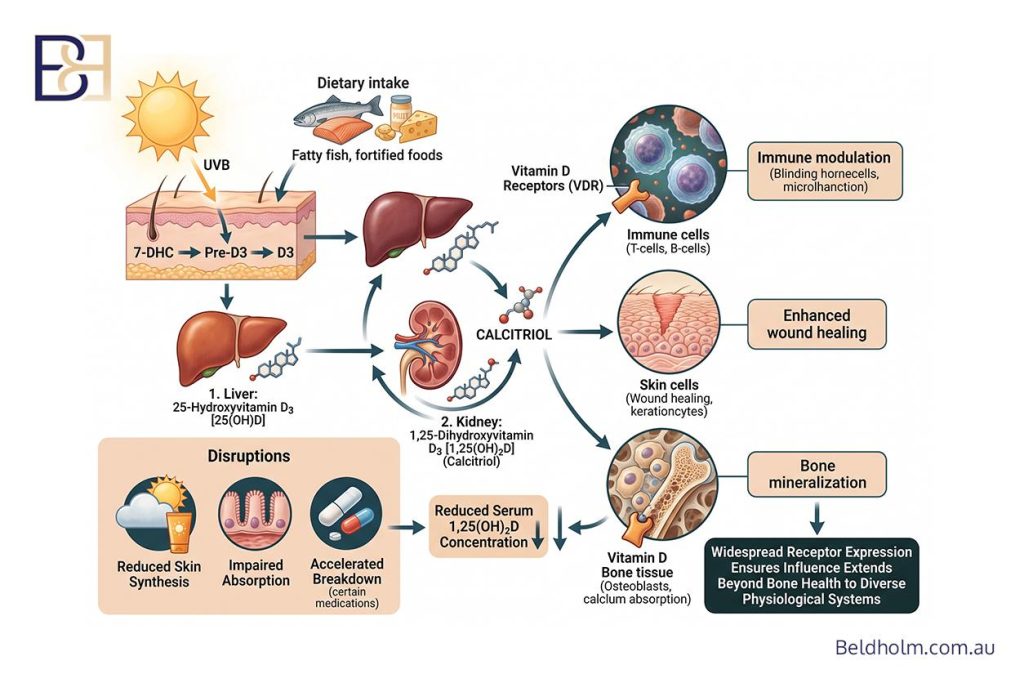
Vitamin D metabolism follows a tightly regulated pathway. After activation, the active vitamin D binds to vitamin D receptors throughout the body. These vitamin D receptors are expressed in most tissues, which is why the influence of vitamin D extends well beyond bone health. Any disruption to vitamin D metabolism, whether from reduced skin synthesis, impaired absorption, or accelerated breakdown, reduces the serum concentrations available to bind to those vitamin D receptors, and the downstream effects on wound healing, immune function, and bone health follow.
Wound healing

This is the function that matters most for body contouring surgery. Wound healing is the central clinical concern after any body contouring procedure, where incisions can be long and healing demands are high.
Vitamin D contributes to wound healing through several mechanisms characterised in published research (5):
- Vitamin D is expressed in keratinocytes at wound sites. Keratinocytes are the cells that close a wound by proliferating and migrating across the wound bed. Adequate vitamin D supports this function.
- Vitamin D regulates the cytokine balance during healing. It promotes the shift from the inflammatory phase to the repair phase, which is necessary for orderly wound closure.
- Vitamin D modulates macrophage activity. Macrophages are immune cells that clear debris and secrete growth factors during wound healing. Vitamin D helps keep their activation appropriate rather than excessive.
- Vitamin D supports the antimicrobial response at wound sites, reducing the risk of wound infection.
In deficient patients, these mechanisms are impaired. Published research in surgical and wound care populations has linked low vitamin D status to slower wound healing and delayed wound healing, higher infection rates, and poorer healing outcomes overall.
This is not a subtle effect when deficiency is severe. Correcting vitamin D before surgery is one of the most reliable, low-risk things I can do to improve the foundation your wounds have to work with.
Immune function

Vitamin D is a central regulator of immune function, and its role in supporting immune health has implications that reach beyond wound healing.
Adequate vitamin D supports the innate immune response, which is central to supporting immune health around surgery. Patients with low vitamin D levels face an increased risk of post-surgical complications. Maintaining adequate vitamin D levels helps reduce the risk of wound infection and supports immune health during recovery.
Post-surgical infection risk is one of the concerns every surgeon manages actively for patients undergoing surgery in body contouring procedures. Low vitamin D levels are associated with an increased risk of post-operative infection in surgical populations more broadly, and this patient group sits at the higher end of that risk curve because of the compounding issue of near-universal vitamin D deficiency. Correcting low vitamin D levels pre-operatively is one of the ways I reduce the risk of these complications in my practice, and it is one of the factors that helps reduce the risk of slow wound healing.
Research has shown that vitamin D triggers the production of cathelicidin, an antimicrobial peptide that helps kill bacteria directly (4). It also supports the function of macrophages and T cells, which play roles in clearing infection if it develops.
In patients with low vitamin D, the increased risk of post-operative infection is meaningfully higher. This is a modifiable risk factor. Identifying and correcting deficiency before surgery is a straightforward way to reduce it.
Calcium metabolism and bone health

This is the function most people associate with vitamin D, and it is worth covering even though it is not the primary concern in body contouring surgery.
Vitamin D is essential for calcium absorption from the gut. Without adequate vitamin D, only 10 to 15% of dietary calcium is absorbed. With sufficient vitamin D, that rises to 30 to 40% (4).
If vitamin D is low, the body compensates by pulling calcium from the bones to maintain blood calcium levels. Over time, this leads to reduced bone mineral density, increased fracture risk, and in severe cases, osteomalacia (soft bones in adults), secondary hyperparathyroidism, or in children the condition known as vitamin D deficiency rickets.

For post-bariatric patients, bone health is a particular concern. Weight loss surgery itself is linked to accelerated bone loss, and vitamin D deficiency compounds the problem. This is one of the reasons I take vitamin D status so seriously in this patient group. It is not just about the surgery in front of us. It is about long-term bone health over the decades to come.
Calcium supplementation, if indicated, is a separate question at the blood results consultation. The two nutrients work together, but vitamin D comes first. Without adequate vitamin D, calcium supplements cannot do their job.
Other functions worth knowing about
Vitamin D has a broader role than the three functions above. Research links vitamin D status to cardiovascular health, muscle function, glucose metabolism, and mental health (4).
These are not direct concerns for body contouring surgery, but worth knowing as background context.
Vitamin D is not a narrow-purpose vitamin. It touches most systems in the body, and deficiency has consequences well beyond the surgical window. Correcting it before body contouring surgery gives the clearest short-term benefit. Maintaining adequate levels afterwards, which for post-bariatric patients is lifelong and managed with the GP, keeps those benefits in place.
Vitamin D3 vs D2: Why the Form Matters
Not all vitamin D supplements are the same. The form of vitamin D you take has a direct bearing on how effective supplementation will be.
This is one of the details that gets overlooked when patients self-select vitamin D supplements off the shelf. It matters more in the post-weight-loss population than in the general public, for reasons I will explain.
The two main forms of vitamin D

There are two forms of vitamin D used in supplements and fortified foods.
Vitamin D3 (cholecalciferol)

- The form produced naturally in human skin in response to ultraviolet B radiation
- Found in animal-based foods, including oily fish such as salmon, mackerel, and herring, as well as egg yolks and liver
- The form most closely aligned with how the human body naturally produces and uses vitamin D
Vitamin D2 (ergocalciferol)

- Produced by fungi and plants in response to ultraviolet irradiation
- Found in sun-exposed mushrooms and used to fortify many foods including some milks and cereals
- Not produced naturally by the human body
Why D3 is the preferred form

D3 has consistently outperformed D2 in clinical research:
- D3 raises serum 25-hydroxyvitamin D levels more effectively than an equivalent dose of D2 (4)
- D3 has a longer half-life in the bloodstream, meaning it stays active for longer after each dose
- D3 is more efficiently converted to the active form (1,25-dihydroxyvitamin D) in the liver and kidneys
For post-bariatric patients in particular, where absorption may already be compromised, using the more bioavailable form is not a minor detail. It is the difference between a supplement that actually corrects the deficiency and one that does not move the vitamin D levels number enough to matter.
How to read a vitamin D supplement label
When selecting vitamin D supplements, look for these specific terms:
- Cholecalciferol. This is D3. This is what you want.
- Ergocalciferol. This is D2. Avoid this form for therapeutic use.
Many generic supplement labels simply say “Vitamin D” without specifying the form. In that case, check the ingredient list. If it does not specify cholecalciferol, assume D2 and do not use it for the purpose of correcting a deficiency before surgery.
Some products combine D3 with vitamin K2 in a single capsule. This is actually the preferred format for patients requiring therapeutic doses, and I will cover the reasoning for the K2 pairing in the next section.
A note on food sources and dietary intakes
Dietary vitamin D from food is limited in this patient group regardless of diet quality.
Vitamin D is a fat soluble vitamin, and foods naturally containing vitamin D include:
- Oily fish (salmon, mackerel, sardines, herring), the highest dietary source of vitamin D
- Cod liver oil, historically the traditional therapeutic source of vitamin D, and cod liver oil preparations are still a concentrated supplier
- Egg yolks and beef liver, smaller but useful contributors
- Some fortified foods (certain milks, cereals, and margarines), designed to help people reach adequate intake and maintain adequate intake even without sunlight
The vitamin D content of these foods, even including oily fish and cod liver oil, is relatively modest. Dietary intakes of vitamin D from food alone rarely reach the recommended dietary allowance, let alone the therapeutic amounts needed to correct established deficiency. This is particularly true in post-bariatric patients where absorption of this fat soluble vitamin is compromised, and in patients on modern weight loss medications where total food intake is reduced.
The human body can also produce vitamin D in the skin in response to sunlight, which is usually the primary source for most adults. However, the capacity to synthesise vitamin D from sunlight is reduced in patients with darker skin tones, and deliberately increasing sun exposure to produce vitamin D raises skin cancer risk. For both reasons, in this patient group, relying on the skin to produce vitamin D is not a reliable strategy.
Food is not the answer for this patient group. Neither is sunlight alone. Vitamin D supplementation is the reliable route. The question is just about getting the form of vitamin D supplements and the dose right.
Why this matters for post-weight-loss patients
In a healthy population with adequate sun exposure and varied diet, the D3 versus D2 distinction is less critical. The body has multiple routes, and small inefficiencies can be absorbed.
In the post-weight-loss patient group, those buffers are not there. Sunlight is often limited. Dietary intake is reduced or absorption is impaired. Adipose sequestration continues to reduce circulating levels even after weight loss.
When the only real correction route is the supplement, the supplement has to work. D3 works. D2 often does not work well enough, fast enough, to make a clinical difference before surgery.
This is why D3 (cholecalciferol) is specified in my pre-operative nutrition guide and in the preferred brand list I give to patients. The brand itself is less important than the form. Any reputable Australian vitamin D vitamin D supplement at the right dose, paired with K2, will generally do the job.
Why Vitamin D3 Must Be Paired with Vitamin K2

This is one of the most important points in this article, and it is one that is often missed when patients self-select vitamin D supplements.
Taking high-dose vitamin D3 on its own is not complete supplementation. It must be paired with vitamin K2 to work safely and effectively at therapeutic doses.
What vitamin D3 does with calcium
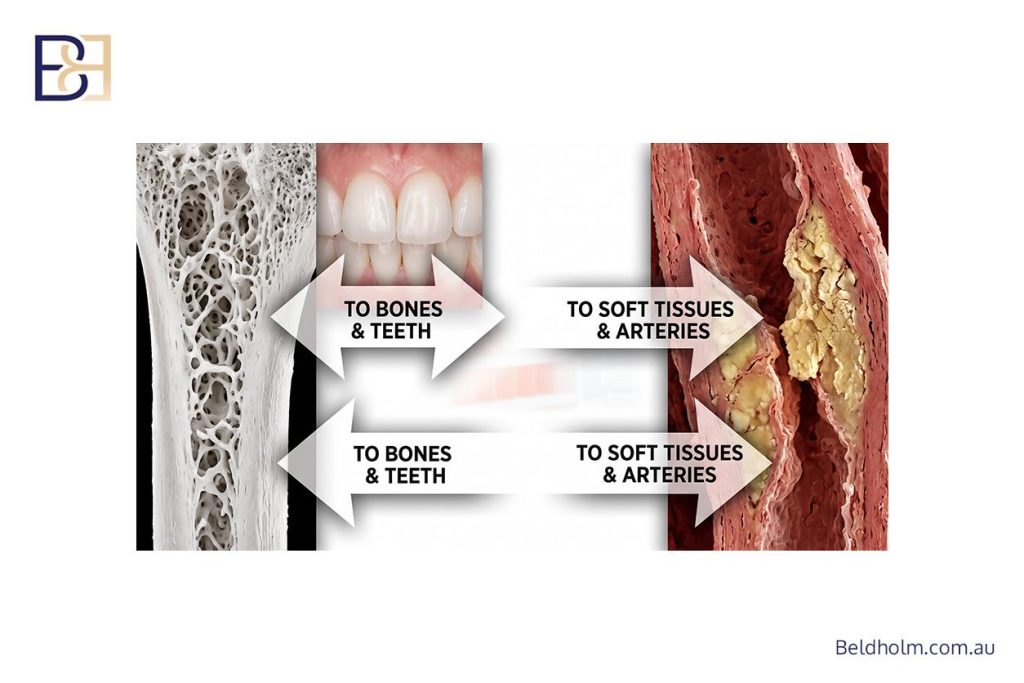
Vitamin D3, as I covered earlier in this article, improves the absorption of calcium from the gut. Without adequate vitamin D, only 10 to 15% of dietary calcium is absorbed. With sufficient vitamin D, absorption rises to 30 to 40%.
That extra calcium enters the bloodstream. And that is where the next question becomes important: where does the calcium go from there?
Calcium from the bloodstream can end up in one of two places. It can go to bones and teeth, where it is structurally useful. Or it can deposit in soft tissues, including arterial walls and other places where it is not wanted.
Vitamin D3 on its own does not control this destination. It improves absorption into the bloodstream, but it does not direct the calcium to the right place once it is there.
That is the job of vitamin K2.
What vitamin K2 does
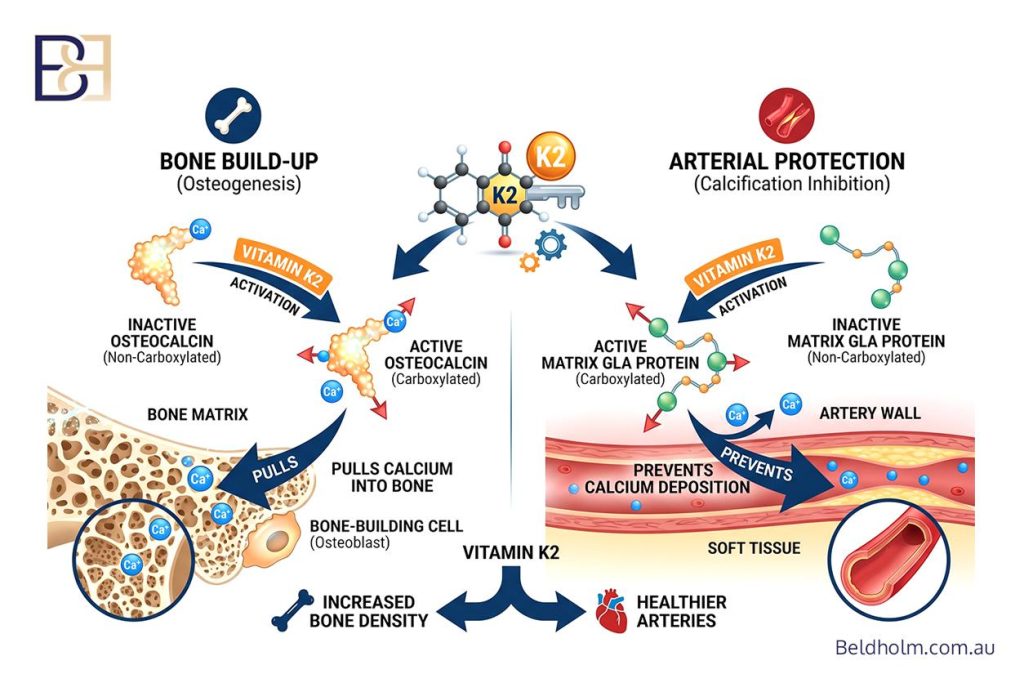
Vitamin K2 activates two specific proteins that control where calcium ends up in the body.
Osteocalcin is produced by bone-building cells. When activated by K2, it pulls calcium from the bloodstream into the bone matrix.
Matrix Gla protein is produced in the walls of arteries and soft tissues. When activated by K2, it prevents calcium from depositing there.
Without adequate K2, both proteins remain inactive. Calcium absorbed under the influence of vitamin D3 can end up in the wrong places, including arterial walls. With adequate K2, the two proteins direct calcium into bone.
The calcium-direction role of K2 is well established clinically. High-dose vitamin D3 without K2 asks the body to absorb more calcium without the mechanism to route it correctly.
Why the MK-7 form is preferred
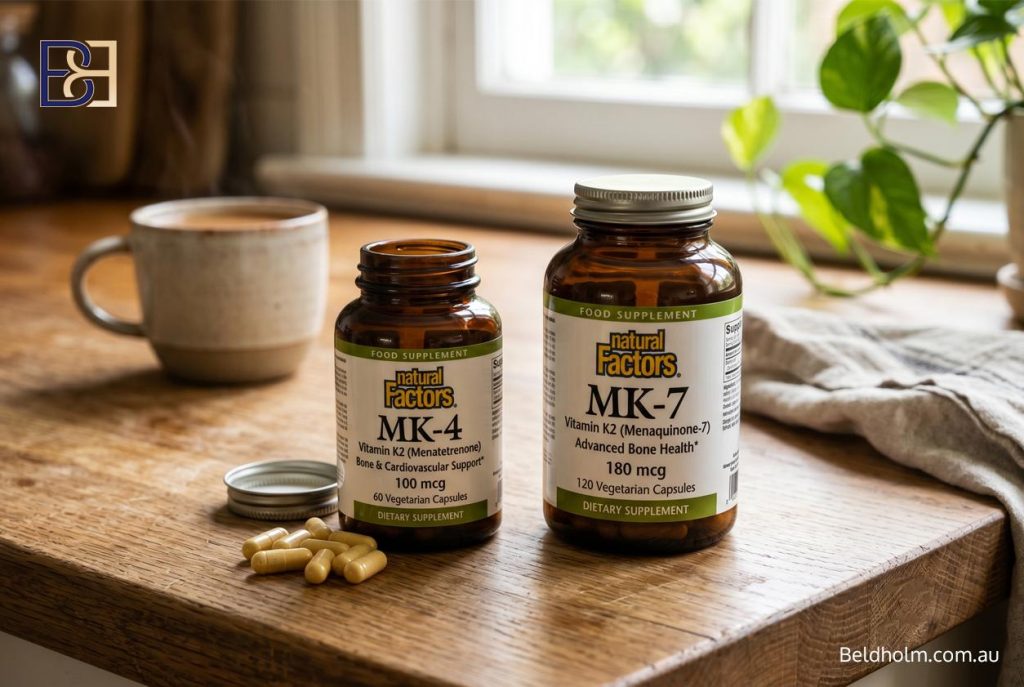
Vitamin K2 exists in several forms. The two most commonly discussed in supplementation are MK-4 and MK-7.
MK-4 has a short half-life of only a few hours. To maintain steady blood levels, you would need to dose several times a day, which is impractical.
MK-7 has a much longer half-life, measured in days. A single daily dose maintains steady blood levels effectively, and it is the form that has been best studied in the context of vitamin D pairing.
The MK-7 form is what I recommend. It is what appears in the preferred brand list I give to patients, and it is what is specified in the clinical protocol I use in my practice.
The dose
In my practice, I pair vitamin D supplements providing vitamin D3 (3,000 to 6,000 IU per day) with vitamin K2 MK-7 at 100 mcg per day. This is a standard pairing that reflects the research and matches what appears in most reputable D3 plus K2 combination products on the Australian market.
Some vitamin D supplements contain both nutrients in a single capsule at these doses. Others supply the two nutrients separately. Either approach is fine, as long as both are being taken at the right dose, every day, as long as the vitamin D3 is being taken.
I cover the vitamin K2 story in more detail in a separate article dedicated to vitamin K and body contouring surgery. The focus here is on why it cannot be left out of the vitamin D supplementation plan.
A word on anticoagulants

There is one group of patients for whom vitamin K supplementation requires careful individual assessment: those on warfarin or other anticoagulants.
Warfarin works by interfering with vitamin K function in the clotting cascade. Any significant change in vitamin K intake, including starting or stopping a K2 supplement, can affect INR and alter the medication’s therapeutic balance.
If you are on warfarin or another vitamin-K-dependent anticoagulant, do not start K2 supplementation without discussing it with the doctor managing your anticoagulation. This applies regardless of dose.
Management of anticoagulants before surgery is something I coordinate with your GP in the lead-up to your procedure. It is not a decision you should make on your own based on a supplement recommendation in a blog article.
The bottom line
Vitamin D3 and vitamin K2 are a pair. For the post-weight-loss patients I see, where therapeutic doses of D3 are usually needed, the pairing is not optional.
If you are selecting a vitamin D supplement on your own, look for a product that combines D3 (cholecalciferol) with K2 in the MK-7 form. If you cannot find a combination product that suits you, take the two separately at the doses I have specified above.
What I do not recommend is taking high-dose vitamin D supplements without K2. That approach treats one problem while potentially creating another.
How Much Vitamin D Do Post-Weight-Loss Patients Need?

The right dose depends on the individual’s blood test result. There is no single number that applies to everyone in this patient group.
What follows is the framework I use in my practice for body contouring surgery patients: the reference ranges I target, and the dose range that corrects deficiency reliably within the pre-operative window.
Reference ranges I use
Vitamin D blood tests in Australia report serum 25-hydroxyvitamin D in nmol/L. This is the standard unit. If you have results from overseas reported in ng/mL, a rough conversion is to multiply by 2.5 to get the nmol/L equivalent.
The reference ranges I work with:
- Deficiency: below 50 nmol/L
- Insufficiency (vitamin D insufficiency): 50 to 75 nmol/L
- Sufficiency: 75 to 150 nmol/L
- Optimal pre-surgical range: 75 to 150 nmol/L
- Toxicity risk: above 250 nmol/L (rare at recommended doses)
For body contouring surgery specifically, I aim for the sufficiency range or higher. A blood result of 70 nmol/L is not technically “deficient” by the cutoff, but it is not ideal for a surgical patient in the post-weight-loss group either. The margin for error is not something I am willing to be casual about.
The practical target I work toward for every post-weight-loss patient heading into surgery is a blood level above 75 nmol/L.
The dose I use in practice

In my practice, vitamin D3 supplementation for post-weight-loss patients is commenced at the first consultation, before blood results are even back. This is part of the Tier 1 universal supplement routine I apply to every patient in this group.
The starting dose is 3,000 to 6,000 IU per day of vitamin D3, paired with 100 mcg of vitamin K2 MK-7.
This range reflects the clinical reality that correcting vitamin D deficiency in this patient group requires higher doses than in the general population. The reasons are the same ones I covered earlier in this article: adipose sequestration, impaired absorption in post-bypass patients, and reduced dietary intake in post-sleeve and post-weight-loss-medication patients.
At the blood results consultation two to four weeks later, I adjust the dose based on the specific number:
- If the vitamin D level is in the sufficiency range, I maintain the starting dose for the pre-operative window and may adjust to a lower maintenance dose afterwards
- If the vitamin D level is in the insufficiency range, I maintain the 3,000 to 6,000 IU dose and recheck in the post-operative window
- If the vitamin D level is in the deficient range, I may escalate the dose in consultation with the patient and coordinate recheck timing appropriately
What I do not do is guess the dose. I do not prescribe a blanket dose without a blood test, and I do not rely on the patient’s sense of whether their vitamin D is low or how much sun exposure they are getting or how well they think they are doing on a standard multivitamin alone.
How long does the correction take?
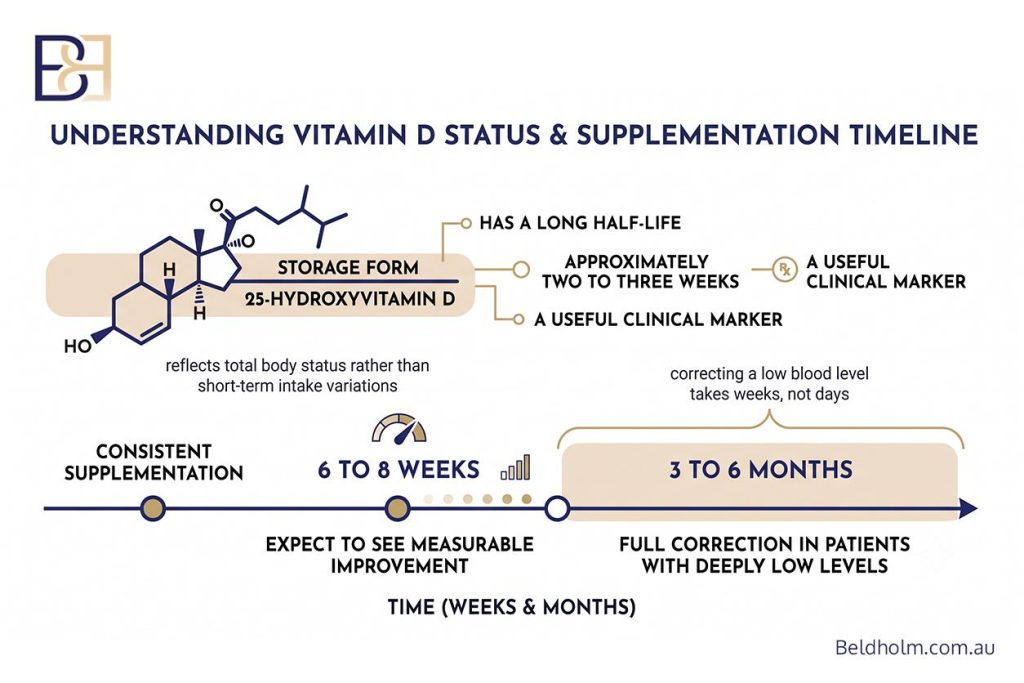
One of the most important points for patients to understand: correcting vitamin D deficiency is not fast.
Vitamin D has a long half-life. The storage form (25-hydroxyvitamin D) has a half-life of approximately two to three weeks. This is actually what makes it a useful clinical marker, because it reflects total body status rather than short-term intake variations. But it also means that correcting a low blood level takes weeks, not days.
A reasonable rule of thumb: expect to see measurable improvement at 6 to 8 weeks of consistent supplementation. Full correction in patients with deeply low vitamin D levels can take 3 to 6 months.
This is why starting early matters. A patient who arrives two weeks before body contouring surgery with a vitamin D result of 28 nmol/L cannot be brought to an optimal surgical range by the time they go to the body contouring theatre. The vitamin D supplementation will help, but it will not fully correct the deficiency in that timeframe.
In my practice, this is one of the reasons I start the Tier 1 supplements at the very first consultation, rather than waiting for blood results or waiting until closer to surgery. The earlier we start, the more of the pre-operative window we have to work with.
The timing I recommend
The minimum I aim for is 4 weeks of consistent vitamin D3 plus K2 supplementation before surgery. Ideally, 6 to 8 weeks or more.
For patients booked more than 8 weeks out, this gives a comfortable margin. For shorter windows, I prioritise starting supplementation immediately, and in some cases recommend a short delay if the deficiency is severe.
That judgment call is always made in the patient’s interest. Body contouring surgery with optimal nutritional status produces better results than surgery done with the box ticked, but the foundation is less than ideal.
Rechecking after surgery
At the 6 to 8 week post-operative point, a repeat blood panel is arranged. Vitamin D is one of the markers included, along with iron studies, B12, folate, and zinc.
This post-operative blood panel is coordinated with the GP in my practice. The peri-operative window, during which I directly manage nutritional supplementation, closes around 4 weeks post-op. From that point onwards, long-term nutritional follow-up sits with the GP.
For post-bariatric patients, this is particularly important. Vitamin D supplementation in post-bariatric patients is a lifelong matter. The GP remains the key clinician for ongoing management after the surgical recovery period ends.
Toxicity: rare but worth knowing about
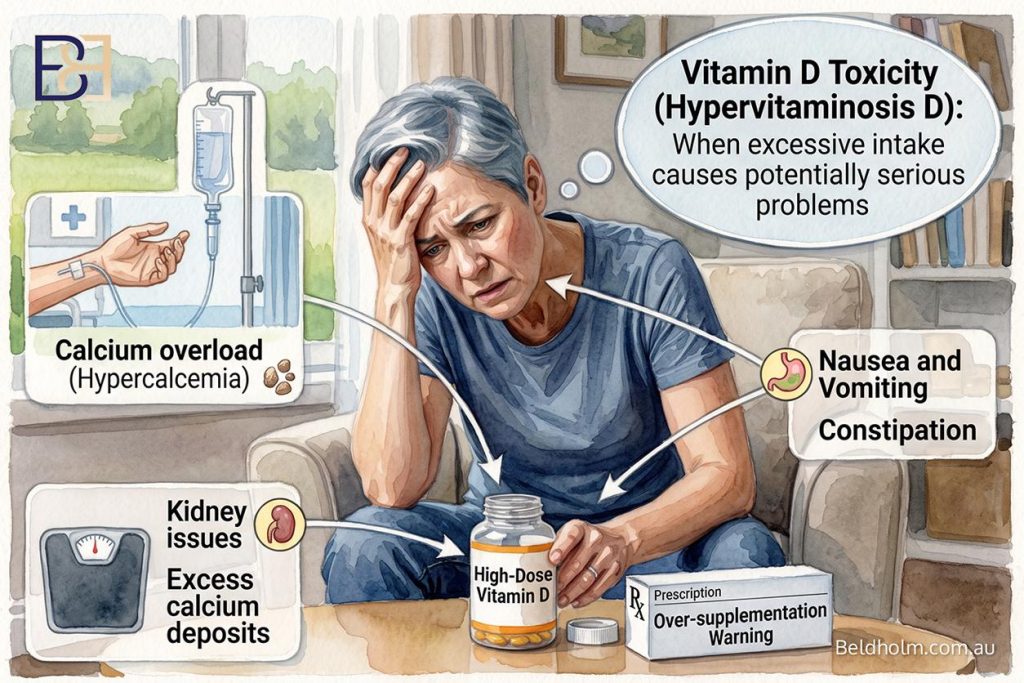
Vitamin D toxicity is rare at the doses I recommend. It becomes a clinical concern at blood levels above 250 nmol/L, which usually requires sustained high-dose supplementation well above what I prescribe.
Symptoms of vitamin D toxicity from very high dose vitamin intake, if they occur, include nausea, vomiting, loss of appetite, excessive thirst, kidney problems, and cardiac rhythm disturbances in severe cases. These symptoms, and the adverse health effects of excessive vitamin D intake, result from elevated blood calcium.
At the doses I recommend (3,000 to 6,000 IU per day), paired with K2 to direct calcium correctly, toxicity is not something I have encountered in clinical practice. But it is worth knowing that more is not better with vitamin D. The target is an adequate blood level, not the highest possible blood level.
The dose is personalised to what the individual patient needs, and rechecked at the blood results consultation.

What I Recommend Pre-Operatively
This section pulls the clinical reasoning into practical terms for body contouring surgery patients. Here is how vitamin D fits into my pre-operative nutrition plan for body contouring procedures.
I see every post-weight-loss body contouring patient at least twice before surgery. Vitamin D sits within a structured two-tier supplement plan that every patient in this group receives.
The first consultation

At the first consultation, you leave with three things:
- A blood test request form covering a comprehensive pre-operative panel
- A printed guide covering the Tier 1 supplements to start immediately
- A list of what to expect between now and the next consultation, which is typically scheduled two to four weeks away
The blood panel I order includes 25-hydroxyvitamin D as a standard test, alongside iron studies, full blood count, liver function, electrolytes, HbA1c, thyroid function, vitamins A, B1, B6, B12, folate, red cell folate, vitamin E, zinc, and selenium. It is a comprehensive panel, and it is designed to catch the full range of nutritional issues common in post-weight-loss patients.
You are directed to the nearest blood collection centre on the way out, with the expectation that bloods are done that day or the next. This gives us time to receive the results before the next consultation.
Tier 1 supplements: started immediately
Alongside the blood test request form, you leave with instructions to commence the Tier 1 supplements the same day.
The Tier 1 routine for every post-weight-loss patient includes:
- Whey protein isolate, 80 to 100 g per day in divided doses
- A complete multivitamin, ideally post-bariatric specific
- Vitamin D3 3,000 to 6,000 IU per day, paired with vitamin K2 100 mcg MK-7
- Vitamin C 1,000 mg per day
- Zinc 8 to 11 mg per day at a maintenance dose
This is the universal routine. Every patient in this group receives it. It is not conditional on blood results, because the research base supports near-universal deficiency in these nutrients in the post-weight-loss population.
Starting immediately, rather than waiting for blood results, gives the vitamin D supplements more of the pre-operative window to work. This is central to the clinical logic.
The blood results consultation
Two to four weeks after the first consultation, you return for the blood results consultation. This is typically scheduled at the time of the first consultation.
At this appointment:
- I review your full blood panel with you, including the vitamin D result
- I adjust the Tier 1 doses if needed, based on the blood results
- I add Tier 2 supplements where specific deficiencies have been confirmed (for example, iron, B12, folate, vitamin A, thiamine, calcium, selenium, or magnesium at therapeutic doses)
- I answer any remaining questions about the surgery, the recovery, and the peri-operative plan
- The surgical date and logistics are confirmed
For vitamin D specifically, this is where I adjust the dose if needed. Most patients in this group fall into the deficient or insufficient range on their first blood test, and the starting dose usually needs to be maintained through to surgery. A small number of patients come in with adequate vitamin D already, in which case I reduce to a maintenance dose.
The pre-operative anaesthetic consultation

All post-weight-loss patients have a separate pre-operative anaesthetic consultation, arranged around the time of the blood results consultation.
The anaesthetic consultation is typically done by phone. It is rare for my anaesthetist to need to see a patient in person ahead of surgery. Physical examination, including airway assessment, happens on the day of surgery when the patient comes in.
The phone consultation is an opportunity to discuss your anaesthetic plan, your medical history, any medications you are on, and any concerns you have. The anaesthetist will document the plan and communicate with me about anything that needs to be factored into the surgical booking.
Vitamin D supplementation is not something that needs specific anaesthetic input. It continues throughout this window as part of the routine Tier 1 plan.
Medications to continue, medications to stop
Several medications and supplements need specific management in the lead-up to surgery. I will go through this at the blood results consultation in detail, but here are the main ones:
Continue:
- Tier 1 supplements (including vitamin D3 plus K2) right through to surgery, then resume as soon as you can eat post-operatively
- Protein supplementation, which is a Tier 1 supplement and continues uninterrupted around surgery
- GLP-1 medications, if you are on them, unless specifically advised otherwise (more on this below)
Stop 1 week before surgery:
- Fish oil and omega-3 supplements
- Vitamin E
- Ginkgo biloba, St John’s Wort, and other herbal supplements
- High-dose vitamin C (above 2 g per day). Resume immediately after surgery.
Aspirin and other anticoagulants: for most patients, these are stopped 1 week before surgery to reduce bleeding risk. This is something I manage in partnership with your GP, rather than as a one-off decision close to surgery. Some patients need to continue anticoagulants through surgery for clinical reasons. Separately, high dose vitamin D supplementation continues uninterrupted, and if that applies to you, it is planned well in advance.
Patients must not stop aspirin or any other anticoagulant medication without first discussing it with me or the GP prescribing it. This is not something to manage on your own based on general pre-operative advice from an article or a friend.
Modern weight loss medications
Patients on modern weight loss medications form an increasing proportion of my practice, and the approach to these medications around surgery is worth covering directly.
Current Australian guidelines do not recommend routine cessation of weight loss medications before surgery. My practice follows that guidance. If you are on a weight loss medications at the time of consultation, you continue taking it as prescribed.
The area needing attention in this group is protein intake. These medications reduce appetite, sometimes significantly. If a patient cannot meet the protein target of 80 to 100 g per day because of reduced appetite, I will discuss a temporary dose reduction with you as part of the pre-operative plan. This is a clinical judgement made between you, me, and your prescribing doctor.
What I do not recommend is self-adjusting the dose. Patients who stop their weight loss medications without medical supervision can experience rebound appetite changes that actually worsen food quality and net nutritional outcome. That is the opposite of what we want in the run-up to surgery.
Vitamin D supplementation in these patients follows the same Tier 1 routine: 3,000 to 6,000 IU D3 plus 100 mcg K2 MK-7 daily, started at the first consultation, adjusted if needed at the blood results consultation.
Timing of supplementation
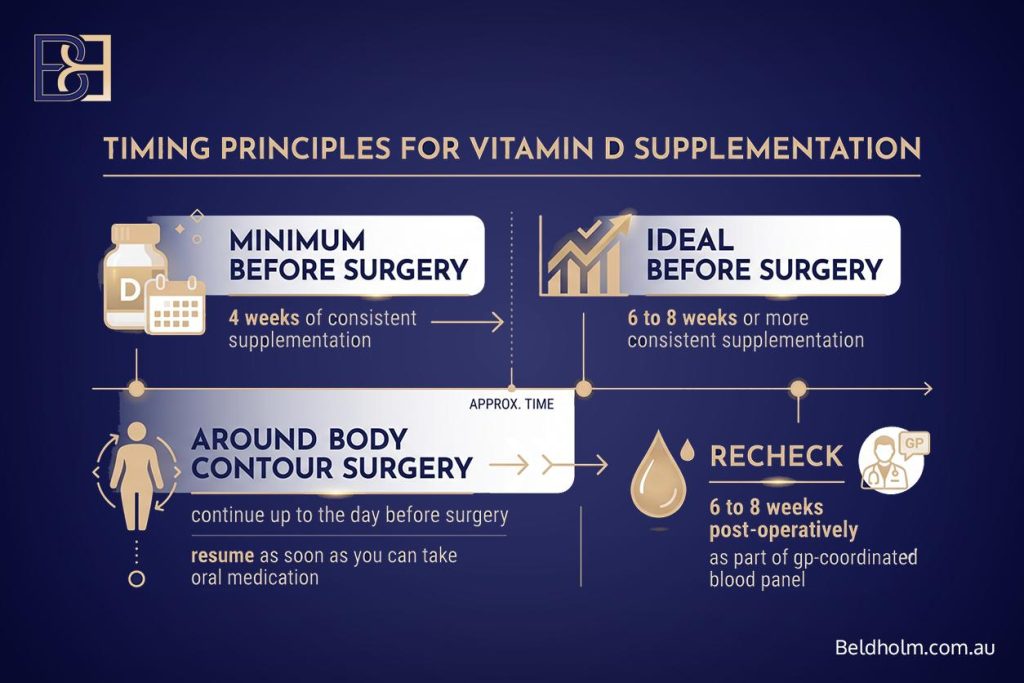
A summary of the timing principles I apply to vitamin D supplementation:
- Minimum before surgery: 4 weeks of consistent supplementation at the prescribed dose
- Ideal before surgery: 6 to 8 weeks or more of consistent supplementation
- Around body contouring surgery: continue uninterrupted up to the day before surgery, and resume as soon as you can take oral medication post-operatively
- Recheck: 6 to 8 weeks post-operatively, as part of the GP-coordinated post-operative blood panel
For patients whose first consultation is within 4 weeks of surgery, the timing is tight but generally still workable. For patients whose first consultation is within 2 weeks of a proposed surgical date, I will consider whether a short delay of the surgery is in the patient’s best interest. That conversation is always clinical, never administrative.
The bottom line
The vitamin D plan is one component of a broader pre-operative nutrition strategy, delivered through the two-consultation structure I use in my practice.
Every patient gets the same Tier 1 routine at the first consultation, regardless of what their blood results will eventually show. That is deliberate. The population-level evidence is strong enough that waiting for individual confirmation would lose pre-operative time that most patients cannot afford to lose.
Individual tailoring happens at the blood results consultation, and continues through to the recheck in the post-operative window.
This is not complicated to follow. What it requires is starting early, taking the vitamin D supplementation consistently, and keeping both consultations. Those three things separate well-prepared patients from underprepared ones at the time of body contouring surgery.
Vitamin D and Body Contouring Procedures: Why It Matters Across the Board
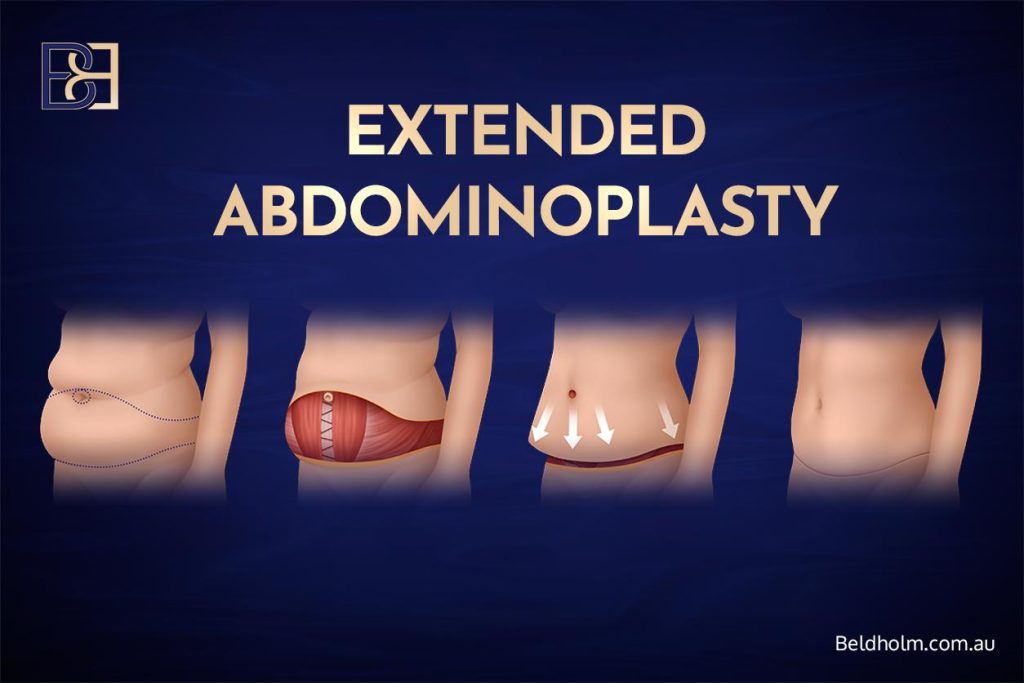
The clinical logic in this article applies across all post-weight-loss body contouring procedures. Vitamin D optimisation is not selective: the patient group shares the same nutritional risk profile regardless of which body contouring procedure is planned.
Body contouring procedures in my practice where this applies:
Abdominoplasty (tummy tuck), including two proprietary variations I use in post-weight-loss patients: the circumferential hybrid abdominoplasty for loose skin redundancy extending beyond the standard abdominoplasty field, and the dual vector abdominoplasty for complex skin redundancy patterns involving excess skin that does not lift cleanly with a single-vector approach. The tummy tuck is the most frequently requested body contouring procedure after major weight loss.
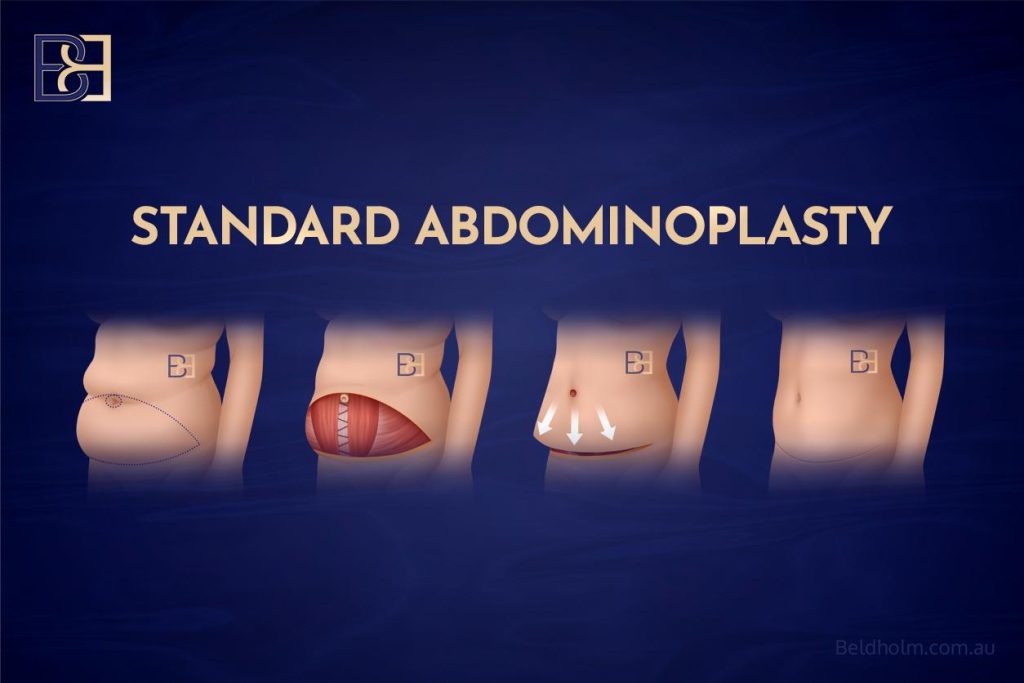
Body lift (belt lipectomy), often performed as a lower body lift, for circumferential excess skin around the lower trunk, hips, and outer thighs. The lower body lift (belt lipectomy) treats extra skin redundancy across a wider area than a standard abdominoplasty alone, and the lower body lift procedure is common in patients with major weight loss where excess skin extends around the hips and trunk.

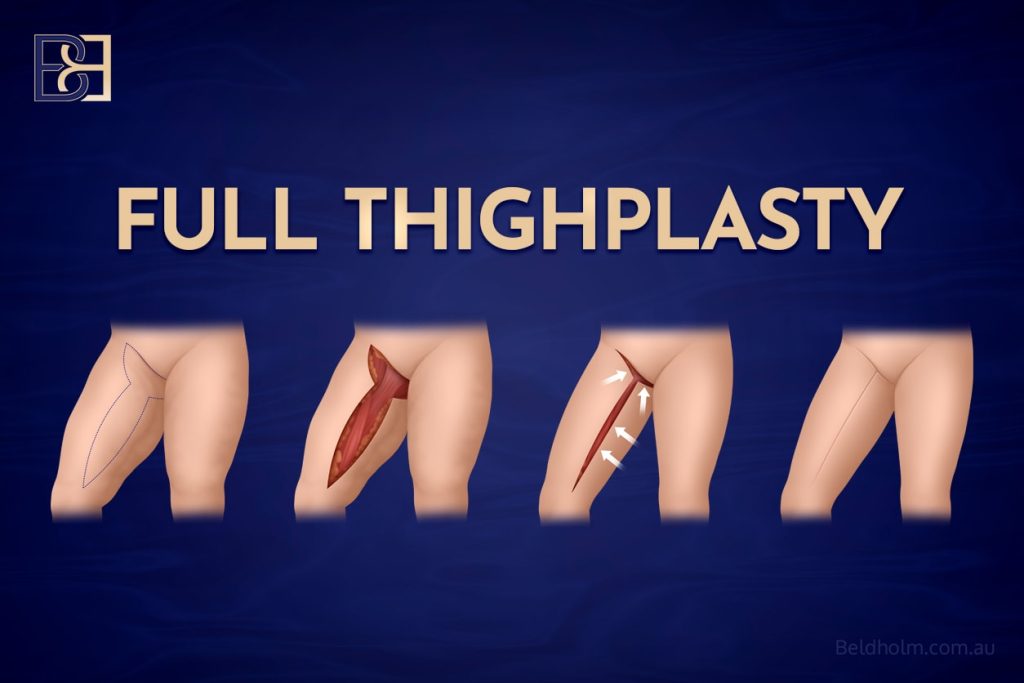
Thighplasty (thigh lift) for the inner thighs and, in some patients, the outer thighs. Extra skin across the inner thighs is the most common indication for thigh lift. Thigh lift is commonly considered after major weight loss where extra skin across the inner thighs and outer thighs causes chafing and contour issues.
Brachioplasty for excess skin on the upper arms. Extra skin across the upper arms, and around the upper arms generally, is a common concern after major weight loss, and this surgical procedure treats that directly.

Mastopexy (breast lift) for breast ptosis and excess skin redundancy after weight loss. Breast surgery in this group often involves the breast lift (mastopexy), either as a standalone procedure or in combination with the other body contouring procedures above.
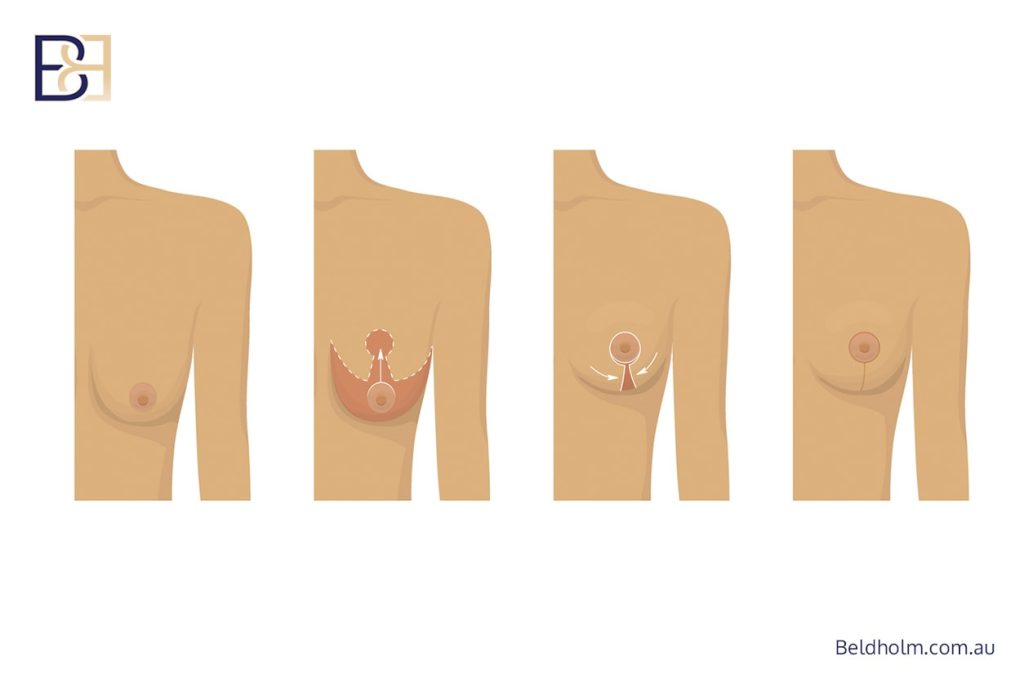
These body contouring procedures all share a common goal: to remove excess skin, extra skin, and the excess fat left behind. Removing the excess fat and excess skin is the core aim of these procedures through excess skin removal and contouring at the end of the weight loss journey, removing skin that reflects the patient’s new stable weight. In post-weight-loss patients who have reached their goal weight, body contouring surgery treats the extra skin that dietary change and exercise alone cannot.
Combined and staged approaches

Patients often undergo more than one of these body contouring procedures, either combined in a single operation or staged across several. The decision between combined and staged approaches is made on an individual basis at the blood results consultation, based on overall health, operative time, recovery capacity, and nutritional status, among other factors.
Vitamin D status is one input into that decision, alongside the other Tier 1 markers I cover in my broader nutrition series. The principle that runs through all of it is consistent: the better the nutritional foundation, the better the platform we have to build on for the body contouring procedure.
Post-operative context common to all procedures
Regardless of which body contouring procedure is planned, a few post-operative elements apply broadly in the post-weight-loss group. Compression garments are part of the routine post-operative recovery across all body contouring procedures. I prescribe compression garments as standard for most body contouring procedures. They help to reduce swelling, support the healing tissue, and reduce the risk of fluid collection. I will advise you on which compression garments apply to your specific body contouring procedure at the blood results consultation.
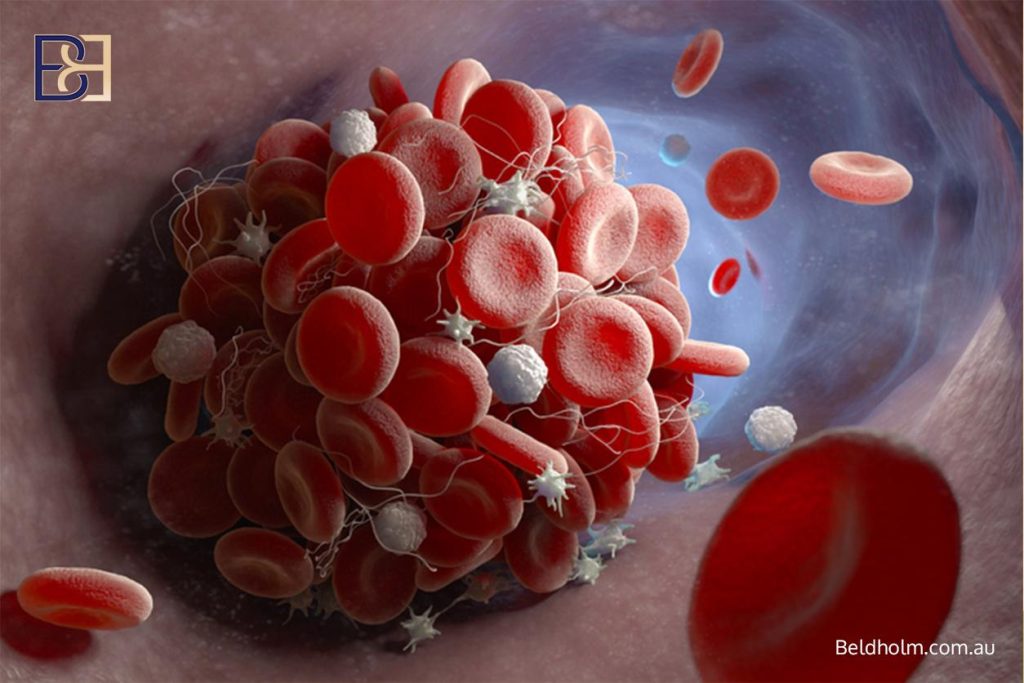
Blood clots are a recognised risk after any major surgical procedure. In body contouring procedures, the risk is elevated by the operation scale, operative time, and post-operative immobility. I stratify blood clot risk individually and apply thromboprophylaxis accordingly. Vitamin D supplementation does not directly affect blood clot risk but supports the broader recovery environment. DVT is covered in a dedicated article for patients who want to read more about reducing the risk of blood clots after body contouring surgery.
For patients who consider further surgery after their initial body-contouring procedure, the same nutritional principles apply. Every additional body contouring procedure requires the same preoperative vitamin D review, blood panel, and Tier 1 supplement routine as for further surgery. The fact of having undergone one body-contouring procedure does not exempt a patient from the nutrition workup for the next.
Common Patient Questions About Vitamin D and Surgery

During consultations with post-weight-loss patients, certain questions about vitamin D recur. Rather than cover each one in passing, I have pulled them together here.
The answers below reflect my clinical approach. Specific advice for your situation comes from the individual consultation and your blood test results, not from a general article.
Can I just increase my sun exposure instead of taking a supplement?
No, for several reasons.
Adipose sequestration continues to reduce circulating vitamin D even when you increase sun-based synthesis. Sunscreen, which is sensible to wear in Australia, reduces skin-based vitamin D production by more than 95%. Patients with darker skin tones need substantially more sun exposure to produce the same amount of vitamin D. And deliberately increasing sun exposure raises your skin cancer risk, which is not a tradeoff I would recommend to any patient.
Vitamin D supplementation, at the right dose and with the right form, is reliable, measurable, and safe. Sun exposure is none of those things in this patient group.
Is my standard multivitamin enough?
Almost certainly not.
Most standard multivitamins contain 400 to 1,000 IU of vitamin D as dietary supplements. Dietary supplements of vitamin D are widely available, which is a maintenance dose for a healthy adult without deficiency. In the post-weight-loss patient group, where near-universal deficiency is the baseline, that dose is not enough to correct the problem in the pre-operative timeframe.
The Tier 1 dose I use in my practice is 3,000 to 6,000 IU per day of D3, paired with K2. That is significantly above what comes in a standard multivitamin, and it reflects the clinical reality of this patient group.
A good multivitamin with vitamin D supplementation has a place in the Tier 1 routine for broader micronutrient coverage, but a separate vitamin D3 plus K2 from dedicated vitamin D supplements is almost always needed on top of it.
Can I take too much vitamin D?
Yes, but it is rare at the doses I recommend.
Vitamin D toxicity becomes a concern at sustained blood levels above 250 nmol/L. This usually requires high-dose supplementation well above what I prescribe, maintained over an extended period.
At the dose range I use (3,000 to 6,000 IU per day), paired with K2 to direct calcium correctly, toxicity is not something I have encountered in clinical practice. More is not better with vitamin D. The target is an adequate blood level, not the highest possible number.
This is why I work from blood test results and adjust the dose at the blood results consultation, rather than applying a blanket high-dose approach.
What if I live in a sunny part of Australia?
It does not change my approach. Research has consistently shown that a sunny climate does not protect against vitamin D deficiency in the obese and post-obese populations. The adipose sequestration effect is stronger than geographic variation. Patients in Queensland have vitamin D deficiency at rates comparable to patients in Tasmania, within this specific patient group.
The blood test does not care where you live. It tells me what your circulating vitamin D levels actually are, and that is the number I work from.
Do I still need to take vitamin D if my blood results come back normal?
This is a judgement call that I make at the blood results consultation, based on the specific number and the surgical plan.
If your blood result is well within the sufficiency range (for example, above 100 nmol/L) and you have good indicators of ongoing intake, I may reduce your dose to a maintenance level rather than continuing the full Tier 1 dose. If your result is at the lower end of sufficiency (for example, 80 nmol/L), I usually maintain the full Tier 1 dose through to surgery to preserve margin.
What I do not do is stop vitamin D3 supplementation entirely in this patient group, even when results look acceptable. The three mechanisms that cause deficiency in this group (adipose sequestration, malabsorption, and reduced intake of weight loss medications) do not switch off just because a blood result looks reasonable. Ongoing vitamin D supplementation is the norm, not the exception.
What happens if my vitamin D levels are still low close to surgery?
This depends on how low and how close to surgery.
If the recheck shows vitamin D supplementation has produced meaningful progress but not yet reached the optimal surgical range, I usually continue with the planned surgery. The supplementation is working, and the trajectory is what matters most at that point.
If the recheck shows no progress or minimal progress, I will want to understand why. The most common reasons are inconsistent dosing, taking the wrong form (D2 instead of D3), or a product with lower actual content than the label indicates. In that case I switch the patient to a trusted brand at the right dose and reassess.
If the blood result remains significantly deficient close to the surgical date, I will have an honest conversation about whether a short delay is in your best interest. That conversation is always clinical and always on an individual basis.
Do I stop vitamin D before surgery, like I stop fish oil?
No. Vitamin D3 plus K2 continues uninterrupted through to the day before surgery, and resumes as soon as you are taking oral medication post-operatively.
Fish oil, vitamin E, ginkgo biloba, St John’s Wort, and high-dose vitamin C are the supplements that stop one week before surgery. Vitamin D is not on that list. It is in the “continue through surgery” group, along with your multivitamin, zinc, and protein supplement.
What about after surgery?
Tier 1 supplements, including vitamin D3 plus K2, resume as soon as you can take oral medication after body contouring surgery. This is usually within a day or two of the procedure.
At the 6 to 8 week post-operative blood panel, vitamin D is one of the markers rechecked. This blood panel is coordinated with your GP, and ongoing management sits with them from that point. For post-bariatric patients, lifelong vitamin D monitoring is part of the routine GP care they already have in place.
Can I get vitamin D3 on the PBS?
Standard-dose vitamin D supplements are available over the counter at any Australian pharmacy and do not require a prescription. Higher-dose formulations may be available on prescription in specific clinical situations, which would be a conversation to have with your GP.
In practice, the 3,000 to 6,000 IU daily dose I recommend can be achieved with standard over-the-counter products, either as single high-dose vitamin D supplements or by taking multiple lower-dose capsules. The preferred brand list I provide at the first consultation includes options that work well for this dose range.
Conclusion

Vitamin D deficiency is one of the most common vitamin deficiency problems I encounter in post-weight-loss patients presenting for body contouring surgery. It is also one of the most correctable, provided it is identified and treated early enough.
The key clinical points from this article:
- Vitamin D deficiency affects 60 to 90% of patients with obesity, before any bariatric procedure or weight loss medication
- Post-bariatric patients face an increased risk from fat malabsorption, with deficiency rates rising over time after surgery
- Patients who have lost weight through modern weight loss medications are at risk from reduced dietary intake
- Vitamin D plays a direct role in wound healing, immune defence, and calcium metabolism, all of which are relevant to body contouring surgery outcomes
- The form of supplement matters: D3 (cholecalciferol) is always preferred over D2 (ergocalciferol)
- At therapeutic doses, vitamin D3 must always be paired with vitamin K2 in the MK-7 form
- Correction takes weeks, not days. Early testing and treatment are essential
- Vitamin D optimisation applies across all post-weight-loss body contouring procedures
How does this fit into my practice?
In my practice, vitamin D3 plus vitamin K2 sits in the Tier 1 universal supplement routine. Every post-weight-loss patient commences this routine at the first consultation, before blood results are back. The dose is adjusted at the blood results consultation two to four weeks later, based on the individual number.
This routine is deliberate. It reflects the strength of the population-level evidence for near-universal deficiency in this group, and the time pressure of the pre-operative window. Waiting for confirmation before starting the supplement would lose time the patient rarely has to spare.
After the peri-operative window closes, long-term vitamin D monitoring transitions to the GP. For post-bariatric patients, this is lifelong.
What I want patients to take away
What I want patients to take away is straightforward.
Do not:
- Assume your vitamin D levels are adequate because you live in a sunny climate, take a standard multivitamin, or feel well. In this patient group, deficiency is the rule, and it is frequently subclinical.
- Self-select a vitamin D supplement without paying attention to the form. D3 (cholecalciferol) is the one that works. D2 (ergocalciferol) is not an adequate substitute for therapeutic purposes in this patient group.
- Take high-dose D3 without pairing it with vitamin K2 in the MK-7 form. The two nutrients work together, and D3 on its own is not complete supplementation at therapeutic doses.
Do:
- Start early. The earlier you commence Tier 1 supplementation, the more of the pre-operative window there is to work with. I aim for at least 4 weeks before surgery. Six to eight weeks or longer is better.
A closing note on surgical readiness

Body-contouring cosmetic surgery after significant weight loss is a substantial undertaking. Good preparation for body contouring procedures requires time. Getting the nutritional foundations right beforehand is one of the most important things a patient can do to support their recovery and their results.
Vitamin D is a core part of that foundation, alongside protein, vitamin K2, vitamin C, zinc, and a good multivitamin. None of these supplements are expensive, none of them require a prescription for standard doses, and none of them are complicated to take. What they require is consistency, starting early, and a willingness to follow the routine through to the pre-surgical window.
The clinical research is clear. Body contouring patients who arrive with adequate vitamin D levels heal better, tolerate recovery more smoothly, and reduce the risk of complications.
Results in body contouring cosmetic surgery vary from patient to patient, and nutritional status is only one part of a broader picture that includes surgical technique, patient selection, and post-operative care. But it is a part that is largely in the patient’s hands, and one I take seriously in every consultation.
If you are considering body contouring surgery after weight loss and want to understand how my pre-operative nutrition plan for body contouring procedures, including vitamin D levels and vitamin D supplementation, would apply to your situation, the starting point is a consultation at my clinic at Maitland Private Hospital. A GP referral is appreciated but not required for an initial consultation.
References
- Agha-Mohammadi S, Hurwitz DJ. Nutritional deficiency of post-bariatric surgery body contouring patients: what every plastic surgeon should know. Plast Reconstr Surg. 2008;122(2):604-13. doi:10.1097/PRS.0b013e31817d6023.
- Mehta M, Rometo D, Gusenoff J, Rubin JP. Nutritional challenges in post-massive weight loss body contouring: guidance for plastic surgeons on GLP-1 agonists and sleeve gastrectomy. Plast Reconstr Surg. 2025. doi:10.1097/PRS.0000000000012672.
- Makarawung DJS, Al Nawas M, Smelt HJM, Monpellier VM, Wehmeijer LM, van den Berg WB, Hoogbergen MM, Mink van der Molen AB. Complications in post-bariatric body contouring surgery using a practical treatment regime to optimise the nutritional state. JPRAS Open. 2022;34:91-102. doi:10.1016/j.jpra.2022.06.006.
- Nair R, Maseeh A. Vitamin D: The “sunshine” vitamin. J Pharmacol Pharmacother. 2012;3(2):118-26. doi:10.4103/0976-500X.95506.
- Vitagliano T, Garieri P, Lascala L, Ferro Y, Doldo P, Pujia R, Pujia A, Montalcini T, Greco M, Mazza E. Preparing patients for cosmetic surgery and aesthetic procedures: ensuring an optimal nutritional status for successful results. Nutrients. 2023;15(2):352. doi:10.3390/nu15020352.