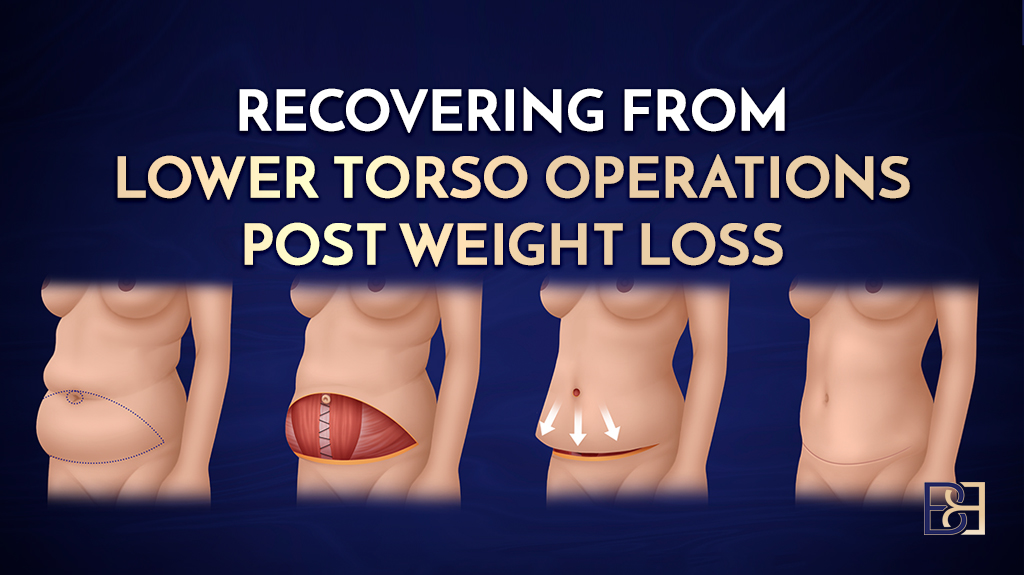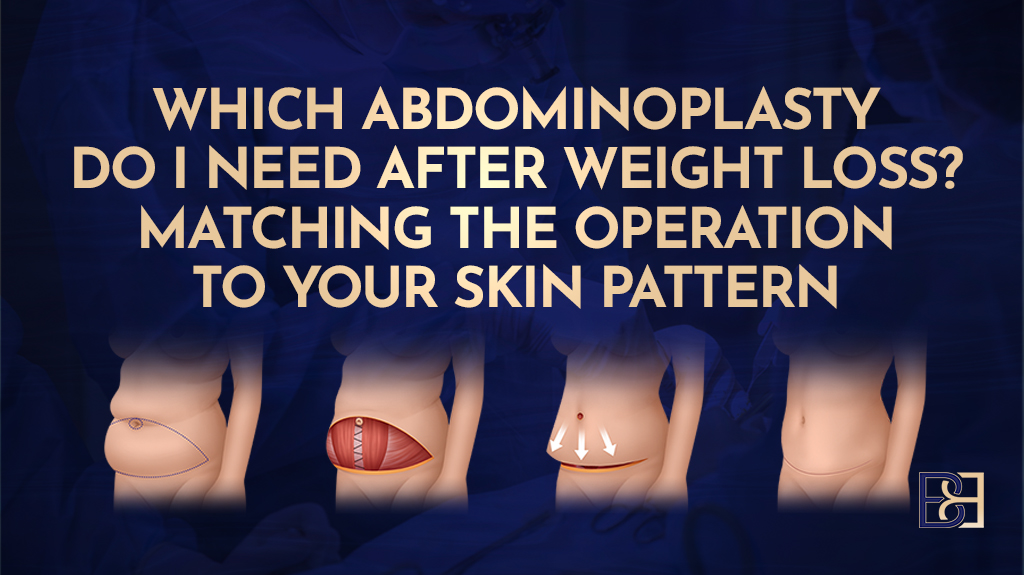
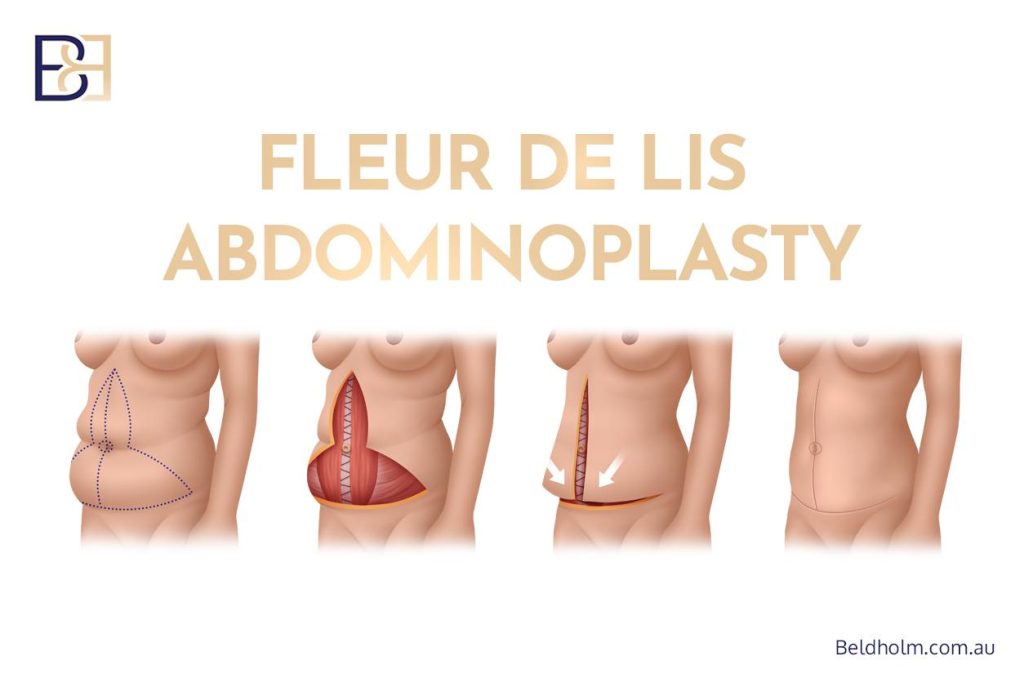
As a Specialist Surgeon working with post weight loss patients, I perform Fleur de Lis abdominoplasty (tummy tuck) for people who have had significant weight loss and are left with loose skin across the lower and upper abdomen, side to side as well as up and down. The vertical and horizontal incisions let me remove excess skin in both planes, which a standard tummy tuck procedure cannot do as well.
The result is durable, but it is not locked in place against whatever happens to your weight afterwards. Removing excess skin and tissue does not stop the body storing fat again, and it does not stop skin stretching if you gain weight. A few kilograms either way will not undo your result. A larger, sustained regain can.
This matters more for post weight loss patients having body contouring surgery than many people expect. Weight regain is a recognised pattern after both bariatric surgery and modern weight loss medications, so significant weight gain is worth planning for before you have surgery, not just after. In this article I explain what regaining weight can do to a Fleur de Lis result, why this group needs to consider it specifically, how I suggest reducing the risk, and what the options are if it happens.
How your result behaves over time
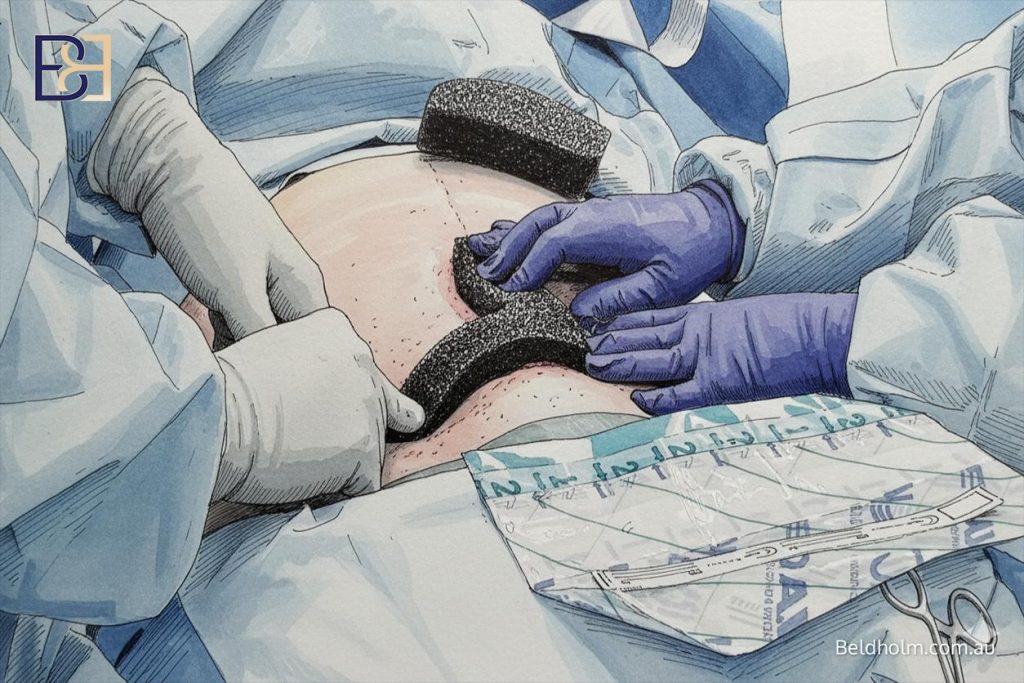
A Fleur de Lis abdominoplasty (tummy tuck) removes excess skin and tissue and tightens what remains. Once you have healed, that change is long-lasting. The skin and tissue I remove do not come back.
What surgery cannot do is change how your body behaves afterwards. The operation does not stop you storing fat again if you take in more energy than you use, and it does not stop skin stretching if the tissue underneath it expands. So while the result is durable, it is not sealed off from whatever happens to your body weight in the years that follow.
This is why I describe the result as long-lasting rather than permanent. Day to day body weight moves around for all sorts of reasons, and small fluctuations of a kilogram or two will not undo what was done. The concern is a larger, sustained regain held over months, which is a different matter.
There is no single number that defines too much. How much regain affects a result depends on the individual: where you tend to store fat, how much excess skin was removed, how your skin behaves, and whether any abdominal muscle repair was part of your operation. I would rather talk about the pattern and direction of your body weight over time than fix on a figure on the scales.
Why weight regain needs particular attention after weight loss
Anyone can regain weight after surgery. For post weight loss patients, there are two specific reasons it deserves closer attention than usual.
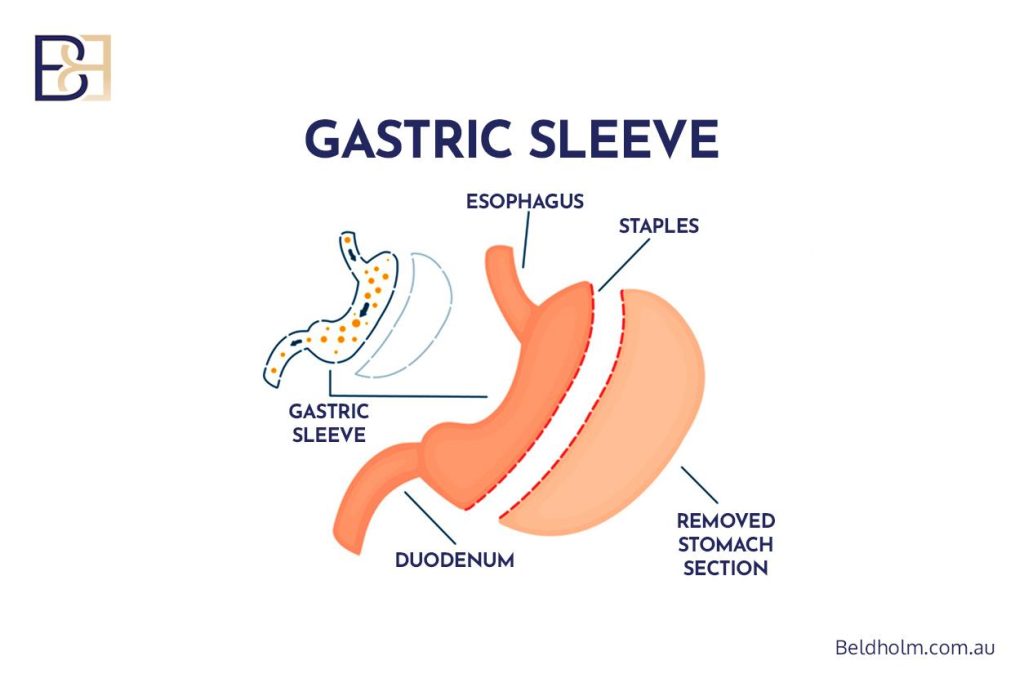
The first is regain after bariatric surgery. Many of my patients reached their significant weight loss through a bariatric procedure, and regain in the years afterwards is well recognised. Published research shows that a proportion of patients regain some of the weight they lost over the longer term (1).
The second is regain after stopping weight loss medications. Modern weight loss medications work while they are being taken. When they are stopped, a proportion of patients regain weight, and published research has documented this pattern (2). More of my patients have now lost weight with the help of these medications, so where someone sits in their treatment matters when we plan surgery.
Why I prefer your weight to be stable first
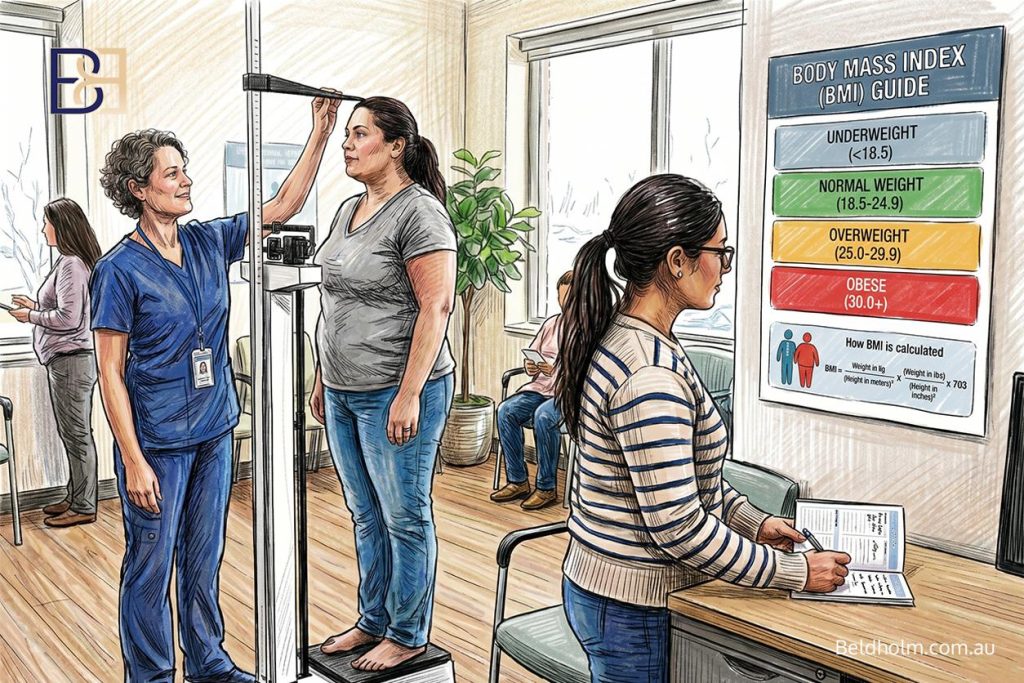
Before I operate, I look for a stable weight that has held steady for a period of time. There are practical reasons for this.
- If you are still actively losing, more excess skin can develop after surgery, which works against the result.
- Active weight loss usually means you are in a nutritional deficit, and a deficit makes poor wound healing more likely, because healing after surgery depends on good nutrition rather than a shortfall in energy and protein.
- If a regain is likely, the timing of surgery and the plan need to take that into account.
- A stable weight gives the most reliable starting point for a durable result.
Where someone is still on a weight loss path, whether with medication or by other means, I would rather we reach a stable point first, or plan the timing together, than operate too early. When and whether to proceed is decided for the individual at consultation.
Your weight around the time of surgery
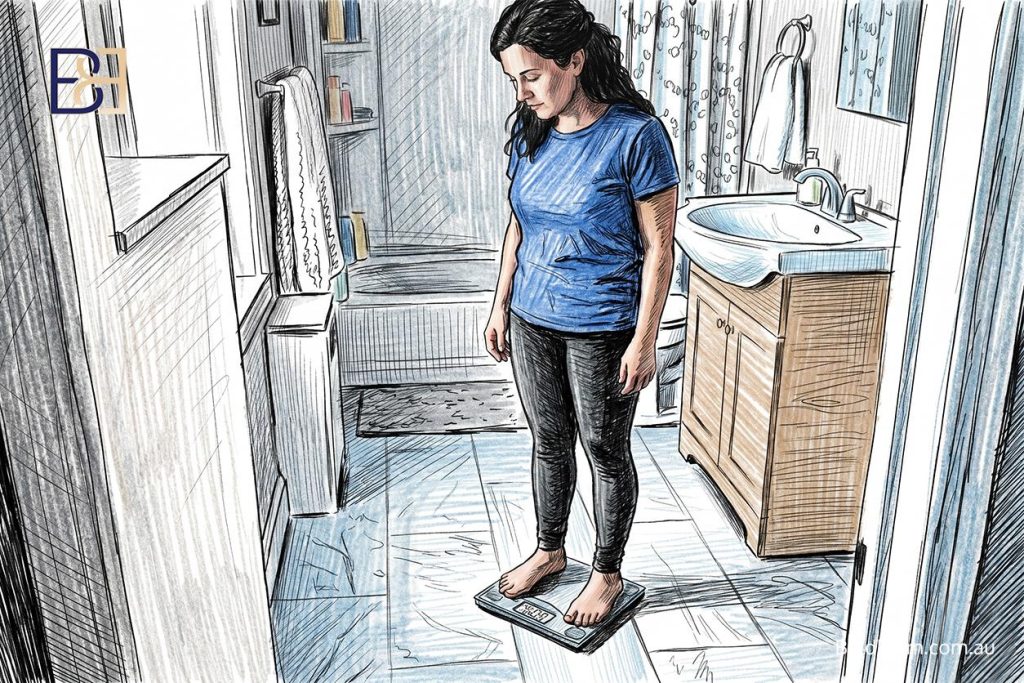
A lot of my post weight loss patients tell me they worry about putting weight back on. It is one of the most common concerns I hear, and it tends to surface around the time of surgery. I want to be clear about what to expect in this period, because the number on the scales can be misleading.
In the weeks around your operation, the priority is not your weight. It is your nutrition. My optimisation window runs for roughly four weeks before surgery and four weeks after, and during this time the focus is on protein, vitamins and the rest of your nutritional preparation, so your body has what it needs to heal. I cover this further in my article, pre-operative nutrition checklist. Eating properly to support the healing process matters far more than any short-term change in weight.
Two things commonly happen with weight in this period, and neither is cause for alarm.
The first is a small gain. Some patients put on a little weight during the optimisation period before surgery, while they are concentrating on protein and eating well, and again afterwards while they are recovering and moving less. This is usually minor and short lived, and it settles during the recovery period as you return to your normal routine.
The second is more striking on the scales: swelling. A Fleur de Lis abdominoplasty (tummy tuck) covers a large surgical area, and your body holds extra fluid afterwards as part of the healing process. That fluid has weight. Even with your compression garment on, it is common to see several kilograms appear in the early weeks that are water, not fat. This reduces over the following weeks as the swelling settles.
My advice for this period is: Put the scales away. Focus on your protein and your supplements, follow your recovery plan, and do not judge your weight or your result by a number while you are still swollen and healing. There is a sensible time to think about your weight again, and it is once you have recovered and the swelling has gone.
What weight regain can do to the result
If you regain a large amount of weight and hold it, it can affect the result in several ways. How much depends on how much you regain, where your body stores it, and how your skin and tissue behave.
Where a regain tends to show up
How a regain behaves after body contouring is often different from that of someone who has not had surgery.
Most adults gain weight by their existing fat cells getting larger, rather than by growing many new ones (3). When I remove excess tissue during surgery, I take away fat cells from that area along with the skin. Fewer fat cells are left behind there to enlarge.
A way to picture it: imagine an area that held ten fat cells, and I removed eight of them, leaving two. If you regain weight, those two cells can still enlarge, but there are only two of them, so that area fills out less than it once would have. An area that was not operated on still has its full ten cells, and all ten can enlarge.
The practical result is that when a post weight loss patient regains a large amount of weight, it tends to be gained more in the areas that were not operated on, and proportionally less in the area where tissue was removed (4). This is a general pattern rather than a rule, and it varies between individuals.
Return of loose skin
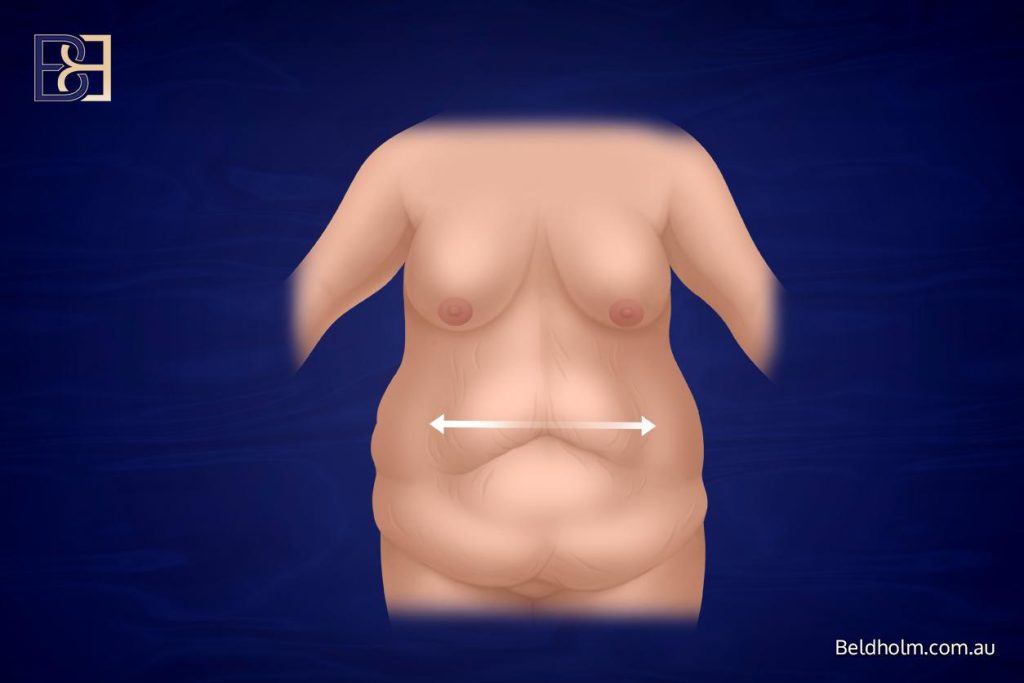
During a Fleur de Lis abdominoplasty (tummy tuck) I remove excess skin and tighten what remains. Skin that has been surgically tightened has less spare capacity to stretch and then draw back in again. If the tissue underneath expands with weight gain, the skin stretches to accommodate it. When the weight comes back off, that skin may not retract as well as it did the first time, and some loose skin can return.
Fat re-accumulation and change in contour
The operation removes skin and tissue. It does not remove your body’s ability to store fat. If you regain weight, excess fat can build up again across the abdomen and elsewhere, and the abdominal contour from surgery can soften or change. Where you store fat is individual, so the way a regain shows up varies from one person to the next.
Effect on the scar

A Fleur de Lis abdominoplasty (tummy tuck) leaves a horizontal scar low on the abdomen and a vertical scar up the midline, meeting in an inverted-T shape. Weight gain stretches the skin, and that tension pulls on the scars. Over time this can widen or thicken a scar that had settled well. If a scar is stretched or distorted by regain, scar revision surgery may be considered once your weight is stable again [internal link: scar revision].
Effect on muscle repair where it was performed
Not every post weight loss patient needs muscle repair. Muscle separation (diastasis recti) is more common after pregnancy than after weight loss, and many of my post weight loss patients do not have it and do not need their abdominal muscles repaired. Where I have repaired the abdominal muscles, a large regain places tension on the repaired abdominal muscles. Substantial weight gain, much like a pregnancy, can stretch a repair and allow some separation to return. For patients who had no muscle repair, this does not apply.
Book your appointment online now
Health considerations with significant regain
Most of this article is about how a regain affects the result you can see. A large, sustained regain also brings health considerations: the general ones that come with carrying extra weight, and a couple that are specific to having had abdominal surgery.
The abdominal wall
Where muscle repair was part of your operation, a large regain loads the repaired abdominal muscles and places demand on the abdominal wall. If you have a known weakness or a previous hernia in the abdominal wall, added weight increases that load. Any new bulge, persistent discomfort or change in the shape of the abdominal wall should prompt you to seek medical advice, so the cause can be identified rather than left.
General health
Carrying a large amount of regained weight also brings back the broader health risks linked to higher body weight, including effects on the heart, blood pressure and blood sugar. These potential complications sit outside the surgery itself and are best managed over the long term with your GP, who looks after this part of your care.
Reducing the risk of regain
Long-term weight management is not my area as a surgeon, so I will keep this short and point you to the people and resources who handle it properly. A stable weight is what protects your result, and the habits that helped you lose the weight and hold it are the same ones that protect the surgery.

A few points specific to post weight loss patients:
- Protein and nutrition matter. Most post weight loss patients carry nutritional gaps from their weight loss, and good nutrition and a balanced diet support both healing and long-term weight stability. I cover this in detail separately.
- Returning to light exercise in a graded way after surgery supports recovery and weight stability. I set out how and when in a separate article, exercise after abdominoplasty.
- Long-term weight management sits with your GP and allied health, including a dietitian where that helps. Your GP looks after this part of your care over the years, and I hand over to them at your post-operative review.
I would rather you build a healthy lifestyle than chase a number. Large swings in body weight are harder on a result than a steady, stable weight that settles a little above your lowest point.
Options if you regain weight
If you regain weight and it has changed your result, there are options. What is appropriate depends on how much weight has come back, whether it is stable, and what specifically has changed.
Get your weight stable first
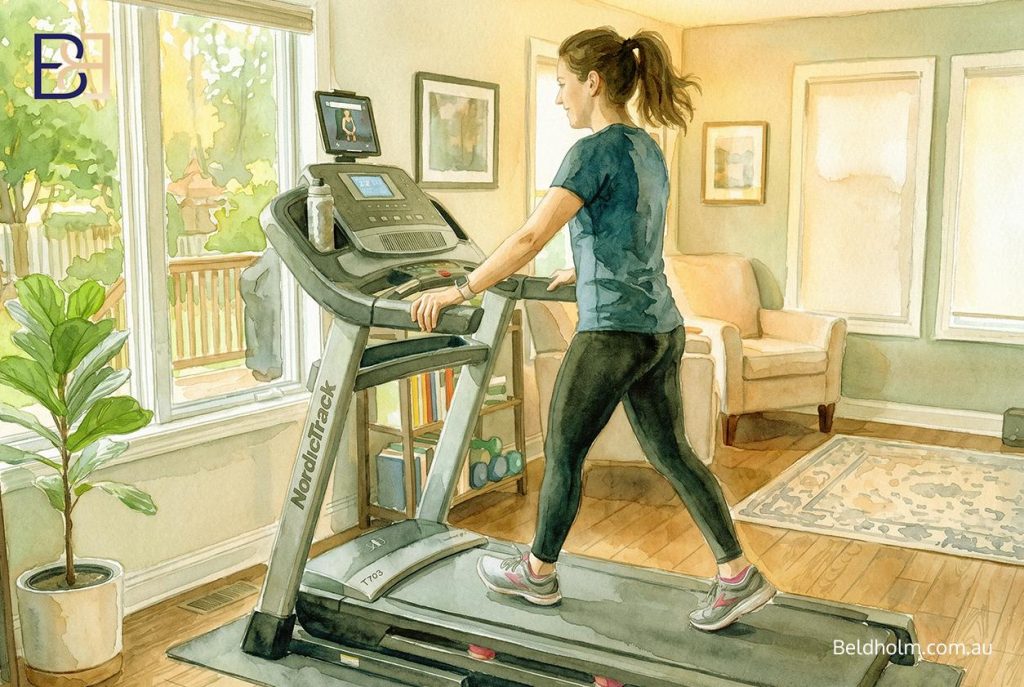
Before considering any further surgery, I want your weight to be stable. If excess fat has re-accumulated, losing that weight again may improve the abdominal contour on its own without an operation. Operating on someone who is still gaining or losing tends to repeat the original problem, so settling your weight comes first.
Liposuction (suction-assisted lipectomy)
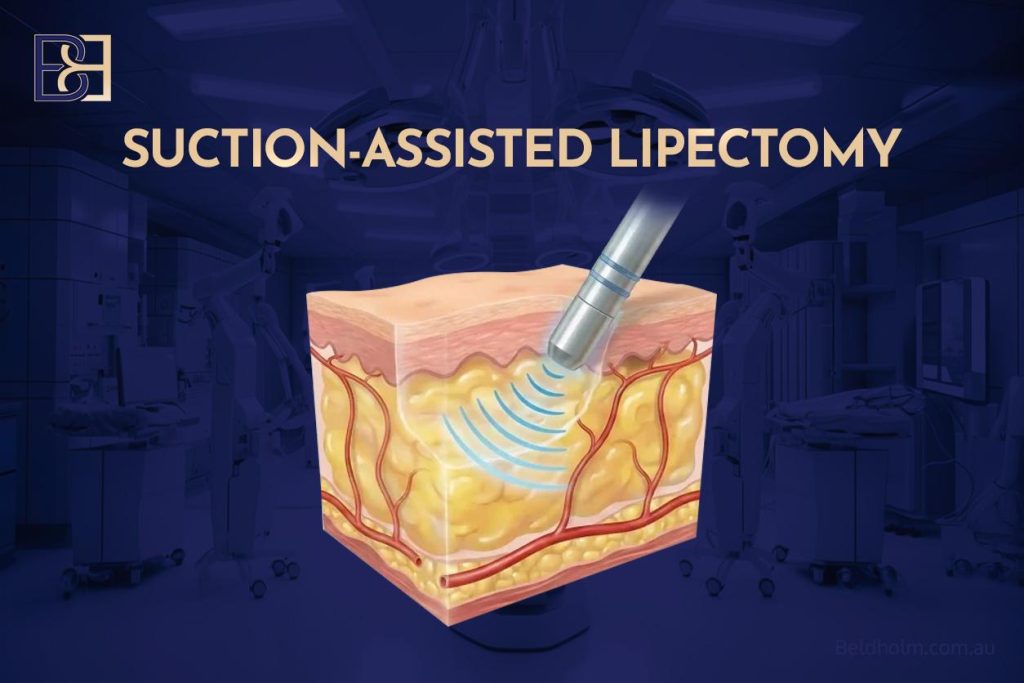
Where there are localised pockets of excess fat but the skin quality is reasonable, liposuction (suction-assisted lipectomy) can remove that fat. I want to be clear about what it does and does not do. Liposuction (suction-assisted lipectomy) removes fat. It does not tighten or remove loose skin. If the main problem after a regain is loose skin rather than fat, liposuction (suction-assisted lipectomy) on its own will not treat it.
Revision abdominoplasty
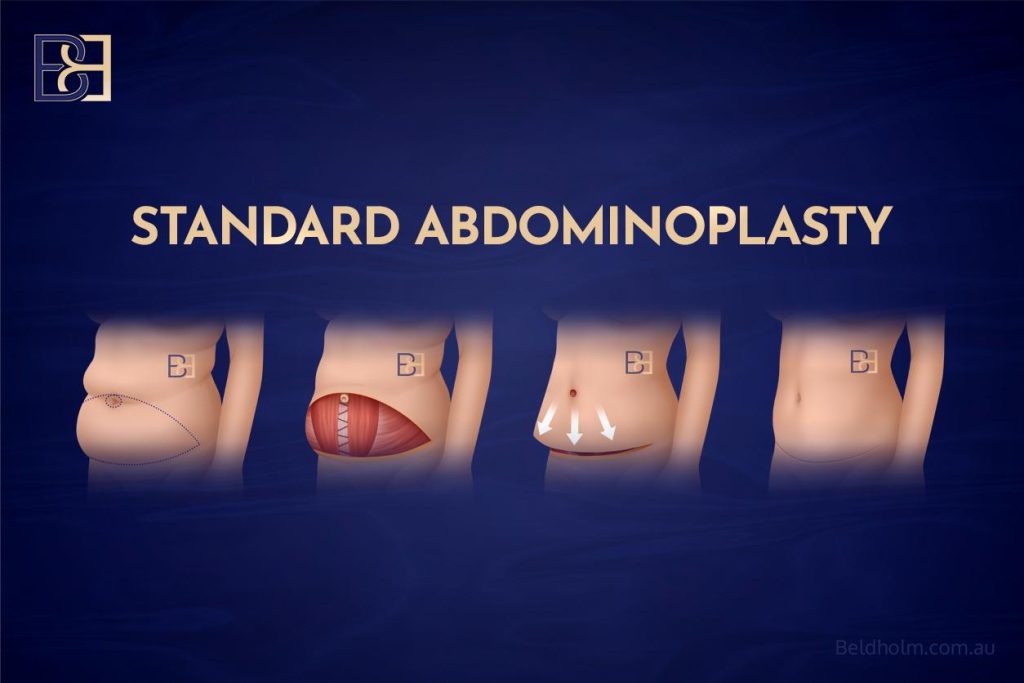
Where a regain has left significant loose skin again, a revision abdominoplasty (tummy tuck) may be considered to remove the excess skin [internal link: revision abdominoplasty]. I make sure patients understand what revision involves. It is a further surgical procedure, with its own anaesthetic, recovery and risks, and operating on previously treated tissue can be more demanding than the first procedure. Whether revision is appropriate is decided individually at consultation, once your weight is stable, weighing what has changed against the demand of another operation.
Planning around future weight and pregnancy
Good timing protects your result more than anything that comes afterwards. There are a few things I weigh up with patients before we set a date.
Timing surgery once your weight is stable
I prefer to set a date once your weight has held steady, rather than while you are still losing or likely to regain. If you are still working towards a goal weight, or still on a weight loss path with medication, we usually wait until things have settled before planning surgery.
Future pregnancy
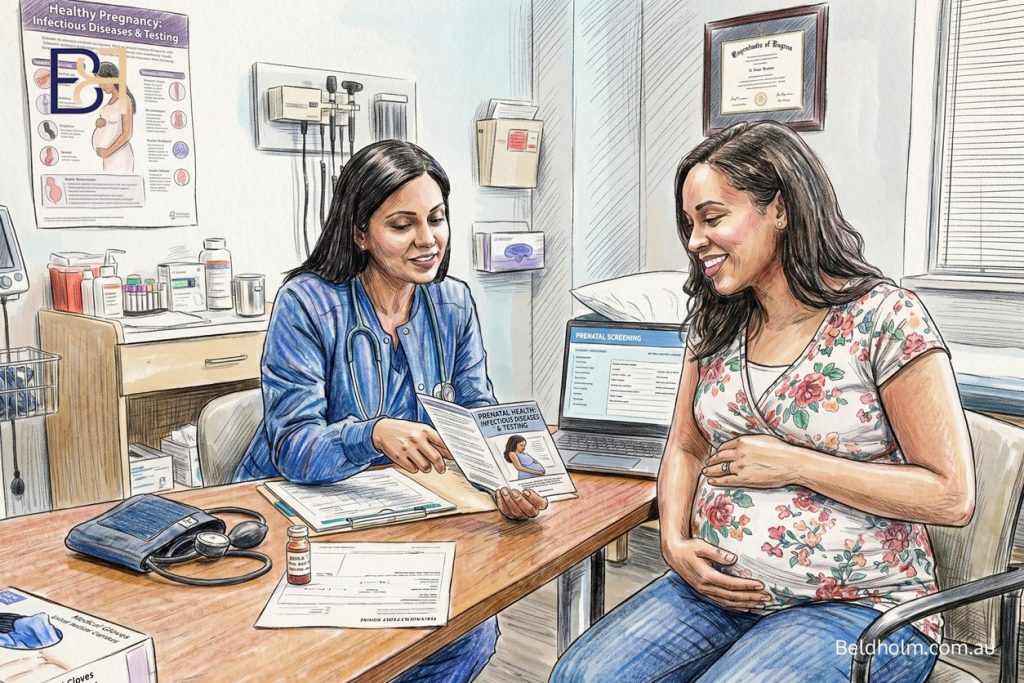
Pregnancy stretches the abdominal skin and abdominal wall and can change an abdominoplasty (tummy tuck) result, much as significant weight gain can. If you are planning a pregnancy, or multiple pregnancies, it is usually worth waiting until your family is complete before having a Fleur de Lis abdominoplasty (tummy tuck). I cover this in more detail separately, pregnancy after abdominoplasty.
The decision is individual
Whether one approach or another suits you, and when to proceed, is decided for the individual at consultation. A GP referral is required before that consultation, and results vary between patients.
Common questions
How much regain is too much?
There is no fixed number. A kilo or two up or down will not undo your result. It is a larger, sustained regain held over months that affects it, and how much depends on where you store fat, how much excess skin was removed and how your skin behaves. It is the trend that matters to me, not a single reading on the scales.
Will I need revision surgery if I regain weight?
Not necessarily. If excess fat has re-accumulated, losing that weight again may improve the contour without surgery. Where a regain has left significant loose skin, revision may be considered, but only once your weight is stable and after weighing it up at consultation. Many patients who keep their body weight reasonably steady never need revision.
Should I finish my weight loss before surgery?
Where you can, yes. I prefer to operate once your weight has been stable for a period, because a stable weight gives a more reliable result, and a nutritional deficit while you are still losing makes poor wound healing more likely. If you are still on a weight loss path, including with medication, we will usually plan the timing together rather than rush to surgery.
Final thoughts

A Fleur de Lis abdominoplasty (tummy tuck) gives a durable result, but it works with your weight, not against it. The patients who hold their result tend to be the ones whose body weight stays reasonably steady afterwards. That is why I spend time before surgery making sure your weight has settled, your nutrition is in good shape, and you understand what a regain can do.
If your weight does change down the track, it does not mean the surgery has failed. It means there is a sensible conversation to have about whether anything needs doing, and when. That conversation happens once your weight is stable, at consultation.
References
- Reis MG, Moreira LFG, Carvalho LSVA, de Castro CT, Vieira RAL, Guimarães NS. Weight regain after bariatric surgery: a systematic review and meta-analysis of observational studies. Obesity Medicine. 2024.
- Wilding JPH, Batterham RL, Davies M, Van Gaal LF, Kandler K, Konakli K, et al. Weight regain and cardiometabolic effects after withdrawal of semaglutide: the STEP 1 trial extension. Diabetes, Obesity and Metabolism. 2022;24(8):1553-1564.
- Spalding KL, Arner E, Westermark PO, Bernard S, Buchholz BA, Bergmann O, et al. Dynamics of fat cell turnover in humans. Nature. 2008;453(7196):783-787.
- Hernandez TL, Kittelson JM, Law CK, Ketch LL, Stob NR, Lindstrom RC, et al. Fat redistribution following suction lipectomy: defense of body fat and patterns of restoration. Obesity (Silver Spring). 2011;19(7):1388-1395.