Getting back to exercise after an abdominoplasty (tummy tuck) is a different proposition for patients who have come to surgery after major weight loss.
The body has already been through a long metabolic process. Lean muscle is often reduced, protein stores may be depleted, and the tummy tuck (abdominoplasty) itself tends to involve a larger excision than a standard post-pregnancy case. That is why the exercise plan for tummy tuck (abdominoplasty) surgery in this group needs to be tailored, not borrowed from a standard tummy tuck (abdominoplasty) recovery.
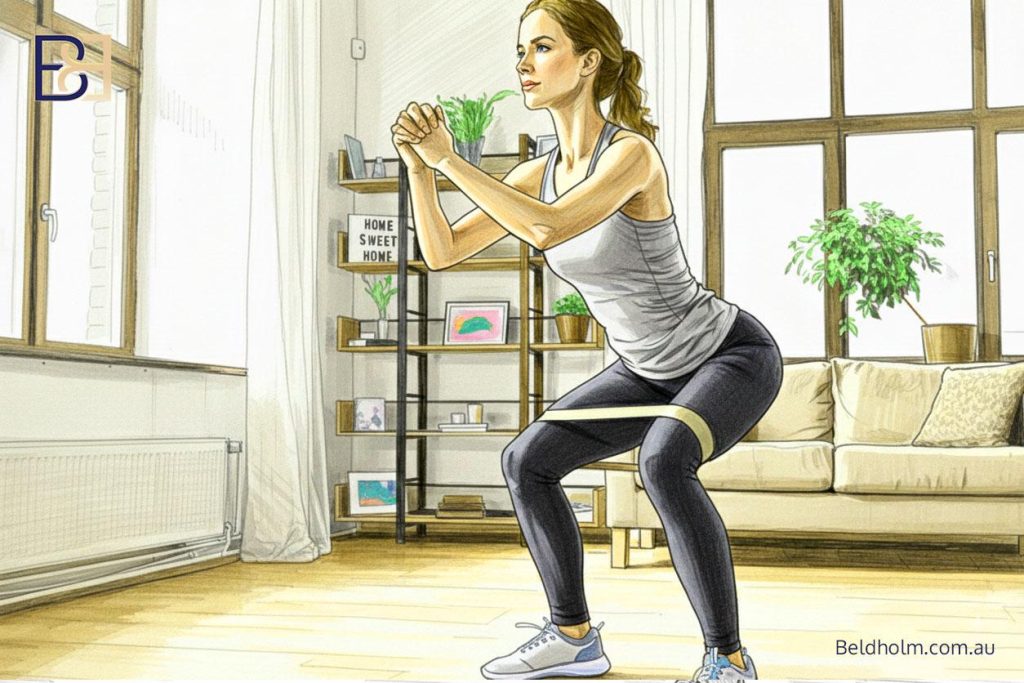
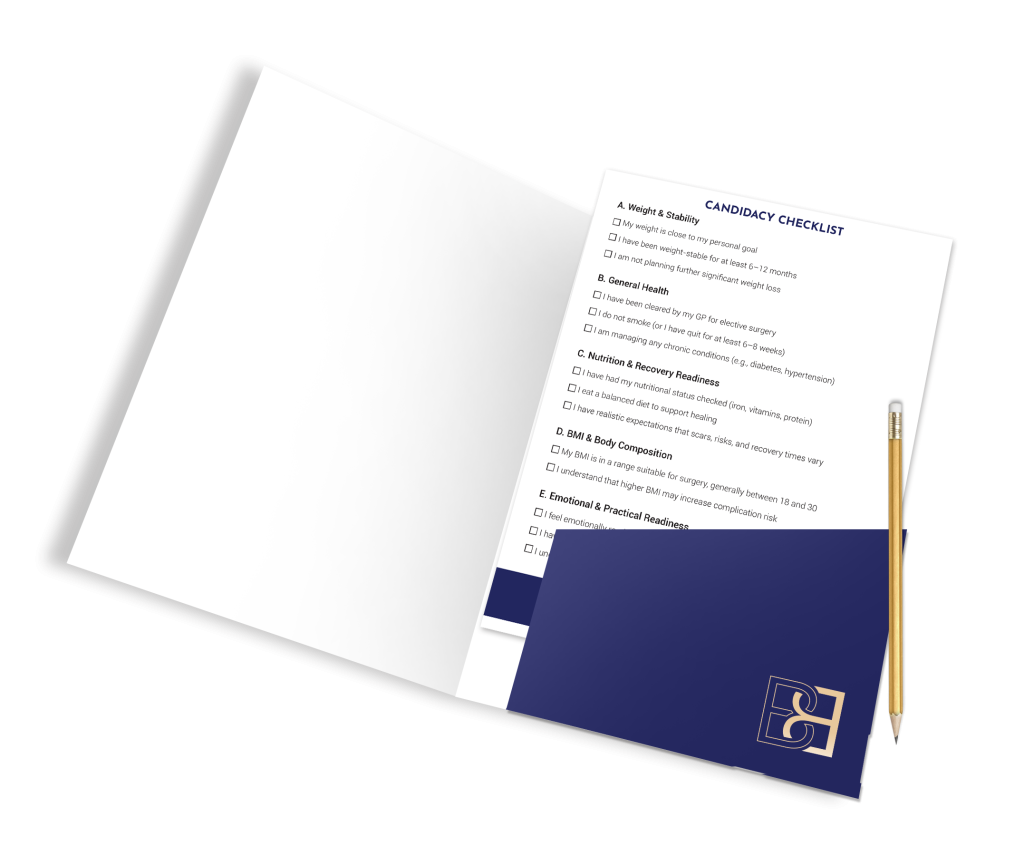
Exercise as part of the wider plan
In my practice, exercise after surgery is not a fresh topic that starts the day a patient leaves the hospital. It is the continuation of a process that begins well before the operation.
When I plan surgery for a post weight loss patient, two things happen in parallel ahead of the procedure:
- Nutrition is optimised through a comprehensive pre-operative blood panel, blood-test-driven supplementation, and a protein-led diet.
- Exercise is encouraged pre-operatively to preserve lean muscle and overall health before any incision is made.
Both matter because weight loss of this scale, whatever the route, almost always takes some muscle with the fat.
Once surgery is done, the post surgery exercise plan picks up that same thread:
- The early weeks are about protecting the abdominal repair while keeping enough movement in the day to support circulation, lung function, and tissue healing.
- From there, the plan becomes about rebuilding the lean muscle and cardiovascular fitness that were already being defended before surgery.
- Long term, exercise is what helps maintain the body composition that supports the result of the procedure.
What this article covers
The headline timeline is similar to a standard abdominoplasty recovery:
- Short walks begin within the first few days after tummy tuck (abdominoplasty) surgery.
- Light cardio comes in around weeks 4 to 6.
- Core work and heavier resistance training are held back until 8 weeks or beyond.
The detail underneath that timeline, and the way exercise sits inside the wider pre and post surgery plan, is what makes this article specific to post weight loss patients. I walk through the timing, the exercises themselves, the warning signs, and where exercise connects with the nutrition and follow-up work that supports it.
Why exercise recovery is different after significant weight loss
A post-weight-loss tummy tuck (abdominoplasty) is not the same as a standard abdominoplasty for a patient who has maintained a stable weight for years.
The body coming into the operating theatre is different, the operation tends to be larger, and the recovery follows a different rhythm. Four factors shape how I plan exercise for this group.
1. Lean muscle is often reduced
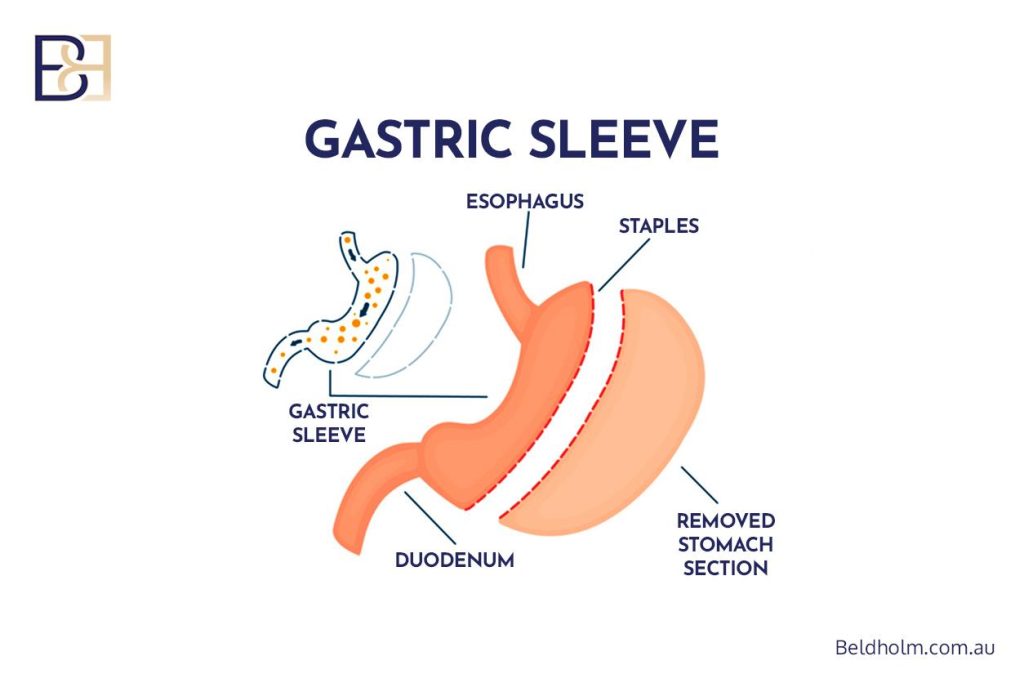
All routes to substantial weight loss strip some lean muscle alongside fat (1). The pattern is the same whichever route applies:
- Bariatric surgery (sleeve gastrectomy, gastric bypass, banding, duodenal switch).
- GLP-1 medications.
- Sustained dietary and lifestyle change.
Many of my patients arrive at surgery with less muscle reserve than they had a year or two earlier. After a major surgery that demands rest and limits movement, that reserve drops further.
Exercise after surgery in this group is not just about fitness. It is about protecting and rebuilding the lean mass that supports recovery, posture, and long-term weight maintenance.
2. The operation tends to be larger, but not always with a rectus plication
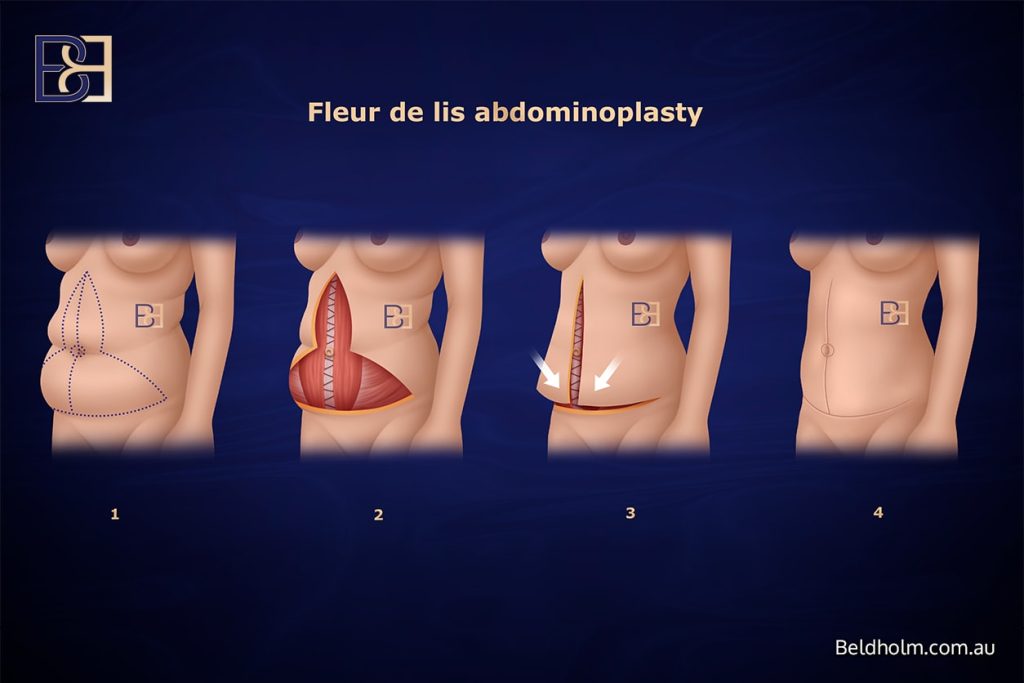
Post weight loss patients usually have more loose skin to remove than patients who come to a standard abdominoplasty. The excisions extend further laterally, and the wound is longer.
In practice, this can mean any of the following:
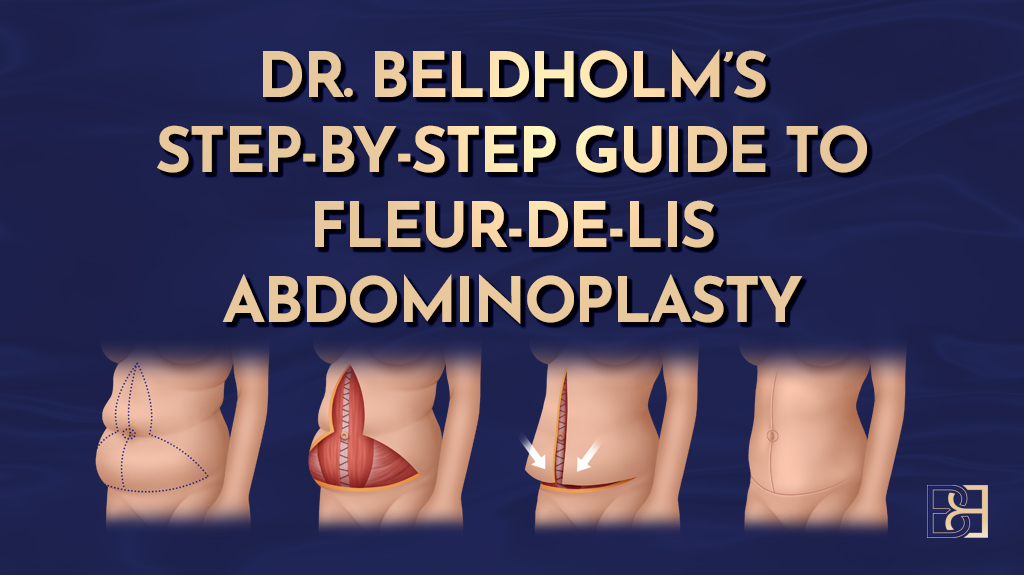
- A fleur-de-lis pattern with a vertical scar in addition to the horizontal scar.
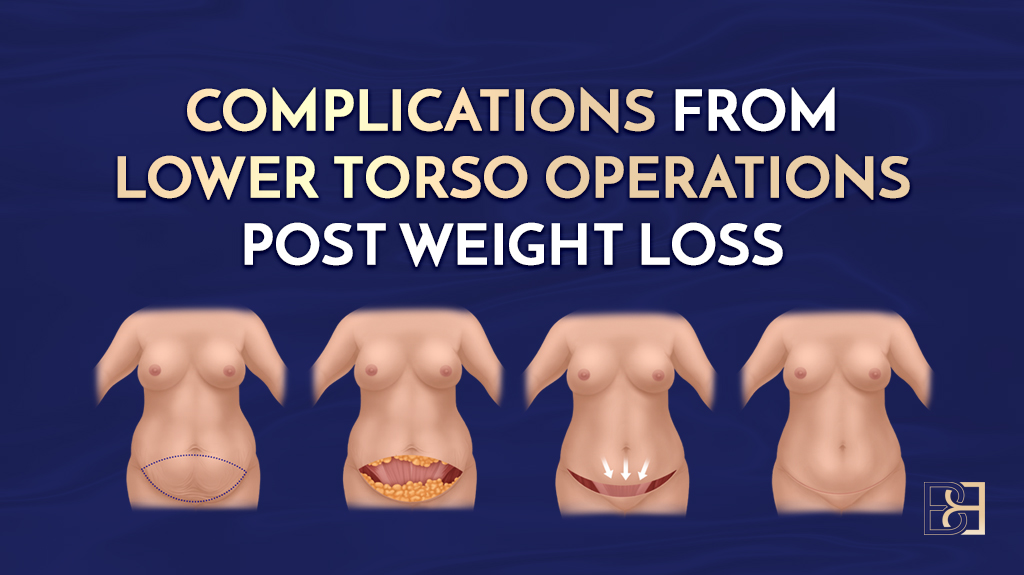
- A circumferential lower body lift (belt lipectomy) when indicated.
- A longer operative time.
- A longer wound.
One important point that often surprises post-weight-loss patients: many do not need a diastasis recti repair (rectus plication). Diastasis recti is more typically a post-pregnancy issue. In post-weight-loss patients, the operation is often limited to skin and fat excision, without any muscle work.
This matters for exercise recovery because the timeline for core muscles work, squats, and other movements that load the abdominal wall depends on whether your operation included rectus plication:
- Skin and fat excision only. Core work and squats can usually start around 4 weeks in a graded fashion.
- Skin and fat excision with rectus plication. Core work and squats are held back to 8 weeks or longer.
I confirm which applies to you at your follow-up reviews, and the timeline through this article reflects both groups.
3. DVT risk is higher in this group
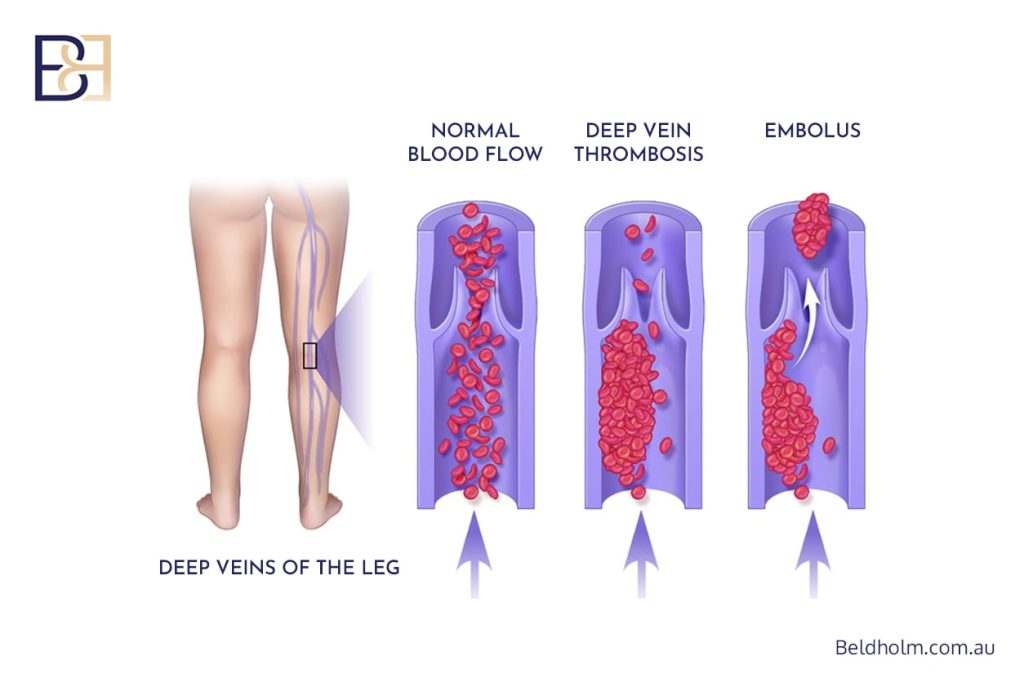
Post-weight loss patients carry a higher baseline risk of venous thromboembolism than the general surgical population (2). Body contouring procedures further increase that risk through operative time, wound size, and reduced early mobility.
Walking starts early in my recovery protocol, specifically because of this. I cover DVT risk stratification and prevention in detail in a separate article: DVT risk and prevention after body contouring surgery.
4. Nutritional baseline is often suboptimal
Protein malnutrition, vitamin D deficiency, low iron, and low B-vitamin levels are common in this cohort (3). All of these influence wound healing, energy levels, and the body’s capacity to tolerate exercise.
In my practice, every post-weight-loss patient receives a comprehensive pre-operative blood panel at the first consultation, and a baseline supplement regimen is initiated before surgery. A patient whose nutrition has been optimised before surgery tends to follow a more predictable recovery timeline.
The full approach is set out across the vitamins and supplements hub and the individual nutrient articles.
How soon can I start exercising after abdominoplasty?
Most patients want a single answer to this question. There isn’t one. The timing depends on the size of the procedure, your nutritional status, and how your healing is tracking at each follow-up appointment after tummy tuck (abdominoplasty) surgery.
It also depends on whether your operation included rectus plication. The early weeks are the same for everyone. From week 4, the two groups diverge.
Early phase: Day 1 to week 4 (same for everyone)
| Phase | What you can do |
|---|---|
Day 1 (first day after surgery) | Out of bed is the aim. Walking if possible; sitting out of bed if blood pressure issues or other limitations get in the way. Incentive spirometry (lung exercises) is also started at this stage to support lung expansion. |
Days 2 to 3 | Continue building short, gentle walks around the room and ward. Keep up the incentive spirometry. |
Week 1 to 2 | Gentle walking at home. Build duration as comfort allows. No abdominal strain. |
Weeks 2 to 4 | Light activities around the house. Seated mobility movements. No abdominal exercises. |
From week 4 onwards: two timelines
| Phase | Skin and fat excision only | With diastasis recti repair (muscle plication) |
|---|---|---|
Weeks 4 to 6 | Low-impact cardio after the 4-week clinic review: stationary cycling, brisk walking, and elliptical. Resistance bands work for the upper and lower body. Core exercises and squats can be reintroduced in a graded fashion. | Low-impact cardio as for the other group. Direct core work, squats, and any direct abdominal loading still held back. |
Weeks 6 to 8 | Cardio progression (jogging, swimming, increased intensity). Light resistance training, including graded squats. Continued core work. | Cardio progression as for the other group. Light resistance training, avoiding direct abdominal load. Gentle pelvic floor and pelvic tilt work. Direct core work and squats still held back. |
8 weeks and beyond | Full exercise routine, including strenuous exercise and heavier resistance work. | Full exercise routine. Core work, squats, and direct abdominal loading now reintroduced in a graded fashion. |
A few notes about this framework
- It assumes a straightforward recovery. If healing is slower, infection or seroma develops, or the abdominal wall repair needs extra protection, I push the timeline out.
- Each milestone is confirmed at the relevant clinic review, not assumed from the date on the calendar.
- Patients with a larger excision or fleur-de-lis abdominoplasty may need an additional week or two on the rectus plication timeline.
- Results vary, and the schedule above is a starting framework rather than a rigid plan.
The principle throughout every phase is gradual progression. Start exercising gently in the first few weeks after tummy tuck (abdominoplasty) surgery to avoid excessive strain on the abdominal muscles and the deeper core muscles. Walking is the foundation of physical activity in the early phases, and the exercise regimen builds from there.
Book your appointment online now
The first two weeks: walking, lung exercises, and DVT prevention

The first two weeks set the tone for everything that follows. The work in this period is small, slow, and unglamorous. It is also the most important.
Why early movement matters
Walking and gentle movement do several jobs at once after a post-weight-loss tummy tuck (abdominoplasty):
- Promote blood circulation and flow through the legs, which directly reduces the risk of deep vein thrombosis and blood clot formation.
- Support lung expansion and reduce the risk of post-surgery chest complications, particularly when combined with deep breathing exercises and incentive spirometry.
- Encourage gentle bowel motility, which helps reverse the constipation that often follows anaesthesia and pain medication.
- Begin the slow process of rebuilding stamina without straining the abdominal repair.
- Promote healing of the tissues by improving local circulation.
In a post-weight-loss group, where DVT risk is already elevated, early movement is one of the most useful interventions available (2). Light walking in the first few weeks is the foundation of the whole recovery process.
Day 1 onwards: out of bed and incentive spirometry
In my practice, the aim is for patients to be out of bed on day 1, the first day after surgery.
- Where possible, this means short, gentle walks with assistance from the ward nursing team.
- Where blood pressure issues or other limitations get in the way, the aim drops to sitting out of bed for periods throughout the day.
At the same stage, patients use an incentive spirometer to support lung expansion. Lung exercises are easy to underestimate. They are simple, take a few minutes at a time, and meaningfully reduce the risk of post-surgery chest complications in the first few weeks.
From day 2 onwards, walking around the room and ward are gradually built up, and the spirometry continues.
Going home and the first week

Most patients are discharged within the first day or two of surgery. At home, the goal is short, frequent walks rather than one long walk:
- Three to five short walks around the house per day.
- Build duration gradually, listening to your body.
- Posture upright but gently flexed at the waist if your wound feels tight. Do not force a fully upright posture if it puts pressure on the repair.
How much should I walk 2 weeks after a tummy tuck (abdominoplasty)?
By week two, a reasonable pattern looks like this:
- Three to five short walks per day.
- Total walking time around 20 to 30 minutes across the day.
- Pace that lets you hold a conversation comfortably.
The goal in week two is not fitness. It is consistent gentle movement that supports the healing process while protecting the abdominal wall.
What to avoid in the first two weeks
- Strenuous activities of any kind. No groceries, no toddlers, no laundry baskets.
- Bending at the waist to pick things up. Squat down with bent knees and a straight back instead.
- Any exercise outside of walking. Cardio, strength training, and abdominal exercises all come later.
- Pushing through pain. If a movement causes a sharp pull at the wound or sustained discomfort, stop.
Wound care alongside the walking
Looking after the incision site is part of the same job as protecting your exercise progress. Maintain good hygiene with surgical dressings. If you have drains, empty and record their output as instructed. The clinic team reviews dressings, drains, and the wound at each early review visit in the first two weeks.
Weeks 2 to 4: gentle movement, no abdominal load
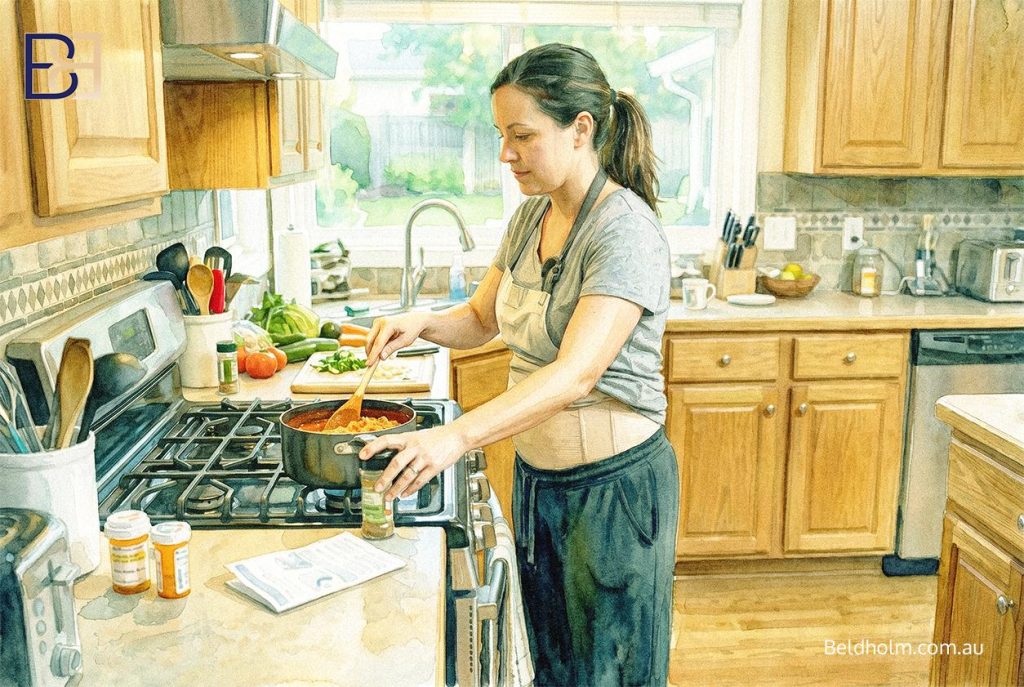
By week two the wound is sealing, drains are usually out, and most patients feel ready to do more.
What you can do
- Continue to gradually increase the duration of your walks. As recovery progresses, two or three walks of 15 to 20 minutes each is a reasonable target by week four.
- Light activities around the house: cooking, light tidying, short trips to the local shops.
- Gentle seated mobility work to support circulation:
- Seated marching (lifting one knee at a time while seated).
- Arm circles, small and slow.
- Heel slides while lying down (sliding one heel up the bed and back).
- Ankle pumps and ankle circles.
These movements promote blood circulation and prevent stiffness without putting excessive strain on the abdomen. This is not a fitness routine in the usual sense. It is a transition phase that protects the repair while keeping the body moving.
What to avoid
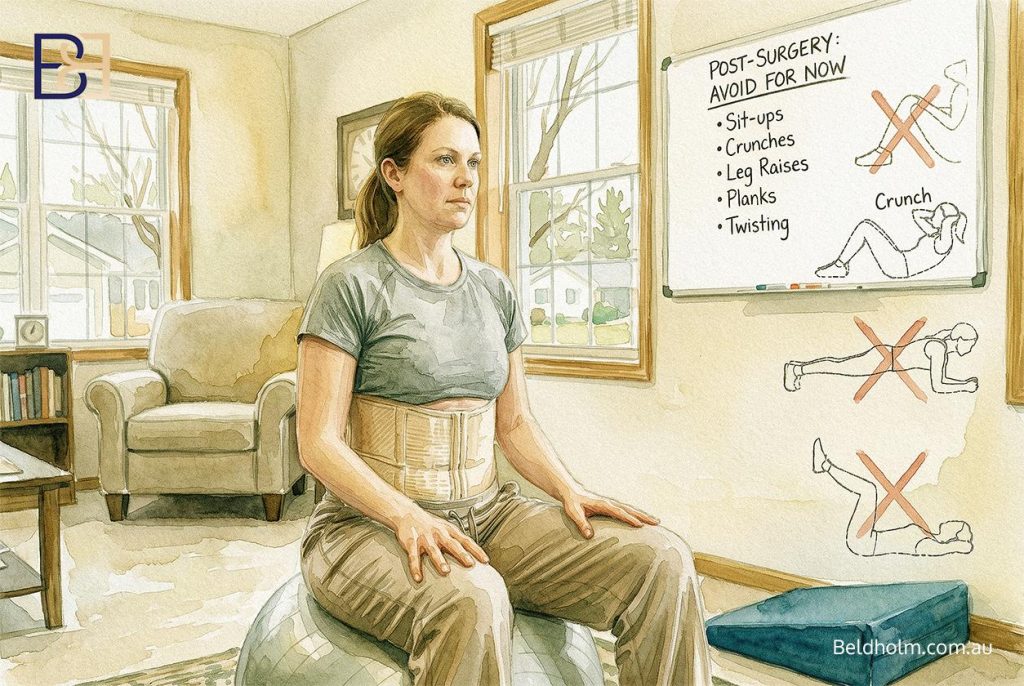
- Any abdominal exercises. Sit-ups, crunches, planks, leg raises, and twisting movements are all off the table.
- Lifting anything heavier than about 5 kilograms. That includes children, shopping bags, and pets.
- Stationary cycling, the treadmill at any intensity beyond a slow walk, and the elliptical machine. These come in at weeks 4 to 6.
- Yoga and pilates classes. Even gentle classes include positions that load the abdominal wall.
- Strength training of any kind.
What’s normal and what’s not
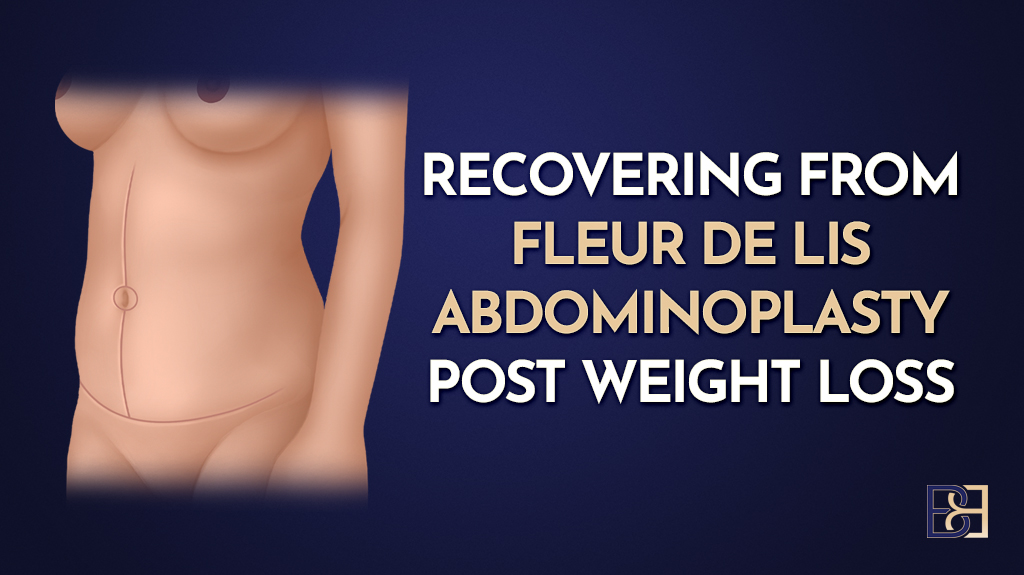
Some tightness, numbness, and itchiness in the abdomen is normal as the skin and underlying tissues heal. The numbness can extend across a wide area where the abdominal nerves were stretched or divided during the procedure, and most of this sensation returns gradually over months.
A sudden change in pain, new swelling, or fluid coming from the wound is not normal and should prompt a call to the clinic.
Weeks 4 to 6: reintroducing low-impact cardio
The 4-week clinic review is the formal turning point in the recovery process. At this visit I assess:
- Wound closure and scar maturation.
- Any swelling, seroma, or wound healing concerns.
- Strength and tightness through the abdominal wall.
- General energy levels and nutritional progress.
If everything is tracking well, this is the point at which most patients can start adding low-impact cardio. If healing is slower, I hold the timeline and reassess.
Low-impact cardio you can start (both groups)
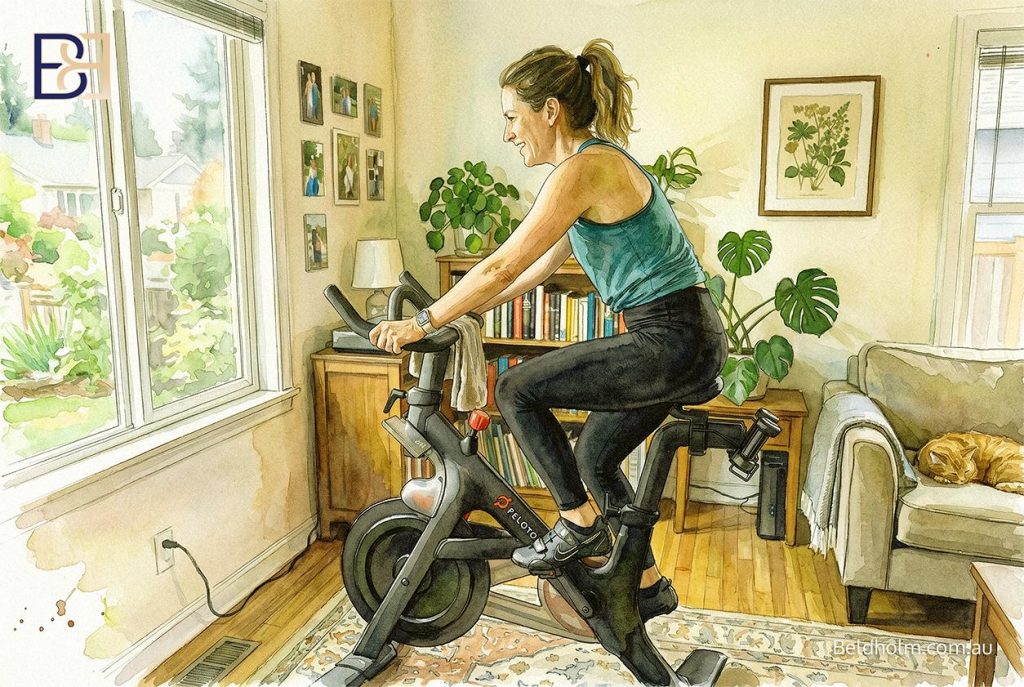
These cardiovascular exercises rebuild fitness without loading the abdominal wall directly, and are appropriate for everyone at this stage.
- Stationary cycling. Start with 10 to 15 minutes at low resistance and build from there.
- Brisk walking outdoors. Pick up the pace from the gentle walking of the first month. Aim for 20 to 30 minutes, three to five times per week.
- Elliptical machine at low resistance. Acceptable provided you can maintain an upright posture without pulling at the abdomen.
- Resistance bands work for the upper body. Seated rows, light shoulder presses, bicep curls. Avoid any movement that requires core bracing if you have had rectus plication.
- Lower body exercises with resistance bands and light weights. Seated leg extensions and gentle hip abductions. Keep weights light at this stage. These count as your first strength training exercises after surgery, and they should feel easy.
Resuming exercise this early is about consistency rather than intensity. The goal is to gradually increase your activity level over the next two to four weeks.
Can I do squats 4 weeks after a tummy tuck (abdominoplasty)?
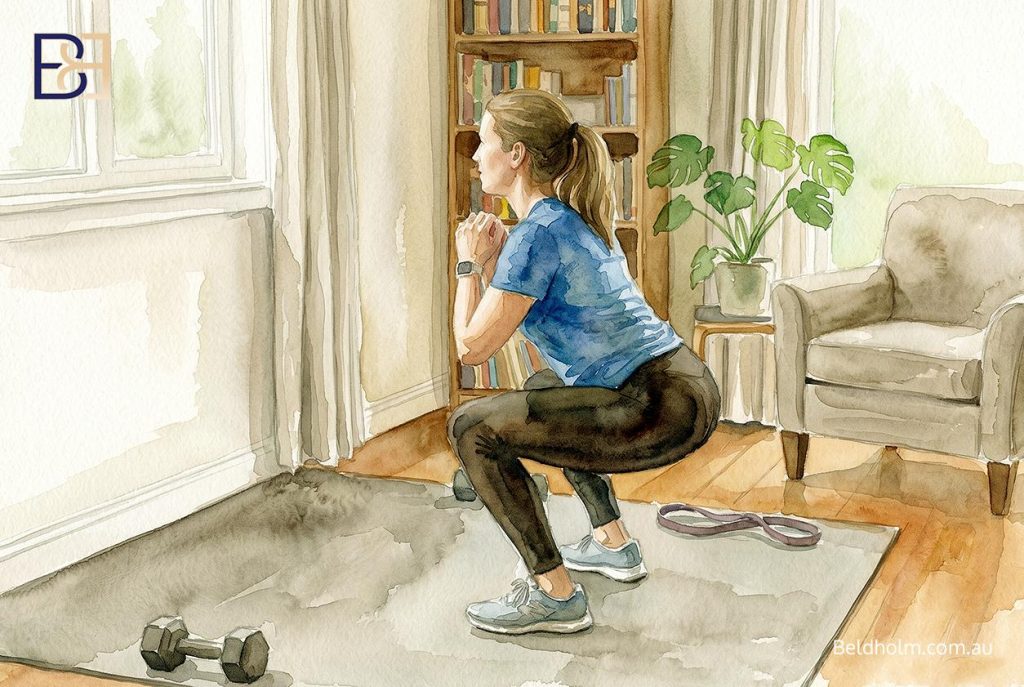
The answer depends on what was done at surgery.
- Skin and fat excision only (no rectus plication). Graded squats can be reintroduced from around 4 weeks. I start patients with body weight and shallow depth, build depth before load, and add load only when the shallow-body-weight version feels comfortable.
- With diastasis recti repair (rectus plication). I do not recommend squats at 4 weeks. The squat pattern loads the core, the pelvic floor, and the abdominal wall in a way that can stress the repair. Squats wait until 8 weeks, and even then, with the same graded approach.
If you are unsure which applies to you, your operation report and 4-week review confirm it.
Can I walk on the treadmill at this stage?
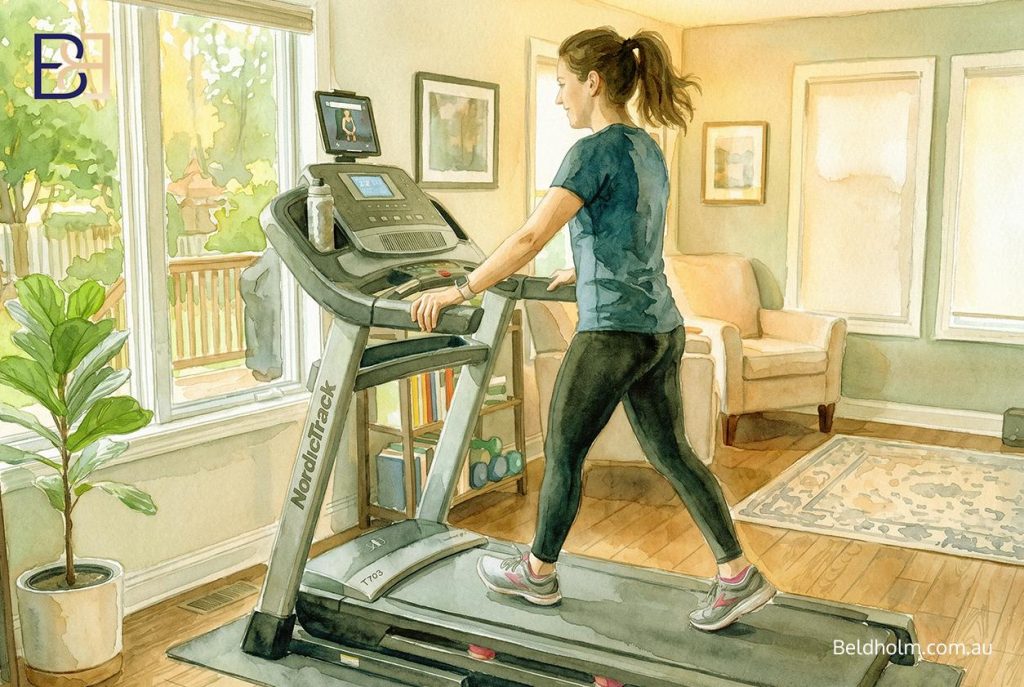
Yes, at a brisk walking pace. This is the same for both groups.
Two things to avoid:
- Steep inclines, which force you to lean forward and pull through the abdominal wall.
- Jogging or running. These wait until at least week 6 to 8, and only with clinical clearance.
What still has to wait
For the skin and fat only group:
- Strenuous activities.
- High-intensity interval training.
- Running.
- Contact sports.
For the rectus plication group, the same list plus:
- Sit-ups, crunches, planks, leg lifts, and any direct abdominal exercises.
- Squats.
Some of the items on the rectus plication list become available at the 6- to 8-week mark for the skin-and-fat-only group, and at 8 weeks for the rectus plication group.
Weeks 6 to 8: cardio progression and light resistance
By 6 weeks, the abdominal wall has regained a useful amount of strength. Most of the early healing process is complete. This is the period where I introduce more demanding cardio and begin layering in light resistance training.
Two timelines, depending on what was done at surgery
This is the point in the recovery process when it matters whether your tummy tuck (abdominoplasty) included rectus plication.
- Skin and fat excision only. If your operation was a skin and fat excision without muscle plication, the abdominal wall does not need the long protective period that a rectus plication requires. Gentle core exercises, squats, and other movements that load the abdominal area can usually be reintroduced from around 4 weeks onwards in a graded fashion.
- Skin and fat excision with diastasis recti repair (rectus plication). If your operation included rectus plication, the plication needs longer to consolidate. Core work, squats, and direct abdominal loading are held back until at least 8 weeks, and often longer for larger or fleur-de-lis abdominoplasty patients.
I confirm which timeline applies to you at your follow-up reviews. The advice below assumes the rectus plication timeline; if your operation was skin and fat only, the same exercises can usually be started 4 weeks earlier.
Cardio progression

Cardio progression is the same for both groups. The principle is gradual progression rather than a sudden jump in intensity.
- Continue stationary cycling and walking, increasing duration and intensity.
- Light jogging can usually start around 6 weeks for patients with uncomplicated recovery. Walking re-engages the leg muscles after the early weeks of more limited movement, and jogging is the next step. I prefer a build-up that begins with brisk walking, moves to walk-jog intervals, and only then progresses to continuous jogging.
- Swimming becomes available once the wound is fully closed and I have given the go-ahead. Most patients are not in the pool until 6 to 8 weeks at the earliest.
- Group fitness classes can be considered, with the strong caveat that any class involving abdominal work, twisting, or jumping must wait until the relevant timeline above.
Light resistance training
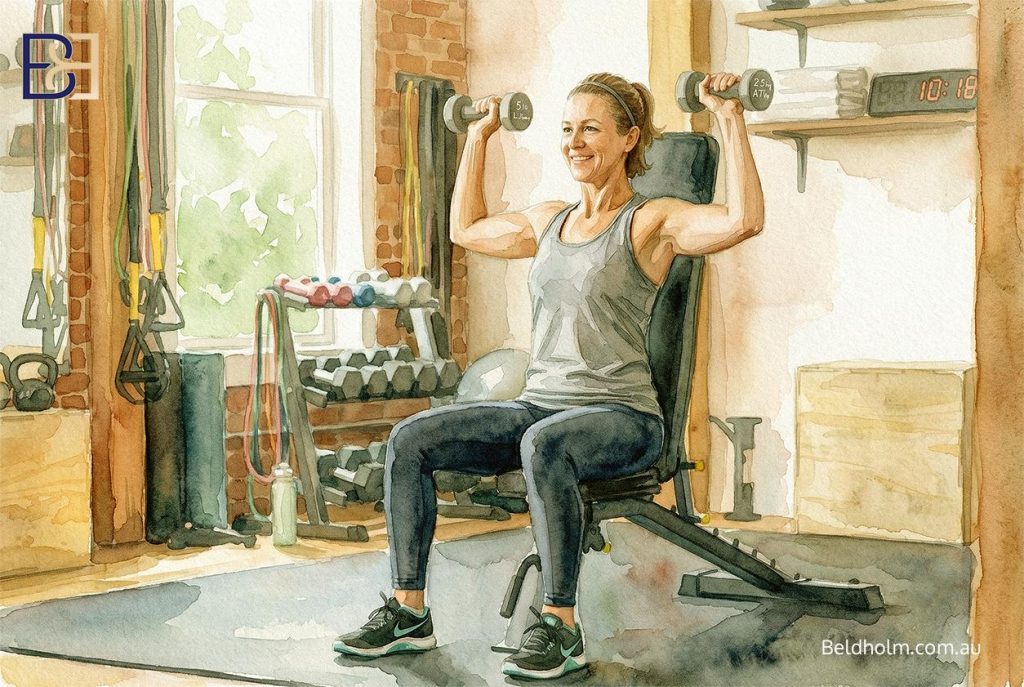
Strength training at this stage is light, controlled, and directed away from direct abdominal loading (unless you fall into the skin-and-fat-only group, in which case a graded core return may already have started).
- Upper body: seated dumbbell work with light weights, light overhead presses, and rows. These are the first strength-training exercises that meaningfully load the body.
- Lower body: step-ups, glute bridges, calf raises. Squats follow the timeline above.
- Pelvic floor: Kegel exercises remain a useful daily habit, particularly for patients who experienced pelvic floor weakness during the weight-loss phase or after pregnancy.
- Deep core activation: pelvic tilts and very gentle core engagement under guidance.
Why am I cautious with the core after rectus plication?
For patients who had a diastasis recti repair, the abdominal repair continues to remodel its collagen for months after surgery. Pushing core muscle work in this window risks straining the repair before it is fully consolidated (5).
This is why the rectus plication timeline is longer. Patients who have had a larger excision or a fleur-de-lis abdominoplasty often need an additional week or two.
After 8 weeks: full exercise routine
At 8 weeks, most patients are ready to return to a full exercise routine. This is the point where the two timelines converge.
What 8 weeks means for each group
- Skin and fat excision only. You have been doing graded core work and squats for 4 weeks already. The 8-week mark is when intense exercise, heavier resistance work, and demanding cardio come back.
- With diastasis recti repair (muscle plication). This is the point of core reintroduction. Direct abdominal work, squats, and loaded core movements can now be introduced in a graded fashion. High-intensity interval training and strenuous exercise follow once the core base is rebuilt.
Reintroducing core exercises (mainly for the rectus plication group)
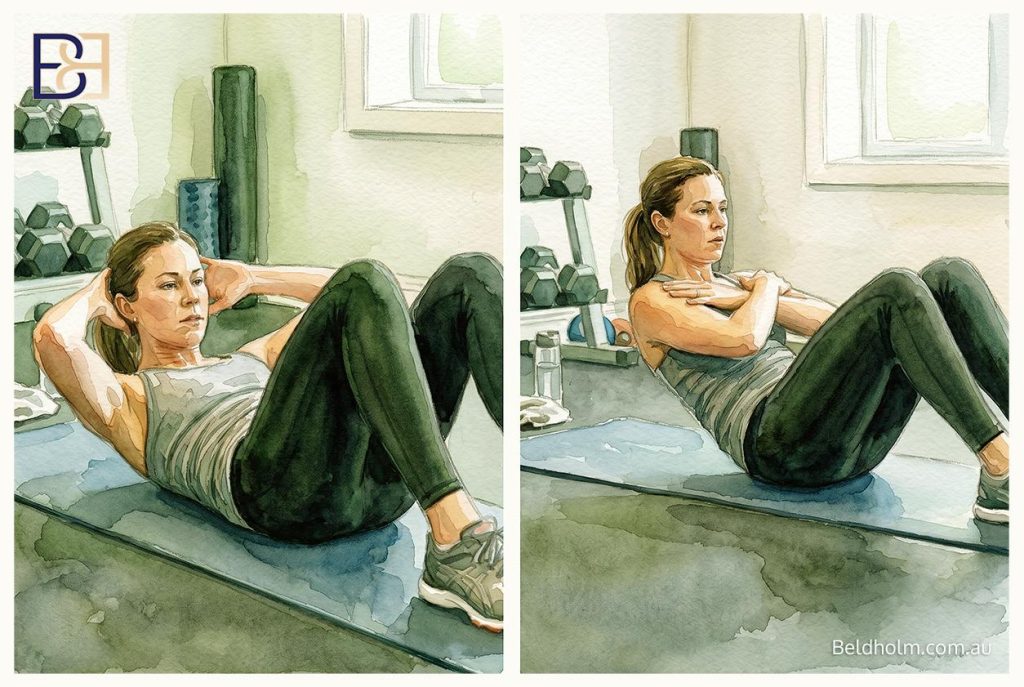
If you had a muscle repair, the progression below is what I take patients through, with each step held until the previous one feels comfortable.
- Pelvic tilts and bridges. Gentle activation of the deep abdominal and gluteal muscles.
- Bird-dog and modified plank holds. Engage the core in a controlled way without high load.
- Leg lifts. Lying on your back, lifting straight legs while keeping the lower back pressed into the floor.
- Full plank holds. Build duration slowly.
- Crunches and sit-ups. Usually cleared from 8 weeks. They put more strain on the abdominal muscles than other abdominal exercises.
- Loaded core work. Cable rotations, weighted Russian twists, and similar movements. Usually 12 weeks or later.
For patients who already started graded core work at 4 weeks (skin and fat only group), the 8-week point is when the harder variations and loaded core work come in.
Rebuilding lean mass (relevant for everyone)
This is where the post-weight-loss part of the story matters most. The weight loss phase, the surgery itself, and the early recovery all chip away at lean muscle. The 8- to 12-week window is when patients can begin the deliberate work of rebuilding lean mass through progressive resistance training and adequate protein intake.
Strength training exercises in this period serve three purposes:
- Restoring the lean muscle lost during the weight loss phase.
- Supporting long-term weight maintenance and overall health by raising resting metabolic rate.
- Improving body composition in a way that complements the results of tummy tuck (abdominoplasty) surgery.
I usually recommend working with a personal trainer or physiotherapist for this phase, particularly someone with experience in post-surgical or post-weight-loss training. Resuming exercise at this intensity needs guidance.
Returning to high-intensity work
High-intensity interval training, heavy lifting, and demanding cardio sessions are usually back on the menu from 8 to 12 weeks for both groups.
Start lighter than you think you need to. Build gradually. Stop if anything pulls, hurts, or feels wrong at the wound site.
Nutrition that supports exercise recovery
Exercise after surgery does not happen in isolation. The body needs the right inputs to repair tissue, rebuild lean muscle, and tolerate increasing physical activity.
This matters more for post-weight-loss patients than for the general surgical population because the nutritional baseline is so often depleted before surgery (3). It is also why nutrition optimisation begins well before the operating theatre, as part of the wider pre-operative plan I outlined at the start of this article.
The detail sits across the vitamins and supplements hub and the individual nutrient articles. This section is a short summary of the pieces that matter most for exercise.
Protein is the foundation

A high-protein diet supports muscle repair, wound healing, and the gradual rebuilding of lean mass. Two practical points:
- The post-surgery protein target is between 1.6 and 3.0 grams per kilogram of body weight per day, divided into four to five servings throughout the day.
- Whey protein isolate is used as a supplement only when a patient cannot reach that daily target through food alone. Diet leads; whey fills the gap when needed.
The full reasoning and dosing approach is set out in the protein nutrition article.
Hydration and balanced eating
- Hydration. Staying hydrated supports the recovery process, helps prevent oedema around the incision site, and maintains skin elasticity. Water is the simple answer.
- Balanced diet. Fresh fruits, vegetables, lean proteins, and whole grains provide the micronutrients that complement the supplement framework.
- Weight stability. Limiting processed foods and controlling portion sizes help prevent weight gain that can undermine the results of abdominoplasty surgery.
Supplement framework and pre-operative blood panel
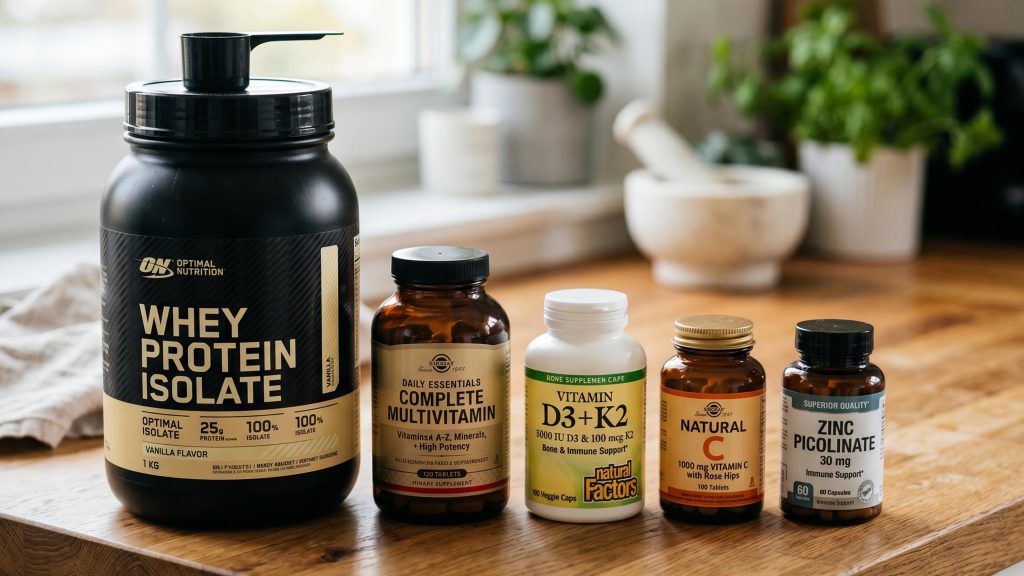
Every post-weight-loss patient in my practice starts a baseline supplement framework at the first consultation. The core elements are a complete multivitamin, vitamin D3 with vitamin K2, vitamin C, and zinc. Whey protein isolate is added when a patient cannot reach their daily protein target through food alone.
Additional supplementation is determined by a comprehensive pre-operative blood panel that screens for deficiencies most relevant to wound healing and recovery in this group. The detail sits in the pre-operative blood tests hub and the nutritional deficiencies overview.
Why this matters for exercise
A patient whose nutrition has been optimised before surgery and who continues that work in the weeks post-surgery tolerates a return to exercise on a more predictable timeline. The right nutritional inputs promote soft-tissue healing, support optimal wound healing, and provide the raw materials for lean mass rebuilding from week 6 onwards.
This is the practical pay-off of doing the nutrition work properly.
Flattening and toning the abdomen after surgery
This is the question most patients want to ask but don’t always voice directly. The honest answer is that flattening and toning the stomach after a tummy tuck (abdominoplasty) is a combined exercise of nutrition, gradual exercise progression, and patience.
What the surgery does and does not do
A tummy tuck (abdominoplasty) is designed to remove excess skin and underlying fat, leaving a flatter, tighter abdomen. If indicated, it also tightens the rectus muscles in the midline. What it does not do:
- Stop new fat from depositing if you gain weight.
- Build lean muscle in the abdomen.
- Tighten residual loose tissue further than the excision allows.
The long-term shape of your abdomen depends on three things working together:
- Weight stability and a healthy lifestyle.
- Lean muscle in the abdominal wall, including the underlying muscles, is rebuilt through progressive core work.
- Overall body composition and excess fat management are shaped by total exercise and nutrition.
How do I flatten my stomach after a tummy tuck (abdominoplasty)?
The honest recipe involves three steps in sequence.
- First, recover properly. Trying to flatten your stomach in the first weeks after surgery is the wrong target. Focus on healing.
- Second, do the gradual work. Follow the timeline that applies to you (skin and fat only, or rectus plication). Light cardio from weeks 4 to 6, structured core work either from week 4 or from week 8, depending on which timeline applies.
- Third, support the work with nutrition. Maintain a high-protein diet, control portion sizes, limit processed foods, and stay consistent.

This is the same recipe that supports long-term weight maintenance after major weight loss, which is why post-weight-loss patients tend to engage with it readily. The habits that helped you lose the weight in the first place continue to apply.
Realistic expectations
A few things to keep in mind:
- Some patients have residual loose skin or excess skin that no amount of exercise will tighten. Skin elasticity is reduced after substantial weight loss, and the contouring done at surgery is what it is.
- The abdominal muscles directly under the skin can be strengthened and toned through exercise, but the position and shape of the muscles is set by the surgical repair.
- Results vary. Individual factors, including age, genetics, the extent of weight loss before surgery, the type of operation performed, and adherence to exercise and diet, all play a role.
A consistent exercise routine and a balanced diet over months and years give the best chance of holding the result of the surgery.
Warning signs during exercise recovery
Complications can occur during recovery, even after a straightforward tummy tuck (abdominoplasty). Knowing the warning signs helps you act early if something does go wrong.
The list below covers the signs I want patients to act on, particularly when they happen during or after exercise.
Stop the exercise and contact the clinic

- Sharp or pulling pain at the wound that does not settle when you rest.
- A sudden increase in swelling in the abdominal area.
- New fluid coming from the wound, or a noticeable change in drain output if drains are still in.
- Redness, heat, or hardness spreading around the wound.
- A fever or feeling generally unwell after exercise.
- Calf pain, swelling, or tenderness, particularly one-sided. This needs urgent assessment for possible deep vein thrombosis.
- Sudden chest pain, shortness of breath, or difficulty breathing.
After-hours pathway

After hours, patients call Maitland Private Hospital. A nurse takes the call and either gives advice for less urgent concerns or contacts me directly when my input is required.
Two important caveats:
- For anything that needs a physical assessment, the right destination is your local emergency department. Maitland Private is not an emergency department.
- For chest pain, severe breathing problems, or any other life-threatening symptom, call 000.
Practical guidance during exercise
- Stop any exercise that causes pain. Pain is not a sign that you are doing it right.
- A small amount of pulling at the scar early in the recovery process is common. Sharp pain is not.
- If your swelling gets worse after a session, you are probably pushing too hard. Scale back the next session and follow your surgeon’s advice on pacing.
- Wear your compression garment as instructed. Research has shown that elasticised abdominal binders support functional recovery, reduce pain, and improve patient experience after major abdominal surgery (4).
- Avoid exercises you are unsure about. Do not start a new type of exercise without flagging it at your next clinic review and obtaining clear guidance from your surgeon.
- Following the surgeon’s advice on pacing your return to a regular exercise routine is the single most useful thing you can do to protect the result of your surgery.
When issues do arise during the recovery process, they are often the result of pushing too hard too soon, especially among patients who have undergone a long weight-loss process and are eager to resume a regular exercise routine.
My approach to exercise progression
The timeline in this article is a general framework. The actual exercise plan I give each patient is tailored to their individual healing process, the size of the surgical procedure, whether rectus plication was performed, their baseline fitness, and how their body responds at each clinic review.
Follow-up appointments scheduled

My standard follow up appointments schedule for post-weight-loss tummy tuck (abdominoplasty) patients is:
- 4 weeks post surgery.
- 3 months post surgery.
- 6 months post surgery.
- 12 months post surgery.
Each appointment is an opportunity to review healing progress, update the exercise plan, and answer practical questions that arise between visits. Proper postoperative care matters as much as the surgery itself, and the 4-week visit is the most important one for exercise progression, because that is when I formally clear patients for low-impact cardio and start setting the next milestones.
What I look at when setting the next phase
At every visit, I review:
- Wound healing and scar maturation.
- Any signs of complications, including seroma, infection, or wound separation.
- Strength and integrity of the abdominal wall repair.
- Energy levels, sleep, and general well-being.
- Nutritional progress and adherence to the supplement framework.
- The specific exercises the patient wants to return to.
A patient back at a desk job and walking comfortably by week 3 sits in a different position from a patient still recovering from a larger combined procedure. The plan needs to reflect that.
GP handover at 4 weeks
At the 4-week visit, I send a formal handover to the patient’s GP, including:
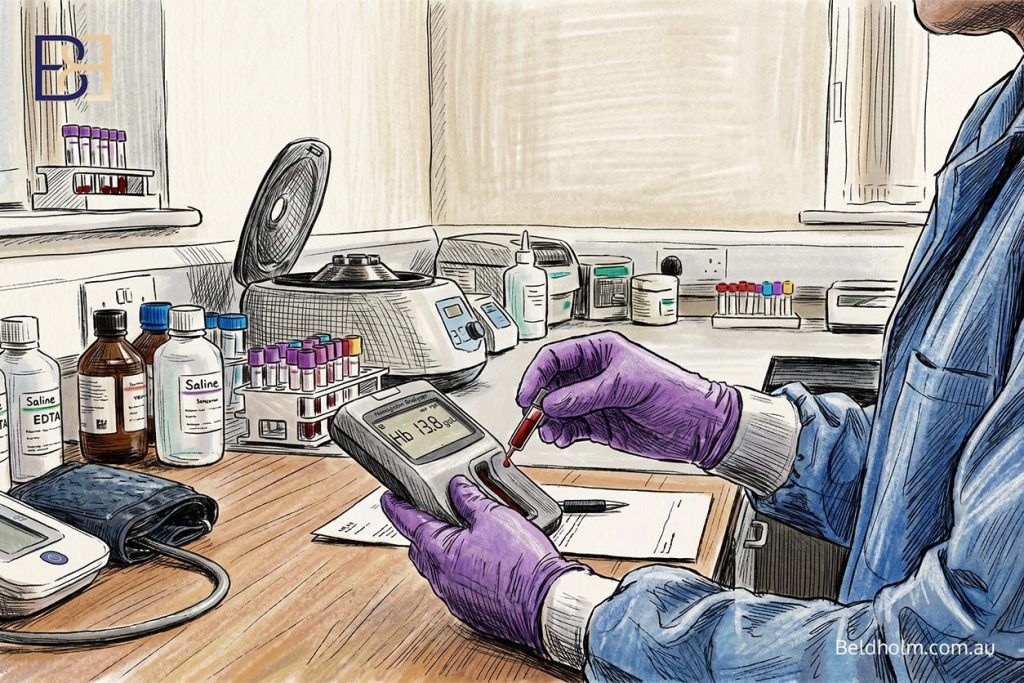
- Pre-operative and post-surgery blood results.
- The operation report.
- The complete supplement record.
The GP then takes over long-term nutritional management and supplement review. I continue to manage the surgical follow-up appointments through to 12 months.
That shared care arrangement is part of why the exercise plan can be individualised over time. Both your surgical team and your GP are involved in the long arc of recovery and weight maintenance.
Frequently asked questions
How long does it take to start exercising again after an abdominoplasty?
Walking starts on day 1, the first day after surgery. Light cardio comes in around 4 to 6 weeks. Direct core work and squats return at either 4 weeks (skin and fat excision only) or 8 weeks (with rectus plication). Heavy lifting and high-intensity interval training wait until 8 to 12 weeks.
The exact timing depends on the size of the surgical procedure and how well your healing is tracking at each follow-up appointment. Always check with your surgeon and follow the surgeon’s advice before starting any new physical activity.
How much should I walk 2 weeks after a tummy tuck (abdominoplasty)?
By week two, most patients are walking 20 to 30 minutes per day, split across several shorter walks rather than one long one. Pace should be comfortable enough to hold a conversation.
Walking is doing useful work at this stage, even if it does not feel like exercise. It supports blood circulation and reduces the risk of blood clots.
Can I do squats 4 weeks after a tummy tuck (abdominoplasty)?
The answer depends on what was done at surgery.
- Skin and fat excision only. Graded squats can be reintroduced from around 4 weeks, starting with body weight and shallow depth.
- With rectus plication (diastasis recti repair). Squats wait until 8 weeks. The squat pattern loads the core, pelvic floor, and abdominal wall in a way that can stress the repair.
Can I walk on the treadmill 2 weeks after a tummy tuck (abdominoplasty)?
Walking on the treadmill at a comfortable pace is acceptable from around week two. Avoid steep inclines, which force you to lean forward and put strain on the abdominal area. Save jogging and running for week 6 or later, with clinical clearance.
How do I flatten my stomach after a tummy tuck (abdominoplasty)?
The combined approach of consistent cardio, structured core work on a timeline that applies to you, a high-protein diet, and maintaining weight stability over time is what sustains the results of tummy tuck (abdominoplasty) surgery. There is no single exercise that flattens the stomach in isolation.
When can I return to high-intensity interval training?
High-intensity interval training and demanding strength training usually return between 8 and 12 weeks for both timelines, depending on how recovery is tracking. Gradually increase the load rather than returning to your previous training routine on day one.
Will my abdominoplasty result hold if I gain weight?
An abdominoplasty removes excess skin and fat during surgery. It does not stop new fat from depositing if you gain weight afterwards.
Patients who experienced significant weight loss before surgery and then meaningfully regain weight will see changes in the results of the abdominoplasty. A consistent exercise routine and a balanced diet are what protect the result.
Can I do sit-ups after my abdominoplasty?
Sit-ups place a significant amount of direct strain on the abdominal muscles.
- Skin and fat excision only. Sit-ups can be reintroduced, graded over around 4 to 6 weeks, starting with gentler core work first.
- With rectus plication. Sit-ups wait until 8 weeks or longer. Patients who have had a larger excision or fleur-de-lis abdominoplasty may need to wait further.
References
- Cava E, Yeat NC, Mittendorfer B. Preserving healthy muscle during weight loss. Adv Nutr. 2017;8(3):511-519.
- Griffin JC, Brock R, Yancey JM, Hartstein ME. Risk of thromboembolism following body contouring surgery after massive weight loss. Eplasty. 2015;15:e6.
- Agha-Mohammadi S, Hurwitz DJ. Enhanced recovery after body-contouring surgery: reducing surgical complication rates by optimizing nutrition. Aesthetic Plast Surg. 2010;34(5):617-625.
- Cheifetz O, Lucy SD, Overend TJ, Crowe J. The effect of abdominal support on functional outcomes in patients following major abdominal surgery: a randomized controlled trial. Physiother Can. 2010;62(3):242-253.
- Perrodin SF, Salm L, Beldi G. Safety of core muscle training immediately after abdominal surgery: systematic review. BJS Open. 2023;7(6):zrad142.