Recovering from brachioplasty is a gradual process that requires patience, realistic expectations, and careful adherence to post-operative care instructions. Brachioplasty, also known as arm lift surgery, is a procedure designed to treat excess loose skin and, in some cases, excess fat in the upper arm following weight loss, ageing, or changes in skin elasticity.
While the surgical procedure itself is completed in a matter of hours, the recovery process unfolds over weeks and months. This guide provides a detailed explanation of brachioplasty recovery, outlining what most patients experience, how the healing process progresses, and how to support healing properly for optimal results.
What Is Brachioplasty (Arm Lift Surgery)?
A brachioplasty (arm lift) is a surgical procedure that removes excess skin and, when necessary, fatty tissue from the upper arm. The aim of an arm lift (brachioplasty) is to refine function and appearance where skin laxity has not responded to regular exercise or weight stabilisation.
Arm lift (brachioplasty) surgery is commonly performed after significant weight loss, pregnancy, or age-related loss of skin elasticity. In some patients, liposuction (suction-assisted lipectomy) may be used to treat a significant amount of residual fat.
General Overview of the Brachioplasty Recovery Process
The recovery process after brachioplasty surgery follows predictable stages, although the pace varies among individuals. The recovery period is influenced by skin health, overall health, adherence to care instructions, and the extent of surgery performed.
Recovery can be divided into:
- The first week
- The first few weeks
- The six-week mark
- Long-term recovery over several months
Each stage of recovery contributes to wound care, scar healing, reduced swelling, and the return of normal arm movements.
Hospital Stay: Day Procedure or Overnight Surgery
Brachioplasty surgery is performed under general anaesthesia. Depending on the size of the surgical area, the complexity of the procedure, and individual health factors, surgery may be performed as a day procedure or with an overnight hospital stay.
Both options are discussed before surgery. Patients undergoing a more extensive arm lift (brachioplasty) or combined procedures, or those with limited home support, may benefit from overnight monitoring.
The First 24–48 Hours After Brachioplasty Surgery

Immediately after surgery, swelling, bruising, and a tight sensation in the arms are expected. The upper arm tissues have undergone surgical intervention and require time to heal.
Dressings and Wound Care
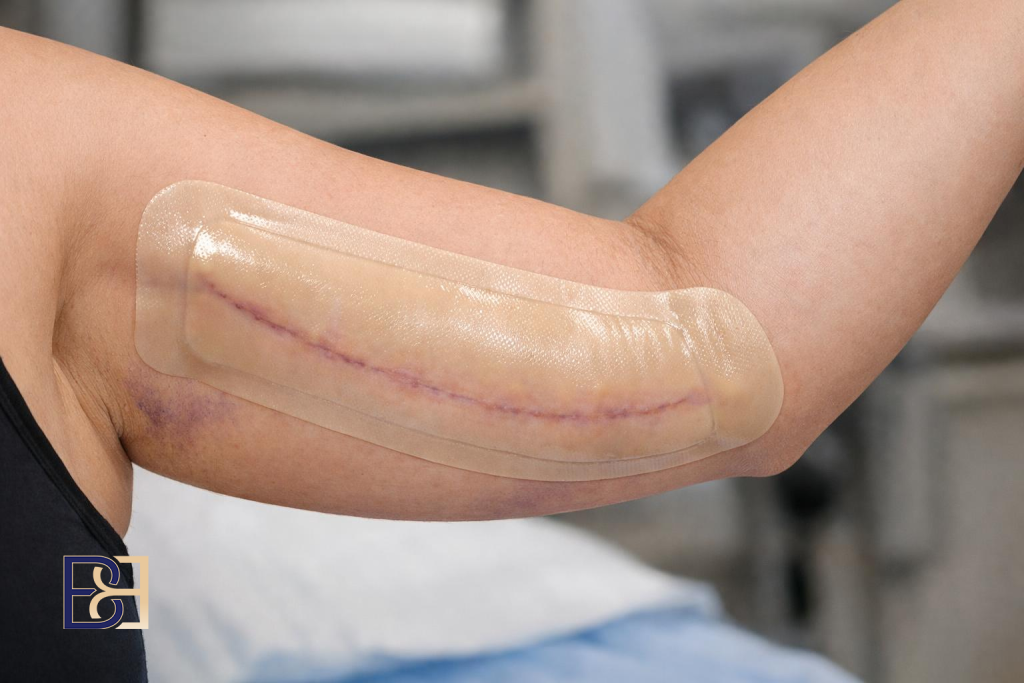
Comfeel dressings are commonly used over the surgical area. These dressings protect the wound, support the healing process, and help manage excess fluid. A compression garment is fitted to help reduce swelling and limit fluid accumulation beneath the skin.
Pain and Early Symptoms
Most patients experience pain, swelling, and bruising during the first few days. Pain medication is prescribed to help manage discomfort. Pain levels usually peak early and resolve steadily.
The First Week of Recovery
The first week is focused on rest, close monitoring, and allowing the body to begin healing properly. This period forms a key part of my usual post-operative routine following brachioplasty surgery.
Activity and Arm Movements
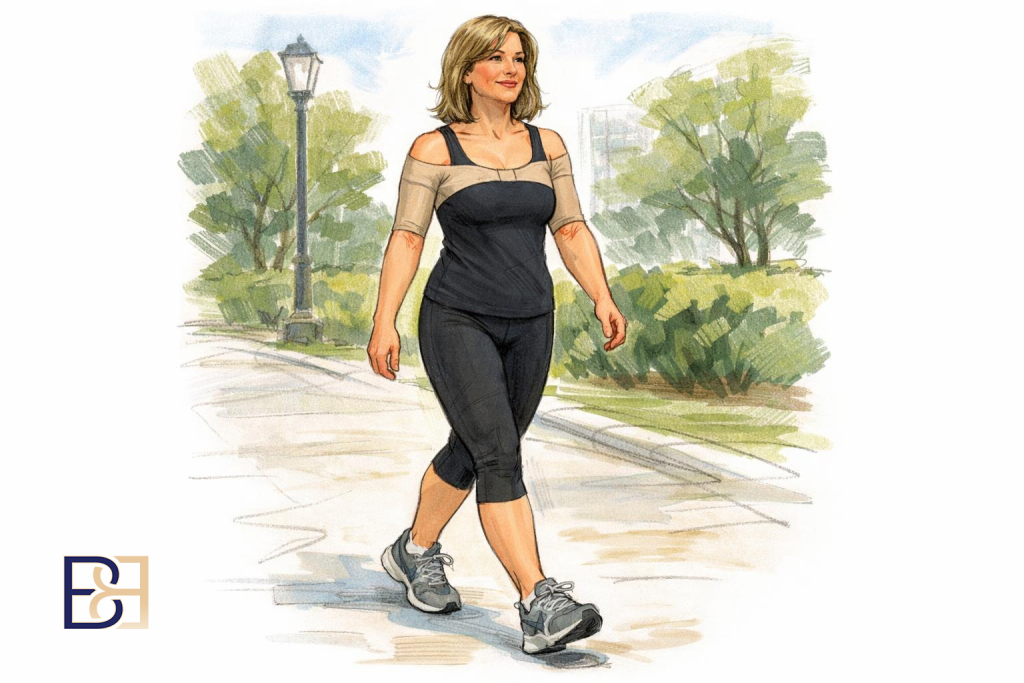
Gentle movement, such as short walks, is encouraged from the first day after surgery, as this helps circulation and reduces the risk of blood clots. Arm movements should be limited and controlled. Heavy lifting, reaching above shoulder height, pushing, and pulling are avoided. Patients are advised to keep their arms close to their bodies and to use only gentle movements, which support the healing process without placing stress on the surgical site.
Sleeping Position
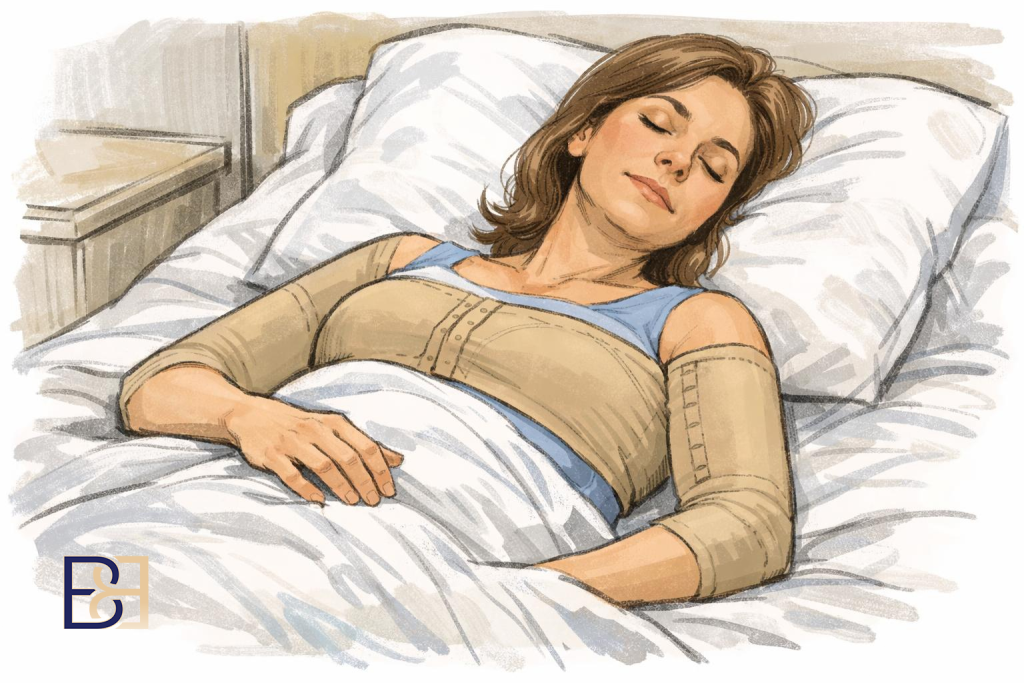
During the first week, I recommend sleeping on your back with your arms elevated on pillows. This positioning helps reduce swelling in the upper arms and hands and minimises tension on the incisions, supporting early wound healing.
Follow-Up Appointments and My Usual Routine
As part of my usual routine, patients are reviewed frequently in the early post-operative period. During the first one to two weeks after brachioplasty surgery, follow-up appointments in my rooms typically occur two to three times per week and involve both my nursing team and me.
These reviews focus on wound care, monitoring for swelling and bruising, and ensuring that the compression garment fits correctly. Comfeel dressings are usually changed at around day 7 after surgery, once the initial phase of wound healing has progressed.
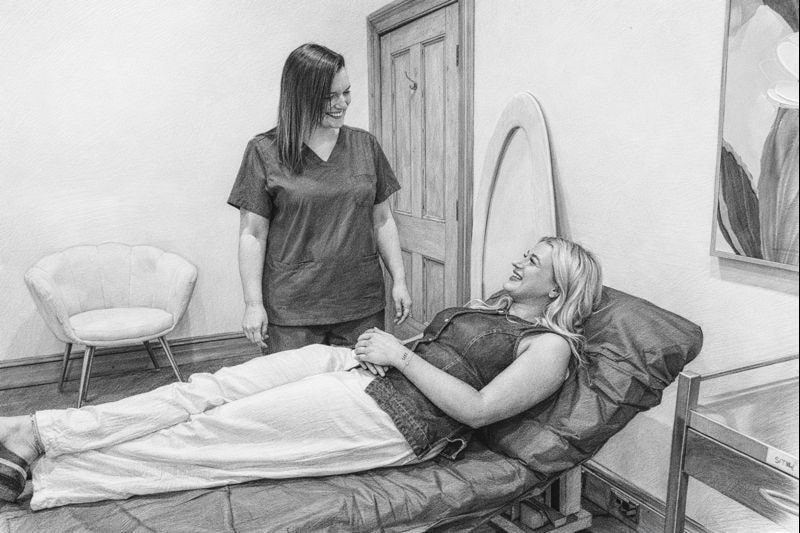
As part of routine aftercare, LED light treatment may be used during follow-up visits to support the healing process and scar management. Regular early reviews also allow prompt identification and management of any potential complications.
Book your appointment online now
Weeks Two to Three: Gradual recovery
By two weeks, most patients experience a noticeable reduction in pain and swelling. Daily activities become easier, and arm movement improves.
Many patients can return to desk-based work and resume driving once arm movement returns. Strenuous exercise, resistance training, and upper-body workouts remain restricted.
Compression Garment: How Long Is It Needed?
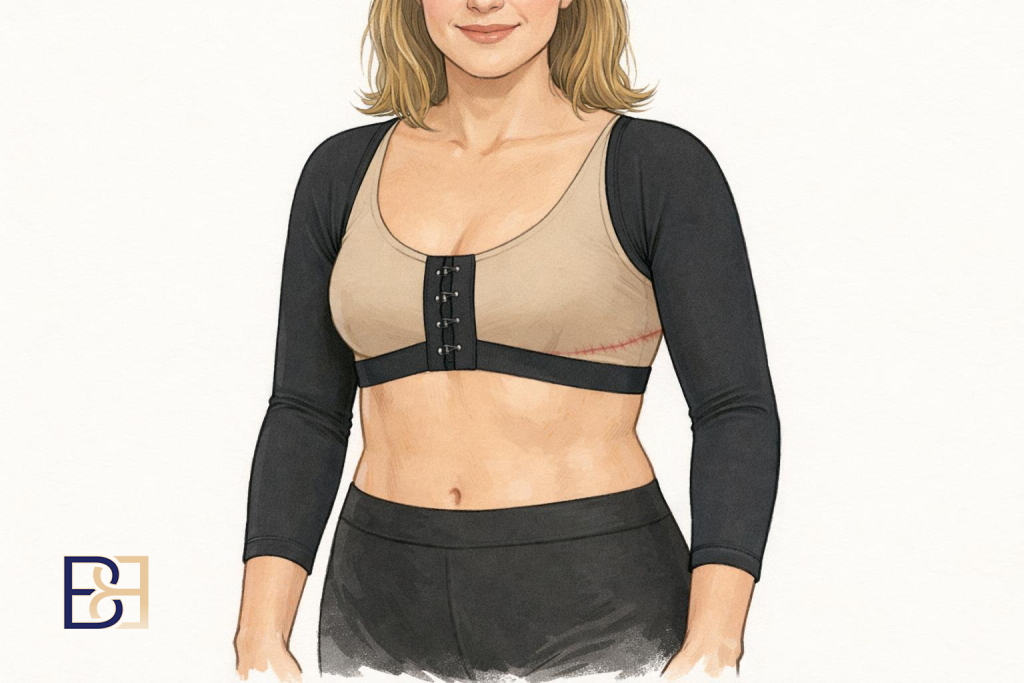
Wearing a compression garment is essential during brachioplasty recovery. Compression garments help reduce swelling, manage excess fluid, and support scar healing.
Most patients are advised to wear their compression garment continuously for several weeks. The exact duration depends on swelling, skin elasticity, and the arms’ response during the recovery period.
The Six-Week Mark in Brachioplasty Recovery
At the six-week mark, many patients are cleared to gradually increase physical activity. Light regular exercise may resume, whereas heavy lifting and strenuous activities remain avoided unless specifically approved.
This stage focuses on rebuilding strength while protecting healing tissues.
Scar Healing After Arm Lift Surgery (brachioplasty)
Scars are an unavoidable part of any arm lift (brachioplasty). Scar healing progresses gradually over time.
Early Scar Phase
During the first few months, scars may appear red, firm, or raised. This is a normal phase of scar development.
Long-Term Scar Care
Scar management may include silicone sheets, careful wound care, and limiting sun exposure. Excessive scarring is uncommon but monitored during follow up appointments. Full scar maturation can take 12–18 months.
Swelling, Sensation, and the Healing Process
Swelling may fluctuate for several months and often increases later in the day. Temporary numbness or tingling around the scars is common and usually diminishes as nerves recover.
Maintaining skin health, hydration, and a balanced diet supports healing and helps promote healing at a cellular level.
What Not to Do After Brachioplasty
To reduce the risk of complications, patients should:
- Avoid heavy lifting
- Avoid strenuous exercise
- Avoid sudden arm movements
- Avoid sun exposure to scars
- Avoid smoking
Ignoring restrictions may increase the risk of fluid accumulation, delayed healing, or poor scar outcomes.
Lifestyle Factors That Support Optimal Results
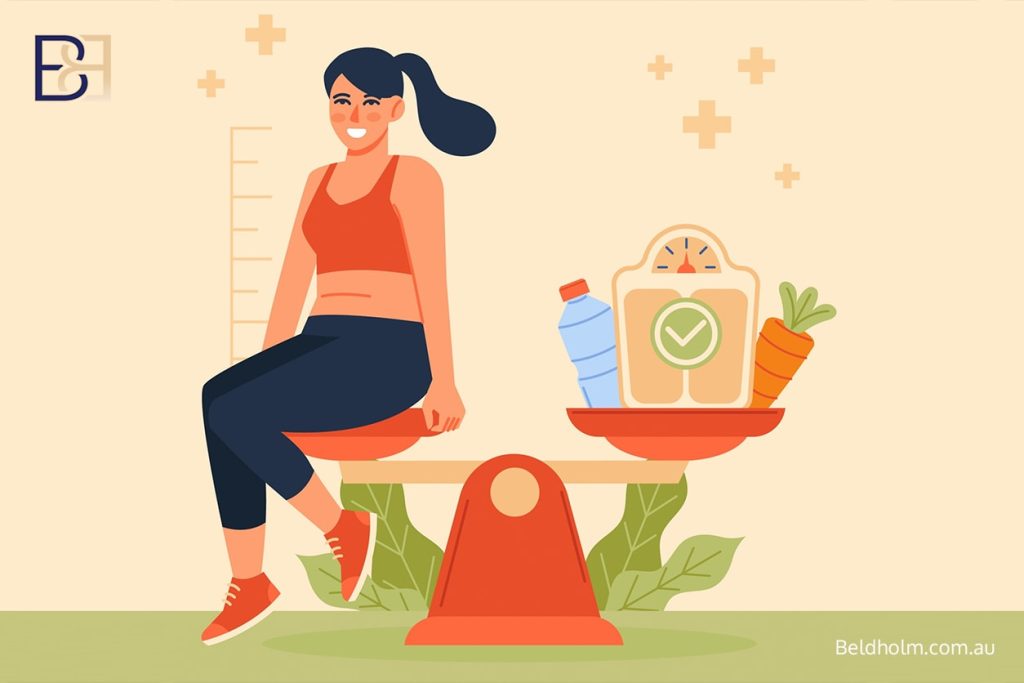
A healthy lifestyle plays an important role in recovery and long-term results.
Key factors include:
- Maintaining a stable weight
- Eating a healthy diet and balanced diet
- Staying hydrated
- Following care instructions
- Attending follow-up appointments
These healthy habits help support skin elasticity, muscle tone, and overall healing.
When to Seek Medical Review
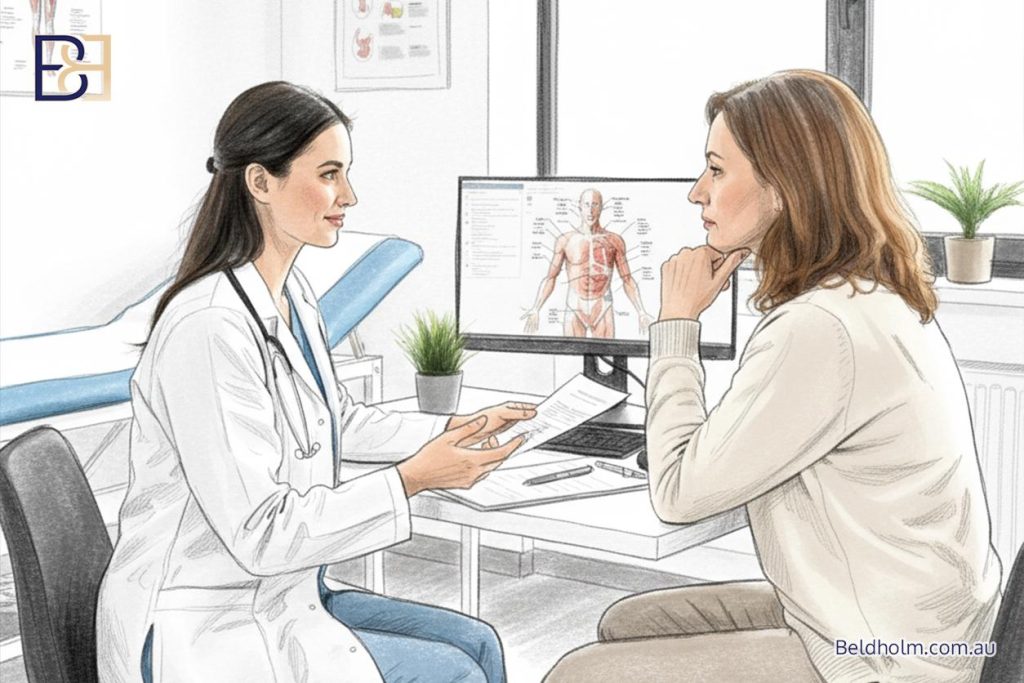
Contact Dr Beldholm’s rooms if you notice unusual symptoms, such as increasing pain, redness, discharge, fever, or swelling that worsen rather than subside. Early review allows prompt management of potential complications.
Long-Term Recovery and Final Results
Final results from brachioplasty (arm lift) surgery continue to develop over several months. As swelling diminishes and scars become less noticeable, the arms regain a more comfortable and refined appearance.
Maintaining a stable weight and engaging in regular physical activity support lasting outcomes.
Frequently Asked Questions About Brachioplasty Recovery
How long does it take to heal after brachioplasty?
Initial recovery occurs over several weeks, but full healing and scar maturation take many months.
How long should I wear compression garments after brachioplasty?
In my usual routine, patients are advised to wear their compression garment full-time for the first four weeks after brachioplasty surgery. This includes both day and night. After the initial four-week period, the compression garment is typically worn for a further two weeks, ideally during the day. Some patients choose to continue wearing the garment at night as well, which is acceptable if it remains comfortable.
The exact duration may be adjusted based on swelling, skin elasticity, and the rate of arm healing.
When can I return to exercise?
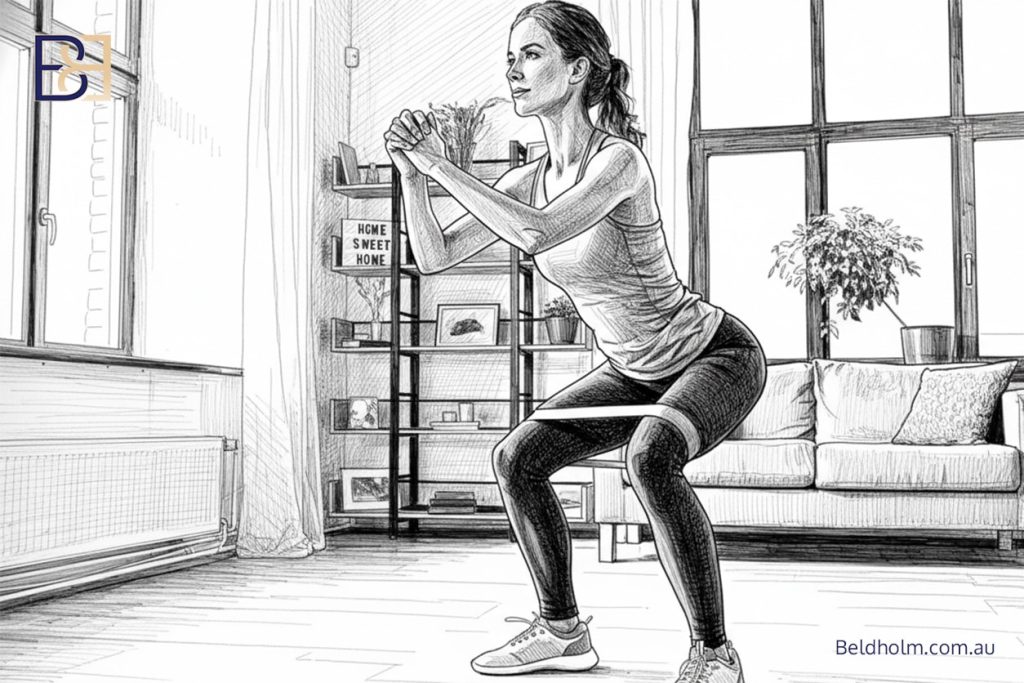
In my usual routine, light exercise can generally begin from around two weeks after surgery, provided healing is progressing as expected. This typically includes gentle walking and low-impact activities that do not strain the upper body.
Exercise is then increased gradually over the following weeks. Most patients can return to full exercise, including resistance training and upper-body workouts, approximately 6–8 weeks after surgery. However, this is always assessed during follow-up appointments in my rooms, and clearance is individualised according to the rate of arm healing.
How long do I need to sleep with my arms elevated?
Arm elevation is most important until the majority of initial swelling has settled. This is usually around two weeks after surgery, although some patients may choose to continue arm elevation for comfort beyond this point.
Final Thoughts by Dr Beldholm
Brachioplasty recovery is a structured process rather than a short-term event. Understanding the recovery timeline, respecting physical limitations, and maintaining healthy habits all contribute to effective healing and optimal results.