Recovering from thighplasty (thigh lift surgery) is a gradual process that requires patience, planning, and close adherence to post‑operative care instructions. A thigh lift (thighplasty) is a surgical procedure that removes excess skin and fat from the thighs, most commonly after significant weight loss. While the operation can benefit comfort and function, the recovery period is substantial and varies between individuals.
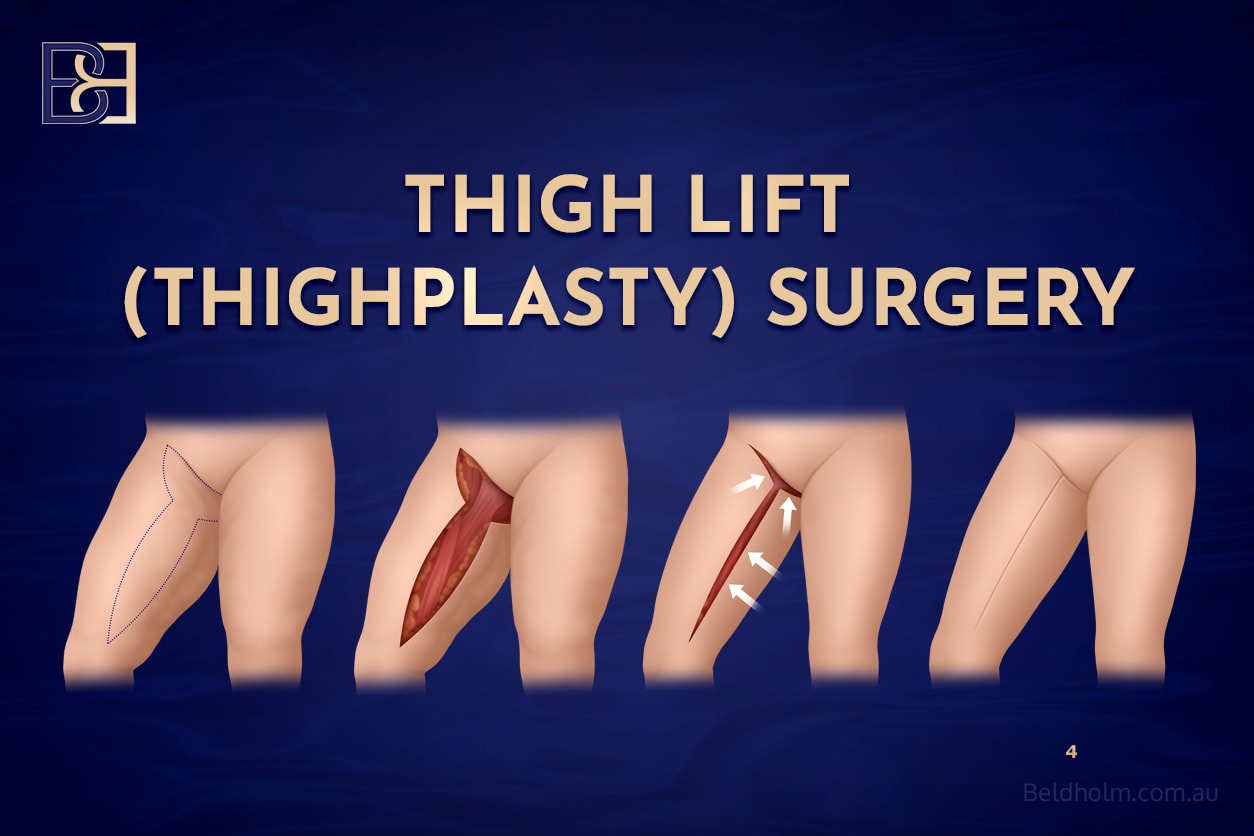

This guide explains what most patients can expect during thigh lift (thighplasty) recovery, including hospital stay, wound care, activity restrictions, scar management, and timelines for returning to normal activities.
Understanding Thigh Lift (Thighplasty) Recovery

Thigh lift (thighplasty) recovery is often underestimated. A thigh lift (thighplasty) is a complex plastic surgery procedure involving long incision lines, large surface areas, and tissues that are subject to constant movement during walking and sitting. For this reason, the recovery period is longer and more demanding than many other body procedures.
This surgical procedure, designed to remove excess skin and fat, is most commonly performed in patients after significant weight loss. In these patients, skin elasticity is often reduced, which can slow wound healing and increase the need for careful postoperative care. Understanding this healing process helps patients maintain realistic expectations and commit to the recovery process required for optimal healing.
Most patients benefit from a staged approach to recovery, in which mobility, activity levels, and scar care are gradually increased to promote healing and protect surgical outcomes.
The First 24 Hours
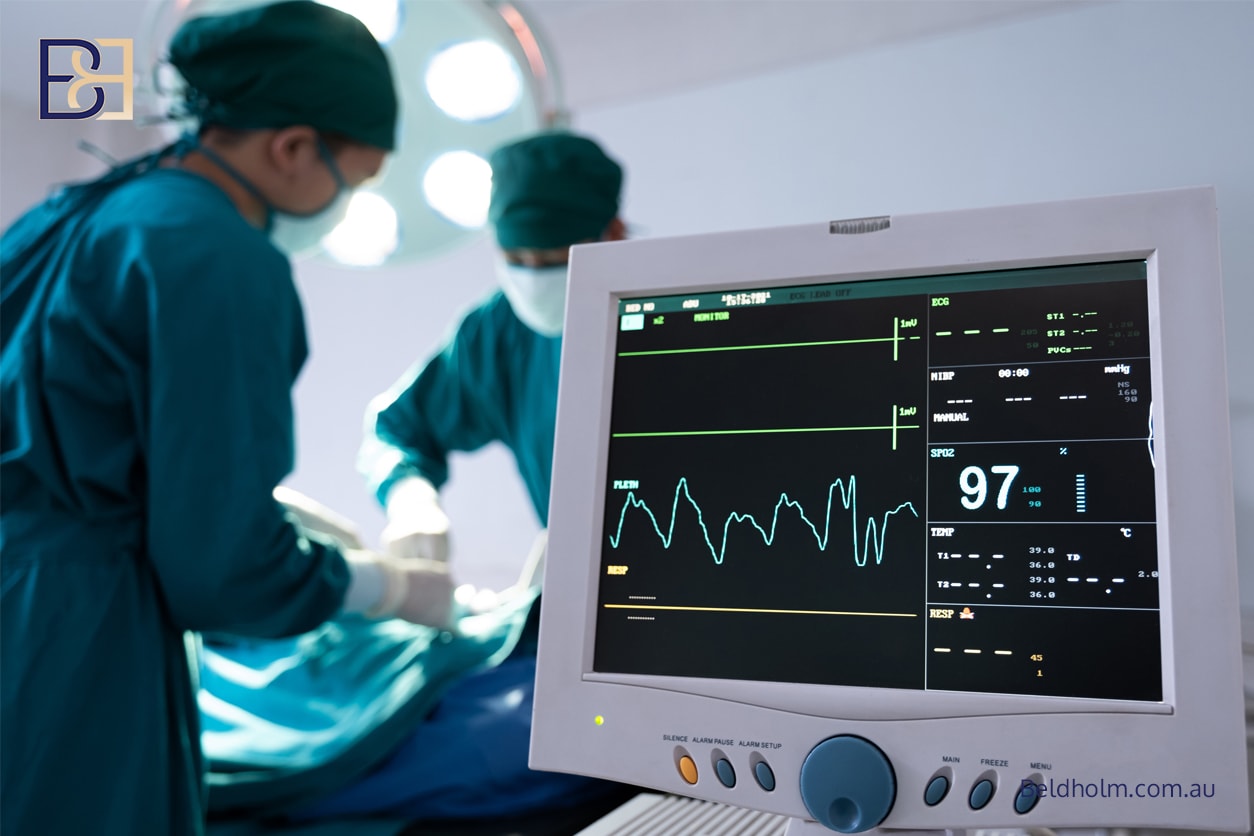
Immediately following thigh lift (thighplasty) surgery, patients are transferred to recovery for close monitoring. This early period is focused on patient recovery, pain control, and early mobilisation. Thigh lift surgery (thighplasty) is performed under general anaesthesia, and it is normal to feel groggy, fatigued, and sore for the first 24 hours.
Early walking is encouraged with assistance to promote blood circulation and reduce the risk of blood clots. Patients are monitored for excess fluid, bleeding, and early concerns about wound healing before discharge.
Hospital Stay and Early Monitoring
Thigh lift (thighplasty) surgery with Dr Bernard Beldholm is performed either as a day procedure or with an overnight stay at a private hospital, depending on the extent of surgery, the surgical technique used, and individual medical factors.
For smaller or more limited thigh lift (thighplasty) procedures, patients may be discharged on the same day once they are medically stable and comfortable. More extensive medial or vertical thigh lift (thighplasty) procedures are more commonly performed with an overnight stay for monitoring.
During the hospital stay, nursing staff assist with mobility, wound checks, pain control, and compression garments. Dr Beldholm personally reviews patients while they are admitted and provides clear postoperative instructions before discharge.
The First Two Weeks After Thigh Lift (thighplasty) Surgery
Pain, Swelling, and Bruising
The first two weeks represent the most intensive part of thigh lift (thighplasty) recovery. Patients typically experience mild to moderate discomfort, particularly when standing, sitting, or walking. Prescribed medication is used to manage pain and should be taken exactly as directed.
Swelling and bruising are expected following thigh lift (thighplasty) surgery. The surgical area may feel tight as healing tissues adjust. Swelling is usually most pronounced in the upper thighs and inner thigh region, but may extend into the lower legs.
Bruising generally fades within 2 to 3 weeks, while swelling can persist for much longer. Approximately 60–80% of swelling settles within the first three months, with gradual resolution continuing beyond this point.
Compression Garments and Swelling Control
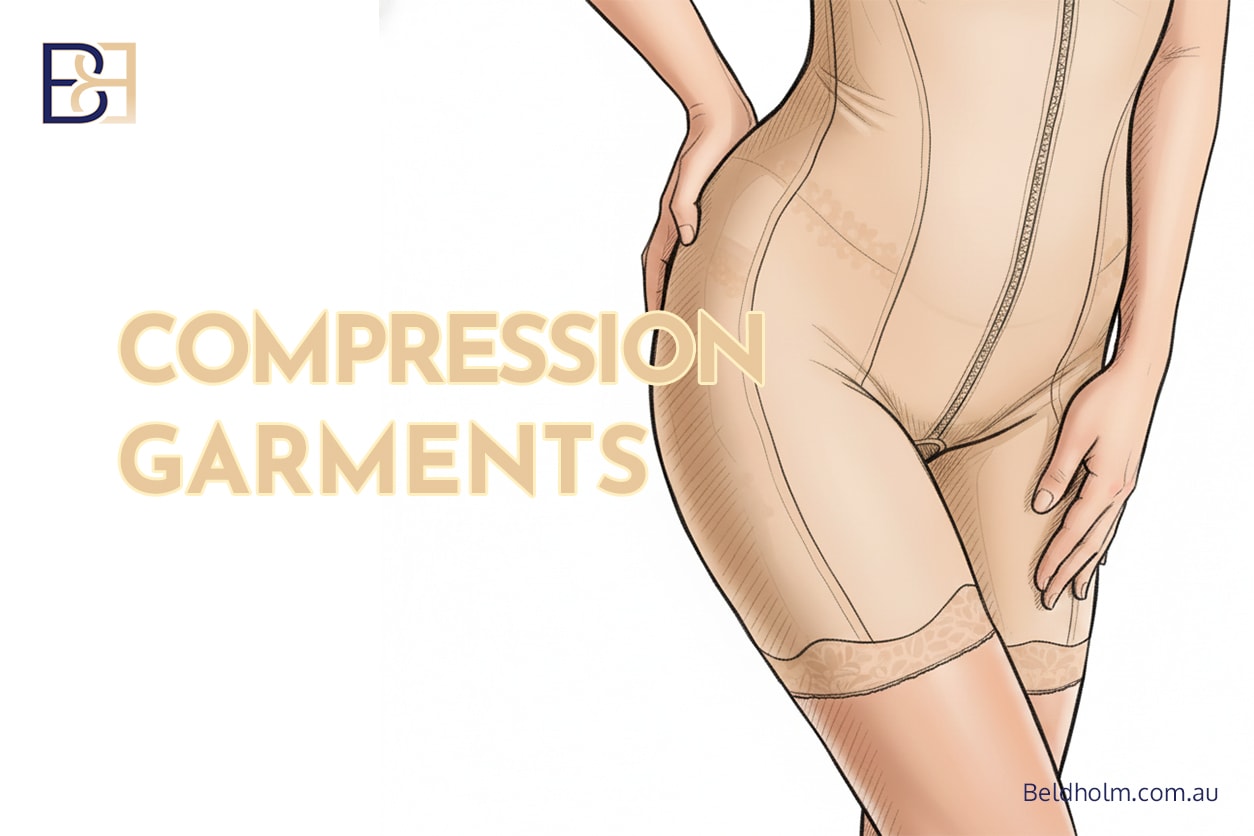
Patients must wear compression garments continuously during the early recovery period. Compression garments provide gentle pressure, help reduce swelling, support incision sites, and assist with wound healing. They also reduce the risk of excess fluid accumulation, such as seroma.
Patients are advised to wear compression garments day and night for the first four weeks, followed by another two weeks of wearing them for half the time, unless otherwise instructed by Dr Beldholm. Removing compression garments prematurely may delay proper healing, increase swelling, and affect the overall recovery from the thigh lift.
Swelling, Bruising, and Discomfort
Swelling and bruising of the upper thighs and inner thigh region are expected after a thigh lift (thighplasty) procedure. Mild to moderate discomfort is common and is usually managed with prescribed medication. Swelling may extend into the lower legs and ankles due to altered lymphatic drainage.
Most patients notice the most swelling in the first two to three weeks. Compression garments are essential during this phase to minimise swelling, support healing tissues, and reduce excess fluid accumulation.
Compression Garments
Patients are advised to wear compression garments continuously during the early recovery period. These garments provide gentle pressure, support incision lines, and assist with wound healing. Garments should be worn as directed, usually for at least six weeks.
Wound Care and Incision Management
In‑Clinic Wound Care Routine
Book your appointment online now
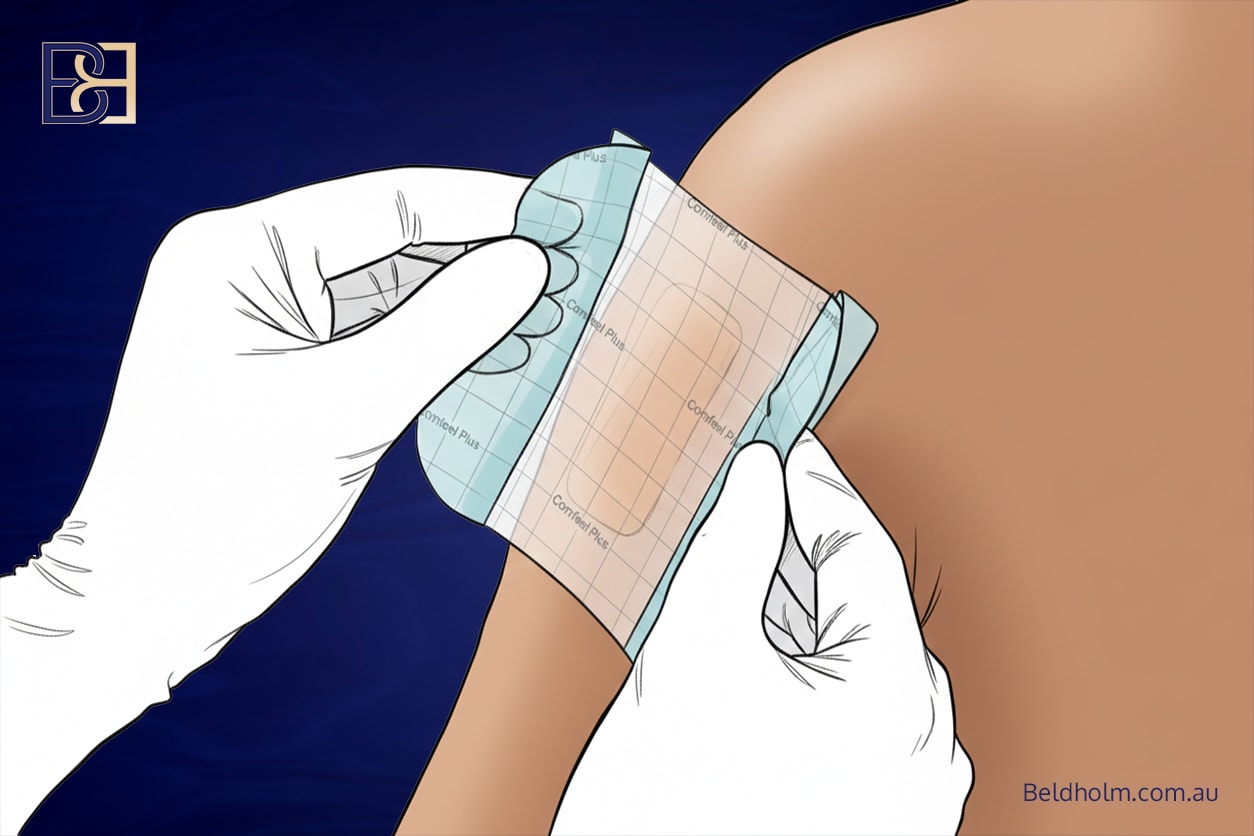
Dr Bernard Beldholm follows a structured in‑clinic aftercare protocol following thigh lift (thighplasty) surgery. Surgical wounds are dressed with Comfeel dressings, designed to support wound healing while protecting incision lines during early recovery.
These dressings are typically left undisturbed and are usually changed at day 7 after surgery, unless earlier review is required. Dressing changes are performed in the clinic by the nursing team or Dr Beldholm.
During the first two weeks, patients are usually booked for 2–3 clinic visits per week. These appointments allow close monitoring of wound healing, swelling, and early complications. Both the nursing team and Dr Beldholm are involved in these reviews, providing hands‑on postoperative care during the most critical phase of recovery.
This intensive follow‑up is a key part of postoperative care and helps identify and manage wound healing issues early.
LED Light Therapy (Healite II)
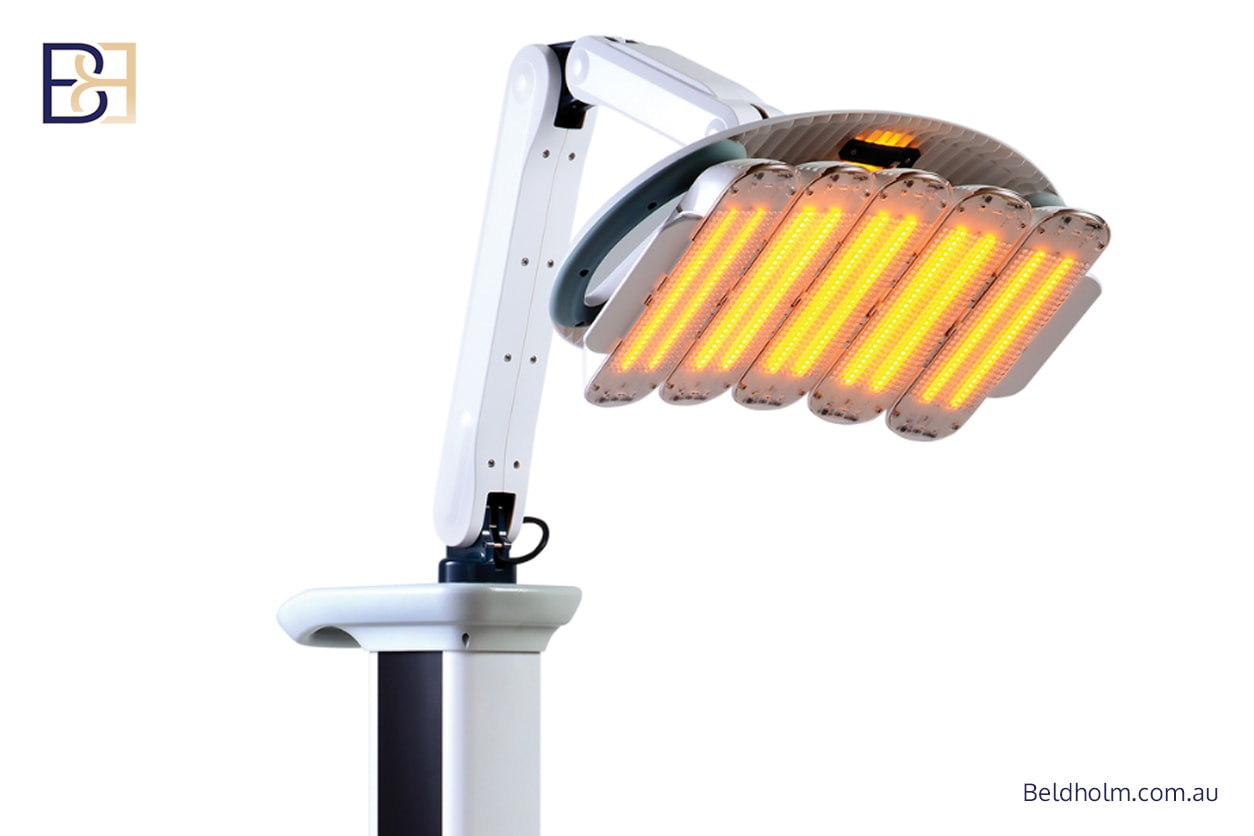
As part of in‑clinic postoperative care, LED light therapy using the Healite II system may be performed during early follow‑up visits. Healite II LED light treatment supports wound healing by reducing inflammation and enhancing the body’s healing response.
LED light therapy is non‑invasive and is performed in the clinic alongside routine wound checks and dressing changes. It is most commonly used during the first two weeks after thigh lift (thighplasty) surgery, particularly in patients undergoing more extensive procedures or those with higher wound‑healing risk.
LED light therapy is part of Dr Beldholm’s structured postoperative care approach and is intended to support recovery. Individual response varies, and LED treatment does not replace standard wound care, compression garments, or follow‑up appointments.
Incision Sites
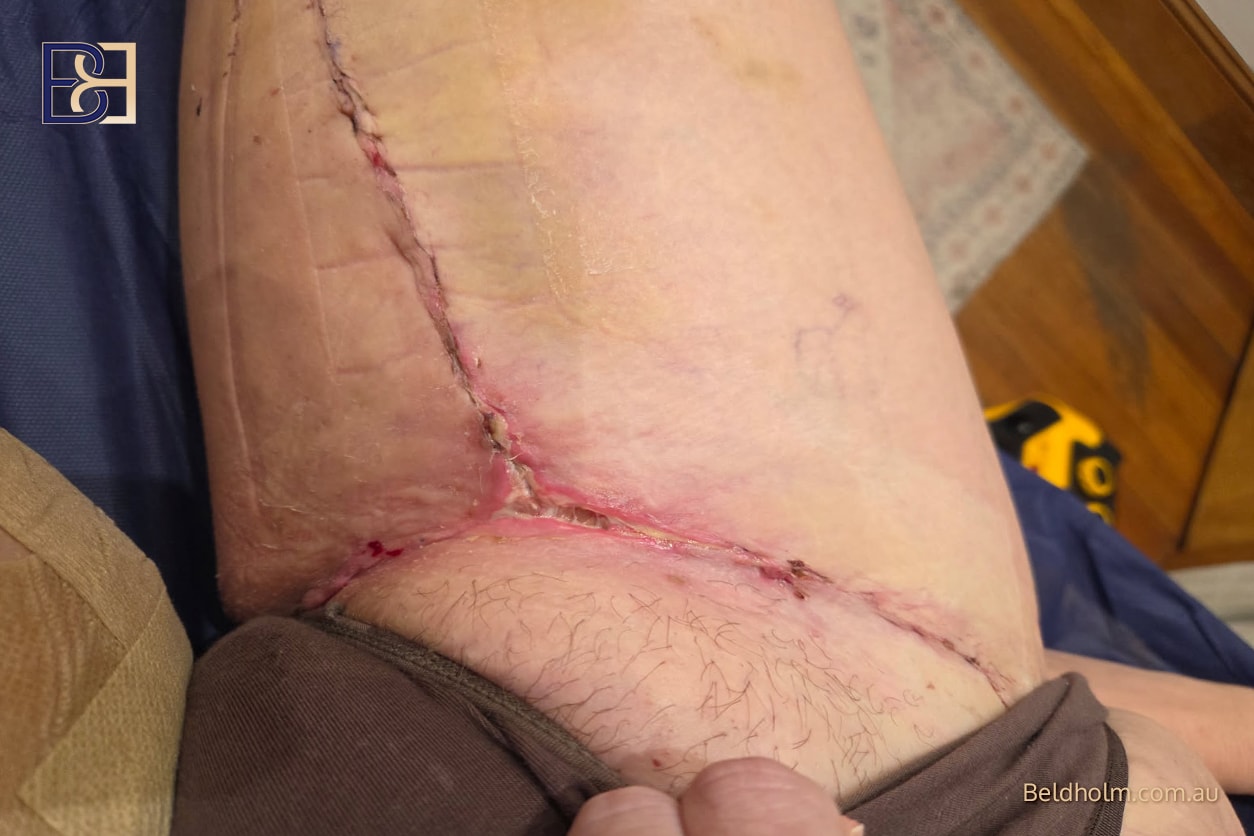
Thigh lift (thighplasty) scars depend on the surgical technique used. Incision sites may be located in the groin crease, along the inner thigh, or extend vertically toward the knee. Keeping incision sites clean and dry is essential for recovery.
Wound care instructions typically include:
- Gentle cleaning of incision sites
- Keeping dressings dry
- Avoiding friction or stretching of the surgical area
Wound healing issues, including small wound breakdowns, are relatively common following medial thigh lift (thighplasty) surgery, particularly in post‑weight‑loss patients. Most are managed with dressings and regular follow-up appointments.
Weeks Two to Six: Gradual Increase in Activity
Returning to Daily Activities
Between two and three weeks after thigh lift (thighplasty) surgery, patients typically notice a gradual increase in comfort and mobility. Light walking is encouraged, but movements that place strain on incision lines should be avoided.
During this recovery period, patients are advised to:
- Avoid heavy lifting for at least six weeks
- Avoid strenuous exercise and lower-body workouts
- Refrain from sudden stretching or deep squatting movements
Most patients can resume normal activities in a limited capacity after 2 to 3 weeks, depending on their comfort level and wound-healing progress.
Driving and Work

Patients typically return to driving once they are no longer taking strong pain medication and can move comfortably without tension in the surgical area. This often occurs around two to three weeks.
Returning to work depends on the nature of employment. Sedentary roles may resume earlier, while physically demanding roles often require a longer recovery period.
Mobility and Daily Activities

Patients typically feel more mobile after 2 to 3 weeks. Light walking is encouraged, but heavy lifting and strenuous exercise must be avoided. Sudden movements that place tension on incision lines can delay wound healing.
Most patients are advised:
- No heavy lifting for at least six weeks
- Avoid strenuous exercise until cleared
- Resume normal activities gradually
Returning to work depends on job demands. Sedentary work may be possible after two to three weeks, while physically demanding roles require longer recovery.
Swelling, Lymphatic Changes, and Ankle Swelling
Swollen ankles and lower leg swelling are a recognised part of thigh lift (thighplasty) recovery. At least 10% of patients experience persistent ankle swelling that may last for several months and occasionally up to 1 year.
Lymphatic massage, compression garments, and gradual mobilisation help reduce swelling. While this is usually temporary, patients should understand that full recovery of lymphatic drainage can take time.
Scar Healing and Long‑Term Care
Thigh Lift (thighplasty) Scars
Thigh lift scars are permanent but typically fade over time. Scar healing is a gradual process that continues for 12–18 months. Early scar management may include:
- Silicone gel or silicone sheets
- Protecting scars from sun exposure
- Avoiding friction in the groin crease
Scar appearance varies depending on skin type, healing response, and surgical technique.
Full Recovery Timeline
What Full Recovery Really Means
Full recovery from thigh lift (thighplasty) surgery is not immediate. While many patients feel significantly better within six weeks, the complete healing journey can take 12 months or longer.
The recovery process typically follows this pattern:
- First 2–3 weeks: Swelling, bruising, and limited mobility
- 6 weeks: Gradual return to normal activities and exercise clearance
- 3–6 months: Continued reduction in swelling and returning skin sensation
- 12 months and beyond: Scar maturation and final surgical outcomes
Maintaining a stable weight, wearing compression garments as advised, and attending regular follow-up appointments all contribute to optimal healing of incision sites.
When Is Full Recovery Achieved?
Full recovery from thigh lift (thighplasty) surgery can take up to 12 months or longer. While most swelling resolves within the first 3 to 6 months, subtle changes continue as healing tissues mature.
Patients typically experience:
- Gradual reduction in swelling
- Returning skin sensation
- Scar maturation over time
Maintaining a stable weight and healthy lifestyle supports optimal healing and long‑term surgical outcomes.
Potential Risks During Recovery
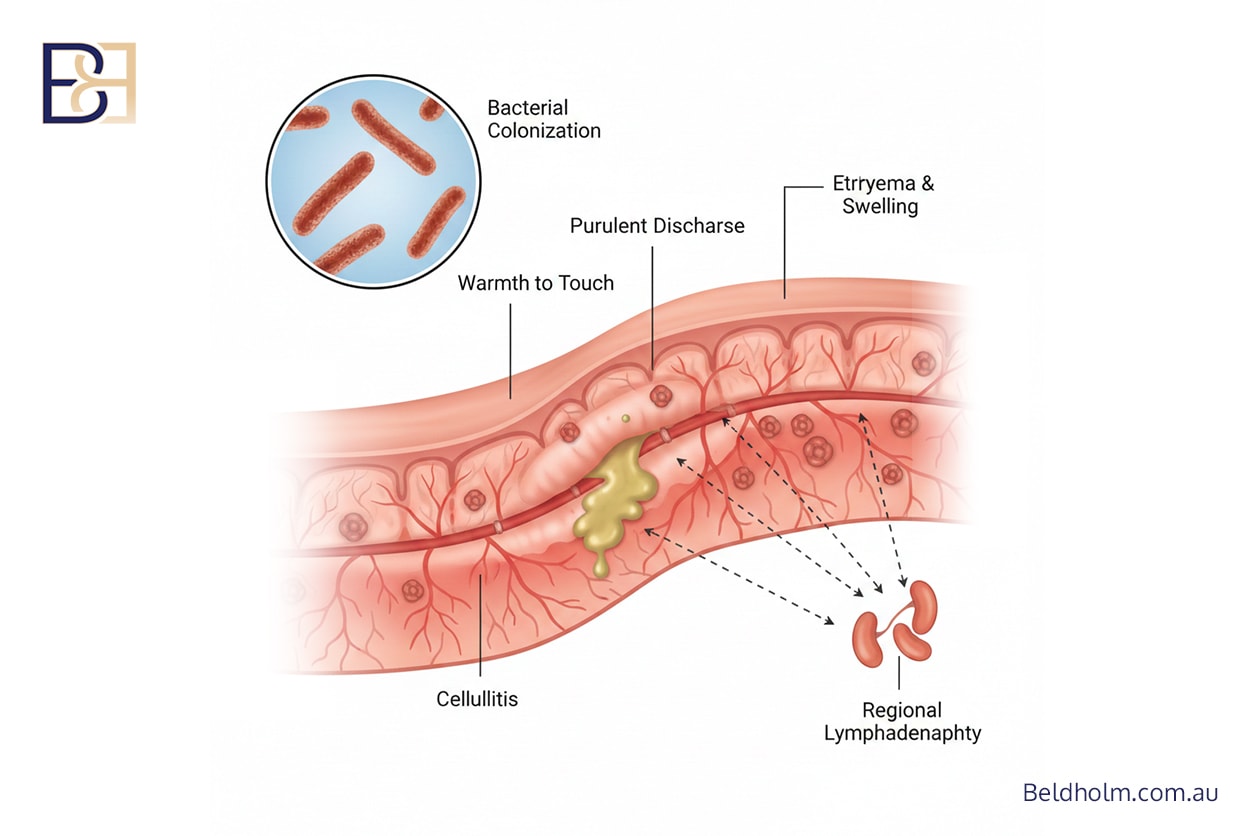
All surgical procedures carry potential risks. During thigh lift (thighplasty) recovery, patients should monitor for:
- Signs of infection
- Excess fluid collections
- Wound healing delays
- Changes in skin sensation
Prompt review during regular follow-up appointments allows early management of complications if they arise.
Follow‑Up Appointments and Ongoing Care


Postoperative care with Dr Beldholm involves frequent early reviews followed by longer‑term follow-up. In the first two weeks, patients are typically seen 2–3 times per week in the clinic for wound checks and dressing care.
Patients travelling from outside the Hunter Valley are advised to stay in the local area for 7–10 days, depending on the extent of surgery. This allows appropriate in‑clinic monitoring during the highest‑risk period for wound healing issues.
After this early phase, Dr Beldholm can liaise closely with the patient’s GP to coordinate ongoing wound care and recovery closer to home. Regularly scheduled follow-up appointments are then continued at 1, 3, 6, and 12 months to assess healing, scar progression, and overall recovery.
Postoperative care includes frequent early reviews, followed by routine follow-up appointments at 1, 3, 6, and 12 months. These visits allow assessment of wound healing, scar progression, and overall recovery.
Patients travelling from outside the Hunter Valley are usually advised to remain locally for at least 7–10 days after surgery.
Realistic Expectations After Thigh Lift (thighplasty) Surgery
Setting Appropriate Expectations
Recovering from thighplasty requires patience and commitment. While thigh lift (thighplasty) surgery can yield significant benefits in comfort and mobility, the recovery period is substantial and should not be rushed.
Most patients experience benefits in daily comfort once excess loose skin has been treated. However, healing tissues need time to adapt, and results continue to evolve over many months.
Patients are encouraged to maintain realistic expectations, attend all follow-up appointments, and follow post-operative care instructions carefully. This approach supports patient recovery, reduces potential risks, and contributes to surgical outcomes.
Recovery after thigh lift (thighplasty) surgery is a gradual process. Understanding the recovery process and following postoperative care instructions closely is essential to achieving the best possible outcome.