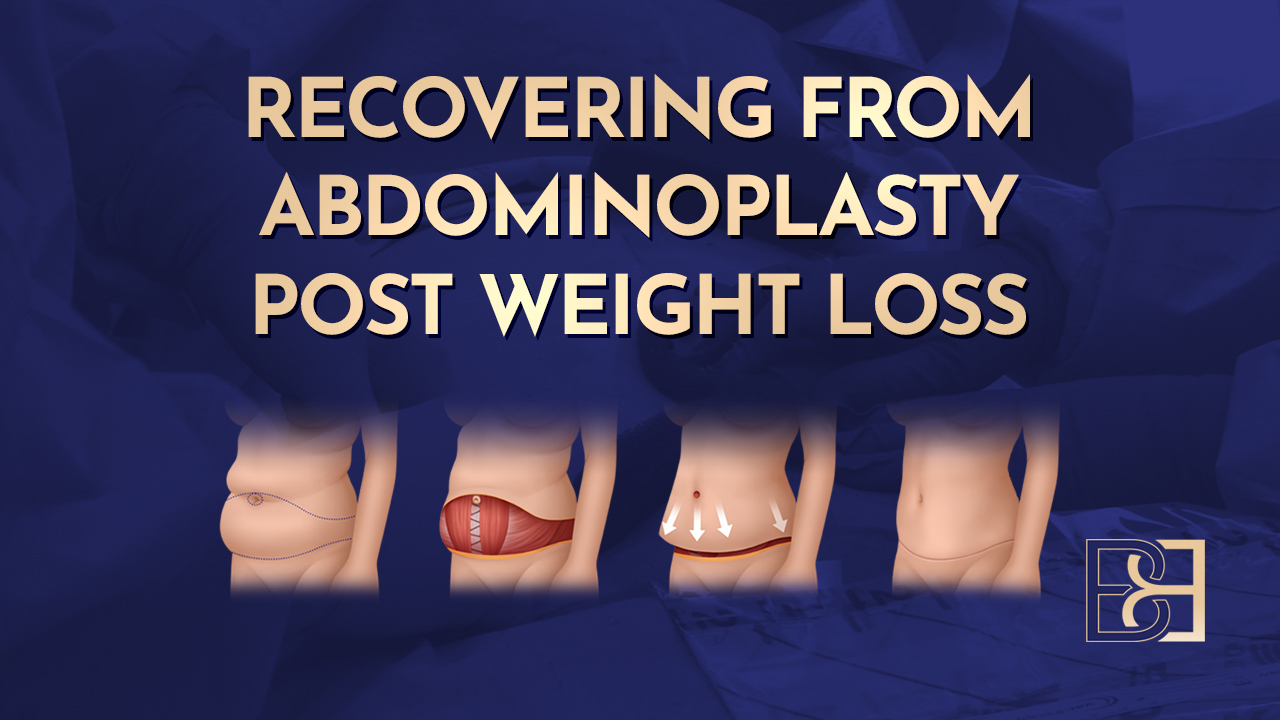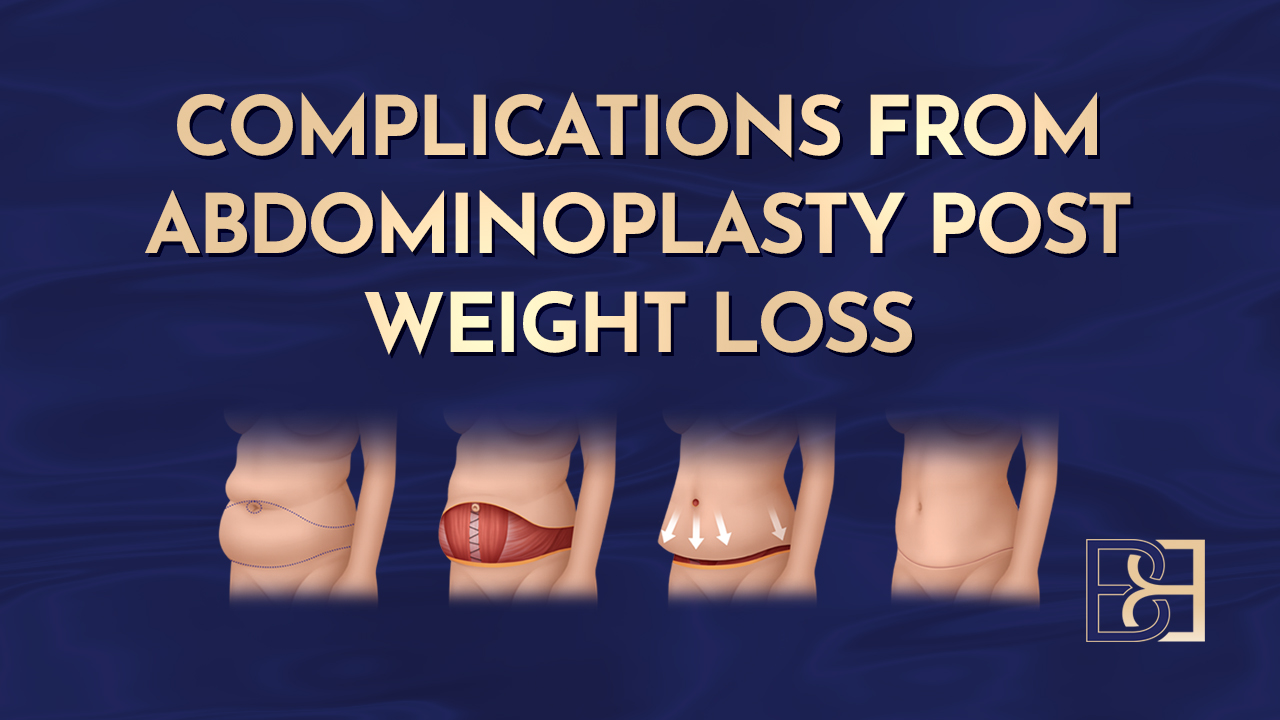
Patients who have experienced significant or massive weight loss often have different concerns when considering abdominoplasty (tummy tuck) surgery. One of the most common questions is how long they may need to remain in the hospital after surgery, particularly as post-weight-loss procedures are often more extensive than standard cosmetic abdominal surgery.
Following substantial weight loss, changes in the abdominal wall, skin quality, and soft-tissue distribution can affect both the surgical procedure and recovery. As a result, the expected hospital stay, pain management needs, and early healing process may differ from those seen in patients undergoing abdominoplasty for other reasons.
This article focuses on abdominoplasty following weight loss, including the surgical options available, factors influencing hospital stay, and what most patients can expect during the early recovery period. As with all abdominal surgery, individual circumstances vary, and a detailed assessment by a specialist surgeon is essential.
Table of Contents
Typical Duration of Hospital Stay After Abdominoplasty

One of the most common questions among abdominoplasty patients concerns the duration of their hospital stay. Typically, the hospital stay after abdominoplasty surgery ranges from 1 to 7 days, depending on the individual’s recovery. While some patients might be ready to go home after a single night, others may need to stay longer, especially if they’ve undergone more extensive procedures.
Why Post-Weight-Loss Abdominoplasty Is Different
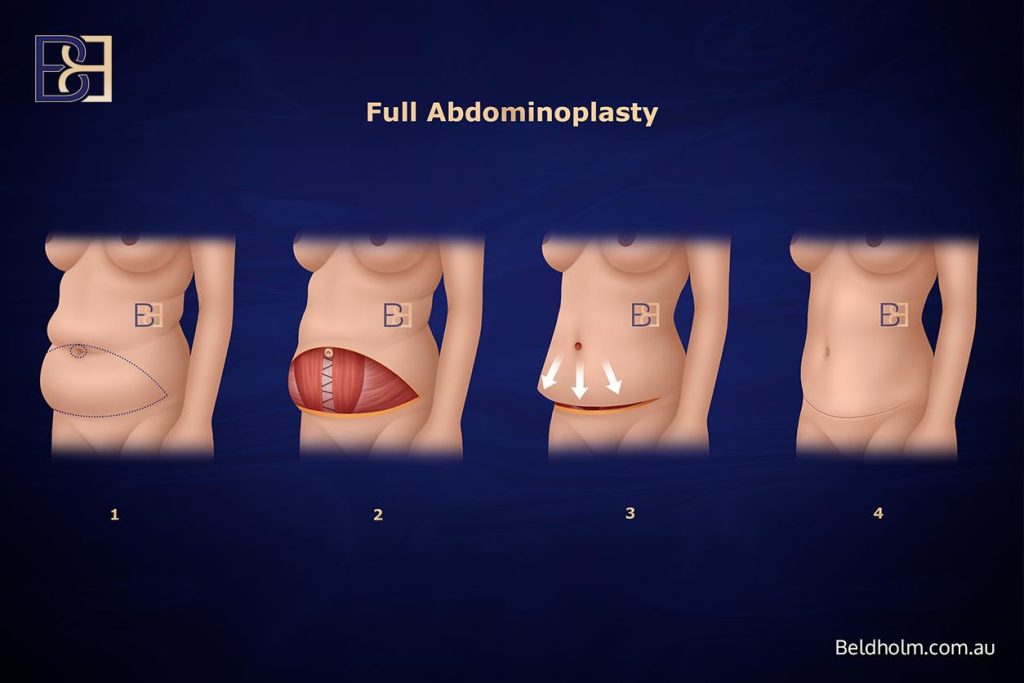
Abdominoplasty performed after massive weight loss is fundamentally different from abdominoplasty undertaken for isolated excess fat or mild skin laxity. Patients who have lost significant weight frequently present with excess skin and fat, reduced skin elasticity, and changes in the abdominal wall muscles, which affect both surgical planning and recovery.
Following massive weight loss, the abdominal skin often extends beyond the lower abdomen and may involve the upper abdomen, flanks, and lower back. In addition, long-standing weight gain and loss can contribute to weakness or separation of the abdominal muscles, altering the structural support of the abdominal wall. These factors indicate that post-weight-loss abdominoplasty is more commonly approached as reconstructive surgery rather than a minor cosmetic procedure.
Because larger areas of loose skin and underlying tissue are treated, post-weight-loss abdominoplasty typically involves:
- Longer operative times
- More extensive surgical sites
- A higher likelihood of surgical drains
- Increased need for in-hospital monitoring
For these reasons, most patients undergoing abdominoplasty after weight loss require a longer, more closely supervised hospital stay than those undergoing less extensive abdominal contouring procedures. Understanding these differences helps set realistic expectations for the recovery journey and early healing progress.
What Is Abdominoplasty Surgery After Massive Weight Loss?
Abdominoplasty (tummy tuck) surgery after massive weight loss is a surgical procedure designed to manage excess abdominal skin and changes to the abdominal wall that persist despite significant weight reduction. In this context, the procedure is primarily reconstructive and is planned around the amount and distribution of loose skin rather than cosmetic contouring alone.
Key features of post-weight-loss abdominoplasty
Following major weight loss, patients commonly present with:
- Excess abdominal skin that has lost elasticity and does not retract
- Skin folds involving the lower abdomen, upper abdomen, and sometimes the flanks
- Changes in the abdominal wall that may reduce core support
Abdominoplasty surgery aims to remove excess skin and, where indicated treat the abdominal wall. In selected patients, repair of abdominal muscle separation (diastasis recti) may be performed during the procedure. This can influence operative time, post-operative discomfort, and the early recovery process.
Individualised surgical planning done by Dr Beldholm

Post-weight-loss patients often present with significant loose skin affecting multiple areas of the abdomen and trunk. A common concern for many patients is the desire to limit the total number of surgical procedures and recovery periods required, while still treating the majority of problematic skin.
Surgical planning, therefore, focuses on balancing the extent of skin removal with patient safety, overall health, and realistic expectations. Rather than viewing abdominoplasty as a single standard operation, the procedure is planned as part of a broader reconstructive strategy tailored to the individual pattern of excess skin.
In Dr Bernard Beldholm’s practice, planning generally aims to achieve the largest skin reduction appropriate for each individual patient, taking into account:
- Overall health and medical comorbidities
- Nutritional status after weight loss
- Previous abdominal or bariatric surgery
- The ability to tolerate longer operative times
- Expected recovery demands and hospital stay
For example, instead of performing a circumferential abdominoplasty in multiple staged operations, some patients may be suitable for a hybrid circumferential abdominoplasty, in which abdominal and posterior skin excess is treated in a single, carefully planned procedure. This approach may reduce the need for separate operations, such as a staged fleur-de-lis abdominoplasty followed by a later back lipectomy, while still prioritising appropriate recovery.
The final surgical plan is always individualised and confirmed during consultation, with careful discussion of operative scope, recovery expectations, and the potential need for additional procedures over time.
Surgical Options for Post-Weight-Loss Abdominoplasty
Post-weight-loss abdominoplasty is not a single operation but a group of related surgical approaches. The choice of procedure depends on the amount and distribution of loose skin, the condition of the abdominal wall, and whether excess tissue extends beyond the front of the abdomen to the sides or back. The selected technique directly influences operative time, recovery requirements, and the expected hospital stay.
Below is an overview of the most commonly used abdominoplasty procedures for patients who have undergone significant weight loss.
Full Abdominoplasty (Tummy Tuck)
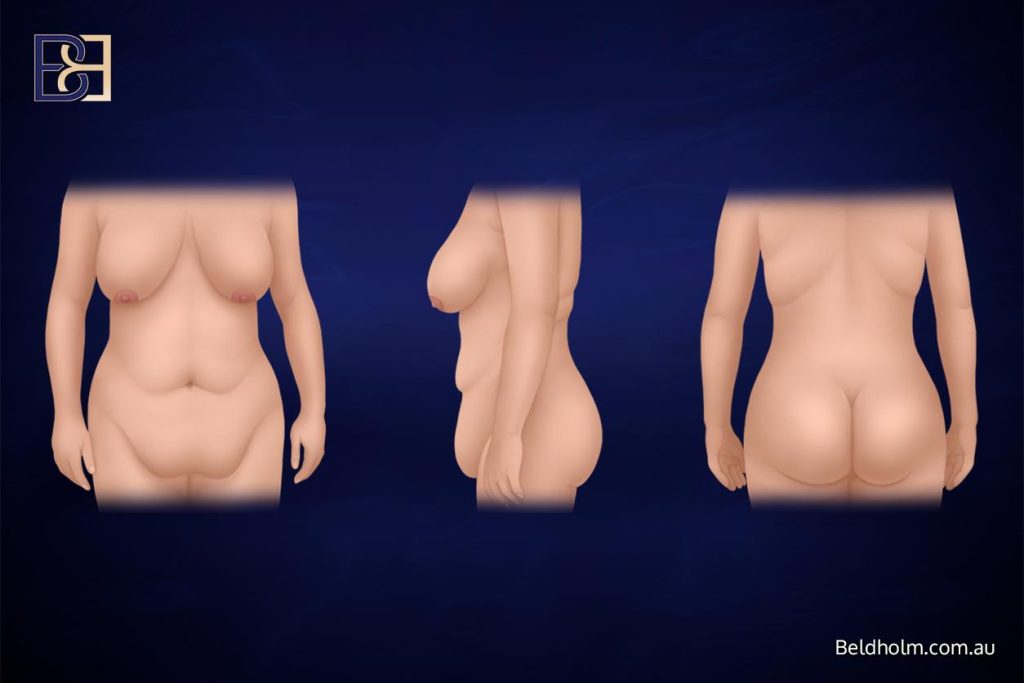
A full abdominoplasty (tummy tuck) is commonly used when excess skin is primarily concentrated across the lower and central abdomen. This procedure treats loose skin between the pubic region and the upper abdomen and provides access to the abdominal wall for repair, when required.
In post-weight-loss patients, a full abdominoplasty may be appropriate when:
- Excess skin is predominantly limited to the front of the abdomen
- There is minimal extension of loose skin onto the flanks or back
- Abdominal wall muscle separation requires repair
While this procedure is less extensive than circumferential approaches, it is still a major abdominal surgery in post-weight-loss patients and typically requires at least an overnight hospital stay for monitoring, pain management, and early mobilisation.
Extended Abdominoplasty
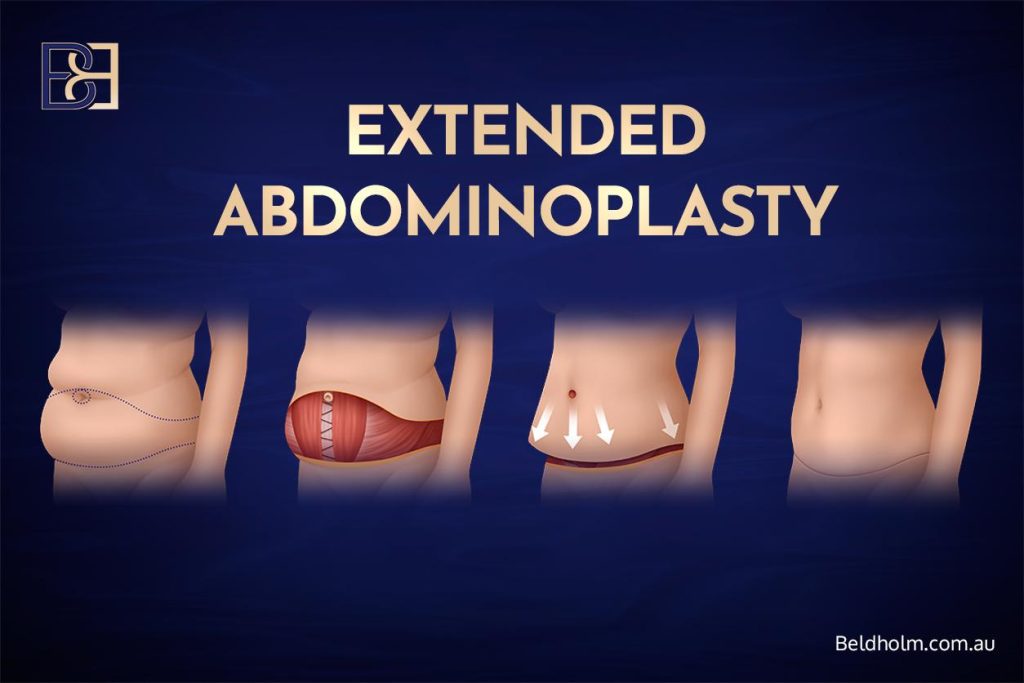
An extended abdominoplasty is used when excess skin and fat extend beyond the central abdomen onto the flanks. The incision is laterally extended to allow more extensive skin removal along the sides of the abdominal wall.
This approach is often considered when:
- Excess skin involves the lower abdomen and flanks
- There is residual excess fat or skin laterally following weight loss
- A standard full abdominoplasty would not adequately treat the skin excess
Because a larger surface area is involved, extended abdominoplasty is generally associated with longer operative times and a greater likelihood of surgical drains, which may influence the length of hospital stay.
Fleur-de-Lis Abdominoplasty

A fleur-de-lis abdominoplasty is commonly used in patients who have experienced massive weight loss and have significant excess skin in both the vertical and horizontal directions. This technique involves a combination of horizontal and vertical incisions to allow removal of skin from the lower abdomen, upper abdomen, and central abdominal region.
Fleur-de-lis abdominoplasty may be considered when:
- There is marked loose skin across the entire abdominal wall
- Skin excess affects both the upper and lower abdomen
- Previous weight gain and loss have resulted in poor skin recoil
Due to the extent of tissue removal and the length of the incision, fleur-de-lis abdominoplasty is typically associated with a longer recovery and often requires a longer in-hospital stay than less extensive abdominoplasty procedures.
Circumferential Abdominoplasty (Belt Lipectomy)
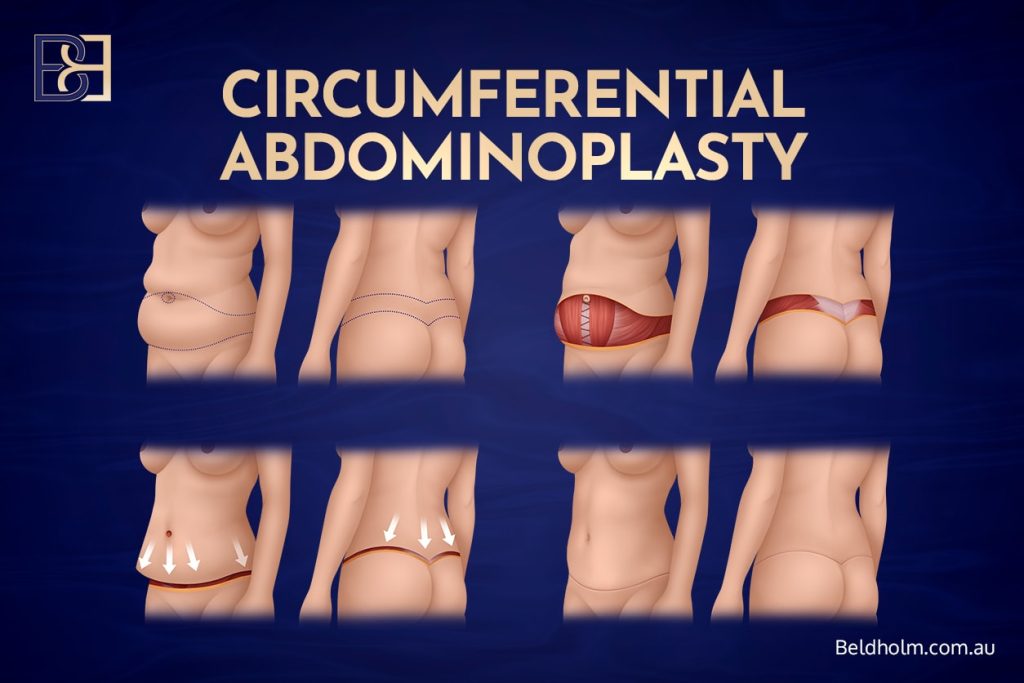
A circumferential abdominoplasty, also known as a belt lipectomy, is designed for patients with excess skin extending around the entire trunk. This includes the abdomen, flanks, and lower back, and is commonly performed after massive weight loss.
This procedure may be appropriate when:
- Excess skin is present around the full circumference of the torso
- There is significant laxity of the abdominal wall and posterior trunk
- A single anterior procedure would not adequately treat skin excess
Circumferential abdominoplasty is a major reconstructive operation and is typically associated with longer operative times, increased recovery demands, and a hospital stay of multiple days.
Circumferential Hybrid Abdominoplasty
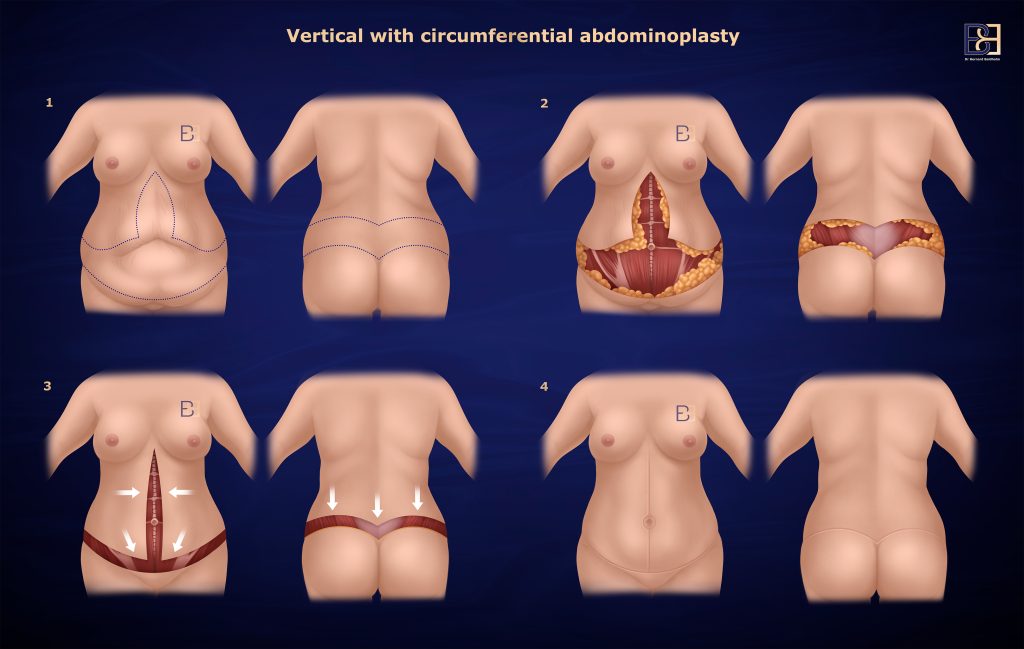
A circumferential hybrid abdominoplasty is a variation of circumferential abdominoplasty that combines elements of different techniques to treat both anterior and posterior excess skin in a single, carefully planned operation.
In selected post-weight-loss patients, this approach may be considered to reduce the need for staged procedures, such as performing a fleur-de-lis abdominoplasty followed by a separate back lipectomy. The suitability of a hybrid approach depends on patient health, nutritional status, and the ability to tolerate a more extensive surgical procedure.
As with all circumferential procedures, recovery and hospital stay are influenced by the operative extent and the individual’s healing capacity.
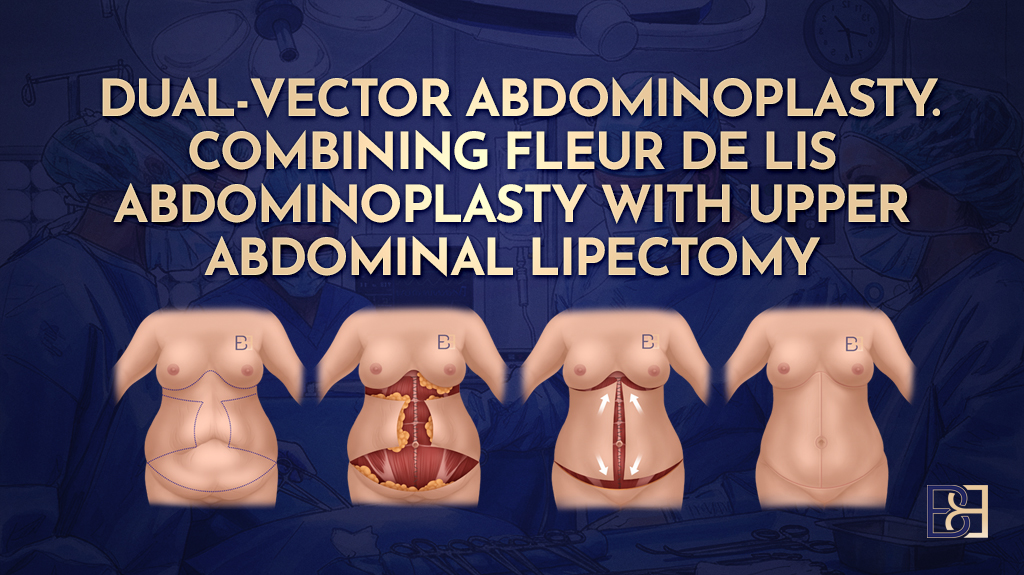
Dual Vector Abdominoplasty
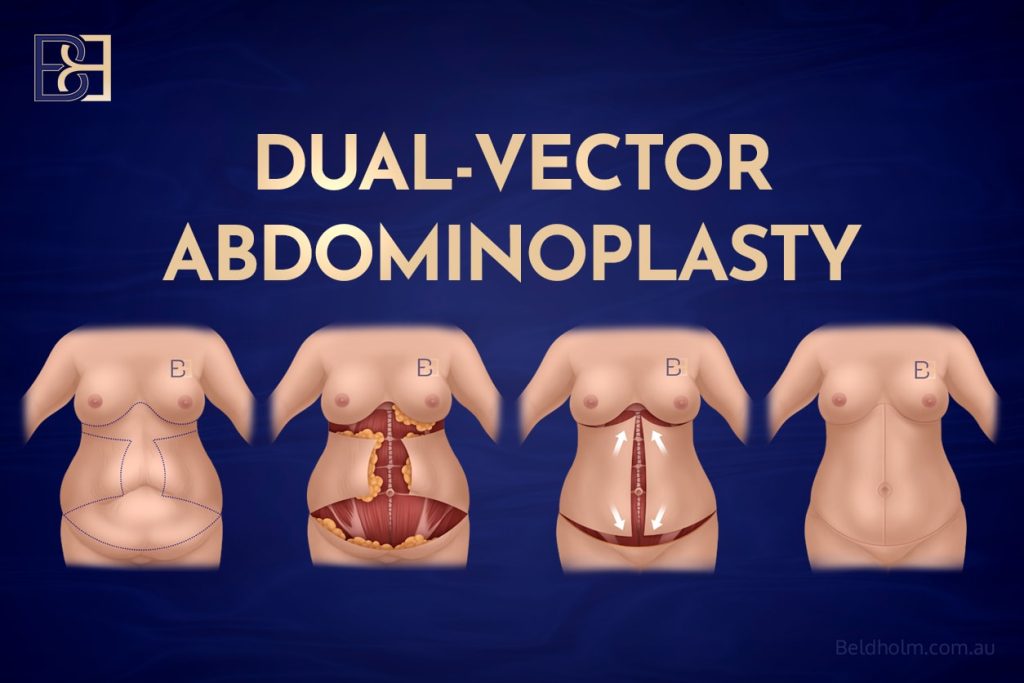
A dual vector abdominoplasty is planned to treat skin laxity in multiple directions by applying tension along both horizontal and vertical vectors. This approach may be useful in complex post-weight-loss cases where skin excess does not respond adequately to a single-direction closure.
Dual vector techniques are used selectively and are planned based on individual anatomy, scar considerations, and recovery requirements. As with other advanced abdominoplasty approaches, careful surgical planning is essential to balance skin removal with recovery considerations and realistic expectations.
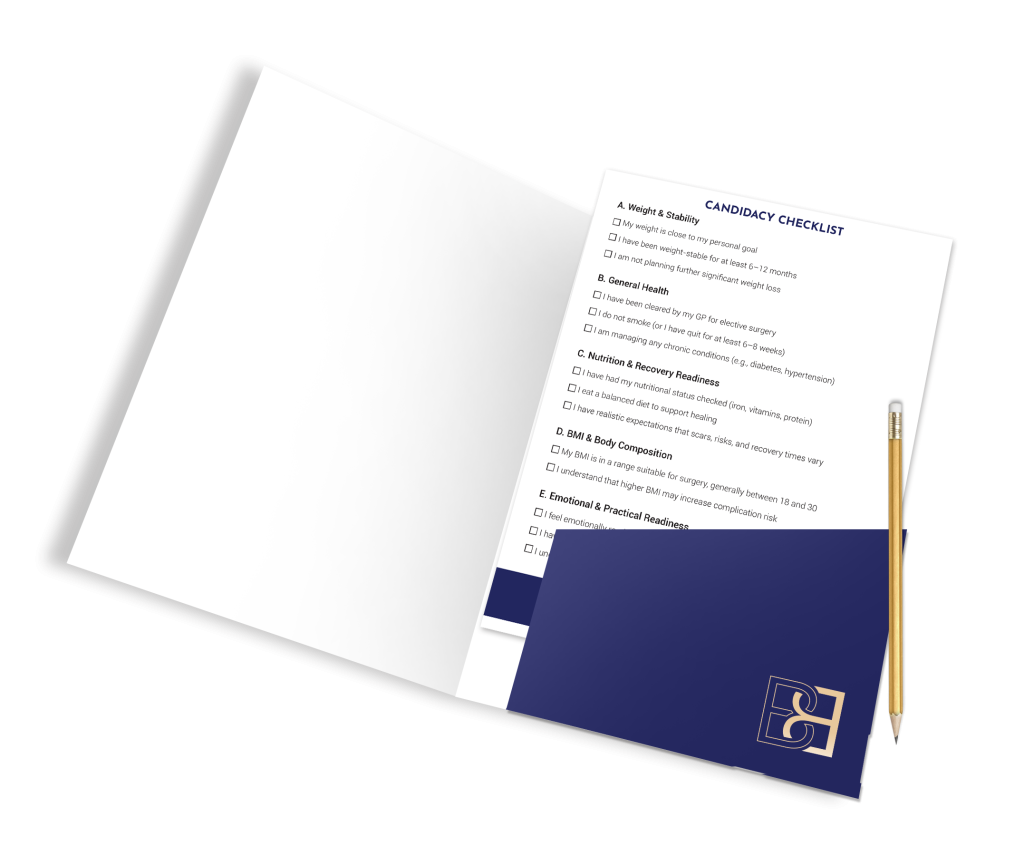
Additional Procedures That May Be Performed at the Same Time
In post-weight-loss patients, abdominoplasty may be performed in combination with other procedures. These are not routine and are considered on a case-by-case basis, depending on anatomy, symptoms, and overall health. When additional procedures are undertaken, they can influence operative time, post-operative discomfort, and the expected hospital stay.
Repair of Abdominal Muscle Separation (Diastasis Recti Repair)
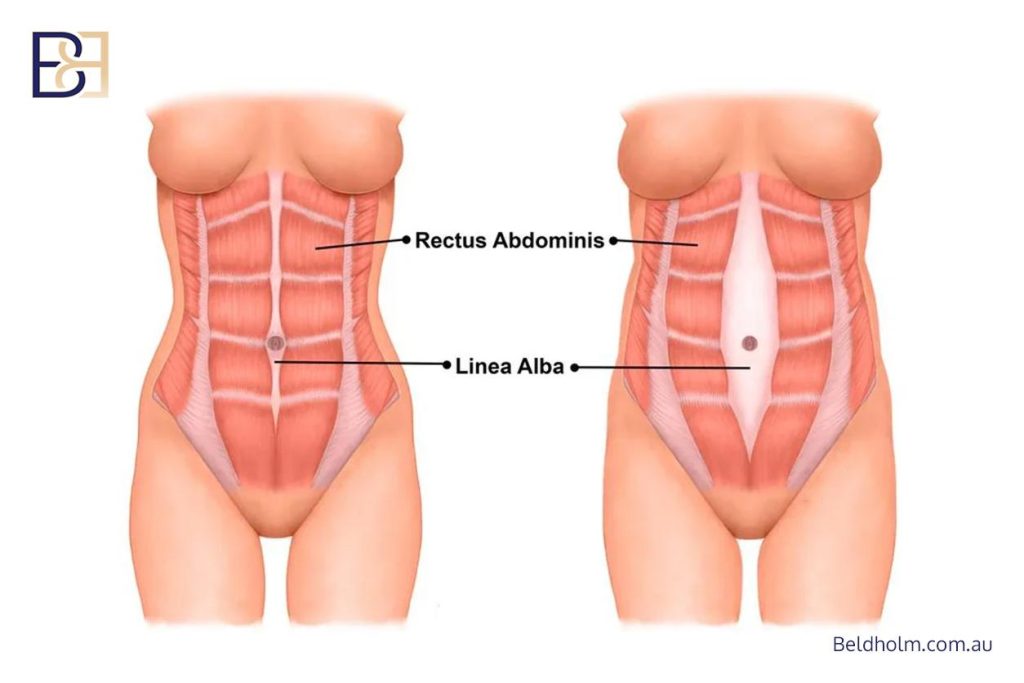
Following significant weight loss, some patients have separation of the abdominal muscles (diastasis recti), which can affect abdominal wall support. Where clinically indicated, abdominoplasty surgery may include repair of this muscle separation of the abdominal wall.
Including diastasis recti repair may:
- Increase operative time
- Contribute to increased post-operative discomfort
- Influence early mobility during the recovery process
For these reasons, patients undergoing muscle repair are often monitored closely in hospital during the initial recovery period.
Hernia Repair
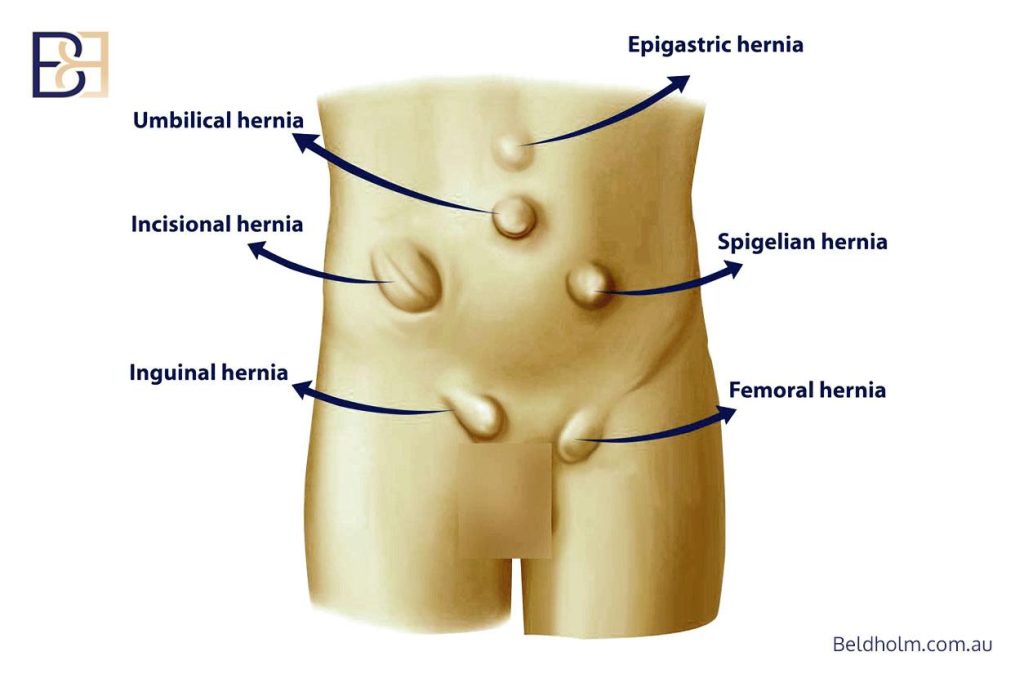
Some post-weight-loss patients present with abdominal wall hernias, particularly if they have had previous abdominal or bariatric surgery. Where appropriate, hernia repair may be performed concurrently with abdominoplasty.
The presence of a hernia and the need for repair can affect:
- Surgical complexity
- Length of surgery
- Pain management requirements
- Duration of hospital stay
The decision to combine hernia repair with abdominoplasty is based on individual assessment and recovery considerations.
VASER Liposuction (Ultrasound-Assisted Lipectomy)
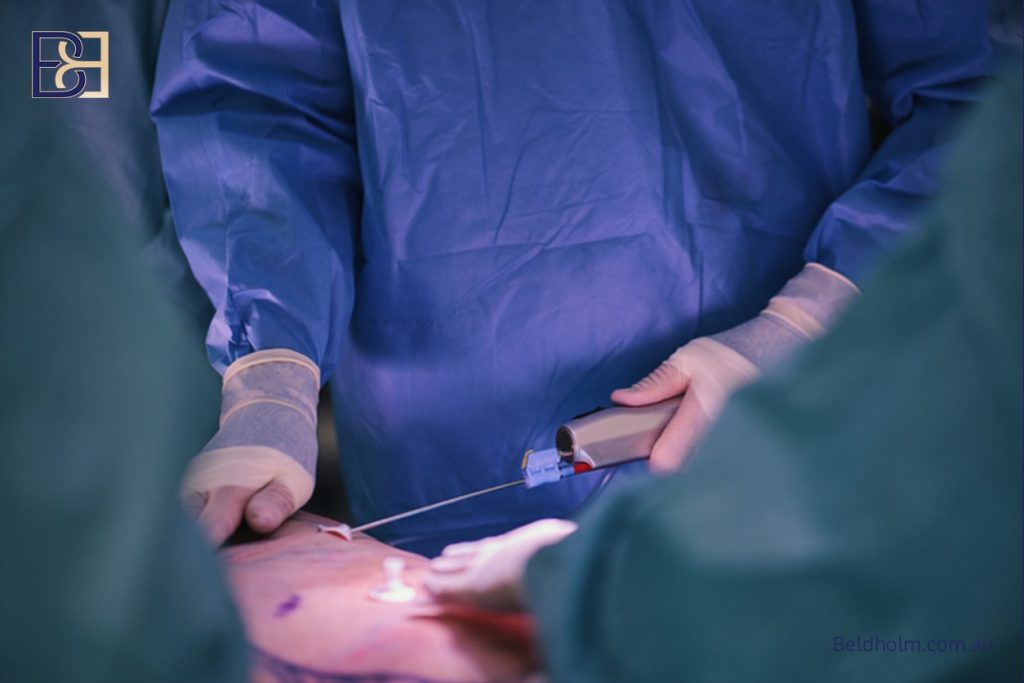
In selected cases, VASER liposuction (ultrasound-assisted lipectomy) may be used as an adjunct to abdominoplasty to treat residual excess fat. In post-weight-loss patients, liposuction is used conservatively and does not replace skin removal when significant loose skin is present.
When combined with abdominoplasty surgery, VASER liposuction may:
- Extend operative time
- Increase post-operative swelling
- Influence early recovery and monitoring needs
As with all additional procedures, the decision to include liposuction is individualised and discussed during consultation, with consideration given to recovery expectations, and overall surgical goals.
Typical Hospital Stay After Post-Weight-Loss Abdominoplasty

Hospital admission following abdominoplasty surgery after weight loss is planned to allow early post-operative monitoring, pain management, and support with mobilisation. The length of stay is influenced by the extent of surgery performed and individual recovery needs, rather than a fixed timeframe.
In general, hospital stay following post-weight-loss abdominoplasty ranges from one to several nights. This timeframe allows for appropriate pain management, surgical site monitoring, and early assessment of mobility and wound healing. Patients undergoing more extensive procedures or combined operations may require a longer admission.
How the type of abdominoplasty affects hospital stay
The specific abdominoplasty technique used plays a significant role in determining the length of hospital stay:
- Full abdominoplasty (tummy tuck) procedures commonly require an overnight stay, particularly when abdominal wall muscle repair is performed.
- Extended abdominoplasty procedures often require one to two nights in the hospital due to the larger surgical area and increased use of surgical drains.
- Fleur-de-lis abdominoplasty is typically associated with a hospital stay of approximately 2–3 days, reflecting the extent of skin removal and the length of the incision.
- Circumferential and circumferential hybrid abdominoplasty procedures frequently require a hospital stay of approximately 3–4 days, as they involve treatment of both the anterior and posterior trunk and more extensive tissue repositioning.
- Dual vector abdominoplasty is typically associated with a hospital stay of approximately 2–3 days, depending on operative extent and individual recovery factors.
These timeframes are general guides only and may vary depending on individual recovery and medical considerations.
Factors that influence the length of hospital stay

Several factors contribute to how long a patient remains in hospital after abdominoplasty surgery, including:
- The extent of excess skin and fat removed
- Whether additional procedures, such as diastasis recti repair or hernia repair, were performed
- Pain management requirements
- Early mobility and tolerance of movement
- The presence of surgical drains
- Individual medical history and risk factors
During the hospital stay, the medical team focuses on pain control, monitoring for early complications, and supporting mobilisation. Patients are discharged once pain is adequately controlled, the patient is mobilising, and wound care can be managed in the community.
What Happens During Your Hospital Stay

The hospital stay following post-weight-loss abdominoplasty focuses on early recovery, monitoring, and support rather than the surgical outcome itself. This period allows the medical team to manage pain, assess the surgical site, and assist with mobilisation during the initial healing phase.
Recovery room and early monitoring
After abdominoplasty surgery, patients are transferred to the recovery room, where they are closely monitored as they wake from general anaesthesia. During this time, nursing staff assess vital signs, comfort levels, and early wound status before transferring the patient to the ward.
Pain management and comfort

Pain management is an important part of early recovery following abdominal surgery. A combination of prescribed medications is used to manage discomfort while minimising side effects. Effective pain control supports early mobilisation and reduces stress during the initial post-operative period.
Surgical drains and wound care

Many post-weight-loss abdominoplasty procedures involve the use of surgical drains to reduce fluid accumulation at the surgical site. Drain output is monitored during the hospital stay, and patients are educated on drain care prior to discharge if drains are still required.
Dressings are checked regularly, and early wound care focuses on protecting the incision sites and identifying any signs that require medical review.
Early mobilisation and breathing exercises
Patients are encouraged to begin gentle movement as soon as possible. Early mobilisation helps reduce the risk of complications, such as blood clots, and supports circulation during recovery. Deep breathing exercises are also encouraged to support lung function following surgery.
Medical review and discharge planning
During the hospital stay, the medical team reviews progress daily, assessing pain control, mobility, drain output, and overall recovery. Discharge planning is individualised and based on clinical progress rather than a fixed timeline. Patients are discharged once it is possible to continue recovery outside the hospital, with clear instructions on wound care, activity levels, and follow-up arrangements.
Transitioning From Hospital to Home
Discharge from the hospital after post-weight-loss abdominoplasty marks the next stage of recovery. This transition is carefully planned to ensure patients can continue healing outside the hospital environment, with appropriate support and clear instructions.
Discharge criteria
Patients are generally considered ready for discharge once:
- Pain is adequately controlled with oral pain relief
- Patient is mobilising without assistance
- Surgical drain output is stable and manageable
- There are no early signs of complications requiring inpatient care
Discharge timing is individualised and based on recovery progress rather than a fixed number of days in hospital.
Support at home

Following discharge, most patients require assistance at home, particularly during the first one to two weeks. Support may be needed with:
- Daily activities and mobility
- Dressing changes and drain care (if applicable)
- Transport to follow-up appointments
Planning this support in advance is an important part of the recovery process.
Compression garments and abdominal support

Patients are usually required to wear a compression garment or an abdominal binder after abdominoplasty. These garments help support the abdominal wall, minimise swelling, and provide comfort during movement. Instructions regarding duration and proper use are provided prior to discharge.
Wound care and monitoring
Clear guidance is provided on wound care, including how to care for incision sites and when to change dressings. Patients are advised to monitor for signs that may require medical review, such as increasing redness, swelling, or changes at the surgical site.
Early recovery at home
During the initial recovery period at home, patients are encouraged to:
- Continue gentle mobilisation as advised
- Avoid heavy lifting and strenuous activity
- Follow pain management instructions closely
- Attend scheduled follow-up appointments
Careful adherence to post-discharge instructions supports a smooth recovery and reduces the risk of complications during the early healing phase.
Risks and Factors That May Prolong Hospital Stay After Abdominoplasty
While most patients progress through their hospital stay without significant issues, abdominoplasty surgery following major weight loss is a complex abdominal surgery, and certain risks or clinical factors may result in a longer period of inpatient care. Understanding these factors is important when planning surgery and setting realistic expectations.
Extent of surgery and operative complexity
More extensive procedures, such as fleur-de-lis, circumferential, circumferential hybrid, or dual vector abdominoplasty, involve larger surgical areas and longer operative times. This can increase post-operative monitoring requirements and delay discharge compared with less extensive procedures.
Medical history and underlying health conditions
A patient’s medical history plays a significant role in determining hospital stay. Conditions such as diabetes, cardiovascular disease, respiratory conditions, or nutritional deficiencies following weight loss may necessitate closer monitoring after surgery.
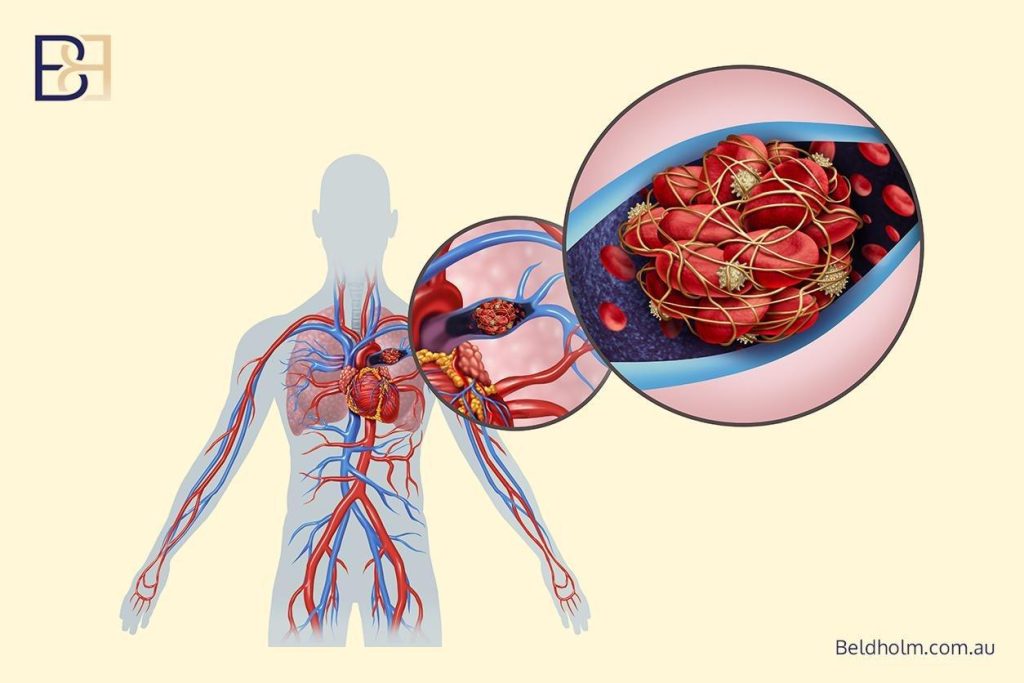
Risk of blood clots and circulation issues
Major abdominal surgery carries a risk of blood clots, including deep vein thrombosis. Patients with additional risk factors may require extended monitoring, early mobilisation support, and medical prophylaxis, which can prolong hospital admission.
Wound healing and fluid management
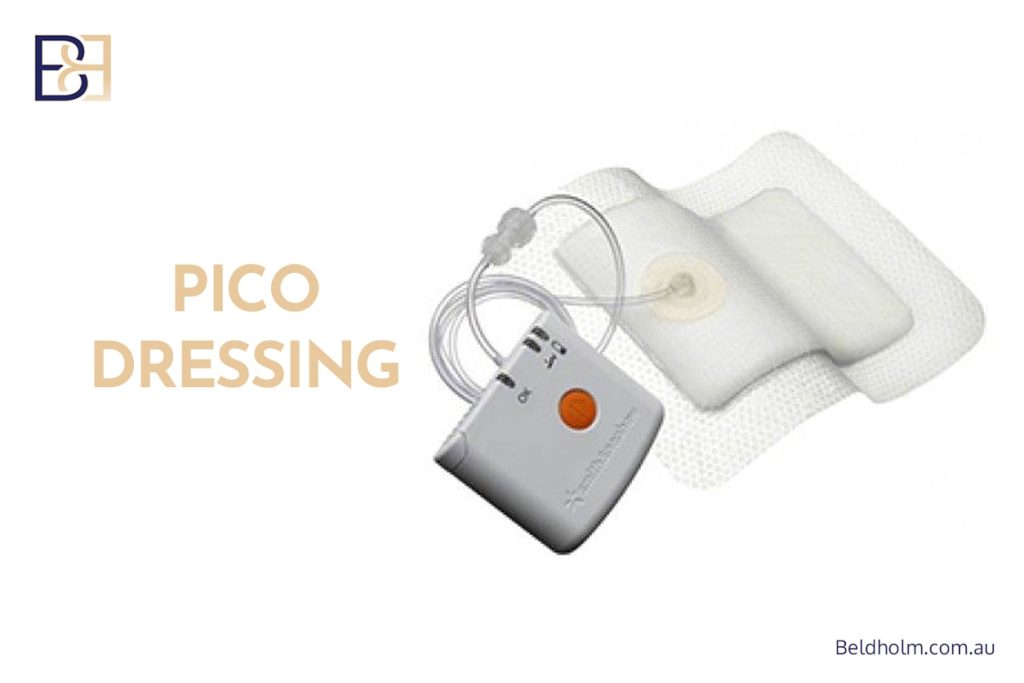
Issues such as delayed wound healing, excessive swelling, or increased surgical drain output can extend hospital stay. In some cases, additional time in the hospital is required to ensure wounds are stable and fluid levels are adequately controlled before discharge.
Pain control and early mobility
Effective pain management is essential for early mobilisation after abdominoplasty surgery. If pain is difficult to control or mobility is limited, discharge may be delayed until these issues are adequately treated.
Early post-operative complications
Although uncommon, early complications such as infection, bleeding, or respiratory concerns may require further investigation or treatment in hospital. Prompt identification and management of these issues is prioritised to support safe recovery.
The length of hospital stay is ultimately determined by clinical progress rather than a predetermined timeframe. Patients are discharged once it is safe to continue recovery in the community, with appropriate follow-up and support arranged.
Book your appointment online now
Frequently Asked Questions
How long do I have to stay in the hospital after abdominoplasty surgery following weight loss?
For most post-weight-loss patients, the hospital stay after abdominoplasty (tummy tuck) surgery ranges from 1 to 3 days. The exact length of stay depends on the type of abdominoplasty performed, whether additional procedures are included, and the rate of recovery in the first few days after surgery. More extensive procedures generally require longer inpatient monitoring.
Does the type of abdominoplasty affect hospital stay?
Yes. Less extensive procedures, such as a full or extended abdominoplasty, may require a shorter hospital stay than fleur-de-lis, circumferential, circumferential hybrid, or dual vector abdominoplasty. The extent of skin removal, operative time, and the use of surgical drains all influence hospitalisation duration.
Can I go home earlier if I feel well after surgery?
Dr Beldholm will conduct daily reviews, and when he is confident in the patient’s readiness, discharge will be coordinated collaboratively with the patient.
Will I need to stay longer in the hospital if I have additional procedures?
Additional procedures such as diastasis recti repair, hernia repair, or VASER liposuction (suction-assisted lipectomy) can increase operative complexity and post-operative monitoring needs. In some cases, this may result in a longer hospital stay compared with abdominoplasty performed alone.
What happens if complications occur during my hospital stay?
If early complications such as bleeding, infection, increased drain output, or pain control issues occur, the hospital stay may be extended to allow appropriate investigation and management. Early identification and treatment of complications are important components of postoperative care.
Is hospital stay the same for every patient after weight loss surgery?
No. Hospital stay after abdominoplasty surgery varies between patients. Factors such as medical history, overall health, the extent of surgery, and individual healing response all influence the duration of inpatient care.
Key Points to Remember

- Hospital stay after abdominoplasty following weight loss varies and is determined by clinical progress rather than a fixed timeframe.
- More extensive procedures generally require longer in-hospital monitoring than less extensive abdominoplasty techniques.
- Additional procedures, such as abdominal muscle repair (diastasis recti) or hernia repair, can influence the length of hospital stay.
- Patient health, medical history, pain control, mobility, and wound stability all contribute to discharge timing.
- Individual assessment and surgical planning are essential to ensure hospital stay and recovery are optimised.