Recovery after a dual vector abdominoplasty is a structured and closely supervised process. While it shares many similarities with recovery after a Fleur-de-Lis abdominoplasty, there are additional considerations due to the upper abdominal incision that forms part of this operation.
In my practice, recovery is approached in a practical, step‑by‑step manner, with a strong focus on wound care, and gradual return to activity. This article outlines what patients can realistically expect during the recovery process, how it compares with standard tummy tuck (abdominoplasty) recovery, and how healing is supported following surgery.
Understanding dual vector abdominoplasty recovery
Dual vector abdominoplasty is a form of tummy tuck (abdominoplasty) most commonly performed for patients following significant weight loss. It combines a Fleur‑de‑Lis abdominoplasty with an upper abdominal lipectomy to treat excess skin in both vertical and horizontal directions, including the upper abdomen and lower chest region.
From a recovery perspective, patients are healing from three main incision areas:
- A lower abdominal incision
- A vertical midline abdominal incision
- An additional upper abdominal incision
Because multiple skin directions and tissue planes are involved, recovery is generally more involved than after a standard abdominoplasty. This does mean it requires time, support, and careful adherence to post‑operative instructions.
How recovery compares with Fleur‑de‑Lis abdominoplasty

Many aspects of tummy tuck (abdominoplasty) recovery following a dual vector procedure are similar to Fleur‑de‑Lis abdominoplasty recovery. These include limited mobility early on, the use of compression garments, structured follow‑up, and a gradual return to physical activity.
The key difference is the upper abdominal incision. This area can feel tighter, particularly when standing upright, and may contribute to increased discomfort in the early recovery phase. For most patients, this affects comfort rather than the overall length of recovery.
Hospital stay and discharge from Maitland Private Hospital
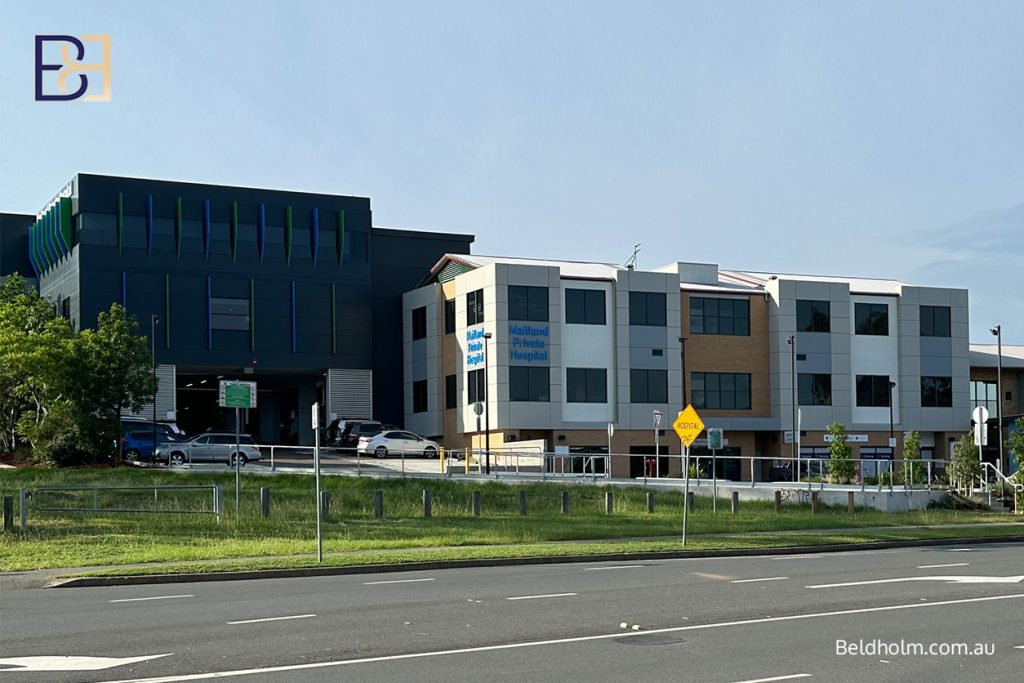
Dual vector abdominoplasty is performed at Maitland Private Hospital, where patients are cared for in a fully monitored surgical environment with 24‑hour nursing and medical support. Most patients remain in hospital for two to four nights following tummy tuck (abdominoplasty) surgery.
During the hospital stay, the focus is on:
- Pain management
- Early mobilisation
- Monitoring of drains and dressings
- Reducing the risk of complications such as blood clots
Pain management may include prescription pain medication and other pain medications as required. Patients are discharged once they are mobilising, tolerating oral intake, and have a clear plan in place for wound care and follow‑up.
Walking and posture during early recovery
Walking begins in hospital and continues at home following discharge. Early mobilisation is important to promote circulation, reduce the risk of blood clots, and support the body’s healing process.
Most patients will walk slightly bent forward during the first few weeks. This is expected and is influenced by muscle repair, lower abdominal tension, and the upper abdominal incision. Posture gradually returns to normal as swelling settles and healing progresses. Short, frequent walks are preferred, particularly during the first two weeks.
Compression garments and swelling control
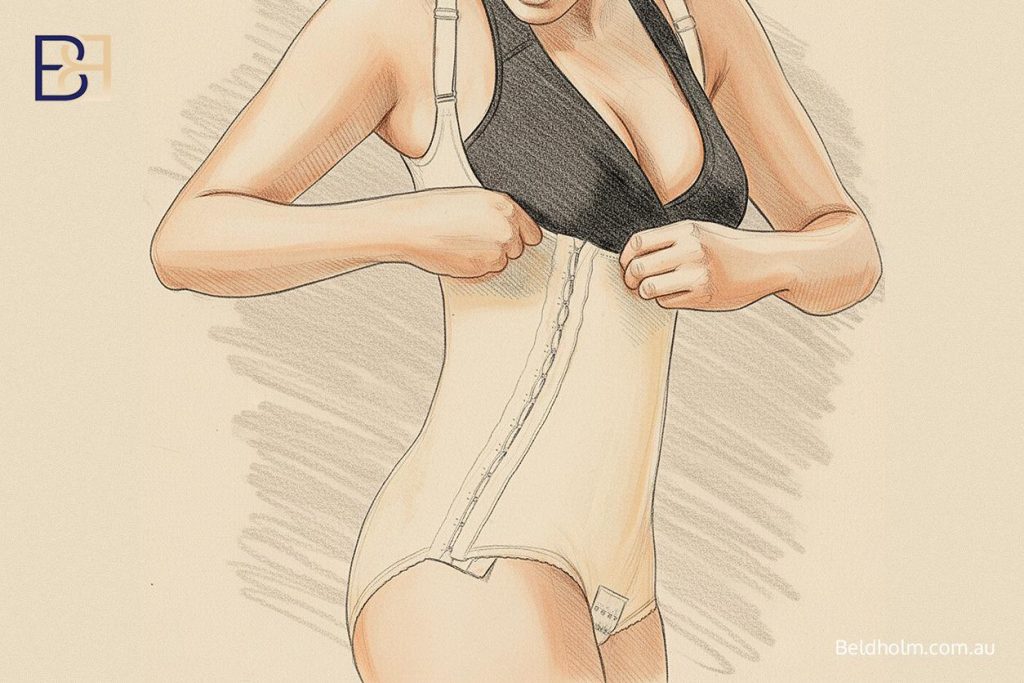
Compression garments play an important role in the abdominoplasty recovery process. They help manage swelling, provide support to healing tissues, and provide comfort when moving.
Because dual vector abdominoplasty involves multiple incision sites, garments must be fitted carefully to avoid excessive pressure on the upper abdomen. Swelling can persist for several months and often fluctuates with activity levels.
Wound care, dressings, and early clinic review

Wound care is a critical part of recovery. After discharge from Maitland Private Hospital, patients are reviewed regularly in clinic by the nursing team during the early recovery phase.
Most patients will have PICO negative pressure dressings applied at surgery. These are typically changed at around day 7 following the operation. After this, ongoing wound support is provided with tape dressings.
The upper abdominal incision often feels tighter and can take longer to settle than lower abdominal wounds. This is expected. Patients are advised to keep incision sites clean and dry and to avoid unnecessary tension on the wounds. Any increasing redness, discharge, fevers, or worsening pain should be reviewed promptly.
Muscle repair and abdominal support
Book your appointment online now
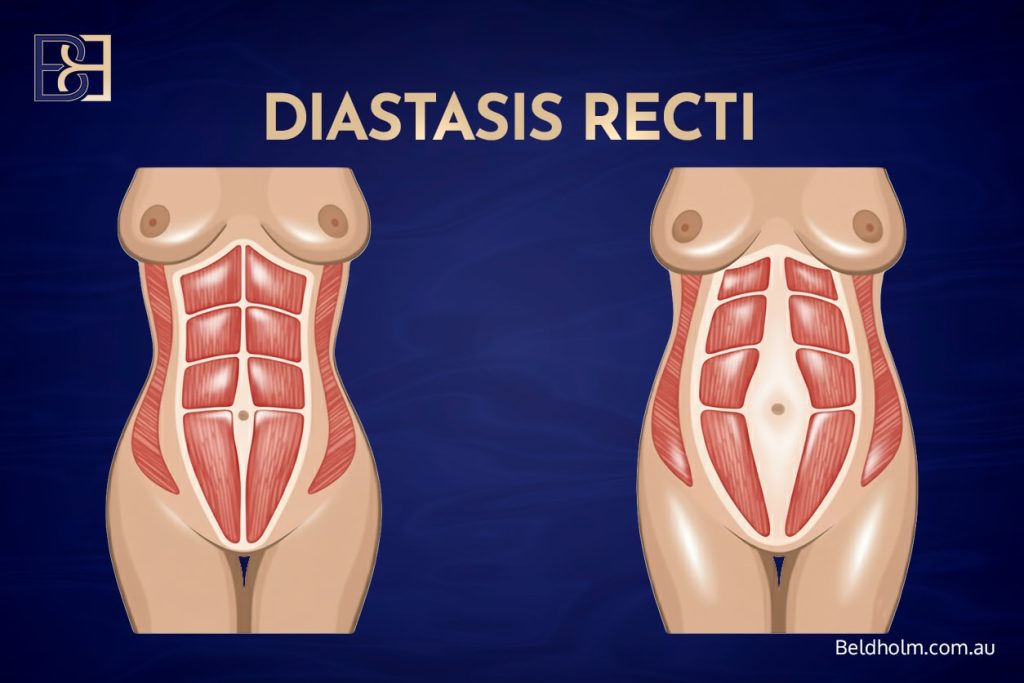
Many patients undergoing tummy tuck (abdominoplasty) also have muscle repair performed to address separation of the abdominal muscles (diastasis recti). This repairs the abdominal wall but has a significant influence on early recovery.
Activities that increase pressure through the abdominal wall must be avoided during the early healing phase to protect the repair and support optimal healing.
Activity restrictions and movement
During the early recovery period, patients must avoid:
- Strenuous exercise
- Heavy lifting
- Weight lifting
- Core exercises
Gentle activity such as short walks is encouraged. Strenuous activities are generally avoided for four to six weeks, sometimes longer depending on individual healing and clinical review.
Returning to normal activities
Most patients are able to resume light daily activities within two to three weeks and return to desk‑based work around three to four weeks after surgery. Recovery is gradual, and activity levels should increase slowly.
Moderate exercise and regular exercise are reintroduced in stages once clearance is given. Attempting to progress too quickly can delay healing.
Managing swelling during recovery
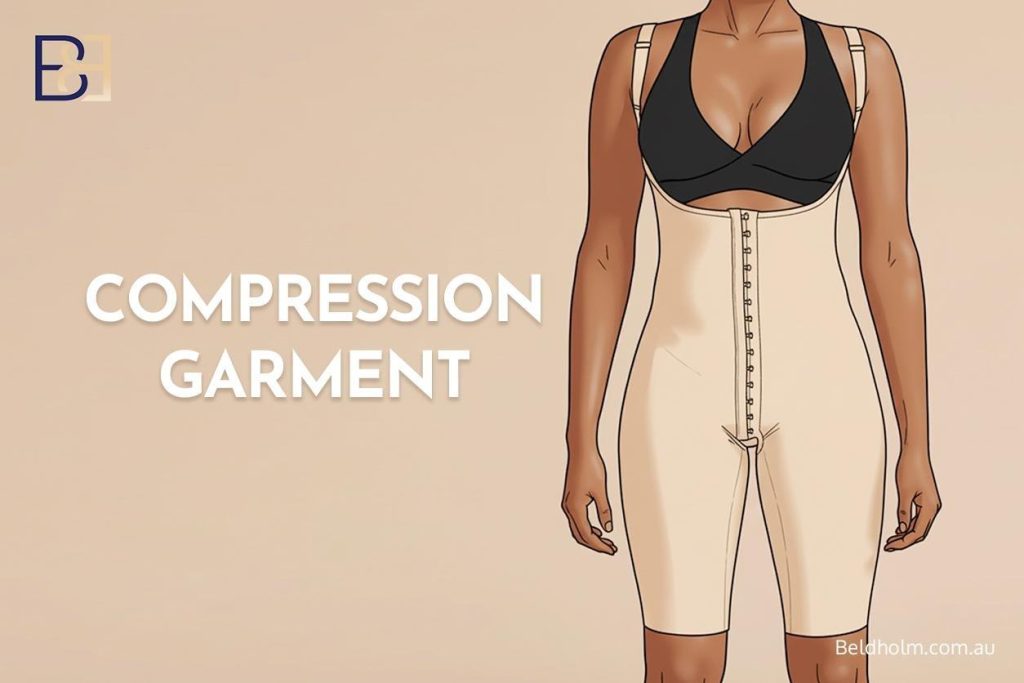
Swelling is expected and may fluctuate, particularly as activity levels increase. Compression garments, hydration, gentle movement, and a balanced diet all help manage swelling and promote circulation.
Scar management and skin health
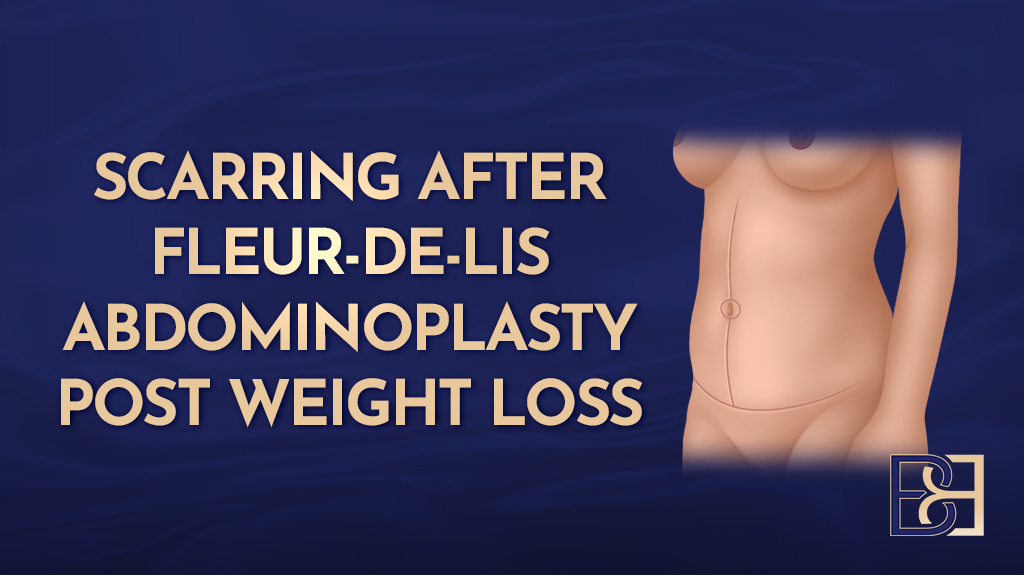
Dual vector abdominoplasty results in more extensive scarring than a standard tummy tuck (abdominoplasty). Scar management is discussed during follow‑up appointments and may include silicone‑based products and sun protection.
Scar maturation continues for 12 to 18 months.
Nutrition and recovery support
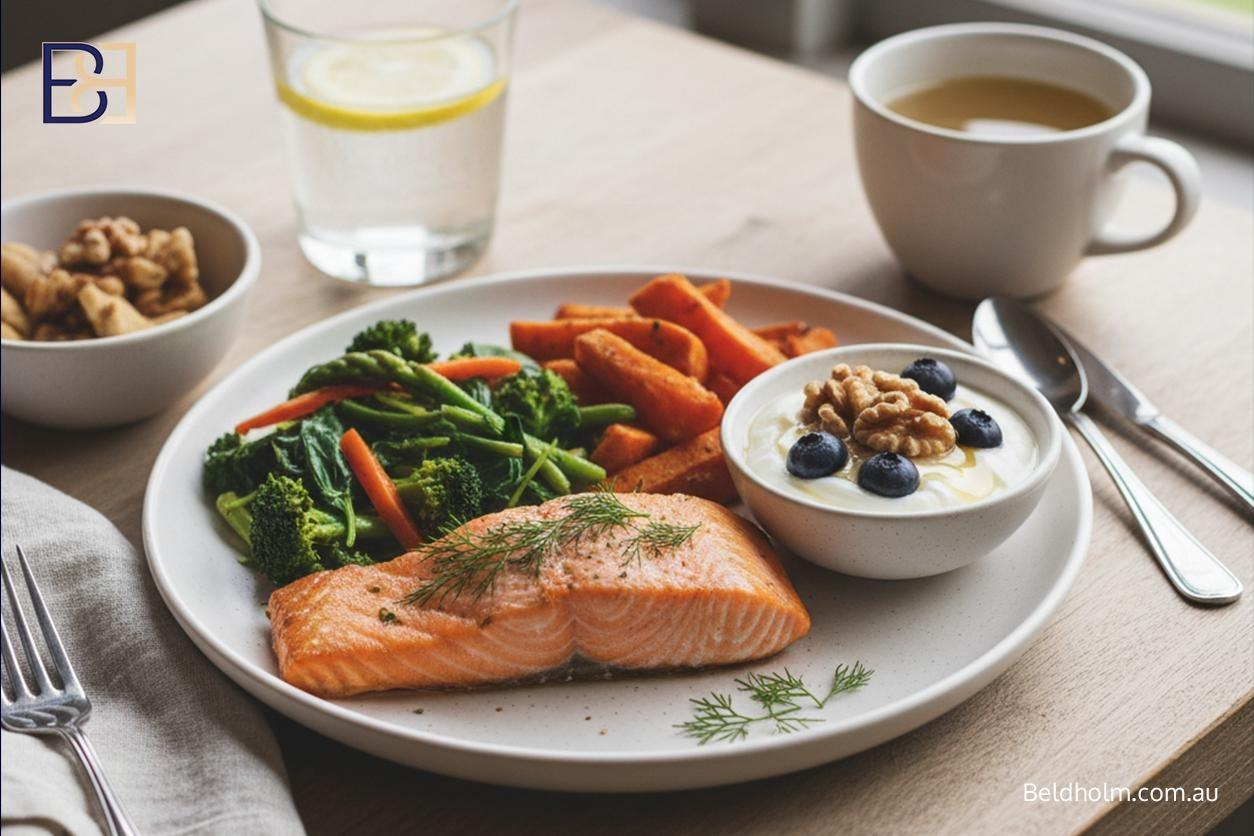
Good nutrition plays an important role in recovery. Patients are encouraged to maintain healthy eating habits, adequate protein intake, and a stable weight. Smoking and nicotine products should be avoided, as they negatively affect wound healing.
Emotional aspects of recovery
Recovery after abdominoplasty surgery can be physically and emotionally demanding. Fatigue, swelling, and temporary loss of independence are common in the early weeks. Understanding that recovery is a gradual process helps set realistic expectations.
Early follow‑up and the first two weeks

The first two weeks after surgery are usually the most intense part of recovery. During this period, patients often require assistance at home and attend frequent clinic reviews.
Nurse‑led follow‑up during this time focuses on wound care, dressing changes, and monitoring of healing. After the first two weeks, most patients notice steady progress in comfort, mobility, and independence.
When to seek medical attention
Immediate medical attention is required if patients experience increasing pain, signs of infection, shortness of breath, leg swelling, or wound separation.
Long‑term recovery and final results
Long‑term recovery continues over many months. While many patients feel significantly better by three months, it can take up to a year to feel fully recovered.
Final results continue to evolve as swelling resolves and scars mature. Outcomes vary between individuals.