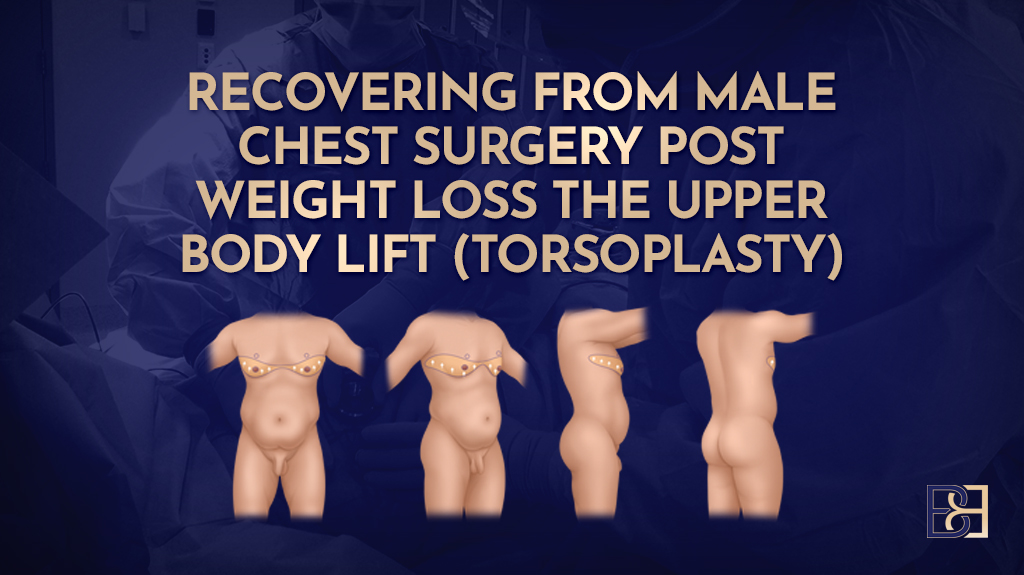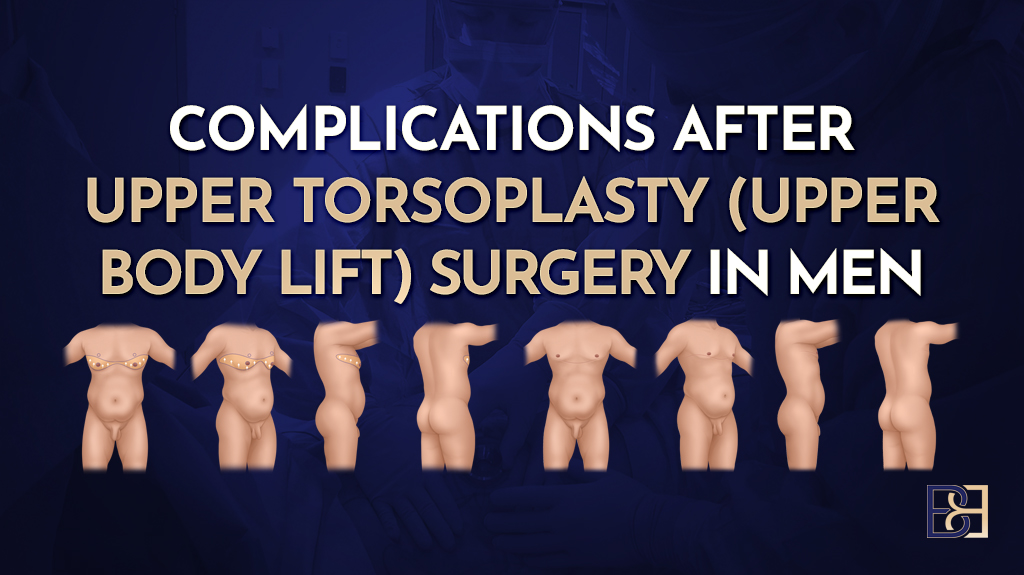
Upper back lipectomy, sometimes called a bra lift or bra line back lift, is a specialised form of lipectomy surgery that targets the upper body, specifically the area along the bra line. It is often performed as part of a staged approach to body lift (lipectomy) procedures following significant weight loss or massive weight loss, including patients who have undergone bariatric surgery.
After major weight loss, many patients are left with excess skin, excess skin and fat, and persistent skin folds along the upper back. These skin folds can cause physical discomfort, skin rashes, hygiene difficulties, and challenges with clothing, particularly around the bra strap area. A bra line back lift (Upper back lipectomy) is a surgical procedure designed to remove excess skin and fat from the upper and middle part.
How Excess Skin and Weight Loss Affect Complication Risk
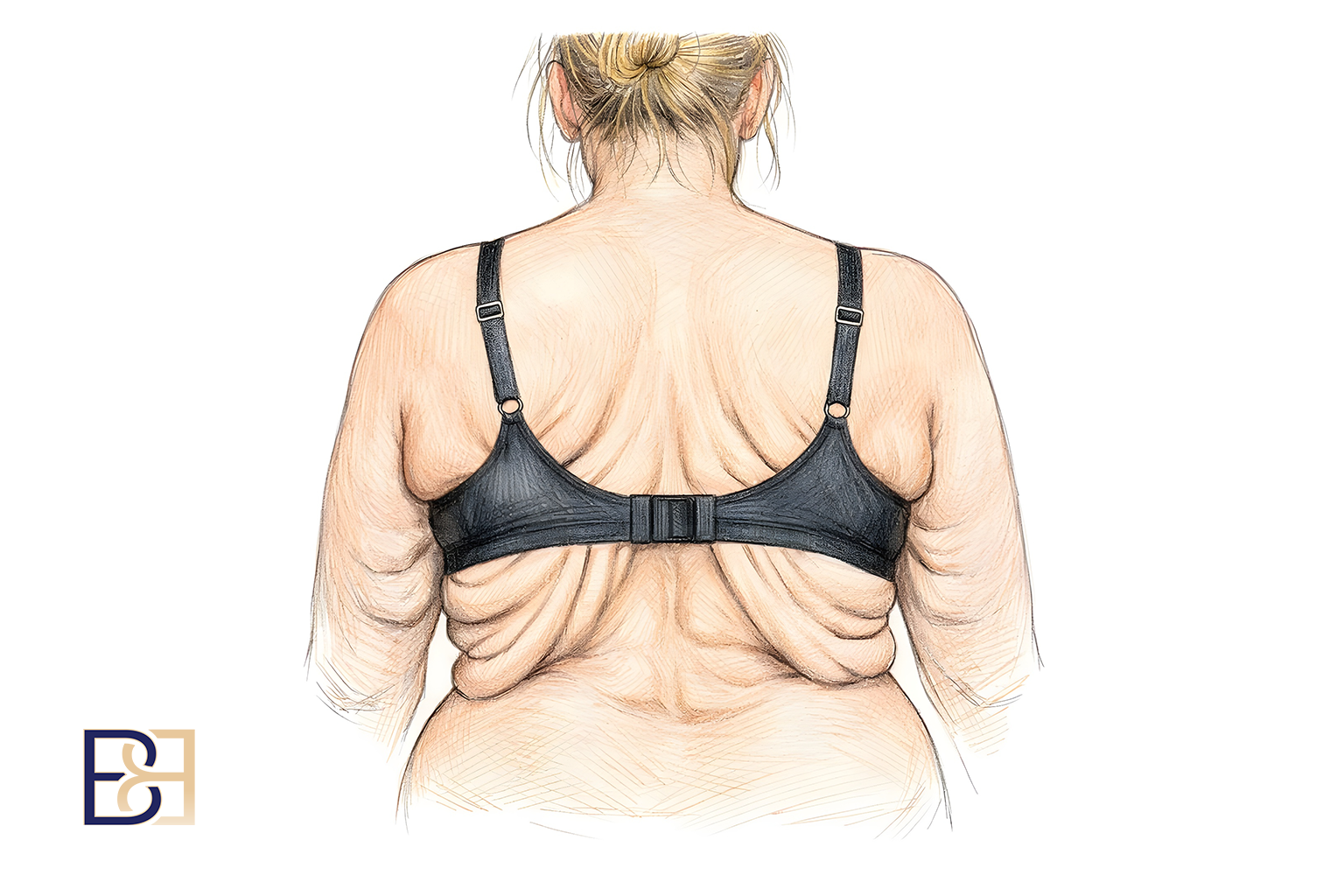
Patients seeking a bra line back lift (Upper back lipectomy) have usually experienced significant weight loss or have undergone significant weight loss over a relatively short period. This process permanently alters skin elasticity, blood supply, and the quality of the remaining skin.
Excess skin that develops after substantial weight loss or major weight loss is often thinner, less elastic, and more prone to delayed wound healing. In addition, patients who have had bariatric surgery may have nutritional deficiencies that further affect healing.
Common contributing factors include:
- Large volumes of excess skin and fat require removal
- Reduced skin recoil due to loss of skin elasticity
- Previous body lift (belt lipectomy) procedures
- Residual excess fat in the upper body
- Ongoing weight fluctuations or lack of stable weight
These factors do not prevent surgery, but they do increase the importance of careful planning and structured follow-up.
Common Complications After Bra Line Back Lift (Upper back lipectomy) Surgery
Delayed Wound Healing in the Bra Line Area
Delayed wound healing is one of the most frequently encountered surgical complications following a bra line back lift. The incision runs horizontally across the back in the bra line, an area subject to constant movement from the shoulders, arms, and thorax.
Patients who have experienced significant weight loss often have compromised microcirculation in the skin, which slows healing. Friction from a bra strap, tension across the incision, and early heavy lifting can further delay closure.
Usual management includes:
- Regular wound assessment during the first few weeks
- PICO negative pressure dressings, routinely changed at day 7
- LED light therapy to support the healing process
- Modification of arm movement and avoidance of heavy lifting
- Optimisation of nutrition and hydration
Most cases resolve without the need for further surgery when managed early.
Seroma and Fluid Accumulation
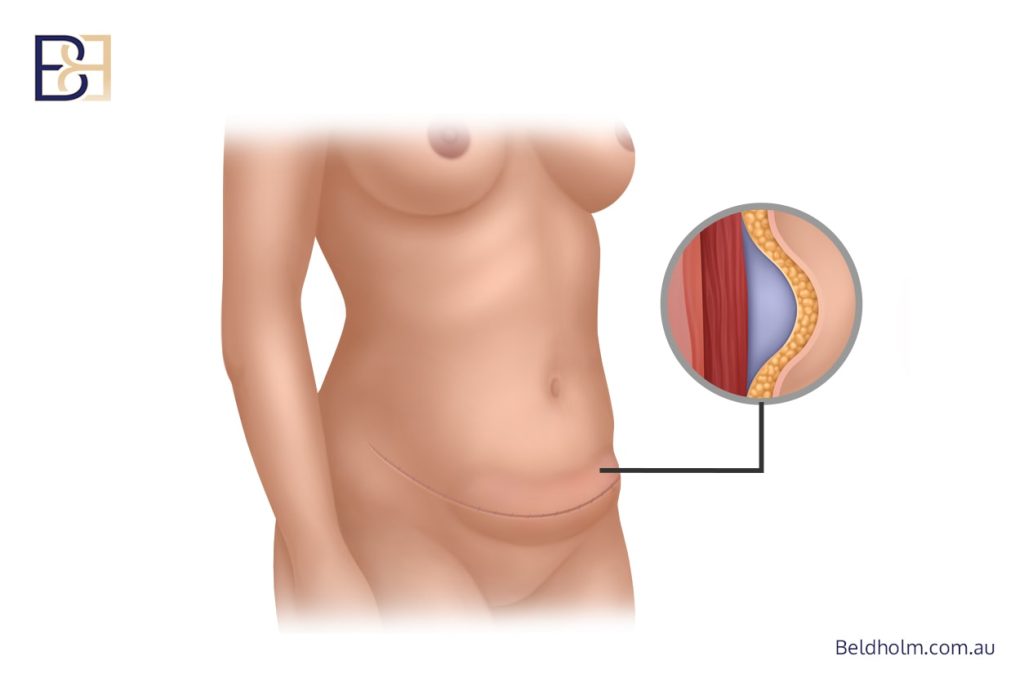
A seroma occurs when too much fluid collects beneath the skin following lipectomy surgery. This is a recognised risk across all body contouring procedures, including belt lipectomy, and upper body lift (upper body lipectomy) surgery.
Patients may notice swelling, tightness, or fluctuation along the bra line incision during the recovery period.
Management options include:
- Observation for small, asymptomatic collections
- Needle aspiration in clinic if fluid persists
- Compression garments in selected cases
Persistent seromas are uncommon with meticulous surgical technique and close follow-up.
Infection Following Bra lift (Upper back lipectomy)

Infection is a recognised complication of body contouring surgery, including Upper back lipectomy.
Risk factors include prolonged wound healing, poor nutrition, diabetes, smoking, or excessive tension on the incision.
Early symptoms may include redness, increasing pain, warmth, discharge, or fever.
Management typically involves oral antibiotics, wound care adjustments, and close clinical monitoring. Hospital admission is rarely required when infections are identified early.
Scarring, Scar Widening, and Scar Quality
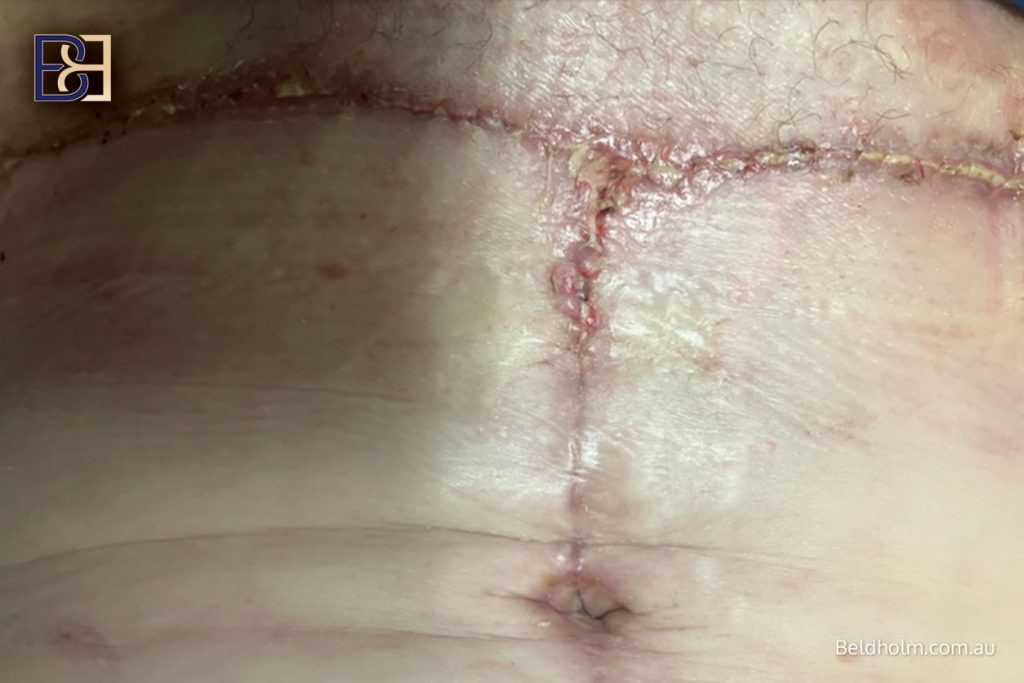
All bra line back lift (Upper back lipectomy) procedures result in a permanent scar positioned to lie beneath the bra line or bra strap area. While most scars mature well, scar widening is one of the most commonly reported late complications in published bra lipectomy literature.
Factors influencing scar quality include tension, skin quality, genetics, and compliance with post-operative instructions.
Management strategies include:
- Silicone gel or silicone sheets
- LED light therapy during early healing
- Scar massage once the wound is fully healed
- Consideration of scar revision only after full maturation
Patients are counselled extensively to maintain realistic expectations regarding scarring.
Book your appointment online now
Less Common Complications of bra lift (Upper back lipectomy) Surgery
Altered Skin Sensation
Temporary changes in skin sensation, including numbness or hypersensitivity, may occur along the bra line following a back lift (Upper back lipectomy). These changes are related to disruption of small cutaneous nerves.
In the majority of surgical patients, sensation gradually returns over several months. Permanent sensory change is uncommon.
Bleeding and Haematoma
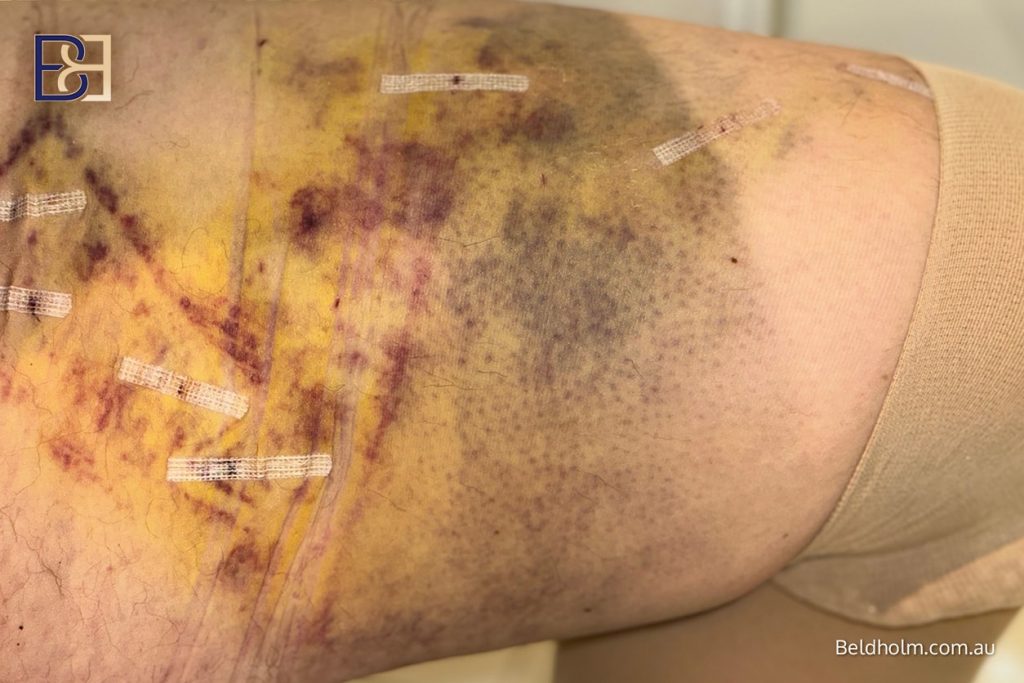
Bleeding beneath the skin, known as a haematoma, is rare but possible following invasive surgery such as bra lipectomy.
Small collections may be observed, while larger haematomas may require surgical evacuation. Careful haemostasis and post-operative monitoring reduce this risk.
Blood Clots and Systemic Risks
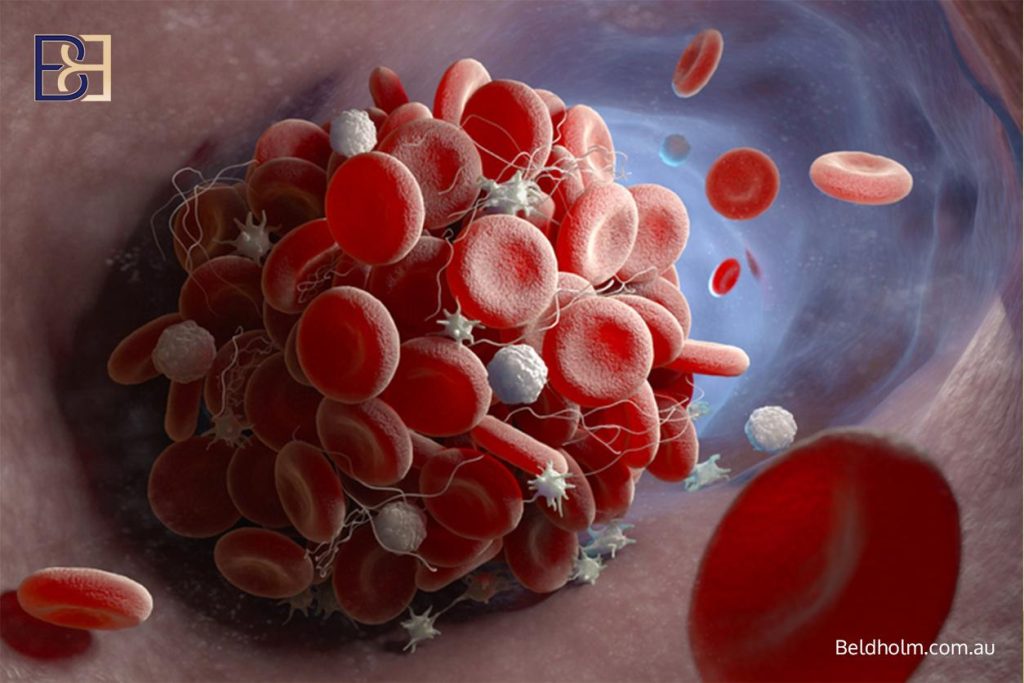
Blood clots, including deep vein thrombosis and pulmonary embolism, are rare but serious risks associated with surgery under general anaesthesia.
Risk factors include prolonged surgery, limited mobility, obesity, and previous clotting history.
Preventative measures include compression devices, early mobilisation, and individualised risk assessment.
Late and Long-Term Considerations After bra lift (Upper back lipectomy)
Residual Loose Skin and Undercorrection
Some patients may notice residual loose skin or minor excess tissue despite surgery. This is more common in patients with reduced skin elasticity following massive weight loss.
Further surgery is not routinely recommended and is assessed cautiously based on risk, benefit, and patient health.
Asymmetry and Contour Irregularities
Minor asymmetry along the upper body or bra line may become apparent as swelling settles. In most cases, this does not require intervention.
Complications When upper back Lipectomy Is Combined With Other Procedures
Upper back lipectomy may be performed alongside procedures such as belt lipectomy (lower body lift), tummy tuck (abdominoplasty), or breast lift (mastopexy).
While combined surgery may be appropriate in selected patients, it increases operative time, recovery demands, and the risk of wound healing complications. This is discussed carefully during the lift consultation, with emphasis on medical history, stable weight, and recovery capacity.
Follow-Up and Complication Management in Dr Beldholm’s Practice
Structured follow-up plays a critical role in early identification and management of complications.

Early Recovery and the First Two Weeks
The first few weeks are the most important phase of the recovery process. Patients are reviewed frequently by Dr Beldholm and nursing staff, with dressing checks, LED light therapy, and wound assessment.
PICO dressings are routinely changed at day 7, and activity restrictions are reinforced to support proper healing.
Ongoing Follow-Up Schedule

Patients are reviewed at 1, 3, 6, and 12 months to assess wound healing, scar maturation, and long-term outcomes.
Patients travelling from outside the area are advised to remain locally during the early recovery period, with telehealth follow-up coordinated where appropriate.
Reducing the Risk of Complications After Bra lift (Upper back lipectomy)
Patients can reduce the risk of complications by:
- Achieving and maintaining a stable weight
- Following all pre- and post-operative instructions
- Avoiding smoking and nicotine products
- Maintaining a healthy diet and adequate protein intake
- Avoiding heavy lifting during the early recovery phase
- Attending all scheduled follow-up appointments
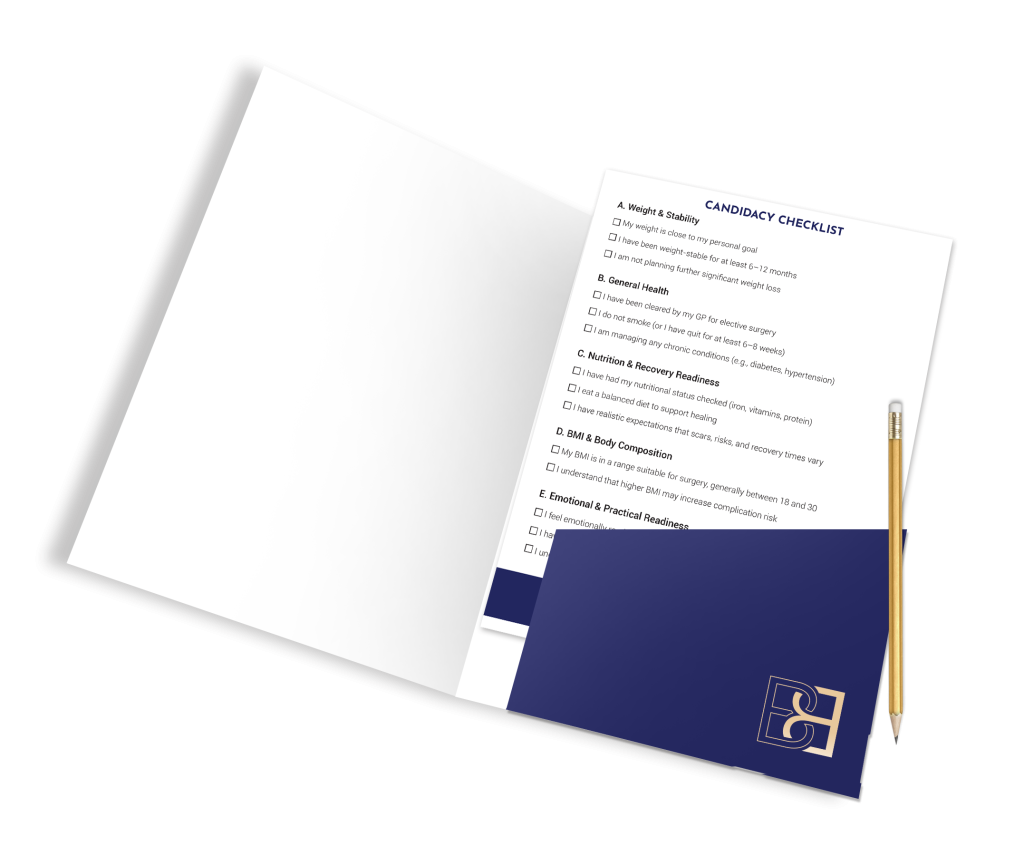
Bra lipectomy is a post weight loss procedure that requires patience, planning, and adherence to recovery guidelines.
Final Thoughts on Complications of bra lift (Upper back lipectomy)

Upper back lipectomy can treat persistent excess skin folds and discomfort along the bra line after significant weight loss. While most patients recover without major issues, complications can occur and should be understood as part of informed consent.
A detailed assessment with a qualified Specialist General Surgeon (FRACS), review of complete medical history, and discussion of realistic expectations are essential to surgical planning.