Fleur-de-Lis Abdominoplasty Combined With Circumferential Abdominoplasty
Recovering from circumferential hybrid abdominoplasty requires time, planning, and structured post-operative support. This procedure combines a Fleur-de-Lis abdominoplasty with a circumferential abdominoplasty (belt lipectomy), making it a significant surgical procedure with a more complex recovery period than a standard tummy tuck (abdominoplasty).
This operation is most commonly performed in patients who have experienced significant weight loss, massive weight loss following bariatric surgery. The presence of excess skin, redundant skin, and weakened abdominal muscles means that recovery must be approached carefully and progressively.
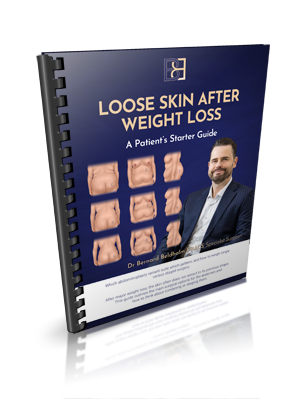
This article explains what patients can generally expect during recovery following circumferential hybrid abdominoplasty when performed by Dr Bernard Beldholm FRACS, Specialist General Surgeon, at Maitland Private Hospital. It covers hospital care, early recovery, dressing management with PICO, LED light therapy, compression garments, activity restrictions, and long-term healing.
What Is a Circumferential Hybrid Abdominoplasty?
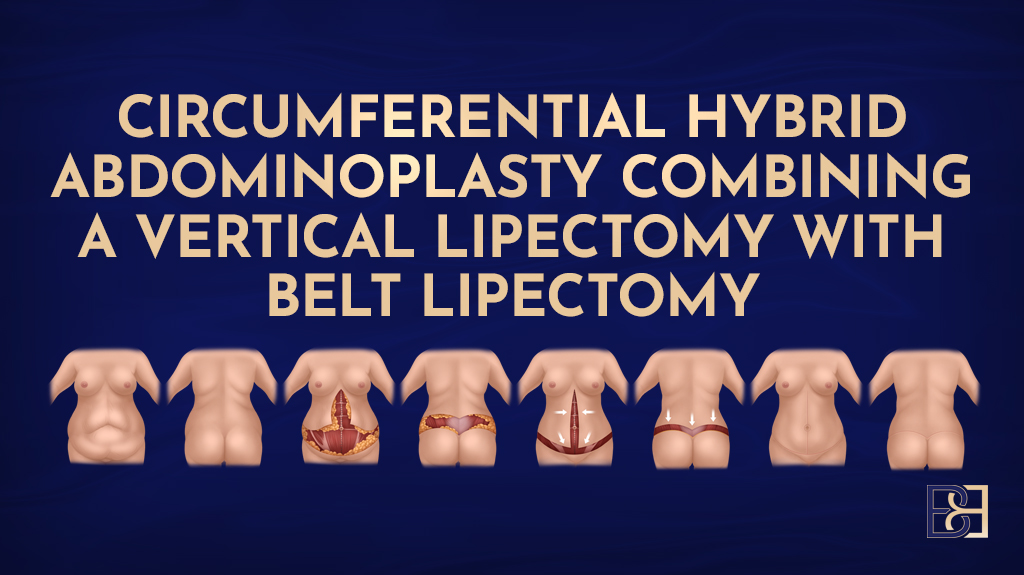
A circumferential hybrid abdominoplasty is a form of body lift (Belt lipectomy) surgery designed to remove excess skin and fat from around the entire waistline while also treating both vertical and horizontal skin excess on the front of the abdomen.
It combines two established procedures:
Fleur-de-Lis abdominoplasty – targets excess skin on the anterior abdomen by removing skin vertically and horizontally. This approach is particularly useful after significant weight loss, where skin elasticity has been reduced and a standard tummy tuck (abdominoplasty) may not adequately treat loose skin.

Circumferential abdominoplasty (belt lipectomy) – removes excess skin and fat around the entire lower trunk, including the lower abdomen, flanks, lower back, and upper buttock region.
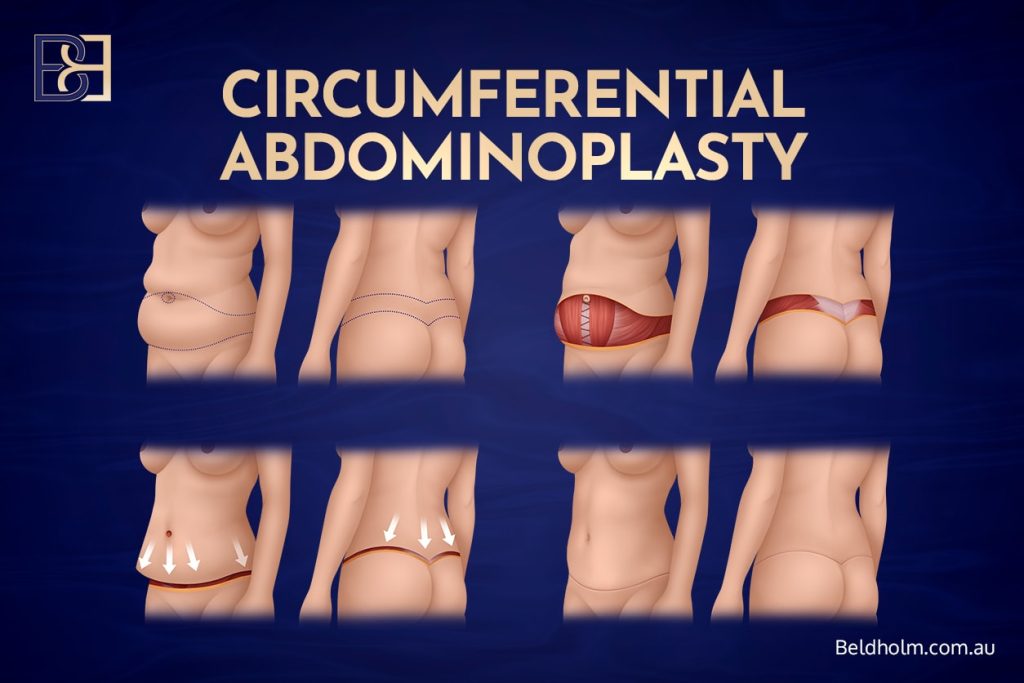
By combining these approaches, the circumferential hybrid abdominoplasty functions as a comprehensive lower body lift (belt lipectomy) procedure. It differs substantially from a standard tummy tuck (abdominoplasty), which are limited to the lower abdomen and do not treat the entire waistline.
Who Typically Requires a More Complex Recovery?
Patients who undergo circumferential hybrid abdominoplasty often have:
- A history of significant weight loss or massive weight loss
- Loose skin and redundant skin affecting multiple body areas
- Stretch marks extending above and below the belly button
- Muscle separation or weakened abdominal muscles
- Reduced skin elasticity due to weight loss or long-standing skin stretch
Because multiple regions are treated at once, the recovery process is longer and requires careful planning, especially during the first few weeks.
Why Recovery Is More Involved Than a Standard Tummy Tuck (abdominoplasty)
Recovery following a circumferential body lift (belt lipectomy) is more involved than recovery from tummy tuck (abdominoplasty) surgery alone. This is due to:
- Longer incisions extending around the entire waistline
- Larger wound surfaces and more extensive skin and fat dissection
- Muscle repair of the abdominal wall in many patients
- Increased demands on mobility, posture, and wound care
Hospital Stay at Maitland Private Hospital
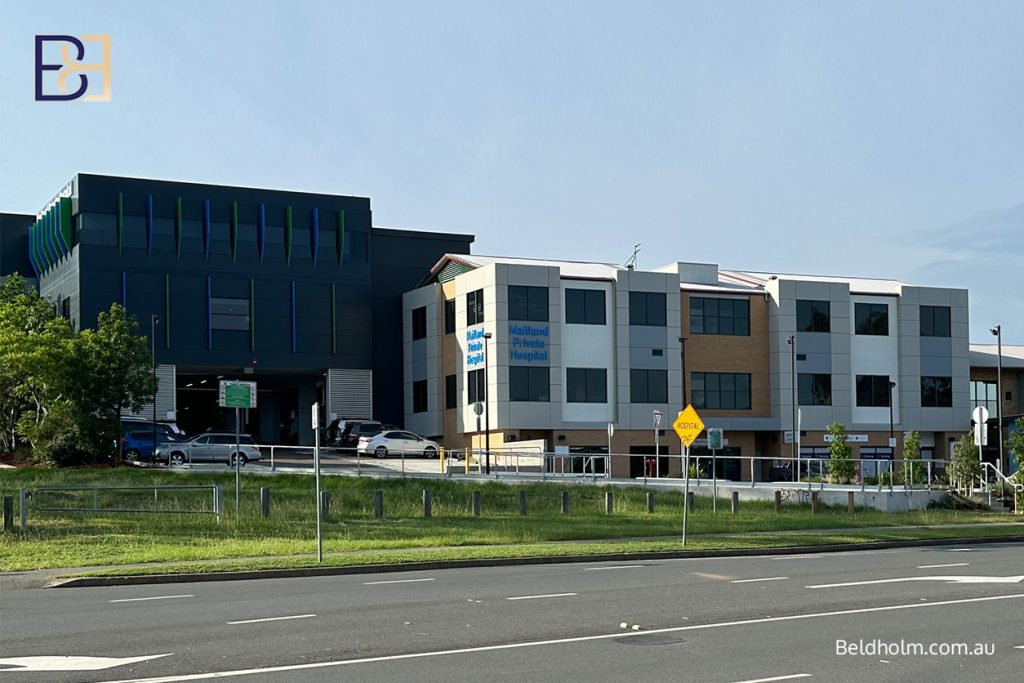
Circumferential hybrid abdominoplasty is performed at Maitland Private Hospital, where patients have access to comprehensive post-operative care.
Typical hospital stay

- Most patients remain in hospital for 3 to 5 nights, depending on the extent of surgery and individual recovery
- Pain control, fluid balance, and mobility are closely monitored
- Dr Beldholm performs daily ward rounds while patients are admitted
- Nursing staff assist with early mobilisation, compression garment fitting, and wound checks
Remaining in hospital during the early post operative period allows potential issues to be identified and managed promptly.
Immediate Post-Operative Recovery (Days 0–7)
The first week after surgery is typically the most challenging part of the recovery period.
What patients commonly experience
- Significant swelling of the abdomen, flanks, and lower body
- Tightness related to skin removal and muscle repair
- Difficulty standing fully upright due to tension across the abdominal wall
- Fatigue and reduced energy levels
- Reliance on assistance for daily activities such as showering and dressing
Short, frequent walks are encouraged to support circulation and reduce the risk of complications. However, heavy lifting and sudden movements are avoided.
Book your appointment online now
PICO Dressings and Wound Care
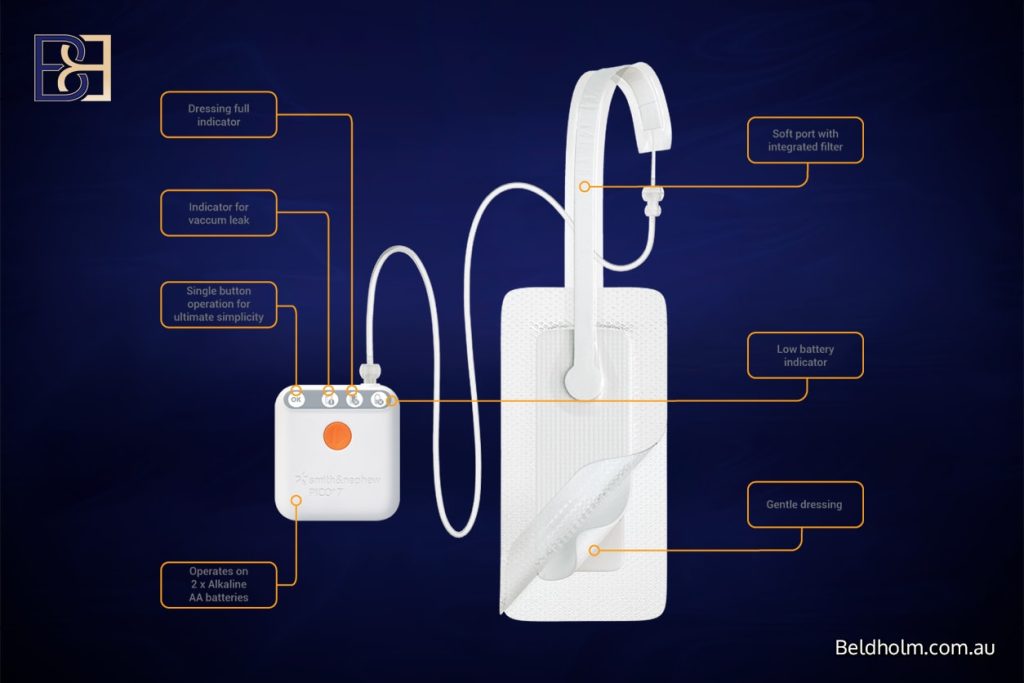
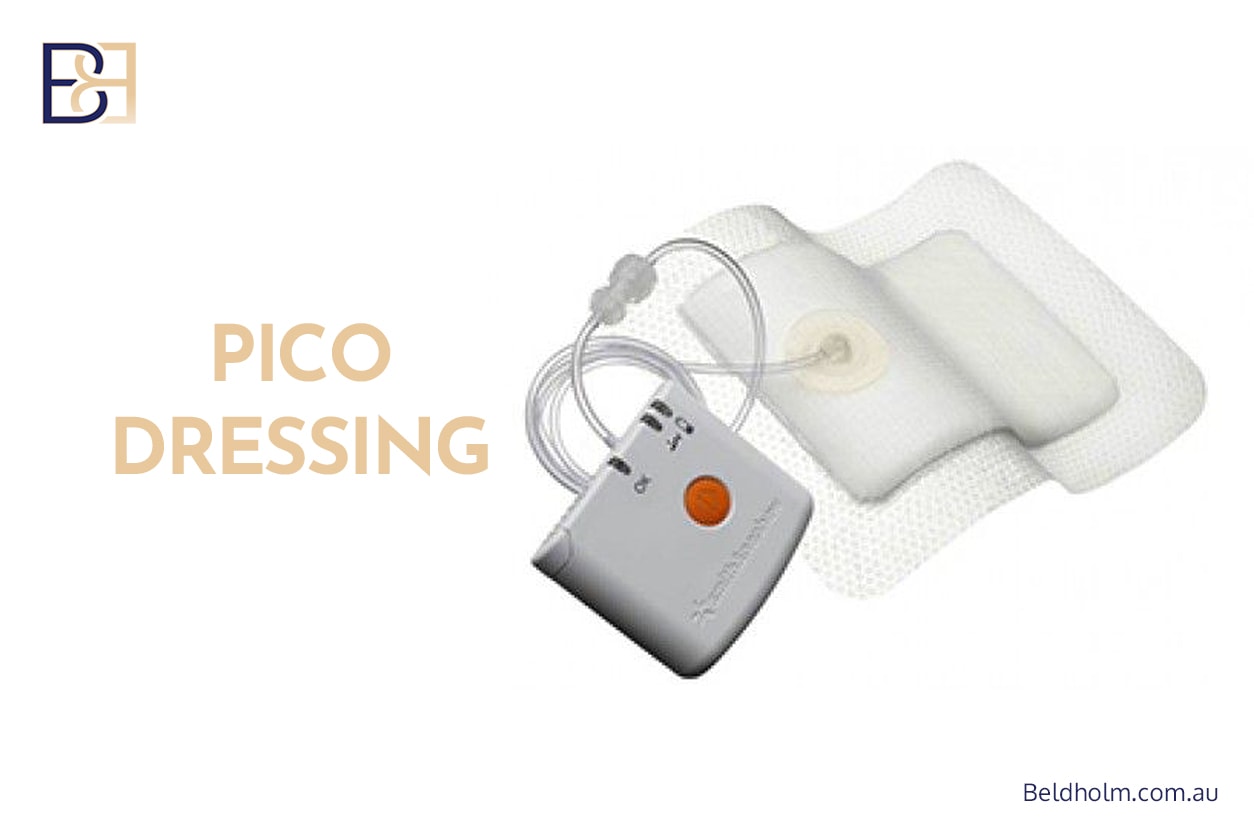
Negative pressure wound therapy using PICO dressings is routinely used following circumferential hybrid abdominoplasty.
Purpose of PICO dressings
- Support wound edge approximation across long incision lines
- Reduce fluid accumulation under the skin
- Protect surgical wounds during the early healing process
Dressing management timeline
- PICO dressings are applied in hospital at the completion of surgery
- Dressings typically remain in place for 7 days
- Removal occurs in the clinic under direct supervision by Dr Beldholm or the nursing team
- Once removed, wounds are supported with tape dressings such as Hypafix
All dressing changes and wound reviews during the first two weeks are managed in the clinic to ensure early identification of wound healing issues.
LED Light Therapy During Early Recovery
During the first two weeks after surgery, patients attend the clinic multiple times per week. As part of the structured post operative recovery program, LED light therapy is used as an adjunct to wound care.
LED light therapy is used as an adjunct and may be associated with:
- Supporting skin health and circulation
- Reducing inflammation
- Creating a favourable environment for the healing process
LED therapy is not a substitute for surgical care but forms part of a closely monitored recovery pathway.
Compression Garments After Surgery
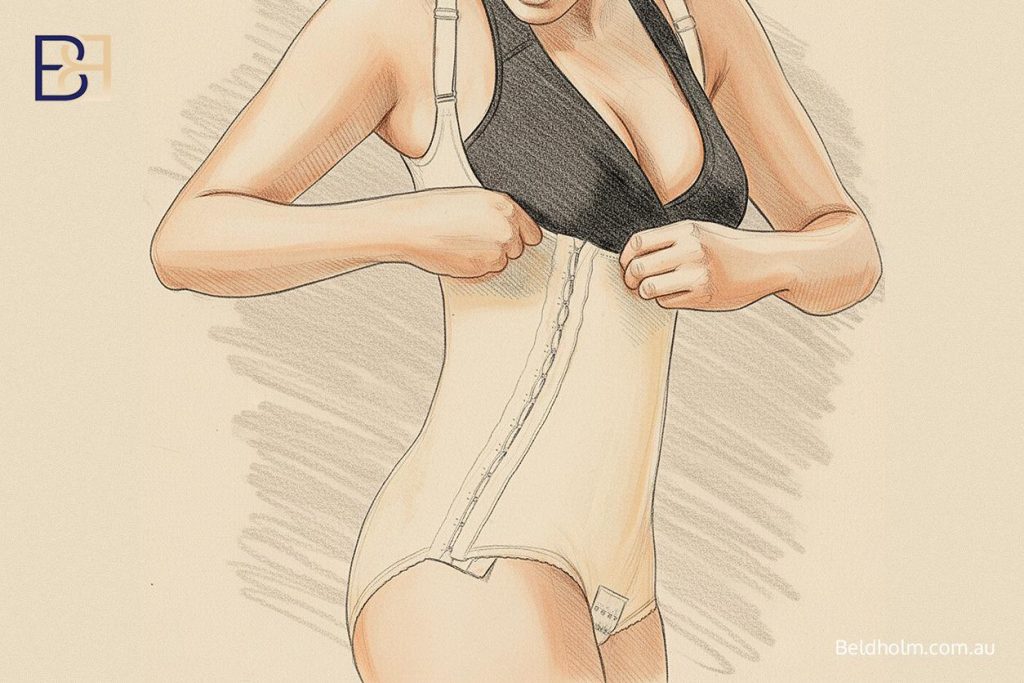
Compression garments play an important role during recovery from circumferential hybrid abdominoplasty.
General compression guidelines
- Worn day and night for the first 4 weeks, then half time for another 2 weeks, unless otherwise directed
- Briefly removed for showering and dressing changes
- Help manage swelling and support healing tissues
Garments are reviewed during follow-up visits to ensure appropriate fit as swelling reduces.
Recovery Timeline: What to Expect Week by Week
Week 1
- Peak swelling and discomfort
- PICO dressings in place
- Walking short distances with assistance
- Upright posture is limited
- No heavy lifting or strenuous movement
Weeks 2–3
- PICO dressings removed in clinic
- Transition to supportive tape dressings
- Gradual return of mobility and posture
- Continued LED light therapy
- Surgical drains (if used) are usually removed
Weeks 4–6
- Gradual return to standing more upright
- Compression garment continues
- Light household tasks permitted
- No lifting or strenuous exercise
Weeks 6–12
- Gradual increase in activity
- Compression garments may be reduced as advised
- Scar maturation continues
- Exercise is reintroduced gradually with clearance
Beyond 3 months
- Continued softening of scars
- Gradual changes in comfort and mobility
- Changes in abdominal contour may continue to occur for up to 18 months
Muscle Repair (diastasis recti) and Abdominal Healing
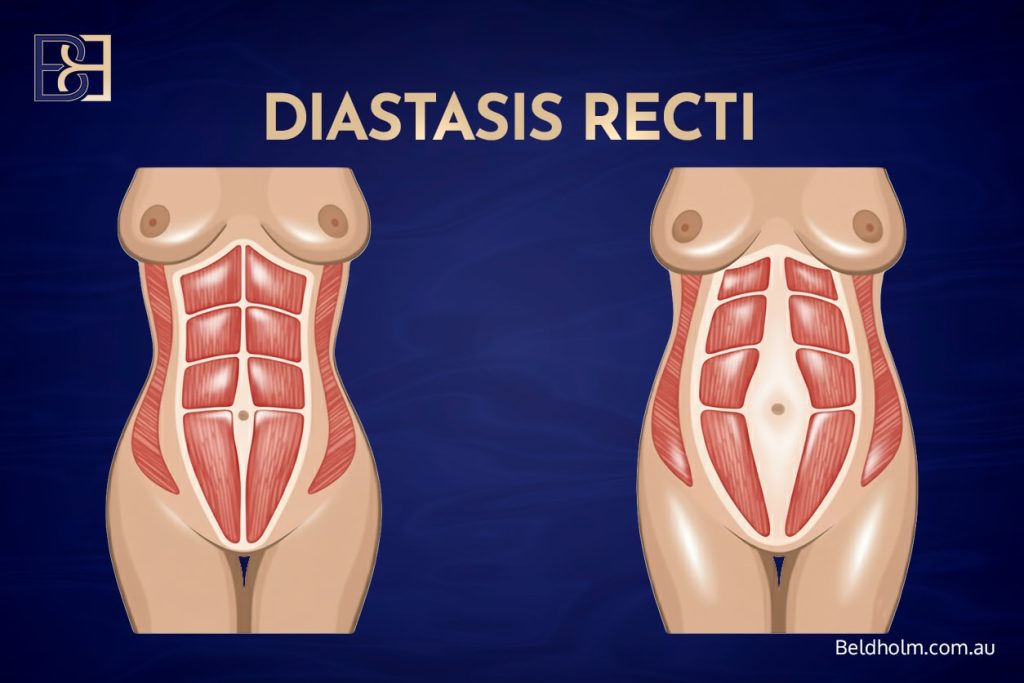
Many patients undergoing circumferential hybrid abdominoplasty require muscle repair due to muscle separation or weakened abdominal muscles (Diastasis recti).
- Muscle repair contributes to early tightness and reduced mobility
- The abdominal wall heals gradually over several weeks
- Sudden twisting, heavy lifting, and core strain should be avoided
Most patients are advised to avoid significant abdominal strain for 8 to 12 weeks to allow optimal healing.
Sleeping Positions During Recovery

Sleeping position is an important consideration during early recovery.
Patients are usually advised to:
- Sleep on their back
- Use pillows under the knees and upper body to reduce tension
- Avoid side or stomach sleeping in the early recovery period
Sleep comfort typically improves as swelling reduces over the first few weeks.
Follow-Up Schedule With Dr Beldholm

Post-operative care is closely monitored, particularly during the early recovery period.
- Multiple clinic visits during the first 2 weeks for wound review, dressing changes, and LED therapy
- Routine follow-up appointments at 1, 3, 6, and 12 months
Patients travelling from outside the Hunter Valley are usually advised to remain locally for 7 to 10 days after surgery to allow close early follow-up.
Long-Term Recovery and Lifestyle Considerations
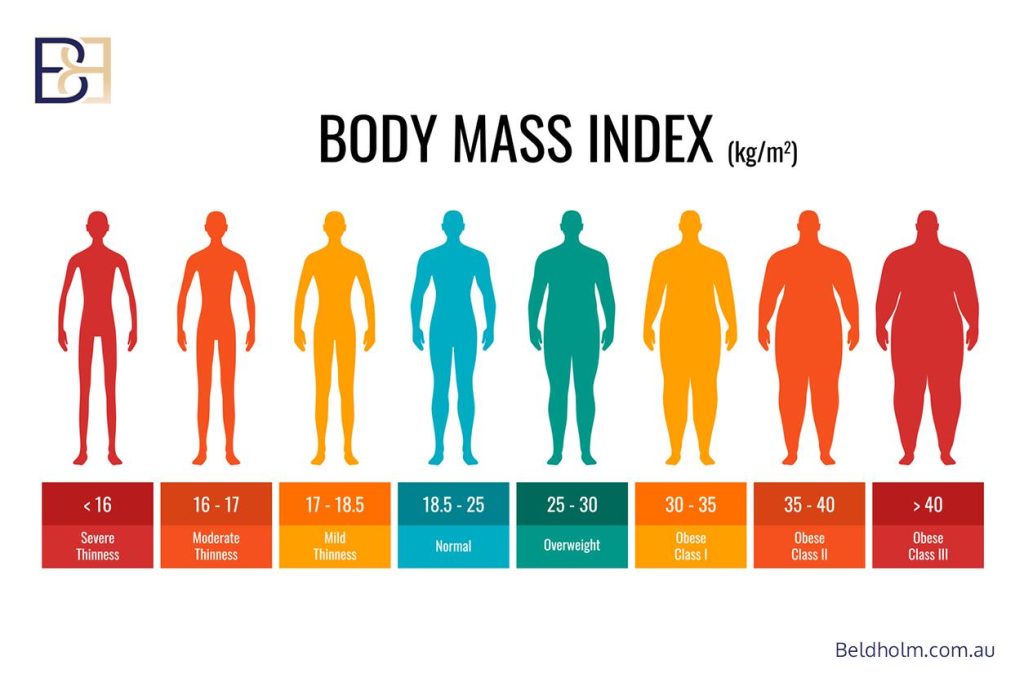
Long-term outcomes following body lift surgery may be influenced by several factors:
- Maintaining a stable weight
- Following a healthy diet
- Gradually returning to activity as advised
- Attending scheduled follow-up appointments
- Ongoing scar care

Future weight loss or weight gain can affect remaining skin and the long-term abdominal contour.
Risks and Important Considerations
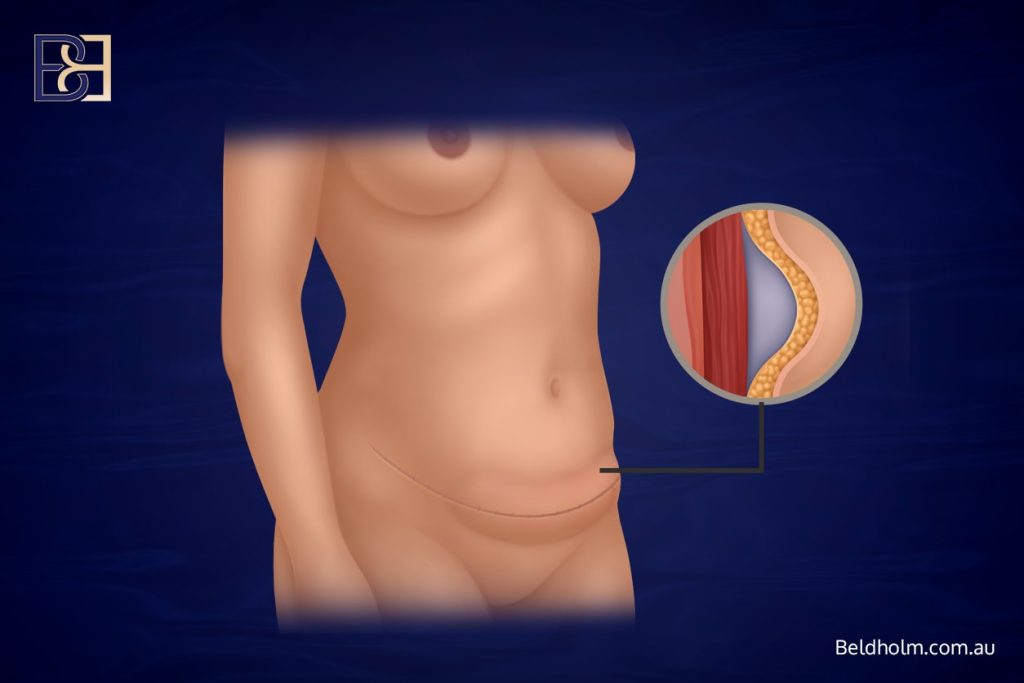
Circumferential hybrid abdominoplasty is major reconstructive surgery and carries risks, including:
- Wound healing complications
- Infection
- Seroma formation
- Scarring issues, including keloid scars
- Prolonged swelling or discomfort
These risks are discussed in detail during consultation. Recovery requires adequate time and support.
Is This Recovery Right for You?
Circumferential hybrid abdominoplasty may be considered for patients who:
- Have experienced massive or significant weight loss
- Have excess skin and fat around the entire waistline
- Have muscle separation (Diastasis recti) affecting the abdominal wall
- Are at a stable weight and in good general health
An in-person consultation with a Specialist General Surgeon is essential to determine whether this procedure and recovery process are appropriate.