Anaesthesia for Abdominoplasty: Types, Procedures, Risks & Recovery

Anaesthesia for Abdominoplasty: Types, Procedures, Risks & Recovery

Anaesthesia is crucial for pain-free surgeries. It blocks pain signals to your brain, allowing complex procedures without discomfort. This article explains the types of anaesthesia, their uses, and what to expect during and after administration. Key Takeaways Types of Anaesthesia Used in Abdominoplasty Surgery Anaesthesia plays a pivotal role in

Nerve Injury After Brachioplasty Surgery

Nerve injury is a recognised complication of almost any surgery. There is a wide spectrum of nerve injuries, from mild lesions that recover spontaneously to the most severe, in which intervention is required. For a surgeon, the challenge rests in identifying the extent of the injury, as prompt recognition and

Top Trends in Total Intravenous Anaesthesia (TIVA)

Top Trends in Total Intravenous Anaesthesia (TIVA)

Anaesthesia makes pain-free surgeries possible by temporarily blocking sensation. Total Intravenous Anaesthesia (TIVA) is a modern technique increasingly used in medical practices. This article explores how TIVA works, its benefits, and the latest trends shaping its use. Dr Beldholm works with anaesthetists who use this method and has found that

Acute Compartment Syndrome After Brachioplasty Surgery

Acute compartment syndrome is a rare but potentially serious complication of brachioplasty surgery. It most often affects the forearm, with common signs including pain, swelling, and tightness in the affected muscles. This condition requires urgent medical assessment and, if confirmed, is typically managed with surgical intervention. Brachioplasty is a surgical

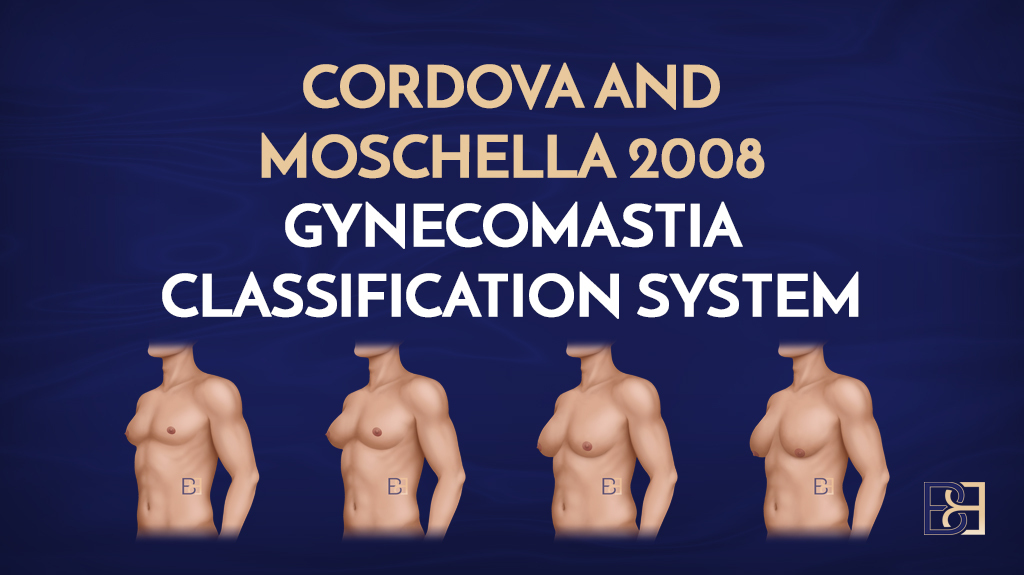
Cordova and Moschella 2008 Gynecomastia Classification System

Cordova and Moschella 2008 Gynaecomastia Classification System

Gynaecomastia is a common aesthetic issue frequently encountered by surgeons. Most male patients with this condition undergo surgery to regain their masculine contour and flat chest with as few scars as possible. Developed by Adriana Cordova and Francesco Moschella, a study was conducted to review the older classification methods of

Combining Subcutaneous Mastectomy with VASER Liposuction for Gynaecomastia BB Grade 2a, 3a & 4a: Effective Male Breast Reduction Treatment

Combining Subcutaneous Mastectomy with Suction-assisted Lipectomy (VASER Liposuction) for Gynaecomastia BB Grade 2a, 3a & 4a: Effective Male Breast Reduction Treatment

Combining subcutaneous mastectomy with suction-assisted lipectomy (liposuction) to treat gynaecomastia is a proven method, targeting both firm glandular and excess fatty breast tissue. This article explains how this combination works, its benefits, and what to expect during treatment and recovery. Key Takeaways Understanding Gynaecomastia Gynaecomastia is primarily caused by an

VASER Liposuction for Pseudo-Gynaecomastia BB Grade 2b, 3b & 4b: Effective Male Breast Reduction Treatment

Suction-Assisted Lipectomy (VASER Liposuction) for Pseudo-Gynaecomastia BB Grade 2b, 3b & 4b: Effective Male Breast Reduction Treatment

Suction-Assisted Lipectomy (VASER Liposuction) gynaecomastia is an effective method for reducing Pseudo-gynaecomastia. In this article, we’ll cover how the procedure works, who it’s suitable for, and what you can expect during recovery. Pseudo gynaecomastia is a medical condition characterised by the appearance of enlarged breasts in males, caused by an

Location

30 Belmore Rd
Lorn NSW 2320

Connect

This website contains adult content. You must be 18 years or over to read. All surgery carries risks. You should seek a second opinion before proceeding. Results vary from patient to patient. See our disclaimer.
This is default text for notification bar