


Fleur-de-Lis Abdominoplasty for Vertical and Horizontal Excess Skin After Weight Loss
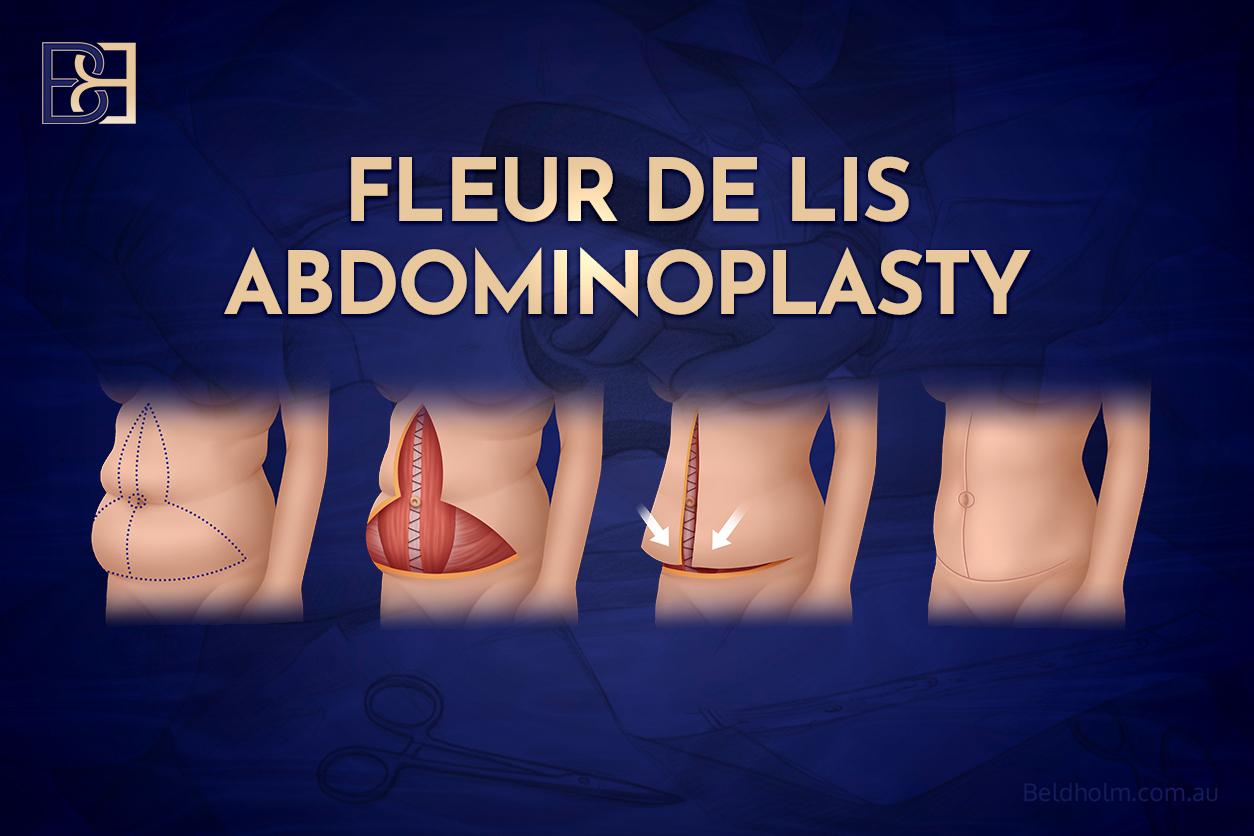
A Fleur-de-Lis abdominoplasty (also called a vertical tummy tuck) is a surgical procedure that removes excess abdominal skin in two directions: vertically (up and down) and horizontally (side to side).
It is considered for patients whose combined pattern of loose skin following significant or massive weight loss cannot be adequately addressed by a standard abdominoplasty alone.

Dr Bernard Beldholm FRACS is a Specialist Surgeon based in the Hunter Valley, NSW, with more than 15 years of experience in post-weight-loss body contouring. Fleur-de-Lis abdominoplasty is performed at Maitland Private Hospital, a private hospital with 24-hour medical cover and an on-site intensive care unit.
A Fleur-de-Lis is a major operation carried out under general anaesthesia. For some patients, a broader single operation may better match the pattern of excess skin, including:
- Dual-vector abdominoplasty: Fleur-de-Lis combined with upper abdominal lipectomy.
- Hybrid circumferential abdominoplasty: Fleur-de-Lis combined with belt lipectomy.
Loose skin in the upper abdomen and lower chest is a common finding after significant weight loss that a Fleur-de-Lis alone does not address. Which procedure is appropriate is determined at clinical assessment.
Pre-operative preparation

The vertical midline closure of a Fleur-de-Lis places additional demands on the tissues compared to a standard abdominoplasty. Weight stability, nutritional status, and smoking status in the months before surgery all influence healing.
Nutritional preparation follows a two-tier framework:
- Tier 1: universal supplements. Commenced at surgical planning for every post-weight-loss patient. Includes protein, a complete multivitamin, vitamin D3 with K2, vitamin C, and zinc.
- Tier 2: blood-guided supplements. Added only where an extended blood panel confirms a specific deficiency. May include iron, B12, folate, vitamin A, thiamine, or others.
Post-bariatric patients commonly require Tier 2 supplementation, and many require long-term micronutrient support independent of surgery timing.
A nutrition calculator is embedded further down this page to help estimate pre-operative protein and supplement targets.
My Approach to Fleur-de-Lis Abdominoplasty
Not every patient with loose skin after weight loss needs a Fleur-de-Lis. And not every patient who needs central tightening is suited to a Fleur-de-Lis alone. My approach to this surgery rests on four principles.
The procedure should match the pattern of skin excess
I begin with a careful clinical examination to map the direction of skin laxity, the condition of the abdominal wall, and whether excess extends into adjacent areas such as the flanks, lower back, upper abdomen, or mons. A Fleur-de-Lis addresses excess in both vertical and horizontal directions. If the pattern is different, a different procedure is usually the more appropriate match.
One operation is usually preferable to staged surgery
Where a patient’s pattern extends beyond what a Fleur-de-Lis alone can address, I will often plan a broader single operation rather than staging surgery over separate admissions.
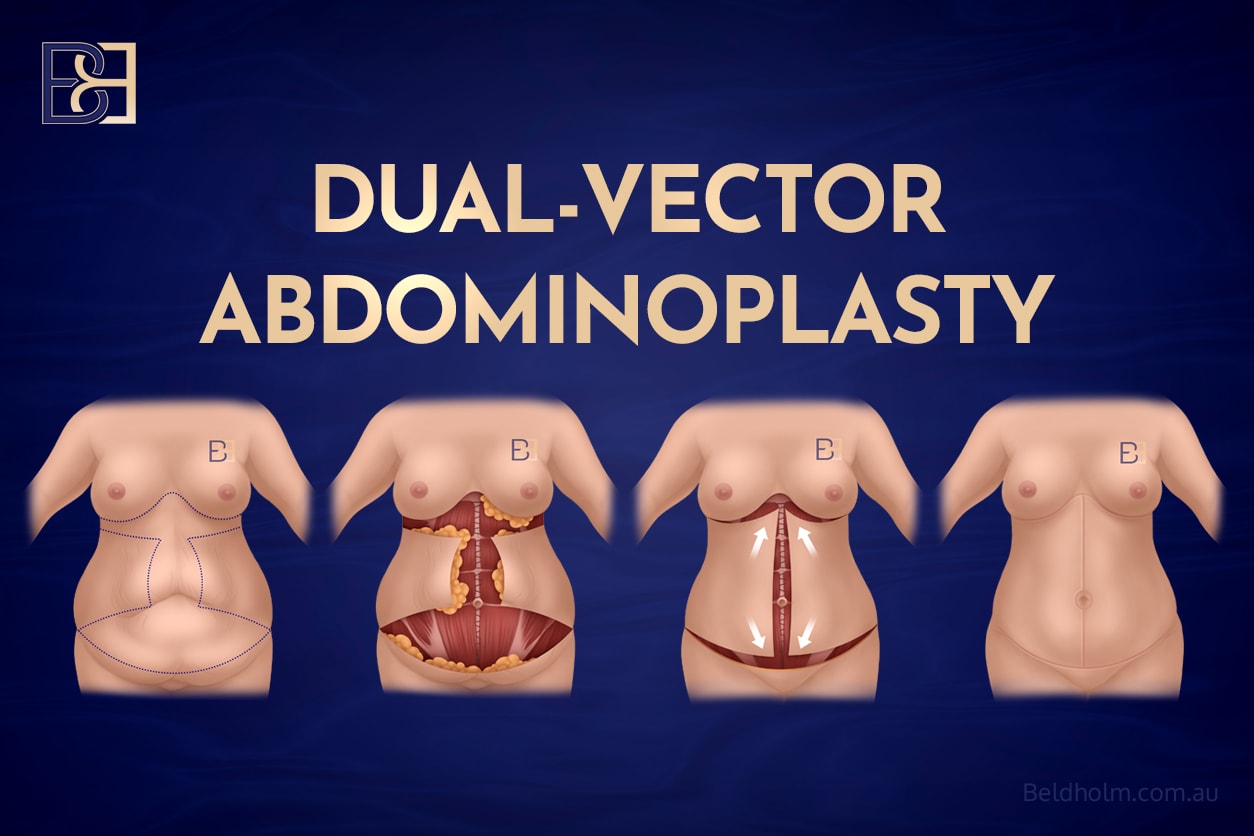
A dual-vector abdominoplasty adds an upper abdominal lipectomy for patients who also have excess skin in the upper abdomen and lower chest. This pattern is common after significant weight loss but is easily overlooked if not specifically examined for. A Fleur-de-Lis alone does not treat it.
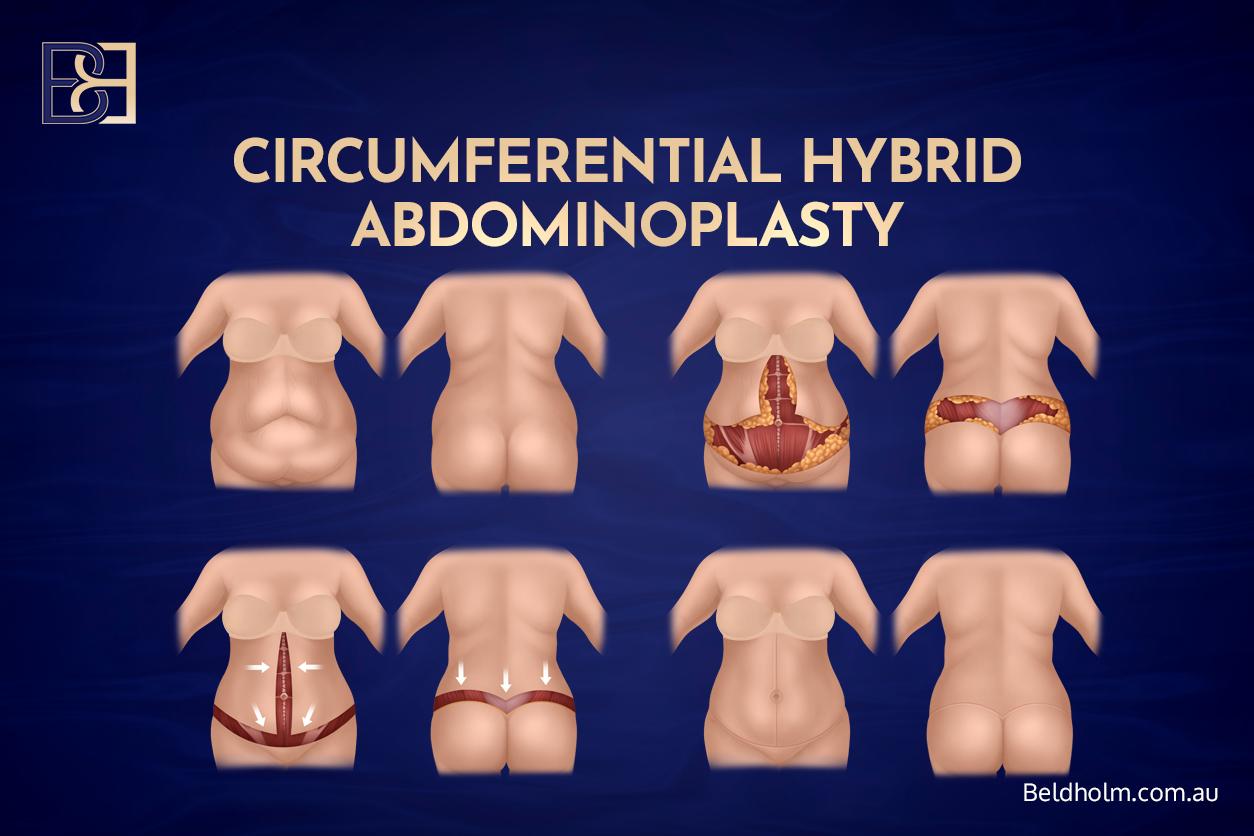
A hybrid circumferential abdominoplasty combines a Fleur-de-Lis with a belt lipectomy for patients whose excess continues around the torso.
A single, well-planned operation generally means one recovery period rather than two.
Adding VASER for residual fat
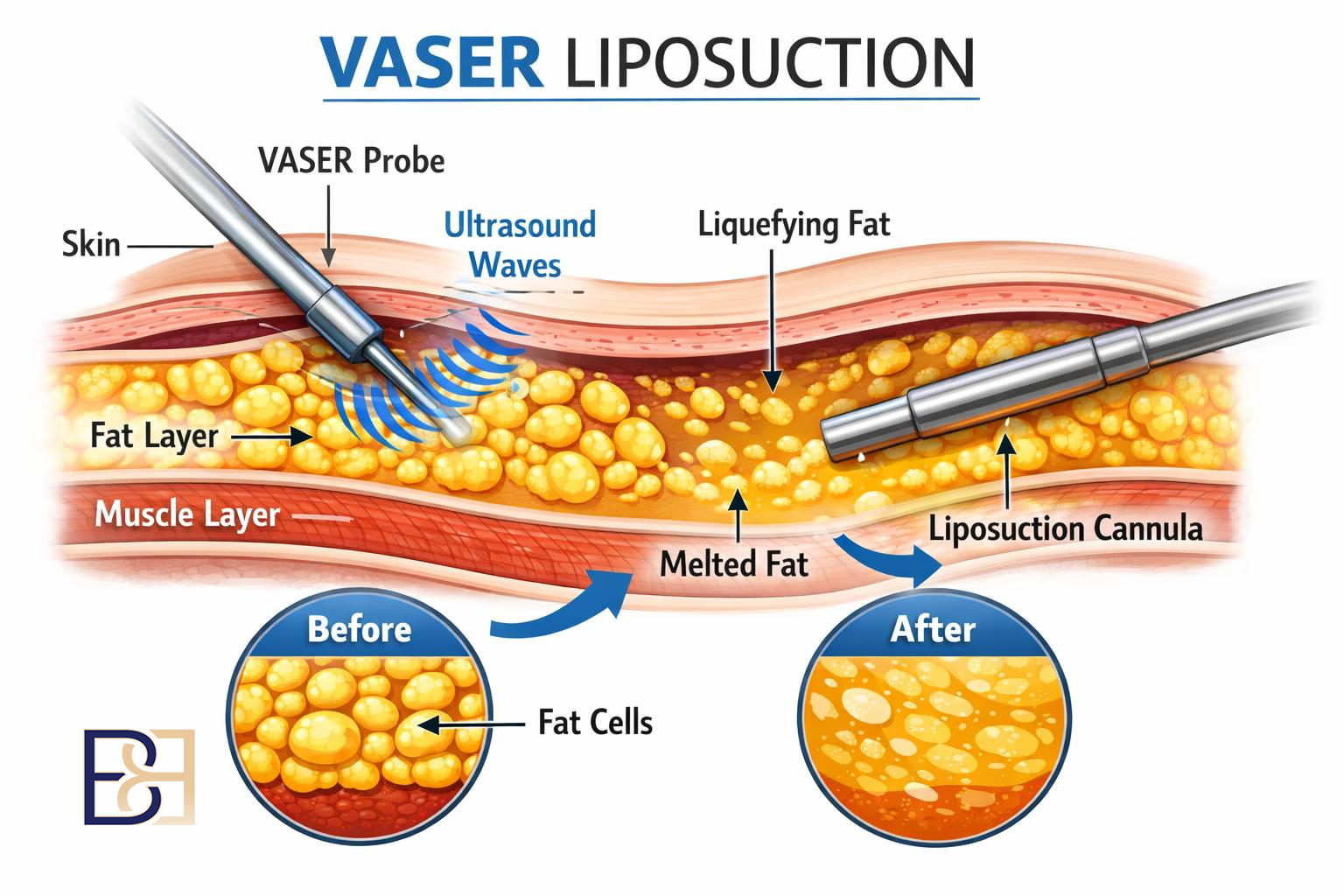
A Fleur-de-Lis removes excess skin but not subcutaneous fat. Post-weight-loss patients often have residual fat deposits in the flanks, upper abdomen, or mons area that persist after weight stabilisation. Where appropriate, I use ultrasound-assisted lipectomy (VASER) during the same operation to address these deposits alongside skin excision. This is not a routine addition to every Fleur-de-Lis, but it is a technique I draw on frequently where the clinical picture calls for it.
Pre-operative preparation is part of the operation
The vertical midline closure of a Fleur-de-Lis sits under more tension than a standard transverse closure, and healing is sensitive to nutritional status, weight stability, smoking status, and control of underlying conditions such as diabetes. I build structured preparation into every surgical plan, including nutritional supplementation, blood panel review, and anaesthetic consultation, rather than treating these as optional.
Is a Fleur-de-Lis right for your pattern?
A Fleur-de-Lis addresses a specific pattern of excess skin. It is not the right procedure for every patient with loose skin after weight loss, and for some patients it may not be enough on its own.
The sections below outline where a Fleur-de-Lis is typically indicated and where other procedures may match the pattern more completely. Only a detailed clinical assessment can determine which procedure is appropriate for a given patient.
When a Fleur-de-Lis is typically indicated
A Fleur-de-Lis abdominoplasty is generally considered for patients who have:
- Excess skin of the central abdomen in both vertical and horizontal directions.
- A history of significant or massive weight loss.
- Stable weight for an appropriate period (generally 6 to 12 months, longer after bariatric surgery).
- Overall medical fitness for major surgery under general anaesthesia.
- An understanding that the procedure leaves both a horizontal lower abdominal scar and a permanent vertical midline scar.
Patients in this group typically describe skin that gathers or folds across the midline as well as hanging from the lower abdomen, and that cannot be adequately tightened by a horizontal excision alone.
When a Fleur-de-Lis alone may not be enough
Some patients who appear to need a Fleur-de-Lis have a pattern of excess that extends beyond what the procedure can reach. In these cases, a broader single operation is often the more appropriate match.
Excess extends into the upper abdomen or lower chest. A Fleur-de-Lis does not treat loose skin above the upper half of the abdomen. Where this is present, a dual-vector abdominoplasty, which adds an upper abdominal lipectomy, may be considered. The added incision sits at the inframammary fold.
Excess continues around the torso. Where loose skin extends through the flanks and lower back, a Fleur-de-Lis does not reach it. A hybrid circumferential abdominoplasty, which combines a Fleur-de-Lis with a belt lipectomy, may be considered.
Residual fat is a prominent concern. A Fleur-de-Lis removes excess skin but does not remove subcutaneous fat. Where residual fat deposits in the flanks, upper abdomen, or mons area are part of the clinical picture, ultrasound-assisted lipectomy (VASER) can be added during the same operation.
Skin laxity is mainly vertical with minimal horizontal excess. A Fleur-de-Lis in this situation produces more scar than is needed. A standard abdominoplasty or extended abdominoplasty is usually a better match.
When surgery may not be the right step yet
There are also situations where surgical assessment may need to wait:
- Weight is still actively changing and has not yet stabilised.
- Significant medical conditions are not yet controlled (such as diabetes, uncontrolled hypertension, or untreated obstructive sleep apnoea).
- Current nutritional status (for example, low albumin, untreated iron or vitamin D deficiency) increases surgical risk.
- The patient is still smoking and has not yet ceased.
- A known hernia or other abdominal wall issue requires investigation before surgical planning proceeds.
Pre-operative optimisation can make surgery appropriate at a later stage. These factors are assessed at consultation and revisited as part of the pre-operative pathway.
Fleur-de-Lis in the Context of Other Abdominal Procedures
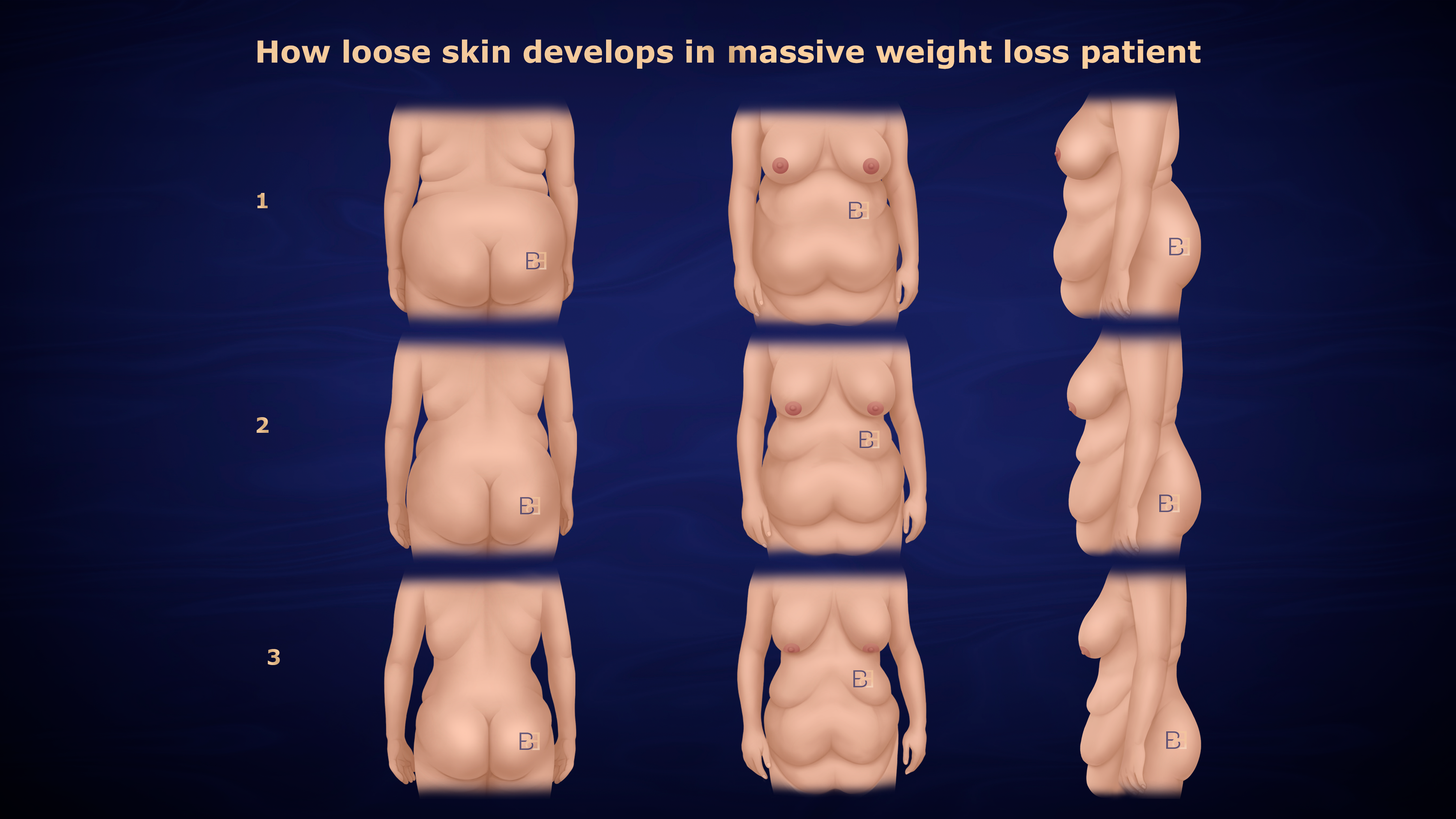
Abdominal contouring after significant weight loss is not a single operation with a single technique. Several procedures address different patterns of loose skin, and in some cases two or more are combined in the same operation to match a more complex pattern.
This section sets out how a Fleur-de-Lis fits within that broader group. Procedures are organised by the pattern they address, not by name.
A short clinical glossary
Before the procedure summaries, a few terms that recur below:
- Lipectomy: surgical removal of excess skin and subcutaneous tissue. An “upper abdominal lipectomy” removes tissue from the upper abdomen; a “belt lipectomy” removes tissue from a circumferential band around the torso.
- Diastasis recti: separation of the midline abdominal muscles, commonly found after pregnancy and weight fluctuation. It contributes to abdominal wall weakness and visible midline bulging.
- Pannus: an overhanging apron of lower abdominal skin and fat, often present after massive weight loss.
- Monsplasty: a procedure to lift and reduce excess tissue in the mons pubis, often performed alongside abdominoplasty.
Subcutaneous fat: the fat layer beneath the skin. Excision procedures remove skin and a controlled amount of subcutaneous tissue; liposuction addresses fat without removing the skin overlying it.
Pattern 1: Primarily vertical (up-and-down) excess of the abdomen
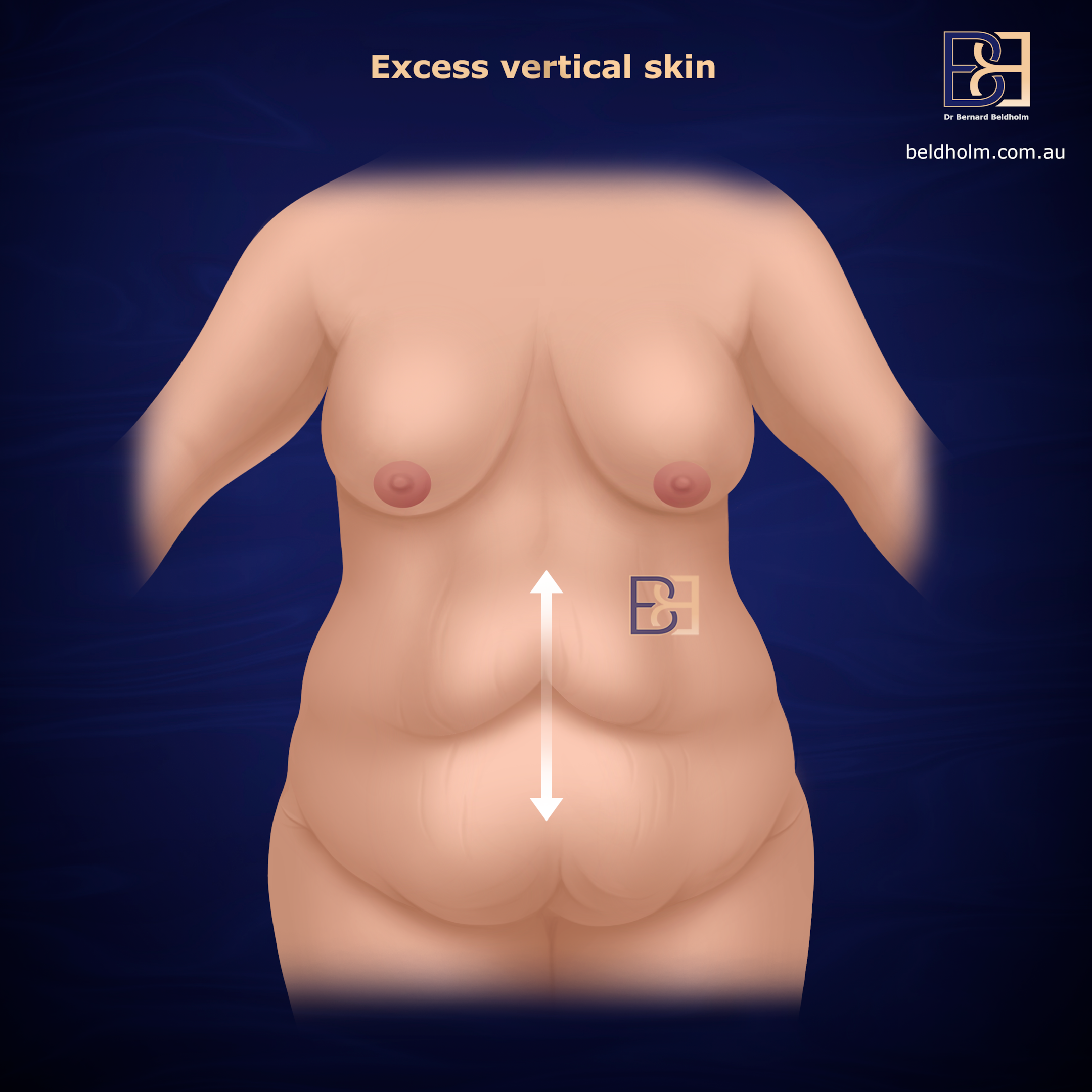
A standard abdominoplasty (tummy tuck) is designed to remove vertical excess of the abdomen through a horizontal incision positioned low on the abdomen. Skin above the umbilicus is redraped downward, and the umbilicus is repositioned. An extended version of the procedure carries the incision further laterally to address flank tissue as well.
This is the appropriate match where skin excess of the abdomen is mainly vertical in direction and there is no significant horizontal excess across the central abdomen. A Fleur-de-Lis here would produce more scar than the pattern requires.
Pattern 2: Both vertical and horizontal central excess
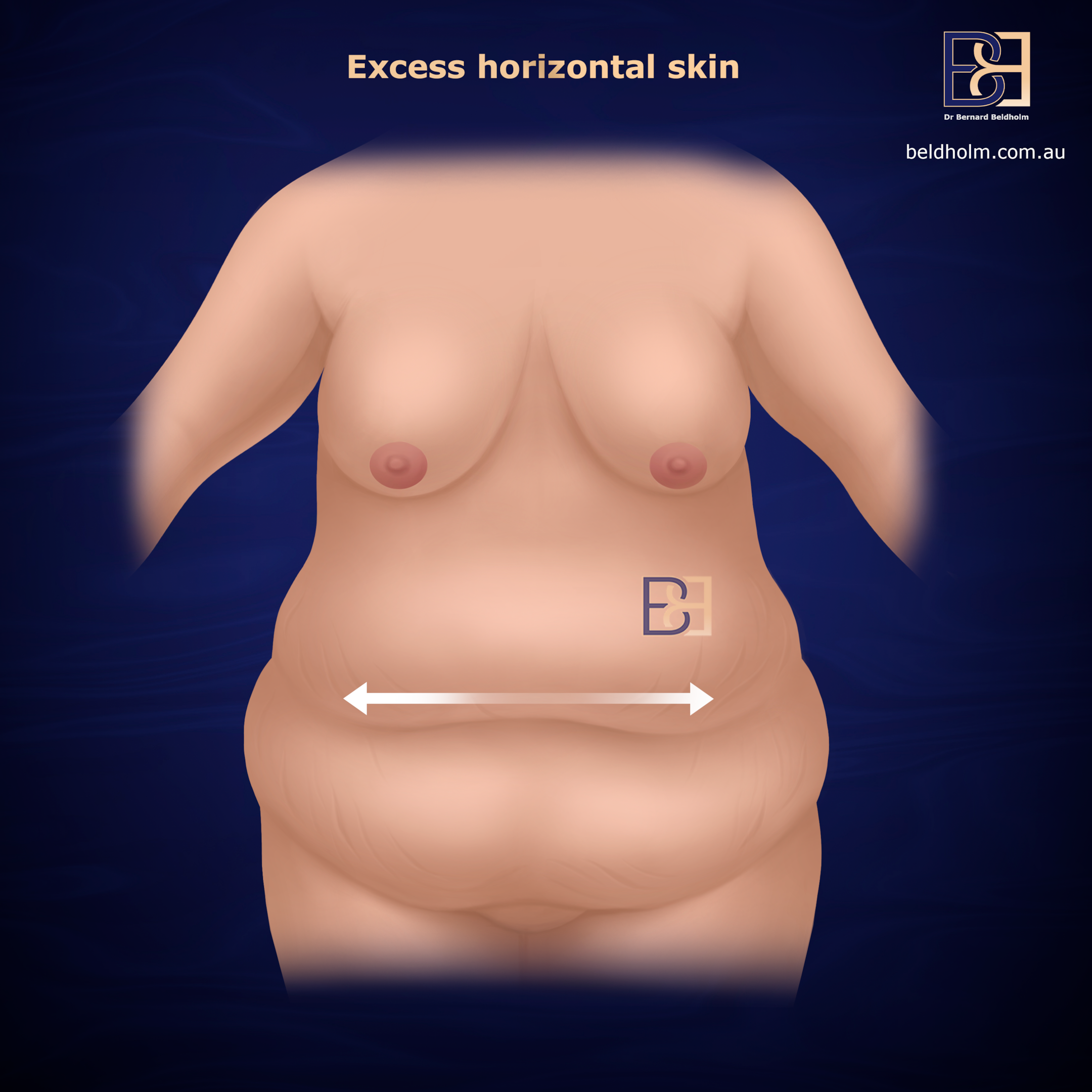
A Fleur-de-Lis abdominoplasty is designed for this pattern. The horizontal lower abdominal incision addresses vertical excess, and an additional vertical midline incision addresses horizontal excess across the central abdomen. The umbilicus is repositioned, and the abdominal wall is repaired where indicated.
This is the most common indication after significant or massive weight loss when a standard abdominoplasty leaves residual central bunching or horizontal width.
The vertical midline scar is permanent. It is the trade-off for the two-directional correction the procedure provides.
Pattern 3: Vertical and horizontal central excess, plus upper abdominal and lower chest excess
A dual-vector abdominoplasty combines a Fleur-de-Lis abdominoplasty with an upper abdominal lipectomy performed in the same operation. The upper abdominal lipectomy addresses loose skin in the upper abdomen and lower chest, with the added incision placed at the inframammary fold (beneath the breasts).
This pattern is common after massive weight loss and is often missed if the upper abdomen is not specifically examined for laxity. A Fleur-de-Lis alone does not treat excess above the upper half of the abdomen, which is why a dual-vector approach is considered where upper tissue is present.
The procedure adds a scar at the inframammary fold. In combination with the Fleur-de-Lis scars, this represents a further scar trade-off against the benefit of addressing all three abdominal zones in a single operation.
Pattern 4: Excess extending around the torso
Where loose skin continues from the abdomen into the flanks and lower back, a procedure limited to the anterior abdomen does not reach it. Two procedures are considered in this situation:
- Belt lipectomy (body lift) addresses circumferential excess through an incision that extends around the torso at approximately belt level. It is indicated where flank and lower back laxity are present without significant horizontal central abdominal excess.
- Hybrid circumferential abdominoplasty combines a Fleur-de-Lis with a belt lipectomy in the same operation. It is indicated where both central horizontal excess and circumferential excess are present together. This is a larger operation with a longer recovery but addresses both patterns in a single admission.
Pattern 5: Primary concern is an overhanging lower abdominal pannus
An apronectomy removes the overhanging pannus of skin and tissue from the lower abdomen without the additional abdominal wall work performed in a standard abdominoplasty. It is a more limited operation, typically considered where the priority is removing the pannus itself, where abdominal wall repair is not indicated, or where medical factors make a larger procedure higher risk.
Adjuncts often combined with a Fleur-de-Lis
Several additional components may be incorporated into a Fleur-de-Lis operation depending on clinical findings. Each is assessed individually.
Ultrasound-assisted lipectomy (VASER). VASER uses ultrasound energy to emulsify fat before removal, which allows more precise contouring in transition zones where skin is not being excised. A Fleur-de-Lis removes skin but not subcutaneous fat; where residual fat deposits are present in the flanks, upper abdomen, or mons area, VASER can be incorporated in the same operation to address these zones alongside the skin excision.
Monsplasty. After significant weight loss, the mons pubis frequently becomes lax or descends, and pubic overhang is a near-universal finding in this patient group. For this reason, mons elevation and reduction is treated as a routine component of most body contouring operations performed at this practice, rather than a separate consideration. It is rarely performed as a stand-alone procedure.
Diastasis recti repair. Where separation of the midline abdominal muscles is present (commonly after pregnancy or weight change), the muscles are repaired through plication. This restores midline support and improves abdominal wall contour.Hernia repair. Umbilical, ventral, or incisional hernias identified on examination or imaging can be repaired at the same operation. Depending on the size and location of the defect, mesh reinforcement may be required.
Book your appointment online now
Free guide: 7 Surgical Options for Loose Skin on the Abdomen, Flanks and Back
Choosing the right procedure depends on the pattern of excess skin, the condition of the abdominal wall, medical fitness, and the tolerance for specific scar positions. For patients who want to think through these factors before a consultation, Dr Beldholm has prepared a detailed written guide.
The guide covers:
- The seven excisional procedures commonly considered in post-weight-loss body contouring.
- The pattern of skin excess each procedure is designed to treat.
- How different procedures can be combined in a single operation.
- Scar positions for each procedure.
- The role of pre-operative nutritional preparation and weight stability.
The guide is free and downloadable.
About Dr Beldholm

I am a Specialist Surgeon with more than 15 years of experience in post-weight-loss body contouring. My practice is based in the Hunter Valley, New South Wales, and I operate at Maitland Private Hospital.
My clinical focus is the surgical management of excess skin and soft tissue after significant weight loss. This includes abdominoplasty in its various forms (standard, Fleur-de-Lis, dual-vector, circumferential), brachioplasty (arm lift), thighplasty (thigh lift), torsoplasty, breast surgery, and the adjunct techniques that support these operations.
I hold Fellowship of the Royal Australasian College of Surgeons (FRACS) and am registered with AHPRA as a Specialist Surgeon. Body contouring after weight loss is the area of surgery I have concentrated on throughout my career, and I continue to contribute to the field through academic work, conference presentations, and teaching.
Preparing for Fleur-de-Lis Abdominoplasty
A Fleur-de-Lis is a larger operation than a standard abdominoplasty. The vertical midline closure carries more tension than a transverse closure alone, the surgery takes longer, and the physiological demand on the body during healing is higher. For that reason, I treat pre-operative preparation as part of the operation, not as a set of boxes to tick before it.
Preparation covers four areas.
Weight stability
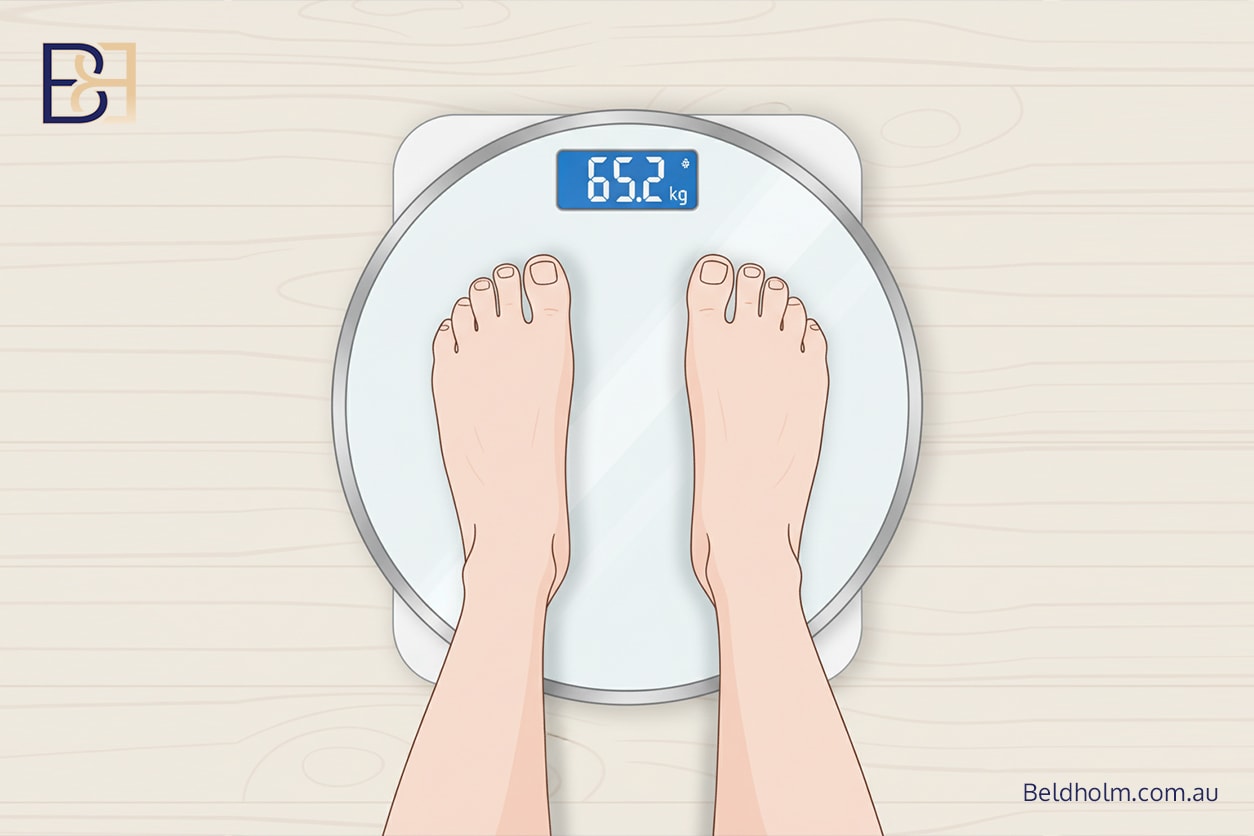
I generally recommend a minimum of 6 to 12 months of stable weight before surgical planning proceeds. After bariatric surgery, this window is usually longer: 12 to 18 months is the working guide. For patients on GLP-1 medications, stability for 6 to 12 months on the current dose is a reasonable target, with ongoing medication management determined in consultation with the treating team.
Operating on a body that is still actively changing risks a surgical result that no longer reflects the body in front of me six months later. Waiting is not a delay; it is part of getting the plan right.
Nutritional optimisation
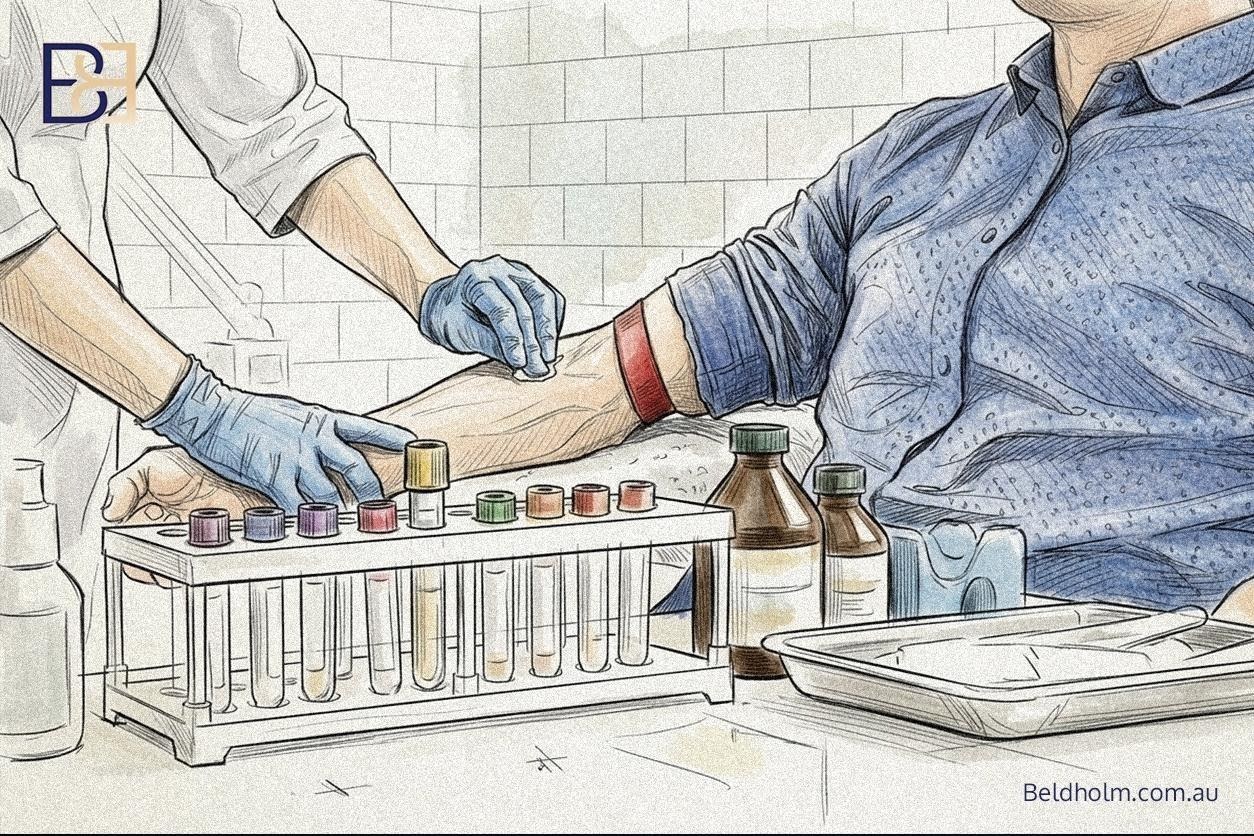
Post-weight-loss patients, particularly those who have had bariatric surgery, are frequently low in protein, iron, vitamin D, vitamin B12, vitamin A, and zinc. These deficiencies are common even when a patient feels well, because the absorption and intake changes that follow weight loss often develop slowly.
I structure nutritional preparation into two tiers:
- Tier 1 supplements are commenced at surgical planning for every post-weight-loss patient, without waiting for blood results. They include protein, a complete multivitamin, vitamin D3 with K2, vitamin C, and zinc.
- Tier 2 supplements are added only where an extended blood panel confirms a specific deficiency. Depending on results, these may include iron, vitamin B12, folate, vitamin A, thiamine, calcium citrate, or others.
The goal is to bring nutritional status to a point where the body has what it needs for a larger wound to close cleanly and for recovery to proceed without avoidable setbacks.
Calculate your pre-operative nutritional requirements
The nutrition calculator below estimates pre-operative protein targets and supplement dosing based on your weight, weight loss history, and medical background. It is an educational tool, not a prescription. Individual recommendations are confirmed at consultation and adjusted based on blood results.
A detailed pre-surgery checklist is also available for patients preparing for post-weight-loss abdominoplasty: [Download the Pre-Surgery Checklist].
Medical optimisation and smoking cessation
Medical conditions that affect wound healing or anaesthetic risk are reviewed and addressed before surgery is scheduled. The most common examples are glycaemic control in diabetes, blood pressure management, and untreated obstructive sleep apnoea.
Smoking has a direct and measurable effect on wound healing, skin flap survival, and the risk of wound breakdown along a midline closure. I require complete cessation well before surgery. This is one area where there is no negotiating room, because the risk profile of a Fleur-de-Lis in a continuing smoker is materially different from the risk profile in a patient who has stopped.
Single operation versus staged surgery
Where a patient has a complex pattern of excess (for example, vertical and horizontal abdominal excess plus upper abdominal laxity, or circumferential excess), I will consider whether the clinically appropriate plan is a single broader operation or a staged sequence over separate admissions.
A single operation has advantages: one recovery period, one hospital admission, one anaesthetic, and a consistent plan across the abdominal zones. It has trade-offs: longer operative time, greater physiological demand during recovery, and a more involved early healing phase.
Staging is sometimes the right call. Examples include situations where medical factors make a longer single operation higher risk, where anatomical considerations benefit from sequential correction, or where a patient’s capacity for recovery is better matched to smaller, sequential steps. The decision is made case by case.
The Consultation Process

A Fleur-de-Lis abdominoplasty is a major operation, and the decisions made before surgery are as important as the surgery itself. My consultation pathway is structured around two in-person consultations before booking, with an anaesthetic consultation added closer to the surgery date. For some patients, additional consultations are scheduled before I am satisfied that the plan is right and that the patient is informed and ready.
GP referral
A valid GP referral is required to arrange a consultation. The referral allows for Medicare billing where applicable and ensures that your GP is part of the surgical pathway from the start, including for post-operative care and any shared management of medical conditions.A downloadable GP referral form for post-weight-loss surgery is available here: [Download the GP Referral Form].
Consultation 1: Clinical assessment
The first consultation is approximately one hour long. I review your weight loss history, medical background, previous operations, current medications, and goals for surgery. Clinical photographs are taken in private changing facilities with disposable garments, in keeping with the standardised protocol used throughout the practice.
Clinical examination covers:
- The pattern and distribution of excess skin (vertical, horizontal, upper abdomen, flanks, back, mons).
- The abdominal wall, including assessment for diastasis recti and hernias.
- Skin quality and scar tolerance.
- General medical fitness for surgery.
At the end of the first consultation, I will:
- Discuss the procedure or combination of procedures I consider most appropriate for your pattern.
- Provide an extended blood panel request form.
- Commence Tier 1 supplementation (protein, multivitamin, vitamin D3 with K2, vitamin C, and zinc), which can begin immediately without waiting for blood results.
- Discuss realistic recovery timelines and what will be involved after discharge.
Between consultations
The blood results take one to two weeks to return. During this period, I review your results alongside your clinical findings and finalise the surgical plan.
If the results identify deficiencies (for example, low iron, vitamin A, vitamin B12, folate), Tier 2 supplementation is planned and commenced at the second consultation. Where a result requires escalation (for example, severe anaemia, very low albumin), I may recommend deferring surgery until the relevant marker is corrected.
Consultation 2: review and planning
The second consultation is typically two to four weeks after the first. This visit confirms:
- Blood results and any Tier 2 supplementation added to the plan.
- The final surgical plan, including single versus staged operation where relevant.
- Expected scar positions and the trade-offs of each.
- Informed consent, including risks, alternatives, and realistic recovery expectations.
- Any remaining questions about recovery, time off work, and support arrangements after discharge.
The second consultation is included in the surgical planning process at no additional cost. Some patients need a third or fourth consultation before I am satisfied that they are ready to proceed, and these are accommodated as needed.
Anaesthetic consultation
All post-weight-loss patients have a routine pre-operative anaesthetic consultation. This is typically conducted by phone and is the opportunity for your anaesthetist to review your medical history and determine perioperative medication management, including management of any GLP-1 medications you may be on.
In-person anaesthetic consultation is arranged where clinically indicated. A physical examination by the anaesthetist is always performed on the day of surgery.
Telehealth for distant patients
For patients outside the Hunter Valley, an initial consultation can be conducted by telehealth. Telehealth consultations are informational only and do not replace the need for an in-person consultation before surgery. An in-person visit is required before I can proceed with surgical planning and informed consent.
Quotes and scheduling
The written quote comes in two parts. My patient coordinator prepares the surgical fees, usually within one to two business days, and sends your information to the hospital and anaesthetist. The hospital and anaesthetist estimates typically take one to two weeks to come back.
The full quote includes surgical fees, applicable MBS item numbers, GST on cosmetic items, and hospital and anaesthetist estimates.
If you have private health insurance, the hospital will run a health fund check. Patients with appropriate cover usually do not pay the hospital portion, though eligibility depends on your fund and policy.
Medicare rebate eligibility is assessed individually at consultation. Specific MBS item number criteria apply.
Typical waiting time from finalised plan to surgery is one to three months.
Hospital stay and recovery at Maitland Private Hospital
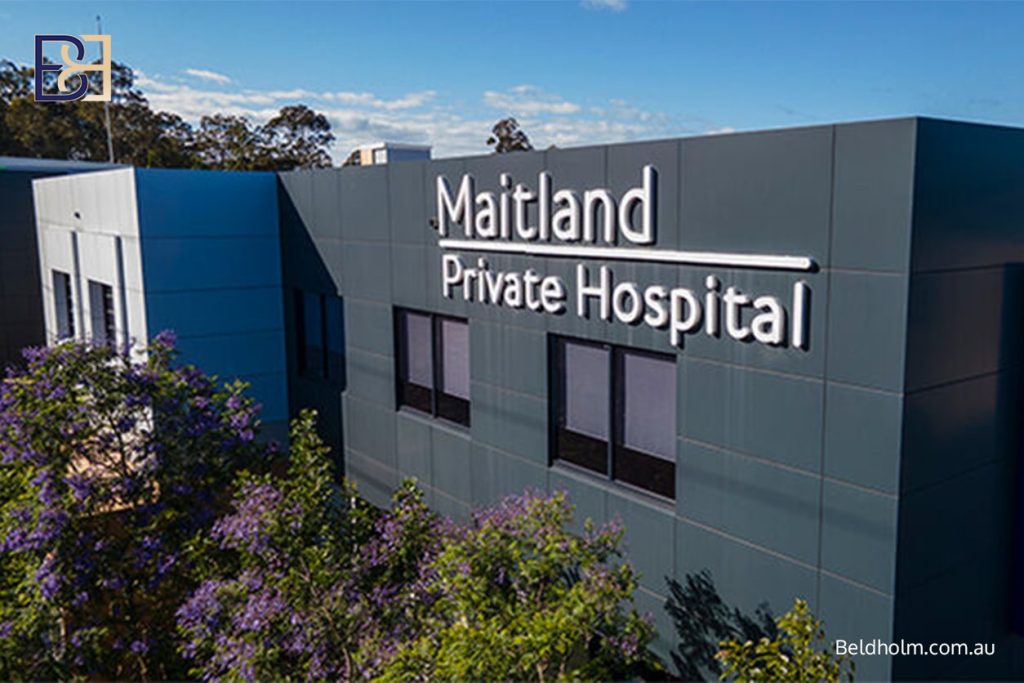
A Fleur-de-Lis abdominoplasty is performed at Maitland Private Hospital. The hospital has 24-hour medical cover and an on-site intensive care unit, which matters for major operations like this one where recovery is actively managed over several days.
I see every one of my post-weight-loss patients in person each day they are admitted. Early recovery is not something I delegate.
Day of surgery and hospital stay

Patients are admitted on the morning of surgery. After the operation, the recovery expectation depends on the extent of what was performed:
- Fleur-de-Lis abdominoplasty alone: typically two to four days in hospital.
- Dual-vector abdominoplasty (Fleur-de-Lis with upper abdominal lipectomy): typically three to five days in hospital.
- Hybrid circumferential abdominoplasty (Fleur-de-Lis with belt lipectomy): typically five to seven days in hospital.
During the hospital stay:
- Surgical drains are placed to reduce fluid accumulation and are removed once output has reduced to an acceptable level.
- Intravenous fluids and antibiotics are administered as required.
- Assisted mobilisation is commenced early to reduce the risk of blood clots.
- Compression garments are fitted before discharge.
- Pain management is actively reviewed each day.
For patients with a bariatric surgery history, a dietitian review is arranged during the inpatient stay to confirm that post-operative nutritional intake is on track.
Patients are discharged once pain is controlled, mobility is adequate, wound healing is progressing, and drain output is appropriate.
Early recovery: first two weeks after discharge
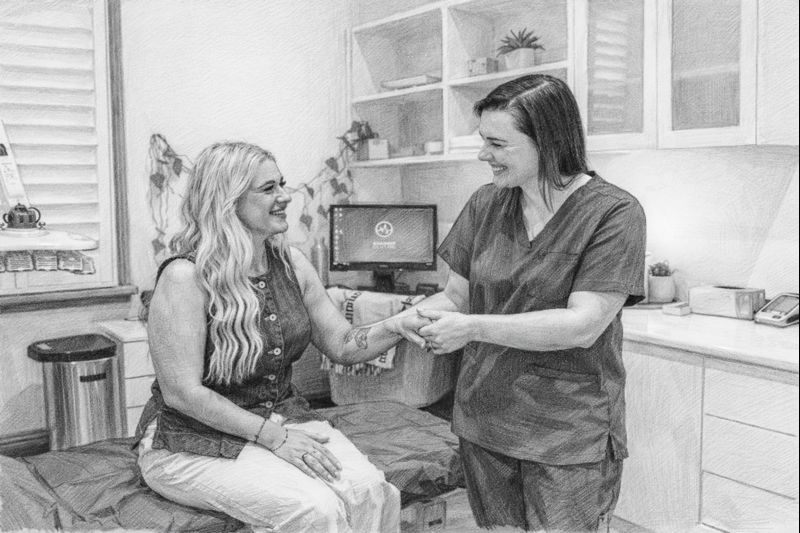
The first two weeks after discharge are the period of most active healing. Patients can expect:
- Abdominal tightness and swelling.
- Bruising, which settles gradually.
- A slightly flexed walking posture in the first several days.
- Temporary numbness of the abdominal wall.
- Fatigue that improves progressively.
I see patients frequently during this period. Reviews are scheduled two to three times a week for nurse or doctor assessment, wound check, LED light therapy where indicated, and dressing changes. PICO dressings are typically replaced with Hypafix tape around day seven.
Drains remain in place until daily output falls to an acceptable level. I generally consider removal once drainage is below approximately 20 mL over a 24-hour period, though the exact timing varies between patients.
Compression garments and activity
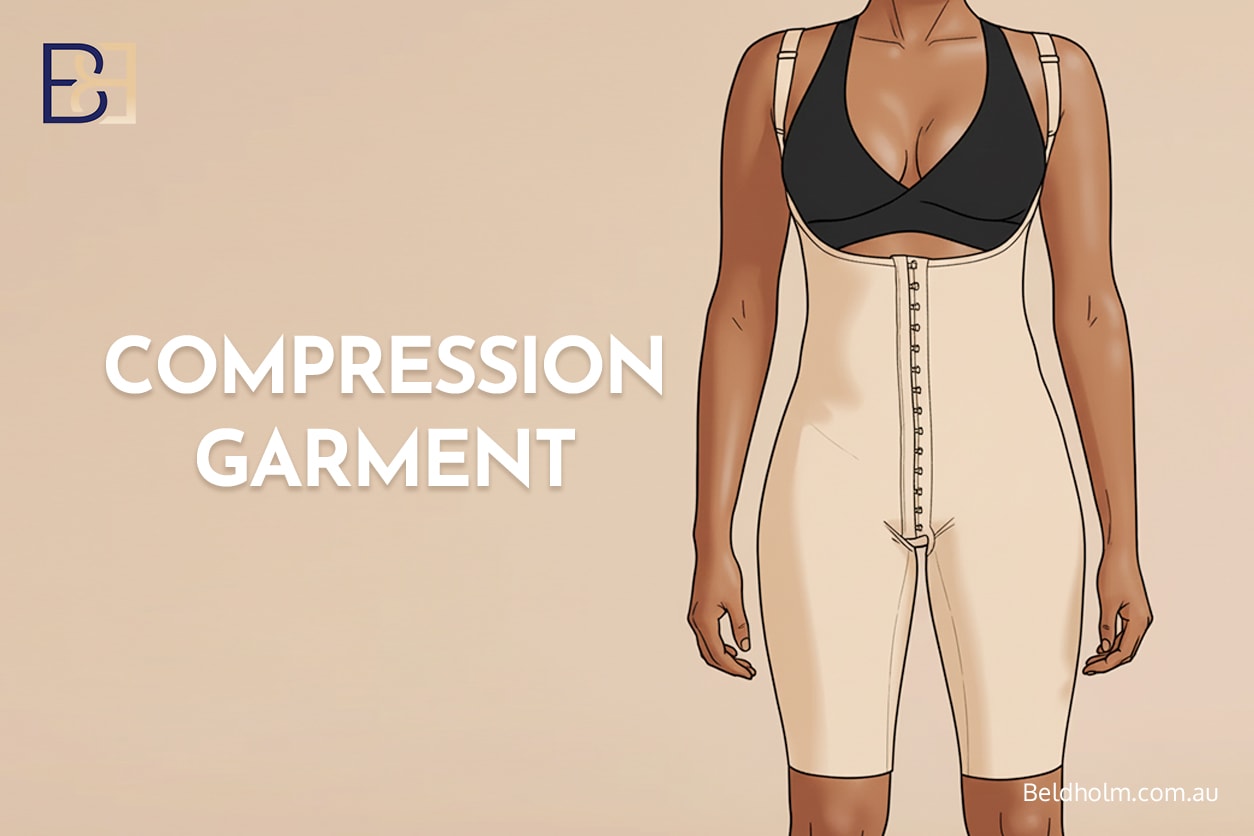
Compression garments are worn full-time for approximately four weeks after surgery, then continued part-time for a further two weeks. Garments support the abdominal wall, reduce swelling, and assist with contour stabilisation during early healing.
Activity guidance in the first six weeks includes:
- Light walking from the early post-operative period to reduce blood clot risk.
- No heavy lifting.
- No core strengthening or strenuous exercise.
- Driving resumed once patients are comfortable and no longer taking strong analgesia.
Return to work depends on occupation. Sedentary roles may resume earlier; physically demanding work requires longer.
Follow-up schedule
Post-operative review is conducted through my rooms on a scheduled basis at one, three, six, and twelve months post-surgery. These visits monitor wound healing, scar maturation, abdominal wall integrity, and overall progress.
All follow-up is included in the procedure fee. There is no additional charge for post-operative visits.
For patients travelling from outside the Hunter Valley, I recommend a local stay of seven to ten days after discharge to support the early recovery period. Longer-distance follow-up is supplemented with telehealth and coordinated care with your GP.
Scar maturation
Both the horizontal lower abdominal scar and the vertical midline scar are permanent. In the first months, scars typically appear firm, raised, and red. Over the following twelve to eighteen months they usually soften and fade, though visibility varies between individuals and complete resolution of scar visibility is not realistic.
Scar management guidance is provided at follow-up, and scar maturation is monitored at each scheduled review.
Risks and Potential Complications

A Fleur-de-Lis abdominoplasty is major surgery performed under general anaesthesia. All surgery carries risks, and the decision to proceed with any procedure requires a clear understanding of what those risks are, how likely they are, and how they are managed if they occur.
The risks below are not a complete list. They are the risks most relevant to this particular operation in this particular patient group. All risks, alternatives, and recovery considerations are discussed in detail at consultation before any decision to proceed is made.
General surgical risks
As with any major operation performed under general anaesthesia, the following can occur:
- Bleeding or haematoma (a collection of blood under the skin that may require drainage).
- Infection, which may be superficial or deep, and may require antibiotics or further intervention.
- Venous thromboembolism (blood clots in the legs or lungs), which is actively prevented with early mobilisation and mechanical or chemical prophylaxis.
- Adverse reactions to anaesthesia, which are discussed in detail at the anaesthetic consultation.
- Cardiac, respiratory, or other medical complications during or after the operation, the risk of which depends on pre-existing health status.
Wound healing risks
The Fleur-de-Lis operation produces both a horizontal lower abdominal scar and a vertical midline scar. The vertical midline closure sits under more tension than a transverse closure, and this has implications for wound healing:
- Wound breakdown or dehiscence. Small areas of wound edge separation can occur, particularly along the vertical closure. These are usually managed with dressings and time but occasionally require further intervention.
- Delayed healing. Post-weight-loss patients, especially after bariatric surgery, can have slower wound healing due to nutritional factors, skin quality, and previous medical history.
- Skin or fat necrosis. A small area of skin or underlying fat may not receive adequate blood supply and can fail to heal, requiring further treatment.
- Seroma. A fluid collection may develop under the skin after drains are removed. Seromas may require aspiration or re-insertion of a drain.
The risk of wound healing complications is higher in patients who smoke, have uncontrolled diabetes, have untreated nutritional deficiencies, or have a BMI significantly above the recommended range. Pre-operative optimisation exists to bring these factors into range before surgery proceeds.
Scar-specific considerations
Scarring is not a complication. It is a permanent and expected outcome of this procedure.
Patients considering a Fleur-de-Lis should understand:
- Both the horizontal and vertical scars are permanent.
- Scars are initially firm, raised, and red, and typically soften and fade over twelve to eighteen months.
- Individual scar appearance varies substantially. Genetics, skin type, wound tension, and post-operative care all influence outcome.
- Some patients develop hypertrophic or keloid scars that may require additional treatment.
- Revision surgery for scar appearance is occasionally requested but is not routinely indicated.
The vertical midline scar is the trade-off for the two-directional correction. Patients who are not prepared to accept this scar are not candidates for a Fleur-de-Lis, regardless of how much horizontal excess is present.
Sensory changes
Sensation in the abdominal wall is routinely altered after a Fleur-de-Lis:
- Numbness of the lower abdomen is expected and usually improves over twelve to eighteen months, though not always to pre-operative levels.
- Areas of altered sensation, tingling, or discomfort may persist.
- In some patients, small areas of permanent sensory change remain indefinitely.
Contour and revision risks
Abdominoplasty is an excisional operation, not a precision-contouring one. The following can occur:
- Asymmetry in scar position or remaining skin contour.
- Residual skin laxity if the skin envelope has not tightened as expected, sometimes requiring a revision procedure after the tissues have settled.
- Unsatisfactory umbilical appearance.
- Persistent residual fat that may benefit from a secondary liposuction procedure.
Revision procedures, where required, are planned once initial healing has completed (generally a minimum of twelve months after the primary operation).
Procedure-specific considerations for broader operations
Where a Fleur-de-Lis is combined with an upper abdominal lipectomy (dual-vector) or a belt lipectomy (hybrid circumferential), the combined operation carries:
- Longer operative time under general anaesthesia.
- Greater physiological demand during early recovery.
- A longer hospital stay.
- Additional scars at the inframammary fold (dual-vector) or around the torso (hybrid circumferential).
- A wound healing risk profile that reflects the larger surface area involved.
These combined operations are considered when the anatomical pattern justifies them and when the patient’s medical fitness supports the additional load.
Risk reduction
Risk cannot be eliminated. It can, however, be reduced through:
- Weight stabilisation prior to surgery.
- Nutritional optimisation through the Tier 1 and Tier 2 supplementation framework.
- Complete smoking cessation well before the operation.
- Medical optimisation of conditions such as diabetes, blood pressure, and sleep apnoea.
- Careful surgical planning, including procedure selection matched to the anatomical pattern.
- Attentive post-operative care, including early mobilisation, compression garments, and scheduled follow-up.
All risks, alternatives to surgery, and expected recovery considerations are discussed in full at consultation. Patients are encouraged to ask questions, to take time, and to seek a second opinion before making a decision to proceed.
Frequently Asked Questions
What is the difference between a standard tummy tuck (abdominoplasty) and a Fleur-de-Lis abdominoplasty?
A standard abdominoplasty removes excess skin in one direction (vertical) through a single horizontal incision positioned low on the abdomen. It is appropriate where skin laxity is mainly up-and-down.
A Fleur-de-Lis abdominoplasty, sometimes called a vertical tummy tuck, adds a vertical midline incision to the standard horizontal incision, allowing removal of excess skin in two directions (vertical and horizontal). It is appropriate where the pattern of excess extends side-to-side across the central abdomen as well as up and down.
The trade-off is the additional vertical midline scar, which is permanent. A Fleur-de-Lis is not recommended for patients whose excess is only vertical, as it produces more scarring than the pattern requires.
Will I have a visible vertical scar? Does it fade?
Yes. A Fleur-de-Lis produces a permanent vertical midline scar in addition to the horizontal lower abdominal scar. Complete resolution of scar visibility is not realistic.
In the first months after surgery, scars are typically firm, raised, and red. Over approximately twelve to eighteen months, most scars soften and fade, though visibility varies between individuals. Some patients develop hypertrophic or keloid scars that remain more prominent and may require additional treatment.
Patients who are not prepared to accept the vertical scar are not candidates for this procedure.
How much loose skin does a patient need to have to be considered for a Fleur-de-Lis?
There is no fixed measurement. Candidacy depends on the pattern of skin excess, not the amount alone.
A Fleur-de-Lis is considered where excess skin of the abdomen is present in both vertical and horizontal directions, and where a standard abdominoplasty alone would leave residual central bunching or horizontal width. Some patients with a relatively modest amount of excess skin, but in both directions, are candidates. Some patients with a large amount of excess skin, but only in one direction, are better served by a different procedure.
Clinical examination is the only way to determine whether a Fleur-de-Lis is the appropriate match.
Can a Fleur-de-Lis be combined with hernia repair or diastasis recti repair?
Yes. Both are commonly addressed during the same operation where clinically indicated.
Umbilical, ventral, or incisional hernias identified on examination or imaging can be repaired at the same time as the Fleur-de-Lis. Depending on the size and location of the defect, mesh reinforcement may be required.
Diastasis recti (separation of the midline abdominal muscles) is repaired through plication where present. This restores midline support and improves abdominal wall contour.
Whether hernia repair or diastasis recti repair is incorporated into the operation depends on the individual clinical picture and is discussed at consultation.
How long is the recovery after a Fleur-de-Lis abdominoplasty?
Hospital stay is typically two to four days for a Fleur-de-Lis abdominoplasty alone, three to five days for a dual-vector abdominoplasty, and five to seven days for a hybrid circumferential abdominoplasty.
After discharge, most patients experience abdominal tightness, swelling, bruising, and fatigue for two to three weeks. Compression garments are worn for approximately six weeks (four weeks full-time followed by two weeks part-time). Heavy lifting and strenuous exercise are avoided for six weeks. Return to work depends on the physical demands of the occupation.
Scar maturation continues over twelve to eighteen months. Individual recovery timelines vary depending on the extent of surgery performed, overall health, and adherence to post-operative care.
How does a patient find out if they are a candidate for a Fleur-de-Lis?
Candidacy is determined at clinical assessment. The consultation pathway is structured around two in-person consultations before any surgery is booked.
A valid GP referral is required to arrange the first consultation. At Consultation 1, the pattern of excess skin, the abdominal wall, and general medical fitness are assessed. An extended blood panel is arranged, and Tier 1 nutritional supplementation is commenced. At Consultation 2, typically two to four weeks later, blood results are reviewed and the surgical plan is finalised.
For some patients, the clinical picture indicates that a Fleur-de-Lis is not the most appropriate procedure, and an alternative operation is recommended instead. For other patients, pre-operative optimisation is required before surgery is considered appropriate. Both outcomes are part of good surgical practice.
Book a consultation with Dr Beldholm
A Fleur-de-Lis abdominoplasty is a major operation with lasting clinical and physical implications. The decision to proceed, and the decision of which procedure is the appropriate match, is made after a structured clinical assessment.
What the consultation pathway involves
- GP referral. A valid GP referral is required to arrange Consultation 1. A downloadable referral form for post-weight-loss surgery is available on this site.
- Consultation 1. Clinical assessment, medical history, examination of the pattern of skin excess and the abdominal wall, extended blood panel arranged, and Tier 1 nutritional supplementation commenced.
- Consultation 2. Typically two to four weeks later. Blood results reviewed, Tier 2 supplementation added where indicated, final surgical plan confirmed, and informed consent completed.
- Anaesthetic consultation. All post-weight-loss patients have a routine pre-operative anaesthetic consultation, usually conducted by phone.
- Quote. A detailed written quote is prepared by the surgical coordinator. Surgical fees are usually available within one to two business days; hospital and anaesthetist estimates typically take one to two weeks.
- Booking. Typical waiting time from finalised plan to surgery is one to three months.
Consultation location and format
In-person consultations are held in the Hunter Valley, New South Wales. An initial consultation by telehealth is available for patients travelling from outside the region. An in-person consultation with Dr Beldholm is required before any surgery is booked.
Dr Beldholm operates at Maitland Private Hospital for all body contouring procedures.