


Mini Abdominoplasty (Limited Abdominoplasty)
Mini abdominoplasty, also referred to as a mini tummy tuck or limited abdominoplasty, is a surgical procedure designed to treat mild excess skin and soft tissue of the lower abdomen, typically located below the navel.
A limited abdominoplasty focuses on the removal of a smaller amount of lower abdominal skin excess compared with a full abdominoplasty. The umbilicus (belly button) is not repositioned, and the procedure is generally limited to the lower abdominal region.
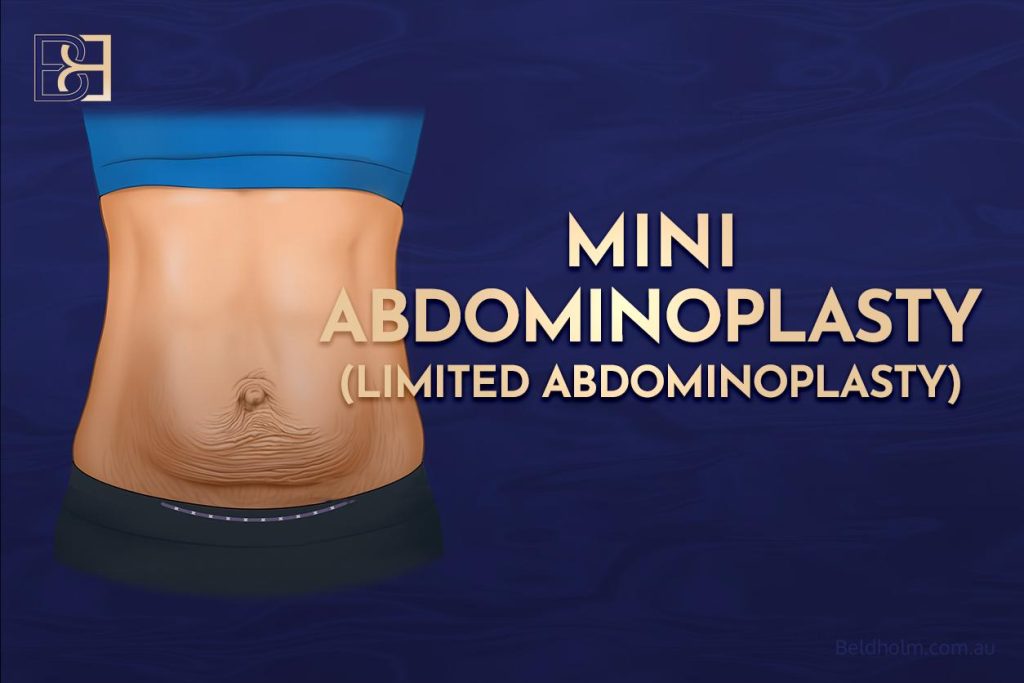
In selected patients, limited abdominal muscle repair may be performed when muscle separation (diastasis recti) is present in the lower abdomen. Liposuction (suction-assisted lipectomy) may also be performed as part of a mini abdominoplasty to address localized fat deposits of the lower abdomen or flanks when appropriate. Dr Beldholm uses VASER liposuction technology (ultrasound-assisted liposuction) in suitable patients.
Who May Be Suitable for Mini Abdominoplasty (Limited Abdominoplasty)?
Mini abdominoplasty (limited abdominoplasty) is generally considered for patients with mild excess skin of the lower abdomen, particularly when the skin laxity is confined to the area below the umbilicus (belly button).
Patients who may be considered suitable typically have:
- Excess or loose skin primarily in the lower abdomen
- Relatively good skin tone in the upper abdominal region
- Mild abdominal muscle separation (diastasis recti) is limited to the lower abdomen
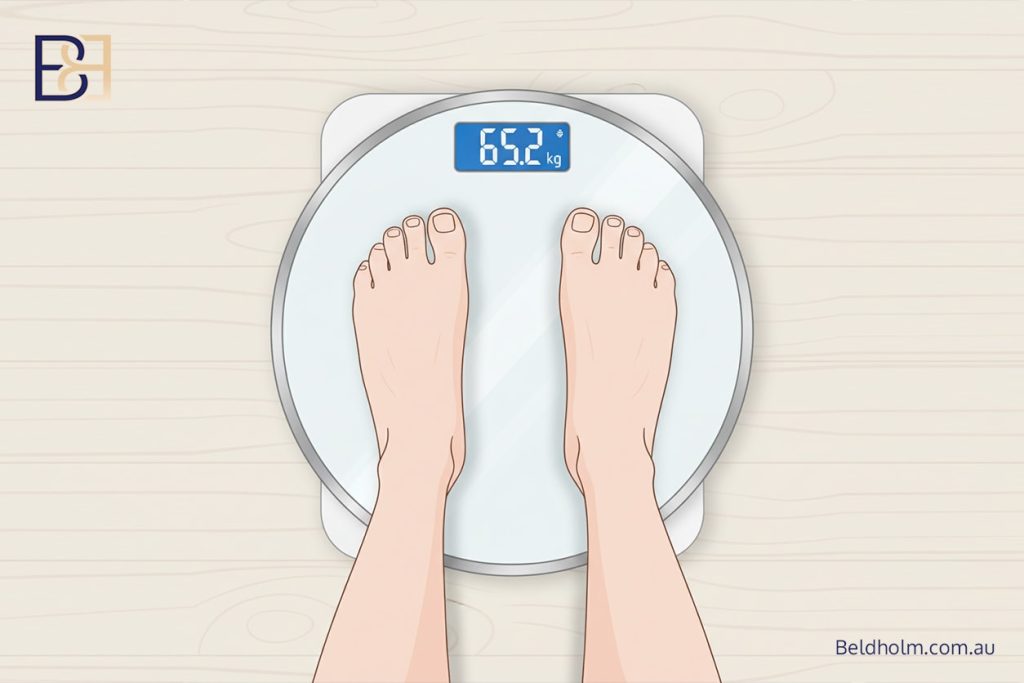
- Stable body weight
- Localised fat deposits that may be treated with liposuction (suction-assisted lipectomy)
Many patients seeking mini abdominoplasty are women who notice persistent lower abdominal skin changes following pregnancy. Others may develop lower abdominal skin laxity after weight fluctuations or ageing.
During consultation, the surgeon assesses the distribution of excess skin, abdominal muscle separation, and fat deposits. If skin laxity extends above the navel or if muscle separation involves the entire abdomen, a full abdominoplasty or another abdominal contouring procedure may be recommended instead.
Mini Abdominoplasty (Limited Abdominoplasty) vs Full Abdominoplasty
Patients searching for a mini tummy tuck (limited abdominoplasty) often want to understand how the procedure differs from a full abdominoplasty. The main difference relates to the amount and location of excess skin and abdominal muscle separation (diastasis recti) being treated.
A mini abdominoplasty (limited abdominoplasty) focuses on the lower abdomen below the umbilicus (belly button). It involves the removal of a limited amount of excess skin and may include the limited repair of abdominal muscle separation (diastasis recti) in the lower abdomen.
A full abdominoplasty treats a larger area of the abdomen, including excess skin above and below the navel. The umbilicus is repositioned, and abdominal muscle repair may extend across the entire abdominal wall when required.
Key Differences
Mini Abdominoplasty (Limited Abdominoplasty)
- Treats the lower abdomen only
- Removes a limited amount of excess skin
- Umbilicus not repositioned
- Limited muscle repair in the lower abdomen when required
- Often combined with liposuction (suction-assisted lipectomy)
Full Abdominoplasty (standard tummy tuck)
- Treats the entire abdomen
- Removes a larger amount of excess skin
- Umbilicus repositioned
- Abdominal muscle repair may extend across the abdomen
- Liposuction (suction-assisted lipectomy) may also be combined in selected patients
During consultation, the surgeon evaluates skin laxity, fat distribution (adipose tissue), and abdominal muscle separation (diastasis recti). This assessment helps determine whether a mini abdominoplasty (limited abdominoplasty) or full abdominoplasty is the most appropriate procedure.
VASER Liposuction (suction-assisted lipectomy) With Mini Abdominoplasty (Limited Abdominoplasty)
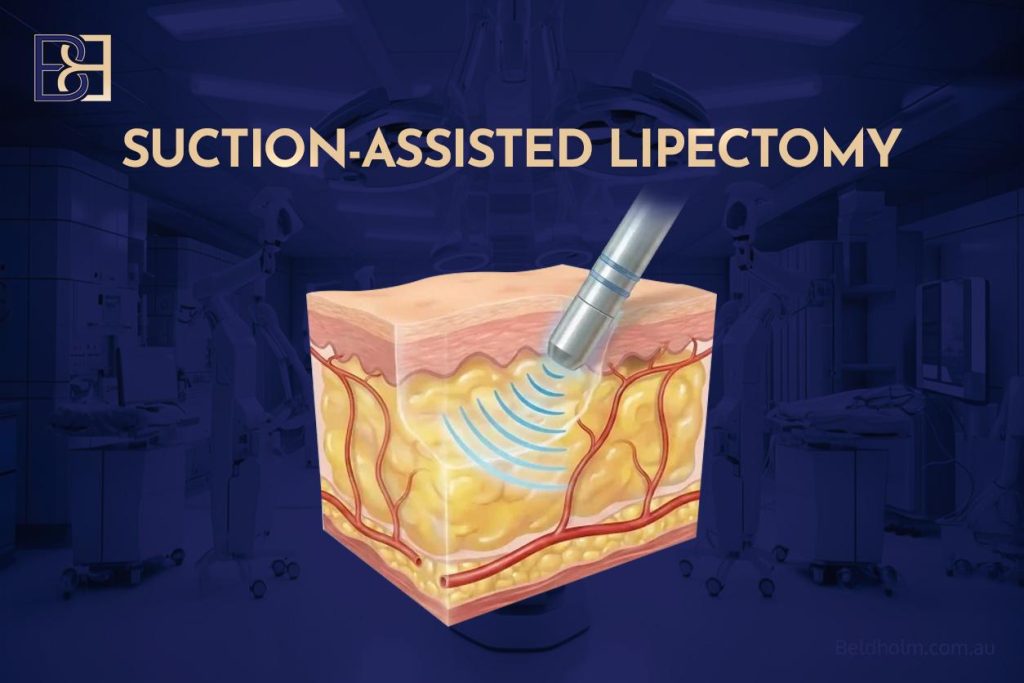
In many patients, excess fat and skin in the lower abdomen and flanks occur together. For this reason, liposuction (suction-assisted lipectomy) is often performed in combination with mini abdominoplasty (limited abdominoplasty) to address localised fat deposits while the excess skin is surgically removed.
When combined with mini abdominoplasty, liposuction (suction-assisted lipectomy) may be used to treat:
- Lower abdominal fat deposits
- Flank fat (often referred to as the “waist” area)
- Localised fat surrounding the lower abdomen
Dr Beldholm commonly performs VASER liposuction (ultrasound-assisted liposuction) as part of abdominal contouring procedures in suitable patients. This technology uses ultrasound energy to assist with fat removal before suction.
It is important to understand that liposuction removes fat but does not remove excess skin. Mini abdominoplasty (limited abdominoplasty) treats the skin component, while liposuction (suction-assisted liposuction) treats localised fat deposits.
During consultation, the surgeon assesses the distribution of fat, skin laxity, and abdominal muscle separation to determine whether liposuction (suction-assisted lipectomy) should be combined with mini (limited) abdominoplasty.
The Mini Abdominoplasty (Limited Abdominoplasty) Procedure
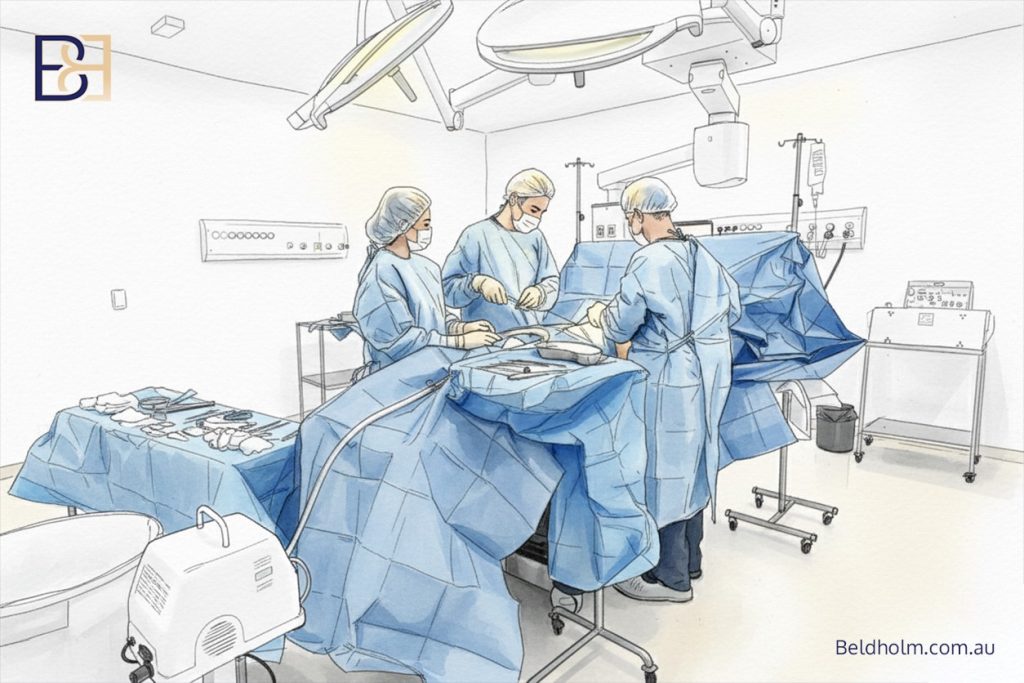
Mini abdominoplasty (limited abdominoplasty) is performed to remove a limited amount of excess skin from the lower abdomen while addressing selected underlying anatomical concerns, such as lower abdominal muscle separation and localised fat deposits.
The procedure is performed under general anaesthesia in Maitland Private Hospital.
Typical Surgical Steps
- Liposuction (Suction‑Assisted Lipectomy)
Liposuction is generally performed first to treat localised fat deposits of the abdomen or flanks. In suitable patients, Dr Beldholm performs VASER liposuction (ultrasound‑assisted liposuction) as part of abdominal contouring procedures. - Low Abdominal Incision
A horizontal incision is made in the lower abdomen, usually low enough to be concealed beneath underwear or swimwear. - Elevation of Lower Abdominal Skin
The lower abdominal skin is carefully lifted to allow access to the underlying abdominal wall. - Lower Abdominal Muscle Repair (If Required)
If abdominal muscle separation is present in the lower abdomen, limited repair of the abdominal wall may be performed. - Removal of Excess Lower Abdominal Skin
After the underlying structures are addressed, the excess skin below the umbilicus (belly button) is removed. - Skin Redraping and Closure
The remaining abdominal skin is redraped, and the incision is closed using surgical sutures and dressings.
Unlike a full abdominoplasty, the umbilicus is not repositioned during a mini abdominoplasty (limited abdominoplasty).
Recovery After Mini Abdominoplasty (Limited Abdominoplasty)
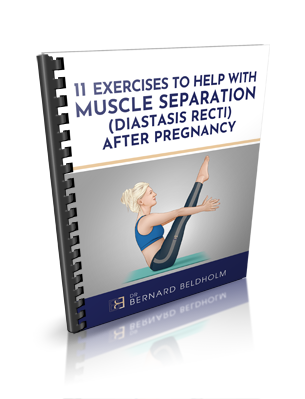
Recovery following mini abdominoplasty (limited abdominoplasty) varies between patients and depends on factors such as the extent of skin removal, whether abdominal muscle repair was performed, and whether liposuction (suction‑assisted lipectomy) was combined with the procedure.

Hospital Stay
In Dr Beldholm’s practice, mini abdominoplasty is usually performed as a day procedure, although some patients may choose to stay overnight for observation, depending on the extent of surgery and individual patient factors. When performed as a day procedure, patients return home the same day after a period of postoperative monitoring.
For patients staying overnight, nursing staff monitor early recovery, assist with mobilisation, and provide wound care support during the initial postoperative period.
Book Online NowEarly Recovery and Postoperative Care
The early recovery phase is closely monitored. Patients receive regular follow‑up with Dr Beldholm and the clinical nursing team, particularly during the first two weeks after surgery.
Postoperative care commonly includes:
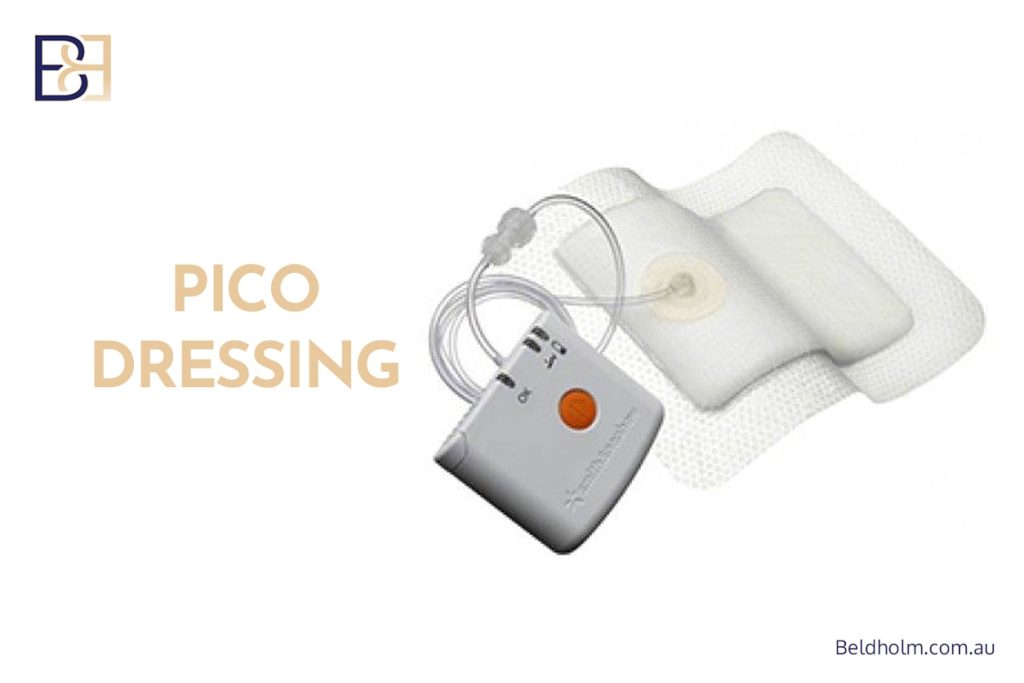
- Surgical dressings, often including PICO negative pressure dressings to support incision healing
- Compression garments to support the abdomen and help manage swelling
- Early mobilisation to assist circulation and recovery
- Monitoring of swelling, bruising, and wound healing
Dr Beldholm’s practice may also include LED light therapy during follow‑up visits as part of postoperative wound care management.

Activity After Surgery
During the first weeks after surgery, patients are generally advised to focus on:
- Rest and gradual return to light daily activities
- Avoiding heavy lifting and abdominal strain
- Following postoperative garment and wound care instructions
Activity levels are gradually increased over time, depending on healing and individual recovery progress.
Follow‑Up Appointments
Scheduled follow‑up appointments allow the surgical team to assess healing, review the incision, and monitor recovery progress. Because recovery varies between individuals, patients receive individualised postoperative instructions during consultation and after surgery.
Book Online Now
Risks and Considerations of Mini Abdominoplasty (Limited Abdominoplasty)
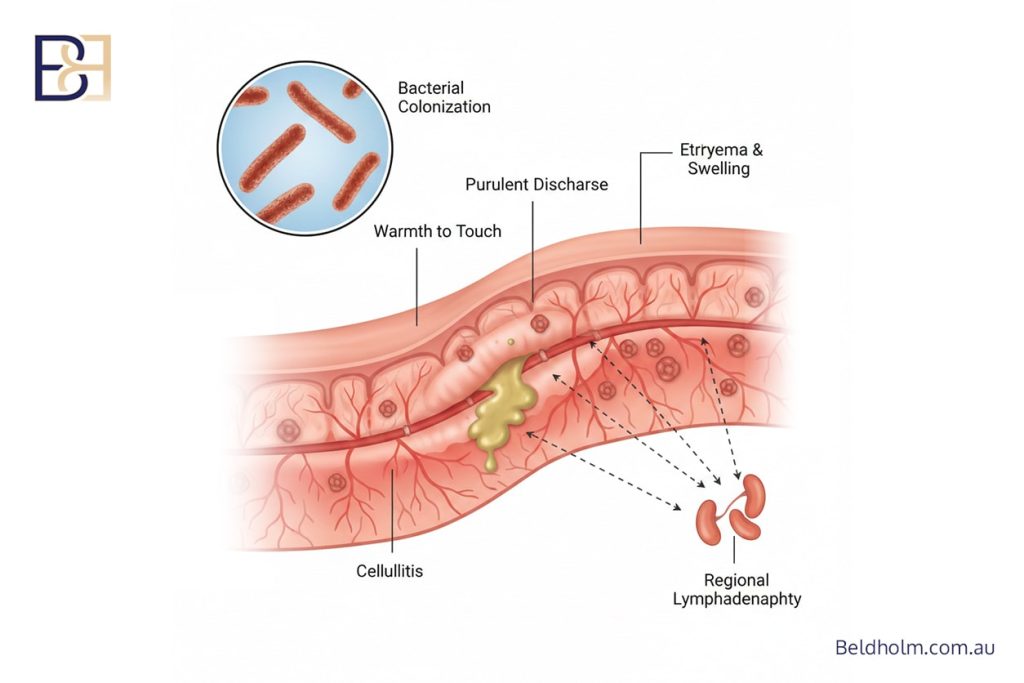
Mini abdominoplasty (limited abdominoplasty) is a surgical procedure and, like all surgery, it carries potential risks and complications. Patients considering this procedure should understand these risks before deciding whether surgery is appropriate.
Possible risks and complications may include:
- Bleeding
- Infection
- Fluid collections (seroma)
- Delayed wound healing
- Scarring
- Changes in skin sensation
- Asymmetry or contour irregularities
- Need for additional procedures
The likelihood of complications can vary depending on several factors, including overall health, smoking status, previous abdominal surgery, and the extent of the procedure performed.

During consultation, Dr Beldholm discusses the potential risks, expected recovery process, and alternative treatment options. Patients are encouraged to ask questions and to take time to consider whether surgery is the appropriate option for them.