


Apronectomy (Panniculectomy) After Significant Weight Loss
Book Online NowRemoval of excess lower abdominal skin that may develop after major weight loss.
Consultation with Dr Bernard Beldholm FRACS, Specialist Surgeon.
- Assessment of suitability during consultation
- Surgery performed at Maitland Private Hospital
- Telehealth consultations available for patients travelling from other regions
What Is an Abdominal Apron?
After significant weight loss, some patients develop excess skin and soft tissue that hangs from the lower abdomen. This tissue is medically referred to as a pannus, and when it forms a larger fold, it is sometimes described as an abdominal apron.
An abdominal apron may occur after:
- Bariatric surgery
- Major lifestyle weight loss
- Long‑term weight changes
The excess tissue can extend over the lower abdomen and may vary in size between individuals. During consultation, Dr Bernard Beldholm assesses the pattern of excess skin, the quality of the tissue, and the overall abdominal anatomy to determine whether an apronectomy (panniculectomy) or another abdominal procedure may be appropriate.
Apronectomy vs Abdominoplasty
Patients searching for the removal of excess abdominal skin after significant weight loss are often considering either apronectomy (panniculectomy) or abdominoplasty (tummy tuck). Although both procedures involve the removal of abdominal skin, they are performed for different anatomical problems and involve different surgical steps.
Apronectomy (Panniculectomy)
Apronectomy focuses specifically on the removal of the abdominal apron (pannus). This is the fold of excess skin and soft tissue that can hang from the lower abdomen after major weight loss.
Compared with abdominoplasty, apronectomy is generally a simpler operation. The procedure removes the excess lower abdominal tissue without performing more extensive abdominal wall surgery.
Key characteristics of apronectomy include:
- Removal of the overhanging lower abdominal skin fold
- The incision is typically placed in the lower abdomen
- No undermining of the upper abdominal tissues
- No tightening of the abdominal wall muscles (no diastasis recti repair)
- No repair of abdominal wall hernias as part of the procedure
- The umbilicus (belly button) usually does not need to be repositioned
Because the surgery is more limited, the procedure time is often shorter than abdominoplasty, commonly around 2–3 hours depending on the amount of tissue to be removed.
Apronectomy is not commonly performed as a standalone operation in many post‑weight‑loss patients. Individuals who have lost a large amount of weight frequently have excess skin affecting the upper abdomen, flanks, or other body areas, which may require more extensive procedures such as abdominoplasty or circumferential body contouring.
However, apronectomy may be considered in patients whose primary concern is the lower abdominal apron or in those who prefer a less extensive operation focused on the removal of the overhanging tissue.
Abdominoplasty (Tummy Tuck)
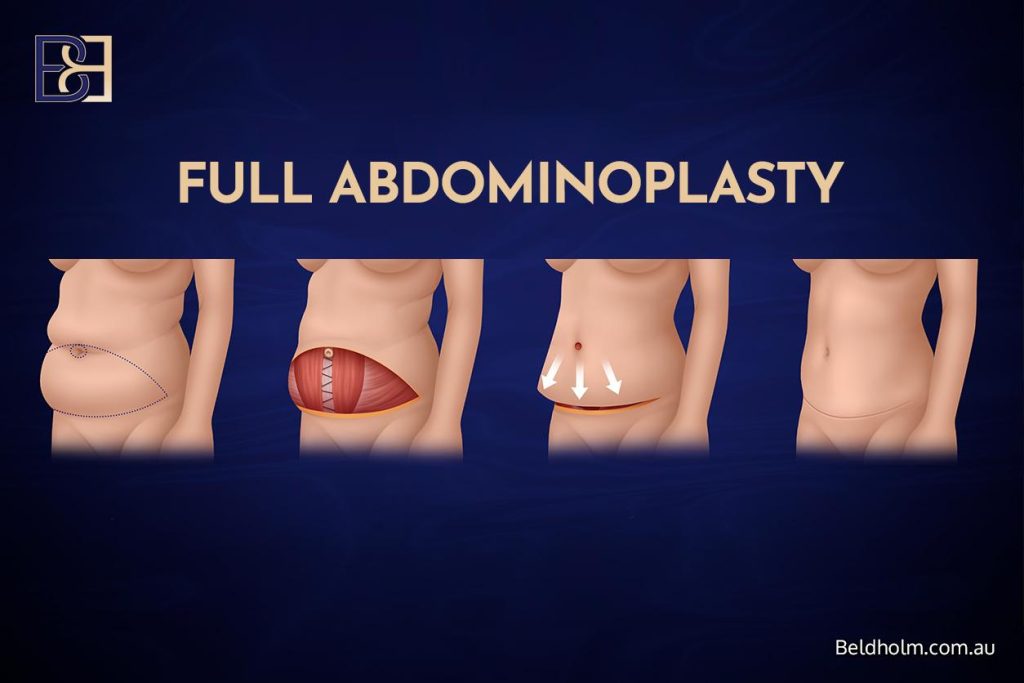
Abdominoplasty is a more comprehensive abdominal procedure. In addition to removing excess skin, it may address other structural changes that occur after pregnancy or major weight loss.
An abdominoplasty may include:
- Removal of excess abdominal skin across the lower and central abdomen
- Tightening of the abdominal wall muscles (diastasis recti repair)
- Repositioning of the umbilicus to maintain normal abdominal anatomy
- In some patients, extension of the incision toward the flanks or hips to address additional skin excess
Patients who have lost a large amount of weight often have both horizontal and vertical skin excess, which may require procedures such as extended abdominoplasty or other post‑weight‑loss body contouring operations.
Determining the Most Appropriate Procedure
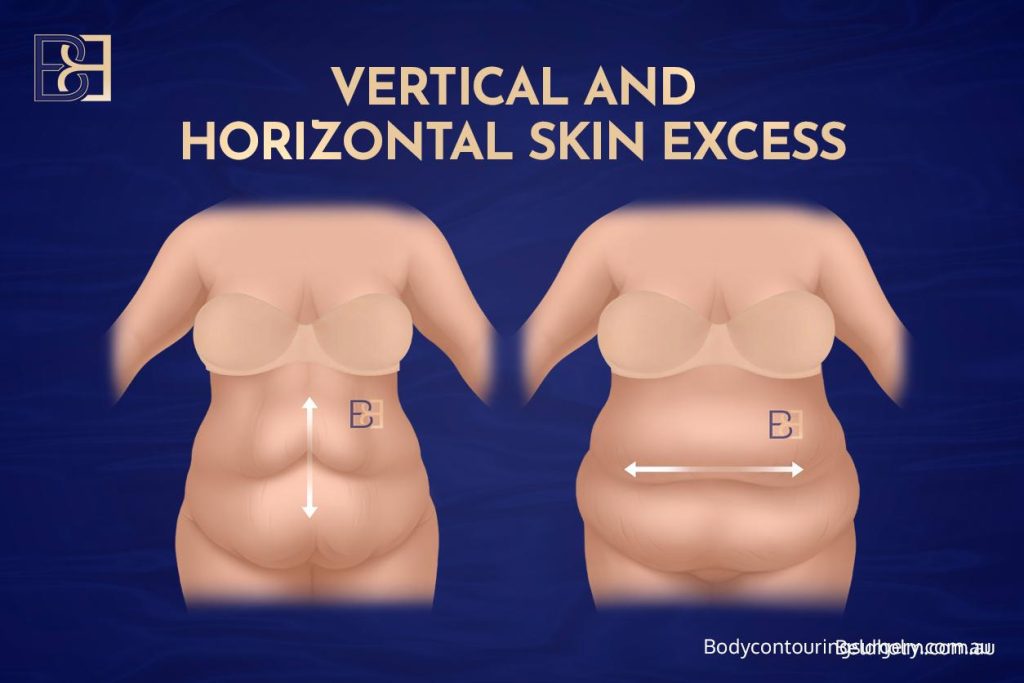
Dr Bernard Beldholm FRACS will perform a detailed abdominal assessment. This includes evaluation of:
- The location and amount of excess skin
- The degree of abdominal wall laxity
- Previous abdominal surgery
- Overall body contour after weight loss
Based on these findings, Dr Beldholm discusses whether apronectomy, abdominoplasty, or another post‑weight‑loss abdominal procedure may be appropriate for the individual patient.
How Dr Beldholm Assesses Patients for Apronectomy

Patients considering apronectomy (panniculectomy) after significant weight loss require an individual surgical assessment. Excess abdominal skin can vary considerably between patients, and different procedures may be more appropriate depending on the pattern of tissue laxity.
During consultation, Dr Bernard Beldholm FRACS, Specialist General Surgeon, performs a structured abdominal assessment to determine whether apronectomy or another procedure may be suitable.
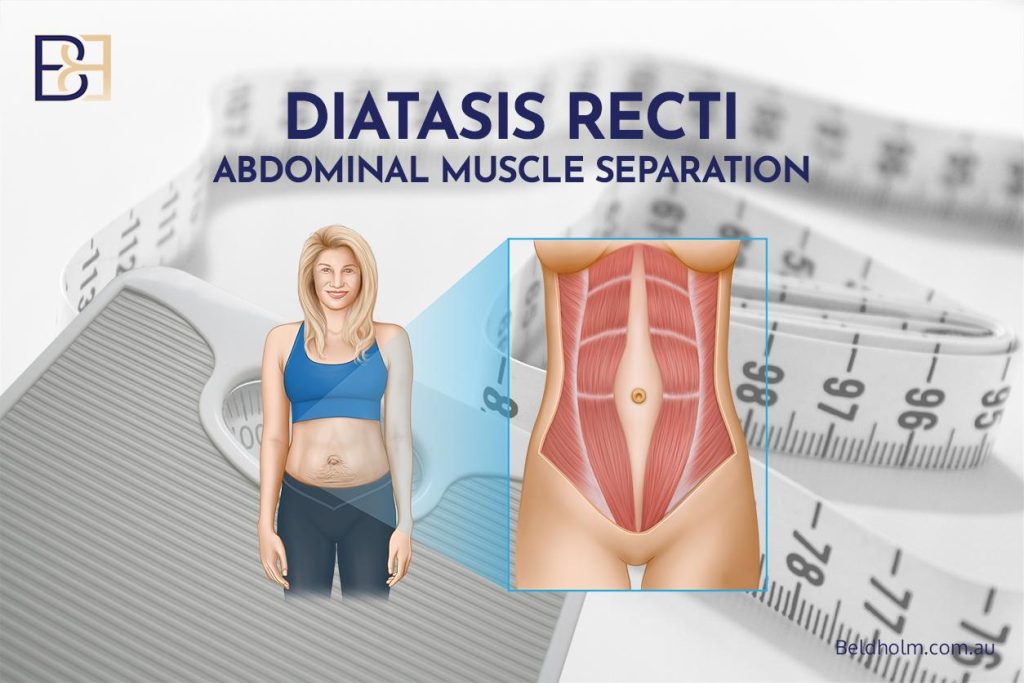
The consultation typically includes:
- Review of medical history and previous weight loss
- Examination of the location and extent of excess abdominal skin
- Assessment of the abdominal wall and muscle separation (diastasis recti)
- Evaluation of skin excess affecting the upper abdomen, flanks, or back
- Discussion of previous abdominal operations
Many patients who have experienced major weight loss have skin laxity affecting multiple areas of the torso. In these situations, procedures such as abdominoplasty, extended abdominoplasty, or circumferential body contouring may be discussed in addition to apronectomy.
Clinical photographs are usually taken as part of surgical planning. Dr Beldholm then explains the potential surgical options, expected recovery, and the risks associated with each procedure.
A second consultation is encouraged before surgery to review the surgical plan and answer further questions. For patients travelling from outside the Hunter region, the first consultation can often be performed using telehealth, with an in‑person assessment required prior to surgery.
Surgery and Hospital Stay

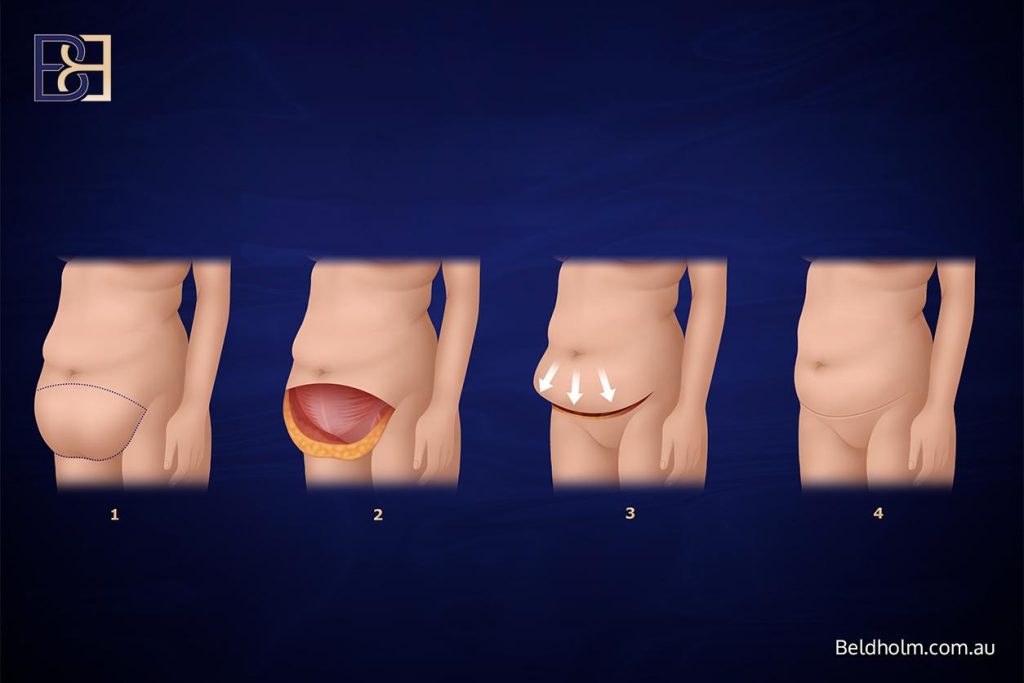
Apronectomy (panniculectomy) is performed in a hospital under general anaesthesia. The procedure focuses on removing the excess lower abdominal apron of skin and soft tissue.
The operation typically involves:
- A lower abdominal incision was placed to remove the overhanging apron of tissue
- Removal of the excess skin and soft tissue from the lower abdomen
- Careful closure of the surgical incision
Because apronectomy does not usually involve abdominal wall repair or extensive tissue undermining, the operation is generally shorter than abdominoplasty, often taking approximately 2–3 hours, depending on the amount of tissue being removed.
Surgery is performed at Maitland Private Hospital, where patients are cared for by experienced theatre, anaesthetic, and ward staff.
Most patients remain in hospital for approximately 1–3 days following surgery so that early recovery, pain management, and wound care can be monitored before returning home.
Early Recovery and Follow‑Up Care

Early recovery following apronectomy focuses on wound care, mobility, and monitoring of the surgical site. After discharge from hospital, patients are reviewed regularly to assess healing and manage dressings.
Post‑operative care in Dr Beldholm’s clinic typically includes:
- Regular nurse and doctor reviews during the first two weeks
- Management of PICO negative pressure dressings used on the surgical incision
- Dressing changes and wound assessment
- LED light therapy used in clinic to support early wound recovery
Patients are usually reviewed several times during the first two weeks after surgery. At approximately 7 days, PICO dressings are commonly replaced with Hypafix support tape to continue incision support during healing.
Follow‑up appointments continue as recovery progresses, typically at 1 month, 3 months, 6 months, and 12 months after surgery so healing and scar maturation can be assessed.
Patients Travelling for Surgery

Dr Bernard Beldholm frequently treats patients who travel from Sydney, regional NSW, and other parts of Australia for post‑weight‑loss body contouring procedures.
For patients travelling to Maitland for apronectomy surgery, several steps are used to help coordinate care before and after the operation.
These may include:
- Telehealth consultation for the initial discussion and review of medical history
- Coordination with the patient’s local GP when required
- Planning the timing of surgery and early recovery period
Patients travelling for surgery are usually advised to remain in the Hunter region for approximately 7–10 days following the operation so early recovery and follow‑up appointments can be completed safely.
During this time, patients attend the clinic for dressing care, wound checks, and review by Dr Beldholm and the nursing team before returning home.
Ongoing follow‑up after returning home can often be supported through telehealth reviews, with communication between Dr Beldholm’s clinic and the patient’s local doctor if required.
Book a Consultation with Dr Bernard Beldholm

A consultation is required to determine whether apronectomy (panniculectomy) or another abdominal procedure may be appropriate after significant weight loss.
During the consultation, Dr Bernard Beldholm FRACS, Specialist Surgeon, performs a detailed assessment of the abdominal skin, abdominal wall, and overall body contour following weight loss. Surgical options, expected recovery, and potential risks are discussed so patients can make an informed decision.
Consultations typically include:
- Review of medical history and weight loss history
- Physical examination of the abdomen
- Clinical photographs for surgical planning
- Discussion of possible procedures such as apronectomy or abdominoplasty
For patients travelling from outside the Hunter region, the first consultation can often be performed via telehealth, with an in‑person assessment required before surgery.
Consultation is required to determine suitability for surgery.