


Brachioplasty (Arm Lift) Post Weight Loss
Book Online NowBrachioplasty (arm lift or arm lift surgery), is a plastic surgery procedure designed to treat excess skin and fat (adipose tissue) of the upper arm. This surgical procedure is most frequently performed in patients who have experienced significant weight loss, age-related changes in skin elasticity, or genetic factors that result in loose skin that does not resolve with diet or exercise alone.
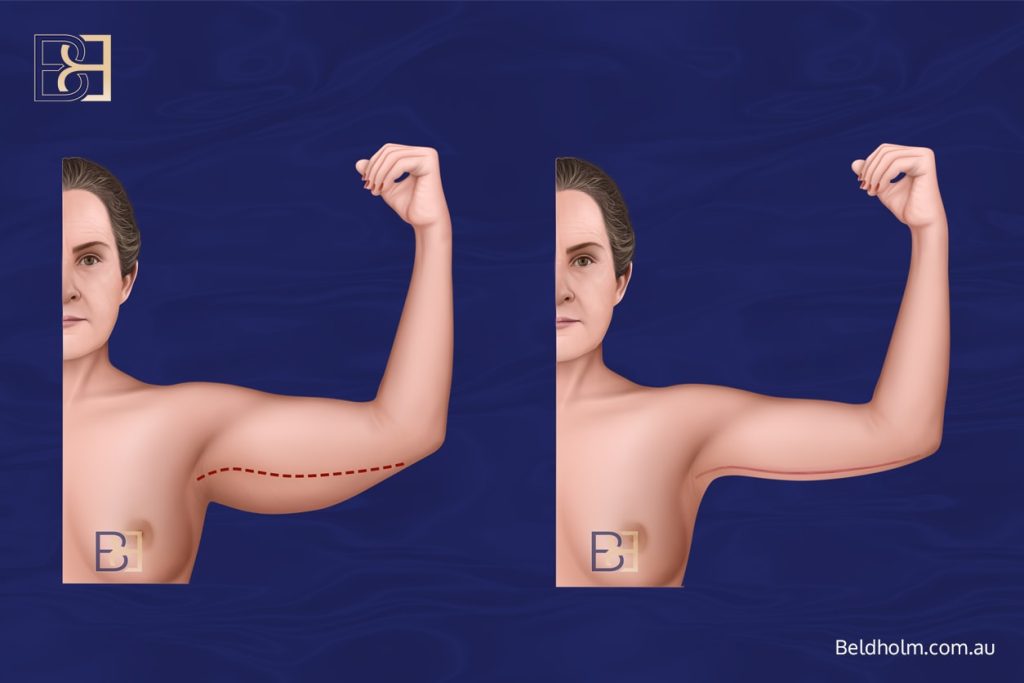
For many surgical patients, changes in the arms are not merely cosmetic concerns. Extra skin, excess fat, and laxity of the upper arm can cause discomfort, skin irritation, difficulty finding clothing that fits comfortably, and limitations during daily activities. Brachioplasty is one of several body contouring procedures that may be considered once weight has stabilised, and a healthy weight has been achieved and maintained.
What is Brachioplasty (Arm Lift)?
Brachioplasty is a plastic surgery procedure that removes excess skin and fat from the inner surface of the upper arm, typically between the elbow and the axilla.
The brachioplasty arm procedure is particularly effective when upper arm skin elasticity has been lost, and the skin can no longer retract. While exercise may benefit underlying muscle tone, it cannot remove extra skin or excess tissue. In carefully selected patients, brachioplasty may be an appropriate surgical option.
Why Do the Arms Develop Loose or Lax Skin?
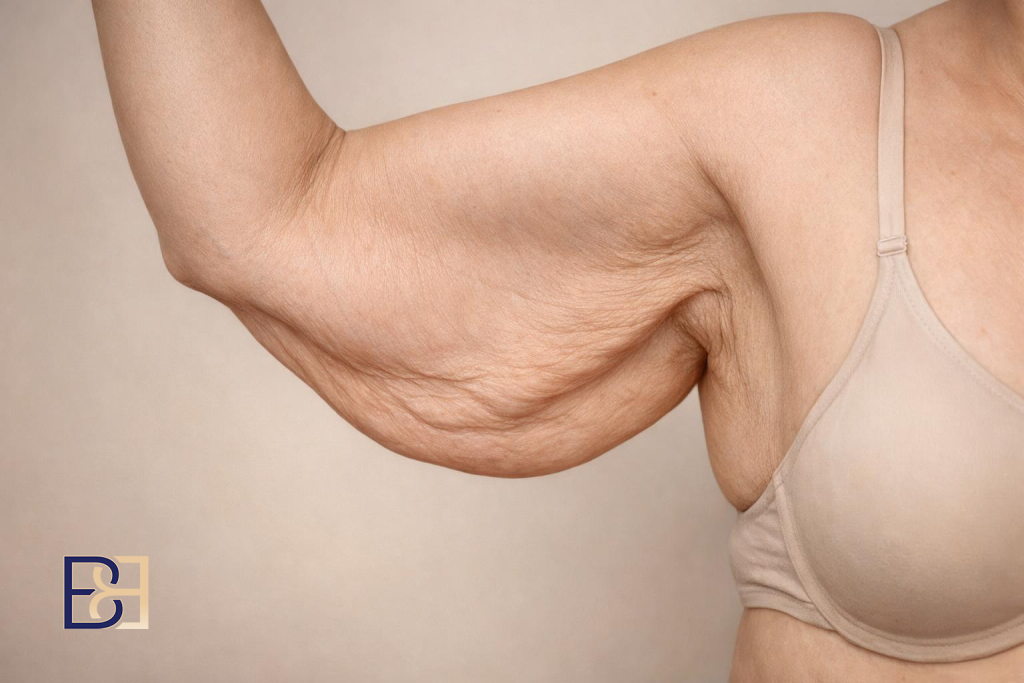
Loose or lax skin of the arms can develop for several reasons:
- Weight loss, particularly repeated cycles of losing and regaining weight
- Significant weight loss following bariatric surgery
- Age-related changes in skin quality
- Genetic predisposition to reduced skin elasticity
- Reduced underlying muscle tone
Once excess skin and fat develop, arm lift (brachioplasty) surgery may be considered if these changes cause physical discomfort or functional limitations.
Types of Brachioplasty (Arm Lift Procedures)
There is no single approach to brachioplasty that suits every patient. The type of arm lift (brachioplasty) procedure recommended depends on the amount of skin and fat, the distribution of excess tissue, and overall health.
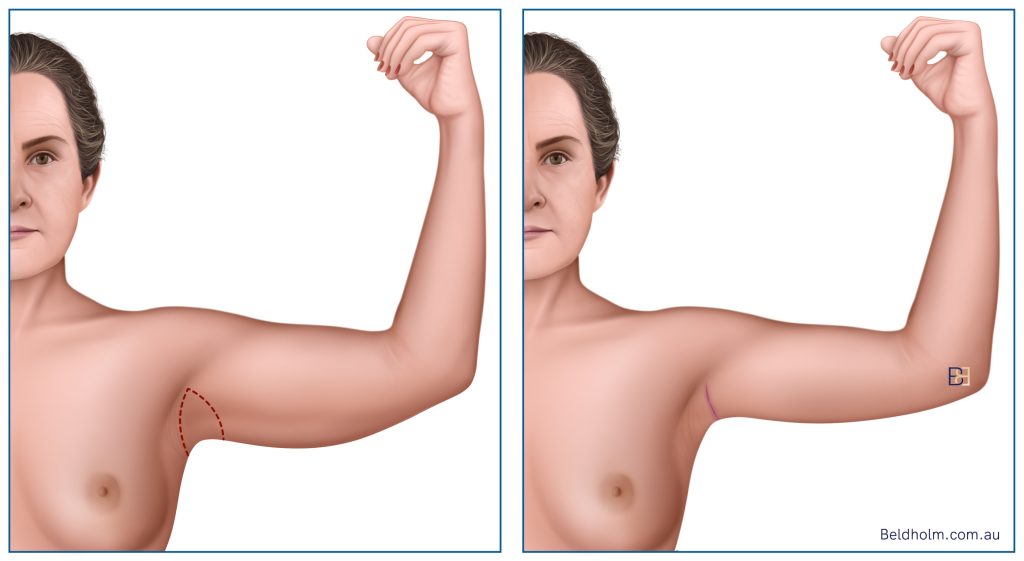
Limited Brachioplasty (Sometimes Referred to as a Mini Arm Lift)
Limited brachioplasty is reserved for carefully selected patients who have a small amount of excess skin confined to the uppermost portion of the arm near the axilla. The incision is shorter and usually concealed within the axillary crease.
This form of arm lift (brachioplasty) provides modest arm reduction and is not suitable for most patients following significant weight loss, as it does not treat extra skin along the full length of the upper arm.
Book Online NowStandard (Full) Brachioplasty
Standard brachioplasty is the most commonly performed arm lift (brachioplasty). It treats excess skin and fat extending from the axilla to the elbow. A longitudinal incision is placed along the inner surface of the upper arm.
This surgical procedure allows effective skin removal, arm reshaping, and a more balanced appearance.
Book Online Now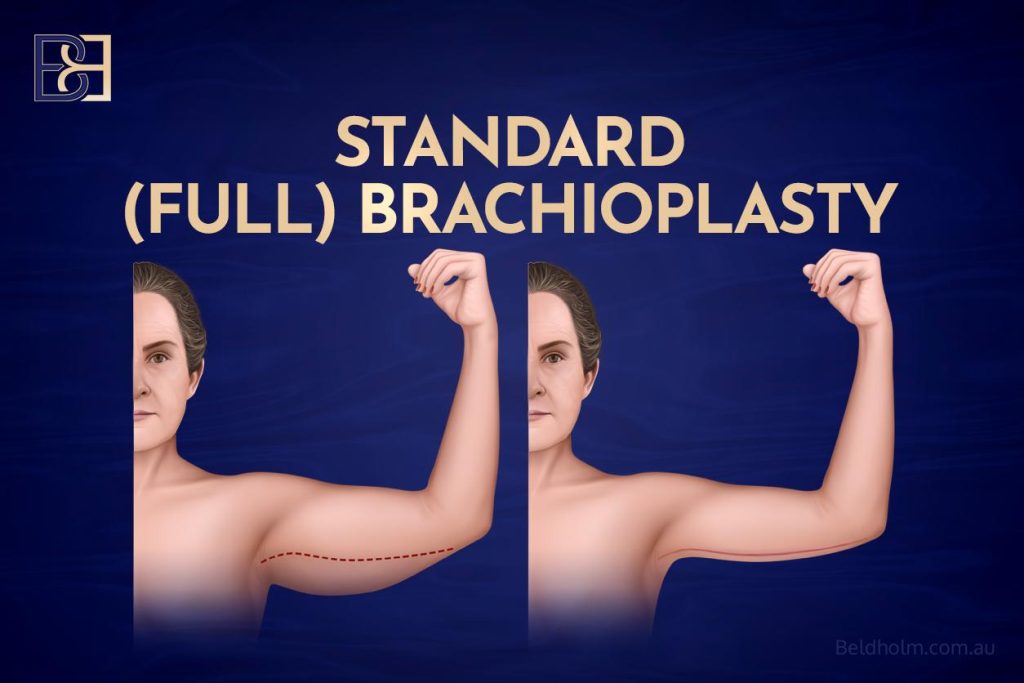
Extended Brachioplasty
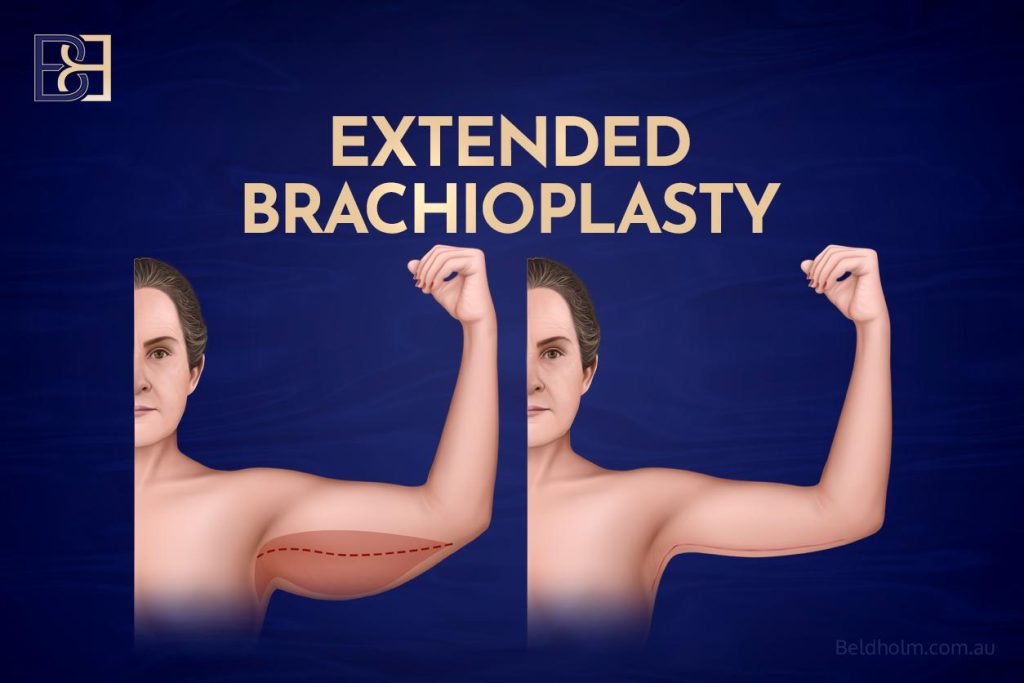
Extended brachioplasty is indicated when excess skin and fat extend beyond the upper arm into the axilla and lateral chest wall. This is commonly required in patients after significant weight loss.
The incision extends from the elbow into the armpit and along the side of the chest, allowing comprehensive skin removal and arm reduction. Extended brachioplasty may be performed alone or combined with other procedures where appropriate.
Book Online NowLiposuction (suction-assisted lipectomy) and Brachioplasty
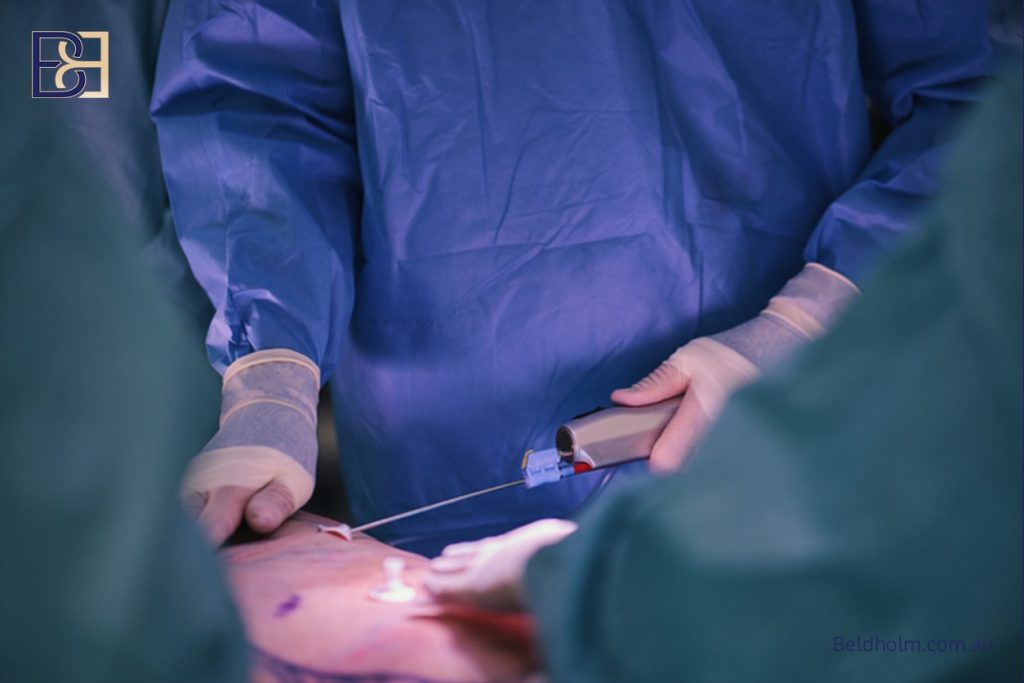
Brachioplasty can be performed with or without liposuction (suction-assisted lipectomy), depending on the amount of excess fat present in the arms.
Dr Bernard Beldholm prefers VASER liposuction (Ultrasound suction-assisted lipectomy) when liposuction is indicated. This technique allows controlled fat removal while preserving the surrounding underlying tissues, which may assist with smoother contouring.
When Liposuction (Suction-Assisted Lipectomy) Is Not Necessary
Most patients who have experienced significant weight loss and are now within a normal or near-normal weight range have minimal residual fat in the arms. In these surgery patients:
- Liposuction (suction-assisted lipectomy) is often not required
- The primary concern is excess skin rather than fat (adipose tissue)
- Removing excess skin alone usually provides sufficient arm reduction
When Liposuction (Suction-Assisted Lipectomy) May Be Beneficial
If a significant amount of fat remains, combining brachioplasty with liposuction (suction-assisted lipectomy) may treat excess fat around:
- The full circumference of the upper arm
- The axilla
- The posterior arm
- The lateral chest wall
Liposuction (suction-assisted lipectomy) alone cannot address loose skin, but when used appropriately, it can complement brachioplasty surgery.
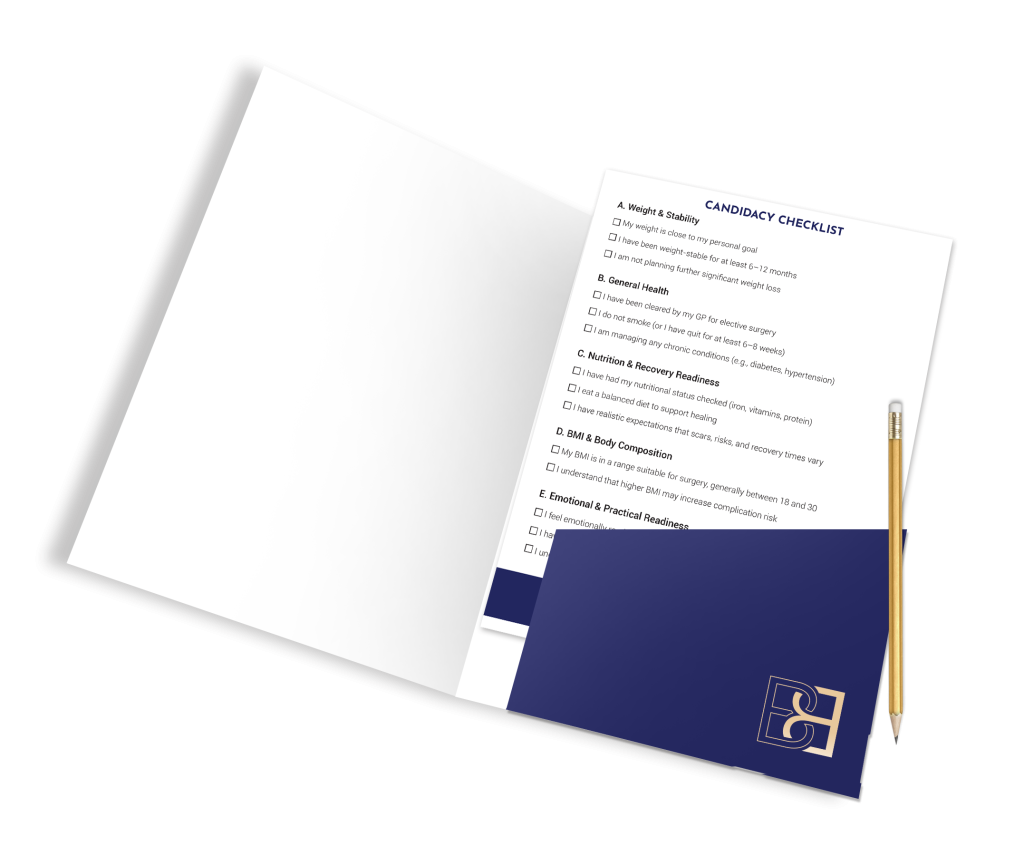
Who Is a Suitable Candidate for Brachioplasty?
Brachioplasty may be considered for carefully selected patients who:
- Are in good health
- Have achieved and maintained a healthy weight
- Are not actively losing weight
- Have excess skin and fat on the arms
- Can commit to the full recovery period
Consultation Process with Dr Bernard Beldholm
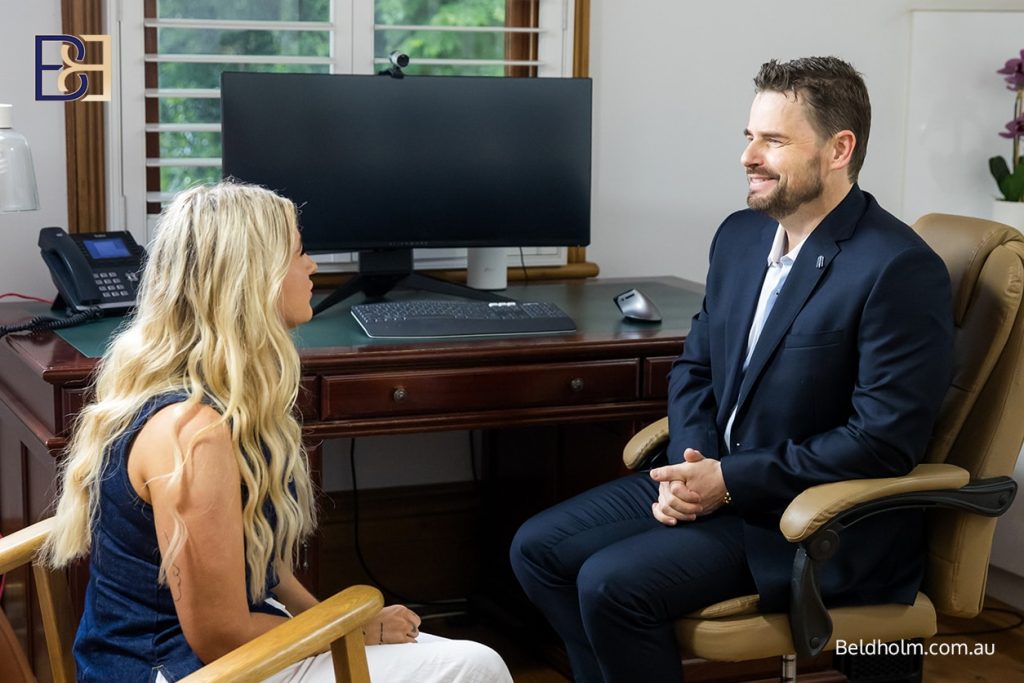
Dr Bernard Beldholm follows a structured, multi-step consultation process to ensure that patients considering brachioplasty are appropriately assessed, well-informed, and able to make a considered decision.
First Consultation (Initial Assessment)
A valid GP referral is required prior to the first consultation. The initial appointment is typically scheduled for approximately one hour and focuses on assessment and education rather than decision-making.
During the first consultation, Dr Beldholm will:
- Take a detailed medical history, including previous surgery, medications, supplements (such as fish oil), and relevant medical conditions
- Review weight loss history, including the method of weight loss and long-term weight stability
- Assess the upper arm, axilla, and surrounding areas to evaluate skin and fat distribution and quality
- Discuss whether excess concerns relate primarily to excess skin, excess fat, or a combination of both
- Explain suitable arm lift (brachioplasty) procedures, including limited, standard, and extended brachioplasty
- Discuss the possible role of liposuction (suction-assisted lipectomy) and when it may or may not be beneficial
- Outline the surgical procedure, expected recovery period, and possible risks and complications
Clinical photographs are taken as part of the assessment to assist with surgical planning and documentation.
Importantly, no pressure is placed on patients to proceed with surgery at this stage. The aim of the first consultation is to provide clear, factual information so patients can consider their options.
Second Consultation (Informed Decision-Making)
A second consultation is encouraged and is provided at no additional cost. This appointment allows patients time to reflect on the information provided during the first consultation and to return with further questions.
During the second consultation:
- Questions and concerns are discussed in detail
- The proposed brachioplasty approach is reviewed and confirmed
- Risks, limitations, and realistic expectations are revisited
- Pre-operative requirements and preparation are discussed
Pre-Operative Review and Clearance
Prior to surgery, patients undergo a pre-operative review to ensure they remain medically suitable. This may include:
- Review of updated medical information
- Medication adjustments were required
- Confirmation of weight stability
- Anaesthetic assessment
Patients are provided with written pre-operative and post-operative instructions to support surgery and recovery.
The Surgical Procedure
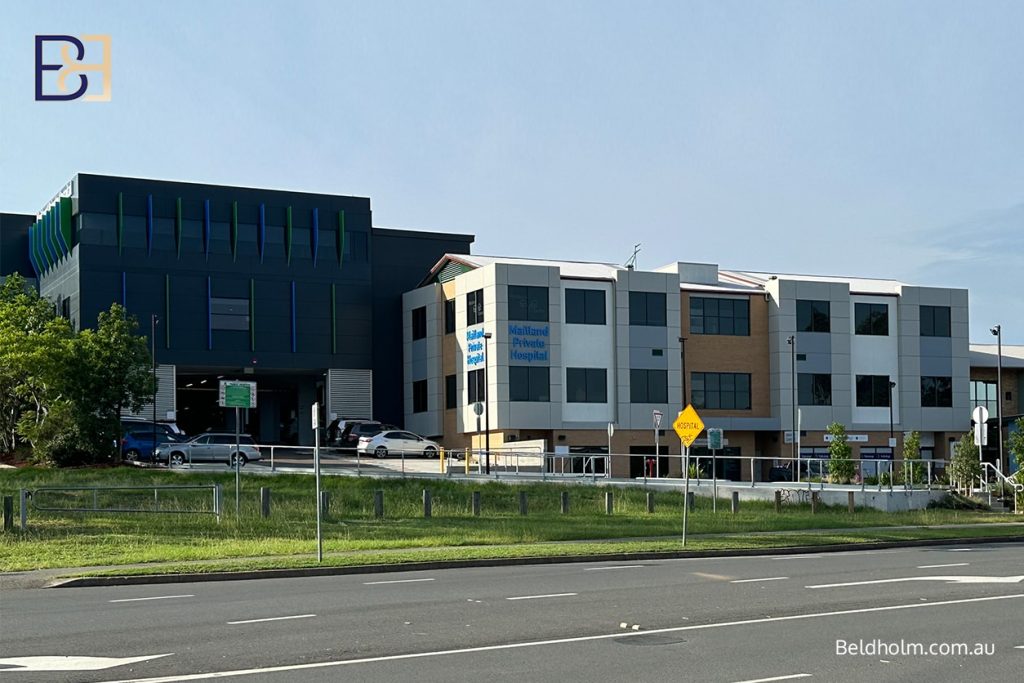
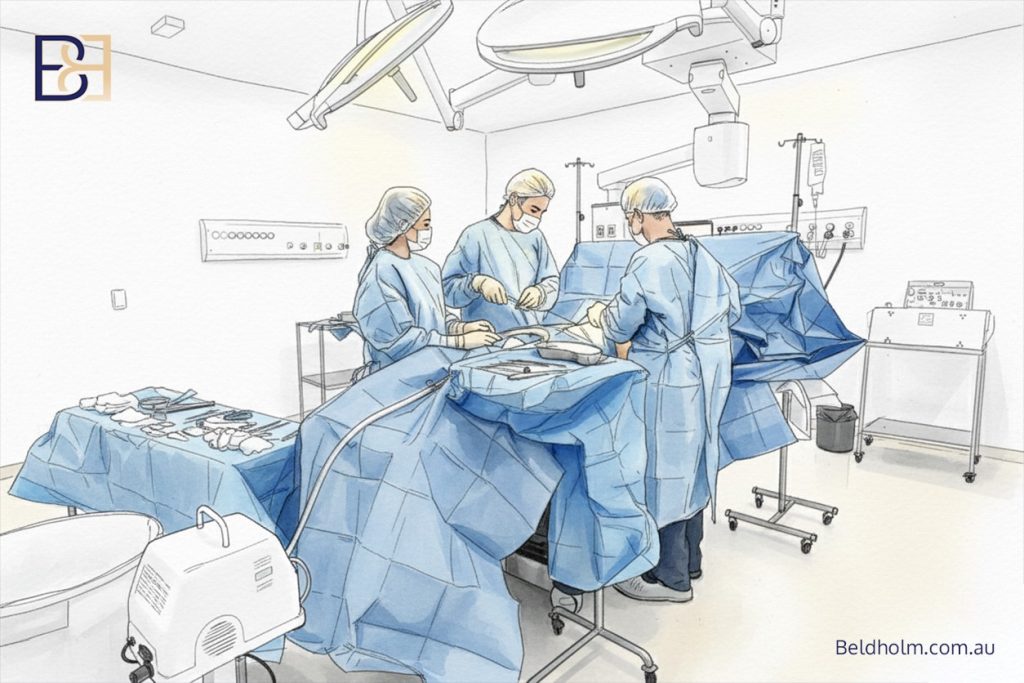
Brachioplasty surgery is performed under general anaesthetic at Maitland Private Hospital. The surgical procedure usually takes up to four hours, depending on whether liposuction or other procedures are performed at the same time.
Most patients require a short hospital stay, either as a day procedure or overnight admission, depending on individual circumstances.
Recovery Period After Brachioplasty
First Few Weeks
- Swelling and bruising are expected
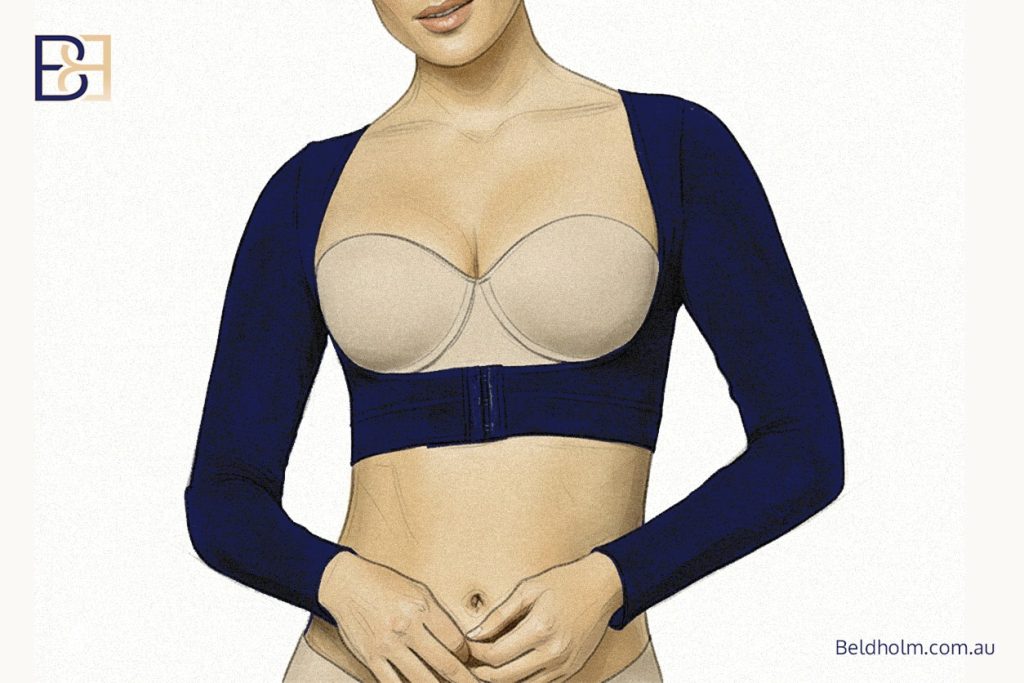
- A compression garment is worn to help reduce swelling and support wound healing
- Heavy lifting and strenuous exercise should be avoided
- Most patients return to light duties within two weeks
Ongoing Recovery
- Compression garments are worn for several weeks
- Swelling continues to reduce gradually
- Scar management begins once wounds have healed
- Full recovery may take several months
Risks and Possible Complications
Brachioplasty is not risk free. As with all surgery, possible risks and complications include:
- Excessive bleeding
- Infection
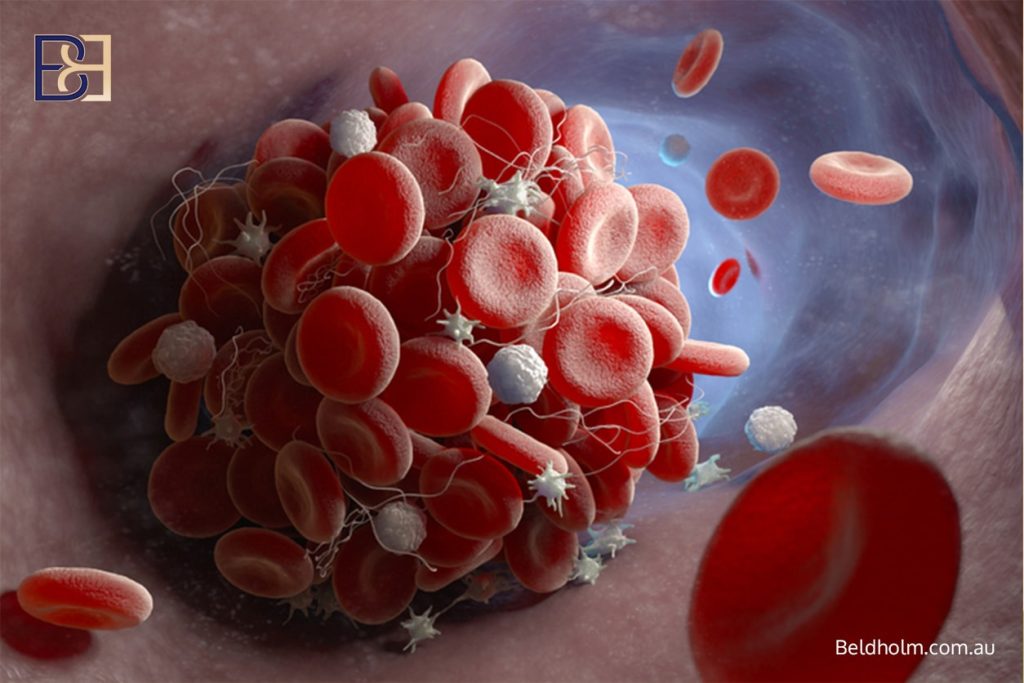
- Blood clots
- Fluid collection or fluid accumulation that may require drainage
- Wound separation
- Hypertrophic scarring
- Sensory changes
- The potential need for further surgery
Costs, Medicare and Private Health Insurance

The cost of brachioplasty in Australia varies depending on the type of procedure, hospital stay, and anaesthetic fees. In specific circumstances, partial rebates may be available through Medicare and private health insurance. Eligibility is assessed on an individual basis.
Maintaining Brachioplasty Results

Long-term results depend on maintaining a stable weight, following a healthy diet, and leading an active lifestyle after recovery. Significant weight changes after surgery can affect outcomes.
Final Thoughts on Brachioplasty Surgery
Brachioplasty is a well-established surgical procedure that can treats excess skin and fat of the arms in suitable patients. It should only be considered after thorough consultation, understanding of possible risks, and realistic expectations about the recovery period.
Frequently Asked Questions
Who are the ideal candidates for brachioplasty?
The ideal candidates for brachioplasty are individuals who are non-smokers, physically fit, without any medical conditions that would hinder the procedure, maintain a stable weight, have excess soft tissue in the lower arm, and have realistic expectations about the procedure.
What are some benefits of an arm lift (Brachioplasty)?
An arm lift (Brachioplasty) offers significant benefits, such as the removal of excess skin and the reduction of localised fat pockets, leading to better-functioning arms. Additionally, it can increase comfort during various activities.
What is the typical recovery process after brachioplasty?
The typical recovery process after brachioplasty includes an overnight hospital stay, pain management with medication, wearing compression garments for 4-6 weeks, and a return to non-manual work after two weeks. It is essential to follow post-operative instructions for optimal healing.
What are potential complications from a brachioplasty?
Potential complications from a brachioplasty include seroma, nerve injuries, loss of skin sensation, visible skin irregularities, swelling, tightness, infections, and bleeding that may necessitate further treatment. It is essential to discuss these risks with your surgeon to ensure informed decision-making.