


Tummy Tuck After Weight Loss (Abdominoplasty)
Many patients consider a tummy tuck (abdominoplasty) after significant weight loss because excess abdominal skin remains despite diet and exercise.
However, not all abdominoplasty procedures are the same. After major weight loss, excess skin can occur in different directions across the abdomen, flanks, and upper abdomen. Choosing the wrong operation may leave remaining excess skin.
For this reason, careful assessment by a surgeon experienced in post‑weight‑loss body contouring is important.Many patients consider a tummy tuck (abdominoplasty) after significant weight loss because excess abdominal skin remains despite diet and exercise.However, not all abdominoplasty procedures are the same. After major weight loss, excess skin can occur in different directions across the abdomen, flanks, and upper abdomen. Choosing the wrong operation may leave remaining excess skin.For this reason, careful assessment by a surgeon experienced in post‑weight‑loss body contouring is important.
Dr Bernard Beldholm is a Specialist Surgeon who performs body contouring procedures for patients after major weight loss, including those following bariatric surgery.
During consultation, the abdomen is assessed in several key areas:
Skin
- Excess abdominal skin
- Distribution of skin laxity across the abdomen and flanks
Fat (Adipose Tissue)
- Residual adipose tissue that may contribute to abdominal fullness
Abdominal Wall
- Abdominal wall separation (diastasis recti)
- General abdominal wall laxity
Associated Conditions
- Presence of abdominal wall hernias
- Previous surgical scars
Depending on the findings, procedures that may be considered include:
When Weight Loss Leaves Excess Abdominal Skin
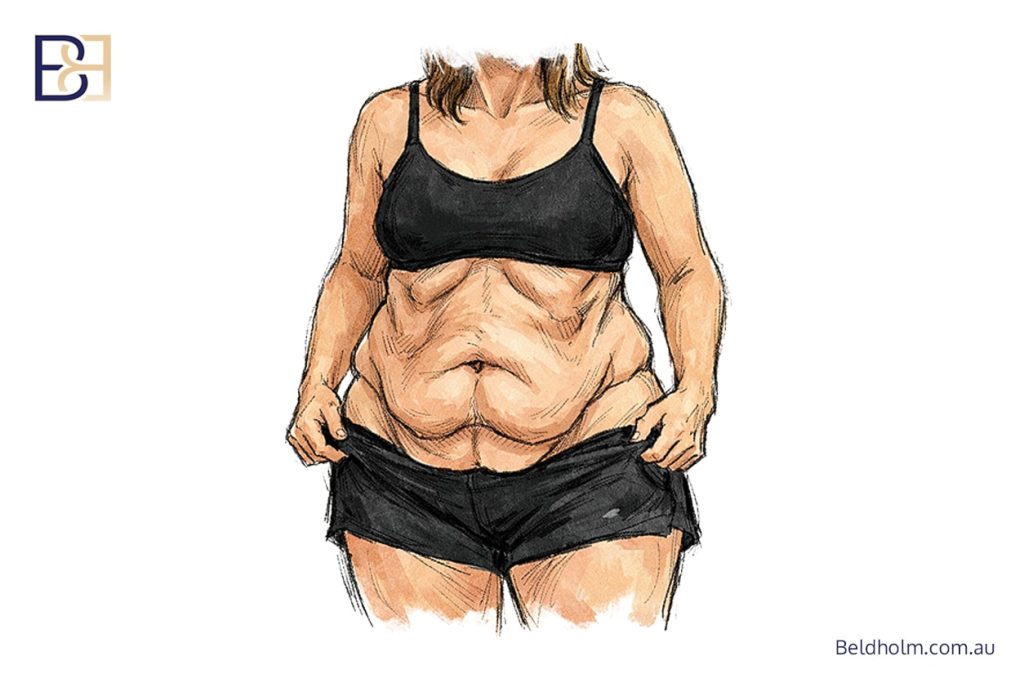
Significant weight loss can reduce body fat, but it does not always allow the skin and abdominal wall to tighten completely. Many patients are left with excess abdominal skin that may hang over the lower abdomen or extend across the flanks.
This occurs because long‑term stretching of the skin and abdominal wall can reduce tissue elasticity. After weight loss, several factors may contribute to the abdominal contour:
- Excess abdominal skin
- Residual adipose tissue
- Abdominal wall separation (diastasis recti)
- Laxity of the abdominal wall
- Previous surgical scars
- Abdominal wall hernias
The pattern and location of these findings vary between patients. In some individuals the excess skin is mainly limited to the lower abdomen, while in others it may involve the mid‑abdomen, upper abdomen, flanks, or extend around the torso.
Because of this variation, different types of abdominoplasty may be considered to address the specific pattern of excess skin and abdominal wall changes.
How the Type of Abdominoplasty Is Determined
During consultation, Dr Bernard Beldholm assesses several areas of the abdomen and lower torso to determine which operation may be appropriate after significant weight loss. The assessment focuses on the pattern of excess skin, the condition of the abdominal wall, and the presence of residual adipose tissue.
1. Assessment of the Front of the Abdomen
Assessment for abdominoplasty (tummy tuck) and post weight loss lower torso surgery is conducted personally by Dr Bernard Beldholm at his Lorn clinic.
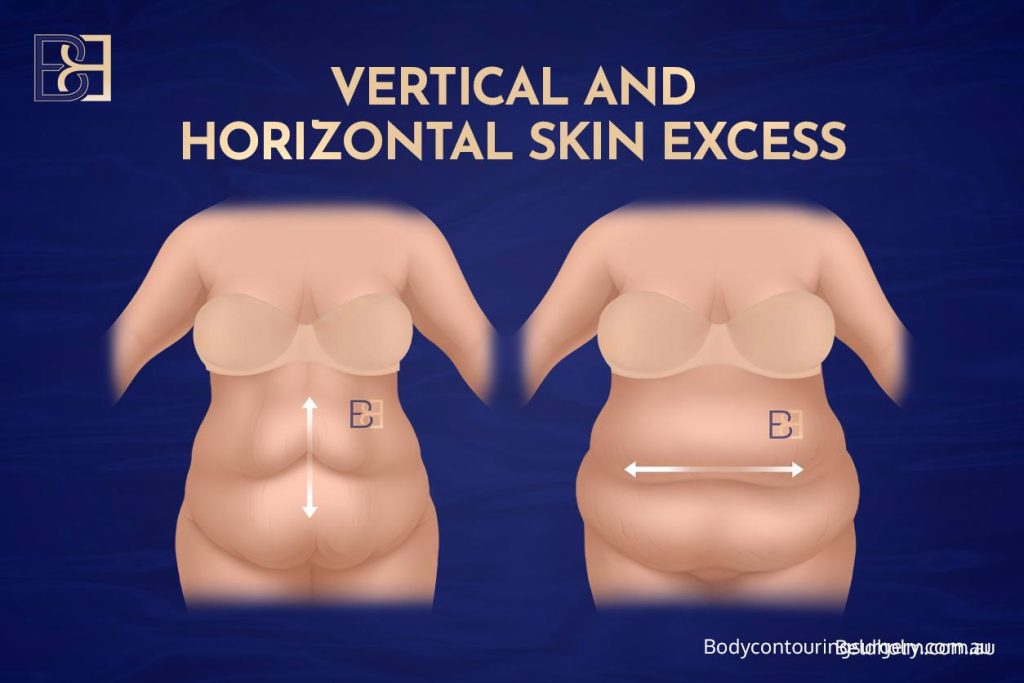
The evaluation usually begins with the front of the abdomen to determine where the excess skin is located.
Vertical skin excess
In many patients, the loose skin hangs mainly in the lower abdomen. This pattern is often described as vertical excess skin and may be addressed with a standard abdominoplasty or extended abdominoplasty, depending on how far the skin extends toward the flanks.
Horizontal skin excess
Patients who have lost a large amount of weight may also develop horizontal excess skin across the mid‑abdomen. This is often noticeable when bending forward, where excess skin gathers across the middle of the abdomen. In these situations, a Fleur‑de‑Lis abdominoplasty may be considered to address both vertical and horizontal skin excess.
2. Abdominal Wall Assessment
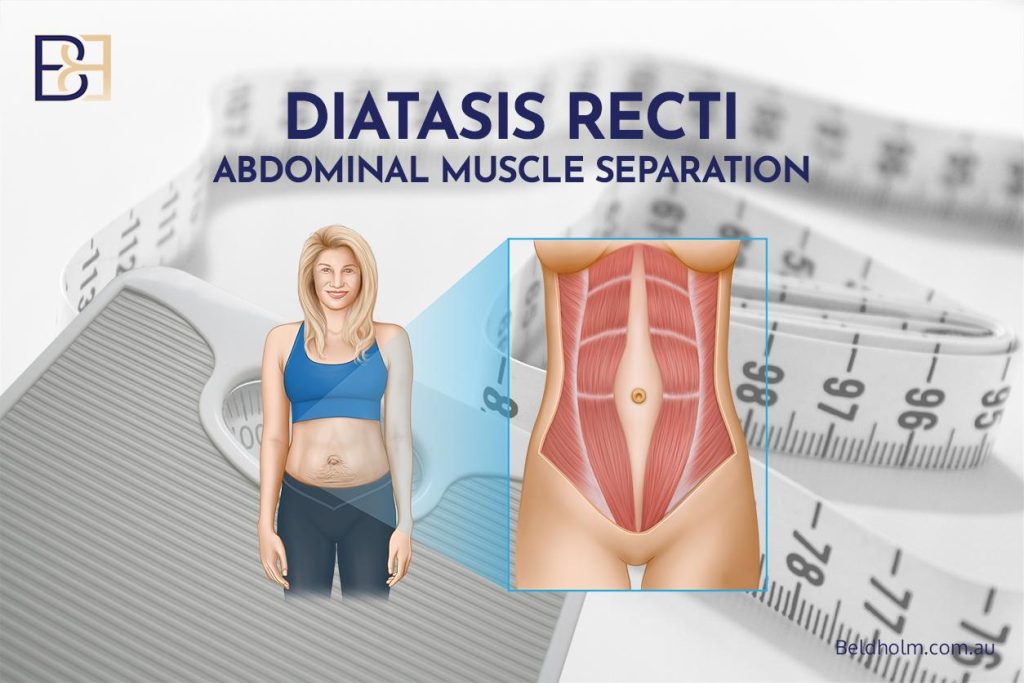
The abdominal wall is then examined to determine whether additional repair is required. This includes assessing for:
- Abdominal wall separation (diastasis recti)
- Abdominal wall laxity
- Presence of abdominal wall hernias
- Previous surgical scars
These findings may influence the surgical plan and whether abdominal wall repair is performed during the procedure.
3. Assessment of the Flanks and Outer Thigh
The next step is assessment of the flanks and outer thigh region. Excess skin in these areas may extend beyond the abdomen itself.
When skin laxity affects the flanks and outer thigh area, this usually indicates that a circumferential approach may be required, such as circumferential hybrid abdominoplasty or belt lipectomy, to address the full pattern of skin excess around the lower torso.
4. Gluteal and Circumferential Skin Excess
The gluteal region and lower back are also assessed. When excess skin extends around the entire lower torso, a circumferential procedure such as circumferential hybrid abdominoplasty or belt lipectomy may be required to address the full pattern of skin excess.
5. Assessment of Residual Adipose Tissue
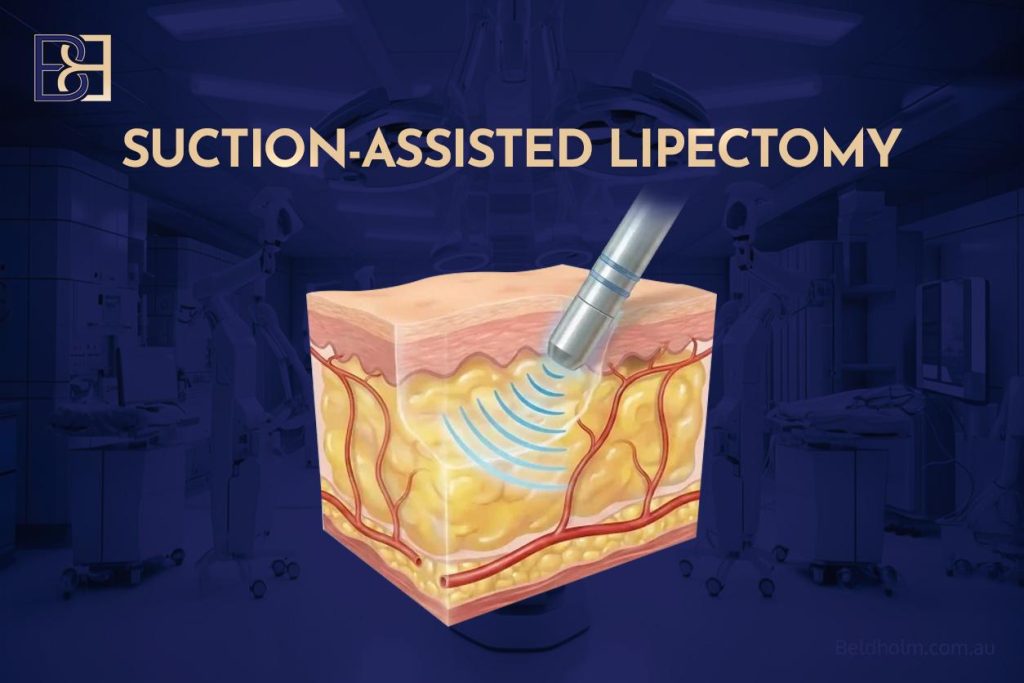
Each area is also evaluated for residual adipose tissue. In some patients, liposuction (suction‑assisted lipectomy) may be considered to improve contour and assist with the final surgical result.
The most appropriate procedure depends on the pattern of excess skin, abdominal wall findings, and individual anatomy. Consultation and examination are required to determine suitability.
What to Expect During Your Consultation
Consultation is an important step in planning surgery after significant weight loss. During this appointment Dr Bernard Beldholm performs a detailed medical and surgical assessment to determine whether abdominoplasty or another body contouring procedure may be appropriate.
Initial Consultation
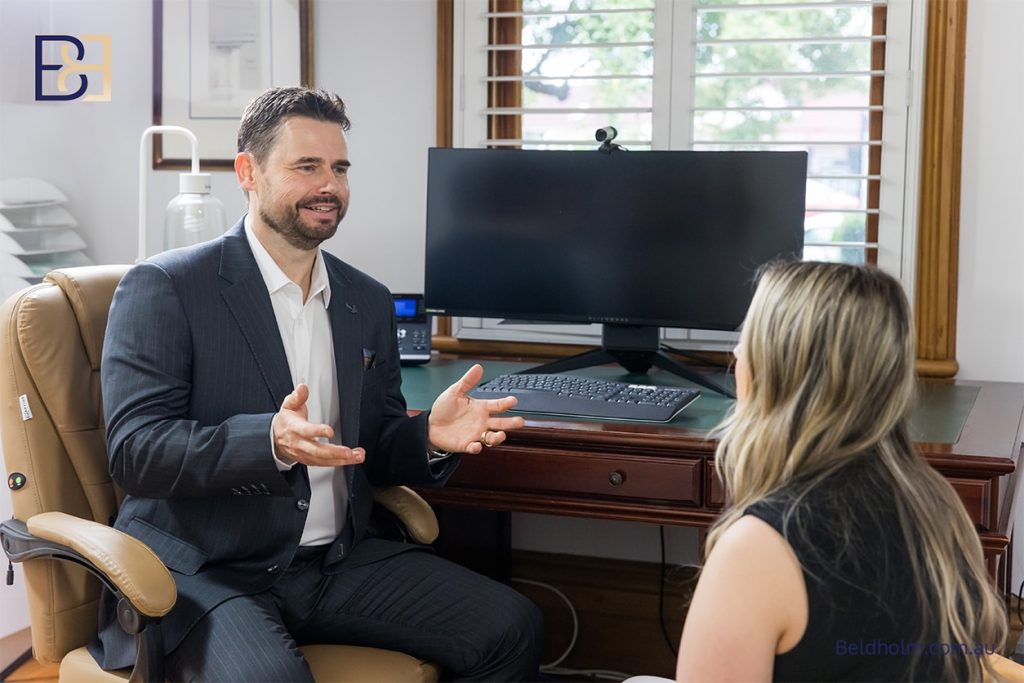
The first consultation is usually scheduled for approximately one hour. During this appointment, the following areas are discussed:
- Medical history and previous surgery
- Weight loss history, including bariatric procedures if applicable
- Current health and medications
- Examination of the abdomen and lower torso
- Discussion of possible surgical options
Standardised clinical photographs are taken as part of surgical planning. These images assist with operative planning and documentation.
Discussion of Surgical Options
Based on the examination findings, Dr Beldholm explains the procedures that may be appropriate for the pattern of excess skin and abdominal wall findings. This may include procedures such as:
- Standard abdominoplasty
- Extended abdominoplasty
- Fleur‑de‑Lis abdominoplasty
- Dual vector abdominoplasty
- Circumferential hybrid abdominoplasty
- Belt lipectomy
If additional procedures such as hernia repair, abdominal wall repair, or liposuction may be beneficial, these are also discussed during consultation.
Second Consultation
Patients are encouraged to have a second consultation, which can be performed in person or via telehealth. This appointment allows further discussion of the surgical plan and provides an opportunity to review questions before proceeding.
Suitability for surgery can only be determined after full consultation and examination.
Abdominoplasty After Weight Loss – How the Operation Is Performed
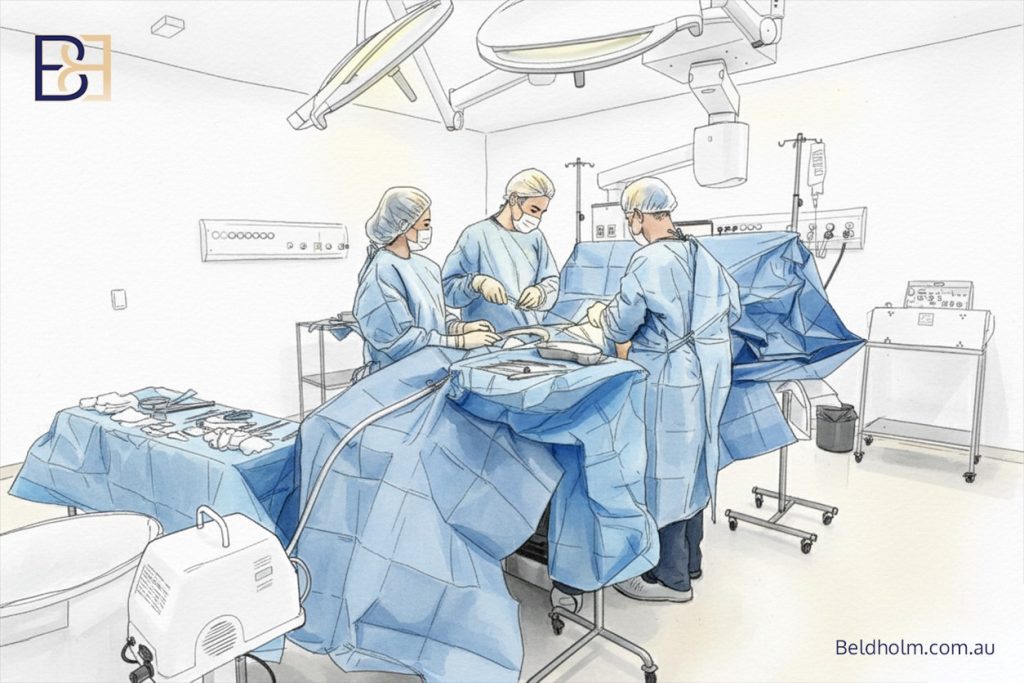
Abdominoplasty after significant weight loss focuses on removing excess abdominal skin and addressing changes in the abdominal wall. The exact operation depends on the pattern of skin excess identified during consultation.
Standard Abdominoplasty
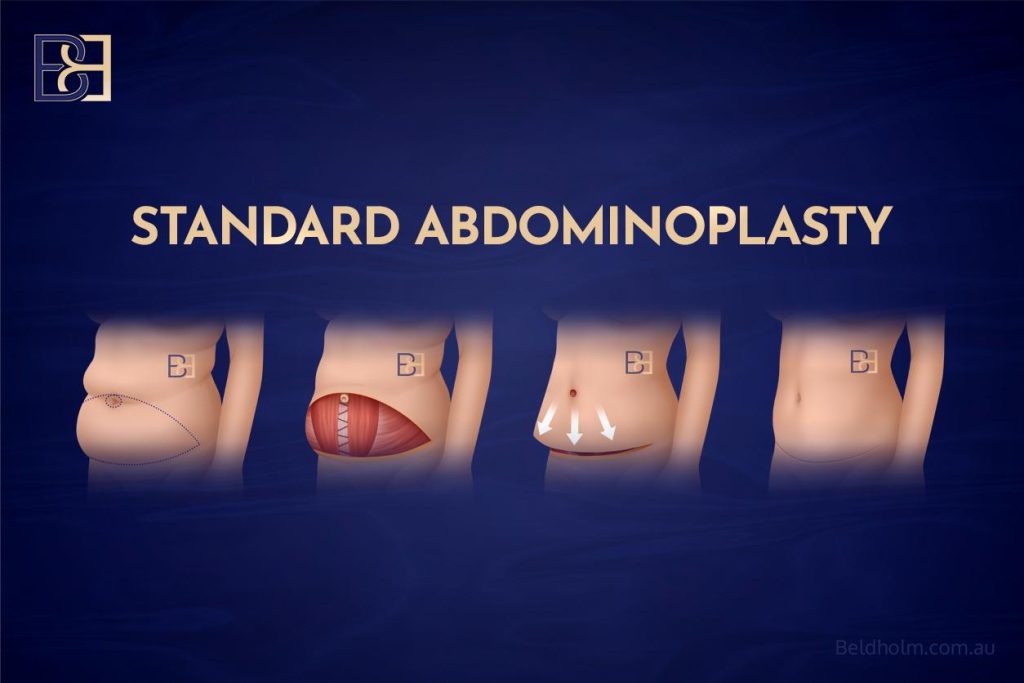
When excess skin is mainly vertical and located in the lower abdomen, a standard abdominoplasty may be considered.
This procedure generally involves:
- An incision placed along the lower abdomen
- An incision around the umbilicus (belly button)
- Removal of excess lower abdominal skin
- Repair of the abdominal wall if diastasis recti is present
- Repositioning of the umbilicus
This approach is most suitable when the loose skin is primarily confined to the lower abdomen.
Extended Abdominoplasty
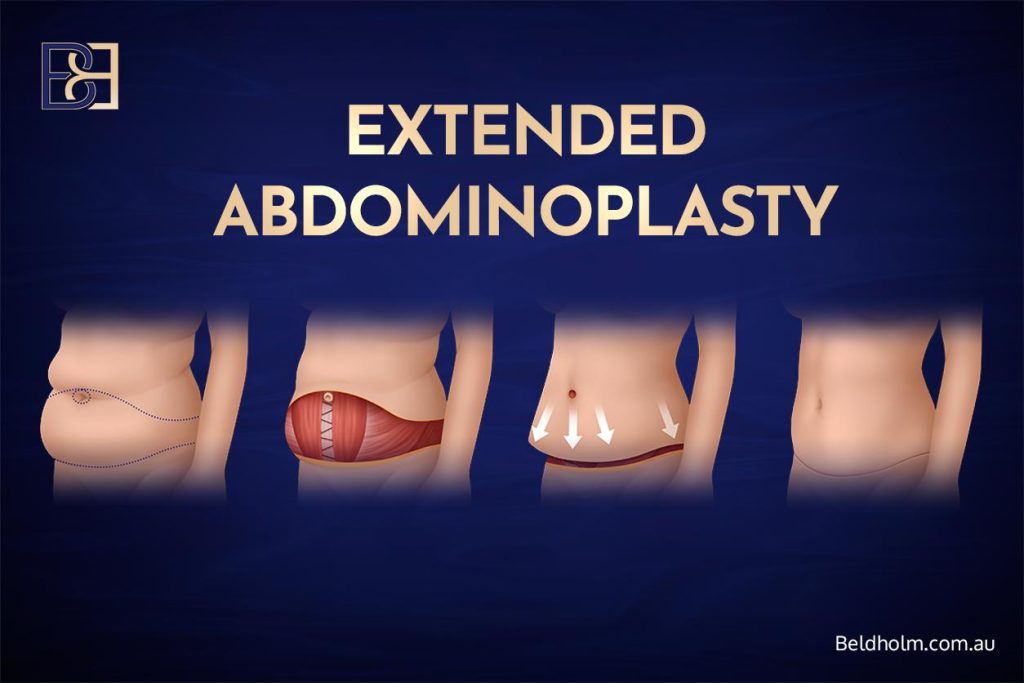
After major weight loss, excess skin often extends beyond the front of the abdomen toward the flanks and hips. In these situations an extended abdominoplasty is commonly required.
The operation is similar to a standard abdominoplasty but the incision continues further toward the sides of the body, allowing removal of additional skin along the hips and flank region.
This extended approach allows better treatment of the skin laxity that commonly occurs after significant weight loss.
Additional Procedures
During surgery, additional procedures may be performed when appropriate, including:
- Repair of abdominal wall separation (diastasis recti)
- Hernia repair if a hernia is present
- Liposuction (suction‑assisted lipectomy) to address residual adipose tissue in selected areas
The exact surgical plan varies between patients and is determined during consultation after a full examination.
Hospital Stay and Early Recovery
Abdominoplasty after weight loss is performed in hospital under general anaesthesia.
Hospital Stay
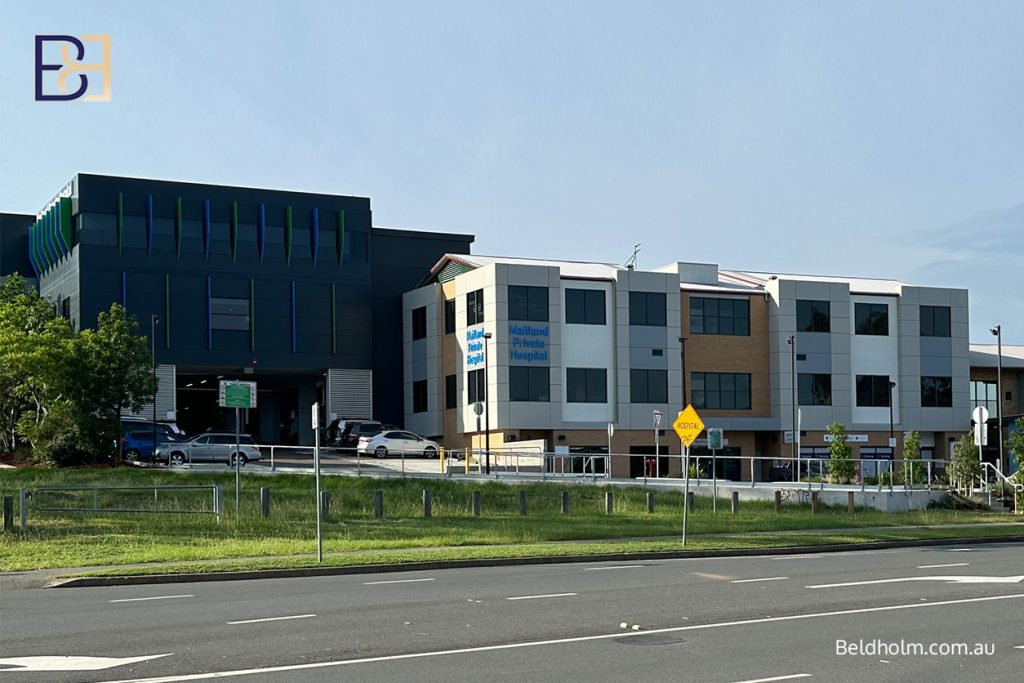
Surgery is typically performed at Maitland Private Hospital. Most patients remain in hospital for approximately 1–3 days following the procedure. During this time:
- Nursing staff monitor recovery and mobility
- Dr Beldholm performs regular ward rounds
- Pain control, wound care, and early mobilisation are managed
The hospital stay allows close observation during the early recovery period.
Book Online NowEarly Recovery After Discharge
After leaving hospital, patients are reviewed regularly in the clinic during the first two weeks.
Post‑operative care commonly includes:
- PICO negative pressure dressings during the early healing phase
- Dressing change at approximately 7 days
- LED light therapy during clinic visits
- Regular nurse and doctor reviews
These early follow‑up appointments allow monitoring of healing and adjustment of dressings when required.
Book Online Now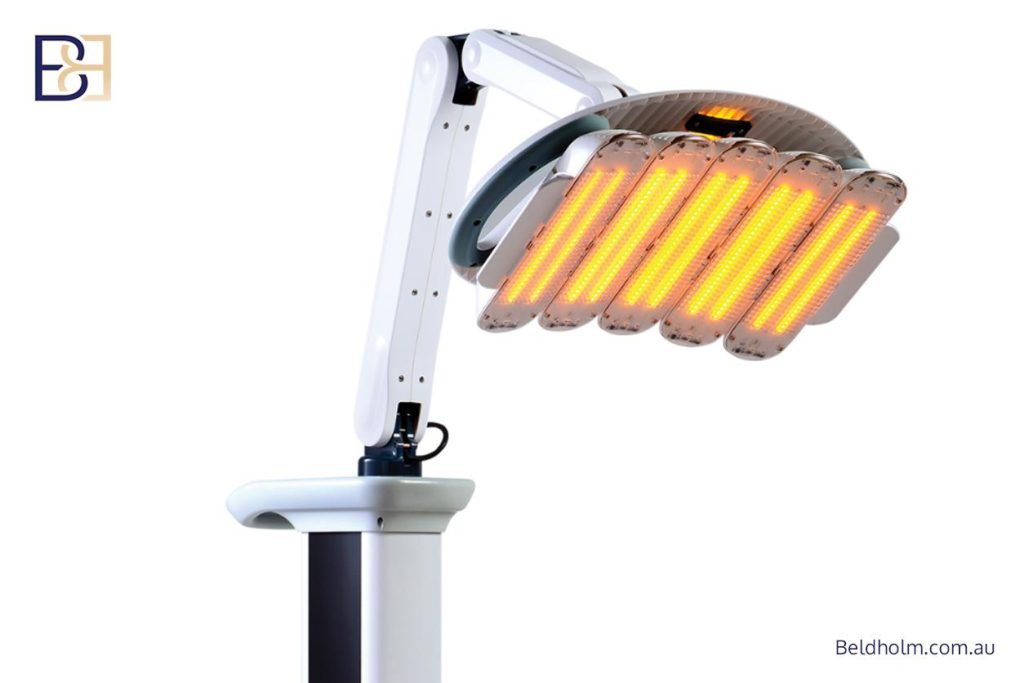

Patients Travelling From Sydney and Other Areas
Dr Beldholm frequently treats patients who travel to the practice from a range of locations, including Sydney, regional New South Wales, and other parts of Australia.
Initial discussions and some follow‑up appointments may be conducted via telehealth for patients who live further away. Patients travelling for surgery are usually advised to remain in the local area for about 7–10 days after the operation so early follow‑up appointments can be completed before returning home.
After patients return home, ongoing care can be coordinated with their local GP when appropriate, with additional telehealth reviews arranged if required.
Recovery varies between patients. Detailed recovery instructions are provided during consultation.
Book Online NowRisks and Important Considerations
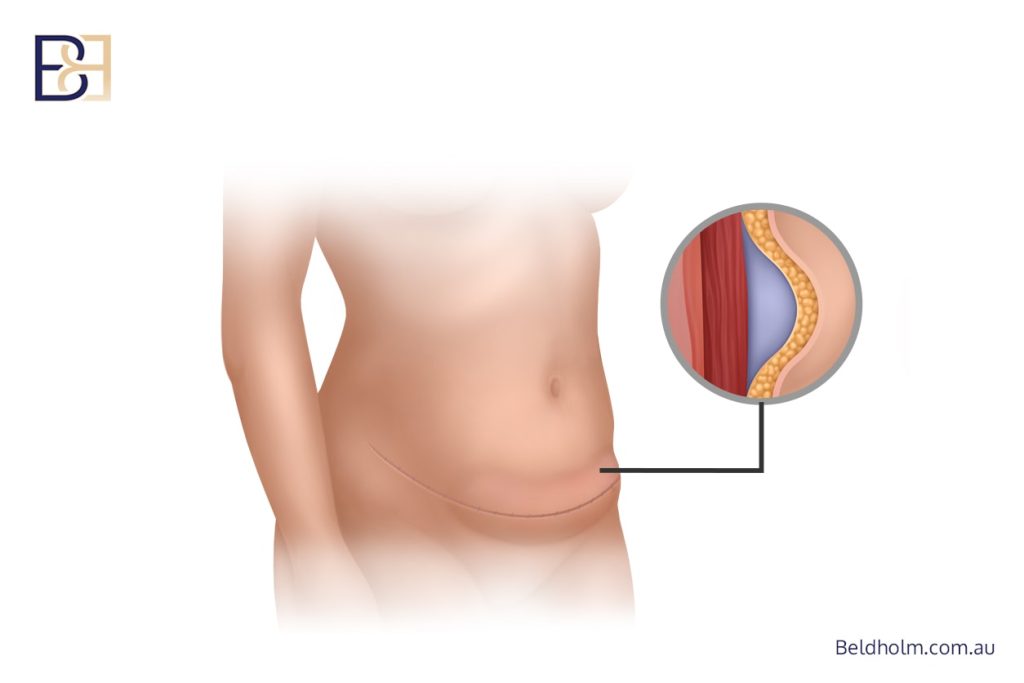
All surgical procedures carry risks. Abdominoplasty after weight loss involves removal of excess skin and may include abdominal wall repair or additional procedures depending on the surgical plan.
Potential risks discussed during consultation may include:
- Bleeding or haematoma
- Infection
- Delayed wound healing
- Seroma (fluid collection)
- Scarring
- Changes in skin sensation
- Asymmetry or contour irregularities
- Risks related to anaesthesia
The likelihood of these risks varies between patients and depends on individual health, previous surgery, and the extent of the procedure.
Recovery after abdominoplasty requires time, appropriate wound care, and gradual return to normal activities. Detailed instructions regarding recovery, activity restrictions, and follow‑up appointments are provided during consultation.
Suitability for surgery can only be determined after consultation, examination, and discussion of potential risks and benefits.
Book a Consultation with Dr Beldholm

Determining the most appropriate treatment after significant weight loss requires a detailed consultation and physical examination.
Dr Bernard Beldholm is a Specialist Surgeon who has performed body contouring procedures for patients after weight loss for more than 15 years. During your consultation, the abdomen and lower torso are assessed to determine whether abdominoplasty or another body contouring procedure may be appropriate.
What Happens During Consultation
The consultation typically includes:
- Review of medical history and previous surgery
- Assessment of abdominal skin excess and body contour
- Evaluation of the abdominal wall (including diastasis recti or hernias)
- Discussion of possible surgical options
- Explanation of recovery and potential risks
Standardised clinical photographs are usually taken to assist with surgical planning.
Second Consultation
A second consultation is encouraged and can be arranged in person or via telehealth. This allows further discussion of the surgical plan and provides an opportunity to review questions before proceeding.
Book an Appointment

Consultations are conducted at Dr Beldholm’s clinic in Lorn, near Maitland Private Hospital.
Appointments can be requested through the online booking system or by contacting the clinic directly.
Suitability for surgery can only be determined after consultation and examination.